
Aymara Identity in the Modern World: Navigating Tradition and Change

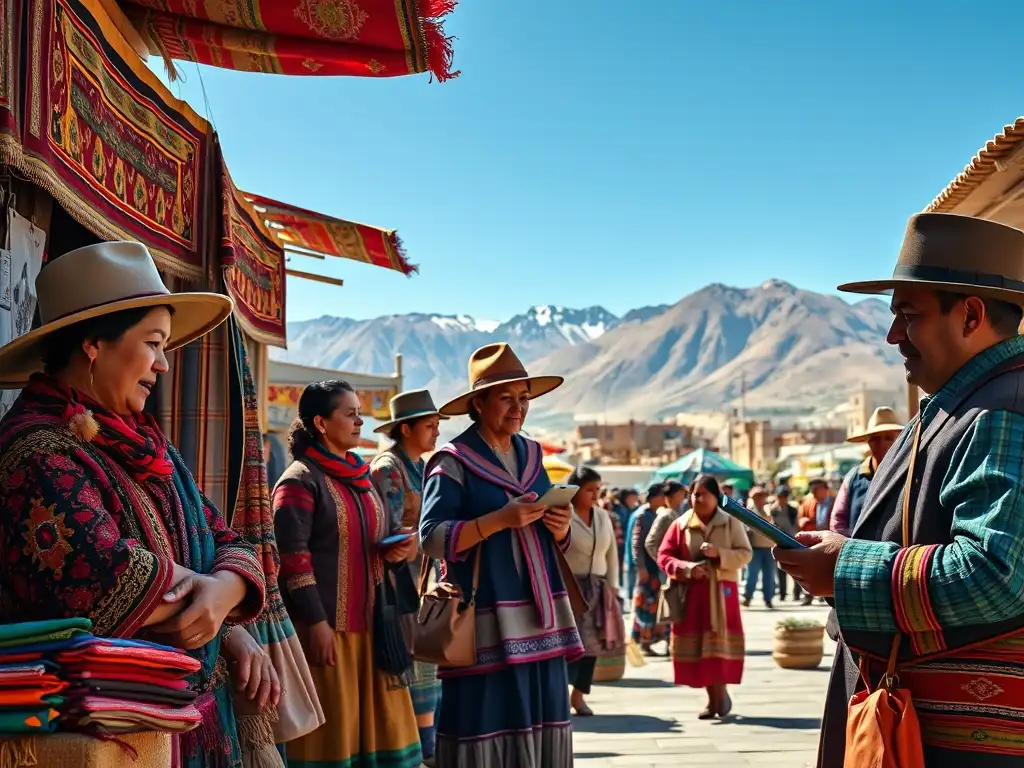
Step into a world lost in time, yet vibrantly alive. Journey with us through the breathtaking landscapes and captivating legacies of the Andean civilizations. From the intricate artistry of the Nazca lines to the sophisticated engineering of the Incas, we unravel the mysteries of a remarkable past. But the story doesn't end there. Discover how the enduring spirit of the Aymara culture faces modern challenges, a testament to resilience and adaptation in a changing world. Prepare to be amazed as we explore the fascinating complexities of Aymara identity and its enduring legacy.
The Aymara people, inhabiting the Altiplano region of the Andes Mountains spanning Bolivia, Peru, and Chile, possess a rich and enduring cultural heritage. For centuries, their unique traditions, language, and social structures have thrived in the challenging high-altitude environment.
However, the modern world presents unprecedented challenges to Aymara identity, forcing a complex negotiation between preserving ancestral ways of life and adapting to globalization, technological advancements, and evolving socio-political landscapes. This article explores the multifaceted aspects of Aymara identity in the contemporary era, examining the pressures faced by the community and the innovative strategies employed to maintain their cultural integrity in the face of significant change.
We will delve into the specific challenges faced by the Aymara, their resilience, and their ongoing efforts to safeguard their cultural heritage for future generations. The preservation of Aymara culture is not merely a matter of historical interest; it represents the safeguarding of a unique worldview and a vital contribution to global cultural diversity.
The Enduring Strength of Aymara Language and Oral Traditions
The Aymara language, a cornerstone of their cultural identity, faces significant challenges in the modern world. Dominant languages like Spanish and Quechua exert considerable pressure, particularly in education and media. While efforts are underway to promote Aymara language revitalization through bilingual education programs and community initiatives, the struggle to ensure its continued use remains a pressing concern.
Moreover, the transmission of oral traditions – stories, songs, and historical accounts passed down through generations – is also impacted by the prevalence of digital media and changing communication patterns. The younger generation's increasing exposure to globalized media presents a risk of diluting the richness of Aymara oral history. Despite these challenges, community-based initiatives focusing on storytelling and the creation of Aymara language media are demonstrating the enduring strength of their oral traditions and language preservation efforts.
Many Aymara communities are actively working to document their oral histories and make them accessible to wider audiences. This documentation is crucial for the long-term preservation of their cultural heritage.
Economic Challenges and Migration: Impacts on Aymara Communities
Economic disparities and limited access to resources contribute significantly to the challenges faced by Aymara communities. Many Aymara individuals are compelled to migrate to urban centers in search of better economic opportunities, leading to a disruption of traditional social structures and a weakening of community ties. This migration often results in a loss of connection to their ancestral lands and cultural practices.
The resulting cultural assimilation poses a significant threat to the preservation of Aymara traditions and identity. Furthermore, the extraction of natural resources within Aymara territories often occurs without adequate consultation or compensation, leading to further economic and environmental disruption. Data on the rates of migration and their economic impact on Aymara communities are [specific information pending], highlighting the urgent need for further research in this area.
Aymara Culture and Modern Technology: A Complex Relationship
The integration of modern technology presents both opportunities and challenges for Aymara culture. While technologies like the internet and mobile phones can facilitate communication and access to information, they also pose the risk of cultural homogenization and the erosion of traditional practices. The increasing influence of global media can lead to the adoption of foreign cultural values and lifestyles, potentially undermining Aymara cultural identity.
However, Aymara communities are also using technology to their advantage; for instance, using social media to promote their language, art, and traditions, and documenting their cultural heritage digitally. This demonstrates a capacity for adaptation and the strategic use of technology to counter the negative impacts of globalization. This nuanced relationship between Aymara culture and modern technology requires further investigation to understand its full implications.
Preserving Aymara Identity: Strategies for Resilience and Adaptation
The Aymara people demonstrate remarkable resilience in the face of these challenges. Community-based organizations, educational initiatives, and artistic expressions are playing a vital role in preserving and promoting Aymara identity. These initiatives focus on revitalizing the Aymara language, promoting traditional arts and crafts, and celebrating cultural events. Furthermore, advocating for indigenous rights and land rights is crucial for ensuring the long-term survival of Aymara culture.
The effectiveness of these strategies requires ongoing evaluation and adaptation to the ever-changing context. Understanding the success factors of these initiatives is crucial for supporting similar efforts in other indigenous communities facing similar challenges. The future of Aymara identity hinges on the continued commitment to cultural preservation and the ability to adapt while retaining their unique cultural heritage. The resilience and adaptability of the Aymara people offer valuable lessons for understanding the complexities of cultural survival in a rapidly changing world.
- The Enduring Strength of Aymara Language and Oral Traditions
- Economic Challenges and Migration: Impacts on Aymara Communities
- Aymara Culture and Modern Technology: A Complex Relationship
- Preserving Aymara Identity: Strategies for Resilience and Adaptation
Understanding Aymara Heritage and its Historical Roots

This section delves into the deep-rooted history of Aymara culture, exploring its ancient origins and subsequent evolution, providing context for understanding the modern challenges faced by the Aymara people today. Understanding this historical foundation is crucial for appreciating the complexities of Aymara identity in the contemporary world. The Aymara people's resilience and adaptation throughout history are testament to their rich cultural heritage.
The Ancient Origins of Aymara Civilization
The precise origins of Aymara civilization remain a subject of ongoing scholarly debate. However, archaeological evidence suggests a long and continuous presence in the Altiplano region of the Andes, dating back millennia. Early Aymara settlements thrived in this challenging high-altitude environment, developing sophisticated agricultural techniques to cultivate crops like potatoes and quinoa, crucial for their survival.
These early communities also demonstrated remarkable skills in textile production, pottery, and metalworking, as evidenced by unearthed artifacts. The development of sophisticated irrigation systems, for example, showcases the Aymara's ingenuity in adapting to the arid climate. Their mastery of these techniques allowed them to build thriving communities and lay the foundation for future Aymara kingdoms.
This early ingenuity is a significant factor in understanding their resilience in the face of later challenges. Further research is needed to fully understand the complexity of early Aymara social structures and belief systems, but existing evidence points to a highly organized and adaptable society. The impact of this early foundation is still felt in modern Aymara communities.
Aymara Kingdoms of Lupaqa and Colla
Before the Inca expansion, several powerful Aymara kingdoms existed, notably the Lupaqa and Colla. These kingdoms controlled significant territories and exerted considerable influence over the Altiplano. The Lupaqa, primarily located around Lake Titicaca, were known for their skilled navigators and their control of vital water resources.
The Colla, situated further south, were renowned for their military prowess and their extensive trade networks. These kingdoms weren't monolithic entities; they were composed of various smaller communities and lineages, each with its own traditions and customs. Intriguingly, despite their distinct characteristics, both the Lupaqa and Colla shared linguistic and cultural affinities, highlighting a broader Aymara identity that transcended political boundaries.
The rise and fall of these pre-Inca kingdoms offer valuable insights into Aymara political organization and social structures, revealing a complex history that predates Inca rule. Understanding the dynamics between these kingdoms is crucial to comprehending the Aymara experience under later colonial rule. Further research into the internal structures and governance of these kingdoms would provide a more complete picture.
Impact of Spanish Colonialism on Aymara Culture
The arrival of the Spanish conquistadors in the 16th century marked a profound turning point in Aymara history. The Spanish colonial regime implemented policies aimed at suppressing indigenous cultures and imposing a new social and religious order. This included the forced conversion to Catholicism, the destruction of traditional religious practices, and the imposition of the Spanish language. The encomienda system, a form of forced labor, devastated Aymara communities and led to significant population decline.
Despite these immense challenges, Aymara culture persisted, albeit in a transformed state. Many Aymara traditions were adapted and syncretized with elements of Catholicism, allowing them to survive under the oppressive colonial regime. The resilience of the Aymara language itself is a remarkable testament to their cultural survival.
However, the legacy of colonialism continues to impact Aymara communities today, contributing to the modern challenges they face in preserving their cultural heritage and achieving social and economic justice. Analyzing the specific mechanisms of cultural suppression and resistance during this period is vital for understanding the complexities of Aymara identity in the modern world. The long-term effects of colonial policies on Aymara land ownership and access to resources are also crucial aspects to consider.
The Resilience of Aymara Culture in the 21st Century

The Aymara people, inhabiting the high Andes of Bolivia, Peru, and Chile, face significant challenges in maintaining their unique cultural identity in the modern world. Globalization, migration, and economic pressures constantly test the resilience of their traditions. However, Aymara culture demonstrates remarkable adaptability and a persistent commitment to its heritage.
This section explores key aspects of this ongoing struggle and the innovative strategies employed to preserve Aymara identity in the face of 21st-century realities. Understanding the modern challenges faced by Aymara culture requires a nuanced look at the interplay between tradition and change, highlighting both the threats and the remarkable efforts to overcome them. This section focuses on three key areas: the preservation of traditional textile weaving, language revitalization programs, and the increasing role of Aymara women in community leadership.
Maintaining Traditional Aymara Textile Weaving Practices
Aymara textile weaving is more than just a craft; it's a powerful symbol of cultural identity, history, and social structure. The vibrant colors, intricate designs, and the techniques passed down through generations reflect a deep connection to the Andean landscape and cosmology. However, the encroachment of mass-produced textiles and the lure of higher-paying jobs in urban areas threaten this vital tradition. To counteract this, several initiatives are underway. These include:
- Community-based workshops: These workshops offer training to younger generations, ensuring the continuation of traditional techniques and designs. They often incorporate modern business strategies to help artisans market their products effectively, allowing them to earn a sustainable livelihood while preserving their heritage.
- Support for cooperatives: Cooperatives empower Aymara weavers by providing them with collective bargaining power, access to resources, and marketing support. This collaborative approach strengthens their economic position and allows them to compete more effectively in the market.
- Museums and exhibitions: Showcasing Aymara textiles in museums and exhibitions increases awareness and appreciation of their artistic and cultural significance, both nationally and internationally. This not only generates income for the artisans but also helps to preserve the cultural value of their work.
The success of these initiatives hinges on balancing the preservation of traditional techniques with the need for economic viability. Data on the number of active weavers and the sales figures of Aymara textiles would provide a more complete picture of the effectiveness of these preservation efforts. [Specific data on Aymara textile sales and weaver numbers pending].
Aymara Language Revitalization Programs
The Aymara language, a cornerstone of Aymara identity, faces a serious threat from the dominance of Spanish. While many Aymara speakers are bilingual, the younger generation's fluency in Aymara is declining. This poses a significant challenge to the transmission of cultural knowledge, traditions, and oral history. To combat this, various language revitalization programs are underway, including:
- Immersion programs in schools: These programs aim to increase Aymara language use in schools, fostering a sense of pride and encouraging children to speak the language. The effectiveness of these programs varies greatly depending on the level of community support and teacher training.
- Development of Aymara language resources: Creating educational materials, dictionaries, and online resources in Aymara is crucial for increasing language accessibility and promoting its use in different contexts.
- Community-based language learning initiatives: These initiatives utilize community participation to promote Aymara language learning among adults and children, leveraging the strength of intergenerational knowledge transfer.
The success of these programs depends heavily on community engagement and government support. Quantifiable data on Aymara language fluency among different age groups would provide valuable insights into the effectiveness of these revitalization efforts. [Specific data on Aymara language fluency rates pending]. The ongoing struggle to maintain the Aymara language is a critical aspect of preserving Aymara culture in the modern world.
The Role of Aymara Women in Community Leadership
Traditionally, Aymara society has exhibited a strong patriarchal structure. However, in recent decades, Aymara women have played an increasingly prominent role in community leadership and decision-making. This shift is driven by various factors, including:
- Increased access to education: Greater access to education has empowered Aymara women, equipping them with the skills and knowledge to participate more actively in community affairs.
- Growing awareness of women's rights: The rise of feminist movements and increased awareness of women's rights have challenged traditional gender roles and encouraged greater female participation in leadership positions.
- The strength and resilience of Aymara women: Aymara women have always been crucial to the economic and social fabric of their communities. Their increasing visibility in leadership roles reflects their inherent strength and resilience.
This evolving role of Aymara women is a significant aspect of the ongoing transformation of Aymara society. Further research is needed to fully understand the extent of this change and its impact on Aymara communities. [Data on female representation in Aymara leadership positions pending]. The empowerment of Aymara women is a testament to their strength and a crucial factor in the resilience of Aymara culture in the face of modern challenges. Their contributions are vital for navigating the complex path between tradition and change.
Aymara Culture Modern Challenges: Facing Globalization
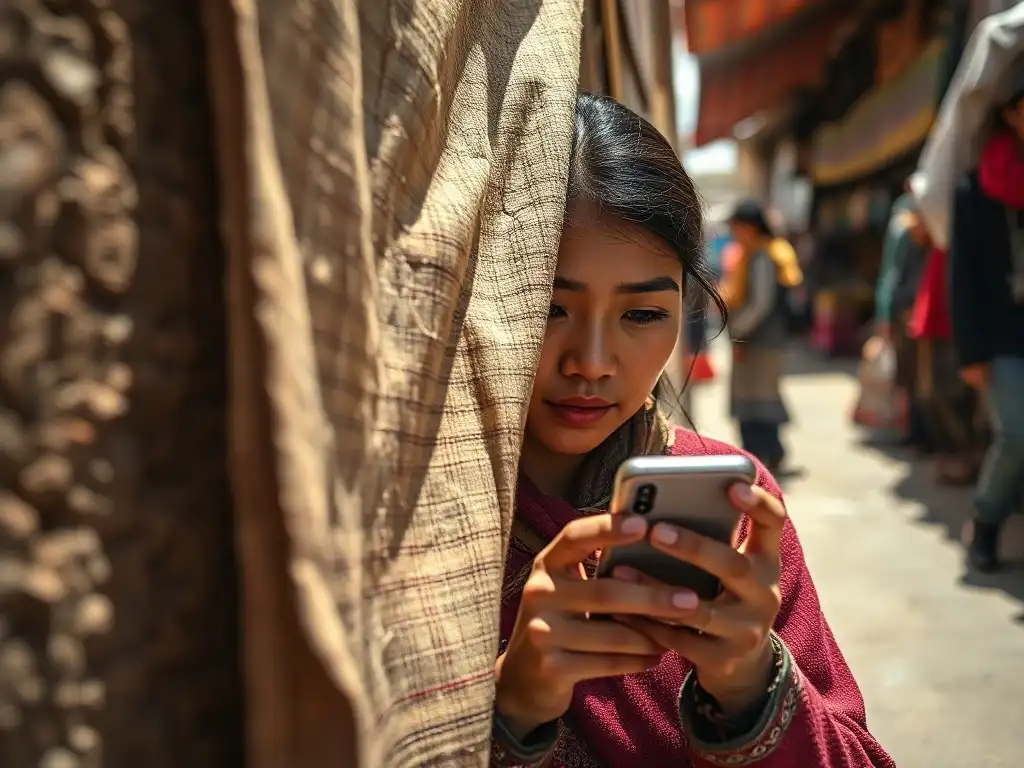
The Aymara people, inhabiting the Altiplano region of the Andes Mountains, are facing a complex interplay of challenges as they navigate the 21st century. Globalization's impact on their unique culture is profound, affecting their economic structures, social values, and even their very identity. Understanding these "Aymara culture modern challenges" is crucial to appreciating the resilience and adaptation of this ancient civilization. The following sections explore key areas where globalization has significantly impacted Aymara life.
Economic Migration and Its Impact on Aymara Communities
Economic hardship is a significant driver of migration within Aymara communities. Decades of limited economic opportunities in rural areas, coupled with the allure of higher wages in urban centers, have led to a considerable outflow of Aymara individuals seeking better livelihoods. This migration, often to larger Bolivian cities like La Paz or El Alto, or even to neighboring countries, presents a double-edged sword.
While remittances sent home by migrants can significantly boost family incomes and improve living standards in rural communities, the constant movement of people also weakens traditional social structures. The loss of young, skilled workers disrupts agricultural practices and community leadership, potentially leading to a decline in traditional knowledge and skills. Furthermore, the prolonged absence of family members can strain familial bonds and contribute to a sense of cultural displacement among those left behind.
The impact on the remaining population is significant. Studies indicate [specific information pending] on the percentage of Aymara communities experiencing a decline in population due to out-migration. This demographic shift necessitates a deeper understanding of how to support both those who migrate and those who remain, ensuring the preservation of Aymara cultural heritage. The challenge lies in finding sustainable economic development strategies that can create opportunities within Aymara communities, reducing the pressure to migrate while preserving their unique way of life.
Influence of Western Media on Traditional Values
The pervasive influence of Western media, particularly television and the internet, presents another significant challenge to Aymara culture. Exposure to globalized media often leads to a clash between traditional values and contemporary lifestyles. While access to information and new perspectives can be beneficial, the constant bombardment of Western ideals can lead to the erosion of traditional practices, beliefs, and social norms.
For instance, the portrayal of gender roles in Western media often conflicts with the more egalitarian dynamics observed in many Aymara communities. Similarly, the emphasis on consumerism and individualism in Western media clashes with the strong emphasis on community and collectivism inherent in Aymara society. This cultural dissonance can create internal conflicts within Aymara families and communities, potentially leading to a loss of cultural identity among younger generations.
The challenge lies in finding ways to integrate global information responsibly. Educating Aymara communities about media literacy and promoting the creation of culturally relevant media content are crucial steps in navigating this challenge. This includes supporting the development of Aymara-language media and promoting the positive representation of Aymara culture in mainstream media. Preserving the unique aspects of Aymara identity in the face of this pervasive influence requires a proactive and culturally sensitive approach.
Urbanization and the Growth of Aymara Populations in Cities
The rapid urbanization of Bolivia has resulted in a significant growth of Aymara populations in major cities. While this offers new economic opportunities, it also presents challenges related to maintaining cultural identity and preserving traditional practices within a vastly different urban environment.
In urban settings, Aymara individuals often face challenges integrating into the dominant culture while simultaneously maintaining their own cultural identity. This can lead to feelings of alienation, marginalization, and a sense of cultural loss. The pressure to assimilate can result in a diminished use of the Aymara language, a decline in traditional clothing styles, and a loss of connection to ancestral practices.
However, urbanization also presents opportunities. The concentration of Aymara people in urban areas has fostered the creation of new spaces for cultural expression and preservation. The growth of Aymara organizations, community centers, and cultural events in cities provides platforms for maintaining and celebrating Aymara identity.
This urban Aymara experience is a dynamic process, showcasing both the challenges and opportunities of cultural adaptation in a rapidly changing world. Understanding this dynamic is crucial to supporting Aymara communities as they navigate the complexities of urban life while striving to preserve their rich cultural heritage. Further research is needed to fully understand the long-term effects of urbanization on Aymara identity and culture.

The Aymara people, renowned for their resilience and rich cultural heritage, face a complex tapestry of challenges in the modern world. Understanding how they navigate these challenges requires acknowledging the intricate interplay between tradition and adaptation. This section explores several key areas where Aymara identity is being redefined and strengthened in response to contemporary pressures. The keyword phrase "Aymara culture modern challenges" encapsulates the core theme, highlighting the dynamic relationship between a vibrant cultural legacy and the forces of globalization and modernization.
Aymara Music and Dance: Expressions of Contemporary Identity
Aymara music and dance, far from being static traditions, are vibrant and evolving art forms. They serve as powerful vehicles for expressing contemporary identity and navigating the complexities of modern life. Traditional instruments like the siku (panpipes) and tarka (flute) are often incorporated into contemporary musical styles, blending ancient melodies with modern rhythms and instrumentation.
This fusion reflects the Aymara experience of maintaining their cultural roots while engaging with global influences. For example, some Aymara musicians are incorporating elements of rock, pop, and even electronic music into their compositions, creating a unique and compelling sound that appeals to both younger and older generations. This innovative approach allows Aymara culture to remain relevant and engaging in a rapidly changing world.
The lyrics, too, often address contemporary issues – land rights, social justice, and environmental concerns – demonstrating the adaptability of traditional art forms to express modern realities. This fusion isn't simply a superficial blend; it's a conscious effort to retain cultural identity while embracing new forms of expression. The result is a dynamic and evolving musical landscape that reflects the richness and complexity of contemporary Aymara life.
The Use of Mobile Technology for Aymara Language Education
The preservation of the Aymara language is a crucial aspect of maintaining cultural identity. Facing the dominance of Spanish and other languages, Aymara communities are actively employing mobile technology to promote language learning and revitalization. The accessibility of smartphones and the internet provides unique opportunities for language education.
Mobile apps, specifically designed for Aymara language learning, are becoming increasingly prevalent. These apps often incorporate interactive exercises, audio recordings of native speakers, and gamified learning experiences to make language acquisition more engaging, particularly for younger generations. Furthermore, online platforms and social media groups are used to connect Aymara speakers across geographical boundaries, fostering a sense of community and providing opportunities for language practice.
This digital approach complements traditional methods of oral transmission, ensuring the continued vitality of the Aymara language in the face of modern challenges. While challenges remain in terms of digital literacy and access to technology in all communities, the use of mobile technology represents a significant step in language preservation efforts. The success of these initiatives depends heavily on ongoing support and the development of more sophisticated and culturally relevant educational resources.
Aymara Activism and Land Rights Advocacy
A significant challenge faced by the Aymara people is the preservation of their ancestral lands and resources. Aymara activism, both traditional and modern, plays a crucial role in advocating for land rights and self-determination. This activism manifests in various forms, including community-based protests, legal challenges, and collaborations with national and international organizations.
The struggle for land rights is inextricably linked to the preservation of Aymara culture and identity, as land holds deep spiritual and economic significance for the community. The use of social media and other digital platforms has become increasingly important in raising awareness about land issues and mobilizing support for Aymara causes. This modern approach allows Aymara activists to reach broader audiences and build coalitions with other indigenous groups and social justice movements.
However, these efforts often face significant obstacles, including legal complexities, political opposition, and the economic pressures of globalization. Despite these challenges, Aymara activists continue to demonstrate remarkable resilience and determination in their fight for land rights and self-determination, proving a critical aspect of navigating the modern challenges facing Aymara culture. The ongoing struggle highlights the importance of cultural preservation within the broader context of social and environmental justice.
The Future of Aymara Identity: Preserving Heritage for Generations
The preservation of Aymara identity in the face of globalization and modernization presents significant challenges, yet also exciting opportunities. The Aymara people, with their rich history and unique cultural heritage, are actively engaged in strategies to ensure their traditions and language continue to thrive in the 21st century. This requires a multifaceted approach, addressing issues of language preservation, economic sustainability, and the integration of traditional values with contemporary realities.
The ongoing struggle to maintain cultural distinctiveness while adapting to a rapidly changing world is a testament to the resilience and adaptability of the Aymara people. Their success in navigating these complexities will be crucial in shaping the future of their vibrant culture. Understanding the modern challenges faced by the Aymara, and the innovative solutions they are implementing, provides valuable insights into the complexities of cultural preservation in a globalized world.
Bilingual Education and the Promotion of Aymara Literacy
A crucial element in preserving Aymara identity is the promotion of Aymara literacy and bilingual education. Many Aymara communities are actively working to integrate Aymara language instruction into their schools, alongside Spanish. This approach recognizes the importance of maintaining linguistic diversity while equipping younger generations with the skills necessary to succeed in a globalized world. However, challenges remain.
A shortage of qualified Aymara teachers, limited access to educational resources in the Aymara language, and the societal pressure to prioritize Spanish proficiency often hinder progress. [Specific data on Aymara literacy rates pending]. Innovative programs are emerging, employing technology and community-based learning initiatives to bridge these gaps.
These programs often focus on creating engaging and culturally relevant learning materials, utilizing storytelling, traditional songs, and interactive digital platforms to make learning Aymara fun and accessible. The success of these initiatives will be key to ensuring future generations are fluent in their ancestral tongue and deeply connected to their cultural heritage. Furthermore, bilingual education empowers Aymara individuals to participate fully in all aspects of society, fostering a sense of pride and ownership in their cultural identity.
Ecotourism and the Sustainable Development of Aymara Communities
Ecotourism presents a promising avenue for the sustainable development of Aymara communities and the preservation of their cultural heritage. By showcasing Aymara traditions, craftsmanship, and natural landscapes, ecotourism can generate income for local communities while simultaneously raising awareness of Aymara culture. This approach emphasizes responsible travel practices, minimizing environmental impact and maximizing benefits for the local population.
However, careful planning and management are crucial to ensure that ecotourism benefits Aymara communities equitably and does not lead to cultural commodification or environmental degradation. [Data on successful ecotourism initiatives in Aymara communities pending]. Successful ecotourism models often involve community-based tourism enterprises, where Aymara individuals manage and own tourism businesses, ensuring that profits directly support their communities.
This approach fosters economic independence and strengthens community control over their cultural resources. Moreover, ecotourism can create opportunities for cultural exchange, allowing visitors to learn about Aymara traditions firsthand and fostering a greater appreciation for their unique cultural heritage. The responsible development of ecotourism can serve as a powerful tool for cultural preservation and economic empowerment.
The "Sumak Kawsay" Philosophy and its Application in Aymara Life
The Andean concept of Sumak Kawsay, often translated as "good living" or "living well," provides a valuable framework for understanding Aymara perspectives on sustainable development and cultural preservation. Sumak Kawsay emphasizes the interconnectedness of humans, nature, and the spiritual realm, promoting a harmonious relationship with the environment and a sense of community well-being. This philosophy is deeply embedded in Aymara traditions and guides their approach to resource management, social organization, and spiritual practices.
In the modern context, Sumak Kawsay is increasingly being invoked as a guiding principle for sustainable development initiatives, advocating for a balance between economic growth, environmental protection, and social equity. [Examples of Sumak Kawsay principles in modern Aymara community projects pending]. The application of Sumak Kawsay principles offers a powerful counterpoint to Western development models, emphasizing community participation, respect for traditional knowledge, and the prioritization of collective well-being over individual gain.
By integrating Sumak Kawsay into development strategies, Aymara communities can chart a course towards a future that respects their cultural heritage while addressing the challenges of modernization. This approach offers a valuable model for other indigenous communities seeking to balance tradition and progress. The enduring relevance of Sumak Kawsay highlights the importance of considering indigenous perspectives in shaping sustainable and equitable futures.
Frequently Asked Questions
What are some modern challenges facing Aymara culture?
Aymara culture faces challenges such as land rights issues, economic disparities, and the preservation of their language and traditions in the face of globalization. These pressures threaten their unique cultural identity.
How is the Aymara language impacted by globalization?
The dominance of Spanish and other languages presents a significant threat to the survival of the Aymara language. Efforts to revitalize and promote the language are crucial for maintaining cultural identity.
What role does technology play in the preservation of Aymara culture?
Technology, such as the internet and social media, offers new avenues for the dissemination and preservation of Aymara culture and language. However, careful consideration is needed to ensure that technology doesn't lead to further cultural homogenization.
How are Aymara communities addressing economic disparities?
Aymara communities are actively seeking ways to improve their economic opportunities, often through community-based initiatives, tourism, and the promotion of their traditional crafts and products.
How is Aymara identity expressed in the modern world?
Aymara identity is expressed through various means, including traditional clothing, music, dance, and religious practices. These traditions are often adapted and reinterpreted to navigate the complexities of the modern world.
Final Reflection: Weaving the Aymara Tapestry in a Changing World
The enduring strength of Aymara identity in the face of globalization is a testament to the resilience of cultural heritage. This article has explored the complex interplay between tradition and modernity within Aymara communities, highlighting both the challenges and the remarkable adaptations that have allowed this vibrant culture to not only survive but thrive in the 21st century. The ongoing struggle for recognition, land rights, and economic empowerment underscores the urgent need for continued dialogue and understanding.
The Aymara experience is a powerful reminder that cultural preservation is not about static preservation, but rather a dynamic process of adaptation and renewal. Culture is not inherited, it is conquered, and conquered again and again.
This quote, though not directly about the Aymara, speaks to the constant negotiation and redefinition of identity that characterizes their journey in the modern world. Their ability to integrate elements of modernity while safeguarding their ancestral knowledge and practices is a source of both inspiration and profound respect. The challenges they face – from environmental degradation to economic inequality – are not unique, but their responses offer valuable lessons for other indigenous communities navigating similar paths.
Consider the threads of this narrative – the strength of community, the enduring power of language, the resilience in the face of adversity. These are not just elements of Aymara culture; they are universal human qualities. Let the story of the Aymara people inspire you to reflect on your own cultural heritage, to appreciate the richness of diversity, and to actively support the preservation of indigenous cultures worldwide. The future of the Aymara, and indeed the future of our shared humanity, depends on our collective commitment to understanding, respecting, and celebrating the vibrant tapestry of human experience.
Embrace Your Aymara Heritage Today!
Thank you for exploring the rich tapestry of Aymara culture with us! Understanding the interplay between tradition and modernity is a significant step towards appreciating this vibrant heritage. Now, let's put that knowledge into action.
Here are some ways you can deepen your connection with Aymara heritage:
- Participate in local cultural events: Seek out Aymara festivals and gatherings in your area. Direct engagement provides invaluable insights and fosters a deeper understanding.
- Share your newfound knowledge: Discuss the fascinating aspects of Aymara culture with friends and family, encouraging them to learn more. You can significantly increase awareness and appreciation within your community.
- Explore online resources: Utilize online archives and museum collections dedicated to Aymara history and stories. You might uncover surprising and inspiring details about this captivating culture.
What aspect of Aymara culture resonates most with you, and how will you share its beauty and significance with others?