
Moche Iconography of Power: Leadership Depicted in Art

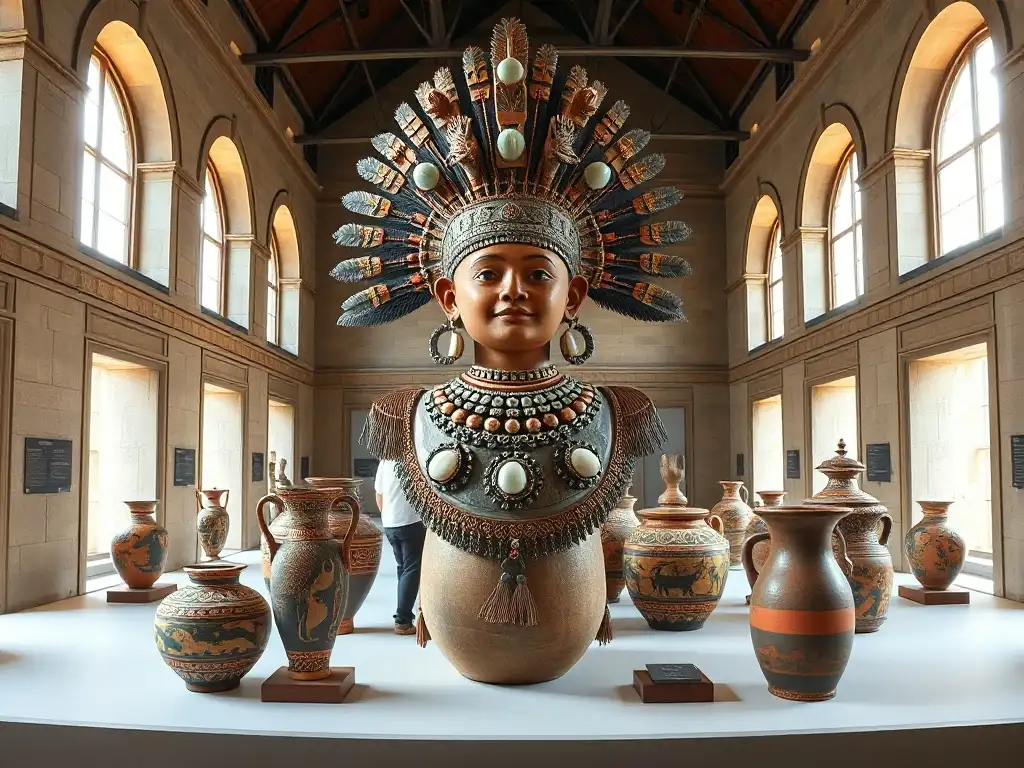
Uncover the secrets whispered by the sands of time! Journey into the heart of the Andes, where mighty civilizations flourished, leaving behind a legacy etched in stone and clay. Prepare to be captivated by the intricate artistry of the ancient Andean cultures, and delve into the fascinating world of Moche pottery leadership symbolism. Their vibrant ceramics reveal a story of power, ritual, and a society far more complex than you ever imagined. Dare to explore the hidden meanings behind these breathtaking artifacts and discover the true significance of Moche iconography.
The Moche civilization (circa 100-800 CE), flourishing along the northern coast of Peru, left behind a remarkable artistic legacy. Their pottery, renowned for its intricate detail and vibrant colors, offers invaluable insights into their social structure, religious beliefs, and, most importantly, their understanding of power. This article delves into the fascinating world of Moche iconography, specifically examining how leadership and authority were depicted in their ceramic art. By analyzing the recurring motifs, symbolic representations, and stylistic choices employed by Moche artisans, we can gain a deeper appreciation for the complexity and sophistication of their political and social organization. Understanding the symbolism embedded in Moche pottery provides a crucial lens through which to interpret their society and the power dynamics that shaped it. We will explore how Moche pottery leadership symbolism reveals a hierarchical society with distinct roles and responsibilities, offering a compelling narrative of leadership in this ancient Andean culture.
Moche depictions of rulers consistently showcase a blend of divine and earthly authority. Pottery often portrays leaders adorned in elaborate headdresses, richly decorated garments, and wielding symbolic objects like scepters or staffs. These regalia were not merely decorative; they served to visually communicate the ruler's elevated status and connection to the supernatural realm.
Consider the frequent portrayal of rulers alongside mythical creatures or engaged in ritualistic activities, demonstrating their role as intermediaries between the human and divine worlds. The size and prominence given to the ruler within the composition further emphasize their dominance and control. The careful attention to detail in rendering the ruler's attire and accessories also suggests the immense value placed on their position and the elaborate rituals surrounding their power.
The sheer number of surviving examples of such imagery reinforces the importance of this visual representation of leadership in Moche society. Many depictions show them presiding over ceremonies, further solidifying their role as both political and religious leaders.
Hierarchical Structure: Differentiation through Visual Cues
The Moche artistic tradition didn't just depict the supreme ruler; it also meticulously illustrated the hierarchical structure beneath. Subordinate figures are often depicted in smaller scale, with less elaborate attire and fewer symbolic objects. This visual hierarchy is not merely a matter of size; it's also reflected in the details. For example, the materials used in creating the pottery, the complexity of the designs, and the overall quality of craftsmanship often vary depending on the depicted individual's social standing.
Warriors, priests, and other high-ranking officials are often distinguished by specific attire or weaponry, providing visual cues to their position within the societal pyramid. Furthermore, the context within the scene—whether the figure is shown participating in a ritual, battle, or feast—provides additional insights into their role and status. This detailed representation of social hierarchy offers a rich tapestry of social dynamics within the Moche world.
Symbolic Objects and Their Significance in Moche Leadership
The objects held or worn by depicted leaders are far from arbitrary. Scepters, staffs, and other regalia carry significant symbolic weight, representing authority, power, and connection to the divine. For example, certain headdresses might indicate a specific lineage or connection to a particular deity. Similarly, the presence of specific weapons or tools could signify military prowess or control over resources.
The careful study of these objects and their context within the artwork is crucial to understanding the nuances of Moche leadership. Detailed analysis of these objects, coupled with archaeological findings of similar artifacts, allows for a more comprehensive interpretation of their symbolic meaning and their role in reinforcing power structures. Further research into the specific materials and manufacturing techniques used in creating these objects could shed even more light on their significance.
The Evolution of Moche Leadership Symbolism Over Time
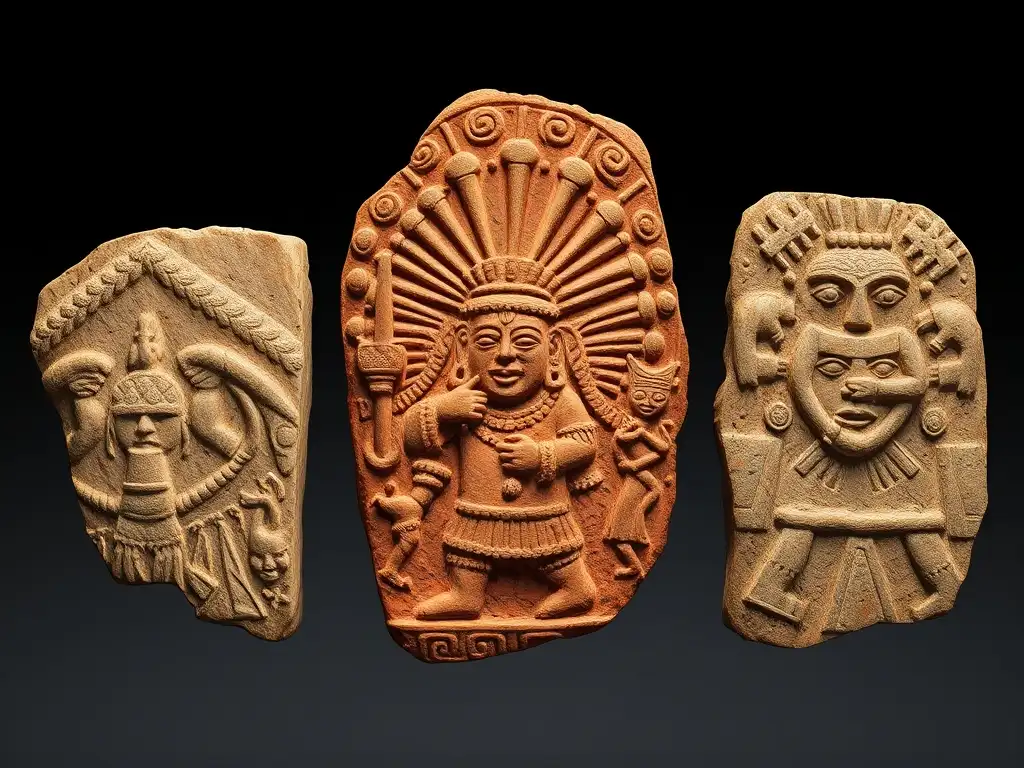
While consistent themes persist throughout the Moche period, subtle changes in artistic representation suggest an evolution in the understanding and depiction of leadership. By comparing pottery from different phases of the Moche civilization, we can trace shifts in iconography and identify potential changes in political structures or social values. [Specific information pending on stylistic changes across Moche periods].
This longitudinal analysis helps us understand not just a snapshot of Moche society but its dynamic evolution over time. Analyzing these changes allows us to better understand the complexities of power and its representation across the civilization’s lifespan. Further research into the chronological development of pottery styles could reveal more nuanced insights into the evolution of Moche leadership and its symbolism.
Conclusion: Moche Pottery as a Window into a Complex Society
Moche pottery provides a uniquely detailed window into the complexities of their social structure and the visual representation of power. By carefully examining the iconography of leadership depicted in their ceramic art, we can reconstruct a richer understanding of the Moche civilization, its hierarchical organization, and the symbolic meanings embedded within their artistic creations. The analysis of Moche pottery leadership symbolism reveals a sophisticated society with a complex understanding of power, demonstrating the enduring legacy of this remarkable Andean culture. The continued study of Moche art promises to further illuminate the intricacies of their social and political world.
- The Ruler's Portrayal: Divine Authority and Terrestrial Power
- Hierarchical Structure: Differentiation through Visual Cues
- Symbolic Objects and Their Significance in Moche Leadership
- The Evolution of Moche Leadership Symbolism Over Time
- Conclusion: Moche Pottery as a Window into a Complex Society
- What is the significance of Moche pottery?
- How did Moche pottery depict leadership?
- What symbols are commonly associated with Moche leadership in their pottery?
- What role did Moche pottery play in reinforcing leadership?
- How does Moche pottery compare to that of other Andean cultures regarding leadership symbolism?
Decoding Moche Leadership Through Artistic Representations
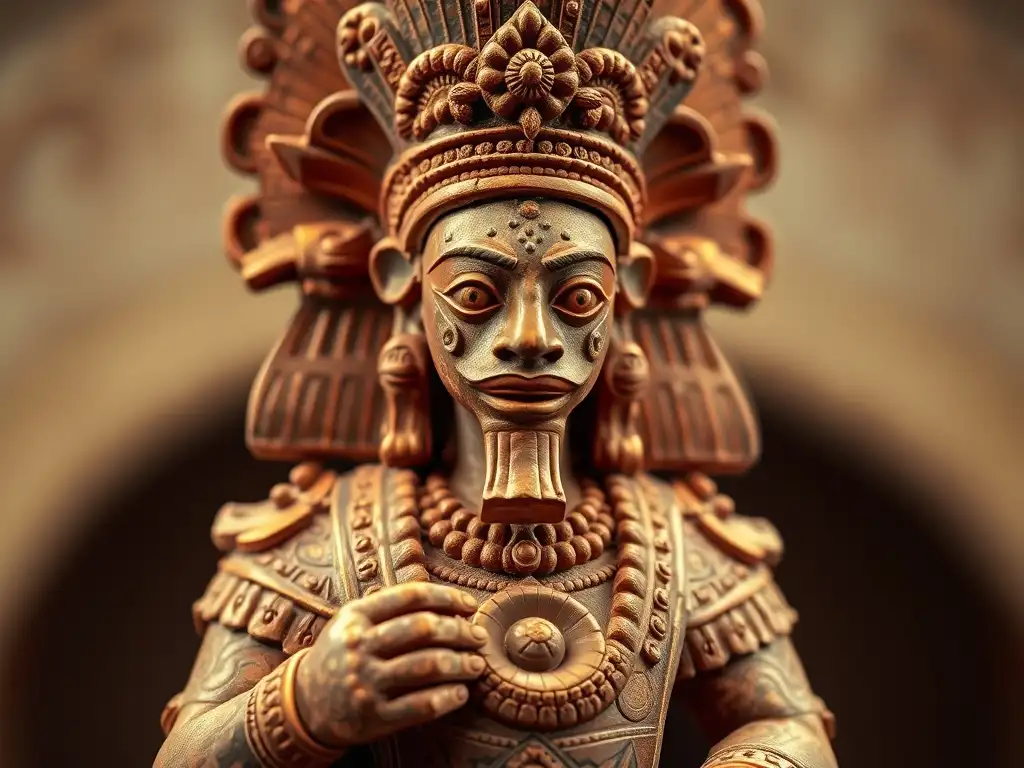
The Moche civilization, flourishing along the northern coast of Peru from approximately 100 to 800 CE, left behind a remarkable legacy of artistic achievements, particularly in pottery. Their ceramic artistry wasn't merely decorative; it served as a powerful tool for communicating social hierarchies, religious beliefs, and, crucially, the nature of Moche leadership.
Analyzing Moche pottery, specifically focusing on the Moche pottery leadership symbolism, reveals a complex system of visual cues that illuminate the roles and power dynamics within their society. By examining the depictions of rulers, priests, and warriors, we gain a deeper understanding of the Moche worldview and the mechanisms that sustained their sophisticated social structure.
The meticulous detail and consistent stylistic choices within their ceramic art provide invaluable insights into a culture that otherwise leaves limited written records. This section will explore how the Moche cleverly used artistic conventions to encode and transmit information about their leaders, effectively using pottery as a form of visual propaganda.
Understanding the Role of Moche Art in Depicting Power
Moche art, particularly their highly-skilled pottery, wasn't simply aesthetically pleasing; it played a vital role in reinforcing and legitimizing political authority. Unlike many other ancient societies that relied heavily on monumental architecture or written texts to convey power, the Moche strategically employed their ceramic artistry to disseminate messages about leadership and social order. The creation and distribution of elaborate ceramic vessels, often depicting powerful figures engaged in ritualistic activities or displays of dominance, served as a powerful form of visual communication.
This visual communication was particularly effective in a society where literacy was not widespread. The intricate details and lifelike portrayals in Moche pottery ensured that the messages embedded within the artwork were easily understood and widely disseminated throughout the Moche empire. The sheer artistry involved also elevated the status of the depicted leaders, associating them with skill, wealth, and divine favor.
This association was vital for maintaining social control and solidifying their positions of power. The production of these elaborate pieces was likely overseen by specialized artisans, further highlighting the importance and the inherent power associated with these creations.
The Significance of Iconography in Moche Society
Moche iconography is rich with symbolism, meticulously crafted to convey specific meanings related to power and leadership. Specific motifs consistently appear in depictions of elite figures. For instance, regalia such as elaborate headdresses, ornate jewelry, and ceremonial staffs frequently signify high social standing and authority. The presence of specific animals, like jaguars or birds of prey, often associated with power and divinity, further reinforced the leader's authority and legitimacy.
These weren't random choices; the use of specific iconographic elements was carefully considered, reflecting a complex understanding of symbolism and its power to shape perceptions of leadership. Consider, for example, the recurring motif of the "decapitated warrior" — a gruesome yet powerful image that likely served to communicate the consequences of defying the ruling elite and reinforce the power of the Moche leadership. The consistent use of these symbols across different pottery pieces underscores their importance as a means of disseminating and reinforcing ideological messages about the nature of Moche power.
The degree of detail and the consistency across various ceramic pieces strongly suggest a centralized system of artistic control, possibly overseen by the ruling elite themselves, ensuring that the desired message was effectively communicated. Further research into the specific meanings of these symbols and their variations across different Moche regions might reveal even more nuanced understandings of their social and political structures. The study of Moche pottery leadership symbolism offers a unique window into the beliefs and power structures of this fascinating civilization.
Key Symbols of Moche Leadership in Ceramics
The Moche civilization, flourishing along the northern coast of Peru from approximately 100 to 800 CE, left behind a remarkable artistic legacy, particularly in their exquisite pottery. This pottery isn't merely decorative; it serves as a crucial window into their social structure, beliefs, and the ways in which they represented power. Analyzing Moche pottery reveals a complex interplay of symbols used to depict leadership, reflecting the multifaceted nature of authority within their society.
The careful examination of Moche pottery leadership symbolism reveals a hierarchy based on military prowess, religious authority, and inherited lineage. This section explores the key symbols used to visually communicate these different aspects of Moche leadership. Understanding these symbols provides invaluable insight into the dynamics of power within this fascinating ancient civilization.
Moche Ruler Depictions: Identifying Elite Figures
Identifying Moche rulers in their pottery requires a keen eye for detail. While there's no single, universally recognized symbol for a Moche leader, certain recurring motifs strongly suggest elite status. These include depictions of individuals adorned with elaborate headdresses, often featuring stylized birds or feline features.
These headdresses were not simply decorative; they were markers of social rank, signifying power and authority. Furthermore, the presence of richly decorated clothing, intricate jewelry (often featuring gold or precious stones – though less frequently depicted in the pottery itself), and the act of offering or receiving sacrifices further reinforces the elite status of the portrayed figure.
Consider, for instance, the frequent depiction of individuals seated on elaborate thrones or platforms. This elevated position physically represents their superior social standing. The scale of the figure relative to others in the scene is also significant; larger figures often denote higher status within the Moche hierarchy.
Additionally, the presence of attendants or servants surrounding the central figure further emphasizes their power and importance, highlighting the hierarchical structure of Moche society. The complexity and detail of the imagery, the use of vibrant colors and high-quality materials, also serve as indicators of the importance of the depicted individual. Further research is needed to definitively link specific figures to named rulers, but stylistic analysis of Moche pottery provides strong clues.
Military prowess played a significant role in Moche leadership. Many ceramic vessels depict warriors, often engaged in battle or ceremonial displays of strength. These warriors are frequently shown adorned with elaborate weaponry, including spears, clubs, and sometimes even atlatls (spear-throwers). The meticulous depiction of weaponry and battle scenes underscores the importance of military might in securing and maintaining power within the Moche state.
The depiction of captured prisoners of war is also a powerful symbol of military success and dominance. These scenes are not simply depictions of violence; they are carefully staged narratives that visually communicate the power and authority of the Moche rulers. The scale and detail of these scenes, along with the carefully rendered expressions on the faces of the warriors and prisoners, suggest a deliberate effort to convey a specific message about the military achievements of the Moche elite.
The use of specific weapons and styles of combat may also offer clues to the origins and expansion of Moche power. Further analysis of the iconography of these warrior depictions could reveal more about Moche warfare tactics and military organization. Analysis of the types of armor worn, the positioning of warriors within the battle scenes, and the overall composition of the narrative can provide valuable insights.
Religious Figures and Their Influence on Moche Power
Religious figures held significant influence within Moche society, and their representation in pottery reflects this authority. While separating purely religious figures from rulers who held both secular and religious authority can be challenging, certain motifs consistently appear in depictions believed to represent priests or shamans. These often include figures with elaborate headdresses, but the iconography differs from that of rulers. They might be depicted performing rituals, interacting with supernatural beings, or holding ceremonial objects.
One key element is the depiction of supernatural beings, often associated with fertility, rain, and other aspects of the natural world. These beings, frequently depicted with monstrous or hybrid features, were likely closely associated with religious leaders, reinforcing their role as intermediaries between the human and divine realms. The presence of these supernatural beings in scenes involving Moche leaders suggests a close connection between religious authority and political power.
The Moche pottery leadership symbolism frequently blends religious and secular themes, highlighting the intertwining of these two spheres in the Moche worldview. Detailed study of the specific iconography used to depict religious figures—such as specific attire, objects held, and accompanying symbols—can help shed light on the religious beliefs and practices of the Moche and their impact on leadership. Further research into the specific iconography and its contextual significance is crucial for a deeper understanding.
Analyzing Moche Pottery Leadership Symbolism
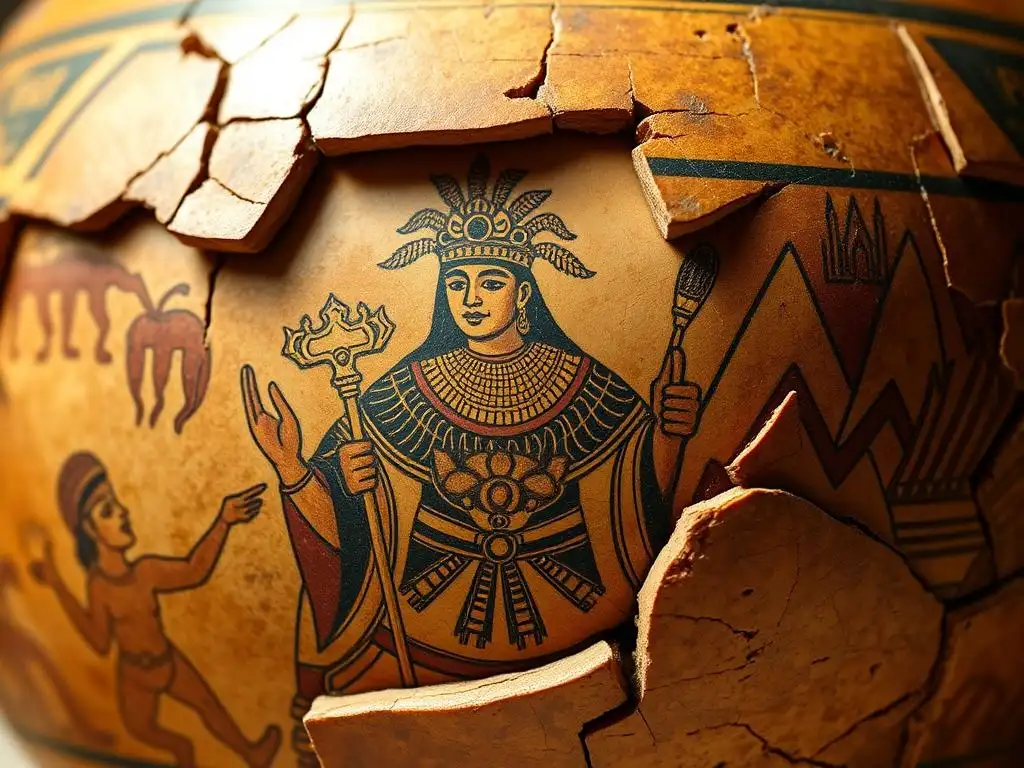
The Moche civilization, flourishing along the northern coast of Peru from approximately 100 to 800 CE, left behind a remarkable legacy of artistic expression, particularly in their exquisite pottery. These ceramic vessels, far from being mere utilitarian objects, served as powerful tools for communicating social structures, religious beliefs, and, crucially, the concept of leadership.
Understanding the Moche pottery leadership symbolism embedded within these artifacts provides invaluable insights into the complexities of their society and the ways in which power was visualized and legitimized. This section delves into the intricate details of Moche ceramic art, focusing on how specific motifs, color palettes, and materials contributed to the depiction of leadership.
Analyzing these elements allows us to reconstruct a more nuanced understanding of Moche social hierarchy and the role of their leaders. The sheer variety and sophistication of Moche pottery offer a rich tapestry of information on their leadership structures, revealing a complex system of power dynamics.
The Importance of Specific Motifs in Moche Art
Moche potters employed a range of symbolic motifs to represent leadership. Certain recurring images, such as the depiction of individuals wearing elaborate headdresses, ornate jewelry, and ceremonial attire, clearly indicated high social status. These headdresses, often featuring stylized birds, feline features, or other significant symbols, were not simply decorative; they served as potent visual markers of authority and spiritual power.
For example, the recurring motif of the "deity-ruler" frequently shown in elaborate regalia, holding ceremonial objects or accompanied by attendants, unequivocally points to a centralized leadership structure. Furthermore, the representation of warriors in battle scenes, often depicted in triumphant poses, highlights the military aspect of Moche leadership and its importance in maintaining social order. The level of detail in these depictions, from the intricate weaving patterns of clothing to the subtle expressions on the faces of the figures, underscores the meticulous craftsmanship and the profound significance attributed to these representations.
The consistent use of these motifs across various Moche pottery styles reinforces their symbolic weight and their role in communicating concepts of power and legitimacy. Even seemingly minor details, such as the presence of specific types of weaponry or the posture of the depicted figures, can reveal subtle nuances in the power dynamics within Moche society. Further research into the specific meanings of individual motifs would greatly enhance our understanding of Moche pottery leadership symbolism.
Examining the Use of Color and Materials in Leadership Representations
Beyond the specific motifs, the choice of colors and materials used in Moche pottery played a significant role in signifying leadership. The use of vibrant, richly pigmented paints, often incorporating multiple colors in intricate designs, was reserved for depicting elite individuals. These colors were not randomly selected; they likely held specific cultural or religious meanings, further enhancing the symbolic power of the depicted leaders.
For instance, the prevalence of red and yellow, often associated with royalty and divinity in other Andean cultures, might suggest similar connotations within the Moche worldview. Similarly, the materials used in the creation of the pottery itself, such as the choice of fine clay and the application of sophisticated polishing techniques, contributed to the overall impression of luxury and prestige associated with leadership portrayals. The use of precious metals, such as gold and silver, inlays, or the incorporation of shell or stone elements in the ceramic pieces further emphasized the high status of the individuals depicted.
This careful selection of materials and colors was a deliberate artistic choice, designed to visually reinforce the social hierarchy and to emphasize the power and authority of the Moche elite. Careful analysis of the chemical composition of pigments and the sourcing of materials used in these pieces could provide additional evidence to support these interpretations, thus enriching our understanding of Moche pottery leadership symbolism.
Moche pottery effectively communicated social hierarchy not only through the depiction of individual leaders but also through the portrayal of entire scenes and social interactions. The size and prominence of figures within a given composition often reflected their social standing. Larger, more elaborately decorated figures were typically used to represent rulers or high-ranking officials, while smaller figures, often depicted in less detail, represented commoners or subordinates. The inclusion of attendants, servants, or captives in these scenes further highlighted the power dynamics within Moche society.
These supporting figures served as visual cues, emphasizing the power and influence held by the central, more prominently displayed figures. Moreover, the types of activities depicted in the pottery also provided insights into social roles and hierarchies. Scenes depicting rituals, ceremonies, or warfare often featured leaders in prominent positions, showcasing their roles in religious practices, political governance, and military campaigns.
Detailed analysis of these scenes, paying close attention to the relative size, placement, and activities of each figure, allows researchers to reconstruct a more complete picture of the social hierarchy and the ways in which this hierarchy was visually reinforced through the Moche's artistic output. The careful study of these intricate scenes provides a comprehensive understanding of Moche pottery leadership symbolism and its role in maintaining social order. Further research into the context of specific ceramic finds, including their discovery location and associated artifacts, could provide further insight into the intended audience and the specific messages conveyed through these artworks.
Specific Examples of Moche Power Iconography
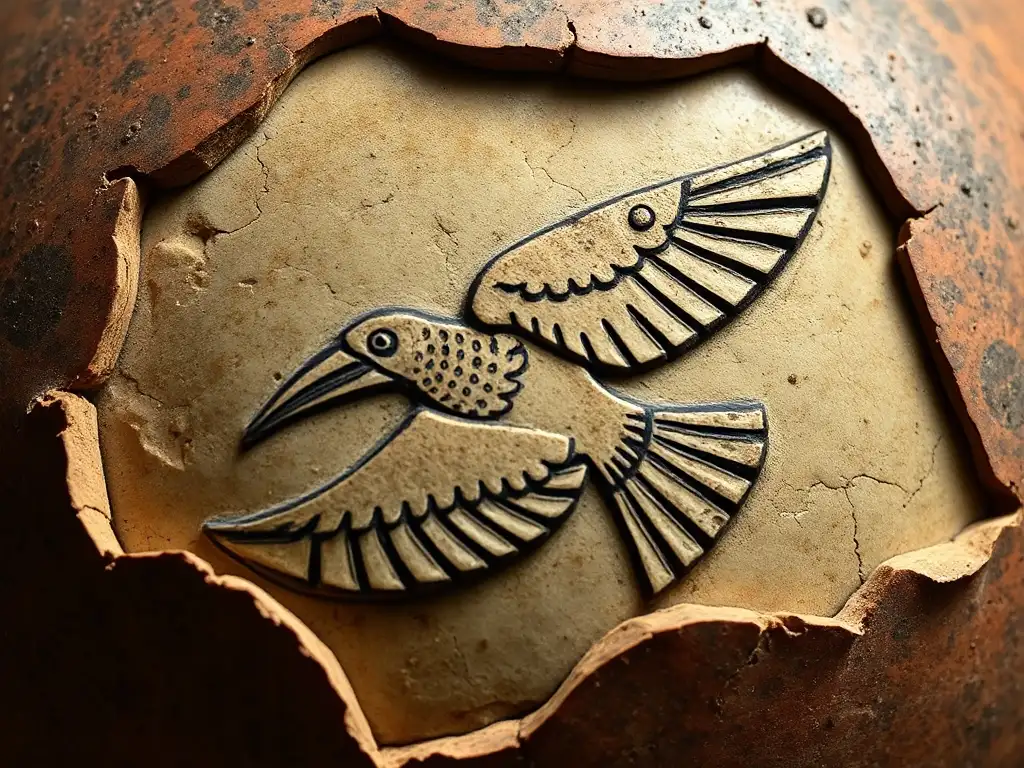
The Moche civilization's sophisticated artistic expression, particularly in pottery, provides invaluable insights into their social hierarchy and understanding of leadership. Moche pottery leadership symbolism is richly encoded in the depictions of rulers, priests, and elite figures. These aren't merely aesthetically pleasing objects; they are carefully crafted narratives that communicate power, authority, and religious significance. The use of specific motifs, poses, and accompanying elements consistently reinforces the message of elite status.
Analyzing these elements allows us to reconstruct a nuanced picture of Moche leadership and its multifaceted expressions. The careful study of Moche ceramics offers a unique window into the worldview and societal structures of this remarkable civilization. This section will explore some key examples.
The Presentation Theme and Its Variations
One recurring theme in Moche iconography is the depiction of individuals presented in a formal, almost ritualistic manner. These figures are often shown seated on elaborate thrones or platforms, sometimes holding ceremonial objects like staffs or scepters. The throne itself is a powerful symbol of authority, representing the ruler's elevated position within society. Variations on this theme exist, showcasing the flexibility and complexity of Moche artistic conventions.
For instance, some depictions show the ruler in a more active role, perhaps leading an army or participating in a ritual ceremony. In these representations, the emphasis shifts from static authority to active leadership. The presence of warriors, captives, or other attendants further contextualizes the ruler's power and dominion.
The style of clothing, the type of headdress, and even the facial expression can subtly alter the meaning conveyed. Detailed analysis of these variations reveals a sophisticated understanding of visual communication, reflecting the subtleties of Moche power dynamics. The consistent use of high-quality pigments and detailed craftsmanship emphasizes the importance of these portrayals.
The Burial of the Elite and the Ceramic Offerings
The elaborate burial practices of the Moche elite offer additional insights into their leadership symbolism. Tombs often contained numerous ceramic vessels, many of which depict scenes of ritual, warfare, or the ruler's everyday life. These offerings weren't merely grave goods; they were carefully selected to represent the deceased's status and accomplishments.
Consider, for instance, the Huaca de la Luna site. The tombs discovered there contained numerous ceramic vessels depicting rulers, priests, and warriors, showcasing the deceased's connection to power and authority. The sheer number and quality of the pottery underscore the immense wealth and power of the individual interred.
The presence of specific motifs, such as feline imagery or depictions of supernatural beings, further reinforces the connection between the deceased and the divine realm. These ceramic offerings served as a visual testament to the deceased's influence and legacy, reflecting the Moche belief in the continuity of power even after death. This is a key element of the Moche pottery leadership symbolism.
The Use of Headdresses, Clothing, and Adornments to Indicate Status
Moche rulers and elite members are frequently depicted wearing elaborate headdresses, clothing, and adornments that clearly denote their high social standing. These visual cues served as important markers of status, immediately identifying the individual's position within the hierarchical structure.
The use of specific types of headdresses, for example, frequently signifies a connection to the divine or a specific role within the society. Elaborate featherwork, gold ornaments, and intricately woven textiles were reserved for the elite, reinforcing their elevated social standing. Similarly, the style and quality of clothing also served as an important indicator of status. Intricate weaving techniques, the use of rare materials, and specific patterns all contributed to the visual representation of power and authority.
The careful depiction of these details in Moche pottery highlights the importance of visual cues in communicating social hierarchy and the understanding of Moche pottery leadership symbolism. The use of these adornments wasn't arbitrary; they were carefully chosen to communicate specific messages of power and prestige. Further research into the materials used and the specific techniques employed would yield even greater understanding of this complex system of visual communication.
The Evolution of Moche Leadership Iconography Over Time
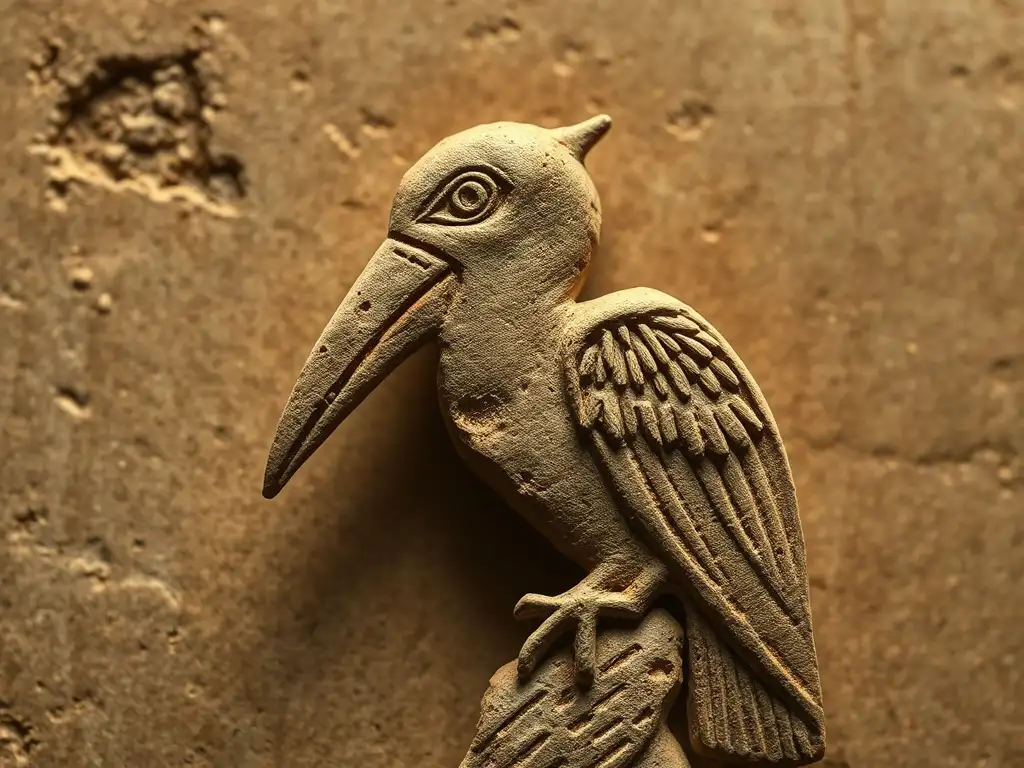
The Moche civilization, flourishing on the northern coast of Peru from approximately 100 CE to 800 CE, left behind a remarkable legacy of artistic expression, particularly in their sophisticated pottery. Their ceramic pieces aren't merely vessels; they are rich tapestries depicting narratives of power, ritual, and daily life. Analyzing Moche pottery allows us to trace the evolution of their leadership iconography, revealing fascinating insights into the changing dynamics of their society.
The symbolism employed in portraying leaders evolved considerably over the centuries, reflecting shifts in political organization, religious beliefs, and perhaps even the personalities of individual rulers. This evolution isn't linear; it's a complex interplay of stylistic changes and societal shifts that we can begin to decipher through careful examination of their artistic output. The study of "Moche pottery leadership symbolism" provides a key to understanding this intricate process.
Changes in Artistic Styles and Their Impact on Power Representation
Early Moche pottery often depicts leaders as powerful figures, but with a relatively simpler aesthetic. Representations are often more stylized, with less emphasis on realistic detail. For example, early depictions of rulers might feature them in profile, wearing simple headdresses and robes, perhaps holding ceremonial objects.
As the Moche civilization developed, so did its artistic sophistication. Later periods saw an explosion of detail and realism in their pottery. Leaders are portrayed with more elaborate costumes, jewelry, and regalia, reflecting an increase in the complexity and perhaps the ostentation of their power.
The shift from stylized to realistic portrayals signifies a potential change in how leadership itself was perceived—perhaps moving from a more shamanistic or ritualistic authority to a more overtly hierarchical and centralized power structure. The use of vibrant colors and intricate designs also became more pronounced, underscoring the importance and prestige associated with leadership. The increased detail and realism in later Moche pottery, especially in the depiction of jewelry and textiles, points to the growing sophistication of Moche craftsmanship and potentially a greater emphasis on the visual display of power and wealth.
The evolution of Moche leadership iconography is intrinsically linked to the evolving social structures of the civilization. Changes in the depiction of rulers in Moche pottery may reflect shifts in the organization of power, the role of religion, and the distribution of wealth. For instance, the emergence of more complex scenes depicting elaborate rituals and processions on later pottery suggests a more stratified society with a clearly defined elite.
Early Moche pottery often features individual rulers, while later pieces frequently show leaders surrounded by attendants, warriors, or captives, emphasizing their control and authority over a larger population. This change in representation might reflect a shift from a more localized leadership structure to a more centralized and hierarchical system, perhaps facilitated by the growing complexity of Moche society and its expanding influence.
Further research into the specific iconographic elements present in these scenes, such as the types of headdresses, clothing and weaponry, may provide additional insights into the social structure of the Moche civilization. The careful study of "Moche pottery leadership symbolism" provides a window into these societal transformations.
Regional Variations in Moche Leadership Iconography
While Moche art displays remarkable stylistic coherence across its geographic range, subtle regional variations in the depiction of leadership do exist. These variations may reflect differences in local traditions, political organization, or even the specific preferences of individual rulers or artistic workshops. For example, the portrayal of certain types of headdresses, ornaments, or ritual objects may differ slightly between the northern and southern regions of Moche territory.
These subtle variations, although often overlooked, provide valuable insights into the complexities of Moche society. A systematic comparison of Moche pottery from different regions could reveal crucial information about the extent of centralized control versus local autonomy within the Moche state. The nuances in the "Moche pottery leadership symbolism" across different regions highlight the multifaceted nature of the civilization and the importance of considering regional contexts when interpreting the artistic record.
Further investigation, including a detailed cataloging and analysis of pottery from different Moche sites, is needed to fully understand these regional differences. This detailed analysis will undoubtedly reveal more about the dynamics of power within the Moche civilization.
The Legacy of Moche Art and Its Insights into Leadership
The Moche civilization (c. 100-800 CE), flourishing along the northern coast of Peru, left behind a remarkable artistic legacy, particularly in their exquisite pottery. These aren't simply decorative objects; they are rich sources of information about Moche society, offering invaluable insights into their political structures, religious beliefs, and, crucially, their understanding of leadership. Moche pottery, with its intricate detail and vivid depictions of daily life, warfare, and ritual, provides a unique window into the minds of the elite and the common people alike.
The meticulous craftsmanship evident in these pieces speaks volumes about the societal value placed on artistic skill and the symbolic power embedded within the imagery. Analyzing the iconography of Moche pottery allows us to reconstruct a more nuanced picture of Moche leadership, moving beyond simplistic interpretations and exploring the multifaceted nature of power in this ancient civilization. The recurring motifs and stylistic choices within the pottery offer compelling evidence for a complex system of governance and social hierarchy.
Specifically, the consistent representation of certain individuals in positions of authority, adorned with specific regalia and engaged in particular activities, suggests a well-defined leadership structure. The frequency with which certain symbols appear—such as specific headdresses, staffs, or ritual objects—further strengthens this interpretation. The careful study of Moche pottery leadership symbolism reveals a sophisticated understanding of power dynamics within the society.
What Moche Art Tells Us About Political Organization
Moche art, particularly its pottery, reveals a hierarchical society with a clearly defined elite. Representations of powerful figures, often depicted in elaborate headdresses and ceremonial attire, dominate many pieces. These individuals are frequently shown engaged in ritualistic activities, suggesting a close link between religious authority and political power. For instance, depictions of individuals performing sacrifices or overseeing ceremonies highlight the significant role of religion in legitimizing leadership.
The size and prominence given to these figures in the pottery also speaks to their social standing. Larger, more intricately decorated vessels often feature these elite individuals, emphasizing their importance within the Moche social structure. Furthermore, the consistent portrayal of warriors and military campaigns suggests a strong emphasis on military prowess as a source of power and legitimacy for Moche leaders.
The detailed depictions of weaponry and battle scenes provide tangible evidence of the importance of military strength in maintaining social order and expanding Moche territory. The level of detail in these representations, down to the individual features of warriors and their weaponry, points towards a significant investment in military power and its symbolic representation. The study of Moche pottery leadership symbolism within this context reveals insights into the complex interplay between religious, political, and military power in the Moche state.
The Enduring Influence of Moche Iconography on Andean Art
The impact of Moche iconography extends far beyond its own time period. Its influence can be traced in the artistic traditions of subsequent Andean cultures, demonstrating its lasting cultural significance. Many stylistic elements and motifs found in Moche pottery reappear in the art of later civilizations, suggesting a continuity of artistic traditions and a shared cultural heritage.
The use of specific colors, decorative patterns, and representations of deities and ceremonial objects all show a clear link between Moche art and the art of later Andean cultures. This continuity highlights the enduring power of Moche artistic traditions and their importance in shaping the visual landscape of the Andes. For example, certain types of headdresses and regalia worn by Moche leaders reappear in later artistic representations, suggesting a continued association of these symbols with power and authority.
The persistence of these motifs across different time periods and cultures underlines the deep-seated cultural significance of Moche iconography and its role in shaping the visual language of the Andes. The study of Moche pottery leadership symbolism within this broader Andean context reveals the enduring legacy of Moche artistic traditions and their lasting impact on subsequent artistic styles.
Understanding Leadership Through the Study of Moche Art
The study of Moche pottery provides a unique and multifaceted lens through which to understand leadership in this ancient civilization. By examining the iconography, the stylistic choices, and the context in which these images appear, we gain a deeper understanding of the complex interplay of religious, political, and military power. The detailed representations of rulers, warriors, and ritualistic activities offer valuable insights into the values, beliefs, and social structures of the Moche people.
The consistent representation of certain individuals in positions of authority, often adorned with specific regalia and engaged in particular activities, suggests a well-defined leadership structure. Moreover, the use of symbolic imagery, such as specific headdresses, staffs, or ritual objects, further strengthens our understanding of the symbolic power associated with Moche leadership. The frequency and prominence of these symbols in the pottery highlight their importance in conveying messages of authority and legitimacy.
The analysis of Moche pottery leadership symbolism reveals a sophisticated and nuanced understanding of power dynamics within Moche society. The detailed nature of the imagery allows researchers to reconstruct a more complete and accurate picture of Moche leadership than might be possible through other sources of information. This multi-faceted approach to analyzing the pottery is crucial for gaining a more holistic understanding of Moche leadership and its role within the broader context of Moche society.
Frequently Asked Questions
What is the significance of Moche pottery?
Moche pottery is incredibly significant because it provides invaluable insights into their social structure, religious beliefs, and daily life. The intricate detail and diverse subject matter offer a unique window into their world.
How did Moche pottery depict leadership?
Moche pottery frequently depicted elite figures, often rulers or priests, in elaborate ceremonies or displays of power. These depictions highlight their social hierarchy and the reverence afforded to leaders.
What symbols are commonly associated with Moche leadership in their pottery?
Common symbols include ornate headdresses, sceptres, and specific clothing that differentiated leaders from commoners. Religious iconography also played a crucial role in signifying power and authority.
What role did Moche pottery play in reinforcing leadership?
The production and distribution of elaborate pottery served to reinforce the power and legitimacy of the Moche elite. Owning or displaying such pieces displayed wealth and status, solidifying the social order.
How does Moche pottery compare to that of other Andean cultures regarding leadership symbolism?
While other Andean cultures also used pottery to depict leadership, the Moche's unique style and level of detail set their work apart. The graphic and often violent imagery is particularly distinctive in conveying power.
Final Reflection: The Enduring Legacy of Moche Power
The vibrant imagery of Moche pottery continues to resonate today, offering a powerful lens through which to examine the complexities of leadership and the enduring human desire for power. These ancient depictions, far from being relics of a bygone era, provide invaluable insights into the dynamics of social structures and the ways in which societies construct and maintain authority. The sophisticated artistry and symbolic language employed by the Moche speak volumes about their advanced civilization and their nuanced understanding of the human condition.
The Moche's masterful use of iconography to represent leadership—from the imposing figures of warriors to the subtle symbolism embedded in their intricate designs—continues to fascinate and inspire. Their art serves as a potent reminder that the quest for power and the struggle for dominance are timeless themes woven into the fabric of human history. Art washes away from the soul the dust of everyday life.
– Pablo Picasso. This quote, while not directly about the Moche, perfectly encapsulates the power of their art to transcend time and connect us to a profound understanding of the human experience. Their pottery isn't just beautiful; it's a window into the human heart.
Consider the implications of the Moche's artistic choices. How do their depictions of leadership challenge or reinforce our own contemporary understandings of power? What can we learn from their successes and failures? I urge you to delve deeper into the world of Moche iconography, not just as a historical study, but as a reflection on the enduring human condition. By engaging with their art, we can gain a richer appreciation for the complexities of leadership, the enduring nature of power dynamics, and the timeless beauty of human expression.
Unveil the Power of Moche Art!
Thank you for exploring the captivating world of Moche iconography with us! You've discovered how art reflects leadership and authority in ancient societies. Now, let's delve deeper into this fascinating subject and make your exploration truly unforgettable.
- Visit a local museum or gallery featuring Andean art to examine Moche artifacts firsthand. There's no better way to connect with history than through direct experience.
- Engage with online communities dedicated to Andean civilizations. Share your insights and ask questions to enrich your understanding of these ancient cultures.
- Document your learning! Write a short blog post or journal entry reflecting on what you've discovered and how it alters your perspective on the representation of leadership in art.
Which aspect of Moche leadership's artistic representation intrigues you most, and how do you believe it informs our understanding of power dynamics today?