
The Symbolism of Inca Metalwork Motifs: Power and Cosmology

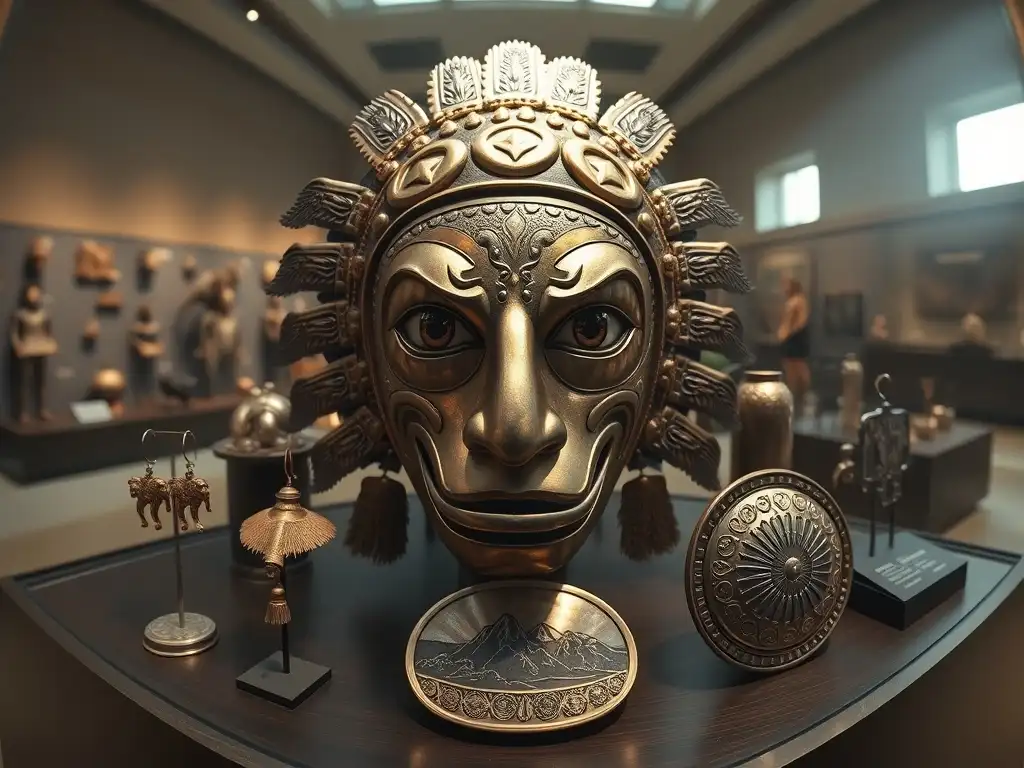
Unravel the mysteries of a lost world! Dive into the breathtaking artistry of the Andean civilizations, where intricate metalwork whispered secrets of power and cosmology. Prepare to be captivated by the intriguing symbolism hidden within Inca metalwork, a language of gold and silver that speaks volumes about their beliefs and society. Discover the profound meaning behind these exquisite creations and unlock the enigmatic legacy of the Inca Empire—your journey begins now.
The Inca Empire, renowned for its sophisticated engineering and intricate social structures, left behind a legacy of breathtaking artistry. Nowhere is this more evident than in their metalwork. Beyond their undeniable aesthetic appeal, Inca metal objects—from intricately crafted jewelry to ceremonial vessels—served as powerful symbols, reflecting the Inca worldview, their understanding of cosmology, and the hierarchical nature of their society.
This article delves into the rich symbolism embedded within Inca metalwork motifs, exploring how these seemingly simple designs conveyed complex meanings related to power, divinity, and the Inca relationship with the natural world. We will examine specific motifs, analyzing their recurring presence and variations across different Inca artifacts to understand their deeper significance within the context of Inca culture and belief systems. Understanding the symbolism of Inca metalwork offers a crucial window into the heart of Inca thought and provides a more complete appreciation of their remarkable civilization.
The intricate designs weren't merely decorative; they were potent expressions of Inca ideology and served to reinforce social order and political authority. This exploration will reveal how the Inca skillfully employed metalwork as a medium for communicating their complex cosmological beliefs and asserting their power.
The Sun, the Moon, and the Stars: Celestial Representations in Inca Metalwork
Inca cosmology was deeply rooted in the celestial sphere. The sun, moon, and stars held immense religious significance, representing deities and influencing agricultural cycles vital to Inca life. Metalwork frequently featured representations of these celestial bodies.
For example, gold discs, often adorned with intricate designs, symbolized the sun, a powerful deity associated with the Inca emperor's authority. Similarly, crescent moon motifs, frequently found on earrings and other personal adornments, likely represented the moon goddess, reflecting feminine power and lunar cycles. The meticulous detail and the use of precious metals like gold and silver highlighted the importance of these celestial symbols within the Inca worldview.
The placement of these motifs on specific objects also carried symbolic weight; a sun disc adorning a ceremonial vessel, for instance, might suggest its use in rituals dedicated to the sun god. Further research is needed to fully understand the nuanced variations in these celestial representations and their contextual significance across different types of Inca metalwork. [Specific information pending on variations in celestial motifs across different artifact types].
Animal Motifs: Jaguars, Condors, and Serpents as Symbols of Power and the Supernatural
Beyond celestial imagery, animal motifs frequently appeared in Inca metalwork. These weren't simply naturalistic depictions; rather, they carried symbolic weight reflecting Inca beliefs about the natural world and the supernatural. The jaguar, for instance, often represented power, strength, and the underworld.
Its depiction in metalwork, particularly in gold, indicated a high status or connection to the spiritual realm. Similarly, the condor, a majestic bird of the Andes, symbolized the heights of the mountains and the connection between the earthly and celestial realms. Serpents, often associated with water and fertility, also held symbolic importance, sometimes representing the life-giving forces of nature.
The choice of metal—gold for deities, silver for lunar associations, copper for earthly representations—further nuanced the meaning of these animal motifs. [Data on the specific materials used for different animal representations pending]. The size and position of the animal motifs on the artifact also added to their symbolic significance, suggesting the importance of the represented animal within the larger cosmological framework.
Geometric Patterns: Expressing Order, Structure, and the Inca's Relationship with the Cosmos
In addition to representational motifs, Inca metalwork frequently incorporates geometric patterns. These were not simply decorative; they reflected the Inca's deep appreciation for order, structure, and their understanding of the cosmos. Repeating patterns, such as interlocking triangles or stepped designs, might represent the interconnectedness of the universe or the cyclical nature of time.
The precision and symmetry of these geometric designs point to a sophisticated understanding of mathematics and geometry, further underscoring the Inca's advanced civilization. The use of different metals within these patterns could also add layers of meaning. For example, the contrast between gold and silver might represent the duality inherent in the Inca worldview, or the balance between opposing forces.
[Further research is needed to fully decipher the meanings of specific geometric patterns]. The careful arrangement and repetition of these patterns suggest a deliberate attempt to create a visually harmonious and symbolically resonant aesthetic. This careful attention to detail underscores the significance of these geometric motifs within the larger context of Inca art and cosmology.
The Significance of Metal Selection: Gold, Silver, and Copper in Inca Symbolism
The Inca's choice of metal was not arbitrary. Gold, silver, and copper each held specific symbolic meaning within Inca culture. Gold, the most precious metal, was strongly associated with the sun, royalty, and divinity. Gold objects often adorned the Inca emperor and were used in important religious ceremonies.
Silver, associated with the moon and the feminine principle, was also highly valued but held a different symbolic connotation than gold. Copper, a more readily available metal, was used for a wider range of objects and may have held associations with the earth and earthly power. The skilled artisans’ mastery of metallurgy allowed them to create intricate alloys and surface treatments, further adding to the symbolic complexity of their creations.
The purposeful selection of these metals within a single object or across a collection of artifacts offers further insights into the intended meaning and the social context of the piece. [Detailed analysis of metal composition and its relation to specific motifs is needed]. The intentional use of these metals reveals a sophisticated understanding of material culture and its symbolic power.
- The Sun, the Moon, and the Stars: Celestial Representations in Inca Metalwork
- Animal Motifs: Jaguars, Condors, and Serpents as Symbols of Power and the Supernatural
- Geometric Patterns: Expressing Order, Structure, and the Inca's Relationship with the Cosmos
- The Significance of Metal Selection: Gold, Silver, and Copper in Inca Symbolism
Decoding Inca Metalwork: An Introduction to its Symbolism
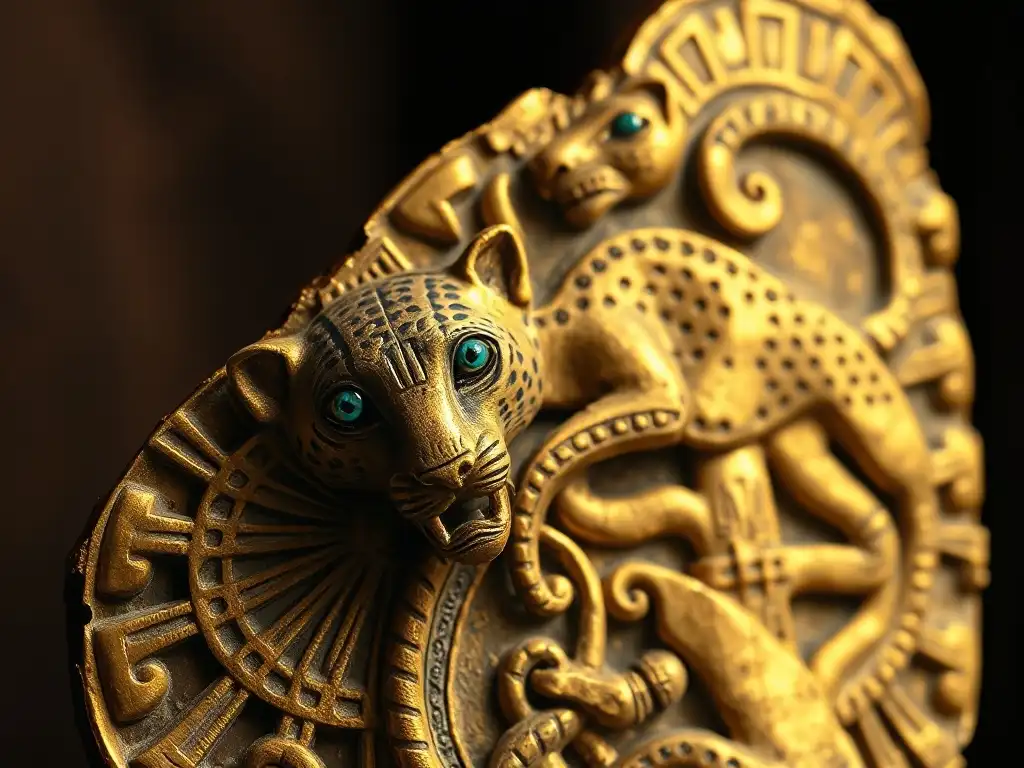
Inca metalwork, a testament to the advanced metallurgical skills and sophisticated cosmology of the Inca Empire, offers a captivating window into their worldview. The intricate designs and symbolic motifs found in their gold, silver, and copper artifacts are not merely decorative; they are powerful expressions of royal authority, religious beliefs, and the Inca understanding of the cosmos. Understanding the Inca metalwork symbolism meaning requires careful examination of the techniques employed, the materials used, and the recurring iconography present in surviving pieces.
This section delves into the rich symbolism embedded within these remarkable objects, exploring their significance within the context of Inca society and its intricate belief system. The study of Inca metalwork reveals a civilization deeply connected to its environment and profoundly influenced by its spiritual beliefs.
These artifacts serve as tangible links to a lost world, offering invaluable insights into the lives, beliefs, and aspirations of the Inca people. The precise meaning of specific motifs is often debated among scholars, but recurring themes provide a framework for understanding the overall message conveyed.
The Significance of Metal in Inca Society
Metal held immense symbolic and practical value within Inca society. Gold, associated with the sun god Inti, represented royalty, power, and divinity. Silver, linked to the moon and water, symbolized fertility and purity.
Copper, a more readily available metal, was used for everyday tools and weaponry but also held spiritual significance, particularly in relation to agricultural practices and the earth. The Inca's mastery of metallurgy wasn't just a technological achievement; it was a sacred art, reflecting their cosmological worldview. The process of transforming raw materials into intricate objects was imbued with ritual and meaning, reinforcing the sacred power inherent in the finished product.
For example, the meticulous craftsmanship evident in gold tumblers and ceremonial vessels underscores the high status of those who commissioned and used them. Moreover, the scarcity of precious metals like gold and silver further amplified their symbolic weight, making them powerful indicators of social hierarchy and divine favor. The distribution of metalwork artifacts across the empire also provides insights into the Inca's control over resources and their sophisticated system of tribute and exchange.
Inca Metalworking Techniques and Materials
Inca metalworkers possessed remarkable technical skills, mastering techniques such as hammering, casting, repoussé (hammering from the back to create relief), and soldering. They utilized a variety of materials, primarily gold, silver, and copper, often combining them to achieve stunning visual effects. The use of alloys, such as tumbaga (a gold-copper alloy), allowed them to create a wider range of colors and textures. The precise methods employed varied depending on the desired outcome, with intricate designs often requiring a combination of techniques.
For instance, the creation of a detailed gold mask might involve casting the basic shape, followed by repoussé to add fine details and features. The high level of skill and precision displayed in Inca metalwork is evidence of a highly specialized and organized craft tradition, likely passed down through generations within specific workshops or clans. The availability of specific materials influenced design choices, with readily available copper being used for more functional objects and precious metals reserved for elite items.
Detailed analysis of surviving artifacts reveals the incredible artistry and technical sophistication of Inca metalworkers, highlighting their contribution to the cultural and technological achievements of the Inca civilization. Further research into the specific composition of alloys and the tools used would shed more light on the intricacies of their metalworking practices. The ingenuity demonstrated in their techniques continues to fascinate and inspire modern artisans and metallurgists alike.
Key Motifs in Inca Metalwork and Their Meanings
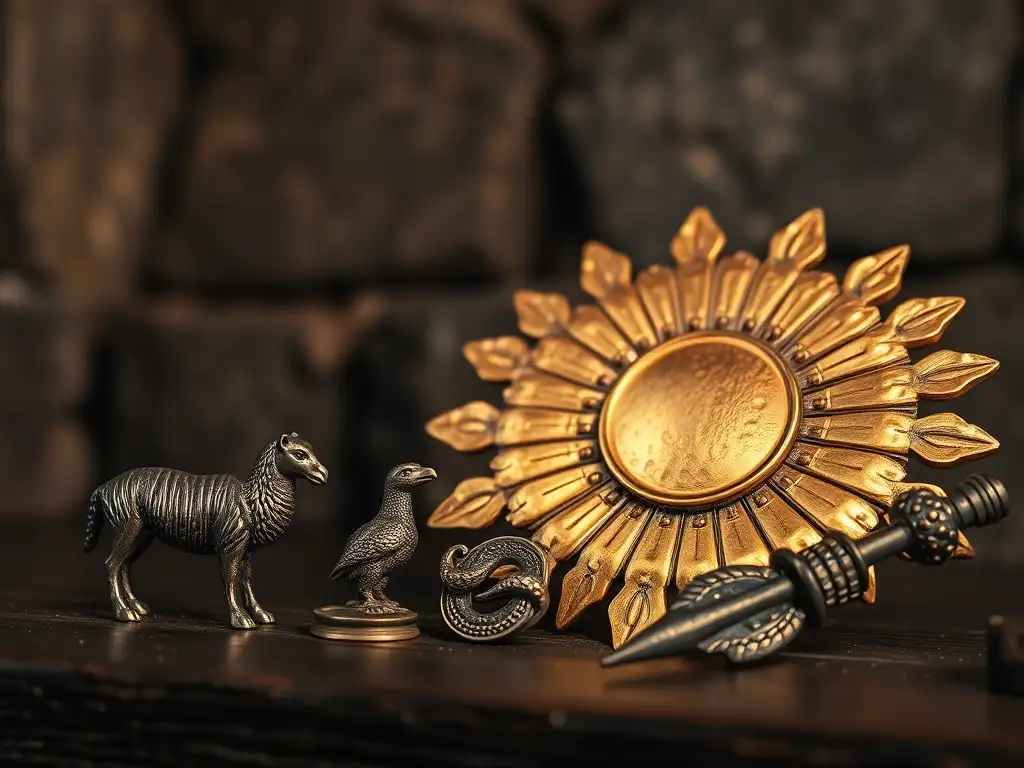
Inca metalwork, renowned for its exquisite craftsmanship and intricate designs, serves as a powerful window into the cosmology and worldview of this remarkable civilization. The Inca's mastery of metallurgy, particularly in gold, silver, and copper alloys, allowed them to create objects that were not merely functional but also deeply symbolic, reflecting their beliefs, social structures, and relationship with the natural world. Understanding the symbolism embedded within these artifacts offers profound insights into Inca culture and its enduring legacy.
The intricate designs frequently depicted deities, animals, and celestial bodies, all carrying significant meaning within the Inca worldview. This section explores some of the key motifs found in Inca metalwork and their associated interpretations.
Analyzing these motifs helps us decipher the rich tapestry of Inca symbolism, uncovering the power and cosmology embedded within their artistic expressions. The study of Inca metalwork symbolism provides crucial meaning to understanding their religious beliefs and societal structures, adding depth to our appreciation of their artistic legacy.
The Sun God Inti in Inca Art and Metalwork
The sun god Inti held paramount importance in Inca religion and society. Depictions of Inti in Inca metalwork often showcase him as a radiant figure, sometimes adorned with elaborate headdresses and garments. His representation frequently involves the use of gold, reflecting his association with light, warmth, and royal power.
Inti's presence on metalwork objects, such as ceremonial vessels or adornments for elite members of society, served to reinforce the divine authority of the Inca ruler, who was considered a direct descendant of the sun god. The intricate details and high-quality craftsmanship used in these depictions further emphasized Inti's sacred status and the importance of his worship within the Inca empire. For example, the masterful execution of the sun's rays on a gold disc, or the depiction of Inti holding a staff of authority, conveyed the power and majesty associated with the deity.
This careful artistic representation served not only as religious iconography but also as a powerful symbol of Inca imperial authority. The use of gold, a precious and rare material, further enhanced the sacred nature of these representations.
The Moon Goddess Quilla: Representation in Inca Metallurgy
Complementing the sun god Inti was Quilla, the moon goddess. While Inti symbolized masculine power and daytime energy, Quilla represented feminine energy, nighttime, and fertility. In Inca metalwork, Quilla is often depicted as a crescent moon, sometimes accompanied by stars or other celestial bodies.
Unlike Inti’s frequent depiction in gold, Quilla is often represented using silver, reflecting her association with the cool light of the moon. The silver used was often of high purity, highlighting its value and the importance of Quilla in the Inca pantheon. These representations were often found on personal ornaments, suggesting a connection between the goddess and the individual's well-being and fertility.
The intricate detail in the crafting of these pieces underscores the significance attributed to Quilla and her role in the cosmic balance as understood by the Inca. The subtle differences in the portrayal of Quilla across different metalwork pieces suggest variations in regional beliefs and artistic styles within the Inca empire. Further research could reveal more nuanced interpretations of Quilla's representation based on specific contextual evidence.
Animal Motifs: Puma, Serpent, and Condor Symbolism
Animal motifs frequently appear in Inca metalwork, each carrying specific symbolic weight within the Inca worldview. The puma, serpent, and condor, in particular, represent powerful forces in the Inca cosmology, reflecting the interconnectedness of the earthly and spiritual realms. The selection and arrangement of these animal motifs often suggest a hierarchical structure, reflecting the Inca's understanding of the world and their place within it. The use of different metals and techniques also contributes to the symbolic meaning of these animal representations.
The Puma: Inca Symbol of Power and Strength
The puma, a powerful predator of the Andes, symbolized strength, power, and royalty in Inca culture. In metalwork, pumas are frequently depicted in dynamic poses, emphasizing their ferocity and dominance. Their presence on ceremonial objects or royal regalia reinforced the power and authority of the Inca rulers, who were often associated with the feline's characteristics.
The use of gold or other precious metals in these depictions further enhanced the puma's symbolic value. The level of detail in the puma's features, such as its musculature and posture, reflects the Inca artisans' skill and their understanding of the animal's significance. Different stylistic variations across various metalwork pieces suggest regional differences in artistic interpretation, highlighting the diversity within the Inca empire.
The Serpent: Representation of the Underworld and Wisdom
Serpents, often associated with the underworld and the cyclical nature of life and death, hold a complex symbolic meaning in Inca metalwork. They are sometimes depicted as intertwined or coiled, suggesting both danger and hidden knowledge. Their presence often suggests a connection to fertility, the earth's abundance, and the wisdom of the ancestors.
The use of different colors and materials in the serpent's representation may have held additional symbolic meaning, reflecting the dualistic nature of the underworld and its connection to both life and death. More research is needed to fully understand the nuances of serpent symbolism in Inca metalwork.
The Condor: Inca Symbol of the Heavens and Spirituality
The condor, a majestic bird of the Andes, represents the heavens, spirituality, and the connection between the earthly and spiritual realms. In Inca metalwork, condors are frequently depicted in flight, symbolizing freedom, power, and spiritual elevation. Their presence on ceremonial objects or personal adornments suggests a link to the divine and the pursuit of spiritual enlightenment.
The use of specific materials and techniques in the depiction of condors likely held further symbolic significance, although further research is needed to fully elucidate these aspects. The condor's powerful and soaring presence in Inca art underscores the importance of the spiritual realm in Inca society and their belief in a complex interplay between the earthly and celestial spheres. The way in which the condor is depicted, whether in a static or dynamic pose, further contributes to the understanding of its symbolic meaning within a specific context.
Geometric Patterns and Their Cosmic Significance
Inca metalwork is replete with geometric patterns, far from being mere decorative elements; these designs held profound cosmological significance for the Inca people. The intricate arrangements of lines, squares, triangles, and other shapes weren't randomly chosen. Instead, they represented the Inca worldview, reflecting their understanding of the cosmos, the Andean landscape, and their relationship with the divine.
These patterns frequently appeared on ceremonial objects, such as tumi (ceremonial knives), kero (drinking vessels), and adornments for elite individuals, emphasizing their connection to power and the sacred. The precision and consistency in the execution of these geometric motifs across various artifacts suggest a highly structured and formalized system of symbolic representation. Careful observation reveals that specific geometric combinations conveyed distinct meanings, often related to agricultural cycles, celestial events, or the organization of Inca society itself.
Further research is needed to fully decipher the nuanced meanings embedded within the complex interplay of these geometric forms, but their importance in Inca cosmology is undeniable. The meticulous craftsmanship involved in their creation further underscores their sacred significance. The use of precious metals like gold and silver only amplified this sacredness, connecting the patterns to the Inca's belief in the inherent power of these materials.
The Chakana (Inca Cross): Symbolism and Meaning
Perhaps the most recognizable motif in Inca metalwork is the chakana, often referred to as the Inca cross. This iconic symbol is far more than a simple cross; it represents a complex cosmology deeply rooted in Andean spirituality. The four arms of the chakana are frequently interpreted as representing the four cardinal directions, connecting the earthly realm to the celestial.
The central square often symbolizes the intersection of these directions, representing the axis mundi—the center of the world. Some scholars also interpret the three stepped levels of the chakana as representing the three worlds in Inca mythology: the upper world ( Hanan Pacha), the earthly world ( Kay Pacha), and the underworld ( Ukhu Pacha). The chakana’s presence on metalwork objects often indicates the item's sacred function or the high status of its owner.
The intricate detail and the use of precious metals in its depiction further reinforces its importance as a powerful symbol of Inca cosmology and the connection between the earthly and spiritual realms. Examples of chakana motifs can be found on various artifacts, highlighting its pervasive significance throughout Inca culture.
Spirals and Step Designs: Their Interpretations
Spirals and step designs are recurring motifs in Inca metalwork, showcasing the Inca's sophisticated understanding of geometry and their connection to the natural world. Spirals, often found in intricate arrangements, are believed to represent the cyclical nature of life, death, and rebirth, echoing the continuous cycles observed in nature, particularly in agriculture and the celestial movements. The continuous flow of the spiral visually embodies this unending cycle.
Step designs, on the other hand, frequently represent the tiered agricultural terraces that characterized the Inca landscape. These terraces, meticulously carved into the mountainsides, were not only essential for efficient farming but also held symbolic importance, reflecting the layered structure of Inca society and their connection to the earth. The combination of spirals and step designs on a single artifact could represent the interconnectedness of the cyclical processes of nature and the structured social hierarchy of the Inca empire.
The careful craftsmanship and precise execution of these patterns in metalwork demonstrate the Inca's deep understanding of both the practical and symbolic dimensions of these geometric forms. Their prevalence on various artifacts underscores their significance as potent symbols within the Inca worldview.
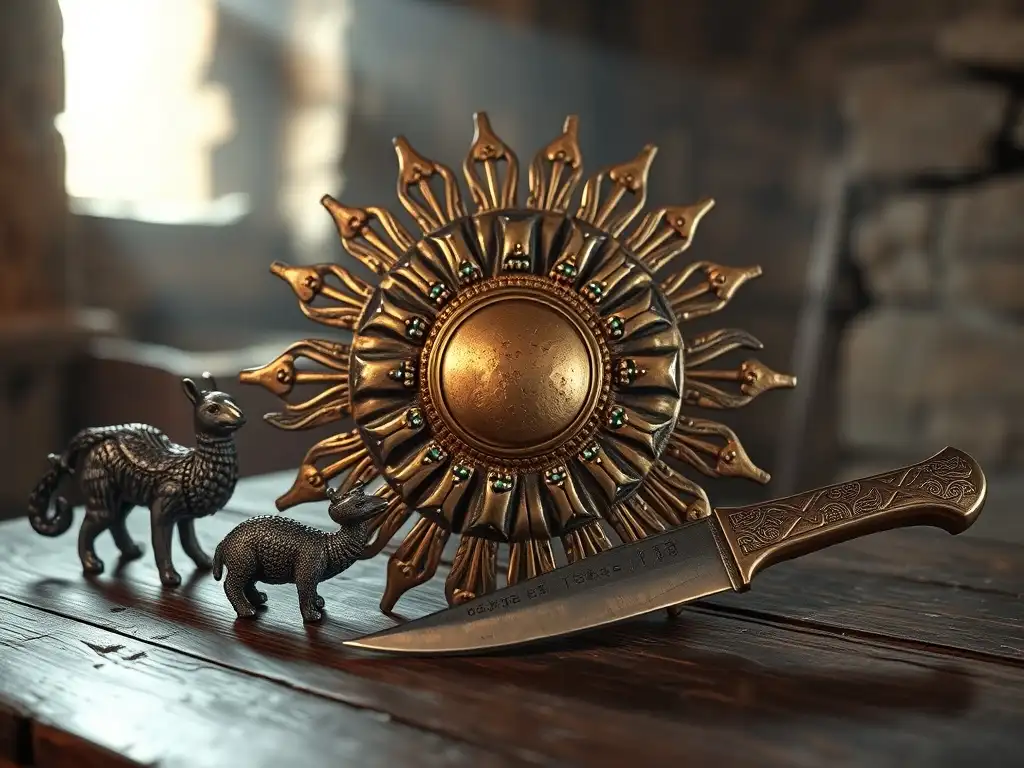
Inca metalwork wasn't merely decorative; it served as a powerful visual language reflecting the intricate social hierarchy and the centralized power of the Inca state. The meticulous craftsmanship, the choice of materials, and the specific motifs employed all contributed to a complex system of symbolic representation that reinforced Inca authority and cosmology. Understanding this symbolism provides crucial insight into the Inca worldview and the sophisticated mechanisms they used to maintain control.
The very act of metalworking, a highly specialized skill, was itself a demonstration of power, controlled and managed by the elite. Only certain individuals, often those closely associated with the royal court or the curacas (local nobility), possessed the knowledge and resources to create these magnificent artifacts.
This restricted access further elevated the status of metalwork and cemented its position as a symbol of elite status. The distribution of finished pieces, a carefully managed process, also played a key role in reinforcing power structures.
Gold, in particular, held immense symbolic significance in Inca culture, representing the sun, the Inca's divine ancestor, and the power of the Sapa Inca (emperor). The Inca's control over gold mines and the production of gold objects directly mirrored their political authority. Gold artifacts, often intricately crafted into intricate figures of animals, deities, or royal insignia, were reserved exclusively for the Inca elite.
The Sapa Inca's personal possessions, including ceremonial headdresses, staffs, and drinking vessels, were adorned with lavish goldwork, instantly conveying his divine right to rule. Less opulent, but still significant, silver objects were also associated with power, representing the moon and the feminine principle, complementing the solar symbolism of gold.
The contrast between the sun's gold and the moon's silver further illustrates the Inca's dualistic worldview, where balance and harmony were essential. The size and intricacy of the gold and silver pieces directly correlated with the status of their owner, highlighting the social stratification within Inca society.
The Use of Gold and Silver in Inca Rituals
The use of gold and silver in Inca rituals further underscores their symbolic importance. These precious metals were not simply decorative elements; they were integral to religious practices, functioning as intermediaries between the human and divine realms. Gold and silver objects were offered as sacrifices to the gods, used in ceremonies intended to ensure successful harvests, appease angry spirits, or maintain cosmic balance.
For example, the elaborate gold and silver ornaments found in royal tombs were not merely grave goods; they were essential components of the funerary rituals, ensuring the deceased's safe passage to the afterlife and their continued connection to the living world. The sheer quantity of precious metals used in these rituals reflects the Inca's belief in their power to influence the supernatural world and maintain order in their society.
The meticulous detail and craftsmanship demonstrated in these ritual objects highlight the sacred nature of the materials and their importance in Inca religious life. Analysis of these objects reveals a profound understanding of metallurgy, demonstrating a level of technical skill that was itself a testament to Inca power and prestige.
Metalwork and the Inca State: Distribution and Control
The Inca state exerted strict control over all aspects of metalwork production, from mining to the distribution of finished products. This centralized control ensured that the production of metal objects remained a royal prerogative, further reinforcing the Inca's authority. The state maintained a network of workshops and skilled artisans, often strategically located near mining sites, responsible for producing metal objects for both religious and secular purposes. The distribution of these objects was not haphazard; it followed strict protocols, ensuring that only those with appropriate social standing received them.
This controlled distribution acted as a powerful tool for social control, rewarding loyalty and reinforcing the hierarchy. Evidence suggests that the Inca used metalwork as a form of tribute and reward, bestowing valuable objects upon loyal subjects or allied groups. This strategic use of metalwork cemented alliances and reinforced the Inca state's dominance across its vast empire.
The careful management and strategic deployment of metalwork reveal the sophistication of Inca administrative practices and their understanding of the power of symbolic representation. Further research into Inca metalwork distribution networks would illuminate the dynamics of power and exchange within the empire. The systematic approach to production and distribution reflects a highly organized and centralized state, capable of effectively managing resources and maintaining social order through symbolic means.
The Cosmological Significance of Inca Metalwork Designs
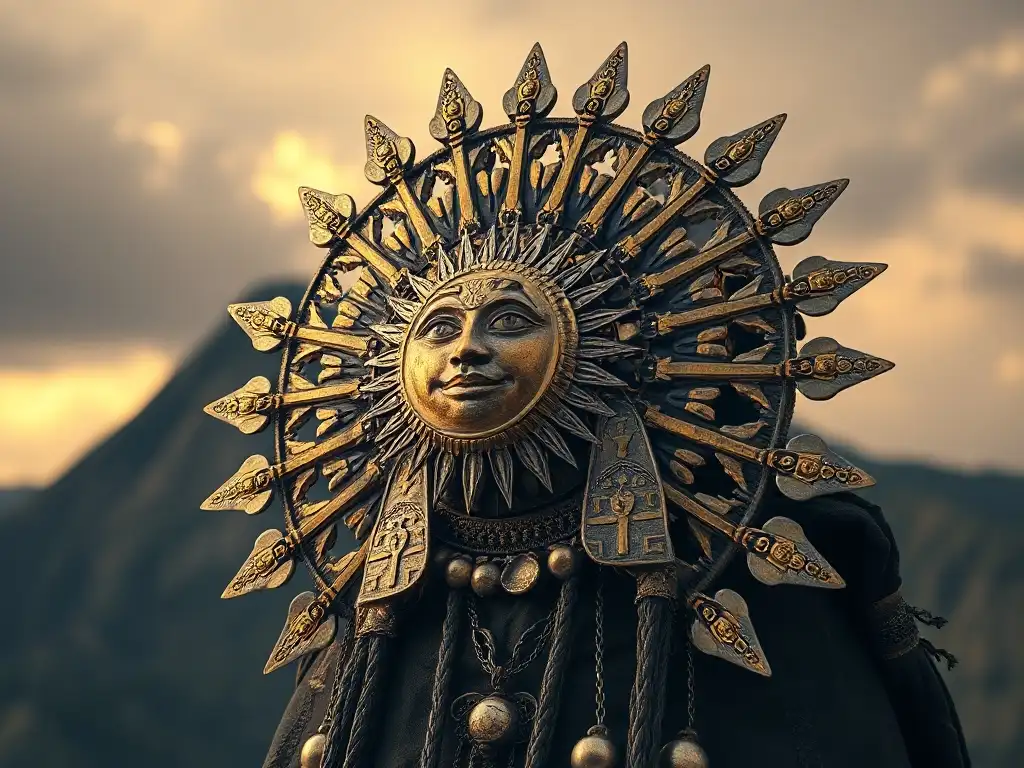
Inca metalwork wasn't merely decorative; it served as a powerful medium for expressing complex cosmological beliefs. The intricate designs, often featuring stylized animals, celestial bodies, and geometric patterns, weren't randomly chosen. They were carefully selected and arranged to reflect the Inca worldview, connecting the earthly realm with the celestial sphere and embodying their understanding of time, space, and the divine.
Understanding the symbolism embedded within these objects provides crucial insight into the Inca's sophisticated cosmological system and their perception of the universe. The careful selection of materials, the meticulous craftsmanship, and the symbolic motifs all contributed to the powerful and sacred nature of Inca metalwork.
This section will explore the profound cosmological significance woven into these remarkable artifacts, revealing the intricate relationship between Inca artistry and their spiritual beliefs. The prevalence of certain motifs, such as the condor and the puma, hints at the close connection between the Andean landscape and the Inca's spiritual understanding.
Connecting the Terrestrial and Celestial Realms Through Metal
The Inca worldview saw a seamless connection between the earthly and celestial realms. Mountains, revered as sacred entities, were believed to be the axis mundi, connecting the underworld (Ukhu Pacha), the human world (Kay Pacha), and the upper world (Hanaq Pacha). Inca metalwork frequently reflects this cosmology.
For example, the depiction of celestial bodies like the sun and moon, often alongside terrestrial animals such as the puma (representing the earth) and the condor (representing the sky), visually embodies this interconnectedness. The use of gold, a precious metal associated with the sun's radiance and divine power, further reinforces the link between the terrestrial and the celestial. The meticulous detail in these representations underscores the importance the Inca placed on accurately portraying this cosmic harmony.
The artisans weren't simply creating aesthetically pleasing objects; they were crafting tangible representations of their spiritual beliefs, meticulously translating their cosmological vision into metal. Specific examples of this connection can be found in [specific examples of Inca metalwork depicting celestial and terrestrial elements pending].
Metalwork and the Inca Concept of Time and Space
Inca metalwork also reflects a sophisticated understanding of time and space, often expressed through intricate geometric patterns and repetitive motifs. These designs weren't simply decorative; they could represent cyclical patterns of nature, such as the agricultural cycle, or the movement of celestial bodies across the sky. The repetition of certain motifs might symbolize the continuous cycle of life, death, and rebirth, reflecting the Inca understanding of the cyclical nature of time.
The precise arrangement of these patterns, often following specific mathematical principles, suggests a deep understanding of spatial relationships and geometric proportions. The use of different metals, each with its own symbolic meaning, could further enhance the temporal and spatial dimensions embedded within the artifact. For instance, silver, often associated with the moon and the feminine principle, might be used in conjunction with gold to represent the duality inherent in the Inca cosmology.
Further research is needed to fully understand the complex interplay of symbolic elements in Inca metalwork, and how the artisans used these patterns to convey their understanding of time and space. [Specific examples of geometric patterns and their meanings in Inca metalwork pending].
The Tumi Knife: A Symbolic Example of Inca Metalwork
The tumi, a distinctive ceremonial knife with a crescent-shaped blade, provides a compelling example of the multifaceted symbolism embedded in Inca metalwork. Beyond its practical function, the tumi served as a powerful symbol of authority and ritual power. The crescent shape itself might represent the moon, and the often-elaborate handles are frequently adorned with animal figures and intricate designs, reflecting the complex cosmology discussed earlier.
The careful selection of materials, often including gold, silver, and copper alloys, further emphasizes its sacred nature and association with the divine. The tumi was not merely a tool; it was a potent symbol of power, used in ceremonies and rituals to connect the Inca elite with the supernatural realm. Its presence in burials of high-ranking officials underscores its significance as a symbol of status and authority.
The intricate details found on various tumi knives, from variations in blade shape to the unique iconography on the handles, offer rich insights into regional differences and the evolution of Inca symbolism over time. Analyzing the diverse iconography found on numerous tumi specimens would allow for a more comprehensive understanding of its multifaceted symbolism. [Analysis of specific tumi examples and their iconography pending].
Preservation and Study of Inca Metalwork Today
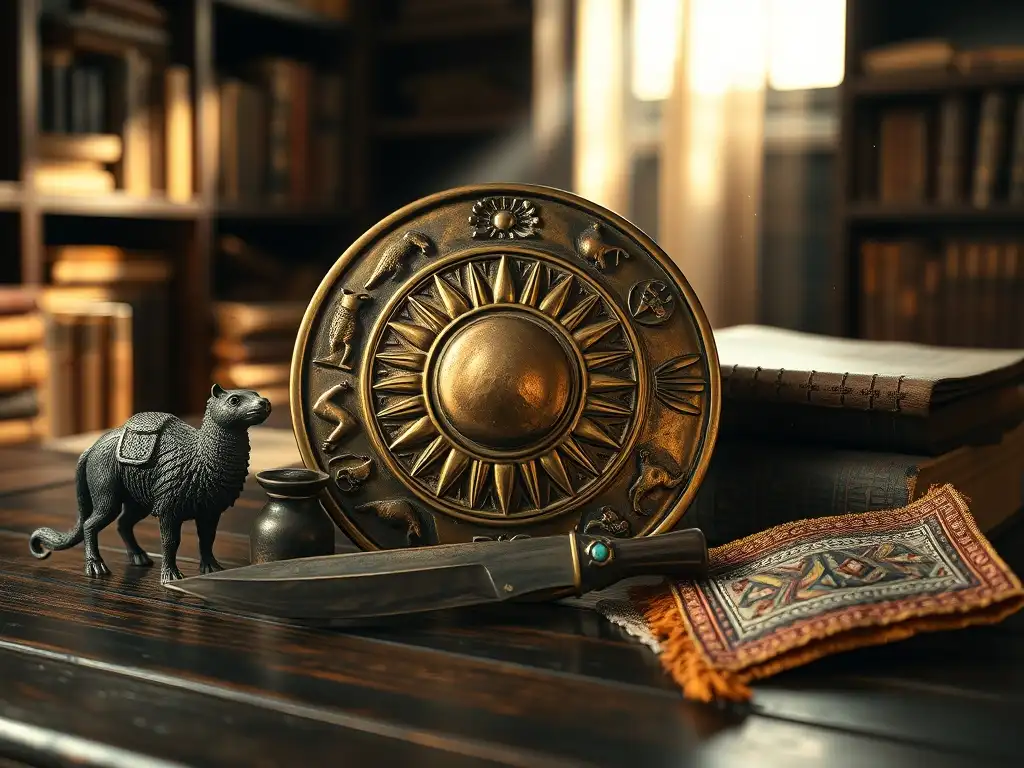
The enduring legacy of Inca metalwork presents modern researchers with both fascinating opportunities and significant challenges. The delicate nature of these artifacts, combined with the passage of centuries, necessitates specialized techniques and meticulous care to ensure their survival for future generations. Understanding the symbolism embedded within these pieces requires a multidisciplinary approach, blending archaeological investigation with metallurgical analysis, art historical interpretation, and anthropological insights.
The goal is not merely to preserve the objects themselves, but also to safeguard the rich cultural and cosmological narratives they embody. This section will delve into the complexities of preserving these precious artifacts and the ongoing research illuminating their significance.
Challenges in Preserving Ancient Inca Metal Artifacts
Preserving Inca metal artifacts presents a unique set of challenges due to the materials used and the environmental conditions they've endured. The Inca's masterful use of alloys, often combining gold, silver, copper, and other metals, creates objects susceptible to specific forms of degradation. For example, corrosion is a significant threat, particularly in the presence of moisture and certain atmospheric pollutants.
This can lead to the deterioration of the metal itself, resulting in pitting, flaking, and even structural weakening. Another crucial factor is the presence of organic materials sometimes incorporated into the metalwork, like textiles or resins used in inlay or decoration. These organic components are prone to decay, which can negatively impact the integrity of the metal object.
Furthermore, the effects of looting and illicit trafficking have significantly impacted the survival of Inca metalwork. Many artifacts have been removed from their original archaeological contexts, disrupting our understanding of their creation and use. This removal often exposes them to harsh environmental conditions and inappropriate handling, accelerating their deterioration.
Finally, the lack of standardized preservation protocols across different institutions and countries handling these artifacts poses a significant challenge. This inconsistency can lead to variations in conservation practices, potentially harming the long-term preservation of these irreplaceable treasures. Developing and implementing universally accepted best practices is crucial for the long-term preservation of Inca metalwork.
The Importance of Research in Understanding Inca Metalwork
The study of Inca metalwork extends far beyond the mere cataloging of objects; it is a crucial avenue for understanding the Inca worldview, social structures, and technological capabilities. Research efforts focus on several key areas: metallurgical analysis helps determine the specific alloys used, revealing the sophistication of Inca metalworking techniques and their access to resources; iconographic studies decipher the symbolism embedded in the motifs, shedding light on religious beliefs, royal power, and societal hierarchies; and archaeological context analysis places the artifacts within their original settings, providing crucial information about their function and significance within Inca society.
For instance, recent research has highlighted the importance of specific alloys in religious contexts. The use of gold, often associated with the sun god Inti, in certain ceremonial objects points to their sacred nature and the power they represented. Similarly, the incorporation of specific motifs, such as the condor or puma, reveals deep-seated beliefs about the natural world and its relationship to the Inca cosmos.
By combining these various research methodologies, a more complete picture of Inca metalwork’s significance emerges, enriching our understanding of this remarkable civilization. The ongoing research in this field is vital for a nuanced interpretation of the Inca's rich cultural heritage.
Current Archaeological Findings and Analysis of Inca Metalwork
Recent archaeological investigations continue to yield fascinating insights into Inca metalwork. New discoveries are constantly refining our understanding of Inca metallurgical techniques, artistic styles, and the social and religious contexts in which these objects were created and used. For example, the discovery of new workshops or casting molds provides invaluable information about the production process, allowing for a better understanding of the division of labor and the level of specialization within Inca society. Analyzing the chemical composition of the alloys used can reveal the sources of the raw materials, providing insights into trade networks and resource management strategies.
Moreover, the application of advanced imaging techniques, such as X-ray fluorescence (XRF) and 3D scanning, allows for non-destructive analysis of the artifacts, revealing details previously inaccessible. This enables researchers to study the intricate details of the craftsmanship and identify subtle changes in style across different periods and regions. These new techniques, combined with ongoing fieldwork and the study of existing collections, promise to significantly advance our knowledge of Inca metalwork and its profound cultural significance in the coming years.
The study of Inca metalwork symbolism meaning is a continually evolving field, fueled by new discoveries and advanced research methodologies. The ongoing efforts in this area promise a richer, more complete understanding of Inca culture and artistry.
Conclusion: The Lasting Legacy of Inca Metalwork Symbolism
The intricate artistry and symbolic richness of Inca metalwork offer a captivating window into the worldview and societal structures of this remarkable civilization. By meticulously studying the motifs, we gain a deeper understanding not only of their aesthetic sensibilities but also of their complex cosmology, social hierarchy, and political power dynamics. The enduring presence of these symbols, even after the Spanish conquest, speaks volumes about their cultural significance and the lasting impact of Inca traditions.
The meticulous craftsmanship and symbolic depth evident in surviving pieces continue to fascinate and inspire researchers and art enthusiasts alike. Further research into less-studied aspects of Inca metalwork, such as the role of individual artisans and the specific techniques employed, promises to unveil even more nuanced insights into this captivating area of Inca culture.
Understanding the intricate Inca metalwork symbolism meaning is crucial to a holistic appreciation of their civilization. The legacy of their artistic achievements continues to resonate, influencing contemporary Andean art and fueling ongoing scholarly investigation.
The Enduring Power of Inca Art and Metalworking Traditions
The impact of Inca metalworking traditions extends far beyond the realm of historical artifacts. The sophisticated techniques, such as hammering, casting, and repoussé, demonstrate a remarkable level of technological advancement. These skills, passed down through generations, influenced subsequent Andean artistic practices, showcasing the enduring influence of Inca aesthetics.
Even today, elements of Inca design and symbolism can be found integrated into contemporary Andean art forms. The motifs themselves, representing key aspects of Inca cosmology and belief systems, continue to hold symbolic weight within some Andean communities. This enduring legacy underscores the profound cultural significance of Inca metalwork, highlighting its role not merely as decorative objects but as potent symbols that continue to shape cultural identity.
The study of Inca metalwork offers valuable lessons on the preservation and transmission of cultural heritage, demonstrating how artistic traditions can transcend time and continue to resonate with later generations. Understanding the symbolism allows us to appreciate the depth of Inca artistic expression and its lasting contribution to Andean culture. The careful preservation and study of Inca metalwork are essential for understanding the "Inca metalwork symbolism meaning" and the broader context of their society.
Understanding Inca Metalwork: A Key to Understanding Inca Culture
Inca metalwork serves as a powerful key to unlocking a deeper understanding of Inca culture. The motifs are not merely decorative; they're encoded messages reflecting the beliefs, values, and social structures of the Inca Empire. For instance, the recurring use of the puma and condor motifs reflects the Inca's close relationship with the natural world and their hierarchical social organization.
The puma, often associated with earthly power and strength, might represent the Sapa Inca, while the condor, a creature of the heights, could symbolize divine authority and connection to the celestial realm. Similarly, the intricate designs incorporating agricultural symbols, such as maize and other crops, highlight the importance of agriculture in Inca society and their sophisticated understanding of agricultural cycles. By analyzing these recurring motifs and their contextual placement within specific artifacts, scholars can reconstruct aspects of Inca religion, political organization, and social interactions.
The detailed study of Inca metalwork symbolism meaning provides invaluable insights into the worldview and beliefs of this remarkable civilization, enriching our understanding of their achievements and legacy. The meticulous attention to detail in Inca metalwork serves as a testament to their mastery of craft and their sophisticated understanding of the symbolic power of art.
Frequently Asked Questions
What is the significance of Inca metalwork?
Inca metalwork held immense religious and political significance. It was used to express cosmology, power, and social status, often depicting deities and important events. Masterful craftsmanship demonstrated the Inca's advanced skills.
What symbols are commonly found in Inca metalwork?
Common symbols include the condor, representing power and royalty; the puma, symbolizing strength and the earthly realm; and the snake, associated with fertility and the underworld. Geometric patterns also carried symbolic meaning.
How did Inca metalworkers create their intricate designs?
Inca metalworkers employed sophisticated techniques like hammering, casting, and alloying. They used gold, silver, copper, and bronze, often combining them to create stunning, multi-colored objects. Their skill was highly specialized.
What is the relationship between Inca metalwork and cosmology?
Inca metalwork often depicted celestial bodies and constellations, reflecting their deep understanding of astronomy and its influence on their lives. These pieces were believed to connect the human and divine realms.
Where can I learn more about the symbolism in Inca metalwork?
You can explore museums with Inca collections, such as the Larco Museum in Lima. Academic journals and books dedicated to Andean art and archaeology also offer in-depth analyses of Inca metalwork symbolism and meaning.
Final Reflection: Echoes of the Andes: Legacy and Meaning in Inca Metalwork
The intricate artistry of Inca metalwork continues to resonate today, a tangible link to a civilization that masterfully intertwined power and cosmology. Its enduring appeal isn't merely aesthetic; it's a testament to the enduring human need to express spiritual beliefs and social structures through artistic mediums. The motifs, meticulously crafted in gold, silver, and copper, remain powerful symbols, whispering tales of a sophisticated society and its relationship with the natural world.
The enduring influence of Inca metalwork symbolism extends far beyond museum walls. It continues to inspire contemporary artists, designers, and scholars, prompting new interpretations and fresh perspectives on Inca culture. The intricate designs, imbued with meaning far beyond their surface beauty, serve as a constant reminder of the ingenuity and spiritual depth of the Inca civilization. The past is never dead. It's not even past.
- William Faulkner. This quote perfectly encapsulates the ongoing relevance of Inca metalwork, its symbols echoing across centuries, shaping our understanding of a lost world and its enduring legacy.
Consider the intricate detail, the symbolic weight carried by each carefully chosen motif. Let the legacy of Inca metalwork inspire you to delve deeper into the stories embedded within the objects themselves. Examine the power of symbolism in your own life – how do you express your beliefs and values through art, craft, or other creative outlets? By understanding the past, we can better appreciate the present and build a more meaningful future, enriched by the wisdom and artistry of those who came before us.
Unveil the Secrets of Inca Metalwork Today!
Thank you for exploring the intricate world of Inca metalwork with us! You've discovered the fascinating symbolism reflecting power and cosmology, and now it's time to apply that knowledge.
Here's how you can continue your journey of discovery:
- Get hands-on: Experiment with recreating a simple Inca metalwork design using readily available materials or digital design software. This will enhance your understanding and appreciation of the artistry.
- Dive deeper: Explore the metalwork of other Andean cultures and compare their designs and symbolism, enriching your understanding of the region's artistic traditions.
- Share your insights: Discuss your discoveries with friends, family, or online communities, fostering a conversation about the importance of preserving cultural heritage.
What aspect of Inca metalwork most fascinates you, and why do you believe it remains relevant today? Let's continue the discussion!