
The Mysteries of Andean Medicine: Healing Practices and Beliefs

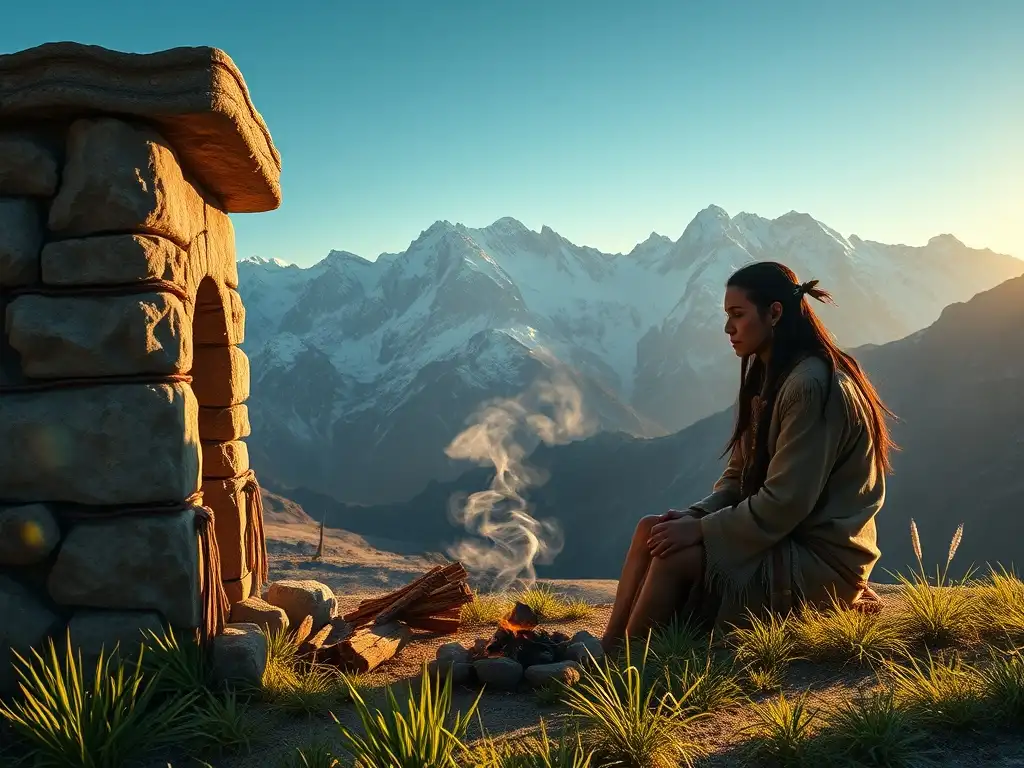
Step into a world lost to time, yet echoing with enduring wisdom. Discover the secrets held within the breathtaking landscapes of the Andes, where ancient civilizations thrived and developed remarkable healing practices far beyond our modern understanding. Prepare to unravel the mysteries of Andean medicine, exploring the intricate beliefs and techniques that shaped the lives and health of the Incas, Moche, Nazca, and Tiahuanaco. Journey with us as we delve into the fascinating world of Andean healing practices – a legacy that continues to inspire awe and intrigue.
- Andean Healing Practices: Unveiling the Mysteries of Ancient Medicine
- Key Elements of Andean Medical Systems
- Common Andean Healing Techniques
- Specific Ailments and Andean Treatments
- The Legacy of Andean Medicine Today
- Frequently Asked Questions
- Final Reflection: Echoes of the Andes: A Legacy of Healing
- **Unlock the Secrets of Andean Medicine! **
Andean Healing Practices: Unveiling the Mysteries of Ancient Medicine
The Andes Mountains, a spine of towering peaks and fertile valleys stretching along the western coast of South America, were home to a vibrant tapestry of ancient civilizations. For millennia, these cultures—including the Incas, Moche, Nazca, and Tiahuanaco—developed sophisticated systems of knowledge and belief, deeply intertwined with their understanding of the natural world and the human body. This article delves into the fascinating world of Andean healing practices, exploring the intricate blend of spiritual beliefs, herbal remedies, and surgical techniques that characterized their approach to health and well-being.
We will uncover the mysteries behind their medicinal knowledge, revealing how their understanding of the cosmos, nature, and the human spirit shaped their methods of healing and their profound connection to their environment. Understanding Andean healing practices provides a crucial window into the complexity and ingenuity of these remarkable societies, enriching our understanding of their daily lives and their enduring legacy.
This exploration will shed light on the holistic approach to health that permeated Andean societies, demonstrating how their beliefs and practices influenced every aspect of their lives. The effectiveness and ingenuity of their methods, many of which are still practiced today, remain a testament to their deep understanding of the human body and the power of nature.
Introduction to Andean Traditional Medicine
Andean traditional medicine wasn't simply about treating illnesses; it was deeply interwoven with their cosmology and worldview. The Andean worldview perceived the human body as a microcosm of the universe, reflecting the balance and harmony of the cosmos. Illness, therefore, wasn't seen as a separate entity, but rather as an imbalance within this intricate system. Healing, consequently, aimed to restore this balance, employing a holistic approach that addressed physical, spiritual, and emotional aspects simultaneously. This involved a complex interplay of various methods:
- Herbal remedies: A vast pharmacopoeia of plants, roots, and minerals formed the basis of their medicinal practices. Precise knowledge of their properties and applications was passed down through generations, often embedded within intricate rituals and ceremonies. Specific plants were selected based on their perceived energy and ability to restore the body's equilibrium. For example, coca leaves were not only a source of energy but also possessed medicinal properties used to alleviate various ailments.
- Spiritual healing: Shamans, or paqos, played a crucial role in Andean healing. They were believed to possess the ability to communicate with the spirit world and diagnose illnesses through divination and other spiritual practices. Their interventions often involved rituals, ceremonies, and the use of sacred objects to restore the patient's spiritual balance. These rituals often incorporated prayers, offerings, and the use of sacred objects to appease the spirits and re-establish harmony.
- Surgical techniques: Archaeological evidence suggests a surprising level of surgical sophistication. Trepanation—the practice of drilling holes in the skull—was performed, although the precise reasons and success rates remain subjects of ongoing research. While the exact techniques varied across different Andean cultures, the ability to perform such procedures demonstrates a remarkable understanding of anatomy and surgical principles.
The Spiritual Foundation of Andean Healing
The spiritual dimension formed the cornerstone of Andean healing practices. The Andean worldview was deeply animistic, believing that spirits inhabited both the natural and supernatural worlds. Sickness was often attributed to an imbalance in the relationship between the individual and these spirits, or to the influence of malevolent forces. Healing, therefore, involved not only treating the physical symptoms but also addressing the underlying spiritual causes.
The paqos, or Andean shamans, were crucial intermediaries between the human and spirit worlds. Their role extended beyond simply treating illnesses; they acted as spiritual guides, assisting individuals in maintaining harmony within their communities and with the natural world. Their knowledge and expertise were highly valued, and their interventions often involved complex rituals and ceremonies designed to restore balance and harmony.
The use of sacred objects, such as amulets and idols, was also integral to Andean healing. These objects were believed to possess powerful spiritual energy, capable of protecting individuals from harm and promoting healing. Their use varied across different Andean cultures, reflecting the diversity of beliefs and practices within the region.
The integration of these spiritual practices within the healing process highlights the holistic and deeply spiritual nature of Andean medicine, emphasizing the interconnectedness of the physical and spiritual realms. Further research is needed to fully understand the nuanced aspects of these spiritual practices and their impact on the overall effectiveness of Andean healing methods.
Key Elements of Andean Medical Systems
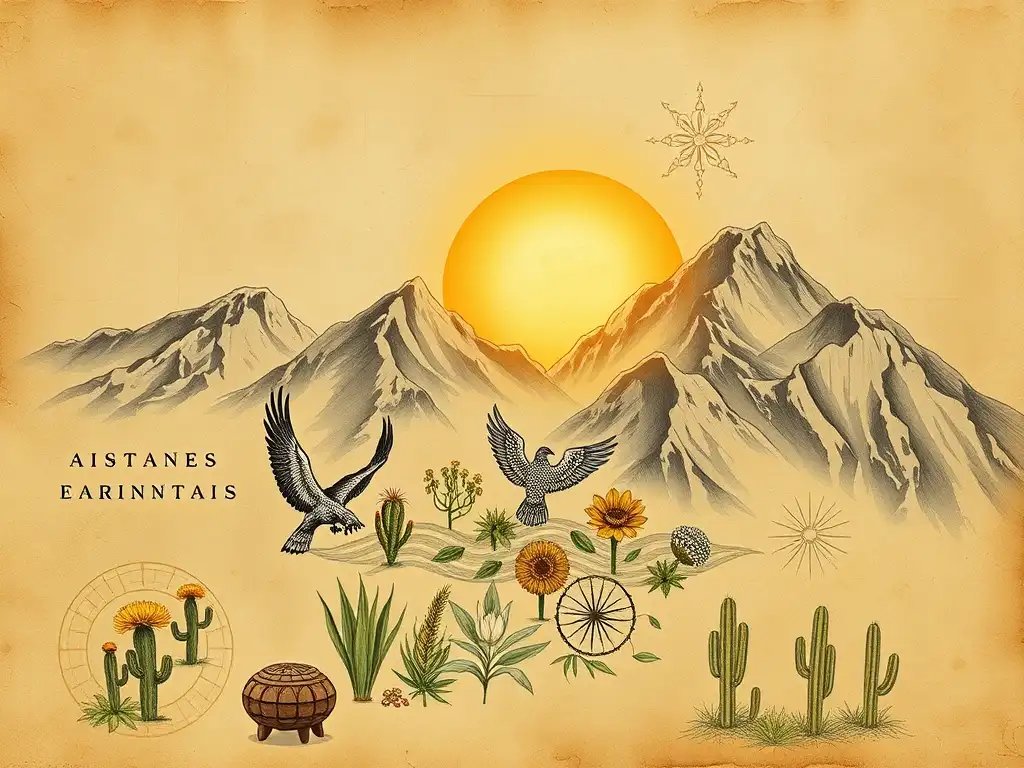
This section delves into the core components that defined Andean medical systems, exploring their unique approaches to healing and the interplay between spiritual and physical well-being. Understanding these elements is crucial to appreciating the sophistication and complexity of ancient Andean healthcare. The Andean worldview, deeply intertwined with nature and spirituality, heavily influenced their healing practices.
This wasn't simply about treating symptoms; it was about restoring balance and harmony within the individual and their environment. We'll examine the key roles of shamans, the significance of cosmovision, and the pivotal role of natural remedies in achieving this holistic healing. The holistic approach to Andean healing practices is a testament to their deep understanding of the interconnectedness of all things.
The Role of the Andean Shaman (Yachaq)
The yachaq, or Andean shaman, held a central position within Andean societies. They were not simply healers; they were spiritual leaders, intermediaries between the human and spirit worlds. Their expertise extended beyond medical knowledge; they possessed deep understanding of astronomy, agriculture, and social structures, often acting as advisors to rulers and communities. The yachaq's role involved diagnosing illnesses, prescribing treatments, and performing rituals to restore balance.
Their methods incorporated a blend of herbal remedies, spiritual practices, and intricate knowledge of the human body. Many accounts describe the yachaq's ability to diagnose illnesses through divination, interpreting dreams, or observing subtle signs in nature. Their treatments often involved a combination of medicinal plants, prayers, and ceremonies aimed at appeasing the spirits and restoring the patient's harmony with the cosmos.
The training of a yachaq was rigorous, often involving years of apprenticeship and intense spiritual practices. This rigorous training ensured that the yachaq possessed not only medicinal knowledge but also the spiritual authority needed to effectively treat their patients. The prestige and authority of the yachaq underscore the importance of spiritual healing in the Andean worldview.
Understanding Andean Cosmovision and Health
Andean cosmovision, a complex worldview encompassing the interconnectedness of all living things, significantly impacted their understanding of health and illness. The concept of ayni, reciprocity, was central to this belief system; it emphasized the balance and harmony between humans, nature, and the supernatural. Illness was often viewed as a disruption of this balance, a consequence of violating ayni or incurring the wrath of supernatural forces.
This disruption could manifest physically, mentally, or spiritually. Restoring health, therefore, involved not just physical treatment but also spiritual restoration, a process of re-establishing harmony within the individual and their environment. The Andean worldview integrated the physical and spiritual realms seamlessly.
For example, a physical ailment might be interpreted as a manifestation of spiritual imbalance, requiring spiritual remedies alongside herbal treatments. This holistic approach to healing underscores the profound connection between the physical and spiritual aspects of life in Andean culture, highlighting the importance of a balanced existence for overall well-being.
The Importance of Nature in Andean Cures
The natural world formed the bedrock of Andean medicine. A vast pharmacopoeia of plants, minerals, and animal products provided the foundation for their healing practices. Andean healers possessed an encyclopedic knowledge of medicinal plants, understanding their properties and applications.
From coca leaves to cinchona bark (source of quinine), the Andean landscape offered a rich array of remedies for various ailments. Furthermore, the use of these natural resources wasn't merely practical; it reinforced the connection between humans and the natural world, emphasizing the inherent healing power of nature. Beyond medicinal plants, Andean healers also utilized water, minerals, and even certain animals in their treatments.
The effectiveness of many of these remedies has been confirmed by modern scientific research, highlighting the sophisticated understanding of botany and pharmacology possessed by Andean healers. The deep respect for nature and its healing properties remains a significant aspect of Andean culture and a testament to the enduring legacy of their traditional medicine. The sustainable harvesting and careful use of these resources also speak to a holistic approach that valued the preservation of the natural environment.
Common Andean Healing Techniques
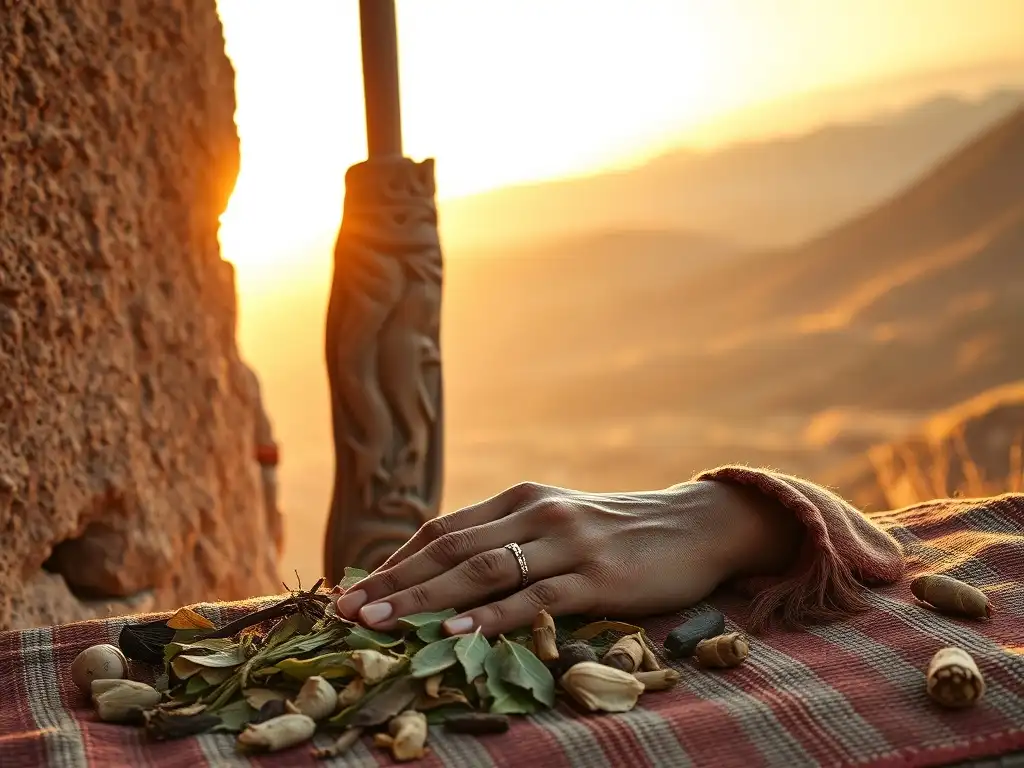
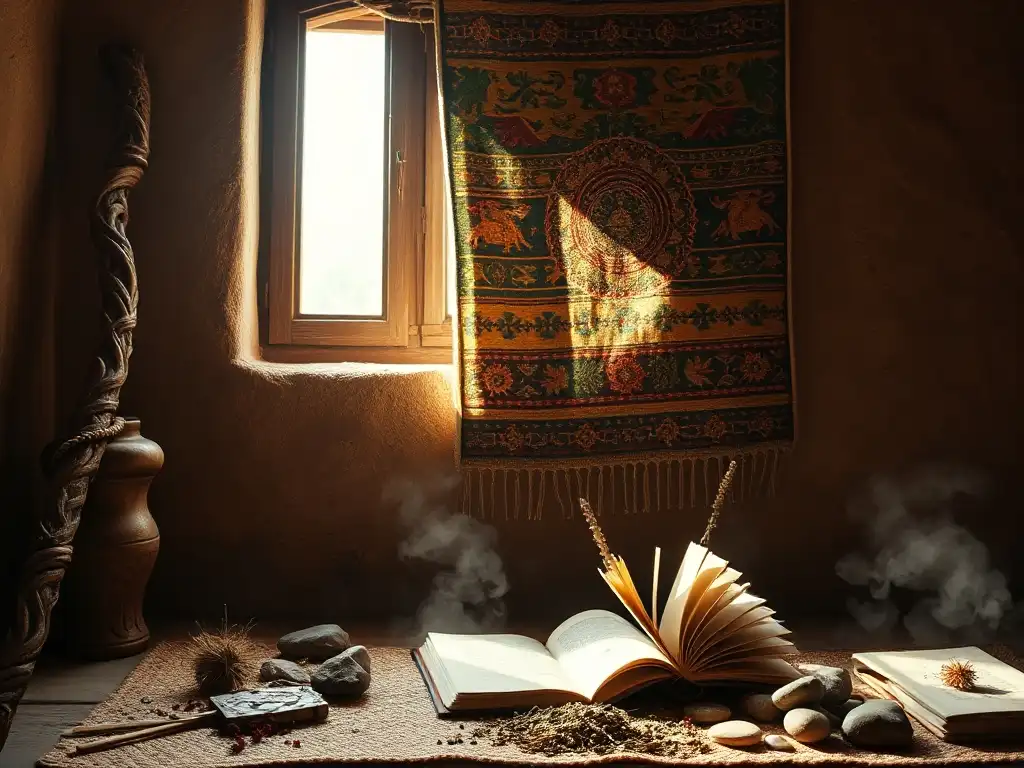
Andean healing practices, deeply intertwined with their cosmology and worldview, represent a fascinating blend of empirical observation and spiritual belief. Understanding these practices requires appreciating the holistic approach taken by Andean healers, who viewed the body as intrinsically connected to the natural world and the spiritual realm. This section explores some of the most common techniques employed, highlighting the diverse resources utilized and the underlying philosophical principles guiding their application.
The sophisticated understanding of medicinal plants and the intricate rituals surrounding healing reveal a complex and highly developed system of healthcare in the Andes. The search for effective "Andean healing practices" reveals a rich tapestry of knowledge passed down through generations.
Herbal Remedies: The Power of Andean Plants
The Andean region boasts incredible biodiversity, providing a vast array of plants with medicinal properties. Healers, often women possessing extensive botanical knowledge passed down through their families, skillfully utilized these resources to treat a wide range of ailments. Their expertise extended beyond simple identification; they understood the precise dosage, preparation methods, and even the optimal time of day for harvesting plants to maximize their efficacy.
For example, coca leaves ( Erythroxylum coca) weren't just a source of energy; they were also valued for their analgesic and anesthetic properties, used to alleviate pain and reduce inflammation. Similarly, Matico ( Piper aduncum) leaves, known for their antiseptic and hemostatic properties, were used to treat wounds and stop bleeding. Other commonly used plants included muña ( Minthostachys species) for digestive issues, and various species of Cantua for respiratory problems.
The knowledge surrounding these plants was often encoded in intricate systems of classification and symbolism, reflecting a deep understanding of the interconnectedness of plants, humans, and the cosmos. The preparation of herbal remedies frequently involved complex rituals, ensuring the proper alignment between the healer, the patient, and the spiritual forces believed to influence healing. Further research is needed to fully catalogue the extensive pharmacopoeia of Andean cultures, and to understand the precise mechanisms of action for many of these herbal remedies. This rich tradition provides a valuable source of potential new medicines for modern pharmacology.
Rituals and Ceremonies for Healing
Beyond herbal remedies, Andean healing practices heavily relied on rituals and ceremonies aimed at restoring balance and harmony within the patient's body and spirit. These rituals often involved offerings to deities, ancestral spirits, and Pachamama (Mother Earth), seeking their intervention in the healing process. The use of specific chants, prayers, and symbolic objects played a crucial role in these ceremonies.
Shamans or paqos played a central role, acting as intermediaries between the human and spiritual worlds. Their ability to enter altered states of consciousness, often through the use of entheogenic plants like San Pedro cactus ( Echinopsis pachanoi), allowed them to diagnose illnesses and interact with the spiritual realm to facilitate healing. These ceremonies weren't just about physical healing; they also aimed to address the spiritual and emotional dimensions of illness, restoring the patient's connection to their community and the cosmos.
The specific rituals varied depending on the nature of the illness and the cultural context. Some ceremonies involved cleansing rituals using water or herbs, while others focused on energetic manipulation through techniques like limpia (spiritual cleansing). The effectiveness of these rituals is difficult to assess scientifically, but their importance within the Andean worldview cannot be overstated. They provided a powerful framework for coping with illness and promoting social cohesion within the community.
Use of Minerals and Animal Products in Traditional Medicine
Andean healing practices also incorporated minerals and animal products into their therapeutic arsenal. Certain minerals, like clay, were used externally to treat skin conditions and wounds. Their absorptive properties helped to draw out impurities and promote healing. Specific types of clay, depending on their mineral composition and origin, were favored for their different therapeutic qualities.
Animal products also played a significant role. For example, fat from certain animals was used as a base for ointments and salves, often combined with medicinal herbs to enhance their effectiveness. The use of animal products extended beyond simple ingredients; certain parts of animals, like bones or feathers, were also used in rituals and ceremonies, symbolizing strength, protection, or connection to the spirit world.
The selection of specific animal products often held symbolic significance, reflecting a complex relationship between humans and the animal kingdom. The use of animal products in Andean medicine highlights the holistic approach that integrated all aspects of the natural world into their healing practices. Detailed research on the specific animals and their parts used in these practices, and the methods of preparation, would further illuminate this aspect of Andean healing traditions. Further investigation is crucial to understanding the full range of their therapeutic applications.
Specific Ailments and Andean Treatments
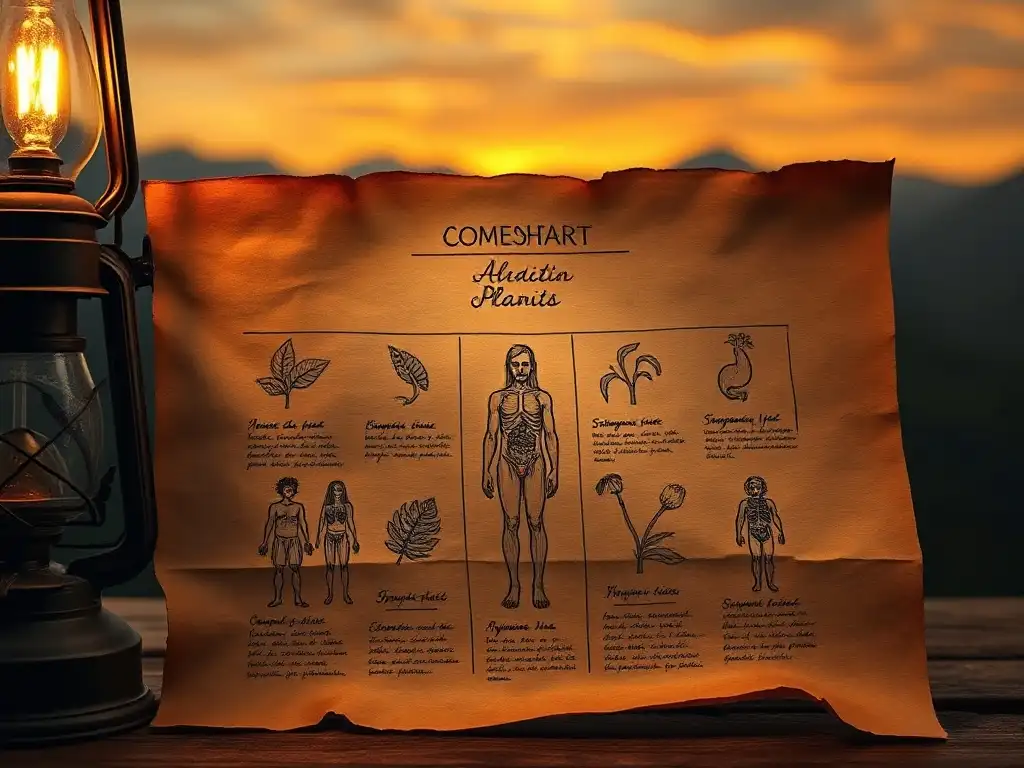
The Andean world, encompassing diverse cultures like the Inca, Moche, Nazca, and Tiahuanaco, developed sophisticated healing practices deeply intertwined with their unique environment and spiritual beliefs. Understanding their approaches to specific ailments offers a fascinating glimpse into their medical knowledge and worldview. Their treatments weren't solely focused on physical symptoms; they addressed the holistic well-being of the individual, encompassing physical, mental, and spiritual aspects.
This holistic approach is a key characteristic of Andean healing practices, setting them apart from many other ancient medical systems. The effectiveness of their treatments varied, naturally, depending on the ailment and the availability of resources. However, their ingenuity in utilizing available plants, minerals, and spiritual rituals is undeniable.
Addressing Physical Illnesses with Andean Methods
Andean healers, often shamans or curanderos, possessed extensive knowledge of medicinal plants. They meticulously cataloged the properties of various herbs, roots, and barks, employing them in diverse ways – infusions, poultices, ointments, and even inhalants. For example, the coca leaf, a staple in Andean life, wasn't just a stimulant; it possessed analgesic and anesthetic properties, used to alleviate pain and discomfort during surgeries or childbirth. 1 Furthermore, the use of medicinal plants was often combined with other therapies such as bloodletting, bone setting, and herbal baths.
Detailed records of specific treatments for ailments are scarce, unfortunately, relying heavily on ethnographic studies and archaeological interpretations. However, we can infer some common practices. Infections, for instance, were likely treated with antiseptic herbs and possibly surgical procedures in some cases.
Fractures and other bone injuries were addressed with techniques involving herbal remedies and immobilization, showcasing an understanding of basic bone healing principles. The use of trepanation, a surgical procedure involving drilling holes in the skull, has been documented in Andean archaeology, suggesting a possible treatment for head injuries or other neurological conditions, although the reasons behind this practice remain debated by researchers. Further research into archaeological findings and ancient texts is crucial to fully understand the extent and effectiveness of these treatments.
Mental and Emotional Well-being in Andean Cultures
Andean cultures didn't compartmentalize physical and mental health. They recognized the interconnectedness of the body and spirit, understanding that emotional distress could manifest as physical illness. Therefore, Andean healing practices integrated spiritual and ritualistic approaches alongside physical remedies. Shamans played a crucial role in addressing mental and emotional imbalances, often utilizing rituals, ceremonies, and divination techniques to diagnose and treat spiritual afflictions believed to be the root cause of many ailments.
For example, the use of hallucinogenic plants like San Pedro cactus in shamanistic rituals could have served therapeutic purposes, facilitating introspection and emotional release. These ceremonies weren't merely spiritual experiences; they were believed to restore balance and harmony within the individual and their connection to the natural world. While the specific methods and their effectiveness are difficult to evaluate from a modern perspective, the integration of spiritual practices into healthcare highlights the holistic nature of Andean healing.
The importance of community and social support also played a significant role in maintaining mental and emotional well-being. Strong social bonds and communal rituals fostered resilience and provided a sense of belonging, crucial aspects in ensuring overall health.
Healing Practices for Altitude Sickness
Living at high altitudes presented unique challenges to Andean populations. Altitude sickness, characterized by symptoms such as headache, nausea, and shortness of breath, was a common concern. Andean communities developed various adaptive strategies and treatments to mitigate its effects. Acclimatization through gradual ascent was likely a common practice, allowing the body to adjust to the lower oxygen levels.
Beyond acclimatization, the use of coca leaves likely played a significant role in alleviating some of the symptoms of altitude sickness. The stimulant properties of coca helped combat fatigue and improve respiratory function, providing temporary relief. Additionally, certain herbal remedies might have been employed to alleviate nausea and headaches. Further research is needed to identify the specific plants used and the precise methods of their administration.
The effectiveness of these traditional treatments, compared to modern medical interventions, requires further investigation. However, the development of these strategies demonstrates the remarkable adaptability and ingenuity of Andean populations in coping with the harsh environmental conditions of the Andes Mountains. Understanding these adaptations offers valuable insights into the relationship between ancient Andean societies and their environment, and their innovative approaches to healthcare in challenging circumstances.
1 Further research is needed to fully detail the specific applications and effectiveness of coca leaf in Andean medicine.
Andean Cures for Digestive Issues
Digestive problems were undoubtedly common in Andean societies, given their diets and environmental conditions. The high altitude, the reliance on certain staple crops like potatoes and quinoa, and the potential for food spoilage all contributed to a range of gastrointestinal ailments. Andean healers developed sophisticated methods to address these issues, often integrating herbal remedies with spiritual practices.
For example, the use of coca leaves wasn't limited to ritualistic contexts; it also held medicinal value, its alkaloids offering mild anesthetic and anti-inflammatory properties, potentially easing stomach pain and nausea. The precise methods of coca leaf preparation for digestive issues are unfortunately not well documented, with the knowledge often passed down orally within families and communities. However, we can infer from other ethnobotanical studies that the leaves were likely chewed, brewed into teas, or incorporated into poultices.
Beyond coca, a wide variety of plants were employed. Different species, depending on their availability in specific regions, were likely used to treat various digestive disorders. Some plants might have acted as antispasmodics, relaxing the intestinal muscles and alleviating cramps. Others could have possessed anti-diarrheal or laxative properties, depending on the specific ailment.
The precise identification of these plants and their specific uses requires further research, as much of the traditional knowledge remains undocumented or exists only in fragmented accounts. However, ongoing ethnobotanical studies in the Andes continue to reveal the vast pharmacopoeia developed by these ancient cultures. The detailed understanding of the specific plant species and their medicinal preparations is a crucial area for future research in understanding Andean healing practices. Understanding the precise methods of preparation and dosage is key to fully appreciating the sophistication of their approach to digestive health.
The integration of spiritual beliefs into the healing process is also significant. Illness wasn't always seen solely as a physical problem but often as a consequence of an imbalance in the individual's relationship with the spiritual world. Therefore, rituals and ceremonies, alongside herbal remedies, played a crucial role in restoring harmony and promoting healing. Shamans, or curanderos, played a pivotal role in diagnosing the underlying spiritual cause of the illness and performing the necessary rituals to address it.
These rituals might involve offerings to deities, the use of sacred objects, or the invocation of protective spirits. The effectiveness of these practices is difficult to quantify scientifically, but their importance in the Andean worldview underscores the holistic nature of their approach to digestive health and disease. The intertwining of the physical and spiritual realms in Andean healing offers a fascinating perspective on the complexities of their medical traditions.
The Legacy of Andean Medicine Today
The intricate tapestry of Andean healing practices, woven over millennia, continues to resonate in the 21st century. While modern medicine has made incredible strides, the enduring influence of ancient Andean knowledge remains surprisingly potent, impacting both medical research and contemporary healthcare approaches. Understanding this legacy is crucial to appreciating the holistic nature of Andean worldview and its contributions to global health perspectives.
The sophisticated understanding of medicinal plants, the emphasis on preventative care, and the integration of spiritual and physical well-being are all aspects that continue to inspire and inform modern practices. We'll explore this fascinating interplay between past and present, examining how the echoes of ancient Andean healing reverberate in our current understanding of health and wellness.
Influence of Ancient Practices on Modern Medicine
Modern pharmacology owes a significant debt to traditional Andean knowledge. Many plants used in ancient Andean medicine have been scientifically proven to possess potent medicinal properties. For example, the coca leaf, long revered in Andean culture for its stimulant and analgesic properties, is now being studied for its potential in treating altitude sickness and even certain neurological conditions.
Similarly, the cinchona tree, source of quinine, has been a cornerstone of malaria treatment for centuries, its use initially derived from indigenous Andean knowledge. This isn't merely about the identification of individual plants; it's about the understanding of complex medicinal interactions and holistic approaches that modern science is only beginning to grasp. Research into Andean botanical knowledge has led to the discovery of new compounds and therapies, highlighting the potential for further breakthroughs.
The detailed understanding of plant-based remedies, honed over generations of Andean practice, provides a rich database for modern researchers to explore and build upon. The Andean emphasis on preventative health, incorporating balanced diets and harmonious living, also finds echoes in contemporary approaches like preventative medicine and holistic wellness programs.
Current Use of Traditional Andean Healing
Despite the advancements in Western medicine, traditional Andean healing practices remain vibrant and relevant in many Andean communities today. Curanderos and yatiri, traditional healers, continue to play a vital role in providing healthcare, particularly in rural areas with limited access to modern facilities. These healers utilize a range of techniques, including herbal remedies, massage, and spiritual cleansing rituals, to address both physical and spiritual ailments.
The integration of spiritual and physical health is a key element, reflecting the holistic Andean worldview. The use of traditional Andean healing is not simply a matter of cultural preservation; it represents a viable and effective healthcare system for many communities.
While the precise numbers of individuals relying solely on these practices are difficult to quantify definitively ([specific information pending]), anecdotal evidence and ethnographic studies consistently demonstrate their continued and significant impact on health outcomes in these communities. The resilience of these practices highlights their ongoing importance and efficacy, even in the face of modern medical advancements.
Preserving Andean Medical Knowledge for Future Generations
The preservation of Andean medical knowledge is paramount, not only for the benefit of Andean communities but also for the global scientific community. The loss of this invaluable heritage would represent a significant blow to both cultural diversity and the potential for future medical breakthroughs. Efforts are underway to document and archive traditional knowledge through various initiatives, including collaborative research projects between indigenous communities and academic institutions.
These initiatives strive to ensure that Andean healing practices are transmitted across generations, avoiding the risk of cultural loss. Furthermore, initiatives focused on ethical and sustainable harvesting of medicinal plants are crucial to the long-term viability of these practices. Digital archiving of traditional texts and oral histories is also proving vital in protecting this knowledge.
The challenge lies in balancing the preservation of traditional knowledge with the need for responsible adaptation to modern contexts, ensuring that these time-honored practices continue to thrive in a rapidly changing world. The protection of this rich heritage is not merely an academic pursuit; it's a crucial step in safeguarding a valuable resource for the future of global health.
Frequently Asked Questions
What were some common Andean healing practices?
Andean healing practices were diverse and sophisticated, integrating herbal remedies, spiritual rituals, and surgical procedures. They utilized plants like coca and various herbs for medicinal purposes.
How did Andean people view illness?
Illness was often seen as an imbalance within the individual or their relationship with the spiritual world. Shamans played a crucial role in diagnosing and treating these imbalances.
What role did shamans play in Andean healing?
Shamans were spiritual healers who used rituals, divination, and herbal medicine. They were considered intermediaries between the physical and spiritual realms, diagnosing and treating illnesses through a holistic approach.
What kind of surgical procedures did the Andean civilizations perform?
While less common than other practices, some Andean cultures performed trepanation, a type of skull surgery. Evidence suggests a surprisingly high survival rate for these complex procedures.
How did Andean healing practices differ between different cultures?
While sharing some common threads, Andean healing practices varied significantly between cultures like the Inca, Moche, Nazca, and Tiahuanaco. Each group had its own unique traditions, beliefs, and techniques.
Final Reflection: Echoes of the Andes: A Legacy of Healing
The enduring wisdom of Andean healing practices offers a powerful counterpoint to the often impersonal nature of modern medicine. These ancient techniques, rooted in a deep connection to nature and spirituality, continue to resonate today, reminding us of the holistic approach to well-being that often gets lost in the complexities of our technologically advanced world. Their survival and continued practice are a testament to their efficacy and the enduring power of tradition.
The profound influence of Andean healing on the cultural landscape is undeniable, shaping not only healthcare but also spiritual beliefs and social structures. These practices represent a rich tapestry of knowledge passed down through generations, weaving together herbal remedies, energetic healing, and a profound respect for the interconnectedness of all living things. The mountains are our teachers, the plants our healers, and the spirits our guides.
This sentiment encapsulates the core philosophy that underpins Andean medicine, a philosophy that challenges us to reconsider our own relationship with the natural world and the very definition of health.
Consider the wisdom embedded within these ancient practices. How can we integrate a more holistic approach to well-being into our own lives? You don't need to live in the Andes to benefit from their insights. Explore the principles of balance and harmony, seek connection with nature, and remember the power of intention and mindful living. Let the echoes of Andean healing inspire you to cultivate a deeper understanding of your own body, mind, and spirit, and to embrace a path towards genuine and lasting well-being.
**Unlock the Secrets of Andean Medicine! **
Thank you for exploring the fascinating world of Andean medicine with us! You've uncovered a rich tapestry of healing practices and beliefs passed down through generations. Now, it's time to **deepen your connection** with this extraordinary heritage!
Here are a few ways to continue your journey:
- **Dive deeper:** Select a healing practice or belief that particularly interests you and research its origins and modern applications.
- **Share your findings:** Discuss your discoveries with friends, family, or online communities. Inspire others to appreciate the beauty and wisdom of Andean culture!
- **Join a community:** Seek out workshops, webinars, or local groups focused on Andean medicine. Connecting with others will enrich your understanding and appreciation.
Which aspect of Andean healing practices most captivates you, and how will you integrate this knowledge into your life or share it with others?