
Decoding the Andean Marketplace: A Glimpse into Ancient Commercial Centers

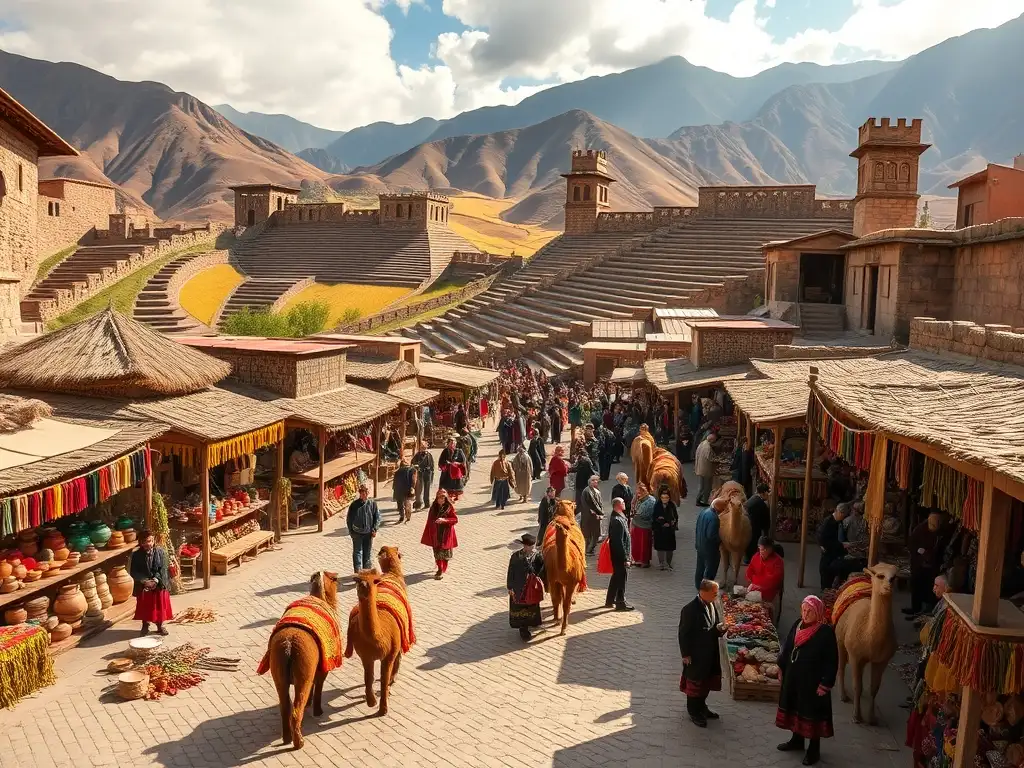
Step into a world lost to time, yet echoing with vibrant life. Imagine bustling marketplaces, thronged with traders exchanging exotic goods under the shadow of towering Andean peaks. This is the captivating world of ancient Andean marketplaces, a realm of intricate social structures and sophisticated trade networks waiting to be uncovered. Dive into the mysteries of Andean commerce and discover how these vibrant centers shaped the destinies of civilizations like the Incas, Moche, and Nazca. Prepare to be amazed by the ingenuity and complexity of their trade systems – a story richer than any legend.
The bustling marketplaces of the ancient Andes weren't just places to buy and sell goods; they were vibrant social hubs, crucial nodes in complex economic networks, and powerful symbols of societal organization. This article delves into the fascinating world of ancient Andean marketplaces, exploring their structure, the goods exchanged, and their significance within the broader context of Andean trade and economy. We will examine the evidence from various Andean cultures, including the Incas, Moche, Nazca, and Tiahuanaco, to paint a picture of these vital commercial centers and uncover the intricate systems that supported them.
Understanding these ancient marketplaces offers invaluable insight into the sophistication and interconnectedness of pre-Columbian Andean societies, revealing a level of economic development often underestimated. This exploration will shed light on the crucial role these marketplaces played in shaping the cultural landscape and the daily lives of Andean peoples.
The Physical Layout and Organization of Andean Marketplaces
Archaeological evidence suggests that Andean marketplaces varied considerably in size and structure depending on the specific culture and the location. Some were likely open-air spaces, perhaps designated areas within a larger settlement, while others may have been more formalized structures, possibly including specialized buildings for different types of goods. The Inca, for instance, are known to have established large, well-organized marketplaces ( canchas ) in their urban centers, often situated near major roads and administrative buildings.
These marketplaces were likely carefully planned, with designated areas for specific goods and services. Smaller settlements probably had more informal market areas, possibly operating on a periodic basis. Further research is needed to fully understand the range of marketplace structures across different Andean cultures and settings.
The organization of these spaces likely reflected the social hierarchy and economic organization of the respective societies. For example, the placement of certain goods or the presence of specialized vendors might indicate social status or economic importance.
Goods Exchanged: From Everyday Necessities to Luxury Items
The goods exchanged in Andean marketplaces were incredibly diverse, reflecting the rich agricultural, pastoral, and artisanal traditions of the region. Basic necessities like food (potatoes, maize, quinoa, beans, fruits, and dried meats) formed the backbone of market transactions. Textiles, pottery, and tools were also commonly traded, along with building materials like stone and timber.
Luxury goods, such as precious metals (gold, silver), feathers, and exotic shells, were likely exchanged in smaller quantities, but played a crucial role in social status and elite power. The presence of these luxury goods underscores the reach of Andean trade networks, connecting distant regions and facilitating the movement of valuable resources. Detailed inventories of goods found in archaeological contexts would provide a more precise understanding of the volume and types of goods exchanged.
Beyond their economic function, Andean marketplaces served as important social and political spaces. They were places of interaction, where people from different social backgrounds and geographical locations could meet and exchange not only goods, but also information and ideas. The marketplaces may have also been venues for public ceremonies, festivals, and political announcements.
The control and regulation of marketplaces were likely important aspects of Andean governance, with authorities playing a key role in maintaining order, collecting taxes, and ensuring fair trade practices. Further investigation into the social dynamics of these spaces is crucial to understand their full significance within Andean societies. The interplay between economic activities and social and political power structures within these marketplaces remains a significant area of ongoing research for understanding ancient Andean civilizations.
Technological Innovations and Trade Infrastructure
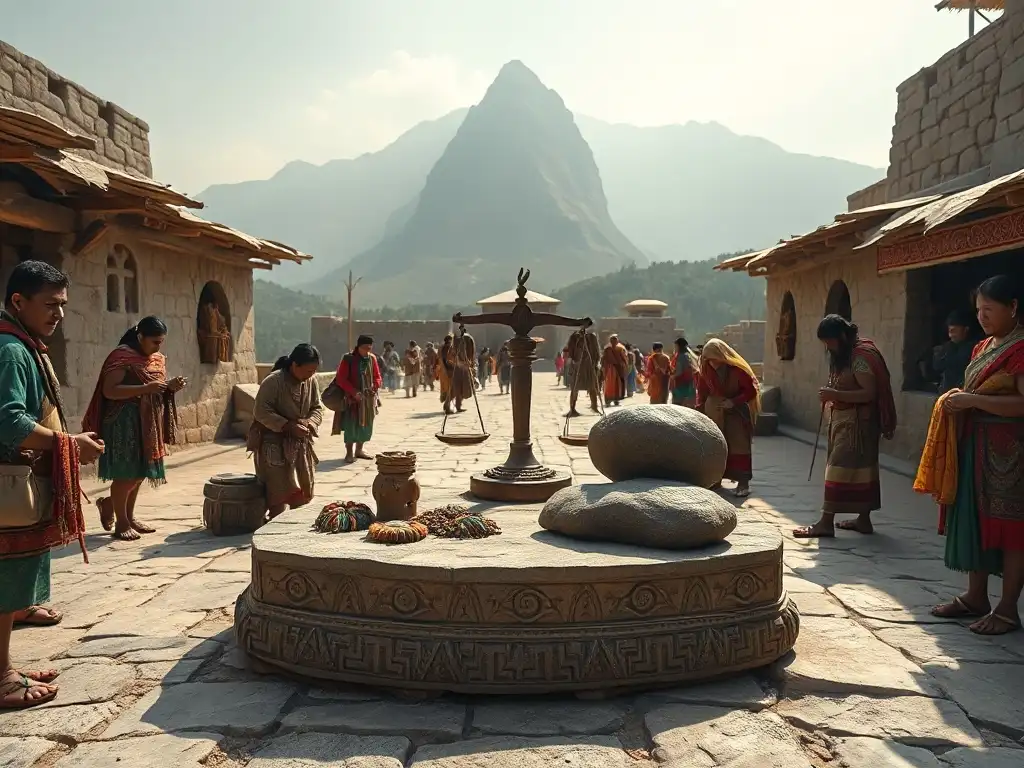
The efficient functioning of ancient Andean marketplaces relied heavily on advancements in technology and infrastructure. The development of sophisticated agricultural techniques enabled the production of surplus goods that could be traded. The construction of extensive road networks, such as the Inca qhapaq ñan, facilitated the movement of goods and people across vast distances.
Innovations in storage and transportation technologies, such as the use of llama caravans and specialized storage facilities, were also essential for managing the flow of goods. Understanding the interplay between technological advancements and the organization of trade is key to appreciating the complexity of the ancient Andean economy. Further research into the specific technologies used in the production, storage and transport of goods would allow a more complete understanding of this aspect of ancient Andean marketplaces.
The Legacy of Andean Marketplaces
The legacy of ancient Andean marketplaces continues to resonate today. Many modern markets in the Andes region retain some of the characteristics of their predecessors, reflecting the enduring influence of these ancient commercial centers. The emphasis on community interaction, the diversity of goods, and the importance of trade as a social and economic activity are all aspects that connect modern markets to their ancient counterparts.
Studying these ancient marketplaces provides valuable insights into the resilience and adaptability of Andean cultures, offering lessons that are still relevant in contemporary society. This enduring legacy underscores the importance of preserving and understanding these vital aspects of Andean history and culture.
- The Physical Layout and Organization of Andean Marketplaces
- Goods Exchanged: From Everyday Necessities to Luxury Items
- The Role of Andean Marketplaces in Social and Political Life
- Technological Innovations and Trade Infrastructure
- The Legacy of Andean Marketplaces
The Significance of Ancient Andean Trade
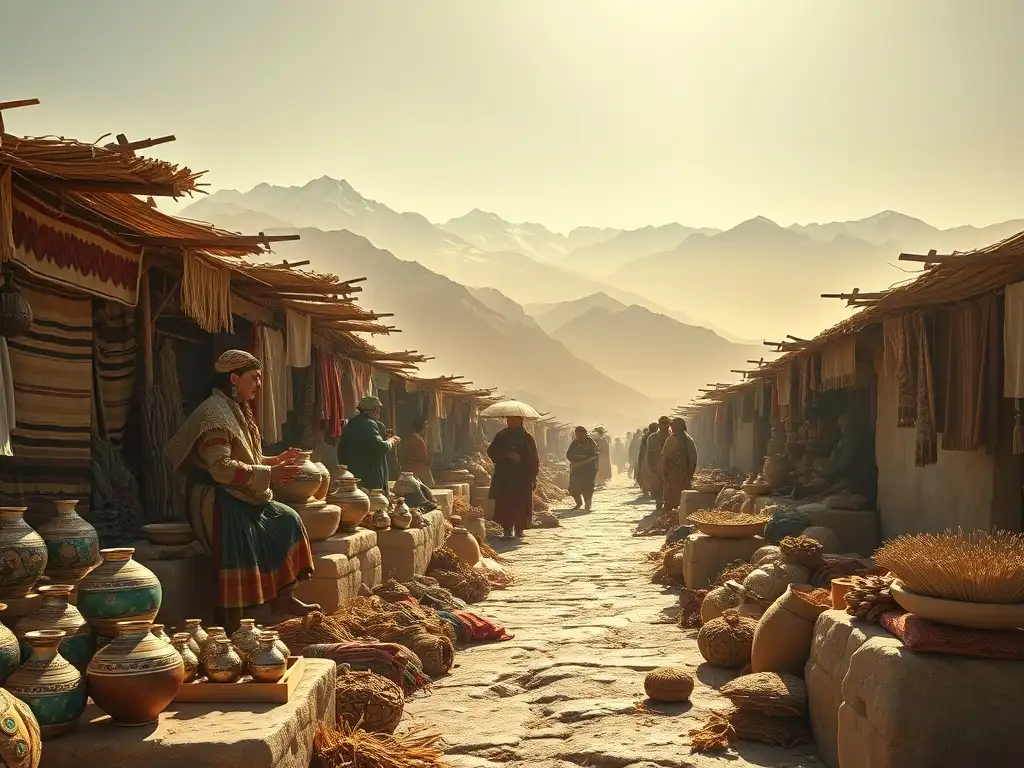
The vibrant tapestry of ancient Andean civilizations wasn't woven solely from agricultural prowess and architectural marvels. A robust and sophisticated trading system formed the very backbone of these societies, influencing everything from their economic stability to their social structures and cultural expressions. Understanding the significance of ancient Andean trade is crucial to grasping the complexity and interconnectedness of these remarkable cultures.
The movement of goods, not just as commodities but as carriers of cultural meaning and social capital, shaped the political landscape and fostered alliances, while also contributing to conflict and competition. This intricate network extended across vast distances, connecting disparate communities and facilitating the exchange of essential resources and luxury items. Analyzing this system reveals a level of organizational skill and social engineering previously underestimated.
The sheer scale and longevity of these trade routes speak volumes about the ingenuity and resilience of Andean peoples in establishing and maintaining such complex economic systems. The study of ancient Andean marketplaces, therefore, offers a unique window into the dynamism and interconnectedness of these fascinating civilizations.
Economic Foundations of Andean Societies
Ancient Andean societies were not homogenous entities. From the coastal regions with their bountiful marine resources to the high-altitude Andes with their challenging agricultural conditions, diverse environments demanded specialized production. This specialization laid the foundation for a complex system of exchange.
Coastal communities, for example, excelled in fishing and the production of textiles using camelid fibers, while highland communities focused on agriculture, particularly potatoes and maize, and the mining of precious metals like gold and silver. This inherent geographic and economic diversity fueled the need for trade, transforming it from a simple barter system to a complex, multi-faceted economic engine. The availability of specific resources in particular regions created a dynamic where surplus goods were traded for necessities, leading to a sophisticated system of reciprocal obligations and alliances.
The economic stability of many Andean societies was directly tied to the success of their trade networks; disruptions in these networks often led to social unrest and political instability. Evidence suggests that control over key trade routes conferred significant political power, further highlighting the central role of trade in shaping the social and political landscapes of these civilizations. The efficient distribution of goods through these networks was key to supporting large, densely populated urban centers.
The Role of Exchange in Andean Culture
Beyond mere economic necessity, exchange in ancient Andean societies held profound cultural significance. The act of giving and receiving wasn't simply a transaction; it was a powerful social ritual that cemented relationships, established alliances, and reinforced social hierarchies. Ceremonial exchanges of prestigious goods, such as textiles, ceramics, and precious metals, often accompanied significant events, solidifying political power and demonstrating social status.
These exchanges weren't just about material wealth; they were symbolic acts that communicated social standing, political allegiance, and religious beliefs. The intricate designs and craftsmanship of traded goods often carried complex narratives, reflecting the cultural values and beliefs of their creators and recipients. Certain items, like specific types of pottery or finely woven textiles, became markers of identity and social distinction, their presence in a community indicating its participation in broader trade networks and its level of cultural influence.
The archaeological record reveals a rich tapestry of such exchanges, providing compelling evidence of the deep integration of trade into the cultural fabric of ancient Andean life. The movement of goods, therefore, was not merely economic; it was a powerful force shaping social relations and cultural identities.
Understanding Andean Commercial Networks
The ancient Andean commercial networks were far from haphazard. They were meticulously planned and maintained, often following established routes that traversed challenging terrain. These routes, sometimes thousands of kilometers long, connected distant communities and facilitated the efficient movement of goods. Evidence suggests the use of relay systems, where goods were passed from one group to another along the established paths.
Furthermore, the establishment of strategically located tambos (roadside inns) provided resting places and logistical support for travelers and merchants. These tambos weren't simply places to rest; they served as important hubs for information exchange and social interaction, further solidifying the interconnectedness of the Andean world. The organization of these networks required significant administrative capacity and social cooperation. Archaeological discoveries, such as storage facilities and evidence of standardized weights and measures, point to a sophisticated level of economic planning and management.
While the exact mechanisms of trade are still being uncovered, it's clear that these networks played a vital role in the development and sustainability of Andean societies, fostering economic growth, cultural exchange, and political stability across vast distances and diverse environments. The complexity of these networks challenges previous assumptions about the level of organization and social cohesion within these ancient civilizations. Further research is needed to fully illuminate the intricacies of these remarkable commercial systems.
Key Features of Ancient Andean Marketplaces
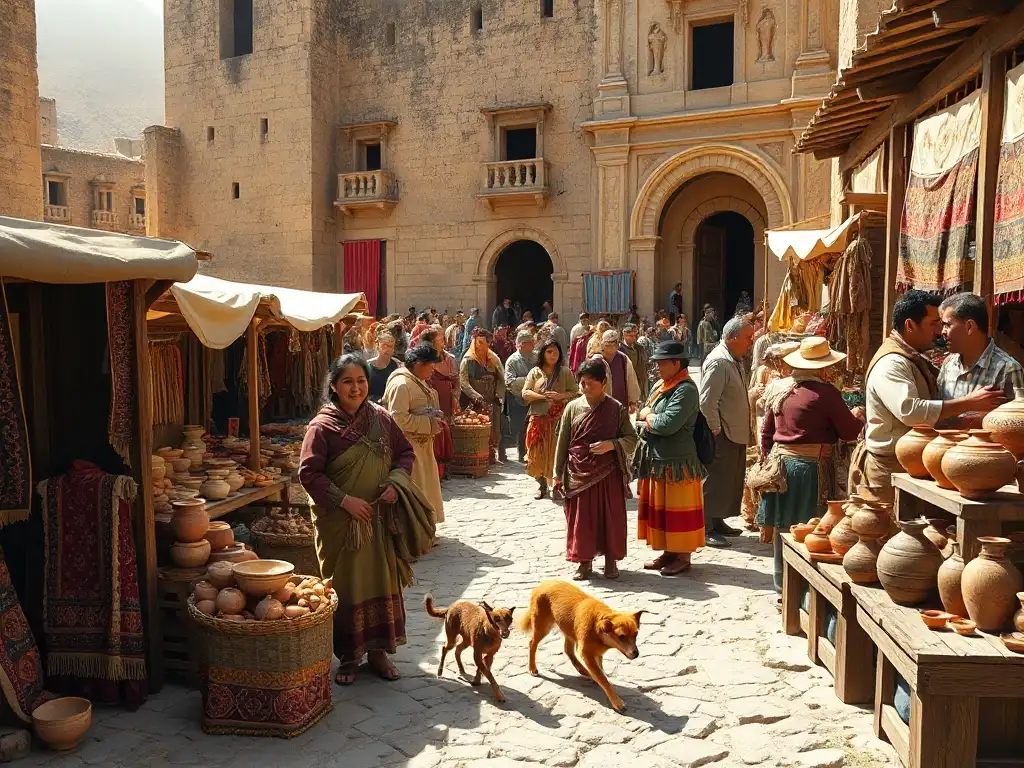
This section delves into the defining characteristics of ancient Andean marketplaces, providing a detailed look at their structure, the goods exchanged, and the social dynamics that shaped these vital commercial hubs. Understanding these features offers crucial insight into the economic and social fabric of Andean civilizations. The study of "ancient Andean marketplaces" reveals a sophisticated system of trade and exchange that extended across vast distances and diverse ecological zones.
Layout and Organization of Andean Trading Centers
Andean trading centers weren't haphazard gatherings; they were carefully planned and organized spaces reflecting the societal structures and logistical needs of the time. Archaeological evidence suggests a range of layouts, depending on the scale and the specific civilization. Smaller markets might have been open-air spaces within villages or along major pathways, while larger centers, like those associated with Inca cities, were likely more structured.
For instance, the Inca cañaris exhibited a remarkable level of urban planning, integrating marketplaces seamlessly into the city's overall design. These markets were often located near temples or administrative buildings, highlighting their significance within the broader societal framework. Imagine meticulously paved plazas, strategically positioned stalls, and designated areas for different types of goods—a testament to sophisticated urban planning capabilities. The organization wasn't merely about aesthetics; it facilitated efficient trade and social control.
Access points, pathways, and potentially even designated sections for specific social groups might have been features of larger markets, although further research is needed to confirm these hypotheses. Smaller markets, on the other hand, may have lacked such formal organization, adapting to the available space and the needs of the local community. The size and complexity varied considerably, reflecting the economic and political influence of the settlement.
We can visualize these marketplaces as dynamic spaces, bustling with activity, where the sounds of bartering, the aromas of spices, and the vibrant colors of textiles created a sensory experience unlike any other. Further research into the spatial organization of these markets, particularly through detailed mapping of archaeological sites, is crucial to fully understanding their function and significance within ancient Andean societies.
The Variety of Goods Traded in Andean Markets
The sheer variety of goods exchanged in Andean marketplaces underscores the extensive trade networks and diverse ecological zones that characterized the region. From everyday necessities to luxury items, the markets catered to a broad spectrum of needs and desires. Agricultural products formed a significant portion of the traded goods. Potatoes, maize, quinoa, beans, and coca leaves were staples, their abundance varying according to altitude and local conditions.
Textiles, including intricately woven cloth, were another significant commodity. Alpaca and llama wool, prized for their softness and warmth, were spun and woven into garments, blankets, and other textiles. These were not merely functional items; they were often adorned with elaborate designs, reflecting the skill and artistry of the weavers and their social standing.
Beyond textiles and agricultural products, marketplaces also showcased a remarkable array of other goods:
| Category | Examples | Significance |
|---|---|---|
| Ceramics | Pottery, jars, figurines | Everyday use, ritualistic purposes, status symbols |
| Metalwork | Gold, silver, copper objects | Status symbols, religious artifacts, tools |
| Stone Carvings | Sculptures, tools, ornaments | Religious significance, tools, decorative items |
| Spices & Herbs | Aji peppers, coca leaves, medicinal plants | Culinary use, medicinal purposes, ritualistic use |
| Precious Stones | Emeralds, turquoise, obsidian | Ornamental use, religious artifacts, status symbols |
The presence of these diverse goods highlights the extensive trade networks that connected different regions of the Andes, facilitating the exchange of both essential resources and luxury items. The distribution of goods reflects not only the economic activity but also the intricate social and political relations between different communities.
Andean marketplaces were not simply places for economic exchange; they were vibrant social hubs where people from different backgrounds and social strata interacted. These spaces served as important venues for social networking, information exchange, and the reinforcement of social hierarchies. While the exact nature of social interactions within these markets remains partially obscured by the passage of time, archaeological evidence and ethnographic parallels suggest a complex interplay of factors.
The marketplace likely served as a key space for the negotiation of social status. The types of goods traded, the manner of dress, and the interactions with other individuals would have been closely observed and interpreted. The display of luxury goods, for example, would have signaled wealth and power.
Similarly, the interactions between different social groups would have been governed by complex social codes and protocols. The system of reciprocal exchange ( ayni ) which was central to Andean societies, played an essential role in shaping social relations within the marketplace. This system fostered cooperation and mutual support, but it also reinforced social hierarchies and obligations.
Furthermore, Andean marketplaces probably functioned as crucial centers for information dissemination. News, rumors, and important announcements would have circulated rapidly within these bustling environments, keeping people informed about events both near and far. This constant flow of information would have played a vital role in shaping public opinion and influencing social dynamics.
The study of ancient Andean marketplaces offers a fascinating window into the complex interplay between economics, social relations, and information exchange in these ancient civilizations. Further research, integrating archaeological data with ethnohistorical accounts, will be crucial to achieving a more complete understanding of the social dynamics that shaped these vibrant commercial spaces.
Circular Plazas and Raised Platforms
Ancient Andean marketplaces weren't haphazard gatherings; they were meticulously designed spaces often featuring prominent circular plazas. These plazas served as the central hub of activity, a focal point for both social interaction and commercial exchange. Their circular shape, symbolic in many Andean cultures, likely represented the cyclical nature of life and the cosmos, reinforcing the importance of the marketplace within the community's overall worldview.
The size of these plazas varied considerably depending on the settlement's size and economic importance. Larger urban centers, like those of the Inca empire, boasted expansive plazas capable of accommodating thousands of traders and customers simultaneously. Smaller villages might have had more modest plazas, yet still centrally located and integral to daily life.
Archaeological evidence from sites like Pisac in Peru reveals remnants of these circular plazas, with careful excavation uncovering evidence of paving stones, drainage systems, and even remnants of structures used for storage or administration. The layout itself facilitated a smooth flow of people and goods, suggesting a sophisticated understanding of urban planning and logistics far exceeding the expectations often associated with "primitive" societies.
Furthermore, many Andean marketplaces incorporated raised platforms or elevated structures. These platforms served multiple functions. Some were used as stalls by merchants, providing a more visible and accessible position for displaying their wares. Others might have served as administrative spaces, perhaps for tax collectors or officials overseeing trade.
The elevated position granted a commanding view of the plaza, allowing for better monitoring of transactions and maintaining order. The materials used in constructing these platforms varied across different cultures and time periods. Stone was a common material, particularly in the more advanced Andean civilizations like the Inca, reflecting their mastery of stonework. In other regions, adobe bricks or even timber might have been used, depending on the available resources.
The height and design of these platforms also varied, reflecting both practical considerations and symbolic significance. Some were simple, raised platforms; others were more elaborate structures with intricate carvings or decorative elements, showcasing the artistic skills and cultural values of the community. The presence of these platforms adds another layer to our understanding of the complexity and organization of ancient Andean marketplaces. They highlight not only the commercial function but also the social and political dimensions of trade within these societies.
Major Andean Market Hubs and Their Importance
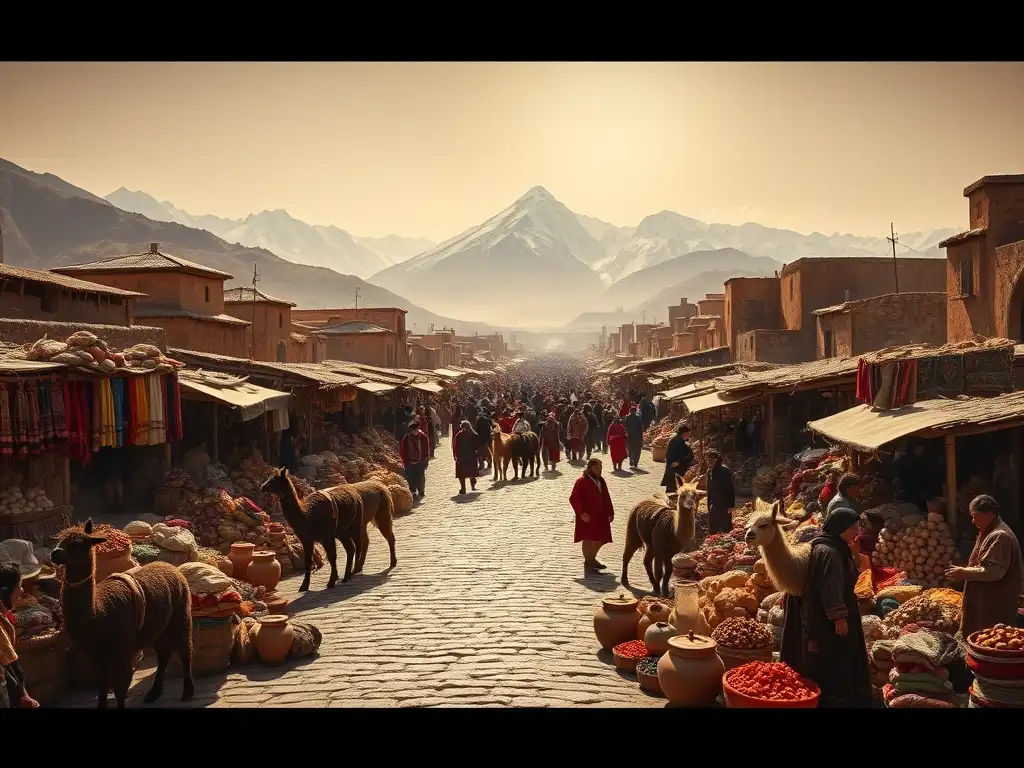
This section delves into the crucial role played by specific urban centers in facilitating trade within the vast Andean region. These weren't simply places for bartering; they were vital nodes in complex economic networks, shaping the development and power dynamics of ancient Andean societies. Understanding these hubs is key to grasping the sophisticated commercial systems that supported these remarkable civilizations. The strategic location of these marketplaces, coupled with their efficient organization, allowed for the seamless exchange of goods across diverse ecological zones, fostering economic growth and cultural exchange. We will examine two key examples: Tiwanaku and Cuzco.
Tiwanaku
Tiwanaku, located on the shores of Lake Titicaca, stands as a prime example of an ancient Andean marketplace that transcended its immediate geographic boundaries. Its influence stretched far and wide, connecting the highlands with the coast and facilitating the exchange of a wide array of goods. The city's strategic position near major trade routes significantly contributed to its economic prominence. Archaeological evidence suggests a well-organized system of storage and distribution, ensuring efficient management of goods.
Its Role in Coastal Trade
Tiwanaku's economic reach extended to the Pacific coast, hundreds of kilometers away. The city acted as a crucial intermediary, facilitating the exchange of highland agricultural products – such as potatoes and quinoa – for coastal resources like fish, salt, and cotton. This coastal trade was not a simple linear exchange; it involved a complex network of intermediaries and specialized traders who navigated the challenging Andean terrain.
The volume of goods transported suggests a well-established and highly organized system, capable of handling substantial quantities of diverse commodities. Evidence of coastal artifacts found in Tiwanaku, and vice versa, underscores the strength of these connections. The sheer distance covered indicates the importance of this trade relationship, and the sophistication of the logistics involved in transporting goods across such varied environments.
Obsidian, Pottery, and Textiles
Beyond agricultural products and coastal resources, Tiwanaku was also a significant center for the production and distribution of obsidian tools, fine pottery, and textiles. The city's workshops produced high-quality obsidian blades and points, highly valued throughout the Andean region. These obsidian artifacts were not only used locally but also traded extensively, reaching distant communities.
Similarly, Tiwanaku's distinctive pottery styles, characterized by intricate designs and high-quality craftsmanship, were widely traded and are found in archaeological sites across a vast area. The production and distribution of textiles, particularly those made from camelid fibers, also contributed significantly to Tiwanaku's economic importance. These textiles were used for clothing, ritual purposes, and even as a form of currency, highlighting their economic value.
Cuzco
Cuzco, the capital of the Inca Empire, became the most significant economic center in the Andes during the late pre-Columbian period. Its central location within the Inca road system, combined with its political and administrative power, made it a pivotal hub for trade and commerce. The Inca's sophisticated administrative system ensured efficient collection and distribution of goods throughout their vast empire. This centralized control allowed for the smooth flow of resources and the accumulation of wealth in Cuzco.
Its Significance in Highland Commerce
Cuzco's importance in highland commerce is undeniable. It served as a central collection point for agricultural products from across the empire. The Inca's mastery of agricultural techniques, particularly terracing and irrigation, allowed them to produce substantial surpluses of crops like potatoes, quinoa, and maize.
These surpluses were channeled to Cuzco, where they were stored in vast warehouses and then redistributed throughout the empire. The efficient management of these resources was critical to maintaining the stability and power of the Inca state. This system ensured that even remote communities had access to essential food supplies, fostering social cohesion and economic stability.
Potatoes, Quinoa, and Wool
The abundance of potatoes, quinoa, and wool in Cuzco's markets reflects the Inca's agricultural prowess and their effective control over production and distribution. Potatoes, a staple crop in the Andes, were cultivated in a wide range of varieties, each adapted to different altitudes and climates. Quinoa, another highly nutritious grain, was also widely cultivated and formed an essential part of the Inca diet. The Inca also raised large herds of llamas and alpacas, providing a significant source of wool, used for clothing and textiles.
This abundance of agricultural resources fueled Cuzco's economic prosperity and contributed to its status as the dominant center of Andean trade. The control over these resources was not only crucial for economic power but also for political control and social stability within the empire. The efficient management and distribution of these vital commodities were key components of the Inca's success.
Chachapoyas
The Chachapoyas, a pre-Inca civilization inhabiting the cloud forests of northern Peru, possessed a unique position in the Andean trade network. Their strategically located settlements acted as crucial intermediaries, facilitating the exchange of goods between the high Andes and the Amazon Basin. This access to diverse ecosystems significantly shaped their economy and cultural practices, making their marketplaces vibrant hubs of exchange.
The relatively isolated nature of their territory, characterized by steep valleys and dense jungle, presented both challenges and opportunities. The challenges involved transporting goods over difficult terrain, while the opportunities stemmed from controlling access to highly sought-after resources available only in their region. This control allowed the Chachapoyas to exert considerable influence over trade routes and participate in a wider Andean commercial system.
Archaeological evidence suggests a sophisticated understanding of logistics and trade networks, possibly through established trails and alliances with neighboring groups. The unique blend of Andean and Amazonian goods found in Chachapoyas sites testifies to their pivotal role in this exchange. The intricate organization of their settlements further hints at a complex system for managing the flow of goods and services within their market centers.
Its link between the Andes and the Amazon
The Chachapoyas' location provided a critical link between the diverse ecological zones of the Andes and the Amazon. Their settlements acted as bridges, connecting highland communities producing textiles, ceramics, and metalwork with lowland populations possessing access to unique resources such as exotic woods, medicinal plants, and tropical birds. This strategic position allowed them to control the flow of goods between these vastly different environments.
The movement of goods wasn't solely a matter of trade; it also facilitated cultural exchange. Andean agricultural techniques and technologies might have been introduced into the Amazon, while Amazonian medicinal knowledge and craft traditions likely influenced the Chachapoyas and, through them, other Andean societies. The evidence of this exchange is subtle but undeniable, seen in the materials used in Chachapoyas artifacts and the artistic styles that blend Andean and Amazonian influences.
Studying the movement of goods along these trade routes helps us understand not only economic relations but also the complex cultural interactions between different Andean groups and their strategies for adaptation to diverse environments. Furthermore, the Chachapoyas' control over these routes likely contributed to their political and social power within their region.
Feathers, Exotic Woods, and Medicinal Plants
The Chachapoyas marketplaces were renowned for their supply of highly prized goods from both the Andes and the Amazon. Feathers, particularly those of brightly colored Amazonian birds like macaws and parrots, were highly valued for ceremonial headdresses and adornments. These feathers, often meticulously crafted into intricate designs, represented wealth and status within Chachapoyas society and beyond. Exotic woods, sourced from the Amazon rainforest, were used for crafting intricate tools, weapons, and ceremonial objects.
Their unique colors, textures, and durability made them highly sought after. Medicinal plants, possessing a wide range of therapeutic properties, also played a significant role in Chachapoyas trade. The knowledge of their uses, often passed down through generations of healers, was as valuable as the plants themselves.
These items, along with other precious goods, were likely exchanged for Andean textiles, pottery, and metalwork, creating a complex system of reciprocal exchange that benefited both highland and lowland communities. The presence of these goods in archaeological sites associated with Chachapoyas settlements provides strong evidence of their involvement in a far-reaching trade network and their ability to leverage their unique geographical position to accumulate wealth and prestige. The diversity of these goods highlights the sophistication of their market systems and their understanding of the value of different resources.
The Impact of Ancient Andean Marketplaces on Society
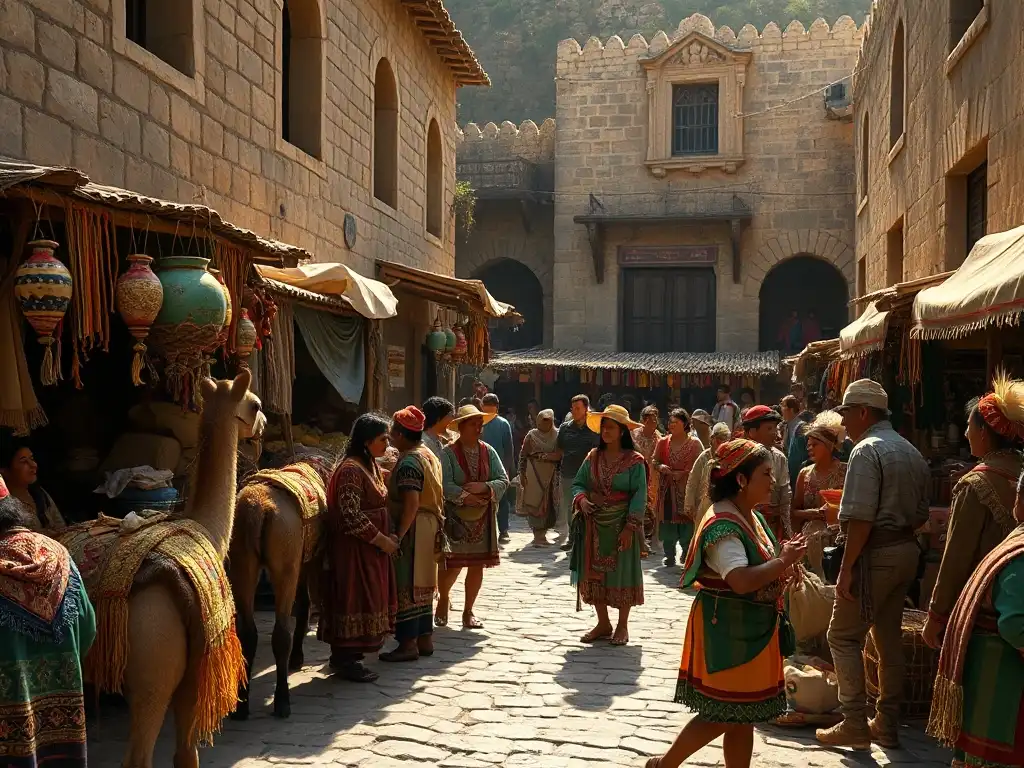
The rise of sophisticated ancient Andean marketplaces profoundly impacted the social fabric of these civilizations. These weren't simply places for bartering goods; they were dynamic hubs where social interactions, power dynamics, and cultural exchange converged. Understanding their influence requires examining their multifaceted roles within Andean societies.
The scale and complexity of these markets varied depending on the specific civilization and its geographical location. For instance, while smaller, localized markets catered to immediate community needs, larger centers like those found in the Inca Empire acted as regional or even national economic powerhouses, facilitating trade across vast distances. This intricate network fostered both cooperation and competition, shaping the social landscape in significant ways.
The control and management of ancient Andean marketplaces often reflected the existing social hierarchies. Elite classes, including priests, nobles, and rulers, frequently held significant influence over trade, either directly controlling markets or levying taxes on transactions. This control translated into economic and political power, reinforcing their social standing.
The accumulation of wealth through trade further consolidated their dominance, creating a system where economic prosperity directly correlated with social status. Archaeological evidence, such as lavishly decorated tombs containing imported goods, supports this assertion, illustrating the privileged access to exotic resources enjoyed by the elite. Conversely, the common people participated in the marketplace primarily as producers and consumers, their social standing often tied to their role within the production and exchange system.
The Transmission of Culture Through Andean Markets
Ancient Andean marketplaces served as vital conduits for the transmission of cultural ideas and practices. The movement of goods inevitably involved the movement of people, ideas, and technologies. Artisans, traders, and travelers coming from different regions interacted, leading to a cross-cultural pollination that enriched the cultural tapestry of each community. For example, the spread of agricultural techniques, artistic styles, religious beliefs, and even linguistic elements can be traced through the interconnectedness fostered by these markets.
This cultural exchange wasn't always a passive process; it involved negotiation, adaptation, and the creative fusion of different traditions. This dynamic process of cultural exchange is vividly illustrated by the stylistic similarities and variations observed in pottery, textiles, and metalwork across different regions of the Andes. The markets facilitated the dissemination of innovations and cultural practices, contributing to the rich diversity yet shared cultural identity of the Andean civilizations.
The Economic Power of Andean Trading Centers
The economic power of ancient Andean trading centers was substantial, shaping the political and social landscapes of these societies. These centers acted as pivotal nodes in vast networks, facilitating the exchange of not only essential goods like food and textiles but also luxury items such as precious metals, feathers, and coca leaves. The control over these trade routes and markets provided immense economic influence, often translating into political power.
The Inca Empire, for example, strategically positioned its administrative centers along major trade routes, enabling them to control the flow of goods and extract resources from conquered territories. This centralized control allowed the Inca to maintain their power and consolidate their empire. The economic prosperity generated by these trade networks supported the development of impressive infrastructure, such as roads, storage facilities, and administrative structures.
The economic power derived from these marketplaces wasn’t just about wealth accumulation; it was fundamental to the political and social organization of these ancient Andean civilizations. The scale and complexity of these ancient Andean marketplaces showcase the sophisticated economic systems that underpinned these remarkable societies. Further research into specific sites and their associated trade networks could reveal even more about the nuanced economic power dynamics at play.
Market Regulations and Royal Control
The efficient functioning of ancient Andean marketplaces wasn't solely reliant on organic growth; a complex system of regulations and royal control played a crucial role in maintaining order and ensuring equitable trade. The Inca Empire, for example, implemented a sophisticated system of market oversight. This wasn't merely about collecting taxes—though that was certainly a significant aspect—but also about ensuring fair practices and preventing exploitation.
Royal officials, often appointed curacas or other local authorities, were responsible for monitoring transactions, settling disputes, and enforcing standardized weights and measures. These officials were key in preventing fraud and maintaining the integrity of the marketplace. Their presence served as a deterrent against dishonest merchants and ensured consumer protection, a vital element in fostering trust and encouraging participation in the marketplace.
The Inca system extended beyond simple supervision. They established tambos, strategically located waystations along major trade routes, that served as both resting places for travelers and as points of control for goods in transit. These tambos weren't just simple lodgings; they often included storage facilities and administrative offices, allowing officials to monitor the flow of goods and levy taxes effectively.
This centralized control allowed the Inca state to regulate trade flows, manage resources, and redistribute wealth more efficiently. The system ensured that even remote communities had access to essential goods, solidifying the empire's control and fostering social stability. The existence and efficient functioning of tambos directly influenced the success and reach of the ancient Andean marketplaces.
Furthermore, the Inca state actively intervened in the marketplace to stabilize prices and prevent shortages. This was particularly crucial for essential goods like maize, potatoes, and textiles. Evidence suggests that the Inca government held reserves of these commodities and released them into the market during times of scarcity, preventing price gouging and ensuring the populace had access to necessities.
This proactive approach demonstrates a sophisticated understanding of economic principles and a commitment to social welfare, far beyond simple tax collection. This interventionist approach, while potentially limiting individual merchant autonomy, ultimately contributed to the stability and prosperity of the entire Andean economic system. The careful balance between regulation and free market principles is a compelling aspect of ancient Andean economic management.
Analyzing the Legacy of Ancient Andean Commercial Practices
The study of ancient Andean marketplaces offers a fascinating window into the economic and social structures of these remarkable civilizations. Understanding their trading systems requires moving beyond simplistic notions of bartering and acknowledging the sophisticated networks, logistical prowess, and social implications inherent in their commercial activities. The sheer scale of some of these operations, coupled with the diverse range of goods exchanged, points to a level of economic organization far exceeding previous assumptions.
For instance, the Inca road system, the Qhapaq Ñan, facilitated the movement of goods across vast distances, connecting distant communities and enabling the efficient distribution of resources throughout the empire. This intricate network wasn't merely a logistical achievement; it was a crucial element in maintaining political control and social stability.
The efficient movement of goods, including textiles, ceramics, precious metals, and agricultural products, solidified Inca power and fostered a sense of unity within the empire. Analysis of archaeological findings, such as storage facilities and market structures at sites like Pisac and Ollantaytambo, further illuminate the complexity of these ancient Andean marketplaces.
Continuities and Changes in Andean Market Traditions
Tracing the evolution of Andean market traditions reveals striking continuities alongside significant changes. Pre-Inca societies, like the Moche and Nazca, already possessed well-established trade networks, evidenced by the widespread distribution of their distinctive pottery and textiles. The Inca empire, however, significantly expanded and formalized these existing systems.
While earlier societies relied on more localized exchange, the Inca's mit'a labor system and the Qhapaq Ñan dramatically increased the scale and scope of trade. The Inca state actively participated in the economy, controlling the production and distribution of key resources and maintaining a complex system of taxation often paid in goods. This contrasts with the likely more decentralized systems of earlier periods.
The following table highlights key differences:
| Feature | Pre-Inca Societies (e.g., Moche, Nazca) | Inca Empire |
|---|---|---|
| Trade Scale | Primarily regional, localized exchange | Empire-wide, extensive networks |
| Infrastructure | Less developed infrastructure | Qhapaq Ñan road system |
| State Control | Limited state involvement | Significant state control and regulation |
| Payment System | Likely bartering and reciprocal exchange | Taxation in goods, standardized units |
| Goods Exchanged | Primarily local crafts and agricultural products | Diverse goods, including exotic items from distant regions |
Even after the Spanish conquest, many aspects of Andean market traditions persisted. Traditional markets, often located in the same areas as ancient sites, continued to function, adapting to the new colonial economy while retaining elements of pre-Columbian practices. This enduring legacy underscores the deep-rooted nature of Andean commercial practices.
Lessons from Ancient Andean Trade Systems
The study of ancient Andean trade systems offers valuable lessons for contemporary economic development. The Inca's emphasis on infrastructure development, particularly the Qhapaq Ñan, showcases the crucial role of investment in transport networks in facilitating economic growth and integration. Their sophisticated system of resource management and distribution, albeit implemented through a centralized and often authoritarian system, demonstrates the importance of effective resource allocation.
Moreover, the resilience of Andean market traditions across centuries highlights the importance of understanding and respecting indigenous knowledge and practices in the pursuit of sustainable development. The enduring presence of traditional markets in Andean communities today serves as a testament to their economic and social importance.
Understanding the intricacies of ancient Andean marketplaces allows us to appreciate the sophistication of their economic systems and the ingenuity of their logistical achievements. The ability to manage and distribute resources across vast distances, employing a combination of infrastructure, labor systems, and social organization, provides compelling case studies for modern economic planning. Furthermore, the resilience of certain aspects of Andean market practices after the colonial period underlines the enduring value of indigenous traditions and the potential for incorporating these principles into contemporary approaches to economic development.
The Modern Relevance of Understanding Ancient Andean Marketplaces
The study of ancient Andean marketplaces is not merely an academic pursuit; it holds significant contemporary relevance. Understanding the complexities of these ancient systems provides valuable insights into sustainable economic development, particularly in regions with diverse geographical features and dispersed populations. The Inca's approach to infrastructure development—investing in roads and storage facilities—serves as a powerful example of how strategic investments can facilitate trade and economic integration.
Their system of resource management, though centralized, offers valuable lessons in optimizing resource allocation. The continued existence and adaptability of traditional Andean markets demonstrates the long-term viability of localized economic systems that are intertwined with cultural practices. Analyzing these systems can help us develop more effective strategies for supporting local economies and preserving cultural heritage in the modern world.
This is especially important in regions facing challenges related to globalization and economic inequality. The legacy of ancient Andean marketplaces continues to resonate in the present day, offering valuable insights and practical lessons for building more equitable and sustainable economies.
Frequently Asked Questions
What role did marketplaces play in ancient Andean societies?
Ancient Andean marketplaces served as vital hubs for economic activity, social interaction, and the exchange of goods and ideas. They were central to the daily lives of people across various Andean civilizations.
How did the Incas organize their marketplaces?
The Inca Empire established a sophisticated system of state-controlled marketplaces called cañaris. These were strategically located along major roads and facilitated the distribution of goods throughout the vast empire.
What types of goods were traded in ancient Andean marketplaces?
A wide variety of goods were exchanged, including agricultural products, textiles, metals, ceramics, and luxury items. The availability of goods varied depending on the specific location and time period.
How did ancient Andean marketplaces differ from modern ones?
While both facilitated trade, ancient Andean marketplaces often lacked the formal structures of modern markets. Barter was common, and transactions were often based on reciprocity and social relationships, rather than solely on monetary exchange.
Were there any specific marketplace rituals or traditions?
Yes, many Andean cultures integrated religious and ceremonial practices into their marketplaces. These often involved offerings to deities and rituals to ensure successful trade and prosperity.
Final Reflection: Echoes of the Andes: A Legacy of Trade and Exchange
The vibrant tapestry of ancient Andean marketplaces continues to resonate today, a testament to the ingenuity and interconnectedness of past civilizations. Their sophisticated systems of exchange, far from being relics of a bygone era, offer valuable lessons in sustainable practices and community building that remain strikingly relevant in our increasingly globalized world. Understanding these ancient markets provides a crucial framework for comprehending the complexities of modern trade and the enduring human need for connection and collaboration.
The enduring legacy of Andean marketplaces extends far beyond the archaeological record; it permeates the cultural fabric of the region, shaping its identity and influencing contemporary economic practices. The spirit of bartering, the emphasis on community, and the deep respect for the land – all hallmarks of these ancient centers – continue to inform the lives of Andean communities. The past is never dead. It's not even past,
wrote William Faulkner, and this rings profoundly true when considering the lasting impact of these ancient marketplaces on the present. Their influence is a powerful reminder of the cyclical nature of history and the enduring power of human ingenuity.
Consider the intricate systems of reciprocity and resource management employed in these ancient markets. Think about the social bonds forged through trade, the innovative solutions developed to overcome geographical challenges, and the deep respect for the environment that underpinned their success. You, too, can cultivate these principles in your own life. Embrace sustainable practices, foster strong community connections, and appreciate the interconnectedness of all things. Let the echoes of the Andean marketplaces inspire you to build a more equitable and sustainable future, one interaction at a time.
Unlock the Secrets of the Andean Marketplace!
Thank you for exploring the rich history of ancient Andean commercial centers with us! Your interest in this fascinating topic highlights the vital role trade played in connecting our ancestors. Let's continue this journey of discovery together!
Here are some ways to further explore the world of Andean civilizations:
- Experience the Vibrant Energy of Local Markets: Immerse yourself in the spirit of ancient trade by visiting a local artisan market. Support local vendors and witness firsthand the enduring traditions that connect us to the past.
- Share Your Discoveries: Engage with your community by discussing the significance of ancient Andean trade with friends, family, or online. Use #AndeanTrade to connect with others and spread awareness of this captivating subject.
- Expand Your Knowledge: Delve deeper into the history and impact of Andean civilizations by exploring our extensive resources page. We've compiled a collection of books, documentaries, and scholarly articles to enrich your understanding.
What valuable lessons about trade and economic systems can we glean from ancient Andean practices to inform and improve our modern world?