
The Role of the Shaman: Connecting with the Spirit World in Daily Practices

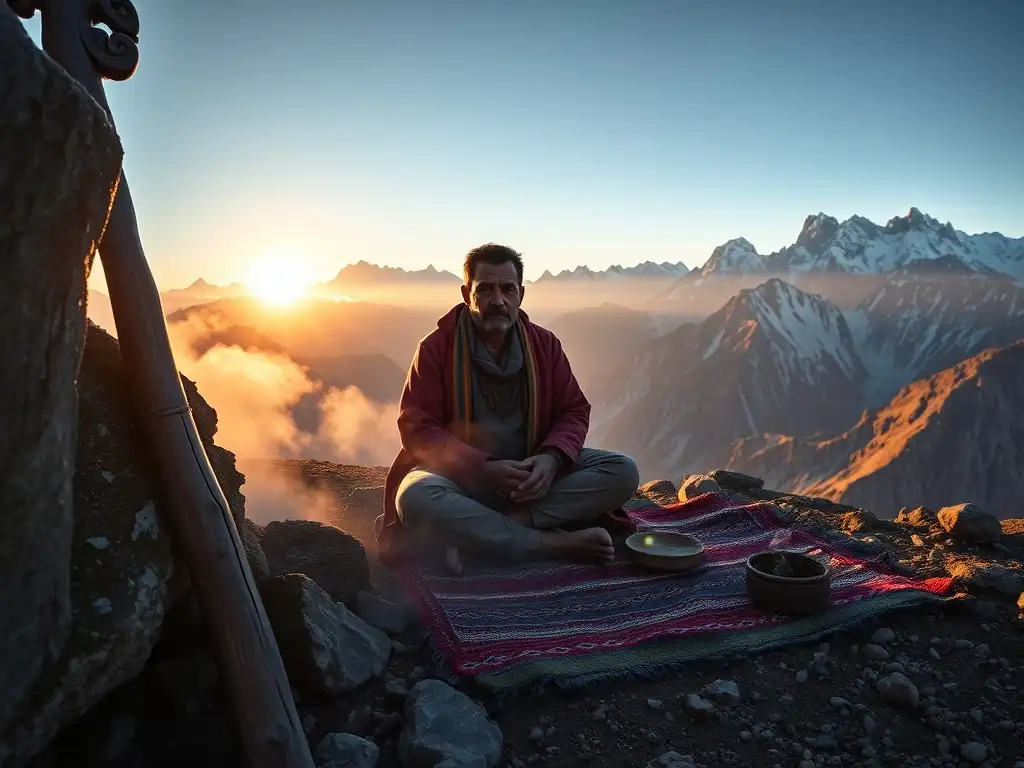
Welcome, explorer! Prepare to journey into the mystical heart of the Andes. Forget everything you think you know about ancient civilizations – the Andean world was a tapestry woven with intricate threads of innovation, spirituality, and power. This isn't just history; it's a revelation. Discover the secrets held within Andean shamanic practices, a crucial element of daily life that connected these remarkable societies with the spirit world. Unravel the mysteries that lie ahead and delve deeper into the captivating lives of the Andean people.
The Andean civilizations, renowned for their intricate social structures, sophisticated engineering feats, and breathtaking artistic achievements, also possessed a deeply spiritual worldview that permeated every aspect of daily life. Central to this spiritual framework was the shaman, a powerful intermediary between the human and spirit worlds. This article delves into the multifaceted role of the shaman in ancient Andean societies, exploring their significance in daily practices and their crucial connection to the cosmos.
We will examine the shaman's place within the social hierarchy, their methods of communicating with the supernatural, and the impact of their practices on the lives of ordinary people. Understanding Andean shamanic practices provides invaluable insight into the beliefs, values, and daily routines of these fascinating cultures, enriching our understanding of their rich and complex heritage.
We will investigate the practices of various Andean cultures, including the Incas, Moche, Nazca, and Tiahuanaco, highlighting both similarities and differences in their shamanic traditions. This exploration will reveal the profound influence shamanism had on the social, political, and economic aspects of Andean life, demonstrating its importance beyond mere ritualistic practices.
Understanding Andean Shamanism and its Significance
Andean shamanism wasn't a monolithic entity; rather, it varied across different cultures and regions. However, several core tenets united these diverse traditions. Shamans were believed to possess the ability to enter altered states of consciousness, allowing them to communicate with spirits, ancestors, and deities. This communication wasn't limited to ritualistic ceremonies; it was integrated into the fabric of daily life.
For example, shamans played a crucial role in agricultural practices, conducting rituals to ensure bountiful harvests and ward off harmful forces that could threaten crops. Their knowledge of medicinal plants and healing techniques was also highly valued, making them essential figures in maintaining community health. The shaman's power wasn't solely derived from their spiritual abilities; their social standing and influence within the community played a significant role.
They acted as advisors to leaders, interpreters of dreams, and mediators in social conflicts, highlighting their multifaceted contribution to Andean society. The use of hallucinogenic plants, such as San Pedro cactus and yopo, facilitated the shaman's journey to the spirit world, allowing them to gain insights and knowledge otherwise inaccessible. These journeys were not merely recreational; they were considered sacred voyages with profound implications for the community.
The Shaman's Place within Ancient Andean Societies
The shaman's position within Andean societies varied depending on the specific culture and historical period. In some societies, they held positions of significant power and authority, acting as advisors to rulers and participating in important political decisions. In others, they might have held a more subservient role, providing spiritual guidance and healing services to the community. Regardless of their specific social standing, shamans were undeniably crucial figures in Andean life.
Their expertise in interpreting omens, predicting the future, and communicating with the supernatural made them indispensable in many aspects of daily life, from agricultural planning to conflict resolution. Evidence from archaeological sites suggests that shamans were often adorned with elaborate costumes and paraphernalia, reflecting their high status and the sacred nature of their profession. These artifacts, including intricately carved wooden staffs, ceremonial masks, and ornate headdresses, provide valuable insights into the shaman's role and the rituals they performed. The specific practices and rituals varied widely across different Andean cultures, reflecting the diverse beliefs and traditions of these societies.
The use of specific tools, such as divining rods or ritualistic objects, further underscores the complexity and sophistication of Andean shamanic practices. The impact of these practices on the daily lives of Andean people was profound, shaping their worldview, social structures, and even their physical environment. Further research is needed to fully understand the nuances of shamanic practices across the various Andean cultures, but the available evidence clearly demonstrates their central role in shaping Andean societies.
Key Functions of the Andean Shaman
The Andean shaman held a pivotal role in pre-Columbian societies, acting as a bridge between the human and spirit worlds. Their responsibilities extended far beyond simple spiritual guidance; they were integral to the daily lives of their communities, influencing decisions, providing healing, and maintaining the delicate balance between the human world and the supernatural realm. The shaman's expertise was highly valued, and their pronouncements often carried significant weight within the social structure.
Their influence stemmed from a profound understanding of the natural world, a mastery of ritual practices, and a perceived ability to communicate with and manipulate spiritual forces. This intricate relationship between shaman and community highlights the profound importance of spiritual beliefs in shaping Andean societies. Their actions weren't solely confined to religious ceremonies; they permeated the fabric of daily life, influencing decisions ranging from agricultural practices to personal matters.
Divination and Interpretation of Signs
Divination was a core function of the Andean shaman. They were skilled interpreters of omens and signs, utilizing various methods to glean insights into the future and understand the will of the spirits. This could involve observing natural phenomena, such as the flight of birds or the patterns of stars, analyzing the entrails of animals, or interpreting dreams. The shaman's interpretations influenced crucial decisions impacting the community, such as the timing of planting and harvesting, the planning of military campaigns, or even personal choices regarding marriage or trade.
Their ability to foresee potential problems and offer solutions based on spiritual insight was considered essential for maintaining the well-being of the community. Specific techniques varied across different Andean cultures, reflecting the diversity of spiritual beliefs and practices across the region. The accuracy of their predictions, or at least the belief in their accuracy, solidified their position as vital community leaders.
Healing Rituals and Practices
A significant aspect of the Andean shaman's role was healing. They were responsible for treating both physical and spiritual ailments, employing a variety of techniques that combined practical knowledge with spiritual rituals. This often involved the use of medicinal plants, herbal remedies, and therapeutic massage. However, the healing process wasn't solely physical; shamans believed that many illnesses stemmed from an imbalance in the spiritual realm, requiring spiritual intervention to restore harmony.
Rituals, chants, and the use of sacred objects were crucial components of the healing process, aiming to appease offended spirits or banish malevolent forces. The shaman's role wasn't merely to cure the illness but also to address the underlying spiritual causes, thereby preventing future occurrences. Their deep understanding of the human body and the spiritual world made them invaluable healers within their communities.
Maintaining Balance with Nature and Spirits
Maintaining the delicate equilibrium between the human world, nature, and the spirit world was a paramount responsibility for the Andean shaman. They were tasked with ensuring the continued prosperity of their communities by mediating the relationships between humans and the supernatural forces that governed their lives. This involved performing rituals to appease powerful deities, honor ancestral spirits, and maintain a harmonious relationship with the natural environment.
Disruptions to this balance, whether through natural disasters, illness, or social unrest, were often attributed to the displeasure of spirits. The shaman's role was to identify the source of the imbalance and perform the necessary rituals to restore harmony and prevent further disruptions. This emphasis on maintaining balance highlights the interconnectedness of the spiritual and physical worlds in Andean cosmology.
Guidance for the Community
Beyond healing and divination, Andean shamans provided guidance and counsel to their communities. They were seen as wise advisors, offering spiritual insight and direction on a wide range of matters. Their expertise was sought for resolving conflicts, making important decisions, and providing moral and spiritual support. The shaman's pronouncements often held significant weight, influencing community decisions and shaping social norms. Their role extended beyond the strictly religious sphere, permeating the social and political fabric of Andean society. This demonstrates the profound influence of spirituality on all aspects of Andean life, from the mundane to the extraordinary.
Andean Shamanic Practices in Daily Life
Andean shamanic practices weren't confined to formal ceremonies; they were deeply interwoven into the fabric of daily life, influencing various aspects of community existence. These practices were not simply rituals performed in isolation but rather integral parts of the community's social, agricultural, and personal spheres. The constant interaction between the spiritual and the material world shaped the daily routines and activities of Andean societies.
Rituals for Agriculture and Harvest
Agriculture was central to Andean life, and shamanic practices played a vital role in ensuring successful harvests. Rituals were performed to invoke the favor of deities associated with fertility and abundance, ensuring successful planting and bountiful harvests. These rituals often involved offerings, prayers, and specific agricultural techniques guided by the shaman's knowledge of the natural world and spiritual forces.
The success of the harvest was directly linked to the shaman's ability to maintain a positive relationship with the spiritual realm, highlighting the crucial role of spiritual beliefs in the economic well-being of the community. The timing of planting and harvesting was often dictated by the shaman's interpretation of omens and signs, further underscoring their influence on daily life.
Ceremonies for Birth, Marriage, and Death
Shamanic practices were integral to life-cycle events, shaping the rituals surrounding birth, marriage, and death. Birth ceremonies aimed to ensure the safe arrival of the newborn and invoke the protection of spiritual forces. Marriage ceremonies sought to bless the union and ensure the couple's fertility and happiness.
Death rituals were complex, involving elaborate ceremonies designed to guide the deceased's spirit to the afterlife and appease ancestral spirits. The shaman's role in these ceremonies was essential, ensuring the proper execution of rituals and guiding the community through these significant life transitions. These practices reflected the Andean belief in the continuity of life and the importance of maintaining harmony between the living and the dead.
Use of Sacred Plants and Substances
The use of sacred plants and substances played a critical role in Andean shamanic practices. Many plants, such as coca leaves and ayahuasca, were believed to possess spiritual properties, allowing shamans to enter altered states of consciousness and communicate with the spirit world. These substances weren't simply recreational drugs but rather tools used in ritual contexts to facilitate spiritual journeys and enhance communication with the supernatural.
The preparation and use of these substances were often governed by strict protocols and rituals, emphasizing their sacred nature and the shaman's expertise in their application. The knowledge of these plants and their properties was carefully guarded and passed down through generations within shamanic lineages.
The Importance of Amulets and Talismans
Amulets and talismans were commonly used in Andean societies, serving as protective objects imbued with spiritual power. These objects, often crafted from natural materials or adorned with symbolic designs, were believed to ward off evil spirits, protect against illness, and bring good fortune. Shamans played a crucial role in creating and consecrating these objects, imbuing them with their spiritual power through rituals and prayers.
The use of amulets and talismans highlights the importance of material objects in mediating the relationship between the human and spiritual worlds, reflecting the interconnectedness of the material and spiritual realms in Andean cosmology. Their widespread use demonstrates the deep integration of shamanic practices into the daily lives of Andean people.
The Connection Between Shamans and the Spirit World
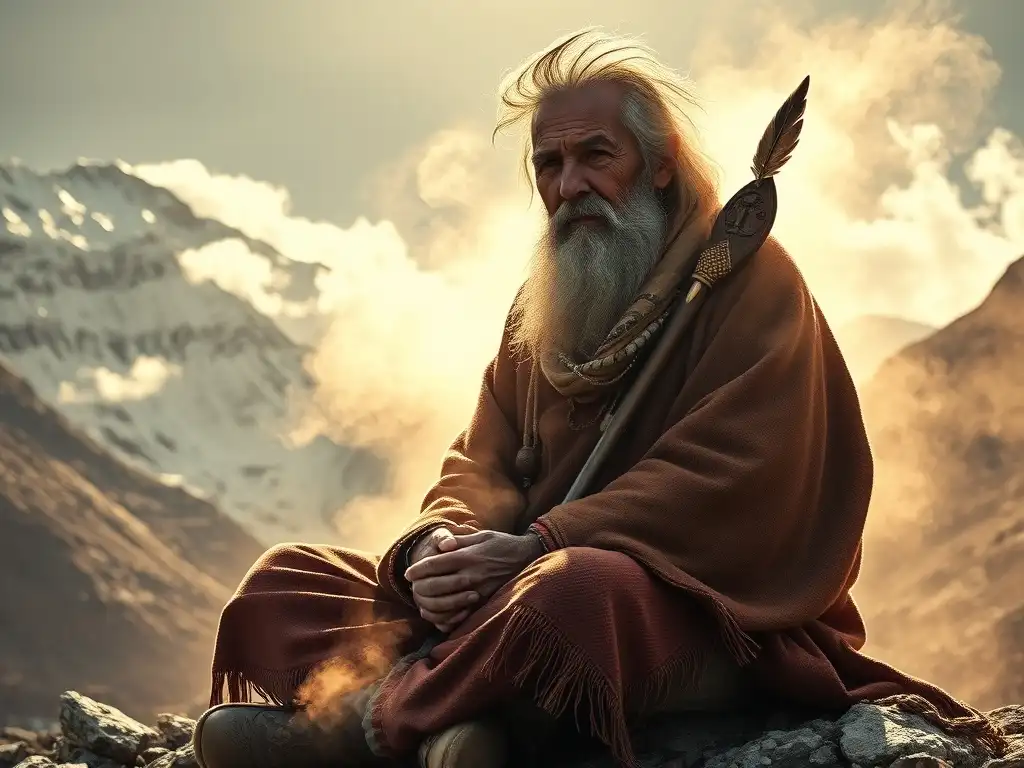
Shamans in Andean cultures weren't simply religious leaders; they were vital intermediaries between the human world and the spirit realm. Their role extended far beyond ceremonial rituals; their connection to the spirit world permeated daily life, influencing decisions, resolving conflicts, and ensuring the well-being of the community. This profound connection wasn't a learned skill but rather an innate ability, often perceived as a calling or inherited trait.
The shaman's power stemmed from their capacity to traverse the veil between worlds, accessing knowledge and assistance from supernatural entities. This ability was not viewed as magical, but as a natural extension of their spiritual sensitivity, a gift carefully nurtured and honed throughout their lives. They were seen as conduits for divine power, interpreting the will of the gods and communicating the needs of the people.
The effectiveness of an Andean shaman was directly tied to the strength and depth of their connection to the spirit world. The stronger this connection, the greater their influence and ability to heal, guide, and protect their community.
Accessing the Other Realms
Andean shamans employed various techniques to access the spirit world. These methods often involved altered states of consciousness, achieved through practices like fasting, chanting, rhythmic drumming, and the consumption of hallucinogenic plants such as huachuma (San Pedro cactus) and ayahuasca. These substances weren't used recreationally but as tools to facilitate communication with spirits and gain insight into the unseen realms.
The shaman's journey into the spirit world wasn't a passive experience; it required intense focus and discipline to navigate the complex landscapes of the supernatural. Descriptions from historical accounts and ethnographic studies suggest that shamans could journey to different levels of reality, encountering various spirits, deities, and ancestral figures.
These journeys were often perilous, requiring courage and skill to overcome obstacles and return safely to the physical world. The ability to navigate these other realms was a testament to the shaman's mastery of their spiritual abilities and their deep understanding of Andean cosmology.
Communication with Ancestral Spirits
Ancestor veneration was central to Andean cultures, and shamans played a crucial role in maintaining communication with departed relatives. These ancestors weren't simply remembered; they were believed to actively participate in the lives of the living, offering guidance, protection, and even influencing events. Shamans acted as interpreters of ancestral messages, relaying their wisdom and warnings to the community. This communication could take many forms, from dreams and visions to direct encounters during shamanic journeys.
The ancestors provided insight into matters of health, prosperity, and social harmony. Respect for ancestors was paramount, and the shaman's ability to communicate with them strengthened the community's bond with its heritage and ensured the continuity of traditions. Failure to honor ancestors could bring misfortune, reinforcing the vital role of the shaman in maintaining this delicate balance.
The Role of Animal Spirits in Andean Cosmology
Animal spirits held significant importance in Andean shamanic practices. Animals were not merely creatures of the physical world but also powerful spiritual entities, often acting as messengers, guides, or protectors. Shamans frequently incorporated animal imagery into their rituals and ceremonies, using animal skins, feathers, bones, and other artifacts. Certain animals were associated with specific deities or spiritual forces.
For example, the condor, representing the upper world, and the puma, representing the lower world, were frequently depicted in Andean art and played significant roles in shamanic rituals. The shaman's ability to communicate with and interpret the messages of these animal spirits enhanced their connection to the broader cosmological system. Animal spirits offered guidance and protection during journeys to the spirit world, assisting the shaman in navigating the supernatural realms.
The Training and Initiation of an Andean Shaman
Becoming an Andean shaman wasn't a simple matter of acquiring knowledge; it was a rigorous process of spiritual and physical training, often spanning years, if not decades. The path to shamanhood was a journey of self-discovery and spiritual transformation, testing the individual's resilience, commitment, and spiritual aptitude. It was a calling, not a career choice, and those who embarked on this path were expected to demonstrate unwavering dedication and a deep respect for the sacred. The training involved a combination of practical skills, spiritual practices, and rigorous tests of endurance and commitment.
Learning from Elder Shamans
Apprenticeship under experienced shamans was a cornerstone of the training process. Aspiring shamans learned from elder practitioners through direct observation, participation in rituals, and the transmission of oral traditions. This involved not just memorizing rituals and techniques but also absorbing the wisdom and spiritual insights accumulated over generations.
The relationship between the apprentice and the master was often deeply personal, involving a profound commitment to both learning and mentorship. The elder shamans imparted not only practical skills but also the ethical and spiritual principles that governed their practice. This aspect of the training emphasized the importance of integrity, humility, and a deep respect for the spiritual world.
Undergoing Ritualistic Trials
Aspiring shamans were often subjected to rigorous trials designed to test their commitment, resilience, and spiritual fortitude. These trials could involve extended periods of fasting, isolation, or exposure to harsh environmental conditions. The purpose of these trials was not merely to demonstrate physical endurance but to reveal the individual's capacity for spiritual growth and self-discipline.
The trials served as a crucible, forging the shaman's character and strengthening their connection to the spiritual world. Successfully overcoming these trials was a testament to the individual's readiness to assume the responsibilities of shamanhood. The nature and intensity of these trials varied across different Andean cultures, reflecting the unique spiritual traditions of each community.
The Importance of Vision Quests
Vision quests played a crucial role in the initiation of Andean shamans. These quests involved solitary journeys into the wilderness, often accompanied by fasting and other forms of spiritual discipline. The purpose of the quest was to encounter a guiding spirit or receive a vision that would define the shaman's path and reveal their unique spiritual gifts. These visions were not merely symbolic; they offered practical guidance and insights into the shaman's role within the community.
The experience of the vision quest was deeply transformative, marking a significant turning point in the individual's journey toward shamanhood. The vision received during the quest often became a central element of the shaman's practice, shaping their approach to healing, divination, and other shamanic activities. The vision quest was a powerful rite of passage, signifying the individual's transition from apprentice to fully initiated shaman.
Legacy of Andean Shamanic Traditions
The legacy of Andean shamanic traditions is profound and far-reaching, deeply woven into the fabric of Andean societies for millennia. These practices weren't simply relegated to ritualistic ceremonies; they permeated daily life, influencing everything from agriculture and healing to political decision-making and social structures. Shamans acted as intermediaries between the human world and the spirit world, possessing specialized knowledge of medicinal plants, celestial cycles, and the intricate web of interconnectedness that defined Andean cosmology.
Their understanding of these forces allowed them to interpret omens, predict the future, and guide their communities through challenging times. The extensive knowledge accumulated and passed down through generations reflects a sophisticated understanding of the natural world and its influence on human life. This knowledge wasn't static; it evolved and adapted over time, incorporating new elements while retaining its core principles.
The enduring impact of these traditions is evident in the continuity of certain practices and beliefs that persist to this day. The legacy is not just about specific rituals, but a holistic worldview that continues to shape Andean perspectives.
Influence on Modern Andean Culture
Even today, the influence of ancient Andean shamanic traditions remains powerfully felt in modern Andean culture. While many practices have evolved or been adapted, the core beliefs and principles continue to shape worldview and daily life. For example, the use of medicinal plants, a cornerstone of ancient shamanic healing, persists in many communities.
Traditional healers often integrate ancient knowledge with modern medical practices, demonstrating a blend of ancient wisdom and contemporary approaches. Similarly, the importance of Pachamama (Mother Earth) and the interconnectedness of all living things, central tenets of Andean cosmology, continue to inspire respect for nature and sustainable living practices. Andean festivals and ceremonies often incorporate elements of ancient shamanic rituals, reflecting the continuity of spiritual practices.
The spiritual and philosophical underpinnings of these ancient traditions continue to inform artistic expression, storytelling, and community values. This enduring influence highlights the resilience and adaptability of Andean shamanic traditions in the face of modernization and globalization.
Contemporary Shamanic Practices in the Andes
Contemporary shamanic practices in the Andes are a vibrant tapestry of ancient traditions interwoven with modern realities. While the core principles remain, the forms of expression have evolved. Many contemporary shamans incorporate elements of Christianity and other belief systems, creating a syncretic practice that reflects the complex history and cultural landscape of the Andes.
The use of ayahuasca, a powerful psychoactive brew, plays a significant role in some contemporary shamanic practices, though its use is subject to ongoing debate and regulation. Modern shamans often engage in community healing, addressing both physical and spiritual ailments. They may also work with individuals seeking personal growth and spiritual development.
These practices demonstrate the ongoing relevance and adaptability of shamanic traditions in addressing the challenges and opportunities of modern life. The continuing evolution of these practices ensures that ancient knowledge remains relevant and accessible to contemporary Andean communities. The diversity of contemporary shamanic practices underscores the rich tapestry of Andean spiritual life.
Preserving Ancient Wisdom
The preservation of ancient Andean shamanic wisdom is a crucial undertaking, facing numerous challenges in the modern world. Efforts to document and archive traditional knowledge are essential to ensure its continuity for future generations. This includes recording oral histories, documenting ritual practices, and preserving the knowledge of medicinal plants. However, the transmission of this knowledge is not solely a matter of documentation; it requires active engagement and participation from younger generations. Many communities are actively working to pass on these traditions through apprenticeships and mentorship programs. Educational initiatives also play a critical role in raising awareness and understanding of Andean shamanic practices. Furthermore, ethical considerations are paramount in preserving this knowledge. Respect for traditional practices, cultural sensitivities, and the intellectual property rights of Andean communities must guide all preservation efforts. The preservation of this rich heritage is vital for maintaining cultural identity and promoting sustainable development in the Andean region.
The Enduring Power of Andean Shamanic Beliefs
The enduring power of Andean shamanic beliefs lies in their ability to provide a framework for understanding the world and one's place within it. These beliefs offer a holistic perspective that integrates the physical and spiritual realms, emphasizing the interconnectedness of all living things. The reverence for Pachamama, the Earth Mother, fosters a deep respect for nature and promotes sustainable living practices.
The belief in the power of spirits and the ability of shamans to interact with them provides a means of understanding and addressing both physical and spiritual challenges. This worldview offers solace, guidance, and a sense of belonging within a larger cosmic order. The enduring appeal of these beliefs is also rooted in their adaptability; they have consistently evolved and integrated new elements over time, demonstrating their resilience in the face of change.
The continuing relevance of Andean shamanic beliefs speaks to their profound impact on the lives of Andean people and their enduring contribution to the world's spiritual and cultural heritage. The continuing practice of these beliefs highlights their fundamental role in shaping Andean identity and worldview.
- Understanding Andean Shamanism and its Significance
- The Shaman's Place within Ancient Andean Societies
- Key Functions of the Andean Shaman
- Andean Shamanic Practices in Daily Life
- The Connection Between Shamans and the Spirit World
- The Training and Initiation of an Andean Shaman
- Legacy of Andean Shamanic Traditions
- The Enduring Power of Andean Shamanic Beliefs
Frequently Asked Questions
What were the primary roles of Andean shamans?
Andean shamans played crucial roles as spiritual leaders, healers, and intermediaries between the human and spirit worlds. They conducted rituals, interpreted dreams, and guided communities through challenging times.
How did Andean shamans connect with the spirit world?
Shamans utilized various techniques including trance states, induced through hallucinogenic plants like San Pedro cactus or ayahuasca, ritual objects, and prayer to communicate with spirits and deities.
What types of healing practices did Andean shamans employ?
Andean shamanic healing incorporated herbal remedies, spiritual cleansing, and manipulation of energy to treat physical and spiritual ailments. They believed illness stemmed from imbalances in the spiritual realm.
Were Andean shamanic practices uniform across all cultures?
No, Andean shamanic traditions varied significantly across different cultures like the Inca, Moche, and Nazca. Practices differed in specific rituals, deities worshipped, and the use of particular plants.
How significant were Andean shamanic practices in daily life?
Shamanic practices were deeply ingrained in daily life, influencing decision-making, agriculture, social structures, and understanding of the world. Shamans provided guidance and spiritual support to individuals and communities alike.
Final Reflection: Weaving the Threads of Andean Shamanic Wisdom
The ancient wisdom of Andean shamanic practices remains profoundly relevant today, offering a powerful antidote to the disconnection and alienation prevalent in modern life. These practices, far from being relics of the past, provide a vital pathway to reconnect with the natural world, our inner selves, and the spiritual energies that shape our existence. Their enduring power lies in their ability to foster a deep sense of interconnectedness, a quality increasingly crucial in our fragmented world.
The impact of Andean shamanic traditions extends far beyond the Andes themselves, influencing contemporary spiritual and healing modalities worldwide. Their emphasis on living in harmony with Pachamama (Mother Earth) and the interconnectedness of all living things resonates deeply with the growing global awareness of environmental responsibility and the need for sustainable living. The earth laughs in flowers.
This simple truth, so deeply embedded in Andean cosmology, reminds us of the beauty and fragility of our planet and the urgent need to protect it. The enduring legacy of these practices lies in their ability to foster a profound respect for the natural world and a sense of responsibility towards its well-being.
Consider, for a moment, how you might integrate the principles of Andean shamanic practices into your own life. Perhaps it's through a daily practice of gratitude for the earth's bounty, a mindful connection with nature, or simply a deeper awareness of the interconnectedness of all things. Embrace the opportunity to cultivate a more conscious and spiritually fulfilling existence.
Let the wisdom of the Andes guide you on a journey towards greater harmony with yourself, your community, and the planet we all share. The path to healing and wholeness begins with a single step, a single breath, a single act of connection.
**Embrace Your Spiritual Journey Today! **
Thank you for exploring the fascinating world of shamanism and its connection to the spirit world. You've gained valuable insights that can transform your daily life and deepen your spiritual practice. Now, let's put that knowledge into action!
Here are some simple yet profound steps you can take today:
- **Begin a daily meditation practice:** Open your mind and heart to receive spiritual guidance. Even five minutes a day can significantly increase your awareness and connection to the inner self.
- Spend time in nature to connect with the elements and draw inspiration for your spiritual journey. The natural world offers profound wisdom and a powerful sense of peace.
- **Share your newfound knowledge:** Discuss your learnings with friends and family, or consider joining a group interested in shamanic practices. Connecting with a supportive community can enhance your understanding and deepen your practice.
What aspect of spirituality resonates most with you, and how will you integrate it into your daily life? Share your thoughts in the comments!