
Chavín Metallurgy: The Craftsmanship of Ancient Andean Artisans

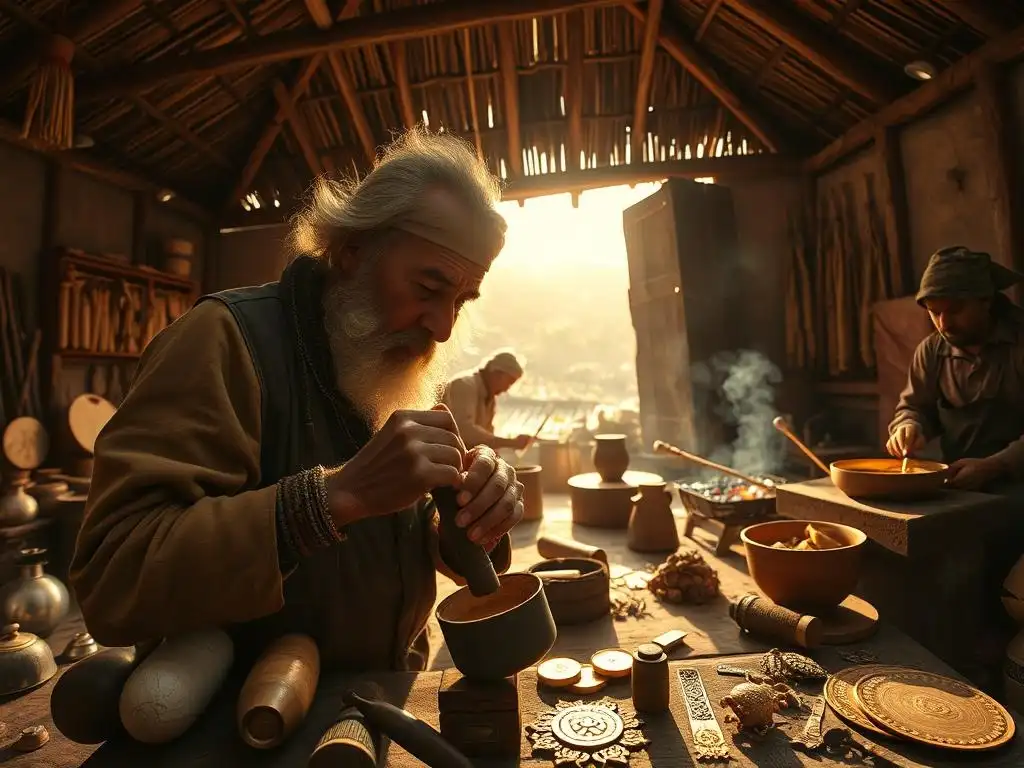
Step into a world lost to time, where the Andes Mountains whisper secrets of ingenuity and artistry. Prepare to be amazed by the remarkable achievements of ancient Andean civilizations, a legacy etched in stone, textiles, and—most intriguingly—metal. Discover the lost artistry of Chavín metalworking techniques, a testament to the advanced metallurgical skills that shaped Pre-Incan cultures of the coast. Unravel the mysteries of their craft and prepare to be captivated by their extraordinary legacy.
The Chavín culture, flourishing in the Andes from approximately 1200 to 200 BCE, left behind a legacy far exceeding its relatively short lifespan. This enigmatic civilization, situated in the northern highlands of modern-day Peru, significantly impacted the development of subsequent Andean cultures. While renowned for its monumental architecture and iconic artistic motifs, the sophistication of Chavín metalworking techniques often goes underappreciated.
This article delves into the remarkable craftsmanship of these ancient artisans, exploring their innovative processes and the enduring impact of their metallic creations. We will uncover the secrets behind their mastery of gold, silver, copper, and other metals, showcasing the ingenuity that characterized Chavín metallurgy and its contribution to the rich tapestry of Andean civilization. Understanding Chavín metalworking techniques provides a crucial window into the technological and artistic advancements of this pivotal pre-Inca society.
The Raw Materials: Sourcing and Preparation
The Chavín artisans displayed a remarkable understanding of their environment, skillfully utilizing readily available resources. Copper, primarily sourced from the Andes mountains, formed the basis of much of their metalwork. Gold and silver, while less abundant, were also highly valued and incorporated into prestigious objects. The process began with the extraction of the ore, a laborious task requiring considerable skill and knowledge of geological formations.
Evidence suggests that the Chavín employed various techniques for ore processing, including [specific information pending on ore processing techniques]. Once extracted, the ore underwent a complex series of processes to refine it into usable metal. This likely involved crushing, grinding, and washing the ore to separate the valuable metal from impurities. The refined metal was then ready for shaping and decoration.
Shaping Techniques: Hammering, Casting, and Alloying
Chavín metalworkers employed a range of techniques to shape their metallic creations. Hammering was a fundamental method, used to form sheets of metal and to create intricate designs through repetitive striking. The artisans demonstrated exceptional skill in controlling the force and direction of their blows, achieving remarkable precision and finesse.
Casting, another important technique, allowed for the creation of more complex forms. While the exact methods are still under investigation, it is believed that the Chavín utilized lost-wax casting, a sophisticated process involving the creation of a wax model, which was then coated in clay and fired. The wax melted away, leaving a mold into which molten metal was poured.
Furthermore, the Chavín understood the principles of alloying, combining different metals to create stronger and more visually appealing results. The combination of copper with other metals, such as tin or arsenic, produced bronze, a material prized for its durability and malleability.
Surface Decoration: Repoussé, Inlay, and Surface Finishing
Beyond the shaping techniques, the Chavín artisans lavished considerable attention on surface decoration. Repoussé, a technique involving hammering from the back of a metal sheet to create raised designs on the surface, was frequently employed. Intricate motifs, often depicting stylized animals, plants, and human figures, were meticulously rendered using this method. Inlay, where pieces of contrasting materials were inserted into grooves cut into the main metal, added further complexity and visual richness.
Gold and silver inlays were particularly popular, creating dazzling effects against a background of copper or bronze. Finally, the Chavín applied various surface finishing techniques, including polishing and patination, to enhance the luster and overall aesthetic appeal of their creations. These finishing touches contributed significantly to the remarkable quality and enduring beauty of their metalwork.
The Legacy of Chavín Metalworking
The sophisticated metalworking techniques of the Chavín culture had a profound and lasting impact on subsequent Andean civilizations. Their innovative processes and artistic styles served as a foundation for later metalworkers, who continued to refine and expand upon these techniques. The remarkable artistry and technical skill of Chavín artisans are evident in the surviving artifacts, which stand as testaments to their ingenuity and creativity.
These objects not only highlight the technological prowess of the Chavín but also provide invaluable insights into their religious beliefs, social structures, and worldview. The legacy of Chavín metalworking continues to inspire awe and admiration, reminding us of the remarkable achievements of this ancient Andean civilization.
The study of Chavín metalworking techniques remains a vibrant field of research, with ongoing discoveries continually enriching our understanding of this fascinating aspect of Andean prehistory. The intricate details and enduring quality of their work solidify the Chavín's place as pioneers of Andean metallurgy.
- The Raw Materials: Sourcing and Preparation
- Shaping Techniques: Hammering, Casting, and Alloying
- Surface Decoration: Repoussé, Inlay, and Surface Finishing
- The Legacy of Chavín Metalworking
Introduction to Chavín Metalworking
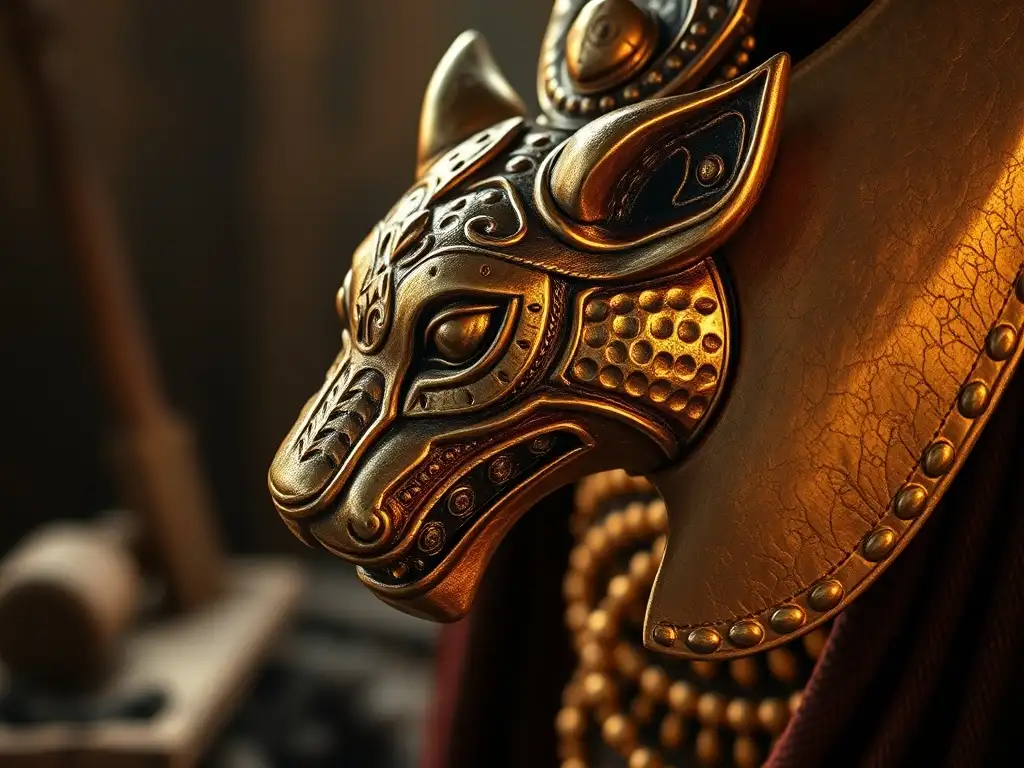
The Chavín culture, flourishing in the Andes from approximately 900 to 200 BCE, left behind a remarkable legacy, not least of which is their sophisticated metalworking. While not as prolific in metal production as later Andean cultures, the Chavín's mastery of techniques laid the groundwork for subsequent advancements. Their metalwork, often incorporating gold, silver, and copper, provides invaluable insight into their artistic sensibilities, social structures, and technological capabilities.
Understanding their Chavín metalworking techniques is crucial to comprehending the broader trajectory of Andean metallurgy. This section delves into the specifics of their achievements, examining the significance of metal within their society and the unique characteristics that distinguish their work from that of other contemporary cultures.
The Significance of Metallurgy in Chavín Society
Metal objects in Chavín society were not merely utilitarian tools; they held significant symbolic and ritualistic value. Their scarcity and the complex techniques required to produce them elevated these artifacts to a status reflecting power and prestige. While precise details regarding social stratification are still under investigation, archaeological evidence suggests that access to and control over metalworking resources and skills were concentrated within specific social groups, likely the elite or priestly class.
The discovery of elaborate gold and silver ornaments in elite tombs and ceremonial contexts strongly supports this hypothesis. These artifacts, often featuring intricate designs and depictions of Chavín deities and motifs, were likely used in religious ceremonies or worn by individuals of high status, reinforcing their authority and connection to the supernatural realm.
The meticulous craftsmanship evident in these pieces underscores the high value placed on metalwork within Chavín society, emphasizing its role in religious practices and social hierarchy. Further research into the distribution of metal artifacts across different Chavín sites could provide more definitive answers regarding the relationship between metallurgy and social organization.
Early Metalworking Traditions in the Andes
The Chavín's metalworking achievements didn't emerge in a vacuum. They built upon pre-existing Andean traditions, adapting and refining existing techniques to create their distinctive style. Early Andean metallurgy, dating back to the pre-Chavín period, primarily utilized copper, often employing techniques like hammering, annealing, and cold-working to shape the metal into various forms. The Chavín inherited and expanded on this foundation, demonstrating a clear understanding of metallurgical processes.
Evidence suggests a gradual development of more sophisticated techniques over time. Initially, Chavín artisans may have focused on simpler forms, gradually progressing to more complex designs and the incorporation of precious metals like gold and silver. The mastery of alloying, the process of combining metals to create new materials with enhanced properties, was a significant advancement, allowing for the creation of stronger and more aesthetically pleasing objects. Further study of the metallurgical composition of Chavín artifacts could reveal more detailed information about their technological capabilities and the evolution of their techniques.
Unique Characteristics of Chavín Metalwork
Chavín metalwork possesses distinct stylistic features that set it apart from the work of other contemporary Andean cultures. One prominent characteristic is the use of hammering and repoussé, a technique involving shaping metal from the back to create raised designs on the surface. This technique, combined with meticulous finishing, resulted in highly detailed and visually striking pieces. The motifs frequently depicted in Chavín metalwork, such as stylized jaguars, serpents, and other zoomorphic figures, are consistent with the broader iconography of the culture found in other mediums like stone carving and ceramics.
Another distinguishing feature is the incorporation of inlay, where pieces of different colored metals or stones are embedded into the surface of the object to create intricate patterns. This technique demonstrates a high level of skill and precision, requiring a deep understanding of the properties of different metals and their interaction during the manufacturing process. The limited number of surviving Chavín metal artifacts, however, makes it difficult to fully assess the range of techniques employed and the extent of their experimentation with different forms and designs.
Further archaeological discoveries are needed to complete our understanding of the full spectrum of Chavín metallurgical artistry. The scarcity of surviving examples, however, highlights the precious and ritualistic nature of these objects within their society. The meticulous detail and symbolic imagery demonstrate the high level of skill and the profound cultural significance of Chavín metalworking.
Chavín Metalworking Techniques: A Detailed Examination
This section delves into the sophisticated metalworking techniques employed by the Chavín civilization, a pre-Inca culture that flourished in the Andes Mountains of Peru between 900 and 200 BCE. Their mastery of metallurgy, particularly in gold, silver, and copper, stands as a testament to their advanced technological capabilities and artistic sensibilities. Understanding their methods illuminates a crucial aspect of Chavín culture and its influence on subsequent Andean societies.
The study of Chavín metalworking, particularly their innovative approaches to alloying, reveals a deep understanding of material properties and a remarkable level of technical skill. This analysis will focus on their goldworking, silver and copper craftsmanship, and their experimental approach to alloying different metals.
Goldworking Techniques of the Chavín Culture
Chavín goldsmiths were renowned for their intricate designs and the high purity of their gold artifacts. They primarily utilized the lost-wax casting method, a complex technique requiring significant skill and precision. This involved creating a wax model of the desired object, covering it in clay, melting out the wax, and then pouring molten gold into the resulting mold.
The intricate detail found in Chavín gold artifacts, such as the small figurines and decorative elements, demonstrates a remarkable level of control over this process. Evidence suggests they also employed hammering and repoussé techniques, shaping thin sheets of gold by hammering from the back to create raised designs. Further, the presence of incredibly thin gold leaf in some artifacts hints at a sophisticated understanding of annealing—heating and cooling the metal to improve its malleability.
The artistry and technical expertise displayed in Chavín goldwork represent a significant achievement in Andean metallurgy, contributing substantially to our understanding of "Chavín metalworking techniques". Analysis of surviving pieces reveals a preference for utilizing high-karat gold, indicating access to high-quality ore and refining methods.
Chavín Silver and Copper Craftsmanship
While gold was highly valued, Chavín artisans also skillfully worked with silver and copper. Silver, less abundant than gold, was still used to create objects of ceremonial and ritual significance. Similar to their goldworking, they likely employed casting and hammering techniques for silver pieces.
Copper, on the other hand, offered a more readily available and malleable material. Chavín artisans used copper to create tools, weapons, and decorative objects. The presence of both hammered and cast copper artifacts suggests a versatility in their approach, adapting techniques to the specific properties of the metal.
Some copper objects display evidence of cold-working, indicating that they were shaped by hammering at room temperature, a technique requiring considerable strength and skill. The combination of gold, silver, and copper artifacts provides a comprehensive picture of Chavín metalworking capabilities, highlighting their adaptability and mastery across different materials. Further research into the specific mining locations and transportation networks used by the Chavín is needed to fully understand the logistics of their metalworking operations.
Chavín Metal Alloying Practices and Experimentation
A particularly intriguing aspect of Chavín metallurgy is their experimentation with metal alloys. While pure gold, silver, and copper were used, evidence suggests they also created alloys, combining different metals to achieve specific properties. For example, the addition of other metals to copper could have increased its hardness and durability, making it more suitable for tools.
Similarly, alloying gold with other metals might have altered its color or malleability. The precise compositions of these alloys and the techniques used to create them remain partially unknown, representing an area requiring further investigation. Archaeological analysis of Chavín metal artifacts is ongoing, and new discoveries continue to refine our understanding of their advanced metallurgical practices.
The identification of specific alloying agents and a deeper understanding of the techniques used will significantly contribute to our knowledge of "Chavín metalworking techniques" and their innovative contributions to Andean metallurgy. The sophistication of their alloying suggests a level of scientific understanding and experimentation that surpassed many contemporary cultures.
The Use of Hammering and Annealing in Chavín Metallurgy
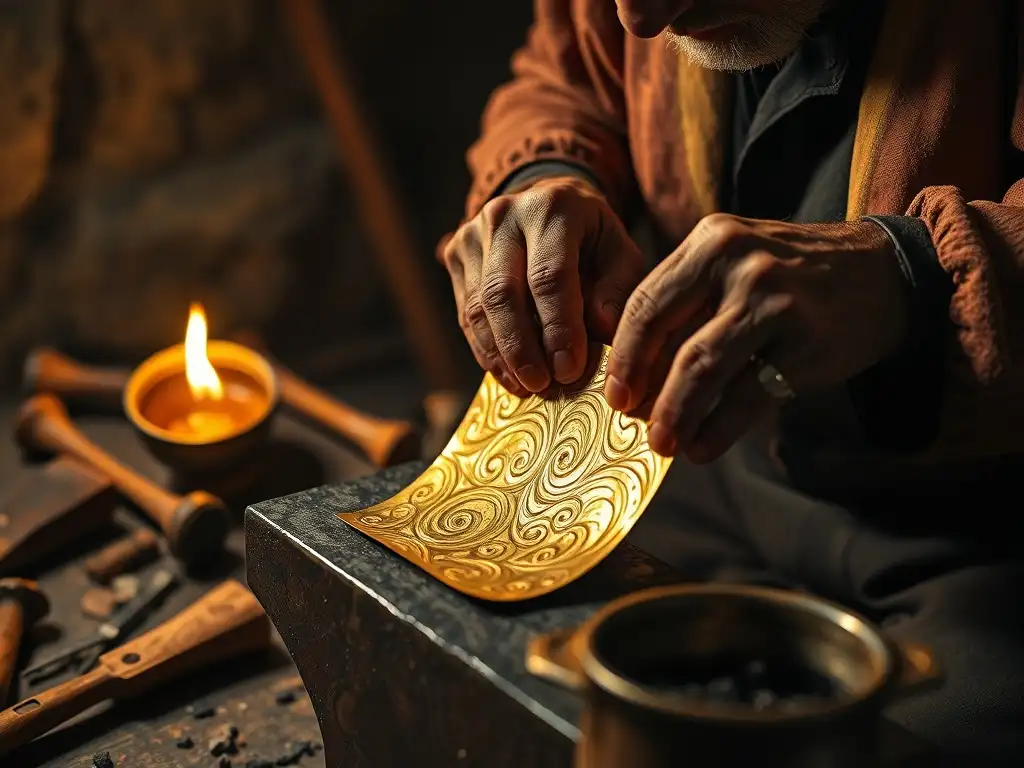
Chavín metalworkers were masters of hammering and annealing, techniques crucial to shaping the malleable metals they utilized, primarily gold, silver, and copper. Hammering, a process involving repeated strikes with a hammer to shape the metal, required considerable skill and precision. The artisans didn't use a simple, brute-force approach; instead, they employed varying hammer weights and intensities to achieve the desired forms.
Evidence suggests that they utilized stone hammers, possibly made from hard volcanic rock like andesite, which were ideal for shaping without damaging the metal. The process was iterative, with the metal being hammered and reshaped in stages, allowing for intricate detail and the creation of complex three-dimensional forms.
Annealing, a heat-treating process, was essential to counteract the work hardening that occurred during hammering. Work hardening makes metals brittle and prone to cracking, rendering them unsuitable for further shaping. To prevent this, Chavín artisans would heat the metal to a specific temperature, allowing it to recrystallize and regain its malleability.
The exact methods used for annealing remain somewhat mysterious, but archaeological evidence suggests the use of charcoal fires, possibly in conjunction with specialized clay ovens or crucibles to control the temperature and prevent oxidation. The careful balance between hammering and annealing allowed Chavín smiths to create incredibly thin and delicate sheets of metal while maintaining their structural integrity. This is evident in the surviving artifacts, many of which exhibit remarkably fine detail and thinness, a testament to their sophisticated metallurgical knowledge.
The precise temperature control required for successful annealing demonstrates a high level of understanding of material properties, far beyond what might be expected of a "primitive" culture. The mastery of these two techniques – hammering and annealing – was fundamental to the creation of the exquisite Chavín metalwork that survives today.
Chavín Metal Decoration Techniques: Repoussé, Incising, and Embossing
The Chavín artisans didn't just shape metal; they decorated it with remarkable artistry. Three prominent techniques stand out: repoussé, incising, and embossing. Repoussé, a technique where a metal sheet is hammered from the back to create a raised design on the front, allowed for the creation of three-dimensional imagery.
This technique required a delicate touch, as the metal could easily be damaged if too much force was applied. The artisans likely used various tools to create the raised designs, perhaps utilizing punches or shaped hammers to achieve specific forms. Analysis of surviving artifacts reveals a remarkable understanding of the metal's plasticity, allowing the creation of highly detailed repoussé work with fine lines and subtle shading.
Incising, the carving of lines or patterns into the metal's surface, provided a contrasting decorative style. This technique likely involved the use of sharp tools, potentially made from obsidian or other hard materials. Incised designs could be simple geometric patterns or more complex representations of animals and deities. The precision and control demonstrated in incised Chavín metalwork further highlight the exceptional skill of the artisans. Sometimes, incising was combined with repoussé, creating a rich interplay of texture and form.
Embossing, a technique related to repoussé, involved hammering from the front to create raised designs. Unlike repoussé, embossing doesn't typically involve hammering from the back. This technique was often used in conjunction with other methods, adding complexity and depth to the overall design.
The combination of repoussé, incising, and embossing, along with the use of hammering and annealing, showcases the sophisticated metalworking techniques employed by the Chavín culture. Their mastery of these techniques resulted in the production of exquisite and enduring metal artifacts that continue to fascinate and inspire us today, offering a tangible glimpse into the ingenuity and artistry of this ancient Andean civilization. The intricate details and the skillful manipulation of the metal demonstrate a high level of technical proficiency and aesthetic sensibility.
Materials Used in Chavín Metalwork
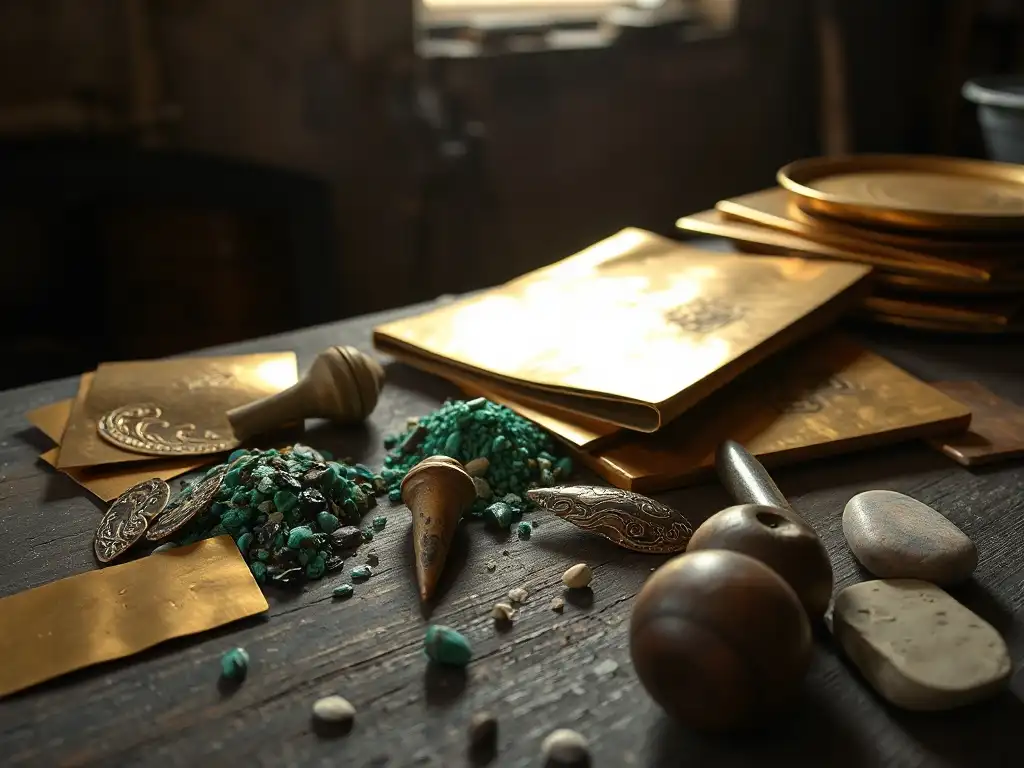
The remarkable achievements of Chavín metalworking are intrinsically linked to the materials employed by these skilled artisans. Understanding the sources and the careful selection of these materials provides crucial insight into the sophistication of their techniques and the broader context of Chavín society. The mastery of Chavín metalworking techniques, particularly in the manipulation of gold, copper, and silver, showcases their advanced understanding of metallurgy within the Andean region. This section will delve into the specific materials used, exploring their origins and their symbolic significance within Chavín culture.
Sources of Metals for Chavín Artisans
The geographical location of the Chavín culture, nestled in the Andes Mountains, significantly influenced the availability of metallic ores. While precise mining locations remain a subject of ongoing archaeological research, evidence suggests that Chavín artisans likely sourced their metals from various regions within their sphere of influence. The extraction and processing of these ores would have involved complex techniques, including prospecting, mining, smelting, and refining – a testament to their advanced technological capabilities.
The sourcing of gold, for example, likely involved alluvial deposits found in riverbeds and streams throughout the Andean foothills. Copper ores, commonly found as malachite and azurite, were likely obtained from deposits in the highlands. Similarly, silver, often found in conjunction with copper ores, would have been extracted from nearby mountainous regions. The precise locations and methods employed in these mining operations are still being investigated, but existing evidence points to a sophisticated network of resource acquisition and distribution.
The transportation of these raw materials across varied terrains would have presented logistical challenges. We can infer the existence of organized trade networks and specialized labor dedicated to the procurement and transport of these valuable resources. This process was crucial for the continuous supply of materials needed to sustain Chavín metalworking. Further research is needed to fully understand the scale and complexity of these networks.
The Importance of Gold in Chavín Art
Gold held a significant symbolic value within Chavín culture, representing the sun, power, and divinity. Its rarity and malleability made it a highly desirable material for creating exquisite ritual objects and prestigious adornments. Chavín artisans exhibited exceptional skill in working with gold, creating intricate designs and thin sheets, often employing techniques like hammering, annealing, and soldering to achieve the desired forms.
The use of gold wasn't merely decorative; it was deeply intertwined with religious beliefs. Gold objects found in Chavín sites, such as ornaments, masks, and ceremonial staffs, frequently feature stylized depictions of jaguars, snakes, and other mythological figures—powerful symbols within the Chavín pantheon. The meticulous craftsmanship involved in these pieces suggests their importance in religious rituals and their role in reinforcing the authority of the elite. The preservation of these golden artifacts provides invaluable insights into Chavín cosmology and religious practices. Unfortunately, [specific data on the percentage of gold artifacts vs. other metals is pending].
The Use of Copper and Silver in Chavín Ritual Objects
While gold held a prominent position, copper and silver also played significant roles in Chavín metalworking. Copper, often alloyed with arsenic or tin to increase its hardness and durability, was used to create a variety of tools, weapons, and ritual objects. The use of copper alloys demonstrates an advanced understanding of metallurgy, allowing Chavín artisans to produce items with specific properties tailored to their intended function.
Silver, often found in association with copper, was also utilized in the creation of decorative items and ritual objects. The malleability of silver allowed for intricate detail work, often seen in the creation of small figurines and ornaments. The combination of copper and silver, sometimes in the form of electrum (a natural alloy of gold and silver), provided Chavín artisans with a wider range of aesthetic and functional possibilities.
The analysis of Chavín metal artifacts reveals a sophisticated understanding of metallurgical processes, including the control of alloy composition and the application of various finishing techniques. Further study of these techniques is needed to fully comprehend the extent of Chavín metallurgical knowledge. The discovery of new artifacts continues to shed light on the ingenuity and artistry of Chavín metalworkers.
The careful selection and skillful manipulation of gold, copper, and silver highlight the sophisticated understanding of metallurgy within the Chavín culture, underscoring their advanced technological capabilities and the symbolic significance of these precious metals within their society.
Analysis of Metal Compositions in Chavín Artifacts
Analysis of Chavín metal artifacts reveals a sophisticated understanding of metallurgy, far beyond simple hammering and shaping. Researchers have employed various techniques, including X-ray fluorescence (XRF) spectroscopy and electron microscopy, to determine the precise composition of these objects. This analysis consistently points to the use of various alloys, highlighting the artisans' skill in manipulating different metals to achieve desired properties.
For instance, studies have shown that gold objects often contain traces of silver and copper, indicating deliberate alloying to alter the gold's color, hardness, and malleability. The proportions of these metals varied depending on the desired effect; some pieces show a higher silver content resulting in a paler, more silvery-gold hue, while others are richer in copper, leading to a reddish tint. This controlled manipulation of alloy composition demonstrates a deep understanding of metallurgical processes and a remarkable degree of technical expertise.
Furthermore, the analysis of copper and bronze artifacts reveals a similar level of sophistication. Copper objects are rarely found in their pure state; instead, they often incorporate small amounts of arsenic, tin, or lead. The presence of these elements suggests intentional alloying to create harder, more durable, and potentially more aesthetically pleasing metals.
Bronze artifacts, typically alloys of copper and tin, show varying tin concentrations, likely influencing the bronze's casting properties and final appearance. The consistency of alloying techniques across different Chavín artifacts suggests a standardized approach to metalworking, possibly indicating the existence of specialized workshops or guilds. Further research is needed to fully understand the specific techniques used to create these alloys, including the methods employed for smelting and refining the metals.
The precise sources of the metals used also remain an area of ongoing investigation, potentially revealing significant information about Chavín trade networks and resource management strategies. The careful study of metal compositions continues to unveil the secrets of Chavín metalworking techniques, showcasing the advanced metallurgical knowledge of these ancient Andean artisans.
Chavín Metal Objects: Forms and Functions
The Chavín culture, flourishing in the Andes from approximately 900 to 200 BCE, demonstrated remarkable skill in metalworking, a testament to their advanced technological capabilities. While not as prolific as later Andean cultures in terms of sheer volume of metal artifacts, the Chavín's metalwork is notable for its sophisticated techniques and the symbolic significance imbued within the objects themselves. Their metal objects were not merely functional; they were powerful statements of religious belief, social status, and political power. Analyzing the forms and functions of these objects reveals much about Chavín society and its worldview.
Chavín Metalwork in Religious and Ceremonial Contexts
Chavín metalworking techniques were intrinsically linked to their religious practices. Many artifacts unearthed from Chavín de Huántar and other associated sites suggest a strong connection between metallurgy and the ritual sphere. For example, numerous small, intricately crafted gold and copper objects—including bells, pendants, and figurines—have been found within ceremonial contexts, often associated with elite burials or temple complexes.
These objects were likely used in rituals, perhaps as offerings to deities or as components of elaborate ceremonial attire worn by priests or other high-ranking individuals. The meticulous detail and the use of precious metals highlight the sacred nature of these objects and their importance within the Chavín religious system. The use of specific alloys and the incorporation of symbolic motifs further emphasizes their ritual significance.
For instance, the presence of gold, a metal associated with the sun and divinity in many Andean cultures, reinforces the sacred connotations of the artifacts. Further research is needed to fully understand the specific function of each object within religious ceremonies, but their presence in these contexts strongly suggests a deep intertwining of metalworking and religious belief.
Elaborate Chavín Ornaments and Jewelry
Chavín artisans displayed exceptional skill in creating elaborate ornaments and jewelry. These pieces, often crafted from gold, silver, copper, and alloys thereof, demonstrate a mastery of techniques such as hammering, annealing, casting, and inlaying. Examples include intricately designed headdresses, necklaces, earrings, and nose rings.
The designs frequently incorporate zoomorphic and anthropomorphic motifs, reflecting the Chavín pantheon of deities and their belief system. These motifs, often depicted in a highly stylized manner, include jaguars, snakes, birds, and human figures, all showcasing the artisans' ability to manipulate metal into complex three-dimensional forms. The use of diverse techniques, like repoussé (hammering from the reverse side to create relief) and filigree (delicate wirework), enhanced the aesthetic appeal and symbolic power of these pieces.
The meticulous detail and the use of precious metals suggest that these ornaments were likely worn by high-ranking individuals, possibly signifying their social status and connection to the divine. Analysis of the materials used, including trace element analysis, could further illuminate the sources of the metals and the sophisticated metallurgical knowledge of Chavín artisans.
Chavín Metalwork as Symbols of Power and Status
The exclusive use of precious metals like gold and silver in Chavín metalworking strongly suggests that these objects functioned as symbols of power and status within their society. The production of these artifacts required specialized knowledge, skill, and access to resources, placing their creation firmly within the control of elites. The elaborate designs and the careful selection of materials underscore the value placed upon these objects, reinforcing their role as markers of social hierarchy.
The distribution of metal artifacts across different sites and burial contexts provides further evidence of their role in expressing social stratification. For example, the presence of gold objects in elite burials, while less common in those of lower-status individuals, highlights their use as indicators of social standing and access to power. The scarcity of the materials themselves, combined with the sophisticated techniques employed in their creation, ensured that these objects remained exclusive to the elite, thus reinforcing their power and prestige within the Chavín social structure.
Future research focusing on the distribution patterns of Chavín metal artifacts could provide additional insights into the complex interplay between metalworking, social hierarchy, and political power within the Chavín civilization. The careful study of these artifacts offers a unique window into the social dynamics and power structures of this fascinating ancient Andean culture.
Chavín Metal Offerings and Functions
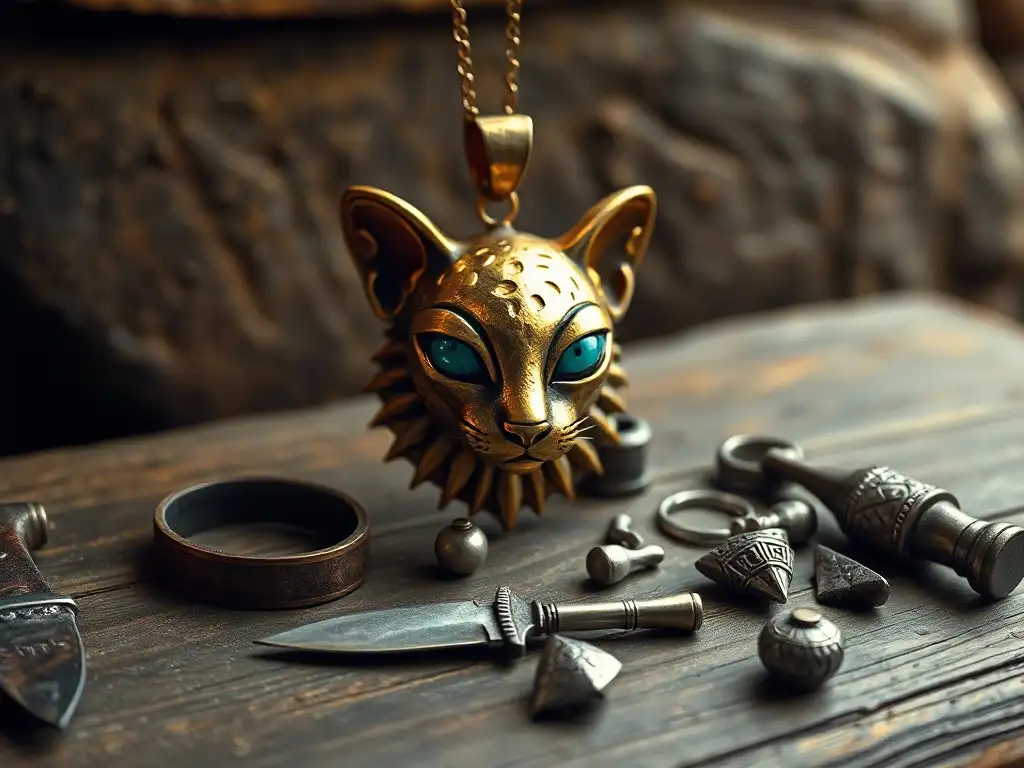
Chavín metalworking wasn't solely about creating aesthetically pleasing objects; a significant portion of their metallurgical production served ritualistic purposes. Many artifacts unearthed from Chavín de Huántar and other associated sites reveal a clear connection between metalwork and religious practices. These weren't merely decorative pieces; they were imbued with symbolic meaning, acting as offerings to deities or accompanying the deceased in the afterlife. The meticulous craftsmanship involved suggests the high value placed upon these objects within their society.
We see evidence of this in the careful selection of materials – often gold, silver, and copper alloys – and the intricate techniques used in their creation. The dedication to detail points to a deep-seated religious significance beyond mere ornamentation. Further research is needed to fully understand the specific rituals and beliefs associated with these objects, but their presence in ceremonial contexts is undeniable.
For example, the discovery of gold and copper ornaments within elite tombs strongly suggests their use as grave goods, intended to provide the deceased with status and resources in the next world. The meticulous detail in the casting and the use of precious metals point towards a significant investment of time, labor, and resources into these objects, further emphasizing their ritualistic importance. The discovery of similar objects in different sites across the Chavín sphere of influence suggests a shared religious system and possibly standardized practices in the production and use of these metal offerings.
The Iconography of Chavín Metal Objects
The iconography found on Chavín metal objects is complex and rich in symbolism, often reflecting the broader religious beliefs and worldview of the Chavín culture. Common motifs include stylized depictions of jaguars, snakes, and other creatures associated with Chavín mythology. These weren't simply random designs; they were carefully chosen to represent specific deities, powers, or concepts crucial to their religious system. The jaguar, for instance, frequently appears as a powerful and revered figure, symbolizing strength, ferocity, and the supernatural.
The intricate detail in these depictions, often achieved through techniques like repoussé and chasing, highlights the artisans' skill and the significance placed on accurately representing these symbolic figures. Moreover, the use of specific alloys and colors could also have held symbolic meaning, with gold potentially associated with the sun and silver with the moon or water. Researchers are still deciphering the full meaning of many of these symbols, but the consistency of certain motifs across different objects suggests a well-established system of religious iconography. The study of Chavín metalwork provides invaluable insights into their cosmology, beliefs, and the role of religion in their society.
Further analysis of the iconographic elements in conjunction with archaeological context is crucial to a more complete understanding of Chavín metalworking techniques and their cultural significance. The meticulous nature of the imagery, combined with the technical skill required to create them, underscores the importance of these objects within the Chavín worldview. The intricate details often require magnification to fully appreciate the artistry and the complexity of the symbolic representations.
The Legacy of Chavín Metalworking
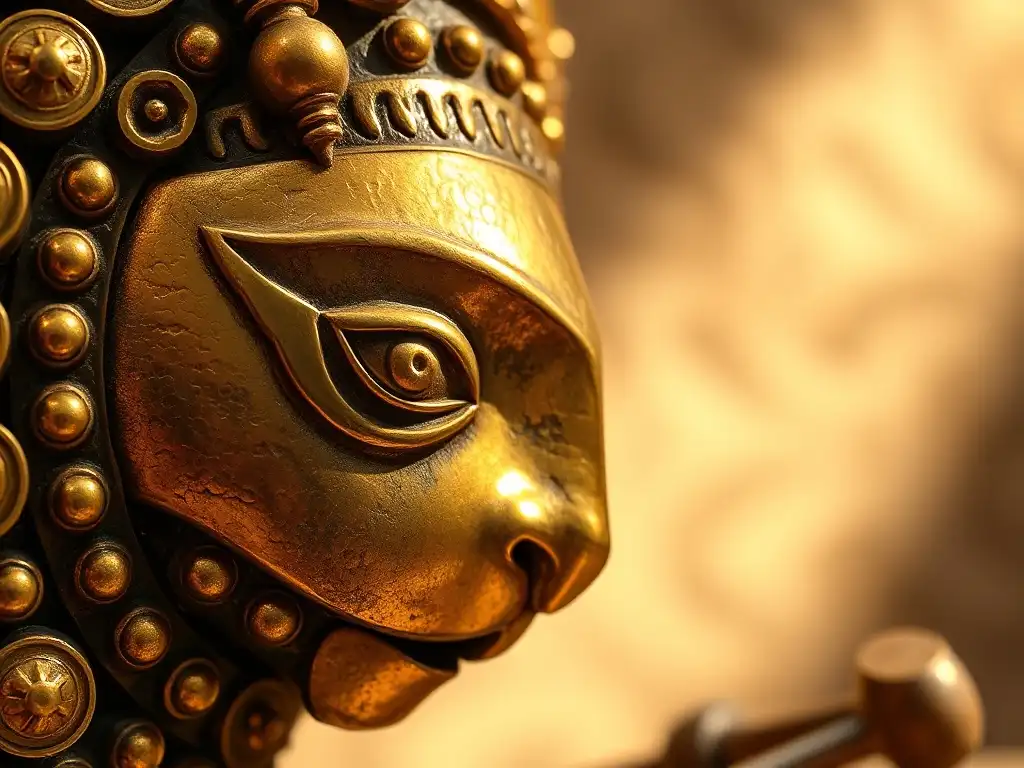
The Chavín culture, flourishing in the Andes from roughly 900 to 200 BCE, left behind a remarkable legacy, not least in their sophisticated metalworking techniques. While not as prolific as later Andean cultures in terms of sheer volume of metal artifacts, the Chavín's mastery of metallurgy laid the groundwork for the advancements seen in subsequent periods. Their innovative techniques, particularly in gold and copper alloying, represent a significant leap forward in Andean technology and artistic expression.
The artistry and technical skill displayed in surviving Chavín metal objects demonstrate a deep understanding of material properties and a commitment to meticulous craftsmanship. This section will explore the enduring influence of Chavín metalworking, its technological advancements, and the ongoing efforts to preserve and study these invaluable artifacts.
The unique methods employed by these ancient artisans continue to fascinate and inspire researchers today, highlighting the ingenuity and skill of the Chavín people. Understanding their "Chavín metalworking techniques" provides crucial insights into the development of Andean metallurgy.
Influence of Chavín Metallurgy on Later Andean Cultures
The impact of Chavín metalworking on subsequent Andean civilizations is undeniable. While the exact pathways of transmission are still being researched, the stylistic and technological elements evident in Chavín artifacts clearly influenced later cultures. For instance, the use of specific alloys, such as tumbaga (a gold-copper alloy), became a hallmark of Andean metallurgy for centuries after the decline of the Chavín culture.
The intricate techniques of hammering, annealing, and casting, perfected by Chavín artisans, were adopted and refined by later cultures such as the Moche and the Inca, leading to increasingly complex and sophisticated metalwork. The stylistic motifs, including zoomorphic and anthropomorphic representations, also found their way into the artistic traditions of later Andean societies, showcasing a continuity of artistic inspiration. Analysis of metal artifacts from different periods reveals a clear lineage, indicating a direct or indirect transmission of knowledge and techniques.
The legacy of Chavín metallurgy can be seen as a fundamental building block in the development of Andean metalworking, a tradition that continued to evolve and flourish for centuries. The sophisticated "Chavín metalworking techniques" laid the groundwork for much of what followed.
The Technological Advancements of Chavín Metalworkers
Chavín metalworkers demonstrated remarkable technological prowess for their time. Their mastery of alloying, particularly the creation of tumbaga, allowed them to produce a wide range of colors and textures. They skillfully combined gold and copper, achieving varying shades from pale yellow to deep orange and reddish hues, showcasing a keen understanding of metallurgical processes.
Furthermore, the intricacy of their castings, hammer-work, and repoussé techniques suggests a sophisticated understanding of heat treatment and metal manipulation. Evidence suggests the use of molds for casting, indicating a level of planning and organization in their production process. Many artifacts showcase incredibly fine detail, suggesting the use of specialized tools and a high degree of skill among the artisans.
The precise control over the metal's properties, along with the artistic skill displayed, points to a highly specialized craft, possibly involving apprenticeships and the transmission of knowledge across generations. The "Chavín metalworking techniques" were not simply rudimentary; they were sophisticated and innovative for their time. Further research is needed to fully understand the specific tools and techniques employed, but the surviving artifacts speak volumes about their skill.
Preserving and Studying Chavín Metal Artifacts
The preservation and study of Chavín metal artifacts are crucial for understanding this important Andean culture. The challenges of preserving these delicate objects are significant, as they are susceptible to corrosion and deterioration due to environmental factors and the inherent properties of the metals themselves. Careful conservation techniques, including environmental control and specialized cleaning methods, are essential to ensure their long-term survival.
Furthermore, ongoing research using non-invasive techniques, such as X-ray fluorescence (XRF) spectroscopy and 3D scanning, allows researchers to analyze the composition of the alloys, study the manufacturing techniques, and create detailed digital records of the artifacts without causing damage. This research provides critical information about the "Chavín metalworking techniques," the sources of raw materials, and the social and economic context of metal production in Chavín society. The collaboration between archaeologists, conservators, and materials scientists is essential to ensure the preservation and understanding of these invaluable pieces of Andean history.
Continued study is vital to unlock the secrets held within these ancient treasures and to further our understanding of this remarkable culture. 🔬 The ongoing efforts to preserve and study these artifacts are crucial for understanding the sophisticated "Chavín metalworking techniques" and their lasting impact.
The Importance of Understanding Chavín Metalworking for Andean History
The study of Chavín metalworking techniques offers a crucial window into understanding the broader trajectory of Andean history. The sophisticated metallurgical practices of the Chavín culture, flourishing between 900 and 200 BCE, laid the groundwork for subsequent advancements in metalworking throughout the Andes. By analyzing the techniques employed, the types of metals used, and the stylistic choices reflected in their artifacts, we gain insights into the social, economic, and religious structures of Chavín society, and how these factors influenced the development of later Andean civilizations.
The mastery of metallurgy wasn't merely a technological achievement; it was deeply intertwined with the religious beliefs and power structures of the time. The creation of elaborate gold and silver objects likely served ritualistic purposes, signifying the power and prestige of the elite. Understanding these connections provides a more nuanced and complete picture of Andean societal evolution.
Further research into the sourcing of metals and the distribution of finished products can illuminate trade networks and economic interactions across vast geographical areas, shedding light on the interconnectedness of early Andean communities. In essence, deciphering Chavín metalworking techniques is not simply about understanding a specific cultural practice; it is about unlocking a fundamental key to comprehending the complexities of the entire Andean cultural landscape and its development over centuries. The intricate details of their metalworking, from the precise hammering techniques to the sophisticated alloying processes, speak volumes about their technological prowess and their impact on the future of Andean metallurgy.
The Spread of Chavín Metallurgical Knowledge and Influence
The impact of Chavín metalworking extended far beyond the immediate geographical confines of their civilization. Evidence suggests that their advanced techniques and stylistic motifs spread throughout the Andes, influencing the metalworking traditions of later cultures. This dissemination of knowledge likely occurred through a combination of factors, including migration, trade, and cultural exchange. Artisans trained in Chavín techniques may have moved to other regions, establishing workshops and sharing their expertise.
The trade of finished metal objects also facilitated the spread of stylistic elements and technological knowledge, as artisans in other regions observed and adopted innovative techniques. The iconic Chavín style, characterized by its distinctive iconography and intricate designs, can be seen reflected in the metalwork of subsequent Andean cultures, demonstrating the enduring legacy of Chavín metallurgical influence. The identification of similar alloys and techniques in geographically distant sites provides compelling evidence of this widespread dissemination.
Understanding the mechanisms and pathways through which Chavín metallurgical knowledge spread is crucial for understanding the interconnectedness of Andean societies and the evolution of their artistic and technological traditions. This process of cultural transmission highlights the dynamic nature of Andean development, where innovation and knowledge were not confined to isolated pockets but actively shared and adapted across vast distances. This diffusion of knowledge is a testament to the significant impact of Chavín culture on the broader Andean world.
Frequently Asked Questions
What makes Chavín metalworking unique?
Chavín metalworking is unique due to its advanced techniques for the time period, including hammering, annealing, and casting, often resulting in intricate and detailed pieces. They also utilized rare metals, demonstrating sophisticated mining and metallurgical knowledge.
What types of objects did Chavín artisans create using metal?
Chavín artisans crafted a variety of objects, including ornaments, such as nose rings, ear spools, and pendants, as well as ceremonial tools and potentially weapons. These were often decorated with complex designs.
What metals did the Chavín culture primarily work with?
The Chavín primarily worked with gold, silver, copper, and bronze, sometimes combining them in alloying techniques to create different colors and properties. The availability of these metals influenced both their artistic styles and social structures.
How did Chavín metalworking techniques compare to those of other Andean cultures?
While other Andean cultures also developed sophisticated metalworking, Chavín techniques were among the earliest and most advanced in the region. Their mastery laid the groundwork for future Andean metallurgical achievements. Their distinct style also sets them apart.
Where can I learn more about Chavín metalworking techniques?
You can find more information through academic journals focusing on Andean archaeology and metallurgy, museum exhibits showcasing Chavín artifacts, and books dedicated to the pre-Columbian cultures of South America. Many online resources also exist.
Final Reflection: The Enduring Legacy of Chavín Metalworking
The intricate artistry of Chavín metallurgy isn't just a relic of the past; it's a testament to human ingenuity that continues to inspire awe and wonder today. The sophisticated techniques employed by these ancient Andean artisans, from lost-wax casting to intricate hammering and repoussé, represent a pinnacle of pre-Columbian craftsmanship, pushing the boundaries of what was thought possible with the available resources. Their mastery remains a powerful reminder of the capacity for human innovation, even in the face of limited technology.
The impact of Chavín metalworking extends far beyond its immediate cultural context. It speaks to a deeper human need for artistic expression and the ability to transform raw materials into objects of beauty and power. These artifacts, often imbued with religious or symbolic meaning, offer a window into the beliefs and worldview of a sophisticated civilization. As the anthropologist, Junius Bird, once noted, The Chavín culture represents a high point in Andean artistic achievement, a period of intense creativity and innovation.
This statement rings true even centuries later, as we continue to study and appreciate the enduring legacy of their work.
Consider the implications of this ancient skill. What can we learn from the dedication and precision of these master craftspeople? How can we apply their spirit of innovation and problem-solving to the challenges we face today? I urge you to reflect on the enduring power of human creativity and the importance of preserving and understanding our shared cultural heritage. Let the legacy of Chavín metalworking inspire you to explore your own potential for artistry and innovation, and to appreciate the remarkable achievements of those who came before us.
Unveil the Rich Heritage of Chavín Metallurgy!
Thank you for exploring the incredible world of Chavín metallurgy with us! You've discovered the intricate techniques and cultural significance of these ancient Andean artisans. Let's delve further into this fascinating heritage!
- Experience Chavín artistry firsthand: Visit a museum showcasing pre-Columbian Andean artifacts to witness the remarkable skill of Chavín metalworkers.
- Share your newfound knowledge: Discuss the lasting impact of ancient Andean craftsmanship on modern art and design with friends, or share this article to inspire others.
- Expand your understanding: Explore the metalworking techniques of other ancient civilizations to gain a broader perspective on this rich history.
What aspect of Chavín metallurgy most captivated you, and how do you believe it continues to influence contemporary craftsmanship?