
The Role of the Elderly in Andean Society: Wisdom and Guidance

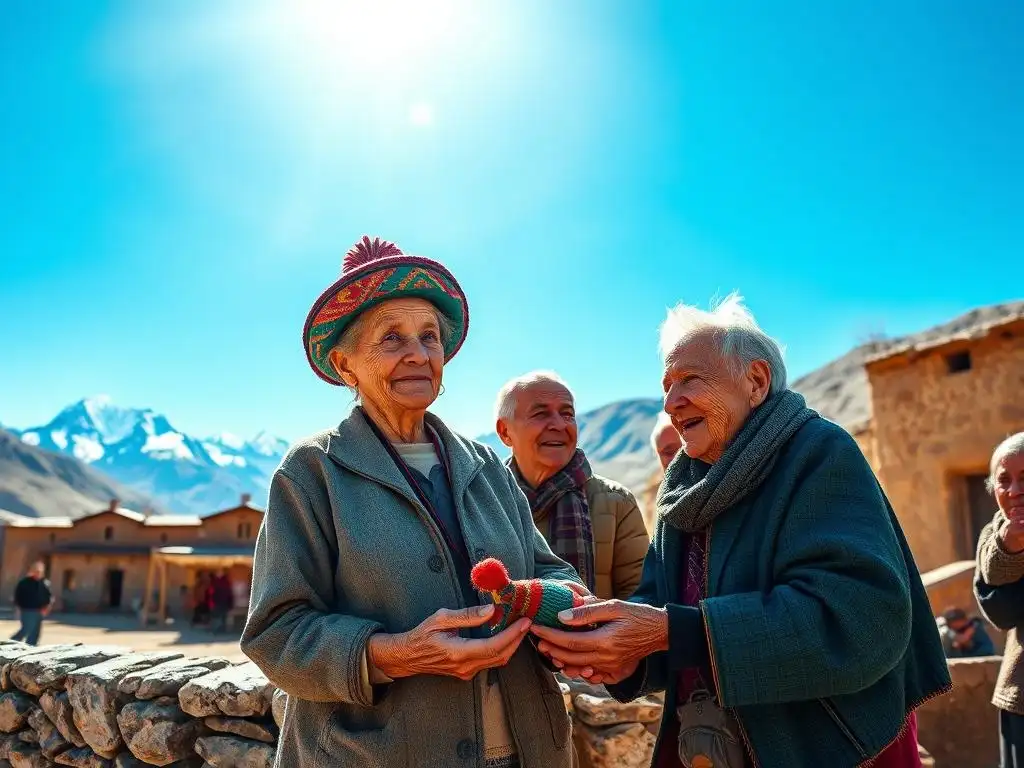
Step into a world lost to time, yet echoing with wisdom and power. Imagine a society where the elderly weren't simply revered, but held positions of immense influence, shaping the very fabric of their communities. On this journey through the vibrant tapestry of Andean Civilizations, we unravel the fascinating mystery of Andean elderly social roles, revealing the profound impact of age and experience on the Incas, Moche, Nazca, and Tiahuanaco. Prepare to be captivated by their intricate social structures and the unexpected secrets they hold. Are you ready to discover the truth?
- The Role of the Elderly in Quechua Society: Wisdom and Guidance
- Understanding the Significance of the Elderly in Ancient Quechua Communities
- Quechua Elderly Social Roles: Responsibilities and Contributions
- Contributions of Senior Citizens to Quechua Social Structures
- The Wisdom of the Quechua Elders: A Source of Guidance
- The Impact of Aging in Quechua Cultures
- Preserving the Legacy of Quechua Elders: Lessons for Today
-
Frequently Asked Questions
- What roles did elderly people play in Andean societies?
- How did the Inca Empire treat its elderly population?
- Did the social roles of elderly people vary across different Andean cultures?
- What types of knowledge did Andean elders pass down to younger generations?
- How did the Andean concept of community impact the role of the elderly?
- Final Reflection: The Enduring Legacy of Andean Elders
- Embrace the Wisdom of Our Elders!
The Role of the Elderly in Quechua Society: Wisdom and Guidance
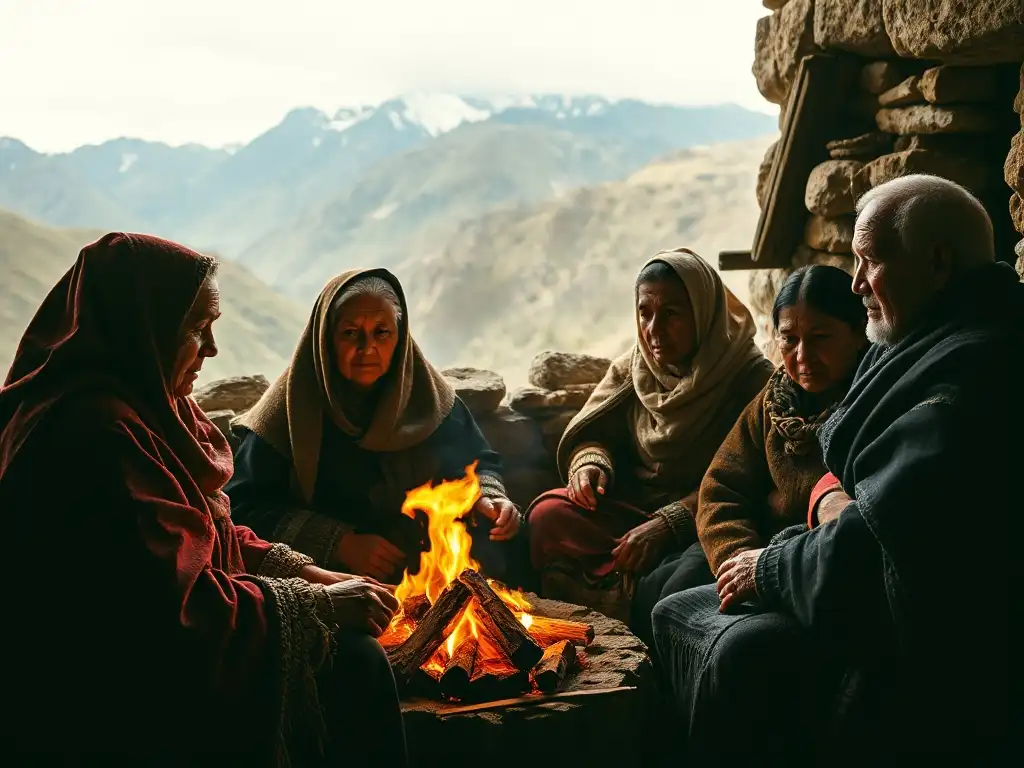
The Andean civilizations, encompassing a vast tapestry of cultures including the Incas, Moche, Nazca, and Tiahuanaco, possessed remarkably complex social structures. Understanding their daily life reveals intricate systems of power, kinship, and societal roles, often significantly shaped by age and experience. This article delves into the crucial role of the elderly within these societies, exploring how their accumulated wisdom and guidance shaped community life, economic activities, and spiritual beliefs.
We will examine how respect for elders wasn't simply a cultural norm, but a fundamental pillar supporting the stability and continuity of Andean society. Understanding the Andean elderly's social roles provides invaluable insight into the broader societal fabric and the sophisticated organization of these fascinating ancient cultures. This exploration will illuminate how the concept of "Andean elderly social roles" transcended mere age, encompassing profound spiritual authority, economic influence, and a vital role in knowledge transmission.
The Elderly as Keepers of Knowledge and Tradition 🗣️
The transmission of knowledge was paramount in Andean societies, largely lacking a formal written language. Oral traditions, meticulously preserved and passed down through generations, were the bedrock of their history, cosmology, and practical skills. Elderly individuals, having lived through numerous harvest cycles and witnessed significant historical events, served as living repositories of this invaluable knowledge. Their memories held the keys to agricultural techniques, medicinal plant knowledge, astronomical observations for predicting seasons, and intricate mythological narratives.
This wasn't simply rote memorization; elders actively interpreted and contextualized this knowledge, adapting it to changing circumstances and imparting nuanced understandings to younger generations. This intergenerational transfer of knowledge ensured cultural continuity and adaptation, a crucial factor in the survival and prosperity of Andean communities. The loss of an elder often represented a significant loss of irreplaceable knowledge and experience.
Contrary to some common misconceptions, Andean elderly were not simply passive recipients of community care. Many continued to contribute actively to the economy, leveraging their accumulated skills and experience. Experienced weavers, potters, and metalworkers often held positions of prestige and influence, producing high-quality goods and contributing significantly to the community's wealth.
Their specialized knowledge commanded respect and often translated into economic power and social standing. Furthermore, their wisdom in resource management, particularly in agriculture and animal husbandry, played a crucial role in ensuring the community's food security and economic stability. Their roles weren't confined to production; many elders also served as advisors on economic matters, guiding younger leaders in trade and resource allocation.
In many Andean cultures, age was closely associated with spiritual authority. Elders often served as intermediaries between the living and the spirit world, conducting rituals, interpreting omens, and providing guidance on matters of spiritual significance. Their deep understanding of Andean cosmology and religious practices earned them respect and influence within their communities.
Participation in rituals wasn't just a matter of age; it was a demonstration of accumulated wisdom and spiritual insight. The elderly's role in these ceremonies served to reinforce social cohesion and reaffirm the community's shared beliefs and values. Their presence and guidance provided a sense of continuity and helped maintain the spiritual fabric of Andean society.
The respect accorded to elders wasn't simply a matter of politeness; it was deeply ingrained in the social fabric of Andean societies. This respect wasn't passive deference; it was a recognition of their accumulated wisdom, experience, and contributions to the community. This reverence fostered social harmony and stability, promoting a system of mutual support and intergenerational cooperation.
The wellbeing of elders was a collective responsibility, reflecting the value placed on their contributions and their essential role in maintaining social order. This system, while differing in specifics across various Andean cultures, underscores the fundamental importance placed on the wisdom and guidance of the elderly in ensuring the continuity and prosperity of their societies. The respect shown to elders served as a powerful social glue, binding generations together and promoting a sense of shared purpose and identity.
Understanding the Significance of the Elderly in Ancient Quechua Communities
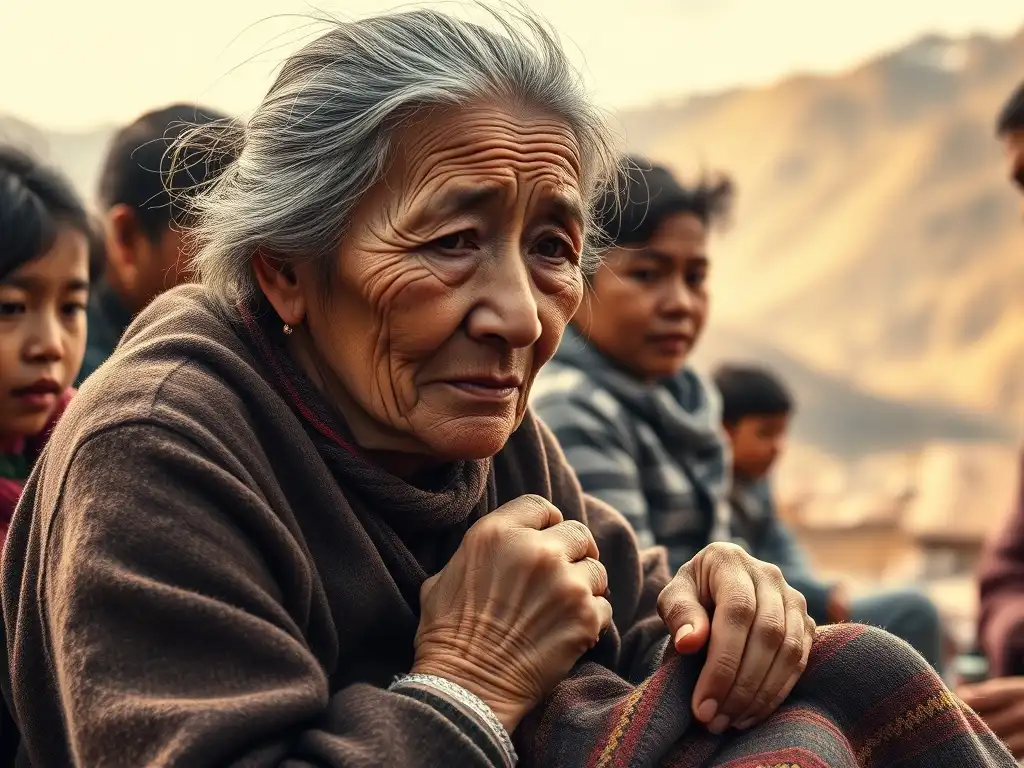
The Andean elderly held positions of immense social importance, a stark contrast to many modern societies that often marginalize their senior citizens. Understanding the role of the elderly in ancient Quechua communities requires examining their multifaceted contributions to the social fabric, economic stability, and spiritual well-being of their societies. Their influence extended far beyond simple familial roles; they were active participants in community governance, religious practices, and the transmission of vital cultural knowledge. The respect afforded to elders wasn't merely a social nicety but a fundamental pillar of Andean social structure, reflecting a deep-seated appreciation for accumulated wisdom and experience. This respect manifested in various ways, from the allocation of specific tasks and responsibilities to the deference shown in daily interactions. The concept of ayni, the principle of reciprocity and mutual support, played a crucial role in ensuring the well-being of the elderly, reinforcing their vital role within the community.
The Valued Position of Elders in Quechua Communities
The esteemed position of elders in Quechua communities stemmed from their accumulated knowledge and experience. They were the keepers of history, tradition, and practical skills essential for survival in the challenging Andean environment. This knowledge wasn't merely theoretical; it was deeply ingrained in their daily lives, shaping their agricultural practices, their understanding of medicinal plants, and their navigation of the complex social dynamics within their communities.
Consider, for example, the intricate knowledge of Andean agriculture, passed down through generations of elders. Their expertise in understanding microclimates, soil types, and the optimal planting times was crucial for the success of the community's agricultural endeavors. Similarly, their knowledge of herbal remedies and traditional healing practices played a vital role in maintaining the health and well-being of the community members.
This deep understanding of the natural world and the intricate social dynamics of their communities ensured that elders were not merely respected but actively sought out for guidance and advice. They were the living embodiment of the community's collective memory and wisdom.
Furthermore, the elderly frequently occupied key positions within the community's decision-making structures. While formal leadership structures varied across different Quechua groups, elders consistently played a significant advisory role, contributing their wisdom to discussions concerning land allocation, conflict resolution, and other vital community matters. Their participation wasn't merely symbolic; their opinions were valued and often held significant weight in shaping the community's decisions. This active participation highlights the vital role of the elderly in maintaining social cohesion and ensuring the continuity of their traditions.
Historical Perspective on Quechua Senior Roles
Examining historical accounts and archaeological evidence further illuminates the significant roles held by Andean elderly. While written records are limited, oral histories and ethnographic studies provide valuable insights into their social standing and influence. These sources consistently depict elders as respected figures, often acting as mediators in disputes, custodians of sacred knowledge, and transmitters of cultural heritage.
Archaeological findings, such as the discovery of elaborate burial sites containing grave goods indicative of high social status, also support this interpretation. The careful preservation of these remains suggests a deep respect for the deceased, reflecting the value placed upon their lives and contributions during their time. The meticulous craftsmanship of the funerary objects underscores the importance of honoring those who had guided and shaped the community.
While further research is needed to fully understand the nuances of the elderly's roles in different Andean societies, the available evidence strongly points towards a system that valued their experience and wisdom. The specific duties and responsibilities of the elderly likely varied depending on factors such as geographic location, social organization, and specific community needs. However, the underlying principle of respecting and valuing their contributions remained consistent across various Andean groups.
Quechua Societies and their Respect for Experience
The profound respect for the elderly in Quechua societies wasn't simply a matter of age; it was deeply intertwined with the Andean worldview, which emphasized the interconnectedness of all things and the importance of respecting the accumulated wisdom of past generations. The concept of Pachamama, Mother Earth, permeated all aspects of Andean life, fostering a deep respect for nature and its cycles. This worldview extended to the elders, who were seen as repositories of knowledge passed down through generations, connecting the present to the past. Their experience and insights were essential for navigating the complexities of life in the harsh Andean environment.
The emphasis on collective well-being rather than individual achievement further reinforced the value placed upon the elderly. Their contributions to the community were not viewed as individual accomplishments but as essential elements of the collective success of the entire group. This collective approach fostered a strong sense of intergenerational solidarity, ensuring that the elderly were cared for and their wisdom was passed down to future generations.
The system was mutually beneficial, with the elderly providing invaluable guidance and support, while the younger generations ensured their well-being and honored their contributions. This symbiotic relationship underscores the fundamental importance of the elderly in the social fabric of Quechua societies. The understanding of "Andean elderly social roles" requires acknowledging this holistic perspective, which goes beyond simple age-based deference and encompasses a deep-seated cultural and spiritual appreciation for accumulated wisdom and experience.
The Andean elderly, particularly within Quechua communities, held positions of significant respect and influence, far exceeding mere symbolic roles. Their contributions were deeply interwoven with the fabric of daily life, extending beyond familial responsibilities to encompass crucial roles in community governance, spiritual guidance, and the preservation of cultural heritage. Understanding the Andean elderly social roles requires appreciating the profound value placed on experience, wisdom, and the continuity of tradition.
This section will delve into the specific responsibilities and contributions of Quechua elders, highlighting their multifaceted impact on Andean society. The concept of "Andean elderly social roles" is best understood through examining their practical involvement in daily life.
Guardians of Tradition: The Elderly as Knowledge Keepers
Quechua elders served as living repositories of knowledge, safeguarding and transmitting vital information across generations. Their expertise encompassed a wide range of domains, from agricultural practices and medicinal botany to intricate weaving techniques and complex astronomical observations. This accumulated knowledge, often passed down orally, was crucial for the survival and prosperity of the community.
Consider the intricate knowledge of Andean agriculture: elders understood the subtle nuances of microclimates, soil types, and planting cycles, knowledge gained through years of observation and practical experience. This wasn't simply theoretical information; it was the foundation upon which the community's food security rested. Their understanding of medicinal plants, often gleaned from generations of healers, provided essential healthcare services, further solidifying their importance.
The transmission of this knowledge wasn't a passive process; it involved active mentorship, apprenticeships, and storytelling, ensuring its preservation and adaptation to changing circumstances. The loss of an elder represented not just the passing of an individual, but a potential loss of irreplaceable knowledge, underscoring the critical role they played in maintaining cultural continuity. The importance of this knowledge preservation shaped the respect and reverence accorded to the Andean elderly.
Passing Down Cultural Heritage and Oral History
Beyond practical skills, Quechua elders were the custodians of oral traditions, preserving and transmitting the rich tapestry of myths, legends, and historical accounts that formed the community's cultural identity. These narratives, often imbued with symbolic meaning and spiritual significance, served as powerful tools for education, social cohesion, and the transmission of values.
The elders' storytelling abilities were highly valued, and their narratives were not merely entertaining; they conveyed moral lessons, historical context, and a deep understanding of the community's place within the larger world. These stories served as a powerful means of transmitting cultural knowledge, shaping the worldview and identity of younger generations.
The meticulous preservation of these oral histories demonstrates the centrality of the elderly in maintaining cultural continuity and identity, reinforcing their crucial role in Andean society. This oral tradition, a vital part of Quechua culture, would be significantly diminished without the active participation and knowledge of the elders.
Elders as Advisors and Counselors in Quechua Life
The wisdom and experience of Quechua elders extended beyond the realm of knowledge transmission; they played a critical advisory role within the community. Their insights were sought on a wide range of issues, from resolving disputes and mediating conflicts to providing guidance on important communal decisions. Their deep understanding of social dynamics, customary laws, and community history allowed them to offer informed and impartial advice, contributing to the stability and harmony of the community.
The role of the elder wasn't one of authoritarian power but rather of respected counsel. Their opinions carried significant weight, not because of any formal authority, but due to their accumulated wisdom and proven judgment. Their involvement in decision-making processes ensured that communal actions were informed by a long-term perspective, considering the potential consequences of choices and balancing the needs of the present with the well-being of future generations.
This crucial role highlights the active participation of the Andean elderly in shaping the social and political landscape of their communities, demonstrating the vital importance of their contributions. The respect and influence enjoyed by the Andean elderly within Quechua communities underscore the significant value placed on experience and wisdom in their society.
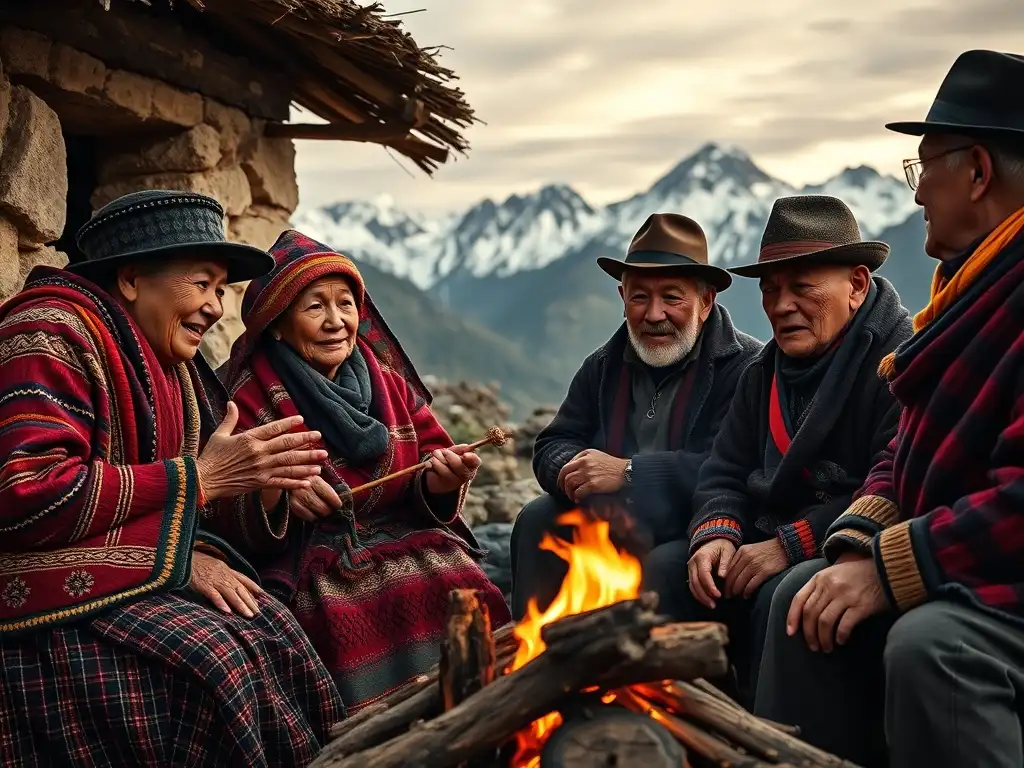
The Andean elderly, particularly within Quechua communities, held positions of immense respect and influence, far exceeding the typical societal roles attributed to older individuals in many other cultures. Their contributions extended beyond simple familial support, deeply intertwining with the economic, social, and spiritual fabric of their societies. Understanding the Andean elderly social roles requires appreciating the holistic nature of their involvement, a system built on the accumulated wisdom and experience passed down through generations.
This intricate interplay of age, knowledge, and societal function shaped the very structure of Quechua communities, highlighting the value placed on elderhood. The concept of "ayni," reciprocal exchange and mutual support, was central to this system, with elders playing a pivotal role in maintaining its balance.
The Role of Elderly in Quechua Agriculture and Farming Practices
Quechua agriculture, characterized by its sophisticated terracing and irrigation systems, relied heavily on the accumulated knowledge of the elderly. Years of experience in cultivating the challenging Andean terrain provided them with invaluable insight into weather patterns, soil conditions, and optimal planting times. They were the keepers of traditional agricultural techniques, often possessing detailed understanding of crop rotation, pest control using natural methods, and water management strategies honed over lifetimes.
Their expertise ensured the community's food security, a crucial aspect of survival in the harsh Andean environment. For example, older farmers could identify subtle changes in the climate, predicting potential droughts or floods and advising younger farmers on adjustments to planting schedules or irrigation methods. This knowledge transfer was not merely instructional; it was a deeply ingrained part of the apprenticeship system, where younger generations learned through observation and practical participation alongside their elders.
The passing down of this invaluable agricultural knowledge ensured the continuity of Quechua farming practices and their adaptation to changing environmental conditions. The wisdom of the elderly directly translated into the community's prosperity and resilience.
Contribution to Family Well-being and Community Cohesion
Beyond agricultural expertise, Andean elders played a crucial role in maintaining family harmony and community cohesion. They served as mediators in disputes, offering guidance and counsel based on their vast life experience and deep understanding of customary law. Their pronouncements were often respected and accepted as fair and just, contributing to a stable and peaceful social environment.
Elderly women, in particular, often held significant influence within the family unit, shaping the upbringing of younger generations and passing down traditional values, skills, and knowledge. They were the custodians of family history and cultural heritage, ensuring the continuity of traditions and strengthening familial bonds. The respect afforded to elders fostered a sense of security and stability within families and communities, creating a supportive social network crucial for navigating the challenges of daily life in the Andes.
The preservation of these traditions, through the guidance and mentorship of elders, directly contributed to the strength and resilience of Quechua communities. Their presence was a cornerstone of social stability and harmonious relationships.
Participation in Quechua Rituals and Ceremonies
The participation of elders in Quechua rituals and ceremonies was essential. They often acted as spiritual leaders, possessing deep knowledge of ancestral beliefs, mythology, and religious practices. Their role involved guiding ceremonies, interpreting omens, and ensuring the proper execution of rituals vital to the community's well-being.
Their understanding of the intricate relationship between humans and the spiritual world was indispensable, connecting the community to its history and providing a sense of continuity and belonging. For instance, elderly paqos (shamans) played a critical role in conducting ceremonies aimed at ensuring successful harvests or appeasing the spirits of the mountains. Their experience and spiritual authority ensured the proper conduct of these ceremonies, reinforcing social cohesion and fostering a sense of shared identity.
The spiritual guidance and leadership provided by Andean elders were integral to the community's spiritual life and their connection to the sacred landscape. This role solidified their status as invaluable members of the Quechua community, their wisdom extending to the spiritual realm.
The Wisdom of the Quechua Elders: A Source of Guidance
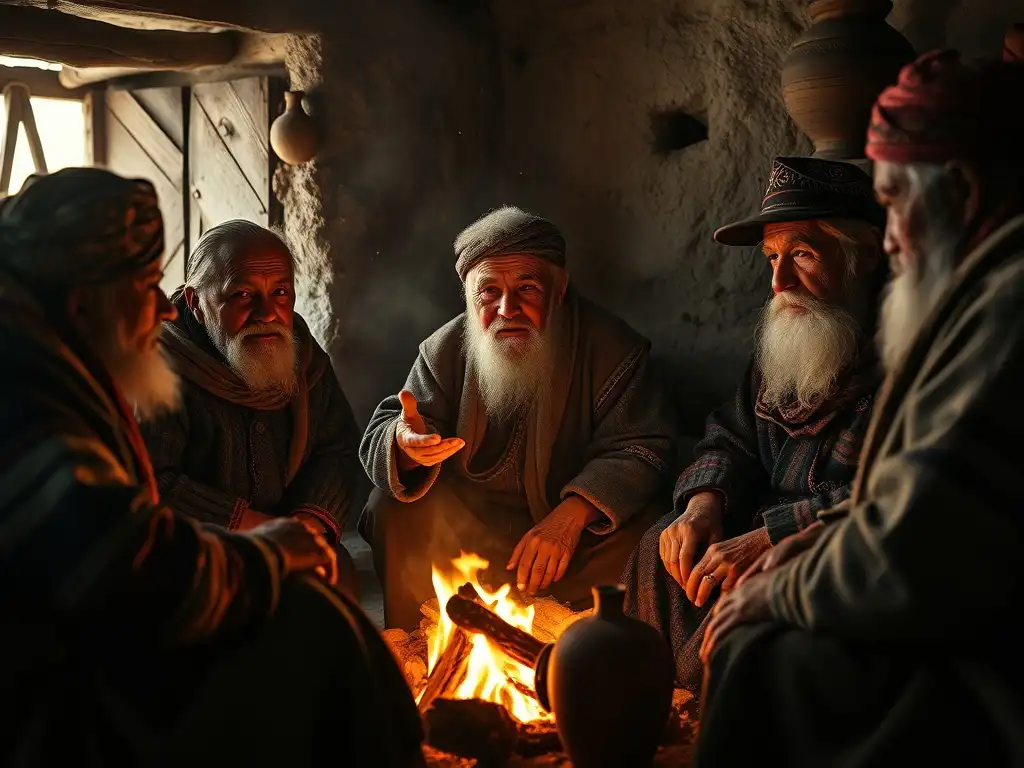
The Andean elderly held a position of immense respect and influence within their communities. This reverence wasn't merely a matter of age; it stemmed from the profound wisdom and experience accumulated over a lifetime spent navigating the challenges and intricacies of Andean life. For the Quechua, and many other Andean groups, the elderly were considered living repositories of knowledge, their insights invaluable in shaping the social, political, and spiritual fabric of their societies.
This section will explore the multifaceted roles of elderly Quechua individuals, focusing on their contributions to decision-making, spiritual guidance, and the preservation of cultural heritage. Understanding the Andean elderly social roles is crucial to understanding the overall structure and functioning of these complex societies.
The Importance of Elderly Advice in Decision-Making
Elderly Quechua individuals, particularly those recognized for their wisdom and judgment, played a vital role in community decision-making. Their input was sought on a wide range of issues, from resolving disputes among community members to planning agricultural cycles and managing resources. This wasn't simply a matter of deferring to authority; their advice was valued because of their extensive life experience.
They possessed a deep understanding of the nuances of Andean society, including its unwritten rules and customs, and were adept at navigating complex social dynamics. Their counsel often incorporated traditional knowledge and practices, ensuring continuity and stability within the community. For example, decisions regarding land allocation, water rights, and the distribution of resources frequently involved consultation with respected elders, whose knowledge of past practices and environmental conditions informed their judgments.
This ensured equitable distribution and sustainable resource management. The process often involved discussions, deliberations, and consensus-building, highlighting the collaborative and inclusive nature of Andean decision-making.
Spiritual Guidance and Connection with Ancestral Wisdom
Beyond their practical wisdom, Quechua elders served as crucial links to the spiritual realm. They were often seen as intermediaries between the living and the ancestors, possessing a deep understanding of Andean cosmology and religious practices. Their role encompassed guiding younger generations in rituals, ceremonies, and the interpretation of dreams and omens.
This spiritual leadership was deeply intertwined with the preservation of ancestral knowledge and traditions. They were the keepers of oral histories, myths, and legends, which contained valuable lessons about the relationship between humans and the natural world, as well as the importance of community harmony. Their knowledge of medicinal plants and healing practices also contributed significantly to the well-being of their communities.
The transmission of this spiritual and medicinal knowledge from one generation to the next was essential for maintaining cultural continuity and ensuring the spiritual health of the Andean communities. This transfer of knowledge, often through storytelling and apprenticeship, was a crucial aspect of the Andean elderly social roles.
Examples of Elderly Wisdom in Quechua Stories
Quechua oral traditions are replete with examples illustrating the wisdom and authority of elderly figures. Many stories emphasize the importance of respecting elders and heeding their advice. For example, [specific Quechua story example pending] highlights the consequences of ignoring the counsel of an elder, illustrating the potential for misfortune or disruption of community harmony.
Conversely, [specific Quechua story example pending] showcases the positive outcomes resulting from following the guidance of a wise elder, emphasizing the importance of their role in maintaining balance and well-being. These narratives were not just entertaining stories; they served as pedagogical tools, transmitting valuable cultural lessons and reinforcing the societal value placed upon the wisdom of elders. The repetition and adaptation of these stories across generations ensured the continued transmission of this crucial cultural knowledge, cementing the Andean elderly social roles in the collective consciousness.
The stories also often included symbolic elements and metaphors which enhanced their memorability and understanding. Analyzing these narrative structures reveals deeper insights into the societal values and beliefs of the Andean cultures.
The Impact of Aging in Quechua Cultures
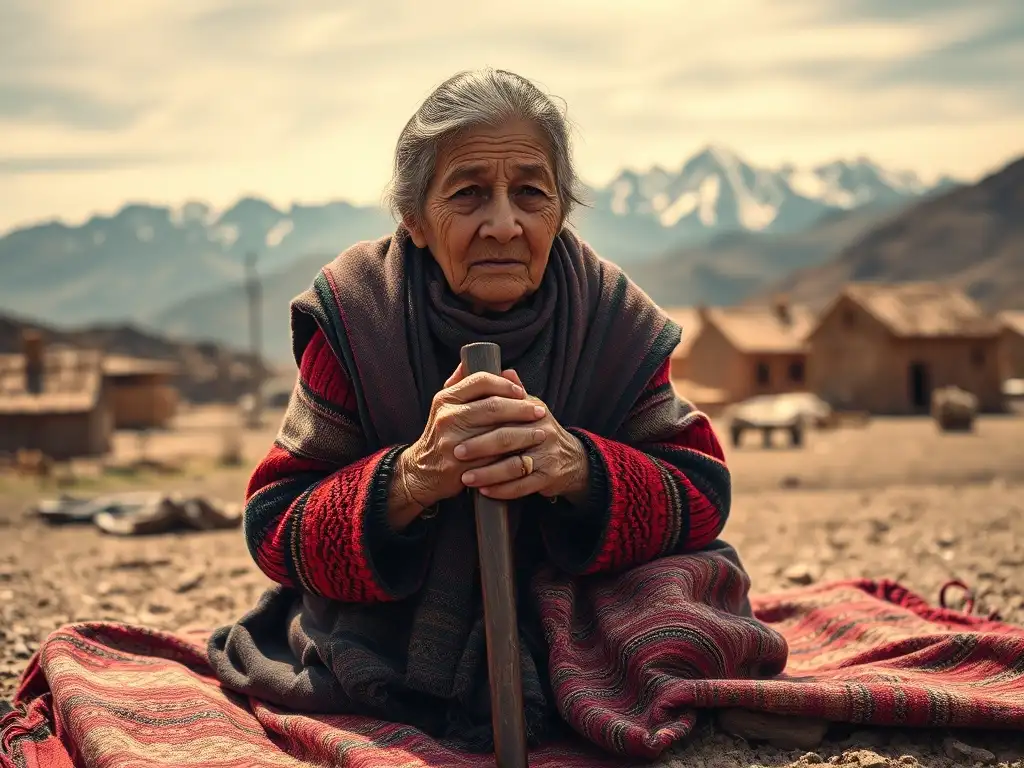
The Andean elderly social roles were deeply intertwined with the spiritual and practical fabric of Quechua societies. Age wasn't simply a chronological marker; it represented accumulated wisdom, experience, and a connection to the ancestral past. This reverence for elders permeated all aspects of life, from decision-making processes to agricultural practices and religious ceremonies.
Their influence wasn't wielded through formal authority, but rather through the profound respect they commanded and the invaluable knowledge they possessed. The Quechua concept of ayni – reciprocity and mutual support – played a crucial role in ensuring the well-being of the elderly, reflecting a societal understanding of their contributions across a lifetime. This reciprocal system ensured that older individuals weren't marginalized but remained active and valued members of the community.
Challenges Faced by the Elderly in Historical Quechua Times
Despite the overall respect afforded to elders, historical Quechua societies weren't immune to the challenges associated with aging. Physical limitations resulting from years of strenuous labor in harsh Andean environments undoubtedly presented difficulties. Access to adequate nutrition could fluctuate depending on harvests and resource availability, potentially impacting the health and well-being of older individuals. Furthermore, while the community generally supported them, instances of neglect or marginalization likely occurred, particularly in times of hardship or social upheaval.
Detailed accounts from colonial-era chroniclers offer glimpses into these realities, although they often lack the nuanced perspective of the Quechua experience itself. Further research is needed to fully understand the extent and nature of these challenges, particularly from indigenous perspectives and interpretations of historical records. We need more studies analyzing archaeological data related to the care and burial practices of elderly individuals to paint a fuller picture.
The Transition into Elderhood: Rites and Recognition
The transition into elderhood in Quechua cultures wasn't a sudden event but a gradual process marked by evolving roles and responsibilities. While specific rites of passage might have varied across different Quechua communities and time periods, the recognition of an individual's accumulated wisdom and experience was central. The attainment of elder status often involved a shift from physically demanding tasks to roles involving mentorship, storytelling, and spiritual guidance.
Older individuals often played crucial roles in transmitting cultural knowledge, including agricultural techniques, medicinal practices, and oral traditions. This transmission wasn't merely a transfer of information but a continuation of the cultural lineage, ensuring the survival and continuity of Quechua traditions across generations.
This process reinforced their social standing and ensured their continued integration into the community, providing a sense of purpose and belonging. The respect shown to elders served as a powerful motivator for younger generations, fostering a culture of intergenerational learning and support.
Modern Day Perspectives on the Quechua Elderly
While the traditional respect for elders persists in many Quechua communities, modern influences have undeniably impacted the social roles and experiences of the elderly. Globalization, migration, and economic changes have led to shifts in family structures and social dynamics. The increasing integration of Western healthcare systems, while offering potential benefits, can also disrupt traditional systems of care and support.
The challenge lies in finding a balance between preserving the rich cultural traditions of respecting Andean elderly social roles and adapting to the realities of modern life. This requires a sensitive and nuanced approach that acknowledges both the enduring value of traditional practices and the need for sustainable solutions to address the challenges faced by the elderly in contemporary Quechua societies.
Preserving the legacy of ayni and adapting it to contemporary circumstances is key to ensuring the continued well-being and social integration of Quechua elders. Understanding the complexities of these dynamics requires further ethnographic research and community-based initiatives.
Preserving the Legacy of Quechua Elders: Lessons for Today
The Andean elderly held, and in some communities continue to hold, positions of immense social importance. Understanding their roles provides invaluable insights into the social fabric of Andean civilizations and offers potential lessons for contemporary societies grappling with aging populations. The Quechua, a large indigenous group spanning across the Andes, offer a particularly compelling case study. Their traditional societal structures highlight the profound respect afforded to elders, a respect deeply intertwined with the preservation of cultural knowledge and practical skills. This section will examine the Quechua model of elder care and its implications for the modern world.
Learning from the Quechua Model of Elder Care
The Quechua model of elder care wasn't solely based on familial obligation, although that played a significant role. It was a community-wide effort, recognizing the collective benefit derived from the wisdom and experience of their elders. Instead of institutionalization, which was largely absent, elders often remained within their family units, contributing actively to daily life. Their roles varied depending on physical capabilities, but often included:
- Mentorship and Education: Elders played a pivotal role in transmitting knowledge, skills, and cultural traditions to younger generations. This included teaching agricultural techniques, weaving methods, storytelling, and religious practices. This intergenerational learning ensured the continuity of Quechua culture and identity.
- Spiritual Guidance: Many elders held positions of spiritual authority within their communities. Their knowledge of ancestral beliefs, rituals, and healing practices made them indispensable figures.
- Conflict Resolution: Elders were frequently called upon to mediate disputes and offer wise counsel, leveraging their extensive life experience to navigate complex social dynamics. Their role in maintaining social harmony was crucial.
- Economic Contributions: Even in their later years, elders often participated in the economy, contributing based on their abilities. This could range from crafting items to providing childcare, maintaining a sense of purpose and social value.
This integrated approach to elder care fostered a sense of belonging and purpose among the elderly, ensuring their continued participation in community life. It contrasts sharply with the often isolating experience of aging in many modern societies.
The Importance of Respect for the Elderly in Modern Society
The Quechua example underscores the critical importance of respecting and valuing our elders. Modern societies, facing rapidly aging populations and an increasing emphasis on youth culture, often overlook the immense contributions of older adults. This neglect can lead to social isolation, depression, and a loss of invaluable knowledge and experience. The loss of traditional knowledge transmission systems, as seen in some modern contexts, undermines cultural heritage and weakens social cohesion.
The benefits of valuing the elderly extend beyond the individual level. A society that respects its elders benefits from:
- Enhanced Social Cohesion: Intergenerational relationships foster a sense of community and shared responsibility.
- Preservation of Cultural Heritage: Older adults are the custodians of traditional knowledge, skills, and stories.
- Improved Economic Productivity: Older adults can continue to contribute to the workforce and economy.
- Stronger Family Structures: Involving elders in family life provides valuable support and guidance.
Integrating aspects of the Quechua model, such as promoting intergenerational learning and community-based support systems for the elderly, could significantly improve the well-being of older adults and strengthen the social fabric of our communities. This requires a fundamental shift in societal attitudes, moving away from ageism and towards a more inclusive and equitable approach to aging.
Future Research on the Role of the Quechua Elderly
Further research is needed to fully understand the nuances of the Andean elderly's social roles, particularly within Quechua communities. Specifically, more investigation is needed on:
- The impact of modernization: How has the changing socio-economic landscape affected the roles and status of Quechua elders? What adaptations have been made?
- Variations across Quechua communities: Are there significant regional differences in the ways elders are treated and integrated into community life?
- Oral histories and narratives: Collecting and analyzing oral histories from Quechua elders can provide invaluable insights into their lived experiences and perspectives.
- Comparative studies: Comparing the Quechua model with other Andean societies and contemporary models of elder care can reveal valuable lessons and best practices.
- The role of women: A deeper understanding of the specific roles and experiences of elderly women within Quechua society is needed. Their contributions are often underrepresented in historical accounts.
By undertaking this research, we can gain a more complete understanding of the vital role that elders played and continue to play in Andean societies, and apply these lessons to create more supportive and inclusive societies for our aging populations. This is crucial not only for the well-being of older adults but for the overall health and vitality of our communities. The legacy of the Andean elderly, particularly the Quechua, offers a rich source of wisdom and guidance for the future.
Frequently Asked Questions
What roles did elderly people play in Andean societies?
Elderly individuals held positions of great respect and authority. They served as keepers of knowledge, tradition, and wisdom, guiding younger generations and offering crucial advice in both daily life and important decisions. Their experience was highly valued.
How did the Inca Empire treat its elderly population?
The Inca Empire showed significant reverence for its elders, providing them with support and integrating them into the social fabric. Respect for age was deeply ingrained in their culture, ensuring their continued contribution to society. They were often given important advisory roles.
Yes, while respect for elders was a common thread, the specific roles varied across different Andean cultures such as the Inca, Moche, Nazca, and Tiahuanaco. Some cultures might have emphasized specific skills or knowledge held by the elderly more than others.
What types of knowledge did Andean elders pass down to younger generations?
Andean elders passed down a wealth of knowledge including agricultural techniques, medicinal practices, religious beliefs, and intricate craft skills. This transmission of oral history and traditions was vital for cultural continuity.
How did the Andean concept of community impact the role of the elderly?
The strong emphasis on community and kinship in Andean societies ensured that elderly people remained integral members, contributing their experience and wisdom. Their role wasn't solely based on age, but also on their continued value to the collective.
Final Reflection: The Enduring Legacy of Andean Elders
The wisdom and guidance offered by Andean elders remain profoundly relevant today, a vital counterpoint to the rapid pace of modernization and globalization. Their traditional knowledge systems, often overlooked in the rush towards progress, hold invaluable lessons for sustainable living, community building, and navigating the complexities of the modern world. Ignoring this rich heritage is a disservice not only to the elders themselves but to future generations.
The enduring influence of Andean elders on their communities is undeniable; their roles as storytellers, healers, and spiritual guides continue to shape cultural identity and social cohesion. Their deep connection to the land and their intricate understanding of traditional practices offer a powerful model for sustainable development and environmental stewardship. The old people are the keepers of the traditions, the memory of the community.
This simple statement encapsulates the irreplaceable role they play in transmitting cultural knowledge and ensuring its survival. Their stories, passed down through generations, are not mere narratives but living links to a rich and complex past.
Consider the depth of knowledge held within these individuals, the accumulated wisdom of a lifetime spent in harmony with nature and community. You, the reader, are now empowered to reflect on the value of experience and the importance of intergenerational dialogue. Seek out the wisdom of elders in your own life, listen to their stories, and learn from their perspectives. Let their insights enrich your understanding of the world and inspire you to build a more sustainable and compassionate future.
Embrace the Wisdom of Our Elders!
Thank you for exploring the vital role elders play in Andean society. Their wisdom and experience are invaluable, enriching our culture and strengthening our communities. Now, let's translate this understanding into meaningful action, fostering connections that honor their legacy.
Here are some ways you can make a difference:
- Connect with your community: Spend time with an older neighbor or family member, listening to their stories and learning from their life lessons.
- Share your discoveries: Inspire others by sharing what you've learned on social media or in a blog post, highlighting the importance of respecting and valuing our elders.
- Support local initiatives: Get involved with or support programs that encourage intergenerational activities and mentorship opportunities.
How will you integrate the wisdom of our elders into your life and community this week? What steps will you take to build stronger intergenerational connections?