
The Legacy of Leadership: How Andean Governance Influences Modern Politics

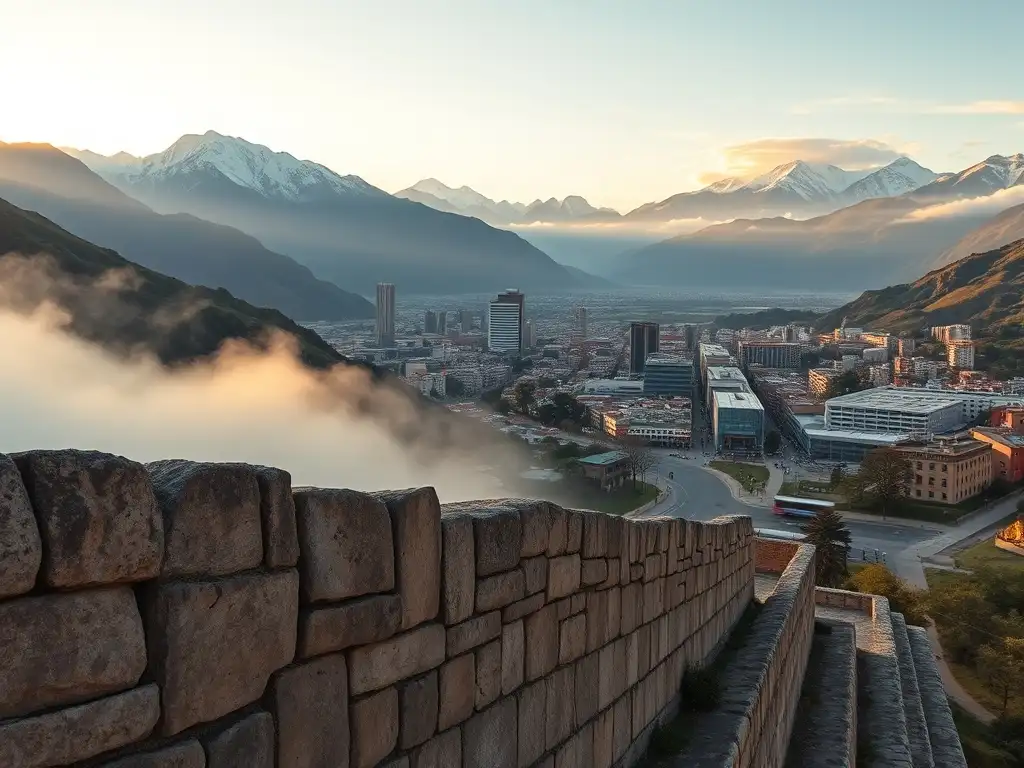
Step into a world lost to time, yet echoing in our present. Imagine societies that mastered engineering feats centuries ahead of their time, leaving behind a legacy of intricate artistry and sophisticated governance. This is the realm of the Andean civilizations – the Incas, Moche, Nazca, and Tiahuanaco. But their influence extends far beyond ancient ruins; discover how Andean leadership strategies continue to shape modern politics in our exploration of "Andean leadership influence on modern politics," a journey into the fascinating legacy of these remarkable cultures. Prepare to be amazed.
The Andes Mountains, a spine of towering peaks running down the western coast of South America, have witnessed the rise and fall of some of the most remarkable civilizations the world has ever known. From the intricate irrigation systems of the Nazca to the awe-inspiring stonework of the Incas, these Andean societies developed sophisticated political structures and governance models that continue to resonate in the modern political landscape of the region.
This article delves into the fascinating legacy of Andean leadership, exploring how ancient governance systems – characterized by unique social hierarchies, complex administrative systems, and innovative approaches to resource management – have profoundly influenced the political dynamics of modern Andean nations. We will examine the enduring impact of these ancient practices, analyzing their echoes in contemporary political structures, social organization, and even conflict resolution strategies.
Understanding this historical context is crucial to comprehending the complex political realities of modern Andean societies and the challenges they face today. The influence of Andean leadership on modern politics is a multifaceted subject, ripe for exploration and analysis.
Exploring the Roots of Andean Governance
Understanding the influence of Andean governance on modern politics necessitates a journey back in time. Ancient Andean societies, while diverse, shared certain common threads in their approach to governance. Many were characterized by a hierarchical structure, often with a powerful leader at the apex, whether a king, a religious figure, or a council of elders.
However, the nature of power and authority varied significantly across different cultures and time periods. For instance, the Inca Empire, with its vast bureaucracy and intricate system of mit'a (labor tribute), presented a centralized model of governance, while smaller societies like the Moche might have been organized around more localized power structures. The sophisticated systems of record-keeping, using quipus (knotted cords) for accounting and communication, allowed for efficient administration and resource allocation across vast territories.
These systems were far from simplistic; they reflect a deep understanding of social engineering and the need for effective governance in diverse and challenging environments. The intricate balance between centralized authority and local autonomy, a recurring theme throughout Andean history, continues to be a relevant consideration in modern Andean political systems. The challenges of balancing national interests with regional needs remain a central theme in the region's political discourse.
Ancient Andean Political Structures: A Foundation for Modern Understanding
The remarkable achievements of ancient Andean civilizations in governance extend beyond simple hierarchical structures. Their innovations in resource management, particularly in agriculture and water distribution, provide valuable lessons for modern societies facing similar challenges. The intricate canal systems built by the Nazca and the terraced farming techniques employed by the Incas demonstrate a profound understanding of environmental sustainability and resource optimization.
These practices, developed over centuries, highlight the importance of long-term planning and community cooperation in managing scarce resources – principles that are highly relevant to contemporary discussions surrounding sustainable development and environmental protection in the Andes. Furthermore, the emphasis placed on community participation and reciprocity in many Andean societies offers a contrasting perspective to purely centralized models of governance. The concept of ayllu (kinship-based community) in Inca society, for example, fostered a strong sense of collective responsibility and mutual support, influencing social cohesion and stability.
This emphasis on community participation and collective action continues to shape social and political dynamics in many Andean communities today, influencing local governance structures and community-based initiatives. The enduring legacy of these ancient political structures is evident in the ongoing debate about the balance between centralized and decentralized power in the modern Andean context. Understanding this historical context is key to navigating the complexities of contemporary Andean politics.
Inca Leadership and its Impact on Political Thought
The Inca Empire, at its zenith, controlled a vast territory encompassing much of the Andes Mountains. Their sophisticated system of governance, characterized by a highly centralized state and a complex bureaucracy, left an undeniable mark on subsequent political structures in the region. The Inca's legacy is not merely about physical infrastructure—like the impressive road system—but also about the enduring principles of leadership and administration that continue to resonate today.
Understanding the intricacies of Inca governance offers valuable insights into the enduring influence of Andean political thought on modern political systems. The impact is particularly visible in the emphasis on community, social welfare, and the importance of a strong central authority—themes that continue to be debated and adapted in modern Andean politics. The centralized nature of the Inca state, while sometimes criticized for its potential for authoritarianism, also provided a framework for efficient resource management and infrastructure development, aspects that are crucial for modern nation-building.
The Inca's emphasis on collective well-being, manifested in their extensive social programs and public works projects, offers a counterpoint to purely individualistic models of governance. This focus on the community's welfare provides a valuable lesson for modern policymakers aiming to create equitable and sustainable societies. The Inca’s approach to governance, a blend of centralized authority and community engagement, provides a rich tapestry of lessons for modern political thought.
The Sapa Inca: Divine Authority and its Echoes
The Sapa Inca, the emperor, held absolute power, considered a divine ruler, a descendant of the sun god Inti. This divine authority permeated all aspects of Inca society, influencing everything from religious practices to economic policies. The Sapa Inca's authority was not solely based on religious beliefs; it was also maintained through a sophisticated system of control and communication.
This concept of a divinely ordained leader, though challenged in modern democratic systems, still holds a certain resonance in some Andean communities. The idea of a leader with exceptional authority and responsibility, even if not divine, remains a powerful symbol in many cultures, including those with roots in the Inca Empire. The enduring influence of this concept is subtle but present, influencing perceptions of leadership and the expectations placed upon those in power.
Many modern leaders in the Andes still benefit from, and are sometimes burdened by, the legacy of the Sapa Inca’s perceived divine right to rule. The weight of this legacy highlights the complexities of transitioning from traditional forms of authority to modern democratic governance.
The Inca Administrative System: Lessons in Centralized Governance
The Inca Empire’s administrative system was remarkably efficient for its time. The empire was divided into four provinces, each governed by a governor appointed by the Sapa Inca. A complex network of officials and messengers ensured effective communication and resource allocation throughout the vast empire.
This system of centralized governance, with its emphasis on efficiency and control, offers valuable lessons for modern policymakers. The Inca's ability to coordinate resources, particularly during times of crisis or large-scale projects like road construction, is a testament to the effectiveness of their system. While modern democracies operate under different principles, the Inca's emphasis on structured administration and clear lines of authority remains relevant.
The challenges of coordinating large-scale projects and providing services to a dispersed population are issues that policymakers today still grapple with. The Inca system, while not a perfect model, provides a historical example of how centralized governance can be used effectively, offering valuable insights for addressing modern challenges in governance and administration. The Inca’s sophisticated system of record-keeping, using quipu (knotted strings), also highlights the importance of data management and information flow in effective governance.
Pre-Inca Political Models: Insights from Moche and Tiahuanaco
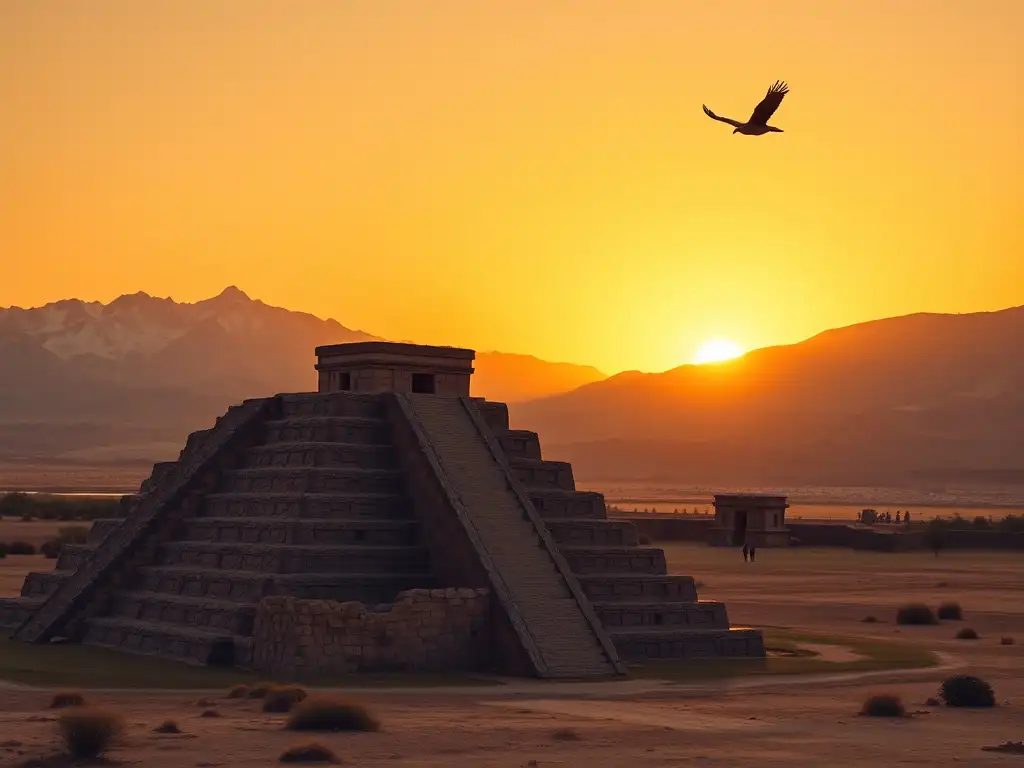
Before the Inca Empire, several powerful Andean civilizations developed complex political structures. Examining these earlier models provides crucial context for understanding the evolution of Andean governance and its lasting influence. The Moche and Tiahuanaco cultures, for instance, offer fascinating examples of different approaches to political organization, showcasing the diversity of governance systems in the pre-Columbian Andes. Understanding these earlier models helps us appreciate the nuances of Inca rule and its relationship to preceding political traditions. The legacy of these earlier systems is not always directly visible but informs the underlying cultural and political landscape of the region.
Moche Governance: Social Hierarchy and Power Dynamics
The Moche civilization, known for its impressive artistry and sophisticated irrigation systems, had a hierarchical political structure. Evidence suggests the existence of a powerful elite, likely composed of warrior-priests, who controlled religious and political power. While the exact nature of Moche governance remains debated, archaeological findings indicate a complex interplay between religious authority and political control.
The Moche's emphasis on warfare and military prowess, reflected in their art and architecture, suggests a political system based on strength and control. While markedly different from the Inca's centralized system, the Moche's hierarchical structure and focus on power dynamics still offer valuable comparative insights into Andean political evolution.
The Moche legacy highlights the importance of considering the social and economic factors that shape political systems, a perspective that remains crucial for understanding modern politics. The intricate details of their social hierarchy, although incompletely understood, reveal a sophisticated understanding of power dynamics and social control.
Tiahuanaco's Political Organization: A Model of Regional Control
The Tiahuanaco civilization, centered around the expansive city of Tiahuanaco on the shores of Lake Titicaca, exercised considerable influence over a vast region. Their political organization was likely a blend of centralized control and regional autonomy, a complex system that allowed for effective administration across a diverse landscape. The Tiahuanaco's ability to maintain control over such a geographically diverse area offers valuable lessons in regional governance.
Their political strategies, including the construction of monumental architecture and the standardization of certain cultural practices, suggest a sophisticated approach to consolidating power and maintaining order across diverse populations. The Tiahuanaco's legacy, although less visibly present than the Inca's, is fundamental to understanding the evolution of Andean political systems.
The nuanced blend of centralized and decentralized elements in their system provides a valuable counterpoint to the more thoroughly centralized Inca model, highlighting the diversity of approaches to governance in the Andean region. The Tiahuanaco's enduring impact is reflected in the cultural and political landscape of the region even today, demonstrating the long-term consequences of their political organization.
Andean Leadership Influence on Modern Politics
The legacy of Andean leadership continues to resonate in modern political systems, shaping governance structures, political discourse, and societal values across the Andes region. Understanding this influence requires examining the sophisticated governance models employed by pre-Columbian civilizations, such as the Inca Empire, and tracing their impact on contemporary political realities. While modern states differ significantly from their ancient counterparts, many core principles of Andean leadership—particularly those related to community participation, reciprocity, and collective decision-making—persist in various forms.
The intricate balance between centralized authority and local autonomy, a hallmark of many Andean societies, continues to inform debates about federalism, decentralization, and indigenous rights in contemporary Andean nations. This enduring legacy challenges traditional Western models of governance and offers valuable insights for contemporary political theory and practice. The examination of this influence reveals a complex interplay between historical continuity and modern adaptation, highlighting the resilience of Andean political thought.
The Enduring Influence of Andean Communalism
Andean societies, particularly those predating the Inca Empire, were characterized by a strong emphasis on communal living and collective responsibility. This communalism, often expressed through the concept of ayllu (a kinship-based community), fostered a sense of shared identity and mutual support. While the ayllu system itself may not exist in its original form today, its principles of collective decision-making, resource management, and social cohesion continue to inform community-based initiatives and grassroots movements across the Andes.
Many contemporary indigenous communities actively utilize traditional mechanisms for resolving conflicts and managing resources, demonstrating the enduring power of communalism in shaping local governance. This echoes in the continued importance of community-based organizations and the ongoing struggle for indigenous self-determination, which are deeply rooted in the historical experience of communal life. The resilience of these communal values highlights their adaptability to the challenges of modern political landscapes.
The Ayni and Minka: Collaborative Principles in Contemporary Politics
The principles of ayni (reciprocity) and minka (collective labor) were fundamental to Andean social organization. Ayni emphasized the reciprocal exchange of goods and services within a community, fostering social solidarity and mutual dependence. Minka, on the other hand, involved communal labor for the benefit of the entire community. These practices fostered a strong sense of social responsibility and collective action.
Although these practices have evolved over time, their spirit persists in contemporary Andean societies. Many community projects, from infrastructure development to agricultural initiatives, rely on forms of collaboration and mutual support that reflect the enduring values of ayni and minka. Furthermore, these principles are increasingly invoked in political discourse to promote social justice, equity, and environmental sustainability. The incorporation of these values into modern governance structures offers a unique perspective on collaborative governance models.
Impact of Andean Leadership Styles on Modern Political Discourse
Andean leadership styles, characterized by a blend of authority and consensus-building, have had a significant impact on modern political discourse. The emphasis on collective decision-making and the incorporation of diverse voices stand in contrast to more hierarchical Western models of governance. The concept of hamampata (a balanced worldview), which emphasizes harmony and equilibrium, also influenced the development of inclusive political approaches.
This emphasis on inclusivity and consensus-building is reflected in the growing recognition of indigenous rights and the increasing participation of indigenous communities in political processes. However, the challenge remains in fully integrating these principles into formal political structures and overcoming the power imbalances that persist in many Andean nations. The ongoing struggle for indigenous self-determination highlights the continued relevance of Andean leadership styles in shaping modern political discourse.
Modern Andean Political Systems and their Heritage
Modern Andean political systems bear the imprint of their rich historical heritage, showcasing a complex interplay between indigenous traditions and external influences. While the formal structures of government may reflect Western models, the underlying social values and political practices often retain strong links to pre-Columbian traditions. This interplay creates a unique blend of political cultures, where indigenous perspectives and practices coexist with—and often challenge—dominant Western norms.
The influence of indigenous worldviews on contemporary political discourse is particularly evident in debates surrounding environmental protection, resource management, and social justice. Understanding this historical context is crucial for comprehending the complexities of modern Andean politics and the ongoing processes of political and cultural transformation.
Examining the Continuity of Andean Political Traditions
The continuity of Andean political traditions is evident in various aspects of modern Andean societies. For instance, the enduring importance of community-based organizations, the persistence of traditional conflict resolution mechanisms, and the continued relevance of indigenous languages and cultural practices all demonstrate the resilience of pre-Columbian political legacies. These traditions often manifest in subtle ways, shaping local governance structures, influencing political discourse, and informing social values.
The challenge lies in recognizing and valuing these traditions within the framework of modern nation-states, ensuring their integration into contemporary political systems without compromising their integrity. This requires a nuanced understanding of the historical context and a commitment to inclusivity and cultural preservation.
Bolivia's Plurinational State: A Modern Manifestation of Andean Ideals
Bolivia's adoption of a Plurinational State constitution in 2009 represents a significant attempt to incorporate indigenous perspectives and values into the formal structure of government. This constitutional change recognizes the diverse ethnic and cultural identities within Bolivia and aims to empower indigenous communities through greater political participation and self-determination. While the implementation of this plurinational model faces ongoing challenges, it stands as a powerful example of how Andean ideals can be integrated into modern political systems.
The recognition of indigenous rights, the increased representation of indigenous communities in government, and the emphasis on intercultural dialogue all reflect a conscious effort to incorporate aspects of Andean political thought into the governance of a modern nation-state. Bolivia's experience offers valuable lessons for other Andean nations seeking to reconcile indigenous traditions with the realities of modern governance.
Challenges and Adaptations: Andean Governance in the 21st Century

Andean governance in the 21st century faces a complex interplay of inherited traditions and modern political realities. The legacy of sophisticated pre-Columbian systems of administration, characterized by intricate social hierarchies and resource management, contrasts sharply with the often-fragmented and centralized structures of contemporary nation-states. This creates unique challenges for indigenous communities seeking to maintain their cultural identity while participating fully in national political processes.
Many Andean communities grapple with issues of land rights, access to resources, and the preservation of their traditional ways of life within the framework of modern legal systems. The struggle to reconcile customary law with national legislation is a recurring theme, often leading to protracted legal battles and social tensions. Furthermore, the rapid pace of globalization and urbanization presents additional challenges, as traditional forms of governance struggle to adapt to the complexities of a rapidly changing world.
The influx of external influences can erode traditional social structures, leading to internal conflicts and a loss of cultural cohesion. The need for effective strategies to navigate these complexities is paramount for the continued well-being of Andean communities.
Navigating Modern Political Landscapes with Traditional Wisdom
Despite the challenges, Andean communities demonstrate remarkable resilience and adaptability. Many indigenous leaders successfully integrate traditional wisdom with modern political strategies. For example, the use of consensus-building techniques, a hallmark of many pre-Columbian governance systems, remains relevant in contemporary political negotiations.
These techniques emphasize dialogue, collaboration, and the inclusion of diverse perspectives, often leading to more equitable and sustainable outcomes than adversarial approaches. Furthermore, the strong emphasis on community participation and collective decision-making, characteristic of many Andean cultures, provides a powerful model for inclusive governance. This contrasts with the often top-down approach of many modern political systems, highlighting the potential of Andean leadership models to foster greater civic engagement and social cohesion.
The ability to adapt traditional practices to modern contexts is a key factor in the ongoing success of indigenous communities in navigating the complexities of contemporary politics. This adaptability demonstrates the enduring relevance of Andean leadership principles in the 21st century.
The Struggle for Indigenous Representation in National Politics
A significant challenge facing Andean communities is securing adequate representation in national political systems. Despite their historical significance and substantial populations, indigenous groups often lack the political power necessary to effectively advocate for their interests. This underrepresentation stems from various factors, including historical marginalization, limited access to education and resources, and the persistence of systemic discrimination. The struggle for political inclusion often involves overcoming deep-seated prejudices and challenging established power structures.
Many Andean nations have implemented affirmative action policies aimed at promoting greater indigenous representation, but these policies are often insufficient to address the underlying issues of inequality and systemic bias. The fight for meaningful political participation remains a central concern for Andean communities striving to protect their rights and preserve their cultural heritage. Achieving true political equality requires sustained efforts to address both historical injustices and contemporary obstacles to indigenous representation.
The Future of Andean Leadership: Maintaining Cultural Relevance
The future of Andean leadership hinges on the ability to maintain cultural relevance while adapting to the demands of a rapidly changing world. This requires a delicate balance between preserving traditional values and embracing innovative approaches to governance. One crucial aspect is the integration of indigenous knowledge systems into modern policy-making processes. Indigenous perspectives on environmental management, resource allocation, and conflict resolution offer valuable insights that can inform more sustainable and equitable policies.
Furthermore, fostering intercultural dialogue and collaboration is essential for creating inclusive and representative governance structures. This involves recognizing the contributions of diverse cultural perspectives and ensuring that the voices of marginalized communities are heard and respected. The preservation of traditional forms of leadership, such as community-based decision-making and consensus-building, is also vital for maintaining cultural continuity and social cohesion. The challenge lies in finding innovative ways to integrate these traditions into modern political frameworks.
The Role of Indigenous Knowledge in Shaping Modern Governance
Indigenous knowledge systems offer valuable insights for addressing contemporary challenges. For instance, traditional Andean agricultural practices, developed over millennia, demonstrate remarkable resilience and sustainability. These practices can offer valuable lessons for modern agriculture, contributing to more environmentally friendly and socially just food systems. Similarly, Andean approaches to resource management often emphasize collective responsibility and long-term sustainability, providing a model for addressing contemporary environmental challenges such as climate change.
The integration of this knowledge requires a shift in perspective, acknowledging the validity and value of indigenous expertise. This calls for collaborative research efforts between indigenous communities and academic institutions, ensuring that traditional knowledge is accurately documented, understood, and applied in a respectful and culturally appropriate manner. The potential benefits of incorporating indigenous knowledge into modern governance are significant, leading to more sustainable, equitable, and culturally relevant policies.
Integrating Traditional Practices into Sustainable Development Policies
Integrating traditional Andean practices into sustainable development policies requires a shift from top-down, externally imposed approaches to more participatory and culturally sensitive models. This involves actively engaging with indigenous communities in the design and implementation of development projects, ensuring that their needs and priorities are central to the process.
For instance, sustainable tourism initiatives can be designed in collaboration with local communities, ensuring that the benefits of tourism are shared equitably and that the cultural heritage of the region is protected. Similarly, infrastructure projects can be planned and implemented in a way that minimizes environmental impact and respects traditional land use practices.
This requires a commitment to transparency, accountability, and meaningful participation by indigenous communities in all stages of the development process. The success of sustainable development in the Andean region hinges on the ability to integrate traditional practices with modern approaches, creating a more equitable and sustainable future for Andean communities.
Conclusion: The Lasting Legacy of Andean Political Thought
The influence of Andean leadership structures and governance models on modern politics is undeniable, albeit often subtle and indirect. While the direct application of Inca administrative systems might not be readily apparent in contemporary Andean nations, the underlying principles of community engagement, hierarchical organization, and a focus on resource management continue to resonate.
The emphasis on ayni—reciprocity and mutual support—remains a powerful social force shaping community relations and even influencing informal economic practices. This concept of shared responsibility and collective action, deeply ingrained in Andean cultural memory, contrasts sharply with purely individualistic approaches to governance often seen in Western political systems.
The sophisticated water management systems developed by civilizations like the Nazca and the Inca, for example, serve as powerful reminders of the importance of long-term planning and sustainable resource utilization. These achievements, born out of necessity and a deep understanding of their environment, offer valuable lessons for modern societies grappling with issues of water scarcity and climate change. The ability to build consensus and coordinate large-scale projects, evident in the construction of monumental architecture like Machu Picchu, speaks to the effectiveness of centralized authority when coupled with effective communication and a shared vision.
However, it's crucial to acknowledge the complexities and contradictions inherent in analyzing the legacy of Andean governance. While certain aspects, like community-based solutions and resource management, offer positive models for contemporary politics, other elements, such as the hierarchical nature of Inca society and its potential for oppression, necessitate critical examination.
Modern Andean societies must carefully navigate the complexities of this legacy, selectively adopting and adapting elements that promote inclusive and sustainable governance while rejecting those that perpetuate inequality or undermine human rights. Understanding the nuances of Andean political thought is therefore essential for building a more just and equitable future for the region.
The study of Andean leadership offers not only a fascinating glimpse into the past, but also a valuable toolkit for addressing the challenges of the present and shaping a more sustainable and inclusive future. The echoes of ayni, the ingenuity of ancient water management, and the enduring power of community-based solutions continue to inform and inspire contemporary political discourse and practice across the Andes.
- Exploring the Roots of Andean Governance
- Ancient Andean Political Structures: A Foundation for Modern Understanding
- Inca Leadership and its Impact on Political Thought
- Pre-Inca Political Models: Insights from Moche and Tiahuanaco
- Andean Leadership Influence on Modern Politics
- Modern Andean Political Systems and their Heritage
- Challenges and Adaptations: Andean Governance in the 21st Century
- The Future of Andean Leadership: Maintaining Cultural Relevance
- Conclusion: The Lasting Legacy of Andean Political Thought
Frequently Asked Questions
What is the main focus of this article?
This article explores the lasting influence of ancient Andean civilizations' governance structures and leadership styles on modern political systems, examining examples from the Incas, Moche, Nazca, and Tiahuanaco cultures.
How did Andean leadership differ from other ancient civilizations?
Andean leadership often emphasized collective decision-making and a strong connection to spiritual and ecological factors, contrasting with more centralized or militaristic models seen in other societies. Community well-being was a core principle.
What specific examples of Andean influence are discussed?
The article analyzes how concepts like communal work (ayni), reciprocity, and hierarchical yet inclusive societal structures continue to shape political thought and practice in modern Andean regions.
Does the article only focus on the Inca Empire's influence?
No, while the Inca Empire's influence is significant, the article also explores the contributions of pre-Inca civilizations like the Moche, Nazca, and Tiahuanaco, showcasing a broader understanding of Andean leadership's impact.
How does Andean leadership influence relate to contemporary challenges?
Understanding the Andean emphasis on sustainability, resource management, and community participation offers valuable lessons for addressing modern political issues such as environmental protection, economic inequality, and social justice.
Final Reflection: Echoes of the Andes in Today's World
The enduring legacy of Andean governance continues to shape political landscapes worldwide, demonstrating the profound and often overlooked impact of ancient civilizations on modern systems. From intricate water management systems to sophisticated social structures, the principles embedded within Andean leadership offer valuable lessons for navigating the complexities of contemporary politics, reminding us that effective governance transcends time and geography.
The innovative approaches to community building and resource management practiced by Andean societies resonate deeply with the challenges we face today. The emphasis on collective well-being and sustainable practices, often absent in modern, individualistic approaches, offers a compelling counterpoint to current political trends. The past is never dead. It's not even past.
– William Faulkner. This quote encapsulates the enduring relevance of Andean leadership models, highlighting how their influence continues to subtly, yet powerfully, shape our present. Understanding this historical context allows us to critically examine our own political systems and consider alternative, more equitable, and sustainable approaches.
Consider the wisdom of the past as you navigate the complexities of the present. Reflect on the principles of community, sustainability, and collaborative governance that defined Andean leadership. Let the echoes of the Andes inspire you to advocate for a more just and equitable future, one where the lessons of history guide us towards a more sustainable and harmonious world. Engage with the ideas presented, discuss them with others, and actively seek ways to incorporate these timeless principles into your own sphere of influence. The future of effective governance depends on it.
Embrace the Wisdom of Andean Leadership Today!
Thank you for exploring the fascinating legacy of Andean governance and its enduring relevance to contemporary politics. You've gained valuable insights that can significantly impact your perspective and actions. Now, let's translate that knowledge into meaningful action!
Here are some ways you can further connect with this rich heritage and foster positive change:
- **Reflect on your leadership style**, considering how the principles of Andean governance can enhance your approach. How can you integrate these lessons into your daily interactions and decision-making?
- **Engage your community** by organizing discussions or workshops to share your newfound understanding. Encourage others to explore the connections between historical governance models and modern political practices.
- **Connect with like-minded individuals! ** Share your insights on social media about how ancient wisdom can inform contemporary political strategies—your voice is valuable and can inspire others.
Which aspects of Andean governance do you believe hold the greatest potential for influencing today's political landscape? Share your thoughts—let's inspire one another!