
Chanting for Change: Music's Role in Andean Social Transformation

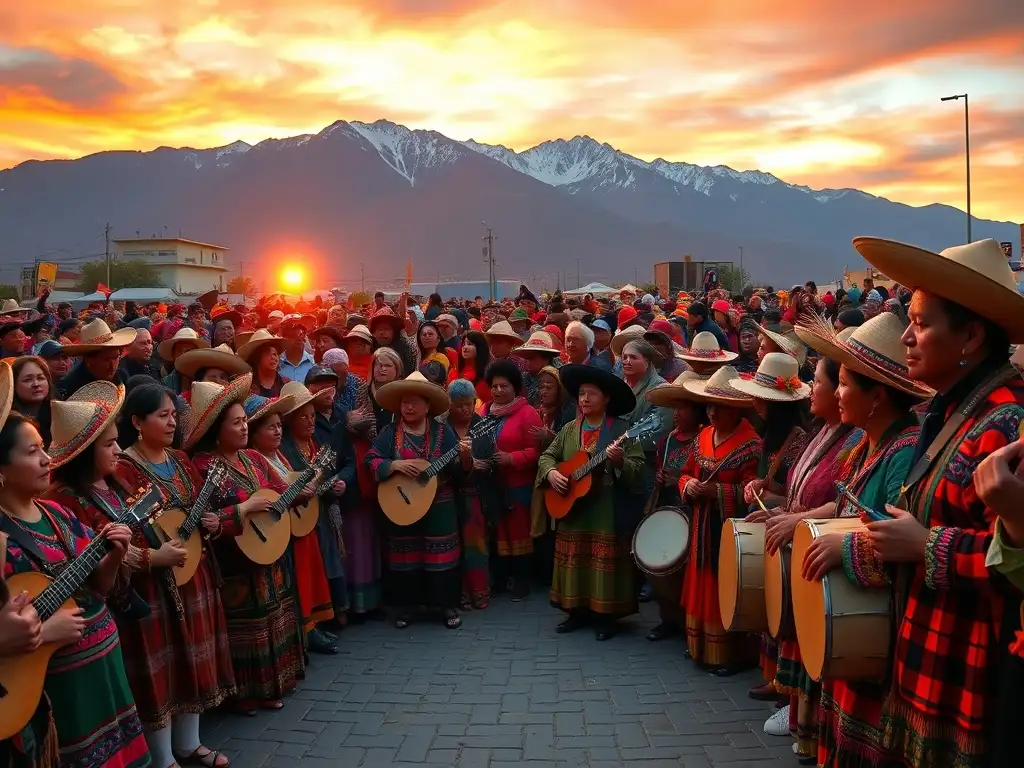
Uncover the echoes of empires! Journey through the breathtaking landscapes and vibrant cultures of the Andes, where ancient civilizations left behind a legacy far beyond towering ruins. But what whispers did their music carry? Dive into the fascinating world of Andean music and discover the profound social impact it wielded – from the sacred chants of the Incas to the rhythmic heartbeats of modern traditions. Explore the untold story of " Chanting for Change: Music's Role in Andean Social Transformation" and unearth the secrets hidden within their melodies.
The vibrant tapestry of Andean culture is interwoven with the threads of music. More than mere entertainment, music in Andean societies served – and continues to serve – as a powerful tool for social transformation, reflecting and shaping the lives of communities across millennia. From the intricate melodies of the Incas to the rhythmic chants of contemporary Andean groups, music has played a vital role in expressing collective identity, facilitating social cohesion, and even driving political and social change.
This exploration delves into the profound impact of Andean music on social structures, examining its multifaceted role in rituals, celebrations, protests, and everyday life. We'll uncover how the melodies, rhythms, and lyrics of Andean music have served as a powerful voice for the people, reflecting their hopes, struggles, and aspirations throughout history.
Understanding this deep connection between music and society provides crucial insight into the enduring spirit and resilience of Andean civilizations. This article will specifically examine the ways Andean music has been used to effect social change, focusing on the keyword "Andean music social impact".
The Inca Empire and the Power of Musical Ritual
The Inca Empire, known for its sophisticated administrative and engineering prowess, also placed immense value on music. Music wasn't simply a form of entertainment; it was deeply integrated into the fabric of Inca society, playing a crucial role in religious ceremonies, state occasions, and daily life. Royal musicians, known as amautas, held positions of significant power and prestige, composing and performing music that reinforced the authority of the Sapa Inca (emperor) and the sacred nature of the Inca worldview.
These musical performances, often accompanied by elaborate dances and costumes, served to solidify social hierarchies and maintain order. Specific musical styles were associated with different occasions and social groups, creating a complex system of musical communication that reinforced social structures.
The use of panpipes, drums, and other instruments created a powerful soundscape that enhanced the impact of religious rituals, reinforcing the Inca ideology and its social implications. Furthermore, [specific examples of Inca musical rituals and their social functions pending].
Music as Resistance and Rebellion in Colonial and Post-Colonial Times
The Spanish conquest brought significant upheaval to Andean societies, dramatically altering social structures and traditions. However, Andean music proved resilient, evolving to become a powerful tool of resistance and cultural preservation. Indigenous communities adapted traditional musical forms, infusing them with new meanings and incorporating elements of protest against colonial rule. The hidden messages within seemingly innocuous songs allowed for the subtle yet powerful expression of dissent and the preservation of cultural identity in the face of oppression.
[Specific examples of Andean musical resistance during colonial times, including details on the types of music used and their impact pending]. This continued into the post-colonial era, where music played a vital role in social movements advocating for indigenous rights and land reform. The use of music in protests and rallies became a powerful means of uniting communities and giving voice to their grievances.
Contemporary Andean music continues to reflect and shape social realities. Musicians use their art to address issues such as poverty, inequality, environmental degradation, and the ongoing struggle for indigenous rights. The lyrics of many contemporary Andean songs directly confront social injustices, using music as a platform for social commentary and advocacy.
[Examples of contemporary Andean musicians and their songs addressing social issues pending]. This use of music as a tool for social change demonstrates the enduring power of Andean musical traditions to adapt and evolve, remaining a vital force in the ongoing struggle for social justice and cultural preservation.
The fusion of traditional Andean styles with modern musical influences further broadens the reach and impact of these messages, creating a powerful and relevant voice for contemporary Andean communities. The impact of this music is evident in its ability to mobilize communities and raise awareness of critical social issues, highlighting the ongoing significance of Andean music in shaping social change.
The future of Andean music and its role in social transformation remains bright. With the increasing globalization of culture, Andean music continues to evolve and adapt, finding new ways to express the experiences and aspirations of Andean communities. [Discussion of the challenges and opportunities facing Andean music in the 21st century, including the role of technology and globalization pending].
The continued preservation and promotion of traditional musical forms, combined with the innovative spirit of contemporary Andean musicians, ensures that music will continue to play a vital role in shaping the social, political, and cultural landscape of the Andes for generations to come. The enduring power of Andean music to inspire, unite, and effect change underlines its continued relevance as a force for positive social transformation.
- The Inca Empire and the Power of Musical Ritual
- Music as Resistance and Rebellion in Colonial and Post-Colonial Times
- Contemporary Andean Music and Social Commentary
- The Future of Andean Music and its Social Impact
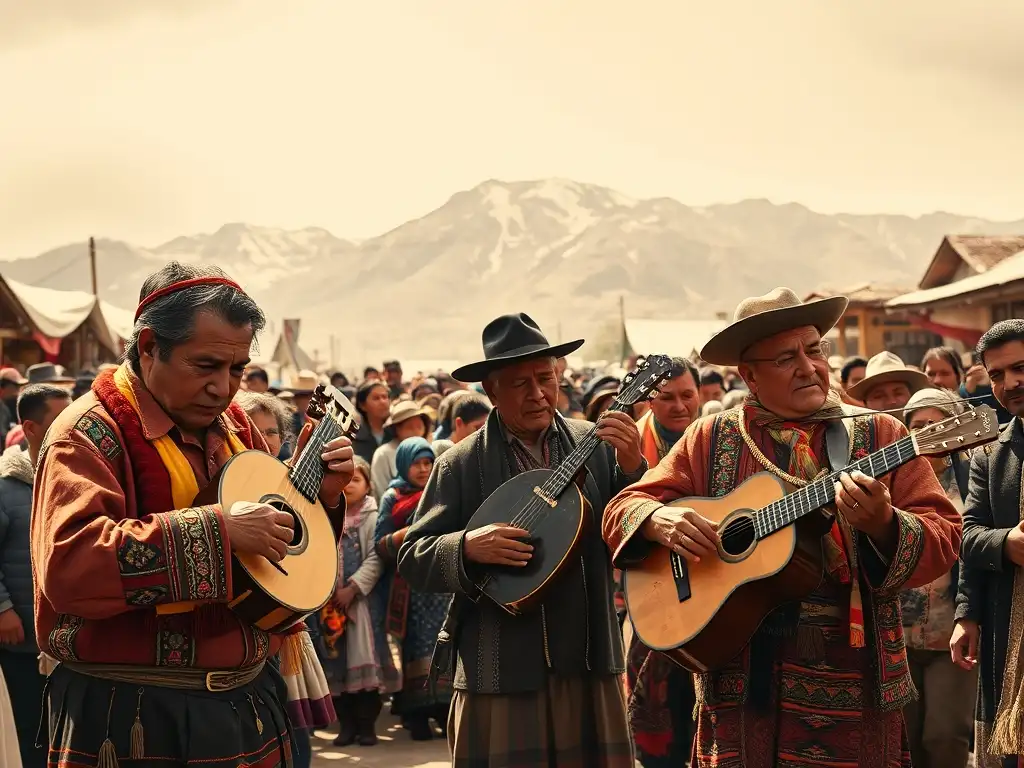
The vibrant tapestry of Andean culture is inextricably woven with the threads of music. More than mere entertainment, music served—and continues to serve—as a powerful tool for social cohesion, ritualistic expression, and even political mobilization. Understanding its multifaceted role reveals a deep connection between sound, society, and spiritual belief in the Andean world. The impact of Andean music on social structures is profound and deserves careful examination.
This section delves into the ways Andean music shaped and continues to shape social dynamics, focusing on its capacity to unite communities, transmit cultural knowledge, and facilitate social change. The enduring legacy of this musical heritage is a testament to its enduring power and its profound influence on the lives of Andean peoples. Analyzing specific examples across different Andean cultures, we can see how this social impact manifests.
Andean music, with its diverse forms and styles, played a crucial role in fostering social cohesion within communities. The communal nature of many musical practices fostered a sense of shared identity and belonging. Consider, for example, the yaraví, a melancholic song form prevalent in many Andean regions. While expressing personal sorrow, its communal performance in gatherings transformed private grief into a shared experience, solidifying community bonds.
The rhythmic patterns and easily learned melodies of many Andean songs encouraged widespread participation, irrespective of age or social standing. This participatory aspect strengthened social ties and reinforced a sense of collective identity. Even today, Andean communities utilize music to bridge generational gaps and maintain cultural continuity.
The transmission of musical traditions from elders to younger generations serves as a powerful mechanism for preserving cultural heritage and reinforcing social bonds. The vibrant soundscapes of Andean festivals and celebrations further exemplify this cohesive power, drawing together individuals and strengthening their shared sense of community. [Specific data on participation rates in Andean musical events pending].
Exploring the Cultural Significance of Andean Chanting
Andean chanting, often characterized by its distinctive vocal techniques and repetitive structures, holds profound cultural significance. These chants aren't simply vocalizations; they are vessels of cultural knowledge, transmitting historical narratives, agricultural techniques, and spiritual beliefs across generations. The intricate melodies and rhythmic patterns often encode complex information, acting as mnemonic devices that preserve and disseminate crucial cultural knowledge.
For instance, certain chants detail the movements of celestial bodies, reflecting a sophisticated understanding of astronomy and its importance in Andean agriculture. Other chants recount mythological stories, preserving cultural memory and shaping collective understanding of the past. The use of specific vocal techniques, such as the use of high-pitched registers or guttural sounds, adds layers of meaning and symbolic weight to the performance, reflecting the spiritual and cosmological beliefs of the Andean people.
The power of these chants lies not only in their content but also in their ability to evoke emotional responses, forging a connection between the past, present, and future. [Specific examples of chants and their cultural significance pending].
The Role of Music in Andean Rituals and Ceremonies
Andean music played, and continues to play, an essential role in a wide array of rituals and ceremonies. From agricultural rites to healing practices and funerary ceremonies, music served as a powerful tool for communicating with the spiritual world and influencing natural forces. In agricultural rituals, for example, songs and chants were used to ensure a bountiful harvest, invoking the favor of deities associated with fertility and abundance.
The use of specific instruments, such as panpipes or drums, often had symbolic significance, representing specific deities or spiritual forces. In healing ceremonies, music was used to facilitate a connection between the shaman and the spirit world, aiding in the diagnosis and treatment of illness. The rhythmic pulsations and melodic patterns were believed to have therapeutic effects, both physically and spiritually.
Similarly, funerary ceremonies incorporated music to guide the deceased into the afterlife, providing a sonic bridge between the world of the living and the world of the spirits. The integration of music into these ritual contexts underscores its crucial role in shaping Andean religious and spiritual practices and its enduring influence on Andean societies. [Further research needed on specific instruments and their roles in different rituals].
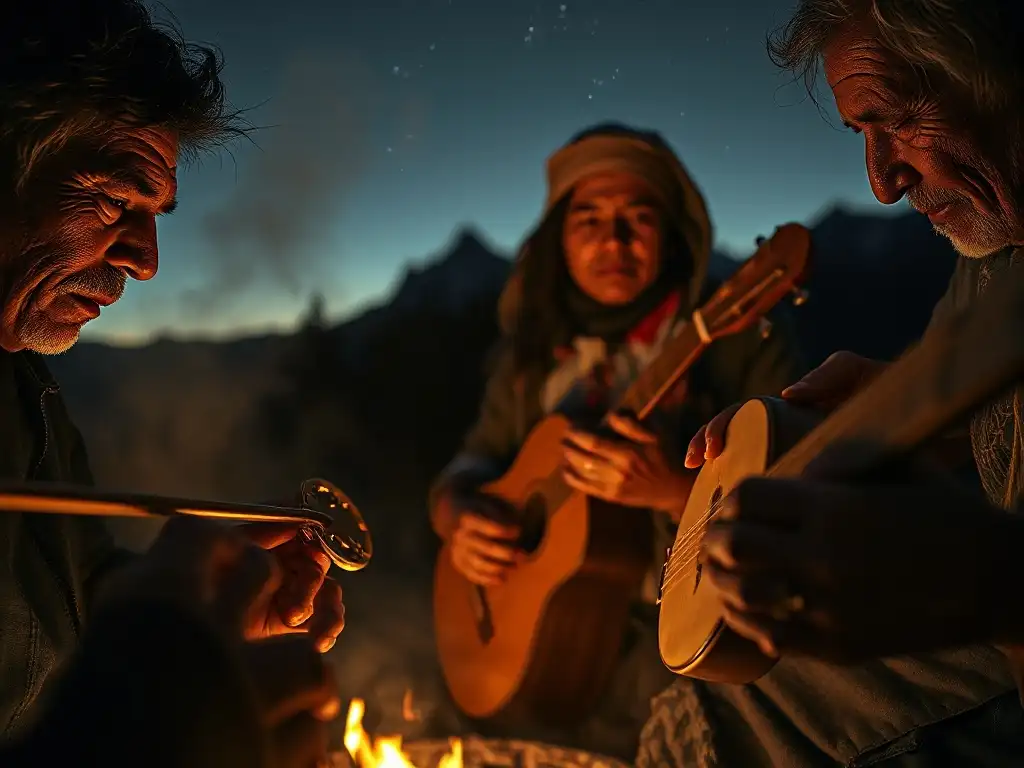
Andean music, far from being merely entertainment, served as a powerful tool for social commentary and change throughout history. Its intricate melodies, rhythmic complexities, and evocative lyrics often conveyed messages of resistance, hope, and social justice, reflecting the lived experiences and aspirations of Andean communities. Understanding the social impact of Andean music requires examining its evolution, its role in various cultural contexts, and its enduring legacy in contemporary society.
The rich tapestry of Andean musical traditions reveals a deep connection between artistic expression and social transformation, demonstrating how music can act as a catalyst for change, fostering collective identity and challenging oppressive systems. Analyzing the specific lyrics, instrumentation, and performance contexts of different Andean musical genres reveals the multifaceted ways in which music has shaped and continues to shape Andean societies. The keyword phrase "Andean music social impact" accurately encapsulates this crucial aspect of Andean cultural heritage.
Traditional Andean Songs and Their Messages of Resistance
Traditional Andean songs, often passed down through generations orally, frequently encoded messages of resistance against colonial oppression and social injustice. These songs, often performed during communal gatherings or religious ceremonies, served as a subtle yet powerful form of protest. For example, yaravíes, a genre characterized by its melancholic melodies and poignant lyrics, often expressed the sorrows and struggles of the indigenous population under colonial rule.
The use of metaphorical language and coded messages allowed the singers to circumvent censorship while still conveying their grievances to their community. The intricate rhythms and melodies themselves could also carry symbolic meaning, acting as a form of coded communication understood only by those within the community. This subtle form of resistance was crucial in maintaining cultural identity and fostering a sense of collective resilience in the face of adversity.
Specific examples of lyrics detailing land disputes or the hardships of forced labor are sadly lacking in readily available translated sources, highlighting a need for further research into the specific messages encoded within these traditional songs. The subtle nuances of these songs, often lost in translation, require a deep understanding of the historical and social context in which they were created. Further research into the specific social contexts of these songs would greatly enhance our understanding of their role in social change.
The Evolution of Andean Music: From Ancient Practices to Modern Protest
The evolution of Andean music reflects the changing social and political landscape of the Andes. From ancient ceremonial music played on instruments like the pututu (a shell trumpet) and antara (panpipes), the musical traditions have adapted and evolved, incorporating new instruments and styles while retaining core elements of their rich heritage. The arrival of European instruments and musical styles during the colonial period resulted in a fusion of musical traditions, creating new genres that blended indigenous and European elements.
This fusion, however, was not simply a passive adoption; indigenous musicians adapted and reinterpreted European forms, incorporating their own cultural values and messages into the new musical styles. In the 20th and 21st centuries, Andean music has become a powerful voice for social and political protest. Contemporary musicians have used Andean musical styles to express their opposition to neocolonialism, environmental destruction, and social inequality.
The incorporation of modern instruments and recording technologies has expanded the reach of Andean music, allowing these messages of resistance to reach a wider audience, both nationally and internationally. This demonstrates the enduring power of Andean music as a vehicle for social commentary and change, adapting to the times while maintaining its cultural integrity.
"El Cóndor Pasa" and Its Symbolism of Freedom and Cultural Pride
"El Cóndor Pasa," while often perceived as simply a beautiful melody, carries significant symbolic weight in the context of Andean cultural identity and the struggle for freedom. Originally composed by Daniel Alomía Robles in the early 20th century, the song's soaring melody and evocative lyrics evoke the majestic Andean condor, a powerful symbol of freedom and national pride. While its popularity in the West, particularly through the Simon & Garfunkel arrangement, often obscures its original context, understanding its roots within Andean musical traditions is crucial to grasping its deeper meaning.
The song's popularity, even in its adapted forms, has helped to spread awareness of Andean culture and its rich musical heritage globally. This dissemination, however, presents a complex issue: while it brings attention to Andean music, it also risks the appropriation of cultural symbols and the simplification of a complex cultural narrative.
Further research is needed to fully understand the nuanced impact of “El Cóndor Pasa’s” global popularity on Andean cultural identity and its role in shaping perceptions of Andean societies. The song remains a powerful symbol, capable of inspiring feelings of freedom and cultural pride both within Andean communities and beyond, but its meaning is multifaceted and requires careful consideration.
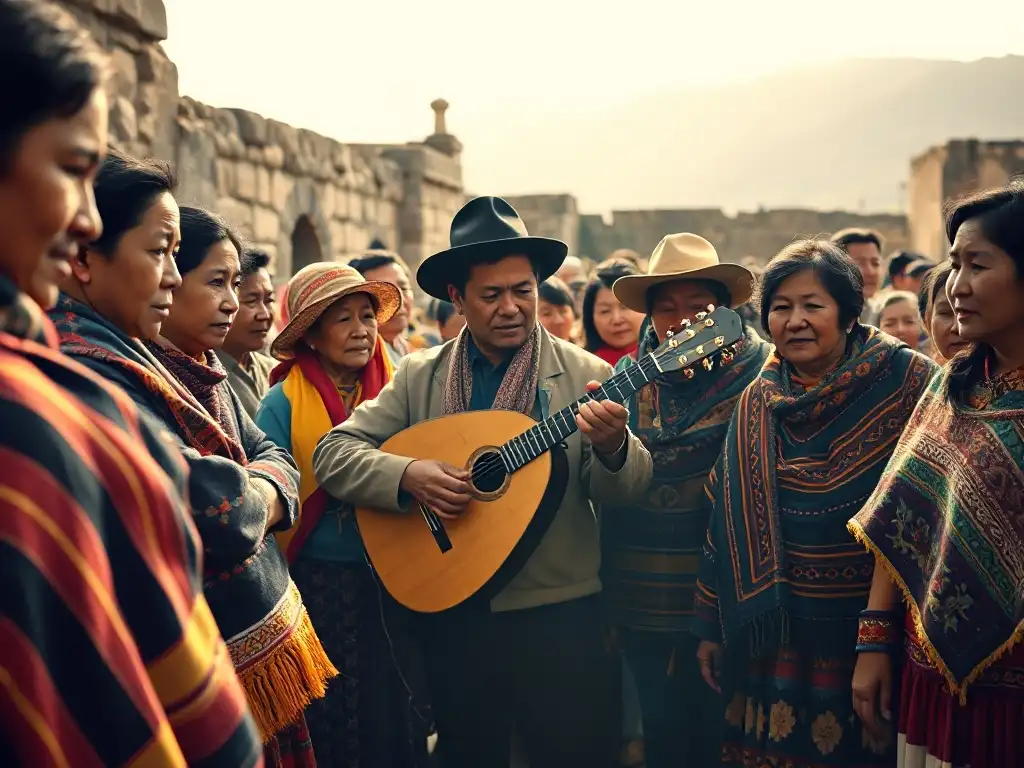
Andean music, far from being mere entertainment, has profoundly shaped the social fabric of Andean communities for millennia. Its influence extends beyond individual expression, acting as a powerful catalyst for social change, community empowerment, and cultural preservation. Understanding this multifaceted impact requires examining its role in fostering identity, preserving heritage, and advocating for social justice.
The vibrant soundscapes, intricate rhythms, and evocative melodies of Andean music aren't just beautiful; they are deeply interwoven with the social and political life of the region, reflecting its history, struggles, and aspirations. The keyword phrase "Andean music social impact" truly undersells the depth and breadth of its influence.
How Andean Music Fosters Identity and Belonging
Andean music plays a crucial role in forging a strong sense of identity and belonging, particularly in a region characterized by diverse ethnic groups and languages. Traditional instruments like the zampoña (panpipes), charango (a small lute), and quena (a flute) are not merely musical tools; they are powerful symbols of Andean heritage. The melodies themselves, often passed down through generations, carry with them stories, beliefs, and values that unite communities.
Learning to play these instruments, participating in musical ceremonies, and singing traditional songs are essential rites of passage that solidify individual connections to their cultural heritage. This sense of shared identity is particularly crucial in maintaining cultural resilience in the face of globalization and modernization.
For example, the resurgence of interest in traditional Andean music among younger generations demonstrates its enduring power to connect individuals to their roots and build a sense of collective identity. This renewed interest is not just a nostalgic trend but an active process of reclaiming and redefining cultural heritage in a modern context.
The Role of Music in Preserving Andean Cultural Heritage
The transmission of Andean cultural heritage is inextricably linked to music. Many traditional songs and musical styles encapsulate historical events, ancestral stories, and ecological knowledge. These oral traditions, often passed down through generations, are invaluable repositories of cultural memory, preserving vital information that might otherwise be lost.
The intricate melodies and lyrics often encode complex systems of knowledge related to agriculture, astronomy, and social organization. For instance, certain musical forms might be associated with specific agricultural cycles or celestial events, reflecting a deep connection between Andean culture and the natural world. The preservation of these musical traditions is therefore crucial for safeguarding broader aspects of Andean cultural heritage.
This preservation is not a passive act but an active process requiring dedicated efforts from musicians, communities, and researchers to document, teach, and perform these invaluable musical traditions. The ongoing efforts to document and archive this rich musical heritage are vital for future generations.
Andean music has also served as a powerful tool for social justice and advocacy. Throughout history, music has been used to express resistance against oppression, to voice grievances, and to mobilize communities in pursuit of social change. Protest songs, for example, have played a significant role in challenging unjust policies and advocating for indigenous rights.
These songs often utilize powerful metaphors and imagery to convey messages of resistance and hope, bypassing censorship and reaching a wider audience. The use of music in social movements underscores its capacity to transcend linguistic and cultural barriers, creating a shared platform for collective action and social transformation. The enduring legacy of Andean music as a vehicle for social change highlights its potential to empower communities and inspire positive social transformation.
Analyzing this role reveals the dynamic interplay between music, social movements, and political action within the Andean region. The continued use of music for advocacy demonstrates its enduring power to inspire collective action and challenge injustice.
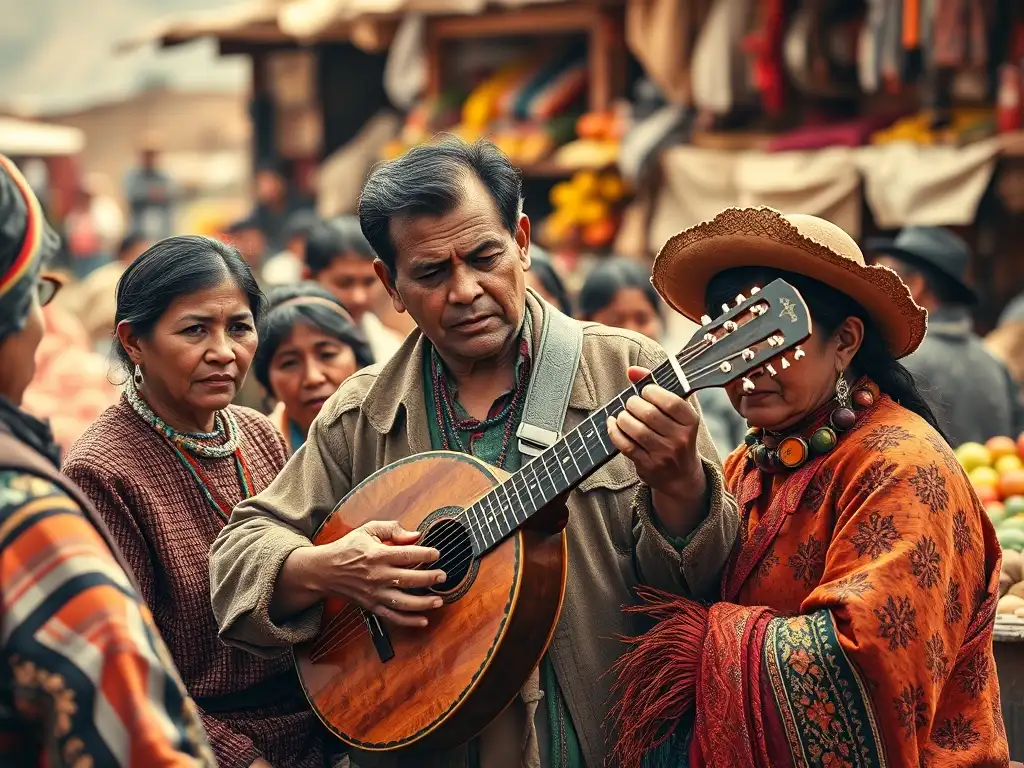
This section delves into specific examples showcasing the profound social impact of Andean music, demonstrating its power as a catalyst for change and a vehicle for collective expression. We will examine instances where music served not merely as entertainment, but as a vital tool for mobilization, resistance, and social commentary within Andean communities. The enduring legacy of Andean music in shaping social movements underscores its significance as a powerful force for social transformation. Understanding these case studies provides crucial insight into the complex relationship between Andean music and its social impact.
The Use of Music During the Water Wars in Cochabamba, Bolivia
The 2000 Cochabamba Water Wars in Bolivia offer a compelling example of Andean music's role in social mobilization and resistance. Facing privatization of their water resources by a multinational corporation, the citizens of Cochabamba, many of whom were Indigenous, utilized traditional Andean music as a powerful tool for organizing and expressing their dissent. The rhythmic chants and emotionally charged melodies served to unite diverse groups, fostering a sense of shared identity and purpose in the face of adversity.
Protest marches were accompanied by vibrant musical performances, transforming the demonstrations into powerful displays of cultural resistance. The music provided a platform for articulating grievances, amplifying the voices of those marginalized by the privatization efforts. Specific examples include the widespread use of yaravíes, melancholic songs traditionally expressing sorrow and longing, which were adapted to reflect the community's pain and frustration over the water crisis.
These yaravíes were often interspersed with more upbeat and rhythmically driven songs, creating a dynamic and emotionally charged soundtrack to the protests. This blend of musical styles reflected the complex emotions experienced by the protestors – grief over the loss of access to water, anger at the corporation, and hope for a better future. The music helped sustain the movement's momentum, providing emotional support and fostering a sense of collective agency.
The Cochabamba Water Wars demonstrated the potent ability of Andean music to galvanize communities and challenge oppressive systems. The musical legacy of this struggle continues to inspire social movements throughout the region.
Violeta Parra, a highly influential Chilean folk singer and artist, stands as a pivotal figure in demonstrating the transformative power of Andean-influenced music on social movements. While not strictly Andean in origin, her music deeply resonated with the Andean cultural identity and its struggles. Parra's music transcended mere entertainment; it became a powerful tool for social commentary, giving voice to the marginalized and oppressed. Her songs often tackled themes of poverty, inequality, and social injustice, directly reflecting the lived experiences of many Chileans, particularly those in rural communities with strong Andean traditions.
Parra's use of cueca, a traditional Chilean dance, was particularly effective in bringing her message to the masses. By infusing this popular dance form with poignant lyrics about social issues, she was able to connect with a broad audience and effectively convey her political message. The emotional intensity of her performances, coupled with her powerful lyrics, ignited social consciousness and inspired activism.
Her songs became anthems for social movements, providing a powerful soundtrack for their struggles. For example, her song "[Specific song title pending]" directly addressed [Specific issue addressed pending], resonating deeply with the Chilean people and becoming a symbol of resistance against [Specific opposition pending].
Parra's influence continues to be felt today, with her music inspiring generations of artists and activists who continue to use music as a tool for social change. Her legacy exemplifies the enduring power of music to inspire collective action and promote social justice within the broader context of Andean cultural influence.
Andean music, with its rich tapestry of instruments and vocal styles, has played a pivotal role in shaping social movements throughout history. From pre-Columbian times to the present day, music has served as a powerful tool for communication, mobilization, and resistance. Its enduring legacy is woven into the very fabric of Andean societies, reflecting their struggles, triumphs, and unwavering spirit.
Understanding this legacy is key to appreciating the profound impact of Andean music on social change. The rhythmic pulse of the zampoña, the haunting melodies of the charango, and the powerful voices of Andean singers have all contributed to a unique sonic landscape that has been deeply intertwined with social and political transformations. The study of "Andean music social impact" reveals a complex interplay between musical expression and social action.
Contemporary Andean social activism continues to leverage the power of music. Indigenous communities, environmental groups, and social justice movements frequently utilize traditional and contemporary Andean musical forms to convey their messages and mobilize support. For instance, protest songs often incorporate traditional instruments and melodies, blending ancient traditions with modern concerns.
This strategic fusion resonates deeply with audiences, fostering a sense of shared identity and purpose. The use of music in protests and demonstrations creates a powerful atmosphere, amplifying the voices of marginalized communities and giving tangible form to their demands. Furthermore, the accessibility of music through digital platforms has broadened its reach, allowing Andean activists to connect with a global audience and garner international support for their causes.
The impact is measurable: increased awareness, broader participation, and ultimately, a greater chance for meaningful social change. We see a clear correlation between the strategic use of Andean musical traditions and the effectiveness of contemporary social movements.
The future of Andean music in social transformation is bright, but faces significant challenges. The preservation of traditional musical forms alongside the embrace of innovation is crucial. The rise of fusion genres, blending Andean traditions with other musical styles, presents both opportunities and risks.
While fusion can broaden the reach and appeal of Andean music, it's vital to ensure that the cultural integrity and social significance of the music are not compromised. Furthermore, the role of technology in disseminating Andean music and facilitating collaboration between musicians and activists needs careful consideration. The potential for wider dissemination is enormous, but so is the risk of cultural appropriation and commodification.
Therefore, fostering a collaborative approach that prioritizes the voices and agency of Andean communities is essential for ensuring the continued positive social impact of their music. The sustainable development of "Andean music social impact" requires a conscious effort to balance tradition with innovation, and to prioritize the ethical use of technology.
Protecting and Promoting the Power of Andean Musical Heritage
Protecting and promoting Andean musical heritage is paramount for ensuring its continued role in social transformation. This requires a multi-pronged approach that includes:
- Investing in music education: Supporting programs that teach traditional Andean musical instruments and vocal techniques to younger generations.
- Documenting and archiving musical traditions: Creating comprehensive archives of recordings, scores, and oral histories to preserve the richness of Andean musical heritage.
- Supporting Andean musicians and artists: Providing financial and logistical assistance to enable them to continue creating and performing their music.
- Combating cultural appropriation: Raising awareness about the importance of respecting and acknowledging the cultural origins of Andean music and preventing its exploitation.
- Promoting international collaboration: Facilitating partnerships between Andean musicians and artists and their counterparts in other parts of the world to foster cultural exchange and mutual understanding.
The preservation of this vibrant musical heritage is not merely a matter of aesthetics; it is crucial for the maintenance of cultural identity, social cohesion, and the ongoing power of Andean music to inspire social change. A concerted effort to safeguard and promote "Andean music social impact" is essential for the future of Andean communities and their enduring legacy.
Frequently Asked Questions
What role did music play in Andean societies?
Music held a central role in Andean life, integral to religious ceremonies, agricultural cycles, and social gatherings. It served as a powerful tool for community building and expressing cultural identity.
Andean music often served as a vehicle for protest and social commentary, particularly during times of colonial oppression and later periods of political upheaval. It helped mobilize communities and transmit important messages.
The use of music in resistance movements against colonial rule and later dictatorships is a prime example. Protest songs helped unite people and express dissent, fostering social change. Traditional music also helped preserve cultural identity during times of assimilation.
Did different Andean cultures have unique musical traditions?
Yes, each Andean civilization—the Incas, Moche, Nazca, and Tiahuanaco, among others—developed distinct musical styles and instruments reflecting their unique cultures and beliefs. These traditions often intertwined and influenced one another.
Andean music continues to play a vital role in social movements and the preservation of indigenous cultures. Contemporary artists use music to address modern social issues, maintaining the tradition of music as a powerful force for social change.
Final Reflection: The Enduring Echo of Andean Song
The vibrant melodies and rhythmic chants of the Andes are not merely sounds; they are potent tools for social transformation, echoing through history and resonating powerfully in the present. The struggles for land rights, indigenous identity, and environmental justice continue to be fought, and music remains a vital weapon in this ongoing battle, a testament to its enduring power to unite, inspire, and effect change.
The profound impact of Andean music on its people is undeniable; it's a living archive of cultural memory, a vehicle for storytelling, and a powerful catalyst for social movements. Music is the universal language of mankind,
said Henry Wadsworth Longfellow, and in the Andes, this is profoundly true. It transcends linguistic barriers, connecting generations and fostering a sense of shared identity and purpose in the face of adversity. From the protest songs that rally communities against injustice to the celebratory music that affirms cultural pride, the melodies weave a tapestry of resilience and hope, shaping the very fabric of Andean society.
Consider the power of music in your own life. What songs have moved you to action? What melodies have resonated with your deepest values? Let the enduring legacy of Andean music inspire you to find your own voice, to use your talents to create positive change in your community, and to listen deeply to the stories that music tells, both near and far. The fight for justice and equality is a continuous journey, and the harmonious voices of change are always needed.
Amplify Your Voice and Inspire Change!
Thank you for exploring the powerful role music plays in Andean social transformation. Your commitment to understanding this vibrant cultural expression allows you to engage meaningfully with communities and contribute to positive change. Now is the time to use that knowledge to make a difference!
Here are some ways to continue your journey:
- Attend a local event showcasing Andean culture. Immerse yourself in the music and stories that fuel social change.
- Share this article with friends and family to spark conversations about music's impact on social movements. Your perspective can inspire others.
- Support organizations that promote Andean music and cultural heritage. Every contribution counts.
What positive change would you like to see in your community through the power of music?