
Moche Iconography: Deciphering the Symbols and Meanings

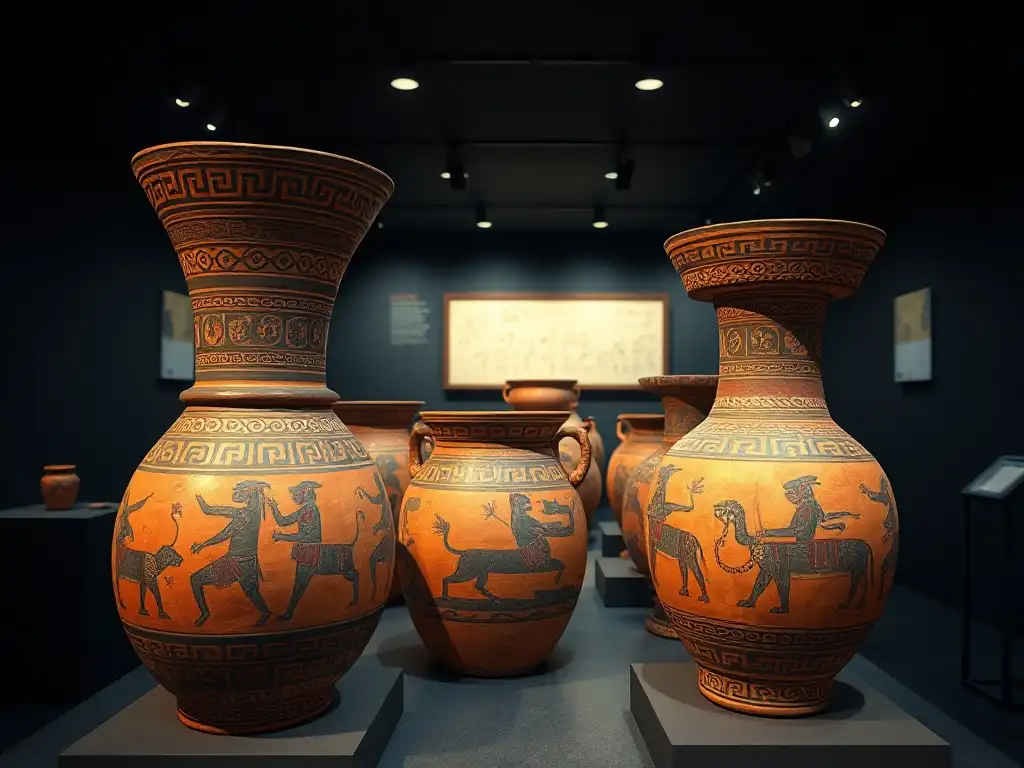
Dive into the enigmatic world of the Andes! Prepare to be captivated by the vibrant tapestry of ancient cultures, from the towering achievements of the Incas to the intricate artistry of the Nazca. But let's start with a mystery... What secrets do the symbols adorning Moche pottery hold? Uncover the fascinating meanings behind this iconic art form and unlock a deeper understanding of this remarkable civilization. Journey with us to decipher the captivating world of Moche pottery symbols meaning – your exploration begins now.
The Moche civilization, flourishing along the northern coast of Peru from approximately 100 CE to 800 CE, left behind a remarkable legacy of artistry and craftsmanship. Nowhere is this more evident than in their intricate and evocative pottery. These aren't simply vessels; they are meticulously crafted narratives, teeming with symbolic imagery that offers a window into the Moche worldview, social structures, and daily life. Understanding Moche pottery symbols meaning is key to unlocking a deeper understanding of this fascinating pre-Columbian culture.
This article delves into the iconography prevalent in Moche ceramics, exploring the meanings behind recurring motifs and their significance within the broader context of Moche society. We will examine specific examples, analyzing the symbolism and offering interpretations based on current scholarly understanding. Prepare to embark on a journey through the vibrant and complex world of Moche art, deciphering the secrets held within their captivating pottery.
The Significance of Moche Pottery
Moche pottery wasn't just functional; it held immense cultural and religious significance. Unlike many other ancient cultures, Moche artisans didn't create mass-produced, standardized pieces. Instead, each pot was a unique work of art, often depicting scenes of daily life, religious rituals, warfare, and mythical creatures. The intricate detail and vibrant colors employed demonstrate a high level of artistic skill and a deep understanding of the materials used.
These pieces were not merely containers for food or liquids; they served as important ritual objects, grave goods, and possibly even status symbols, reflecting the social hierarchy and power dynamics within Moche society. The sheer volume of surviving pottery also speaks to its importance within the culture. Archaeological excavations have unearthed thousands of examples, providing an unparalleled resource for studying Moche beliefs and practices.
Common Moche Symbols and Their Interpretations
The Moche iconography is rich and diverse, with recurring symbols appearing across numerous pottery pieces. Some of the most frequently encountered symbols include:
- The Decapitated Warrior: This motif is often interpreted as a representation of sacrifice or warfare, possibly reflecting the importance of these activities in Moche society. The detail and realism of these depictions are striking, suggesting a deep familiarity with such events. Further research is needed to fully understand the nuances of these representations.
- The Maize God: Maize was a staple crop for the Moche, and depictions of a maize god figure, often associated with fertility and abundance, are frequently found on pottery. The specific iconographic features, such as clothing and headdresses, can vary, hinting at possible regional differences or variations in the deity's representation.
- Felines: Feline imagery, often depicted with human-like characteristics, is another common motif. These figures may represent powerful entities or shamans, embodying supernatural abilities and control over the natural world. Their presence suggests the importance of feline symbolism within the Moche pantheon.
- Birds: Various bird species are also frequently depicted, with their symbolic meanings likely varying depending on the specific bird represented. Some may represent messengers of the gods, while others might symbolize specific natural forces or aspects of the Moche worldview. More research is needed to fully understand the diversity of avian symbolism.
Analyzing Moche Pottery: Techniques and Context
Understanding the context in which Moche pottery was created and used is crucial for accurate interpretation. Several aspects need to be considered:
- The type of vessel: The shape and size of the pot can provide clues about its intended use and social significance. Larger vessels might have been used for ceremonies, while smaller ones could have been for everyday use.
- The style of decoration: Different styles and techniques were employed, reflecting regional variations or changes in artistic trends over time. Analyzing these stylistic variations can help researchers date and categorize the pottery.
- The burial context: The discovery of pottery within tombs provides valuable insights into funerary practices and beliefs about the afterlife. The presence of specific symbols on grave goods can shed light on the social status of the deceased and their beliefs.
- The presence of other artifacts: The association of pottery with other artifacts, such as tools, ornaments, or textiles, can provide further context and enhance our understanding of the Moche culture.
The Ongoing Research and Future Directions
The study of Moche iconography is an ongoing process. New discoveries and advancements in archaeological techniques continue to shed light on the meanings behind these symbols. Future research should focus on:
- Cross-cultural comparisons: Comparing Moche iconography with that of other contemporary Andean cultures can help to identify shared beliefs and artistic influences.
- Technological advancements: Advanced imaging techniques can reveal details that are invisible to the naked eye, potentially unlocking new insights into the creation and meaning of these artistic masterpieces.
- Community Engagement: Collaborating with local communities and descendants of the Moche can offer valuable perspectives and traditional interpretations of the symbols.
The study of Moche pottery symbols meaning is a fascinating and rewarding endeavor. By carefully analyzing the iconography, considering the context of discovery, and utilizing advanced research methods, we can gain a deeper appreciation for the rich culture and complex worldview of this remarkable ancient civilization. The vibrant imagery found on Moche pottery continues to captivate and inspire, offering a glimpse into a past that remains both mysterious and enthralling.
- The Significance of Moche Pottery
- Common Moche Symbols and Their Interpretations
- Analyzing Moche Pottery: Techniques and Context
- The Ongoing Research and Future Directions
Introduction to Moche Art and Symbolism
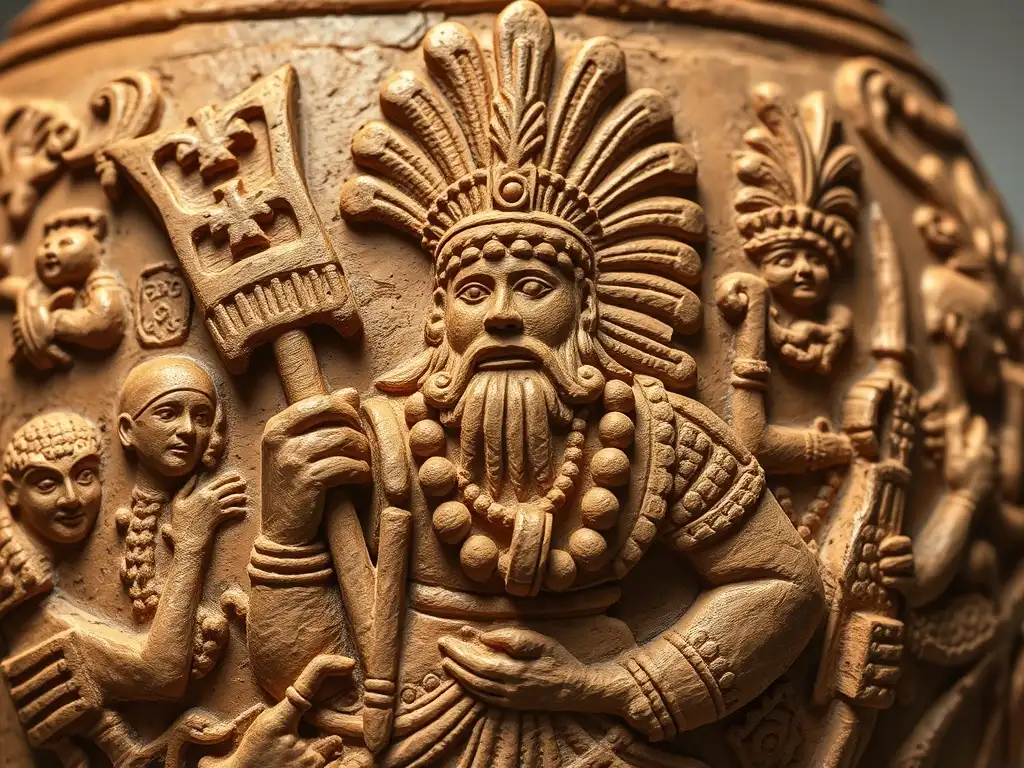
The Moche civilization (c. 100-800 CE), flourishing along the northern coast of Peru, left behind a remarkable artistic legacy. Their mastery of diverse mediums, including ceramics, metalwork, and textiles, is unparalleled in pre-Columbian South America. However, it's their intricate and evocative pottery that provides the most extensive insight into their worldview, beliefs, and social structures.
Understanding Moche iconography—the system of visual symbols and their meanings—is crucial to deciphering the complexities of this fascinating culture. This section will explore the significance of Moche iconography, the primary sources of this data, and an overview of the rich visual language employed by the Moche people. This detailed exploration will help unravel the mysteries embedded within the Moche pottery symbols meaning.
The Significance of Moche Iconography in Understanding their Culture
Moche iconography wasn't merely decorative; it served as a powerful tool for communicating complex ideas and narratives. Representations of deities, mythical creatures, ceremonies, and everyday life are all meticulously depicted on their pottery. Analyzing these images provides invaluable information about their religious beliefs, social hierarchy, political organization, and agricultural practices.
For example, recurring motifs of maize and other crops highlight the importance of agriculture in their society. Depictions of elaborate rituals and sacrificial scenes shed light on their religious practices and cosmology. The vibrant colors and detailed imagery also convey a sense of the Moche aesthetic sensibilities and their artistic sophistication.
By studying the Moche pottery symbols meaning, we gain a deeper understanding of their values, beliefs, and the ways in which they perceived the world. The sheer volume and variety of these symbols allow for a nuanced and comprehensive interpretation of Moche culture, far beyond what we might glean from other archaeological sources.
Moche Pottery as a Primary Source of Iconographic Data
Moche pottery stands out as the most significant source for understanding their iconography. Thousands of remarkably preserved vessels have been unearthed, showcasing a stunning range of styles, techniques, and symbolic representations. These pieces are not only aesthetically pleasing but also function as historical documents, narrating stories and conveying information about Moche society.
The sheer quantity of pottery, coupled with the consistency of certain symbols across different vessels, allows for a degree of cross-referencing and comparative analysis that enhances our understanding of Moche pottery symbols meaning. Furthermore, the diverse contexts in which the pottery was found – tombs, domestic sites, ceremonial centers – provide crucial contextual information, helping to interpret the symbols within their specific cultural settings.
The level of detail in the pottery, from the depiction of individual features on human figures to the intricate patterns on clothing and adornments, allows researchers to reconstruct aspects of Moche life with remarkable accuracy. This detailed level of artistry is a testament to the importance of visual communication within their society.
Overview of the Rich Visual Language of the Moche People
The Moche visual language is characterized by its complexity and dynamism. It features a wide array of symbolic elements, including anthropomorphic and zoomorphic figures, geometric patterns, and stylized representations of plants and animals. Some symbols, like the depiction of the decapitated figure, are frequently found and have been interpreted as representing sacrifice or warfare.
Others, such as the recurring imagery of feline deities, suggest the importance of these creatures in their religious beliefs. The use of color was also highly significant, with specific colors likely holding particular symbolic meanings. For instance, red might have symbolized blood or power, while yellow could have represented the sun or maize.
Deciphering this rich visual language requires a multidisciplinary approach, combining art history, archaeology, anthropology, and even linguistics to fully understand the Moche pottery symbols meaning. The study continues to evolve as new discoveries are made and existing interpretations are refined, offering ongoing opportunities for enriching our knowledge of this captivating civilization. The ongoing research into the Moche pottery symbols meaning continues to unveil the layers of complexity and sophistication of their visual culture.
Decoding Key Moche Symbols
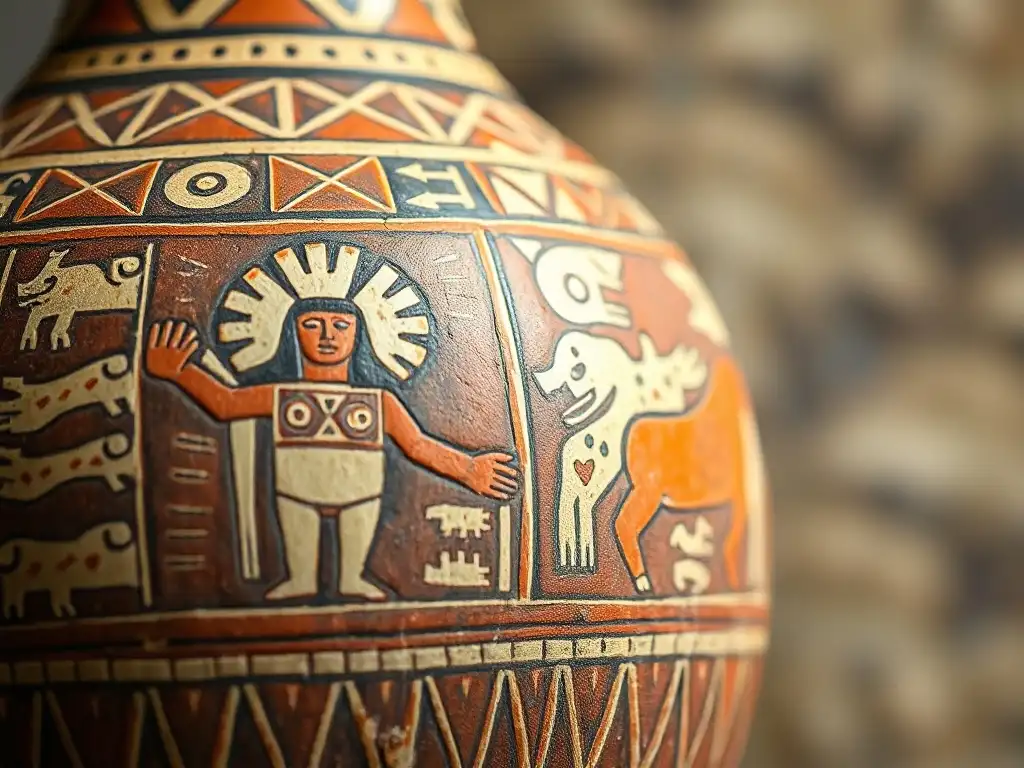
The Moche civilization, renowned for its sophisticated artistry and complex social structures, left behind a rich legacy of pottery adorned with intricate symbols. These symbols, far from being mere decorations, offer invaluable insights into their beliefs, rituals, and daily life. Understanding the meaning behind these Moche pottery symbols is key to unlocking a deeper understanding of this fascinating culture.
This section will delve into the iconography of three particularly significant figures frequently depicted in Moche pottery: the Ai Apaec, the Lunar Deity, and the Moche Warrior. Analyzing these representations allows us to decipher aspects of Moche religion, social hierarchy, and warfare. The study of Moche iconography reveals a society deeply invested in ritual, agriculture, and military prowess.
The Ai Apaec: The Decapitator Deity and its Representation
The Ai Apaec, often translated as "the Decapitator," is a prominent figure in Moche iconography. Depictions consistently show him wielding a ceremonial knife, often engaged in the act of decapitation or holding a severed head. This gruesome imagery, however, should not be interpreted solely as a representation of violence. While warfare and human sacrifice were likely aspects of Moche society, the Ai Apaec's role is more nuanced.
Scholars suggest that the Ai Apaec represents a powerful deity connected to fertility, rain, and possibly even the underworld. The decapitation itself may symbolize the cycle of life and death, the renewal of the earth through sacrifice, or the subjugation of enemies to assert power. His frequent appearance on ceremonial vessels highlights his importance in ritual contexts, possibly linked to agricultural cycles or specific ceremonies.
The stylistic variations in his depiction across different pottery pieces offer further avenues for research, potentially revealing regional differences or shifts in religious beliefs over time. Further research into the specific contexts of Ai Apaec depictions on various pottery types could illuminate the specific meanings associated with his presence. For example, is there a correlation between the size or prominence of his depiction and the type of vessel?
Such detailed analysis is crucial for a complete understanding of this complex deity. The interpretation of Moche pottery symbols meaning in relation to the Ai Apaec requires a multi-faceted approach considering both the violent imagery and the potential symbolic significance.
Understanding the Moche Lunar Deity and its Significance
The Moche Lunar Deity is another significant figure frequently represented in Moche pottery. Unlike the Ai Apaec, the Lunar Deity is typically depicted as a more serene and benevolent figure. Often shown with elaborate headdresses and ornate jewelry, the deity is frequently associated with the moon and its cyclical nature. This connection suggests a strong link between the Moche civilization and celestial observation, possibly influencing their agricultural practices and calendar systems.
The representation of the Lunar Deity varies, sometimes appearing as a fully anthropomorphic figure and other times as a more abstract representation, possibly reflecting different aspects of the deity or varying artistic styles across different regions or time periods. The presence of the Lunar Deity on Moche pottery often accompanies scenes of agricultural activities, further reinforcing the connection between the deity and fertility. The detailed analysis of the specific accompanying imagery provides additional clues to the nuanced understanding of the Moche pottery symbols meaning.
For instance, the types of plants or animals depicted alongside the Lunar Deity could indicate specific agricultural practices or beliefs associated with particular crops or livestock. More research is needed to fully understand the range of interpretations associated with the Lunar Deity's various depictions. [Specific information pending] on the correlation between the Lunar Deity's representations and specific ritual contexts.
The Moche Warrior: Depictions of Power and Conflict
The Moche Warrior is a recurring motif in Moche pottery, reflecting the importance of warfare and military organization within the society. These depictions showcase warriors in elaborate costumes, armed with spears, clubs, and other weapons. The detailed rendering of their attire and weaponry provides valuable insights into Moche military technology and social structure.
The warriors are often shown in dynamic poses, engaged in combat or ceremonial activities. These scenes, often vibrant and full of action, illustrate the importance of military prowess and the potential for both individual and collective bravery within Moche society. The Moche pottery symbols meaning in these depictions goes beyond simple representation of conflict; they also convey societal values, emphasizing strength, skill, and perhaps even a hierarchical structure within the military.
The different types of weapons depicted, along with the warriors' attire and postures, may signify different ranks or roles within the Moche army. Furthermore, the context in which the warriors are depicted—alone, in groups, or interacting with other figures—can provide further clues to their role and significance. A systematic cataloging of these depictions, analyzing their variations, would significantly enhance our understanding of Moche warfare and its impact on their society.
[Further research needed] to correlate specific warrior depictions with archaeological evidence of military activity and settlements. Understanding the subtleties of Moche pottery symbols requires a comprehensive approach, combining art historical analysis with archaeological findings.
Animals in Moche Art: Decoding their Symbolic Meanings
Moche pottery is replete with animal imagery, reflecting both the importance of animals in their daily lives and their complex spiritual beliefs. The meticulous detail and vibrant colors used to depict these creatures suggest a deep understanding and respect for the animal kingdom. Analyzing these depictions offers crucial insights into Moche cosmology and societal structures.
For example, the frequent appearance of feline imagery, such as jaguars and pumas, points towards their powerful symbolic role. These apex predators likely represented strength, power, and possibly even shamanistic abilities. Depictions often show these felines in dynamic poses, suggesting their ferocity and dominance. The careful rendering of their muscular bodies and sharp claws emphasizes their predatory nature, further reinforcing their symbolic significance in Moche society. Some scholars even suggest that certain feline depictions might represent specific deities or ancestors.
Birds, too, play a prominent role in Moche iconography. Condor imagery, in particular, is often associated with the upper world and the sun. Their soaring flights and ability to reach great heights might have symbolized connection to the divine or access to spiritual realms. Conversely, depictions of smaller birds, such as hummingbirds, could represent different aspects, perhaps fertility or the ephemeral nature of life. The diversity of avian representations in Moche art reflects the complex relationship between humans and the avian world in their worldview.
Marine life also features prominently. The Moche people were skilled fishermen, and their art reflects this intimate connection with the sea. Depictions of fish, seabirds, and marine mammals likely held symbolic weight related to abundance, sustenance, and the life-giving power of the ocean.
The detailed representation of scales, fins, and other anatomical features demonstrates the Moche's keen observation skills and their deep understanding of the marine environment. These representations, often found alongside other symbols, contribute to a richer understanding of the complex narratives conveyed through Moche pottery. Further research into the specific contexts in which these animals appear could reveal even more nuanced interpretations.
Plant Motifs in Moche Iconography: Beans, Maize, and their Meanings
Agricultural abundance was central to Moche life, and this is clearly reflected in their art. The careful depiction of plants, especially beans and maize, highlights their significance as vital food sources and potent symbols. These representations go beyond simple botanical illustrations; they often carry deep symbolic meanings that illuminate Moche beliefs and values.
Maize, the staple crop, often appears in anthropomorphic forms, suggesting a close relationship between humans and the plant. The depiction of maize gods or spirits, often with human-like features and maize cobs as adornments, points to the sacred nature of this crop. Maize's association with fertility, growth, and abundance is evident in its frequent inclusion in scenes of ritual and celebration. Its representation in Moche pottery suggests a reverence for the life-giving power of this essential plant.
Beans, another crucial crop, are also frequently depicted. While not as prominently featured as maize, beans likely held symbolic significance related to nourishment and sustenance. The meticulous detail in which beans are portrayed, often clustered together or incorporated into larger scenes, suggests their importance in the daily lives and spiritual beliefs of the Moche people. The precise meaning of bean symbolism in Moche iconography requires further investigation but undoubtedly contributes to a fuller understanding of their agricultural practices and beliefs.
Beyond maize and beans, other plants, such as cotton and various fruits, also appear in Moche iconography. Each plant likely held specific symbolic meaning, reflecting the diverse agricultural landscape and the vital role of agriculture in Moche society. The careful study of these plant motifs, in conjunction with other symbols and contextual clues, offers valuable insight into the Moche understanding of the natural world and their place within it. Further research, incorporating interdisciplinary approaches, would undoubtedly enhance our understanding of the rich symbolism embedded within Moche plant depictions.
Moche Pottery Symbols Meaning: An In-Depth Analysis
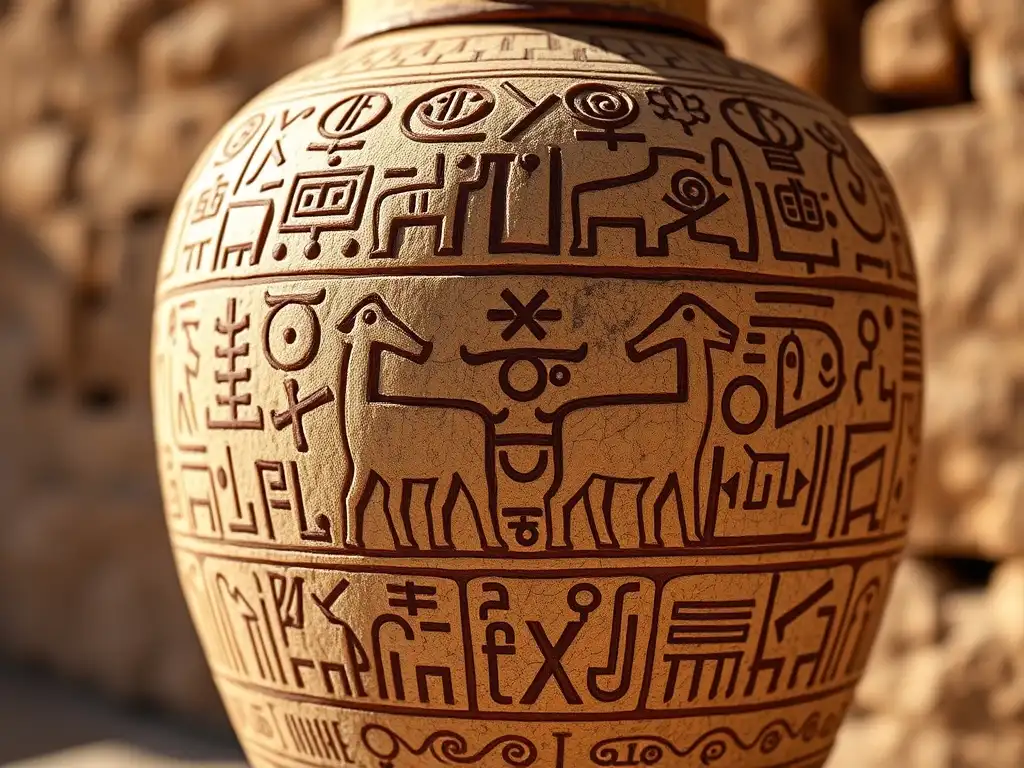
The vibrant and intricate iconography adorning Moche pottery offers a unique window into the beliefs, rituals, and daily life of this fascinating pre-Columbian civilization. Understanding the meaning behind these symbols is crucial to deciphering the rich tapestry of Moche society. This section delves into the complexities of Moche ceramic designs, exploring the diverse range of symbols and their contextual interpretations. We will analyze how these symbols evolved over time, reflecting changes in Moche culture and worldview. This analysis will focus on the keyword "Moche pottery symbols meaning" and its semantic variations to enhance SEO.
Interpreting Moche Ceramic Designs: Geometric Patterns, Narrative Scenes
Moche pottery is renowned for its striking combination of geometric patterns and narrative scenes. Geometric motifs, often incorporating triangles, stepped frets, and concentric circles, frequently appear as background elements or frame more complex narrative depictions. These geometric patterns are not merely decorative; many scholars believe they hold symbolic significance, potentially representing cosmological concepts, social structures, or even abstract mathematical ideas. For instance, the frequent use of stepped frets might symbolize agricultural terraces, a crucial element of Moche agricultural practices and societal organization. The precise meaning, however, remains a subject of ongoing scholarly debate.
Meanwhile, the narrative scenes depicted on Moche pottery are incredibly detailed and dynamic. They often portray scenes of warfare, ritual ceremonies, hunting expeditions, and everyday life. These scenes are not simply snapshots of events; they are carefully composed narratives, rich with symbolic detail. For example, the portrayal of a specific type of bird or animal could signify a deity, a shamanic power, or a clan affiliation. The depiction of specific plants, particularly those with hallucinogenic properties, suggests links to religious practices and altered states of consciousness. Analyzing the arrangement and interactions of figures within these scenes is essential for understanding their intended meaning. Consider, for instance, the recurring motif of a figure holding a trophy head: this likely symbolizes victory in warfare and the associated power dynamics within Moche society. The careful study of these scenes, incorporating data from archaeological contexts, provides valuable insights into Moche beliefs and social structures.
The Contextual Use of Moche Pottery Symbols
The meaning of Moche pottery symbols is not static; it is significantly influenced by the context in which they appear. A particular symbol might have different meanings depending on its placement on the vessel, its association with other symbols, or the overall theme of the scene. For example, a depiction of a feline might represent a deity in one context, but a symbol of power and prestige in another. Similarly, the presence of specific plants or tools could indicate the context of a ritual or a specific agricultural activity.
Understanding the contextual use of symbols requires a holistic approach. Archaeologists analyze not only the imagery itself but also the type of vessel, its size, its decoration technique, and the location where it was found. For instance, a small, intricately decorated vessel might have been used for ritual purposes, while a larger, simpler vessel might have served a more utilitarian function. The burial context of pottery is also crucial; a vessel found in a high-status tomb might hold different symbolic meaning than one found in a common grave.
The interrelation between artifacts found together also adds layers of complexity to the analysis. The presence of certain objects alongside specific pottery pieces could provide further clues about the function and meaning of the symbols represented. This nuanced approach is crucial to accurately interpret the complex iconography of Moche pottery.
The Evolution of Moche Iconography on Ceramics
Moche iconography on ceramics wasn't static; it evolved over the centuries, reflecting changes in Moche society, beliefs, and artistic styles. While consistent motifs persisted, subtle shifts in style, composition, and the representation of certain symbols indicate a dynamic cultural landscape. For instance, early Moche pottery might feature simpler, more geometric designs, while later periods show a greater emphasis on narrative scenes and more complex symbolic representations. This evolution can be tracked through careful stylistic analysis and chronological dating of pottery fragments. [Specific data on stylistic changes across different Moche periods pending].
The increasing complexity of Moche iconography over time might correlate with shifts in political organization, religious beliefs, or trade networks. For example, the appearance of new symbols or the increased prominence of specific motifs could reflect the rise of new elites or the adoption of new religious practices. Further research, encompassing a wider range of Moche pottery from different regions and time periods, is necessary to fully understand the evolution of their iconographic system.
The meticulous documentation and analysis of these changes are essential for gaining a comprehensive understanding of the Moche civilization and its rich symbolic world. The detailed study of this evolution, combined with ongoing archaeological discoveries, promises to further illuminate the "Moche pottery symbols meaning" and their significance within the broader context of Moche culture.
Moche Pottery Symbols Meaning: The Sun, Mountains, and Sacrifice
The Moche civilization, flourishing along the northern coast of Peru from approximately 100 to 800 CE, left behind a remarkable legacy of intricately decorated pottery. These vessels, far from being mere utilitarian objects, served as powerful canvases for expressing complex religious beliefs, social structures, and cosmological views. Understanding the symbols depicted on Moche pottery offers invaluable insight into their worldview. Among the most frequently recurring motifs are representations of the sun, mountains, and sacrificial scenes, each laden with symbolic weight.
The sun, a vital source of life in the arid coastal environment, held immense significance for the Moche. Depictions of the sun often appear as stylized disks or radiant figures, sometimes anthropomorphized with human-like features. These portrayals frequently associate the sun with power, fertility, and the cosmic order.
The sun's life-giving energy was essential for agriculture, the backbone of Moche society, and its representation on pottery likely served to invoke its blessings for bountiful harvests. Furthermore, the sun's daily journey across the sky may have been interpreted as a cyclical representation of life, death, and rebirth, a theme reflected in other Moche iconography.
Mountains, prominent features of the Moche landscape, also held profound symbolic meaning. They were not merely geographical landmarks but were considered sacred places, often associated with deities and ancestral spirits. Pottery frequently depicts mountains as imposing, layered forms, sometimes with stylized vegetation or human figures inhabiting their slopes. These depictions suggest a deep reverence for the mountains as sources of water, minerals, and spiritual power. The mountains' connection to the supernatural realm is further reinforced by their frequent association with sacrificial scenes on Moche ceramics.
The recurring theme of sacrifice in Moche pottery is particularly striking. These depictions are not romanticized; they are often visceral and detailed representations of human sacrifice, typically involving ritual killings and offerings. While the precise reasons for these sacrifices remain a subject of ongoing scholarly debate, several theories suggest they were intended to appease deities, ensure the fertility of the land, or reinforce the power of the elite.
The graphic nature of these depictions underscores the importance of sacrifice within Moche religious practices and its centrality to the maintenance of social order. The imagery frequently includes elaborate costumes, ceremonial paraphernalia, and even depictions of the victims' expressions, suggesting a ritualized and carefully orchestrated process. The victims themselves often appear as individuals of high social standing, indicating the potential for sacrifice to be a mechanism of political control or power projection within the Moche society.
The combination of sun, mountains, and sacrifice within a single ceramic piece often suggests a connection between the cosmic order, the earthly realm, and the ritualistic actions undertaken to maintain balance and prosperity. The symbolic interplay between these elements provides a window into the complex religious and cosmological beliefs of the Moche civilization.
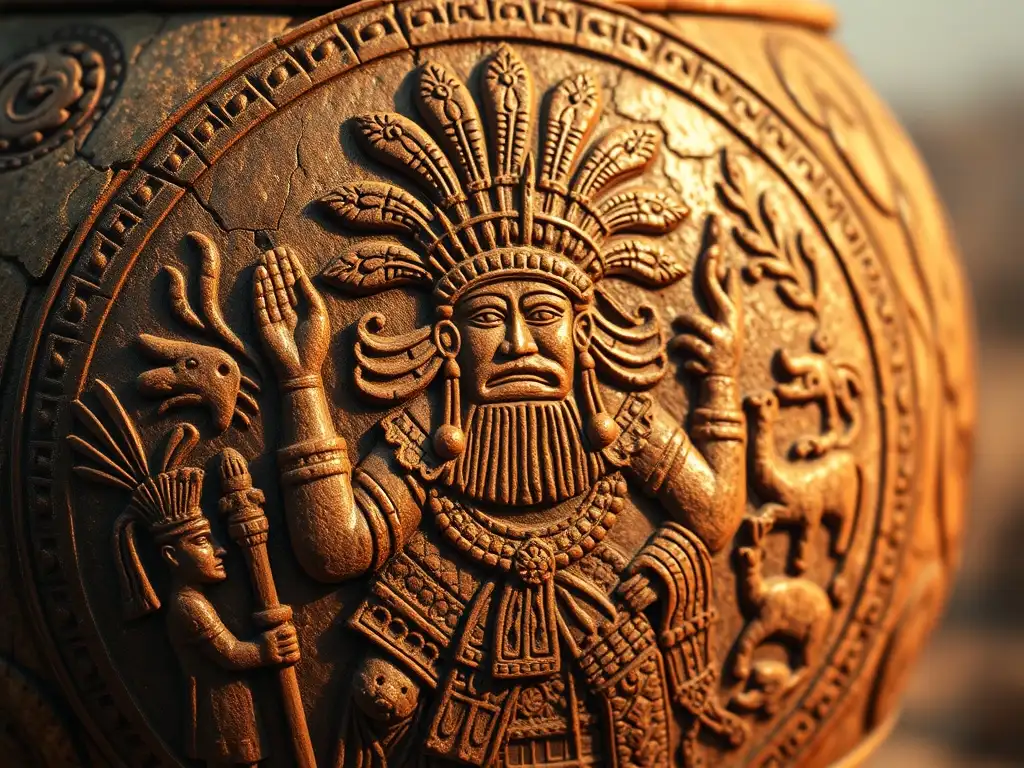
The intricate iconography adorning Moche pottery offers a fascinating window into the social structure of this ancient Andean civilization. By carefully examining the recurring motifs, we can glean insights into the power dynamics, religious beliefs, and daily life of the Moche people. The careful attention to detail and the consistent use of specific symbols across various pieces suggest a highly structured society with clearly defined social roles.
Understanding these symbols is key to unlocking a deeper appreciation of Moche society and its complexities. The prevalence of certain motifs on high-quality vessels, compared to their absence or simplification on simpler pieces, strongly suggests a connection between artistic style and social status.
Further research is needed to fully understand the nuances of these connections, but preliminary findings are promising. This section will explore how Moche art reflects social hierarchies, the role of elites in iconographic representation, and the depiction of rituals in the surviving artwork.
Analysis of Moche pottery reveals a clear correlation between the complexity and detail of the iconography and the presumed social status of the vessel's owner. Elaborate depictions of warriors, priests, and dignitaries, often adorned with intricate jewelry and regalia, are typically found on larger, more finely crafted vessels. These pieces showcase a mastery of artistic techniques and the use of rare pigments, further emphasizing their significance.
In contrast, simpler pottery often features more generalized scenes or geometric patterns, suggesting a lower social standing. For example, vessels depicting everyday scenes like fishing or agricultural activities, while still beautifully crafted, tend to lack the elaborate detail and symbolic richness of those representing elites. This difference isn't merely aesthetic; it reflects a hierarchical society where artistic representation served to reinforce social distinctions.
The meticulous craftsmanship and the selection of specific motifs serve as visual markers of power and prestige within Moche society. The use of gold leaf, rare minerals, and shell inlay further reinforces this notion, with these luxurious materials being reserved for the most prestigious pieces.
The Role of Moche Elites in Iconographic Representation
Moche elites, including rulers, priests, and warriors, are frequently depicted in a prominent and idealized manner. They are often portrayed wearing elaborate headdresses, ornate jewelry, and ceremonial attire, showcasing their power and status. The consistent portrayal of these figures in scenes of ritual, warfare, or feasting underscores their central role in Moche society.
Specific symbols, such as stylized feline figures or specific headdresses, are consistently associated with elite individuals, suggesting a complex system of visual representation that conveyed social hierarchy and religious authority. The repeated use of these symbols across various pieces strengthens their symbolic meaning, showcasing a sophisticated understanding of visual communication within the Moche culture.
Further research into the specific meanings of these symbols, such as [specific symbol meanings pending], is crucial to fully understanding the role of elites in Moche society. The careful observation of these symbols and their placement in relation to other elements within the artwork helps to contextualize the role of these powerful figures.
Moche Rituals and their Depiction in Art
Moche pottery vividly portrays various aspects of their religious and ritual practices. Scenes of sacrifices, both human and animal, are frequently depicted, often with a high degree of detail and realism. These depictions provide invaluable insights into the religious beliefs and practices of the Moche people.
The careful rendering of these often gruesome scenes suggests their importance within the culture, highlighting the significance of ritual sacrifice within their worldview. Other common themes include depictions of deities, often depicted with supernatural attributes, and ceremonial processions involving priests and elites. These scenes, meticulously crafted, provide a glimpse into the complex rituals that were central to Moche life.
Furthermore, the presence of certain symbols, such as [specific ritual symbols pending], within these scenes may provide further clues to the specific nature of these rituals and their significance to Moche society. The study of these depictions allows us to reconstruct a more complete picture of Moche religious life and its intimate connection with their social structure. The rich details and consistent iconography across various pieces suggest a carefully planned and ritualized system of beliefs and practices, reflecting the importance of religion in their daily lives.
Moche Iconography as a Form of Ideological Expression
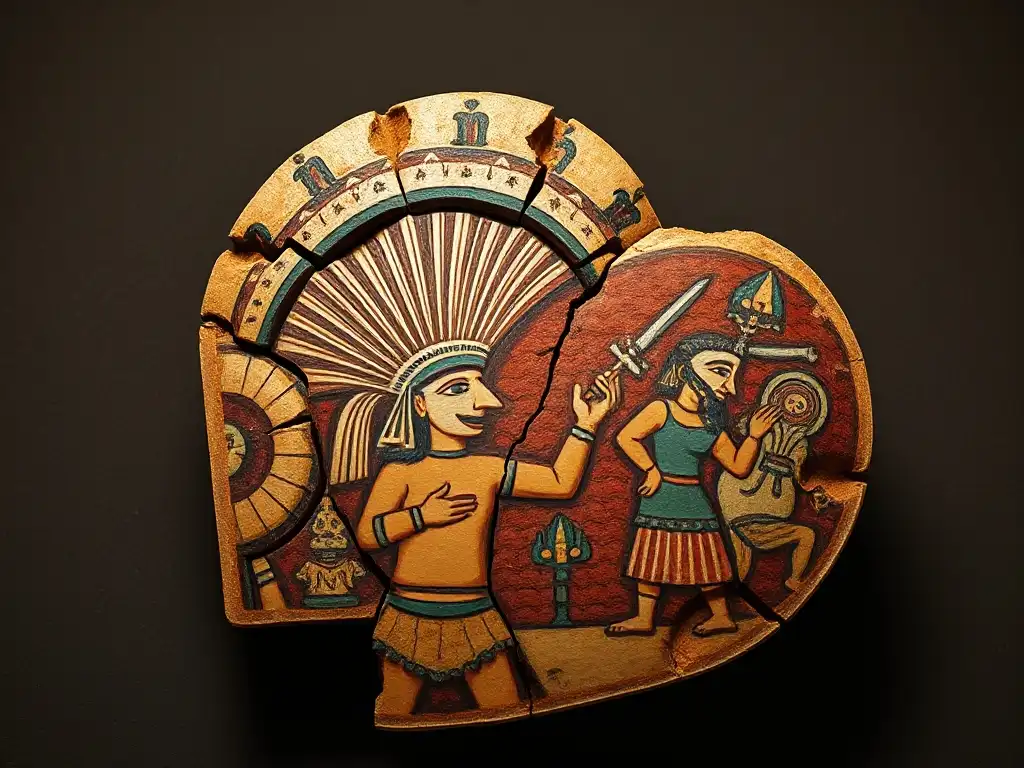
Moche iconography wasn't merely decorative; it served as a powerful tool for expressing the civilization's core beliefs and values. The intricate scenes depicted on their pottery, textiles, and metalwork offer valuable insights into their worldview, social hierarchy, and religious practices. By meticulously analyzing these images, scholars can begin to unravel the complex tapestry of Moche ideology.
The recurring motifs, such as the depiction of deities, elaborate rituals, and scenes of warfare, weren't random choices; they were carefully selected to convey specific messages and reinforce societal norms. For example, the frequent portrayal of powerful rulers engaging in ritualistic activities highlights the importance of the elite in maintaining cosmic order and ensuring the prosperity of the realm. This wasn't simply a matter of artistic expression; it was a conscious effort to legitimize the ruling class's power and influence.
The repetition of certain symbols across various media reinforces their significance and ensures their widespread dissemination within the society. The consistent appearance of specific iconographic elements across different artifacts suggests a highly structured and centralized system of belief.
The careful selection and arrangement of symbols within a given artwork also contributes to its ideological meaning. For instance, the placement of a particular deity in a prominent position within a scene might indicate its importance within the Moche pantheon. Similarly, the inclusion of certain objects or animals alongside a human figure can provide clues to that individual's social status or role within the community. The level of detail and the precision with which these symbols were rendered further emphasizes their importance and the reverence with which they were treated.
The Moche artists weren't just creating aesthetically pleasing objects; they were actively participating in the construction and maintenance of their society's ideological framework. The very act of creating these artifacts served as a form of ritualistic reinforcement of their beliefs. The painstaking effort invested in the creation of each piece underscores the profound significance of the iconography itself.
The widespread presence of these iconographic elements across different Moche sites suggests a shared understanding and acceptance of the ideology they represented. This uniformity points towards a cohesive and unified cultural identity. Further research into the stylistic variations across different Moche regions could reveal subtle nuances in their ideological interpretations.
The Role of Warfare in Moche Iconography
Depictions of warfare are surprisingly prevalent in Moche iconography, suggesting that conflict played a significant role in their society and worldview. These aren't simply gratuitous displays of violence; the scenes are often highly stylized and symbolic, revealing much about Moche social structures and beliefs. Many depictions show highly organized battles, with warriors equipped with sophisticated weaponry and engaging in coordinated maneuvers.
This suggests a well-trained military force, implying a structured and centralized state capable of mobilizing large-scale military campaigns. The level of detail in these depictions, showing individual warriors' attire, weapons, and even expressions, indicates the importance of these events in Moche culture.
The portrayal of captured prisoners and sacrificial offerings further suggests that warfare wasn't simply about territorial conquest but also served a ritualistic and possibly ideological purpose. The frequent depiction of elite figures overseeing or participating in these battles underscores their central role in military affairs and reinforces their power and authority.
The iconography of Moche warfare also provides insight into their understanding of power and dominance. The visual representation of conquered enemies, often depicted in humiliating or subjugated positions, serves as a powerful statement of Moche military might and their control over their territories. The stylized nature of some battle scenes, however, also suggests a possible ritualistic interpretation, where warfare might have served a symbolic purpose beyond simple territorial expansion.
Some scholars suggest that these depictions may represent a symbolic struggle between opposing forces, perhaps representing cosmic conflicts or the battle between order and chaos. Analyzing the context in which these scenes appear—for example, alongside depictions of deities or ritualistic activities—could offer further clues to their deeper meaning. The careful study of Moche pottery depicting warfare can therefore illuminate not only their military capabilities but also their social structures, religious beliefs, and their understanding of the world around them.
Further research comparing different Moche sites and the stylistic variations in their depictions of warfare could yield additional insights into regional differences and the evolution of their military practices. The sheer volume of these depictions, across various media, underscores the significance that warfare held within Moche society.
Interpreting the Symbolism of Moche Deities
The Moche pantheon is richly represented in their iconography, with a variety of deities depicted in various contexts and roles. Identifying and understanding these deities is crucial to deciphering Moche religious beliefs and social structures. The most prominent deity is often depicted as a powerful figure associated with fertility, water, and possibly the underworld.
This figure, sometimes represented with feline features, is often shown engaged in ritualistic activities or accompanied by symbols of power and authority. However, the specific attributes and functions of many Moche deities remain a subject of scholarly debate, requiring further investigation and careful analysis of the iconographic evidence. The iconography provides valuable clues, with specific symbols, animals, and objects consistently associated with particular deities, hinting at their roles and powers.
Other deities featured in Moche iconography include those associated with warfare, agriculture, and possibly the celestial realm. Scholars have proposed various interpretations of these deities' roles, but further research is needed to confirm these hypotheses. The context in which these deities are depicted is also crucial for interpretation, with their appearance in specific scenes providing clues to their functions and interactions with other divine figures.
The analysis of the iconographic elements surrounding the deities – such as specific plants, animals, or objects – can also contribute to a more comprehensive understanding of their attributes. For example, a deity depicted alongside agricultural tools or crops might be associated with fertility and abundance. The Moche's sophisticated artistic skills allowed for incredibly detailed representations of these deities, making the interpretation of their iconography a complex and rewarding process.
Furthermore, the evolution of these iconographic representations over time might reveal changes in Moche religious beliefs and practices. Careful comparison of pottery from different periods could shed light on this evolution. The study of Moche deities through their iconography offers a window into the spiritual world of this fascinating civilization, revealing the complexity and richness of their religious beliefs.
The Legacy of Moche Iconography
The Moche civilization, flourishing along the northern coast of Peru from approximately 100 CE to 800 CE, left behind a remarkable artistic legacy, particularly in their intricate pottery. Moche pottery, often described as a window into their society, is replete with symbolic imagery, providing invaluable insights into their religious beliefs, social structures, and daily life. Understanding the meaning behind these symbols is crucial for deciphering the complexities of Moche culture.
The vibrant colors, detailed scenes, and recurring motifs found on these vessels represent a sophisticated system of visual communication, far surpassing simple decoration. The enduring influence of Moche iconography is evident in its impact on subsequent Andean cultures, showcasing its lasting significance within the region's artistic and cultural evolution. Analyzing these symbols allows us to reconstruct narratives of Moche mythology, warfare, ceremonies, and everyday activities.
This wealth of information helps us understand not only the Moche themselves but also the broader trajectory of Andean artistic traditions. The careful study of Moche pottery symbols meaning remains a pivotal aspect of Andean archaeology.
Influence of Moche Art on Later Andean Cultures
The impact of Moche artistic styles and iconographic elements extends far beyond their own time period. Subsequent Andean cultures, including the Chimú and Inca, drew inspiration from Moche motifs and techniques. While adapting and reinterpreting these elements to reflect their own cultural contexts, these later civilizations acknowledged and integrated aspects of Moche artistic traditions.
For example, certain zoomorphic representations, particularly those of felines and birds of prey, appear repeatedly in later Andean art, demonstrating a clear lineage and continuity in symbolic usage. The stylistic conventions of Moche pottery, such as the use of vibrant colors and the depiction of dynamic scenes, also influenced the artistic sensibilities of succeeding cultures. This enduring influence underscores the exceptional artistry and cultural significance of the Moche, whose iconography served as a foundation for later artistic expressions in the Andes.
The survival of Moche-inspired motifs throughout centuries demonstrates the lasting power and pervasive influence of their artistic legacy. Further research into the artistic exchanges and cultural transmissions between the Moche and subsequent Andean groups is crucial to fully understanding the evolution of Andean iconography.
Moche Iconography in Modern Archaeological Interpretation
Modern archaeological interpretation of Moche iconography relies heavily on a multidisciplinary approach, combining art historical analysis with anthropological and ethnographic perspectives. Scholars meticulously examine the context of discovery, the stylistic features of individual pieces, and the recurring themes and motifs to develop comprehensive interpretations. Careful documentation of the pottery's location, associated artifacts, and burial practices helps contextualize the meanings of the symbols.
For instance, the frequent depiction of decapitated figures alongside elite burials suggests significant rituals and beliefs surrounding death and power. Furthermore, the analysis of specific symbols, such as the feline deity or the caiman, provides insights into the Moche pantheon and their cosmological views. The use of advanced imaging techniques, such as X-ray fluorescence spectroscopy, allows researchers to analyze the pigments and materials used, adding another layer to the understanding of the artistic process and symbolic choices.
This rigorous approach, combining meticulous observation with cutting-edge technology, is essential for accurately interpreting the complex symbolism of Moche pottery. The ongoing refinement of interpretative methods ensures a continuously evolving understanding of Moche culture.
Ongoing Research and New Discoveries in Moche Symbolism
Research into Moche symbolism is a dynamic and evolving field. New archaeological discoveries continue to shed light on previously unknown aspects of Moche iconography, challenging existing interpretations and expanding our understanding of their culture. Recent excavations have unearthed pottery with previously unseen motifs, prompting scholars to reconsider the established frameworks for interpreting Moche symbols.
The application of new technologies, such as 3D modeling and digital image analysis, enables more detailed study of the pottery's surface and allows for the identification of subtle details previously overlooked. Moreover, interdisciplinary collaborations between archaeologists, art historians, and anthropologists are leading to more nuanced and holistic interpretations of Moche symbolism.
The ongoing research promises to reveal further insights into Moche beliefs, social structures, and daily life, enriching our understanding of this fascinating civilization. The ongoing efforts to decipher Moche pottery symbols meaning continue to yield exciting new discoveries, constantly expanding our knowledge of this significant ancient culture.
Preserving the Moche Heritage: The Importance of Iconographic Study
The study of Moche iconography is crucial for preserving and understanding this remarkable civilization. The intricate details depicted on their pottery, textiles, and metalwork offer invaluable insights into their beliefs, social structures, and daily lives. Without careful analysis and interpretation of these symbols, a significant portion of Moche history risks being lost forever. The fragility of many artifacts, coupled with the challenges of archaeological preservation, underscores the urgency of this work.
Scholars meticulously document and analyze each piece, creating a comprehensive record that allows future generations to engage with the Moche worldview. This meticulous process contributes to a deeper appreciation of their artistic achievements and provides critical contextual information for understanding the broader societal dynamics of the Moche culture. Furthermore, understanding Moche iconography helps to combat the illegal trafficking of artifacts, as identifying specific symbols and styles can aid in provenance research and the recovery of stolen pieces. The careful study and preservation of Moche iconography isn't just about appreciating beautiful art; it's about safeguarding a vital part of human history and cultural heritage.
The meticulous work of researchers and conservators ensures that the rich visual language of the Moche continues to speak to us across millennia, enriching our understanding of the past and informing our present. The legacy of Moche iconography is not merely aesthetic; it’s a living testament to a complex and fascinating civilization. The ongoing research and preservation efforts are essential to ensuring that this legacy continues to thrive.
Frequently Asked Questions
What is Moche pottery, and why is it significant?
Moche pottery is remarkably detailed and lifelike ceramic art from ancient Peru (c. 100-800 CE). Its significance lies in its vivid depiction of daily life, mythology, and rituals, providing invaluable insights into Moche society. It's considered some of the finest pottery ever created.
What are some common symbols found on Moche pottery?
Common symbols include representations of deities, such as Ai Apaec, mythical creatures, such as feline-like beings and two-headed snakes, and scenes of warfare, hunting, and ritual sacrifice. These are depicted with amazing detail.
What do the symbols on Moche pottery represent?
The meanings are still being researched, but symbols often represent religious beliefs, social hierarchies, and everyday life. Scholars interpret them through careful study of the context and repetition of motifs.
How do scholars interpret the meaning of Moche pottery symbols?
Scholars use a multifaceted approach, combining stylistic analysis, iconographic comparisons, and contextual evidence from archaeological sites. The arrangement and combination of symbols are crucial for understanding the overall message.
Where can I learn more about the meaning of Moche pottery symbols?
You can explore academic journals, museum websites, and books dedicated to Andean archaeology and Moche culture. Many resources are available online and in libraries focusing on Moche iconography.
Final Reflection: Unraveling the Whispers of the Moche
The vibrant imagery etched onto Moche pottery isn't merely decoration; it's a window into a sophisticated civilization that thrived centuries ago, and its influence resonates even today. Understanding these symbols allows us to connect with a lost culture, appreciating their complex social structures, religious beliefs, and artistic mastery in a way that transcends time. The enduring power of their art continues to fascinate and inspire, reminding us of the rich tapestry of human history.
The Moche's artistic legacy continues to shape our understanding of pre-Columbian art and culture. Their bold depictions of deities, rituals, and everyday life offer invaluable insights into their worldview, challenging preconceived notions about ancient societies. The past is never dead. It's not even past.
- William Faulkner. This quote perfectly encapsulates the enduring relevance of Moche iconography; their stories, though centuries old, continue to speak to us, enriching our understanding of the human experience. Their artistic expression serves as a powerful reminder of the importance of preserving and interpreting cultural heritage.
Consider the intricate details, the vibrant colors, the sheer power of expression found in each piece of Moche pottery. You, too, can become a decoder of these ancient messages. Take a moment to reflect on the stories these symbols tell, and how they might connect to your own understanding of art, culture, and the enduring power of human creativity. Let the Moche inspire you to seek out the hidden narratives in the world around you, and to appreciate the rich tapestry of human history that continues to unfold.
Unveil the Mysteries of Moche Symbols!
Thank you for exploring the fascinating world of Moche iconography! We hope you've gained a deeper understanding of the rich symbolism and its meanings. Now, let's delve even further!
Here are some engaging ways to continue your exploration:
- Create your own Moche-inspired artwork. Join a local art class focusing on Moche themes to interpret their symbols in your own unique style.
- Share the beauty of Moche culture. Post your favorite Moche symbol on social media and tag us! Let's celebrate Andean culture together.
- Experience Moche artifacts firsthand. Visit a local museum exhibiting Moche pottery and other artifacts to see these symbols in their original context.
Which Moche symbol or meaning resonates most with you, and how would you incorporate its significance into your own life?