
The Soul in Clay: Creating Figurines Inspired by Andean Deities

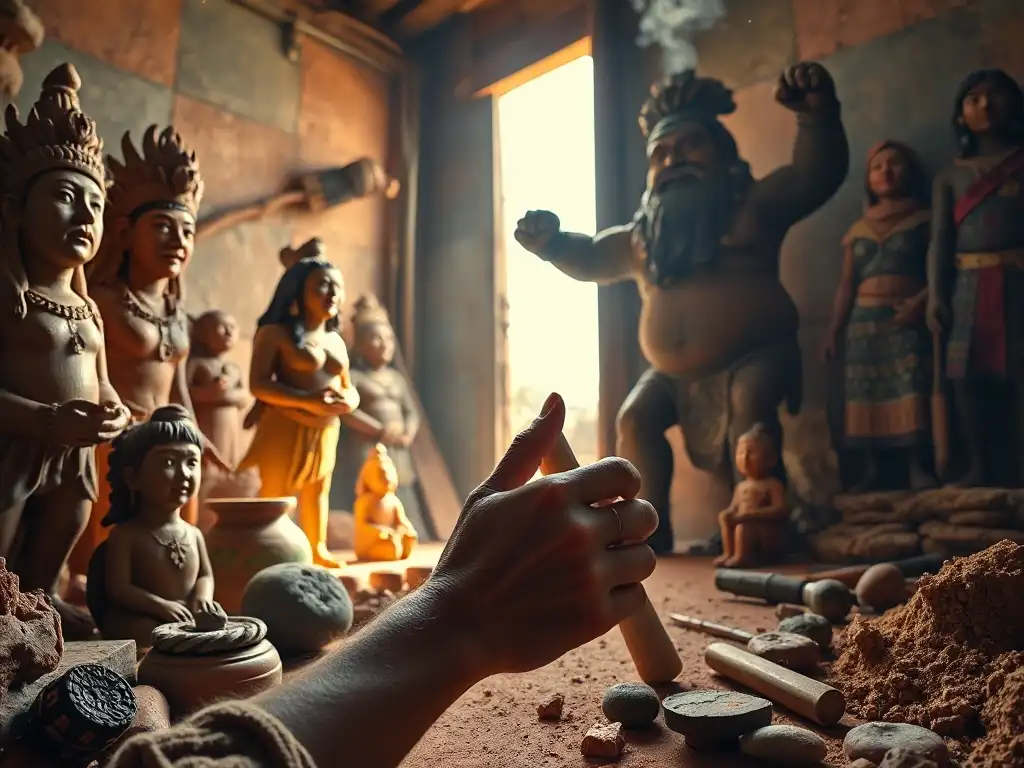
Uncover the secrets whispered by the wind across the Andes! Journey into a world of breathtaking artistry and profound spirituality with our exploration of ancient Andean civilizations. Prepare to be captivated by the intricate details and powerful symbolism found in Andean deity figurines, a testament to the ingenuity and spiritual depth of these remarkable cultures. What stories do these tiny clay figures tell? Dive in and discover the answers within our Digital Resources for Andean History.
The Andes Mountains, a spine of majestic peaks running down the western coast of South America, are not just a geographical feature; they are the cradle of vibrant, sophisticated civilizations that flourished for millennia. These cultures, including the Incas, Moche, Nazca, and Tiahuanaco, left behind a legacy rich in intricate textiles, impressive architecture, and, perhaps most captivatingly, a wealth of ceramic art.
This article delves into the fascinating world of Andean deity figurines, exploring their historical significance and guiding you on a journey to create your own clay representations of these powerful spiritual figures. We will explore the techniques and inspiration behind crafting figurines inspired by Andean deities, offering a unique blend of historical understanding and creative expression.
Learn how to connect with the rich spiritual heritage of the Andes through the tactile process of sculpting clay, transforming simple earth into powerful representations of ancient Andean beliefs. This exploration will provide a deeper understanding of "Andean deity figurines" and their cultural context.
Introduction to Andean Deity Figures and Their Significance
Andean deity figurines, crafted from clay and other materials, serve as tangible links to the complex religious beliefs of ancient Andean cultures. These small-scale sculptures, often found in archaeological sites, were not merely decorative objects; they held profound spiritual significance, acting as representations of powerful gods, goddesses, and ancestral spirits. Their creation was a ritualistic act, imbued with meaning and intention.
The specific iconography—the postures, clothing, and accompanying symbols—varied considerably across different cultures and time periods, reflecting the diverse pantheon and evolving beliefs of the Andean world. For example, the Moche culture, known for its elaborate metalwork and ceramics, produced intricately detailed figurines depicting their gods in dynamic poses, often engaged in ritualistic activities or mythical battles. Conversely, the Nazca culture, famous for its enigmatic geoglyphs, created simpler, yet equally evocative, figurines that often emphasized symbolic elements related to fertility and agriculture.
Understanding the nuances of these different styles is crucial to creating authentic and respectful representations. The careful study of existing archaeological examples provides invaluable insight into the techniques, materials, and artistic conventions employed by ancient Andean artisans. This knowledge forms the foundation for our own creative endeavors, ensuring that our work honors the rich history and cultural heritage it draws inspiration from.
Why Recreate Andean Gods in Clay? Exploring the Spiritual Connection
Recreating Andean gods in clay isn't simply a craft project; it's a journey of connection with a rich spiritual heritage. The act of shaping the clay, carefully molding the features and attire of these ancient deities, fosters a deeper understanding of their symbolism and the beliefs they represent. This hands-on experience transcends mere imitation; it allows for a personal engagement with the history and spirituality of the Andean world.
Moreover, the process of creation can be deeply meditative and therapeutic, providing a space for reflection and introspection. The tactile nature of working with clay allows for a sensory connection to the material, mirroring the ancient Andean artisans' intimate relationship with the earth and its resources. By recreating these figurines, we not only learn about the past but also engage in a creative act that bridges time and cultures.
The resulting figurines become more than just artistic representations; they become vessels for personal reflection and a tangible link to the enduring spiritual legacy of the Andes. The experience of sculpting these figurines offers a unique opportunity to connect with the profound spiritual meaning embedded within the ancient Andean cultures, fostering a deeper appreciation for their artistic achievements and their enduring legacy.
- Introduction to Andean Deity Figures and Their Significance
- Why Recreate Andean Gods in Clay? Exploring the Spiritual Connection
- What materials were typically used to create Andean deity figurines?
- How did the style of Andean deity figurines vary across different cultures?
- What was the purpose of creating Andean deity figurines?
- Where can I find examples of Andean deity figurines today?
- Are there any specific deities frequently depicted in Andean figurines?
Getting Started: Essential Tools and Materials for Sculpting Andean Deity Figurines
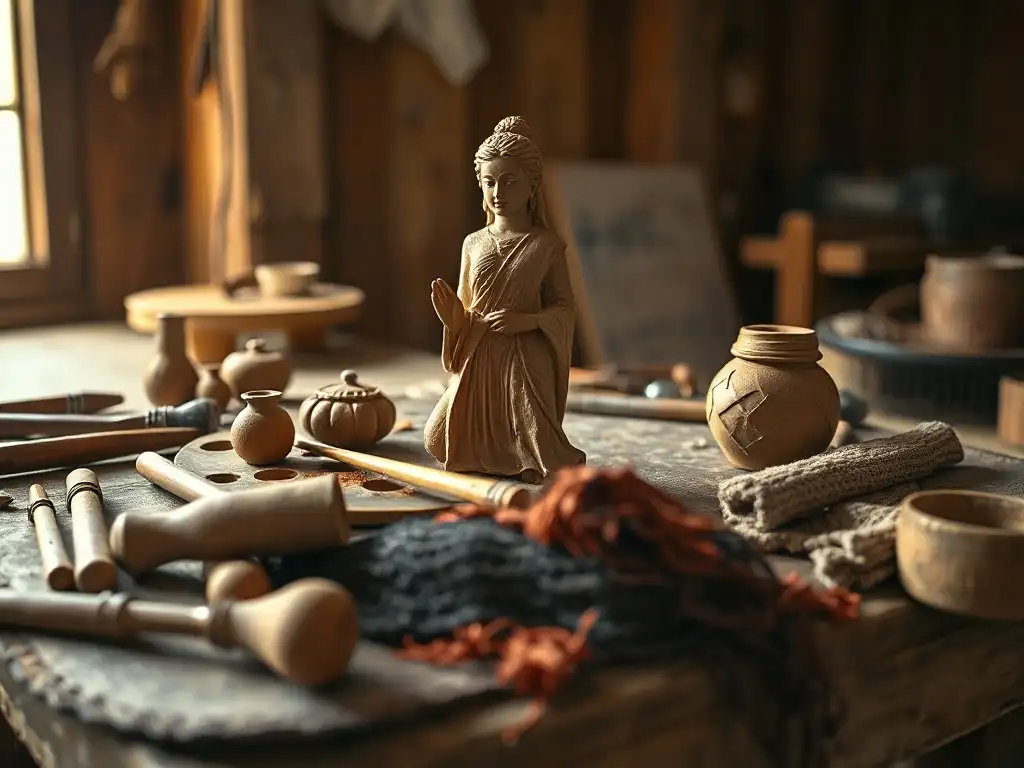
This section provides a comprehensive guide to gathering the necessary tools and materials for creating your own Andean deity figurines. We'll cover the crucial aspects of clay selection, sculpting tools, and finishing techniques to ensure your project is a success. Remember, the key to crafting authentic-looking Andean deity figurines lies in meticulous attention to detail and the careful selection of your materials. This will allow you to accurately represent the spiritual significance embedded in these ancient artifacts.
Choosing the Right Clay for Your Andean God Sculpture: Polymer vs. Air-Dry
The choice of clay significantly impacts the final result of your Andean deity figurine. Two popular options are polymer clay and air-dry clay, each with its own advantages and disadvantages.
Polymer clay, such as Sculpey or Fimo, offers superior durability and detail. Once baked, it becomes incredibly strong and less susceptible to damage. This makes it ideal for intricate designs and figurines that will be handled frequently. However, polymer clay requires baking in an oven, a process that necessitates careful attention to temperature and time to avoid cracking or warping. The added cost of an oven-safe workspace should also be considered.
Air-dry clay, on the other hand, is a more accessible and beginner-friendly option. It hardens naturally in air, eliminating the need for an oven. It's often less expensive than polymer clay. However, air-dry clay is generally more fragile and susceptible to cracking if not handled carefully, especially during the drying process. This can pose challenges for intricate details.
The choice between polymer and air-dry clay ultimately depends on your skill level, desired level of detail, and budget. For beginners, air-dry clay provides a gentler learning curve. Experienced sculptors might prefer the durability and detail afforded by polymer clay. Consider the level of detail you envision for your Andean deity figurine before making your selection.
Sculpting Tools: A Beginner's Guide to Shaping Your Andean Deity Figures
Beyond the clay itself, the right sculpting tools are essential for bringing your vision to life. A basic set includes:
- Modeling tools: These come in various shapes and sizes, allowing you to add detail, smooth surfaces, and create textures. Look for sets with a variety of shapes, including pointed tools for fine details, rounded tools for smoothing, and loop tools for removing clay.
- Wooden sculpting tools: These provide a softer touch and are less likely to scratch the clay surface. A variety of sizes will allow for sculpting both large forms and smaller details.
- Wire tools: Useful for creating sharp edges, cutting clay, and adding intricate details. Thinner wires are ideal for finer work, while thicker ones are suitable for more substantial shaping.
- Smooth sculpting tools: Essential for achieving a smooth and polished finish on your Andean deity figurine. These can include rubber tools or even your fingers, once you are comfortable working with the clay.
- Rolling pin: For creating evenly thick slabs of clay, especially useful when creating larger figurines or bases.
- Toothpicks or needles: These finer tools are perfect for adding small details, such as hair, clothing textures, or facial features. They can also be used to create intricate patterns.
Remember, meticulous attention to detail is crucial when sculpting Andean deity figurines. The tools listed above will allow you to create a wide variety of shapes and textures, capturing the essence of ancient Andean artistry.
Paints and Finishes for Authentic Andean Deity Figurine Appearance
The finishing touches are what truly bring your Andean deity figurine to life. Achieving an authentic appearance requires careful consideration of paints and finishes.
- Acrylic paints: These are a versatile and widely available option for painting your figurine. They dry quickly and offer a wide range of colors, allowing for accurate representation of the traditional Andean color palettes. Experiment with layering techniques to achieve depth and richness.
- Watercolor paints: For a more delicate and translucent effect, watercolor paints can create subtle shading and highlights. They’re particularly well-suited for depicting the intricate details often found in Andean art.
- Sealant: Once painted, a sealant protects your figurine from damage and enhances its longevity. A matte sealant will provide a more natural finish, while a gloss sealant will give your figurine a glossy, polished look. Consider the overall effect you desire when choosing your sealant. Remember to choose a sealant compatible with your chosen paint type.
The color palette used in ancient Andean art was often inspired by nature, featuring earthy tones like browns, reds, yellows, and oranges. Consider using these colors to achieve an authentic representation. Research specific Andean deity iconography to ensure accurate color choices for your figurine. The final finish should reflect the spiritual and cultural significance of your subject, ensuring your Andean deity figurine serves as a respectful and accurate representation of ancient Andean traditions.
Step-by-Step Guide: Sculpting Your First Andean Deity Figurine
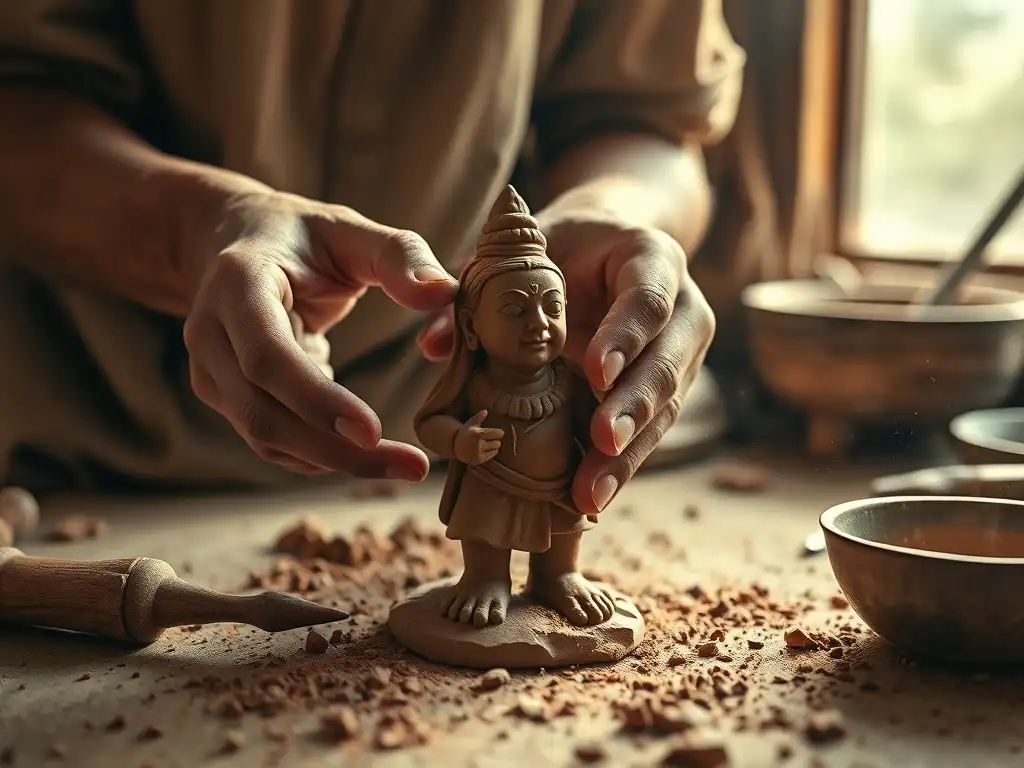
This section provides a comprehensive guide to creating your own Andean deity figurine, focusing on the process, materials, and inspiration needed to bring these powerful figures to life. We'll delve into the intricacies of sculpting, ensuring your creation accurately reflects the rich iconography of Andean cultures. Remember, the process is as important as the result; it's a journey of artistic expression and cultural appreciation.
Researching Your Deity: Understanding the Iconography of Andean Gods
Before you even touch the clay, thorough research is crucial. Choosing an Andean deity for your figurine requires understanding their specific attributes and iconography. Different cultures—Inca, Moche, Nazca, Tiahuanaco—had unique artistic conventions. For example, a representation of the Inca sun god, Inti, would differ greatly from a Moche deity associated with fertility.
Consider these aspects when selecting your deity:
- Specific Deity: Will you sculpt Viracocha, the creator god of the Inca, or Pachamama, the earth goddess revered across various Andean cultures? The choice dictates the overall style and symbolic elements.
- Cultural Context: Understanding the specific culture's artistic style is paramount. Moche pottery, for instance, is known for its intricate detail and vibrant colors, while Nazca ceramics often feature stylized figures.
- Symbolic Attributes: Research the deity's associated symbols. Does your chosen deity hold a scepter, wear specific headdresses, or have animal companions? These details are essential for accurate representation.
To aid your research, consider consulting academic texts, museum databases, and reputable online resources specializing in Andean art and archaeology. The more you understand the iconography, the more authentic your figurine will be. Accurate representation is vital in creating a respectful and meaningful piece of Andean-inspired art. Remember, your figurine is not just clay; it's a tribute to a powerful cultural symbol.
Building the Core: Creating a Solid Foundation for Your Andean Deity Figure
Now, let's move to the hands-on part. Creating a strong foundation is key to a successful Andean deity figurine. While the specific techniques might vary based on your chosen material (air-dry clay, polymer clay, etc. ), the underlying principles remain the same.
The process generally involves these steps:
- Preparing the Clay: Knead your clay thoroughly to remove air bubbles and ensure a uniform consistency. This prevents cracking during the drying process.
- Creating the Armature (Optional): For larger figurines, an armature (a wire or foil structure) provides internal support, preventing breakage.
- Forming the Basic Shape: Start with basic shapes—a ball for the head, cylinders for limbs—gradually shaping them into the desired form. Think about the posture and overall stance you want to achieve. Do you want a seated figure, a standing one, or a more dynamic pose?
- Smoothing the Surface: Use your fingers or sculpting tools to smooth out any rough edges and imperfections. A smooth surface will enhance the details you'll add later.
Remember to take your time at this stage. A well-formed core is the foundation for a successful figurine. Don't rush the process; a solid base will ensure your Andean deity figurine withstands the test of time (and the drying process! ).
Detailing the Form: Adding Facial Features and Symbolic Elements
This is where your research truly comes into play. Once the basic form is established, you can add the intricate details that bring your Andean deity figurine to life. This stage involves carefully sculpting facial features, clothing, and symbolic elements.
Consider these points:
- Facial Features: Andean art often features stylized facial features. Pay attention to the eyes, nose, and mouth, aiming for a representation that reflects the style of the culture you’re emulating.
- Clothing and Adornments: Many Andean deities are depicted wearing elaborate clothing and adornments. Research your chosen deity’s attire and incorporate those details into your sculpture. This could include headdresses, jewelry, or ceremonial garments.
- Symbolic Elements: Remember the symbols associated with your deity. Incorporate these elements carefully. This might involve adding specific animals, plants, or objects that are significant to the deity's mythology. Precision is key here; these details are what truly bring your figurine to life.
Remember to work slowly and methodically. Adding small details gradually prevents accidental damage to your hard work. The careful addition of these elements will transform your basic form into a powerful and evocative representation of an Andean deity. The finished product should be a testament to both your artistic skill and your understanding of Andean culture. Enjoy the process!
Firing or Curing Your Andean Deity Figurine
Firing, or curing, your clay figurine is a crucial step in preserving your artistic creation and ensuring its longevity. This process hardens the clay, making it resistant to damage and the elements. The specific method depends heavily on the type of clay you used. For example, polymer clays require baking in a conventional oven, while earthen clays necessitate a kiln firing. Let's explore both methods:
Polymer Clay Firing: Polymer clays, like Sculpey or Fimo, are incredibly versatile and require a relatively simple firing process. First, carefully read the instructions provided with your specific brand of clay, as baking temperatures can vary slightly. Generally, you'll need to bake your figurine in a conventional oven at a temperature ranging from 265°F to 275°F (130°C to 135°C). Ensure your figurine is placed on an oven-safe surface, such as a ceramic tile or baking sheet, to prevent sticking.
Baking times typically range from 15 to 30 minutes, depending on the size and thickness of your piece. Always supervise the baking process and never leave the oven unattended. After baking, allow the figurine to cool completely before handling to prevent cracking or breakage. Improperly baked polymer clay can become brittle and easily break.
Earthen Clay Firing: Firing earthen clay requires access to a kiln, which reaches much higher temperatures than a home oven. This higher temperature is necessary to fully vitrify the clay, making it permanently hard and waterproof. The firing process in a kiln involves a gradual increase in temperature over several hours, followed by a period of holding the temperature at its peak, and then a slow cooling down.
This controlled process prevents cracking and ensures a strong, durable final product. The exact temperature and duration will depend on the type of clay and the desired outcome. Experienced potters often use specialized pyrometers to monitor the kiln's temperature precisely.
If you lack access to a kiln, consider collaborating with a local pottery studio or artist who can fire your piece for you. This collaborative approach allows you to focus on the sculpting process while leveraging the expertise of a professional for the firing stage. Remember, kiln firing is a precise process, and improper firing can ruin your work.
Regardless of the firing method you choose, carefully consider the potential risks involved. Always prioritize safety and follow the instructions meticulously to avoid accidents or damage to your artwork. The successful firing of your Andean deity figurine marks a significant milestone in your creative journey, transforming your carefully sculpted clay into a lasting tribute to ancient Andean spirituality. The final result is a beautiful, durable piece that can be treasured for years to come. 🎉
Finishing Touches: Painting and Embellishing Your Andean Deity Sculptures
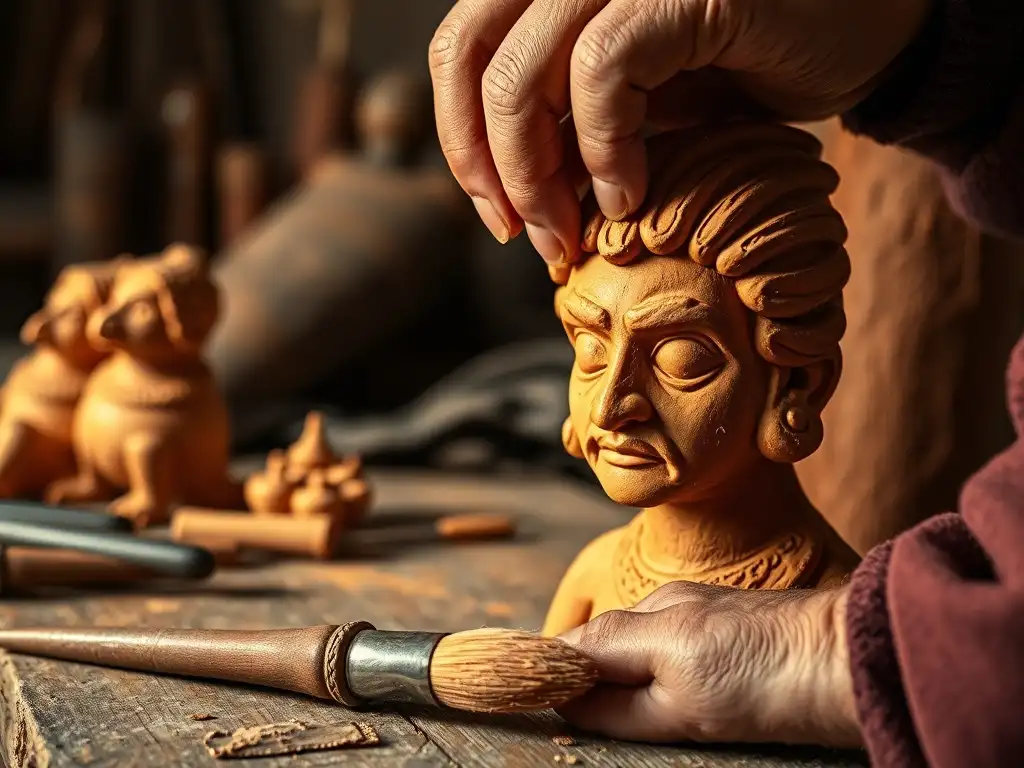
This section focuses on the final stages of creating your Andean deity figurine, transforming your clay sculpture into a vibrant representation of ancient Andean artistry. We'll explore techniques for applying authentic colors, adding intricate details, and protecting your finished piece. Remember, the goal is to evoke the spirit and essence of the Andean deities you're portraying. The process itself is a form of reverence, mirroring the meticulous care ancient artisans would have taken.
Applying Base Coats for Authentic Andean Colors
Achieving authentic Andean colors requires careful consideration of pigments and application techniques. Ancient Andean artisans utilized natural pigments derived from minerals, plants, and insects, resulting in a rich palette of earthy tones. While you may not have access to the exact same materials, you can approximate these colors using readily available acrylic paints.
Here's a guide to recreating some common Andean colors:
| Andean Color | Modern Paint Equivalent | Notes |
|---|---|---|
| Deep Ochre/Terracotta | Burnt Sienna, Raw Umber | Mix these to achieve varying shades of earthy brown. |
| Red-Brown | Burnt Sienna, Cadmium Red Light | A rich, deep red reminiscent of many Andean artifacts. |
| Yellow-Ochre | Yellow Ochre, Raw Sienna | Creates a warm, sunny yellow-brown. |
| Black | Mars Black, Ivory Black | Avoid overly glossy blacks; matte or slightly textured blacks are ideal. |
| White | Titanium White | Use sparingly to highlight details. |
Remember to apply thin, even coats, allowing each layer to dry completely before applying the next. This prevents cracking and ensures a smooth, professional finish. Multiple thin coats are far superior to one thick coat. Consider using a sealant between coats for better adhesion and color vibrancy. 🎨
Adding Detail and Depth with Fine Brushes
Once your base coat is dry, it's time to add the intricate details that bring your Andean deity figurine to life. Think about the symbolic features of the deity you're representing: headdresses, jewelry, clothing patterns, facial features. These details are crucial in communicating the figurine's cultural significance.
Use fine-tipped brushes (sizes 000 to 2 are ideal) to carefully add these details. You might use a slightly lighter or darker shade of your base color to create shadows and highlights, giving your figurine a three-dimensional effect. For example, you can use a slightly darker shade of ochre to create shadows in the crevices of the clothing or around the eyes.
Similarly, a slightly lighter shade can highlight raised areas like the nose or cheekbones. This technique significantly enhances the realism and visual appeal of your Andean deity figurines. Consider using a very fine brush to add delicate lines representing textile patterns common in Andean weavings.
Don't be afraid to experiment with different techniques to achieve the desired effect. A dry brushing technique can create a textured effect, while stippling can add depth and richness. Remember that the ancient artisans were masters of detail; strive to emulate their precision and artistry.
Sealing and Protecting Your Andean Deity Figurine
The final step is to seal and protect your finished Andean deity figurine. This crucial step prevents chipping, cracking, and fading, ensuring your creation lasts for years to come. A high-quality acrylic sealant is recommended for its durability and ease of application. Apply several thin coats, allowing each coat to dry completely before applying the next.
This process protects your artwork from environmental damage, maintaining its vibrancy and beauty for years to come. Think of this as the final act of reverence, preserving a piece of history you've helped create. ✨ By carefully following these steps, you'll create a truly authentic and enduring representation of an Andean deity, a testament to the enduring power of Andean art and spirituality. The creation process itself becomes a journey of discovery, deepening your appreciation for the rich history and artistic traditions of the Andes.
Monetization Opportunities: Where to Find and Sell Your Andean Deity Figurines
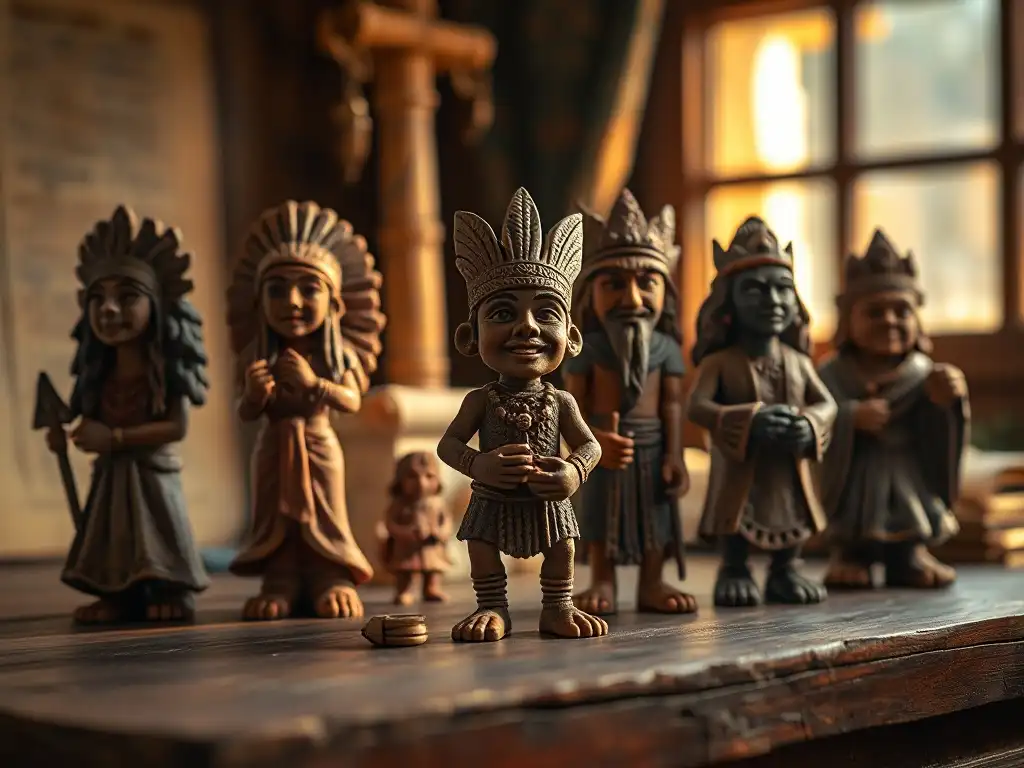
Creating beautiful Andean deity figurines is a rewarding artistic endeavor. However, turning your passion into profit requires a strategic approach to marketing and sales. This section explores various avenues for monetizing your creations, focusing on maximizing your reach and connecting with buyers interested in unique, handcrafted Andean deity figurines.
Building an Online Shop: Platforms to Showcase Your Andean Art
The digital age offers unparalleled opportunities to connect with a global audience of art enthusiasts. Building an online shop is crucial for reaching a wider market beyond local craft fairs. Several platforms cater specifically to handmade goods, offering built-in marketing tools and secure payment processing. Consider these options:
- Etsy: A popular marketplace known for its strong community of craft sellers and dedicated audience seeking unique, handcrafted items. Etsy's built-in SEO tools can help boost your Andean deity figurines' visibility. You can create a branded shop showcasing your artistic style and the unique stories behind your pieces. Remember to use high-quality photos and detailed descriptions highlighting the cultural significance of your figurines.
- Shopify: For greater control and customization, Shopify allows you to build a professional, branded online store. While it requires a monthly subscription fee, it provides more flexibility in design, marketing, and inventory management. This platform is ideal for artists who want to build a long-term, sustainable online business around their Andean deity figurines.
- Instagram Shopping: Leverage the visual nature of Instagram to showcase your figurines. Tagging products in your posts allows direct purchasing, seamlessly integrating your social media presence with your sales strategy. This platform is excellent for building brand awareness and reaching a younger demographic interested in unique and visually appealing Andean deity figurines.
Remember to create compelling product descriptions that highlight the craftsmanship, materials, and cultural inspiration behind each figurine. High-quality photos are essential to showcase the details and artistry of your work. Accurate pricing, considering your time, materials, and artistic skill, is vital for profitability. Always factor in shipping costs and potential taxes.
Leveraging Your Skills: Offering Custom Andean Deity Figurine Commissions
Beyond selling pre-made figurines, consider offering custom commission work. This allows you to cater to specific requests and create truly unique pieces tailored to individual client preferences. This can be a highly profitable avenue, especially for intricate or large-scale Andean deity figurines.
- Establish a clear process: Define your commission process, including a detailed questionnaire to understand client preferences, pricing structure based on complexity and size, and estimated completion time. Transparency is key to building trust and managing client expectations.
- Showcase examples: Display examples of past commissions on your online shop or social media profiles to demonstrate your capabilities and attract potential clients.
- Maintain open communication: Regular updates and clear communication throughout the commission process are crucial for maintaining a positive client relationship.
Selling at Craft Fairs and Local Markets
Craft fairs and local markets offer a tangible opportunity to connect directly with customers, showcasing your Andean deity figurines in person. This allows for immediate feedback, personalized interactions, and building a local following.
- Research suitable events: Identify craft fairs and markets that attract an audience interested in handmade art and cultural artifacts. Consider the demographic and the overall atmosphere of the event to ensure a good fit for your products.
- Prepare a professional display: Invest in a well-designed booth that showcases your Andean deity figurines attractively. Use lighting, signage, and potentially even small informational cards to explain the cultural context and inspiration behind your work.
- Engage with customers: Be prepared to answer questions about your artistic process, the materials you use, and the cultural significance of your work. Positive interactions can lead to repeat customers and referrals.
Remember, success in selling Andean deity figurines hinges on a combination of high-quality craftsmanship, effective marketing, and consistent effort. By diversifying your sales channels and engaging actively with potential buyers, you can turn your passion into a thriving business. Don't underestimate the power of building a strong online presence and networking within your local community.
Expanding Your Skills: Resources for Further Exploration of Andean Art
This section delves into readily available resources to deepen your understanding and practical skills in creating Andean deity figurines. Whether you're a seasoned artist or a curious beginner, these avenues offer diverse learning opportunities to enhance your artistic journey. We'll explore online courses, relevant books and publications, and the invaluable experience of hands-on local workshops. Remember, mastering the art of creating Andean deity figurines requires dedication and a thirst for knowledge – these resources will fuel your passion and refine your techniques.
The digital age offers unparalleled access to learning. Platforms like Skillshare host a wealth of courses focusing on various artistic techniques, including those relevant to crafting Andean-inspired art. While the specific availability of courses changes frequently, a diligent search using keywords like "Andean ceramics," "Pre-Columbian art," "South American pottery," and "figurative sculpting" will yield promising results. Look for courses that offer detailed instructions on techniques such as:
- Modeling: Learning to shape clay using different hand-building methods (pinch pots, coil building, slab building) is fundamental. Look for courses demonstrating these techniques with examples inspired by Andean styles.
- Firing Techniques: Understanding the various firing methods – raku, pit firing, kiln firing – and their impact on the final product's appearance and durability is crucial. Many courses will cover the differences and advantages of each.
- Surface Decoration: Andean pottery is often adorned with intricate designs. Courses focusing on painting techniques, including slip painting, sgraffito, and resist techniques, will allow you to replicate these intricate details. Understanding the use of natural pigments found in the Andes would be particularly beneficial for achieving authentic-looking finishes.
- Iconography: A crucial aspect is understanding the iconography of Andean deities. Courses focusing on the symbolism and representation of these figures will greatly enhance the accuracy and meaningfulness of your creations. Learning to interpret the symbolism of different postures, clothing, and accompanying elements is key to creating truly evocative figurines.
Many courses offer video demonstrations, downloadable resources, and community forums where you can interact with other artists and instructors, fostering a collaborative learning environment. Remember to check reviews before enrolling to ensure the course aligns with your skill level and expectations.
Books and Publications: Exploring the Art and Iconography of Andean Civilizations
Beyond online courses, a wealth of information resides within books and academic publications. These offer in-depth analyses of Andean art, providing a strong theoretical foundation for your artistic endeavors. Seek out books focusing on the following:
- Specific Andean Cultures: Focus on publications dedicated to the Moche, Nazca, Tiwanaku, and Inca civilizations, as each culture possessed unique artistic styles and iconographic conventions. Understanding these differences will allow you to create figurines that authentically represent a chosen culture.
- Ceramic Techniques: Books detailing the ancient Andean ceramic techniques will provide valuable insights into the materials, tools, and processes used by these master artisans. This knowledge will significantly impact the quality and authenticity of your work.
- Iconography and Symbolism: Researching the iconography and symbolism of Andean deities is crucial. Books dedicated to this subject will provide a deeper understanding of the meaning behind the different representations and artistic choices. This knowledge will allow you to imbue your figurines with cultural depth and meaning.
- Museum Catalogs and Academic Journals: These often contain high-quality images and detailed descriptions of Andean artifacts, providing invaluable visual references and scholarly context.
Remember to utilize library resources and online databases to access these materials. Careful study of these publications will enrich your understanding of Andean art and directly influence the quality and accuracy of your deity figurines.
Local Workshops: Learning from Experienced Ceramic Artists
Hands-on learning remains invaluable. Seek out local workshops or classes offered by experienced ceramic artists. These workshops offer the unique advantage of personalized instruction and immediate feedback. Look for workshops that:
- Focus on Andean Techniques: Prioritize workshops specifically focusing on Andean ceramic techniques or Pre-Columbian art. This ensures you'll learn techniques directly applicable to your project.
- Emphasize Hands-on Experience: Workshops should emphasize hands-on practice, allowing you ample opportunity to experiment with different techniques and receive personalized guidance.
- Utilize Authentic Materials: If possible, opt for workshops that utilize materials similar to those used by ancient Andean artisans. This will enhance the authenticity of your work and provide a deeper understanding of the materials’ properties.
- Offer Feedback and Critique: A valuable aspect of a workshop is receiving constructive feedback from an experienced artist. This personalized guidance will help you refine your skills and improve your artistic expression.
Networking within your local art community can lead you to such opportunities. Attending art fairs, visiting local studios, or joining online art groups can help you discover these invaluable learning experiences. The direct interaction and personalized instruction offered by local workshops are invaluable for developing your skills in creating authentic Andean deity figurines.
Frequently Asked Questions
What materials were typically used to create Andean deity figurines?
Andean artisans utilized a variety of materials, including clay, stone, wood, and metals like gold and silver, depending on the specific culture and the intended use of the figurine. The choice of material often reflected the status and importance of the deity represented.
How did the style of Andean deity figurines vary across different cultures?
Each Andean culture developed its own unique artistic style. Moche figurines are known for their intricate detail and realistic portrayal, while Nazca figurines often display stylized features and geometric designs. Inca figurines, on the other hand, tended to be more simplified and symbolic.
What was the purpose of creating Andean deity figurines?
Figurines served various purposes, including religious rituals, funerary offerings, and decorative objects. They were believed to embody the spirit of the deity, providing a connection between the human and spiritual worlds. Some were used in ceremonies to honor and appease the gods.
Where can I find examples of Andean deity figurines today?
Many examples of Andean deity figurines are housed in museums around the world, particularly in South America. You can also find them in private collections and occasionally at archaeological sites. Online databases and museum websites are excellent resources for viewing examples.
Are there any specific deities frequently depicted in Andean figurines?
Yes, many Andean cultures depicted specific deities in their figurines. Common examples include fertility deities, agricultural deities, and warriors. The specific iconography varied based on the culture and the deity's attributes, but certain recurring symbols and motifs can be identified.
Final Reflection: Echoes of the Andes in Modern Hands
The creation of Andean deity figurines is not merely a craft; it's a vibrant thread connecting ancient traditions with contemporary expression. These small, meticulously crafted figures hold within them the weight of centuries of spiritual belief, artistic innovation, and cultural resilience. Their enduring power lies in their ability to bridge the gap between past and present, offering a tangible link to a rich and complex heritage.
The enduring appeal of these figurines speaks volumes about our ongoing fascination with mythology and the human need to connect with something larger than ourselves. These aren't simply decorative objects; they are vessels for stories, symbols of hope, and reminders of the enduring power of faith. As I delved deeper into the process of creating these figurines, I found myself increasingly drawn to the profound spiritual significance embedded within each carefully sculpted detail. Art washes away from the soul the dust of everyday life.
– Pablo Picasso. This quote resonates deeply, as the act of creating these figurines became a meditative process, a cleansing and enriching experience.
Now, consider the power you hold. You, the reader, can choose to engage with this ancient tradition, not just as a passive observer, but as an active participant. Perhaps you'll seek out more information about Andean deities, explore your own spiritual connection to art, or even try your hand at creating your own figurine. Let the echoes of the Andes inspire you to explore the depths of your own creativity and the enduring power of human connection to the divine. Embrace the legacy, and let it shape your own unique narrative.
Unleash Your Creativity and Connect with Andean Heritage!
Thank you for exploring the rich world of Andean figurines and their profound cultural significance. You've discovered the beautiful interplay of art and spirituality, and how these clay figures connect us to ancient traditions. Now, let's put that inspiration to work!
- Create your own figurine! Gather some clay and sculpt a piece that speaks to you—perhaps inspired by an Andean deity, or a completely original design.
- Expand your skills and meet fellow enthusiasts by **joining a local pottery class or online workshop** focused on cultural craftsmanship.
- Share your creations on social media! Use relevant hashtags to connect with others who appreciate this vibrant heritage.
What unique story will your figurine tell, and how will it capture the spirit of Andean culture?