
Paracas Cavernas vs. Paracas Necropolis: Understanding the Two Distinct Burial Phases

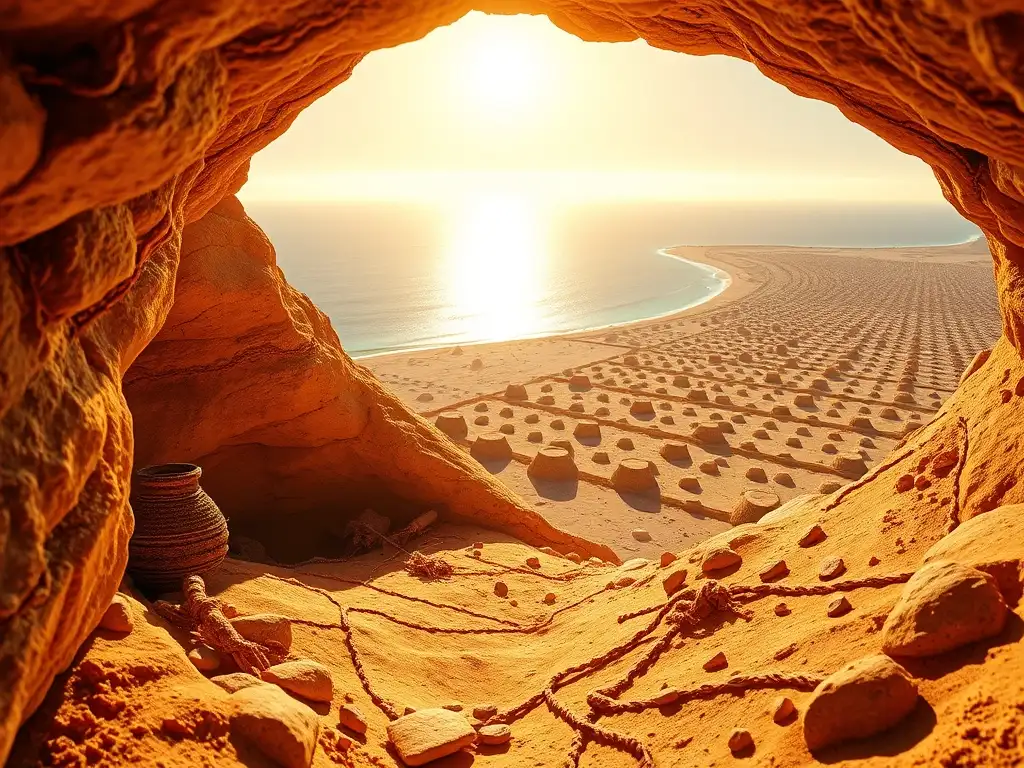
Uncover the mysteries shrouding Peru's ancient past! Journey with us into the heart of the Andean world, where breathtaking artistry and complex societies flourished. But what secrets lie hidden beneath the sands? This exploration of Andean Civilizations delves into the fascinating world of Paracas Necropolis burial practices, revealing striking differences between the Cavernas and Necropolis phases. Prepare to be captivated by the intricate details of a culture that continues to intrigue and amaze archaeologists today. Dive in and discover the astonishing truth...
The Paracas culture, flourishing along Peru's southern coast from approximately 700 BCE to 200 CE, left behind a remarkable legacy of intricate textiles, sophisticated ceramics, and unique burial practices. This article delves into the fascinating differences between two distinct phases of Paracas mortuary traditions: the Paracas Cavernas and the Paracas Necropolis. Understanding these differences provides crucial insights into the evolving societal structures, beliefs, and ritualistic practices of this enigmatic civilization.
We will explore the key characteristics of each burial style, examining the types of tombs, burial goods, and the potential significance of the rituals associated with each phase. By comparing and contrasting these two periods, we aim to illuminate the rich tapestry of Paracas funerary customs and their place within the broader context of Andean burial practices, focusing specifically on the unique aspects of Paracas Necropolis burial practices.
Introduction to Paracas Culture Burial Traditions
The Paracas people exhibited a profound reverence for their dead, evidenced by their elaborate and often extravagant burial rituals. These practices weren't simply about disposing of the deceased; they were integral aspects of their worldview, reflecting their beliefs about the afterlife and the importance of maintaining connections with ancestors. The Paracas burial tradition evolved over time, leading to the distinct styles identified as Paracas Cavernas and Paracas Necropolis. The transition between these phases represents a significant shift in Paracas society, suggesting changes in social organization, economic resources, and perhaps even religious beliefs.
Understanding this evolution is crucial for interpreting the broader context of Paracas culture and its relationship to other pre-Columbian societies in the Andes. The sheer scale and complexity of the Paracas burial sites stand as testaments to the ingenuity and dedication of this remarkable civilization. We'll begin by examining the earlier phase, the Paracas Cavernas.
Paracas Cavernas: Early Burial Practices
The Paracas Cavernas phase, the earlier of the two, is characterized by its subterranean tombs, often accessed via shafts dug into the ground. These burial chambers, located in natural caves or artificially created subterranean spaces, reflect a different approach to death rituals compared to the later Necropolis phase. The intricate construction and the variety of grave goods suggest a complex social hierarchy and a well-established system of religious beliefs. The scarcity of large-scale monumental architecture associated with the Cavernas phase suggests a different organizational structure compared to the later Necropolis period.
Characteristics of Paracas Cavernas Tombs
Paracas Cavernas tombs are typically found in clusters, suggesting familial or clan-based burial practices. They vary in size and complexity, with some containing single burials while others hold multiple individuals. The tombs themselves often contain elaborate arrangements of textiles, pottery, and other grave goods, carefully placed around the deceased. The construction of these tombs, frequently involving significant excavation and engineering efforts, underscores the importance placed on proper burial rites within Paracas society. The careful placement of artifacts and the evidence of ritual activity within the tombs suggest a highly structured and symbolic mortuary process. 1
Paracas Cavernas: Shaft Tombs and Burial Goods
Many Paracas Cavernas tombs are accessed via vertical shafts, sometimes quite deep. These shafts likely served both as a means of access and a symbolic representation of the journey to the afterlife. The burial goods found within these tombs are incredibly diverse, ranging from intricately woven textiles and finely crafted pottery to elaborate headdresses and jewelry.
The quantity and quality of the grave goods often vary depending on the status of the deceased, providing clues about social stratification within Paracas society. The presence of certain artifacts, such as specific types of pottery or textiles, might also indicate membership in particular social groups or religious affiliations. Analyzing the distribution and types of these burial goods helps us to reconstruct the social and religious landscape of the Cavernas period.
The Significance of Paracas Cavernas Burial Rituals
The rituals associated with Paracas Cavernas burials were clearly significant events, demanding considerable time, effort, and resources. The careful preparation of the bodies, the selection and arrangement of grave goods, and the construction of the tombs themselves all point to a deeply ingrained belief system that emphasized the importance of the afterlife. The mummification techniques employed during the Cavernas period, while less elaborate than those seen in later periods, still demonstrate a concern for preserving the deceased for their journey into the next world.
Further research is needed to fully understand the symbolism embedded within the burial rituals and their implications for our understanding of Paracas cosmology and social structures. The study of these rituals is essential for a complete understanding of Paracas Necropolis burial practices and their historical context.
1 Further research is needed to determine the exact construction techniques and materials used in Paracas Cavernas tombs.
Transition to Paracas Necropolis: A Shift in Burial Customs
The Paracas culture, known for its remarkable textile artistry and complex social structures, underwent a significant transformation in its burial practices. The earlier Cavernas phase, characterized by individual interments in subterranean chambers, gave way to the Necropolis phase, a period marked by a dramatic shift towards large-scale, above-ground cemeteries.
This transition, occurring roughly between 200 BCE and 200 CE, reflects not only a change in burial architecture but also a profound alteration in the social and religious beliefs of the Paracas people. Scholars posit that this shift might be linked to changes in social organization, perhaps reflecting the rise of a more centralized power structure or a change in religious ideology emphasizing communal ancestor veneration.
The sheer scale of the Necropolis, with its hundreds of tombs, suggests a significant investment of labor and resources, indicating a high level of societal organization and possibly a more stratified social hierarchy than that seen in the Cavernas phase. The reasons behind this dramatic change remain a subject of ongoing research and debate, but it undeniably represents a pivotal moment in the history of the Paracas culture.
Paracas Necropolis: Overview of the New Burial Style
The Paracas Necropolis burial style represents a radical departure from the earlier Cavernas tradition. Instead of individual, subterranean tombs, the Necropolis features hundreds of large, above-ground burial mounds. These mounds, often conical in shape, were constructed from earth and stone, and varied significantly in size, reflecting the status of the individuals interred within.
Unlike the Cavernas, where bodies were often found relatively undisturbed, the Necropolis tombs frequently show signs of repeated access and re-use, suggesting a continued interaction with the deceased over time. This practice points to a complex system of ancestor veneration and possibly a belief in the continued presence and influence of the deceased in the lives of the living. The sheer number of burials, the size of the mounds, and the repeated access to the tombs all underscore the importance of mortuary practices in Paracas Necropolis society.
Differences in Tomb Construction: From Shafts to Complexes
The construction techniques used in the Paracas Cavernas and Necropolis phases reveal significant differences in the scale and complexity of their burial practices. The Cavernas tombs were primarily individual shaft tombs, dug deep into the ground, with relatively simple chambers at their base. These chambers were often small and contained a single individual, along with grave goods.
In contrast, the Necropolis tombs were elaborate structures, built above ground and consisting of complex arrangements of chambers and passageways. These tombs were often much larger, capable of holding multiple individuals, and were richly decorated with textiles and other grave goods.
This shift from simple, individual burial shafts to complex, multi-chambered above-ground tombs reflects the increasing social complexity and the growing importance of collective mortuary rituals within Paracas society. The scale of the Necropolis tombs required significant labor and organizational effort, underscoring the importance of communal action and possibly the emergence of specialized labor roles involved in tomb construction and ritual.
Paracas Necropolis: Focus on Elite Burials
While the Necropolis contains burials of varying status, a significant portion of the research focuses on elite burials. These tombs are distinguished by their larger size, richer grave goods, and the elaborate treatment of the bodies themselves. Elite burials often contain finely crafted textiles, gold ornaments, and other luxury items. The bodies themselves are frequently found wrapped in multiple layers of intricately woven textiles, forming mummies of remarkable preservation.
The presence of such lavish grave goods suggests a highly stratified society with a clear distinction between the elite and the common people. Studying these elite burials provides crucial insights into the social hierarchy, economic structure, and religious beliefs of Paracas Necropolis society. The differences in burial treatment highlight the importance of social status and the symbolic power associated with death and the afterlife.
Detailed Analysis of Paracas Necropolis Burial Practices
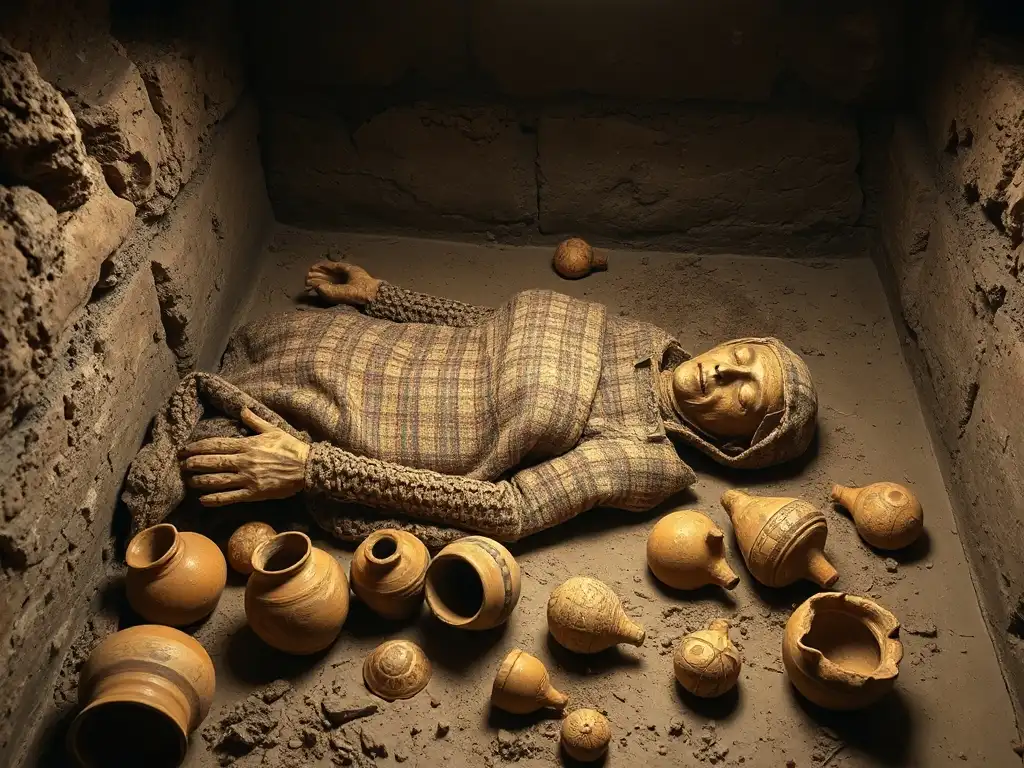
The Paracas Necropolis presents a rich and complex picture of funerary rituals and beliefs. The sheer scale of the site, with its hundreds of tombs, speaks to the significant role that death and ancestor veneration played in Paracas society. The elaborate preparation of the bodies, the rich grave goods, and the repeated access to the tombs all point to a deep-seated belief in the continued existence and importance of the deceased.
The Elaborate Paracas Necropolis Mortuary Bundles
One of the most striking features of Paracas Necropolis burials is the elaborate treatment of the bodies. The deceased were carefully prepared and wrapped in multiple layers of finely woven textiles, creating massive mortuary bundles. These bundles, sometimes weighing hundreds of pounds, were often decorated with intricate embroidery and other embellishments.
The textiles themselves are remarkable works of art, showcasing the sophisticated weaving techniques and artistic skills of the Paracas people. The creation of these bundles required significant time, effort, and skill, highlighting the importance of mortuary rituals and the value placed on the deceased. The sheer number and size of these bundles also demonstrate the considerable resources invested in the funerary process.
Textile Art and its Role in Paracas Necropolis Burials
Textile art played a central role in Paracas Necropolis burial practices. The elaborate textiles used to wrap the mummies were not merely functional; they were powerful symbols of social status, religious beliefs, and the connection between the living and the dead. The intricate designs, vibrant colors, and sophisticated weaving techniques reflect the high level of artistic skill and the importance of textile production within Paracas society.
The textiles were not just decorative; they likely held deep symbolic meaning, communicating information about the deceased's identity, social status, and relationship to the wider community. The study of these textiles offers invaluable insights into Paracas cosmology, social structures, and artistic traditions.
Cranial Modification and its Meaning in Paracas Necropolis
Cranial modification, the deliberate reshaping of the skull, was a common practice among the Paracas people, and its significance is further emphasized in the Necropolis burials. While the precise reasons for this practice remain debated, it is widely believed to have held social and/or religious significance. The degree and style of cranial modification may have indicated social status or membership in specific groups within Paracas society.
Analysis of skulls from the Necropolis reveals a variety of modification techniques, suggesting a complex system of social markers and possibly a connection to religious beliefs about identity and the afterlife. The prevalence of cranial modification within the Necropolis burials underscores its importance in Paracas culture and its role in defining social identity and status.
Comparing Paracas Cavernas and Paracas Necropolis Burial Techniques
The Paracas culture, renowned for its elaborate textile artistry and unique funerary practices, is divided into two distinct phases based on their burial sites: the Paracas Cavernas and the Paracas Necropolis. Understanding the differences in their burial techniques offers crucial insights into the evolution of Paracas society and beliefs. Paracas Cavernas, the earlier phase, saw the deceased interred in underground, often subterranean, chambers accessed through narrow shafts.
These caverns, sometimes quite extensive, served as collective tombs, housing multiple individuals. The bodies were typically bundled, often wrapped in layers of textiles, and accompanied by various grave goods. In contrast, the Paracas Necropolis, representing a later period, utilized above-ground, conical-shaped tombs.
These structures were significantly larger and more elaborate, often containing a single, exceptionally well-prepared mummy. The shift from subterranean to above-ground burial reflects a possible change in societal organization and funerary beliefs, perhaps indicating a greater emphasis on individual status during the Necropolis phase. The construction of the Necropolis tombs themselves required a significant investment of labor and resources, further suggesting a more complex social structure.
Key Differences in Paracas Burial Rituals
Significant disparities are evident in the actual burial rituals practiced during the Paracas Cavernas and Necropolis periods. In the Cavernas phase, the focus seems to have been on collective burial, with less emphasis on individual adornment or elaborate preparations. While textiles were used extensively, the complexity and artistry often found in Necropolis burials are less common.
The mummies from Cavernas are typically less elaborately prepared, with fewer artifacts included in the burial. The Necropolis phase, however, reveals a meticulous attention to detail in the preparation of the deceased. Bodies were meticulously mummified, often undergoing cranial deformation and trepanation, a surgical procedure involving drilling holes into the skull.
They were then wrapped in layers upon layers of exquisitely crafted textiles, often adorned with intricate embroidery and designs. The inclusion of a wide array of grave goods, including ceramics, gold ornaments, and other precious artifacts, points to a significant investment in the funerary rites. The difference highlights a shift from a community-focused approach to a more individualized and status-oriented burial practice.
Material Culture: Contrasting Artifacts from Both Periods
The artifacts accompanying the deceased in Paracas Cavernas and Necropolis burials offer further insight into the distinct cultural practices of each phase. Paracas Cavernas burials typically include simpler ceramic vessels, often utilitarian in nature, alongside woven textiles and other basic tools. The textiles, while impressive, tend to be less elaborate than those found in the Necropolis. In contrast, the Necropolis yields a wealth of highly sophisticated artifacts.
Elaborate textiles, including the famous Paracas mantles, are frequently found, showcasing an unparalleled level of craftsmanship. Gold and silver ornaments, intricate pottery, and other luxury items were regularly included, reflecting the high social status of the individuals interred. The difference in the quality and quantity of grave goods underscores the increasing social stratification and the growing importance of individual status during the Necropolis period. This disparity in material culture provides strong evidence of significant social and economic changes within the Paracas society.
Social Hierarchies Reflected in Burial Practices
The contrasting burial practices of the Paracas Cavernas and Necropolis offer compelling evidence of evolving social hierarchies. The collective burials of the Cavernas phase suggest a more egalitarian society, or at least one where individual status was less prominently displayed in death. While some variation in grave goods might exist, the overall impression is one of relatively less pronounced social stratification.
However, the transition to the Necropolis marks a significant shift. The elaborate individual tombs, the meticulous mummification processes, and the inclusion of lavish grave goods clearly indicate a more hierarchical society with a distinct elite class.
The sheer scale and complexity of Necropolis burials suggest a concentration of wealth and power in the hands of a few, a stark contrast to the seemingly more egalitarian practices of the Cavernas phase. This change reflects a growing complexity within Paracas society, potentially linked to factors like increased agricultural productivity or trade networks.
The Legacy of Paracas Burial Practices
The Paracas burial practices, particularly those of the Necropolis phase, had a profound and lasting impact on subsequent Andean cultures. The sophisticated mummification techniques, the use of elaborate textiles, and the inclusion of diverse grave goods all influenced later traditions. The meticulous attention to detail evident in the preparation of the deceased and the artistry of the textiles demonstrates a high level of cultural sophistication.
This legacy is visible in the burial practices of later cultures, such as the Nazca and Inca, who adopted and adapted various aspects of Paracas funerary traditions. The unique techniques and aesthetic sensibilities of the Paracas culture left an enduring mark on the Andean funerary landscape.
The Influence of Paracas Funeral Traditions on Later Andean Cultures
The influence of Paracas funerary traditions can be traced in the burial practices of later Andean cultures, particularly along the southern coast of Peru. The Nazca culture, for example, adopted many aspects of Paracas mummification techniques, although they developed their own unique stylistic elements. The intricate textiles and elaborate grave goods found in Nazca burials reflect the continuing legacy of Paracas artistry and the importance placed on the afterlife.
Even the Inca, who emerged centuries later, incorporated certain aspects of Paracas funerary traditions into their own practices. While the Inca developed a distinct imperial style, certain elements of the earlier traditions, particularly the use of textiles and the emphasis on ritual offerings, persisted. This continuity demonstrates the enduring influence of Paracas culture on the development of Andean funerary traditions.
Archaeological Insights into Paracas Mortuary Rites
Archaeological excavations of Paracas Cavernas and Necropolis sites continue to provide valuable insights into the mortuary rites of this remarkable culture. The careful analysis of the skeletal remains, grave goods, and the context of the burials allows researchers to reconstruct aspects of Paracas social organization, beliefs about the afterlife, and technological capabilities. The discovery of new sites and the application of advanced scientific techniques, such as DNA analysis and radiocarbon dating, are constantly refining our understanding of these complex funerary practices.
The ongoing research reveals the remarkable sophistication of Paracas mortuary rituals and their lasting impact on subsequent Andean civilizations. Ongoing research continues to uncover new details about the Paracas people and their unique burial practices.
Preserving the Heritage of Paracas Necropolis and Cavernas
The preservation of the Paracas Necropolis and Cavernas sites is of paramount importance for understanding the rich history and cultural heritage of Peru. These sites are fragile and vulnerable to the elements and human activity, requiring careful conservation efforts. Protecting these invaluable archaeological resources ensures that future generations can appreciate the significance of Paracas culture and learn from its unique burial practices.
These sites are not only important for understanding the Paracas culture itself, but also for understanding the broader development of Andean civilizations. Continued research and preservation efforts are crucial to safeguarding this invaluable legacy for years to come. Protecting these sites is crucial for understanding the broader context of Andean history and culture.
- Introduction to Paracas Culture Burial Traditions
- Paracas Cavernas: Early Burial Practices
- Transition to Paracas Necropolis: A Shift in Burial Customs
- Detailed Analysis of Paracas Necropolis Burial Practices
- Comparing Paracas Cavernas and Paracas Necropolis Burial Techniques
- The Legacy of Paracas Burial Practices
- What is the difference between the Paracas Cavernas and the Paracas Necropolis?
- What are the key features of Paracas Necropolis burial practices?
- What kind of textiles are associated with Paracas Necropolis burials?
- What can the grave goods from the Necropolis tell us about Paracas society?
- How do the burial practices of the Paracas Necropolis compare to other Andean cultures?
Frequently Asked Questions
What is the difference between the Paracas Cavernas and the Paracas Necropolis?
The Paracas Cavernas represent an earlier phase of burial, characterized by simpler tombs and individual burials. The Paracas Necropolis, a later phase, features elaborate collective tombs containing multiple mummies and rich grave goods.
What are the key features of Paracas Necropolis burial practices?
The Necropolis is renowned for its large, subterranean tombs containing numerous mummies wrapped in intricate textiles. These burials also included a wide array of grave goods, reflecting the social status of the deceased.
What kind of textiles are associated with Paracas Necropolis burials?
The mummies are famously wrapped in incredibly detailed and colorful textiles, showcasing advanced weaving techniques. These textiles are considered some of the finest examples of pre-Columbian textile art.
What can the grave goods from the Necropolis tell us about Paracas society?
The variety and quantity of grave goods provide insights into the social hierarchy and beliefs of the Paracas culture. Items like pottery, tools, and ornaments indicate wealth, status, and ritual practices.
How do the burial practices of the Paracas Necropolis compare to other Andean cultures?
While sharing some similarities with other Andean cultures, the scale and complexity of the Paracas Necropolis burials are unique. The elaborate mummification techniques and rich grave goods distinguish them from many contemporary societies.
Final Reflection: Unearthing the Legacy of Paracas Burial Practices
The intricate burial rituals of the Paracas culture, as evidenced by the stark differences between the Cavernas and Necropolis sites, offer a powerful lens through which to understand not only their past but also our enduring fascination with death and remembrance. The meticulous preservation of bodies and grave goods within these vastly different contexts speaks volumes about the evolving social structures and beliefs of this remarkable civilization. Their legacy continues to resonate today, prompting ongoing archaeological investigation and inspiring a deeper understanding of human history.
The contrast between the individualistic, often elaborate, burials of the Cavernas and the mass graves of the Necropolis highlights a significant shift in Paracas society, perhaps reflecting changes in social organization, resource availability, or even religious beliefs. The dead are never truly gone as long as they are remembered.
This sentiment perfectly encapsulates the enduring impact of the Paracas people, whose careful burial practices ensured their ancestors remained a vital part of their living culture for centuries. Their methods of preservation and the artifacts left behind continue to fascinate and inspire awe, prompting new questions and interpretations with each new discovery.
Consider the implications of these distinct burial phases. What can we learn from the choices made by the Paracas people about their values, their beliefs about the afterlife, and the importance of community? You, the reader, are now invited to reflect on the power of remembrance and the enduring legacy of cultures past.
By understanding the Paracas' meticulous burial practices, we gain a deeper appreciation for the richness and complexity of human history and the enduring human need to honor and remember those who came before us. Let the mysteries of the Paracas Cavernas and Necropolis inspire you to explore your own connection to the past and the importance of preserving our shared heritage.
Explore the Mysteries of Paracas!
Thank you for joining us on this journey into the fascinating world of the Paracas culture, specifically its unique burial practices as evidenced by the Paracas Cavernas and Paracas Necropolis. Now let's build upon that knowledge and further explore this rich heritage.
Here are some ways you can deepen your understanding:
- Visit a local museum showcasing pre-Columbian artifacts to see how the legacy of the Paracas people is preserved and celebrated in your community.
- Connect with other enthusiasts by joining an online forum or community group dedicated to Andean civilizations. Share your discoveries and engage in stimulating discussions.
- Consider a trip to the Paracas region of Peru to experience this history firsthand. Explore the burial sites and see what secrets you can uncover for yourself!
What aspect of Paracas culture captivates you most: its intricate artistry, the scientific understanding of its practices, or the spiritual beliefs surrounding its burial rituals?