
Andean Water Quality Control: Ensuring Safe Irrigation Practices

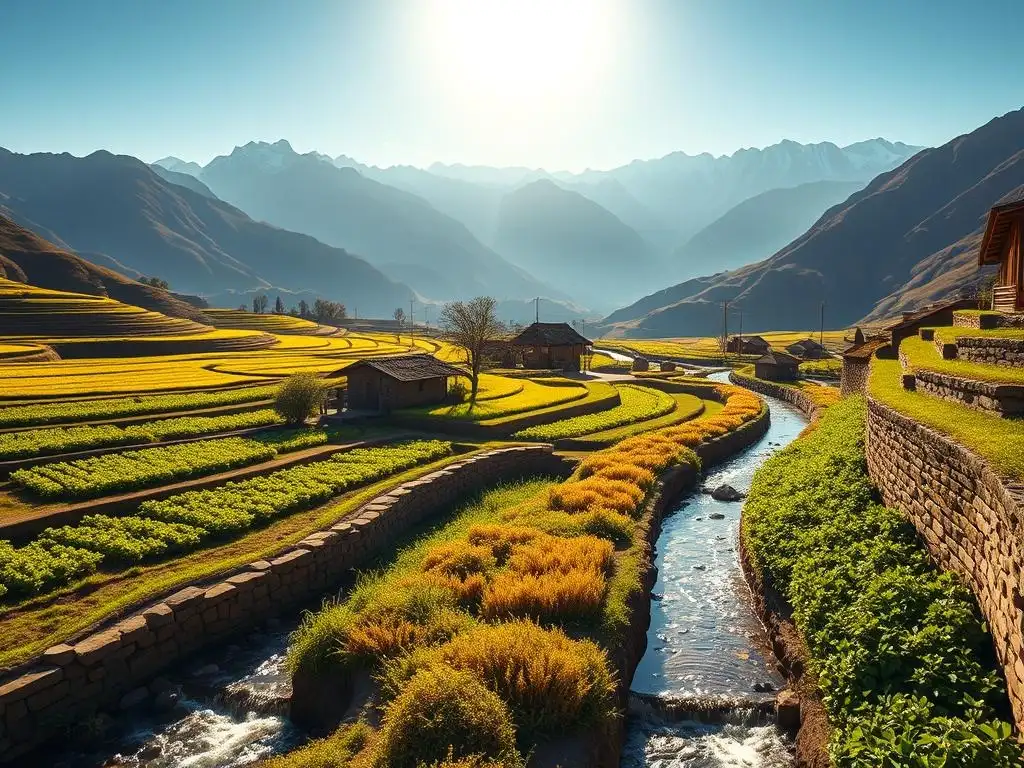
Step into a world lost to time, yet echoing with innovation: the breathtaking Andean civilizations. For centuries, these masterful societies thrived, leaving behind a legacy of stunning architecture and intricate social structures. But what secrets lie beneath the surface? Discover the ingenious Andean irrigation systems and the crucial role they played in shaping their success – and learn how they ensured the water quality that sustained their empires. Unravel the mysteries of their remarkable engineering prowess and prepare to be amazed.
The Andes Mountains, a spine of towering peaks running down the western coast of South America, are home to a rich tapestry of ancient civilizations whose ingenuity and resilience are reflected in their remarkable achievements in agriculture and water management. This article delves into the crucial aspect of water quality control within the sophisticated irrigation systems developed by Andean cultures, exploring the techniques employed to ensure safe and productive agricultural practices.
Understanding these methods offers valuable insights into the sustainable approaches employed by these societies and provides a framework for considering modern challenges in water resource management, particularly in regions facing similar environmental constraints. The effective management of water quality was, and remains, paramount to the success of Andean agriculture, impacting not only crop yields but also the overall health and well-being of the population.
We will examine specific examples from various Andean cultures, highlighting the diverse strategies implemented to ensure the quality of their irrigation water. This exploration will focus on the interplay between technological innovation, environmental understanding, and social organization in maintaining clean and reliable water sources for agriculture.
Challenges Posed by Andean Terrain and Climate
The Andean region presents unique challenges for irrigation, primarily due to its varied and often extreme topography and climate. Steep slopes, high altitudes, and unpredictable rainfall patterns necessitated the development of intricate water management systems. The quality of water sources, ranging from glacial meltwater to river runoff, could vary significantly depending on location and season.
Sedimentation, mineral content, and the presence of pathogens were all potential contaminants that could impact agricultural productivity and public health. Andean engineers had to contend with these variables, designing systems that not only transported water efficiently but also filtered and treated it to ensure its suitability for irrigation.
This required a deep understanding of local hydrology and a keen awareness of the potential risks associated with using untreated water. For instance, the presence of heavy metals in certain water sources required innovative filtration techniques, while the risk of waterborne diseases necessitated careful consideration of storage and distribution methods.
Ingenious Techniques for Water Purification and Filtration
Ancient Andean civilizations employed a range of ingenious techniques to purify and filter irrigation water. These methods were often adapted to the specific local conditions and the available resources. Evidence suggests the use of simple filtration systems, such as layers of gravel and sand, to remove sediment and larger particles. Furthermore, the strategic placement of canals and reservoirs allowed for natural sedimentation and the settling of impurities.
Some cultures may have also employed rudimentary forms of chemical treatment, using natural materials to neutralize harmful substances or alter the water's pH. The precise details of these techniques often remain unclear due to limited archaeological evidence, but the effectiveness of the overall irrigation systems speaks volumes about the sophisticated understanding of water purification principles that these societies possessed. Ethnobotanical studies and ongoing archaeological research continue to uncover further details about these practices.
The success of Andean irrigation systems was not solely dependent on technological innovation; it was also intricately linked to robust social structures and organizational frameworks. Water rights, allocation, and maintenance were often governed by complex social hierarchies and community-based agreements. This ensured equitable access to water resources and promoted collaborative efforts in maintaining the integrity of irrigation canals and reservoirs.
The collective responsibility for water management fostered a sense of shared ownership and encouraged sustainable practices. This social dimension played a crucial role in ensuring the long-term viability of these systems, highlighting the importance of integrating social and environmental considerations in water resource management. The penalties for misuse or damage to the irrigation infrastructure often reinforced the communal approach to water conservation.
Long-Term Sustainability and Lessons for Today
The impressive longevity of many Andean irrigation systems speaks to the effectiveness of their water quality control strategies. These systems demonstrate the potential for sustainable water management even in challenging environments. By studying the principles behind their success, we can glean valuable lessons for contemporary water resource management.
The emphasis on local knowledge, integrated approaches, and community participation offers a powerful model for addressing the challenges of water scarcity and pollution in the modern world. The Andean experience underscores the importance of combining technological innovation with social responsibility to ensure the sustainable use of water resources for generations to come. The integration of traditional knowledge with modern scientific understanding can help create more resilient and equitable water management systems in regions facing similar environmental constraints.
- Challenges Posed by Andean Terrain and Climate
- Ingenious Techniques for Water Purification and Filtration
- The Role of Social Organization in Water Management
- Long-Term Sustainability and Lessons for Today
- How did Andean civilizations manage water quality for irrigation?
- What were the challenges to maintaining water quality in Andean irrigation systems?
- What role did elevation play in Andean irrigation water quality?
- How did the Incas specifically address water quality in their irrigation systems?
- What impact did Andean irrigation systems have on the overall health of the population?
The Importance of Water Quality in Ancient Andean Irrigation
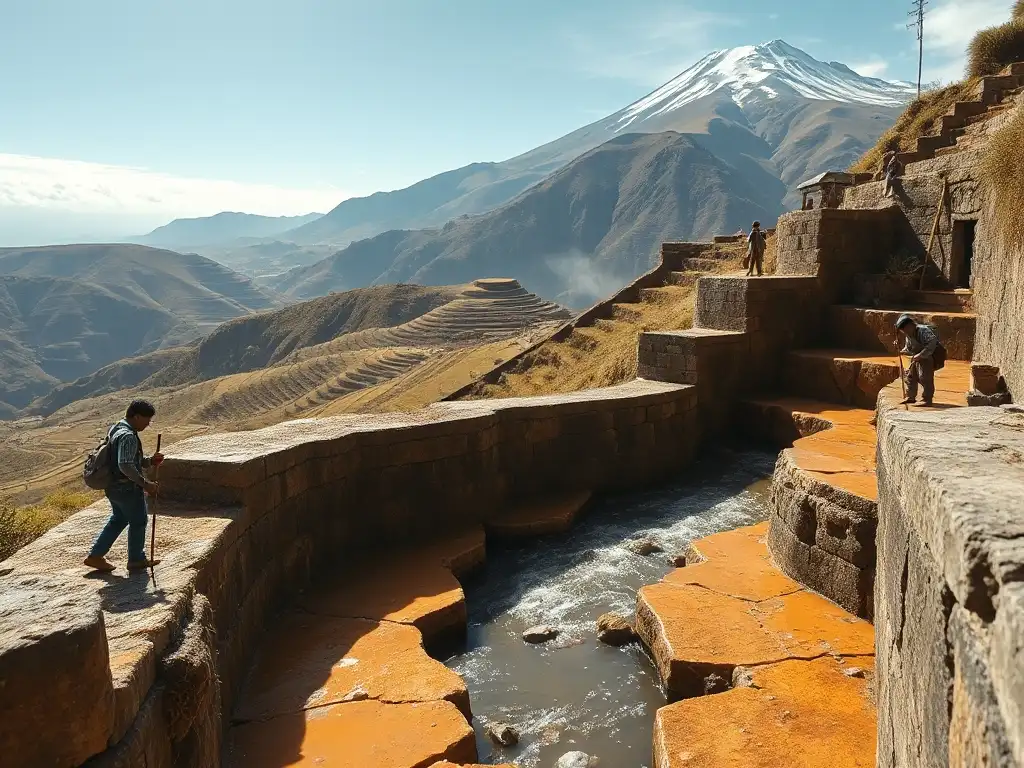
Maintaining adequate water quality was paramount for the success of Andean irrigation systems, directly impacting the agricultural productivity and, consequently, the survival and prosperity of these civilizations. The Andean region's unique geography, characterized by high altitudes, steep slopes, and variable rainfall, presented significant challenges to water management. Understanding the intricate relationship between water quality, agricultural yields, and societal stability is crucial to appreciating the ingenuity and sophistication of Andean water control techniques. The quality of irrigation water directly affected crop health, influencing food security and social stability.
Contaminated water could lead to crop failure, disease, and even societal unrest. Therefore, strategies to ensure safe irrigation were not merely technical feats, but fundamental aspects of Andean societal organization and survival. The impact of poor water quality extended beyond agriculture, affecting drinking water sources and overall public health.
Understanding the Significance of Water for Andean Civilizations
Water was far more than a mere resource for the Andean civilizations; it was a lifeblood, deeply intertwined with their spiritual beliefs, social structures, and economic prosperity. Their agricultural practices, largely dependent on irrigation, were intricately linked to their understanding of the hydrological cycle and the management of water resources. Many Andean cultures revered water as a sacred element, often associating it with deities and incorporating it into elaborate religious ceremonies.
For instance, the Inca civilization considered water to be a gift from the gods, and its proper management was a crucial aspect of their religious practices. This reverence translated into a meticulous approach to water conservation and distribution, ensuring equitable access and minimizing waste.
The Inca's sophisticated canal systems, for example, exemplified their advanced understanding of hydraulic engineering and their respect for the vital role of water in their society. The intricate network of canals not only facilitated irrigation but also underscored the societal importance placed upon water allocation and maintenance.
Historical Challenges of Water Management in the Andes
The Andes presented several unique challenges to water management. The high altitude resulted in intense solar radiation, leading to significant evaporation losses from open canals. The steep slopes increased the risk of erosion and sedimentation, potentially clogging canals and reducing their efficiency. Seasonal variations in rainfall, ranging from prolonged droughts to intense floods, further complicated irrigation efforts.
These varied conditions necessitated the development of sophisticated techniques for water storage, canal construction, and water distribution. The variability in water quality itself posed a significant challenge. Depending on the source (e.g., glacial meltwater, rivers, springs), water could contain varying levels of salinity, minerals, and potentially harmful pathogens. Andean engineers developed ingenious solutions to address these challenges, including the construction of reservoirs, terraced fields, and sophisticated canal systems designed to minimize evaporation and sedimentation.
Evidence suggests that they also employed various filtration techniques to improve water quality, although the specifics of these techniques often remain unclear and require further research. The successful navigation of these challenges highlights the remarkable adaptability and engineering prowess of the Andean civilizations. Their innovative solutions remain a testament to their deep understanding of their environment and their commitment to sustainable water management practices.
Water Sources and Their Impact on Andean Agriculture
This section delves into the crucial role of water sources in shaping Andean agricultural practices and the subsequent impact on the quality of irrigation water. Understanding these sources is paramount to comprehending the challenges and innovations employed by Andean civilizations in managing their water resources. Effective water management was, and continues to be, essential for the survival and prosperity of Andean communities. The availability and quality of water directly influenced crop yields, settlement patterns, and the overall societal structure. Analyzing the diverse sources and their inherent qualities provides crucial insight into the ingenuity and resilience of Andean agricultural systems.
Identifying Primary Water Sources for Irrigation
Andean irrigation systems relied heavily on a variety of water sources, each presenting unique challenges and opportunities concerning water quality for "Andean irrigation systems water quality". The most common sources included:
- Glacial Meltwater: This provided a consistent, albeit seasonal, supply of relatively pure water. However, glacial meltwater can carry sediment, influencing its turbidity and potentially affecting crop growth. The rate of glacial melt is also affected by climate change, posing a significant long-term threat to water security in the Andes.
- Rivers and Streams: These were vital sources, particularly in lower elevations. River water quality varied significantly depending on the location and season. Upstream activities, such as mining or deforestation, could dramatically impact water quality, introducing pollutants and altering flow patterns.
- Springs and Aquifers: These provided access to groundwater, often characterized by higher levels of dissolved minerals. While generally cleaner than surface water, springs and aquifers could still contain naturally occurring contaminants that needed to be considered for optimal irrigation.
- Reservoirs and Canals: Artificial water storage and distribution systems, like those constructed by the Inca, played a crucial role in managing water supply and distribution. The construction and maintenance of these systems were critical for ensuring the quality of water reaching agricultural fields. However, poorly maintained reservoirs could become breeding grounds for pathogens.
Natural Factors Affecting Water Quality in the Andes
The unique geography and climate of the Andes significantly impact water quality. Several natural factors contribute to variability:
- Altitude: Higher altitudes generally result in colder temperatures, which can affect the rate of microbial growth. However, glacial melt at high altitudes can introduce sediment and potentially heavy metals into water sources.
- Rainfall Patterns: Highly variable rainfall patterns throughout the Andes create periods of both abundance and scarcity. During periods of drought, water sources can become concentrated, leading to higher levels of salinity and other dissolved substances. Conversely, heavy rainfall can lead to increased erosion and sediment runoff.
- Geological Composition: The diverse geology of the Andes influences the mineral content of water sources. Certain rock formations can release minerals like arsenic or fluoride into water, necessitating careful monitoring and management. This is particularly relevant to the understanding of "Andean irrigation systems water quality".
- Erosion and Sedimentation: Steep slopes and intense rainfall contribute to significant erosion, resulting in high sediment loads in rivers and streams. This sediment can clog irrigation canals and reduce water quality, affecting crop yields.
Potential Contaminants in Andean Water Sources
Several potential contaminants can affect the quality of Andean water sources, posing risks to both human health and agricultural productivity:
| Contaminant Type | Source | Impact on Irrigation & Health | Mitigation Strategies |
|---|---|---|---|
| Pathogens (bacteria, viruses) | Animal waste, human waste, untreated sewage | Disease outbreaks, crop damage | Proper sanitation, water treatment |
| Heavy Metals (arsenic, mercury) | Mining activities, geological deposits | Toxicity to plants & humans, soil contamination | Water testing, remediation, alternative water sources |
| Pesticides & Herbicides | Agricultural runoff | Harm to beneficial organisms, water pollution | Integrated pest management, buffer zones |
| Salinity | Evaporation, geological sources | Reduced crop yields, soil salinization | Improved irrigation techniques, drainage systems |
| Sediment | Erosion, landslides | Clogged canals, reduced water clarity | Soil conservation practices, reservoir management |
Understanding these potential contaminants and implementing appropriate mitigation strategies is crucial for ensuring the long-term sustainability of Andean agriculture and protecting the health of Andean communities. The effective management of "Andean irrigation systems water quality" remains a vital aspect of preserving the rich agricultural heritage of the region.
Traditional Andean Methods for Water Purification

Andean civilizations, renowned for their sophisticated engineering feats, developed ingenious methods for ensuring the quality of their irrigation water. Their approaches, often intertwined with deep ecological understanding, prioritized sustainable water management and minimized the risks associated with waterborne illnesses. The focus wasn't solely on achieving perfectly pure water in the modern sense, but rather on creating a system that balanced water availability with its suitability for agriculture and human consumption. This holistic approach is a crucial aspect of understanding Andean irrigation systems water quality.
Ancient Techniques for Sediment Removal
Sediment removal was a primary concern for Andean farmers. The mountainous terrain often meant that irrigation channels carried significant amounts of silt and debris. To address this, they employed a variety of techniques, many of which are still in use today. These include:
- Sedimentation basins: These were strategically placed along the irrigation channels, allowing heavier sediment to settle out before the water reached the fields. The design and size of these basins varied depending on the topography and the volume of water flow. Larger systems might incorporate a series of basins in cascade, progressively refining the water quality.
- Channel design: The careful construction of irrigation channels played a vital role. Channels were often built with gentle slopes and curves to minimize erosion and sediment transport. The use of natural materials, such as stone and clay, also helped to stabilize the channel walls and reduce sediment buildup.
- Regular maintenance: Consistent cleaning of channels was essential. Farmers regularly removed accumulated sediment, ensuring the efficient flow of water and maintaining water quality. This was a communal effort, reflecting the importance of shared water resources in Andean communities. The frequency of cleaning varied depending on seasonal rainfall and the specific characteristics of the channel.
The effectiveness of these methods depended heavily on the understanding of local hydrology and the careful observation of water flow patterns. Detailed knowledge of the landscape and its seasonal variations was crucial for successful sediment management.
Biological Methods of Water Treatment in Andean Farming
Beyond physical methods, Andean farmers also utilized biological processes to improve water quality. While not always explicitly understood in terms of modern microbiology, their practices effectively reduced harmful microorganisms and enhanced water suitability. This highlights the sophisticated, albeit empirically derived, understanding of Andean irrigation systems water quality. Examples include:
- Use of natural filtration: The incorporation of natural materials like gravel, sand, and charcoal into irrigation systems acted as rudimentary filters, removing suspended particles and some microorganisms. This was often combined with the use of sedimentation basins to create a multi-stage purification process.
- Plant-based water treatment: Certain plants were strategically planted near irrigation channels or within water storage areas. These plants, through their root systems and interactions with soil microbes, contributed to the natural purification of the water. Further research is needed to fully identify the specific plant species and mechanisms involved. [Specific plant species and mechanisms pending].
- Sun exposure: The practice of allowing water to sit in open channels or reservoirs exposed to sunlight facilitated natural disinfection through ultraviolet radiation. This simple yet effective method helped to reduce the presence of harmful bacteria and viruses.
These biological methods, combined with the physical techniques described above, created a robust and sustainable system for water purification, demonstrating a deep understanding of the interplay between water, soil, and living organisms.
The Role of Terracing in Improving Water Quality
Terracing, a hallmark of Andean agricultural engineering, significantly impacted water quality in several ways. The creation of level platforms on steep slopes not only prevented soil erosion but also influenced the flow and distribution of irrigation water.
- Reduced erosion and sediment: Terraces dramatically reduced soil erosion, minimizing the amount of sediment entering irrigation channels. This resulted in cleaner water and improved irrigation efficiency. The design and construction of terraces, with their carefully engineered walls and channels, prevented runoff and controlled water flow.
- Improved water infiltration: The terraced landscape promoted better water infiltration into the soil, reducing runoff and minimizing the risk of water contamination from surface pollutants. The level platforms allowed for more effective absorption of water, leading to healthier soil and less polluted water.
- Controlled water distribution: Terraces facilitated a more controlled and even distribution of irrigation water across the agricultural fields. This precise water management minimized water waste and ensured adequate water supply for crops, reducing the risk of waterlogging and associated water quality issues.
The integration of terracing into the broader Andean irrigation system showcases a sophisticated understanding of water management and its impact on both agricultural productivity and water quality. The long-term sustainability of Andean agriculture was intrinsically linked to the careful design and maintenance of these terraced landscapes. This holistic approach further underscores the sophistication of Andean irrigation systems water quality management.
Modern Challenges to Andean Irrigation Water Quality
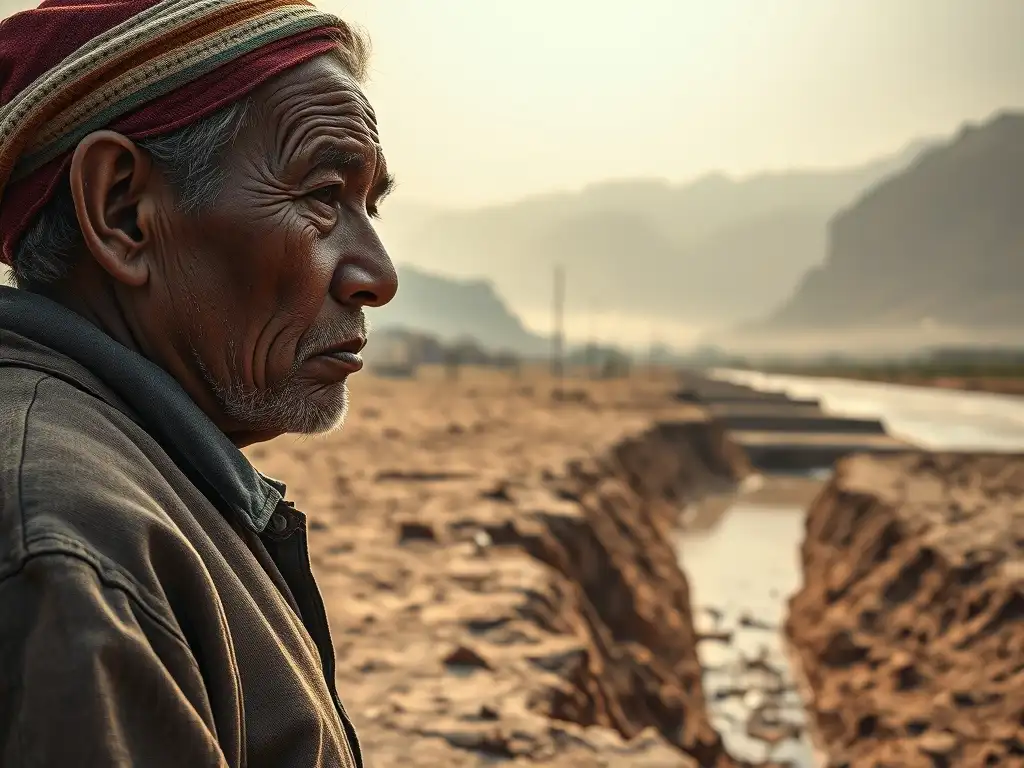
The remarkable ingenuity of Andean irrigation systems, developed over millennia, now faces unprecedented challenges in maintaining water quality crucial for agriculture and human health. While ancient techniques demonstrated a sophisticated understanding of water management, modern pressures are significantly impacting the sustainability of these vital resources. Understanding these challenges is key to developing effective strategies for preserving Andean water resources for future generations. The keyword "Andean irrigation systems water quality" is central to this discussion, as we explore the multifaceted threats to this delicate balance.
Impact of Modern Agriculture on Water Sources
Intensive modern agricultural practices pose a significant threat to Andean irrigation water quality. The increased use of fertilizers, pesticides, and herbicides, while boosting crop yields, introduces a cocktail of potentially harmful chemicals into water sources. Runoff from agricultural fields carries these contaminants into irrigation canals and rivers, impacting water quality downstream. For example, nitrate contamination from excessive fertilizer use is a growing concern in many Andean regions, exceeding safe drinking water limits and posing risks to human health. Furthermore, the widespread adoption of monoculture farming reduces biodiversity, weakening the natural resilience of ecosystems to pollution.
The scale of this problem is difficult to quantify precisely due to a lack of comprehensive, region-wide monitoring data. However, anecdotal evidence from local communities and scattered scientific studies point towards a worrying trend. [Specific data on nitrate contamination levels in various Andean regions pending]. Improved monitoring and data collection are crucial to fully understand the extent of this agricultural impact on "Andean irrigation systems water quality". A shift towards sustainable agricultural practices, including organic farming, integrated pest management, and crop rotation, is essential to mitigate this threat.
Industrial and Mining Activities and Water Contamination
Industrial and mining activities represent another significant source of water pollution affecting Andean irrigation systems. Mining operations, in particular, often release heavy metals and other toxic substances into water bodies. These contaminants can persist in the environment for extended periods, accumulating in sediments and entering the food chain. The impact on human health can be severe, ranging from chronic illnesses to acute poisoning. Industrial wastewater, lacking proper treatment, further exacerbates the problem, introducing a range of pollutants into already stressed water resources.
For instance, the mining of copper and other metals in the Andes has been linked to significant water contamination incidents. [Specific examples of mining-related water contamination incidents in the Andes pending]. Effective regulation and enforcement of environmental standards are crucial to minimize the impact of these activities on "Andean irrigation systems water quality". This includes implementing stringent water treatment protocols for industrial and mining wastewater, alongside the development of sustainable mining practices that prioritize environmental protection. This requires collaborative efforts between governments, industries, and local communities.
Climate Change and its Affect on Water Availability and Quality
Climate change presents a multifaceted threat to Andean irrigation systems, impacting both water availability and quality. Changes in precipitation patterns, including increased frequency and intensity of droughts and floods, disrupt the delicate balance of water resources. Droughts lead to water scarcity, forcing farmers to over-extract water from dwindling sources, potentially worsening water quality through increased concentration of pollutants. Floods, on the other hand, can cause erosion and sedimentation, contaminating water with soil and debris, impacting its potability and suitability for irrigation.
Furthermore, the increased frequency of extreme weather events can also damage irrigation infrastructure, further compromising water management. [Specific data on the impact of climate change on Andean water resources pending]. Adapting to these challenges requires a multi-pronged approach, including investments in resilient infrastructure, improved water storage and management techniques, and the promotion of drought-resistant crops. Addressing the effects of climate change on "Andean irrigation systems water quality" is crucial for ensuring the long-term sustainability of these vital systems. The integration of climate change projections into water management planning is essential for proactive mitigation.
Contemporary Water Quality Control Methods in the Andes
The Andes Mountains, a region renowned for its breathtaking landscapes and rich history of sophisticated irrigation systems, face modern challenges in maintaining water quality crucial for agriculture and human consumption. Understanding and implementing effective water quality control methods is paramount to ensuring the sustainability of Andean agricultural practices and the well-being of communities reliant on these ancient yet vital systems.
This section explores contemporary approaches to safeguarding Andean water resources, focusing on practical implementations and community involvement. The keyword phrase "Andean irrigation systems water quality" is central to this discussion, highlighting the interconnectedness of effective irrigation and clean water sources.
Implementation of Water Testing and Monitoring Programs
Effective water quality control begins with robust monitoring. This involves the systematic collection and analysis of water samples from various points within the irrigation systems. These programs should ideally incorporate:
- Regular Sampling: Samples should be taken at regular intervals (e.g., weekly, monthly) to track changes in water quality over time. Frequency will depend on factors like rainfall patterns, agricultural activity, and potential pollution sources.
- Multiple Sampling Locations: Sampling should not be limited to a single point. Multiple locations along canals, reservoirs, and at points of water distribution are crucial to identify localized contamination.
- Comprehensive Testing: Testing should encompass a range of parameters relevant to agricultural use and human health, including:
- pH levels: Indicative of soil acidity and nutrient availability.
- Turbidity: Measures water clarity and sediment load.
- Dissolved Oxygen (DO): Essential for aquatic life and decomposition processes.
- Nutrient levels (nitrates, phosphates): Excess nutrients can lead to eutrophication.
- Heavy metal concentrations (e.g., arsenic, lead): Harmful to human and environmental health.
- Pathogen presence (bacteria, viruses): Indicators of fecal contamination.
Data obtained from these tests should be meticulously recorded and analyzed to identify trends, pinpoint pollution sources, and inform targeted interventions. The use of Geographic Information Systems (GIS) can significantly improve the efficiency and analysis of this data, allowing for spatial mapping of water quality parameters. This allows for a more precise understanding of the spread of contamination and the effectiveness of implemented solutions.
Sustainable Water Management Practices
Sustainable water management practices are critical for long-term water quality preservation. These practices go beyond simply testing water; they address the root causes of contamination and promote responsible water use. Key strategies include:
- Improved irrigation techniques: Switching from flood irrigation to more efficient methods like drip or sprinkler irrigation minimizes water waste and reduces the risk of runoff carrying pollutants into water sources.
- Integrated pest management: Reducing reliance on chemical pesticides minimizes pesticide runoff into irrigation channels. This approach promotes environmentally friendly pest control methods, benefiting both water quality and the environment.
- Watershed management: Protecting the entire watershed from deforestation and soil erosion is crucial. Healthy watersheds naturally filter water, reducing sediment and pollutant loads.
- Reforestation and afforestation: Planting trees along watercourses helps stabilize soil, reduces erosion, and shades water bodies, improving water temperature and oxygen levels.
- Wastewater treatment: Proper treatment of domestic and agricultural wastewater is essential to prevent the introduction of pollutants into irrigation systems. This can involve the construction of simple, community-based treatment systems.
Implementing these practices requires collaborative efforts between government agencies, agricultural communities, and researchers. Education and training programs are vital in disseminating knowledge and fostering a culture of sustainable water management.
Community-Based Water Quality Initiatives
Engaging local communities is crucial for the success of any water quality initiative. Community-based approaches empower local stakeholders, fostering ownership and long-term sustainability. Successful initiatives often involve:
- Participatory monitoring: Training community members to conduct basic water quality tests and monitor their local water sources. This hands-on approach increases awareness and allows for early detection of problems.
- Collective action: Establishing community-based organizations to address water quality challenges collaboratively. This shared responsibility fosters a sense of collective ownership and facilitates problem-solving.
- Traditional knowledge integration: Incorporating traditional ecological knowledge (TEK) into modern water management strategies. Indigenous communities often possess valuable insights into local water resources and sustainable practices.
- Capacity building: Providing training and resources to community members on sustainable water management techniques and water quality monitoring. This empowers communities to manage their resources effectively.
The success of community-based initiatives hinges on building trust, fostering open communication, and ensuring equitable access to resources and information. By empowering local communities, we can ensure the long-term sustainability of Andean irrigation systems and the preservation of water quality for generations to come. This collaborative approach is key to achieving lasting improvements in "Andean irrigation systems water quality."
Ensuring Safe Irrigation Practices for Andean Agriculture
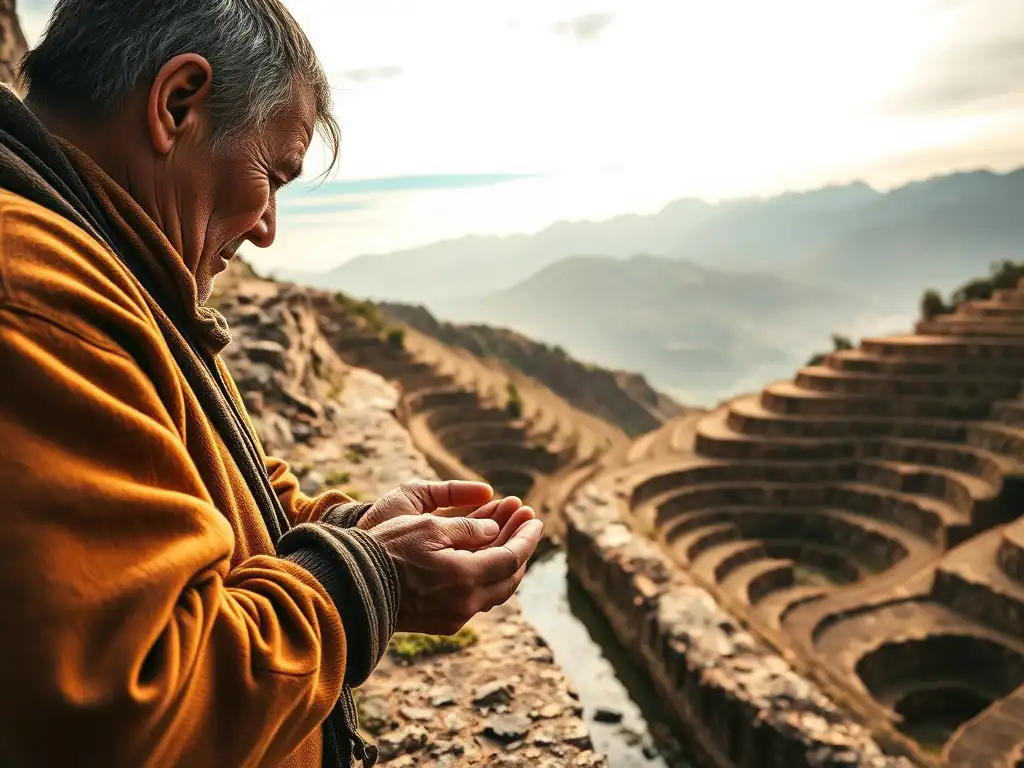
This section delves into the crucial aspects of maintaining safe and effective irrigation practices within the context of Andean agriculture. The unique challenges presented by the Andean landscape, including high altitudes, diverse climates, and varied soil types, necessitate a nuanced approach to water management that prioritizes both crop yield and environmental sustainability. Understanding and implementing best practices is vital for the long-term health of Andean agricultural systems and the communities that depend on them.
The focus here is on ensuring water quality plays a central role in securing food security and promoting the sustainable development of Andean agriculture. This involves a holistic approach encompassing water quality monitoring, soil health, and the careful selection and implementation of irrigation techniques. Our exploration of "Andean irrigation systems water quality" will highlight the critical connection between these elements.
The Importance of Water Quality for Crop Health
The quality of irrigation water directly impacts the health and productivity of Andean crops. Contaminated water can introduce a range of pathogens, salts, and heavy metals into the soil, negatively affecting plant growth and potentially rendering produce unsafe for consumption. For instance, high salinity levels in irrigation water can lead to osmotic stress in plants, hindering nutrient uptake and reducing yields. Similarly, the presence of heavy metals like arsenic or cadmium can accumulate in plant tissues, posing serious health risks to consumers.
Several factors contribute to water quality degradation in Andean irrigation systems. These include:
- Erosion: Soil erosion from improperly managed slopes can introduce sediment and pollutants into water sources.
- Agricultural Runoff: The use of chemical fertilizers and pesticides can contaminate water used for irrigation.
- Mining Activities: Mining operations, particularly those employing outdated techniques, can release heavy metals and other toxic substances into water bodies.
- Wastewater Discharge: Untreated wastewater from urban areas can introduce pathogens and pollutants into irrigation water sources.
Maintaining optimal water quality requires regular monitoring and testing. Analysis should focus on parameters like pH, electrical conductivity (EC), salinity, nutrient levels (nitrogen, phosphorus, potassium), and the presence of heavy metals and pathogens. This data informs informed decision-making regarding irrigation practices and the implementation of remedial measures. The health of Andean crops is intricately linked to the quality of the water they receive – a crucial element in "Andean irrigation systems water quality".
Preventing Soil Contamination Through Water Management
Effective water management is paramount in preventing soil contamination and maintaining the long-term productivity of Andean agricultural lands. This requires a multi-faceted approach that integrates various strategies:
- Careful Site Selection: Choosing irrigation sites that minimize the risk of contamination from external sources is crucial. This includes avoiding areas prone to erosion, close proximity to mining operations, or downstream from wastewater discharge points.
- Water Source Protection: Implementing measures to protect water sources from pollution is essential. This might involve establishing buffer zones around water bodies, controlling livestock access, and managing agricultural runoff.
- Efficient Irrigation Techniques: Employing efficient irrigation methods, such as drip irrigation or sprinkler systems, minimizes water waste and reduces the risk of waterlogging and soil salinity. These techniques deliver water directly to the roots of plants, reducing water loss through evaporation and runoff.
- Soil Health Management: Maintaining healthy soil structure through practices like crop rotation, cover cropping, and the use of organic fertilizers enhances the soil's ability to filter out pollutants and prevent contamination.
The implementation of these practices requires community involvement and collaboration. Education and training programs are essential to raise awareness about the importance of water quality and the best practices for its management. Furthermore, monitoring and evaluation are crucial to assess the effectiveness of implemented strategies and make necessary adjustments. Sustainable soil management is vital for preserving the productivity of Andean agricultural lands, making "Andean irrigation systems water quality" a key focus for long-term success.
Best Practices for Irrigating Andean Crops
Successful irrigation in the Andes requires adapting techniques to the specific challenges of the region. High altitudes, steep slopes, and variable rainfall patterns necessitate a flexible and adaptable approach. Here are some best practices:
| Practice | Description | Benefits | Challenges |
|---|---|---|---|
| Terracing | Constructing level platforms on slopes to retain water and reduce erosion. | Prevents soil erosion, improves water retention, enables efficient irrigation. | Labor-intensive, requires careful planning and design, may not be suitable for all slopes. |
| Drip Irrigation | Delivering water directly to plant roots through a network of tubes and emitters. | Minimizes water waste, reduces evaporation, improves water use efficiency, reduces weed growth. | Requires initial investment, may be susceptible to clogging, requires regular maintenance. |
| Water Harvesting | Collecting rainwater for later use in irrigation. | Reduces reliance on limited water sources, provides a supplementary water supply during dry periods. | Requires adequate storage capacity, may require investment in infrastructure. |
| Appropriate Crop Selection | Choosing crops that are well-suited to the local climate and soil conditions. | Maximizes crop yields, minimizes water stress, reduces the need for excessive irrigation. | Requires knowledge of local conditions and crop suitability. |
| Integrated Pest Management | Utilizing a combination of methods to control pests and diseases, minimizing the use of chemical pesticides. | Reduces water contamination from pesticide runoff, protects beneficial insects, promotes sustainable agriculture. | Requires knowledge of pest and disease management, may require more labor. |
Successfully navigating the complexities of Andean irrigation necessitates a detailed understanding of local conditions, coupled with the adoption of sustainable practices. The holistic management of "Andean irrigation systems water quality" is not merely a technical endeavor; it’s a crucial step towards ensuring food security and environmental sustainability in the region. By combining traditional knowledge with modern techniques, Andean communities can cultivate a resilient and productive agricultural sector for generations to come.
The Future of Andean Irrigation and Water Quality
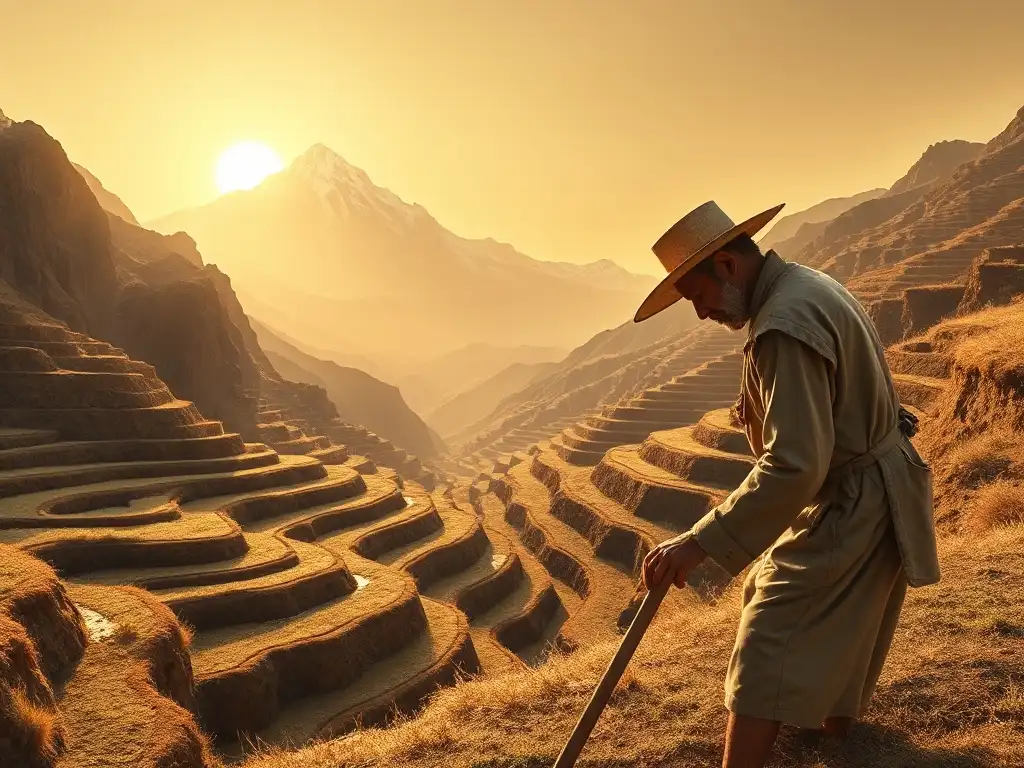
The future of Andean irrigation hinges on addressing the challenges of climate change, population growth, and the increasing demand for water resources. Maintaining safe and efficient irrigation practices is crucial not only for agricultural productivity but also for the preservation of the unique Andean ecosystem and its biodiversity. The delicate balance between water availability and agricultural needs necessitates innovative solutions and a proactive approach to water resource management.
This section explores the key aspects of ensuring the long-term sustainability of Andean irrigation systems while prioritizing water quality. Understanding the historical context of Andean water management, alongside contemporary technological advancements, is vital for charting a course towards a sustainable future.
The current reliance on traditional methods, while effective in many ways, needs augmentation with modern techniques to mitigate the impact of climate variability and ensure consistent water quality. This involves not just technological improvements, but also a shift in cultural practices and societal attitudes towards water conservation and responsible usage.
Innovations in Andean Water Management
Recent years have witnessed a surge in innovative approaches to Andean water management, focusing on improving irrigation efficiency and safeguarding water quality. These innovations range from the implementation of sophisticated water-saving technologies to the promotion of sustainable agricultural practices. For instance, the adoption of drip irrigation systems has proven highly effective in reducing water waste and optimizing water distribution to crops. This technique minimizes evaporation and runoff, thus conserving valuable water resources and ensuring that the water reaching the crops is of higher quality compared to traditional flood irrigation.
Furthermore, the integration of remote sensing and GIS technologies allows for precise monitoring of water levels, soil moisture, and crop health, enabling farmers to make informed decisions regarding irrigation scheduling and water allocation. This data-driven approach contributes significantly to optimizing water usage and reducing the risk of water contamination. Another crucial innovation involves the development of water-harvesting techniques tailored to the specific Andean environment.
These methods focus on collecting rainwater and channeling it to reservoirs for later use, reducing reliance on dwindling water sources. Improved reservoir design and maintenance protocols also play a vital role in preventing water contamination and ensuring the long-term viability of these water storage solutions. The implementation of these technologies, however, often requires significant investment and technical expertise, highlighting the need for governmental support and capacity-building initiatives.
Protecting Water Resources for Future Generations
Protecting Andean water resources for future generations necessitates a holistic approach that integrates technological advancements with sustainable agricultural practices and robust regulatory frameworks. This involves a shift from a purely extractive approach to water management to a more sustainable model that prioritizes conservation and responsible usage. The implementation of strict water quality standards and monitoring programs is crucial to prevent contamination from agricultural runoff, industrial waste, and other sources. Moreover, promoting sustainable agricultural practices, such as crop diversification and the adoption of drought-resistant crops, can significantly reduce the demand for irrigation water and lessen the environmental impact of agriculture.
Public awareness campaigns are also essential in fostering a culture of water conservation and responsible water use among Andean communities. Educating farmers about efficient irrigation techniques, water-saving technologies, and the importance of protecting water quality is crucial for ensuring the long-term sustainability of Andean water resources. Furthermore, strengthening the legal and regulatory frameworks governing water use is essential to prevent unsustainable practices and ensure equitable access to water resources for all stakeholders.
This includes establishing clear property rights, enforcing environmental regulations, and promoting collaborative water management initiatives among communities. The long-term success of these efforts depends on the active participation of all stakeholders, including governments, farmers, researchers, and local communities. Sustainable water management is not just an environmental issue; it is a social and economic imperative for the future of the Andean region.
The Role of Education in Promoting Safe Practices
Education plays a pivotal role in promoting safe water practices within Andean irrigation systems. Comprehensive educational programs targeting farmers and communities are essential for disseminating knowledge about efficient irrigation techniques, water conservation strategies, and the importance of maintaining water quality. These programs should incorporate practical training sessions, demonstrations, and hands-on workshops to equip individuals with the skills and knowledge necessary to implement sustainable water management practices. The curriculum should cover topics such as:
- Efficient irrigation methods (e.g., drip irrigation, rainwater harvesting).
- Water quality testing and monitoring.
- Sustainable agricultural practices (e.g., crop rotation, organic farming).
- The impact of climate change on water resources.
- Water conservation strategies.
Furthermore, educational initiatives should emphasize the long-term benefits of adopting sustainable water management practices, highlighting the economic and environmental advantages of protecting water resources. This includes demonstrating the positive correlation between water conservation, increased crop yields, and improved livelihoods. The integration of traditional Andean knowledge with modern scientific approaches is crucial to developing effective and culturally relevant educational materials.
By incorporating traditional practices and local expertise into the educational programs, we can ensure that the information is readily accessible and readily adopted by Andean communities. The effectiveness of these educational programs can be evaluated through regular monitoring and feedback mechanisms, allowing for adjustments and improvements over time.
A collaborative approach, involving government agencies, NGOs, research institutions, and local communities, is essential for the successful implementation and sustainability of these vital educational initiatives. The long-term success in improving Andean irrigation systems water quality relies heavily on empowering communities with the knowledge and skills necessary to manage their water resources responsibly.
Conclusion: Sustainable Water Management for Andean Communities
The effective management of water quality in Andean irrigation systems is not merely a historical curiosity; it's a crucial aspect of ensuring the sustainability of Andean communities and their agricultural practices. Understanding the sophisticated techniques employed by ancient civilizations, from the intricate canal systems of the Nazca to the ingenious aqueducts of the Incas, provides valuable lessons for modern water resource management. The challenges of climate change, population growth, and pollution necessitate a renewed focus on these traditional methods, combined with modern technological advancements.
The future of Andean agriculture and the well-being of its people depend on a holistic approach that respects both ancient wisdom and contemporary innovations. This approach is critical for securing Andean irrigation systems water quality and ensuring food security for generations to come.
The Enduring Legacy of Andean Water Wisdom
The ingenuity of Andean civilizations in managing water resources is truly remarkable. Their understanding of hydrology, coupled with their advanced engineering skills, allowed them to create complex irrigation networks capable of supporting large populations. For example, the waru waru agricultural system, developed by the Tiwanaku culture, involved the creation of raised beds separated by channels.
This system not only improved drainage but also enhanced water retention, significantly increasing crop yields, even in arid conditions. This showcases the deep understanding of water dynamics possessed by these ancient societies. Their methods were not only efficient but also environmentally sustainable, minimizing the negative impacts on the fragile Andean ecosystems.
Evidence suggests that these systems were carefully designed to filter and purify water, effectively improving Andean irrigation systems water quality. Detailed studies of these ancient techniques can provide invaluable insights for contemporary sustainable agricultural practices. The legacy of Andean water wisdom offers a blueprint for a more resilient and environmentally responsible future.
Combining Traditional Knowledge with Modern Technology
While traditional Andean water management practices offer a strong foundation, integrating them with modern technologies can further enhance water quality and efficiency. This integrated approach involves combining the best aspects of both worlds. For instance, incorporating modern water quality testing methods can help identify and address potential contamination issues more effectively. This allows for proactive measures to be taken, protecting the Andean irrigation systems water quality.
Furthermore, using GIS mapping and remote sensing can facilitate the optimal design and maintenance of irrigation canals and reservoirs. This precise approach, coupled with traditional knowledge, ensures that water is efficiently distributed and that potential problems are identified early. The use of water-efficient irrigation techniques, such as drip irrigation, can significantly reduce water waste and improve water quality by minimizing runoff and erosion.
This strategy requires careful consideration of the unique environmental conditions of the Andes and collaboration between local communities, researchers, and government agencies. A successful integration of traditional wisdom and modern technology is essential for the long-term sustainability of Andean irrigation systems and the preservation of their unique cultural heritage. This approach ensures the continued preservation of quality Andean irrigation systems water quality.
Further Research Areas
- Impact of climate change on traditional Andean water management systems
- The role of community participation in modern water resource management projects
- Developing sustainable financing models for Andean irrigation infrastructure
Frequently Asked Questions
How did Andean civilizations manage water quality for irrigation?
Andean civilizations employed sophisticated techniques. They used terracing to control water flow and filtration systems to remove sediment and impurities, ensuring relatively clean water for crops. Canal design also played a crucial role in preventing contamination.
What were the challenges to maintaining water quality in Andean irrigation systems?
Maintaining clean water presented constant challenges. Erosion, contamination from animal waste, and seasonal variations in water availability all impacted water quality. Disease outbreaks linked to poor water quality were also a significant concern.
What role did elevation play in Andean irrigation water quality?
Elevation significantly impacted water quality. Higher altitudes often meant colder, cleaner water sources, while lower altitudes presented greater risks of contamination from human settlements and agricultural runoff. Gravity-fed systems were crucial in utilizing this elevation advantage.
How did the Incas specifically address water quality in their irrigation systems?
The Inca Empire excelled in large-scale water management. They built extensive aqueducts and canals, implementing ingenious techniques to control water flow and minimize contamination. Regular maintenance was crucial to their success.
What impact did Andean irrigation systems have on the overall health of the population?
Access to clean water through efficient irrigation systems was vital to the health of Andean populations. It supported agricultural productivity, leading to improved nutrition and reduced vulnerability to waterborne illnesses, although outbreaks still occurred. Water quality directly influenced societal well-being.
Final Reflection: The Enduring Legacy of Andean Water
The quality of water in Andean irrigation systems is not merely a technical challenge; it's a fundamental issue impacting food security, public health, and the very fabric of Andean communities. The interconnectedness of water quality, agricultural practices, and societal well-being highlighted throughout this article remains profoundly relevant in a world facing increasing water scarcity and climate change. Ignoring this critical link has far-reaching consequences, threatening both present and future generations.
The ongoing struggle to balance traditional Andean agricultural practices with the demands of modern water management underscores the deep cultural significance of water in the region. Water is more than just a resource; it's a lifeblood, a source of sustenance, and a vital element in the rich tapestry of Andean culture. As we've explored, the challenges are complex, requiring innovative solutions that respect both tradition and the urgent need for sustainable practices. Water is the driving force of nature.
- Leonardo da Vinci. This simple statement encapsulates the profound truth of water's importance, a truth particularly resonant within the Andean context.
Consider the impact of your own water usage. Think about the choices you make, from the food you consume to the products you buy. We are all interconnected, and the health of Andean water systems, though geographically distant, directly impacts our global community. By understanding the challenges faced by Andean farmers and communities, and by supporting sustainable agricultural practices, we can contribute to a future where clean water is accessible to all, ensuring the enduring legacy of Andean water for generations to come. Let us strive to be part of the solution, not the problem.
Revitalize Your Irrigation Practices!
Thank you for exploring the crucial topic of Andean water quality control. Your interest is vital for ensuring safe and sustainable irrigation in agriculture. This knowledge empowers you to make a real difference in your community. Let's put that knowledge into action!
- Improve your irrigation strategy by implementing the water safety practices discussed. Begin by evaluating your current water sources and identifying areas for improvement. Consider factors like source contamination and water flow efficiency.
- Share your knowledge with your local farming community by discussing sustainable irrigation methods. This could involve a workshop, a presentation at a local meeting, or simply sharing this information with your neighbors.
- Invest in reliable water testing equipment to monitor water quality on-site. Taking control of your irrigation safety is an investment in the long-term health of your crops and the environment.
What steps will you take this week to improve water quality in your irrigation system? Share your thoughts below!