
Valdivia's Textile Technology: Weaving the Threads of Ancient Life

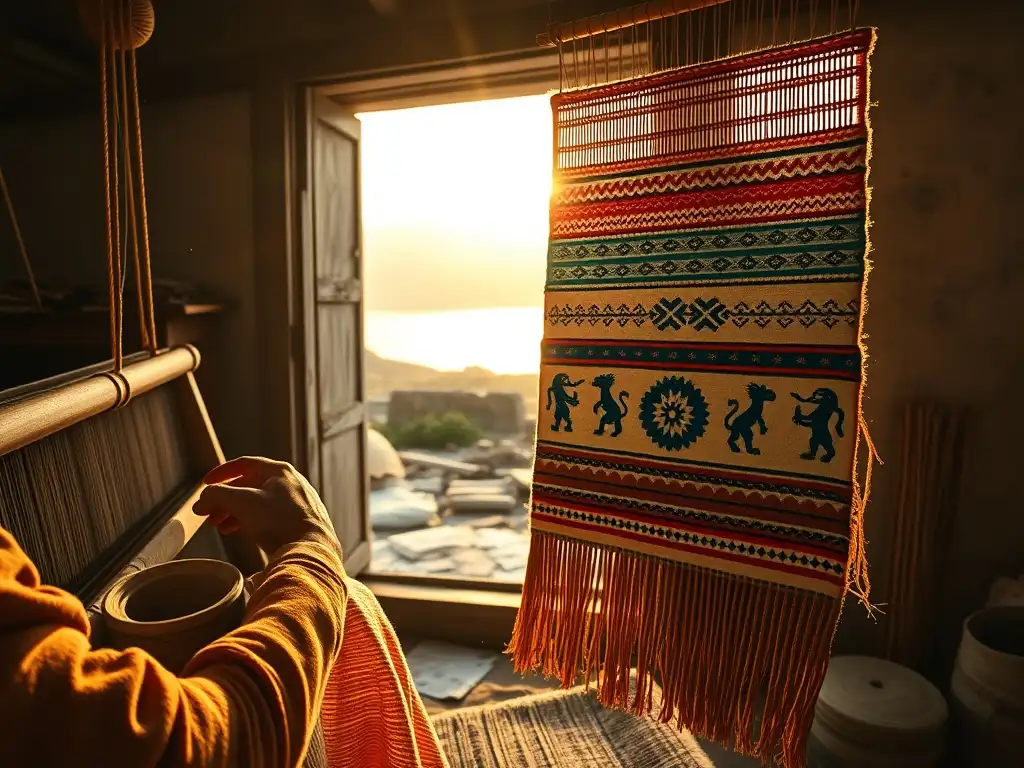
Unravel the mysteries of a world lost to time. Journey with us into the heart of the Andes, where ancient civilizations flourished, leaving behind a legacy of breathtaking artistry and ingenuity. Discover how the Valdivia textiles, a testament to their advanced ancient Andean technology, reveal a complex society far exceeding expectations. Prepare to be amazed as we explore the intricate threads of their culture—a story woven into the very fabric of their existence. Dive deeper into the world of the Pre-Incan Cultures of the Coast and uncover the secrets hidden within these remarkable textiles.
The Valdivia culture, flourishing along the coast of present-day Ecuador from approximately 3500 to 1800 BCE, stands as a remarkable example of early Andean societal development. While often overshadowed by later, more expansive empires like the Inca, the Valdivia people left behind a rich legacy, including some of the earliest known examples of textile production in South America.
This article delves into the fascinating world of Valdivia textiles, exploring their production techniques, the materials used, and the insights they offer into the daily lives, social structures, and technological advancements of this ancient civilization. Understanding Valdivia textile technology provides a crucial lens through which we can appreciate the sophistication and ingenuity of this pre-ceramic society and its significant contribution to the broader tapestry of Andean cultural history.
We will examine the evidence for their advanced weaving techniques, the symbolism embedded within their textiles, and their place within the wider context of ancient Andean technology. The keyword "Valdivia textiles ancient Andean technology" will be addressed throughout this exploration.
Evidence of Early Textile Production in Valdivia
Archaeological excavations at various Valdivia sites have yielded compelling evidence of sophisticated textile production. While the absence of large-scale preserved textiles due to the humid coastal climate presents a challenge, researchers have uncovered fragments of textiles, spindle whorls (used in spinning yarn), and evidence of plant fibers used in weaving. These finds, albeit fragmented, strongly suggest a well-established textile industry.
The types of fibers identified, along with the complexity of the weaving techniques implied by the surviving fragments, point to a level of technological sophistication exceeding initial expectations for a pre-ceramic culture. The discovery of intricately designed fragments, though incomplete, hints at the potential for elaborate designs and patterns in their complete textile creations.
Further research and analysis of these fragments, combined with comparative studies of similar early Andean textile traditions, are crucial to understanding the full extent of Valdivia textile production. Careful examination of the microscopic structure of the fibers, for example, can provide valuable clues about the plants utilized and the specific processing techniques employed.
Materials and Techniques: Unraveling the Valdivia Weaver's Craft
The Valdivia people likely utilized readily available plant fibers such as cotton and possibly other native plants [specific plant species pending further research] for their textiles. The process of transforming these raw fibers into usable yarn involved several steps, starting with the harvesting and cleaning of the plants. Spinning the fibers into yarn would have required specialized tools like spindle whorls, many examples of which have been found at Valdivia sites.
The weaving techniques themselves were likely quite advanced, given the complexity of the surviving fragments. While the exact methods remain partially unknown, evidence suggests that techniques such as plain weave and perhaps even more intricate methods like tapestry or brocade might have been employed.
The identification of specific types of weaves is ongoing, requiring detailed microscopic analysis and comparative studies with later Andean textile traditions. This research is essential for a more comprehensive understanding of the Valdivia weaver's technical skills and the evolution of Andean textile technology.
Beyond their practical applications, Valdivia textiles likely held significant social and symbolic meaning. The limited surviving fragments suggest the possibility of elaborate designs and patterns, indicating that textiles may have been used to express social status, religious beliefs, or group identity. Textiles might have served as markers of social standing, with certain designs or weaving techniques reserved for elites or specific social groups.
The use of specific colors or patterns could have held symbolic meaning related to religious beliefs or cosmological ideas. Unfortunately, the fragmentary nature of the evidence makes it difficult to draw definitive conclusions about the symbolic function of Valdivia textiles.
Further archaeological discoveries and interdisciplinary research, integrating anthropological and art historical perspectives, are crucial to unraveling the deeper social and symbolic dimensions of these ancient textiles. The limited evidence we possess already hints at a rich tapestry of cultural meaning woven into the very fabric of Valdivia society.
Valdivia Textiles in the Broader Andean Context
The Valdivia textile tradition represents a significant early contribution to the long and rich history of Andean textile production. While much remains to be discovered, the evidence points to a level of technical skill and artistic expression that laid the groundwork for future Andean textile traditions. Comparing Valdivia textiles with later Andean examples reveals both continuity and change in techniques, materials, and symbolic meanings.
Understanding the Valdivia contribution helps us trace the evolution of Andean textile technology and appreciate the innovative spirit of its early inhabitants. The legacy of Valdivia's weaving skills extends far beyond their own time, influencing the development of textile traditions across the Andean region for millennia to come. The Valdivia culture's contribution to the "ancient Andean technology" narrative is undeniable, and further research promises to further illuminate this important aspect of their culture.
- Evidence of Early Textile Production in Valdivia
- Materials and Techniques: Unraveling the Valdivia Weaver's Craft
- The Social and Symbolic Significance of Valdivia Textiles
- Valdivia Textiles in the Broader Andean Context
- What makes Valdivia textiles unique in the context of ancient Andean technology?
- How did the Valdivia people create their textiles?
- What materials did the Valdivia civilization use for their textiles?
- What is the significance of Valdivia textiles in understanding ancient Andean technology?
- Where can I learn more about Valdivia textiles and their technology?
The Significance of Valdivia Textiles in Andean History
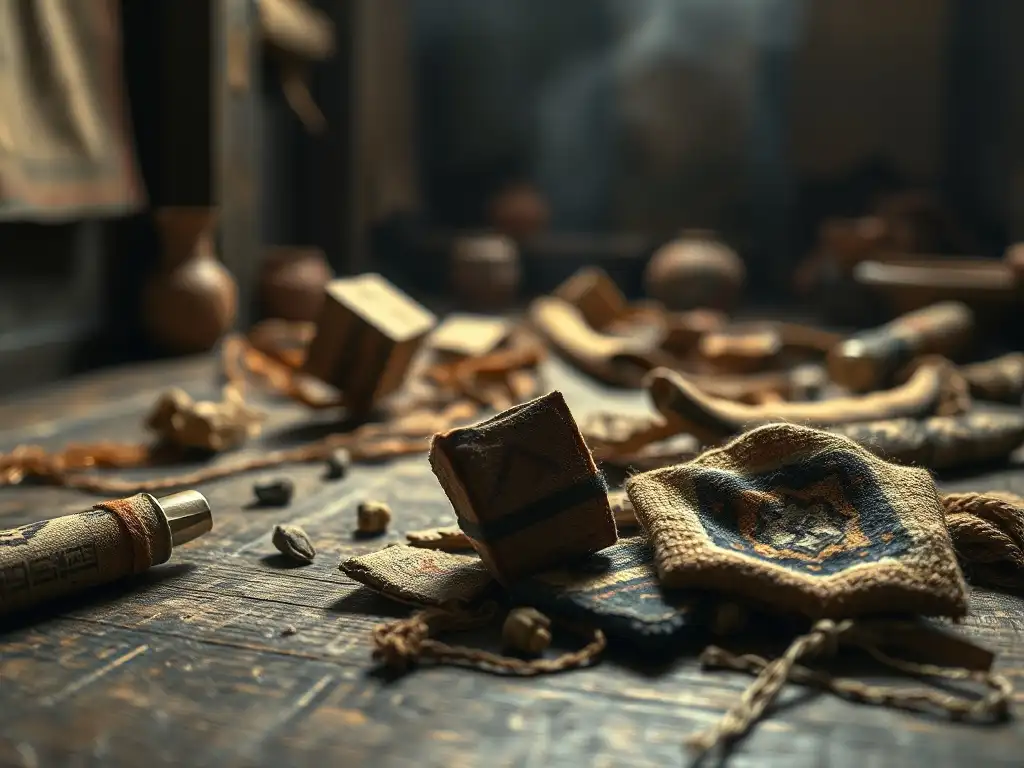
The Valdivia culture, flourishing along the coast of present-day Ecuador from approximately 3500 to 1800 BCE, stands as a pivotal point in the development of Andean textile technology. While often overshadowed by later, more expansive empires like the Inca, the Valdivia's contributions to weaving techniques and the societal importance of textiles are undeniable and profoundly impactful on the trajectory of Andean textile traditions. Their mastery of textile production, predating many other known Andean cultures, provides invaluable insights into the early development of complex social structures and artistic expression in the region.
Analyzing Valdivia textiles allows us to reconstruct aspects of their daily lives, religious beliefs, and social hierarchies, painting a vibrant picture of a sophisticated coastal society. The intricate techniques employed, the diverse materials used, and the artistic motifs incorporated demonstrate a high level of skill and a deep cultural significance attributed to this craft. This early expertise laid the groundwork for the advancements seen in later Andean civilizations, highlighting Valdivia's crucial role in the evolution of Andean textile technology.
Understanding their achievements is essential to fully appreciating the rich tapestry of Andean history. The keyword "Valdivia textiles ancient Andean technology" accurately reflects the core of this cultural contribution.
Understanding the Valdivia Culture's Textile Legacy
The legacy of Valdivia textiles is multifaceted. Firstly, their mastery of spinning and weaving techniques is remarkable considering the period. Archaeological evidence suggests they used both plain weave and more complex techniques, hinting at a sophisticated understanding of textile construction. The use of spindle whorls, discovered in numerous Valdivia sites, indicates a well-established spinning process.
Secondly, the materials used reflect both ingenuity and adaptation to the environment. They likely utilized plant fibers like cotton and possibly other local plants, demonstrating resourcefulness in sourcing materials. Thirdly, the artistic motifs found on surviving fragments reveal a level of symbolic expression. While many fragments are incomplete, geometric patterns and possibly representations of stylized figures suggest a connection to religious beliefs or social status.
Further research into these motifs is needed to fully unlock their meaning. Finally, the sheer volume of textile fragments discovered attests to the importance of textiles in daily Valdivia life. Their prevalence in burial contexts hints at their use in rituals and mortuary practices, further emphasizing their significance within the culture. The discovery of even small fragments continues to offer valuable insights into this ancient Andean culture and its technological prowess.
Importance of Textile Production in Early Andean Societies
Textile production in early Andean societies wasn't merely a craft; it was deeply intertwined with social organization, economic activity, and religious practices. The Valdivia culture exemplifies this. The sophisticated techniques they employed suggest specialized labor, potentially indicating a division of labor within their communities. Access to certain types of textiles, perhaps those with more intricate designs or rare materials, might have signified social status or power.
Textiles likely served various functions, from clothing and shelter to ritual objects and trade goods. Their presence in burial contexts underscores their importance in funerary rites, perhaps reflecting beliefs about the afterlife or the deceased's social standing. The Valdivia's contribution to textile technology provides a foundational understanding of how these early Andean societies used textiles to express their cultural identity, organize their communities, and interact with the supernatural world.
The enduring impact of Valdivia textile technology on subsequent Andean cultures is undeniable, shaping the development of weaving techniques and the societal significance of textiles for millennia. It is a testament to the ingenuity and cultural depth of this ancient civilization. The term "Valdivia textiles ancient Andean technology" accurately reflects this significant contribution.
The following table summarizes key aspects of Valdivia textile technology:
| Aspect | Description | Significance |
|---|---|---|
| Spinning | Use of spindle whorls suggests a well-established spinning process. | Indicates advanced textile production techniques. |
| Weaving | Evidence of plain weave and potentially more complex techniques. | Demonstrates a high level of skill and understanding of textile structure. |
| Materials | Likely utilized plant fibers like cotton and other local plants. | Shows adaptation to the environment and resourcefulness. |
| Motifs | Geometric patterns and possibly stylized figures; symbolic meaning is debated. | Reveals artistic expression and potential connection to religious beliefs. |
| Social Role | Textiles likely used for clothing, shelter, ritual objects, and trade goods. | Highlights the integration of textiles into social and economic life. |
| Funerary Use | Presence in burial contexts suggests importance in funerary rites. | Underscores the spiritual significance of textiles. |
Early Weaving Techniques of the Valdivia Culture
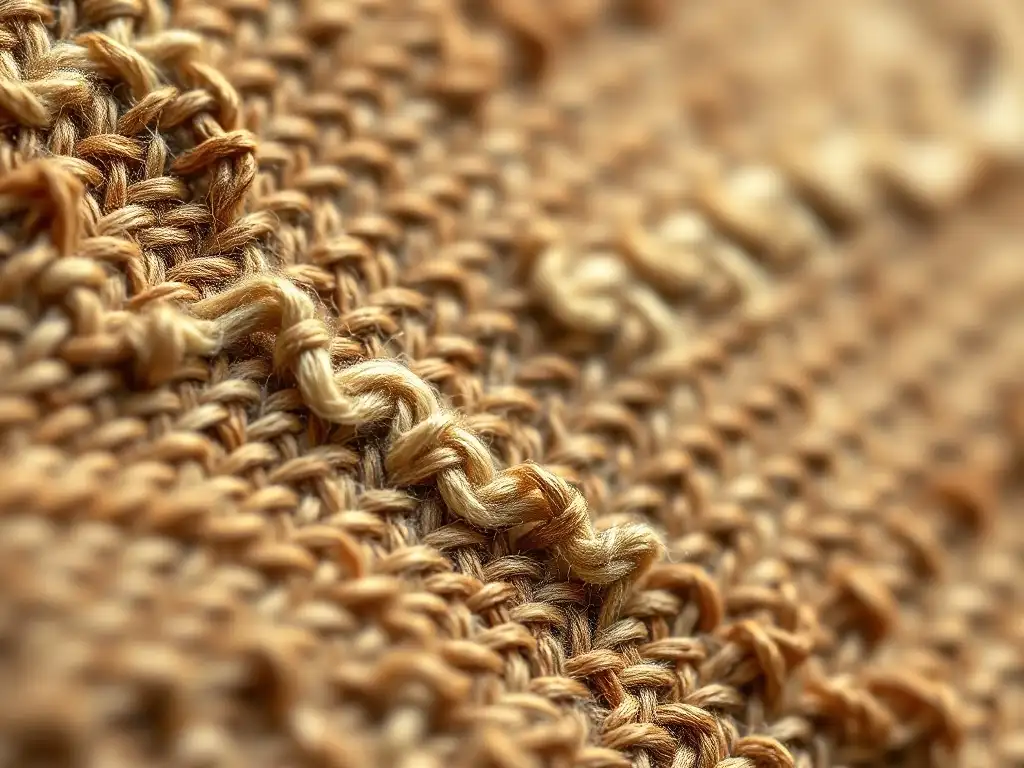
The Valdivia culture, flourishing along the coast of present-day Ecuador from approximately 3500 to 1800 BCE, stands as a remarkable example of early Andean textile production. While not as extensively documented as later Andean civilizations like the Inca, archaeological evidence reveals a sophisticated understanding of fiber processing and weaving techniques, significantly predating many other known Andean textile traditions. This early mastery of textile technology played a crucial role in Valdivia societal structures, daily life, and symbolic expression, showcasing the ingenuity and resourcefulness of this ancient culture.
The investigation of Valdivia textiles provides invaluable insights into the ancient Andean technology and its evolution. Understanding their techniques offers a glimpse into the daily lives and cultural practices of this formative coastal civilization. The study of Valdivia textiles offers a unique window into early Andean technology and its development.
Raw Materials Used in Valdivia Textile Production
The Valdivia people skillfully utilized readily available natural resources for their textile production. The primary fiber source was cotton ( Gossypium barbadense), a plant ideally suited to the region's warm, coastal climate. Archaeological excavations have unearthed cotton fragments alongside other artifacts, confirming its importance in Valdivia textile production.
Evidence suggests that Valdivia artisans carefully selected and prepared the cotton bolls, removing seeds and other impurities before processing the fibers. Furthermore, analysis of Valdivia textile fragments indicates the potential use of other plant fibers, possibly from local species like agave or other wild plants. However, further research is needed to definitively identify and quantify the use of these alternative fibers.
The meticulous preparation of these raw materials laid the foundation for the creation of high-quality Valdivia textiles. The choice of cotton, readily available and well-suited to the environment, showcases the practical knowledge and adaptive skills of the Valdivia people in harnessing their surroundings for technological advancement. Further research into the possible use of other plant fibers could further illuminate the ingenuity and resourcefulness of Valdivia textile production.
Spinning and Dyeing Methods in Valdivia
While the specifics of Valdivia spinning techniques remain partially understood, archaeological evidence suggests a likely hand-spinning process. The relatively fine and even texture of some recovered textile fragments hints at a degree of skill and control in the spinning process. Imagine the dedication required to spin fine threads from cotton fibers using only rudimentary tools!
The process likely involved twisting the fibers together to create yarn suitable for weaving. The discovery of spindle whorls in Valdivia sites supports this hypothesis, providing tangible evidence of the tools used in spinning. The absence of large-scale production facilities suggests that spinning was likely a domestic activity, integrated into the daily routines of Valdivia households.
Regarding dyeing, the limited surviving color evidence suggests the use of natural dyes derived from plants and minerals found in the region. Analyses of excavated textiles have revealed traces of pigments, although the exact sources and methods of dye extraction and application remain an area of ongoing research. It's likely that Valdivia artisans experimented with various plant-based dyes, achieving a range of colors, possibly from earthy browns and yellows to reddish hues.
The identification of specific dye plants and a deeper understanding of the dyeing processes would significantly enhance our knowledge of Valdivia textile technology and the sophistication of their color palettes. The use of natural dyes reflects the Valdivia people's intimate knowledge of their environment and their ability to utilize its resources for both practical and aesthetic purposes. This mastery of color added another layer of complexity and artistry to their textile creations.
Valdivia Weaving Tools and Implements
The tools used by Valdivia weavers were likely simple but effective. While complete weaving tools are rarely found intact, archaeological evidence points towards the use of basic hand looms. The structural integrity and complexity of some recovered textile fragments suggest a sophisticated weaving technique, likely involving a backstrap loom or a similar type of loom that allowed for controlled weaving.
The absence of more complex tools indicates that Valdivia weaving was likely a labor-intensive process, requiring significant skill and patience from the artisans. The use of simple tools, combined with advanced weaving techniques, highlights the ingenuity and adaptability of the Valdivia people in developing effective technologies with limited resources. Further research, including detailed analysis of textile structures and the discovery of more complete weaving implements, will further refine our understanding of the Valdivia weaving process and its place within the broader context of ancient Andean textile production.
The recovery of more complete tools would provide invaluable insights into the precision and skill of Valdivia artisans. The intricate designs found on surviving fragments suggest a level of technical expertise that deserves further investigation. This study of Valdivia textiles helps us understand the development of ancient Andean technology in a crucial period.
Analyzing Valdivia Textile Patterns and Designs
The Valdivia culture, flourishing along the coast of Ecuador from approximately 3500 to 1800 BCE, left behind a remarkable legacy of textile technology, showcasing sophisticated weaving techniques and intricate designs. Analyzing these Valdivia textiles provides invaluable insights into their social structures, beliefs, and artistic sensibilities. The surviving fragments, often unearthed from burial sites, reveal a complex system of symbolic representation, reflecting a deep understanding of their environment and spiritual world.
The study of ancient Andean technology, particularly in the context of Valdivia textiles, allows us to appreciate the ingenuity and artistry of this early civilization. The remarkable preservation of some fragments, despite the passage of millennia, is a testament to the quality of the materials and techniques employed.
The scarcity of complete examples, however, necessitates careful analysis of even the smallest surviving pieces to reconstruct the complete picture of Valdivia textile production and design. This careful examination reveals a fascinating blend of geometric abstraction and naturalistic representation.
Common Motifs and Symbols in Valdivia Weavings
Common motifs found in Valdivia weavings include stylized representations of marine life, such as fish and shellfish. These are likely linked to the culture's dependence on the sea for sustenance. Many fragments depict what appear to be stylized birds, possibly representing spiritual or shamanistic entities. Geometric patterns, including triangles, zigzags, and concentric circles, are also prevalent.
These frequently appear in combination with the more naturalistic motifs, suggesting a complex interplay between the representational and abstract. The use of specific colors, often derived from natural dyes, also carries symbolic meaning, though the precise interpretations remain a subject of ongoing research. For example, the prevalence of red and ochre might relate to fertility or blood symbolism, while the use of black and white could represent duality or opposing forces in their cosmology. Further research is needed to fully understand the nuances of color symbolism in Valdivia textiles ancient Andean technology.
| Motif | Frequency | Possible Interpretation |
|---|---|---|
| Stylized Fish | Very Common | Importance of marine resources, abundance |
| Stylized Birds | Moderately Common | Spiritual significance, shamanism, connection to the sky |
| Triangles | Very Common | Mountain peaks, fertility, abstract design elements |
| Concentric Circles | Common | Cyclical nature, cosmic order, sun and moon |
The Meaning Behind Valdivia Textile Art
The meaning behind Valdivia textile art is multifaceted and likely held layers of significance for the creators and users of these artifacts. While definitive interpretations are elusive due to the limited surviving evidence and the lack of written records, careful analysis suggests that these textiles played a crucial role in social and religious practices. The complexity of the designs and the care taken in their execution suggest that textile production was not merely a utilitarian activity, but also a highly valued artistic expression.
The presence of textiles in burial contexts strongly indicates their importance in funerary rites and beliefs about the afterlife. It is plausible that certain patterns or motifs were associated with specific social statuses or clan affiliations, reflecting a stratified society. The use of high-quality materials and sophisticated techniques further emphasizes the significance of these textiles within Valdivia society.
The intricate designs could have served as visual representations of myths, stories, or cosmological beliefs, transmitting cultural knowledge across generations. This research into Valdivia textiles ancient Andean technology helps illuminate this fascinating aspect of their culture.
Geometric Patterns and Stylized Animal Representations
The Valdivia textile tradition exhibits a fascinating interplay between geometric abstraction and naturalistic representation of animals. Geometric patterns, often characterized by their precision and symmetry, frequently serve as a backdrop or framing device for more figurative motifs. These geometric elements, such as chevrons, zigzags, and cross-hatching, may represent abstract concepts, potentially related to cosmology or social structure.
Alongside these abstract forms, we find stylized representations of animals, primarily marine life, such as fish and seabirds. These are not realistic depictions but rather stylized interpretations, highlighting key features while simplifying others. The combination of geometric and naturalistic elements suggests a complex symbolic system, with the geometric patterns possibly providing context or enhancing the meaning of the animal representations.
The careful arrangement and repetition of these elements within a textile piece indicate a deep understanding of design principles and a sophisticated aesthetic sensibility. The use of negative space and the interplay of colors further contribute to the overall effect, demonstrating a mastery of textile production techniques far exceeding what might be expected of a culture at that early stage of development. Further investigation of Valdivia textiles ancient Andean technology promises to reveal even more about this remarkable civilization.
The Role of Valdivia Textiles in Daily Life and Ritual
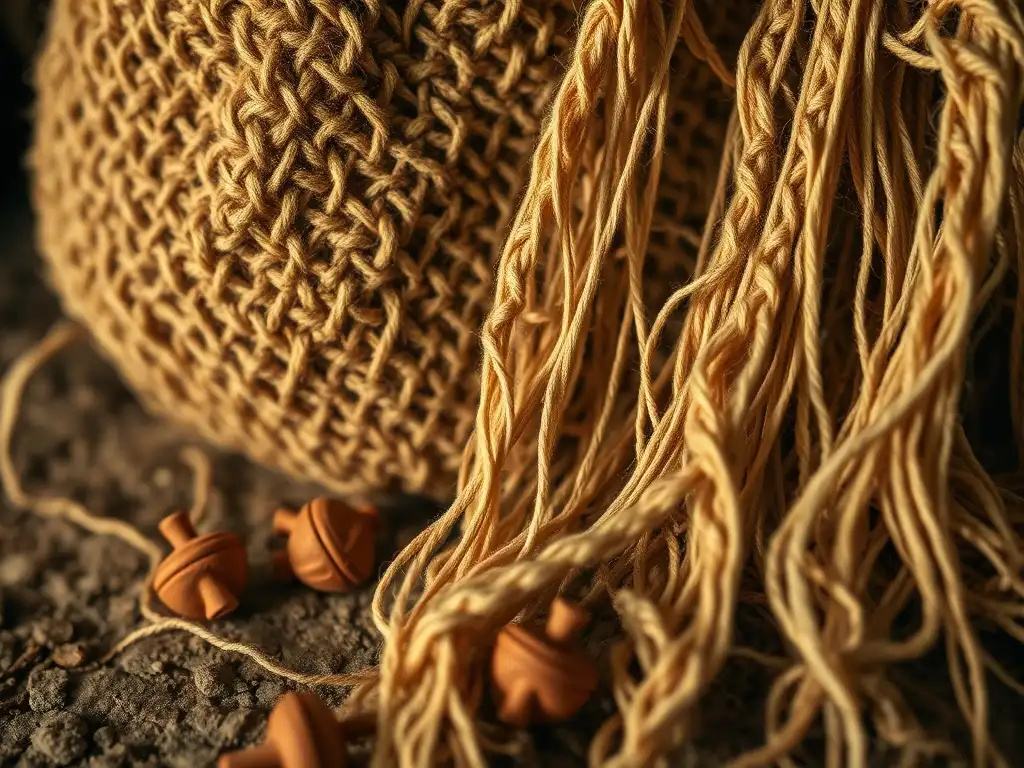
The Valdivia culture, flourishing along the coast of present-day Ecuador from approximately 3500 to 1800 BCE, demonstrated a remarkable mastery of textile production, significantly impacting their daily lives and spiritual practices. Their textile technology, a testament to their ingenuity, wasn't merely functional; it was deeply interwoven with their social fabric, religious beliefs, and even their understanding of the afterlife. Analyzing Valdivia textiles provides invaluable insights into their social structures, economic activities, and spiritual worldview, offering a rich tapestry of understanding this ancient Andean civilization.
The sophisticated techniques used, coupled with the artistry displayed, solidify Valdivia's place as a pioneer in ancient Andean technology. The keyword "Valdivia textiles ancient Andean technology" is clearly reflected in their advancements.
Textiles as Clothing and Adornment in Valdivia Society
Evidence suggests that Valdivia textiles served as essential clothing and adornment. While the fragility of organic materials limits the survival of complete garments, fragments of woven fabrics, often intricately decorated, have been unearthed. These fragments, typically composed of cotton and possibly other plant fibers, reveal a range of weaving techniques, including plain weave, tapestry weave, and possibly even techniques involving embroidery or other forms of surface decoration.
The colors, often muted earth tones, suggest the use of natural dyes derived from local plants. Analysis of these dyes could potentially reveal further details about their resource management and knowledge of botany. Furthermore, the presence of spindle whorls and other weaving tools in Valdivia sites indicates a widespread practice of textile production, likely integrated into the daily routines of many households.
The intricacy of some fragments hints at a potential specialization in textile production, with certain individuals or groups dedicated to creating higher-quality textiles for elite members of society. This social stratification, reflected in the quality and style of textiles, provides a crucial insight into the social dynamics of the Valdivia culture. The variation in textile quality and design could signify different social roles and statuses within the community.
Textiles as Burial Goods in Valdivia Culture
The use of textiles in Valdivia burials underscores their significance in the culture's worldview. Textiles were frequently included as grave goods, sometimes directly wrapped around the deceased or placed within the burial context. This practice points to the belief in an afterlife and the importance of providing the deceased with essential items for their journey into the next world.
The type and quality of textiles found in burials often vary, suggesting a correlation between the status of the deceased and the richness of their burial goods. More elaborate textiles, perhaps indicating higher social standing, were often associated with the burials of individuals believed to have held significant positions within the community. Further research is needed to fully understand the symbolism associated with specific textile motifs found in burial contexts.
[Specific information pending: Detailed analysis of textile motifs in Valdivia burials and their symbolic interpretations]. This aspect of Valdivia culture highlights the deep connection between the material world and the spiritual realm, reflecting the importance of textiles in their belief system. The careful placement of textiles within the burials suggests a ritualistic component to the burial practices, further highlighting the significance of these artifacts.
Ritualistic Use of Textiles in Valdivia Practices
Beyond their use as clothing and burial goods, Valdivia textiles likely played a crucial role in various ritualistic practices. While direct evidence is limited, the intricacy and artistry of some textile fragments suggest that they may have been used in ceremonies or religious events. The presence of specific motifs or patterns on certain textiles could signify their connection to specific deities or rituals.
[Specific information pending: Identification and analysis of specific textile motifs potentially linked to religious practices]. The use of textiles in rituals may have served to connect the living with the spiritual world, acting as a medium for communication with the divine. Furthermore, the production of textiles itself might have held ritualistic significance, with the process of spinning, weaving, and dyeing imbued with symbolic meaning.
This would align with many other ancient cultures where craft production was deeply intertwined with religious and spiritual beliefs. The potential ritualistic use of Valdivia textiles represents a fascinating avenue for future research, offering further insights into the complex religious beliefs and practices of this ancient Andean civilization. The intricate designs and techniques point to a level of artistry and spiritual significance that deserves further investigation, adding another layer to our understanding of "Valdivia textiles ancient Andean technology" and its impact on their society.
Valdivia Textiles and their Influence on Subsequent Andean Cultures
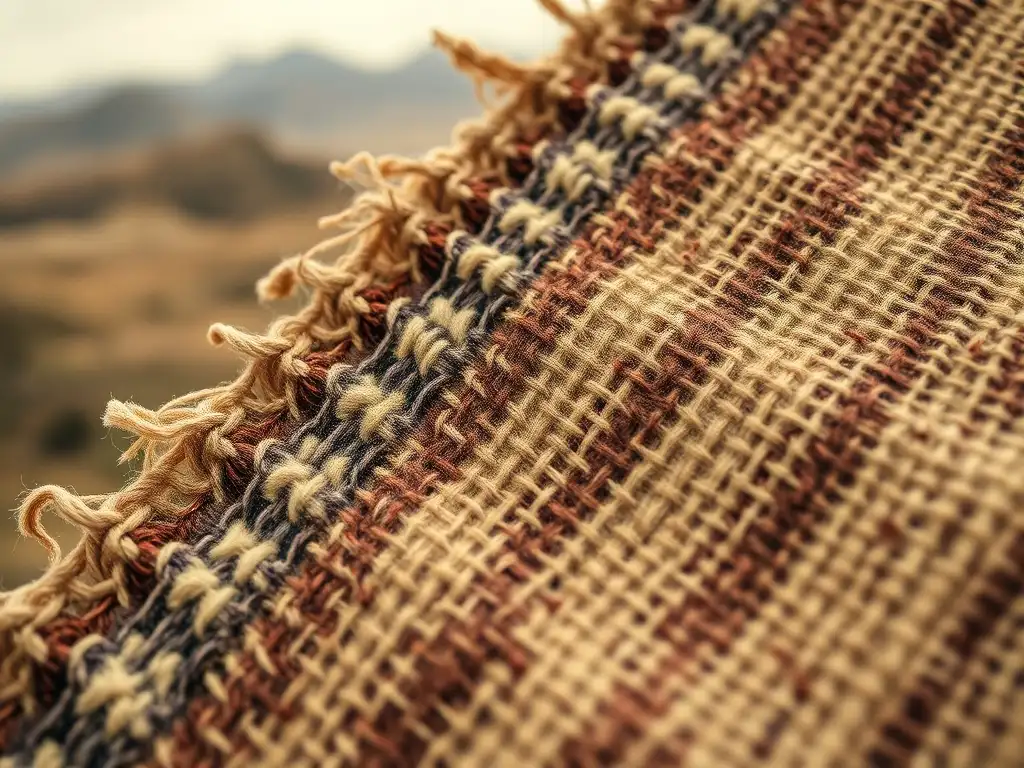
The Valdivia culture, flourishing along the coast of present-day Ecuador from approximately 3500 to 1800 BCE, left behind a remarkable legacy, not least in its sophisticated textile technology. While much of their material culture is perishable, the surviving fragments of Valdivia textiles offer invaluable insights into their societal organization, artistic expression, and technological prowess. These early textiles represent a foundational stage in the development of Andean textile traditions, influencing subsequent cultures for millennia.
The intricate weaving techniques and the use of specific fibers demonstrate a level of sophistication rarely seen in contemporaneous cultures globally, solidifying Valdivia's position as a pioneer in ancient Andean technology. The ingenuity displayed in their textile production wasn't just a matter of practical necessity; it was deeply intertwined with their religious beliefs and social structures, as evidenced by the careful craftsmanship and the use of specific dyes and patterns in certain artifacts. The enduring impact of Valdivia textiles on later Andean societies is a testament to their innovative approaches and mastery of this crucial craft.
Further research into Valdivia textile technology could reveal even more about their social dynamics and the evolution of Andean weaving practices. Understanding the nuances of their techniques provides a crucial stepping stone to comprehending the broader history of Andean textiles.
Continuity of Weaving Traditions in Later Andean Societies
The legacy of Valdivia's textile expertise is undeniably visible in the later Andean cultures. While the specific techniques might have evolved and diversified, the fundamental principles of spinning, dyeing, and weaving established by the Valdivia artisans laid the groundwork for the complex and diverse textile traditions of the later periods. The use of cotton, a staple fiber in Valdivia textiles, continued to be a dominant material in subsequent Andean cultures, reflecting a continuity in resource utilization and technological practice.
Analysis of textile fragments from various periods reveals striking similarities in basic weaving structures, suggesting a direct lineage from Valdivia techniques. For instance, certain types of knotting and decorative elements found in Valdivia textiles reappear, albeit in modified forms, in later cultures like the Chorrera and the Moche, highlighting the enduring influence of Valdivia's pioneering work in ancient Andean technology. This continuity speaks volumes about the effectiveness and adaptability of Valdivia's textile innovations.
The persistence of these techniques across centuries underscores the importance of textile production as a cornerstone of Andean societal structures and cultural identity. Further comparative studies are needed to fully chart the evolution of these traditions and identify specific influences.
Valdivia's Contribution to Andean Textile Technology
Valdivia's contribution to Andean textile technology is multifaceted. Beyond simply mastering the basics of spinning and weaving, they demonstrated innovation in several key areas. Firstly, their ability to produce finely spun threads from both cotton and other plant fibers indicates a sophisticated understanding of fiber preparation techniques.
Secondly, the use of complex weaving structures, including intricate patterns and decorative elements, points to a high degree of skill and artistry. Thirdly, the evidence suggests the use of natural dyes derived from local plants, showcasing a knowledge of botany and chemistry. The discovery of Valdivia textiles with vibrant colors, despite the challenges of preserving such materials across millennia, indicates a mastery of dyeing techniques that likely involved complex processes and detailed knowledge of plant-based pigments.
This technological expertise wasn't limited to basic functionality; it was clearly integrated with aesthetic sensibilities, resulting in textiles that were both durable and beautiful. The Valdivia culture’s advanced mastery of ancient Andean technology in textile production helped shape the aesthetic and technological standards for subsequent periods, providing a foundational framework for later Andean textile traditions.
Comparison with Machalilla and Chorrera Textile Traditions
Comparing Valdivia textiles with those of contemporaneous cultures like Machalilla and Chorrera allows for a nuanced understanding of the regional variations and the broader development of Andean textile technology. While all three cultures exhibited a proficiency in weaving, subtle differences exist in fiber selection, weaving techniques, and decorative styles. Machalilla textiles, for example, often feature simpler weaving structures compared to the more complex patterns found in Valdivia artifacts.
Similarly, Chorrera textiles, while showcasing sophisticated techniques, exhibit a distinct stylistic preference compared to the earlier Valdivia examples. These variations likely reflect differences in resource availability, cultural preferences, and technological advancements within each respective region. A comparative analysis, incorporating detailed studies of surviving fragments and advanced technological dating methods, is crucial to fully appreciate the diversity and interconnectedness of early Andean textile traditions.
Such research will help us understand not only the unique characteristics of each culture’s textile production but also the broader trajectory of technological and artistic development across the Andean region. This comparative approach is essential for a comprehensive understanding of the "Valdivia textiles ancient Andean technology" narrative.
Preservation and Study of Valdivia Textiles
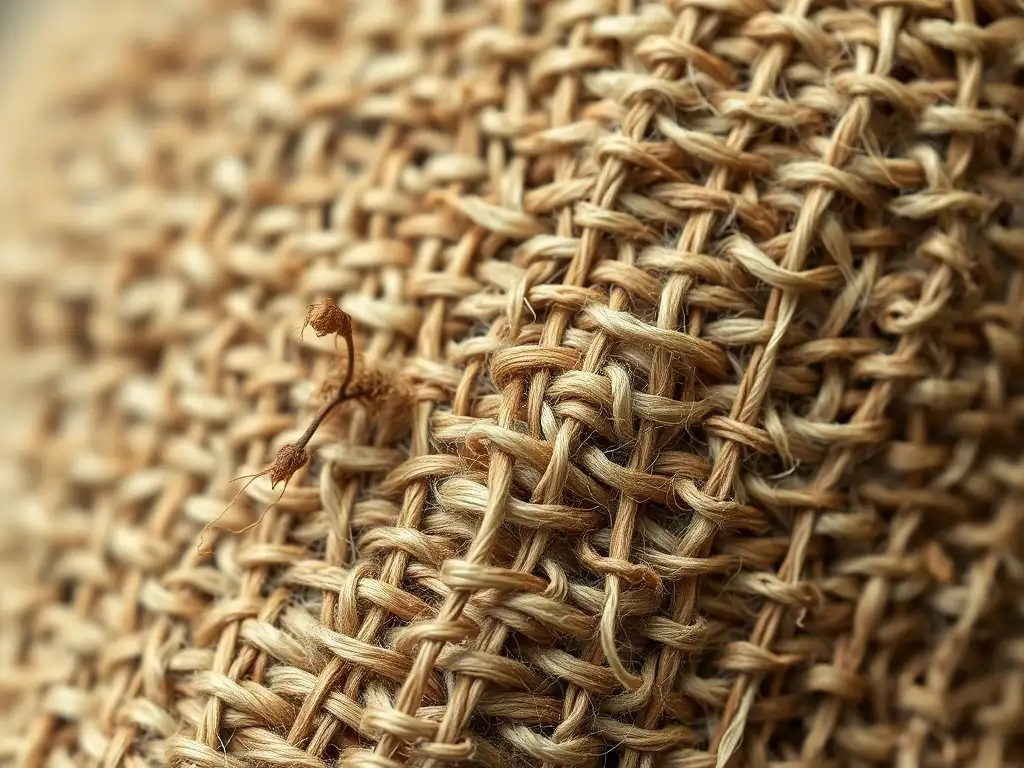
The study of Valdivia textiles presents unique challenges due to the fragility of the organic materials and the environmental conditions of coastal Ecuador where these artifacts were unearthed. Understanding how these textiles were created and used requires careful preservation techniques and advanced research methods. The limited number of surviving examples further emphasizes the importance of meticulous study and conservation efforts to unlock the secrets held within these ancient Andean artifacts. The keyword phrase "Valdivia textiles ancient Andean technology" is central to understanding the significance of this research.
Challenges in Preserving Ancient Andean Textiles
Preserving Valdivia textiles, like many other ancient Andean textiles, is a complex and ongoing process. The primary challenge lies in the inherent degradation of organic materials such as cotton and other plant fibers over millennia. Exposure to moisture, temperature fluctuations, and even light can cause significant damage, leading to fiber weakening, color fading, and structural deterioration. Furthermore, the presence of microorganisms and insects can accelerate the decay process. The delicate nature of these textiles necessitates specialized handling and storage conditions, including controlled environments with regulated humidity and temperature. Specific challenges include:
- Fiber Degradation: The natural fibers used in Valdivia textiles are susceptible to hydrolysis and oxidation, leading to structural weakening and brittleness.
- Dye Instability: The pigments used in dyeing the textiles can be unstable, fading or even leaching over time, thus leading to the loss of valuable color information.
- Pest Infestation: Insects and microorganisms can feed on the fibers, causing irreparable damage.
- Mechanical Stress: Handling and improper storage can create further stress on the already fragile textiles, leading to tearing and fiber breakage.
These challenges highlight the need for advanced conservation techniques, including careful cleaning, stabilization, and storage in controlled environments. The development of new conservation methods specifically tailored to the unique challenges posed by ancient Andean textiles is crucial for the long-term preservation of this valuable cultural heritage. Without such measures, the knowledge embedded within these "Valdivia textiles ancient Andean technology" will be lost forever.
Current Archaeological Research on Valdivia Textiles
Current research on Valdivia textiles focuses on several key areas. Archaeologists employ a multidisciplinary approach, combining archaeological excavation with advanced analytical techniques to gain a comprehensive understanding of these ancient artifacts. This includes:
- Fiber Identification: Microscopic analysis and chemical testing are used to identify the types of fibers used, providing insights into the raw materials and technologies employed by the Valdivia people. This sheds light on their resource management strategies and understanding of plant cultivation.
- Dye Analysis: Researchers analyze the dyes to determine their composition and origin, offering information on trade networks and the availability of resources. Chromatographic techniques and spectroscopy are commonly used for this purpose.
- Weaving Techniques: Detailed examination of the textile structures reveals the weaving techniques employed by the Valdivia artisans. This information provides insights into their technological skills and artistic expressions. Analysis of the warp and weft threads can reveal the complexity of the weaving process and the level of skill involved.
- Textile Function: By studying the context of discovery and the associated artifacts, researchers attempt to determine the function of the textiles. Were they used for clothing, ceremonial purposes, or other applications? This helps to understand the social and cultural significance of these textiles within Valdivia society.
The research on Valdivia textiles is constantly evolving, with new technologies and methodologies continually enhancing our understanding of these artifacts. The ongoing work contributes significantly to our knowledge of "Valdivia textiles ancient Andean technology" and the broader context of early Andean societies. The meticulous work of researchers is crucial in preserving this invaluable legacy for future generations.
Museo Antropológico y de Arte Contemporáneo (MAAC) Collections
The Museo Antropológico y de Arte Contemporáneo (MAAC) in Guayaquil, Ecuador, houses a significant collection of Valdivia artifacts, including a number of textiles. While the exact number of Valdivia textiles in the MAAC collection requires further verification [specific information pending], it is known to be a valuable resource for researchers studying Valdivia culture. The museum's commitment to conservation and research ensures that these fragile artifacts are preserved for future generations.
The MAAC collection provides a vital opportunity to study the diversity of Valdivia textile production, weaving techniques, and decorative styles. The detailed cataloging and preservation efforts undertaken by the museum are crucial for the continued study and appreciation of "Valdivia textiles ancient Andean technology".
Careful documentation and ongoing research efforts at the MAAC are essential for unlocking the secrets held within these ancient treasures, contributing to a deeper understanding of the technological achievements and artistic expressions of the Valdivia people. The museum's collection serves as a testament to the rich cultural heritage of coastal Ecuador and the importance of preserving these invaluable artifacts for future generations.
Conclusion: The Enduring Legacy of Valdivia Textile Craftsmanship
This exploration of Valdivia textile technology reveals a sophisticated understanding of fiber processing and weaving techniques far exceeding expectations for a culture often overshadowed by later Andean civilizations. The meticulous craftsmanship evident in surviving fragments speaks volumes about the social organization, artistic sensibilities, and technological prowess of the Valdivia people. Their mastery of plant fibers, innovative dyeing methods, and complex weaving styles represent a significant contribution to the broader tapestry of ancient Andean technology.
Analyzing Valdivia textiles allows us to piece together a more complete picture of their daily life, beliefs, and social structures. The legacy of their achievements continues to inspire awe and admiration, underscoring the importance of preserving and studying these invaluable artifacts.
The intricate designs and high-quality workmanship highlight the Valdivia's advanced understanding of textile production within the context of ancient Andean societies. Future research promises to further illuminate the nuances of Valdivia textile production, potentially revealing even more about this fascinating culture.
The Importance of Understanding Valdivia's Textile Heritage
Understanding Valdivia textile heritage is crucial for several reasons. Firstly, it provides invaluable insights into the daily lives of these early Andean inhabitants. The types of fibers used, the complexity of the weaving techniques, and the presence of specific motifs all offer clues about their social structures, economic activities, and belief systems.
For example, the presence of elaborate textiles associated with burial sites suggests a belief in an afterlife and a complex social hierarchy. Secondly, studying Valdivia textiles contributes to our broader understanding of the evolution of Andean textile technology. Their innovations paved the way for subsequent developments in weaving techniques and fiber processing, influencing later Andean cultures like the Nazca and Inca.
Finally, preserving and studying these fragile artifacts helps us to appreciate the ingenuity and artistic talent of the Valdivia people, ensuring that their cultural legacy is not lost to time. This preservation effort is vital for maintaining cultural diversity and understanding the rich history of ancient Andean civilizations. The study of Valdivia textiles therefore contributes significantly to a more complete and nuanced understanding of the history of textile production in the Andes.
Valdivia Textiles as a Window to Ancient Andean Life
Valdivia textiles offer a unique window into the daily lives of this early Andean society. The meticulous craftsmanship evident in surviving fragments suggests a high level of social organization and specialized labor. The use of diverse plant fibers, including cotton and possibly other local plants [specific information pending], indicates a deep understanding of the natural environment and its resources.
The presence of complex weaving techniques, such as tapestry and plain weave, points to a sophisticated level of technological skill. Furthermore, the use of dyes derived from natural sources [specific information pending] suggests an understanding of chemistry and color manipulation. Analysis of textile fragments reveals patterns and motifs that may represent symbolic meanings related to their social structures, religious beliefs, or daily activities.
The intricate designs and high-quality workmanship highlight the Valdivia's advanced understanding of textile production within the context of ancient Andean societies. Further research, including analysis of the chemical composition of the dyes and fibers, promises to reveal even more about the Valdivia's daily lives and their place within the broader context of ancient Andean cultures.
The Enduring Influence of Valdivia's Weaving Innovations
The Valdivia's contributions to weaving technology extended far beyond their own time. Their innovations in fiber preparation, dyeing techniques, and weaving styles laid the foundation for later developments in Andean textile production. While the direct influence is difficult to definitively trace due to the limited surviving Valdivia artifacts, the sophistication of their techniques suggests a significant impact on subsequent cultures.
The use of advanced weaving techniques, such as tapestry weaving, demonstrates a clear understanding of textile structure and design. This knowledge likely influenced later Andean cultures, contributing to the development of increasingly complex and sophisticated textile traditions. The Valdivia's mastery of natural dyes, [specific information pending], also likely contributed to the development of vibrant and diverse color palettes in later Andean textiles.
In essence, the Valdivia's textile technology represents an important milestone in the development of Andean weaving, highlighting their crucial role in shaping the textile traditions of later Andean civilizations. Their legacy continues to resonate in the rich textile heritage of the Andes, underscoring the importance of recognizing their pioneering contributions to this ancient craft. The impact of Valdivia's weaving innovations is a testament to their ingenuity and foresight, cementing their place as pioneers in ancient Andean technology.
Frequently Asked Questions
What makes Valdivia textiles unique in the context of ancient Andean technology?
Valdivia textiles stand out due to their exceptionally early date, predating other known Andean weaving traditions. Their complex techniques, including spindle whorls and advanced weaving methods, are remarkable for their time.
How did the Valdivia people create their textiles?
The Valdivia utilized spindle whorls for spinning yarn from plant fibers, likely cotton and other local materials. They then employed advanced weaving techniques to create intricate fabrics.
What materials did the Valdivia civilization use for their textiles?
While the exact composition isn't always clear due to degradation, evidence suggests the Valdivia used plant fibers, likely including cotton, to create their strong and durable textiles.
What is the significance of Valdivia textiles in understanding ancient Andean technology?
Valdivia textiles provide crucial insights into the early development of Andean weaving technologies. They show a sophisticated understanding of fiber processing and textile production well before other known traditions.
Where can I learn more about Valdivia textiles and their technology?
Further research into Valdivia archeological findings and academic papers focusing on ancient Andean textile technology will provide a more complete understanding. Museums showcasing pre-Columbian artifacts are also excellent resources.
Final Reflection: Unraveling the Legacy of Valdivia Textiles
The intricate artistry of Valdivia textiles isn't merely a relic of the past; it's a vibrant thread woven into the tapestry of contemporary Andean identity and a testament to the ingenuity of ancient civilizations. Understanding their techniques offers not only a glimpse into a sophisticated past but also provides valuable insights into sustainable practices and innovative design principles that remain relevant today. The precision and artistry displayed in these ancient fabrics challenge our modern assumptions about technological advancement and its relationship to societal complexity.
The enduring influence of Valdivia textile technology extends far beyond the archaeological record. It speaks to the power of human creativity to overcome limitations and build lasting cultural legacies. The intricate patterns and vibrant colors tell stories of community, belief systems, and a deep connection to the natural world. The past is never dead. It's not even past.
– William Faulkner. This quote perfectly encapsulates the ongoing relevance of Valdivia textiles, their echoes resonating in the contemporary Andean artistic landscape and inspiring new generations of artisans.
Consider the implications of this ancient technology. What can we learn from the Valdivia people's resourcefulness and their ability to create such exquisite textiles with limited tools? You, the reader, are now empowered to explore these questions and to consider how the principles of sustainability, innovation, and community engagement demonstrated by the Valdivia weavers can inform your own life and work. Let the threads of their legacy inspire you to create your own vibrant tapestry, weaving together creativity, respect for the past, and a commitment to a sustainable future.
Unveil the Wonders of Valdivia's Textile Legacy!
Thank you for exploring the fascinating world of Valdivia's textile traditions. We hope you've gained a deeper understanding of how these ancient techniques illuminate Andean civilizations. Now, let's put that knowledge into practice!
- **Delve deeper** into this rich history by visiting a local museum or cultural center showcasing Andean textiles. You might be surprised by what you discover!
- **Share your discoveries:** Discuss your newfound knowledge with friends and family, or share your thoughts on social media using the hashtag #AndeanTextiles.
- **Get creative:** Explore the art of weaving or textile crafts yourself. Numerous online tutorials offer guidance for beginners and experienced crafters alike!
What aspect of Valdivia's textile technology most captivates you, and how will this knowledge enhance your understanding of ancient Andean life?