
Ancient Wisdom for Modern Times: Learning from Andean Practices

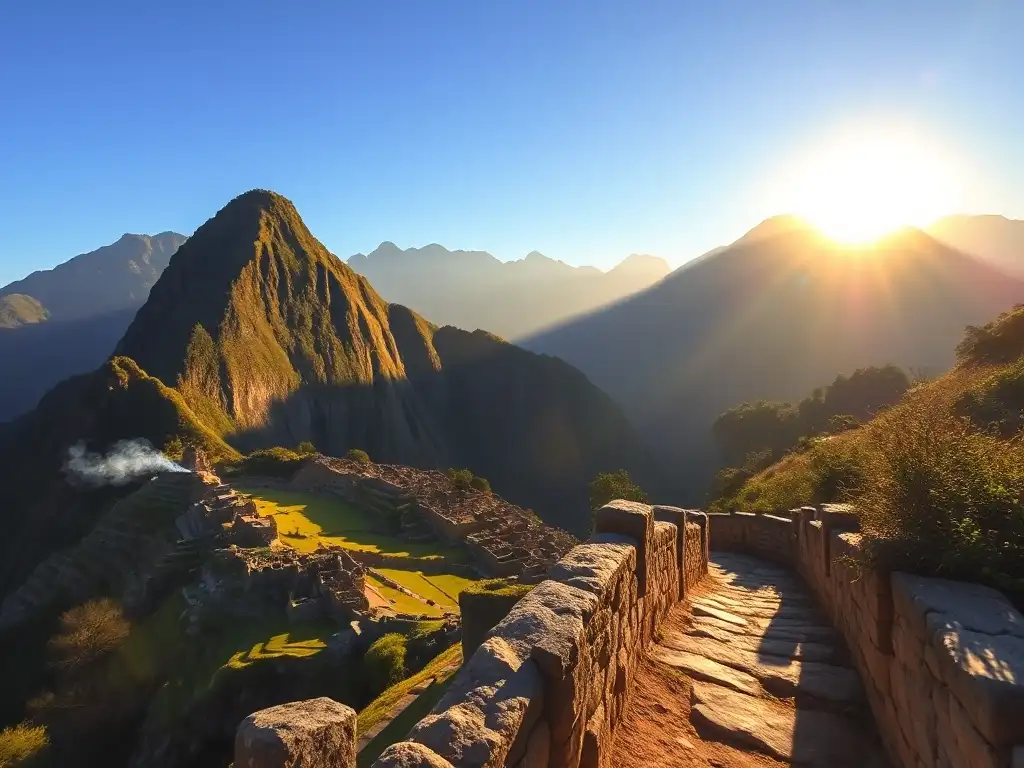
Uncover the secrets whispered on the wind through the Andes Mountains. For centuries, the Andean civilizations have held a wealth of wisdom, shaping their societies and leaving behind a legacy of ingenuity. But what can their Andean civilizations wisdom practices teach us today? Prepare to be captivated as we delve into the fascinating techniques and philosophies that continue to resonate, offering profound insights for navigating the complexities of the modern world. Journey with us to discover the enduring power of ancient Andean knowledge.
The breathtaking landscapes of the Andes Mountains cradle a legacy far richer than stunning vistas: a tapestry of sophisticated civilizations that flourished for millennia, leaving behind an enduring legacy of wisdom and innovation. This article delves into the fascinating world of Andean civilizations – including the Incas, Moche, Nazca, and Tiahuanaco – exploring their remarkable practices and examining their surprising relevance to modern challenges.
We will uncover how their ingenious agricultural techniques, intricate social structures, and profound spiritual beliefs offer valuable insights for sustainable living, community building, and a deeper understanding of our interconnected world. From the ingenious terracing of the Inca to the intricate astronomical observations of the Nazca, we'll unearth the practical wisdom embedded in Andean traditions and consider how these ancient practices can inform our approach to the present and future.
This exploration of Andean civilizations wisdom practices aims to showcase the enduring value of these ancient cultures and their potential to inspire positive change in our own time.
The Enduring Legacy of Andean Civilizations
The Andean region boasts a history spanning thousands of years, witnessing the rise and fall of numerous powerful empires. Each civilization, while unique in its artistic expression and political organization, demonstrated remarkable ingenuity in adapting to the challenging Andean environment. Their achievements in agriculture, engineering, and social organization were often remarkably advanced for their time.
For example, the Inca’s sophisticated road network, spanning thousands of miles across treacherous terrain, facilitated communication and trade across their vast empire. Similarly, the Nazca's mastery of irrigation systems allowed them to flourish in an arid climate, while the Moche’s intricate metalworking techniques produced stunning artifacts that continue to amaze archaeologists today. Understanding these achievements requires acknowledging the interconnectedness of their knowledge systems, their deep respect for the natural world, and their sophisticated understanding of social organization.
The enduring legacy of these civilizations isn't just about impressive ruins; it's about the underlying principles of sustainability, resilience, and community that shaped their societies. These principles, surprisingly relevant today, are worth exploring in detail.
Exploring Ancient Andean Knowledge Systems
Andean civilizations weren't simply builders of impressive structures; they possessed sophisticated knowledge systems deeply intertwined with their environment and spirituality. Their understanding of astronomy was crucial for agriculture, enabling precise predictions of planting and harvesting seasons. This wasn't simply a matter of observation; it involved a profound understanding of celestial cycles and their impact on the land.
Furthermore, their intricate agricultural techniques, like terraced farming and sophisticated irrigation systems, allowed them to cultivate food in challenging terrains, demonstrating a remarkable understanding of sustainable land management. The concept of ayni, a reciprocal system of labor and exchange, fostered strong community bonds and ensured the equitable distribution of resources. These principles of reciprocity and cooperation are not just historical curiosities; they represent powerful models for building sustainable and equitable communities today.
The integration of spiritual beliefs into daily life further shaped their understanding of the world and their place within it. This holistic approach, recognizing the interconnectedness of all things, offers a valuable perspective on our own relationship with the environment and each other.
Understanding the Relevance of Andean Traditions Today
The wisdom of Andean civilizations offers valuable lessons for addressing contemporary challenges. Their sustainable agricultural practices provide a blueprint for combating climate change and ensuring food security in a world facing increasing environmental pressures. The principles of ayni and community cooperation offer models for fostering social cohesion and addressing inequalities.
Moreover, the Andean emphasis on a holistic worldview, integrating spiritual and material aspects of life, can inspire a more balanced and sustainable approach to development. Studying Andean traditions isn’t simply about appreciating the past; it's about identifying practical solutions and ethical frameworks relevant to the challenges of the 21st century. By understanding the interconnectedness of their knowledge systems and their deep respect for the environment, we can draw inspiration for creating more resilient, equitable, and sustainable societies.
The legacy of Andean civilizations is not merely a historical record; it is a living resource offering profound insights for a better future. The study of Andean civilizations wisdom practices continues to reveal new and valuable lessons for modern society.
- What wisdom practices did Andean civilizations utilize?
- How did Andean civilizations view the relationship between humans and nature?
- What role did community play in Andean societies?
- What sustainable agricultural techniques did Andean civilizations develop?
- How can we apply Andean wisdom practices to modern life?
Andean Practices: A Source of Timeless Wisdom

This section delves into the enduring wisdom embedded within the practices of Andean civilizations, exploring how their sustainable approaches to agriculture, health, and community offer valuable lessons for modern society. We will examine specific techniques and philosophies, highlighting their relevance in addressing contemporary challenges. The rich tapestry of Andean culture provides a powerful example of harmonious coexistence with the natural world, offering insights into achieving a more balanced and sustainable future. Understanding these "Andean civilizations wisdom practices" allows us to appreciate the ingenuity and foresight of past generations.
Sustainable Agriculture: Lessons from the Andes
The ingenuity of Andean agricultural practices is remarkable, particularly considering the challenging geography of the Andes Mountains. Their ability to cultivate food in steep, high-altitude environments offers crucial lessons in sustainable land management.
Terracing and Water Management Techniques
Andean farmers developed sophisticated terracing techniques to create level platforms on steep slopes, maximizing arable land and minimizing soil erosion. These terraces, often meticulously constructed with stone walls, slowed water runoff, preventing soil loss and creating microclimates ideal for specific crops. This exemplifies a deep understanding of hydrology and soil conservation, far surpassing the capabilities of many modern agricultural systems.
For example, the impressive agricultural terraces of Moray, near Cusco, Peru, showcase the advanced engineering skills of the Inca, allowing them to cultivate a wide variety of crops at different altitudes and temperatures. Detailed studies of these terraces continue to reveal innovative water management strategies that are relevant even today.
The Andean Concept of Pachamama and Ecological Balance
Central to Andean agricultural practices is the concept of Pachamama, the Earth Mother, representing the interconnectedness of all living things. This deep respect for nature fostered a sustainable relationship with the environment, prioritizing ecological balance over short-term gains. Practices such as crop rotation, intercropping, and the use of organic fertilizers were not merely techniques but expressions of a holistic worldview that emphasized harmony with Pachamama.
The meticulous observation of natural cycles and the careful management of resources demonstrate a profound understanding of ecological principles. Modern agricultural systems could benefit immensely from re-evaluating this deep respect for ecological balance, moving beyond the intensive, resource-depleting practices prevalent in many parts of the world. The Andean approach emphasizes a long-term vision, prioritizing the health of the ecosystem over immediate economic returns.
Holistic Health and Well-being in Andean Culture
Andean civilizations possessed a holistic understanding of health and well-being, integrating physical, mental, and spiritual aspects. Their approach emphasizes the interconnectedness of the individual with their community and the environment, offering a valuable counterpoint to the fragmented approach often seen in modern healthcare systems.
Traditional Andean Medicine and Herbal Remedies
Traditional Andean medicine relied heavily on herbal remedies and natural treatments, drawing upon the rich biodiversity of the Andes. Extensive knowledge of medicinal plants and their properties was passed down through generations, forming a complex system of healing practices. Many of these remedies are still used today and are becoming increasingly recognized for their efficacy.
For example, the use of coca leaves for altitude sickness relief, or the various applications of medicinal plants for treating a range of ailments, demonstrates a deep understanding of pharmacology and the power of natural healing. Further research into these traditional remedies could uncover valuable new treatments and medicines. [Specific data on the efficacy of specific Andean herbal remedies pending].
The Importance of Community and Connection in Health
In Andean culture, health was not simply an individual concern but a collective responsibility. Strong community ties and social support networks played a vital role in maintaining physical and mental well-being. Shared rituals, ceremonies, and communal work fostered a sense of belonging and mutual support, contributing to a healthier and more resilient society.
This emphasis on social connection offers a powerful contrast to the increasingly individualistic nature of modern society, highlighting the crucial role of social support in promoting both physical and mental health. This interconnectedness within Andean communities fostered a sense of collective responsibility for the well-being of all members, creating a strong social safety net and promoting resilience in the face of adversity.
Andean Spirituality and Cosmic Understanding
Andean spirituality wasn't a codified religion with a single deity or set of commandments like many Western religions. Instead, it was a deeply interwoven understanding of the cosmos, where the physical world and the spiritual realm were inseparable. This interconnectedness is reflected in their profound respect for nature and their understanding of the universe as a living, breathing entity. The Andes themselves were considered sacred, a place where the celestial and terrestrial realms converged.
Mountains, rivers, and even specific rocks held significant spiritual power, acting as conduits between the human and divine. This worldview profoundly influenced their daily lives, shaping their social structures, agricultural practices, and artistic expressions. The concept of Pachamama, Mother Earth, epitomizes this deep connection, representing the life-giving force that sustains all living beings.
The reverence for Pachamama is not merely symbolic; it's a practical acknowledgment of the essential role of the environment in human existence. Understanding this fundamental aspect of Andean spirituality unlocks a deeper appreciation for their wisdom and sustainable practices. Their holistic view of the world serves as a powerful counterpoint to the often fragmented perspectives of modern society.
The Andean Cosmovision and the Sacred Landscape
The Andean cosmovision, or worldview, was deeply rooted in the physical landscape. Mountains were not simply geographical features; they were considered sacred entities, often dwelling places of powerful spirits. The highest peaks, piercing the sky, were seen as connecting points between the earthly and celestial realms.
Rivers, too, held immense spiritual significance, representing the lifeblood of the land and carrying the energy of the cosmos. Many rituals and ceremonies were performed in specific locations within the landscape, chosen for their particular energetic properties or historical significance. For example, the Inca city of Machu Picchu, nestled high in the Andes, was not just a political center but also a sacred site, carefully designed to align with the celestial movements and harness the power of the surrounding landscape.
This understanding of the landscape as a sacred space highlights the Andean people's intimate connection with their environment, a connection that informed their sustainable practices and their understanding of the interconnectedness of all things. The careful integration of their settlements within the natural environment reflects a wisdom often overlooked in modern urban planning. The integration of sacred sites into daily life emphasizes the importance of spirituality and its influence on their societal structures.
Rituals and Ceremonies for Connecting with Nature
Andean cultures developed a rich tapestry of rituals and ceremonies designed to maintain harmony with the natural world and ensure its continued bounty. These weren't merely religious observances; they were practical actions aimed at fostering a reciprocal relationship with Pachamama. Agricultural cycles were marked by specific ceremonies, such as the capacocha, a significant offering ceremony involving human sacrifice (though the extent and interpretation of this practice are still debated amongst scholars).
These offerings, whether animal sacrifices or other tributes, were not seen as acts of appeasement but as expressions of gratitude and a way to maintain balance in the ecosystem. The paymantus, offerings given to the earth, were a regular practice, ensuring the fertility of the land and the well-being of the community. These rituals were often accompanied by music, dance, and prayers, creating a powerful connection between the people and the spiritual forces that governed their lives.
The meticulous attention paid to the details of these ceremonies reflects a deep understanding of the interconnectedness of all things and a commitment to living in harmony with nature—a perspective that offers valuable lessons for modern societies grappling with environmental challenges. The intricate details of these rituals, though many are lost to time or fragmented by colonization, highlight the sophistication and depth of Andean spiritual practices.
Applying Andean Wisdom in the Modern World
This section explores the practical applications of Andean wisdom in contemporary society, highlighting its relevance to modern challenges and opportunities. We'll examine how Andean principles can be integrated into various aspects of modern life, fostering sustainable practices and promoting social harmony. The enduring legacy of Andean civilizations offers valuable lessons for navigating the complexities of the 21st century.
The core principles of Andean wisdom, deeply rooted in respect for nature, community, and reciprocity, offer a powerful framework for addressing global issues. This translates into tangible benefits for individuals and communities alike, promoting a more equitable and sustainable future. The study of Andean civilizations wisdom practices provides a rich tapestry of insights for modern application.
Integrating Andean Principles into Contemporary Life
The wisdom of Andean civilizations transcends its historical context. Many of its core principles remain remarkably relevant in addressing contemporary challenges. This section will analyze how these principles can be integrated into modern life, enriching our understanding of sustainable living, community building, and resource management. Understanding and applying these principles can lead to significant positive impacts on our lives and the world around us. The Andean worldview offers a potent antidote to many of the problems plaguing modern society.
Fostering Respect for Nature and Resources
Andean cultures demonstrated a profound respect for Pachamama, Mother Earth. This reverence extended to a sustainable approach to resource management, characterized by careful stewardship and a deep understanding of ecological balance. Modern societies can learn from this example by adopting practices that minimize environmental impact and promote biodiversity. For example, the Inca's sophisticated agricultural techniques, including terracing and irrigation systems, allowed them to cultivate diverse crops efficiently and sustainably, even in challenging terrains. These techniques are still relevant today, offering valuable insights into sustainable agriculture and land management.
Implementing similar methods in modern farming could significantly reduce environmental degradation and enhance food security. This includes reducing reliance on chemical fertilizers and pesticides, and promoting crop diversification. The concept of ayni, reciprocal exchange, further underscores the importance of balanced interaction with nature. Taking only what is needed and giving back to the environment are key tenets of this philosophy.
Promoting Community-Based Solutions and Collaboration
The Andean worldview emphasizes the importance of community and collaboration. Decisions were often made collectively, prioritizing the well-being of the community over individual gain. This collaborative approach is particularly relevant today in tackling complex challenges that require collective action, such as climate change, poverty, and inequality. The ayllu, a traditional Andean community structure, serves as a model for effective collaboration and resource sharing. Members of the ayllu worked together to cultivate land, build infrastructure, and support each other.
This model of mutual support and shared responsibility can inspire modern communities to develop more inclusive and equitable systems. By embracing collaborative problem-solving, modern communities can achieve more sustainable and equitable outcomes. This includes fostering open dialogue, promoting transparency, and ensuring that all voices are heard. The success of Andean civilizations hinged on the strength of their communities and their commitment to collective action.
The Role of Andean Wisdom in Cultural Preservation
The preservation of Andean cultural heritage is crucial for maintaining a rich tapestry of traditions, knowledge, and practices. This section examines the role of Andean wisdom in safeguarding this heritage and supporting the communities that carry it forward. The unique insights offered by Andean civilizations wisdom practices are invaluable in the ongoing efforts to protect and promote cultural diversity.
Safeguarding Traditional Knowledge and Practices
Andean civilizations possessed a wealth of knowledge in various fields, including agriculture, medicine, and engineering. This knowledge, often passed down through generations, is crucial for understanding and preserving their cultural heritage. Documenting and preserving this traditional knowledge is essential for future generations. This includes oral histories, traditional healing practices, and ancient agricultural techniques.
Efforts to digitize and archive this information are vital to ensure its long-term preservation. Furthermore, supporting communities in continuing these practices is equally important. This ensures that traditional knowledge remains alive and relevant in modern contexts. The loss of traditional knowledge represents a significant loss to humanity.
Supporting Indigenous Communities and Their Heritage
Indigenous communities are the custodians of Andean cultural heritage. Supporting their efforts to preserve their traditions and languages is crucial for maintaining cultural diversity. This involves recognizing their rights, protecting their lands, and providing access to education and resources. Empowering indigenous communities to lead their own preservation efforts is key to ensuring the long-term sustainability of their heritage. This includes providing funding, training, and technical support for community-based initiatives.
Respecting indigenous knowledge and perspectives is also essential. Indigenous communities often possess unique insights and knowledge that can inform modern approaches to cultural preservation and sustainable development. The role of indigenous communities in preserving Andean heritage cannot be overstated. Their knowledge, traditions, and perspectives are invaluable resources that must be protected and celebrated.
Andean Civilizations Wisdom Practices for a Better Future
This section explores the enduring relevance of Andean civilizations' wisdom practices in addressing contemporary challenges. We will examine how their philosophies and sustainable approaches to life offer valuable insights for creating a more equitable and environmentally conscious future. The rich tapestry of Andean cultures, encompassing the Incas, Moche, Nazca, and Tiahuanaco, among others, bequeathed a legacy of knowledge that resonates powerfully even today. Understanding their practices provides a unique perspective on achieving global sustainability and navigating modern complexities. The keyword "Andean civilizations wisdom practices" encapsulates this rich heritage and its modern application.
Reconnecting with Ancient Wisdom for Modern Challenges
The accelerating pace of modern life, characterized by technological advancements, globalization, and environmental degradation, often leaves us feeling disconnected from fundamental values and sustainable practices. Andean civilizations, however, thrived for centuries by embracing a deep connection with nature and a strong sense of community. Their sophisticated understanding of ecological balance, resource management, and social harmony offers valuable lessons for contemporary societies grappling with climate change, social inequality, and resource depletion.
This section delves into specific examples of how their wisdom can be applied to modern problems. For instance, the intricate terrace farming systems of the Incas, designed to optimize water usage and soil fertility in challenging mountainous terrain, represent a model for sustainable agriculture that can be adapted to address modern food security concerns.
Finding Solutions to Contemporary Issues Through Andean Insights
The Andean worldview emphasized a holistic approach, where the well-being of individuals was inextricably linked to the health of their communities and the environment. This interconnectedness is reflected in their social structures, agricultural practices, and spiritual beliefs. Consider, for example, the ayllu, the traditional Andean communal system.
This system fostered cooperation and mutual support, ensuring the equitable distribution of resources and responsibilities within the community. This model contrasts sharply with modern capitalist systems that often exacerbate social inequalities. The principles of the ayllu could inspire the development of more collaborative and inclusive economic models, addressing issues of poverty and social injustice.
Furthermore, the Andean understanding of reciprocity—the principle of exchanging goods and services to maintain balance and harmony—provides a framework for fostering sustainable relationships between individuals, communities, and the environment. This concept could be instrumental in promoting fairer trade practices and responsible resource consumption. Data on the success of modern communities adopting aspects of the ayllu system is [specific information pending], but anecdotal evidence suggests positive impacts on social cohesion and resource management.
The Potential of Andean Philosophies for Global Sustainability
The Andean civilizations' deep reverence for nature is another crucial element of their wisdom. Their understanding of the interconnectedness of all living things, often expressed through their spiritual beliefs and rituals, offers a powerful counterpoint to the anthropocentric worldview that has fueled environmental degradation. The concept of Pachamama, Mother Earth, highlights the intrinsic value of nature and the importance of respecting its delicate balance.
Integrating this perspective into modern environmental policy could lead to more effective conservation strategies and a greater emphasis on ecological sustainability. The meticulous planning and engineering evident in Andean constructions, such as the Nazca lines and Machu Picchu, demonstrate a capacity for long-term vision and sustainable development. These achievements highlight the importance of considering the long-term consequences of our actions, a crucial element often overlooked in today's fast-paced society.
The study of Andean sustainable practices can offer valuable insights into achieving global sustainability goals, including reducing carbon emissions, protecting biodiversity, and promoting responsible resource management. Further research into the specific techniques and philosophies employed by Andean civilizations in their sustainable practices could reveal even more practical applications for modern societies. A comparative analysis of Andean sustainable practices with modern approaches could provide a roadmap towards a more environmentally friendly future.
Frequently Asked Questions
What wisdom practices did Andean civilizations utilize?
Andean civilizations employed a range of wisdom practices, including spiritual connection with nature, community-based living, and sustainable agriculture techniques. These practices fostered resilience and harmony within their societies.
How did Andean civilizations view the relationship between humans and nature?
Andean cultures viewed humans as integral parts of nature, not separate from it. Their beliefs and practices reflected a deep respect for the interconnectedness of all living things and the land.
What role did community play in Andean societies?
Community was central to Andean life. Collective efforts were essential for survival and prosperity, with strong emphasis on shared resources and responsibilities. This fostered a strong sense of social cohesion.
What sustainable agricultural techniques did Andean civilizations develop?
Andean civilizations developed sophisticated terracing, irrigation, and crop diversification techniques to maximize agricultural yields while minimizing environmental impact. These practices ensured food security for their populations.
How can we apply Andean wisdom practices to modern life?
We can learn from Andean practices by embracing sustainable living, fostering stronger community bonds, and developing a deeper appreciation for the natural world. These principles can improve our well-being and create a more harmonious society.
Final Reflection: Echoes of the Andes in a Changing World
The wisdom of the Andean civilizations, far from being a relic of the past, offers a potent antidote to the complexities of our modern world. Their deep connection to nature, their emphasis on community, and their sophisticated understanding of sustainable living provide invaluable lessons for navigating the challenges of climate change, social inequality, and environmental degradation. These are not just historical curiosities; they are vital tools for building a more just and sustainable future.
The enduring legacy of Andean practices continues to resonate, shaping our understanding of holistic well-being and interconnectedness. Their emphasis on living in harmony with the natural world, a concept often expressed through the ayni principle of reciprocity, offers a powerful counterpoint to our current extractive and exploitative relationship with the environment. The Earth is not something we inherit from our ancestors; it is something we borrow from our children.
This sentiment, while not directly Andean, perfectly encapsulates the profound respect for the land inherent in their traditions, a respect we must urgently reclaim.
Consider the profound implications of these ancient practices. How can you integrate the principles of ayni – reciprocity and balance – into your daily life? How can you foster a stronger connection with the natural world around you, recognizing your place within a larger ecosystem? Embrace the opportunity to learn from the past, not just to understand history, but to build a better future. Let the echoes of the Andes inspire you to live a more meaningful, sustainable, and interconnected life.
Embrace the Wisdom of the Andes Today!
Thank you for exploring the ancient teachings of Andean civilizations with us! Understanding their practices reveals timeless wisdom applicable to modern life. Now, let's put that knowledge into action!
Here's how you can integrate the essence of Andean wisdom into your daily life:
- Cultivate daily gratitude: Take a few moments each day to reflect on three things you appreciate. This practice, inspired by Andean traditions, fosters a positive outlook.
- Connect with your community: Join a local group focused on sustainability, cultural exchange, or a similar interest. Sharing experiences with like-minded individuals strengthens community bonds and enriches your life.
- Explore Andean culture: Expand your understanding by trying a new Peruvian dish, learning about traditional crafts, or researching Andean history. You might discover a new passion or hidden talent along the way!
How will you integrate the wisdom of the Andes into your life? We'd love to hear your thoughts and experiences!