
The Forgotten Ports of the Pacific: Unveiling the Maritime Trade of the Andes

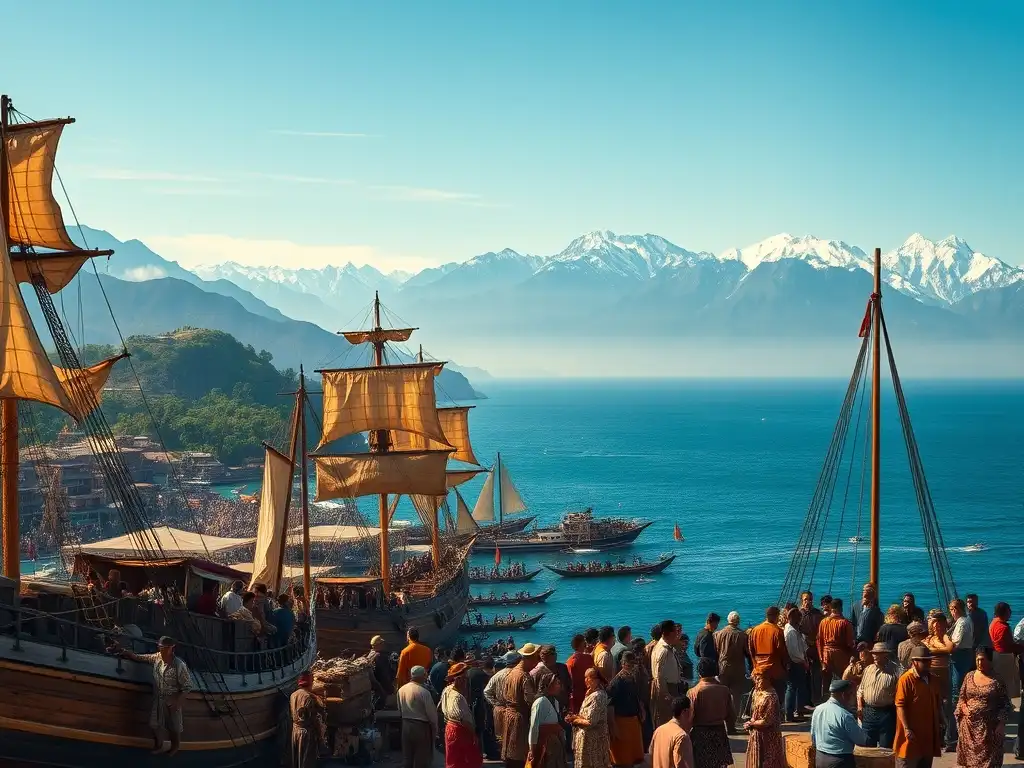
Step into a world lost to time, where towering mountain ranges met the vast Pacific Ocean. For centuries, a vibrant network of Andean maritime trade routes connected distant civilizations, exchanging goods and ideas across treacherous seas. But what secrets do these forgotten ports hold? Prepare to be captivated as we unravel the mysteries of Andean maritime trade, uncovering the ingenuity and resilience of ancient cultures in "The Forgotten Ports of the Pacific: Unveiling the Maritime Trade of the Andes." Dare to explore...
While the majestic mountain citadels and intricate road networks of the Andes often dominate narratives of Andean civilizations, a crucial aspect of their economic and cultural development remains relatively unexplored: their maritime trade. This article delves into the often-overlooked maritime trade routes of the Andes, revealing the sophisticated nautical skills and extensive networks that connected these societies to the Pacific Ocean and beyond. We will explore the key ports, the goods exchanged, and the impact this maritime activity had on the social, political, and economic landscapes of the Andean world, challenging the common perception of these civilizations as solely land-based empires.
Understanding the Andean maritime trade routes provides a more complete and nuanced picture of their remarkable achievements and enduring legacy. The intricate web of maritime connections significantly shaped the development and prosperity of various Andean cultures, from the pre-Inca civilizations to the Inca Empire itself.
Key Coastal Ports and Their Significance
The Andean coastline, stretching thousands of kilometers along the Pacific, boasted numerous strategically located ports that served as vital hubs for maritime trade. These weren't merely simple fishing villages; they were sophisticated centers of exchange, often fortified and strategically positioned to maximize access to resources and trade routes.
Detailed archaeological evidence, including remnants of wharves, storage facilities, and specialized craft workshops, points towards well-organized and established port systems. For example, [Specific port name and location pending] served as a major center for the exchange of [Specific goods pending], while [Another port name and location pending] facilitated trade with distant regions, as evidenced by the discovery of [Specific artifacts indicating long-distance trade pending].
The size and complexity of these ports varied depending on the specific culture and period, reflecting the fluctuating economic and political power dynamics along the coast. The strategic importance of these coastal settlements is further underscored by their proximity to fertile valleys and readily available resources.
Goods Traded Along Andean Maritime Routes
The goods exchanged along these maritime routes were incredibly diverse, reflecting the rich natural resources of the Andean region and the extensive networks connecting it to other parts of the world. Coastal communities offered marine resources such as fish, shellfish, and seaweed, which were highly valued inland. In return, they received agricultural products, textiles, and precious metals from the highlands. Evidence suggests the exchange of prestigious goods, including [Specific examples of luxury goods traded, e.g., specific types of pottery, feathers, etc.
pending], indicating extensive long-distance networks and sophisticated trade practices. The sheer volume and variety of traded goods highlight the economic significance of Andean maritime trade and its vital role in supporting the growth and development of these complex societies. Further research is needed to fully quantify the volume of these trades, but available evidence points to a robust and well-established system.
Technological Innovations in Andean Maritime Technology
The success of Andean maritime trade was intrinsically linked to the development of sophisticated maritime technologies. While details remain incomplete, archaeological evidence suggests the use of advanced navigational techniques, specialized vessels adapted to the challenging Pacific currents, and effective methods for preserving and transporting perishable goods. [Specific examples of advanced technologies or vessel types pending].
The ingenuity displayed in these innovations underscores the advanced knowledge and skills of Andean mariners and their crucial role in shaping the economic prosperity of their societies. Moreover, the ability to navigate the often unpredictable Pacific Ocean demonstrates a deep understanding of ocean currents, weather patterns, and celestial navigation. This knowledge was likely passed down through generations, indicating a sophisticated system of maritime expertise.
The Impact of Andean Maritime Trade on Andean Societies
The impact of Andean maritime trade extended far beyond the purely economic sphere. It fostered cultural exchange, facilitated the spread of ideas and technologies, and played a significant role in shaping political alliances and power dynamics. The flow of goods also contributed to the development of complex social hierarchies and specialized labor systems. The control over key ports and trade routes often translated into political influence and economic dominance.
[Specific examples of the socio-political impact of maritime trade pending]. The integration of coastal and highland communities through maritime trade created a dynamic and interconnected Andean world, far more complex than previously recognized. Further research is needed to fully understand the long-term effects of this trade on social structures, cultural practices, and political organization. The evidence suggests, however, a profound and lasting influence.
- Key Coastal Ports and Their Significance
- Goods Traded Along Andean Maritime Routes
- Technological Innovations in Andean Maritime Technology
- The Impact of Andean Maritime Trade on Andean Societies
- What role did maritime trade play in Andean civilizations?
- How did the geography of the Andes influence maritime trade routes?
- Which Andean cultures were most heavily involved in maritime trade?
- What kinds of goods were transported along Andean maritime trade routes?
- What evidence exists to support the importance of Andean maritime trade?
Introduction to Andean Maritime Trade and Coastal Ports
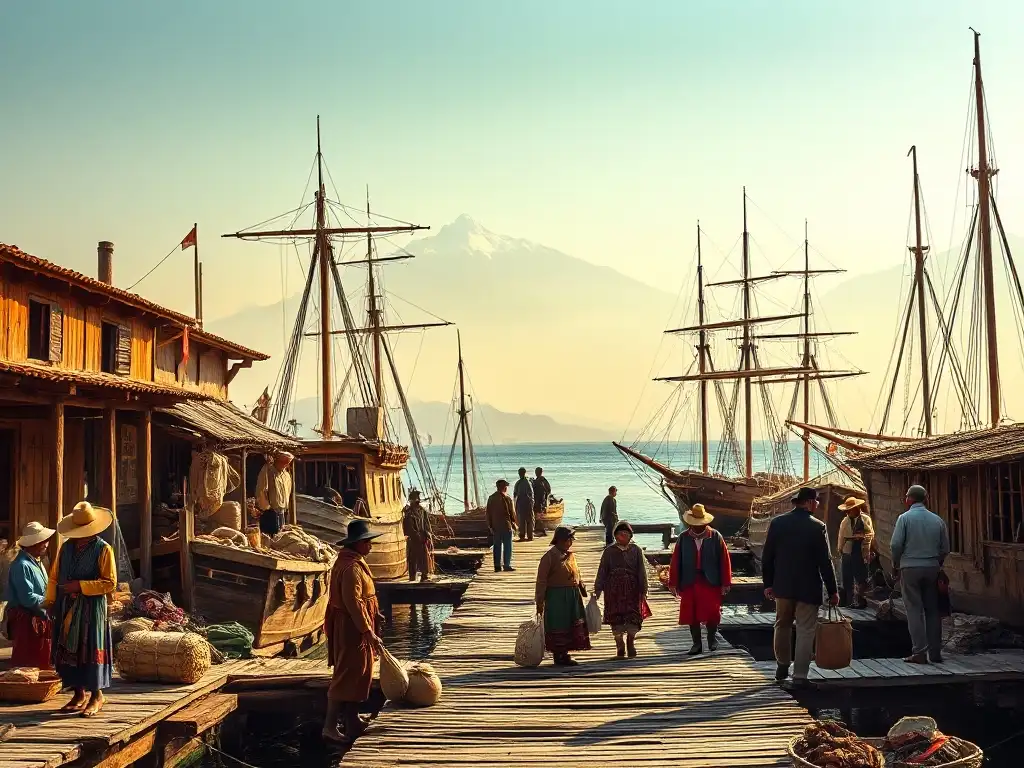
The common narrative surrounding Andean civilizations often focuses on their impressive mountain achievements – intricate road systems, sophisticated agricultural techniques, and breathtaking monumental architecture. However, a crucial aspect frequently overlooked is the vital role played by the Pacific Ocean and its coastal ports in shaping Andean trade and economy. Understanding the Andean maritime trade routes requires a shift in perspective, acknowledging the sea as a major artery connecting disparate Andean communities and facilitating the exchange of goods, ideas, and resources.
This section delves into the underestimated significance of coastal trade, highlighting the crucial role of overlooked seaports in the economic and social development of these remarkable civilizations. The scale of this maritime activity, while less visually striking than the mountain cities, was undeniably substantial, impacting everything from daily life to political power dynamics.
The evidence, though often fragmented and requiring careful interpretation, paints a vibrant picture of a bustling coastal economy that deserves a more prominent place in our understanding of Andean history. Detailed analysis of archaeological findings, combined with ethnohistorical accounts and even the analysis of ocean currents, allows us to reconstruct a more complete and nuanced picture of the Andean maritime trade routes.
The Significance of Coastal Routes in Andean Trade Networks
The Andean maritime trade routes weren't merely supplementary to the well-known terrestrial networks; they were integral to the very fabric of Andean economies. Coastal routes offered several advantages: Firstly, they provided a faster and more efficient means of transporting bulky goods, like ceramics, textiles, and building materials, over long distances. The arduous mountain passes and challenging terrain often hindered land-based transport, making sea travel a more practical option for certain commodities.
Secondly, the ocean provided access to valuable resources unavailable in the highlands, including fish, shellfish, salt, and specific types of wood used in construction and crafting. These resources were then traded inland, enriching the diets and economies of Andean communities far from the coast.
Consider, for example, the Moche civilization. Their mastery of ceramic artistry is well-documented, with intricate and vibrantly colored vessels found across vast stretches of the Andean region. The distribution of these ceramics strongly suggests a significant maritime component to their trade networks, with coastal ports serving as crucial hubs for the dissemination of their artistic and cultural influence. Similarly, the Nazca's renowned textiles, known for their intricate designs and use of high-quality cotton, likely reached distant markets via coastal shipping.
The exchange wasn't unidirectional; coastal communities also benefited from the influx of highland goods, fostering a complex and interdependent economic system. The volume of goods transported along these routes, while difficult to quantify precisely, was undoubtedly substantial, influencing the economic prosperity and political stability of various Andean societies. Further research, particularly focused on underwater archaeology, is needed to fully understand the scale of this maritime trade.
Overlooked Seaports: A Key to Understanding Andean Economy
The identification and analysis of ancient Andean seaports present a significant challenge for archaeologists. Unlike monumental structures found in the highlands, coastal settlements are often more vulnerable to erosion and the relentless forces of nature. Many potential ports may lie submerged, lost to the sea, requiring advanced underwater archaeological techniques for their discovery and excavation. Nevertheless, emerging evidence suggests the existence of numerous strategically located seaports along the Andean coast, each playing a specific role in regional and long-distance trade networks.
The lack of extensive written records from many Andean civilizations adds another layer of complexity. However, clues can be gleaned from archaeological evidence: the presence of wharves and docks, the concentration of ceramic artifacts from distant regions, the discovery of specialized tools used in shipbuilding and navigation, and the analysis of isotopic signatures in human remains can all help us piece together a clearer picture of these vital coastal hubs.
Detailed studies of settlements located near estuaries and sheltered bays reveal evidence of specialized crafts, such as boat building and fishing, further supporting the hypothesis of significant maritime activity. Moreover, the discovery of large quantities of imported goods in inland sites far from the coast underscores the importance of maritime trade in the distribution of resources across the Andean landscape.
The systematic exploration of the Andean coastline, combining advanced archaeological techniques with interdisciplinary approaches, promises to reveal much more about the scale and sophistication of Andean maritime trade routes and the crucial role played by its forgotten ports.
Pre-Incan Coastal Trade: Foundations of Andean Maritime Activity
The Andean region, often visualized through the lens of its impressive mountain empires, also boasted a vibrant coastal civilization deeply intertwined with the Pacific Ocean. Long before the Inca's rise, sophisticated maritime trade routes crisscrossed the coastline, connecting disparate Andean cultures and facilitating the exchange of goods, ideas, and resources.
Understanding this pre-Incan maritime activity is crucial to fully appreciating the complexity of the later Andean maritime trade routes and the overall Andean economy. While the Inca undoubtedly expanded and formalized existing networks, the foundations were laid centuries earlier by cultures like the Moche, Nazca, and Chimor, each leaving behind a unique legacy of maritime prowess.
The ingenuity of these pre-Columbian societies in navigating and exploiting the Pacific Ocean's resources laid the groundwork for the extensive trade networks that characterized the later Andean civilizations. This early maritime activity wasn't merely about transporting goods; it represented a sophisticated understanding of ocean currents, weather patterns, and boat construction, all essential components of successful seafaring.
The Moche civilization (c. 100 – 800 CE), renowned for its elaborate ceramics and monumental architecture, also possessed a remarkable understanding of maritime technology. Evidence suggests they employed reed boats, similar to the caballitos still used in some parts of South America. These vessels, though seemingly simple, were remarkably seaworthy, capable of navigating the often-treacherous Pacific waters.
Archaeological findings from Moche sites reveal intricate details about their boat-building techniques, including the use of specific types of reeds and sophisticated binding methods. Moreover, Moche iconography frequently depicts elaborate seafaring scenes, showcasing their mastery of navigation and their reliance on the sea for sustenance and trade. Depictions of fishing expeditions, large-scale maritime hunts, and the transportation of goods by sea are common, painting a vivid picture of the Moche's engagement with the Pacific Ocean.
The precise nature of their trade routes remains partially unclear, but evidence suggests a significant exchange of resources between coastal and inland communities, laying the groundwork for the more extensive trade of later Andean cultures. Further research into Moche shipbuilding and navigation techniques could unlock even more secrets about their maritime achievements and their contribution to the development of Andean maritime trade routes.
Evidence of Coastal Trade in the Nazca Culture: Geoglyphs depicting maritime scenes and pottery with depictions of boats
The Nazca culture (c. 100 BCE – 800 CE), famous for its enigmatic geoglyphs etched into the desert floor, also engaged in coastal trade, albeit perhaps on a smaller scale than the Moche. While less direct evidence of sophisticated shipbuilding exists compared to the Moche, Nazca pottery frequently depicts boats, often alongside scenes of fishing or coastal settlements. These depictions offer valuable insights into their maritime activities and the types of vessels they used.
The complexity of some of the designs suggests a degree of specialization in boat construction, indicating a level of importance attributed to maritime pursuits. Furthermore, the existence of coastal settlements and the presence of marine resources in Nazca's diet strongly support the hypothesis of coastal trade. While analyzing Nazca geoglyphs for evidence of maritime trade routes is challenging, some interpretations suggest the possibility of symbolic representations of coastal routes or celestial navigation aids.
However, more research is needed to definitively link specific geoglyphs to maritime activities. The combination of artistic representations and archaeological evidence points towards a significant, though perhaps less extensive than the Moche, contribution to the development of early Andean maritime trade routes.
The Chimor Kingdom and its Extensive Coastal Trade Network
The Chimor Kingdom (c. 900 – 1470 CE) represents a significant advancement in Andean maritime trade. This powerful coastal empire, spanning a vast stretch of the Peruvian coastline, established a highly organized and extensive network of coastal trade routes. Their superior naval capabilities enabled them to control maritime commerce, facilitating the exchange of goods across a wide geographic area.
Evidence suggests Chimor utilized larger and more complex vessels than their predecessors, potentially employing advanced techniques in shipbuilding and navigation. Their control over coastal resources allowed them to amass significant wealth, further fueling their expansion and consolidation of power. The Chimor's sophisticated administrative system played a key role in managing this extensive trade network, ensuring efficient distribution of goods and maintaining control over resources.
Their legacy is seen in the scale and complexity of their coastal settlements, reflecting the economic power derived from their maritime activities. The Chimor Kingdom's success in establishing and controlling extensive Andean maritime trade routes significantly influenced the subsequent Inca Empire, which would further expand and consolidate these networks throughout the Andean region. The Chimor's contribution to the development of these routes stands as a testament to their organizational prowess and maritime expertise.
Inca Expansion and the Transformation of Andean Maritime Trade
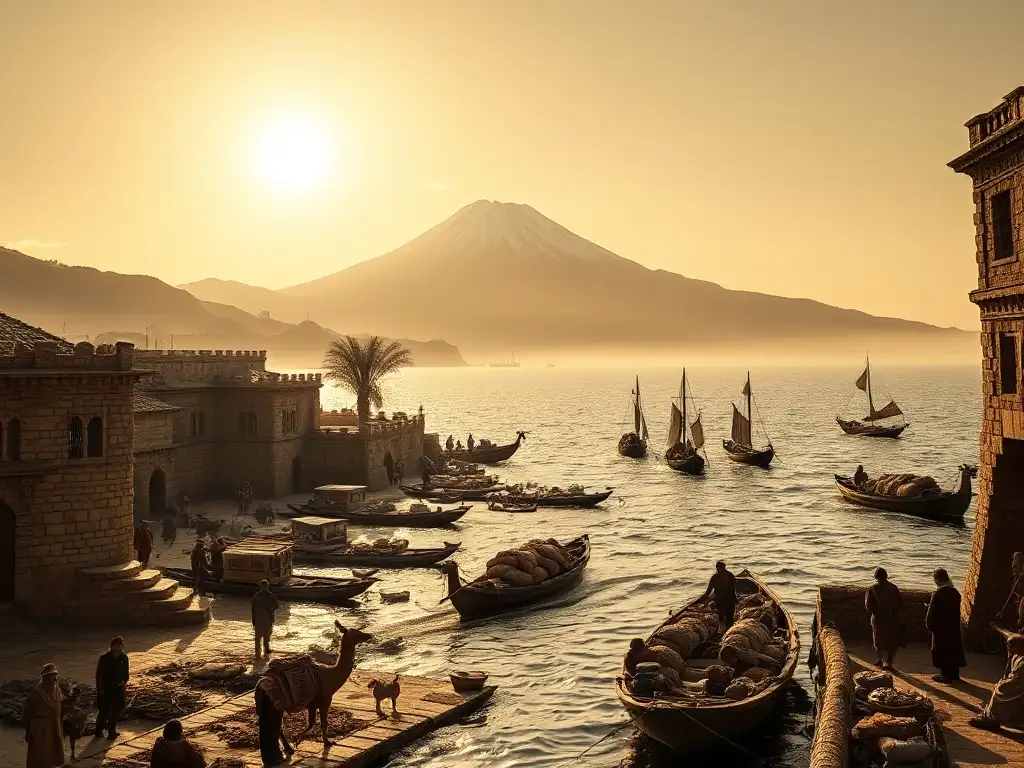
The Inca expansion dramatically reshaped the pre-existing Andean maritime trade routes, integrating coastal communities and their maritime expertise into the vast imperial network. Before the Inca, coastal trade was largely decentralized, with various regional powers controlling different stretches of the coastline and engaging in independent maritime activities. The Inca, however, centralized control, standardizing practices and leveraging existing infrastructure to facilitate the movement of goods across their expansive empire.
This integration wasn't simply a matter of conquest; it involved a complex process of negotiation, assimilation, and adaptation, reflecting the Inca's sophisticated approach to imperial administration. The impact on the Andean maritime trade routes was profound, transforming them from a series of fragmented networks into a vital artery of the Inca state.
Inca Integration of Existing Coastal Trade Routes
The Inca didn't create a completely new maritime system from scratch. Instead, they cleverly integrated pre-existing coastal networks into their empire’s logistical framework. Evidence suggests that Inca administration built upon existing trade relationships and infrastructure, adapting and improving upon pre-Columbian practices. This approach minimized disruption and ensured the continued flow of essential goods.
For example, the Inca likely incorporated established fishing communities and their expertise into their own system, ensuring a steady supply of fish for the imperial population. Furthermore, they likely utilized existing knowledge of currents and navigational techniques, enhancing their ability to manage the transport of goods along the coast. This pragmatic approach maximized efficiency and minimized the potential for resistance from coastal populations. The Inca's success in integrating these routes is a testament to their administrative skill and understanding of local customs.
The Role of Inca Ports in the Empire's Logistics: Tambo Colorado, Paramonga, and Huarmey
Several key ports played crucial roles in the Inca maritime logistics system. Tambo Colorado, Paramonga, and Huarmey, for instance, served as vital hubs for the movement of goods along the coast. These weren't simply harbors; they were strategically located administrative centers with extensive infrastructure.
They facilitated the transfer of goods from ships to land transport, such as llamas and human porters, ensuring efficient distribution across the empire. These ports were likely equipped with storage facilities (warehouses), allowing for the temporary storage of goods before onward transportation. The presence of tambos (state-run waystations) near these ports further supports this view, suggesting a well-organized system for the management of goods and the movement of people.
Detailed archaeological evidence is needed to fully understand the operational complexity of these ports and their contribution to the overall efficiency of the Andean maritime trade routes. The size and scale of these settlements suggest a high level of organization and planning, showcasing the Inca's sophisticated administrative capabilities.
Inca Maritime Technology: Balsa rafts and reed boats
Inca maritime technology, while not as advanced as some other coastal civilizations, was well-suited to the needs of the Pacific coast. The primary vessels were balsas, rafts constructed from bundled balsa wood, and reed boats, made from tightly woven totora reeds. These vessels, while seemingly simple, were remarkably seaworthy and capable of carrying significant cargo.
Their design reflects an intimate knowledge of local materials and maritime conditions. The use of balsa wood, buoyant and lightweight, allowed for the construction of large rafts capable of transporting substantial quantities of goods. Reed boats, on the other hand, were more maneuverable and better suited to navigating shallower waters and coastal inlets.
The construction of these vessels likely involved specialized craftsmanship passed down through generations, representing a valuable aspect of Andean maritime culture. Further research is needed to fully understand the construction techniques, navigational skills, and the overall impact of these vessels on the efficiency and reach of the Andean maritime trade routes. The development and use of these vessels are a testament to Inca ingenuity and adaptability.
Key Andean Coastal Ports and Their Importance
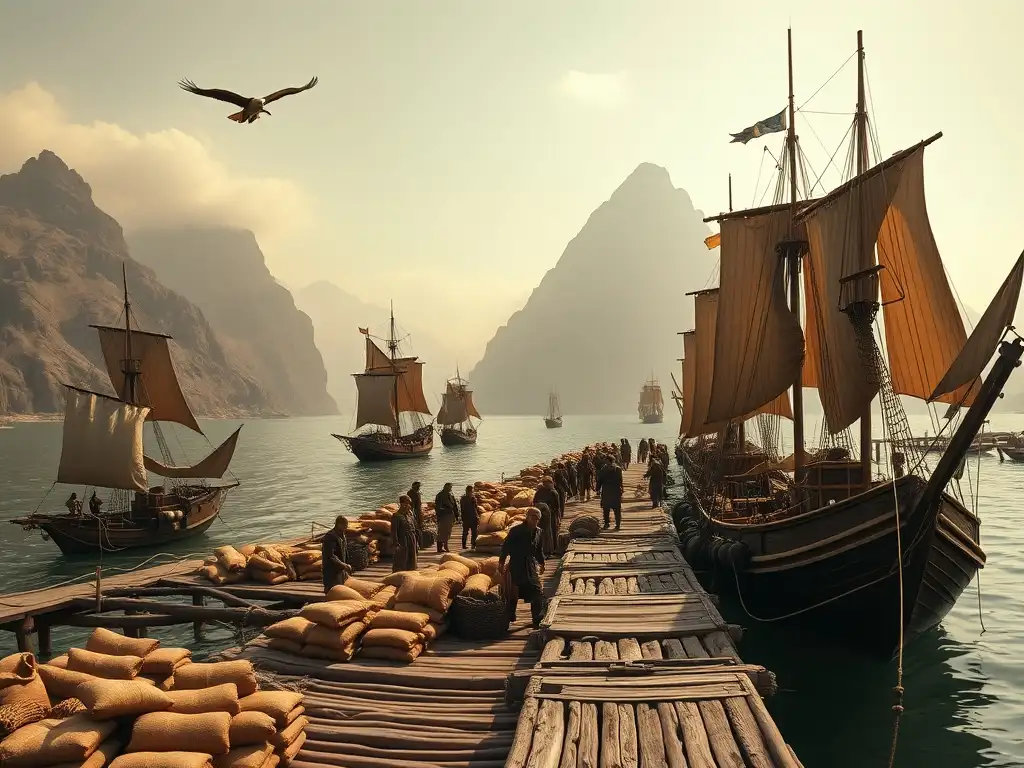
This section delves into the crucial role played by specific coastal ports in facilitating the vibrant Andean maritime trade routes. Understanding these ports is key to appreciating the complexity and reach of the ancient Andean economies. The strategic location of these ports, combined with the advanced maritime technology of the time, allowed for extensive exchange of goods and ideas across vast distances, significantly impacting the development and prosperity of various Andean cultures. The following analysis highlights three pivotal examples, showcasing the diverse functions and influence of these crucial maritime hubs.
Chan Chan Port: The Center of Chimor Trade and Influence
The Chimor culture, flourishing along the northern coast of Peru between the 9th and 15th centuries, relied heavily on maritime trade. Their capital, Chan Chan, boasted a significant port facility, although the precise location and extent of its infrastructure remain subjects of ongoing archaeological investigation. However, evidence suggests a bustling port supporting a vast network of trade connections. The Chimor controlled a considerable section of the coast, facilitating trade in a variety of goods.
The port's importance stemmed from its strategic location, providing access to both local and distant markets. Chimor merchants engaged in extensive coastal trade, exchanging goods with other Andean cultures, as well as potentially with more distant regions. Archaeological finds consistently uncover evidence of long-distance trade, with items such as textiles, ceramics, and metalwork originating from far-flung areas. The Chimor were known for their skilled artisans, producing high-quality goods highly sought after throughout the region.
This fueled their economic prosperity and solidified their political influence. The volume and diversity of the traded goods point towards a sophisticated logistical system and a well-organized maritime infrastructure centered around the Chan Chan port. Further research is needed to fully understand the scale and complexity of the Chimor's maritime trade network.
Pachacamac Port: A Religious and Commercial Hub
Pachacamac, situated south of Lima, wasn't just a significant religious center; its port played a vital role in the Andean maritime trade routes. While not as extensively studied as some other ports, its proximity to important agricultural regions and its status as a venerated pilgrimage site made it a crucial hub for both religious and commercial activities. The temple complex attracted people from across the Andes, creating a natural environment for trade and exchange.
The port likely facilitated the movement of agricultural products, particularly from the fertile valleys surrounding Pachacamac, to other parts of the coast and potentially inland. The presence of various types of ceramics and other artifacts from different regions suggests a diverse range of traded goods passing through the port. The religious significance of Pachacamac undoubtedly enhanced its economic importance, drawing in traders and pilgrims alike who contributed to the bustling commercial activity of the area.
The integration of religious and commercial functions within Pachacamac's port highlights the interconnectedness of Andean society and the significance of religious centers in shaping economic activity. Further archaeological investigation is needed to fully unravel the extent of its maritime trade connections.
Chincha Islands: Source of Guano and Trade
The Chincha Islands, located off the coast of Peru, represent a unique case within the context of Andean maritime trade routes. These islands weren’t traditional ports in the sense of having elaborate docks and infrastructure. However, their immense guano deposits made them a crucial resource for Andean societies. Guano, the accumulated excrement of seabirds, was a highly valued fertilizer that significantly boosted agricultural productivity.
The extraction and trade of guano required sophisticated maritime capabilities. Andean cultures developed specialized boats and techniques to harvest and transport this valuable commodity. The Chincha Islands were not merely a source of guano; they became a focal point of trade, attracting merchants and creating a dynamic maritime exchange. The guano trade connected the islands to various Andean communities, facilitating the flow of goods and resources across the region.
The economic impact of guano on Andean agriculture cannot be overstated. Its trade significantly shaped the development and prosperity of various Andean societies, underscoring the importance of this seemingly unconventional "port" within the broader context of Andean maritime trade. The Chincha Islands exemplify how resource extraction could drive maritime trade and economic growth in the Andean region.
Huanchaco: A major Moche port and fishing center
Huanchaco, located on the northern coast of Peru, stands as a testament to the sophisticated maritime capabilities of the Moche civilization (circa 100-800 CE). More than just a port, Huanchaco served as a vital fishing center, fueling the Moche's impressive urban development and complex social structure. Archaeological evidence reveals extensive evidence of fishing activities, including the remains of numerous fishing boats, fishing tools, and vast quantities of fish bones. These findings paint a vivid picture of a community deeply intertwined with the sea, relying on its bounty for sustenance and economic prosperity.
The Moche's mastery of reed boats, known as caballitos de totora, allowed them to navigate the Pacific Ocean with remarkable skill, facilitating both fishing and coastal trade. These iconic boats, still used by fishermen in Huanchaco today, are a powerful symbol of the enduring connection between the community and its maritime heritage. The port's strategic location also facilitated trade with other coastal settlements, contributing to the Moche's extensive network of Andean maritime trade routes.
Elaborate Moche ceramics depicting maritime scenes and fishing activities further highlight the importance of the sea in their daily life and culture. The scale of the fishing operations suggests a well-organized system of resource management, distribution, and potentially even preservation techniques, showcasing the advanced level of societal organization within the Moche civilization. The continued presence of fishing as a crucial element of Huanchaco's economy demonstrates the lasting legacy of this ancient Moche port.
Pisco: A significant port for wine and brandy trade in later periods
While not as prominent in the earlier Andean maritime trade routes of civilizations like the Moche or Nazca, Pisco's importance as a port blossomed during later periods, particularly after the Spanish conquest. Located in southern Peru, Pisco became a key center for the export of wine and brandy, products that became highly sought after both domestically and internationally. The fertile valleys surrounding Pisco provided ideal conditions for grape cultivation, leading to the establishment of extensive vineyards and wineries.
The port's strategic location facilitated the efficient shipment of these goods to various destinations, connecting the region to wider trade networks. The production and export of Pisco brandy, in particular, became a significant economic driver for the region, contributing substantially to Peru's economy. This later period of prosperity showcases the evolution of Andean maritime trade, demonstrating how ports adapted and evolved to accommodate changing economic demands and global trade patterns.
While not directly linked to the ancient Andean maritime trade routes in the same way as Huanchaco, Pisco's story highlights the lasting importance of coastal access for economic development in the region, demonstrating the continuous relevance of the Pacific Ocean to Peruvian trade and prosperity. The legacy of Pisco as a significant port continues to this day, with its name synonymous with the renowned Peruvian brandy.
Goods Exchanged Along Andean Maritime Trade Routes
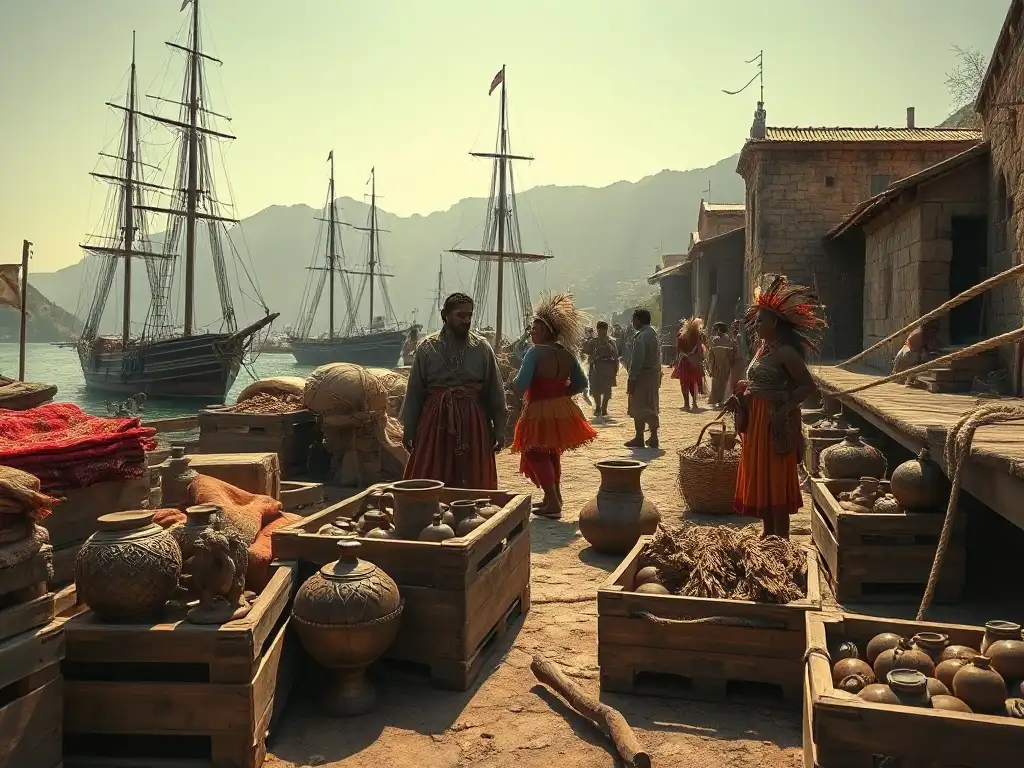
This section delves into the diverse array of goods that fueled the vibrant Andean maritime trade routes, highlighting the intricate network connecting coastal and highland communities. Understanding the specific commodities exchanged is crucial to appreciating the economic and social complexity of these ancient societies. The sheer volume and variety of traded goods underscore the importance of maritime transport in the Andean economy. Analyzing these goods also illuminates the sophisticated organization and logistical capabilities of the various Andean cultures involved in this extensive trade network.
Coastal Products: Fish, Shellfish, and Salt
The Pacific coast provided a bounty of resources vital to the Andean economies. Fish, shellfish, and salt were essential staples, forming the backbone of the maritime trade. The abundance of marine life sustained coastal populations and provided valuable commodities for inland exchange.
Fish, particularly anchovies and other small species, were dried and preserved for transport, providing a crucial source of protein for highland communities lacking similar resources. Archaeological evidence shows widespread consumption of fish bones far inland, indicating a significant flow of this commodity along the trade routes. The scale of fish processing and preservation suggests sophisticated techniques and a well-established trade network. Furthermore, the presence of specialized fishing tools and equipment in coastal settlements supports the idea of a highly organized fishing industry dedicated to supplying both local and distant markets.
Shellfish, including various types of mussels, clams, and other mollusks, were also important trade items. Some shells were used for ornamentation and toolmaking, while others were consumed as food. The presence of specific shellfish species far from their natural habitat in inland sites points to deliberate trade and transportation.
Salt, a necessary preservative and flavoring agent, was another crucial commodity. Coastal salt pans provided ample supplies, which were then transported to the highlands where salt was scarce. The demand for salt was high, making it a highly valuable trade good. The trade in salt likely played a significant role in shaping economic relationships between coastal and highland communities. Indeed, control over salt production and distribution may have been a source of power for certain groups.
Highland Goods Transported via Sea: Textiles, coca, copper, and obsidian
While the coast offered marine resources, the Andes provided other valuable commodities that were transported by sea. This exchange created a symbiotic relationship between coastal and highland communities, fostering economic interdependence and cultural exchange.
Textiles, renowned for their intricate designs and fine craftsmanship, were a significant export from the highlands. Alpaca and llama wool were transformed into exquisite textiles, prized for their quality and beauty. These textiles were not only traded within the Andes but also reached distant markets, indicating the reach and sophistication of Andean maritime trade networks. The intricate weaving techniques and the use of diverse colors showcase the advanced technological skills of Andean artisans, adding to the prestige and value of these goods.
Coca leaves, with their stimulant and medicinal properties, were another highly valued commodity. Cultivated in the highlands, coca leaves were essential for religious ceremonies, medicinal purposes, and even daily life. Their transport to coastal areas indicates the importance of coca in various Andean societies. The demand for coca leaves further strengthened the economic ties between highland and coastal regions.
Copper, a crucial metal for toolmaking and ornamentation, was mined in the highlands and transported to the coastal areas for processing and trade. Copper artifacts found along the coast and in maritime contexts provide strong evidence of this trade. The skillful manipulation of copper, demonstrated in intricate metalwork, shows the advanced metallurgical skills of Andean societies and the high value placed on copper goods.
Obsidian, a volcanic glass used for toolmaking, was also a significant trade item. Obsidian sources were located in specific areas of the Andes, and their distribution along the coast demonstrates the extensive trade networks that connected different regions. The presence of obsidian tools in coastal sites highlights the importance of this material and its widespread use across the Andes.
The Role of Specialized Trading Ports
The successful operation of Andean maritime trade routes relied heavily on specialized trading ports. These ports served as crucial hubs, facilitating the exchange of goods and the interaction between different communities. The establishment of these ports reflects a sophisticated understanding of logistics and trade organization.
These ports were not merely landing places; they were strategically located settlements with specialized infrastructure for handling and processing goods. Evidence suggests the presence of warehouses, workshops, and possibly even marketplaces within these ports. The organization of these ports likely involved complex social structures and administrative systems to manage the flow of goods, regulate trade, and ensure fair transactions. Furthermore, the presence of specialized craftspeople and merchants within these port communities suggests a high level of economic specialization and social stratification.
The layout and design of these ports, along with the artifacts recovered from them, offer insights into their function and importance in the broader Andean economy. Further research into these specialized trading ports is crucial to fully understanding the dynamics of Andean maritime trade.
The study of their architecture, the goods found within them, and the surrounding settlements will shed more light on the organizational complexity and economic significance of these crucial nodes in the Andean maritime trade networks. The identification and analysis of more of these ports will further refine our understanding of the extent and impact of the Andean maritime trade routes, and the role they played in shaping the societies that flourished along the Pacific coast and in the Andean highlands.
The Decline of Andean Maritime Trade
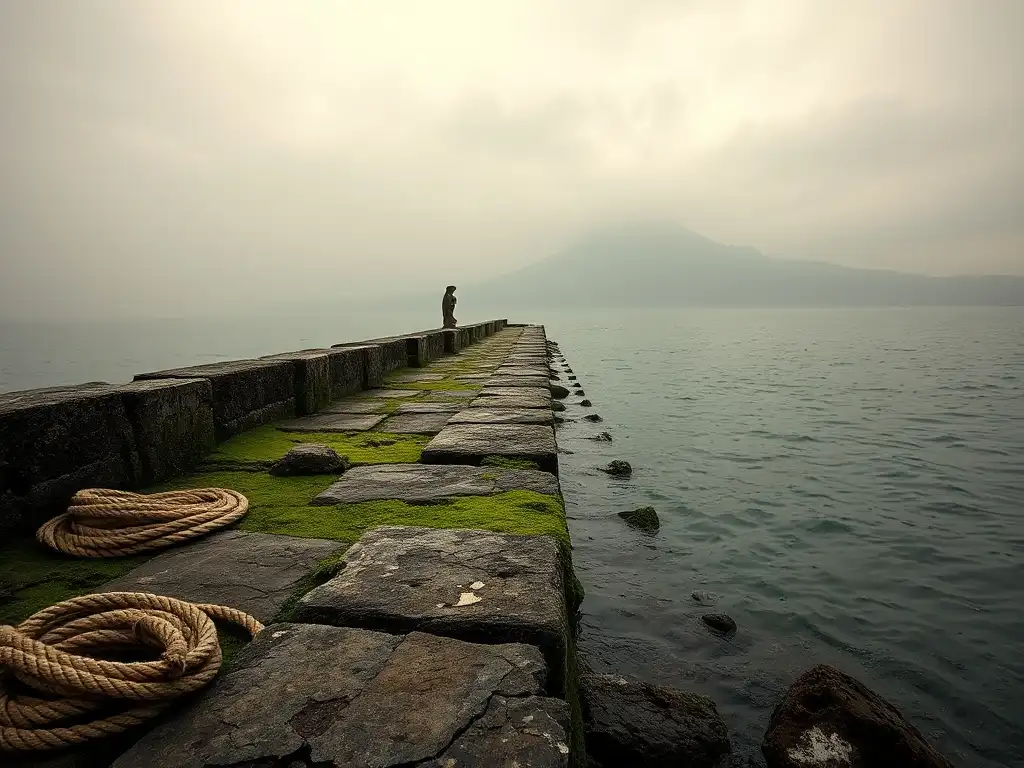
The flourishing Andean maritime trade routes, a vital artery of the pre-Columbian era, experienced a dramatic decline following the Spanish conquest. While the Inca Empire's dominance certainly shaped trade patterns, the arrival of the Europeans marked a catastrophic turning point, irrevocably altering the landscape of coastal commerce and leaving behind a legacy of both disruption and resilience. Understanding this decline requires examining the multifaceted impacts of colonization and the subsequent shifts in economic and political power. This section will delve into the specific factors that contributed to the near-collapse of this sophisticated system of Andean maritime trade routes.
Impact of the Spanish Conquest on Coastal Routes
The Spanish conquest of the Inca Empire in the 16th century had a devastating and immediate impact on Andean maritime trade routes. The conquistadors, driven by the insatiable desire for gold and other riches, systematically dismantled the existing infrastructure. Coastal settlements, once bustling hubs of activity, were ravaged and often abandoned.
The intricate network of communication and transportation—relying on established pathways, messenger systems, and maritime vessels—was deliberately disrupted. The Spanish crown implemented a mercantilist economic system, prioritizing the extraction of resources for the benefit of the Spanish monarchy, rather than supporting the indigenous economies that had previously thrived on coastal trade.
The imposition of the repartimiento system, a form of forced labor, further hampered coastal activities. Indigenous populations, already weakened by disease and warfare, were forcibly conscripted to work in mines and on Spanish-controlled agricultural estates, depriving the ports of their vital workforce. The destruction of existing vessels and the suppression of traditional shipbuilding techniques significantly reduced the capacity for maritime transport.
The Spanish also actively sought to control all aspects of trade, funneling resources through their own channels and effectively monopolizing access to markets. This resulted in the decline and eventual abandonment of many previously significant ports along the Andean coast, crippling the Andean maritime trade routes. The vibrant tapestry of coastal exchange was deliberately unravelled, replaced by a system geared towards serving the interests of the colonial power.
Shifts in Trade Patterns and the Abandonment of Ports
The Spanish conquest not only destroyed existing infrastructure but also fundamentally altered trade patterns along the Andean coast. Prior to the conquest, a complex system of exchange connected various Andean cultures, facilitating the movement of goods like textiles, ceramics, precious metals, and agricultural products. This involved intricate networks of coastal and inland routes, with ports serving as crucial nodes in these networks. However, the arrival of the Europeans shifted the focus away from regional trade towards extractive activities for the benefit of the Spanish crown.
The establishment of new trade routes, primarily focused on exporting silver and other precious metals to Europe, further marginalized the existing coastal networks. Many ports, once vital centers of commerce, were abandoned as the flow of goods shifted towards ports controlled by the Spanish. This resulted in a significant demographic decline in coastal communities, as populations migrated inland or perished due to disease and exploitation.
The very nature of trade shifted from regional exchange and reciprocal relationships to a system dominated by European demand and colonial control. The intricate web of Andean maritime trade routes, carefully built and maintained over centuries, was effectively severed, its once-vibrant coastal cities left to decay. This shift dramatically altered the economic and social landscape of the Andes, leaving a lasting legacy on the region.
Legacy of Andean Maritime Trade
Despite its dramatic decline after the Spanish conquest, the legacy of Andean maritime trade remains significant. The sophisticated shipbuilding techniques, navigational skills, and maritime knowledge developed by Andean cultures continue to fascinate and inspire researchers today. Archaeological discoveries along the coast continue to unveil new insights into the extent and complexity of these pre-Columbian trade networks.
While the scale and intensity of trade diminished considerably after the conquest, elements of coastal exchange persisted, albeit under drastically altered circumstances. The enduring impact of Andean maritime trade is evident in the cultural heritage of coastal communities, the archaeological record, and the ongoing scholarly interest in understanding this crucial aspect of Andean history.
The fragmented remnants of this once-thriving system serve as a powerful reminder of the rich and complex history of the Andes and the devastating impact of colonization on indigenous societies and their economic structures. Further research and analysis are crucial to fully appreciate the full extent and lasting impact of these Andean maritime trade routes.
Conclusion: Re-evaluating the Importance of Andean Sea Trade
The prevailing narrative surrounding Andean civilizations often focuses on their impressive feats of engineering in the Andes mountains, overlooking the significant role of the Pacific Ocean in shaping their economies and societies. This neglect stems partly from the challenges of archaeological investigation in coastal regions, subject to erosion and the encroachment of the sea itself. However, accumulating evidence strongly suggests that Andean maritime trade routes played a far more crucial role than previously acknowledged in the development and prosperity of these cultures.
By examining the distribution of marine resources, the sophisticated navigational techniques employed, and the presence of coastal settlements, we can begin to appreciate the complexity and scale of Andean seafaring activities. The flow of goods, ideas, and people along these routes fundamentally impacted the cultural exchange and economic development across the Andean region. A reassessment of Andean history, incorporating the vital contributions of coastal trade, is essential for a more comprehensive and nuanced understanding of these remarkable civilizations.
The sheer volume of traded goods, ranging from fish and shellfish to exotic textiles and precious metals, points to robust and well-established networks connecting distant communities. Further investigation into these networks promises to significantly reshape our understanding of Andean societies.
The Undervalued Role of Coastal Trade in Andean History
For too long, scholarly focus on Andean civilizations has been heavily biased towards highland settlements and their monumental architecture. This emphasis has led to a relative underestimation of the importance of coastal communities and their maritime activities. The Inca Empire, for instance, while primarily known for its terrestrial infrastructure, also controlled extensive coastal territories and actively engaged in maritime trade.
The exchange of goods like salt, fish, cotton, and seashells across vast distances fostered economic interdependence and facilitated the growth of urban centers along the coast. The Moche culture, renowned for its elaborate ceramics and sophisticated irrigation systems, also exhibited a strong maritime component, evident in their fishing practices and the depiction of seafaring vessels in their art. Similarly, the Nazca culture, famous for its geoglyphs, demonstrated a deep understanding of maritime navigation, as evidenced by their ability to exploit offshore resources.
This underestimation of coastal trade impacts our understanding of power dynamics, resource allocation, and overall societal organization within these complex Andean societies. The lack of a unified, centralized approach to researching coastal Andean history has resulted in a fragmented narrative, obscuring the interconnectedness of these maritime activities across different cultures and time periods.
Future Research and the Unveiling of More Maritime Secrets
Future research into Andean maritime trade routes necessitates a multidisciplinary approach, combining archaeological excavation with advanced techniques like underwater archaeology, isotopic analysis of artifacts, and detailed analysis of ancient texts and oral traditions. The application of Geographic Information Systems (GIS) can help map these routes with greater precision, revealing patterns of trade and interaction that were previously invisible. Detailed studies of shipwrecks and port settlements can shed light on the types of vessels used, the navigational skills of Andean sailors, and the volume of goods exchanged.
Furthermore, a more thorough investigation of the social and political implications of coastal trade is crucial. How did maritime trade influence social stratification? How did it shape political alliances and conflicts?
These are questions that deserve further scrutiny. The potential for new discoveries is immense; uncovering submerged settlements, lost shipwrecks, and previously unidentified port facilities could dramatically alter our understanding of Andean maritime activities and their impact on the development of Andean societies. The potential for significant breakthroughs in our understanding of Andean history is considerable, promising a more complete and accurate picture of these societies' complex interactions and adaptations.
The Continuing Relevance of Coastal Trade in Andean Studies
The study of Andean maritime trade routes is not merely an exercise in historical reconstruction; it holds significant contemporary relevance. Understanding the sustainable practices of ancient Andean mariners could offer valuable insights into responsible resource management in coastal ecosystems. The ingenuity of their navigational techniques might inspire modern approaches to maritime technology and safety.
Moreover, the study of ancient trade networks can inform our understanding of contemporary globalization and its impact on coastal communities. By analyzing the successes and failures of past maritime trade systems, we can better understand the challenges and opportunities facing coastal societies today. The legacy of Andean maritime trade continues to resonate in the cultural practices and economic activities of coastal communities in the Andes.
Preserving this legacy requires a concerted effort to protect archaeological sites, promote sustainable development, and foster a deeper appreciation for the rich maritime heritage of the Andean region. This ongoing research not only enhances our understanding of the past but also provides valuable lessons for navigating the complexities of the present and future. The study of Andean maritime trade routes offers a unique opportunity to bridge the gap between historical research and contemporary concerns, contributing to a more sustainable and equitable future for coastal communities.
Frequently Asked Questions
What role did maritime trade play in Andean civilizations?
Maritime trade was crucial for Andean civilizations, facilitating the exchange of resources like fish, shells, and exotic goods between coastal and highland communities. This interconnectedness shaped their economies and cultures.
How did the geography of the Andes influence maritime trade routes?
The challenging coastline, with its currents and unpredictable weather, presented obstacles. However, the Andes' diverse ecosystems also provided valuable resources that fueled trade along strategically located ports.
Which Andean cultures were most heavily involved in maritime trade?
While the Inca are well-known, cultures like the Moche and Chimú were particularly adept at seafaring and established extensive maritime trade networks along the Pacific coast.
What kinds of goods were transported along Andean maritime trade routes?
Goods ranged from luxury items like shells and precious metals to essential resources like fish and salt. Agricultural products and textiles were also important components of this trade.
What evidence exists to support the importance of Andean maritime trade?
Archaeological evidence, including port remains, shipwreck sites, and the discovery of exotic goods in distant locations, demonstrates the scale and significance of Andean maritime trade networks.
Final Reflection: Charting a New Course for Understanding Andean Maritime History
The vibrant maritime trade of the Andes, long overlooked in historical narratives, holds crucial lessons for understanding globalization, cultural exchange, and the enduring power of human ingenuity. Its impact resonates far beyond dusty archives, shaping our understanding of pre-Columbian societies and challenging Eurocentric perspectives on global trade networks. The intricate web of coastal routes and maritime technologies employed by Andean cultures deserves far greater recognition and continued investigation.
The enduring legacy of Andean maritime trade continues to influence our understanding of pre-Columbian societies and challenges simplistic narratives of isolated, inland civilizations. The sea was not a barrier, but a highway,
a phrase often used to describe the maritime prowess of other cultures, applies equally, if not more profoundly, to the Andean peoples. Their sophisticated understanding of ocean currents, shipbuilding techniques, and navigational skills allowed for extensive trade networks that connected distant communities and fostered cultural exchange across vast distances. This realization profoundly shifts our perspective on the complexity and interconnectedness of pre-Columbian societies.
Consider the implications of this rediscovered history. How can we, as individuals and as a global community, better appreciate the contributions of often-overlooked cultures? How can we ensure that future historical narratives accurately reflect the diverse and interconnected nature of human history? I urge you to delve deeper into this fascinating subject, to seek out further information, and to challenge the assumptions you may hold about the past. By understanding the forgotten ports of the Pacific, we gain a richer, more nuanced, and ultimately more accurate understanding of our shared human story.
Uncover New Horizons: Dive into the Richness of Andean Maritime History!
Thank you for exploring the fascinating world of Andean maritime trade with us! We hope you've gained valuable insights into the vibrant history of Pacific coastal communities and their significant role in cultural exchange and trade networks. Now's the perfect time to put your knowledge into practice!
Here are some exciting ways to further explore this intriguing subject:
- Join a local history group focused on Andean or maritime history to connect with fellow enthusiasts and share your discoveries. Consider groups dedicated to archaeology, nautical history, or South American cultures.
- Share your passion for Andean trade on social media. Engage your friends in a discussion about your favorite aspect of this rich history—tag @andeancivilizations to connect with our community!
- Visit a museum or exhibition featuring Andean history or maritime culture to see artifacts and deepen your understanding firsthand. Many museums offer interactive exhibits and educational programs.
What aspect of Andean maritime trade captivates you most, and how will you continue to explore it? We'd love to hear your thoughts in the comments!