
The Inca Road Network: A Masterpiece of Ancient Logistics

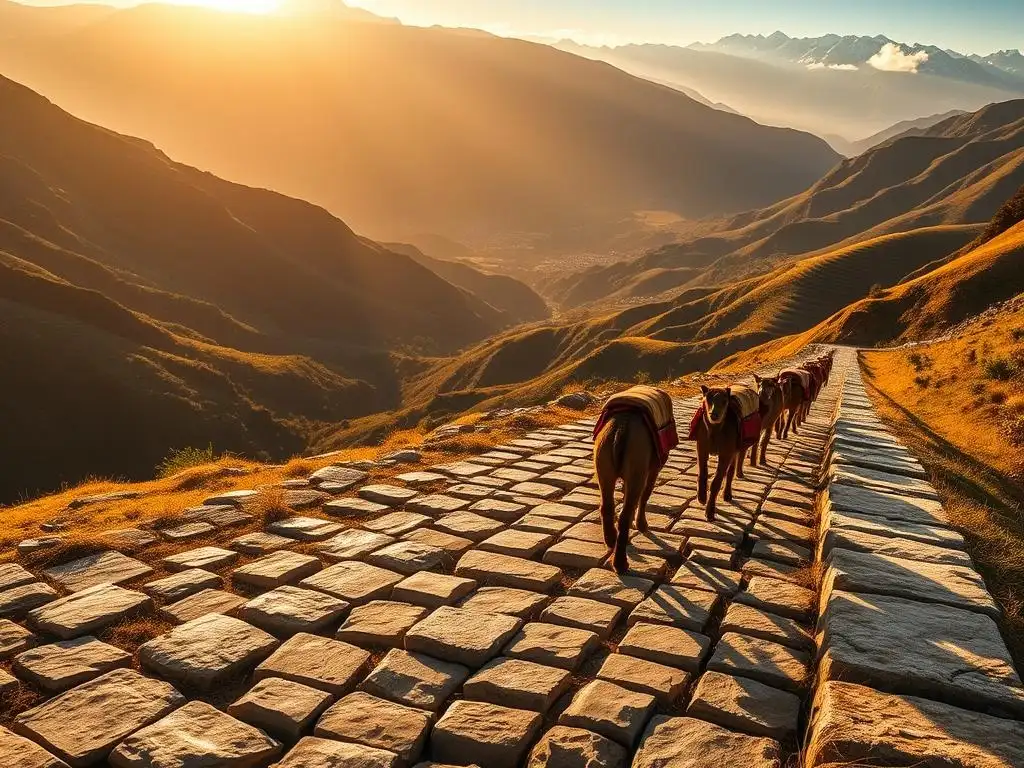
Step into a world lost to time, yet echoing with the ingenuity of empires past. Imagine a civilization that, without the wheel or the horse, constructed a road network spanning thousands of miles across the treacherous Andes Mountains. This is the story of the Inca road system history, a testament to human resilience and architectural prowess. Discover the secrets behind this astonishing feat of engineering and unravel the mysteries of the Inca civilization's remarkable achievements – your journey begins now.
The Inca Empire, a civilization that flourished in the Andes Mountains from the 15th to the 16th century, left behind a legacy of breathtaking architectural achievements and sophisticated engineering feats. Among its most impressive accomplishments is its extensive road network, a marvel of logistical planning and construction that connected the vast empire, facilitating trade, communication, and military movements across challenging terrain.
This intricate system, spanning thousands of miles through treacherous mountains, dense jungles, and arid deserts, stands as a testament to the Inca's exceptional organizational skills and deep understanding of their environment. This article delves into the history, construction, and significance of the Inca road system, exploring its impact on the empire's growth and its enduring legacy.
Understanding the Inca road system is key to understanding the Inca Empire's success and its lasting influence on Andean culture. We will explore the "Inca road system history" in detail, examining its construction techniques, maintenance, and strategic importance.
Construction Techniques of the Inca Roads
The construction of the Inca roads was a monumental undertaking, requiring immense human labor and sophisticated engineering knowledge. The Incas employed a variety of techniques adapted to the diverse geography they encountered. In mountainous regions, they carved paths into steep slopes, using ingenious methods to stabilize the terrain. They utilized stone retaining walls, terraces, and drainage systems to prevent erosion and landslides.
In flatter areas, they built roads using compacted earth, gravel, and stone, often creating smooth, well-maintained surfaces. The roads were meticulously planned, taking into account the natural contours of the land and utilizing existing trails wherever possible. The use of locally sourced materials—stone, earth, and wood—was a key element of their sustainable construction practices. Evidence suggests that the Incas understood the importance of drainage and employed sophisticated techniques to divert water away from the roads, ensuring their longevity even in harsh weather conditions.
Their mastery of stonework is particularly evident in the construction of bridges, some of which spanned significant chasms. These structures, often built from carefully fitted stones without mortar, display an incredible level of precision and engineering skill. The remarkable durability of many sections of the Inca road system, even today, is a testament to their impressive construction methods.
The Strategic Importance of the Inca Road System
The Inca road system wasn't simply a network of pathways; it was a critical component of the empire's military, political, and economic power. Its strategic importance is undeniable. The roads facilitated rapid troop movements, allowing the Inca army to respond swiftly to rebellions or threats from neighboring groups. The efficient transportation of soldiers and supplies was crucial for maintaining control over the vast empire.
Furthermore, the roads facilitated the movement of goods and resources throughout the empire. Agricultural products, textiles, and other valuable commodities could be transported efficiently, contributing to the empire's economic prosperity. The road network also played a crucial role in communication, allowing for the swift transmission of messages and decrees across vast distances.
This efficient communication system was essential for maintaining order and cohesion within the empire. The strategically placed chasquis, relay runners, ensured rapid communication along the roads, conveying news and orders with remarkable speed. The strategic placement of tambos (roadside inns) along the routes provided rest stops for travelers, soldiers, and messengers, further highlighting the meticulous planning and foresight of the Inca road system.
Maintenance and Preservation of the Inca Roads
Maintaining such an extensive road network across diverse terrains required a dedicated workforce and sophisticated organizational systems. The Inca government employed a system of mit'a, a form of rotational labor, to ensure the ongoing upkeep of the roads. Regular inspections and repairs were carried out to address damage caused by weather, erosion, or other factors.
The Incas implemented a system of routine maintenance, including clearing debris, repairing damaged sections, and ensuring the proper functioning of drainage systems. This commitment to maintenance played a crucial role in the longevity of the road system. Furthermore, the use of durable materials and careful construction techniques contributed to the system's resilience.
The evidence suggests that the Incas understood the importance of preventative maintenance and invested significant resources in ensuring the long-term viability of their infrastructure. This commitment to preservation ensured the functionality and longevity of the network, benefiting generations of Incas. The careful planning and execution of maintenance operations demonstrate the sophisticated organizational skills of the Inca civilization.
The Lasting Legacy of the Inca Road Network
The Inca road system stands as a testament to the ingenuity and organizational prowess of the Inca civilization. Even today, remnants of this remarkable network can be seen across the Andes Mountains, serving as a powerful reminder of the empire's scale and sophistication. The Inca road system's legacy extends beyond its physical presence.
Its impact on Andean culture and the development of subsequent infrastructure projects is significant. The Inca's mastery of engineering and construction techniques influenced later Andean societies, shaping their approaches to road building and infrastructure development. The efficiency and practicality of the Inca road system continue to inspire modern engineers and planners, demonstrating the enduring relevance of their innovative solutions to challenges of transportation and communication.
The study of the Inca road system offers valuable insights into ancient engineering practices, organizational strategies, and the relationship between infrastructure and societal development. The impact of the Inca road system on the Andean world is undeniable and continues to resonate through time. The roads themselves, even in their ruined state, remain a powerful symbol of Inca ingenuity and a testament to their remarkable civilization.
- Construction Techniques of the Inca Roads
- The Strategic Importance of the Inca Road System
- Maintenance and Preservation of the Inca Roads
- The Lasting Legacy of the Inca Road Network
Understanding the Inca Road System: A Historical Overview
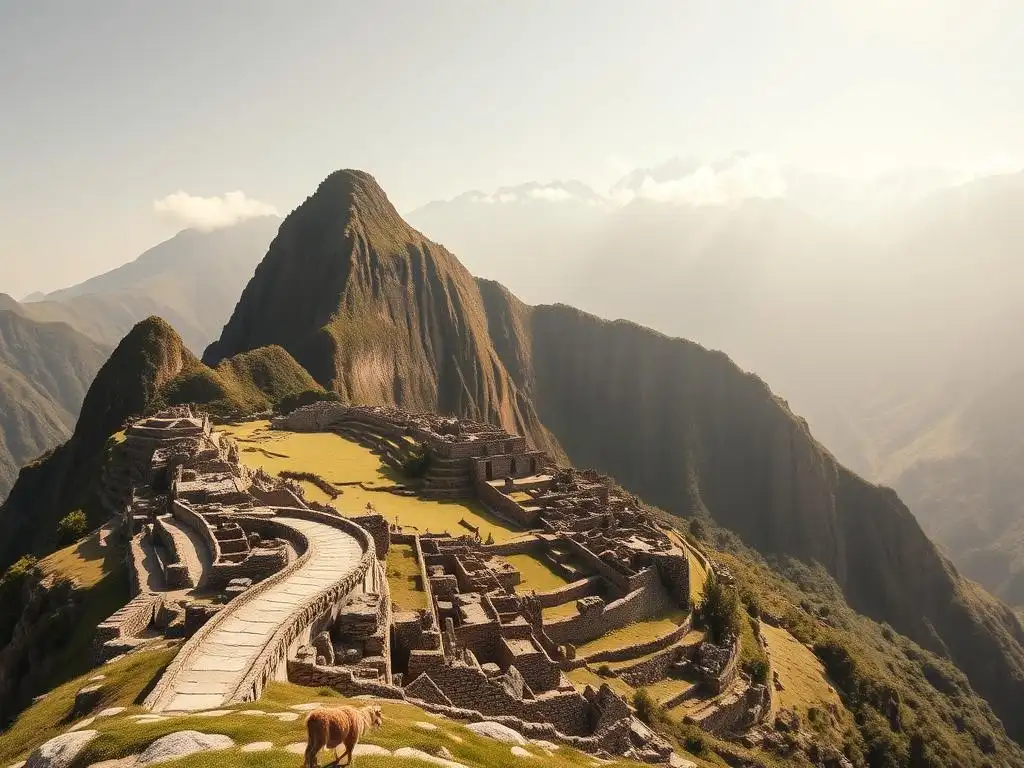
The Inca road system, a marvel of ancient engineering, represents a crucial element in understanding the Inca Empire's power and longevity. Its intricate network facilitated communication, trade, and military control across a vast and challenging Andean landscape. This system wasn't simply a collection of paths; it was a meticulously planned and maintained infrastructure project reflecting advanced logistical capabilities and a sophisticated understanding of Andean geography.
The very existence of this extensive network speaks volumes about the Inca's organizational prowess and centralized authority. Studying the Inca road system offers invaluable insights into their societal structure, economic practices, and overall imperial strategy. The scale of this undertaking is truly breathtaking, showcasing the Inca's ability to mobilize enormous resources and manpower for a long-term, empire-wide project.
Understanding its history is key to comprehending the Inca's remarkable achievements. The sheer scale of the project, encompassing thousands of miles of roads across diverse terrains, underscores the Inca's sophisticated understanding of engineering and their ability to manage a vast workforce. This system wasn't just about connecting distant points; it was about controlling and unifying the empire.
Origins and Development of the Inca Road Network
The Inca road network wasn't built overnight. Its development spanned centuries, evolving from pre-existing trails and paths used by earlier Andean cultures. The Inca, inheriting these rudimentary routes, significantly expanded and improved them, employing advanced techniques in construction and engineering. Evidence suggests that the initial phases of road construction began during the early stages of Inca expansion, with significant growth occurring under the reign of Pachacuti Inca Yupanqui (1438-1471), a period of significant territorial expansion for the empire.
This period saw the implementation of standardized construction techniques and the establishment of a system for road maintenance and upkeep. The Inca's ability to adapt their construction methods to the varying terrain—from high-altitude mountain passes to coastal deserts—is particularly noteworthy. They employed different techniques depending on the geographical challenges, demonstrating remarkable flexibility and ingenuity. For instance, in mountainous regions, they used elaborate stonework, sometimes incorporating retaining walls and terraces to stabilize the roads.
In flatter areas, they utilized simpler techniques, often relying on compacted earth and gravel. This adaptability highlights the Inca's practical knowledge and their commitment to creating a durable and efficient transportation network. The construction involved a massive workforce, with evidence suggesting the use of mita, a system of mandatory labor service, to mobilize the necessary manpower. The Inca's efficient organization and management of this workforce were critical to the success of this ambitious project.
The Purpose and Function of the Inca Road System
The Inca road system served multiple crucial functions, far exceeding simple transportation. It was the backbone of the empire, enabling efficient communication, facilitating trade, and supporting military movements. The chasquis, a relay system of runners, utilized the roads to transmit messages across vast distances with impressive speed. This rapid communication was essential for maintaining control over the empire and responding quickly to any threats or emergencies. The roads also played a vital role in the empire's economy.
They facilitated the movement of goods, including agricultural products, textiles, and precious metals, connecting diverse regions and fostering economic interdependence. This interconnectedness contributed significantly to the Inca's economic prosperity and the empire's overall stability. Furthermore, the road network was crucial for military operations. The Inca army could rapidly deploy troops to quell rebellions or defend against external threats.
The strategic placement of tambos (roadside inns) along the routes provided rest stops and supplies for travelers, including the army. The strategic importance of the road network is evident in its design, with many roads converging at strategically significant locations, such as administrative centers or military bases. This carefully planned infrastructure provided a significant military advantage, allowing for rapid response and effective control over the vast territory under Inca rule. The Inca road system, therefore, wasn't merely a transportation network; it was an integral component of the empire's administrative, economic, and military strategies—a testament to the Inca's sophisticated understanding of logistics and their ability to harness infrastructure to consolidate and maintain power.
Key Components of the Inca Road Network: Engineering Marvels
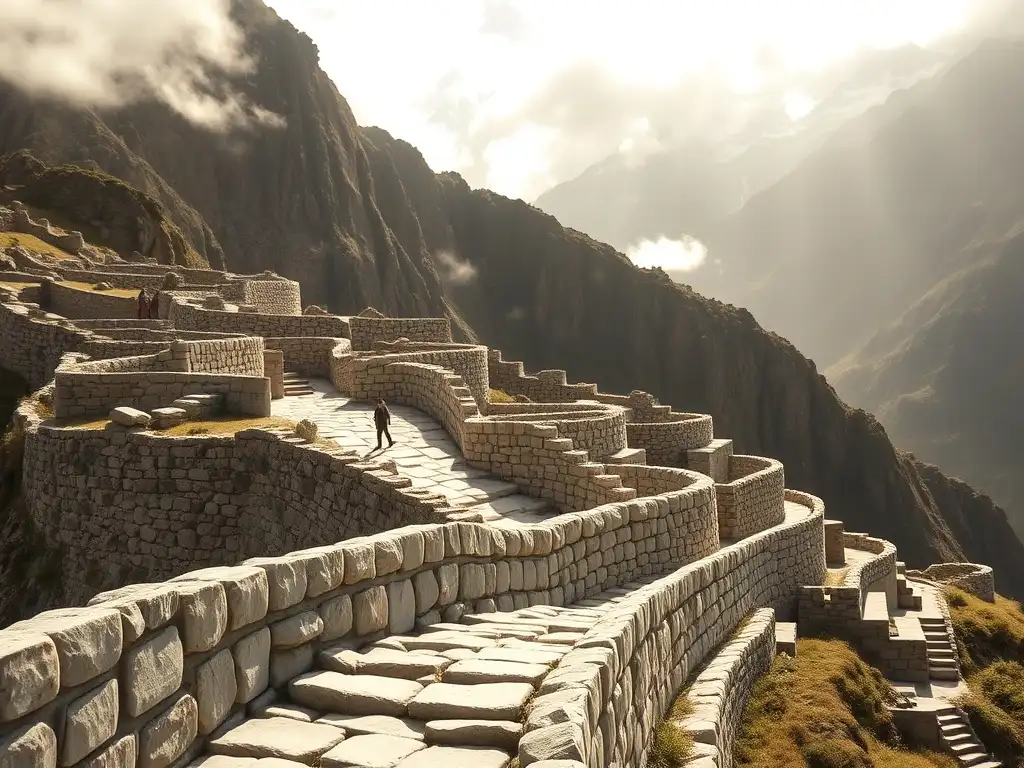
The Inca road system, a testament to the empire's sophisticated engineering prowess, wasn't simply a collection of paths. It was a meticulously planned and executed network, a vital artery for communication, trade, and military movement across a vast and challenging terrain. Understanding its key components reveals the ingenuity and organizational capacity of the Inca civilization.
The system's success hinged on several crucial elements, each designed to overcome the unique geographical obstacles of the Andes Mountains. This intricate network facilitated the efficient movement of people, goods, and messages, contributing significantly to the Inca Empire's political and economic stability. The sheer scale and longevity of the Inca road system stand as a remarkable achievement in ancient infrastructure, highlighting the advanced knowledge and organization of Inca engineers and laborers.
The legacy of this road system continues to inspire awe and wonder, showcasing the incredible capabilities of pre-Columbian societies. The impact of the Inca road system on the development of the empire is profound, shaping its social, economic, and political landscape.
Qhapaq Ñan: The Royal Road of the Incas
The Qhapaq Ñan, meaning "Royal Road" in Quechua, was the backbone of the Inca road network. This extensive system of pathways stretched over approximately 40,000 kilometers, traversing diverse landscapes from the arid coastal deserts to the high Andean peaks. It wasn't a single, continuous road, but rather a complex network of interconnected routes, carefully designed to connect the empire's various provinces and administrative centers.
Construction techniques varied depending on the terrain. In flatter areas, the roads were relatively straightforward, but in mountainous regions, Inca engineers demonstrated remarkable skill in carving paths along steep cliffs and across treacherous ravines. They employed sophisticated techniques, including terracing, retaining walls, and drainage systems, to ensure the roads' stability and longevity.
The Qhapaq Ñan wasn't just a practical infrastructure project; it was also a symbol of Inca power and authority, connecting the far-flung regions of the empire under a unified system. Its strategic importance in facilitating communication, trade, and military movements was undeniable, contributing to the empire's remarkable expansion and consolidation.
The meticulous planning and execution of the Qhapaq Ñan are particularly noteworthy. The Inca's understanding of topography and engineering principles allowed them to create a network that was not only functional but also remarkably durable. This is evidenced by sections of the road that remain in use even today, centuries after the fall of the Inca Empire.
The Qhapaq Ñan serves as a compelling example of the Inca's advanced understanding of civil engineering and their ability to mobilize vast labor forces to accomplish ambitious projects. The organization required to build and maintain such an extensive network speaks volumes about the Inca state's administrative capabilities.
Tambos: Strategic Waystations Along the Inca Roads
Strategically positioned along the Qhapaq Ñan and its branches were tambos, which served as essential waystations. These weren't simply rest stops; they were multifaceted facilities that played a crucial role in facilitating travel and communication across the vast Inca Empire. They provided shelter for travelers, storage for goods, and accommodations for messengers and officials. Many tambos featured granaries for storing food supplies, ensuring that travelers always had access to provisions.
Some were simple structures, while others were quite elaborate, reflecting the importance of their location and function. The presence of tambos at regular intervals along the roads ensured that travelers could always find a safe and secure place to rest, reducing the risks associated with long journeys across the challenging Andean terrain. This network of tambos played a vital role in ensuring the smooth and efficient functioning of the Inca road system.
The distribution of tambos was carefully planned, with the spacing determined by factors like terrain, climate, and the anticipated volume of traffic. They were often situated near water sources and in locations that offered protection from the elements. This strategic placement minimized travel time and maximized the safety and convenience of travelers.
The tambos were not only important for travelers but also for the administration and control of the Inca Empire. They served as checkpoints for messengers, tax collectors, and other officials, ensuring that the Inca government maintained a strong presence throughout its vast territories. The system of tambos stands as a testament to the Inca's sophisticated logistical capabilities and their ability to organize and manage a complex infrastructure network across a vast and diverse geographical area.
Inca Suspension Bridges: Engineering Feats
The Inca's mastery of engineering is further highlighted by their construction of suspension bridges, particularly impressive given the lack of metal tools. These bridges, spanning deep gorges and raging rivers, were essential components of the road network, allowing for the safe passage of people and goods across otherwise impassable terrain.
Constructed using a combination of strong, lightweight materials such as woven fibers (often from ichu grass or llama wool) and wood, these bridges demonstrated a sophisticated understanding of tensile strength and load distribution. The Inca suspension bridges were not merely functional; they were also testaments to their ingenuity and adaptability.
The construction process involved intricate weaving techniques to create incredibly strong ropes, capable of supporting significant weight. These ropes were then carefully secured to anchor points on either side of the gorge, often using ingenious rock-cut systems. The bridge deck was typically constructed from wood planks or woven materials, providing a stable surface for crossing. Many of these bridges were surprisingly long and robust, showcasing the Inca's advanced engineering knowledge and skilled craftsmanship.
While many have been lost to time and the elements, surviving examples and historical accounts demonstrate the remarkable sophistication of Inca bridge-building techniques. The Inca suspension bridges, along with the rest of the Qhapaq Ñan, serve as a powerful illustration of their innovative engineering prowess and their ability to overcome seemingly insurmountable geographical challenges. Their construction required not only technical skill but also a deep understanding of the local environment and materials.
Tunnels and Stairways: Adapting to the Andean Terrain
The Inca road system, a testament to their engineering prowess, wasn't simply a network of flat paths. The challenging Andean terrain—steep mountains, deep gorges, and treacherous cliffs—necessitated innovative solutions. The Incas weren't afraid to tackle these obstacles head-on, demonstrating remarkable adaptability in their construction techniques. Tunnels and stairways became integral components of their road network, allowing them to traverse otherwise impassable landscapes.
One can imagine the immense effort involved in carving tunnels through solid rock, a task accomplished using rudimentary tools like stone hammers and chisels. These weren't haphazardly dug passages; they were meticulously planned and executed, often featuring surprisingly straight alignments and smooth, even surfaces. The precision evident in these tunnels speaks volumes about the Incas' understanding of engineering principles and their commitment to creating efficient and safe passageways.
Many of these tunnels remain remarkably well-preserved today, a testament to the durability of their construction methods. The strategic placement of these tunnels often minimized the overall length of the road, bypassing difficult sections and reducing travel time.
The stairways, equally impressive, were not simply haphazard arrangements of steps. Instead, they were carefully constructed to mitigate the steep inclines common throughout the Andes. These weren't just any steps; they were often crafted from precisely cut stone blocks, carefully fitted together to create stable and durable structures.
The steps were often designed with varying heights and depths to accommodate the natural contours of the land, ensuring a relatively smooth and safe ascent or descent. The construction of these stairways also took into account factors like drainage, ensuring that water wouldn't accumulate and compromise the structural integrity of the path. In some cases, retaining walls were built alongside the stairways to further enhance stability and prevent erosion.
The construction of these stairways showcases the Inca's deep understanding of not only stonework but also of the principles of civil engineering. The construction of the stairways and tunnels highlight the Inca's ability to adapt their construction techniques to the specific challenges presented by the Andean landscape. The ingenuity employed in these features is a key factor in the Inca road system's enduring legacy.
The Impact of the Inca Road Network on the Empire
The Inca road system, a marvel of ancient engineering, profoundly impacted the Inca Empire's political, economic, and social fabric. Spanning thousands of miles across challenging Andean terrain, this network wasn't merely a collection of pathways; it was the very artery of the empire, facilitating communication, trade, and military control over an unprecedentedly vast and diverse territory. Understanding its influence is crucial to appreciating the Inca's success in creating and maintaining such a powerful and extensive civilization. The system's influence can be broken down into several key areas.
Facilitating Communication and Governance
The Inca road system significantly enhanced communication and governance across the vast empire. Before its construction, communication relied heavily on runners (chasquis), a system already in place, but the roads dramatically increased the speed and efficiency of message delivery. Runners could relay messages across hundreds of miles in a matter of days, allowing for rapid response to emergencies, the swift dissemination of imperial decrees, and the efficient coordination of administrative tasks.
The network of strategically placed tambos (roadside inns) provided vital resting places and relay stations for these runners, ensuring they could maintain their pace and deliver messages without undue delay. This rapid communication system was instrumental in maintaining the centralized control of the Inca emperor, effectively governing a population spread across diverse and geographically challenging landscapes. Estimates suggest that a message could travel the length of the empire in about two weeks, a remarkable feat for the time.
This system also facilitated the collection of taxes and tributes, ensuring the smooth functioning of the Inca economy. The effectiveness of the communication system directly contributed to the empire's political stability and longevity. Without the efficient communication provided by the roads, the Inca Empire's vast size would have been far more difficult, if not impossible, to manage.
The Role of the Road System in Trade and Economy
The Inca road system played a vital role in the empire's economy, facilitating trade and resource distribution. The roads connected various regions, allowing for the exchange of goods and resources between different parts of the empire. This interconnectedness fostered economic interdependence and contributed to a more stable and prosperous economy.
The Inca implemented a sophisticated system of redistribution, moving surplus goods from areas of abundance to those facing scarcity. This was crucial for maintaining social stability and preventing widespread famine. For example, coastal regions rich in fish and salt could easily trade with highland communities possessing agricultural surpluses like potatoes and maize.
This intricate system of trade, facilitated by the road network, contributed significantly to the empire's economic strength and resilience. The roads also enabled the efficient transport of building materials, facilitating the construction of grand projects like Machu Picchu and other impressive structures found throughout the empire. The economic impact of the Inca road system was therefore multifaceted, encompassing trade, resource management, and large-scale construction projects.
Military and Administrative Uses of the Inca Roads
The Inca road system served as a critical component of the empire's military and administrative apparatus. The roads provided rapid deployment routes for the Inca army, enabling swift responses to rebellions or threats from neighboring groups. The strategic placement of military garrisons along the roads further enhanced the empire's defensive capabilities.
The ease of troop movement allowed the Inca to maintain control over their vast territory and effectively suppress any internal or external challenges to their authority. Furthermore, the road network facilitated the efficient movement of administrative officials and inspectors, enabling them to oversee the various provinces and ensure compliance with imperial decrees. The ability to quickly dispatch officials to different regions played a crucial role in maintaining order and enforcing the Inca's centralized rule.
The roads, therefore, weren't just pathways; they were integral to the functioning of the Inca military and administrative systems, contributing significantly to the empire's stability and power. The strategic design and placement of the roads, along with the effective use of the chasquis system, allowed the Inca to project their power across a vast and diverse landscape. This efficient system of communication and movement was a key factor in the empire's long-lasting dominance.
Construction Techniques and Labor Involved in the Inca Road System
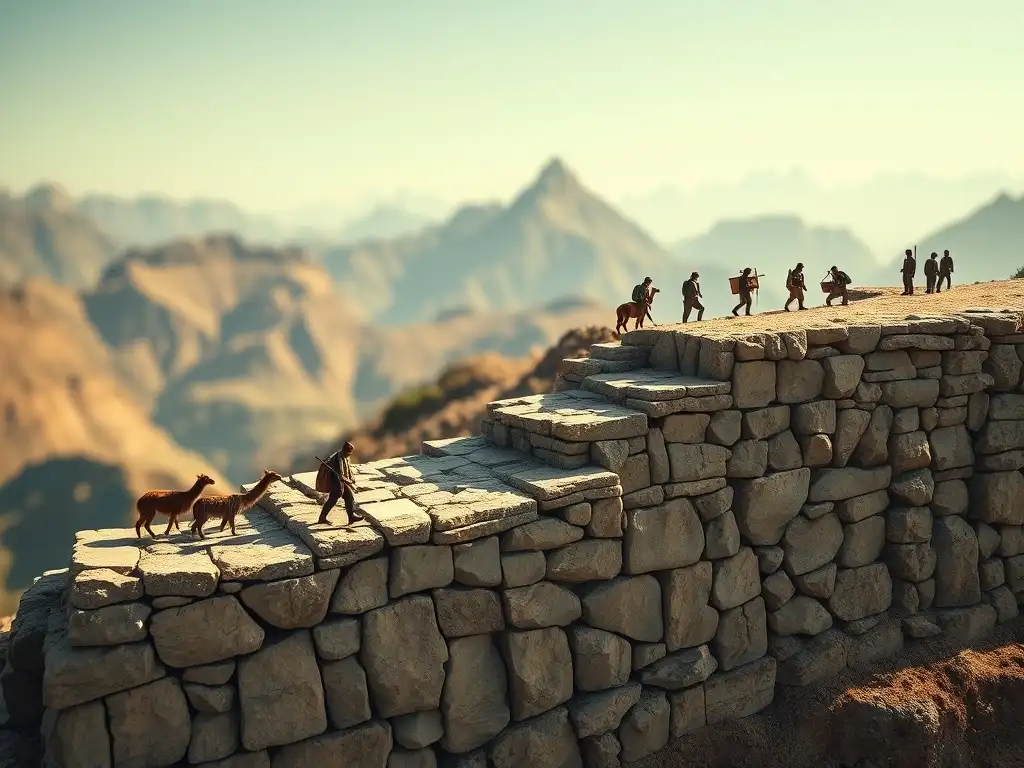
The Inca road system, a marvel of ancient engineering, wasn't built overnight. Its creation involved sophisticated construction techniques and a massive mobilization of labor, reflecting the Inca Empire's centralized power and organizational prowess. Understanding these aspects is crucial to appreciating the true scale and ingenuity of this historical feat, a testament to the Inca road system history. The network's longevity and effectiveness stand as a testament to the quality of both the materials and the methods employed.
Methods of Road Construction: Adapting to Different Environments
Inca road construction wasn't a one-size-fits-all approach. The engineers and builders adapted their methods to the diverse and challenging Andean terrain. Across the vast empire, from the high-altitude plains to the coastal deserts and the dense jungle regions, different techniques were employed.
In the mountainous regions, for instance, the builders often carved roads directly into the rock face, utilizing sophisticated stone-cutting tools. This meticulous work ensured the roads' stability, even on steep slopes. They employed ingenious drainage systems to prevent erosion and landslides, showcasing a deep understanding of hydrology. These systems often involved strategically placed channels and retaining walls, preventing water damage and maintaining road integrity.
The coastal deserts presented a different set of challenges. Here, the roads were often constructed using a combination of compacted earth, gravel, and stone, creating a durable surface capable of withstanding the harsh conditions. The use of local materials was key; this practicality minimized transportation costs and maximized the use of readily available resources.
In the jungle regions, the Inca road builders faced the additional challenges of dense vegetation and often unstable ground. Their solution involved constructing elevated roadways, supported by timber pilings and strategically placed stones. This prevented the roads from sinking into the soft earth, ensuring their continued usability. These elevated sections also served as bridges in areas where natural crossings were scarce, underscoring the Inca's mastery of adapting to different environments. The Inca road system history is rich with examples of this adaptive engineering.
The Mita System and Road Building
The construction of the vast Inca road network was made possible by the mita, a system of mandatory labor service. All able-bodied citizens were required to contribute a portion of their time to public works projects, including road construction. This wasn't simply forced labor; it was a crucial component of the Inca social and economic system. While demanding, it ensured a constant stream of workers for large-scale projects like the road network.
The mita system was highly organized. Workers were grouped into teams, each with specialized skills and responsibilities. Overseers monitored progress and ensured that the work met the high standards set by the Inca engineers. This efficient system allowed the Inca to complete monumental projects, including the vast and impressive road network, in a relatively short timeframe, given the scale of the undertaking. The organization and management of the mita are a vital part of the Inca road system history. The system, while demanding, was integral to the empire's infrastructure and its success.
Materials Used in the Construction of Inca Roads
The materials used in Inca road construction varied depending on the local environment and the specific needs of the road. However, some common materials were consistently utilized across the empire. Stone, readily available in many regions of the Andes, was a primary building material. Different types of stone were selected based on their durability and availability, highlighting the practicality and resourcefulness of the Inca builders. The selection wasn't arbitrary; it reflected a deep understanding of the properties of different stones and their suitability for various applications.
In addition to stone, other materials such as earth, gravel, and timber played important roles in road construction. Earth and gravel were used to create a stable base for the roads, especially in areas with less stable terrain. Timber, particularly in jungle regions, was used for supports and bridges, showcasing the Inca's adaptive approach to engineering challenges.
The durability and longevity of the roads are a testament to the careful selection and skillful application of these materials. The meticulous choice of materials is a significant aspect of the Inca road system history, highlighting the empire's sophisticated understanding of engineering and construction.
The Inca road system, a testament to the ingenuity and organizational capabilities of the Inca civilization, stands as a powerful symbol of their advanced engineering skills and their ability to overcome environmental challenges. The system's enduring legacy continues to fascinate and inspire awe, a lasting contribution to the Inca road system history. The roads themselves are a physical manifestation of the Inca's power and their ability to connect their vast empire.
The Legacy of the Inca Road System

The Inca road system, or Qhapaq Ñan, remains a testament to the ingenuity and organizational prowess of the Inca Empire. Its impact extends far beyond its initial purpose of connecting the vast empire, influencing subsequent infrastructure projects and shaping modern tourism. Understanding its lasting legacy requires examining its preservation, its impact on modern engineering, and its role in contemporary tourism.
The Qhapaq Ñan's significance as a symbol of Inca power and engineering skill continues to resonate today, solidifying its place in history as a remarkable feat of ancient logistics. The sheer scale of the network – spanning thousands of miles across diverse and challenging terrain – is a continuing source of wonder and study for archaeologists and engineers alike.
The system's sophisticated design, including strategically placed waystations and bridges, showcases the Incas' deep understanding of geography and engineering principles. This sophisticated understanding of infrastructure is a key element of the Inca road system history.
Preservation and Restoration Efforts of the Qhapaq Ñan
Preserving the Qhapaq Ñan is a complex undertaking involving international collaboration and significant resource allocation. The road system, while impressive in its remnants, has suffered from centuries of neglect, natural erosion, and the impact of modern development. Many sections are overgrown, damaged, or completely lost. However, significant efforts are underway to document, preserve, and restore portions of the network. These efforts involve meticulous archaeological surveys, careful restoration techniques, and community involvement.
For example, in [Specific location pending], a collaborative project between [Organization 1 pending] and [Organization 2 pending] has focused on stabilizing a particularly vulnerable section of the road using traditional Inca building techniques alongside modern materials for reinforcement. This approach aims to balance preservation with the needs of modern accessibility and tourism. The challenge lies in balancing the preservation of the historical integrity of the Qhapaq Ñan with the needs of modern society.
The goal is not merely to preserve ruins, but to understand and share the story of this remarkable achievement. Detailed mapping and documentation are crucial to understanding the original extent and complexity of the network, informing future restoration projects. The long-term preservation of the Qhapaq Ñan requires a multifaceted approach, combining careful scientific study with sustainable tourism practices.
This ongoing effort ensures that future generations can appreciate the ingenuity of the Inca road system. The success of these preservation efforts is vital to the ongoing study of Inca road system history.
The Inca Road System's Influence on Modern Infrastructure
The Inca road system's influence on modern infrastructure is less about direct imitation and more about inspiring principles of design and planning. The Incas' mastery of adapting to diverse terrains, their strategic placement of infrastructure to support travel and communication, and their understanding of sustainable building practices continue to inform contemporary engineering. Their innovative use of materials, such as stone and rope bridges, demonstrates an understanding of structural engineering principles that remains relevant today.
Consider the challenges of building roads in mountainous regions. The Inca's problem-solving approach, evidenced in their ingenious solutions for traversing steep slopes and crossing rivers, provides valuable lessons for modern civil engineers. Their ability to create durable, sustainable infrastructure in challenging environments serves as a model for environmentally conscious construction practices. Modern road building often employs similar principles of careful route planning, adaptive construction techniques, and consideration of environmental impact.
While the materials and technology differ vastly, the underlying principles of strategic planning and sustainable construction echo the Inca approach. The legacy of the Inca road system, therefore, extends beyond the physical remnants; it inspires modern engineers to seek innovative and sustainable solutions to complex infrastructure challenges. The study of the Inca road system history offers valuable insights into sustainable infrastructure development.
Modern Day Hiking Trails and Tourism on Inca Roads
Today, sections of the Qhapaq Ñan are accessible to hikers and tourists, offering a unique opportunity to experience the legacy of the Inca Empire firsthand. These trails offer not only a physical connection to the past but also a deeper understanding of the Inca's ingenuity and the challenges they overcame. However, sustainable tourism practices are crucial to ensure the long-term preservation of these historical sites. The Inca Trail to Machu Picchu, while a popular tourist destination, highlights both the potential and the challenges of balancing tourism with preservation.
The careful management of visitor numbers, the implementation of responsible hiking practices, and the involvement of local communities are essential for maintaining the integrity of the trails and minimizing environmental impact. The economic benefits of tourism can contribute significantly to the preservation efforts, but only if managed sustainably. Overtourism can cause significant damage to the trails and surrounding environment, undermining the very resource that attracts tourists. Therefore, a balance must be struck between promoting tourism and protecting the historical and environmental integrity of the Qhapaq Ñan.
The future of tourism on Inca roads hinges on responsible management and a commitment to sustainable practices. This approach ensures that the Inca road system history remains accessible and preserved for future generations. Careful planning and responsible tourism are vital components of Inca road system history and its future.
Exploring Specific Sections of the Inca Road System
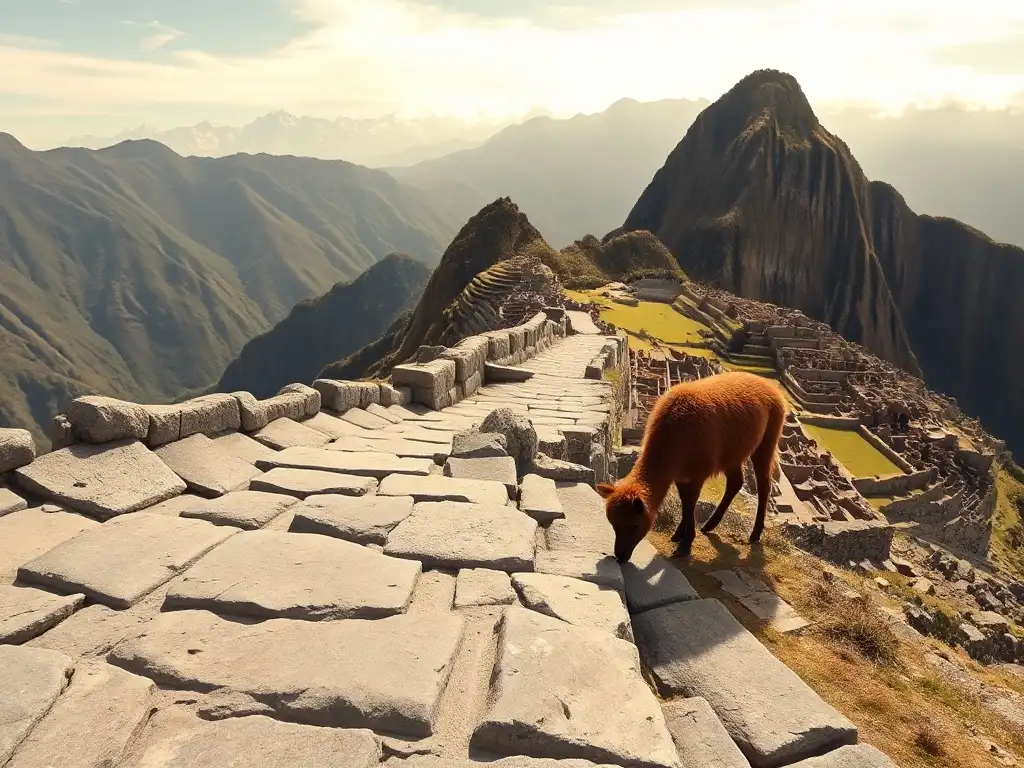
This section delves into the specifics of the Inca road system, examining prominent routes and their significance within the broader context of Inca infrastructure and logistics. The Inca road system, a marvel of ancient engineering, wasn't a single, unified highway, but rather a complex network of paths catering to various needs and connecting disparate regions of the vast empire. Understanding these individual sections helps us appreciate the ingenuity and scale of this remarkable achievement in Inca road system history.
The Inca Trail to Machu Picchu: A Popular Hiking Route
The Inca Trail, now a world-renowned trekking route, represents a crucial segment of the larger Inca road system. While its current popularity overshadows its original purpose, it served as a vital connection between Cusco, the Inca capital, and Machu Picchu, a significant ceremonial center and possibly a royal estate. The trail's construction showcases the Inca's mastery of stonework, with meticulously fitted stones forming pathways that wind through challenging terrain.
Its strategic placement, utilizing existing natural features, minimized the need for extensive earthworks, demonstrating an understanding of sustainable engineering practices. This section of the Inca road system history illustrates the empire's ability to create durable and efficient paths even in mountainous regions. The Inca Trail wasn't just a pathway; it was a carefully planned logistical artery, facilitating the movement of people, goods, and messages between key points within the empire.
Its enduring legacy as a popular hiking trail today is a testament to the quality of its construction and its integration into the natural landscape. Further research into the trail's construction techniques and the precise materials used could reveal additional insights into Inca road system history and construction methods.
The Coastal Road: Connecting the Pacific Seaboard
The coastal road, a less well-known but equally significant part of the Inca road system, linked the coastal settlements and ports to the Andean highlands. This network facilitated trade, allowing for the exchange of goods such as fish, salt, and cotton from the coast with agricultural products and metals from the interior. The construction of this road presented unique challenges, as engineers had to contend with the harsh coastal environment, including shifting sands and rugged cliffs.
Evidence suggests the Incas employed innovative techniques to overcome these obstacles, including the use of retaining walls, bridges, and strategically placed resting places for travelers. The coastal road’s strategic importance is evident in its connection to major ports, which served as crucial entry and exit points for the Inca empire.
Analyzing the remaining sections of this road could shed light on the Inca’s adaptation of construction techniques to different geographical conditions, enriching our understanding of Inca road system history and its adaptability. The integration of coastal resources into the empire's economy was heavily reliant on this crucial infrastructure.
The Highland Road: Traversing the Andean Peaks
The highland road, perhaps the most challenging section of the Inca road system to construct and maintain, snaked its way through the formidable Andes Mountains. This network connected various highland communities, facilitating the movement of people, livestock, and agricultural goods. Its construction required a deep understanding of mountain topography and engineering principles.
The Incas skillfully utilized suspension bridges, carved terraces into mountain slopes, and constructed impressive stone retaining walls to overcome steep inclines and treacherous terrain. This section of the Inca road system showcases the empire's remarkable ability to adapt to challenging environments, highlighting their innovative engineering solutions. The highland road also served as a critical military route, allowing for swift troop movements and the maintenance of control over the vast Andean territories.
Further study into the construction methods employed in the highland road, including the types of stone used and the overall engineering design, could reveal even more about the sophisticated knowledge and skills of Inca engineers, adding further detail to the story of the Inca road system history. The sheer scale and complexity of this network speaks volumes about the Inca’s organizational capabilities and their commitment to connecting their expansive empire.
The Inca Road System: A Testament to Ancient Engineering
The Inca road system, or Qhapaq Ñan, wasn't merely a network of paths; it was the arterial system of a vast empire, a feat of ancient engineering that continues to inspire awe and wonder. Spanning over 40,000 kilometers across diverse and challenging Andean terrain, this intricate network connected distant provinces, facilitating communication, trade, and military movement with unprecedented efficiency. The sheer scale and sophistication of the Qhapaq Ñan stand as a powerful testament to the Inca's advanced understanding of surveying, construction, and logistics.
Their mastery of stonework, evident in the meticulously crafted pathways and bridges, is a hallmark of their engineering prowess. This system showcases not just impressive infrastructure, but also a sophisticated understanding of resource management and the ability to mobilize a vast workforce to achieve a common goal. The Inca road system history is rich with stories of innovation and adaptation to the demanding environment.
The Enduring Significance of the Qhapaq Ñan
The Qhapaq Ñan's significance extends far beyond its impressive physical presence. It served as the backbone of the Inca empire, enabling the efficient flow of goods, information, and people across vast distances. This facilitated the centralized control exercised by the Inca government, allowing for the rapid deployment of troops and the swift transmission of decrees. The roads also played a crucial role in religious practices, connecting sacred sites and pilgrimage routes.
The Qhapaq Ñan fostered cultural exchange and integration across the empire, contributing to the remarkable uniformity of Inca culture despite the empire's vast geographical expanse. Even today, remnants of the Qhapaq Ñan continue to serve as vital transportation routes in many Andean communities, highlighting the enduring legacy of Inca engineering. The historical impact of this impressive road system resonates even in modern times.
Construction Techniques and Materials: A Closer Look
The construction of the Qhapaq Ñan was a remarkable undertaking, demonstrating a profound understanding of both engineering principles and the Andean environment. Inca engineers expertly adapted their techniques to the diverse terrain, employing different materials and construction methods depending on the specific geographical context. In mountainous regions, they skillfully carved pathways into steep slopes, utilizing retaining walls and terraces to stabilize the routes.
In areas with less challenging topography, they constructed roads using carefully selected stones, creating smooth and durable surfaces. The use of locally sourced materials minimized transportation costs and maximized structural integrity. This adaptability, combined with meticulous craftsmanship, ensured the longevity and effectiveness of the road network.
For instance, the use of interlocking stones without mortar in many sections is a testament to the precision of Inca stonemasonry. The roads were not simply paths; they were carefully engineered structures designed to withstand the harsh Andean climate and the constant wear and tear of heavy traffic.
The Role of the Chasquis in Inca Communication
The effectiveness of the Inca road system was significantly enhanced by the ingenious use of a relay runner system known as the chasquis. These runners, strategically positioned along the roads at carefully calculated intervals, could transmit messages and goods with remarkable speed across the empire. The chasquis were highly trained and organized, ensuring the efficient and rapid delivery of crucial information. Their role was essential to the functioning of the Inca state, enabling rapid communication between the capital and distant provinces, facilitating trade, and ensuring the swift response to emergencies.
The chasquis system demonstrates the Inca's understanding of logistical efficiency and its importance in maintaining control and stability within the vast empire. This sophisticated communication network was integral to the success of the Inca road system. Their speed and organization contributed significantly to the empire's remarkable administrative efficiency.
The Qhapaq Ñan's Legacy and Modern Relevance
The legacy of the Qhapaq Ñan endures to this day. While much of the original road network has been lost to time and erosion, significant portions remain, serving as a powerful testament to Inca engineering and ingenuity. The Qhapaq Ñan has been recognized as a UNESCO World Heritage Site, highlighting its global significance and the need for its preservation. Furthermore, the principles of Inca road construction continue to inform modern engineering practices, particularly in challenging terrains.
Studies of the Qhapaq Ñan's resilience and sustainability offer valuable insights for contemporary infrastructure development, emphasizing the importance of adapting to the environment and utilizing locally sourced materials. The Inca road system history continues to inspire and inform, demonstrating the enduring relevance of ancient wisdom in a modern world. The ongoing research and preservation efforts ensure that the Qhapaq Ñan's story will continue to be told for generations to come.
Frequently Asked Questions
How extensive was the Inca road system?
The Inca road system, or Qhapaq Ñan, was incredibly extensive, spanning over 25,000 miles across the Andes Mountains. It connected the vast Inca Empire, facilitating communication and trade.
What materials were used to build the Inca roads?
Inca roads were built using locally sourced materials, such as stone, earth, and wood. The construction techniques varied depending on the terrain, showcasing remarkable engineering skills.
What was the purpose of the Inca road system?
The primary purpose was to facilitate communication and transportation throughout the empire. This allowed for the efficient movement of troops, messages, and goods.
How did the Inca maintain such a large road network?
The Incas maintained their roads through a system of organized labor and relay stations. These stations provided food, shelter, and fresh animals for travelers and messengers.
What is the significance of the Inca road system today?
The Inca road system is a testament to ancient engineering prowess and remains a significant historical and archaeological site. It offers valuable insights into Inca civilization and its impressive logistical capabilities.
Final Reflection: Echoes of the Inca Road: A Legacy of Ingenuity
The Inca road system, a marvel of ancient engineering, remains a potent symbol of human ingenuity and the power of interconnectedness. Its intricate network, stretching thousands of miles across treacherous terrain, stands as a testament to the advanced civilization that built it, a civilization whose logistical prowess continues to inspire awe and wonder even today. This intricate system wasn't merely a network of paths; it was the very artery of the Inca Empire, facilitating trade, communication, and the efficient movement of resources across a vast and diverse landscape.
The enduring legacy of the Inca road system extends far beyond its physical remains. It serves as a powerful reminder of the importance of infrastructure in shaping societies and fostering economic growth. The sheer scale of the undertaking, the innovative techniques employed, and the lasting impact on the Andean region continue to fascinate and inspire researchers and travelers alike. As the historian John Hemming eloquently stated, The Inca road system was not just a network of paths; it was a statement of imperial power, a symbol of unity, and a testament to the ingenuity of the Inca people.
This quote encapsulates the profound cultural and social significance of this remarkable achievement.
Consider, for a moment, the challenges faced by the Inca builders and the sheer determination required to overcome them. Their achievements should inspire us to tackle our own challenges with similar ingenuity and perseverance. Let the legacy of the Inca road system serve as a call to action, urging us to build connections, overcome obstacles, and strive for a more interconnected and sustainable future. What innovative solutions can we create today, inspired by the ingenuity of a civilization that thrived centuries ago? Let the echoes of the Inca road guide your own journey towards innovation and progress.
Embark on Your Journey Through Incan History!
Thank you for exploring the incredible Inca Road Network. We hope you appreciate the ingenuity of their ancient logistics and its impact on Andean civilizations. Now, let's delve even deeper into the wonders of Inca culture.
Here's how you can continue your exploration:
- **Explore** our interactive map to trace the Inca roads and discover hidden ruins, whether near you or on your future travels.
- **Join our community** and share your thoughts and experiences with Inca culture in the comments below.
- **Discover** more about Andean history and logistics through our articles; expand your understanding of these remarkable ancient societies.
What aspect of the Inca Road Network most inspires you to learn or experience more?