
Hidden in Plain Sight: The Ingenious Drainage Systems of Ancient Andes

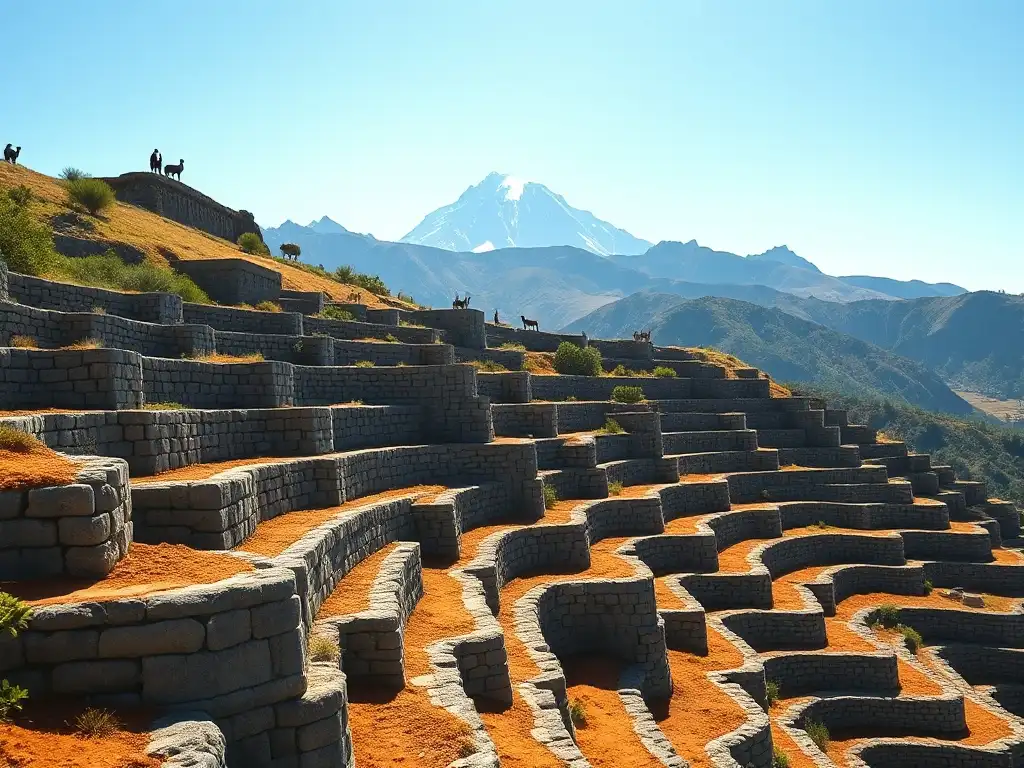
Step into a world lost to time, yet echoing with ingenuity. Imagine a civilization so advanced, they mastered landscapes seemingly unconquerable. Forget everything you think you know about ancient engineering; the Ancient Andean drainage systems were far more sophisticated than you can possibly imagine. Prepare to be amazed as we unravel the secrets behind these remarkable feats of construction, hidden in plain sight for centuries. Discover how these incredible systems shaped the lives and destinies of the Andean people, and unlock the mysteries that still intrigue researchers today.
The Andes Mountains, a spine of towering peaks traversing the western edge of South America, presented formidable challenges to the ancient civilizations that thrived there. Steep slopes, unpredictable rainfall, and the ever-present threat of landslides demanded innovative solutions for managing water – not just for drinking and agriculture, but for the very survival of their settlements and monumental constructions.
This article delves into the surprisingly sophisticated drainage systems employed by the ancient Andean cultures, revealing a level of engineering prowess often overlooked in discussions of their remarkable achievements. From the intricate canal networks of the Nazca to the sophisticated urban planning of the Inca, we will explore how these ingenious systems shaped the landscape and contributed to the longevity and prosperity of these remarkable societies.
Understanding these ancient drainage systems provides crucial insight into the ingenuity and adaptability of Andean civilizations, highlighting their deep understanding of their environment and their remarkable ability to harness its resources. We will examine the diverse techniques employed, the materials used, and the lasting impact these systems have on our understanding of "Ancient Andean drainage systems".
The Nazca's Mastery of Water Management
The Nazca culture, famed for their enigmatic geoglyphs, also possessed a remarkable understanding of hydrology. Their arid coastal environment necessitated a sophisticated system of canals and aqueducts to capture and distribute scarce water resources. These weren't simply rudimentary ditches; they were carefully planned and constructed channels, often lined with stones and clay to prevent leakage and erosion.
Evidence suggests a deep knowledge of subsurface water flows, allowing the Nazca to tap into underground aquifers and create a network capable of sustaining their settlements and agricultural lands. The precise alignment of many of these canals suggests a sophisticated understanding of surveying and engineering principles, far beyond what is often assumed for a pre-Columbian society.
Archaeological studies continue to reveal the complexity of their water management strategies, underscoring the integral role water played in their culture and survival. The scale of these projects, considering the available tools and technology, is truly astonishing and speaks volumes about their organizational capabilities and collective effort.
Inca Urban Planning and Drainage Innovation
The Inca Empire, renowned for its vast territory and intricate road network, also demonstrated an advanced understanding of urban planning, which directly impacted their drainage systems. Inca cities, such as Cusco and Machu Picchu, were meticulously designed with drainage channels integrated into their very fabric. Stone-lined channels, often carefully sloped, efficiently diverted rainwater away from buildings and public spaces, preventing flooding and erosion.
These channels weren't simply functional; they were often aesthetically integrated into the architecture, showcasing a harmonious blend of engineering and artistry. The precise stonework and the intricate fitting of the channels demonstrate a high level of craftsmanship and attention to detail.
Further research is needed to fully understand the precise techniques used in the construction of these channels, especially their ability to withstand the intense seismic activity characteristic of the Andean region. The integration of drainage into the overall urban design showcases the Inca's holistic approach to city planning, prioritizing both functionality and aesthetics.
Tiahuanaco's Hydraulic Engineering Marvels
The Tiahuanaco culture, known for its monumental architecture, also developed sophisticated hydraulic systems. While many details remain to be uncovered, evidence suggests the use of complex canal systems to manage water for agriculture and possibly for ritual purposes. The precise techniques employed by the Tiahuanaco in their water management are still under investigation, but preliminary findings suggest an advanced understanding of hydraulic principles.
Their mastery of stonework is evident in the construction of their monumental structures, and this expertise likely extended to their drainage systems as well. The integration of drainage systems within the urban planning of Tiahuanaco sites necessitates further detailed investigation to determine the extent of their engineering knowledge and how it impacted their societal organization. Understanding the Tiahuanaco's hydraulic engineering is crucial for a complete picture of their technological advancements and their impact on the development of Andean civilizations.
Comparing and Contrasting Andean Drainage Systems
While each Andean civilization developed its own unique approach to water management, several common themes emerge. The use of stone channels, the integration of drainage into urban planning, and the utilization of natural slopes all demonstrate a shared understanding of hydrological principles. However, variations in materials, construction techniques, and the scale of projects reflect the distinct environmental challenges and technological capabilities of each culture.
Further comparative studies are needed to fully understand the evolution of Andean drainage systems and the exchange of knowledge between different cultures. A comprehensive analysis, possibly through a comparative table highlighting key features of each system, would further illuminate the innovation and adaptation evident in these ancient engineering marvels. This comparative approach will help us better appreciate the ingenuity and resilience of these Andean civilizations in the face of significant environmental challenges.
- The Nazca's Mastery of Water Management
- Inca Urban Planning and Drainage Innovation
- Tiahuanaco's Hydraulic Engineering Marvels
- Comparing and Contrasting Andean Drainage Systems
- What were the main challenges faced by ancient Andean civilizations regarding water management?
- How did the ancient Andean civilizations overcome these water management challenges?
- What materials were typically used in the construction of Andean drainage systems?
- Were these drainage systems solely focused on preventing flooding, or did they serve other purposes?
- How advanced were the ancient Andean drainage technologies compared to other ancient civilizations?
The Importance of Water Management in Ancient Andean Civilizations
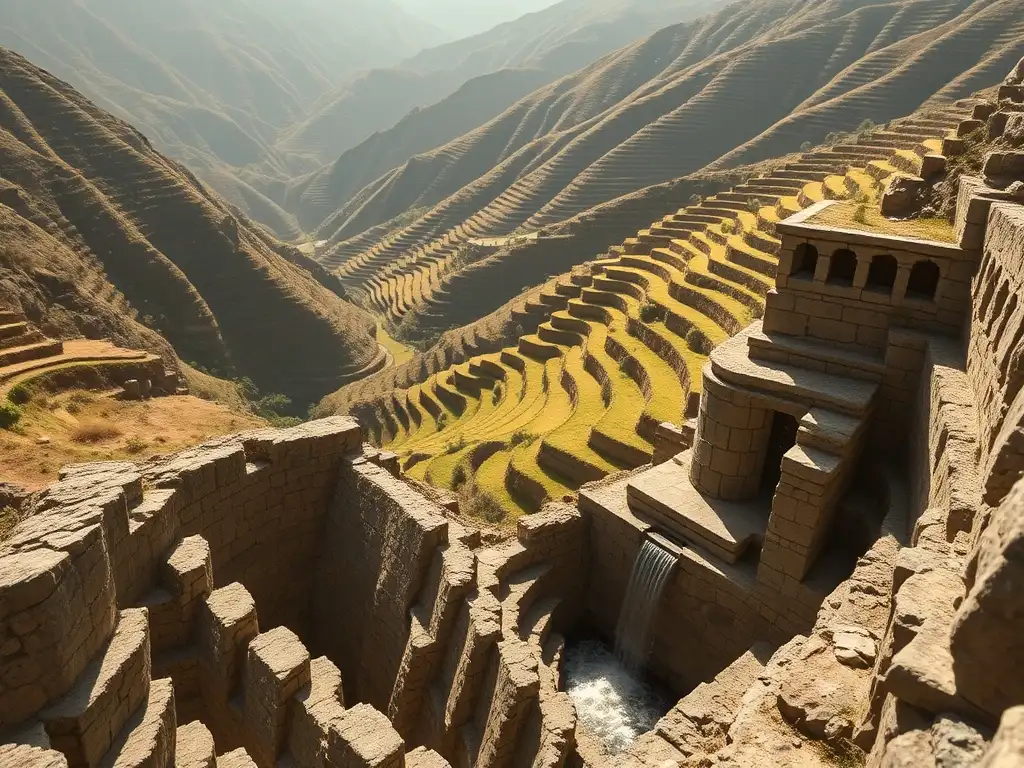
Water, or rather, the management of water, was paramount to the success and longevity of the ancient Andean civilizations. These societies, flourishing in a geographically diverse and often challenging landscape, developed sophisticated techniques to harness and control this vital resource. Their ingenuity wasn't limited to irrigation; effective drainage systems were equally crucial, preventing crop failure and protecting settlements from the destructive forces of floods and erosion.
Understanding the intricate relationship between water management and the prosperity of these cultures reveals a level of technological sophistication often underestimated. The impact of effective water management on population density, agricultural yields, and the overall stability of Andean societies cannot be overstated. Analyzing these systems provides a unique window into the practical intelligence and adaptive capabilities of these remarkable civilizations.
The efficient use of water, through both irrigation and drainage, allowed for the creation of thriving agricultural centers and the support of large, complex populations in environments that might otherwise have been inhospitable. This section will explore the specific challenges posed by the Andean environment and the crucial role drainage played in mitigating these challenges, particularly in supporting their advanced agricultural practices.
Understanding the Andean Environment and its Challenges
The Andes Mountains present a complex and varied environment. High altitudes, steep slopes, and unpredictable weather patterns—including intense rainfall and periods of drought—posed significant challenges to the ancient Andean peoples. The terrain itself, characterized by narrow valleys and precipitous cliffs, made traditional agricultural techniques difficult to implement. Soil types also varied dramatically, ranging from fertile alluvial plains to rocky, less productive slopes.
Understanding these environmental factors is key to appreciating the ingenuity of the Andean drainage systems. For example, the puna, the high-altitude grasslands, experienced frequent frost and intense solar radiation, requiring careful soil management and protection from waterlogging. Conversely, lower-altitude valleys were susceptible to flooding during the rainy season, demanding effective drainage solutions to prevent crop damage and protect settlements. These diverse challenges necessitated a flexible and adaptable approach to water management, resulting in a variety of ingenious solutions tailored to specific local conditions.
The variability in rainfall and the need for consistent water supply for agriculture pushed the development of not just irrigation techniques but also robust drainage infrastructure. This is evidenced by the numerous examples of sophisticated drainage channels discovered at various archaeological sites throughout the Andes. Data from these sites shows a clear correlation between the complexity of the drainage systems and the intensity of agricultural activity in the surrounding areas.
The Crucial Role of Drainage in Andean Agriculture
Effective drainage was not merely a secondary concern for the ancient Andean civilizations; it was an integral component of their agricultural success. Without efficient drainage, the fertile soils of the valleys would have been rendered unproductive by waterlogging, leading to crop failure and famine. The ingenious drainage systems, often integrated with irrigation canals, prevented water accumulation in fields, ensuring optimal soil conditions for planting and growth. This is especially important considering the high-altitude agriculture practiced in the Andes, where the growing season is already short and susceptible to frost.
These systems involved a variety of techniques, including the construction of elaborate surface channels, subsurface drains, and carefully terraced fields designed to divert excess water. Archaeological evidence indicates the use of different materials, depending on the local availability and the specific needs of the site. Stone, clay, and even woven materials were employed to create durable and effective drainage solutions. The construction of these systems required significant labor and planning, demonstrating the importance placed on water management within Andean societies.
Moreover, the careful integration of drainage with irrigation highlights the holistic approach taken by these civilizations to manage their water resources. The precise design and implementation of these systems speak to a deep understanding of hydrology and soil science, far exceeding what was previously thought possible for such ancient cultures. Further research and analysis of these systems are crucial to fully appreciating the sophisticated understanding of water management held by these ancient Andean populations. The sophisticated interplay between irrigation and drainage systems is a testament to the enduring ingenuity of the Ancient Andean civilizations.
Advanced Engineering of Ancient Andean Drainage Systems
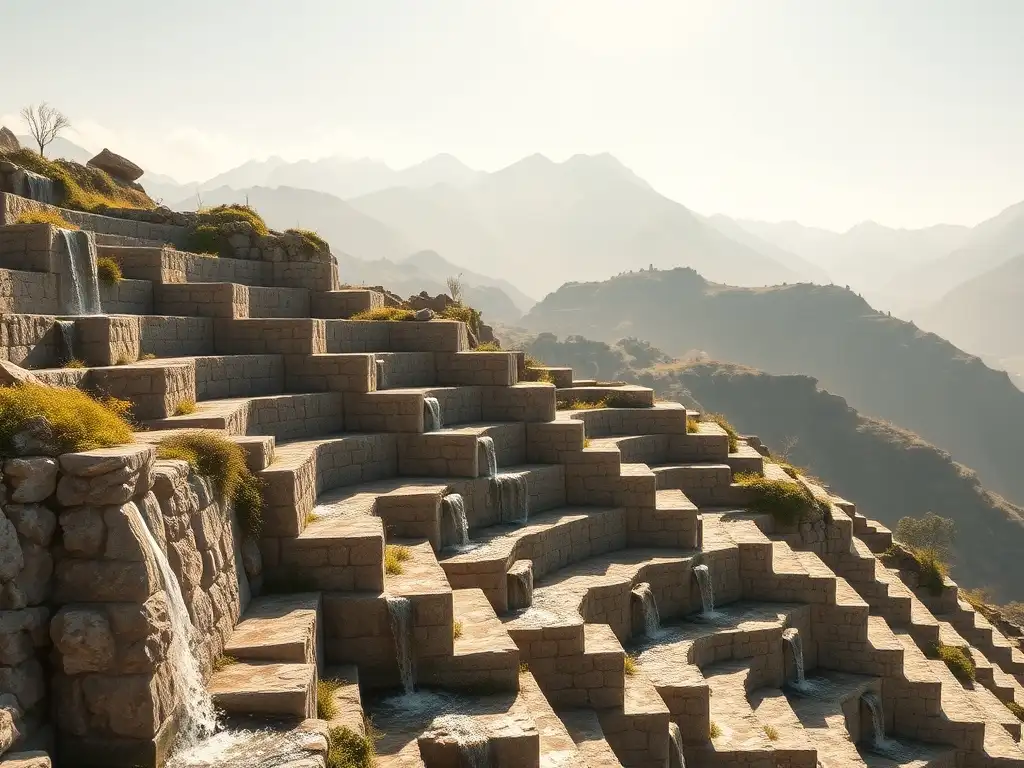
The ingenuity of ancient Andean civilizations is profoundly evident in their sophisticated water management systems. Far from rudimentary, these systems represent a remarkable feat of engineering, adapting to the challenging Andean terrain and diverse climates. Understanding the intricacies of these Ancient Andean drainage systems requires examining not only the scale of the projects but also the advanced techniques employed to ensure efficient water distribution and control, crucial for agriculture and urban development.
The ability to harness water resources effectively was directly correlated with the prosperity and longevity of these societies. This section delves into the key aspects of this remarkable engineering achievement, highlighting the sophistication and foresight demonstrated by these ancient builders. The survival and success of these civilizations were heavily reliant upon their mastery of water management, a testament to their profound understanding of hydrology and their capacity for large-scale construction projects.
Key Features of Pre-Incan Water Management
Pre-Incan societies, including the Nazca and Moche, developed impressive water management strategies long before the Inca Empire. A key feature was the construction of extensive canal networks, often carved into hillsides or built using sophisticated terracing techniques. These systems were not simply ditches; they incorporated intricate features designed to optimize water flow and minimize erosion. For example, the Nazca lines, while famous for their enigmatic geoglyphs, are also believed to have played a role in guiding water channels and facilitating irrigation.
The Moche, known for their elaborate metalwork and pottery, also built sophisticated irrigation systems, often utilizing aqueducts and reservoirs to manage water resources in arid coastal regions. These systems demonstrate a deep understanding of hydrology and a remarkable capacity for collaborative labor. Analysis of these systems reveals a level of planning and execution that surpasses many contemporary expectations for pre-industrial societies.
Consider, for instance, the precise grading of channels to maintain a consistent water flow, minimizing the risk of flooding or silting. This precision speaks to advanced surveying techniques and a sophisticated understanding of hydraulic principles. The effectiveness of these systems is a powerful testament to the ingenuity of these early Andean cultures.
The Diversity of Drainage Techniques Across Different Andean Cultures
The Andean region boasts a vast array of diverse ecosystems, each presenting unique challenges for water management. Consequently, Ancient Andean drainage systems varied significantly across different cultures and geographical locations. While canal systems were prevalent, the specific techniques employed differed considerably. For instance, the Tiahuanaco culture, known for its monumental architecture, developed complex systems of raised fields and channels, optimizing water use in the high-altitude Altiplano.
These systems demonstrate a remarkable adaptation to the harsh environmental conditions of the region. In contrast, coastal cultures like the Moche relied heavily on aqueducts and reservoirs to capture and distribute water from rivers and springs. The Inca, with their vast empire, integrated and expanded upon existing systems, adding sophisticated features such as tunnels and siphons to overcome challenging topographical obstacles. This diversity highlights the adaptive nature of Andean engineering, demonstrating the ability to tailor solutions to specific environmental conditions.
A key characteristic is the integration of the drainage systems into the broader landscape, demonstrating a holistic approach to environmental management. The design and construction of these systems were not isolated projects but rather integral components of the overall societal and agricultural strategies. This interconnectedness is a defining characteristic of Andean engineering.
Materials Used in the Construction of Drainage Canals
The construction of Ancient Andean drainage systems involved a variety of materials, chosen based on local availability and the specific needs of the project. Stone, readily available in the Andes, was a primary building material, used to construct canals, aqueducts, and reservoirs. The type of stone varied depending on the region, with some cultures utilizing finely cut blocks while others employed rougher, less processed stones. In addition to stone, earth and clay were used extensively, particularly in the construction of smaller channels and earthen dams.
These materials were often compacted and reinforced to increase durability. Some canals incorporated features such as linings of plaster or other materials to reduce water seepage and erosion. The choice of materials was not arbitrary. It reflects a detailed understanding of local geology and the properties of different materials.
For example, the selection of specific stones for their durability and water resistance demonstrates an understanding of engineering principles that goes beyond simple construction. Further research is needed to fully understand the specific techniques used in the treatment and preparation of these materials, and how these techniques contributed to the overall effectiveness of the drainage systems. The enduring legacy of these systems underscores the remarkable achievements of ancient Andean engineers and their deep understanding of materials science and construction.
Case Studies of Remarkable Ancient Andean Drainage Systems
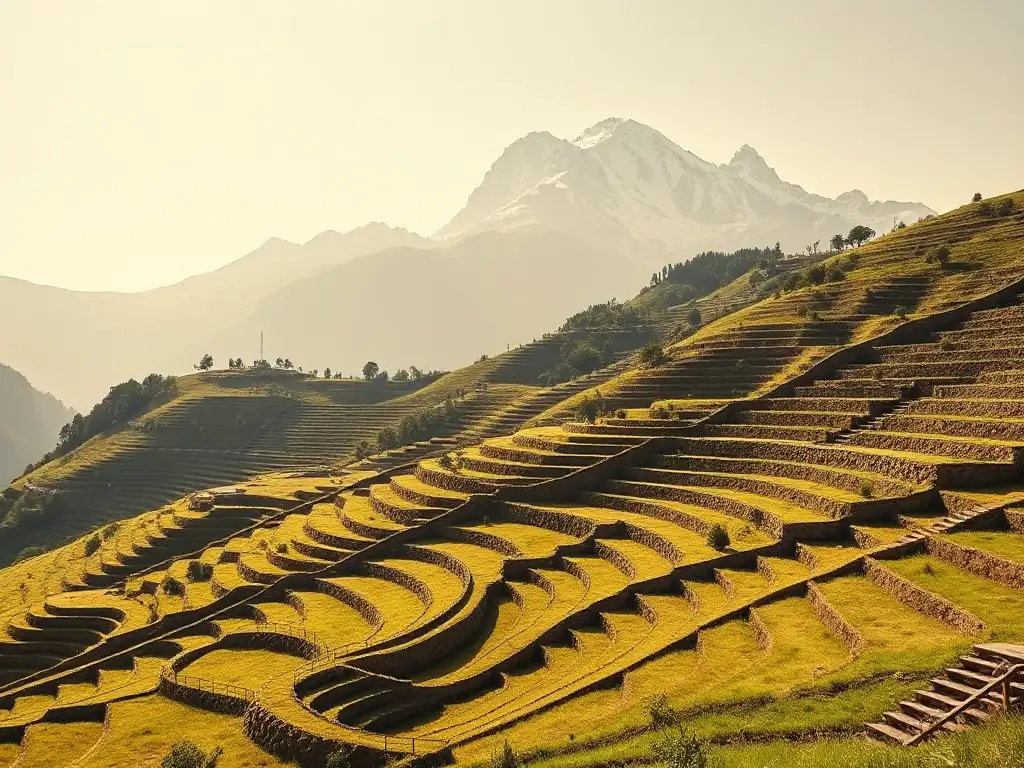
This section delves into specific examples of the sophisticated drainage systems employed by various Andean civilizations, showcasing their ingenuity and adaptation to diverse environments. Understanding these systems provides crucial insights into their urban planning, agricultural practices, and overall societal organization. The efficient management of water, both for irrigation and drainage, was fundamental to their survival and prosperity. We'll examine three distinct cases: Tiwanaku, Nazca, and Moche, highlighting their unique approaches to this vital aspect of Andean infrastructure.
The Drainage Networks of Tiwanaku: A Masterclass in Urban Planning
The Tiwanaku civilization, flourishing in the Altiplano region of the Andes from approximately 500 CE to 1000 CE, demonstrated remarkable urban planning skills. Their city, located near present-day Lake Titicaca, faced significant challenges in managing water, given its high altitude and fluctuating water levels. The Tiwanaku drainage system wasn't merely reactive; it was an integral part of their urban design.
Evidence suggests a sophisticated network of canals and channels, meticulously engineered to direct both rainwater runoff and wastewater away from residential and ceremonial areas. These channels, often lined with stone, were carefully graded to ensure efficient flow. Furthermore, the system incorporated raised platforms and terraces, likely serving a dual purpose: providing stable building foundations and facilitating drainage.
The integration of drainage into the overall urban layout prevented flooding and waterlogging, creating a healthier and more livable environment. Archaeological excavations continue to reveal the complexity and extent of this system, hinting at a level of engineering expertise far beyond what was previously assumed. The precise methods used for channel construction, including stone-cutting techniques and the use of binding agents, remain areas of ongoing research, but the evidence overwhelmingly points to a highly organized and expertly executed drainage infrastructure.
This system speaks volumes about the Tiwanaku's understanding of hydraulic engineering and their commitment to urban planning. Analysis of sediment samples from these channels could provide further insight into the types of materials transported and the overall effectiveness of the system over time. Further research is needed to fully understand the long-term impact of the Tiwanaku drainage systems on the sustainability of their urban center.
The Intricate Aqueducts and Drainage of the Nazca Culture
The Nazca culture, known for their enigmatic geoglyphs, also possessed impressive water management capabilities. Located in a desert environment on the southern coast of Peru, the Nazca people faced severe water scarcity. Their ingenuity is evident in the complex network of aqueducts ( canales ) they constructed to capture and transport scarce water resources. However, the efficient removal of excess water was equally crucial, especially during infrequent but intense rainfall events.
Unlike the Tiwanaku's integrated urban drainage, the Nazca focused on localized solutions. Their aqueducts, often built using underground channels, were designed not only to transport water but also to prevent flooding. Drainage channels were strategically placed alongside the aqueducts, diverting excess runoff away from the cultivated areas. These channels were often lined with stones or clay to prevent erosion and leakage. The Nazca's mastery of subsurface water management is particularly noteworthy, given the arid conditions in which they lived.
Furthermore, their understanding of soil composition and water infiltration rates allowed them to create efficient drainage systems that minimized water loss. The use of specific types of clay and gravel in the construction of their channels likely played a crucial role in optimizing drainage efficiency. The Nazca's drainage system exemplifies their adaptation to a challenging environment, enabling them to thrive despite limited water resources. The precise techniques and materials used in building their aqueducts and drainage systems are still being investigated, offering ongoing opportunities for new discoveries relating to ancient Andean drainage systems.
Efficient Agricultural Drainage Techniques in the Moche Civilization
The Moche civilization, flourishing on the northern coast of Peru from approximately 100 CE to 800 CE, developed sophisticated agricultural practices to support a large population. Their success relied heavily on effective irrigation and drainage systems, especially in the fertile valleys crisscrossed by rivers prone to flooding. Their drainage solutions, while less monumental than those of Tiwanaku, were equally critical to their agricultural success.
The Moche utilized a combination of techniques to manage water in their fields. These included carefully constructed channels and ditches to divert excess water away from crops, preventing waterlogging and soil erosion. They also employed raised fields and terraces in some areas, allowing for better drainage and more efficient use of available water. The precise design and orientation of these fields were likely influenced by their understanding of the local topography and hydrology.
Furthermore, the Moche likely employed techniques such as subsurface drainage, utilizing porous materials to facilitate water infiltration and prevent surface runoff. The efficient management of water, both for irrigation and drainage, was integral to the Moche's agricultural productivity, supporting their complex social and political structures. Further research into Moche agricultural practices could reveal more sophisticated drainage techniques beyond those currently understood.
The interplay between irrigation and drainage in their agricultural systems remains a fascinating area of study within the broader context of ancient Andean drainage systems. Analyzing the remaining evidence of their agricultural infrastructure offers valuable insights into their ingenuity and adaptability.
The Inca Empire's Mastery of Water Control
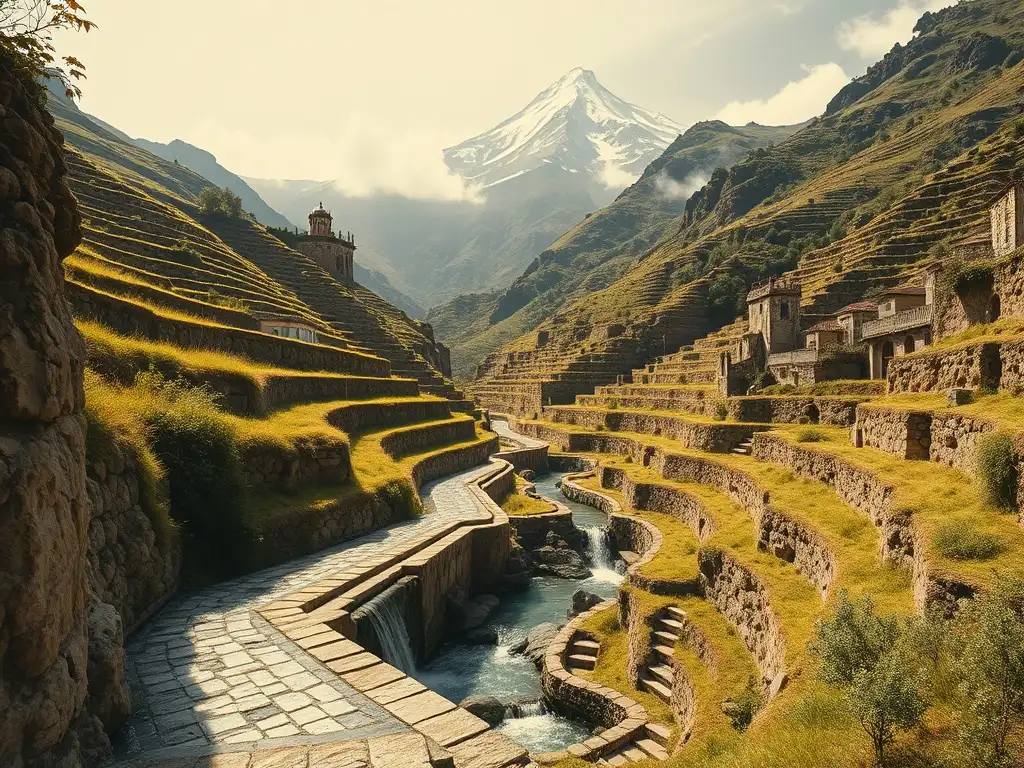
The Inca Empire, renowned for its sophisticated road networks and impressive stonework, also possessed an unparalleled understanding of water management. Their mastery extended beyond simple irrigation; it encompassed a complex network of drainage systems crucial for protecting settlements and maximizing agricultural output in diverse Andean terrains. This wasn't merely a matter of diverting water; it was a strategic engineering feat, demonstrating a deep understanding of hydrology and soil mechanics.
The Incas' success wasn't solely based on technological prowess, but also on a sophisticated social organization that facilitated the planning, construction, and maintenance of these vital infrastructure projects. This involved a highly organized workforce and a system of resource allocation that ensured the long-term sustainability of their water management strategies. The ingenuity of their solutions is evident in the durability and effectiveness of many systems that remain partially functional even today.
Analyzing these systems reveals a remarkable interplay of practical engineering and an understanding of the Andean environment that allowed the Inca to thrive in challenging landscapes. Their approach highlights the connection between advanced water management and the political and social structures that supported it.
Inca Innovations in Drainage and Irrigation
Inca innovations in drainage and irrigation went beyond simply channeling water. They developed sophisticated techniques for managing water flow, preventing erosion, and protecting agricultural lands. One key innovation was the use of qanats, underground channels that tapped into groundwater sources. These weren't simply dug ditches; they were carefully engineered systems, often incorporating ventilation shafts and strategically placed drainage points to manage water pressure and prevent collapse.
The construction of qanats required advanced surveying and engineering skills, demonstrating a high level of technical expertise. Another notable innovation was the use of meticulously constructed stone channels and aqueducts, some of which transported water over considerable distances across challenging terrain. These channels were typically lined with carefully fitted stones to minimize water loss and ensure a steady flow. The precision of the stonework is remarkable, showcasing the Inca's expertise in stone masonry and their understanding of hydraulic principles.
Furthermore, the Incas integrated their drainage systems with their agricultural terraces, creating a synergistic relationship between water management and crop production. This integrated approach maximized the use of available water resources and enhanced agricultural productivity. The effectiveness of these systems is evidenced by the large-scale cultivation that was possible in otherwise challenging environments.
The Sophisticated Drainage Systems of Machu Picchu
Machu Picchu, the iconic Inca citadel, serves as a prime example of their sophisticated drainage systems. The city's design seamlessly integrates drainage channels into its architecture, demonstrating a remarkable understanding of urban planning and water management. Water from the surrounding mountains was carefully channeled through a network of stone-lined channels that ran alongside pathways and buildings.
These channels were designed not only to drain excess water but also to supply water to fountains and other features within the city. The precision of the stonework in these channels is astonishing, with stones fitted together so tightly that even today, many of the channels remain largely intact and functional. The system was incredibly effective at preventing waterlogging and erosion, ensuring the stability of the city's structures and the health of its inhabitants.
The integration of drainage into the very fabric of the city demonstrates the Incas' holistic approach to urban planning, where water management was considered an integral aspect of the city's design and functionality. Analysis of the drainage systems at Machu Picchu reveals a high level of planning and engineering skill, reflecting the sophistication of Inca urban design and water management techniques. The effectiveness of the system is a testament to the Incas’ understanding of hydraulics and their ability to adapt their technology to the specific topography of the site.
The Use of Terraces and Drainage to Optimize Agricultural Yields
The Incas' mastery of agricultural engineering is closely linked to their advanced drainage systems. Their extensive use of agricultural terraces on steep slopes is a testament to their understanding of soil conservation and water management. These terraces weren't simply flat platforms carved into hillsides; they were carefully designed to optimize water retention and drainage. Each terrace was typically equipped with its own drainage system to prevent waterlogging and erosion.
The channels were meticulously constructed to direct water flow, ensuring that water was evenly distributed across the terraces while preventing runoff and soil loss. This system maximized agricultural yields by providing optimal growing conditions. The construction of terraces and their integrated drainage systems required significant labor and expertise, reflecting the high level of social organization and engineering skill within the Inca Empire. The effectiveness of this approach is evident in the ability of the Inca to cultivate crops on land that would otherwise be unsuitable for agriculture.
Detailed studies of Inca terraces have revealed the ingenuity of their design, showcasing how the Incas combined agricultural practices with sophisticated water management techniques to achieve remarkable agricultural productivity in challenging environments. The impact of these systems on the Inca's ability to sustain a large population is undeniable. The combination of terracing and drainage is a prime example of the sophisticated interplay between agricultural practices and advanced engineering in the ancient Andean world.
The Legacy of Ancient Andean Drainage Systems
The ingenuity of ancient Andean civilizations in managing water resources is truly remarkable. Their sophisticated drainage systems, developed across diverse geographical terrains and climates, stand as a testament to their advanced understanding of hydrology and engineering. These systems weren't merely functional; they were integral to the social, economic, and spiritual fabric of Andean life, supporting thriving agricultural practices and complex urban centers.
The legacy of these systems continues to inspire modern approaches to water management and highlights the importance of sustainable practices in arid and semi-arid environments. Understanding these ancient techniques provides valuable insights into resilient infrastructure design and resource conservation, offering lessons relevant even today.
Analysis of surviving structures reveals a deep understanding of topography, soil composition, and water flow dynamics, far surpassing the capabilities often attributed to "primitive" societies. The meticulous planning and execution evident in these systems challenge simplistic narratives about ancient technology and underscore the sophistication of Andean engineering.
Lessons Learned from Ancient Andean Water Management
Ancient Andean water management techniques offer numerous valuable lessons for contemporary practices. Their systems demonstrate the importance of:
- Sustainable resource utilization: Andean communities developed intricate networks of canals, aqueducts, and drainage channels, maximizing water availability while minimizing environmental impact. This contrasts sharply with modern, often unsustainable, approaches to water resource management.
- Adaptive design: The systems were adapted to diverse geographical conditions, ranging from high-altitude mountain slopes to coastal deserts. This adaptability is crucial in the face of climate change and increasing water scarcity. Designs varied significantly based on local conditions, showcasing a flexible approach to problem-solving. For example, the Nazca lines, while ostensibly serving a different purpose, may also have played a role in channeling water for agriculture, highlighting the multifunctional nature of their infrastructure.
- Community participation: The construction and maintenance of these extensive systems required significant community effort and cooperation. This highlights the importance of community engagement in modern water management projects. Evidence suggests a strong social organization and well-defined roles within the communities responsible for the construction and upkeep of these systems.
- Integration with the environment: The systems were seamlessly integrated with the natural landscape, minimizing disruption and maximizing harmony with the environment. This contrasts with modern approaches that often prioritize infrastructure over environmental considerations. The integration often involved careful consideration of the surrounding ecology, incorporating natural features into the design, and minimizing environmental damage.
The Enduring Impact of Andean Engineering on Modern Practices
The impact of ancient Andean engineering on modern practices is multifaceted. Contemporary water management strategies can learn significantly from the sustainable and adaptive approaches demonstrated by these ancient civilizations. The principles of water harvesting, terracing, and canal construction, prevalent in Andean systems, are being re-evaluated and implemented in various regions facing water scarcity. Moreover, the resilience of these ancient systems in the face of climate variability offers valuable insights into designing infrastructure that can withstand extreme weather events. The study of ancient Andean drainage systems continues to inform research in areas such as:
- Sustainable agriculture: Modern agricultural practices are increasingly incorporating techniques inspired by ancient Andean methods to improve water efficiency and reduce environmental impact. This includes the use of terracing and other water-harvesting techniques.
- Erosion control: Ancient Andean techniques for managing water flow and preventing erosion are being re-examined for their relevance in modern erosion control strategies. The use of sophisticated drainage systems minimized soil erosion and maintained the fertility of agricultural lands.
- Disaster risk reduction: The resilience of ancient Andean water infrastructure in the face of natural disasters offers valuable lessons for designing modern infrastructure that can withstand extreme events. The meticulous planning and robust construction contributed to the long-term stability of these systems.
Preserving and Studying Ancient Andean Water Infrastructure
Preserving and studying ancient Andean water infrastructure is crucial for understanding past civilizations and informing future practices. These systems represent a valuable historical and scientific resource that needs careful protection and ongoing research. Efforts to preserve these sites should involve:
- Archaeological investigation: Further research is needed to fully understand the design, construction, and maintenance of these systems. Detailed documentation and analysis are essential for preserving knowledge about these remarkable achievements.
- Conservation efforts: Measures must be taken to protect these sites from damage and deterioration. This includes efforts to prevent vandalism, erosion, and other forms of degradation.
- Community involvement: Local communities should be actively involved in the preservation and management of these sites, ensuring that their cultural heritage is respected and protected. This collaborative approach ensures the long-term sustainability of preservation efforts.
- Educational initiatives: Raising awareness about the significance of ancient Andean water infrastructure through educational programs and public outreach is crucial for fostering appreciation and promoting conservation efforts. This is vital for ensuring the long-term protection and understanding of these remarkable systems. The knowledge gained can be applied to address modern-day challenges of water scarcity and climate change. The enduring legacy of these systems serves as a reminder of the importance of sustainable practices and the ingenuity of ancient Andean civilizations.
Frequently Asked Questions
What were the main challenges faced by ancient Andean civilizations regarding water management?
The Andes presented significant challenges, including steep slopes, variable rainfall, and frequent earthquakes. Effective drainage was crucial for agriculture and urban development.
How did the ancient Andean civilizations overcome these water management challenges?
They developed sophisticated irrigation systems, terracing, and drainage channels to control water flow, prevent erosion, and protect settlements from flooding. Aqueducts were also a key feature.
What materials were typically used in the construction of Andean drainage systems?
Construction often utilized locally sourced materials, including stone, clay, and wood. The specific materials varied depending on the location and the scale of the project.
Were these drainage systems solely focused on preventing flooding, or did they serve other purposes?
While flood control was vital, the systems also facilitated irrigation, waste disposal, and the management of agricultural runoff. They were integral to the entire societal structure.
How advanced were the ancient Andean drainage technologies compared to other ancient civilizations?
Andean drainage systems were remarkably sophisticated and effective, showcasing a deep understanding of hydraulic engineering. Their ingenuity rivaled that of other ancient cultures worldwide.
Final Reflection: Echoes of Ingenuity in the Andes
The ingenious drainage systems of the ancient Andes weren't merely feats of engineering; they were testaments to a deep understanding of their environment and a profound respect for water's life-giving power, a lesson urgently relevant in our era of climate change and resource scarcity. These ancient solutions, developed centuries ago with limited technology, offer invaluable insights into sustainable water management that we can and should adapt to our modern challenges. Their sophisticated designs, often seamlessly integrated into the landscape, stand as a powerful reminder of human ingenuity's capacity to overcome seemingly insurmountable obstacles.
The enduring legacy of these Andean systems extends far beyond their historical significance. They represent a cultural narrative of resilience and adaptation, a story etched into the very fabric of the landscape. Their impact on the social and agricultural structures of the time was profound, shaping communities and fostering prosperity for generations. As we grapple with the complexities of modern water management, we can learn from their example: Water is the driving force of nature.
– Leonardo da Vinci. This simple statement holds a timeless truth, highlighting the crucial role water plays in shaping civilizations, past and present, and underscoring the importance of sustainable practices.
Consider the ingenuity of these ancient builders, their deep connection to the land, and the enduring impact of their work. You too can contribute to a more sustainable future. By embracing innovative solutions, promoting responsible water usage, and appreciating the interconnectedness of our environment, we can honor the legacy of the ancient Andes and build a more resilient world for generations to come. Let the echoes of their ingenuity inspire you to act.
Uncover the Wonders of Ancient Andean Engineering!
Thank you for exploring the fascinating world of the ancient Andes and their ingenious drainage systems! We hope you've gained a deeper understanding of how these innovative structures shaped the landscapes and lives of these early civilizations. Now, let's delve even further into this remarkable achievement!
- Embark on your own research adventure: Explore historical sites associated with Andean civilizations, such as Machu Picchu or the Nazca Lines. Visit local museums or delve into online archives to uncover more about these ancient engineering marvels.
- Share your discoveries: Discuss your findings with friends, family, or in online forums. Consider how these ancient techniques might inspire modern solutions to challenges in sustainability and urban planning.
- Join our online community: Connect with fellow history enthusiasts on social media! Share your thoughts, discoveries, and questions about the ingenuity of the Andean civilizations.
What aspect of the Andean drainage systems most captivated you, and how do you believe these ancient techniques can inform our modern approaches to water management and infrastructure development?