
Andean Water Rituals and Their Connection to Agricultural Cycles

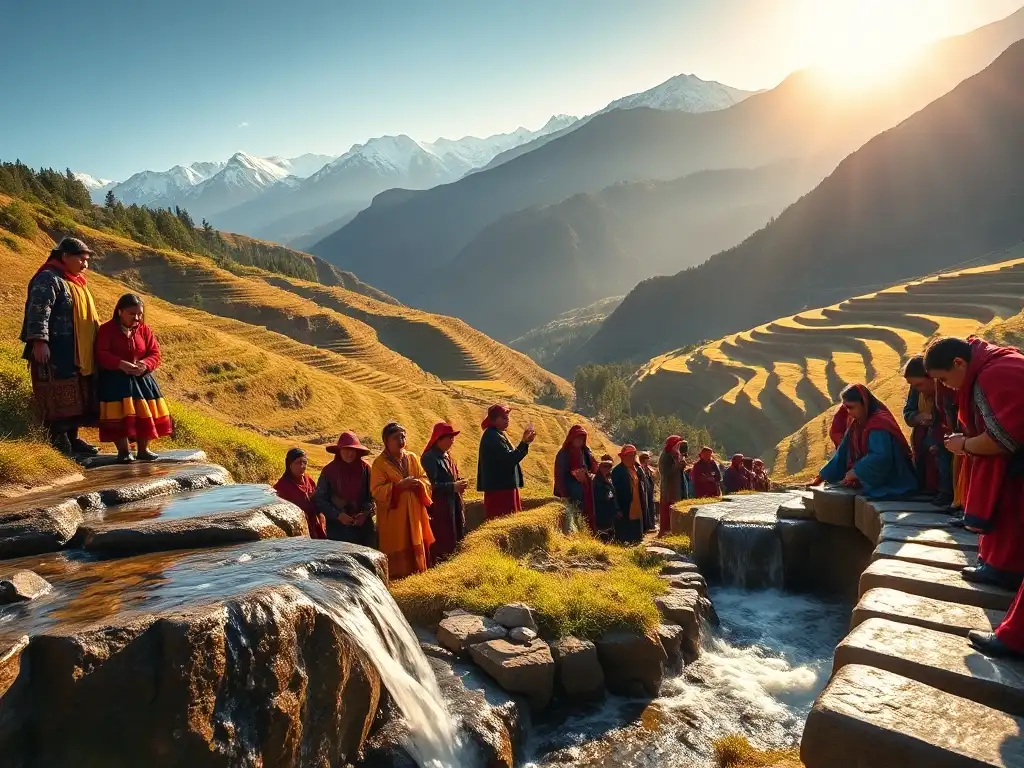
Uncover the secrets whispered on the wind across the Andes Mountains! For centuries, these majestic peaks have witnessed the rise and fall of incredible civilizations. But what fueled their ingenuity and sustained their empires? Dive into the fascinating world of Andean agricultural water rituals, a key to understanding the sophisticated engineering and spiritual beliefs of the Incas, Moche, and other ancient Andean cultures. Prepare to be amazed by the intricate connection between their sacred practices and the very survival of their societies—a story waiting to be unearthed.
- Andean Agricultural Water Rituals: A Connection to the Cycles of Life
- Understanding Andean Irrigation and Water Management
- Andean Agricultural Water Rituals: Practices and Beliefs
- Connection Between Rituals and Agricultural Cycles
- Specific Examples of Andean Water Rituals
- The Enduring Legacy of Andean Agricultural Water Rituals
-
Frequently Asked Questions
- What were the most important Andean agricultural water rituals?
- How did water rituals connect to the agricultural cycles?
- Which Andean cultures practiced significant water rituals?
- What were the typical offerings made during Andean water rituals?
- How did these rituals impact the Andean societies' understanding of their environment?
- Final Reflection: The Enduring Legacy of Andean Water Rituals
- Embrace the Wisdom of Andean Water Rituals!
Andean Agricultural Water Rituals: A Connection to the Cycles of Life
The Andes Mountains, a spine of towering peaks and deep valleys, nurtured some of the most sophisticated pre-Columbian civilizations in South America. These cultures, including the Inca, Moche, Nazca, and Tiahuanaco, didn't merely survive in this challenging terrain; they thrived. A crucial element of their success was their profound understanding and masterful management of water resources.
This article delves into the intricate relationship between Andean civilizations and water, exploring the deeply spiritual and practical significance of water rituals in their agricultural cycles. We will examine how these rituals, far from being mere superstitions, were integral to their complex societal structures and agricultural productivity, demonstrating a sophisticated understanding of hydrology and a profound connection to the natural world. Understanding these Andean agricultural water rituals provides a key to unlocking the secrets of their enduring legacy and offers valuable insights into sustainable water management practices.
The reverence for water wasn't simply a matter of practicality; it was interwoven into the very fabric of their cosmology, shaping their beliefs, social structures, and agricultural practices. We will explore the profound spiritual significance of water and its role in the cyclical nature of Andean life, highlighting the ingenious engineering solutions and deeply spiritual rituals that ensured the survival and prosperity of these remarkable civilizations.
The Significance of Water in Andean Cosmology
Water, in Andean cosmology, held a position of paramount importance, far exceeding its practical applications. It wasn't simply a resource; it was a sacred element, a life-giving force imbued with spiritual power. Andean cultures viewed water as a manifestation of divine energy, connecting the earthly realm with the celestial.
Many Andean cultures believed that water was a direct link to the gods, and controlling its flow was seen as a way to influence the balance of the cosmos. This belief system fueled the development of complex irrigation systems and elaborate rituals designed to ensure the continuous flow of water and appease the deities associated with it.
The cyclical nature of water—from rain to rivers to irrigation canals—mirrored the cyclical nature of life itself, reinforcing the interconnectedness of the natural world and the spiritual realm. This understanding shaped their agricultural practices, influencing everything from planting schedules to harvest celebrations. The success of their agriculture was intrinsically linked to their ability to maintain a harmonious relationship with the water spirits and deities.
Failure to do so was believed to result in drought, crop failure, and societal disruption. This deep-seated belief system ensured the meticulous maintenance of irrigation systems and the consistent performance of water rituals, reflecting a sophisticated understanding of both the spiritual and practical aspects of water management. Evidence of this reverence can be found in numerous archaeological sites, featuring intricate water channels, ceremonial basins, and depictions of water deities in art and textiles.
Origins of Andean Water Rituals
The origins of Andean water rituals are deeply rooted in their ancient traditions and beliefs, evolving over centuries to incorporate diverse regional practices. While specific rituals varied among different Andean cultures, a common thread unites them: the profound respect for water as a life-giving force and the recognition of its power to sustain or destroy.
Early Andean communities likely developed simple rituals based on observations of the natural water cycle. As their understanding of agriculture and water management grew, so did the complexity of their rituals. These rituals often involved offerings of coca leaves, food, and other precious items to appease the water spirits or deities. These offerings were not merely symbolic; they represented a reciprocal relationship between humans and the natural world, a recognition that water was a shared resource that required respect and careful management.
The development of sophisticated irrigation systems further enhanced the importance of water rituals. The construction and maintenance of these systems required collective effort and a shared understanding of the importance of water conservation. Rituals provided a social framework for these activities, fostering community cohesion and reinforcing the shared responsibility for water management.
The integration of ritual and practical engineering demonstrates the holistic approach of Andean cultures to water management, highlighting their ingenuity and deep understanding of ecological principles. Further research into specific regional variations and the evolution of these rituals over time is needed to fully understand the rich tapestry of Andean water practices. The study of ancient texts, archaeological findings, and ethnographic accounts continues to reveal new insights into the fascinating world of Andean agricultural water rituals.
Understanding Andean Irrigation and Water Management
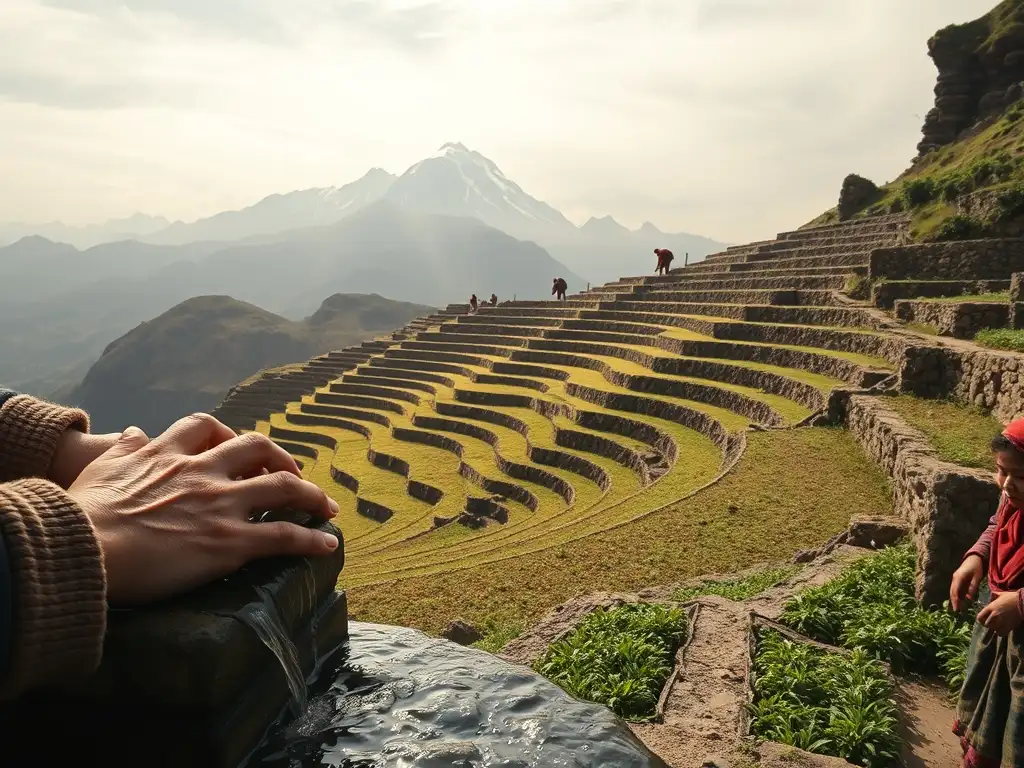
The ingenious irrigation systems developed by Andean civilizations were not merely feats of engineering; they were deeply intertwined with their spiritual beliefs and agricultural practices. Understanding Andean water management requires acknowledging this intricate relationship between technology and ritual, a connection that permeated every aspect of their lives, from daily routines to elaborate ceremonies. The sophisticated techniques employed, often adapted to challenging terrains and climates, demonstrate a profound understanding of hydrology and a remarkable capacity for collective action.
This section will delve into the specific techniques and the profound spiritual significance attributed to water in Andean agricultural practices. The keyword "Andean agricultural water rituals" will be explored in depth, demonstrating the close link between practical irrigation and spiritual beliefs.
Ancient Andean Techniques for Water Control
Andean civilizations developed a diverse range of techniques to control and manage water resources, adapting their methods to the specific geographical and climatic conditions of their environment. These techniques were not static; they evolved over centuries, reflecting the accumulating knowledge and experience of generations.
One notable example is the canales (canals), meticulously engineered systems that channeled water from rivers and streams to agricultural fields. These canals varied in size and complexity, from small, locally managed systems to large-scale networks that irrigated vast areas. The construction of these canals often involved significant labor, requiring the coordinated efforts of entire communities. The precise alignment and gradient of the canals were crucial for efficient water distribution, demonstrating a sophisticated understanding of hydraulic principles. Evidence suggests that the Incas, in particular, excelled at this, creating elaborate systems that integrated terraces and reservoirs, maximizing water utilization in mountainous regions.
Another crucial technique was the construction of reservoirs and storage systems, which played a vital role in mitigating the effects of drought and ensuring a consistent water supply throughout the year. These reservoirs, often built into the landscape using stone and earth, varied greatly in size and design, reflecting the specific needs of the local environment. Some were relatively small, serving individual communities, while others were large enough to supply water to extensive agricultural areas. The creation of these reservoirs also involved a deep understanding of geology and hydrology, requiring careful selection of sites and construction methods to ensure their long-term stability.
Furthermore, the Andean people utilized various methods for water diversion and redistribution, including techniques such as qanats (underground channels) and acequias (open channels). These methods allowed them to access water sources that would otherwise be inaccessible, and to distribute water efficiently to fields located at different elevations. The precise engineering and maintenance of these systems required specialized knowledge and skills, often passed down through generations within families or communities.
| Technique | Description | Geographic Adaptation |
|---|---|---|
| Canales (Canals) | Open channels for water transport to fields. | Widely used across diverse terrains. |
| Reservoirs | Water storage structures for drought mitigation. | Adapted to varied landscapes and elevations. |
| Qanats (Underground Channels) | Subterranean channels for water transport. | Effective in arid and semi-arid regions. |
| Acequias (Open Channels) | Open channels for water distribution, often community-managed. | Used in terraced agriculture and level fields. |
The Role of Water in Andean Agriculture
Water in Andean agriculture wasn't just a resource; it was a sacred element, deeply interwoven with religious beliefs and cosmological understandings. The agricultural cycle, intimately tied to the availability of water, was perceived as a reflection of the cosmic order. Rituals and ceremonies, often performed at critical points in the agricultural calendar, aimed to ensure the continued flow of water and the successful growth of crops. The success of the harvest was directly linked to the appeasement of the deities associated with water, such as the apu (mountain spirits) and other powerful entities believed to control the water sources.
The capacocha ceremonies, for example, involved offering sacrifices to ensure agricultural abundance. While the specifics of these ceremonies varied across different Andean cultures, the common thread was the importance of maintaining a harmonious relationship with the natural world, particularly with the water sources that sustained their livelihoods. Failure to perform these rituals properly was believed to lead to water scarcity and crop failure, highlighting the profound significance of these practices in maintaining the delicate balance between humans and the environment. These rituals, therefore, are not simply 'religious' but were integral to the very fabric of their agricultural system. They represent a holistic approach to water management, blending practical knowledge with spiritual beliefs to ensure the continued prosperity of their communities. The performance of these rituals underscores the crucial role of "Andean agricultural water rituals" in the success of their agricultural practices, emphasizing the deep-seated connection between their spiritual world and their material needs. The intricate interplay between their technology and spiritual beliefs highlights the holistic nature of their approach to water management. Further research into specific regional variations in rituals is needed to fully understand the nuances of this important aspect of Andean civilization.
Andean Agricultural Water Rituals: Practices and Beliefs
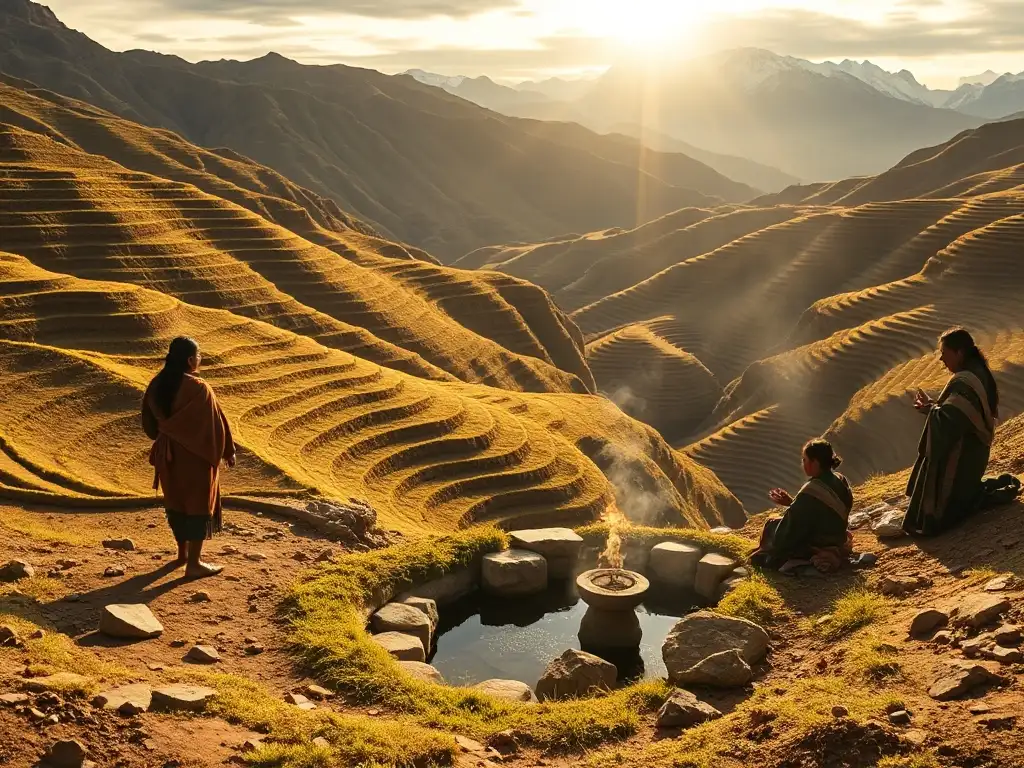
This section delves into the intricate relationship between Andean agricultural practices and their deeply rooted water rituals. Understanding these rituals provides crucial insight into the sophisticated water management systems employed by ancient Andean civilizations, highlighting their reverence for water as a life-giving force essential for successful harvests. The intertwining of spiritual beliefs and practical agricultural needs shaped a unique cultural landscape where water wasn't merely a resource, but a sacred entity demanding respect and appeasement.
The effectiveness of their agricultural techniques was inextricably linked to their spiritual connection with the water sources that sustained them. Analyzing these rituals reveals not only their religious significance but also the advanced understanding of hydrology and agricultural cycles possessed by these ancient societies. The following subsections will explore specific aspects of these fascinating practices.
Ceremonies Honoring Water Deities
Andean cultures didn't simply utilize water; they worshipped it. Numerous deities were associated with water sources, ranging from mountain springs to vast lakes. Ceremonies varied regionally, reflecting the diverse geography and specific deities honored within each community. For instance, in the Inca Empire, Mama Kocha, the Mother Ocean, held immense importance, while other smaller communities might have focused their reverence on local springs or rivers personified as powerful spirits.
These ceremonies were often elaborate affairs, involving processions, music, dance, and offerings. The specific rituals varied depending on the agricultural cycle. Before planting, ceremonies focused on ensuring abundant rainfall and fertile soil.
During the growing season, rituals aimed to protect crops from drought, frost, and pests, invoking the benevolent intervention of the water deities. Harvest festivals were marked by exuberant celebrations thanking the deities for a bountiful yield, often involving the sharing of food and drink as a communal expression of gratitude. These weren't merely symbolic acts; they were believed to directly influence the success of the agricultural cycle, ensuring the prosperity of the entire community.
The timing of these ceremonies was crucial, often coinciding with astronomical events, such as solstices and equinoxes, indicating a sophisticated understanding of the interplay between celestial movements and agricultural cycles. Detailed records of these ceremonies, though scarce due to the destruction of many historical documents, suggest a level of organization and societal participation that demonstrates the profound importance placed upon these water-related rituals.
Offerings and Sacrifices for Water Abundance
To ensure the continued flow of water and the fertility of the land, Andean communities made regular offerings and sacrifices to their water deities. These weren't limited to symbolic gestures; they often included precious goods such as textiles, coca leaves, and even llamas – a significant sacrifice reflecting the community's deep commitment to ensuring the prosperity of their agricultural endeavors.
The type and scale of offerings varied according to the perceived needs and the severity of the situation. During periods of drought, more significant sacrifices might be made, indicating a heightened sense of urgency and desperation to appease the angered deities. The offerings weren't merely a means of appeasement; they were also seen as a way of establishing a reciprocal relationship with the spiritual world, ensuring continued cooperation between the human and divine realms.
Example of Offerings:
A common offering included placing coca leaves and chicha (a fermented corn beverage) at the source of a spring or river. More elaborate offerings might involve burying precious metals or textiles at sacred sites associated with water deities. The act of offering itself was considered a sacred act, requiring specific procedures and rituals performed by designated individuals within the community.
The practice of offering and sacrifice underscores the deep-seated belief in the power of the spiritual realm to influence the natural world. This belief system wasn't separate from their agricultural practices; it was integral to their success.
The Importance of Water in Andean Festivals
Andean festivals were rarely devoid of a significant water component. Many festivals incorporated rituals directly related to water, reflecting its central role in Andean life and cosmology. The Inti Raymi, the Inca festival celebrating the sun, frequently included water-related ceremonies, highlighting the sun's role in providing warmth and rain necessary for agriculture.
These festivals weren't solely religious observances; they were also important social events, strengthening community bonds and reinforcing social structures. The shared participation in water-related rituals fostered a sense of collective identity and reinforced the importance of water as a shared resource, essential for the well-being of the entire community. The vibrant celebrations, often involving music, dance, and feasting, served to reinforce the spiritual and practical significance of water within Andean society.
The integration of water rituals into Andean festivals underscores the holistic worldview of these ancient cultures, where the spiritual and the practical were inextricably linked. The festivals served not only to honor the deities but also to celebrate the abundance provided by the land and the successful application of their sophisticated agricultural and water management techniques. The legacy of these festivals continues to resonate in contemporary Andean communities, demonstrating the enduring importance of water in their cultural heritage. Further research into specific regional festivals and their water-related components would enrich our understanding of "Andean agricultural water rituals."
Connection Between Rituals and Agricultural Cycles
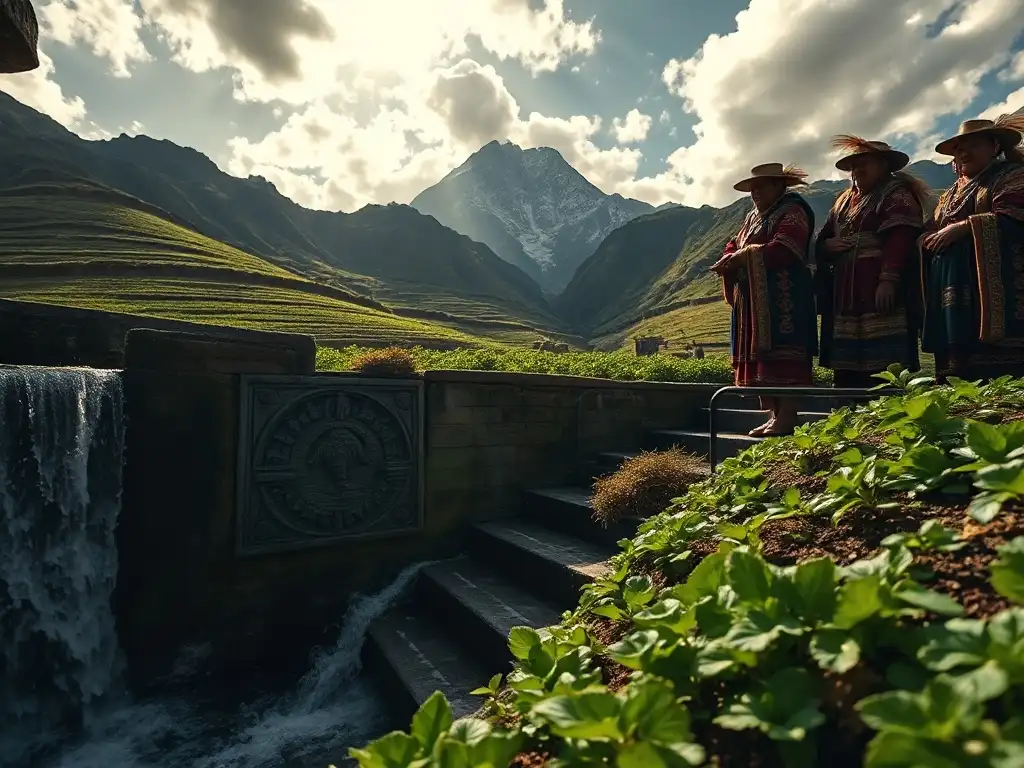
The Andean civilizations deeply intertwined their spiritual beliefs with the practical necessities of agriculture, particularly water management. Their survival hinged on successful harvests, and water, a scarce and precious resource in the high Andes, was central to this success. Therefore, elaborate rituals were developed and meticulously performed to ensure bountiful crops and appease the deities believed to control the life-giving water.
The effectiveness of these rituals wasn't just seen in a spiritual sense; they also served as important social events, strengthening community bonds and reinforcing shared values around water conservation and sustainable agricultural practices. The cyclical nature of Andean agriculture—planting, growth, harvest, and fallow—directly mirrored the structure and timing of their water rituals, creating a complex and interwoven system of belief and practice. Understanding this connection is crucial to grasping the ingenuity and sophistication of Andean water management strategies.
This wasn't merely irrigation; it was a holistic approach involving spiritual, social, and practical elements, all working in concert. The keyword Andean agricultural water rituals perfectly encapsulates this intricate relationship.
Rituals for Planting Season
The planting season, typically coinciding with the rainy season in many Andean regions, was a time of intense ritual activity. These rituals focused on ensuring successful germination and growth of crops, invoking the favor of deities associated with fertility and abundance. Many involved offerings of coca leaves, chicha (fermented maize beverage), and other agricultural products, presented to mountain spirits or water deities in sacred springs or lakes.
For example, the Inca would perform capacocha sacrifices, offering chosen individuals to the gods in hopes of ensuring a fruitful harvest. While the exact nature of these ceremonies varied across different Andean cultures, the common thread was the profound connection between ritual action and the desired outcome of successful planting. The timing was crucial; rituals were often performed on specific days or during particular astronomical events believed to be auspicious for planting.
Archaeological evidence, such as the discovery of ritual objects near irrigation canals, further supports the importance of these practices. Detailed accounts from Spanish chronicles, although filtered through a colonial lens, offer glimpses into the complexity and significance of these pre-colonial ceremonies.
Rituals for Harvesting Season
The harvest season marked another crucial period for Andean water rituals. These ceremonies celebrated the abundance provided by the land and expressed gratitude to the deities responsible for the successful growth and maturation of crops. Harvest festivals often involved communal participation, with feasts, music, and dancing playing a central role.
Offerings were made, often including the first fruits of the harvest, to thank the gods and ensure continued prosperity in the coming year. The Fiesta del Sol (Sun Festival) in Inca society, for example, celebrated the successful harvest and thanked the sun god, Inti, for the year's bounty. These rituals were not merely celebrations; they also served as a time for redistribution of resources and the reaffirmation of social hierarchies.
The successful harvest was a collective achievement, and the rituals reflected this shared prosperity. The meticulous timing of these rituals, often linked to the lunar cycle or specific astronomical events, further highlights the advanced understanding of agricultural cycles within Andean societies.
Rituals for Rain and Water Scarcity
In the face of drought or water scarcity, Andean communities turned to a different set of rituals, aimed at appeasing the deities responsible for rainfall. These rituals often involved elaborate processions, prayers, and offerings to implore the gods to send rain. Some involved human sacrifice, though this practice was not universal across all Andean cultures.
Other rituals focused on symbolic actions, such as the creation of miniature representations of rain or the performance of specific dances believed to influence the weather. The specific practices varied widely depending on the specific Andean culture and the particular deity being invoked. The use of huacas (sacred places) played a crucial role in these rituals, as these sites were believed to possess a spiritual connection to the forces of nature.
Evidence suggests that the construction and maintenance of these huacas were closely linked to water management strategies, further reinforcing the integrated approach of Andean water management. The desperate need for water during droughts intensified the emotional and spiritual significance of these rituals, demonstrating the crucial role of faith and ritual in the Andean relationship with their environment. These rituals, therefore, were not simply religious practices but essential survival strategies.
Specific Examples of Andean Water Rituals
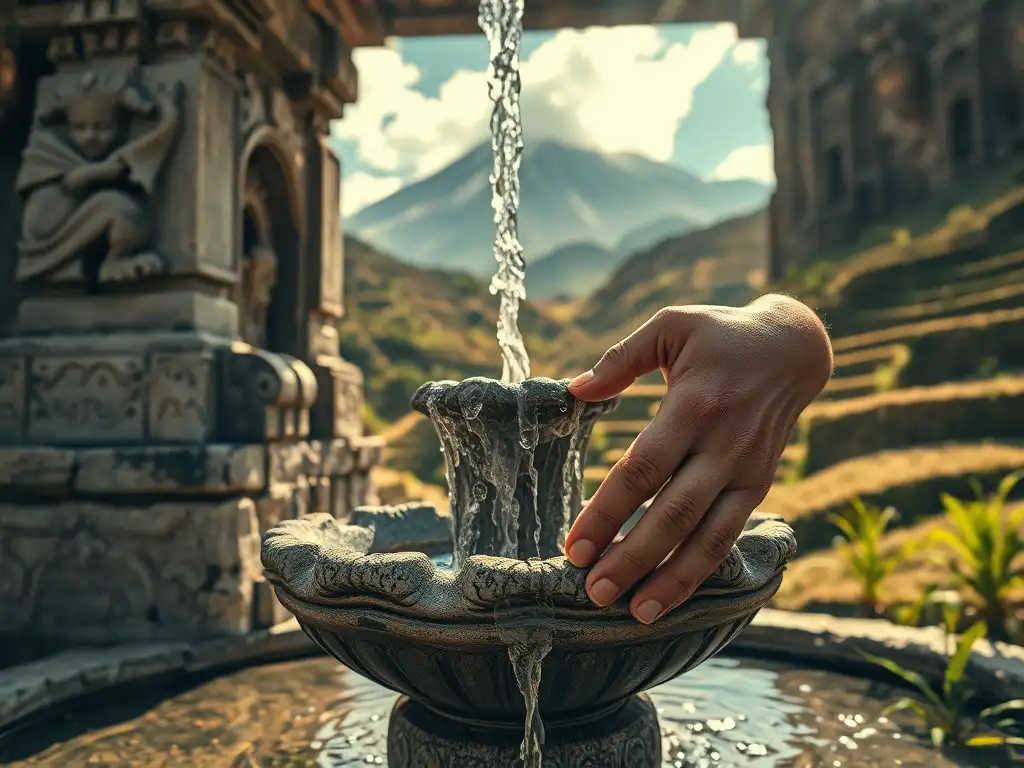
This section delves into specific examples of Andean water rituals, highlighting their intricate connection to agricultural cycles and the reverence for water as a life-giving force. These rituals, diverse across different Andean cultures, demonstrate the profound understanding and respect these civilizations held for water management and its impact on their sustenance. Understanding these practices provides crucial insight into the sophisticated interplay between spirituality and practical agriculture in the Andes. The term "Andean agricultural water rituals" encapsulates the essence of these practices, emphasizing their vital role in ensuring successful harvests.
The Inti Raymi Festival in Inca Culture
The Inti Raymi, or Festival of the Sun, was the most important festival in the Inca empire. While a celebration of the sun god Inti, it was deeply intertwined with agricultural cycles and water management. The festival, held during the solstice in June, marked the beginning of the agricultural year.
Inca priests performed elaborate ceremonies involving offerings of coca leaves, chicha (a fermented corn beverage), and other agricultural products to ensure plentiful rains and a bountiful harvest. These rituals weren't merely symbolic; they were believed to directly influence the water cycle, ensuring the proper irrigation of crops. The timing of the Inti Raymi, coinciding with the crucial planting season, underscores its practical significance in the Inca agricultural calendar.
The success of the harvest was seen as directly dependent on appeasing the sun god and ensuring the flow of water through carefully managed irrigation systems. Failure to perform the rituals adequately was believed to lead to drought and crop failure. The Inti Raymi, therefore, represents a prime example of how Andean agricultural water rituals were intricately woven into the fabric of Inca society and governance.
The Yaku Raymi Festival in Quechua Culture
The Yaku Raymi, or Water Festival, celebrated in various Quechua communities, focuses specifically on the veneration of water. Unlike the Inti Raymi's broader scope, the Yaku Raymi directly addresses the life-giving properties of water and its crucial role in agriculture. Celebrated during the rainy season, typically between September and November, this festival involves various rituals aimed at thanking the apus (mountain spirits) for the water they provide and ensuring continued rainfall.
These rituals often include processions to springs and rivers, offerings of flowers, and symbolic cleansing ceremonies. The communities participating in the Yaku Raymi often employ traditional Andean agricultural techniques, emphasizing the harmonious relationship between their spiritual practices and their farming methods.
The festival's focus on water conservation and its close ties to the agricultural calendar demonstrate the Quechua people's deep understanding of sustainable water management and its importance for their livelihoods. Specific practices vary between communities, reflecting the diverse ways in which Andean agricultural water rituals adapt to local conditions and beliefs.
The Use of Coca Leaves in Water Ceremonies
Coca leaves played a significant role in many Andean water rituals, acting as a sacred offering and a facilitator of communication with the spiritual world. The leaves were not simply tossed into water sources; they were carefully prepared and presented as offerings, often accompanied by prayers and chants. The coca leaf, imbued with spiritual significance, was believed to carry the community's wishes and requests for abundant water to the apus and other supernatural beings who controlled the water sources.
The use of coca leaves in these ceremonies highlights the holistic approach to water management in Andean cultures, where spiritual and practical aspects were inextricably linked. While the precise methods varied across different groups and regions, the consistent use of coca underscores its importance as a powerful symbol connecting the human world with the spiritual forces believed to govern the water cycle.
Further research into specific regional variations in coca leaf usage within Andean agricultural water rituals would illuminate the nuances of this vital aspect of Andean spirituality and practice. The enduring presence of coca in contemporary Andean traditions further emphasizes its continued importance in their relationship with water and agriculture.
The Enduring Legacy of Andean Agricultural Water Rituals
The intricate relationship between Andean civilizations and water is profoundly reflected in their sophisticated agricultural practices and deeply ingrained rituals. These weren't merely superstitious acts; they were integral components of a complex system of water management that ensured agricultural success and societal stability for centuries. Understanding these "Andean agricultural water rituals" provides crucial insight into the ingenuity and spiritual worldview of these remarkable cultures.
The rituals weren't simply about asking for rain; they involved a holistic approach to water conservation, distribution, and respect. This involved careful observation of the natural water cycles, precise engineering of irrigation systems, and the performance of ceremonies designed to honor the life-giving properties of water. The legacy of these practices continues to resonate in modern Andean communities, shaping their relationship with the environment and influencing contemporary water management strategies.
Modern Interpretations and Adaptations of Rituals
While the large-scale, highly organized ceremonies of the Inca empire may seem distant, many of their underlying principles persist. Modern Andean communities, particularly in rural areas, continue to incorporate elements of ancestral water rituals into their agricultural practices. These adaptations often involve smaller-scale ceremonies, prayers, and offerings to apus (mountain spirits) and other deities associated with water.
For example, the practice of pago a la tierra (payment to the earth) – offering coca leaves, alcohol, or other gifts to the land – remains common before planting or during times of drought. These acts are not seen as mere superstition but as a way to maintain a harmonious relationship with the environment and express gratitude for the water that sustains life. This continuity underscores the enduring cultural significance of water and the wisdom embedded within traditional practices.
Moreover, some communities are actively reviving and reinterpreting older rituals, recognizing their importance for both spiritual well-being and sustainable water management. This revitalization, often driven by community leaders and elders, aims to pass down valuable knowledge and ensure that traditional practices remain relevant in the face of modern challenges.
The Cultural Significance of Water in Present-Day Andean Communities
Water in the Andes is far more than a mere resource; it's a sacred element deeply interwoven with the cultural identity and spiritual beliefs of the people. This cultural significance manifests in various ways, from the continued reverence for water deities and spirits to the incorporation of water imagery in art, music, and storytelling. For instance, many festivals and celebrations center around water, often coinciding with agricultural cycles or significant hydrological events.
These events serve as opportunities to reaffirm community bonds, express gratitude for water's bounty, and reaffirm the spiritual connection to the land. Furthermore, the management of water resources often involves communal decision-making processes, reflecting a strong sense of shared responsibility and collective stewardship. This collaborative approach demonstrates a deep understanding of the interconnectedness of water, agriculture, and social harmony.
The importance of water is also reflected in the language itself; many Quechua and Aymara words related to water carry symbolic weight and cultural nuances that are difficult to translate directly. The holistic view of water, encompassing its spiritual, social, and practical dimensions, remains a defining characteristic of Andean communities.
Preserving the Knowledge of Andean Water Management
The preservation of traditional Andean water management knowledge is crucial not only for cultural heritage but also for sustainable development. Traditional practices, honed over millennia, offer valuable insights into efficient water use, conservation techniques, and adaptation to climate variability. However, these practices are facing challenges due to factors such as urbanization, modernization, and climate change.
Efforts to document and disseminate this knowledge are therefore essential. This involves working with local communities to record traditional practices, create educational materials, and support initiatives that promote sustainable water management based on traditional principles. The integration of traditional knowledge with modern scientific techniques holds immense potential for developing innovative and culturally appropriate solutions to contemporary water challenges.
This collaborative approach ensures the preservation of a rich cultural heritage while addressing the urgent need for sustainable water management in the Andes. It is vital to recognize the traditional knowledge holders as key partners in this process, ensuring that their voices are heard and their expertise is valued. The future of Andean water management hinges on bridging the gap between traditional practices and modern approaches, creating a sustainable and culturally sensitive path forward.
Frequently Asked Questions
What were the most important Andean agricultural water rituals?
Andean civilizations performed various rituals, including capac hucha (water offerings) to ensure successful harvests. These often involved ceremonial libations and the construction of irrigation systems seen as sacred.
How did water rituals connect to the agricultural cycles?
The timing of water rituals was intricately linked to the agricultural calendar. Rituals were performed at key points like planting, growth, and harvest to ensure abundant crops and appease the gods associated with water and fertility.
Which Andean cultures practiced significant water rituals?
Many Andean cultures, including the Inca, Moche, Nazca, and Tiahuanaco, held complex water rituals. Their beliefs emphasized the sacredness of water and its vital role in their agricultural success.
What were the typical offerings made during Andean water rituals?
Offerings varied but frequently included chicha (fermented corn beer), coca leaves, and other agricultural products. Llama sacrifices were also common in some cultures to honor the water deities and ensure their favor.
How did these rituals impact the Andean societies' understanding of their environment?
These rituals reinforced the understanding of the interdependence between humans and nature. It fostered a deep respect for water resources and promoted sustainable agricultural practices through careful management of water supplies.
Final Reflection: The Enduring Legacy of Andean Water Rituals
The intricate relationship between Andean communities and their water sources remains profoundly relevant today, a testament to the enduring power of sustainable practices in the face of climate change. The depletion of vital water resources and the increasing frequency of extreme weather events worldwide highlight the urgent need to re-evaluate our relationship with nature, and the wisdom of ancient traditions like those practiced in the Andes offers a compelling path forward. The lessons learned from centuries of careful water management hold invaluable insights for a more sustainable future.
The profound spiritual and practical connection between Andean people and their water sources continues to shape cultural identity and agricultural practices. These rituals weren't merely superstitious acts; they were, and remain, integral to the survival and prosperity of these communities. Water is not merely a physical substance; it is the lifeblood of the Andes, a sacred element that connects us to the past, present, and future.
This understanding, deeply embedded in their worldview, offers a powerful counterpoint to modern, often exploitative, approaches to resource management. The ongoing struggle for water rights and the preservation of traditional knowledge in the face of modernization underscores the importance of preserving these cultural practices.
Consider the implications of these ancient rituals for your own life. How can you foster a deeper appreciation for the natural resources you depend on? What steps can you take to promote sustainable practices in your community? Let the wisdom of the Andean people inspire you to cultivate a more conscious and respectful relationship with the water that sustains us all. The future of our planet depends on it.
Embrace the Wisdom of Andean Water Rituals!
Thank you for exploring the rich world of Andean water rituals and their vital role in sustainable agriculture. You've gained valuable insights into traditions that honor both nature and community. Now, let's put that knowledge into practice!
Here are some ways you can connect more deeply with Andean culture and make a meaningful difference:
- **Learn** about water conservation and sustainable farming techniques inspired by Andean traditions by attending a local workshop or online course.
- **Share** this knowledge with friends and family to raise awareness about the importance of water stewardship and its connection to agriculture.
- **Engage** your local community by organizing a water-themed event – perhaps a cleanup project or a cultural festival celebrating Andean customs.
Reflect on how these Andean traditions might inform your own community's relationship with water, agriculture, and cultural heritage. What new insights have you gained?