
The Guardians of the Past: The Conservation Challenges of Andean Architecture

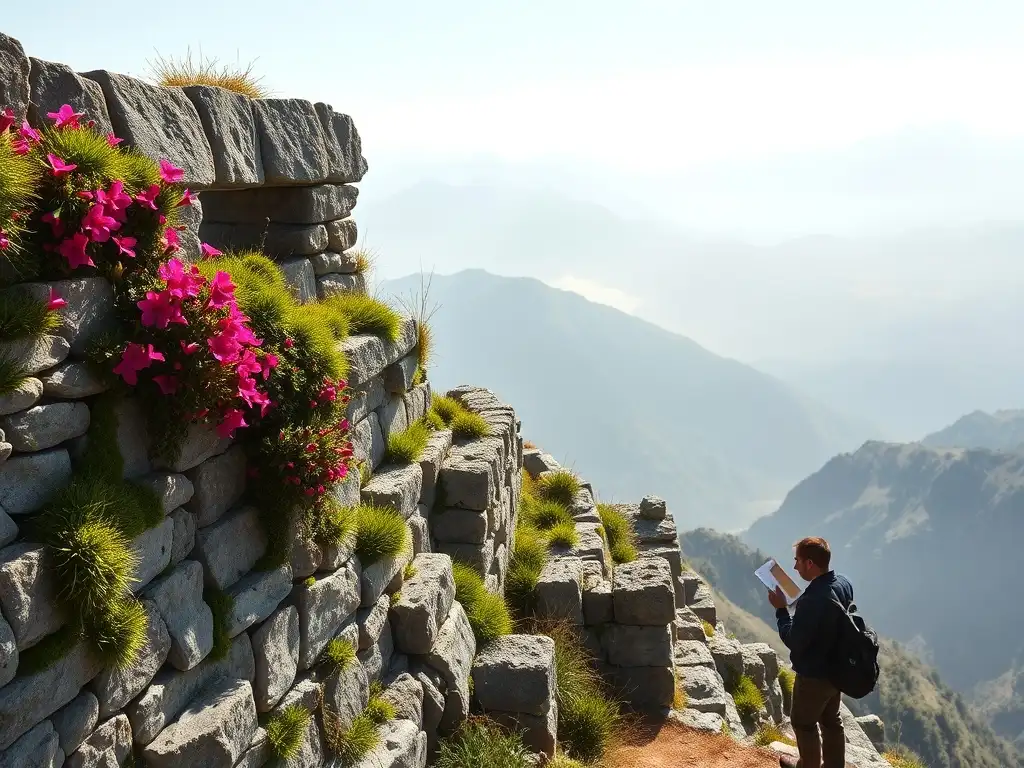
Step into a world lost to time, yet echoing with the grandeur of empires past. Imagine towering citadels defying the Andes' harsh embrace, intricate textiles whispering secrets of ancient rituals, and ingenious agricultural systems that sustained thriving civilizations. But these wonders face a relentless battle against the elements and the passage of time. Discover the critical Andean architecture conservation challenges we face today and explore the urgent need to safeguard this incredible legacy for future generations. Join us as we delve into the fascinating story of their preservation.
- The Guardians of the Past: Andean Architecture Conservation Challenges
- Understanding the Significance of Andean Architecture
- The Pressing Issues in Andean Architecture Conservation
- Specific Conservation Challenges in the Andes
- Strategies for Andean Architecture Conservation
- Case Studies in Andean Architectural Preservation
- Conclusion: Protecting the Legacy of Andean Builders
-
Frequently Asked Questions
- What are the biggest challenges in conserving Andean architecture?
- How do environmental factors affect Andean structures?
- What types of materials were used in Andean construction, and how do they affect conservation efforts?
- What role does community involvement play in Andean architectural conservation?
- What are some innovative conservation techniques being used for Andean sites?
- Final Reflection: Echoes of the Andes: A Legacy Worth Protecting
- **Embrace and Protect Our Heritage! **
The Guardians of the Past: Andean Architecture Conservation Challenges
The breathtaking architectural achievements of the Andean civilizations—from the intricate stonework of Machu Picchu to the monumental platforms of Tiahuanaco—stand as testaments to human ingenuity and resilience. These structures, however, are not immune to the relentless forces of time and nature.
Understanding and addressing the conservation challenges facing Andean architecture is crucial not only for preserving these irreplaceable cultural heritage sites but also for gaining deeper insights into the sophisticated building techniques and societal structures of these remarkable ancient cultures. This article delves into the multifaceted threats to Andean architectural marvels and explores the innovative strategies employed to safeguard them for future generations.
We will examine the specific challenges, focusing on the unique materials and construction methods employed by the Incas, Moche, Nazca, and Tiahuanaco, among others, highlighting the complexities of their preservation. The preservation of Andean architecture is not merely a matter of aesthetics; it is a vital undertaking that safeguards our collective past and offers invaluable lessons for sustainable building practices today.
The Perils of Time and Nature: Environmental Degradation and its Impact
Andean architecture faces a constant barrage of environmental threats. The high altitude, variable climates, and frequent seismic activity of the Andes region contribute significantly to the deterioration of these ancient structures. The constant freeze-thaw cycles, for instance, cause significant damage to stonework, gradually weakening the mortar and leading to cracks and collapses. Furthermore, heavy rainfall and intense sunshine contribute to erosion and the leaching of essential minerals from the building materials. Specific examples include the erosion of terraces in the Sacred Valley and the weathering of adobe structures in coastal regions. The impact of these environmental factors is exacerbated by human intervention, such as improper tourism management and inadequate drainage systems. Detailed studies are needed to understand the long-term effects of climate change on these fragile ecosystems and their impact on Andean architectural sites. These studies should incorporate advanced modeling techniques to predict future risks and inform proactive conservation strategies.
The Human Factor: Tourism, Urbanization, and Looting
While tourism provides crucial revenue for conservation efforts, uncontrolled visitor traffic can contribute significantly to the degradation of these sites. Foot traffic compacts the soil, leading to erosion, while the sheer volume of visitors can accelerate the deterioration of fragile structures. Similarly, the expansion of urban areas and infrastructure development often encroach upon archaeological sites, leading to habitat loss and damage to the surrounding environment, which indirectly affects the architecture.
Looting and illegal excavation pose another significant threat, permanently damaging irreplaceable artifacts and compromising the structural integrity of the sites. Effective management strategies, including visitor limitations, controlled access routes, and robust security measures, are essential to mitigate these challenges. Furthermore, community engagement and education are crucial to foster a sense of responsibility towards the preservation of these cultural treasures.
Innovative Conservation Techniques: A Multidisciplinary Approach
Preserving Andean architecture requires a multidisciplinary approach, combining traditional conservation techniques with cutting-edge technologies. Careful documentation, including detailed surveys, photographic records, and 3D modeling, is essential for understanding the current state of the structures and tracking their deterioration. Traditional methods, such as the careful replacement of damaged stones using similar materials and techniques, are often employed. However, modern technologies such as laser scanning, ground-penetrating radar, and drone surveys are increasingly being used to assess the condition of structures and identify hidden damage.
Material science plays a vital role in developing innovative solutions for consolidating weakened structures and protecting them from further deterioration. Research into sustainable and environmentally friendly materials and methods is crucial for long-term preservation. The development of new preservation techniques requires a collaborative effort involving archaeologists, architects, engineers, material scientists, and local communities.
The Future of Andean Architecture Conservation: Challenges and Opportunities
The conservation of Andean architecture presents both significant challenges and exciting opportunities. Securing sustainable funding for long-term conservation projects remains a major obstacle. Furthermore, balancing the needs of preservation with the desire for responsible tourism and community development requires careful planning and collaboration. However, advancements in technology, coupled with a growing global awareness of the importance of cultural heritage, offer hope for the future.
The development of innovative conservation techniques, coupled with effective management strategies and community engagement, can ensure that these remarkable structures continue to inspire and educate generations to come. The ongoing research into the materials and techniques employed in Andean construction provides invaluable insights into sustainable building practices applicable even today. The collaborative efforts of international organizations, governments, and local communities are essential to ensuring the long-term survival of these architectural wonders.
Understanding the Significance of Andean Architecture
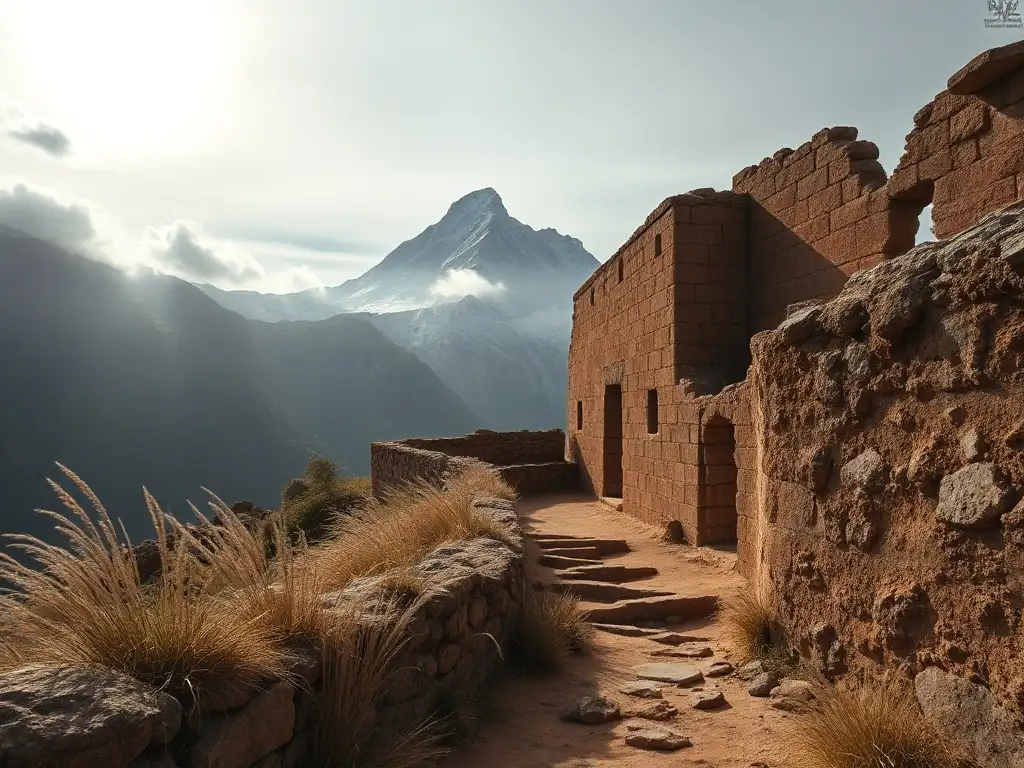
The Andes Mountains, a spine of towering peaks stretching along the western edge of South America, are home to some of the most remarkable architectural achievements of the pre-Columbian world. Understanding the significance of Andean architecture is crucial to grasping the ingenuity, cultural depth, and resilience of the civilizations that built them. The conservation challenges facing these structures are immense, demanding a nuanced approach that considers not only the physical deterioration but also the profound cultural and historical value they represent.
Effective Andean architecture conservation challenges require a multi-faceted strategy, combining scientific analysis with a deep respect for the heritage they represent. This section will delve into the historical, architectural, and cultural significance of these sites, providing a foundation for understanding the complexities of their preservation.
Historical Importance of Andean Construction
The historical importance of Andean construction lies in its direct connection to the evolution of Andean societies. Structures like Machu Picchu, Ollantaytambo, and Sacsayhuamán, while visually stunning, are also powerful testaments to the Inca Empire's sophisticated engineering capabilities and centralized power. Their construction reflects not just architectural prowess, but also intricate social organization, resource management, and the ability to mobilize vast labor forces.
Pre-Inca cultures, such as the Moche and Nazca, also left behind impressive architectural legacies, showcasing distinct styles and technological advancements. For example, the Moche's adobe brickwork demonstrates a mastery of earth construction techniques, while the Nazca's geoglyphs represent a unique form of landscape architecture. Analyzing these structures provides invaluable insights into the political, economic, and religious aspects of these past societies.
The precise dating methods used, such as radiocarbon dating and stylistic analysis, continue to refine our understanding of the timelines and interrelationships between different Andean cultures. This historical context underscores the urgency of conservation efforts, as the loss of these structures represents the irretrievable loss of a significant part of human history.
Architectural Diversity in the Andes
Andean architecture is far from monolithic; it displays remarkable diversity across different regions and time periods. From the monumental stonework of Tiahuanaco to the intricate earth and stone structures of the Wari, each civilization developed unique building techniques and aesthetic preferences. The use of materials varied considerably, depending on the local environment and technological capabilities.
Stone, adobe, and wood were commonly employed, often combined in innovative ways. The Inca, for instance, were masters of dry-stone masonry, fitting stones together with such precision that mortar was often unnecessary. This technique, along with their understanding of seismic activity, allowed them to create structures that have withstood the test of time.
Conversely, the Nazca utilized a different approach, creating elaborate underground aqueducts (puquios) to manage water resources, a testament to their understanding of hydraulic engineering. This architectural diversity reflects the adaptation of building techniques to diverse geographical and environmental conditions, a testament to the ingenuity of Andean builders. Understanding this diversity is crucial for developing targeted conservation strategies that address the specific challenges faced by each type of structure.
Cultural Value of Ancient Andean Structures
Beyond their historical and architectural significance, Andean structures hold immense cultural value for contemporary Andean communities. Many sites are considered sacred spaces, imbued with spiritual meaning and continuing to play a role in modern religious practices and traditions. For example, the ruins of ancient cities often serve as pilgrimage sites, reinforcing a sense of cultural identity and continuity.
The preservation of these sites is therefore not just a matter of safeguarding historical artifacts; it is also about respecting the living cultural heritage of indigenous communities. The Andean architecture conservation challenges must therefore involve these communities in the decision-making process, ensuring that conservation efforts are culturally sensitive and respect traditional knowledge and practices. Ignoring this aspect risks undermining the very essence of the sites' significance and could lead to conservation measures that are ineffective or even harmful to the cultural landscape.
This participatory approach is critical for successful long-term conservation. The integration of cultural preservation with scientific methodologies is paramount to fully address the Andean architecture conservation challenges.
The Pressing Issues in Andean Architecture Conservation
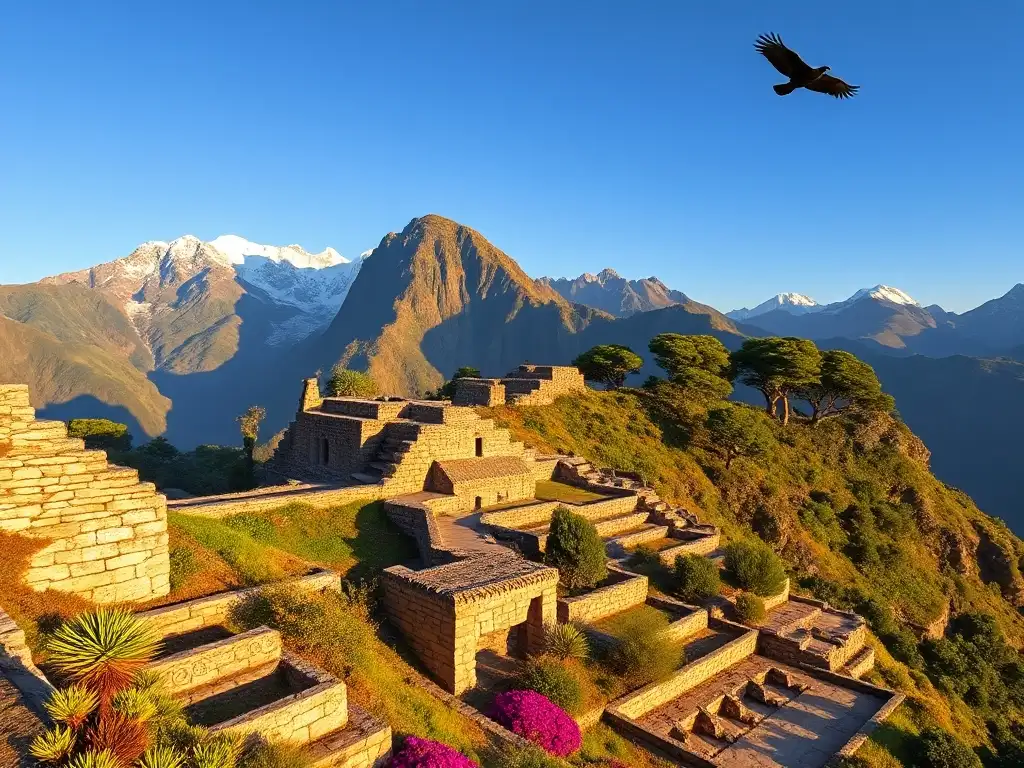
The conservation of Andean architecture presents a unique and multifaceted challenge, demanding a nuanced understanding of the region's diverse climates, fragile ecosystems, and the inherent vulnerabilities of ancient building techniques. This section delves into the critical issues threatening the longevity of these remarkable structures, highlighting the urgent need for comprehensive and sustainable preservation strategies. Effective Andean architecture conservation requires a multi-pronged approach, addressing environmental factors, the impact of tourism, and the ongoing threat of looting and vandalism. Understanding these challenges is the first step towards safeguarding this invaluable cultural heritage for future generations.
Threats to Andean Archaeological Sites
Andean archaeological sites face a multitude of threats, many stemming from human activity. Looting and illegal excavation remain significant problems, causing irreparable damage to sites and leading to the loss of invaluable artifacts. This illicit activity often goes hand-in-hand with the illegal trade of antiquities, fueling a destructive cycle that undermines efforts to preserve these fragile remnants of the past. Furthermore, the encroachment of modern development—roads, urban sprawl, and agricultural expansion—directly threatens the integrity of archaeological sites, causing physical damage and disrupting the delicate balance of the surrounding environment.
These threats are amplified in areas with weak legal frameworks or limited resources for effective site protection. The lack of adequate security measures and insufficient monitoring exacerbate these problems, leading to a continuous cycle of damage and loss. The following table summarizes the key threats:
| Threat Category | Specific Threat | Impact | Mitigation Strategies |
|---|---|---|---|
| Human Activity | Looting & Illegal Excavation | Loss of artifacts, structural damage | Increased security, community involvement, stricter laws |
| Development Encroachment | Physical damage, habitat disruption | Stricter zoning regulations, buffer zones | |
| Vandalism | Damage to structures, defacing of artwork | Public awareness campaigns, improved surveillance | |
| Natural Phenomena | Earthquakes | Structural collapse, ground instability | Seismic monitoring, structural reinforcement |
| Erosion & Weathering | Degradation of materials, surface damage | Protective coatings, drainage systems | |
| Flooding | Water damage, structural instability | Improved drainage, flood control measures |
The severity of these threats varies greatly depending on the specific site and its location. For instance, sites located in densely populated areas or near major transportation routes are particularly vulnerable to development encroachment and vandalism. Sites in remote, less accessible areas may be more susceptible to looting and the effects of natural weathering.
Environmental Factors Affecting Andean Structures
The Andean region’s diverse and often harsh climates pose significant challenges to the preservation of ancient structures. Extreme temperature fluctuations, intense solar radiation, and frequent rainfall contribute to the deterioration of building materials. The high altitude of many sites exacerbates these effects, leading to accelerated weathering and erosion. For example, freeze-thaw cycles in high-altitude regions cause significant damage to stonework, gradually weakening the structures.
Additionally, the effects of wind erosion can be particularly devastating, gradually removing surface layers of stone and mortar. Furthermore, biological factors, such as the growth of vegetation on and within structures, can cause further damage through root penetration and moisture retention. These environmental factors, combined with the inherent vulnerabilities of the ancient building materials themselves, create a complex web of challenges for conservators. Careful monitoring and proactive interventions are essential to mitigate these ongoing threats.
The Impact of Tourism on Ancient Andean Architecture
While tourism can generate revenue for conservation efforts, it also poses significant risks to the integrity of Andean archaeological sites. The sheer volume of visitors can cause physical damage through foot traffic, erosion, and the inadvertent touching or damaging of delicate artifacts. Furthermore, the disposal of waste and the introduction of pollutants can contaminate the sites and surrounding environment.
Unsustainable tourism practices, such as poorly managed visitor access or the lack of adequate infrastructure, can exacerbate these problems. The challenge lies in balancing the economic benefits of tourism with the need to protect these fragile sites.
Sustainable tourism strategies, including visitor education, controlled access, and the development of appropriate infrastructure, are crucial to minimizing the negative impacts of tourism and ensuring the long-term preservation of Andean architectural heritage. Careful planning and management are paramount to ensure that tourism contributes positively to the conservation of these remarkable sites, rather than contributing to their further deterioration.
Specific Conservation Challenges in the Andes
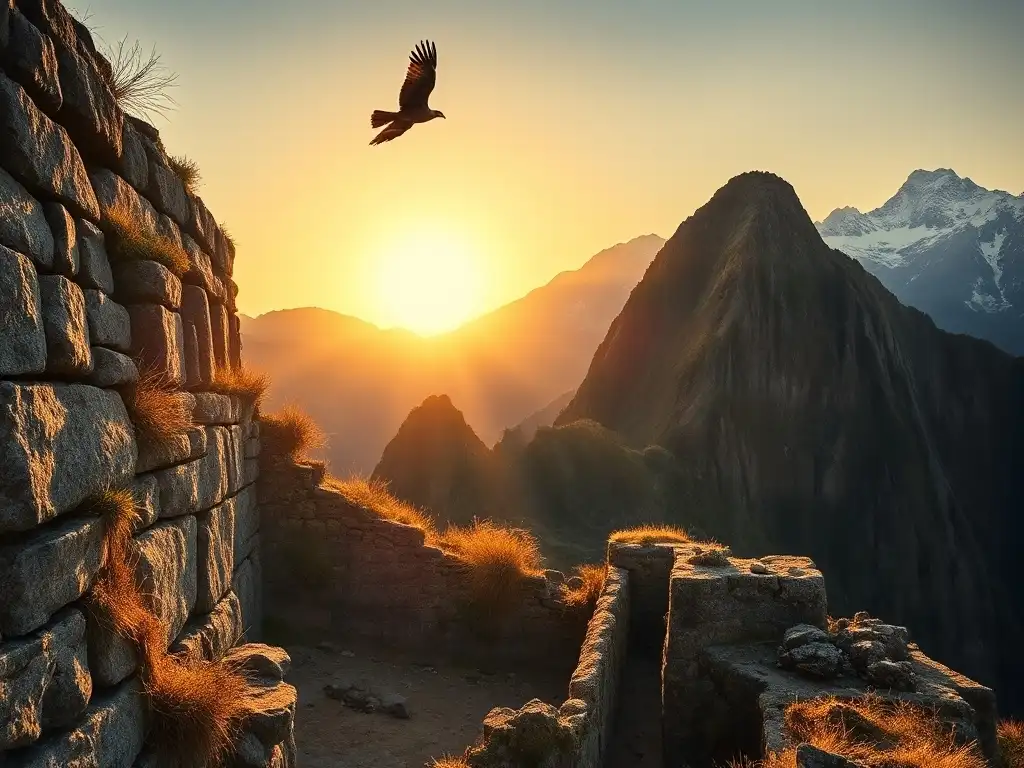
The Andes, a breathtaking mountain range, is also home to a remarkable legacy of ancient architecture. However, the very environment that fostered these impressive constructions now presents significant challenges to their preservation. The unique materials, construction methods, and geographical location of Andean sites create a complex web of conservation issues, requiring specialized approaches and a deep understanding of the region's unique environmental factors. Understanding these "Andean architecture conservation challenges" is crucial to safeguarding this invaluable cultural heritage for future generations. The following sections delve into some of the most pressing concerns.
Material Degradation in Andean Constructions
The harsh Andean climate, characterized by intense solar radiation, freeze-thaw cycles, and significant rainfall variations, significantly impacts the longevity of ancient structures. The materials themselves, often locally sourced and specific to the region, are particularly vulnerable to environmental degradation.
Stone Weathering and Erosion
Many Andean structures, particularly those of the Inca, utilize meticulously fitted stone blocks. However, these stones, often porous and susceptible to salt weathering, are vulnerable to erosion and disintegration. The process is exacerbated by the freeze-thaw cycles common at high altitudes. For example, in sites like Machu Picchu, the constant freeze-thaw cycles coupled with rainfall lead to the gradual breakdown of the stone, causing spalling and surface deterioration. Detailed analysis of stone samples is crucial to understanding the specific weathering processes and developing targeted conservation strategies. This requires sophisticated techniques and ongoing monitoring to assess the efficacy of interventions.
Adobe Deterioration
Adobe, a sun-dried brick made from clay and organic materials, is a prevalent building material in many Andean cultures. Its inherent porosity makes it highly susceptible to water damage. Rainfall, particularly during the rainy season, can lead to significant deterioration, causing swelling, cracking, and eventual collapse. Furthermore, the organic components within the adobe can decompose over time, weakening the structure's integrity. Effective conservation requires controlling water ingress, which might involve the application of protective coatings or the implementation of drainage systems. Understanding the specific composition of the adobe in different regions is vital for developing appropriate preservation methods.
The Impact of Seismic Activity on Andean Structures
The Andes are a seismically active region. Earthquakes pose a significant threat to the structural integrity of ancient Andean constructions. Many structures, while remarkably resilient, have suffered damage over centuries due to seismic events.
The precise fitting of stones, a hallmark of Inca masonry, can surprisingly enhance resistance to seismic forces, but even this sophisticated technique has its limits. Modern seismic monitoring and structural analysis are vital in assessing the vulnerability of these sites and implementing preventative measures, such as strengthening vulnerable sections or implementing early warning systems. Detailed historical records of seismic activity in conjunction with structural assessments are crucial for informed decision-making in this area.
Preservation of Traditional Building Techniques
The preservation of Andean architecture requires not only the conservation of existing structures but also the safeguarding of the traditional knowledge and skills associated with their construction. The loss of this vital knowledge poses a significant obstacle to effective long-term preservation.
The Loss of Indigenous Knowledge
The intricate techniques used in Andean construction, passed down through generations, are now at risk of being lost. The dwindling number of skilled artisans who possess this specialized knowledge presents a major challenge. Documenting and preserving this indigenous knowledge through detailed interviews, workshops, and the creation of comprehensive archives is crucial. This involves not only recording the techniques but also understanding the cultural context and significance of these practices. Collaborative efforts between archaeologists, conservators, and local communities are vital for the successful transmission of this invaluable heritage.
Challenges in Replicating Ancient Methods
Replicating ancient Andean building methods presents considerable challenges. Sourcing appropriate materials, replicating the precise techniques, and achieving the same level of quality are difficult tasks. Modern materials and techniques often lack the compatibility and longevity of traditional methods.
Extensive research and experimentation are necessary to develop sustainable and appropriate approaches that respect the authenticity of the original construction while ensuring the longevity of the structures. This requires a delicate balance between modern conservation science and the preservation of traditional expertise. Careful documentation of each step in the process, as well as rigorous testing of materials and techniques, are essential to ensure the success of any replication efforts.
Funding and Resource Limitations for Conservation
The preservation of Andean architecture faces significant hurdles due to limited funding and resources. Many archaeological sites and historical structures are located in remote, geographically challenging areas, increasing the cost and complexity of conservation efforts. This inaccessibility often translates to higher transportation costs for materials and personnel, further straining already limited budgets. Furthermore, the sheer scale of the task is daunting.
The Andes boast a vast array of sites, from sprawling Inca cities like Machu Picchu to smaller, less-known settlements scattered across the mountain ranges. Comprehensive conservation requires a substantial and sustained financial commitment, far exceeding what is currently available. The lack of funding often leads to reactive, rather than proactive, conservation strategies, meaning that urgent repairs are prioritized over preventative measures. This reactive approach can lead to a vicious cycle of deterioration and costly emergency interventions.
The long-term sustainability of conservation projects is jeopardized when funding is inconsistent and insufficient to cover ongoing maintenance and monitoring. Without adequate resources, even the most meticulously planned conservation efforts risk falling short. The delicate balance between preserving cultural heritage and utilizing these sites for tourism also poses a challenge; adequate funding is required to manage both effectively without compromising the integrity of the structures.
Securing Financial Support for Andean Heritage
Securing financial support for Andean heritage conservation requires a multi-pronged approach. International organizations, such as UNESCO and various cultural heritage foundations, play a crucial role in providing grants and technical assistance. However, reliance on external funding alone is precarious. Sustainable conservation hinges on securing long-term, consistent financial support.
This necessitates engaging local communities and governments. Community involvement not only provides a valuable source of labor and traditional knowledge but also fosters a sense of ownership and responsibility for the preservation of their cultural heritage. Governments, both national and regional, need to prioritize the allocation of funds specifically for heritage conservation within their budgets. This requires demonstrating the economic and social benefits of preserving Andean architecture, including its potential for sustainable tourism and cultural identity.
Innovative funding mechanisms, such as public-private partnerships and crowdfunding initiatives, can also play a significant role in supplementing traditional funding streams. These partnerships can leverage the expertise and resources of both the public and private sectors to maximize the impact of conservation efforts. Transparency and accountability in the management of funds are essential to build trust and attract further investment. Effective communication strategies are vital to raise public awareness about the importance of Andean heritage and the need for its preservation.
The Need for Skilled Labor
The conservation of Andean architecture demands highly specialized skills and expertise. The unique construction techniques employed by ancient Andean builders, often using materials like stone, adobe, and thatch, necessitate a deep understanding of traditional building methods and modern conservation practices. There is a critical shortage of skilled conservators and artisans with the specific knowledge needed to work on these fragile structures. Training programs focused on traditional building techniques and modern conservation methodologies are essential to address this shortage.
These programs should incorporate both theoretical knowledge and hands-on experience, allowing trainees to develop the necessary expertise to effectively conserve Andean heritage. Collaboration between universities, heritage organizations, and local communities is crucial for developing effective training programs that meet the specific needs of Andean conservation. Furthermore, providing ongoing professional development opportunities for existing conservators is vital to ensure that they remain at the forefront of the evolving field of conservation science and technology.
The preservation of Andean architectural heritage is not merely an academic exercise; it requires skilled artisans and conservators who can apply their expertise to safeguard these invaluable sites for future generations. The lack of adequately trained personnel poses a significant threat to the long-term survival of many of these remarkable structures. Investing in skilled labor is a critical investment in the future of Andean architectural heritage.
Strategies for Andean Architecture Conservation
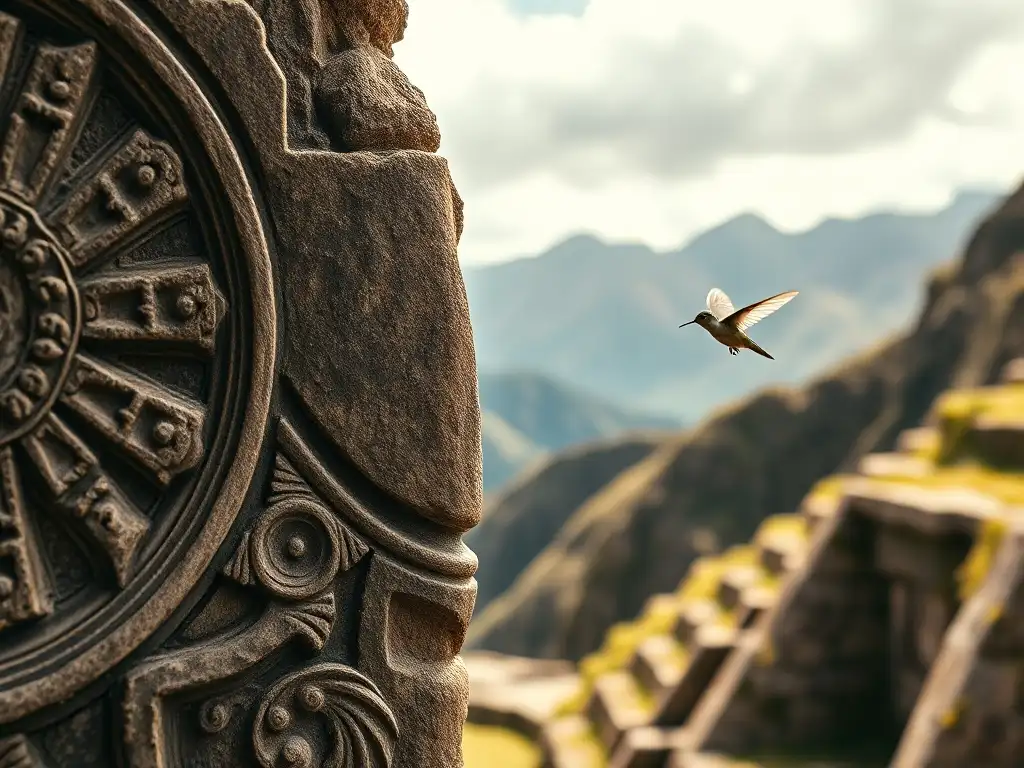
The preservation of Andean architecture presents unique and significant challenges. The fragility of ancient structures, coupled with the harsh Andean climate and the impact of modern development, necessitates a multifaceted approach to conservation. Successful strategies must balance the need for preservation with respect for the cultural significance of these sites. Understanding the specific challenges, from seismic vulnerability to material degradation, is crucial for developing effective and sustainable solutions.
This section explores key strategies for the long-term preservation of this invaluable heritage. The successful conservation of Andean architecture requires a nuanced understanding of the materials, techniques, and environmental factors that impact these fragile structures. Effective strategies must account for the unique characteristics of each site while ensuring the preservation of their historical and cultural significance for future generations. This necessitates a blend of traditional knowledge and cutting-edge technology.
Modern Techniques for Structural Reinforcement
The inherent vulnerability of Andean structures to seismic activity and environmental degradation demands innovative reinforcement techniques. Traditional methods, while valuable, often lack the strength and longevity needed to withstand modern threats.
Using Non-Invasive Methods
Minimally invasive techniques are crucial for preserving the authenticity of these sites. Ground-penetrating radar (GPR) and other geophysical surveys allow for detailed analysis of the structure's condition without causing damage. This information is invaluable for planning subsequent interventions. Furthermore, techniques like the use of lightweight, high-strength carbon fiber composites for reinforcement are gaining traction.
These materials offer significant structural support without significantly altering the original appearance of the walls. Careful monitoring and analysis using advanced technology is becoming increasingly important in preserving these delicate structures. For example, the use of drone technology to monitor erosion and structural damage is proving invaluable.
Integrating Modern Materials with Traditional Structures
The integration of modern materials with traditional Andean building techniques requires careful consideration. The goal is to improve structural stability without compromising the aesthetic and historical integrity of the site. This might involve using modern mortars with improved strength and durability, while maintaining the original aesthetic. In some cases, the use of compatible modern materials for infill or concealed reinforcement can be a viable solution. The key is to prioritize materials that are compatible with existing materials and that minimize visual impact. The selection of materials must also consider their long-term environmental impact and sustainability.
Importance of Community Involvement in Conservation
Successful Andean architecture conservation projects cannot succeed without the active participation of local communities. These communities are the true guardians of this cultural heritage, possessing invaluable traditional knowledge and a deep understanding of the sites' significance.
Empowering Local Communities
Empowering local communities through job creation and skills development is essential for long-term sustainability. Training programs in conservation techniques, sustainable tourism management, and archaeological site management can equip local residents with the skills needed to protect and manage these invaluable resources. This fosters a sense of ownership and responsibility, ensuring the long-term protection of the sites. Furthermore, local communities can play a vital role in monitoring the sites and reporting any signs of damage or deterioration. Their intimate knowledge of the environment and the historical context is invaluable in the conservation process.
Promoting Cultural Heritage Education
Education plays a pivotal role in fostering appreciation for Andean architecture and promoting its conservation. Educational programs for both local communities and visitors can raise awareness about the importance of preserving these sites. This can include museum exhibits, guided tours, and educational workshops focusing on the history, construction techniques, and cultural significance of Andean architecture.
By educating future generations, we ensure the ongoing protection and appreciation of this invaluable legacy. The integration of cultural heritage education into school curriculums can ensure that the knowledge and appreciation of Andean architecture are passed down through generations. This long-term approach is vital for ensuring the enduring preservation of these irreplaceable cultural treasures.
Sustainable Tourism Practices for Preservation
Sustainable tourism is paramount to the long-term preservation of Andean architecture. The delicate balance between allowing access to these incredible sites and protecting them from the ravages of uncontrolled visitation requires careful planning and execution. A holistic approach, encompassing environmental protection, socio-economic benefits for local communities, and the preservation of cultural heritage, is essential.
This means moving beyond simply attracting tourists and focusing on responsible tourism practices that actively contribute to the conservation effort. Many sites are facing degradation due to the sheer volume of visitors, leading to erosion, damage to structures, and the pollution of surrounding environments. Sustainable practices aim to mitigate these risks while ensuring that tourism remains a viable economic driver for the communities that are custodians of these invaluable sites.
This requires a coordinated effort involving governments, local communities, tourism operators, and researchers. Effective strategies often involve limiting visitor numbers, implementing strict regulations regarding site access and behavior, and investing in infrastructure that minimizes environmental impact.
Responsible Tourism and its Role in Conservation
Responsible tourism is not simply a buzzword; it's a crucial element in Andean architecture conservation. It requires a fundamental shift in how tourism is approached, moving away from a purely extractive model towards one that prioritizes the long-term well-being of both the environment and the local communities. This involves educating tourists about the fragility of these sites, encouraging respectful behavior, and promoting responsible travel practices.
For example, implementing guided tours led by local experts not only provides valuable insights into the history and significance of the sites but also ensures that visitors interact with the architecture in a way that minimizes damage. Furthermore, supporting local businesses and communities directly benefits the preservation efforts, as revenue generated from tourism can be channeled back into conservation initiatives.
The success of responsible tourism hinges on collaboration between stakeholders, including tour operators who are committed to sustainable practices and tourists themselves who are willing to engage responsibly. The role of education cannot be overstated; well-informed tourists are far more likely to act as responsible stewards of these historical treasures.
Minimizing the Impact of Visitors
Minimizing the impact of visitors on Andean architecture requires a multi-pronged approach. One key strategy involves implementing strict visitor management plans, including regulated access, designated pathways, and limits on the number of visitors allowed at any given time. This prevents overcrowding and reduces the physical stress on vulnerable structures.
Furthermore, the use of sustainable transportation options, such as electric vehicles or walking tours, minimizes pollution and noise, preserving the tranquility of the sites. Investing in improved infrastructure, such as well-maintained pathways, signage, and visitor centers, can also help to channel visitor traffic and minimize environmental damage. Furthermore, the implementation of robust waste management systems is crucial to prevent pollution and protect the delicate ecosystems surrounding these sites.
Regular monitoring and maintenance are also essential, with repairs and restoration carried out using traditional techniques and materials whenever possible. This ensures that the authentic character of the architecture is preserved while simultaneously safeguarding its integrity for future generations. The ultimate goal is to strike a balance between allowing access to these remarkable sites and mitigating the potential negative impacts of tourism, ensuring their long-term preservation for all to appreciate.
Case Studies in Andean Architectural Preservation
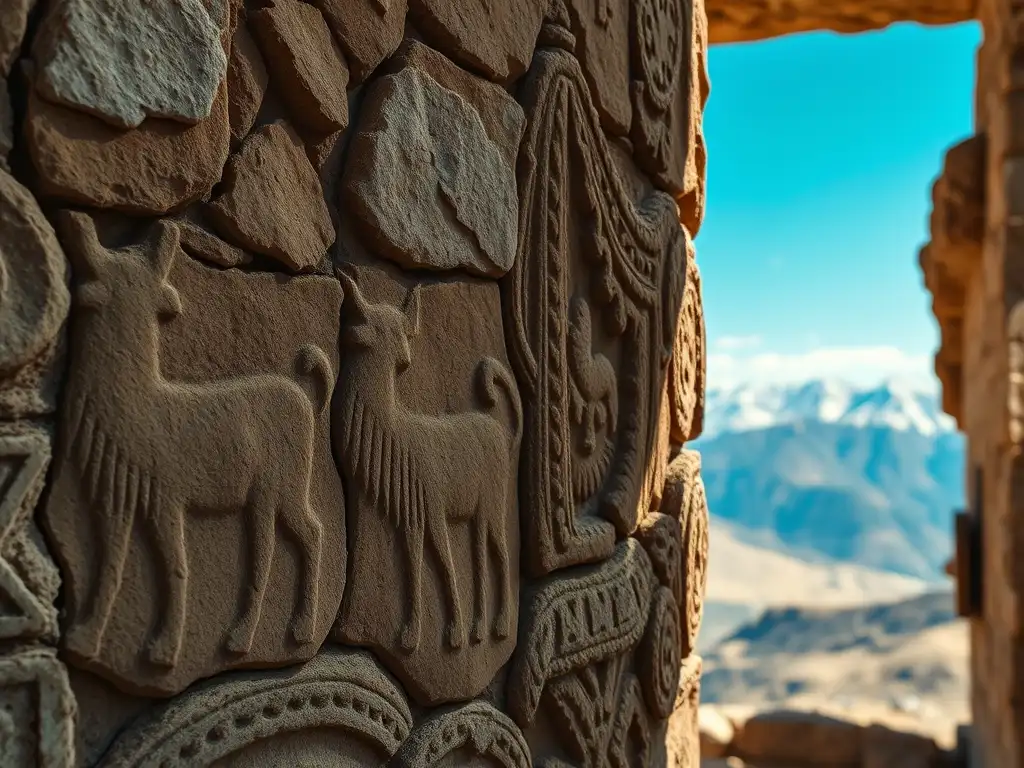
This section delves into specific examples of Andean architectural conservation, highlighting successful projects and ongoing challenges. Understanding these case studies provides valuable insights into the complexities and nuances of preserving this unique heritage for future generations. The successful preservation of Andean architecture requires a multifaceted approach, combining traditional techniques with modern technology and a deep understanding of the cultural significance of these sites. The keyword, "Andean architecture conservation challenges," is central to understanding the difficulties involved in maintaining these fragile structures.
Successful Conservation Projects in the Andes
Several projects demonstrate the possibility of successfully conserving Andean architecture. These successes often involve collaborative efforts between archaeologists, architects, engineers, and local communities. The careful planning and execution of these projects serve as valuable models for future preservation endeavors. Effective strategies include mitigating environmental damage, employing sustainable materials, and respecting the cultural context of the sites.
Conservation of Machu Picchu, Peru
Machu Picchu's conservation represents a monumental achievement in Andean architectural preservation. The site's remote location and unique construction techniques presented significant challenges. However, through decades of careful work, significant progress has been made in stabilizing structures, preventing erosion, and mitigating the impact of tourism. The project's success is largely attributed to a comprehensive approach that considers environmental factors, structural integrity, and the cultural significance of the site.
The meticulous documentation of each intervention, coupled with ongoing monitoring, ensures the long-term preservation of this iconic site. Detailed records of stone types, mortar compositions, and construction techniques have been invaluable in guiding restoration efforts. This meticulous approach minimizes the risk of damaging the original fabric while ensuring the site's long-term stability.
Restoration of the Coricancha, Cusco, Peru
The Coricancha, or Temple of the Sun, in Cusco, presents a different set of challenges. Unlike Machu Picchu's relatively intact structures, the Coricancha has suffered extensive damage over the centuries. The integration of the colonial-era structures built atop the Inca foundations further complicates conservation efforts. Successful restoration has involved careful excavation, stabilization of existing walls, and the sensitive integration of new materials to reinforce weakened sections.
The use of traditional Inca techniques alongside modern engineering principles demonstrates a balanced approach to preservation, respecting the historical authenticity while ensuring the site's structural stability. The ongoing monitoring of the site, combined with detailed documentation of the restoration process, ensures that future generations can learn from the successes and challenges of this project. The project highlights the importance of understanding the historical layers within a site and the need for a nuanced approach that respects both the Inca and colonial heritage.
Ongoing Conservation Efforts and Future Directions
The preservation of Andean architecture is an ongoing process, demanding constant vigilance and adaptation to new challenges. Climate change, tourism, and urbanization pose significant threats to these fragile sites. Innovative approaches and international collaboration are crucial for their long-term survival. Understanding the specific challenges faced by each site is crucial for developing effective preservation strategies.
The Role of Technology in Andean Preservation
Technology plays an increasingly crucial role in Andean architecture conservation. Techniques such as laser scanning, 3D modeling, and geophysical surveys provide detailed information about the structural integrity of buildings and the surrounding environment. This data informs conservation strategies, allowing for targeted interventions and minimizing damage to the original fabric.
Furthermore, advanced materials science contributes to the development of durable and aesthetically compatible repair materials, ensuring the longevity of restoration efforts. Digital archiving and virtual reality provide opportunities to document and share the heritage of Andean architecture with a wider audience, fostering a sense of stewardship and promoting greater awareness of its importance. The integration of technology, however, must be carefully considered to ensure it doesn't detract from the authenticity or cultural significance of the sites.
The Path Forward for Andean Architecture Conservation
The future of Andean architecture conservation hinges on several key factors. Sustainable tourism practices are crucial to mitigate the impact of visitor traffic. Community engagement is essential for fostering local ownership and promoting long-term stewardship of these sites. Strengthening international collaborations will facilitate the sharing of expertise and resources.
Ultimately, a holistic approach that integrates traditional knowledge, modern technology, and community participation offers the best path forward for ensuring the preservation of this invaluable cultural heritage. Continued research into the materials and techniques used in Andean construction is essential for developing effective and sustainable conservation strategies. This includes studying the impact of environmental factors on the deterioration of these structures and developing innovative methods to protect them from future damage. The challenges are significant, but the rewards of preserving this remarkable legacy for future generations are immeasurable.
Conclusion: Protecting the Legacy of Andean Builders
The conservation of Andean architecture presents a multifaceted challenge, demanding a delicate balance between preservation and accessibility. Understanding the unique construction techniques, environmental vulnerabilities, and socio-economic pressures impacting these sites is crucial for developing effective and sustainable preservation strategies. The legacy of Andean builders, evident in the breathtaking structures that still stand today, deserves our utmost attention and proactive efforts to ensure its survival for future generations.
The continued study and implementation of innovative conservation methods are paramount to safeguarding this invaluable heritage. This isn't just about preserving stones and mortar; it's about preserving a cultural identity, a narrative woven into the very fabric of these ancient sites. The future of Andean architecture hinges on our collective commitment to its protection.
The Urgency of Andean Heritage Conservation
The urgency of Andean heritage conservation cannot be overstated. Many sites face immediate threats, including:
- Natural Degradation: Seismic activity, erosion from wind and rain, and the effects of freeze-thaw cycles constantly challenge the structural integrity of these ancient buildings. The high altitude environments also contribute to accelerated weathering processes. For example, the fragility of adobe structures in the face of heavy rainfall is a significant concern in many areas. Detailed studies on the rate of deterioration in specific regions are needed to prioritize conservation efforts. [Specific data on deterioration rates pending].
- Human Impact: Tourism, while beneficial for local economies, can also lead to significant damage if not managed responsibly. Uncontrolled access, vandalism, and the impact of infrastructure development all contribute to the degradation of these precious sites. For instance, the increased foot traffic around popular Inca Trail sections necessitates the implementation of strict visitor management protocols.
- Climate Change: The effects of climate change, such as intensified rainfall and more frequent extreme weather events, pose a growing threat to the stability of Andean architecture. The changing climate could exacerbate existing problems like erosion and landslides, putting already vulnerable structures at further risk. [Data on the impact of specific climate change events on Andean sites pending].
The lack of sufficient funding and trained personnel further compounds the challenges. Comprehensive, long-term conservation plans, incorporating risk assessments and proactive mitigation strategies, are vital. These plans must consider the unique characteristics of each site and integrate local communities in the preservation process. A collaborative, multidisciplinary approach involving archaeologists, engineers, architects, and local communities is essential for success. Ignoring these urgent needs risks the irreversible loss of irreplaceable cultural heritage. 🌍
Ensuring the Future of Andean Architecture
Safeguarding Andean architecture requires a multi-pronged approach encompassing research, technology, and community engagement.
- Advanced Research Techniques: Employing non-invasive technologies like ground-penetrating radar (GPR) and LiDAR scanning allows for detailed analysis of site conditions without causing further damage. This information is crucial for informed decision-making in conservation planning. Moreover, detailed chemical analysis of building materials can provide insights into the original construction techniques and inform the development of appropriate conservation methods.
- Innovative Conservation Methods: The development and implementation of innovative conservation methods, such as bio-based consolidants and environmentally friendly materials, are essential. This reduces the reliance on traditional, potentially harmful methods, and promotes sustainability. For instance, the use of locally sourced materials in restoration projects not only reduces environmental impact but also supports local economies.
- Community Participation: Engaging local communities in the conservation process is crucial for long-term success. Their knowledge of the sites, their traditional building techniques, and their vested interest in preserving their heritage are invaluable assets. Empowering local communities through training and employment opportunities ensures the sustainability of conservation efforts and promotes a sense of ownership and pride in their cultural heritage.
The conservation of Andean architecture is a continuous process, requiring ongoing monitoring, adaptation, and investment. By embracing a holistic approach that combines advanced research, innovative technologies, and community engagement, we can ensure that the remarkable achievements of Andean builders continue to inspire and educate future generations. The preservation of these sites is not merely a historical imperative; it is a testament to our commitment to cultural preservation and sustainable development. The future of Andean architecture depends on our collective action today.
Frequently Asked Questions
What are the biggest challenges in conserving Andean architecture?
The biggest challenges include environmental factors like earthquakes and erosion, the deterioration of materials, and the lack of resources and expertise for proper restoration. Sustainable preservation methods are crucial.
How do environmental factors affect Andean structures?
Andean architecture is vulnerable to frequent earthquakes, heavy rainfall, and intense UV radiation, leading to significant damage and deterioration over time. This necessitates proactive conservation strategies.
What types of materials were used in Andean construction, and how do they affect conservation efforts?
Stone, adobe, and wood were common materials. The perishability of adobe and the susceptibility of stone to weathering pose significant conservation challenges. Understanding these materials is key to effective preservation.
What role does community involvement play in Andean architectural conservation?
Community participation is vital. Local knowledge of building techniques and materials is invaluable, and community ownership ensures long-term preservation efforts. Involving locals fosters sustainability.
What are some innovative conservation techniques being used for Andean sites?
Innovative techniques include 3D modeling for documentation, the use of bio-based materials for repairs, and the development of sustainable tourism practices to fund conservation. These approaches focus on minimizing impact.
Final Reflection: Echoes of the Andes: A Legacy Worth Protecting
The preservation of Andean architecture is not merely a historical exercise; it is a vital act of cultural safeguarding in a world grappling with rapid climate change and unsustainable development. The intricate stonework, the ingenious adaptation to challenging terrains, and the profound spiritual significance embedded within these structures represent a legacy that deserves our unwavering attention and proactive intervention. Ignoring these challenges risks losing irreplaceable knowledge and cultural heritage for future generations.
The enduring power of Andean architecture lies not only in its aesthetic beauty but also in its ability to reflect the ingenuity and resilience of past civilizations. These structures whisper stories of adaptation, community, and a deep connection to the land. Their continued deterioration represents a loss far beyond bricks and mortar; it's a silencing of voices, a fading of traditions, and a severing of the link between past and present. The past is never dead. It's not even past.
– William Faulkner. This quote resonates deeply, highlighting the ongoing relevance and influence of these architectural marvels and the urgent need for their preservation.
Consider the impact of your own actions. What role can you play in protecting this invaluable heritage? Perhaps it's supporting organizations dedicated to Andean architectural conservation, advocating for sustainable tourism practices, or simply raising awareness among your community. Let the echoes of the Andes inspire you to become a guardian of this remarkable legacy, ensuring that the stories woven into the stones continue to resonate for centuries to come. The future of Andean architecture rests, in part, in your hands.
**Embrace and Protect Our Heritage! **
Thank you for exploring the crucial topic of Andean architecture and its conservation challenges. Understanding the significance of these structures provides valuable insight into preserving our rich cultural heritage. Let's translate this understanding into action!
Here are some impactful ways to get involved:
- **Join a local conservation group** dedicated to protecting Andean architecture; your contribution can make a significant difference.
- Share this article with friends and on social media to raise awareness about preserving our architectural heritage.
- Take a virtual tour of Andean sites to fully appreciate the potential loss and encourage others to do the same.
How can we best engage our communities in the conservation of Andean architecture?