
The Challenges of Interpretation: Unraveling the Complexities of Andean History


Step into a world lost to time, yet echoing with vibrant life. Imagine colossal mountain cities, intricate textiles woven with ancient wisdom, and a legacy that continues to shape modern South America. This is the realm of the Andean civilizations, a tapestry of cultures waiting to be unveiled. But how do we truly understand their achievements? Our exploration of Andean civilizations historical interpretation challenges conventional narratives, revealing surprising insights into the lives and legacies of the Incas, Moche, Nazca, and Tiahuanaco. Dare to delve deeper into this captivating history – your journey begins now.
The study of Andean civilizations presents unique and significant challenges for historians and archaeologists. Unlike many other ancient cultures that left behind extensive written records, the Andean world relied heavily on oral traditions, material culture, and a complex system of knotted strings known as quipus. This scarcity of textual evidence, combined with the vast geographical expanse of the Andes and the diverse cultures that flourished within it, creates a complex puzzle for researchers attempting to reconstruct the past.
Understanding the nuances of Andean history requires a careful consideration of multiple perspectives, a critical evaluation of available sources, and a willingness to acknowledge the inherent limitations of our knowledge. This article delves into the key difficulties faced in interpreting Andean history, exploring the biases inherent in colonial accounts, the limitations of archaeological findings, and the ongoing efforts to develop more inclusive and nuanced understandings of these fascinating societies.
The goal is to illuminate the path towards a more accurate and complete picture of Andean civilizations, acknowledging the ongoing and evolving nature of historical interpretation. This exploration is crucial for appreciating the richness and complexity of these societies and avoiding simplistic or Eurocentric narratives.
Understanding the Difficulties in Interpreting Andean Civilizations
Interpreting the history of Andean civilizations is fraught with challenges stemming from several key factors. Firstly, the limited written records left by the Andean peoples themselves significantly restrict direct access to their perspectives. While the Incas developed a sophisticated system of record-keeping using quipus, the precise nature of this system and the extent of the information it contained remain largely unknown.
Deciphering quipus is an ongoing area of research, but progress has been slow, leaving significant gaps in our understanding of Inca administration, society, and beliefs. Furthermore, the Spanish conquest resulted in the destruction of numerous artifacts and the suppression of indigenous knowledge systems, further compounding the problem.
Many of the surviving sources are colonial accounts written from the perspective of the conquerors. These accounts, while providing valuable information, are often biased, reflecting the prejudices and agendas of the authors. They frequently portray Andean societies through a lens of European superiority, misrepresenting indigenous practices and beliefs. For example, the Inca Empire is often described solely through the lens of its military and administrative structures, neglecting the complex social, religious, and economic factors that shaped its development. Critically analyzing these colonial narratives is crucial to mitigating their inherent biases and reconstructing a more balanced representation of Andean history.
The Role of Archaeology in Unveiling Andean Histories
Archaeological findings provide crucial insights into Andean civilizations, offering evidence for social structures, technological advancements, and religious practices. However, the interpretation of archaeological data is not without its limitations. The context of discovery is critical; the location, association with other artifacts, and stratigraphic position of a find all influence its interpretation. Furthermore, the very act of excavation can disrupt and alter the archaeological record, potentially leading to misinterpretations.
Another challenge lies in the sheer volume of archaeological material unearthed from Andean sites. The sheer scale of the Inca empire, for example, means that researchers are constantly faced with vast quantities of data that require careful analysis and synthesis. This process is time-consuming and requires a multidisciplinary approach, involving collaboration between archaeologists, anthropologists, linguists, and other specialists. Moreover, new technologies and analytical techniques are constantly emerging, leading to revisions of previous interpretations as our understanding of Andean societies improves. This constant evolution of archaeological interpretation highlights the dynamic and ever-evolving nature of historical research.
Reconciling Diverse Perspectives and Creating a More Inclusive Narrative
The goal of Andean historical research is not merely to reconstruct events but to understand the experiences and perspectives of the people who lived in these societies. This necessitates a move away from simplistic narratives that often prioritize the actions of elite groups or focus solely on military conquests. A more inclusive approach demands the integration of multiple perspectives, including those of marginalized groups and communities whose voices have historically been silenced. This includes incorporating indigenous oral traditions, analyzing iconography and symbolism found in Andean art, and considering the perspectives of different ethnic groups within the broader Andean region.
Building a truly comprehensive understanding of Andean civilizations requires recognizing the complexity of their social structures, the diversity of their beliefs, and the long-term impact of colonialism. The task is not just about piecing together fragmented evidence but about constructing a narrative that is both accurate and respectful of the legacy of these remarkable societies. This requires ongoing dialogue, collaboration, and a constant reevaluation of existing interpretations in light of new discoveries and perspectives. The process is iterative, constantly refined by new research and a growing understanding of the complexities of the Andean past.
- Understanding the Difficulties in Interpreting Andean Civilizations
- The Role of Archaeology in Unveiling Andean Histories
- Reconciling Diverse Perspectives and Creating a More Inclusive Narrative
- What are the main challenges in interpreting Andean civilizations?
- How do archaeologists approach the interpretation of Andean art and artifacts?
- How do different interpretations of Andean history reflect biases?
- What is the significance of oral traditions in understanding Andean civilizations?
- How does the study of Andean civilizations contribute to a broader understanding of history?
The Elusive Nature of Andean Historical Records
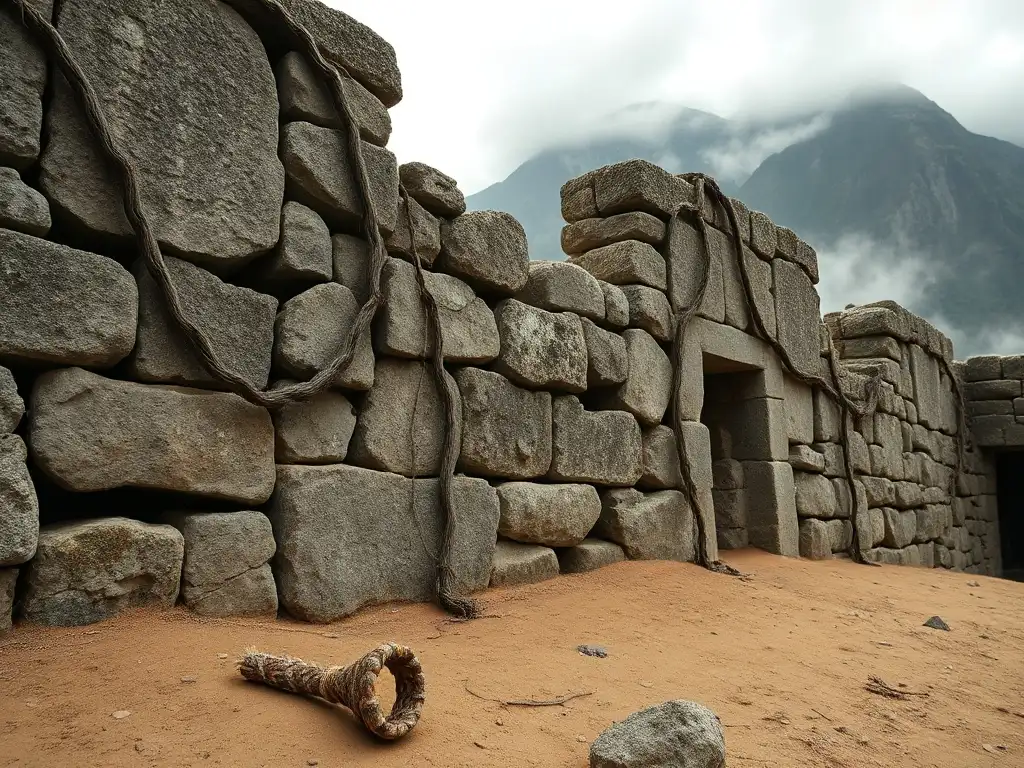
Understanding the history of Andean civilizations presents unique challenges, primarily stemming from the nature of the historical record itself. Unlike many other ancient societies which left behind extensive written archives, the Andean world presents a more fragmented and diverse tapestry of evidence. This necessitates a multifaceted approach to historical interpretation, drawing upon various sources and methodologies to piece together a coherent narrative. The complexities inherent in this process underscore the importance of critical analysis and careful consideration of potential biases. Successfully navigating these complexities is crucial for a nuanced understanding of Andean civilizations historical interpretation.
The Scarcity of Written Sources from Andean Cultures
One of the most significant hurdles in reconstructing Andean history is the limited availability of written sources produced by the Andean cultures themselves. While the Inca Empire did develop a system of knotted strings called quipus, their precise function and the extent of the information they contained remain subjects of ongoing debate. Many scholars believe that quipus served primarily as mnemonic devices for recording numerical data related to taxation, population counts, and agricultural yields, rather than as a sophisticated writing system capable of conveying complex narratives or philosophical ideas. The Spanish conquest led to the destruction of many quipus, further limiting our access to this unique form of Andean record-keeping. This scarcity necessitates a heavy reliance on other forms of evidence, creating inherent limitations in our understanding of Andean thought and worldview. The absence of a widespread, readily decipherable writing system profoundly shapes our approach to Andean civilizations historical interpretation.
Reliance on Archaeological Evidence for Understanding Andean Societies
Given the scarcity of written sources, archaeological evidence takes center stage in Andean historical interpretation. Excavations of sites across the Andes have yielded a wealth of information about material culture, social organization, technological advancements, and religious practices. From the monumental architecture of Machu Picchu to the intricate textiles of the Nazca, archaeological finds offer invaluable insights into the lives and societies of ancient Andean peoples. However, the interpretation of archaeological data is not without its complexities.
The meaning of artifacts and structures is often debated, requiring careful consideration of context, chronology, and potential biases. For example, the interpretation of ceremonial centers can vary widely depending on the theoretical framework employed by the researchers. Furthermore, the uneven distribution of archaeological sites and the potential for looting and damage further complicate the process. Thus, a rigorous, multidisciplinary approach is essential for responsible and accurate Andean civilizations historical interpretation.
The Role of Oral Traditions in Reconstructing Andean Past
Oral traditions, passed down through generations, constitute another crucial, albeit challenging, source for understanding Andean history. These traditions, often embedded in myths, legends, and songs, offer invaluable insights into Andean cosmologies, social structures, and historical events. However, the transmission of oral traditions is inherently fluid, subject to changes and reinterpretations over time. The impact of colonization also significantly altered many oral traditions, as indigenous narratives were often suppressed or integrated into colonial frameworks. Consequently, researchers need to approach oral traditions with a critical eye, carefully considering the historical context, potential biases, and the processes of cultural transmission. Reconstructing a reliable historical narrative requires careful cross-referencing of oral traditions with archaeological and other historical evidence. The integration of these diverse sources is crucial for a comprehensive and nuanced Andean civilizations historical interpretation. The careful consideration of these factors is crucial for a responsible and nuanced approach to Andean civilizations historical interpretation.

Understanding the history of Andean civilizations requires a critical engagement with the primary sources available to us. Many of these sources are colonial chronicles written by Spanish conquistadors and their successors. While invaluable for providing insights into the period, these accounts are inherently biased and require careful scrutiny to avoid perpetuating inaccurate or misleading interpretations of Andean societies.
The challenge lies in disentangling factual observations from the subjective perspectives shaped by the context of conquest and colonization. This requires a nuanced understanding of the writers' motivations, their cultural backgrounds, and the political climate of the time. This section explores the inherent challenges in using colonial chronicles as reliable sources for understanding Andean civilizations and offers strategies for navigating their inherent biases to create a more accurate historical narrative.
The Influence of Spanish Conquest on Historical Accounts
The Spanish conquest profoundly impacted the creation and interpretation of historical accounts of Andean civilizations. The very act of conquest created a power dynamic that inevitably shaped the narratives produced. Conquistadors, driven by ambitions of wealth, land, and power, often presented accounts that served their own interests and justified their actions.
For instance, descriptions of Inca society frequently emphasized aspects that highlighted Inca weakness or savagery, while downplaying the sophisticated organizational structures, advanced agricultural techniques, and complex social systems that characterized the Inca empire. This bias, often unintentional, was exacerbated by a lack of understanding of Inca culture and language, leading to misinterpretations and the imposition of European frameworks onto fundamentally different social structures. The narrative of conquest itself became a lens through which all aspects of Inca society were viewed and interpreted.
The sheer scale of the disruption caused by the conquest also significantly impacted the transmission of oral traditions and knowledge, leading to a loss of invaluable information and contributing to the dominance of colonial perspectives in the historical record. This makes the task of reconstructing a balanced and accurate picture of Andean civilizations all the more challenging. The sheer volume of biased accounts further complicates the task of separating fact from fiction.
Distortions and Misinterpretations in Early Colonial Writings
Early colonial writings often distorted and misinterpreted Andean practices and beliefs. The lack of linguistic fluency, coupled with a deeply ingrained ethnocentric worldview, resulted in significant misunderstandings. Religious practices, for example, were frequently described through a Christian lens, leading to misinterpretations of complex rituals and ceremonies.
What might have been seen as sophisticated astronomical observations were often dismissed as superstition or witchcraft. Similarly, Inca social structures and political systems were frequently misinterpreted through the lens of European feudalism, obscuring their unique characteristics and complexities. The use of derogatory language and the depiction of Andean peoples as "uncivilized" or "savage" further contributed to the distortion of historical accounts.
The emphasis on the material aspects of conquest – the acquisition of gold, silver, and other resources – often overshadowed more nuanced descriptions of Andean social life, technology, and governance. This resulted in a highly incomplete and skewed picture of Andean civilizations, one that prioritized the perspective of the conquerors over the experiences and perspectives of the conquered. Analyzing these distortions requires careful consideration of the linguistic and cultural context in which these accounts were produced.
Recognizing Cultural and Political Agendas in Historical Narratives
Unraveling the complexities of Andean history necessitates recognizing the cultural and political agendas embedded within historical narratives. Colonial chronicles were not simply objective records of events; they were actively shaped by the political and ideological climate of the time. The Spanish crown, for instance, often promoted narratives that emphasized the legitimacy of their conquest and the supposed inferiority of Andean societies.
This served to justify the colonization process and legitimize the exploitation of resources and labor. Conversely, some chronicles, though still reflecting colonial biases, might offer glimpses into the resistance and resilience of Andean communities. Analyzing these competing narratives requires a sophisticated understanding of the power dynamics at play and an awareness of the different perspectives and interests represented in the available sources.
This necessitates a comparative approach, weighing the accounts of different chroniclers against each other and against archaeological and anthropological evidence. Furthermore, recognizing the inherent biases in colonial sources allows historians to develop more nuanced and accurate interpretations of Andean history, moving beyond simplistic narratives of conquest and subjugation to reveal the complexity and resilience of Andean civilizations. The goal is not to dismiss colonial chronicles entirely, but to use them critically, acknowledging their limitations and incorporating other sources to create a more complete and balanced understanding of the past.
The Complexities of Andean Iconography and Symbolism
The interpretation of Andean art and artifacts presents significant challenges for historians and archaeologists. The sheer volume and diversity of surviving material, coupled with the absence of a unified written language before the Inca Empire, necessitates a multi-faceted approach to decipher its meaning. Understanding Andean iconography and symbolism requires careful consideration of context, style, and the potential for multiple layers of meaning. This section will explore some of the key difficulties in this process, highlighting the complexities involved in interpreting the rich visual legacy of these civilizations.
Decoding the Meaning Behind Andean Art and Artifacts
Andean art, ranging from intricate textiles and ceramics to monumental stone carvings, is replete with symbolic imagery. However, the meanings embedded within these images are rarely straightforward. Many symbols appear across various cultures and time periods, but their specific connotations can vary significantly depending on the context.
For instance, the depiction of a feline, while often associated with power and divinity, could represent a different deity or concept depending on the specific culture and the artistic style employed. Scholars often rely on comparative analysis, studying similar motifs across different sites and cultures to identify potential patterns and shared meanings. However, this process is fraught with difficulties, as the subtle variations in style and execution can drastically alter the interpretation.
Furthermore, the limited surviving textual evidence often fails to provide direct explanations of the artistic conventions. While some Inca chronicles offer glimpses into their worldview, they primarily focus on the Inca's own perspective and may not fully capture the nuances of earlier cultures. The lack of clear, explicit descriptions leaves room for multiple interpretations, often leading to scholarly debates and differing conclusions.
For example, the meaning of the recurring "staff god" motif remains a topic of ongoing discussion, with various theories proposed regarding its relationship to power, fertility, or shamanistic practices. The careful analysis of spatial arrangement within artistic pieces is also crucial; the positioning of figures and objects within a composition can profoundly influence the meaning conveyed.
The Challenges of Interpreting Religious and Ritualistic Practices
Understanding Andean religious and ritualistic practices is inextricably linked to the interpretation of their iconography. Many artifacts were clearly used in religious ceremonies, but the specific nature of these ceremonies and the meanings associated with them often remain elusive.
The discovery of mummies adorned with elaborate ornaments, for example, provides insights into funerary practices, but the symbolic significance of the specific objects and their arrangement requires careful consideration of both archaeological and anthropological perspectives. The lack of written records necessitates reliance on circumstantial evidence, such as the spatial arrangement of objects within a tomb or the presence of specific offerings.
The interpretation of sacrificial practices also presents significant ethical and methodological challenges. Analyzing human sacrifice in the Andes requires sensitivity and a nuanced understanding of the cultural context. While evidence clearly indicates the existence of such practices in various Andean societies, the precise motivations and symbolic meanings behind them remain subject to ongoing scholarly debate.
Were these acts of appeasement to deities, displays of power, or something else entirely? The limited evidence available necessitates careful consideration of all available data, including skeletal remains, grave goods, and the broader archaeological context of the sites where such remains are found. This careful approach is paramount to avoid imposing modern ethical frameworks onto ancient practices.
Variations in Symbolism Across Different Andean Cultures
The Andean region encompasses a vast geographical area and a diverse array of cultures, each with its own unique artistic traditions and symbolic systems. While some common motifs appear across different cultures, their specific meanings can vary significantly. For example, the use of specific colors or the depiction of certain animals might hold different connotations in the Moche culture compared to the Nazca or Inca cultures. Recognizing and accounting for these cultural variations is crucial for accurate interpretation.
The challenge lies in avoiding anachronistic interpretations that impose a unified system of meaning onto diverse cultural expressions. Instead, researchers must adopt a nuanced approach, acknowledging the unique characteristics of each culture and avoiding generalizations that could obscure the richness and complexity of Andean symbolism. This requires careful study of regional variations in artistic styles, the analysis of specific contextual factors, and a critical awareness of the potential biases inherent in any interpretive process.
The development of a comprehensive understanding of Andean iconography and symbolism demands a collaborative and interdisciplinary approach, drawing on the expertise of archaeologists, anthropologists, art historians, and linguists. Only through such a multifaceted approach can we hope to unravel the intricate and fascinating tapestry of meaning woven into the art and artifacts of the Andean civilizations.
Linguistic Diversity and the Interpretation of Andean Languages
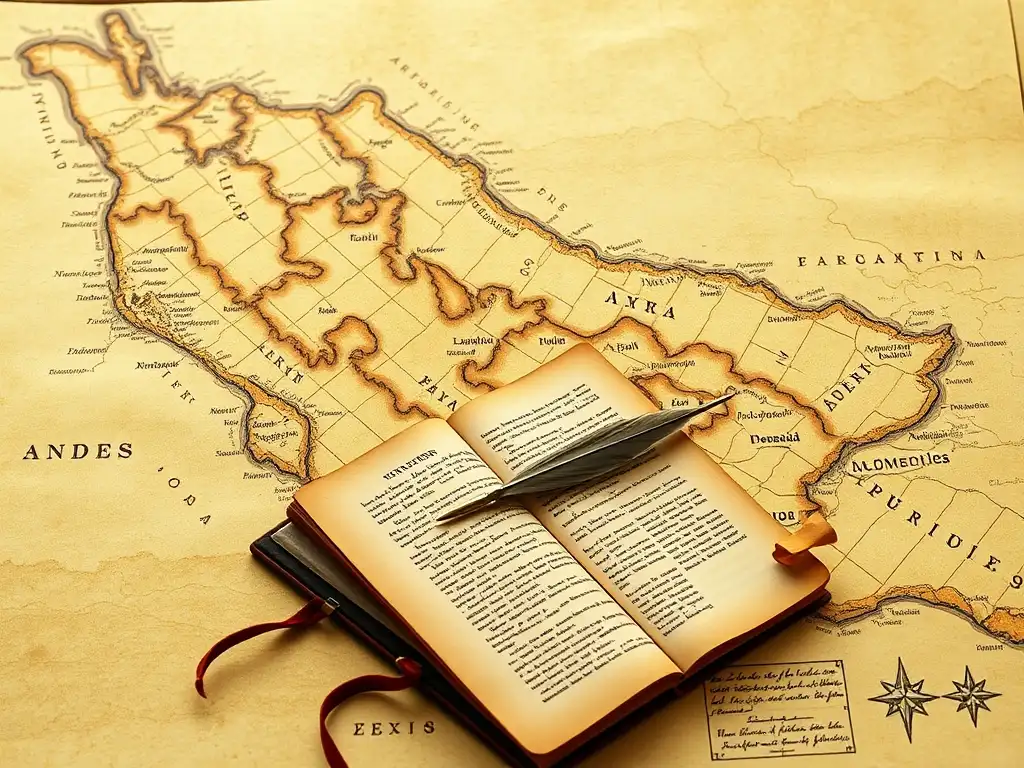
The Andean region boasts a remarkable linguistic diversity, a factor that significantly complicates the interpretation of its rich history. Understanding the nuances of Andean civilizations historical interpretation requires grappling with the challenges posed by a multitude of languages, many of which are extinct or severely endangered. This linguistic complexity presents a significant hurdle for historians attempting to reconstruct past events, social structures, and belief systems.
The sheer number of languages spoken across the Andes, from the coastal regions to the high altitudes, necessitates a multi-faceted approach to deciphering ancient texts and oral traditions. Accurate interpretation is further hampered by the lack of comprehensive linguistic documentation for many of these languages, leaving scholars to rely on fragmented evidence and educated guesswork. This section will explore the impact of language loss, the difficulties of translation and interpretation, and the crucial role of surviving languages like Quechua and Aymara in historical analysis.
The Impact of Language Loss on Historical Understanding
The loss of Andean languages represents an irreplaceable loss of historical knowledge. Many indigenous languages, once vibrant and integral to the cultural fabric of their communities, have faded into obscurity, taking with them invaluable insights into the past. This linguistic attrition has severely limited our understanding of the worldview, social organization, and daily lives of numerous Andean groups.
For instance, the extinction of a specific language might mean the complete loss of knowledge about a unique ritual practice, a sophisticated system of agriculture, or a complex mythological narrative. This absence of linguistic data creates significant gaps in our historical record, forcing historians to rely on partial reconstructions and inferences based on related languages, often leading to incomplete or potentially inaccurate interpretations. The consequences of this linguistic erosion are far-reaching, impacting our ability to provide a complete and nuanced picture of Andean civilizations.
The challenge is not just about recovering lost words, but also about understanding the intricate relationship between language, thought, and culture. Without a full grasp of the languages spoken by past Andean communities, our understanding of their world remains fundamentally incomplete.
The Challenges of Translating and Interpreting Ancient Andean Languages
Even when ancient Andean texts survive, translating and interpreting them presents formidable challenges. The complexity of grammar, the lack of comprehensive dictionaries, and the potential for ambiguity in meaning all contribute to the difficulties faced by scholars. Many ancient Andean languages employed sophisticated grammatical structures and writing systems that differ significantly from modern languages, requiring years of specialized study and meticulous analysis.
Furthermore, the context in which these texts were created is often lost to time, making accurate interpretation even more difficult. Consider, for example, the challenges of deciphering khipus – intricate knotted strings used by the Inca for record-keeping. While progress has been made in understanding their function, the precise meaning of many khipu knots remains elusive, limiting our ability to fully utilize this unique source of information.
The process of translation itself is not a neutral act; it inevitably involves interpretation, and the biases and perspectives of the translator can influence the final product. Therefore, a critical approach is vital, acknowledging the inherent limitations and potential for subjective interpretation in the process of uncovering the meaning of ancient Andean languages.
The Significance of Quechua and Aymara in Historical Analysis
Despite significant language loss, the survival of Quechua and Aymara offers invaluable resources for understanding Andean history. Quechua, in particular, enjoyed widespread use throughout the Inca Empire and continues to be spoken by millions today. Its enduring presence provides a vital link to the past, offering insights into Inca social structures, administrative practices, and religious beliefs. Similarly, Aymara, spoken predominantly in the Altiplano region, offers unique perspectives on the history and culture of communities in that area.
However, even with these surviving languages, challenges remain. The evolution of Quechua and Aymara over centuries means that modern dialects may differ significantly from those spoken during the Inca period or earlier. Careful consideration must be given to these linguistic changes when drawing conclusions about the past.
Analyzing texts, oral traditions, and even contemporary practices within these language communities provides crucial context for interpreting historical evidence. The ongoing work of linguists and anthropologists in documenting and analyzing these languages is essential for advancing our understanding of Andean civilizations historical interpretation and ensuring that the voices of the past are not lost to time. Their continued study is crucial for a more complete and accurate understanding of Andean history.
Addressing the Multifaceted Perspectives on Andean History
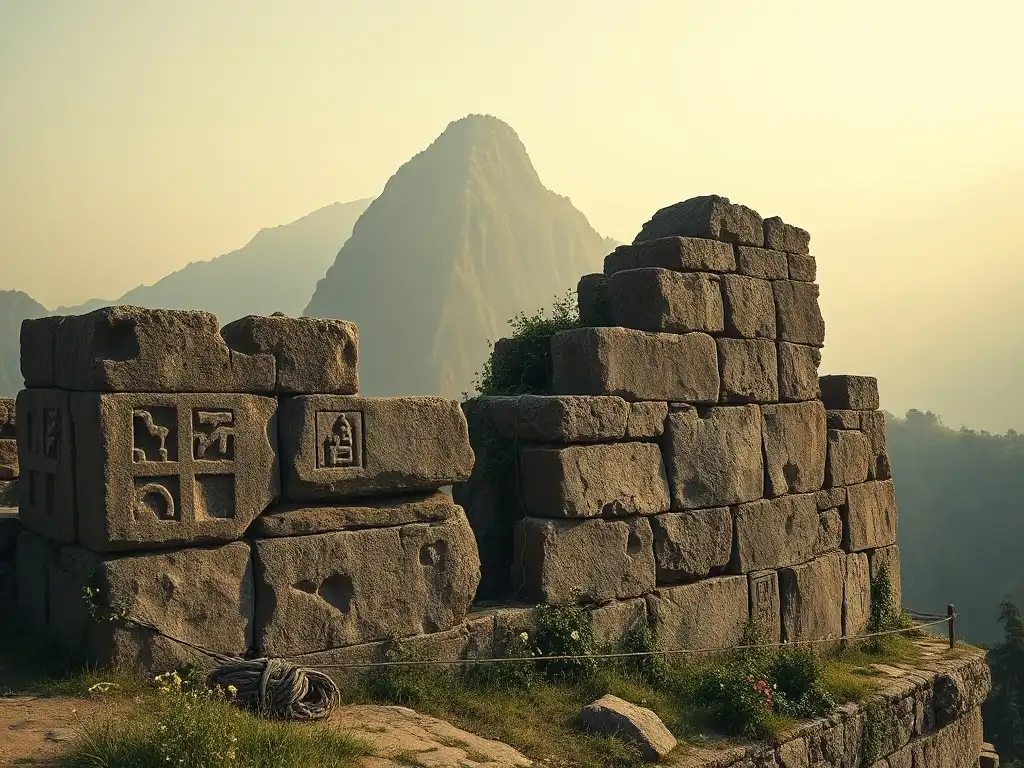
Understanding Andean civilizations requires navigating a complex tapestry of perspectives. The challenge of historical interpretation isn't simply about uncovering facts; it's about acknowledging the inherent biases and limitations within the available sources and actively seeking a more holistic understanding. This involves grappling with incomplete records, diverse cultural interpretations, and the lingering impact of colonialism on our understanding of the past.
The very act of interpreting Andean history necessitates a critical awareness of these inherent complexities, demanding a rigorous and nuanced approach. Successfully interpreting Andean history requires moving beyond simplistic narratives and embracing the multifaceted nature of these ancient societies. This section will explore key aspects of this challenge, focusing on incorporating indigenous voices, acknowledging the diversity of Andean peoples, and moving beyond Eurocentric biases.
Incorporating Indigenous Voices in Historical Research
For too long, the narrative of Andean civilizations has been dominated by external accounts, primarily from Spanish chroniclers. While these sources offer valuable insights, they often reflect the biases and perspectives of the colonizers, neglecting the indigenous voices and worldviews that are crucial to a complete understanding. The ongoing effort to incorporate indigenous perspectives is paramount for a more accurate and representative portrayal of Andean history. This involves actively seeking out and analyzing indigenous oral traditions, archaeological evidence interpreted through indigenous lenses, and contemporary indigenous scholarship.
For example, the Quechua language, still spoken by millions across the Andes, contains a wealth of historical knowledge embedded within its lexicon, oral histories, and traditional practices. Similarly, the careful analysis of Andean textiles, ceramics, and other artifacts can reveal intricate details about social structures, beliefs, and daily life, often contradicting or enriching the accounts of European chroniclers. The challenge lies in developing methodologies that respectfully and accurately incorporate these diverse sources, avoiding the pitfalls of imposing external frameworks onto indigenous knowledge systems.
This necessitates collaborative research partnerships with indigenous communities, ensuring that their voices and interpretations are central to the historical narrative. The future of Andean historical interpretation hinges on this crucial shift in perspective.
Acknowledging the Diversity of Andean Peoples and Experiences
The Andes were not a monolithic entity. The term "Andean civilizations" encompasses a vast array of distinct cultures, each with its unique history, social structures, and belief systems. Generalizing about "Andean civilization" risks obscuring the rich diversity of experiences across different regions and time periods. From the coastal Moche with their elaborate ceramics to the high-altitude Tiahuanaco with their monumental architecture, and the expansive Inca empire with its sophisticated administrative system, the differences are significant.
Consider the contrasting agricultural practices between the coastal cultures and those in the highlands, or the variations in religious beliefs and ritual practices. Ignoring this diversity leads to a flattened and inaccurate understanding of the Andean past. A more accurate portrayal demands a regional and chronological sensitivity, recognizing the unique trajectories of different Andean societies and avoiding broad generalizations that erase crucial distinctions.
Detailed archaeological research, combined with careful analysis of linguistic and ethnographic data, is essential for unravelling the complexities of this regional diversity. This nuanced approach allows for a richer and more comprehensive understanding of the Andean world. This careful consideration of local differences is crucial for achieving a truly accurate representation of Andean history.
Moving Beyond Eurocentric Interpretations of Andean History
Eurocentric interpretations, often rooted in colonial biases, have long shaped our understanding of Andean civilizations. These interpretations frequently frame Andean societies through the lens of European values and categories, often resulting in misinterpretations and a skewed perspective. It's crucial to actively challenge these biases and develop interpretive frameworks that are sensitive to the unique characteristics of Andean cultures.
For instance, the Inca's sophisticated system of mit'a (labor service) has often been described as a form of forced labor, overlooking its complex social and economic functions within Inca society. Similarly, the Inca religion has frequently been simplified and misinterpreted through the lens of Western monotheistic faiths, neglecting its rich polytheistic nature and intricate cosmology. Moving beyond Eurocentric interpretations demands a critical examination of existing scholarship, a willingness to question established narratives, and a commitment to developing more inclusive and equitable approaches to historical research.
This involves actively seeking out alternative perspectives and incorporating indigenous knowledge systems to create a more accurate and nuanced portrayal of the Andean past. The goal is to decolonize the narrative, ensuring a more just and representative understanding of these remarkable civilizations.
Methodological Approaches to Andean Historical Interpretation
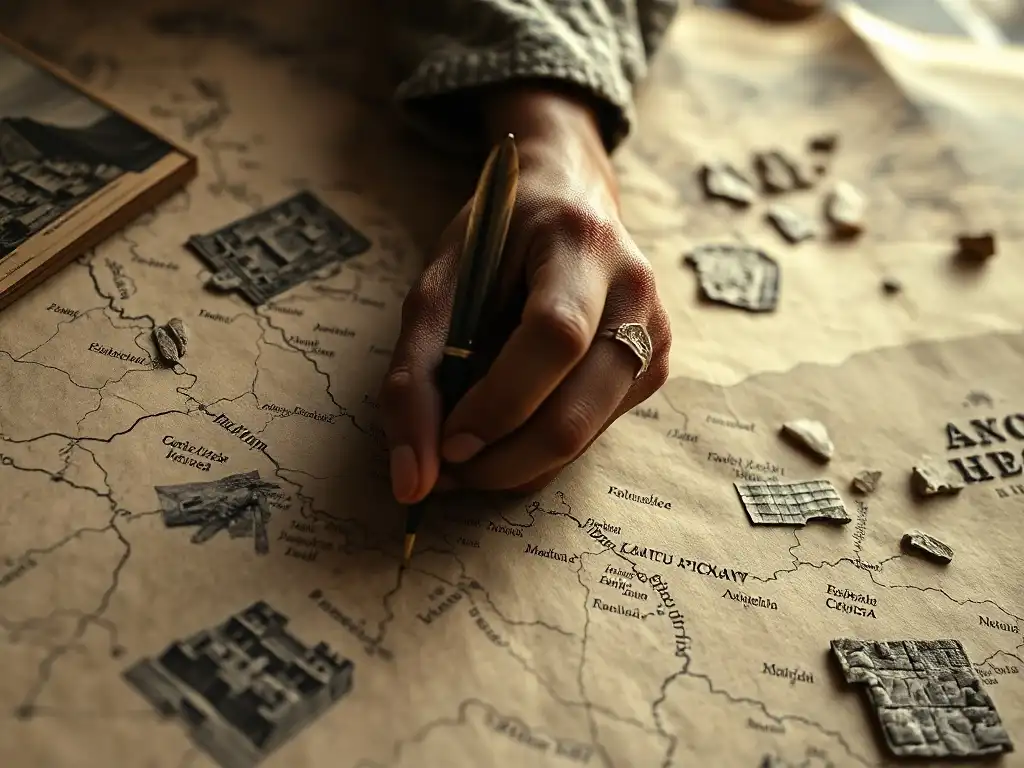
Understanding the complexities of Andean civilizations requires a nuanced approach to historical interpretation. The sheer diversity of cultures, spanning vast geographical areas and millennia, presents significant challenges to researchers. Successfully navigating these complexities demands a rigorous and multifaceted methodology, one that integrates diverse disciplines and critically examines available evidence. This section explores key methodological approaches employed by scholars to unravel the intricate tapestry of Andean history, focusing on the need for a holistic and critically aware approach to the study of "Andean civilizations historical interpretation".
Combining Archaeology, Anthropology, and Ethnography in Research
The study of Andean civilizations benefits immensely from a combined approach drawing on archaeology, anthropology, and ethnography. Archaeology provides the tangible remains – the pottery shards, monumental architecture, and intricate textiles – that offer insights into material culture and daily life. Anthropology, with its focus on human societies and their cultures, helps contextualize these findings, providing frameworks for understanding social structures, belief systems, and political organizations.
Finally, ethnography, the systematic study of peoples and cultures, allows for the comparison of past and present Andean communities, offering valuable perspectives on continuity and change. For example, studying contemporary Andean weaving techniques can illuminate the processes and meanings embedded in ancient textile production, enriching our understanding of both the craft and the society that produced it. The interplay of these disciplines allows for a far more comprehensive understanding than any single approach could offer, crucial for interpreting the often fragmentary nature of the available evidence.
This multi-pronged approach is essential for accurate "Andean civilizations historical interpretation". Without combining these methodologies, crucial pieces of the puzzle remain missing, leading to incomplete and potentially misleading narratives.
Utilizing Interdisciplinary Methods for Comprehensive Analysis
Beyond the core disciplines of archaeology, anthropology, and ethnography, a truly comprehensive analysis of Andean history necessitates an interdisciplinary approach. Linguistics, for example, plays a crucial role in deciphering ancient languages, revealing valuable information about social structures, beliefs, and historical events. Environmental studies shed light on the impact of climate change and resource availability on the rise and fall of Andean societies.
Similarly, the insights of art history, iconography, and even botany can contribute significantly to our understanding of Andean culture and society. Consider, for instance, the intricate iconography found in Moche pottery: interpreting these images requires expertise in art history, anthropology, and possibly even mythology to understand their symbolic meaning and relate them to broader societal structures. The collaborative nature of this interdisciplinary approach fosters a more holistic and nuanced understanding, moving beyond simplistic narratives to a more complex and accurate "Andean civilizations historical interpretation."
Employing Critical Thinking to Evaluate Historical Sources
The interpretation of Andean history is further complicated by the nature of the available sources. Many accounts are filtered through the lens of colonial chronicles, often written from a biased perspective. Archaeological remains, while offering objective evidence, require careful interpretation, as their meaning can be ambiguous and subject to multiple interpretations.
Therefore, critical thinking is paramount in evaluating these sources. Scholars must consider the context of creation, potential biases, and the limitations of the evidence itself. For example, the Inca accounts, often celebratory in nature, need to be cross-referenced with archaeological evidence that might reveal a more complex reality.
This rigorous assessment, considering both the strengths and limitations of different sources, is critical to producing accurate and responsible interpretations of Andean history. This critical engagement with sources is fundamental for a robust "Andean civilizations historical interpretation" that avoids perpetuating inaccurate or biased narratives. By engaging in critical analysis and employing multiple perspectives, we can strive toward a more complete and nuanced understanding of these fascinating and complex civilizations.
The Ongoing Quest for Deeper Understanding of Andean History
The interpretation of Andean civilizations' history is a constantly evolving process, shaped by new discoveries, advancements in archaeological techniques, and a growing awareness of the complexities of indigenous perspectives. For decades, interpretations were often skewed by colonial biases and a lack of access to indigenous voices. However, recent decades have witnessed a paradigm shift, with a greater emphasis on incorporating indigenous knowledge and perspectives into historical narratives. This nuanced approach is crucial for crafting a more complete and accurate understanding of Andean societies.
The quest for deeper understanding is not merely an academic exercise; it's vital for fostering a more respectful and accurate representation of these rich cultures. This ongoing process of revision and refinement demonstrates the dynamic nature of historical interpretation itself, highlighting the importance of continuous critical analysis. The understanding of Andean civilizations historical interpretation is far from static; it's a living, breathing field of study.
New Discoveries and Their Impact on Historical Interpretation
Recent archaeological findings continue to challenge existing narratives about Andean civilizations. For example, the discovery of previously unknown settlements and intricate irrigation systems has shed new light on the scale and sophistication of pre-Columbian Andean societies. These discoveries often force scholars to re-evaluate existing theories about population density, social organization, and economic practices.
The uncovering of new artifacts, such as textiles, ceramics, and metalwork, also provides invaluable insights into the artistic expression, religious beliefs, and daily lives of Andean peoples. The analysis of ancient DNA is revolutionizing our understanding of population movements and genetic relationships between different Andean groups, challenging previous assumptions about migration patterns and cultural exchanges. The integration of these new discoveries requires a constant reassessment of existing models and frameworks for interpreting Andean history, leading to a more comprehensive and nuanced understanding of the past.
This iterative process underscores the inherent dynamism of historical interpretation, where new evidence continuously reshapes our comprehension of Andean civilizations. The impact of these discoveries is profound, enriching the already complex tapestry of Andean history.
The Importance of Continuing Research and Exploration
Continued research and exploration are paramount to a more complete understanding of Andean civilizations. Many areas remain unexplored, and existing sites hold untapped potential for further discoveries. The application of advanced technologies, such as LiDAR (Light Detection and Ranging) and ground-penetrating radar, allows for non-invasive investigation of large areas, revealing hidden structures and features previously unknown.
Furthermore, interdisciplinary collaboration between archaeologists, anthropologists, linguists, and other specialists is crucial for a holistic approach to Andean studies. This collaborative effort ensures that diverse perspectives and methodologies are incorporated into the interpretation process, leading to a more robust and nuanced understanding of the past. The commitment to ethical and responsible research practices is also essential, prioritizing the preservation of cultural heritage and respecting the rights and perspectives of indigenous communities.
Without ongoing research and exploration, our understanding of Andean civilizations will remain incomplete, perpetuating inaccuracies and overlooking crucial aspects of their rich history. The future of Andean civilizations historical interpretation relies heavily on sustained and ethical research efforts.
The Future of Andean Civilizations Historical Interpretation
The future of Andean civilizations historical interpretation will likely be characterized by an increased focus on interdisciplinary collaboration, the integration of indigenous knowledge, and the application of cutting-edge technologies. The use of digital humanities tools, such as 3D modeling and virtual reality, will allow for more immersive and accessible ways of experiencing and understanding Andean history. Furthermore, a greater emphasis on community-based archaeology and participatory research methods will ensure that indigenous perspectives are central to the interpretation process.
This collaborative approach recognizes the importance of indigenous knowledge in shaping accurate and respectful historical narratives. The ongoing development of new analytical techniques, such as isotopic analysis and advanced imaging, will undoubtedly lead to further discoveries and a more nuanced understanding of Andean societies.
The challenges remain significant—access to remote sites, preservation of fragile artifacts, and ethical considerations—but the potential for new discoveries and a richer understanding of Andean civilizations is immense. The future of Andean civilizations historical interpretation promises to be as dynamic and exciting as the civilizations themselves.
Frequently Asked Questions
What are the main challenges in interpreting Andean civilizations?
Interpreting Andean history is complex due to several factors, including the limited written records, the diversity of cultures, and the destruction of archaeological sites. Scholars must rely heavily on material culture for understanding.
How do archaeologists approach the interpretation of Andean art and artifacts?
Archaeologists utilize multidisciplinary approaches, combining archaeological excavation, iconographic analysis, and ethnohistorical studies to understand the meaning and significance of Andean art and artifacts. Context is crucial in interpretation.
How do different interpretations of Andean history reflect biases?
Interpretations can be influenced by modern perspectives and preconceived notions. For example, earlier interpretations often overlooked the agency and complexity of Andean societies. Critical analysis is essential to identify and mitigate bias.
What is the significance of oral traditions in understanding Andean civilizations?
Oral traditions play a vital role, providing alternative perspectives and insights into beliefs and practices that might not be reflected in material culture. However, verification and careful contextualization are crucial.
How does the study of Andean civilizations contribute to a broader understanding of history?
Andean civilizations offer unique insights into human societies, challenging Eurocentric narratives and demonstrating the diversity of human development. The study of their complex social structures, technologies, and belief systems expands our understanding of global history.
Final Reflection: Echoes of the Andes: A Legacy of Interpretation
The complexities of interpreting Andean history remain profoundly relevant today, a stark reminder that understanding the past requires constant critical engagement and a willingness to confront our own biases. Our interpretations, shaped by the available evidence and the lens through which we view it, directly impact how we understand not only the past but also the present, influencing our approaches to issues of cultural preservation, social justice, and even global perspectives on development.
The ongoing struggle to accurately represent Andean civilizations highlights the enduring power of narrative and the responsibility historians bear in shaping public understanding. The voices of the Andes, often silenced or marginalized throughout history, demand to be heard, and their stories deserve to be told with nuance and respect. History is not merely what happened, but what is remembered, and how it is remembered.
This quote underscores the crucial role of interpretation in shaping our collective memory and understanding of the past. We must strive to move beyond simplistic narratives and embrace the multifaceted nature of Andean societies, acknowledging the diversity of experiences and perspectives within these vibrant cultures.
Consider the implications of our interpretations. How do our assumptions and biases shape our understanding of Andean achievements, struggles, and legacies? How can we ensure that future generations engage with Andean history in a way that is both accurate and respectful? You, the reader, hold the key to shaping a more nuanced and inclusive understanding of the past. By engaging critically with historical narratives, challenging assumptions, and seeking out diverse perspectives, you can contribute to a more just and complete picture of Andean civilizations, ensuring their rich history continues to resonate for generations to come.
Unravel the Mysteries of Andean History Today!
Thank you for exploring the fascinating complexities of Andean history with us! Your interest in these rich cultures is truly appreciated. Now, let's put that knowledge to work!
Here are some ways to continue your journey of discovery:
- Visit a local museum to see Andean artifacts firsthand and connect with history in your community. You might be surprised by what you find!
- Share your newfound knowledge on social media, inviting friends to join you in a discussion about the intricacies of Andean civilizations. Spark a conversation and learn from others' perspectives.
- Join an online community dedicated to Andean studies. This will allow you to expand your knowledge, engage with experts, and connect with fellow enthusiasts.
What aspect of Andean history captivates you most, and how will you integrate this knowledge into your daily life?