
Tiahuanaco's Agricultural Innovators: Feeding a Thriving Population

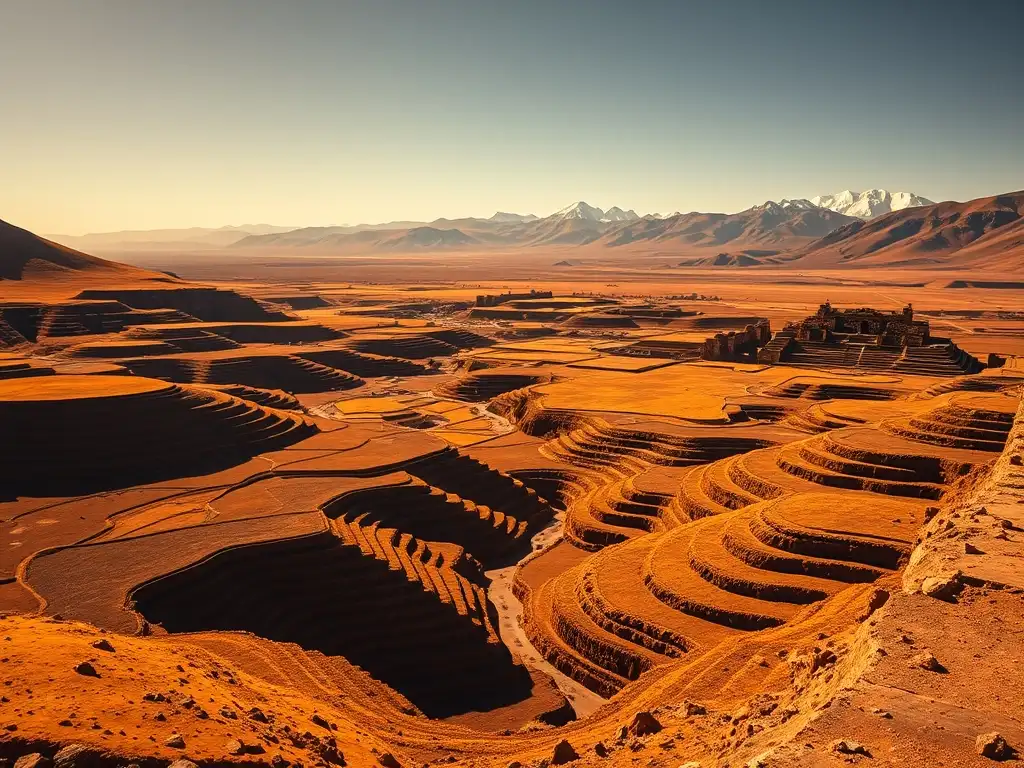
Step into a world lost to time, yet echoing with innovation and ingenuity. Imagine a civilization flourishing in the harsh Andes, defying the elements with unparalleled agricultural prowess. This is the story of Tiahuanaco, a society whose mastery of Tiahuanaco agricultural techniques allowed them to support a thriving population in a seemingly inhospitable landscape. Uncover the secrets of their success and discover how their ingenuity shaped the very fabric of Andean history—prepare to be amazed.
The remarkable civilization of Tiahuanaco, flourishing in the high Andes between roughly 300 and 1100 CE, presented a significant challenge: sustaining a large population in a geographically demanding environment. This article delves into the ingenious agricultural techniques employed by the Tiahuanaco people, showcasing their mastery of engineering and resource management, which allowed them to not only survive but thrive in the harsh altiplano. Understanding their agricultural innovations is crucial to appreciating the scale and complexity of this influential Andean culture, a testament to their adaptability and ingenuity in the face of environmental constraints.
We will explore how these techniques, often overlooked in discussions of Tiahuanaco's monumental architecture, were fundamental to the civilization's power and longevity. This exploration of Tiahuanaco agricultural techniques will reveal a sophisticated understanding of water management, soil cultivation, and crop diversification that significantly contributed to their societal success.
Harnessing the Scarce Water Resources of the Altiplano
The high altitude and arid climate of the Altiplano presented a formidable obstacle to agriculture. Tiahuanaco's success hinged on their ability to effectively manage the limited water resources available. Evidence suggests a complex system of canals, channels, and raised fields – suka kollus – that skillfully directed water from rivers and meltwater sources to irrigate their crops. These weren't simple ditches; they were sophisticated engineering marvels, carefully designed to optimize water distribution across vast areas.
The precise layout and orientation of these systems, often aligned with topographical features, suggest a deep understanding of hydrology and a considerable investment of labor. Furthermore, the creation of artificial wetlands, known as bofedales, likely played a significant role in supplementing water availability, potentially acting as reservoirs and increasing humidity in the surrounding areas. [Specific data on the length and capacity of the canal systems pending].
Elevated Fields: The Genius of Suka Kollus
The suka kollus, raised fields constructed from layers of earth and organic matter, are a hallmark of Tiahuanaco agriculture. These elevated plots provided several key advantages. First, they improved drainage, crucial in an environment prone to flooding. Second, the raised fields helped retain heat, extending the growing season in the cold, high-altitude climate.
Third, the organic matter incorporated into the field construction enriched the soil, improving its fertility. The scale of these agricultural projects was immense, indicating a high level of social organization and a coordinated effort by the Tiahuanaco population. [Detailed analysis of soil composition from different suka kollus fields pending]. The construction and maintenance of these fields demonstrates a profound knowledge of soil science and an understanding of the interplay between water, temperature, and soil fertility.
Crop Diversification and Food Security
Tiahuanaco's agricultural practices were not limited to a single crop. Archaeological evidence reveals a diverse range of cultivated plants, including potatoes, quinoa, beans, and various other tubers. This diversification was critical in ensuring food security and resilience against crop failures. The ability to cultivate a variety of crops, each with different needs and tolerances, minimized the risk of widespread famine in the event of adverse weather conditions or pests.
This strategic approach to agriculture, combined with the innovative irrigation and cultivation techniques, allowed the Tiahuanaco civilization to support a large and relatively stable population for centuries. [Specific data on the proportions of different crops in the Tiahuanaco diet pending]. The success of their agricultural system underscores the importance of biodiversity in ensuring the survival and prosperity of a civilization.
The success of Tiahuanaco's agricultural system was not solely dependent on technological innovation. It also required a sophisticated level of social organization and labor management. The construction and maintenance of the suka kollus, canals, and other infrastructure demanded a significant collective effort. This suggests a highly structured society with mechanisms for coordinating labor, resource allocation, and potentially even food distribution.
The scale of the agricultural projects points towards a centralized authority capable of mobilizing and directing substantial human resources. [Further research needed on the social structures supporting Tiahuanaco's agricultural production]. The integration of agriculture into the broader socio-political fabric of Tiahuanaco is a key aspect of understanding their remarkable achievement.
The remarkable achievements of Tiahuanaco in agricultural innovation highlight the ingenuity and adaptability of Andean civilizations. Their mastery of water management, soil cultivation, and crop diversification provided the foundation for a thriving and influential society. Further research into Tiahuanaco agricultural techniques promises to reveal even more about the sophisticated knowledge and social organization of this fascinating ancient culture.
- Harnessing the Scarce Water Resources of the Altiplano
- Elevated Fields: The Genius of Suka Kollus
- Crop Diversification and Food Security
- Social Organization and Agricultural Production
- What were the main agricultural challenges faced by the Tiahuanaco?
- How did the Tiahuanaco overcome these challenges to feed their population?
- What were raised fields, and how did they benefit Tiahuanaco agriculture?
- What role did irrigation play in Tiahuanaco's agricultural success?
- What crops were primarily cultivated by the Tiahuanaco people?
The Rise of Tiahuanaco and its Agricultural Needs
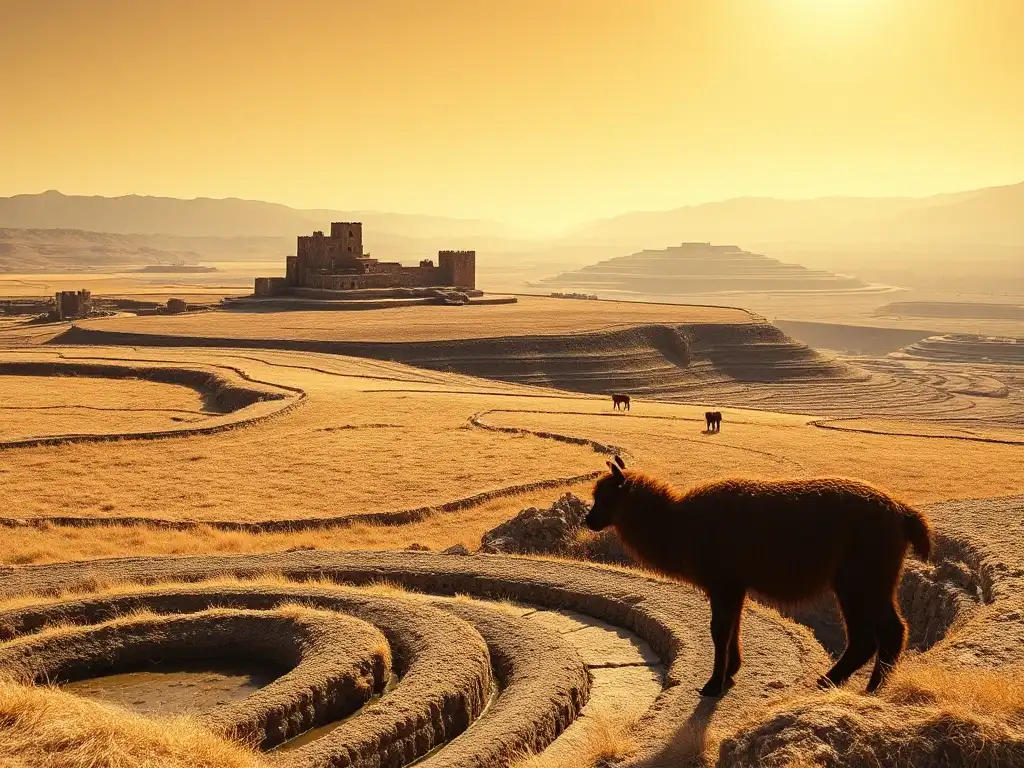
The rise of Tiahuanaco as a major Andean power between roughly 300 and 1100 CE was inextricably linked to its ability to feed a substantial and growing population. Unlike many other civilizations that relied heavily on river valleys for agriculture, Tiahuanaco faced the unique challenge of cultivating crops in the high-altitude Altiplano, a vast plateau characterized by thin air, unpredictable weather, and a short growing season.
Understanding Tiahuanaco's agricultural innovations requires appreciating the immense logistical and technological hurdles they overcame to achieve such a high level of societal complexity. Their success wasn't simply a matter of chance; it was the result of carefully planned and implemented agricultural strategies, reflecting a profound understanding of their environment and a remarkable capacity for adaptation.
This mastery of Tiahuanaco agricultural techniques is a testament to their ingenuity and organizational skills. The sophisticated agricultural systems they developed were critical to their political and social dominance in the region.
The Geographic Context of Tiahuanaco's Agriculture
The Altiplano, where Tiahuanaco flourished, presents a formidable environment for agriculture. Situated at an elevation of approximately 12,500 feet (3,800 meters) above sea level, it experiences significant temperature fluctuations, intense solar radiation, and relatively low precipitation. The growing season is short, and frost can occur even during the summer months.
The soil, while fertile in some areas, is often poor and prone to erosion. These harsh conditions severely limited the types of crops that could be cultivated and presented considerable challenges to the efficiency and productivity of farming. However, the proximity to Lake Titicaca, a large, high-altitude lake, provided a vital source of water and moderated the extreme temperature fluctuations to some extent, creating microclimates more suitable for agriculture.
This strategic location, coupled with innovative farming methods, allowed the Tiahuanaco to successfully cultivate a range of crops, ensuring food security for their growing population. The careful selection of planting locations, taking advantage of these microclimates, was a key element of their Tiahuanaco agricultural techniques.
Population Growth and the Demand for Food Resources
The increasing population of Tiahuanaco placed immense pressure on the available agricultural resources. Archaeological evidence suggests a significant population increase during the city's zenith. The larger population necessitated a corresponding increase in food production to sustain the growing urban center and its surrounding settlements. This demand fueled the development of increasingly sophisticated agricultural techniques and practices.
The need to produce sufficient quantities of food to support the non-agricultural population – artisans, priests, administrators, and rulers – further complicated the challenge. The efficiency of their food production system was crucial not only for survival but also for maintaining social order and political stability. Evidence of large-scale storage facilities suggests an organized system for managing surplus food production, a critical element for mitigating the risks associated with fluctuations in crop yields due to unpredictable weather patterns. This sophisticated management of resources was integral to the success of their Tiahuanaco agricultural techniques.
The Challenge of High-Altitude Farming in the Andes
High-altitude farming in the Andes presents unique challenges. The thin air reduces the effectiveness of photosynthesis, limiting crop growth. The intense solar radiation can damage crops, while unpredictable weather patterns, including sudden frosts and droughts, can devastate harvests. The short growing season necessitates efficient planting and harvesting techniques to maximize yields.
The soil, often poor and prone to erosion, requires careful management to maintain its fertility. The Tiahuanaco overcame these challenges through a combination of sophisticated techniques, including the construction of raised fields (known as suka kollkas), terracing, and the development of irrigation systems. These ingenious methods allowed them to optimize land use, improve soil fertility, and control water resources, maximizing crop yields in a challenging environment.
These adaptive Tiahuanaco agricultural techniques allowed them to thrive in a region where many other civilizations struggled. The impressive scale of their agricultural projects showcases their organizational skills and technological prowess. Further research is needed to fully understand the nuances of their farming practices and the specific crops they cultivated, but the existing evidence clearly points to a remarkable level of agricultural innovation.
Innovative Tiahuanaco Agricultural Techniques
The success of the Tiahuanaco civilization, a powerful Andean culture flourishing between 500 and 1000 CE, hinged significantly on its mastery of sophisticated agricultural techniques. Their ability to cultivate crops in the challenging altiplano environment, characterized by high altitude, aridity, and fluctuating temperatures, is a testament to their ingenuity and understanding of their ecosystem. The application of these advanced Tiahuanaco agricultural techniques allowed them to support a large, dense population and build a complex society. The most striking example of their agricultural prowess is the waru waru system.
Raised Field Agriculture: The Waru Waru System
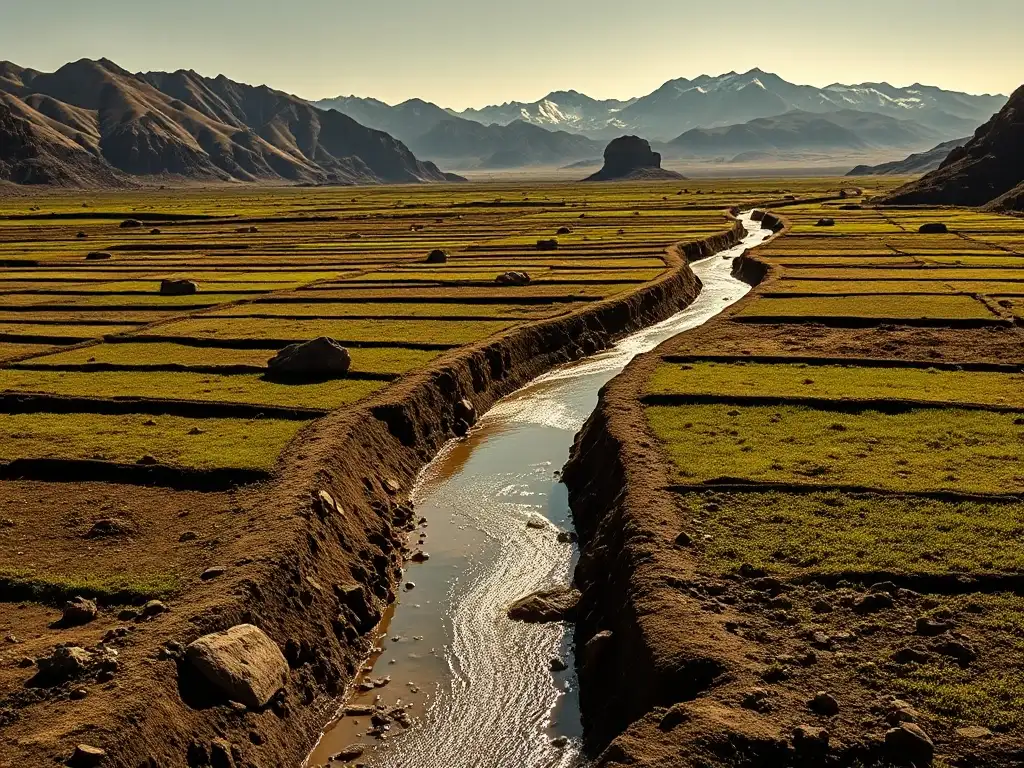
The waru waru system, also known as raised field agriculture, is a remarkable example of Tiahuanaco's ingenuity. This technique involved the construction of rectangular, elevated fields separated by canals. These weren't simply raised plots; they were meticulously engineered systems designed to optimize water management and soil fertility in the harsh altiplano climate.
The fields, typically measuring 10 to 20 meters in length and width, were built with layers of soil and organic matter, creating a fertile microclimate within the raised beds. This intricate system allowed for efficient irrigation, improved drainage, and frost protection. Archaeological evidence suggests that the system was incredibly effective, enabling year-round cultivation and significantly increasing crop yields.
The careful construction and maintenance of the waru waru fields demonstrate a deep understanding of hydrology and soil science, far exceeding the agricultural practices of many contemporary societies. Evidence suggests that the system also helped in soil fertilization, as the canals provided a space for organic matter to decompose and enrich the soil.
Understanding the Benefits of Raised Beds
The benefits of the Tiahuanaco raised field system extended beyond simply increasing crop yields. The elevated beds acted as thermal buffers, protecting crops from damaging frosts common in the high-altitude environment. The canals between the fields served as irrigation channels, providing a controlled water supply to the crops. During the rainy season, the canals acted as drainage systems, preventing waterlogging and soil erosion. This careful balance between water supply and drainage was crucial for successful cultivation in an environment prone to both drought and flooding. Furthermore, the system enhanced biodiversity, allowing for the cultivation of a variety of crops, including potatoes, quinoa, and beans. This diversification contributed to food security and resilience against crop failures. The effectiveness of the waru waru system is evident in the large population supported by Tiahuanaco, a feat remarkable considering the challenging environment. The system's resilience to climate variability also contributed to the civilization's longevity.
Water Management in Tiahuanaco Agriculture
Water was, and remains, a precious resource in the Altiplano. The Tiahuanaco people displayed a masterful understanding of water management, going beyond the waru waru system to create a comprehensive network of water infrastructure.
Canal Networks and Drainage Systems
Beyond the canals integrated within the waru waru system, Tiahuanaco engineers constructed extensive canal networks for irrigation and drainage. These canals, some quite substantial, channeled water from rivers and springs to the agricultural fields, ensuring a reliable water supply even during dry periods. These systems were carefully planned and maintained, demonstrating a sophisticated understanding of hydraulic engineering.
The construction of these networks required considerable labor and coordination, highlighting the level of social organization and technological capability within the Tiahuanaco civilization. The precise alignment and construction of these canals suggest a detailed knowledge of topography and water flow dynamics. Evidence suggests that the canals were also used for transportation and communication, further underscoring their importance to the society.
Water Harvesting and Storage Practices
To further mitigate the effects of the arid climate, Tiahuanaco employed various water harvesting and storage techniques. These included the construction of reservoirs and cisterns to collect and store rainwater, ensuring a supply of water during dry spells. This involved creating carefully engineered structures to capture and retain water, showcasing their advanced understanding of hydrology and engineering principles.
While specific details on the scale and design of these structures require further investigation, the existence of such practices is well-documented in archaeological findings and supports the overall picture of a society highly skilled in water resource management. The integration of these water management strategies with the waru waru system highlights a holistic approach to agriculture, maximizing efficiency and resilience in a challenging environment. Their success demonstrates a level of sophistication and planning rarely seen in other contemporary societies.
Terracing Techniques for Slope Cultivation
The harsh Andean landscape, characterized by steep slopes and limited arable land, presented a significant challenge to the Tiahuanaco civilization. However, their ingenuity shone through in their mastery of terracing techniques. These weren't simply haphazard cuts into the hillsides; they were carefully planned and executed systems designed to maximize agricultural output in challenging environments. The terraces, often built in cascading formations, effectively transformed steep inclines into a series of level platforms.
This not only increased the area available for cultivation but also significantly reduced soil erosion. The construction itself was a feat of engineering, requiring meticulous surveying, precise stonework, and a deep understanding of hydrology. Evidence suggests that the Tiahuanaco utilized a sophisticated system of canals and channels to manage water flow across these terraced fields, ensuring adequate irrigation even during periods of drought.
The scale of these projects speaks volumes about the level of social organization and engineering expertise within the Tiahuanaco society. Their success in cultivating food on these slopes played a crucial role in supporting their large population. The careful planning and execution demonstrate a profound understanding of both the environment and agricultural principles.
Adapting to the Andean Terrain
The Andean highlands are notoriously unforgiving. High altitudes, unpredictable weather patterns, and thin, often poor-quality soils posed significant obstacles to agriculture. The Tiahuanaco people, however, skillfully adapted their agricultural practices to overcome these challenges. Their understanding of microclimates allowed them to select crops suited to specific elevations and exposures.
This knowledge, passed down through generations, ensured optimal growing conditions for a variety of crops. Furthermore, their advanced irrigation systems, essential to supplementing erratic rainfall, were carefully designed to take advantage of natural water sources like springs and meltwater from glaciers. The construction of canals and channels often involved significant engineering feats, requiring the channeling of water across long distances and over considerable elevation changes.
These complex systems demonstrate a deep understanding of hydraulic engineering and a commitment to ensuring a reliable water supply for their crops. The ingenuity displayed in adapting their agricultural practices to the difficult Andean terrain is a testament to their resilience and resourcefulness. Their ability to thrive in such a challenging environment is a remarkable achievement.
Maximizing Agricultural Land Use
The Tiahuanaco civilization's success wasn't merely about adapting to the environment; it was about maximizing the limited resources available. Their agricultural techniques were designed to make the most of every square meter of arable land. Terracing, as discussed earlier, was a crucial component of this strategy. By transforming steep slopes into cultivatable land, they significantly expanded their agricultural potential.
Beyond terracing, they employed other techniques to optimize land use. Careful crop rotation, for example, prevented soil depletion and maintained soil fertility. They also likely utilized raised fields, a technique involving the construction of artificial elevated plots of land, to improve drainage and soil quality in waterlogged areas. This meticulous approach to land management allowed them to support a large and densely populated urban center.
The evidence suggests a sophisticated system of agricultural planning and management, reflecting a high degree of social organization and a collective effort focused on food security. Their ability to efficiently utilize available land played a vital role in the sustainability and prosperity of the Tiahuanaco civilization. This emphasis on maximizing land use highlights a key aspect of their agricultural innovation and their success in feeding a thriving population.
Crops Cultivated by the Tiahuanaco Civilization
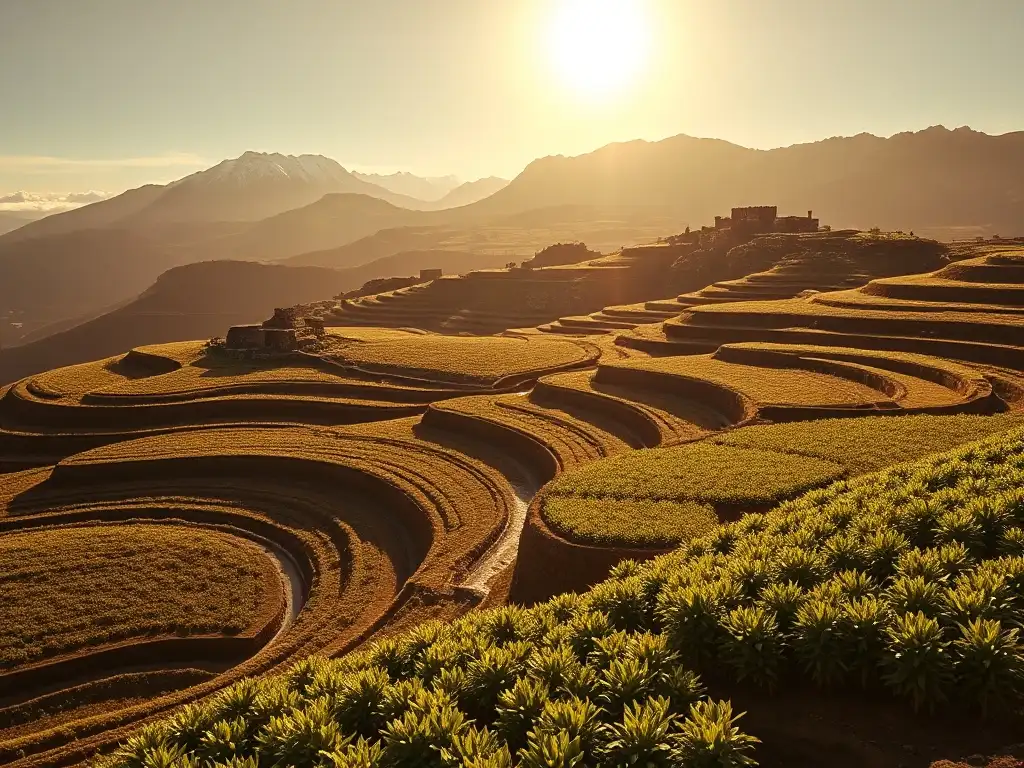
This section delves into the sophisticated agricultural techniques employed by the Tiahuanaco civilization, a crucial factor in supporting their large and thriving population. Understanding their agricultural prowess is key to comprehending their societal and political success. The Tiahuanaco agricultural techniques were remarkably advanced for their time, allowing them to cultivate a diverse range of crops in a challenging high-altitude environment. This section will explore the key crops, the diversification of their agricultural production, and the overall importance of food security in the Tiahuanaco society.
Key Staple Crops: Potatoes, Quinoa, and Others
The cornerstone of the Tiahuanaco diet was undoubtedly potatoes ( Solanum tuberosum). Numerous varieties of potatoes, adapted to different altitudes and soil conditions, were cultivated. Archaeological evidence suggests sophisticated potato storage techniques, ensuring food availability throughout the year. This involved creating complex underground storage facilities, potentially utilizing natural caves or constructing artificial ones, to protect the potatoes from frost and spoilage. The effectiveness of these storage methods is evidenced by the size and longevity of the Tiahuanaco settlements.
Alongside potatoes, quinoa ( Chenopodium quinoa) played a vital role. This highly nutritious grain provided essential proteins and carbohydrates, complementing the potato-based diet. The cultivation of quinoa required careful management of water resources, a challenge successfully met by the Tiahuanaco’s advanced irrigation systems.
Other important crops included maize ( Zea mays), beans ( Phaseolus vulgaris), and various root vegetables, contributing to a varied and balanced diet. The ability to cultivate a diverse range of crops provided resilience against crop failures, a crucial aspect of food security in the challenging Andean environment. The successful cultivation of these crops demonstrates the deep understanding of agriculture and the environment that the Tiahuanaco people possessed.
Diversification of Agricultural Products
The Tiahuanaco civilization didn't rely solely on staple crops. Evidence suggests a degree of agricultural diversification that extended beyond subsistence farming. They cultivated a variety of fruits, such as lucuma ( Pouteria lucuma), and possibly other fruits whose identification requires further research.
This diversification likely played a role in trade networks, with surplus agricultural products being exchanged for other goods. Furthermore, the cultivation of coca ( Erythroxylum coca) is also suspected, although the extent of its cultivation and use remains a subject of ongoing research. The presence of coca leaves would have provided an additional source of sustenance and potentially played a role in religious ceremonies.
The Tiahuanaco people also employed techniques like raised fields and terracing to maximize agricultural output. These techniques, particularly effective in managing water resources, allowed them to cultivate larger areas and increase yields. The creation of these complex agricultural systems speaks volumes about their advanced engineering skills and their understanding of hydrology. This innovative approach to agriculture is a testament to their capacity for adaptation and problem-solving in a demanding environment.
The Importance of Food Security for Tiahuanaco
The sophisticated agricultural practices of the Tiahuanaco were not merely a means of subsistence; they were fundamental to the stability and growth of their civilization. Food security was paramount for maintaining a large, densely populated urban center and supporting a complex social hierarchy. A reliable food supply prevented famine and social unrest, enabling the Tiahuanaco to focus on other aspects of their society, such as monumental architecture, intricate textiles, and the development of their unique religious beliefs.
The success of their agricultural innovations is inextricably linked to their overall societal achievements. The abundance of food allowed for specialization of labor, leading to advancements in various fields. The efficient agricultural systems were a cornerstone of their powerful empire.
Without these techniques, the Tiahuanaco civilization's impressive achievements might not have been possible. Further research into the specifics of their agricultural practices is crucial for a complete understanding of this remarkable civilization. Analyzing the remaining evidence will uncover more details about their methods and their impact on the Tiahuanaco way of life.
The Impact of Tiahuanaco's Agricultural Innovations
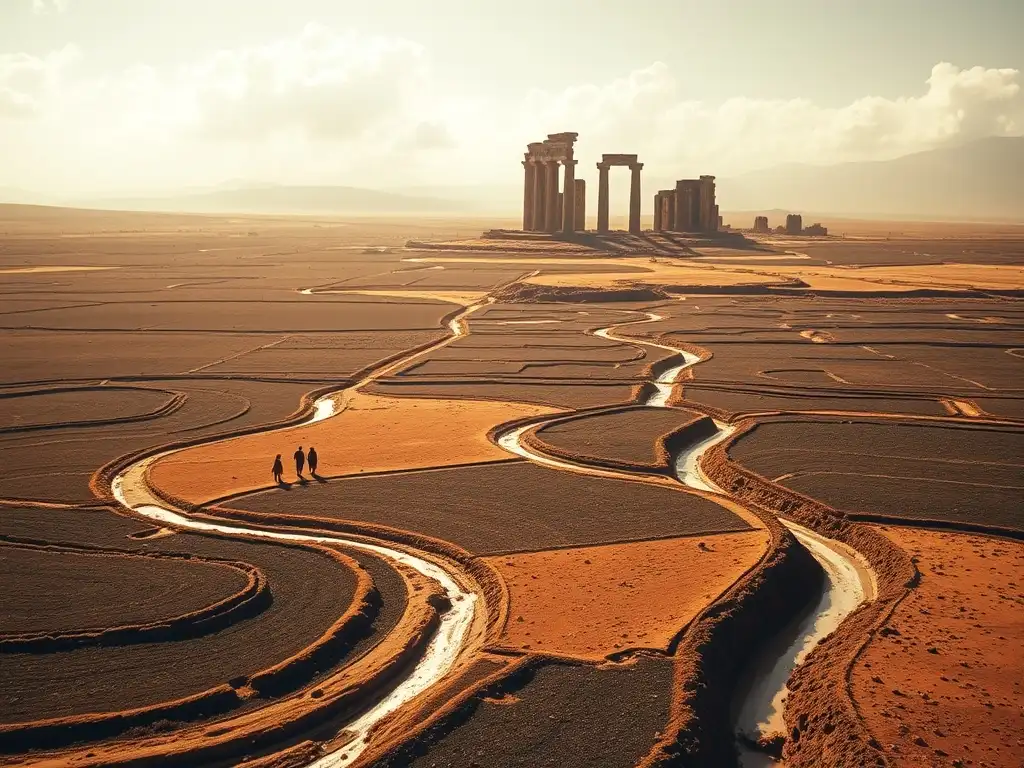
The success of the Tiahuanaco civilization, a powerful Andean culture flourishing between 500 and 1000 CE, hinged significantly on its sophisticated agricultural techniques. These weren't merely methods of food production; they were integral to the civilization's social structure, political stability, and remarkable longevity. Tiahuanaco's ability to feed a large and densely populated urban center, along with supporting a complex social hierarchy, is a testament to the ingenuity and effectiveness of its agricultural innovations.
The development of advanced irrigation systems, innovative crop cultivation methods, and a deep understanding of Andean ecology allowed Tiahuanaco to overcome the inherent challenges of the high-altitude Altiplano. The impact of these advancements reverberated through subsequent Andean cultures, shaping agricultural practices for centuries to come. Understanding Tiahuanaco's agricultural techniques provides crucial insight into the civilization's overall success and enduring legacy.
Supporting a Large and Complex Society
Tiahuanaco's population estimates vary, but archaeological evidence suggests a substantial urban center capable of supporting thousands of inhabitants. This wasn't a simple agrarian village; it was a complex society with specialized labor, intricate social hierarchies, and impressive monumental architecture. Feeding such a population in the harsh conditions of the Altiplano required a highly organized and productive agricultural system. Tiahuanaco's mastery of raised fields, also known as suka kollus, is a prime example.
These artificial islands, constructed in shallow lakes and marshes, provided ideal conditions for crop growth by improving drainage, soil fertility, and temperature regulation. This innovative approach maximized arable land in a region where suitable farmland was limited. Further boosting productivity was the implementation of sophisticated irrigation canals, diverting water from rivers and streams to irrigate fields located at considerable distances.
These canals, meticulously engineered and maintained, represented a significant investment of labor and resources, showcasing the importance of agriculture to the Tiahuanaco societal structure. Evidence suggests a sophisticated understanding of crop rotation and fertilization techniques, further enhancing yields and sustaining soil health over long periods. The ability to consistently produce surplus food was essential for supporting the non-agricultural population, including artisans, priests, and the ruling elite.
The Role of Agriculture in Tiahuanaco's Political Power
The control and distribution of agricultural resources were likely central to Tiahuanaco's political power. The organization required to manage large-scale irrigation projects, maintain raised fields, and regulate food distribution would have necessitated a strong central authority. The elite likely controlled access to land and water, giving them significant influence over the population.
The surplus food production facilitated the accumulation of wealth and resources, which were used to support the ruling class, fund public works projects (like the monumental architecture for which Tiahuanaco is famous), and potentially maintain a standing army. This control over essential resources solidified the political power of the Tiahuanaco leadership and ensured social stability. Archaeological evidence, such as the distribution of elite residences near key agricultural areas, points to this close connection between political power and agricultural production.
The successful management of agriculture, therefore, wasn't simply an economic matter; it was a crucial element of maintaining political control and social order within the Tiahuanaco state. The intricate network of canals and raised fields served not only as a practical agricultural system but also as a powerful symbol of the state's authority and control.
Legacy of Tiahuanaco's Farming Methods in the Andes
The impact of Tiahuanaco's agricultural innovations extended far beyond its own lifespan. Many of their techniques, particularly the construction of raised fields and the development of sophisticated irrigation systems, were adopted and adapted by subsequent Andean cultures. These methods proved remarkably resilient and effective, providing a model for sustainable agriculture in challenging high-altitude environments.
The legacy of Tiahuanaco's agricultural expertise can be seen in the agricultural practices of later civilizations such as the Inca, demonstrating a continuity in Andean agricultural knowledge and innovation. The enduring success of these methods underscores the ingenuity and foresight of Tiahuanaco's agricultural engineers and their profound contribution to the development of Andean agriculture. The understanding and application of Tiahuanaco's agricultural techniques remain relevant today, offering valuable insights for sustainable agriculture in similar environments.
The study of Tiahuanaco's agricultural systems provides a rich understanding of both past achievements and potential solutions for future challenges related to food security and environmental sustainability in the Andes. The legacy of Tiahuanaco's agricultural innovations continues to resonate, impacting both our understanding of the past and our approach to contemporary agricultural practices. Even today, these techniques offer valuable lessons in adapting to harsh environments and creating sustainable agricultural systems.
Tiahuanaco Agricultural Techniques: A Model for Sustainable Farming
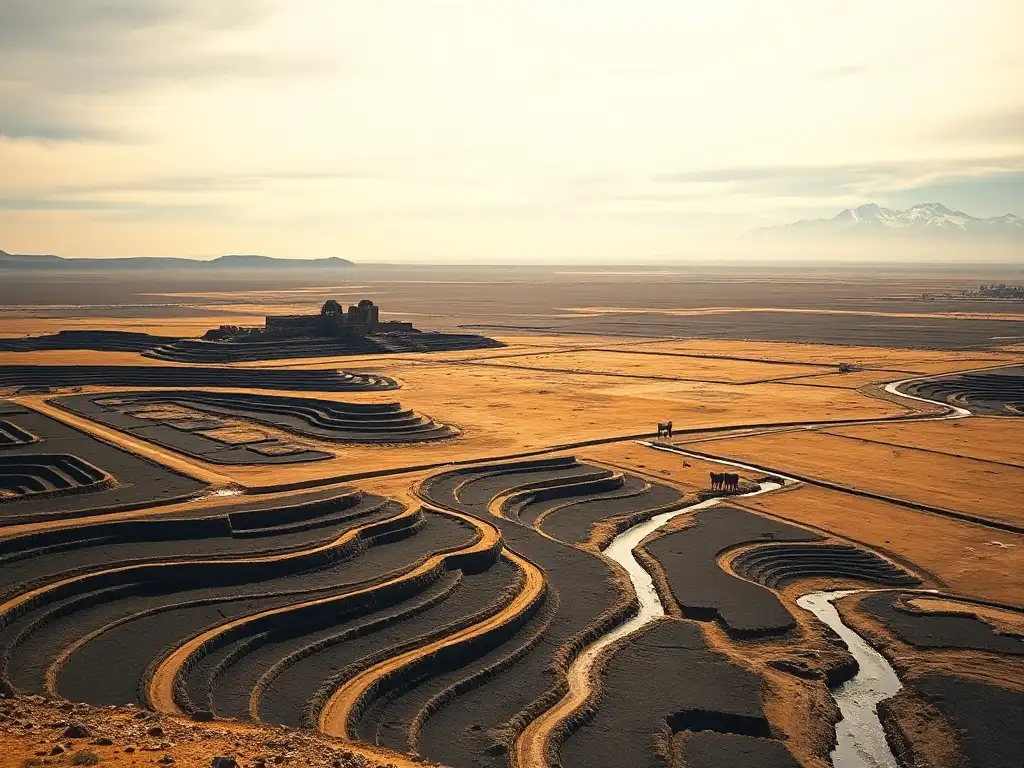
This section delves into the sophisticated agricultural techniques employed by the Tiahuanaco civilization, a testament to their ingenuity and adaptability in the challenging Andean altiplano environment. Their success in feeding a substantial population, despite the harsh conditions, offers valuable lessons for modern sustainable farming practices. Understanding their methods provides insights into water management, soil enrichment, and crop diversification, all crucial elements for resilient agricultural systems. The keyword phrase "Tiahuanaco agricultural techniques" is central to understanding their remarkable achievements.
Lessons for Modern Agriculture from Ancient Practices
Tiahuanaco's agricultural prowess wasn't merely a matter of luck; it was a carefully planned and executed system. Their mastery of raised fields, also known as suka kollus, is a prime example. These artificially elevated platforms, constructed from fertile soil and often surrounded by irrigation channels, created a microclimate more conducive to agriculture. They mitigated the effects of frost, improved drainage, and increased soil temperature, allowing for extended growing seasons.
This is a technique that resonates strongly with modern efforts to combat climate change and optimize land use. The ingenuity of the Tiahuanaco people in creating these raised fields, often in areas previously unsuitable for cultivation, represents a remarkable feat of engineering and agricultural innovation. They carefully selected locations to maximize sunlight and minimize frost damage, demonstrating a deep understanding of their environment.
The use of terracing further enhanced their agricultural output. By carving terraces into hillsides, they created level plots for cultivation, preventing soil erosion and maximizing arable land. This is a technique still widely used today, particularly in mountainous regions, highlighting the enduring relevance of Tiahuanaco's agricultural wisdom.
The meticulous construction of these terraces, often involving complex stonework, showcases their advanced understanding of hydrology and soil conservation. The precise alignment of the terraces, often oriented to maximize sunlight exposure, reveals a sophisticated knowledge of astronomy and its application to agriculture. Moreover, their understanding of water management was critical, and they employed intricate systems of canals and aqueducts to efficiently distribute water to their fields.
Furthermore, Tiahuanaco farmers practiced crop diversification, growing a variety of crops to ensure food security. This reduced their vulnerability to crop failures and provided a balanced diet for the population. Archaeological evidence suggests the cultivation of potatoes, quinoa, beans, and other Andean staples. This diversified approach is a core principle of modern sustainable agriculture, promoting resilience and reducing reliance on single crops. The careful selection of crops adapted to the high-altitude environment demonstrates a deep understanding of plant biology and ecological principles.
The Significance of Tiahuanaco's Agricultural Achievements
The agricultural innovations of Tiahuanaco were not merely practical; they were integral to the civilization's social, political, and economic structures. The ability to reliably produce surplus food supported a large and densely populated urban center, fostering economic specialization and the development of complex social hierarchies. The surplus also facilitated trade and exchange networks, connecting Tiahuanaco to other Andean communities. This underscores the profound link between agricultural success and societal development. Analyzing the impact of their agricultural techniques helps us understand the factors contributing to the rise and prosperity of this remarkable civilization.
The sophisticated water management systems, for example, were not only crucial for agriculture but also served as a powerful symbol of social control and centralized authority. The construction and maintenance of these systems required significant labor and coordination, further strengthening social bonds and emphasizing the importance of collective action. The intricate network of canals and aqueducts stands as a testament to their engineering prowess and social organization. Further research into the social structures related to water management and agriculture will likely reveal deeper insights into the political and economic organization of Tiahuanaco society.
Moreover, the success of Tiahuanaco's agricultural techniques provides valuable insights into the resilience of ancient Andean societies in the face of environmental challenges. Their ability to adapt to the harsh conditions of the altiplano offers lessons for contemporary efforts to address climate change and ensure food security in a world facing increasing environmental pressures. The enduring legacy of Tiahuanaco's agricultural innovations continues to inspire research and innovation in sustainable farming practices globally.
The study of their techniques offers a powerful example of how human ingenuity and environmental understanding can create sustainable and thriving societies, even in challenging environments. The enduring relevance of their achievements speaks volumes about the wisdom and foresight of the Tiahuanaco people.
Frequently Asked Questions
What were the main agricultural challenges faced by the Tiahuanaco?
The Tiahuanaco civilization faced challenges like high altitude, arid climate, and poor soil quality. Overcoming these was crucial for their survival and growth.
How did the Tiahuanaco overcome these challenges to feed their population?
They developed innovative agricultural techniques, including raised fields, terracing, and irrigation systems, to maximize crop yields in difficult conditions. This allowed them to support a large population.
What were raised fields, and how did they benefit Tiahuanaco agriculture?
Raised fields were artificially created platforms of fertile soil, built in swamps or wetlands. These fields improved drainage, soil aeration, and water retention, leading to increased crop production.
What role did irrigation play in Tiahuanaco's agricultural success?
Sophisticated irrigation systems were vital. They channeled water from distant sources to the fields, ensuring a constant water supply, even during dry seasons, crucial for reliable crop yields.
What crops were primarily cultivated by the Tiahuanaco people?
The Tiahuanaco cultivated various crops adapted to the high altitude, including potatoes, quinoa, and beans. These staple crops formed the base of their diet and sustained their population.
Final Reflection: The Enduring Legacy of Tiahuanaco's Agricultural Ingenuity
The sophisticated agricultural techniques employed by the Tiahuanaco civilization remain a powerful testament to human adaptability and ingenuity, offering crucial lessons for addressing modern food security challenges. Their innovative solutions to the harsh Andean environment, from raised fields to intricate water management systems, continue to inspire awe and provide a blueprint for sustainable agriculture in the face of climate change. The ingenuity of the Tiahuanaco people serves as a potent reminder of what is possible when faced with seemingly insurmountable obstacles.
The impact of Tiahuanaco's agricultural innovations extends far beyond the realm of archaeology; it resonates deeply within contemporary discussions surrounding sustainable food production and environmental stewardship. Their mastery of water resource management, in particular, offers a compelling model for arid and semi-arid regions struggling with water scarcity. The past is never dead. It's not even past,
wrote William Faulkner, and the echoes of Tiahuanaco's agricultural prowess continue to shape our understanding of how to feed a growing global population sustainably. Their achievements force us to confront our own responsibility in creating a future where food security is not a privilege, but a right.
Consider the ingenuity of the Tiahuanaco people – their ability to transform a seemingly inhospitable landscape into a thriving agricultural hub. Now, consider your own life, your own community. What challenges do you face, and what innovative solutions can you contribute to ensure a sustainable and equitable future for all? Let the legacy of Tiahuanaco inspire you to embrace creativity, resourcefulness, and collaboration in tackling the pressing issues of our time. The future of food security depends on our collective ability to learn from the past and build a better tomorrow.
Unleash Your Inner Innovator!
Thank you for joining us on this exploration of Tiahuanaco's remarkable agricultural achievements. We hope you gained valuable insights into how this ancient civilization thrived by adapting to its challenging environment. Now, let's translate that inspiration into action by exploring the possibilities of sustainable practices today.
Here's how you can get involved:
- Start a home garden: Whether it's a small herb garden on your windowsill or a larger vegetable patch, growing your own food is a rewarding way to connect with sustainable agriculture.
- Share your newfound knowledge: Discuss what you learned about Tiahuanaco's ingenious farming techniques with friends, family, or online communities. Inspiring others is crucial for building a wider awareness of sustainable practices.
- Participate in local workshops: Look for classes or workshops on permaculture, organic gardening, or traditional farming methods in your area. Learning alongside others will deepen your understanding and enhance your practical skills.
What sustainable agricultural practices will you implement to create a thriving and productive space? Share your ideas below!