
Beyond the Domestic Sphere: Women's Contribution to Andean Society

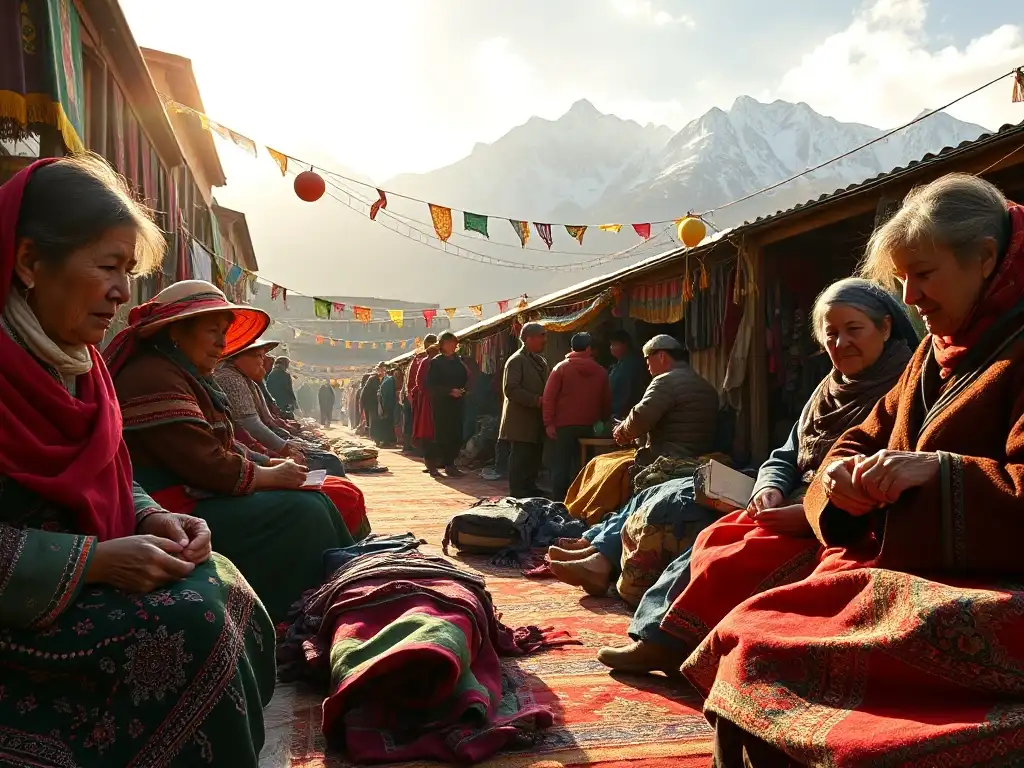
Step into a world lost to time, yet echoing with untold stories. For centuries, the grandeur of the Andean civilizations has captivated imaginations, but one narrative has remained largely hidden: the crucial role of Andean women. This website delves into the fascinating history, culture, and achievements of the Incas, Moche, Nazca, and Tiahuanaco, but we begin with a revelation. Prepare to challenge your assumptions as we explore "Andean women's roles history," and uncover the remarkable contributions of these powerful figures who shaped the very fabric of Andean society. Dare to discover their legacy.
The history of Andean civilizations is often presented through a predominantly masculine lens, focusing on powerful emperors and military conquests. However, this narrative significantly underrepresents the crucial roles women played in shaping these societies. This article aims to redress this imbalance by exploring the multifaceted contributions of Andean women, moving beyond the limited portrayal of them solely as domestic figures.
We will delve into the diverse roles women held across various Andean cultures, including the Incas, Moche, Nazca, and Tiahuanaco, highlighting their involvement in agriculture, textile production, religious practices, and even political leadership. Understanding the true extent of Andean women's influence is essential for a complete and accurate understanding of the rich tapestry of Andean history.
This exploration will reveal how their contributions extended far beyond the domestic sphere, significantly impacting the social, economic, and spiritual fabric of their communities. The keyword "Andean women's roles history" will be explored through specific examples and evidence to paint a more complete picture of their vital contributions.
Introduction to Andean Women's Roles History
The traditional view of Andean women's roles often confines them to the domestic sphere – managing households, raising children, and performing agricultural tasks. While these were undoubtedly significant aspects of their lives, a deeper examination reveals a far more complex and influential reality. Archaeological evidence, combined with colonial-era accounts (though requiring critical interpretation due to potential biases), reveals women's participation in various economic activities beyond the home.
For example, in many Andean societies, women were actively involved in textile production, a highly valued skill that contributed significantly to the economic strength and cultural identity of their communities. The intricate weaving techniques and the symbolic meanings embedded in their textiles demonstrate a sophisticated level of artistry and knowledge. Furthermore, women's roles in agriculture extended beyond simple cultivation; they held specialized knowledge of medicinal plants and agricultural practices, contributing to food security and community well-being.
This section will lay the groundwork for a more nuanced understanding of Andean women's history by dispelling common misconceptions and introducing the diverse aspects of their lives. We will explore how their contributions went far beyond the domestic realm, impacting religious practices, political structures, and the overall social fabric of Andean societies.
Women in Andean Agriculture and Textile Production
Andean women were not merely passive participants in agricultural practices; they held specialized knowledge and played crucial roles in food production. Evidence suggests women were responsible for cultivating certain crops, managing irrigation systems, and possessing detailed understanding of soil types and planting cycles. Their knowledge of medicinal plants and their applications was also vital for community health.
Beyond agriculture, textile production was a predominantly female domain. Women's expertise in spinning, weaving, and dyeing textiles was highly valued, and their creations served not only practical purposes but also held significant symbolic and religious meaning. The intricate designs and techniques employed often reflected their deep understanding of Andean cosmology and mythology.
The production and trade of textiles also played a significant role in the Andean economy, demonstrating the substantial economic contribution of women. Specific examples, such as the intricate textiles from the Nazca culture, showcase the high level of skill and artistry possessed by Andean women. The vibrant colors and complex designs of these textiles demonstrate the sophisticated techniques and knowledge passed down through generations of women.
Women's Roles in Andean Religion and Rituals
The religious practices of Andean civilizations often involved significant participation from women. While the specific roles varied across different cultures, women frequently served as priestesses, healers, and participants in important rituals. Their knowledge of medicinal plants and healing practices was deeply intertwined with religious beliefs, making them essential figures in community health and spiritual well-being. Furthermore, archaeological findings suggest women held positions of authority within religious contexts, such as the discovery of female mummies adorned with elaborate jewelry and burial goods, indicating high social status and religious importance.
The involvement of women in religious rituals and ceremonies highlights their significant spiritual authority and influence within Andean societies. This contrasts sharply with the limited view of women's participation in religious life often presented in historical narratives. Further research is needed to fully understand the complex relationship between women and religion in the diverse Andean cultures.
While often overlooked, evidence suggests that women held positions of influence and authority within Andean societies, challenging the traditional narrative of solely male leadership. Although precise details vary depending on the specific culture and time period, some accounts and archaeological findings indicate women's participation in political decision-making processes and their roles as leaders within their communities.
The existence of female rulers or influential figures within certain Andean societies suggests a more complex and nuanced social structure than previously understood. Further investigation into the social organization of various Andean cultures is crucial for a more comprehensive understanding of women's political and social roles.
While the extent of their influence is still under investigation, the available evidence points towards a more significant role for women in Andean politics than previously acknowledged. This calls for a reevaluation of traditional narratives and a greater focus on uncovering the hidden histories of women's power and influence.
- Introduction to Andean Women's Roles History
- Women in Andean Agriculture and Textile Production
- Women's Roles in Andean Religion and Rituals
- Political and Social Influence of Andean Women
- What roles did women play in Andean societies beyond the domestic sphere?
- How did Andean women's textile production impact their societies?
- What evidence exists to support the significant roles of women in Andean religion?
- Did Andean women participate in political life?
- How did the Spanish conquest impact the roles of Andean women?
Challenging Traditional Views of Andean Women
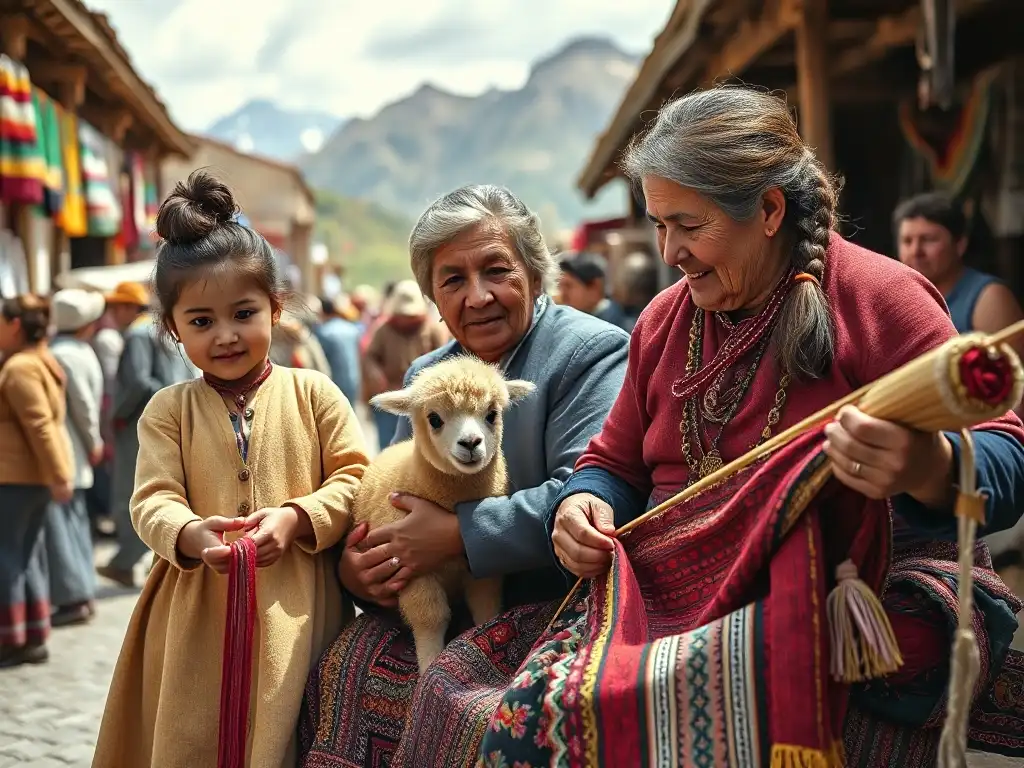
For many years, the narrative surrounding Andean civilizations often minimized or overlooked the significant contributions of women. Traditional historical accounts, often based on limited archaeological evidence and biased interpretations, tended to portray Andean women primarily within the domestic sphere, relegating them to roles of wives, mothers, and weavers. This limited perspective obscured the multifaceted roles women held and the profound impact they had on the social, economic, and political fabric of their societies. This section aims to challenge these outdated views, presenting a more nuanced and accurate portrayal of Andean women's lives and achievements. By examining diverse archaeological findings and reinterpreting existing data through a feminist lens, we can begin to appreciate the complexity and significance of women's participation in Andean societies. The keyword phrase "Andean women's roles history" is central to this reevaluation, demanding a deeper dive into the available evidence and a critical approach to previously held assumptions.
Debunking Myths About Women in Ancient Andes
One persistent myth is the notion of Andean women as solely domestic figures. While domestic tasks like weaving, food preparation, and childcare were undoubtedly important aspects of their lives, to limit their roles to this sphere is a gross oversimplification. Archaeological evidence consistently reveals women's involvement in agriculture, pottery production, textile production beyond the domestic sphere, and even in religious ceremonies.
For example, textiles found in various Andean sites display intricate designs and techniques indicative of advanced skills and specialized labor, suggesting the existence of female textile specialists who held significant social status. The discovery of female mummies adorned with elaborate jewelry and buried with prestigious artifacts further supports this assertion. These findings challenge the simplistic view of Andean women confined solely to the home and highlight their participation in activities that extended far beyond the domestic realm.
Moreover, the assumption that women's roles were uniformly defined across all Andean cultures needs to be challenged. Cultural variations existed, and understanding these nuances is crucial for a complete picture of Andean women's history. Further research, particularly focusing on less-studied Andean groups, is needed to fully understand the diversity of women's experiences.
The Complexity of Gender Roles in Andean Civilizations
The reality of gender roles in Andean societies was far more intricate than previously acknowledged. While patriarchal structures undoubtedly existed in some forms, the rigid binary of male dominance and female subservience often presented in historical narratives fails to capture the complexities of Andean social organization. Evidence suggests that women held positions of power and influence in various contexts. For instance, some archaeological sites reveal the presence of female elites buried with grave goods comparable to those of male elites, indicating their high social standing and political power.
Furthermore, the roles of women as religious leaders, healers, and shamans are increasingly recognized. These roles often involved access to spiritual knowledge and authority, challenging the traditional view of women as solely subordinate to men. The concept of ayllu, the Andean kinship system, also played a significant role in shaping gender roles. While the ayllu system often emphasized a hierarchical structure, women occupied vital positions within the community, contributing significantly to its economic and social well-being.
Their roles were interconnected and interdependent with those of men, creating a complex system of gender relations that requires further investigation to fully comprehend. The study of Andean women’s roles requires a multifaceted approach, incorporating archaeological analysis, ethnographic studies, and a critical review of existing historical interpretations. This nuanced approach will uncover a more complete and accurate understanding of their contributions to Andean history, moving beyond simplistic and inaccurate generalizations.
Diverse Roles of Women Across Andean Cultures
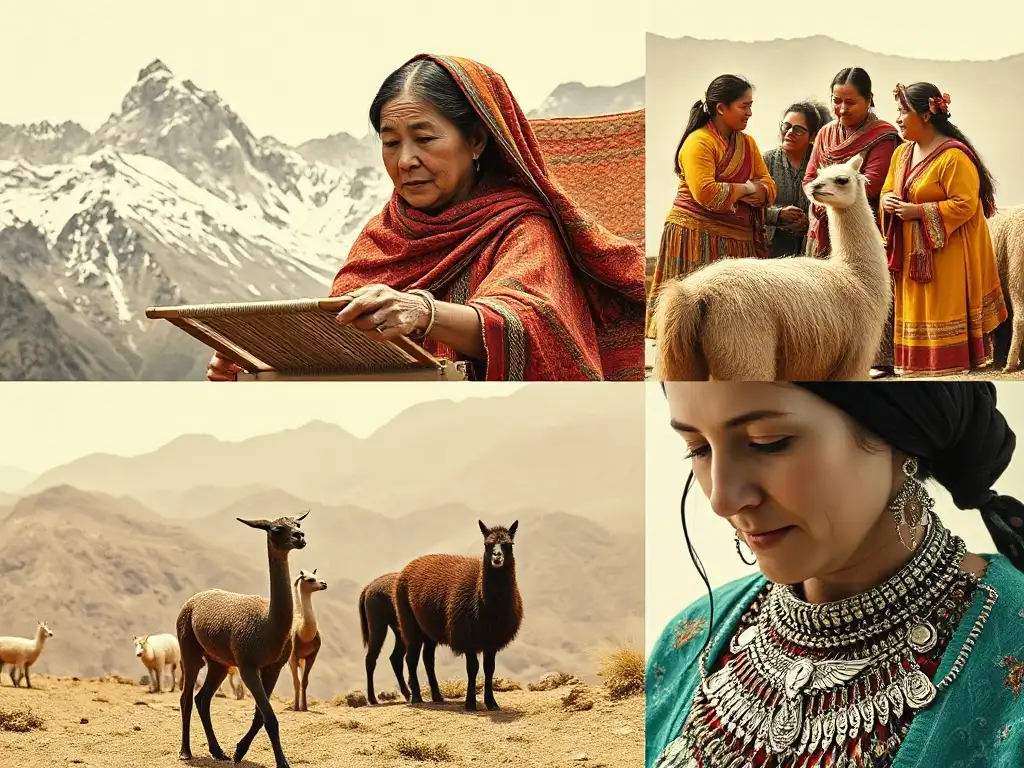
This section delves into the multifaceted roles women held within various Andean societies, challenging the often-oversimplified narratives that marginalize their contributions. Understanding the diverse experiences of Andean women necessitates examining specific cultures and their unique social structures. While generalizations can be misleading, common threads of economic participation, religious influence, and social standing emerge across different groups, demonstrating the significant impact Andean women had on the shaping of their societies. The keyword "Andean women's roles history" is central to understanding this complex tapestry of influence.
Women in Inca Society: Power and Influence
The Inca Empire, renowned for its sophisticated organization, offered women opportunities for social mobility and influence not always seen in other Andean cultures. While patriarchal structures existed, Inca women held positions of power and played crucial roles in both the domestic and public spheres. The extent of their influence varied depending on social class, but their contributions were undeniably significant.
Royal Women and Their Political Significance
Inca royal women, qoya, held immense political power. As wives of the Sapa Inca, they wielded considerable influence over court affairs and often acted as advisors to their husbands. Their lineage and family connections were crucial to maintaining political stability and forging alliances. The qoya controlled significant resources and land, and their decisions impacted economic policies and social structures. Their influence extended beyond the royal court, as they held a respected position within the wider society. For example, the qoya often played a vital role in mediating disputes and representing the Inca interests in interactions with other communities.
Priestesses and Religious Roles in the Inca Empire
Beyond the royal court, women also held significant religious roles within the Inca Empire. Priestesses, known as mamaconas, served in various capacities within the Inca religious system, participating in ceremonies, rituals, and the maintenance of sacred sites. They were responsible for the preparation of offerings, the care of sacred objects, and the interpretation of religious omens.
Their knowledge and expertise in religious matters gave them a position of authority and respect within their communities. While the exact extent of their influence is subject to ongoing scholarly debate, the presence of women in religious leadership positions significantly challenges the notion of a purely male-dominated religious landscape in the Inca Empire. Further research on the specific roles and responsibilities of mamaconas within different Inca regions is needed to completely understand their varied contributions.
Moche Women: Art, Ritual, and Society
The Moche culture (circa 100-800 CE), famous for its elaborate pottery and intricate metalwork, presents a different perspective on women's roles in Andean society. Moche art provides invaluable insights into their social standing and participation in various aspects of life. Unlike the Inca, who maintained centralized power, the Moche social structure was likely more decentralized, with power distributed among various elites and communities.
Moche Female Iconography and Its Interpretations
Moche pottery frequently depicts women in powerful and diverse roles. Many ceramics showcase women participating in rituals, warfare, and agricultural activities. These depictions challenge traditional views of women's roles as solely confined to the domestic sphere. The iconography suggests a significant level of social influence and participation in both public and private life. However, the interpretations of these images remain a subject of ongoing debate among scholars, with differing views on the precise meaning and social implications of these representations. More research, incorporating interdisciplinary perspectives, is needed to fully understand the complexities of Moche gender roles.
Women's Participation in Moche Ceremonies
Evidence suggests that women played an active role in Moche religious ceremonies. Depictions on pottery show women participating in rituals, possibly as priestesses or shamans. Their involvement suggests that women held positions of authority and influence within the religious sphere. The specific nature of their participation remains unclear, but the imagery strongly suggests a significant role beyond merely passive observation.
Further research into Moche burial sites and the analysis of associated artifacts could provide a clearer understanding of women’s participation in religious and ritualistic contexts. The careful examination of Moche textiles and other artifacts may also reveal additional information about women's roles in daily life and society. The study of Moche women's roles is a dynamic field of research, with new discoveries constantly enriching our understanding of their contributions to this vibrant Andean culture.
Women in Nazca Culture: Beyond Geoglyphs
The Nazca culture, famed for its enigmatic geoglyphs etched into the desert landscape, presents a more nuanced picture of women's roles than initially apparent. While the monumental scale of the geoglyphs often overshadows other aspects of Nazca society, archaeological evidence increasingly reveals the significant contributions of women. Their participation extended beyond the domestic sphere, encompassing crucial roles in craft production, religious practices, and potentially even political influence.
The limited textual sources available, primarily ceramic iconography and limited textiles, require careful interpretation, but the emerging evidence challenges traditional interpretations that prioritize men in positions of power. Further research, particularly focusing on less-studied archaeological sites and a more thorough analysis of existing artifacts, is crucial to fully understand the complexities of women's lives in Nazca society.
The careful examination of burial sites, textile production techniques, and the iconography present on ceramic vessels promises to unveil a more complete and accurate portrayal of their societal contributions. The ongoing efforts of archaeologists are slowly revealing a more complex and multifaceted narrative of Nazca society, highlighting the essential role of women in maintaining its social fabric and cultural legacy.
The Role of Women in Nazca Craft Production
Analysis of Nazca textiles and ceramics reveals a significant level of female involvement in craft production. The intricate designs and technical skill evident in many textiles strongly suggest specialized training and a high level of expertise among female artisans. These textiles, often found in elite burials, weren't merely decorative items; they served important social and religious functions, highlighting the value placed upon the women who created them.
Furthermore, the consistent presence of female figures depicted in ceramic art engaged in textile production further reinforces this interpretation. These depictions aren't simply symbolic; they are likely realistic representations of everyday life, illustrating the integral role women played in this crucial aspect of Nazca economy and social organization.
The artistry and skill demonstrated in these crafts suggest a level of social status and respect afforded to these female artisans, challenging the notion that craft production was solely a domestic activity. Further study could uncover more detailed information on the organization of craft production, including potential guilds or workshops where women collaborated.
Evidence of Women's Burials and Social Status
Examination of Nazca burial sites provides further insights into the social standing of women. While the interpretation of burial goods remains complex and subject to ongoing debate, the presence of elaborate grave goods in some female burials suggests a higher social status for certain women.
These goods, including fine textiles, ceramics, and other valuable items, indicate a level of wealth and social influence that challenges the traditional patriarchal view of Andean societies. The presence of these artifacts in female burials, comparable in quality and quantity to those found in male burials, strongly suggests that certain women held positions of power and influence within the Nazca social structure.
Moreover, the careful analysis of skeletal remains can provide additional information on the health, diet, and lifestyle of these women, further enriching our understanding of their lives and social roles. The ongoing research into these burial sites continues to provide crucial evidence to reshape our understanding of gender dynamics within Nazca society.
Tiahuanaco Women: Trade and Community Leadership
The Tiahuanaco culture, known for its impressive monumental architecture and sophisticated social organization, presents compelling evidence of women's significant roles in both trade and community leadership. Their participation extended beyond the domestic sphere, impacting the economic and political life of this influential Andean civilization. While traditional narratives often focus on male rulers and warriors, a closer examination of the archaeological record, particularly concerning trade networks and community organization, reveals a more inclusive picture of Tiahuanaco society.
The evidence suggests that women played a crucial role in the functioning of the complex social and economic systems of Tiahuanaco. Further research is necessary to fully understand the extent of their influence and the specific mechanisms through which they exerted their power.
Women's Involvement in Tiahuanaco Trade Networks
Archaeological evidence suggests a substantial role for women in Tiahuanaco's extensive trade networks. The presence of female figurines associated with trade goods, along with the discovery of female burials containing items from distant regions, indicates their participation in long-distance exchange. These items, ranging from exotic materials to finished goods, highlight the women's access to resources and their involvement in the economic life of Tiahuanaco.
The nature of their involvement remains a subject of ongoing research, but it is likely that women played various roles, from traders and merchants to intermediaries and facilitators of exchange. Analyzing the distribution of trade goods and their association with female figures in art and burials will further illuminate women's participation in this vital aspect of Tiahuanaco society. This nuanced view counters the simplified narratives that often overlook the economic contributions of Andean women.
Female Leadership within Tiahuanaco Communities
While definitive proof of female political leadership in Tiahuanaco is still debated, archaeological evidence hints at a possible presence of women in positions of power within community structures. The iconography found on Tiahuanaco artifacts, although often open to interpretation, sometimes depicts female figures in roles that suggest authority and influence.
The careful study of these representations, combined with analysis of burial sites and societal organization, is essential to further investigate the possibility of female leadership. The absence of clear textual records makes the task challenging, but the combination of archaeological findings and anthropological interpretations may yet reveal more about the role of women in Tiahuanaco's political landscape.
Further research focusing on the social structure and power dynamics within Tiahuanaco communities is crucial to fully understand the extent of female influence and leadership. The ongoing archaeological investigations and interdisciplinary studies promise to shed more light on this fascinating aspect of Andean history.
Economic Contributions of Andean Women
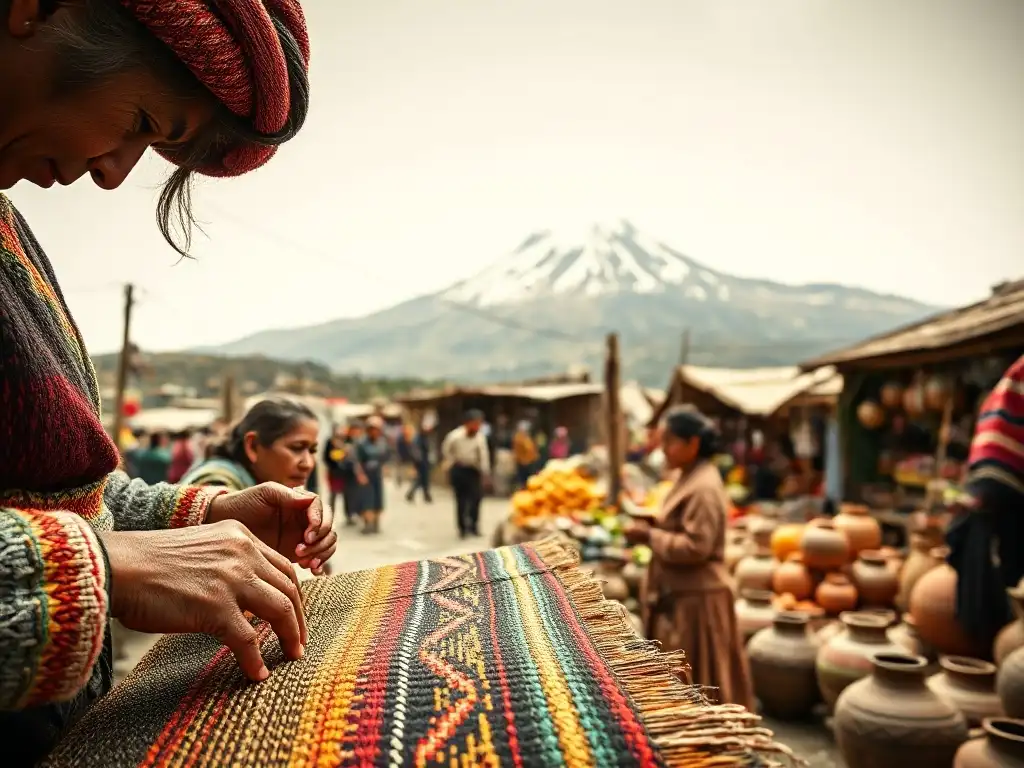
Andean women's roles history is far richer and more complex than often portrayed. While traditional narratives frequently focus on the domestic sphere, a deeper examination reveals significant economic contributions that were crucial to the survival and prosperity of Andean societies. Their roles extended far beyond the home, impacting agriculture, craft production, and trade networks.
This section will delve into the multifaceted economic contributions of Andean women, challenging simplistic interpretations of their societal roles. The term "Andean women" encompasses a vast diversity of experiences across different cultures and time periods, and generalizations should be approached with caution. However, common threads of economic agency emerge across various Andean societies.
Agriculture and Textile Production: Essential Female Roles
Agriculture formed the backbone of Andean economies, and women played a vital role in its success. Their contributions extended beyond simple tasks; they were key players in the complex agricultural systems, possessing specialized knowledge and skills. Evidence from archaeological sites suggests women's involvement in various stages of agricultural production, from planting and weeding to harvesting and processing. For instance, the meticulous cultivation of potatoes, a staple crop, required considerable expertise in soil management, irrigation techniques, and crop rotation – skills passed down through generations of women.
Furthermore, textile production was another crucial area where women's expertise was indispensable. The creation of textiles wasn't merely a domestic activity; it was a significant economic force. Women were responsible for raising the animals providing the wool (llamas and alpacas), spinning the yarn, weaving intricate fabrics, and dyeing them with natural pigments. These textiles served not only as clothing but also as important trade goods, contributing significantly to the Andean economies.
The quality and artistry of Andean textiles are renowned, reflecting the advanced techniques and skills mastered by women over centuries. The vibrant colors and intricate designs served as markers of social status and cultural identity. The economic value of these textiles should not be underestimated.
Women as Potters and Craftswomen
Beyond agriculture and textiles, Andean women excelled as potters and craftswomen, producing a wide range of goods for both domestic use and trade. Archaeological findings consistently reveal women's involvement in pottery production, demonstrating their mastery of complex techniques and their contribution to the aesthetic development of Andean ceramics. The diversity and sophistication of Andean pottery, from simple utilitarian vessels to elaborate ceremonial pieces, highlight the skill and artistry of these women. Their work was not only functional but also held cultural significance, often adorned with intricate designs and symbolic motifs.
Moreover, women's craftsmanship extended beyond pottery. They created intricate jewelry, skillfully worked metals, and produced other valuable crafts. These items were used not only for personal adornment but also played a crucial role in ceremonial practices and trade, contributing to the economic well-being of their communities. The economic impact of women's craft production is often overlooked, yet it was a vital component of the Andean economic system. Further research is needed to fully understand the extent of women's participation in different craft specializations across various Andean cultures.
The Importance of Women in Andean Market Systems
The economic influence of Andean women extended into the vibrant market systems that thrived throughout the Andes. While men might have controlled some aspects of long-distance trade, women were undeniably central to local markets and exchange networks. They were active participants in the daily exchange of goods, often selling their agricultural produce, textiles, and crafts. Their participation was crucial to the functioning of these markets and the distribution of essential goods within communities. These women were not just passive sellers; they were shrewd negotiators, demonstrating economic acumen and agency in their transactions.
The Andean market systems were more than just places for economic exchange; they were social hubs where information was shared, relationships were built, and community cohesion was strengthened. Women's presence in these spaces highlights their role not only as economic actors but also as crucial social agents. Their participation contributed to the social and economic stability of Andean societies.
Further investigation into the specific roles of women in different market systems across the Andes would provide a richer understanding of their economic influence. More detailed studies of market structures and the documented presence of women in these spaces are needed to fully appreciate their contribution to the Andean economy.
Andean Women's Spiritual and Religious Significance
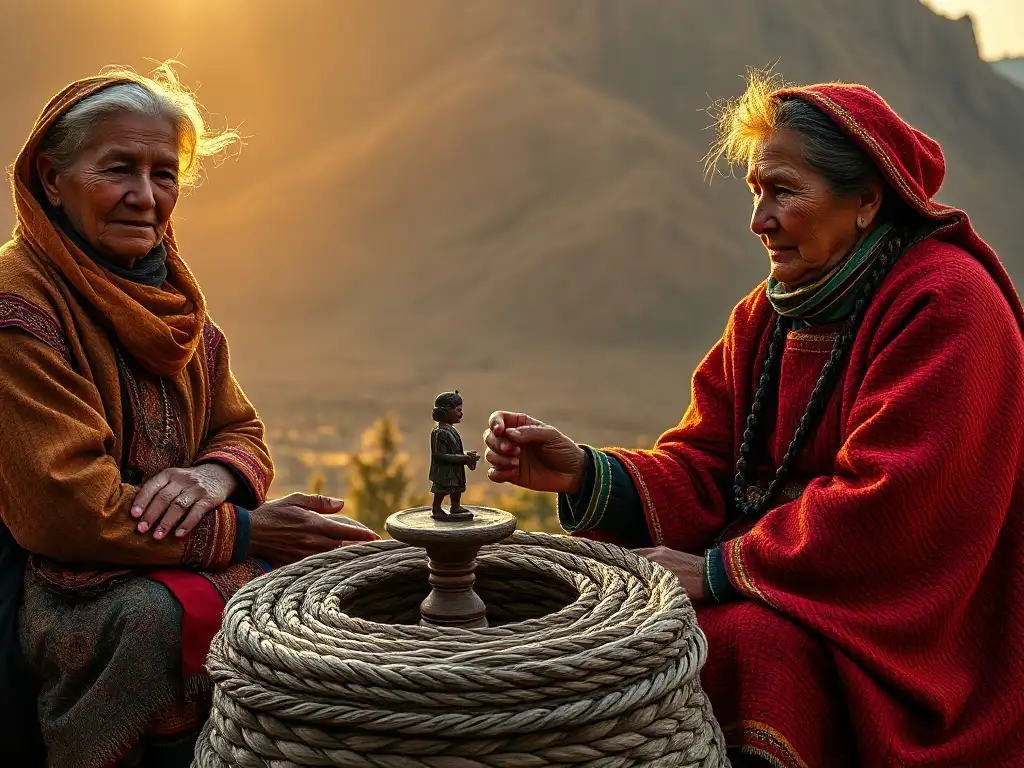
The understanding of Andean women's roles in history requires acknowledging their profound spiritual and religious influence, often overlooked in traditional narratives focused solely on political power structures. Contrary to the common misconception of a purely patriarchal society, Andean cultures displayed a complex interplay of gender roles, where women held significant spiritual authority and played crucial roles in maintaining the cosmological balance. This section delves into the multifaceted spiritual contributions of Andean women, examining their roles as both active participants and central figures in religious practices.
The vibrant tapestry of Andean spirituality cannot be fully appreciated without acknowledging the crucial role women played in shaping and sustaining it. This is crucial for a complete understanding of "Andean women's roles history".
Female Deities and Their Importance in Andean Beliefs
Many Andean pantheons included powerful female deities who held sway over crucial aspects of life, from fertility and agriculture to weaving and healing. Mama Pacha, the Earth Mother, is a prime example. She represented the life-giving force of the earth, embodying both creation and destruction.
Her veneration was widespread across various Andean cultures, emphasizing the deep connection between women and the natural world. Furthermore, the worship of Mama Killa, the Moon Goddess, highlights the importance of celestial bodies in Andean cosmology and the association of women with lunar cycles and their influence on life and fertility. These deities were not merely passive symbols; they actively participated in shaping the world and influencing the lives of the Andean people, demonstrating the significant power and influence attributed to women in the spiritual realm.
Understanding the importance of these female deities is essential to a nuanced perspective on "Andean women's roles history". Further research is needed to fully document the specific attributes and worship practices associated with lesser-known female deities in different Andean regions [specific information pending].
Women as Shamans and Healers in Andean Societies
Beyond their roles as venerated deities, Andean women also served as powerful shamans and healers, wielding significant spiritual authority within their communities. Their expertise in herbal medicine, diagnostic practices, and ritual healing made them indispensable figures in Andean societies. These women, often referred to as yachac mama (wise women) or similar titles depending on the specific culture, were not simply healers; they acted as intermediaries between the human and spiritual realms, possessing the ability to interpret dreams, communicate with spirits, and perform rituals to restore balance and well-being. Their knowledge was passed down through generations, ensuring the continuity of healing traditions and strengthening the social fabric of Andean communities. This is a critical aspect of "Andean women's roles history" often overlooked. Archaeological evidence, such as the discovery of medicinal plants associated with female burials, supports the crucial role women played in Andean healthcare and spiritual practices. [Specific archaeological examples pending].
The Role of Women in Andean Rituals and Ceremonies
Andean rituals and ceremonies frequently involved women in central roles, highlighting their active participation in maintaining the cosmic order and ensuring the well-being of their communities. From agricultural rituals aimed at ensuring bountiful harvests to ceremonies related to life cycle events (births, marriages, deaths), women played a vital part, often leading or participating in key aspects of the proceedings. Their participation wasn't merely symbolic; it reflected their deep understanding of Andean cosmology and their ability to connect with the spiritual world.
For example, women often played a significant role in textile production, and the creation of sacred textiles was deeply intertwined with ritual practices, further solidifying their spiritual influence. This active engagement in religious life demonstrates that "Andean women's roles history" is one of active participation in shaping both the material and spiritual lives of their communities. The specific roles of women varied across different Andean cultures and regions, necessitating further research to fully document the diversity of their contributions [specific regional variations pending].
The study of Andean textiles, for instance, offers valuable insights into the religious and ceremonial roles of women. The intricate designs and symbolic representations woven into these textiles often reflect cosmological beliefs and ritual practices.
The Legacy of Andean Women: Shaping History
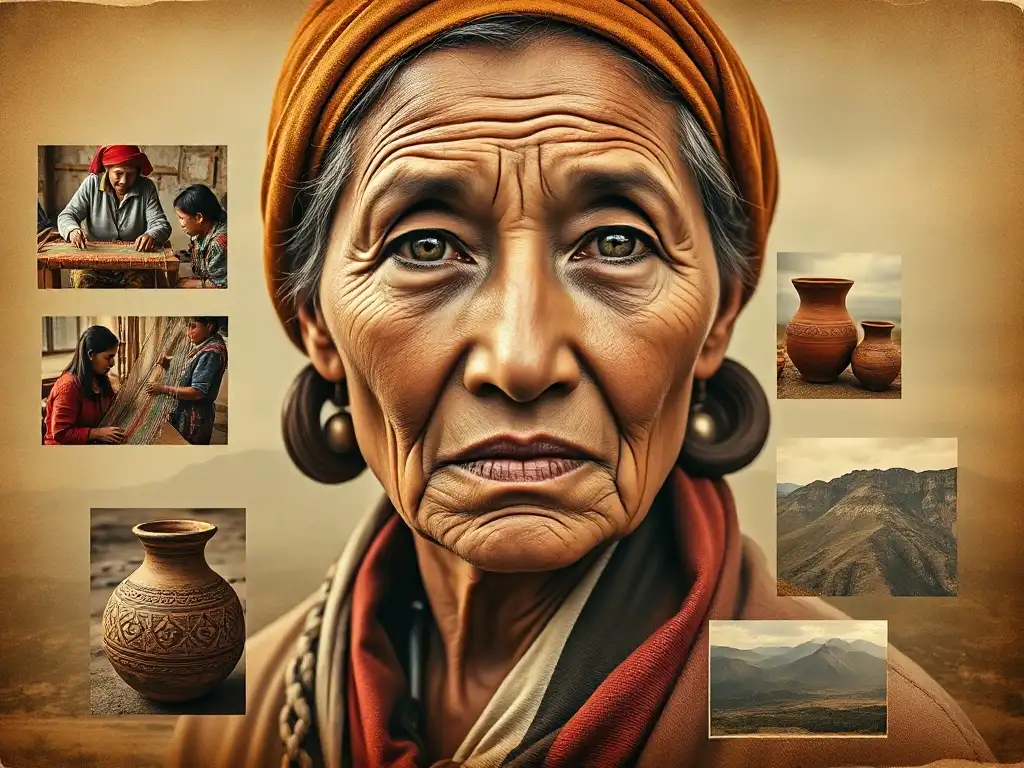
This section delves into the often-overlooked contributions of Andean women, challenging traditional narratives that minimize their roles in the development and sustenance of Andean societies. The historical record, while frequently biased towards male perspectives, reveals a complex tapestry of female influence across various facets of Andean life, from religious leadership and political power to economic production and social organization.
Understanding the multifaceted roles of Andean women is crucial for a comprehensive understanding of "Andean women's roles history" and a more accurate depiction of these remarkable civilizations. We will examine specific examples and analyze how their actions shaped the cultural landscape and enduring legacy of the Andes.
The narratives presented here aim to provide a more nuanced perspective on Andean women's contributions, moving beyond simplistic generalizations to reveal the depth and breadth of their impact. This analysis will highlight how their influence extended far beyond the domestic sphere, impacting religious practices, economic systems, and social structures.
Mama Ocllo: Mythical Founder and Cultural Heroine
Mama Ocllo, a figure prominent in Inca mythology, represents a powerful archetype of the Andean woman. While her historical existence remains debated, her enduring presence in Inca legends speaks volumes about the societal ideals and aspirations surrounding women's roles. Often depicted as a wife of Manco Cápac, the legendary founder of the Inca Empire, Mama Ocllo is credited with introducing crucial agricultural techniques, weaving practices, and social customs.
Her mythical status highlights the importance attributed to women in the transmission of knowledge and the establishment of societal norms. The myths surrounding her often portray her as a skilled administrator and a wise leader, suggesting that the Inca worldview valued female capabilities beyond domesticity. Analyzing these narratives reveals a complex representation of feminine power, intertwined with the creation myths and the foundation of the Inca state.
Further research into regional variations of the Mama Ocllo myth could provide additional insights into the diverse perceptions of women's roles within different Inca communities. The prominence of Mama Ocllo in Inca stories underscores the significance of women in shaping Inca ideology and its transmission through generations, a vital aspect of understanding "Andean women's roles history."
The Enduring Impact of Women on Andean Culture
Beyond mythology, archaeological evidence and ethnographic studies reveal the significant contributions of Andean women in various societal spheres. Textiles, for example, were not merely domestic crafts but served as crucial economic commodities and mediums for artistic expression. Women were skilled weavers, producing intricate textiles that held significant social and religious meaning. These textiles were used in ceremonies, traded as valuable goods, and served as indicators of social status.
Similarly, women played vital roles in agriculture, participating in the cultivation of crops, the management of resources, and the preservation of food. Their knowledge of medicinal plants and healing practices further solidified their importance within their communities. Furthermore, the participation of women in religious ceremonies and rituals is evidenced in archaeological finds and colonial accounts. Their roles ranged from priestesses to participants in sacred rites, demonstrating their spiritual authority and influence.
This evidence challenges the notion that Andean women were confined solely to the domestic sphere. Their involvement in economic production, religious practices, and social organization significantly contributed to the overall well-being and development of Andean societies. The lasting legacy of Andean women in these areas is a crucial element in understanding "Andean women's roles history."
Reevaluating the Historical Narrative of Andean Civilizations
The study of "Andean women's roles history" requires a critical re-evaluation of existing historical narratives. Traditional historical accounts, often written from a colonial perspective, frequently marginalized or ignored the contributions of women. This bias resulted in an incomplete and inaccurate representation of Andean societies.
By examining archaeological evidence, analyzing indigenous oral traditions, and employing feminist methodologies, historians can begin to recover the lost voices and reclaim the significant roles played by Andean women. This process requires a conscious effort to challenge existing biases and interpretations, incorporating diverse perspectives and methodologies to achieve a more holistic understanding. A collaborative approach, involving archaeologists, anthropologists, historians, and indigenous communities, is crucial for this undertaking.
The ultimate goal is to create a more accurate and representative historical narrative that acknowledges the multifaceted contributions of Andean women and their lasting impact on Andean civilizations. This ongoing revision of historical accounts is vital for a true appreciation of Andean women’s roles and their impact on "Andean women's roles history". The accurate representation of their contributions is not simply a matter of historical accuracy but a crucial step towards achieving a more equitable and inclusive understanding of the past.
Conclusion: Acknowledging Andean Women's Multifaceted Contributions
This exploration of Andean women's roles throughout history reveals a far more complex and nuanced picture than traditional narratives often suggest. While often relegated to the domestic sphere in simplified accounts, the evidence overwhelmingly demonstrates their significant contributions across various aspects of Andean society. From textile production and agricultural practices to religious ceremonies and political influence, Andean women actively shaped the social, economic, and spiritual fabric of their communities.
Understanding their roles requires moving beyond stereotypical portrayals and embracing a more holistic perspective that acknowledges the diversity of experiences and power dynamics within different Andean cultures and across different historical periods. The richness and complexity of Andean women's lives are a testament to their resilience, ingenuity, and enduring impact on the societies they inhabited.
Their stories, though often fragmented and requiring further investigation, represent a crucial element in a more complete and accurate understanding of Andean civilizations. The ongoing excavation of archaeological sites and the continued analysis of historical documents promise to further illuminate the remarkable contributions of Andean women, enriching our understanding of "Andean women's roles history."
The Need for Continued Research on Andean Women
Despite significant progress in Andean archaeology and historical studies, much remains unknown about the lives of Andean women. Existing research often faces challenges due to the limitations of the available sources. Many historical records were created by men, reflecting their perspectives and potentially overlooking or misrepresenting women's contributions. Archaeological findings, while providing valuable insights, can be difficult to interpret definitively when it comes to gender roles.
For example, while we can identify tools and artifacts associated with textile production, definitively assigning those tools to women requires further contextual analysis and should not be assumed. Therefore, continued research is crucial to fill these gaps in our understanding. This includes:
- Interdisciplinary approaches: Combining archaeological data with ethnohistorical accounts and linguistic analyses can create a more comprehensive picture.
- Focus on marginalized groups: Research needs to prioritize the experiences of women from diverse social strata, including those from lower classes and peripheral regions.
- Development of new methodologies: Innovative research methods are needed to analyze existing data in new ways and unearth new evidence.
- Collaboration with indigenous communities: Engaging with descendant communities is essential to ensure respectful and accurate interpretations of the past and for the preservation of cultural heritage. Their oral traditions and knowledge can provide invaluable insights.
The lack of comprehensive data underscores the urgent need for continued, focused research to ensure a more complete and accurate understanding of "Andean women's roles history," moving beyond broad generalizations to reveal the nuanced realities of women's lived experiences.
Recognizing the Importance of Gender in Andean History
The study of Andean civilizations must explicitly integrate gender analysis to move beyond a predominantly male-centric narrative. A thorough understanding of Andean societies requires acknowledging the significant roles women played and the impact of gender dynamics on social structures, political power, and economic systems. Ignoring gender as a critical analytical lens perpetuates incomplete and potentially misleading interpretations of the past. The integration of gender into the study of Andean history is not merely an act of inclusivity but a necessary step towards achieving a more accurate and complete understanding of the past. This requires:
- Re-evaluating existing interpretations: Many existing interpretations of Andean history need to be revisited through a gendered lens, reassessing the contributions and experiences of women within those historical narratives.
- Developing new research questions: Focusing research on specific gendered aspects of Andean life, such as women's participation in warfare, religious practices, or economic activities, can significantly expand our understanding.
- Promoting gender-inclusive scholarship: Encouraging the participation of female researchers and incorporating diverse perspectives is vital to ensure a more balanced and representative account of Andean women's history.
By acknowledging the crucial role of gender in shaping Andean societies, we can foster a more inclusive and accurate historical narrative, finally giving Andean women the recognition they deserve within the broader context of "Andean women's roles history." This revised approach will ultimately enrich our understanding of these remarkable civilizations and their enduring legacy.
Frequently Asked Questions
What roles did women play in Andean societies beyond the domestic sphere?
Andean women held diverse roles beyond the home, including textile production, agriculture, and religious leadership. Their contributions were vital to the economic and spiritual well-being of their communities.
How did Andean women's textile production impact their societies?
Textiles were not merely domestic tasks; they were highly valued goods used for trade, ritual, and status. Women's expertise in weaving and dyeing showcased their artistic skills and economic power.
What evidence exists to support the significant roles of women in Andean religion?
Archaeological findings reveal female figurines and mummies in significant religious contexts, suggesting women held powerful priestly positions and played a crucial role in rituals.
Did Andean women participate in political life?
While less documented than men's roles, evidence suggests women held influence in local governance and potentially played roles in royal lineage and succession. Further research is needed to fully understand this aspect.
How did the Spanish conquest impact the roles of Andean women?
The Spanish conquest significantly altered Andean societies, leading to the suppression of traditional roles and the imposition of patriarchal structures, diminishing the visibility of women's contributions.
Final Reflection: Weaving a Legacy: Andean Women's Enduring Influence
The historical narratives surrounding Andean societies have long overlooked the crucial contributions of women, yet their impact resonates powerfully even today. Understanding their roles—from agricultural innovation to spiritual leadership—is not merely an academic exercise; it's essential for a complete and accurate understanding of Andean history and its enduring legacy. The erasure of women's voices from these narratives has created a skewed perspective, one that we must actively correct to achieve a more just and equitable future.
The multifaceted roles of Andean women, often obscured by patriarchal interpretations of history, continue to shape the cultural landscape of the Andes. Their deep connection to the land, their mastery of textile arts, and their significant participation in religious and political life were fundamental to the survival and prosperity of their communities. The women were the weavers of the social fabric, holding together the threads of family, community, and tradition.
This quote, while not from a primary source, encapsulates the profound and often unseen influence they wielded. Their resilience and adaptability in the face of colonialism and ongoing societal challenges serve as an inspiration, reminding us of the strength and agency inherent in marginalized communities.
Consider the ways in which the stories of these women challenge your own perceptions of gender roles and historical narratives. How can we ensure that future generations learn a more complete and nuanced history, one that fully acknowledges the contributions of all members of society? Let the legacy of Andean women inspire you to seek out untold stories, to challenge existing power structures, and to actively work towards a world where every voice is heard and valued. Their resilience and contributions deserve not only recognition but also emulation in our ongoing pursuit of a more just and equitable future.
**Empower Change: Celebrate Women’s Impact in Andean Society! **
Thank you for exploring the significant contributions of women to Andean society! Your interest highlights the crucial roles women have played throughout history, and now is the time to act. Together, we can ensure their stories are heard and celebrated.
Here are some impactful ways you can make a difference:
- Share Your Insights: Write a blog post or share your thoughts on social media about the roles of women in your community. Use the hashtag **#AndeanWomenMatter** to join a wider conversation.
- Explore Further: Learn more about local organizations that support women in your area. Consider volunteering your time or making a donation to groups that empower women and promote gender equity.
- Start a Discussion: Organize a discussion group with friends or community members to explore how different cultures recognize women's contributions. Foster a supportive environment for sharing ideas and perspectives.
How can you help amplify the voices of women in your community, inspired by their historical roles?