
The Paracas Abandonment: Theories Behind the Decline of a Coastal Power

Step into a world lost to time, a world of soaring coastal cities and intricate artistry. For centuries, the Paracas thrived, leaving behind a legacy etched in textiles and monumental architecture. But what caused their sudden decline? Discover compelling Paracas civilization decline theories that challenge our understanding of this enigmatic pre-Incan power. Unravel the mysteries surrounding their disappearance and delve into the fascinating history of a civilization that continues to captivate us. Explore the secrets of the Andean Civilizations now!
The Paracas culture, flourishing along the southern coast of Peru between 700 BCE and 200 CE, left behind a legacy of stunning textiles, intricate ceramics, and impressive funerary practices. Their mastery of the sea and their sophisticated social organization allowed them to thrive for centuries.
However, the reasons behind their eventual decline remain a subject of ongoing debate among archaeologists and historians. This article delves into the leading theories surrounding the Paracas civilization decline, examining environmental factors, internal societal pressures, and external influences that may have contributed to their eventual disappearance, providing a comprehensive overview of the current scholarly understanding of this fascinating yet enigmatic civilization.
Understanding the potential causes of the Paracas' decline offers valuable insights into the complexities of ancient Andean societies and the factors that can lead to the rise and fall of even the most prosperous cultures. We will explore several compelling hypotheses, weighing the evidence and considering the limitations of current research.
Environmental Factors and the Paracas Civilization Decline
The Paracas culture’s prosperity was intrinsically linked to the marine environment. Their diet heavily relied on fish, shellfish, and marine mammals. Several theories suggest that changes in the marine ecosystem, possibly due to El Niño events or longer-term climatic shifts, could have significantly impacted their food resources. A decrease in the availability of key marine species, or a shift in their distribution, could have led to food shortages and social unrest.
Evidence from sediment cores and paleoclimatic data are currently being analyzed to further support or refute this hypothesis. Furthermore, the impact of desertification and changes in rainfall patterns on agricultural production, though less significant than their reliance on the sea, may have also played a contributing role. The interplay between these environmental pressures could have weakened the Paracas society, making it more vulnerable to other challenges.
Internal Societal Pressures and Political Instability
Another set of theories focuses on internal factors contributing to the Paracas' decline. While the precise nature of their social and political organization remains debated, evidence suggests a potentially hierarchical society. Internal conflicts, power struggles, or the breakdown of existing social structures could have destabilized the culture.
Competition for resources, particularly during periods of environmental stress, might have escalated tensions and led to internal warfare or societal fragmentation. Archaeological evidence, such as changes in settlement patterns or the appearance of defensive structures, could offer clues to support this hypothesis. However, the scarcity of direct evidence regarding internal conflicts makes it difficult to definitively assess the weight of these factors.
External Influences and Interactions with Neighboring Cultures
The Paracas were not isolated. Their geographical location meant they interacted with other contemporaneous cultures, including the Nazca to the south. Contact with these neighboring societies could have played a role in their decline, whether through warfare, competition for resources, or the adoption of cultural practices that ultimately proved detrimental.
The rise of the Nazca culture, with its distinct artistic and technological innovations, may have overshadowed the Paracas, leading to a gradual decline in their influence and power. Further research comparing the material culture and social structures of the Paracas and Nazca cultures is necessary to better understand the nature and impact of these inter-group interactions. The limited evidence available currently prevents a conclusive assessment of the role of external factors in the decline of the Paracas.
Unanswered Questions and Future Research
Despite the various theories, many questions regarding the Paracas abandonment remain unanswered. The precise timeline of their decline is still debated, and the interplay between environmental, social, and external factors is not fully understood. Future research, particularly interdisciplinary studies combining archaeological, paleoclimatic, and anthropological approaches, is crucial to gain a more comprehensive understanding of this fascinating civilization’s demise.
Further analysis of Paracas settlements, burial sites, and artifacts, alongside advanced dating techniques and environmental reconstructions, promises to shed more light on this pivotal moment in Andean prehistory. The ongoing investigation into the Paracas civilization decline illustrates the complexity of studying ancient societies and the enduring power of unanswered questions to drive further scientific inquiry.
- Environmental Factors and the Paracas Civilization Decline
- Internal Societal Pressures and Political Instability
- External Influences and Interactions with Neighboring Cultures
- Unanswered Questions and Future Research
- What led to the decline of the Paracas civilization?
- How did the Paracas culture differ from other Andean civilizations?
- What is the timeframe for the Paracas civilization?
- Were there any major technological advancements associated with the Paracas?
- What evidence exists to support the theories surrounding the Paracas decline?
Understanding the Paracas Culture: A Pre-Incan Power on the Coast
This section delves into the fascinating Paracas civilization, a pre-Incan society that flourished along the southern coast of Peru, leaving behind a remarkable legacy of artistry and technological innovation. Understanding their rise and societal structure is crucial to analyzing the various theories surrounding their eventual decline, a topic explored in detail later in this article. The Paracas civilization, flourishing roughly between 700 BCE and 200 CE, demonstrates a complex society with sophisticated social organization and impressive technological achievements, particularly in textile production and cranial modification.
Their influence extended throughout the coastal region, making their eventual abandonment a significant event in Andean history. Analyzing the "Paracas civilization decline theories" requires a solid understanding of their cultural achievements and societal organization.
The Rise of the Paracas Civilization: Context and Characteristics
The Paracas civilization emerged in a unique coastal environment. Their location provided access to abundant marine resources, forming the basis of their economy. Fishing, along with the cultivation of limited crops in fertile valleys, supported a growing population. The Paracas culture is divided into two distinct phases: Early Paracas (ca. 700-200 BCE) and Late Paracas (ca.
200 BCE-200 CE). The Early Paracas phase is characterized by its distinctive painted pottery, often featuring intricate designs and vibrant colors. These ceramics provide valuable insights into their daily life, religious beliefs, and social structures. The Late Paracas period saw a shift towards textiles, with the development of incredibly intricate and finely woven fabrics, a hallmark of their artistic prowess. This change in emphasis may reflect shifts in societal priorities or economic opportunities.
Archaeological evidence suggests increasing social complexity during this period. The development of large cemeteries, such as the one at Caverna de los Pájaros, indicates a hierarchical society with elite members possessing significant power and resources. The Paracas' unique adaptation to the challenging coastal environment and their innovative use of resources laid the foundation for their cultural achievements and eventual influence on subsequent Andean cultures. Further research into the environmental conditions and resource availability during this period is crucial to fully understanding their rise to prominence.
Evidence from Paracas burial sites reveals a stratified social structure. Elaborate tombs containing rich grave goods, including finely woven textiles, gold ornaments, and intricate ceramics, suggest the existence of an elite class. These burials contrast sharply with simpler graves found elsewhere, indicating significant social inequality.
The nature of Paracas governance remains a subject of ongoing debate amongst scholars. While a centralized state-like structure hasn't been definitively proven, the scale and organization of their monumental constructions and the complexity of their social hierarchy suggest a degree of centralized authority, perhaps exercised through religious leaders or powerful lineages. The evidence suggests a hierarchical society with specialized labor, indicating a complex social organization that facilitated their cultural achievements.
More research is needed to fully understand the dynamics of power and governance within Paracas society. Analysis of settlement patterns and the distribution of artifacts could shed more light on the organization of their communities and the mechanisms of social control.
Art and Technology of the Paracas Culture: Weaving and Cranial Modification
The Paracas culture is renowned for its exceptional textile production. Their mastery of weaving techniques resulted in incredibly intricate and finely woven fabrics, often decorated with complex designs and vibrant colors. These textiles, discovered in numerous tombs, are considered some of the finest examples of pre-Columbian Andean textile art. The use of various fibers, including cotton and camelid wool, demonstrates advanced knowledge of materials and textile processing.
The vibrant colors and intricate designs suggest a sophisticated understanding of dye production and weaving techniques. Furthermore, the Paracas practice of cranial modification is another distinctive cultural trait. The deliberate reshaping of skulls, achieved through binding the heads of infants, is thought to have served both social and possibly religious purposes. The degree and style of cranial modification varied, likely reflecting social status or group affiliation.
The precise methods employed and the symbolic meaning of this practice are still being investigated, but it clearly represents a unique aspect of Paracas culture and identity. The technology and artistry evident in both weaving and cranial modification highlight the advanced capabilities of the Paracas civilization and contribute significantly to our understanding of their cultural complexity. Further research on the dyes used and the specific techniques employed in weaving would provide even deeper insights into their technological prowess.
The Mystery of the Paracas Civilization Decline: Exploring the Theories
The Paracas civilization, renowned for its intricate textiles, elaborate burial practices, and sophisticated social structures, mysteriously declined around 100 AD. The exact reasons for their collapse remain a subject of ongoing debate among archaeologists and historians, sparking numerous theories attempting to unravel this intriguing puzzle. Understanding the potential causes of the Paracas civilization decline is crucial to fully appreciating the complexities of Andean pre-Columbian history and the factors that shaped the rise and fall of powerful societies in the region.
This section dives into the leading theories, examining the available evidence and weighing their respective merits. The keyword "Paracas civilization decline theories" is central to understanding this fascinating historical enigma.
The End of Paracas: When and How Did It Happen?
Pinpointing the precise timeframe of the Paracas decline is challenging due to the limitations of the archaeological record. However, most scholars agree that the civilization's influence waned significantly around the first century AD. The transition wasn't abrupt; rather, it appears to have been a gradual process spanning several decades, perhaps even a century.
The decline wasn't a singular event but a complex interplay of factors that gradually eroded the Paracas' power and societal cohesion. Archaeological evidence suggests a shift in settlement patterns, with a noticeable decrease in the size and complexity of sites previously associated with Paracas elites. The once-grand ceremonial centers and elaborate tombs become less frequent, indicating a weakening of centralized authority and a potential redistribution of power.
This transition period also witnessed changes in burial rituals and artistic styles, further supporting the idea of a gradual decline rather than a sudden catastrophe. The exact mechanisms of this decline, however, remain elusive and are at the heart of ongoing research. Further detailed analysis of radiocarbon dating and stratigraphic analysis from key Paracas sites is needed to refine the timeline and understand the pace of this societal transformation.
Analyzing Archaeological Evidence: Clues to the Paracas Collapse
Archaeological evidence plays a crucial role in formulating and testing theories about the Paracas decline. Analysis of pottery styles, changes in agricultural practices, and the distribution of artifacts across different sites offer valuable insights. For example, the shift from the earlier Paracas Necropolis style to the later Paracas Cavernas style reflects not only aesthetic changes but may also indicate societal shifts and perhaps even the arrival of new groups or influences.
Furthermore, studies of agricultural remains can reveal changes in crop production and irrigation techniques, potentially indicating environmental pressures or shifts in agricultural practices that could have impacted the Paracas' ability to sustain their population. The presence or absence of certain materials at different sites might also point to trade disruptions or shifts in economic activity, suggesting external pressures contributing to the decline. The study of human remains, including skeletal analysis, can provide information about diet, health, and disease, helping to determine whether factors such as malnutrition or disease played a role in the population's decline.
Unfortunately, [specific information pending] regarding comprehensive isotopic studies of Paracas remains to fully understand their diet and health status during the period of decline. A more complete analysis of the archaeological evidence is needed to fully understand the complex interplay of factors leading to the Paracas civilization's decline. This comprehensive approach, combining various lines of evidence, is essential to build a robust and accurate picture of this pivotal period in Andean prehistory.
Major Paracas Civilization Decline Theories: Unraveling the Possible Causes
The collapse of the Paracas civilization, a flourishing coastal culture of ancient Peru, remains a captivating enigma for archaeologists and historians. While a definitive answer eludes us, several compelling theories attempt to explain their decline, ranging from environmental pressures to internal societal fractures. This section delves into the major hypotheses surrounding the Paracas civilization decline, examining the evidence and arguments supporting each.
Understanding these potential causes offers valuable insights into the complexities of societal change and the fragility of even the most advanced ancient cultures. The keyword phrase "Paracas civilization decline theories" is central to understanding this fascinating period in Andean history.
Environmental Factors: Climate Change and Resource Depletion
The Paracas civilization's prosperity was intrinsically linked to the coastal environment. Their economy revolved around fishing, agriculture (in oases and irrigated valleys), and the exploitation of marine resources. Therefore, any significant environmental shift would have had profound consequences. Several studies suggest that climatic fluctuations, particularly the intensifying effects of El Niño events, played a crucial role in their decline.
The Impact of El Niño on the Paracas Coastal Ecosystem
El Niño-Southern Oscillation (ENSO) events are characterized by unusually warm ocean temperatures in the equatorial Pacific. These events cause significant changes in rainfall patterns, leading to severe droughts in some regions and devastating floods in others. For the Paracas, an intense El Niño event could have disrupted their fishing patterns, decimated their agricultural yields, and even caused catastrophic coastal flooding.
Evidence of such events is found in sediment layers and the analysis of ancient shellfish remains, revealing periods of ecological stress coinciding with the Paracas' decline. The impact on their food supply would have been catastrophic, leading to malnutrition and societal instability.
Resource Scarcity and its Effect on Paracas Society
Beyond the immediate effects of El Niño, long-term resource depletion may have contributed to the Paracas civilization's demise. Overfishing, unsustainable agricultural practices, and deforestation could have gradually weakened their economic foundations. The increasing pressure on resources may have exacerbated social tensions, leading to conflicts over access to vital goods and further weakening the societal fabric. Archaeological evidence showing changes in settlement patterns and a shift in dietary habits might suggest a struggle for survival amidst dwindling resources. The lack of [specific data on deforestation extent] hampers a more precise assessment of this factor's contribution.
While environmental pressures undoubtedly played a significant role, internal conflicts and social unrest may have further weakened the Paracas civilization, accelerating its decline. Several lines of evidence point towards internal strife as a contributing factor.
Evidence of Internal Strife in Paracas Archaeological Records
While direct evidence of large-scale warfare is limited, archaeological findings suggest potential internal conflicts. The discovery of [specific archaeological findings pending – e.g., evidence of fortifications, weaponry, or mass graves] could indicate localized conflicts or a breakdown of social cohesion. Changes in burial practices and the appearance of new styles of artifacts might also suggest shifts in power dynamics and possibly internal struggles. Further research is needed to fully understand the extent and impact of these potential conflicts.
Breakdown of Social Order and its Contribution to Paracas Decline
The accumulation of environmental stresses and potential internal conflicts could have resulted in a breakdown of social order. The loss of centralized authority, the disruption of trade networks, and the decline in agricultural production could have created a vicious cycle, ultimately leading to the collapse of the Paracas civilization. The absence of [specific data on the extent of trade disruption] makes it difficult to quantify the role of this factor in the overall decline.
However, the combination of environmental pressures and potential social unrest likely created a perfect storm that overwhelmed the Paracas civilization, leading to its eventual abandonment. Further research is necessary to fully unravel the complex interplay of these factors and determine their relative contributions to the Paracas civilization decline.
External Pressures: The Rise of Neighboring Cultures
The Paracas civilization's decline wasn't solely an internal affair; significant external pressures played a crucial role. The burgeoning power of neighboring cultures, particularly the Nazca to the south, exerted considerable influence on the Paracas' trajectory. The gradual encroachment of these groups, each with their own distinct cultural and political systems, created a complex web of interactions that ultimately contributed to Paracas' weakening.
This wasn't necessarily a straightforward military conquest, but rather a slow process of competition for resources, influence, and ultimately, survival. The Paracas, renowned for their mastery of textile production and elaborate burial rituals, may have found their established systems challenged by the arrival of new ideologies and economic practices. The shift in power dynamics wasn't abrupt; it was a gradual erosion of the Paracas' dominance, leading to a period of instability and ultimately, decline.
Evidence of this interaction can be found in the archaeological record, potentially through the presence of hybrid artifacts or stylistic changes in Paracas art and pottery reflecting the influence of neighboring cultures. Further research is needed to fully understand the nuanced interplay between these groups and the precise mechanisms of their influence.
Influence of the Nazca Culture on the Decline of Paracas
The Nazca culture, known for its iconic geoglyphs and sophisticated irrigation systems, emerged as a powerful force in the southern coastal region of Peru. Their expansion likely put immense pressure on the Paracas, who controlled a significant portion of the coastal territory. The Nazca's superior irrigation techniques might have given them an advantage in agricultural production, potentially leading to a greater control over vital resources.
This economic disparity could have weakened the Paracas' ability to maintain their social structure and political control. Moreover, the Nazca's distinct cultural practices, including their unique artistic style and burial customs, could have led to cultural conflict or assimilation, further undermining Paracas identity and cohesion. While direct evidence of warfare between the two cultures is scarce, the archaeological record suggests a gradual shift in dominance, with Nazca artifacts and influence becoming increasingly prevalent in areas previously under Paracas control.
The subtle yet significant cultural exchange—or perhaps even forced assimilation—suggests a complex interaction that contributed to the Paracas' eventual decline. More detailed comparative studies of Nazca and late Paracas artifacts could shed more light on the nature of this interaction.
Competition for Resources and Territory with Other Coastal Groups
Beyond the Nazca, the Paracas faced competition from other coastal groups vying for the same resources and territory. The coastal environment of ancient Peru, while fertile in certain areas, was also susceptible to fluctuations in climate and resource availability. Competition for fertile land, access to fishing grounds, and trade routes would have inevitably led to conflicts and power struggles among neighboring societies.
The Paracas, despite their initial dominance, were not immune to these pressures. The scarcity of resources, coupled with the rise of competing groups, might have triggered internal conflicts and weakened the Paracas' ability to defend their territory and maintain their social order. This competition for resources could have led to social unrest, internal fragmentation, and ultimately, contributed to the weakening of the Paracas civilization, making them more vulnerable to external pressures and internal strife.
Further research into the social and political structures of these neighboring coastal groups, and their interactions with the Paracas, is essential for a more complete understanding of the factors leading to the Paracas decline. A detailed analysis of settlement patterns and resource distribution across the coastal region during the Paracas period could provide valuable insights into the nature of this competition.
Alternative Explanations for the Paracas Abandonment
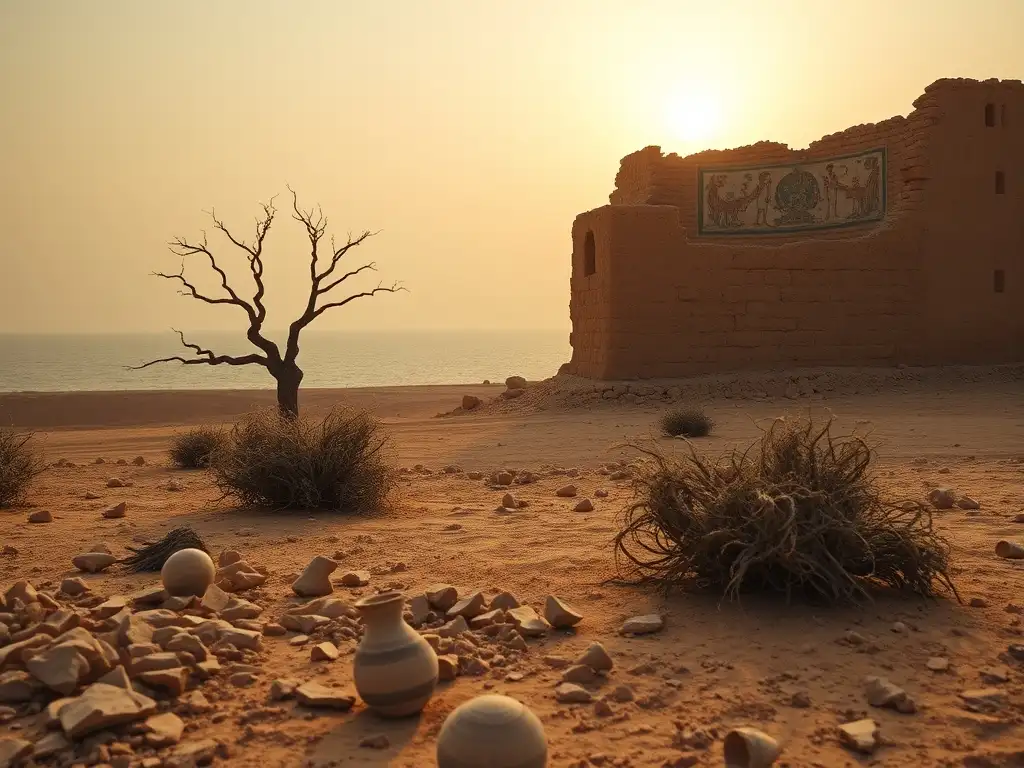
The collapse of the Paracas civilization, a powerful coastal culture flourishing between 800 BCE and 200 CE, remains a captivating enigma for archaeologists. While environmental factors like El Niño events are often cited as primary contributors to their decline, a comprehensive understanding requires exploring alternative explanations, considering the multifaceted nature of societal shifts. Several theories posit that internal factors, or a combination of internal and external pressures, played a crucial role in the Paracas abandonment.
This section delves into these alternative perspectives, offering a more nuanced picture of this fascinating civilization's demise. This exploration of "Paracas civilization decline theories" will consider factors beyond the commonly discussed environmental changes.
Epidemics and Disease: A Biological Perspective on Paracas Demise
The impact of disease on pre-Columbian societies is often underestimated. A significant decline in the Paracas population could have resulted from a widespread epidemic, potentially exacerbated by existing nutritional deficiencies or environmental stressors. While direct evidence of specific pathogens is scarce, archaeological findings such as mass burials or a sudden drop in population density could indirectly support this theory.
The lack of sophisticated medical knowledge and limited access to resources would have severely hampered any efforts to combat the spread of contagious illnesses. Further research involving ancient DNA analysis and detailed skeletal studies could shed light on the prevalence of infectious diseases within the Paracas population and their potential contribution to the civilization's decline.
Analysis of isotopic ratios in skeletal remains might even reveal dietary shifts preceding the collapse, potentially indicating resource scarcity that weakened the population's immune systems, making them more vulnerable to disease. This is a crucial aspect of understanding "Paracas civilization decline theories".
The study of ancient Paracas mummies has already yielded valuable insights into their health conditions. However, more detailed analysis is needed to specifically investigate the presence of pathogens and the prevalence of infectious diseases during the period of the civilization's decline. The absence of widespread evidence doesn't necessarily negate the possibility; the preservation of biological materials in arid coastal environments can be challenging, leading to incomplete data.
Migration and Relocation: A Shift in Paracas Settlement Patterns
Another significant factor contributing to the apparent "abandonment" of Paracas settlements might not be a total collapse, but a gradual shift in settlement patterns. Instead of a complete societal disintegration, the Paracas population might have migrated to other regions, either due to internal pressures or external threats. This migration could have been a gradual process, with some groups moving to new locations while others remained.
Archaeological evidence of smaller, less complex settlements appearing in different areas during the late Paracas period could support this theory. The absence of a clearly defined "successor" culture might simply indicate a dispersal of the Paracas population into already existing communities or the establishment of new, less centralized settlements. This "Paracas civilization decline theories" aspect highlights a crucial distinction: abandonment doesn't always equate to total societal collapse.
Analyzing the distribution of Paracas ceramics and other artifacts across a wider geographical area could provide crucial evidence for this theory. Detailed mapping of settlements and the identification of migration routes would greatly enhance our understanding of this potential shift in Paracas settlement patterns. The potential for a gradual population dispersal, rather than a sudden collapse, significantly alters our interpretation of the "Paracas civilization decline theories".
A Combination of Factors: The Complex Reality of the Paracas Collapse
It's highly probable that the decline of the Paracas civilization wasn't caused by a single factor, but rather a complex interplay of various internal and external pressures. Environmental changes, such as El Niño events, likely stressed resources and agricultural practices, increasing vulnerability to disease and potentially triggering internal conflicts over diminishing resources. Simultaneously, social unrest, internal power struggles, or the pressure from emerging neighboring groups could have further destabilized the Paracas society.
This multifaceted perspective challenges simplistic explanations and underscores the need for a more holistic approach to understanding the civilization's decline. This nuanced perspective on "Paracas civilization decline theories" acknowledges the intricate web of factors that often contribute to societal transformations.
To fully understand the Paracas collapse, future research needs to integrate diverse data sets, including environmental reconstructions, epidemiological studies, detailed social analyses from archaeological sites, and comparative studies with other contemporary Andean cultures. By considering the interplay of these various factors, we can move towards a more accurate and comprehensive understanding of the complex processes that led to the transformation of the Paracas civilization. The investigation of "Paracas civilization decline theories" requires a multidisciplinary approach to fully grasp the nuances of this historical event.
The Legacy of Paracas: What We Can Learn from their Decline
The collapse of the Paracas civilization, while shrouded in the mists of time, offers valuable insights into the fragility of even the most advanced societies. Understanding their decline isn't simply an academic exercise; it provides a crucial lens through which to examine societal resilience and vulnerability. The Paracas, masters of textile artistry and complex social structures, ultimately succumbed to pressures that resonate with challenges faced by modern civilizations.
Their story serves as a potent reminder of the interconnectedness of environmental factors, social structures, and political stability. Analyzing their downfall allows us to better anticipate and mitigate potential threats to our own societies. This section explores the lasting legacy of the Paracas, not just in terms of their artistic achievements but also in the lessons their decline imparts.
Lessons from the Paracas: Implications for Modern Societies
The Paracas civilization's fall highlights the critical importance of sustainable resource management. Evidence suggests overexploitation of resources, particularly marine life, may have contributed to their decline. This resonates strongly with contemporary concerns about overfishing, deforestation, and climate change.
The Paracas' experience underscores the need for long-term planning and responsible resource utilization to ensure the survival and prosperity of future generations. Furthermore, the potential for internal conflicts and social unrest, perhaps exacerbated by resource scarcity, mirrors challenges faced by many modern nations. The Paracas case study emphasizes the necessity of social cohesion and equitable distribution of resources to prevent societal fracturing.
Analyzing their sophisticated textile production and trade networks, however, also showcases the benefits of specialized labor and international cooperation – aspects that, when managed effectively, can contribute to societal stability and growth. The Paracas' story is thus a complex tapestry woven with both warnings and examples of effective societal strategies. Understanding these nuances allows us to better navigate the complexities of our own world.
The Paracas Influence on Subsequent Andean Cultures
The Paracas civilization, despite its relatively short lifespan compared to other Andean cultures, left an undeniable mark on subsequent societies. Their distinctive artistic styles, particularly in textile production, significantly influenced later cultures like the Nazca. The intricate iconography and advanced weaving techniques of the Paracas are clearly visible in Nazca textiles, demonstrating a direct cultural lineage.
This influence wasn't limited to art; certain aspects of their social organization and religious beliefs likely permeated into later Andean societies. For instance, the elaborate burial practices of the Paracas, with their mummification techniques and elaborate grave goods, may have influenced the funerary rituals of subsequent groups. While the exact extent of Paracas influence requires further research, it is evident that their legacy extended far beyond their physical demise.
Their contributions to Andean culture continue to shape our understanding of the region's rich and complex history. The legacy of their advanced textile techniques, for example, is still studied and admired today, serving as a testament to their ingenuity and skill.
Further Research and the Ongoing Study of the Paracas Civilization
Despite extensive research, many questions about the Paracas civilization remain unanswered. The precise causes of their decline are still debated, and further archaeological investigation is crucial to shed more light on this enigmatic culture. Advanced techniques like DNA analysis and isotopic studies can provide valuable insights into their diet, migration patterns, and genetic relationships with other Andean populations.
Furthermore, a more detailed analysis of their settlement patterns and agricultural practices could reveal further clues about their societal organization and resource management strategies. The ongoing study of Paracas textiles and iconography continues to yield new discoveries, enriching our understanding of their cosmology, social structure, and artistic evolution.
The collaborative efforts of archaeologists, anthropologists, and other specialists are essential to unlock the remaining mysteries of this fascinating civilization and contribute to a more complete understanding of the "Paracas civilization decline theories." Future research promises to unveil further details about this crucial period in Andean history, enriching our comprehension of the complex factors influencing the rise and fall of ancient societies.
Frequently Asked Questions
What led to the decline of the Paracas civilization?
There's no single answer; it was likely a combination of factors. Environmental changes, such as El Niño events, and internal societal pressures probably played significant roles in their decline. Warfare with neighboring groups might also have contributed.
How did the Paracas culture differ from other Andean civilizations?
The Paracas were known for their exceptional textile production, particularly their intricate mummy bundles, and their unique style of cranial deformation. Unlike some other Andean cultures, they were primarily a coastal civilization.
What is the timeframe for the Paracas civilization?
The Paracas civilization is generally divided into two periods: Early Paracas (around 800-200 BCE) and Late Paracas (around 200 BCE – 200 CE). Their influence continued to be felt even after their decline.
Were there any major technological advancements associated with the Paracas?
The Paracas are best known for their advanced textile techniques, including complex weaving patterns and the use of vibrant natural dyes. They also displayed skill in metallurgy and mummy preparation.
What evidence exists to support the theories surrounding the Paracas decline?
Archaeological evidence, such as changes in settlement patterns, shifts in burial practices, and analysis of environmental data, provides insights into the possible factors contributing to the Paracas decline. Further research continues to refine our understanding.
Final Reflection: Unraveling the Mystery of Paracas: Echoes of a Lost Civilization
The sudden collapse of the Paracas civilization remains a stark reminder of the fragility of even the most advanced societies. Their sophisticated textiles, intricate burial practices, and mastery of coastal resources offer a compelling case study in the complex interplay of environmental factors, social structures, and unforeseen events that can lead to the downfall of a powerful culture. Understanding their decline is not merely an academic exercise; it provides crucial insights into the vulnerabilities inherent in any complex system, including our own.
The enduring legacy of Paracas, visible in the breathtaking artistry of their textiles and the enigmatic nature of their societal structures, continues to shape our understanding of ancient Andean cultures. Their story serves as a potent reminder of the ephemeral nature of power and the importance of adapting to change. The past is never dead. It's not even past.
– William Faulkner. This quote resonates deeply, highlighting how the Paracas' story continues to inform our present-day understanding of societal resilience and the consequences of neglecting environmental sustainability. Their story is a cautionary tale, echoing across millennia.
Consider the intricate tapestry woven by the Paracas – a symbol of their advanced skills and societal complexity. Now, imagine that tapestry unraveling, thread by thread, due to factors beyond their control. This is the challenge presented by the Paracas' decline. What threads are unraveling in our own society?
What lessons can we learn from their story to ensure a more sustainable and resilient future? Take a moment to reflect on the fragility of our systems and the importance of proactive adaptation in the face of environmental and societal challenges. Let the mystery of Paracas inspire you to build a more enduring legacy for generations to come.
Uncover the Mysteries of Paracas!
Thank you for exploring the fascinating world of the Paracas civilization with us! You've delved into the intriguing theories surrounding their decline and the secrets hidden within their ancient legacy. Now, let's turn that curiosity into action!
Here are some exciting ways to deepen your understanding and engagement with Paracas culture:
- Join our community: Connect with fellow history enthusiasts by signing up for our newsletter. Receive exclusive insights, updates, and participate in discussions about Andean civilizations.
- Visit a local museum: Experience the wonders of Paracas artifacts firsthand and immerse yourself in their rich history through captivating exhibits.
- Share your thoughts: Discuss your insights on social media using the hashtag #ParacasMysteries. Which theory resonates most with you?
What aspect of the Paracas decline intrigues you the most, and how do you believe their story shapes our understanding of ancient civilizations today?