
The Inca Military Strategists: Behind the Conquests of an Empire


Step into a world lost to time, yet echoing with the might of empires. Discover the secrets behind the unmatched success of the Andean civilizations, from the intricate artistry of the Nazca to the awe-inspiring architecture of Tiahuanaco. But today, we delve into the fascinating realm of Inca military strategies. Were their conquests purely brute force, or did a sophisticated understanding of warfare pave their path to dominance? Uncover the truth behind the legends and prepare to be amazed. Explore the ingenuity and power of the Inca military – the story awaits.
The Inca Empire, a marvel of pre-Columbian South America, achieved astonishing territorial expansion through sophisticated military strategies and organizational prowess. This wasn't merely brute force; the Inca military machine was a finely tuned instrument, employing tactics and technologies that allowed them to conquer and control a vast and diverse landscape stretching across the Andes Mountains. This article delves into the key elements of Inca military strategies, exploring the leadership, logistical brilliance, and innovative tactics that fueled their imperial ambitions and cemented their place in history as master conquerors.
We'll examine how their understanding of Andean terrain, their mastery of psychological warfare, and their efficient logistical systems contributed to their remarkable success. Understanding the Inca military is key to understanding the rise and fall of one of history's most fascinating empires. The keyword "Inca military strategies" is central to this exploration, illuminating the ingenuity behind their conquests.
The Role of the Sapa Inca and Military Leadership
The Sapa Inca, the emperor, held ultimate authority over the Inca army. He wasn't merely a figurehead; he was the supreme commander, often leading troops personally in major campaigns. However, the Sapa Inca relied on a complex hierarchy of military leaders, each with specific responsibilities. These included experienced generals, often drawn from the nobility, who commanded armies and planned campaigns.
The system ensured clear lines of command and efficient execution of strategic plans. Detailed records of military organization, though incomplete due to the destruction of many records following the Spanish conquest, suggest a highly structured and professionalized military force, unlike many of its contemporaries. Discipline was paramount, and the Inca army was known for its obedience and loyalty to the Sapa Inca and its appointed commanders. This rigid structure, coupled with the strong belief in the Sapa Inca's divine right to rule, ensured the army's effectiveness.
Inca Military Technology and Logistics
The Inca military's success wasn't solely dependent on manpower; they also possessed sophisticated technology and logistical capabilities. Their weaponry, while seemingly simple compared to later technologies, was highly effective in the Andean environment. The macanas (clubs), boleadoras (throwing bolas), and warak'as (sling) were expertly wielded, inflicting significant damage. Furthermore, Inca soldiers utilized strategically placed fortifications and defensive positions, capitalizing on the natural terrain of the Andes.
Perhaps their most significant advantage, however, lay in their logistical prowess. The extensive network of roads, qhapaq ñan, allowed for the rapid movement of troops and supplies across vast distances. This intricate system, combined with efficient storage facilities and a well-organized system of tribute, ensured that Inca armies were always well-supplied, even during prolonged campaigns. The construction and maintenance of this road system itself speaks volumes about their strategic planning and foresight.
Psychological Warfare and the Inca Conquest
Beyond their technological and logistical advantages, the Inca also mastered psychological warfare. Their appearance, often adorned in fearsome regalia, was designed to intimidate enemies. The Inca army would often deploy elaborate displays of force, creating a sense of overwhelming power. Moreover, they used propaganda and diplomacy, offering generous terms to those who surrendered peacefully, while reserving brutal treatment for those who resisted.
This combination of intimidation and strategic diplomacy proved highly effective, leading to many swift victories and minimizing casualties among Inca ranks. The careful management of this psychological aspect of warfare significantly contributed to the expansion of the empire. This strategy, often overlooked, was a vital component of their overall military dominance.
Adaptability and Terrain Advantage in Inca Military Strategies
The Inca military demonstrated remarkable adaptability to diverse geographical conditions. Their strategies varied depending on the terrain. In mountainous regions, they used their intimate knowledge of the terrain to their advantage, setting ambushes and exploiting natural chokepoints. In flatter areas, they would employ more open warfare tactics.
This flexibility, combined with their ability to quickly adapt to changing circumstances, was a crucial factor in their success. The Inca army was not just a fighting force; it was also a highly adaptable and versatile instrument capable of operating effectively in a wide range of environments. This adaptability, coupled with an understanding of the terrain, is often credited as a key element of their military successes. Their success is a testament to their ability to understand and exploit the natural world.
- The Role of the Sapa Inca and Military Leadership
- Inca Military Technology and Logistics
- Psychological Warfare and the Inca Conquest
- Adaptability and Terrain Advantage in Inca Military Strategies
The Foundation of Inca Military Power
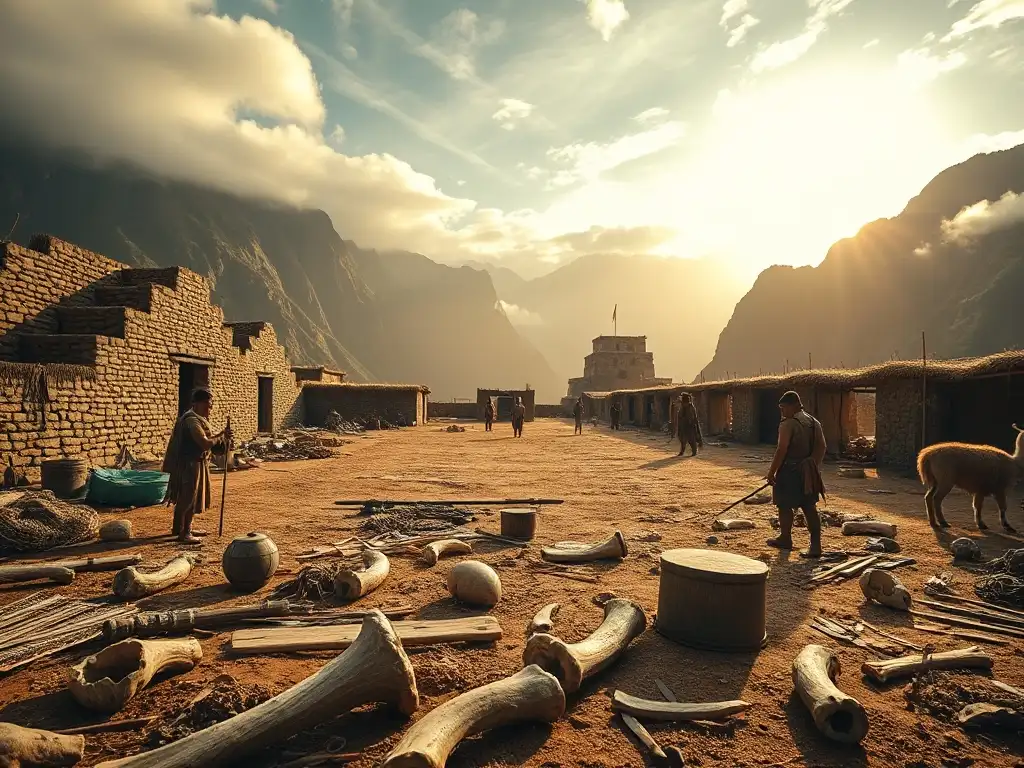
The Inca Empire's remarkable expansion across the Andes wasn't solely due to superior weaponry. While their weaponry was certainly effective for its time, the true foundation of their military power lay in sophisticated strategies and exceptionally efficient organization. This section delves into the key elements that allowed the Inca military to conquer and control such a vast and diverse territory, solidifying their position as a dominant force in the Andean region. Understanding their strategies offers a glimpse into the ingenuity and meticulous planning behind their conquests, illustrating why "Inca military strategies" remain a fascinating subject of study.
The Importance of Military Organization in the Inca Empire
The Inca military wasn't just an army; it was an intricate, well-oiled machine. Their success hinged on a highly structured organization that facilitated rapid mobilization, efficient logistics, and effective communication across vast distances. This organizational prowess allowed them to deploy troops swiftly to quell rebellions, respond to threats, and expand their dominion. The system was remarkably adaptable, capable of handling both large-scale campaigns and smaller-scale skirmishes with equal effectiveness.
The Inca's mastery of logistics is particularly noteworthy. They possessed a sophisticated system of roads, chasquis (runners who relayed messages), and storehouses ( qollqas) strategically positioned throughout the empire. This infrastructure ensured that Inca armies were consistently supplied with food, weapons, and other necessities, even in remote areas. This logistical superiority was a crucial element in their military successes, enabling prolonged campaigns and reducing the risk of supply shortages.
Consider the conquest of the Chimú, a powerful coastal kingdom. The Inca army, meticulously organized and supplied, was able to overcome the Chimú's defenses through a combination of strategic flanking maneuvers and relentless pressure. The effectiveness of their logistics ensured that the Inca forces could maintain their offensive capabilities, ultimately leading to the Chimú's defeat. This victory showcases the seamless integration of organization and strategy in Inca military operations.
Inca Military Hierarchy and Command Structure
The Inca military hierarchy was rigidly defined, reflecting the empire's overall societal structure. Command was centralized, with the Sapa Inca (emperor) holding ultimate authority. However, the system was far from a simple top-down structure. It involved a complex network of officers and specialized units, each with clearly defined roles and responsibilities.
The army was divided into units of varying sizes, from smaller squads to larger regiments. Each unit had its appointed commander, responsible for the training, discipline, and tactical deployment of their troops. This decentralized command structure, while ultimately answerable to the Sapa Inca, allowed for flexibility and adaptability on the battlefield. Experienced commanders could make independent decisions based on the specific circumstances, adapting their tactics to suit the terrain and the enemy's actions.
| Rank | Responsibilities | Notes |
|---|---|---|
| Sapa Inca | Supreme Commander, ultimate decision-making authority | Held overall strategic direction and appointed high-ranking officers. |
| Apus | Regional commanders, responsible for large military units | Often held significant political and administrative roles as well. |
| Curacas | Local leaders, responsible for raising and equipping troops | Responsible for their local contingents within the larger army. |
| Soldiers | Infantry, specialized units (e.g., slingers, archers) | Varied levels of training and specialization. |
The Inca military hierarchy wasn't merely a chain of command; it was a system designed to ensure accountability and efficiency. The clear lines of authority prevented confusion and ensured effective coordination among different units, a critical factor in the success of their military campaigns. This organizational structure, combined with their advanced logistical capabilities, formed the bedrock of Inca military power, allowing them to conquer and control a vast empire.
Key Inca Military Strategies and Tactics
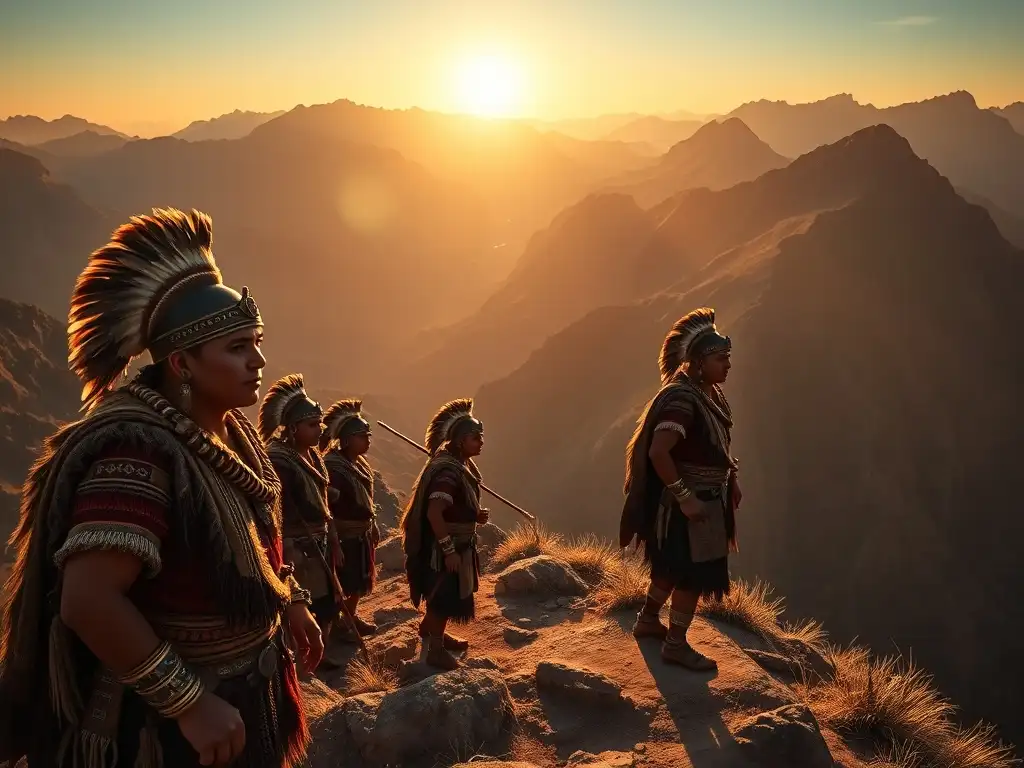
The Inca Empire's remarkable expansion across the Andes wasn't solely due to superior weaponry. Their success stemmed from a sophisticated combination of military strategies and tactics, carefully adapted to the challenging Andean terrain and the diverse cultures they encountered. Understanding these strategies reveals the ingenuity and organizational prowess of Inca military strategists, a crucial element in their ability to forge and maintain a vast empire.
The effective implementation of these strategies, coupled with shrewd diplomacy and sometimes brutal force, allowed the Inca to achieve dominance over a significant portion of South America. This section delves into the core components of Inca military success, examining their approach to warfare, logistics, and battlefield formations.
Inca Warfare: Siege and Conquest Techniques
Inca warfare wasn't solely about open battles. Sieges played a crucial role in their conquests, particularly against fortified settlements. Their approach involved a combination of psychological warfare and strategic attrition. Instead of relying solely on brute force, Inca armies often employed protracted sieges, cutting off enemy supply lines and gradually wearing down their resistance. This strategy was particularly effective against communities less well-equipped or organized than the Inca army.
The Inca's mastery of siege warfare is evident in their use of sophisticated weaponry and engineering. They utilized slings, spears, and clubs, along with siege engines like catapults (though evidence of their widespread use is debated amongst scholars). More importantly, they excelled at constructing siege works – building ramps, tunnels, and undermining fortifications to breach enemy defenses.
This meticulous approach minimized casualties and maximized efficiency. For example, the siege of [Specific Inca siege example pending] demonstrates the Inca's ability to adapt their siege tactics to the specific challenges posed by the target's defenses. This involved a careful assessment of the fortifications' strengths and weaknesses, followed by a tailored strategy to overcome them.
The psychological aspect of Inca sieges was equally important. The sheer size and organization of the Inca army, coupled with the reputation of their power, often induced surrender before a siege even commenced. The threat of prolonged suffering and ultimate defeat often led to negotiated settlements, minimizing bloodshed and integrating conquered populations into the empire more efficiently.
The Use of Logistics and Supply Lines in Inca Campaigns
The Inca Empire's vast geographical extent presented significant logistical challenges. Successful military campaigns required meticulous planning and execution to ensure the continuous supply of food, water, and materials to their armies. The Inca addressed this challenge with a highly organized system of roads, storehouses ( qollqas), and relay runners ( chasquis). This intricate network allowed for the rapid movement of troops and supplies across the Andes, even in mountainous and difficult terrains. This efficient logistical system was crucial to the Inca's ability to sustain prolonged campaigns and conquer distant territories.
The qollqas, strategically located along the Inca road system, acted as vital storage facilities. These storehouses contained food, weapons, clothing, and other necessities for the army. The precise inventory management and distribution of these resources were key to the success of Inca military operations. The chasquis, a network of runners strategically positioned along the roads, played a crucial role in communication and rapid information dissemination.
Their speed and efficiency allowed for timely coordination of military movements and the swift transmission of crucial intelligence. The system’s effectiveness is highlighted by the speed with which Inca armies could mobilize and respond to threats across the vast empire. The integration of these systems into a comprehensive logistical strategy is a testament to the Inca's advanced understanding of military supply chain management.
Inca Battle Formations: Adapting to Diverse Terrains
Inca battle formations were not static; they adapted to the varied terrain of the Andes. While detailed descriptions of their formations are scarce, archaeological evidence and accounts from Spanish chroniclers suggest a flexible approach that prioritized adaptability and effectiveness in diverse environments. This adaptability is a key element of their military success, allowing them to deploy effectively in both open plains and narrow mountain passes.
The Inca military likely employed a variety of formations, ranging from linear formations for open battles to more dispersed formations for mountainous terrain. This flexibility allowed them to exploit the advantages of the terrain while minimizing vulnerabilities. In open areas, they might have employed formations similar to those of other ancient armies, focusing on maintaining cohesion and delivering coordinated attacks. However, in the narrow mountain passes and gorges characteristic of the Andes, they likely adopted more fluid and adaptable formations to effectively maneuver and utilize the terrain's natural obstacles.
Furthermore, the Inca’s understanding of the psychological impact of their military presence should not be overlooked. The sheer size of their armies, their disciplined formations, and the fearsome reputation that preceded them often demoralized opponents before a battle even began. This psychological warfare, combined with their tactical flexibility, significantly contributed to their military dominance.
The precise details of Inca battle formations remain a subject of ongoing research, but their adaptability to diverse terrains is a testament to their military ingenuity and a crucial factor in their conquest of the Andes. Further research, particularly analysis of [Specific archaeological sites pending analysis], could reveal more information about their diverse battle tactics.
Psychological Warfare and the Inca Military Advantage
The Inca military's success wasn't solely reliant on brute force; psychological warfare played a crucial role in their conquests. The empire understood the power of intimidation and employed several strategies to demoralize their opponents before a single blow was struck. This approach significantly reduced casualties and bolstered Inca morale. One key element was the carefully cultivated image of the Sapa Inca as a divine ruler, a descendant of the sun god Inti.
This divine status wasn't just a religious belief; it was a powerful propaganda tool. Enemy leaders were often confronted with the overwhelming spectacle of the Inca army, a force perceived as both incredibly numerous and divinely ordained. This carefully constructed image fostered fear and often led to surrender before any significant battle even commenced.
The Inca also utilized effective intelligence gathering. Spies and scouts infiltrated enemy territories, providing valuable information about troop strength, resources, and potential weaknesses. This intel wasn't just used for tactical planning; it was also strategically deployed to spread rumors and sow discord amongst enemy ranks. By disseminating misinformation – exaggerating Inca strength or creating internal conflict within opposing armies – the Inca could effectively weaken their foes before engaging in direct combat.
This preemptive psychological warfare often resulted in significant victories with minimal bloodshed, a testament to the Inca's shrewd understanding of human psychology. The empire further amplified this psychological advantage through the strategic use of propaganda. Victories were carefully documented and celebrated, often with elaborate displays of power and wealth, further solidifying the Inca's reputation as an invincible force. This created a cycle of fear and submission, accelerating the pace of conquest.
The Inca military's understanding of psychological warfare extended beyond propaganda and intelligence. Their battlefield tactics also incorporated elements of psychological intimidation. The use of brightly colored clothing, elaborate weaponry, and impressive formations created a visually stunning and intimidating presence. This spectacle, coupled with the fearsome reputation preceding the Inca army, often proved sufficient to break enemy morale before the first clash of weapons.
The meticulous planning and execution of these strategies demonstrate a sophisticated military doctrine that went beyond simple military might, incorporating a deep understanding of the human element in warfare. This insightful approach to conflict significantly contributed to the Inca Empire's remarkable expansion and longevity. The Inca’s mastery of psychological warfare offers a compelling case study in the importance of non-kinetic strategies in military success.
Notable Inca Military Leaders and Their Contributions
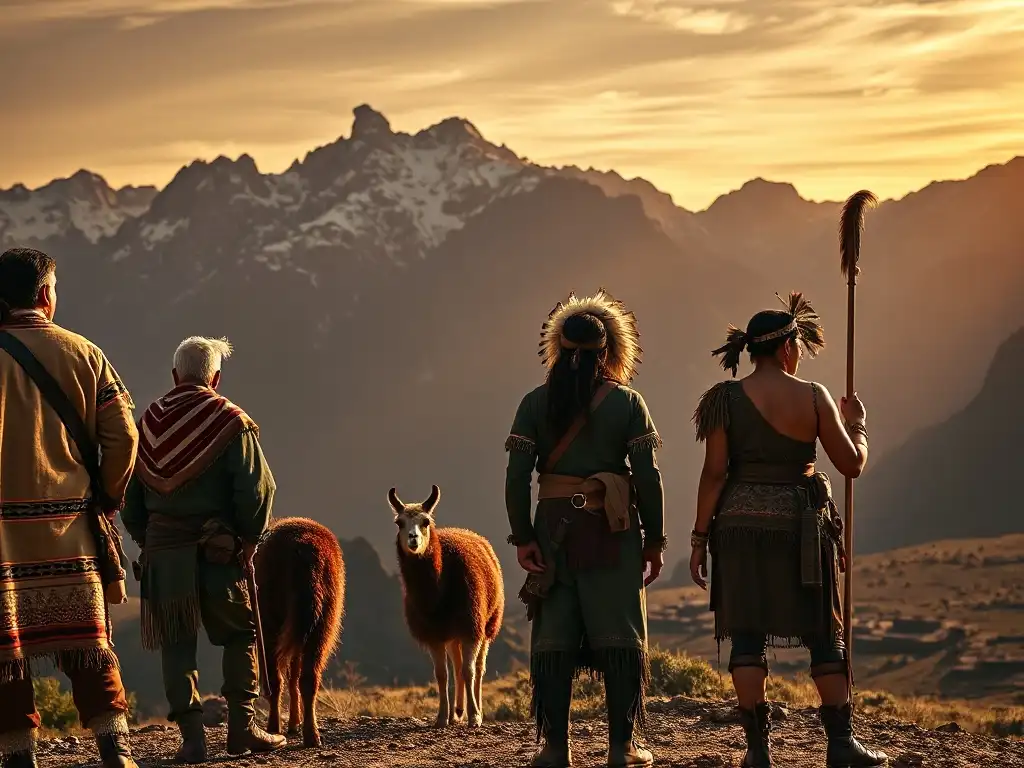
The Inca Empire's remarkable expansion wasn't solely due to sheer manpower; it was the result of sophisticated military strategies and the leadership of exceptional commanders. Understanding the Inca military strategies requires examining the key figures who shaped these tactics and led their armies to victory. This section will delve into the contributions of three paramount Inca rulers whose military prowess significantly impacted the empire's growth and longevity. Their combined efforts cemented the Inca's reputation as formidable military strategists.
Pachacuti Inca Yupanqui: Architect of Inca Military Expansion
Pachacuti Inca Yupanqui (1438-1471), considered the ninth Sapa Inca, is widely regarded as the architect of the Inca Empire's military expansion. Before his reign, the Inca were a relatively small kingdom. Pachacuti, however, transformed them into a dominant force through a series of decisive military victories and the implementation of innovative strategies. His reign saw the conquest of numerous neighboring groups, significantly expanding the Inca's territory and influence.
Pachacuti's military genius lay not only in his battlefield tactics but also in his organizational skills. He implemented a highly effective system of conscription and mobilization, allowing him to raise large, well-equipped armies swiftly. He also standardized military training, ensuring that his soldiers were disciplined and proficient in various combat techniques. Evidence suggests he utilized a sophisticated network of roads and messengers to coordinate troop movements and supply lines – a crucial element of successful military campaigns.
This infrastructure allowed for rapid deployment of forces and efficient logistics, giving the Inca a significant advantage over their opponents. His reforms laid the groundwork for the subsequent military triumphs of his successors. The efficient organization of the army under Pachacuti's rule was a key component of the Inca military strategies.
Topa Inca Yupanqui: Consolidating Inca Military Might
Topa Inca Yupanqui (1471-1493), Pachacuti's son and successor, continued the expansionist policies of his father, further solidifying the Inca Empire's military dominance. He inherited a well-trained and organized army, and he skillfully leveraged this advantage to conquer vast territories across the Andes. Topa Inca’s reign saw the subjugation of powerful kingdoms in the north and south, extending the Inca Empire to its greatest geographical extent before the arrival of the Spanish.
Topa Inca Yupanqui refined and expanded upon his father's military innovations. He is credited with improving siege warfare techniques, showcasing a greater understanding of both offensive and defensive strategies. His campaigns were characterized by meticulous planning, logistical mastery, and the effective use of psychological warfare. He employed a strategy of both swift, decisive attacks and prolonged sieges, adapting his tactics to suit the specific circumstances of each campaign.
Unlike some rulers who focused solely on military conquest, Topa Inca also understood the importance of integrating newly conquered populations into the empire. This approach minimized resistance and facilitated the long-term stability of the empire. The consolidation of power under Topa Inca represents a significant chapter in Inca military strategies.
Huayna Capac: Maintaining and Expanding the Inca Empire
Huayna Capac (1493-1527), Topa Inca's son, inherited a vast and powerful empire. While his reign wasn't as marked by dramatic territorial expansion as his father's, he nonetheless played a crucial role in maintaining and consolidating Inca military strength. He faced new challenges, including internal rebellions and the increasing complexity of managing a far-flung empire.
Huayna Capac's military strategies focused on maintaining control over existing territories and suppressing any potential uprisings. He implemented a robust system of garrisons and fortifications, strategically placed throughout the empire to deter rebellion and ensure rapid response to any threats. His military acumen extended beyond direct combat; he understood the importance of diplomacy and negotiation in maintaining stability. He cleverly used alliances and strategic marriages to secure his borders and prevent conflicts. While facing internal challenges, he also led campaigns to further consolidate Inca control in the northern and southern regions of the empire, demonstrating a continued commitment to military preparedness and strategic expansion. His rule underscores the long-term vision inherent in Inca military strategies, extending beyond simple conquest to the management and governance of a massive and diverse empire. The adaptive nature of Inca military strategies under Huayna Capac is a testament to the empire's resilience and sophisticated governance.
Inca Weaponry and Military Technology
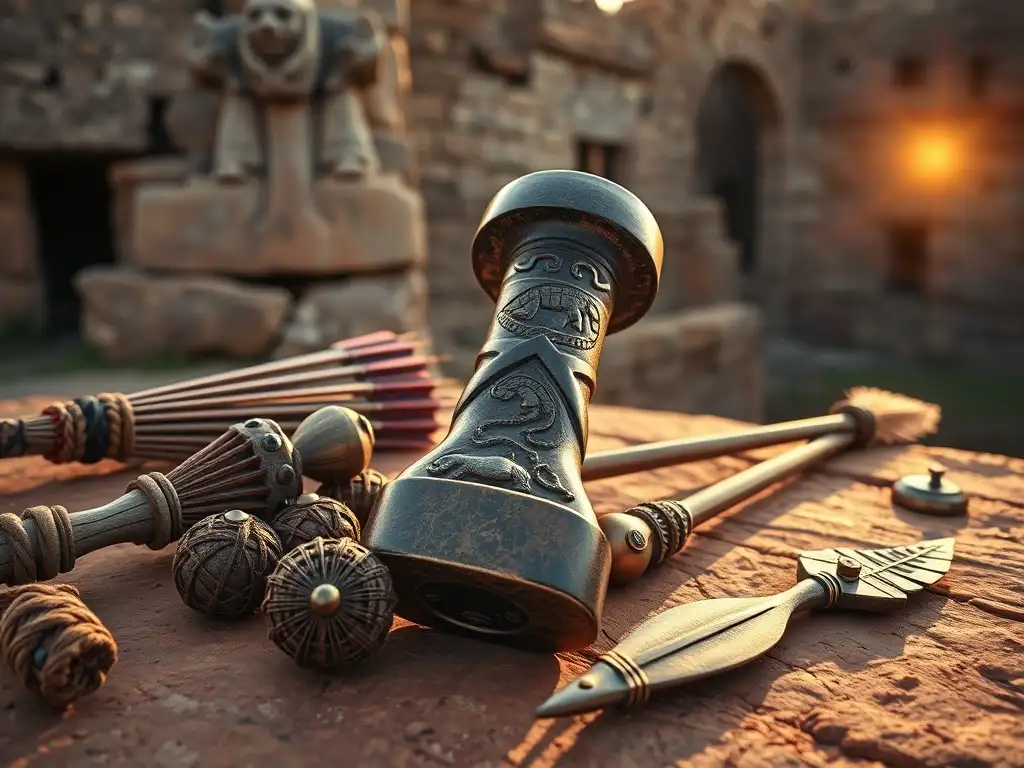
The Inca military's success wasn't solely due to superior strategy; their weaponry and technological advancements played a crucial role in their conquests. While lacking the sophisticated weaponry of some Eurasian empires, the Inca developed effective tools tailored to their Andean environment and fighting style. Their ingenuity in adapting available resources and crafting effective weapons contributed significantly to their military dominance. The effective use of Inca military strategies was intrinsically linked to the quality and application of their technology.
Inca Weapons: Spears, Clubs, and Slings
Inca weaponry was characterized by its practicality and effectiveness in close-quarters combat, the most common type of engagement in the mountainous terrain. Spears ( chakras), often tipped with obsidian or hardened wood, were a primary weapon, utilized for both thrusting and throwing. Their length and sharpness proved deadly in the hands of skilled warriors. Clubs ( macanas), made from heavy wood or sometimes studded with metal, delivered devastating blows. These were particularly effective in breaking enemy formations. Slings were also widely used, capable of launching projectiles with surprising accuracy and range, making them valuable for harassing enemy troops and disrupting formations from a distance. The effectiveness of these seemingly simple weapons underscores the importance of training and tactical deployment in Inca military strategies. The Inca army's proficiency in utilizing these weapons, combined with their disciplined formations, made them a formidable force. For example, historical accounts suggest that the slingers, positioned strategically on high ground, could effectively decimate enemy ranks before close-quarters combat even began.
The Role of Inca Fortifications in Military Defense
Inca military strategies weren't solely focused on offensive capabilities. The sophisticated network of fortifications across the empire played a vital defensive role, slowing down and weakening potential invaders. These fortifications, often built on strategically important mountain passes and defensible locations, included walls, towers, and strategically placed defensive structures.
The construction of these structures exemplifies Inca engineering prowess and highlights the importance of defensive planning in their overall military strategy. The use of natural features like cliffs and rivers, combined with man-made fortifications, created formidable defensive positions capable of withstanding prolonged sieges. This network of fortifications wasn't just a passive defense; it allowed for the strategic deployment of troops and resources, enabling the Inca to effectively respond to threats across their vast empire.
The integration of these defensive structures into their overall military strategies significantly enhanced their ability to control their territory and repel incursions. The effectiveness of the Inca fortifications is evidenced by their longevity and the difficulty faced by subsequent invaders in overcoming them.
Adapting Technology: Inca Innovation in Warfare
The Inca weren't merely users of existing technologies; they were innovators, adapting and improving existing tools to enhance their military effectiveness. Their mastery of metallurgy, though not as advanced as some other civilizations, allowed them to produce metal-tipped weapons and armor, granting them a significant advantage over opponents armed with solely stone or wooden implements. Furthermore, their understanding of terrain and climate played a crucial role in their military strategies.
The Inca adapted their tactics and weaponry to suit the specific challenges posed by the diverse Andean landscape, showcasing a remarkable adaptability rarely seen in other ancient empires. For instance, the use of high-altitude warfare, utilizing their knowledge of mountain passes and utilizing terrain advantages, became a crucial element of their military success.
This adaptation of technology and tactical flexibility demonstrates a sophisticated understanding of warfare and is a testament to the ingenuity and strategic thinking that underpinned Inca military strategies. The ongoing archaeological discoveries continue to reveal further evidence of Inca technological innovation in warfare, continually enriching our understanding of their military capabilities.
The Impact of Inca Military Strategies on Andean History
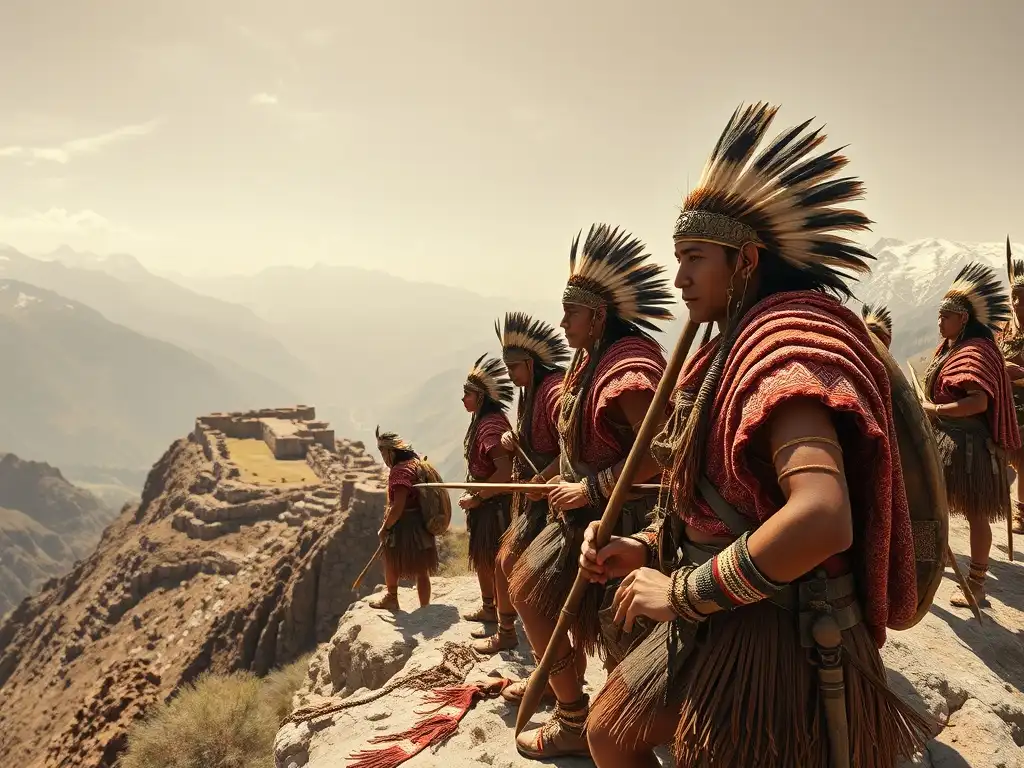
The Inca Empire's astonishing expansion across the Andes, encompassing a vast and diverse territory, was not solely a result of sheer manpower. The Incas were masterful military strategists, deploying innovative tactics and organizational prowess that allowed them to conquer and control a population exceeding 16 million people. Their military successes fundamentally reshaped the political landscape and cultural fabric of the Andean region, leaving a legacy that continues to fascinate and inspire historians today.
Understanding their military strategies is key to comprehending the rise and eventual fall of this remarkable civilization. The effectiveness of Inca military strategies stemmed from a sophisticated blend of logistical planning, adaptable tactics, and psychological warfare, all underpinned by a highly centralized and efficient imperial structure. This section delves into the key aspects of their military prowess and its lasting impact.
The Inca Expansion: A Result of Effective Military Tactics
The Inca expansion, spanning roughly a century, was a testament to their strategic brilliance. Their armies, while not always numerically superior, consistently outmaneuvered and overwhelmed their opponents. Several key tactical elements contributed to their success:
- Superior Logistics: The Incas possessed an unparalleled logistical system, including a vast network of roads (the Qhapaq Ñan) that facilitated rapid troop movement and the efficient supply of provisions. This allowed them to sustain prolonged campaigns in challenging terrains. This logistical prowess is often overlooked when discussing Inca military might, but it was absolutely crucial.
- Psychological Warfare: Inca armies often employed psychological warfare, leveraging their reputation for invincibility and employing strategies designed to demoralize enemies before open conflict. They used propaganda, displays of power, and carefully timed attacks to maximize their impact. Examples include the strategic use of fearsome weaponry and elaborate ceremonies designed to intimidate.
- Adaptable Tactics: Inca military tactics were not static. They adapted their approach to the specific terrain, the enemy's strengths and weaknesses, and the prevailing circumstances. They were adept at both conventional warfare (open battles) and unconventional warfare (guerrilla tactics, sieges).
- Effective Weaponry: While not possessing gunpowder weapons, Inca weaponry, including slings, clubs, spears, and macanas (a type of club), was effective in close-quarters combat. Their mastery of terrain and strategic deployment often rendered sophisticated weaponry unnecessary.
The conquest of the Chimu Empire, a powerful coastal kingdom, serves as a prime example of Inca military prowess. The Inca army, through a combination of superior logistics, psychological warfare, and skillful maneuvering, successfully overcame the Chimu's defenses, effectively integrating the conquered territory into the Inca Empire. Detailed accounts of this campaign, though fragmented, highlight the strategic brilliance involved.
The Legacy of Inca Military Practices in Andean Cultures
The legacy of Inca military strategies extended far beyond the empire's demise. Many of their organizational principles and tactical approaches influenced subsequent Andean societies. The emphasis on logistics, for example, continued to shape infrastructure development in the region. The highly structured military organization, with its clear hierarchies and lines of command, left an imprint on Andean social structures long after the Inca Empire's fall.
Furthermore, the Inca's system of tribute and mobilization of labor, initially implemented to support the military, continued to be adapted and utilized by later Andean societies. The impact is visible in the continued use of specific military organizational structures, resource management strategies, and even aspects of warfare tactics. While the specifics may have changed over time, the fundamental principles of efficient organization and resource management learned from the Inca military continue to resonate.
The Fall of the Inca Empire: A Consequence of Internal Conflict and Spanish Invasion
The Inca Empire's ultimate downfall was not solely a consequence of external forces. Internal conflicts, weakened by years of civil war following the death of Huayna Capac, severely compromised the empire's military strength and stability. This internal strife created an opportunity for the Spanish conquistadors, whose superior weaponry and strategic alliances played a crucial role in the empire's demise.
However, it's essential to note that the Spanish conquest was not solely due to military superiority. The internal divisions and weakened state of the Inca Empire significantly contributed to their vulnerability. The Spanish exploited these internal conflicts, cleverly employing divide-and-conquer strategies to gain control, illustrating how even the most sophisticated military strategies can be rendered ineffective by internal strife.
The fall of the Inca Empire serves as a cautionary tale illustrating the critical role of internal cohesion and stability in maintaining the power and longevity of any empire. The sophisticated Inca military strategies, while effective for a time, ultimately proved insufficient to overcome the combined pressures of internal conflict and a technologically superior foreign invader.
Analyzing the Success of Inca Military Strategies
The Inca Empire's remarkable expansion across the Andes Mountains wasn't solely due to sheer manpower. Their success stemmed from a sophisticated blend of military strategies, logistical prowess, and psychological warfare, all meticulously planned and executed. Understanding the effectiveness of Inca military strategies requires examining their adaptability, resourcefulness, and ability to leverage both their strengths and their enemies' weaknesses. The Inca weren't simply conquerors; they were master strategists who adapted their tactics to diverse terrains and opponents.
Their campaigns weren't random acts of aggression, but carefully calculated maneuvers designed to maximize gains while minimizing losses. This section delves into the key components of their success, showcasing how Inca military strategies significantly contributed to the empire's growth and longevity. Analyzing the interplay of these factors reveals a complex military machine far more advanced than many historical accounts suggest.
Factors Contributing to Inca Military Dominance
Several key factors contributed to the Inca's military dominance. Their superior organization, efficient logistics, and psychological warfare tactics played crucial roles.
- Superior Organization and Logistics: The Inca army was highly organized, divided into units with clear lines of command and responsibility. This allowed for effective coordination and rapid deployment of troops across vast distances. Their extensive road network, the Qhapaq Ñan, facilitated the swift movement of soldiers and supplies, a critical advantage in mountainous terrain. Detailed records of troop numbers, supplies, and troop movements are unfortunately scarce, but archaeological evidence suggests an impressive logistical capacity. The ability to quickly reinforce troops in critical areas and resupply them with food and weapons significantly enhanced their combat effectiveness. Furthermore, the mit'a system, a form of mandatory labor, enabled the rapid construction and maintenance of infrastructure vital for military operations.
- Psychological Warfare: The Inca employed psychological warfare to demoralize their enemies before actual combat. Their reputation for ruthlessness and their display of power, often involving elaborate ceremonies and displays of weaponry, often preceded military engagements. This strategy frequently led to surrenders before battles even commenced, minimizing casualties and expediting conquests. While precise details of these psychological tactics are limited, accounts from Spanish chroniclers hint at the Inca's use of propaganda and intimidation to achieve their objectives. The strategic use of fear and awe played a significant role in their military successes.
- Adaptable Tactics: Inca military strategies weren't static; they adapted to the terrain and the specific characteristics of their opponents. In the highlands, they employed guerilla tactics, using their knowledge of the terrain to their advantage. In more open areas, they may have employed more conventional warfare methods, though details remain scarce. This adaptability, coupled with their mastery of mountain warfare, made them a formidable opponent. The Inca's success hinged on their ability to assess the strengths and weaknesses of their enemies and tailor their strategies accordingly.
Lessons from Inca Military Organization and Planning
The Inca military system offers valuable lessons in strategic planning and organizational efficiency. Their success highlights the importance of:
- Centralized Command: The Inca's highly centralized command structure allowed for swift decision-making and coordinated actions across vast distances. This is particularly relevant in modern military contexts where rapid response and coordinated operations are critical. The absence of internal conflicts due to clear lines of authority and responsibility was a significant factor in their military achievements.
- Infrastructure Development: The Qhapaq Ñan serves as a prime example of the crucial role infrastructure plays in military operations. This extensive road network facilitated troop movements, communication, and supply chains, all essential aspects of military campaigns. The importance of robust infrastructure in supporting military efforts remains a key lesson learned from studying Inca military strategies.
- Resource Management: The Inca's effective management of resources, including manpower and supplies, ensured the sustainability of their military campaigns. Their ability to mobilize and deploy resources efficiently is a testament to their effective logistics and planning. The mit'a system, while controversial, demonstrated their ingenuity in harnessing human resources for military and infrastructural needs.
The Ethical Implications of Inca Military Conquests
While the Inca military was highly effective, its conquests weren't without ethical implications. The Inca expansion involved subjugation, displacement, and the imposition of their culture on conquered populations. The mit'a system, while crucial to their military and infrastructural achievements, also led to forced labor and potential exploitation. While the extent of the brutality is still debated among scholars, the Inca conquests undoubtedly involved significant social and cultural disruption.
A nuanced understanding of Inca military strategies necessitates an acknowledgement of the ethical ambiguities inherent in their expansion. Further research is needed to fully assess the long-term impact of Inca military campaigns on the conquered populations, including the effects on indigenous languages, religions, and social structures. Understanding the full scope of these implications is essential for a complete evaluation of Inca military strategies and their legacy.
Frequently Asked Questions
What made the Inca military so successful?
The Inca military's success stemmed from a combination of factors: superior organization and logistics, effective communication networks, and adaptable fighting strategies that leveraged the terrain.
What were some key Inca military strategies?
Inca strategies included ambush tactics, the use of highly trained warriors, and psychological warfare to demoralize their enemies before battle. They also mastered siege warfare.
How did the Inca Empire maintain control over such a vast territory?
The Inca maintained control through a combination of military might, extensive road networks, and a highly centralized administrative system. Loyal governors and well-placed garrisons also played a crucial role.
What role did technology play in Inca military success?
Inca technology, while not as advanced as some other civilizations, was well-suited to their environment. Efficient weaponry, strong fortifications, and sophisticated engineering projects aided their military endeavors.
What were the limitations of Inca military strategies?
Despite their successes, the Inca military suffered from vulnerability to diseases, internal conflicts, and lack of experience with certain types of warfare (like naval combat), which ultimately contributed to their downfall.
Final Reflection: Echoes of the Andes: Legacy of Inca Military Strategy
The ingenuity of Inca military strategies remains a potent reminder of the power of adaptation and resourcefulness in the face of adversity. Their sophisticated system, far from being a relic of the past, offers valuable lessons for understanding conflict resolution and strategic planning in the modern world. The Inca's ability to unify a vast and diverse empire through a combination of military prowess and diplomatic finesse continues to fascinate and inspire strategic thinkers today.
The impact of Inca military strategies extends far beyond the historical record; their influence resonates in contemporary discussions of logistics, infrastructure development, and even guerilla warfare. Their mastery of terrain, their emphasis on psychological warfare, and their innovative use of resources serve as compelling case studies for modern military strategists and political scientists. The Inca Empire was not built on brute force alone, but on a sophisticated understanding of human nature and the strategic use of available resources.
This quote encapsulates the nuanced approach the Inca employed, a lesson that transcends time and geography.
Consider the intricate network of roads and communication systems the Inca developed, a testament to their forward-thinking approach to logistics. Reflect on their understanding of psychological warfare and their ability to leverage the power of symbols and rituals. You, the reader, are now equipped with a deeper understanding of this remarkable civilization. Take this knowledge, apply its principles to your own challenges, and discover the enduring power of strategic thinking in navigating the complexities of your own world.
Unleash Your Inner Strategist Now!
Thank you for exploring the fascinating world of Inca military strategies! Learning about their innovative tactics not only enhances your historical understanding but also provides valuable insights into strategic thinking applicable to your own life. Let's put that knowledge to work!
- Share this article with friends and family, sparking a discussion about the most intriguing strategies.
- Join a history group—either online or in person—to discuss and analyze military strategies from diverse cultures, including the Incas.
- Develop a strategic plan for a personal project, such as managing a team or organizing an event, using the principles you've learned from the Inca approach.
What aspects of Inca military strategy inspire you to approach your daily challenges with a more strategic mindset?