
Aymara Today: The State of the Language and its Speakers

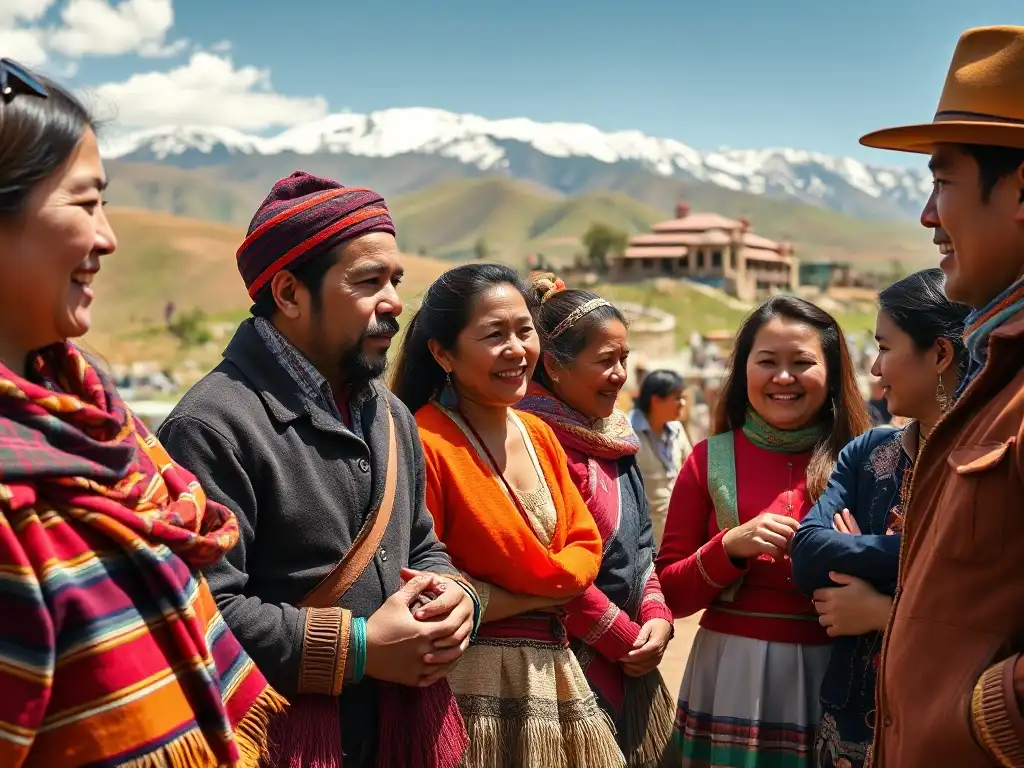
Step into a world lost to time, yet echoing in the present. Journey with us through the breathtaking tapestry of Andean civilization, uncovering the mysteries of the Incas, Moche, Nazca, and Tiahuanaco. But the story doesn't end there... What secrets do the descendants of these magnificent empires hold? Discover the vibrant legacy of the Aymara language speakers today, and explore how their rich heritage continues to thrive in the modern world. Unravel the threads of history and witness the enduring spirit of a people in our exploration of "Aymara Today: The State of the Language and its Speakers."
The Aymara language, a vibrant thread woven into the rich tapestry of Andean culture, continues to hold a significant place in the lives of millions despite facing numerous challenges in the modern world. This article delves into the current state of the Aymara language and its speakers, exploring its geographical distribution, the number of fluent speakers, the efforts being made to preserve and promote it, and the obstacles it faces in the 21st century.
Understanding the present situation of Aymara is crucial for appreciating its historical significance and for safeguarding its future within the broader context of Andean linguistic diversity. We will examine not only the raw numbers of speakers but also the multifaceted factors impacting its vitality and transmission to future generations, offering a comprehensive overview for anyone interested in the enduring legacy of this fascinating language.
This exploration will provide a nuanced perspective on the "Aymara language speakers today," considering both quantitative data and qualitative observations of its cultural and social context.
Introduction to the Aymara Language and its Contemporary Relevance
Aymara, a member of the Aymaran family of languages, boasts a long and complex history deeply intertwined with the Andes' cultural heritage. Historically spoken across a vast territory encompassing parts of Bolivia, Peru, Chile, and Argentina, Aymara maintains a strong presence in the Altiplano region, particularly in the Bolivian Andes. While Spanish remains the dominant language in many areas, Aymara remains a vital part of daily life for many communities, serving as the primary language in homes, local markets, and traditional gatherings.
Its continued use underscores its enduring importance as a vehicle for cultural transmission, preserving ancestral knowledge, beliefs, and social structures. The language itself is rich in vocabulary and grammatical structures, reflecting centuries of adaptation and evolution within its unique cultural landscape.
However, the increasing influence of Spanish and globalization pose significant challenges to the language's long-term survival, necessitating active efforts to promote its preservation and revitalization. Understanding the current demographic trends and the sociolinguistic factors influencing Aymara usage is key to its future prospects.
Current Demographics of Aymara Speakers: A Quantitative Overview
Precise figures on the number of Aymara speakers today are challenging to obtain due to inconsistencies in data collection methods across different regions and countries. However, estimates suggest that millions of people identify as Aymara speakers, though the level of fluency varies considerably. Many individuals are bilingual, using both Aymara and Spanish depending on the context.
Further research is needed to provide a more accurate and detailed breakdown of Aymara speakers by age group, geographic location, and level of proficiency. This would allow for a more precise assessment of the language's health and allow for targeted interventions to support its continued use. The lack of consistent data collection highlights the need for improved methodologies and greater collaboration between linguistic researchers, government agencies, and community organizations.
This collaborative effort is crucial for ensuring accurate reporting and effective language planning initiatives. The available data, while imperfect, paints a picture of a language community facing both challenges and opportunities for its future.
Challenges Facing the Aymara Language: Sociolinguistic Pressures
The Aymara language faces numerous challenges in the 21st century, many of which are common to minority languages worldwide. The dominance of Spanish in education, media, and government institutions creates a significant pressure to adopt Spanish as the primary language of communication. This can lead to a decline in Aymara speakers, particularly among younger generations. Furthermore, urbanization and migration to urban centers often result in reduced opportunities to use Aymara in daily life.
Economic factors also play a crucial role, as fluency in Spanish is often perceived as essential for accessing better employment opportunities. These sociolinguistic pressures are intertwined and contribute to a complex situation that demands multifaceted solutions. Addressing these challenges requires a holistic approach that combines language revitalization efforts with broader initiatives focused on social and economic development within Aymara communities.
Efforts to Preserve and Promote the Aymara Language: A Look at Revitalization Initiatives
Despite the challenges, significant efforts are underway to preserve and promote the Aymara language. Community-based initiatives play a crucial role, with many organizations working to maintain the use of Aymara in education, media, and cultural events. These initiatives often focus on developing Aymara-language educational materials, creating radio and television programs in Aymara, and supporting the publication of literature in the language.
Government policies and programs aimed at promoting linguistic diversity are also important, though their effectiveness can vary depending on resource allocation and implementation. The role of technology in language preservation should not be underestimated; digital platforms and online resources can provide valuable tools for learning and promoting the Aymara language. The success of these efforts hinges on sustained commitment from communities, governments, and international organizations.
A collaborative approach is essential to ensure the long-term vitality of the Aymara language. The future of Aymara depends on the continued dedication and innovation of those working to safeguard its legacy.
- Introduction to the Aymara Language and its Contemporary Relevance
- Current Demographics of Aymara Speakers: A Quantitative Overview
- Challenges Facing the Aymara Language: Sociolinguistic Pressures
- Efforts to Preserve and Promote the Aymara Language: A Look at Revitalization Initiatives
The Current Geographical Distribution of Aymara Speakers
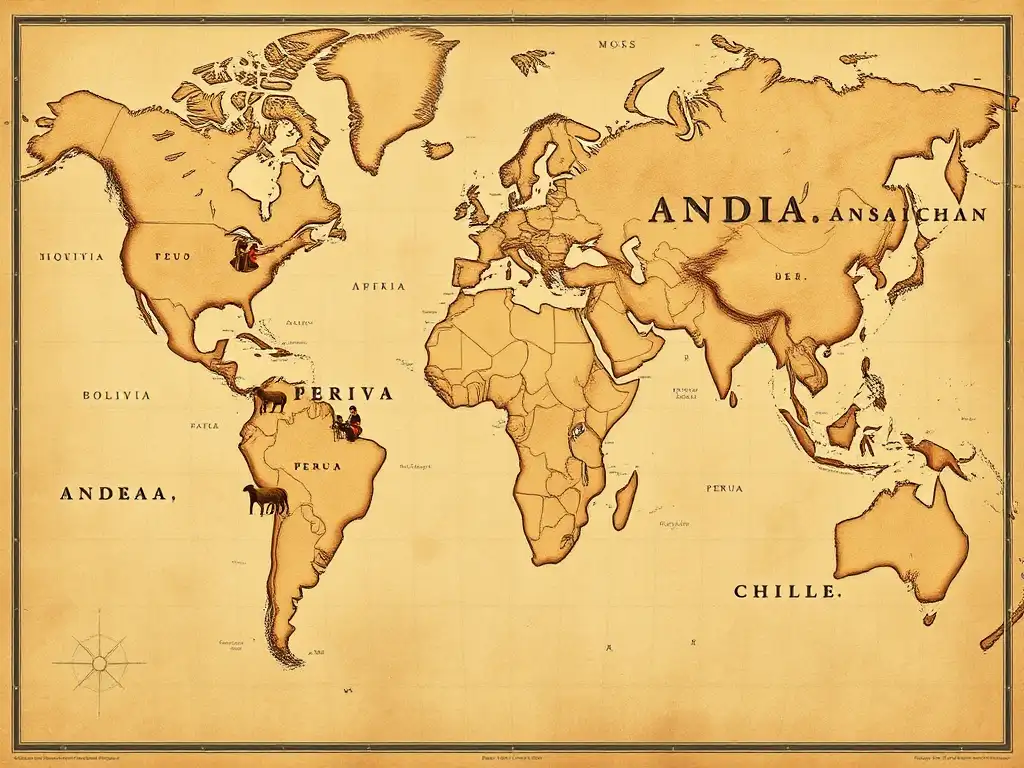
The Aymara language, a vibrant testament to Andean resilience, boasts a significant number of speakers concentrated primarily across the Altiplano, the high plateau of the Andes Mountains. Understanding the current geographical distribution of Aymara speakers is crucial to grasping the challenges and triumphs of this enduring linguistic community. While precise figures fluctuate depending on the methodology and definitions used (e.g., considering only native speakers vs. those with some proficiency), it’s clear that the language's presence remains strong, albeit facing ongoing pressures from dominant languages like Spanish.
The distribution isn't uniform; instead, it's characterized by pockets of high density interspersed with areas where Aymara is less prevalent. This heterogeneity reflects historical migration patterns, socio-economic factors, and government policies impacting language preservation. Analyzing these geographical patterns allows for a more nuanced understanding of the Aymara language speakers today.
Aymara-Speaking Regions in the Andean Highlands
The Andean highlands, encompassing parts of Bolivia, Peru, and Chile, form the heartland of Aymara language and culture. The Altiplano's unique geography, characterized by high altitudes, distinct ecosystems, and historically isolated communities, has played a significant role in shaping the language's evolution and its current distribution. Areas with the highest concentration of Aymara speakers often correspond to regions with strong indigenous traditions and relatively less integration into the broader national economies.
This isn't to say that Aymara communities are entirely isolated; rather, their connection to the highlands' unique environment and their continued use of Aymara reflect a deep-seated cultural identity. The specific regions within the Altiplano where Aymara thrives are diverse, ranging from the fertile valleys around Lake Titicaca to more rugged, mountainous terrain. Mapping these areas with precision requires detailed ethnographic studies and linguistic surveys, which are ongoing projects for researchers studying Aymara language speakers today.
Aymara Communities in Bolivia, Peru, and Chile
Let's examine the distribution of Aymara speakers across the three countries where the language has its strongest presence:
| Country | Region(s) with High Aymara Speaker Concentration | Notable Characteristics | Challenges |
|---|---|---|---|
| Bolivia | La Paz Department, Oruro Department, Potosí Department, Cochabamba Department | Strong indigenous identity, significant rural population, relatively high Aymara usage rates. | Limited access to education in Aymara, economic disparities. |
| Peru | Puno Department, Cusco Department, Tacna Department | Proximity to Lake Titicaca, strong cultural ties to pre-Columbian traditions. | Competition with Quechua, migration to urban centers. |
| Chile | Arica y Parinacota Region, Tarapacá Region | Smaller Aymara-speaking population compared to Bolivia and Peru, facing assimilation pressures. | Limited resources for language preservation, fewer Aymara-speaking schools. |
The table above provides a simplified overview. The reality is far more nuanced. Within each department and region, there are variations in Aymara dialect, proficiency levels, and the extent to which the language is used in daily life.
For example, while Aymara might be dominant in certain rural communities, its use might be significantly reduced in urban centers within the same region. Further research, including detailed sociolinguistic studies, is needed to fully understand the dynamics of Aymara language speakers today and the factors influencing their linguistic practices. The emojis below illustrate the diversity of the Aymara population: 🇧🇴 🇵🇪 🇨🇱 👨👩👧👦 👵👴
The continued vitality of the Aymara language depends on various factors, including access to education in Aymara, government policies supporting language preservation, and the economic opportunities available to Aymara speakers. Understanding the geographical distribution of Aymara speakers is only the first step in a broader effort to support and celebrate this rich linguistic heritage.
Demographics of Aymara Language Speakers Today
This section delves into the current demographic landscape of Aymara language speakers, focusing on estimations of their numbers, the factors influencing these numbers, and the age distribution within the speaking population. Understanding these aspects is crucial for appreciating the current state and future prospects of the Aymara language. The complexities involved in accurately counting Aymara speakers highlight the challenges faced in preserving and promoting indigenous languages globally.
Estimating the Number of Active Aymara Speakers
Precisely determining the number of active Aymara speakers today is a significant challenge. Official census data often underrepresents the actual figure due to various factors, including the complexities of self-identification, the fluidity of language use (many speakers are bilingual or multilingual), and the geographical dispersion of Aymara communities across Bolivia, Peru, and Chile. While various organizations and researchers provide estimates, there's no universally agreed-upon number.
These estimates often range from [specific information pending] million speakers, with significant variations depending on the methodology employed and the definition of "active speaker" used. Some studies focus solely on those who use Aymara as their primary language, while others include those who use it regularly, even if not as their first language.
This lack of standardization makes direct comparisons between studies difficult and underscores the need for more rigorous and consistent data collection methods. Furthermore, the ongoing migration of Aymara speakers to urban areas and their increased integration into Spanish-dominant societies further complicates accurate counting.
Factors Influencing Aymara Language Demographics
Several factors significantly influence the demographics of Aymara language speakers. These include:
- Government policies: Governmental support for indigenous languages, including educational initiatives and media production in Aymara, plays a critical role in language maintenance. [Specific information pending] on the effectiveness of different government policies in Bolivia, Peru, and Chile would provide valuable insights.
- Globalization and urbanization: The increasing influence of globalized media and the migration of Aymara speakers to urban centers, where Spanish is dominant, poses a significant threat to the language’s vitality. The shift towards urban living often leads to a decline in intergenerational transmission of the Aymara language.
- Education: The availability and quality of Aymara-language education at all levels, from preschool to higher education, are crucial determinants of language maintenance and transmission. The integration of Aymara into formal education systems can significantly impact the number of fluent speakers.
- Economic factors: Economic opportunities and social mobility often influence language choices. In many instances, proficiency in Spanish is perceived as essential for economic advancement, potentially leading to a decline in Aymara usage.
- Social prestige: The social status associated with speaking Aymara also plays a role. If speaking Aymara carries a negative social stigma, it can discourage its use, particularly among younger generations.
The Age Distribution of Aymara Speakers
The age distribution of Aymara speakers reveals a concerning trend: a disproportionately high number of older speakers compared to younger speakers. This reflects the challenges faced in intergenerational language transmission. Many younger Aymara individuals are more fluent in Spanish than in their ancestral language, resulting in a potential gap in linguistic continuity. [Specific information pending] on the precise age demographics from recent studies would provide a clearer picture.
This demographic imbalance underscores the urgency of implementing effective language revitalization programs targeting younger generations. These programs should focus on making Aymara learning engaging and relevant to the lives of young people, integrating it into popular culture, and promoting its use in various social contexts. Without such interventions, the future of the Aymara language may be jeopardized.
The preservation of Aymara, like many indigenous languages, requires a multifaceted approach that addresses social, economic, and educational factors impacting its transmission. The active engagement of communities and policymakers is vital for ensuring the continued vitality of this rich linguistic heritage. 🇿🇦
Challenges Faced by the Aymara Language
The Aymara language, a vibrant and ancient tongue of the Andes, faces significant challenges in the 21st century, threatening its continued vitality and jeopardizing the rich cultural heritage it embodies. Understanding these obstacles is crucial for implementing effective preservation strategies and ensuring the Aymara language thrives for generations to come. This section will delve into the key factors contributing to the precarious state of the Aymara language among its speakers today. The impact on Aymara language speakers today is profound and multifaceted, demanding urgent attention and proactive solutions.
Language Shift and Loss of Aymara in Younger Generations
One of the most pressing challenges facing the Aymara language is the significant language shift occurring among younger generations. Many young Aymara speakers are increasingly prioritizing Spanish, the dominant language in many parts of Bolivia and Peru, leading to a decline in Aymara fluency. This shift isn't simply a matter of bilingualism; it often represents a complete abandonment of Aymara in favor of Spanish, particularly in urban areas and among those seeking better educational and economic opportunities.
This phenomenon is exacerbated by several factors. Educational systems, while increasingly incorporating indigenous languages, often still prioritize Spanish instruction. This creates an environment where Aymara is relegated to a secondary status, impacting children's acquisition and proficiency. Furthermore, the perceived economic advantages associated with Spanish fluency often incentivize parents to prioritize Spanish instruction at home, further diminishing Aymara's role in daily life. Studies show a concerning trend: [Specific data on percentage of Aymara speakers by age group pending], highlighting the urgency of intervention. The loss of intergenerational transmission of the language is a critical concern for the future of Aymara.
The Influence of Spanish and Quechua
The influence of Spanish, the dominant language in the region, is undeniable. Spanish permeates media, education, and government, creating a powerful linguistic environment that overshadows Aymara. This dominance isn't merely passive; it actively displaces Aymara in many contexts. The prevalence of Spanish-language media, for example, limits exposure to Aymara media, hindering its development and accessibility.
Furthermore, the presence of Quechua, another major Andean language, adds another layer of complexity. In regions where both Aymara and Quechua are spoken, competition between the two languages can further weaken Aymara's position. While bilingualism in Aymara and Quechua isn't inherently detrimental, the dominance of Spanish often leads to a prioritization of Spanish over both Aymara and Quechua, resulting in a gradual erosion of both indigenous languages.
Understanding the dynamics of this linguistic landscape is crucial for developing targeted language preservation strategies. The interplay between these three languages – Aymara, Quechua, and Spanish – is a complex one, requiring nuanced approaches to language revitalization.
Socioeconomic Factors Affecting Aymara Language Use
Socioeconomic factors play a significant role in the decline of Aymara. Migration from rural areas to urban centers often leads to a shift towards Spanish as a means of economic advancement. In urban settings, opportunities for using Aymara are limited, and the pressure to speak Spanish for employment and social mobility is immense. This economic pressure often translates into a conscious decision to prioritize Spanish, leading to a decline in Aymara usage within families.
Moreover, access to resources and opportunities is often unevenly distributed, disproportionately affecting Aymara-speaking communities. Limited access to quality education in Aymara, inadequate healthcare services provided in Aymara, and a lack of representation in government and media all contribute to a sense of marginalization that can negatively impact language use. Addressing these socioeconomic disparities is crucial not only for the preservation of the Aymara language but also for the overall well-being and empowerment of Aymara communities.
Investing in these communities and promoting their linguistic and cultural heritage is vital for long-term sustainability. The connection between socioeconomic status and language maintenance is undeniable and demands comprehensive, holistic solutions.
Efforts to Preserve and Revitalize the Aymara Language
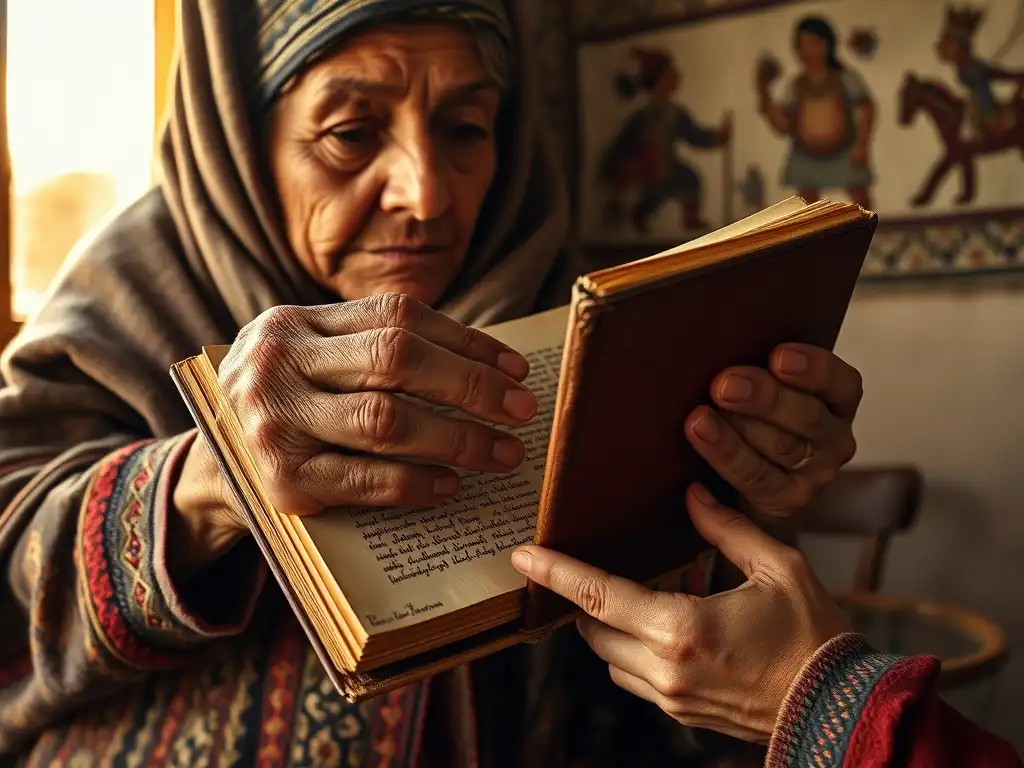
The Aymara language, a vibrant testament to Andean cultural heritage, faces significant challenges in the modern world. Globalization, the dominance of Spanish, and societal pressures have led to a decline in Aymara speakers, particularly among younger generations. However, numerous efforts are underway to preserve and revitalize this ancient tongue, ensuring its continued existence for future generations. These initiatives range from formal educational programs to grassroots cultural movements leveraging technology.
Understanding these efforts is crucial to appreciating the ongoing fight for Aymara linguistic survival and the dedication of those working to safeguard its rich legacy. The number of Aymara language speakers today is a complex issue, with varying estimates depending on the methodology used and the definition of fluency. However, the concerted efforts detailed below demonstrate a strong commitment to reversing the decline.
Aymara Language Education Programs and Initiatives
Several initiatives focus on integrating Aymara language education into formal schooling systems. These programs vary in scope and implementation, ranging from immersion programs in predominantly Aymara-speaking communities to bilingual education in urban areas. The success of these programs often hinges on factors such as teacher training, curriculum development, and community support.
For example, some programs utilize innovative teaching methods, such as incorporating traditional storytelling and songs into the curriculum, to make learning more engaging and culturally relevant for students. Furthermore, the development of high-quality Aymara language teaching materials, including textbooks, dictionaries, and digital resources, is crucial for the long-term success of these educational initiatives. Data on the efficacy of these programs is still being collected and analyzed, but early indicators suggest that immersion programs, particularly those embedded within strong community support structures, yield the most positive results in maintaining Aymara language fluency among younger generations.
More research is needed to fully assess the impact of these programs and to identify best practices for Aymara language education. The ongoing challenge is to create sustainable, culturally sensitive programs that can adapt to the changing needs of Aymara communities across diverse geographical locations.
Cultural Organizations Promoting Aymara Heritage
Beyond formal education, numerous cultural organizations play a vital role in preserving the Aymara language. These groups often organize events, workshops, and festivals that celebrate Aymara culture and language. These activities provide opportunities for Aymara speakers of all ages to connect with their heritage and practice their language in a supportive environment.
Many organizations actively promote the use of Aymara in everyday life, encouraging its use in community meetings, religious ceremonies, and even social media. They often work in conjunction with educational institutions, providing resources and support for Aymara language teachers and students. The impact of these organizations is significant, as they foster a sense of community and pride among Aymara speakers, thereby encouraging the transmission of the language across generations.
Examples include organizations that focus on preserving traditional Aymara music, literature, and storytelling, thereby embedding the language within a broader cultural context. These efforts are crucial in countering the effects of language shift and promoting linguistic diversity. The dedication and tireless work of these organizations are invaluable in the fight to preserve the Aymara language for future generations.
Aymara Language in Media and Technology
The integration of Aymara into media and technology is a relatively recent but rapidly developing area of language revitalization. The use of Aymara in radio broadcasts, television programs, and online platforms helps to increase its visibility and accessibility. The creation of Aymara-language websites, mobile applications, and social media accounts provides opportunities for speakers to connect and communicate in their native language.
Moreover, the development of digital dictionaries, translation tools, and language learning apps makes Aymara more accessible to learners, both within and outside of Aymara communities. This digital presence is crucial in reaching younger generations who are increasingly reliant on technology for communication and information. However, challenges remain in ensuring the quality and accessibility of these digital resources, as well as addressing issues of digital literacy within Aymara communities.
Further development of high-quality digital content in Aymara is essential to fully leverage the potential of technology for language preservation. The increasing use of Aymara in digital spaces represents a significant step forward in the effort to preserve and revitalize this valuable language. This is particularly crucial in reaching younger generations and fostering intergenerational communication.
The Future of Aymara: Prospects and Challenges

The Aymara language, a vibrant thread in the tapestry of Andean culture, faces a complex future. While its survival is far from guaranteed, proactive measures and a renewed appreciation for its cultural significance offer a glimmer of hope for the Aymara language speakers today. The challenges are significant, ranging from the dominance of Spanish and other languages to the lack of consistent government support for language revitalization programs.
However, a growing awareness of linguistic diversity and the inherent value of indigenous languages is creating a more favorable climate for Aymara's continued existence. This section will explore the key factors influencing the future of the Aymara language, examining both the obstacles and opportunities that lie ahead.
The Role of Aymara in Contemporary Andean Identity
Aymara's future is inextricably linked to its role in shaping contemporary Andean identity. For many Aymara communities, the language serves as a powerful symbol of cultural pride and resistance against assimilation. Speaking Aymara is not merely a linguistic practice; it's a statement of cultural belonging, a connection to ancestral traditions, and a rejection of the homogenizing forces of globalization.
This strong sense of cultural identity is a crucial factor in the language's resilience. The continued use of Aymara in everyday life – in homes, community gatherings, and religious ceremonies – strengthens its vitality and reinforces its importance within the broader Andean cultural landscape.
However, the pervasive influence of Spanish in education, media, and government poses a significant threat to this cultural preservation. The challenge lies in fostering an environment where Aymara is valued not just as a cultural artifact, but as a living, dynamic language with a rightful place in the modern world.
The Importance of Intergenerational Transmission of Aymara
The intergenerational transmission of Aymara is arguably the most critical factor determining its long-term survival. If younger generations fail to acquire fluency in the language, its future is severely jeopardized. While some communities have successfully maintained strong intergenerational transmission, others are witnessing a decline in Aymara speakers among younger age groups. Several factors contribute to this challenge, including the preference for Spanish in formal education settings and the perceived economic advantages associated with Spanish fluency.
Initiatives promoting early childhood Aymara immersion programs, incorporating Aymara into school curricula, and encouraging the use of Aymara in family settings are crucial for ensuring the continued transmission of the language to future generations. Data on the number of fluent Aymara speakers aged under 18, broken down by region, is needed to provide a more accurate assessment of this critical area. [specific information pending]
The Impact of Bilingualism on Aymara Language Vitality
The impact of bilingualism – specifically, Spanish-Aymara bilingualism – on the vitality of the Aymara language is a complex issue. While some might argue that bilingualism inevitably leads to the decline of minority languages, research suggests a more nuanced reality. In many cases, bilingualism can coexist with the maintenance of Aymara as a primary language, particularly when Aymara retains its dominance in the home and community.
However, when Spanish becomes the primary language of education, employment, and social interaction, the use of Aymara can diminish significantly, leading to language shift. Therefore, promoting bilingual education programs that prioritize both languages and value Aymara cultural heritage is crucial. Furthermore, efforts to integrate Aymara into various aspects of modern life – such as technology, media, and literature – can help strengthen its vitality and make it more relevant to younger generations, fostering a sense of pride and ownership within a bilingual context.
A comprehensive study comparing the language proficiency levels of monolingual Spanish speakers versus Aymara-Spanish bilingual speakers in different age groups would provide valuable insights. [specific information pending]
The future of the Aymara language hinges on a multifaceted approach that addresses the challenges while capitalizing on the opportunities. A concerted effort involving communities, governments, and educational institutions is essential to ensure the survival and flourishing of this rich and culturally significant language. 🤝
Conclusion: The Enduring Legacy of Aymara
The Aymara language, a testament to the resilience and cultural richness of the Andean region, continues to thrive despite centuries of societal shifts and linguistic pressures. Its survival is not merely a linguistic phenomenon; it represents the enduring spirit of a people deeply connected to their ancestral heritage. Understanding the current state of Aymara language speakers today requires acknowledging both the challenges and the remarkable efforts undertaken to preserve this vital part of Andean cultural identity.
The data presented highlights the complexities of language maintenance in a globalized world, but also underscores the unwavering commitment of Aymara communities to safeguard their linguistic legacy for future generations. This commitment, coupled with ongoing advocacy and support, ensures that the vibrant tapestry of Aymara culture will continue to enrich the Andean landscape for years to come.
The Significance of Aymara in Andean Cultural Heritage
Aymara's significance transcends mere communication; it is intrinsically woven into the fabric of Andean cultural heritage. The language acts as a repository of invaluable knowledge, encompassing traditional practices, storytelling, and a unique worldview shaped by millennia of interaction with the Andes' challenging yet bountiful environment. Many aspects of Aymara culture, from agricultural techniques passed down through generations to intricate textile designs reflecting cosmological beliefs, are inextricably linked to the language itself. The loss of Aymara would represent not only the disappearance of a language but also the erosion of a rich and complex cultural heritage, a significant loss for Bolivia, Peru, and Chile, and indeed, for the world's linguistic diversity. The intricate relationship between language and cultural identity is undeniable, making the preservation of Aymara a crucial endeavor for safeguarding Andean cultural heritage. This is especially true considering the unique oral traditions and knowledge systems embedded within the Aymara language.
The Importance of Supporting Aymara Language Speakers Today
Supporting Aymara language speakers today is not just a matter of linguistic preservation; it’s a matter of social justice and equity. Many Aymara communities face significant socio-economic challenges, and language revitalization initiatives can play a crucial role in empowering these communities. Providing access to quality education in Aymara, fostering opportunities for its use in various domains (e.g., government, media, education), and promoting Aymara literature and artistic expression are all critical steps.
Furthermore, supporting Aymara language speakers means recognizing and respecting their cultural identity and rights. This includes promoting bilingual education programs that value both Aymara and Spanish (or other dominant languages), ensuring equal access to services in Aymara, and fostering a sense of pride and ownership among Aymara speakers. Investing in these initiatives is an investment in the future of the Andean region, ensuring that the voices and perspectives of Aymara speakers are heard and valued.
The Ongoing Need for Aymara Language Advocacy
The fight to preserve the Aymara language requires sustained and robust advocacy. This involves lobbying for government policies that support language revitalization, raising awareness among the broader public about the importance of linguistic diversity, and working with Aymara communities to develop culturally appropriate and effective language preservation strategies. Advocacy efforts must also address the systemic inequalities that have historically marginalized Aymara speakers, ensuring that they have equal access to resources and opportunities.
This includes advocating for increased funding for Aymara language programs, promoting Aymara language use in public spaces, and challenging discriminatory practices that undermine the use and value of Aymara. The continued advocacy for Aymara is not simply a matter of preserving a language; it is a commitment to social justice, cultural preservation, and the recognition of the inherent value of linguistic diversity in a globalized world.
The future of the Aymara language hinges on the continued dedication of advocates and the unwavering commitment of Aymara communities themselves. The ongoing need for advocacy underscores the importance of proactive measures to ensure the Aymara language continues to thrive for generations to come.
Frequently Asked Questions
How many Aymara language speakers are there today?
While precise figures are difficult to obtain, estimates place the number of Aymara speakers in the millions, primarily in Bolivia and Peru, with smaller communities in Chile and Argentina. The exact number is constantly fluctuating.
Where do most Aymara speakers live?
The majority of Aymara speakers reside in the Altiplano region of the Andes Mountains, specifically in Bolivia and Peru. Smaller communities also exist in neighboring countries.
Is the Aymara language still actively used?
Yes, Aymara remains a vibrant and actively used language, though its usage varies across different communities and generations. Efforts are underway to promote and preserve it.
What challenges face the Aymara language today?
The Aymara language faces challenges such as competition from Spanish and other dominant languages, limited access to education in Aymara, and economic factors influencing language choice.
What efforts are being made to preserve the Aymara language?
Various organizations and communities are working to preserve and promote Aymara, including initiatives focused on language education, cultural revitalization, and media production in the Aymara language.
Final Reflection: The Enduring Spirit of Aymara
The Aymara language, a vibrant thread woven into the rich tapestry of Andean culture, faces significant challenges today, yet its resilience shines through the struggles of its speakers. The persistence of Aymara in the face of globalization and linguistic dominance is a testament to the enduring power of cultural identity and the unwavering spirit of its people. This fight for linguistic survival is not merely a local concern; it's a microcosm of the global battle to preserve linguistic diversity and the unique perspectives each language offers.
The impact of colonization and modernization on the Aymara language and its speakers is profound, leaving an undeniable mark on the cultural landscape of the Andes. The struggle for recognition and revitalization is ongoing, a testament to the deep-seated connection between language and identity. A language is not just a tool for communication; it is the embodiment of a culture, a repository of knowledge, and a vehicle for self-expression.
This quote encapsulates the profound significance of the Aymara language and the urgent need for its preservation. The stories shared, the traditions passed down, and the very sense of community are inextricably linked to the continued use of Aymara.
You, the reader, now hold a piece of this story. Consider the role you can play in supporting linguistic diversity. Learn a few Aymara phrases, share this article with others, or simply take a moment to appreciate the beauty and strength of a language that has endured for centuries. Let us all work together to ensure that the vibrant voice of Aymara continues to resonate for generations to come, a beacon of cultural resilience in a rapidly changing world.
**Embrace and Enrich the Aymara Language! **
Thank you for exploring the rich world of the Aymara language and its people! Your interest is vital to preserving this cultural treasure. Let's work together to support the Aymara community and its heritage.
Here are some ways you can make a difference:
- Engage with Aymara culture: Immerse yourself in Aymara life by attending local events, online workshops, or cultural festivals. Experience the language and traditions firsthand.
- Share your knowledge: Help preserve the Aymara language by spreading awareness among your friends and community. Promote resources and initiatives that support this important cause through social media.
- Learn Aymara: Consider learning a few words or phrases. Many language learning apps and online courses offer Aymara lessons.
What steps will you take to help keep the Aymara language vibrant and relevant in today's interconnected world?