
Andean Gastronomy: A Taste of the Past in Every Modern Dish

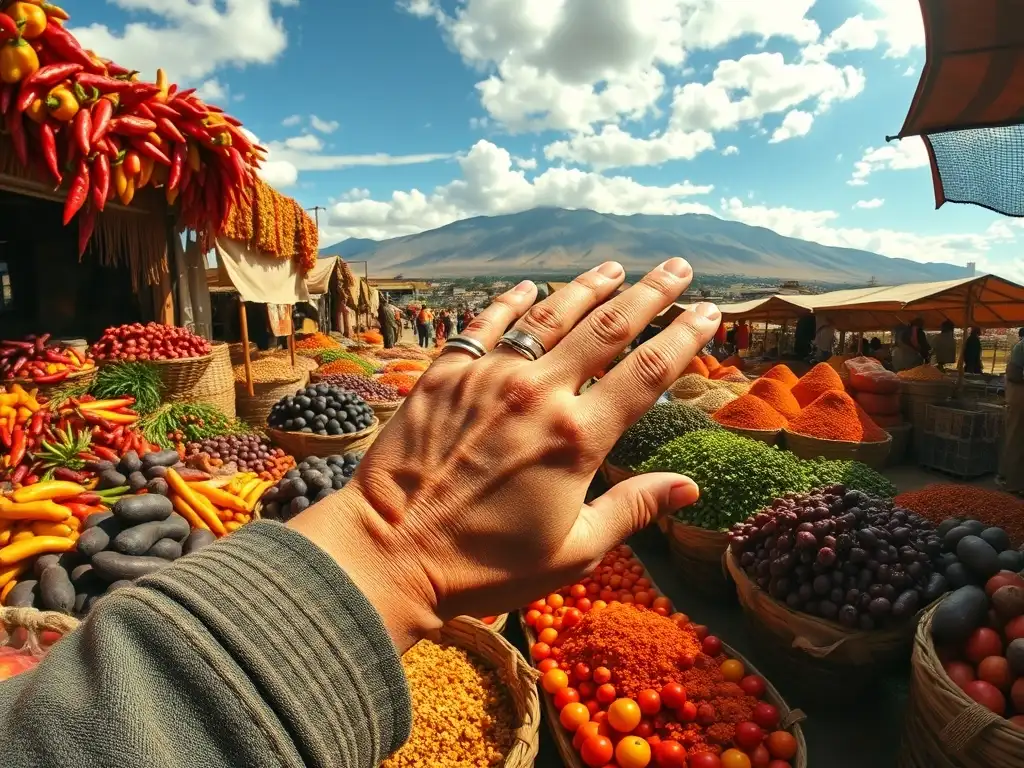
Unravel the mysteries of a culinary heritage as rich and complex as the Andes themselves. For centuries, the ingenuity of Andean civilizations shaped not only their empires but also the very food we eat today. Prepare to be amazed as we delve into the intriguing history of Andean cuisine, tracing its influence from ancient rituals to modern plates. Discover how the flavors of the past continue to resonate in every bite—a legacy waiting to be tasted.
The legacy of the Andean civilizations extends far beyond impressive architectural marvels and intricate textiles. Their profound impact resonates even today in the vibrant tapestry of modern Andean culture, particularly in its cuisine. This article delves into the fascinating history of Andean gastronomy, exploring how ancient culinary practices and ingredients continue to shape the dishes we enjoy in the modern era.
We'll uncover the deep roots of Andean cuisine, tracing its evolution from ancient agricultural innovations to the diverse culinary landscape of present-day Andean communities. Understanding this historical influence is key to appreciating the unique flavors and traditions that define Andean food culture, a testament to the ingenuity and resilience of its people.
We'll examine the key ingredients, techniques, and cultural significance that have endured for millennia, highlighting the enduring connection between the past and the present on our plates. Prepare to embark on a culinary journey through time, discovering how the echoes of ancient Andean civilizations flavor our modern world.
Ancient Agricultural Practices: The Foundation of Andean Cuisine
The foundation of Andean cuisine rests firmly upon the remarkable agricultural achievements of its ancient inhabitants. Long before the Inca Empire, sophisticated irrigation systems, terracing techniques, and a deep understanding of Andean biodiversity enabled the cultivation of a remarkable variety of crops. These included potatoes, quinoa, maize (corn), beans, and various fruits and vegetables uniquely adapted to the challenging Andean terrain.
The ingenuity of these early Andean farmers laid the groundwork for a culinary tradition rich in nutritional diversity and resilient to the harsh environmental conditions. Their mastery of agriculture not only ensured food security but also provided the raw materials for the development of unique culinary techniques and traditions that have persisted to this day. The careful selection and preservation of heirloom varieties of these crops continues to be a critical aspect of modern Andean cuisine, showcasing a deep appreciation for the agricultural legacy of their ancestors.
Key Ingredients: From Ancient Fields to Modern Plates
Several key ingredients, cultivated and refined over millennia, define the essence of Andean cuisine and its enduring influence on modern dishes.
- Potatoes: With thousands of varieties, the potato is arguably the most iconic Andean staple. From the small, intensely flavored papa negra to the creamy papa amarilla, each variety brings a unique texture and flavor profile to Andean dishes.
- Quinoa: This complete protein, celebrated for its nutritional value, was a crucial part of the ancient Andean diet and remains a beloved ingredient in contemporary cuisine.
- Maize (Corn): Used in countless forms – from choclo (corn on the cob) to humitas (steamed corn cakes) – maize is another cornerstone of Andean culinary traditions.
- Beans: Various types of beans, including black beans, kidney beans, and cannellini beans, are integral to Andean cuisine, providing essential protein and fiber.
- Aji Peppers: These fiery peppers, ranging in intensity, add a characteristic spice and flavor to many Andean dishes, reflecting a preference for bold flavors.
The continued use of these foundational ingredients speaks volumes about the enduring legacy of ancient Andean agricultural practices and their impact on modern foodways. The diversity of these ingredients alone showcases the ingenious adaptation of Andean agriculture to its unique environment.
Culinary Techniques: Preserving Ancient Traditions
Beyond ingredients, the culinary techniques employed in Andean cuisine also reflect a rich history. Techniques like pachamanca (earth oven cooking), adobo (marinating in a spicy sauce), and various methods of drying and preserving food showcase the ingenuity of ancient Andean cooks in maximizing the use of available resources. These techniques not only enhance the flavor of the food but also demonstrate a deep respect for the environment and a commitment to sustainability, principles that continue to resonate in modern Andean gastronomy.
The preservation of these techniques ensures the continuity of culinary traditions, connecting present-day cooks to the practices of their ancestors. The use of these techniques is not merely functional; it is a cultural practice which preserves a rich history and fosters community.
The Enduring Influence on Modern Andean Cuisine
The influence of ancient Andean gastronomy on modern Andean cuisine is undeniable. From the everyday staples to celebratory feasts, the echoes of the past are clearly audible in the flavors and techniques employed. Modern chefs often blend traditional methods with contemporary influences, creating dishes that honor the legacy of their ancestors while embracing new culinary trends.
The resurgence of interest in traditional Andean ingredients and cooking methods is a testament to the enduring appeal and relevance of this rich culinary heritage. This renewed appreciation for Andean cuisine is not only a culinary phenomenon but also a cultural movement that celebrates the ingenuity and resilience of the Andean people and their enduring connection to their land and its resources. The vibrant and diverse culinary landscape of the modern Andes is a direct reflection of the ingenuity and resourcefulness of its ancient predecessors, a delicious testament to a lasting legacy.
- Ancient Agricultural Practices: The Foundation of Andean Cuisine
- Key Ingredients: From Ancient Fields to Modern Plates
- Culinary Techniques: Preserving Ancient Traditions
- The Enduring Influence on Modern Andean Cuisine
The Historical Roots of Andean Cuisine
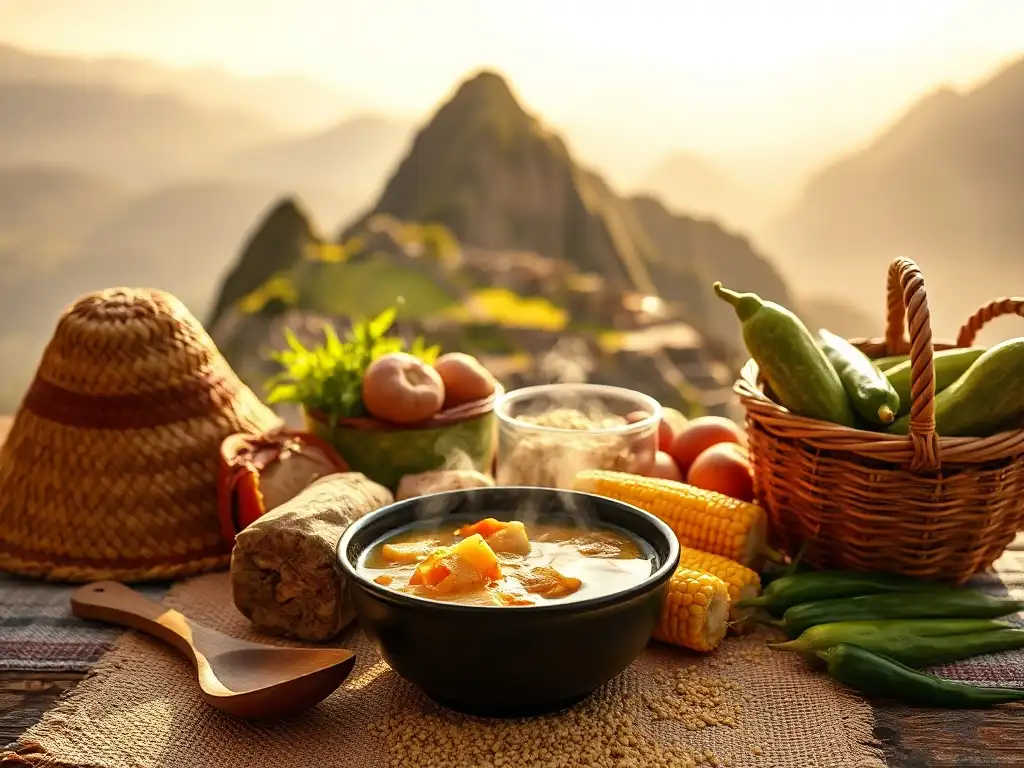
The vibrant tapestry of modern Andean cuisine is deeply rooted in the ingenious agricultural practices and culinary traditions of its ancient civilizations. Understanding this historical foundation is crucial to appreciating the unique flavors and ingredients that define Andean food today. The "Andean cuisine history influence" is not merely a matter of inherited recipes; it's a testament to the enduring legacy of resourcefulness and innovation passed down through generations.
This section delves into the ancient practices and imperial influences that shaped the culinary landscape of the Andes, revealing how the past continues to nourish the present. The influence of the Incas, alongside the contributions of earlier cultures, created a culinary heritage that remains strikingly relevant.
Ancient Andean Food Practices: A Foundation for Modern Flavors
Long before the Inca Empire, diverse Andean cultures developed sophisticated agricultural techniques and a rich culinary repertoire. The ingenuity of these early Andean peoples in cultivating and utilizing native crops laid the groundwork for the cuisine we know today. Evidence from archaeological sites reveals a remarkable understanding of plant domestication and food preservation.
For instance, the Nazca culture, known for their intricate geoglyphs, also demonstrated advanced knowledge of irrigation systems, allowing them to cultivate a variety of crops in the arid coastal regions. Their diet, as evidenced by excavated remains, included a wide range of fruits, vegetables, and seafood, showcasing a diverse and sustainable approach to food production. This early focus on diverse, locally sourced ingredients is a cornerstone of modern Andean cuisine's emphasis on fresh, seasonal produce.
The Moche, another pre-Inca civilization, similarly exhibited sophisticated agricultural practices and a diverse diet, contributing to the fundamental building blocks of Andean culinary traditions. Their sophisticated irrigation systems and diverse crops laid the foundation for future generations of Andean farmers and cooks.
The Influence of the Inca Empire on Culinary Traditions
The Inca Empire, spanning vast territories across the Andes, played a pivotal role in shaping Andean culinary traditions. Their centralized administration and advanced road network facilitated the exchange of goods and agricultural knowledge across diverse ecological zones. This resulted in a remarkable culinary fusion, with ingredients from different regions blending to create a complex and varied diet.
The Incas' emphasis on mit'a, a system of labor reciprocity, ensured the cultivation and distribution of essential crops like potatoes, quinoa, and maize across the empire. This efficient system of food production contributed to the stability and prosperity of the empire, and its legacy is reflected in the widespread availability and importance of these staple crops in modern Andean cuisine. The Inca’s sophisticated understanding of food preservation techniques, such as freeze-drying potatoes (chuño), also significantly impacted the long-term availability and consumption of these vital food sources.
Key Ingredients of the Andean Diet: From Quinoa to Potatoes
The Andean diet, past and present, is characterized by its reliance on a remarkable array of native crops. These ingredients, many of which are still central to modern Andean cuisine, have been cultivated for millennia and hold deep cultural significance. The "Andean cuisine history influence" is inextricably linked to these powerhouse ingredients:
| Ingredient | Historical Significance | Modern Use |
|---|---|---|
| Potatoes | Staple crop, diverse varieties adapted to various altitudes | Numerous dishes, from soups to stews to side dishes |
| Quinoa | Highly nutritious grain, crucial for Inca sustenance | Salads, side dishes, soups, and even desserts |
| Maize (Corn) | Widely cultivated, used in various forms | Arepas, humitas, chicha (fermented drink) |
| Beans (various) | Important source of protein | Soups, stews, side dishes |
| Aji (Chilies) | Adds spice and flavor to many dishes | Sauces, salsas, marinades |
| Tomatoes | Widely used in sauces and dishes | Sauces, salsas, stews |
These are just a few examples of the key ingredients that have shaped Andean cuisine throughout history. The enduring legacy of these crops reflects not only the agricultural ingenuity of Andean civilizations but also their profound impact on the culinary landscape of the region, proving the lasting “Andean cuisine history influence”. Further research into specific regional variations and less widely known ingredients would further enrich our understanding of this rich culinary heritage.
Evolution of Andean Gastronomy Through Time
The history of Andean cuisine is a vibrant tapestry woven from millennia of agricultural innovation, cultural exchange, and environmental adaptation. Long before the Inca Empire, diverse Andean cultures developed sophisticated agricultural practices, resulting in a remarkably diverse culinary landscape. The influence of Andean cuisine history is profoundly felt even today. Early Andean societies, such as the Chavín, Moche, and Nazca, cultivated a range of crops including potatoes (in countless varieties!
), maize, quinoa, beans, and various squashes. These formed the foundation of their diets, with preparation methods varying regionally and reflecting unique cultural practices. Evidence suggests sophisticated techniques like fermentation and sun-drying were employed to preserve food and enhance its flavor profile, showcasing a deep understanding of food science.
The Inca Empire, with its vast network of roads and efficient agricultural systems, further standardized and expanded upon existing culinary traditions, contributing significantly to the Andean cuisine history influence we see today. Their mastery of irrigation and terracing allowed for the cultivation of a wide array of crops across diverse altitudes, resulting in a rich and varied diet for its population. The Inca’s ability to manage resources and distribute food effectively played a crucial role in shaping the culinary landscape of the Andes.
Post-Colonial Andean Cuisine: A Fusion of Cultures
The arrival of the Spanish in the 16th century marked a dramatic turning point in Andean gastronomy. The Spanish conquest not only brought about significant social and political upheaval but also profoundly impacted the region's culinary traditions. The introduction of new ingredients, such as wheat, rice, sugar cane, livestock (cattle, pigs, sheep), and various spices, fundamentally altered the existing foodways.
This wasn't simply a replacement, however; rather, a complex process of fusion emerged. Indigenous Andean ingredients and techniques were combined with those brought by the Spanish, creating entirely new dishes and culinary traditions. For example, the introduction of wheat led to the development of various breads and pastries, often incorporating local ingredients like potatoes or quinoa.
The fusion of cultures is clearly visible in the many modern Andean dishes that blend indigenous and European elements. This cultural exchange, while often imposed, ultimately enriched the culinary heritage of the Andes, creating the unique and diverse food culture that exists today. The Spanish influence is undeniable, yet the core of Andean cuisine remains deeply rooted in its pre-Columbian past.
The Adaptation of Spanish Ingredients in Traditional Recipes
The process of adaptation was not simply about incorporating new ingredients; it was about creatively integrating them into existing culinary practices. Indigenous chefs and cooks demonstrated remarkable ingenuity in adapting Spanish ingredients to their existing culinary traditions. For instance, while wheat became a staple, it was often combined with quinoa or other Andean grains in various breads and porridges, creating hybrid dishes that reflect both cultural influences.
Similarly, the introduction of livestock led to the development of new stews and roasts, but these often featured indigenous spices and vegetables, preserving the unique flavor profiles of Andean cuisine. This innovative adaptation ensured the survival and evolution of traditional recipes, demonstrating the resilience and adaptability of Andean culinary practices in the face of significant cultural change.
The result is a cuisine that is both distinctly Andean and yet profoundly shaped by the historical exchange with Europe. This unique blend is a testament to the creativity and resourcefulness of Andean cooks throughout history.
Preserving Ancient Techniques in Modern Cooking
Despite the passage of centuries and the significant changes brought about by globalization, many ancient Andean cooking techniques continue to be practiced today. The preservation of these techniques is crucial for maintaining the authenticity and cultural significance of Andean cuisine. Examples include the continued use of traditional methods for preparing chicha, a fermented maize beverage; the persistence of various potato preparations, often involving unique techniques inherited from pre-Columbian times; and the ongoing use of sun-drying and other preservation methods to extend the shelf life of food.
Moreover, modern chefs are increasingly recognizing the importance of preserving these ancient techniques, incorporating them into contemporary dishes to create a unique and authentic dining experience that pays homage to Andean culinary heritage. This conscious effort to maintain tradition while embracing innovation is key to ensuring the vitality and longevity of Andean cuisine in the modern world.
The continued use of these techniques highlights the enduring legacy of Andean culinary knowledge and its impact on the Andean cuisine history influence. The preservation of these ancient methods is not merely a nostalgic pursuit; it is a crucial element in safeguarding the cultural identity and biodiversity of the Andean region.
The Influence of Andean Cuisine History on Contemporary Dishes
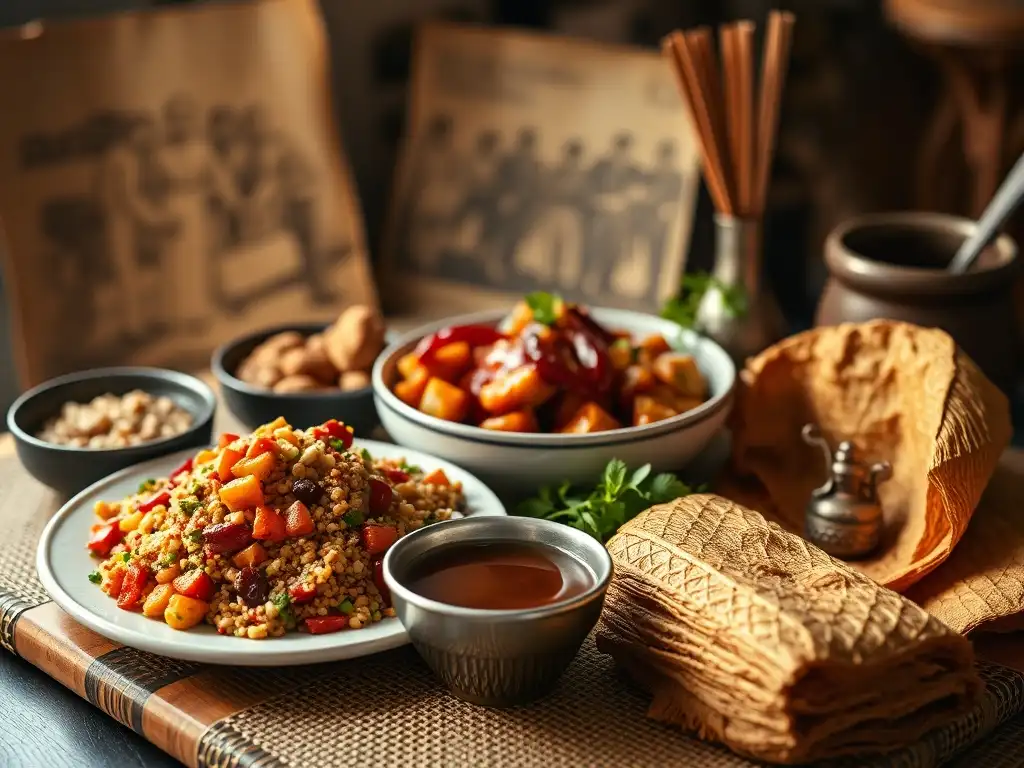
The Andean region boasts a culinary heritage as rich and diverse as its history. Understanding the deep roots of Andean cuisine is crucial to appreciating its enduring influence on modern dishes. From the humble potato, domesticated in the Andes thousands of years ago, to the complex flavor profiles built on indigenous ingredients, the culinary traditions of civilizations like the Inca, Moche, and Nazca continue to shape what we eat today.
This influence isn't merely nostalgic; it's a vibrant, evolving force, constantly reinterpreted and reinvented by contemporary chefs. The study of Andean cuisine history reveals a fascinating interplay between agricultural innovation, cultural practices, and the enduring power of taste. This section will delve into the specific ways in which this history manifests in contemporary Andean gastronomy, showcasing the enduring legacy of these ancient civilizations.
Andean Culinary Heritage: A Source of Inspiration for Chefs
Modern Andean cuisine draws heavily upon the ingenuity of its predecessors. The Inca Empire, for instance, developed sophisticated agricultural techniques, including terracing and irrigation, which allowed them to cultivate a remarkable variety of crops, including quinoa, maize, and various tubers. These crops, along with native animals like the llama and alpaca, formed the basis of their diet. The Inca also developed complex food preservation methods, ensuring food security throughout the year. These methods, though adapted, still inform modern food preservation techniques in the region.
The impact is evident in the renewed interest in traditional Andean ingredients. Quinoa, once a staple of the Andean diet, has experienced a global surge in popularity, highlighting its nutritional value and versatility. Similarly, other ancient crops like amaranth and oca are experiencing a renaissance, finding their way into contemporary restaurants and home kitchens.
Chefs are not only incorporating these ingredients but also exploring ancient cooking methods, such as the use of pachamanca, an underground oven, to create authentic and flavorful dishes. The resurgence of these ingredients and techniques underscores the enduring influence of Andean culinary heritage. This isn't simply a trend; it's a recognition and celebration of a rich and sustainable food system.
Modern Interpretations of Classic Andean Recipes
Many contemporary Andean dishes are direct descendants of ancient recipes, albeit with modern twists. Take, for example, cuy, or guinea pig, a traditional Andean delicacy. While its preparation might vary slightly across regions and time periods, the basic principles remain the same. Similarly, humitas, steamed corn cakes wrapped in corn husks, are a staple throughout the Andes, their recipes passed down through generations, with slight variations reflecting regional preferences and ingredient availability.
The modern interpretations often involve elevating the presentation and incorporating more sophisticated techniques without losing the core essence of the dish. Consider rocoto relleno, a stuffed pepper dish. While the basic ingredients – rocoto peppers, meat, and spices – remain the same, chefs may experiment with different fillings, sauces, and presentation styles to create a more refined culinary experience.
This demonstrates a delicate balance between honoring tradition and embracing innovation. The continued popularity of these dishes, both in their traditional and modernized forms, reflects a deep cultural connection to the past, while simultaneously demonstrating the adaptability and enduring appeal of Andean cuisine.
The Rise of Andean Fusion Cuisine: A Global Trend
The influence of Andean cuisine extends far beyond the Andes themselves. The increasing global interest in unique and flavorful food has led to the rise of Andean fusion cuisine, a culinary movement that blends traditional Andean ingredients and techniques with influences from other culinary traditions. This fusion often involves incorporating elements from other Latin American cuisines, as well as Asian, European, or even Mediterranean styles. This creative cross-pollination results in exciting and innovative dishes that showcase the versatility of Andean ingredients.
For example, we might see quinoa incorporated into sushi rolls, or causa, a layered potato dish, reimagined with Asian-inspired flavors. The innovative use of Andean superfoods, such as maca and lucuma, in desserts and beverages further highlights the global appeal of this culinary heritage. This fusion approach not only celebrates the unique flavors of the Andes but also fosters cultural exchange and expands the possibilities of Andean cuisine.
The growing popularity of Andean fusion cuisine demonstrates its adaptability and potential for continued growth and innovation on a global scale, further solidifying the enduring influence of Andean cuisine history. The future of Andean cuisine looks bright, promising a continued evolution and appreciation of its rich history and diverse flavors.
Exploring Key Ingredients in Modern Andean Cooking
The vibrant tapestry of modern Andean cuisine is deeply rooted in the agricultural ingenuity of its ancient predecessors. Understanding the key ingredients that shaped – and continue to shape – Andean culinary traditions is crucial to appreciating the profound influence of the past on the present. This section delves into some of the most important staples, showcasing their historical significance and their continued relevance in contemporary Andean cooking.
The enduring legacy of Andean agriculture is evident in the diverse array of crops still cultivated and consumed across the region, a testament to the sophisticated farming practices of past civilizations. The impact of this agricultural heritage on the modern Andean diet is undeniable, with many traditional dishes relying on ingredients cultivated for millennia.
This rich history is reflected in the unique flavors and textures that characterize Andean cuisine today, demonstrating a remarkable continuity between past and present. The "Andean cuisine history influence" is clearly visible in the very foundation of its ingredients.
The Versatility of Andean Potatoes: A Staple Ingredient
The potato ( Solanum tuberosum) is arguably the most iconic symbol of Andean agriculture and a cornerstone of Andean cuisine history. Far from the bland, starchy potato often found in other parts of the world, Andean potatoes boast an astonishing diversity of shapes, sizes, colors, and flavors. Ancient Andean farmers cultivated hundreds of varieties, each adapted to specific altitudes and climates.
This remarkable biodiversity, a product of centuries of careful selection and cultivation, continues to be a source of culinary innovation today. From the creamy, buttery papa amarilla (yellow potato) to the intensely flavored papa negra (black potato), each variety offers unique culinary possibilities. Many traditional Andean dishes, such as papa a la huancaína (potatoes in a creamy cheese sauce) and pachamanca (a traditional earth oven cooking method), rely on the diverse range of potato varieties for their distinctive flavors and textures.
The potato's versatility extends beyond its role as a main ingredient; it's also used to make chicha de jora, a traditional fermented beverage. The sheer number of potato varieties – estimates range from several hundred to over four thousand – highlights the ingenuity of Andean agricultural practices and their lasting impact on Andean cuisine.
Quinoa: A Superfood with Ancient Andean Origins
Quinoa ( Chenopodium quinoa), another staple of Andean agriculture, has recently gained global recognition as a "superfood." But its history in the Andes stretches back millennia, where it was a crucial part of the diet of various Andean cultures, including the Incas. Unlike many other grains, quinoa is a complete protein, containing all nine essential amino acids.
This nutritional value made it a vital source of sustenance for Andean populations, particularly at high altitudes where other crops might struggle to thrive. Its resilience to harsh conditions and nutritional richness contributed significantly to the success and longevity of Andean civilizations. Today, quinoa continues to be a staple in Andean cooking, used in everything from hearty soups and stews to light salads and side dishes.
Its adaptability, nutritional value, and its historical significance as a keystone of Andean agriculture firmly place it among the most important ingredients in understanding the "Andean cuisine history influence". The versatility of quinoa also extends to its use in various processed foods, highlighting its ongoing relevance in modern Andean diets. Its global popularity, while a recent phenomenon, underscores the inherent qualities that made quinoa a crucial part of the Andean culinary heritage for centuries.
Unique Andean Grains and Tubers: Oca, Mashua, and Kiwicha
Beyond potatoes and quinoa, the Andean region boasts a rich diversity of other grains and tubers that have played, and continue to play, vital roles in its culinary traditions. Oca ( Oxalis tuberosa), mashua ( Tropaeolum tuberosum), and kiwicha ( Amaranthus caudatus) are just a few examples of these unique crops. Oca, with its slightly sour and tangy flavor, is often eaten boiled or roasted.
Mashua, known for its peppery taste, is similarly versatile, and can be used in various dishes. Kiwicha, a pseudocereal rich in protein and fiber, is often used in porridges, breads, and other baked goods. These lesser-known crops, while not as globally recognized as potatoes or quinoa, are integral to the diverse tapestry of Andean cuisine.
Their cultivation and consumption represent a continuation of ancient Andean agricultural practices and their enduring influence on the region's culinary landscape. Understanding the role of these crops is essential to a comprehensive appreciation of the "Andean cuisine history influence" and the remarkable depth and breadth of Andean culinary traditions. Further research is needed to fully document the historical significance and current culinary applications of these unique and often overlooked Andean ingredients.
Andean Cooking Techniques: Ancient Wisdom Applied
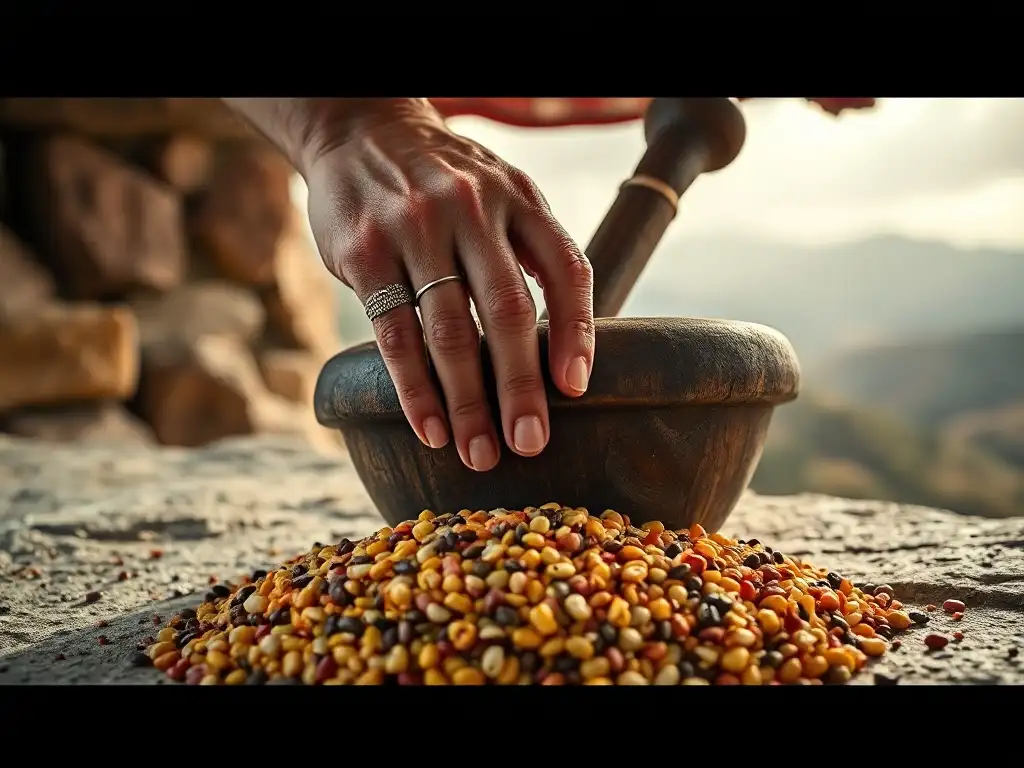
Andean cuisine history influence is deeply rooted in the ingenious cooking techniques developed by ancient Andean civilizations. These methods, passed down through generations, demonstrate a sophisticated understanding of food preservation and flavor enhancement, showcasing remarkable adaptability to the challenging Andean environment. Many of these techniques remain integral to modern Andean gastronomy, highlighting the enduring legacy of these ancient cultures. The ingenuity of these methods is a testament to the resourcefulness and culinary expertise of Andean peoples. Let's delve into some key examples.
Pachamanca: An Earth Oven Cooking Method
Pachamanca, meaning "hot earth" in Quechua, is a quintessential example of Andean cooking ingenuity. This ancient earth oven cooking method involves heating stones in a pit, layering them with meat (often llama or alpaca), vegetables, and herbs, then covering the pit with earth and letting the food cook slowly for hours. The result is incredibly tender, flavorful meat infused with the earthy aromas of the surrounding soil and herbs.
This technique not only cooks the food but also imparts a unique smoky flavor profile. The slow cooking process ensures that even tough cuts of meat become incredibly tender, maximizing the use of available resources. Interestingly, variations of Pachamanca exist throughout the Andes, with different communities adding their unique regional touches to the ingredients and cooking process.
This highlights the adaptability and regional diversity within this ancient cooking tradition. The continued practice of Pachamanca today speaks volumes about the enduring appeal and cultural significance of this ancient Andean cooking method. It is a living testament to the Andean cuisine history influence on modern culinary practices.
The Use of Fermentation in Andean Food Preservation
Fermentation played, and continues to play, a crucial role in Andean food preservation. The challenging climate of the Andes necessitated innovative ways to extend the shelf life of food. Chicha, a fermented maize beverage, is a prime example.
Its production involved a complex process of soaking, germinating, and fermenting maize, creating a drink that was not only refreshing but also a valuable source of nutrients and energy. Beyond chicha, other fermented foods like mote (fermented maize kernels) and various types of fermented sauces and condiments were (and still are) common. Fermentation not only preserved food but also enhanced its flavor and nutritional value.
The lactic acid bacteria used in the fermentation process contributed to the preservation of food by inhibiting the growth of spoilage microorganisms. Understanding the microbiology involved in Andean fermentation techniques provides further insight into the sophisticated knowledge of ancient Andean cultures. The impact of these fermentation techniques on Andean cuisine history influence is undeniable, showcasing a deep understanding of food science and preservation long before modern technologies.
Traditional Drying and Curing Techniques
The high altitude and arid conditions of the Andes presented unique challenges for food preservation. To overcome these, Andean cultures developed sophisticated drying and curing techniques. Meat, particularly llama and alpaca, was often sun-dried or air-dried, a process that removed moisture and inhibited microbial growth. Potatoes, a staple crop, were also dried using various methods, creating chuño (freeze-dried potatoes) and tunta (sun-dried potatoes).
These dried foods could be stored for extended periods, providing sustenance during lean seasons. The methods employed demonstrated a deep understanding of the relationship between temperature, humidity, and food preservation. The drying and curing techniques were highly effective in extending the shelf life of perishable foods, contributing significantly to the food security of Andean communities.
The legacy of these practices continues to influence modern Andean foodways, reflecting the enduring impact of traditional Andean knowledge on the region's culinary heritage. The efficiency and effectiveness of these methods underline the significant Andean cuisine history influence on preserving food resources throughout the ages. The continued use of these techniques is a testament to their enduring practicality and cultural relevance.
Modern Andean Chefs and Their Culinary Innovations
Modern Andean cuisine is experiencing a vibrant renaissance, spearheaded by chefs who are passionately reinterpreting traditional techniques and ingredients. These culinary artists aren't simply replicating ancient recipes; they are actively innovating, creating dishes that resonate with contemporary palates while honoring the rich culinary heritage of the Andes. This innovative spirit reflects a broader cultural shift, where Andean identity is being re-evaluated and celebrated. The influence of Andean cuisine history is palpable in their work, a testament to the enduring power of tradition.
Highlighting Chefs Who Celebrate Andean Flavors
Many chefs are at the forefront of this culinary movement, showcasing the diversity and sophistication of Andean flavors. Consider, for example, the work of [Chef's Name 1 pending], known for their innovative use of quinoa in both sweet and savory dishes. Their restaurant features a tasting menu that meticulously traces the evolution of Andean cuisine history, showcasing how ancient techniques have adapted to modern culinary trends. Another prominent figure is [Chef's Name 2 pending], who focuses on preserving heirloom varieties of Andean potatoes and integrating them into contemporary gastronomy.
Their commitment to sourcing local, sustainable ingredients is a key element of their culinary philosophy, further enriching the Andean cuisine history narrative. These are just two examples; many talented chefs across the Andean region are actively contributing to the revitalization of this unique culinary tradition. The impact is evident in the growing popularity of Andean restaurants, both locally and internationally.
New Approaches to Traditional Andean Recipes
The resurgence of interest in Andean cuisine history has also led to a wave of experimentation with traditional recipes. Modern chefs are not simply copying ancestral dishes; they are reimagining them using contemporary culinary techniques. For instance, the classic Andean stew, pachamanca, traditionally cooked underground, is being adapted for modern kitchens using innovative cooking methods while retaining its core flavors. Similarly, cuy (guinea pig), a traditional Andean protein source, is being prepared in new and exciting ways, moving beyond the traditional roasted preparations to explore innovative culinary applications.
This creative approach demonstrates a deep understanding and respect for Andean cuisine history, while simultaneously pushing the boundaries of culinary creativity. The result is a dynamic culinary landscape that honors the past while embracing the future. The influence of Andean cuisine history is not merely preserved; it's actively reinterpreted and reimagined.
The Role of Sustainable Practices in Andean Cuisine
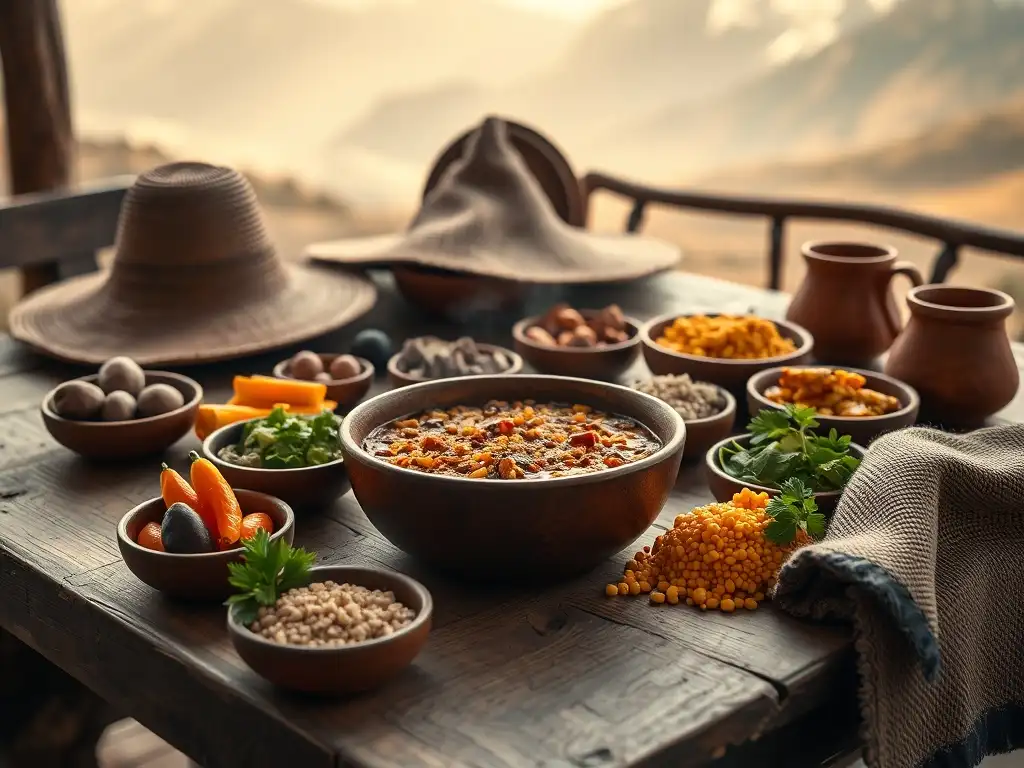
Sustainable practices are increasingly central to the modern Andean culinary movement. The Andean region's unique biodiversity is inextricably linked to its culinary identity, and preserving this biodiversity is paramount. Many chefs are actively working with local farmers and producers to source sustainable ingredients, ensuring the long-term viability of traditional crops and livestock.
This commitment extends beyond simply sourcing ingredients; it includes reducing food waste, minimizing environmental impact, and promoting fair trade practices. The emphasis on sustainability reflects a deeper understanding of Andean cuisine history and its connection to the land and its people. The renewed focus on Andean cuisine history also highlights the importance of preserving traditional agricultural methods.
This holistic approach—integrating sustainability into every aspect of the culinary process—is not only environmentally responsible but also crucial for ensuring the authenticity and future of Andean cuisine. The influence of Andean cuisine history is thus deeply intertwined with the commitment to sustainable practices, ensuring its longevity and continued evolution.
The Impact of Andean Cuisine on Global Gastronomy
The Andean region's culinary heritage, shaped over millennia by diverse ecosystems and ingenious agricultural practices, has profoundly impacted global gastronomy. Understanding the Andean cuisine history influence requires exploring not just the specific ingredients but also the techniques and cultural significance interwoven into each dish. From the humble potato to the vibrant flavors of aji peppers, Andean ingredients have become increasingly sought after by chefs and food enthusiasts worldwide, enriching culinary traditions far beyond the Andes.
This influence isn't merely a trend; it represents a growing appreciation for the ingenuity and sustainability of Andean food systems. The unique interplay of altitude, climate, and indigenous knowledge resulted in a remarkable diversity of crops and cooking methods, leaving an indelible mark on modern cuisine.
Andean Ingredients in International Restaurants
The presence of Andean ingredients in international restaurants is a clear testament to the growing global interest in Andean cuisine history influence. No longer confined to niche eateries, staples like quinoa, potatoes (with their myriad varieties! ), and various types of corn are now readily available and frequently featured in menus across the globe. High-end restaurants often showcase these ingredients in innovative and sophisticated dishes, highlighting their unique flavors and textures.
For example, quinoa, once considered a "superfood" primarily associated with health-conscious consumers, is now a common sight in salads, bowls, and even desserts in restaurants worldwide. The diverse varieties of potatoes, each with its own unique characteristics, offer chefs an exciting palette of options for creating innovative dishes. Similarly, the use of aji peppers, with their wide range of heat levels and flavors, adds a distinctive Andean touch to sauces, marinades, and main courses.
The incorporation of these ingredients demonstrates a conscious effort to integrate Andean flavors into contemporary culinary landscapes. This incorporation is not simply about adding a unique ingredient; it's about integrating a culinary philosophy that values natural ingredients and sustainable practices.
| Ingredient | Common Uses in International Cuisine | Unique Andean Characteristics |
|---|---|---|
| Quinoa | Salads, bowls, side dishes, desserts | High protein, complete amino acid profile, gluten-free |
| Potatoes (diverse varieties) | Main courses, side dishes, soups, salads | Wide range of textures, flavors, and colors |
| Aji Peppers | Sauces, marinades, spice blends, flavoring agents | Wide range of heat levels and flavor profiles |
| Corn (various types) | Main courses, side dishes, snacks, beverages | Diverse varieties, each with unique characteristics |
The Growing Popularity of Andean Flavors Worldwide
The rising popularity of Andean flavors globally isn't just a matter of chefs incorporating individual ingredients. It reflects a broader trend towards exploring diverse culinary traditions and appreciating the cultural significance of food. The growing interest in Andean cuisine history influence is driven by several factors:
- Increased awareness of healthy eating: Many Andean ingredients are associated with health benefits, leading to increased demand.
- Globalization and increased food accessibility: The rise of global trade has made Andean ingredients more readily available in international markets.
- Emphasis on sustainable and ethical food sources: Traditional Andean agricultural practices often prioritize sustainability and biodiversity.
- Culinary tourism: Experiencing Andean cuisine firsthand through travel has fueled interest and appreciation.
This expanding popularity is evident in the proliferation of cookbooks featuring Andean recipes, the increasing number of restaurants specializing in Andean cuisine, and the growing presence of Andean ingredients in mainstream supermarkets. This global embrace of Andean flavors signifies a shift towards a more diverse and inclusive culinary landscape, where indigenous food traditions are not only appreciated but celebrated. The trend reflects a growing awareness of the rich culinary heritage of the Andes and its potential to contribute to a healthier and more sustainable food system.
Andean Cuisine: A Cultural Ambassador
Andean cuisine serves as a powerful cultural ambassador, showcasing the region's rich history, biodiversity, and ingenuity. Its impact extends beyond mere gastronomy; it tells a story of adaptation, resilience, and the enduring legacy of Andean civilizations. The Andean cuisine history influence is not just about the taste of a dish; it's about understanding the cultural context, the historical significance, and the environmental sustainability embedded within each recipe.
The diverse range of Andean dishes, from hearty stews to delicate desserts, reflects the unique ecosystems and agricultural practices developed over centuries. These dishes are not simply a means of sustenance; they are integral to social gatherings, religious ceremonies, and cultural celebrations. By experiencing Andean cuisine, people gain a deeper understanding and appreciation for the rich cultural tapestry of the Andean region and its enduring legacy.
The preservation and promotion of Andean culinary traditions are crucial for safeguarding cultural heritage and promoting sustainable food systems for future generations. The ongoing global interest in Andean food is a testament to its enduring appeal and its potential to enrich the culinary experiences of people worldwide.
Andean Culinary Experiences: A Journey Through Flavors
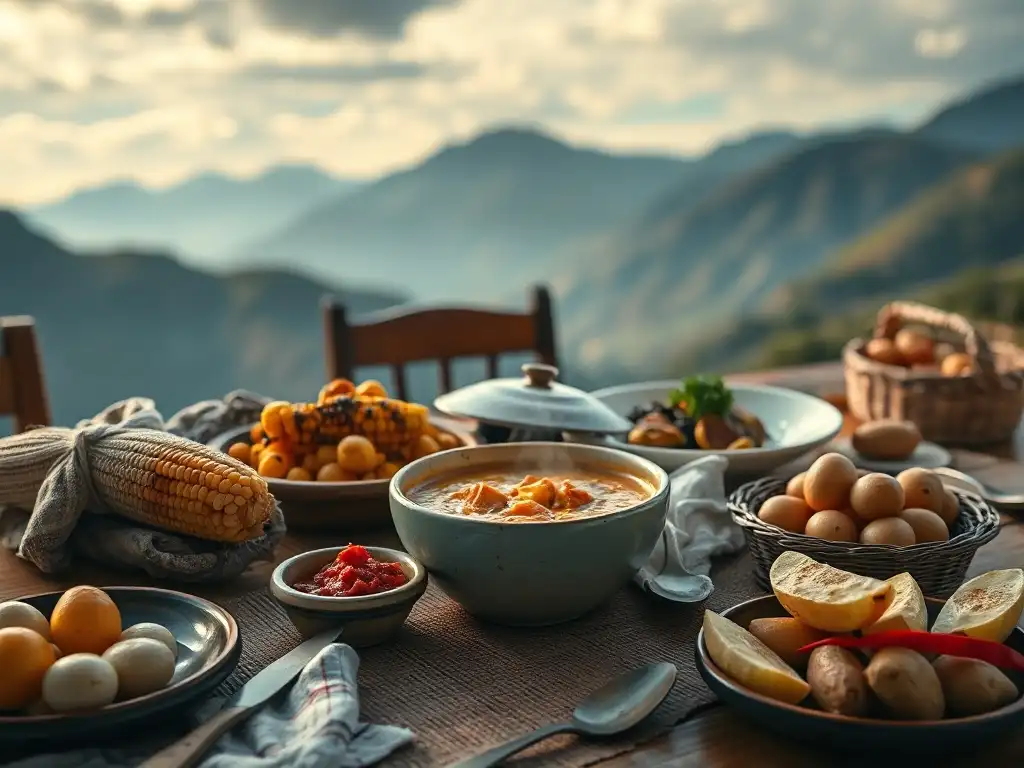
This section delves into the tangible ways you can experience the enduring influence of Andean cuisine history on modern culinary practices. Beyond simply reading about the historical impact, actively engaging with Andean food culture offers a unique and enriching perspective. Experiencing Andean gastronomy firsthand allows for a deeper understanding of its historical significance and its continued evolution. The vibrant flavors and diverse techniques are a testament to the ingenuity and resilience of Andean civilizations. From guided tasting tours to hands-on cooking classes, several avenues exist for those seeking an immersive culinary adventure.
Tasting Tours in Cusco: Exploring Regional Specialties
Cusco, a city steeped in history and nestled in the heart of the Andes, serves as an excellent starting point for exploring the diverse regional specialties of Andean cuisine. Tasting tours in Cusco offer a curated experience, guiding participants through a selection of traditional dishes and beverages. These tours often incorporate visits to local markets, providing insight into the sourcing of ingredients and the cultural significance of specific products.
One can expect to sample dishes like cuy (guinea pig), a traditional Andean protein source, prepared in various ways. Other staples might include pachamanca, a unique cooking method involving underground ovens, or chicha, a fermented corn beverage with deep historical roots.
The tours typically highlight the unique flavors and textures of Andean ingredients, emphasizing the historical context and the evolution of these culinary traditions from ancient times to the present day. The guides often weave fascinating stories about the ingredients, their preparation, and their social significance within Andean culture, enriching the tasting experience and adding to the understanding of Andean cuisine history influence.
Understanding the Cultural Significance of Food in the Andes
Food in the Andes transcends mere sustenance; it's deeply intertwined with cultural identity, religious practices, and social structures. Understanding this cultural significance is crucial to appreciating the depth and complexity of Andean cuisine history. For example, the k'intu—a ritual offering of food to the Apus (mountain spirits)—illustrates the spiritual dimension of Andean food culture. This practice highlights the connection between the land, its bounty, and the spiritual beliefs of the Andean people, shaping their culinary traditions over centuries.
Furthermore, the preparation and sharing of food often serve as a central element in social gatherings and celebrations. From intimate family meals to large communal feasts, food acts as a powerful connector, strengthening social bonds and transmitting cultural knowledge across generations. This social aspect, alongside the spiritual one, forms a crucial part of the Andean cuisine history influence, providing a context that goes beyond simple recipes and ingredients. The intricate interplay between the spiritual, social, and practical aspects of food in the Andes paints a vivid picture of the richness and complexity of its culinary heritage.
Cooking Classes in the Sacred Valley: Learning Ancient Techniques
The Sacred Valley of the Incas, a fertile region known for its breathtaking landscapes and rich agricultural heritage, offers a unique opportunity to learn ancient Andean cooking techniques. Cooking classes in this area provide a hands-on experience, allowing participants to actively engage with the preparation of traditional dishes. These classes often include instruction on using native ingredients and traditional cooking methods, such as preparing humitas (steamed corn cakes) or mastering the art of pachamanca.
Instruction typically involves understanding the historical context of the dishes and the significance of the ingredients. For example, participants might learn about the nutritional value and cultural importance of quinoa, a staple grain cultivated in the Andes for millennia. Learning these techniques not only provides culinary skills but also fosters a deeper appreciation for the ingenuity and resourcefulness of ancient Andean civilizations and their enduring influence on contemporary Andean cuisine.
These interactive experiences represent a significant opportunity to connect with Andean cuisine history influence on a personal and practical level. The hands-on approach allows for a more profound understanding of the intricate details and cultural nuances embedded within each dish.
Preserving the Future of Andean Cuisine
The vibrant tapestry of Andean cuisine, a legacy woven from millennia of ingenuity and adaptation, faces modern challenges that threaten its very existence. Understanding the historical influence of Andean culinary practices on contemporary dishes is only half the battle; preserving this heritage for future generations requires proactive and multifaceted strategies. The rich biodiversity of Andean crops, the unique preparation methods passed down through generations, and the deeply rooted cultural significance of food all contribute to a culinary landscape deserving of protection.
Ignoring these pressures risks the irreversible loss of invaluable knowledge and a profound disconnect from the past. This section explores the critical steps needed to ensure the survival and flourishing of Andean culinary traditions.
The Importance of Protecting Indigenous Food Knowledge
The transmission of Andean culinary knowledge has historically occurred through oral traditions, family recipes, and practical demonstrations. This informal system, while effective for centuries, is vulnerable to the pressures of globalization and urbanization. Younger generations, increasingly drawn to international fast food and processed products, may not inherit the valuable knowledge embedded within traditional techniques. Protecting this knowledge requires a concerted effort to:
- Document Traditional Recipes: Systematic documentation of recipes, including detailed instructions and historical context, is crucial. This can involve working directly with indigenous communities to record their unique food preparation methods. The documentation should also include information on the specific ingredients, their sourcing, and their cultural significance within the community.
- Establish Culinary Archives: Creating digital and physical archives to store and preserve this information ensures accessibility for researchers, chefs, and future generations. This could involve collaborating with universities, museums, and cultural institutions to establish comprehensive resources.
- Promote Traditional Food Education: Integrating Andean culinary traditions into school curricula and community workshops empowers younger generations to learn and appreciate their heritage. This can include hands-on cooking classes, field trips to traditional farms, and interactive educational programs.
- Support Indigenous Chefs and Food Producers: Recognition and support for indigenous chefs and food producers who champion traditional culinary practices are vital. This could involve providing financial assistance, promoting their businesses, and fostering collaborations with larger food industries.
Promoting Sustainable and Ethical Food Practices
The environmental sustainability of Andean cuisine is intrinsically linked to its future. Many traditional ingredients are adapted to high-altitude conditions and require specific agricultural practices. Modern farming methods, often driven by profit maximization, can threaten the biodiversity of Andean crops and lead to soil degradation. Promoting sustainable and ethical food practices is essential for the long-term viability of Andean cuisine. This includes:
- Protecting Andean Biodiversity: Conserving the genetic diversity of Andean crops is paramount. This requires supporting research into seed preservation, promoting traditional farming techniques that maintain biodiversity, and combating the spread of invasive species.
- Promoting Sustainable Agriculture: Encouraging sustainable agricultural practices, such as crop rotation, agroforestry, and integrated pest management, helps maintain soil health and reduces reliance on harmful chemicals.
- Supporting Fair Trade Practices: Ensuring fair prices and ethical treatment for farmers and food producers throughout the supply chain is crucial for fostering sustainable and equitable food systems. This includes promoting fair trade certifications and supporting community-based agricultural initiatives.
- Reducing Food Waste: Addressing food waste at all stages of the supply chain, from production to consumption, is vital for minimizing environmental impact and maximizing resource utilization. Educating consumers about responsible food consumption habits is key.
Ensuring the Continuity of Andean Culinary Traditions
The continuity of Andean culinary traditions hinges on the active participation of communities and the broader society. Simply preserving knowledge is insufficient; it must be actively celebrated, shared, and integrated into contemporary life. This requires a multi-pronged approach:
- Promoting Culinary Tourism: Responsible culinary tourism can provide economic opportunities for local communities while simultaneously promoting Andean cuisine to a wider audience. This should involve collaborations with local communities to ensure that tourism benefits are shared equitably.
- Supporting Culinary Research: Ongoing research into the nutritional and health benefits of Andean ingredients can enhance the appeal of traditional dishes and promote their integration into modern diets.
- Celebrating Andean Food Festivals and Events: Organizing festivals and events that showcase Andean cuisine helps raise awareness, foster community engagement, and promote cultural pride.
- Encouraging Innovation within Tradition: While preserving tradition is vital, allowing for creative interpretations and adaptations of Andean culinary techniques can ensure the relevance of the cuisine in a constantly evolving world. This could involve chefs exploring new combinations of traditional ingredients or adapting traditional recipes to meet modern dietary needs. The key is to maintain respect for the core principles and cultural significance of the cuisine.
The future of Andean cuisine is not merely a matter of preserving recipes; it is about safeguarding a cultural heritage that is deeply intertwined with the land, its people, and their history. A concerted and multifaceted approach, encompassing protection of knowledge, promotion of sustainable practices, and celebration of culinary traditions, is vital to ensure that the rich flavors and cultural significance of Andean cuisine endure for generations to come.
Frequently Asked Questions
What is the historical influence on modern Andean cuisine?
Modern Andean cuisine is a direct descendant of ancient techniques and ingredients. Pre-Columbian civilizations like the Incas, Moche, and Nazca, laid the foundation for its unique flavors and methods, which continue to evolve. This heritage is evident in the continued use of native crops and cooking styles.
How did the Inca Empire impact Andean food?
The Inca Empire significantly impacted Andean food through its extensive road system, enabling efficient trade and distribution of foods across vast distances. They also developed advanced agricultural techniques, like terracing, that increased food production and variety. Their influence is still seen in the diverse range of ingredients used today.
What are some key pre-Columbian ingredients still used in Andean cuisine?
Potatoes, quinoa, corn, and various beans are all staples of Andean cuisine with origins dating back thousands of years. These native crops, along with unique spices and herbs, formed the basis of the ancient diet and remain fundamental to modern dishes.
How did Spanish colonization affect Andean food traditions?
Spanish colonization introduced new ingredients like wheat, beef, and pork, leading to a fusion of indigenous and European culinary practices. While some traditional dishes were lost or altered, many adapted to incorporate these new elements, creating a unique blend of flavors.
Where can I learn more about the history of Andean cuisine?
You can explore the rich history of Andean cuisine through museums, academic publications, and culinary tours in the Andes region. Many restaurants also highlight the history and origins of their dishes, providing valuable insights into this fascinating culinary heritage.
Final Reflection: Echoes of the Andes: A Legacy on Every Plate
The vibrant tapestry of Andean cuisine, woven from centuries of tradition and ingenuity, continues to resonate powerfully in the modern culinary landscape. Its influence isn't merely historical; it's a living, breathing force shaping global gastronomy and offering a sustainable model for food production in a changing world. The enduring power of its ingredients and techniques speaks volumes about the wisdom of its creators.
The enduring legacy of Andean foodways is a testament to the resilience and adaptability of its people. It's a story of innovation born from necessity, a story that continues to unfold as chefs and communities alike rediscover and reinterpret ancient techniques. Food is symbolic of love when words are inadequate.
- Alan D. Wolfelt. This sentiment rings especially true for Andean cuisine, where each dish carries the weight of history, culture, and deep-rooted connection to the land. The preservation of these traditions is not just about food; it's about preserving a cultural identity and a sustainable relationship with the environment.
Consider the ingredients, the techniques, the stories behind each dish. You, the reader, are now part of this ongoing conversation. Explore the markets, seek out authentic Andean restaurants, and engage with the rich history behind the food you consume. Learn about the sustainable farming practices that have sustained Andean communities for generations. By appreciating and supporting Andean cuisine, you are not only savoring delicious flavors but also contributing to the preservation of a vital cultural heritage and a more sustainable future for food.
**Savor the Flavors of Andean Heritage! **
Thank you for exploring the rich tapestry of Andean gastronomy with us! You've gained valuable insights into the unique flavors and historical significance of these dishes, insights that will surely enhance your future culinary adventures. Now, let's put that knowledge to good use.
- **Start cooking! ** Try a traditional Andean recipe, perhaps using locally sourced ingredients. Experiment with quinoa, potatoes, or distinctive spices to create a modern take on a classic dish.
- **Share the experience** with friends and family. Host a dinner party or potluck featuring Andean-inspired cuisine and introduce them to this vibrant culture.
- **Explore local farmers' markets** to discover authentic Andean ingredients and support local producers. You might be surprised by the culinary treasures you uncover!
What's your favorite Andean ingredient? We'd love to hear your ideas for incorporating it into your next meal. Let's continue the conversation!