
The Wisdom of the Elders: How Traditional Knowledge Informs Modern Life

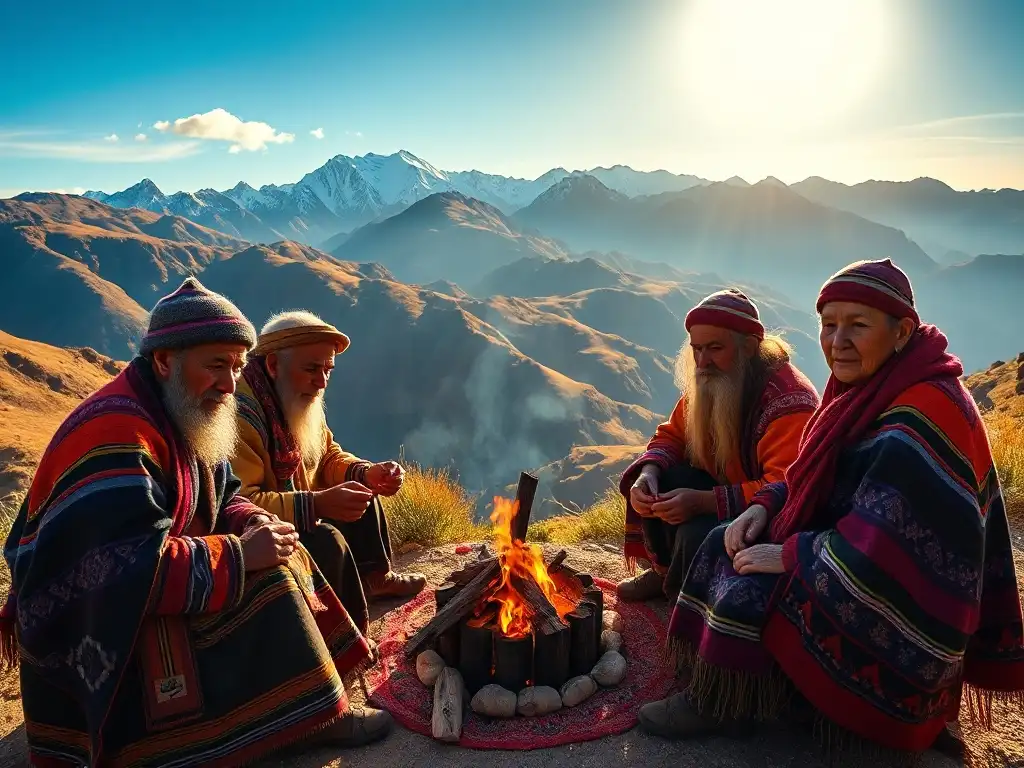
Step into a world lost to time, yet echoing with wisdom that still resonates today. Discover the intriguing secrets of Andean civilizations, their breathtaking artistry, and the astonishing advancements in technology that shaped a continent. But the real mystery lies within their traditional knowledge: how did these ancient societies achieve such remarkable feats? Dive into " The Wisdom of the Elders" and uncover the surprising ways their legacy continues to inform modern life. Prepare to be amazed.
The breathtaking landscapes of the Andes Mountains cradle a legacy far richer than their stunning peaks and valleys. For millennia, a vibrant tapestry of Andean civilizations—including the Incas, Moche, Nazca, and Tiahuanaco—have woven intricate threads of culture, art, technology, and most importantly, traditional knowledge. This knowledge, passed down through generations, wasn't merely a collection of facts; it was a deeply ingrained understanding of the natural world and their place within it.
This article explores the enduring influence of this Andean civilizations traditional knowledge, demonstrating its surprising relevance and impact on modern life, even in our increasingly technologically advanced world. We will delve into the core principles of this knowledge system and examine how its echoes resonate in contemporary Andean communities and beyond.
Understanding this legacy allows us to appreciate the ingenuity and resilience of these ancient cultures and consider how their wisdom can enrich our own lives and approaches to sustainability and harmony with nature. The enduring power of Andean civilizations traditional knowledge is a testament to the enduring human spirit and its capacity for innovation and adaptation.
Understanding the Enduring Legacy of Andean Civilizations
The Andean civilizations weren't simply isolated pockets of human ingenuity; they were interconnected, exchanging ideas and practices across vast distances. This interconnectedness fostered a rich and complex body of traditional knowledge, encompassing various aspects of life. Their sophisticated understanding of astronomy, for example, allowed them to develop precise agricultural calendars, optimizing planting and harvesting cycles. This intricate knowledge wasn't confined to the elite; it was woven into the fabric of daily life, shared and practiced by communities across generations.
This communal approach to knowledge ensured its preservation and evolution, adapting to changing environmental conditions and societal needs. Consider, for example, the intricate irrigation systems developed by various Andean cultures—a testament to their deep understanding of water management and its crucial role in agriculture. These weren't merely practical solutions; they represented a profound connection to the land and a commitment to sustainable living.
The legacy of this interwoven knowledge continues to inform modern practices in areas ranging from agriculture and medicine to environmental conservation and social organization. The impressive achievements of these civilizations, built on a foundation of deeply rooted traditional knowledge, serve as a powerful reminder of the importance of respecting and learning from the wisdom of our ancestors. The intricate details of their societal structures, combined with their innovative technological advancements, offer valuable lessons for modern society grappling with issues of sustainability and social equity.
The Core of Andean Civilizations Traditional Knowledge
At the heart of Andean civilizations traditional knowledge lay a profound respect for the interconnectedness of all living things. This holistic worldview permeated every aspect of life, from agriculture and medicine to social structures and spiritual beliefs. This wasn't simply a philosophical concept; it was a practical guide for living in harmony with the natural world. For example, Andean agricultural practices often involved techniques like andenes (terracing) and waru waru (raised bed agriculture), which not only maximized crop yields but also helped to conserve water and prevent soil erosion.
These practices demonstrate a deep understanding of ecological principles, showcasing a sustainable approach to resource management centuries ahead of its time. Furthermore, traditional Andean medicine relied heavily on the use of medicinal plants, reflecting an intimate knowledge of the local flora and its healing properties. This understanding extended beyond the purely medicinal; it encompassed a spiritual connection to the earth and its resources. The intricate knowledge systems of Andean civilizations demonstrate the profound relationship between human societies and their environment, highlighting the importance of a holistic approach to understanding and interacting with the natural world.
The preservation and application of this traditional knowledge remain crucial for addressing contemporary challenges, from climate change to biodiversity loss. The wisdom of the elders continues to guide modern communities, providing valuable insights into sustainable living and a harmonious relationship with the environment. Their traditional practices often offer practical and effective solutions to modern problems, proving the enduring relevance of their knowledge.
- Understanding the Enduring Legacy of Andean Civilizations
- The Core of Andean Civilizations Traditional Knowledge
- What is traditional knowledge in the context of Andean civilizations?
- How did Andean civilizations use traditional knowledge for agriculture?
- What role did astronomy play in Andean traditional knowledge?
- How is traditional Andean knowledge relevant to modern life?
- Are efforts being made to preserve Andean traditional knowledge?
Ancient Andean Agricultural Practices: A Model for Sustainability
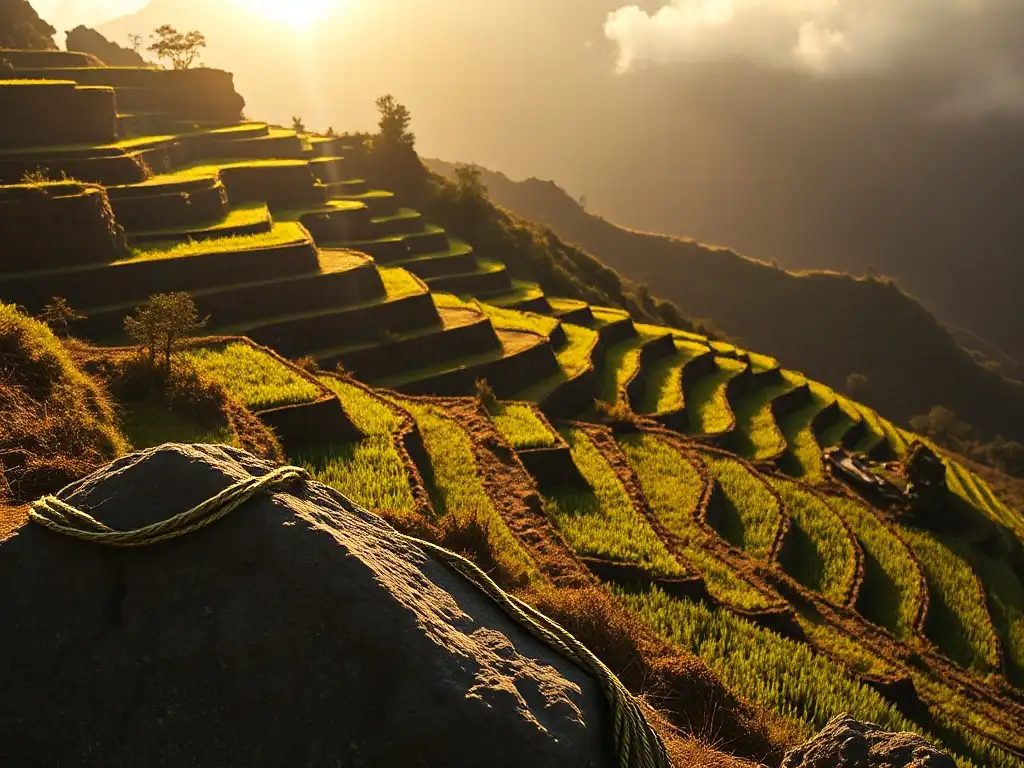
The ingenuity of Andean civilizations in harnessing their challenging environment is a testament to their deep understanding of ecological principles. Their agricultural practices, developed over millennia, offer valuable lessons for modern sustainable farming and represent a significant contribution to the legacy of Andean civilizations and their traditional knowledge. These techniques, honed through observation and adaptation, allowed them to thrive in diverse and often harsh terrains, providing a compelling case study for contemporary agricultural challenges.
Understanding these methods reveals a sophisticated approach to resource management and biodiversity that continues to inspire innovative solutions today. The keyword "Andean civilizations traditional knowledge" is central to understanding this sophisticated system.
Terraced Farming and Water Management Techniques
Andean farmers mastered the art of terracing, transforming steep slopes into a series of level platforms. This wasn't merely a feat of engineering; it was a strategic response to the mountainous landscape and a key element of Andean civilizations traditional knowledge. Terraces reduced soil erosion dramatically, preventing the loss of fertile topsoil.
They also created microclimates, allowing for the cultivation of a wider variety of crops. Furthermore, intricate systems of canals and irrigation channels, often integrated with the terraces themselves, ensured a reliable water supply, even during dry seasons. These systems, remarkably efficient in their use of water resources, demonstrate a profound understanding of hydrology and water conservation.
The precision and scale of these projects are astonishing, reflecting a collective effort and detailed planning that highlight the importance of communal cooperation in Andean societies. The enduring legacy of these systems is evident in the many landscapes across the Andes that still bear the marks of this ancient agricultural prowess, a powerful symbol of Andean civilizations traditional knowledge.
The Importance of Crop Diversity in Andean Agriculture
The Andean diet was, and in many places still is, incredibly diverse. This wasn't simply a matter of culinary preference; it was a crucial element of resilience against crop failures. Andean farmers cultivated a wide range of crops, including potatoes (with thousands of varieties!
), maize, quinoa, beans, and many others. This biodiversity acted as a natural insurance policy. If one crop failed due to disease, pests, or unfavorable weather conditions, others were likely to thrive, ensuring food security for the community.
This approach, deeply rooted in Andean civilizations traditional knowledge, stands in stark contrast to modern monoculture farming practices, which are often vulnerable to widespread crop losses. The meticulous selection and preservation of diverse crop varieties demonstrates a deep understanding of plant genetics and adaptation, a testament to generations of accumulated knowledge and careful observation. The wealth of genetic resources preserved in the Andes provides invaluable material for modern plant breeding programs, helping to develop more resilient and climate-adapted crops.
Lessons for Modern Sustainable Farming from Andean Wisdom
The agricultural practices of the Andean civilizations offer valuable insights for modern sustainable agriculture. The emphasis on terrace farming, water conservation, and crop diversity provides a blueprint for environmentally friendly farming techniques. By adopting these principles, modern farmers can reduce their reliance on chemical fertilizers and pesticides, conserve water resources, and enhance the resilience of their crops.
The integration of traditional knowledge with modern agricultural technologies holds immense potential for improving food security and protecting the environment. The wisdom embedded in Andean civilizations traditional knowledge highlights the critical importance of biodiversity, sustainable resource management, and community-based approaches to agriculture.
Understanding and applying these lessons can help us build more sustainable and resilient food systems for the future, drawing inspiration from the ingenuity and foresight of Andean farmers who lived centuries ago. The legacy of Andean civilizations traditional knowledge is not merely historical; it is a vital resource for addressing the pressing challenges of modern agriculture.
Andean Herbal Medicine and Healing Traditions
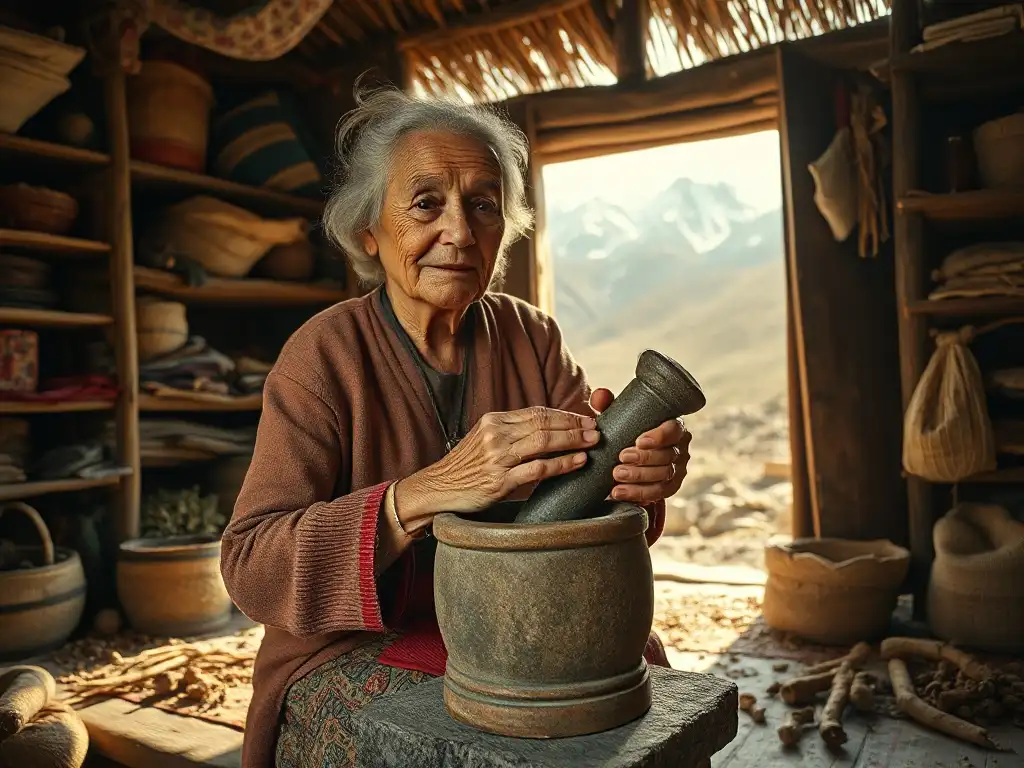
The legacy of Andean civilizations extends far beyond impressive architectural feats and intricate textiles. A deeply interwoven aspect of their culture, and one that continues to resonate today, is their profound understanding and utilization of herbal medicine and healing traditions. For centuries, Andean peoples have possessed an encyclopedic knowledge of the medicinal properties of plants found within their diverse ecosystems, a knowledge system painstakingly passed down through generations.
This traditional knowledge, often referred to as conocimiento ancestral, forms the bedrock of a holistic approach to health and well-being, deeply connected to the land and its resources. The effectiveness of these practices, passed down through oral traditions and demonstrated across centuries, is a testament to the sophisticated understanding of Andean civilizations and their symbiotic relationship with the natural world. This section will delve into the specific applications and enduring impact of Andean herbal medicine.
The Use of Medicinal Plants in Andean Culture
Andean herbal medicine isn't simply a collection of remedies; it's a complex system reflecting a deep understanding of botany, ecology, and the interconnectedness of life. The use of medicinal plants is deeply embedded in daily life, shaping not only healthcare but also social and spiritual practices. Consider the coca leaf ( Erythroxylum coca), a plant central to Andean culture for millennia. While often misunderstood in the modern world, the coca leaf holds significant medicinal value for Andean communities, used traditionally to alleviate altitude sickness, fatigue, and hunger.
Its use is often integrated into ritual and social contexts, highlighting its multifaceted role in Andean society. Beyond coca, a vast array of plants are utilized, each with specific applications. For example, muña ( Minthostachys species) is widely used for its digestive and respiratory benefits, while matico ( Piper aduncum) is known for its antiseptic properties.
The precise preparation and administration of these remedies often involve intricate processes, reflecting a sophisticated understanding of plant chemistry and its interaction with the human body. The detailed knowledge of which plant part to use, the optimal time for harvesting, and the specific preparation methods all contribute to the efficacy of these traditional remedies. This intricate knowledge system represents a vast, untapped resource for modern pharmacological research.
Traditional Andean Healing Practices and Rituals
The application of Andean herbal remedies is often intertwined with elaborate healing rituals and practices. These rituals aren't merely symbolic; they represent a holistic approach to healing that addresses physical, emotional, and spiritual well-being. Pachamama, the Earth Mother, plays a central role in these practices, with healers often invoking her power to facilitate healing.
Many rituals involve specific offerings to Pachamama, prayers, and the use of sacred objects. The healer, often a respected member of the community possessing inherited knowledge, plays a crucial role in guiding the healing process. Their expertise extends beyond the identification and preparation of medicinal plants; it encompasses a deep understanding of the patient's physical and emotional state, and the ability to diagnose illness based on a holistic perspective.
The effectiveness of these practices is often attributed to the combined effects of the herbal remedies, the ritualistic elements, and the strong faith placed in the healer and the spiritual world. This interconnectedness of physical and spiritual healing is a hallmark of Andean traditional medicine and is a key factor in its continuing relevance.
Integrating Andean Natural Remedies into Modern Wellness
The resurgence of interest in natural remedies and holistic healthcare has led to a renewed appreciation for Andean traditional knowledge. While modern medicine offers invaluable advancements, many are recognizing the potential of integrating Andean natural remedies into contemporary wellness practices. However, it's crucial to approach this integration with respect and caution.
The appropriation of traditional knowledge without proper understanding or acknowledgment of its cultural context is unacceptable. Responsible integration involves working collaboratively with Andean communities, respecting their intellectual property rights, and ensuring that the benefits of this knowledge are shared equitably. Furthermore, rigorous scientific research is needed to validate the efficacy and safety of these remedies within modern healthcare contexts.
This research must be conducted ethically, with the full participation and consent of Andean communities. The potential for discovering new pharmaceuticals and developing sustainable healthcare practices based on Andean traditional knowledge is immense, but responsible and ethical engagement is paramount to ensure its preservation and equitable utilization. The future of Andean traditional medicine lies not in its exploitation, but in its respectful integration into a globalized world.
Weaving and Textile Art: Preserving Andean Cultural Heritage

Andean civilizations traditional knowledge is profoundly embodied in their textile arts. For centuries, weaving wasn't merely a craft; it was a deeply ingrained cultural practice, reflecting cosmology, social status, and historical narratives. The intricate designs and techniques employed continue to inspire and inform contemporary Andean life, showcasing the enduring legacy of these ancient cultures.
The vibrant colors, complex patterns, and innovative techniques employed by Andean weavers demonstrate a sophisticated understanding of both natural resources and artistic expression. Their mastery of fiber manipulation, demonstrated across various Andean civilizations such as the Inca, Nazca, and Moche, is a testament to their ingenuity and cultural richness. Understanding this rich history provides insight into the enduring relevance of Andean civilizations traditional knowledge in the modern world.
The Significance of Andean Textile Patterns and Motifs
Andean textile patterns are far more than mere decorations; they are complex visual languages. Each motif carries symbolic weight, often representing deities, animals, plants, or significant events. For example, the intricate geometric designs found in Paracas textiles frequently depict celestial bodies, suggesting a deep connection to astronomy and cosmology.
Similarly, the use of specific colors held significant meaning, with certain hues associated with specific deities or social classes. The vibrant reds, derived from cochineal insects, symbolized power and royalty, while other colors represented fertility, abundance, or the sacred. Analyzing these patterns reveals a deep understanding of Andean worldview and societal structure.
Researchers continue to decipher these visual codes, uncovering layers of meaning embedded within these seemingly simple designs. The continuity of these patterns in modern Andean weaving demonstrates the enduring power of these ancient symbols. The persistence of these motifs highlights the importance of Andean civilizations traditional knowledge in maintaining cultural identity.
Traditional Weaving Techniques and Their Modern Applications
The techniques employed by Andean weavers are as remarkable as their designs. From the intricate backstrap loom, a portable device allowing for intricate weaving while on the move, to the use of diverse fibers like alpaca, llama, vicuña, and cotton, the ingenuity is remarkable. These techniques, passed down through generations, demonstrate a deep understanding of material properties and weaving mechanics. The use of natural dyes, often derived from plants and insects, further showcases their connection to the environment.
Today, many Andean communities continue to utilize these traditional techniques, adapting them to modern contexts. Contemporary Andean weavers often incorporate modern materials and designs while retaining the core techniques of their ancestors. This fusion of tradition and innovation demonstrates the adaptability of Andean civilizations traditional knowledge and its continued relevance in the 21st century. The preservation of these techniques is crucial for safeguarding a significant part of Andean cultural heritage.
The Role of Textiles in Expressing Andean Identity
Textiles play a crucial role in expressing Andean identity. Weaving is often a communal activity, with knowledge and skills transmitted across generations within families and communities. The intricate designs and techniques employed serve as powerful markers of regional and ethnic identity.
Different communities have distinct styles and motifs, allowing for easy identification of their origin. For example, the distinctive styles of the Lake Titicaca region differ significantly from those of the Andes highlands. Furthermore, textiles are used in various ceremonial contexts, reinforcing their importance in Andean social and religious life.
The continued use of traditional textiles in contemporary celebrations and rituals underscores their enduring significance. The production and use of these textiles are not just economic activities; they are fundamental to maintaining a vibrant cultural identity, proving the enduring power of Andean civilizations traditional knowledge in shaping modern life. The preservation of these weaving traditions is paramount to the continuation of this rich cultural heritage.
Andean Astronomy and Timekeeping: Insights into the Cosmos
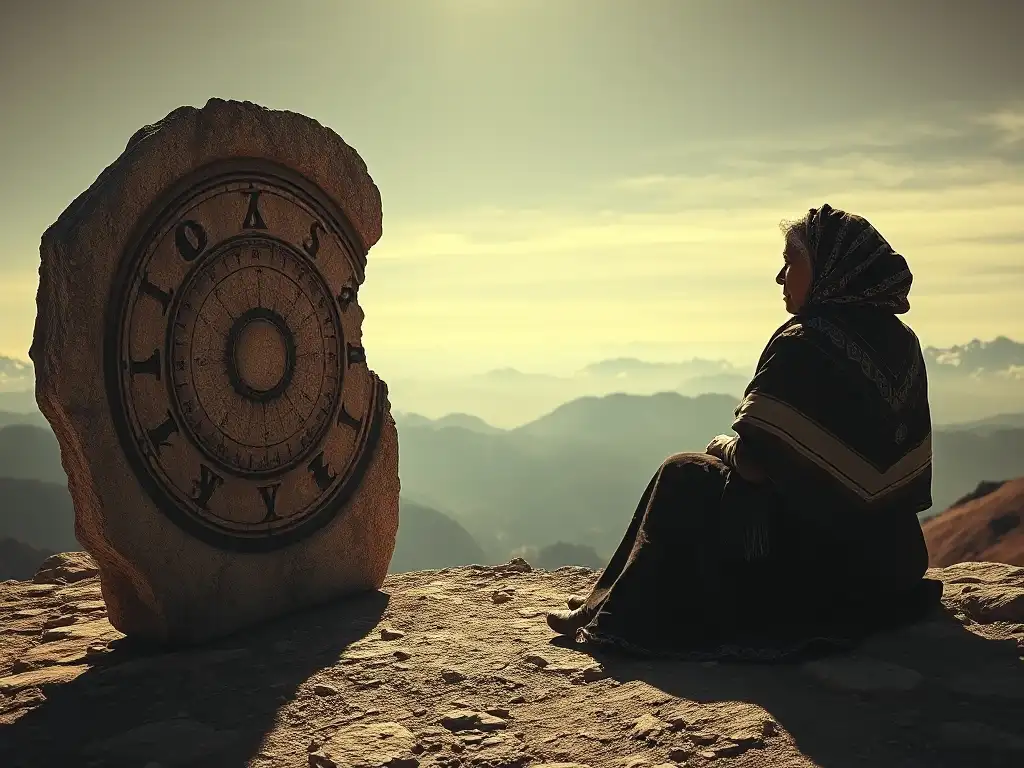
The Andean civilizations, renowned for their sophisticated engineering and agricultural practices, possessed an equally impressive understanding of astronomy and timekeeping. Their knowledge wasn't merely academic; it was deeply intertwined with their religious beliefs, agricultural cycles, and social organization. This intricate system of celestial observation and calendrical reckoning profoundly influenced their daily lives and continues to resonate in modern Andean communities. Understanding their approach reveals a sophisticated worldview intimately connected to the rhythms of the cosmos. The study of "Andean civilizations traditional knowledge" in this area provides invaluable insights into their societal structures and spiritual beliefs.
Andean Understanding of the Celestial Bodies
Andean astronomers meticulously charted the movements of the sun, moon, stars, and planets. Unlike many other ancient cultures that focused on a single celestial body, the Andeans integrated observations of multiple celestial phenomena into their cosmological understanding. They recognized constellations, particularly those associated with animals and mythical beings relevant to their mythology and agricultural practices.
For example, the constellation of the Llama was crucial for determining planting and harvesting times. Their observations weren't limited to naked-eye astronomy; evidence suggests they might have used rudimentary instruments to enhance their accuracy, although the precise nature of these instruments remains a subject of ongoing research. This detailed observation allowed for precise predictions, vital for their agricultural society.
The precision of their observations is a testament to their dedication and the importance they placed on understanding the celestial cycles. Further research into the specific tools and techniques used by Andean astronomers would significantly enhance our understanding of their astronomical achievements.
The Importance of the Andean Calendar System
The Andean calendar system was not a single, monolithic entity but rather a complex interplay of different calendars, each serving specific purposes. One crucial calendar was tied to the agricultural cycle, meticulously tracking the seasons and predicting optimal planting and harvesting times. This agricultural calendar was intrinsically linked to their understanding of the sun's movements and the solstices. Another calendar was likely connected to religious festivals and ceremonies, marking significant dates throughout the year.
The interplay between these calendars demonstrates a sophisticated understanding of time and its multifaceted roles in their society. The integration of astronomical observations into their calendar system ensured accurate predictions, contributing significantly to their agricultural success and societal stability. [Specific details on the different calendar systems and their interrelation pending further research].
Applications of Ancient Andean Astronomy in Contemporary Life
The legacy of Andean astronomy continues to influence modern Andean communities. Many traditional practices, such as agricultural planning and religious festivals, still rely on astronomical observations and interpretations. While modern technology provides alternative methods for timekeeping and agricultural planning, the traditional knowledge remains deeply ingrained in their cultural identity. For instance, some communities still use traditional methods to predict the weather patterns based on celestial observations.
This enduring connection highlights the resilience and importance of traditional knowledge in shaping contemporary Andean life and the ongoing relevance of studying "Andean civilizations traditional knowledge" for a comprehensive understanding of the region's rich cultural heritage. The integration of traditional knowledge with modern techniques offers the potential for sustainable and culturally sensitive development initiatives in the Andean region. Furthermore, understanding the sophisticated astronomical knowledge of the ancient Andean civilizations can inform contemporary scientific approaches to astronomy and timekeeping.
The Transmission of Andean Traditional Knowledge Across Generations
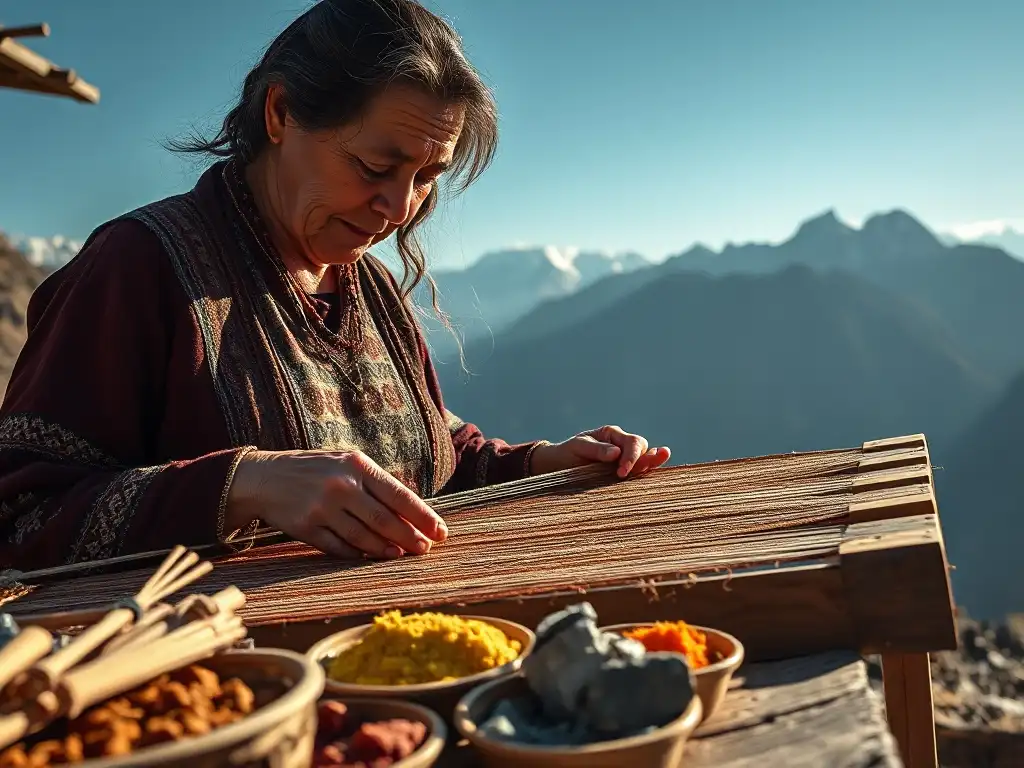
The enduring legacy of Andean civilizations rests not only on impressive architectural feats and intricate artifacts but also on a rich tapestry of traditional knowledge passed down through generations. This knowledge, encompassing agricultural practices, medicinal remedies, astronomical observations, and spiritual beliefs, has profoundly shaped modern Andean life and continues to offer valuable insights into sustainable living and cultural preservation. Understanding how this knowledge was – and continues to be – transmitted is crucial to appreciating its ongoing relevance.
The resilience of Andean traditional knowledge in the face of modernization is a testament to the ingenuity and adaptability of Andean communities. This section explores the key mechanisms of this transmission, highlighting both its successes and the challenges it faces in the modern world. The term "Andean civilizations traditional knowledge" encapsulates this rich heritage and its continuing influence.
The Role of Oral Traditions and Storytelling
Oral traditions have been the cornerstone of knowledge transmission in Andean communities for millennia. Stories, songs, poems, and rituals served as powerful vehicles for conveying vital information, ethical principles, and historical accounts. These narratives, often imbued with symbolic meaning and passed down through generations, weren't merely entertainment; they were essential tools for education, social cohesion, and cultural continuity. For example, Quechua elders still recount creation myths that explain the relationship between humans and the natural world, informing sustainable agricultural practices.
These narratives are not static; they evolve and adapt to changing circumstances, ensuring their relevance across time and space. The intricate tapestry of Andean mythology, woven through generations of storytelling, provides a powerful framework for understanding the deep connection between Andean peoples and their environment. The continued use of oral traditions showcases the enduring power of storytelling in preserving and transmitting crucial knowledge related to Andean civilizations.
Community-Based Education and Knowledge Preservation
Beyond oral traditions, Andean communities developed sophisticated systems of community-based education. This wasn't confined to formal institutions; learning occurred within families, through apprenticeship, and during communal activities. Young people learned agricultural techniques by working alongside their elders, gaining practical experience alongside theoretical understanding. Similarly, medicinal knowledge was passed on through direct observation and participation in healing ceremonies.
This participatory approach ensured that knowledge wasn't merely accumulated but actively integrated into the lives of community members. The close-knit nature of Andean communities fostered a collaborative environment where knowledge was shared freely and adapted to local conditions. This decentralized system of education demonstrated a remarkable capacity for adaptation and resilience, allowing Andean civilizations traditional knowledge to thrive even in the face of environmental challenges or social upheaval. This model offers a compelling alternative to centralized, formal education systems, particularly in the context of preserving cultural heritage.
Challenges and Opportunities for Safeguarding Andean Heritage
Despite its resilience, Andean traditional knowledge faces significant challenges in the modern era. Globalization, migration, and the dominance of Western educational systems threaten to erode traditional practices and diminish the role of elders as knowledge keepers. The loss of indigenous languages also poses a critical threat, as much of this knowledge is intrinsically linked to specific linguistic expressions and cultural nuances.
However, there are also significant opportunities for safeguarding this valuable heritage. Efforts to revitalize indigenous languages, document oral traditions, and support community-based initiatives are crucial steps in ensuring that Andean civilizations traditional knowledge continues to flourish. Furthermore, recognizing the value of traditional knowledge in addressing contemporary challenges, such as climate change and biodiversity loss, can provide new impetus for its preservation and application.
The integration of traditional ecological knowledge into modern conservation strategies offers a promising avenue for both cultural preservation and environmental sustainability. The future of Andean civilizations traditional knowledge depends on a concerted effort to bridge the gap between tradition and modernity, preserving this invaluable legacy for generations to come.
Impact of Andean Traditional Knowledge on Contemporary Andean Culture
This section explores the enduring legacy of Andean civilizations' traditional knowledge on the daily lives and cultural practices of contemporary Andean communities. We will examine how ancient wisdom continues to shape modern perspectives on agriculture, medicine, social structures, and environmental stewardship, demonstrating the profound and lasting influence of Andean heritage. The term "Andean civilizations traditional knowledge" encapsulates this rich tapestry of inherited wisdom.
The Influence of Ancient Practices on Modern Andean Communities
Many Andean communities continue to utilize agricultural techniques developed centuries ago. Terracing, for example, a sophisticated method of cultivating steep slopes, minimizes soil erosion and maximizes water retention – practices perfected by the Inca and earlier cultures. This traditional approach remains crucial in maintaining food security in challenging terrains, showcasing the enduring practicality of Andean agricultural ingenuity.
Furthermore, the knowledge of specific plant varieties adapted to high altitudes and harsh climates, along with traditional methods of crop rotation and pest control, are still integral to Andean farming practices. These techniques, passed down through generations, contribute significantly to the region's biodiversity and resilience.
The application of traditional medicinal knowledge, rooted in the use of native plants and holistic healing methods, also persists. While modern medicine plays a role, many Andean communities still rely on curanderos (traditional healers) who possess extensive knowledge of medicinal plants and their properties. This knowledge, often passed down orally, encompasses not just the treatment of physical ailments but also the spiritual and emotional well-being of individuals. The integration of traditional and modern approaches to healthcare highlights the continued relevance of Andean civilizations' traditional knowledge in addressing health needs.
Specific examples include the use of coca leaves for altitude sickness relief and various herbs for treating common illnesses. Further research is needed to fully document the scope and efficacy of these practices. [Specific information pending: Detailed case studies of traditional medicine practices in specific Andean communities].
Revitalization Movements and Cultural Identity
The resurgence of interest in Andean traditions reflects a growing awareness of the value of cultural heritage and identity. Revitalization movements actively work to preserve and promote traditional knowledge, languages, and artistic expressions. These movements are often community-led initiatives focused on reclaiming ancestral practices, such as weaving, pottery, and music, which are viewed not just as artistic expressions, but as vital components of cultural identity.
The revival of these practices contributes to economic empowerment, tourism, and the fostering of a stronger sense of community pride. For instance, the increasing popularity of traditional Andean textiles, often incorporating intricate designs and techniques passed down through generations, demonstrates the economic potential of preserving traditional knowledge.
These movements represent a conscious effort to counteract the homogenizing forces of globalization and maintain the unique cultural identity of Andean communities. The significance of these revitalization efforts is underscored by their contribution to the preservation of "Andean civilizations traditional knowledge" for future generations.
The Future of Andean Traditions in a Changing World
The future of Andean traditions hinges on the ability to adapt and integrate traditional knowledge with the challenges and opportunities presented by a rapidly changing world. Climate change, for example, poses a significant threat to traditional agricultural practices, necessitating innovative approaches that combine ancient wisdom with modern scientific understanding. Similarly, the increasing urbanization and migration patterns present challenges to the transmission of traditional knowledge across generations.
However, the enduring relevance of Andean traditional knowledge is undeniable. Its integration into education systems, tourism initiatives, and sustainable development initiatives can play a crucial role in fostering resilience, promoting cultural preservation, and ensuring that the wisdom of the elders continues to inform the lives of future generations. The continued research and documentation of Andean civilizations traditional knowledge are therefore essential for its long-term preservation and effective application in the modern world.
This includes the development of strategies to ensure the intergenerational transmission of this invaluable heritage. The future success of this endeavor depends on collaborative efforts that combine the insights of both traditional knowledge holders and modern researchers.
Frequently Asked Questions
What is traditional knowledge in the context of Andean civilizations?
Traditional knowledge refers to the accumulated wisdom and practices passed down through generations of Andean communities. This includes agricultural techniques, medicinal uses of plants, astronomical observations, and intricate social structures. It's a vital part of their cultural heritage.
How did Andean civilizations use traditional knowledge for agriculture?
Andean civilizations employed sophisticated agricultural techniques like terracing, irrigation systems, and crop rotation. This traditional knowledge allowed them to thrive in diverse and challenging environments, maximizing food production for their populations. These methods are still relevant today.
What role did astronomy play in Andean traditional knowledge?
Astronomy was integral to Andean life, influencing agriculture, religious practices, and social organization. By observing the stars and celestial cycles, they predicted seasons, planned planting, and conducted rituals. Precise astronomical observations shaped their calendar systems.
How is traditional Andean knowledge relevant to modern life?
Andean traditional knowledge offers valuable insights for sustainable practices, particularly in agriculture, medicine, and environmental management. Many sustainable farming techniques and herbal remedies are still used and studied today, offering solutions for modern challenges.
Are efforts being made to preserve Andean traditional knowledge?
Yes, many organizations and communities are actively involved in documenting, preserving, and promoting Andean traditional knowledge. This includes ethnobotanical research, cultural revitalization programs, and community-based initiatives to safeguard this invaluable heritage for future generations.
Final Reflection: Echoes of the Andes: A Legacy for the Future
The wisdom of the Andean civilizations, far from being a relic of the past, offers crucial insights into navigating the complexities of the modern world. Their deep understanding of sustainable living, interwoven with spiritual practices and a profound respect for nature, provides a powerful counterpoint to the unsustainable practices that dominate our current era. This knowledge, often overlooked in the rush of technological advancement, holds the key to a more balanced and harmonious future.
The enduring impact of Andean traditional knowledge is undeniable; its influence resonates in contemporary movements advocating for environmental protection, social justice, and spiritual well-being. Their intricate understanding of agriculture, water management, and community building continues to inspire innovative solutions to modern challenges. The earth is what we all have in common.
This simple yet profound statement encapsulates the Andean worldview, a perspective desperately needed in a world grappling with climate change and social inequality. Their holistic approach, recognizing the interconnectedness of all things, offers a valuable framework for creating a more sustainable and equitable future.
Consider the profound implications of this ancient wisdom. How can you integrate the principles of respect for nature, community collaboration, and sustainable living into your own life? Embrace the legacy of the Andes; let their wisdom guide you towards a more conscious and fulfilling existence. By actively seeking out and applying these timeless principles, you become a part of a larger narrative – a continuation of a legacy that transcends generations and offers hope for a brighter tomorrow.
Embrace the Wisdom of Tradition Today!
Thank you for exploring the profound impact of traditional knowledge on modern life. You've discovered how the wisdom of elders provides valuable guidance in today's world. Now, let's put that knowledge into practice!
Here are some simple yet impactful actions you can take:
- Engage with your community: Attend a local workshop or cultural event celebrating traditional practices and knowledge sharing. Consider a local storytelling event or a class on traditional crafts.
- Seek guidance from elders: Reach out to a respected elder in your life and ask them to share their experiences and wisdom. You'll likely be surprised by their insights and the perspectives they offer.
- Expand your knowledge: Visit our website, Andean Civilizations , to discover more articles, videos, and discussions exploring traditional knowledge and its contemporary relevance.
What steps will you take to integrate the wisdom of the past into your life? Share your thoughts, experiences, or plans in the comments below!