
Weaving the Future: The Art of Andean Textiles and Their Meanings

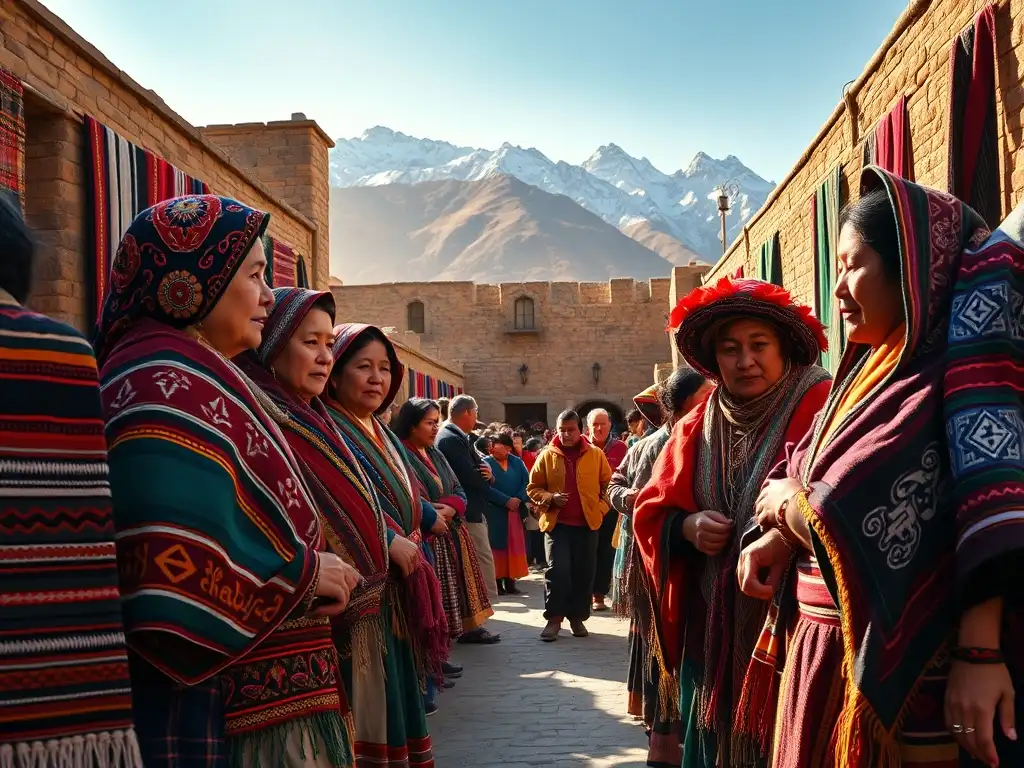
Unravel the mysteries of a lost world. For centuries, the Andes Mountains have held secrets woven into the very fabric of their ancient civilizations. Dive into the vibrant tapestry of Andean culture, where intricate designs on textiles weren't mere decoration, but held profound Andean textile meanings. Discover how these remarkable creations reveal astonishing insights into the beliefs and lives of the Incas, Moche, Nazca, and Tiahuanaco. Prepare to be amazed – your journey into the heart of Andean artistry begins now.
The vibrant tapestry of Andean civilization is richly interwoven with the art of textile production. For millennia, Andean peoples—from the Incas to the pre-Inca cultures like the Moche, Nazca, and Tiahuanaco—have created textiles that are not merely functional garments or decorative items, but powerful expressions of their worldview, social structures, and spiritual beliefs.
This article delves into the fascinating world of Andean textiles, exploring their intricate designs, the techniques used in their creation, and, most importantly, the profound meanings embedded within each thread and pattern. We will uncover how these textiles serve as vital historical documents, providing invaluable insights into the lives, beliefs, and artistic achievements of these remarkable ancient societies.
Understanding the symbolism woven into these artifacts allows us to connect with the past and appreciate the enduring legacy of Andean textile traditions. This exploration of Andean textile meanings will reveal a complex and captivating story, one that continues to inspire awe and wonder.
Introduction to Andean Textile Heritage
Andean textile production represents a sophisticated and enduring tradition, spanning thousands of years. Archaeological discoveries consistently unearth remarkably preserved textiles, showcasing the advanced techniques and artistic sensibilities of these ancient cultures. The sheer variety of fibers used—from alpaca and llama wool to cotton—reflects the diverse Andean ecosystems and the ingenuity of the people who adapted to them.
Techniques such as spinning, dyeing, weaving, and embroidery reached unparalleled levels of complexity. The use of intricate patterns, vibrant colors, and symbolic motifs created textiles that were far more than simple clothing; they were powerful tools for communication, social status display, and religious expression. For example, the intricate khipus—complex systems of knotted strings—served as sophisticated record-keeping devices, demonstrating a remarkable understanding of mathematics and information management.
The detailed analysis of these textiles reveals a profound understanding of Andean cosmology, mythology, and social hierarchy. The creation of these textiles was not merely a craft; it was a deeply ritualistic practice, often interwoven with agricultural cycles and religious ceremonies.
The Significance of Andean Textiles: More Than Just Fabric
The significance of Andean textiles extends far beyond their aesthetic appeal. They served as crucial elements in various aspects of Andean life, functioning as:
- Social Markers: The type of fiber, the complexity of the weave, and the specific designs all communicated social status, indicating wealth, lineage, and occupational roles within the community. For instance, certain intricate patterns were reserved for the elite, while simpler designs were worn by commoners. The use of specific colors also held social meaning, with certain hues representing specific clans or regions.
- Religious Symbols: Many Andean textiles incorporate powerful religious symbols, reflecting the complex belief systems and spiritual practices of the different cultures. These symbols often depict deities, mythical creatures, and cosmological elements, providing insights into their spiritual worldview. Textiles were often used in religious ceremonies and rituals, acting as intermediaries between the human and spiritual realms.
- Historical Records: The designs and motifs woven into Andean textiles often tell stories, preserving historical events, myths, and legends. Certain patterns may represent specific battles, agricultural cycles, or important historical figures. By carefully analyzing these patterns, researchers can reconstruct aspects of Andean history and culture. The meticulous detail preserved in these textiles provides a unique perspective on the lives and beliefs of the ancient Andean peoples.
- Functional Items: Beyond their symbolic and ritualistic significance, Andean textiles served practical purposes. They were used to create clothing, blankets, bags, and other everyday items. The durability and functionality of these textiles reflect the adaptability and ingenuity of Andean artisans. The techniques used in their creation ensured that these items were not only beautiful but also sturdy and long-lasting.
The study of Andean textiles offers a unique window into the rich and complex history of Andean civilizations. Their enduring legacy serves as a testament to the artistic skill, ingenuity, and spiritual depth of these ancient cultures. The detailed analysis of these textiles, coupled with archaeological findings, continually reveals new and exciting insights into their world, reinforcing the importance of preserving and understanding this invaluable cultural heritage.
Andean Textile Techniques and Materials
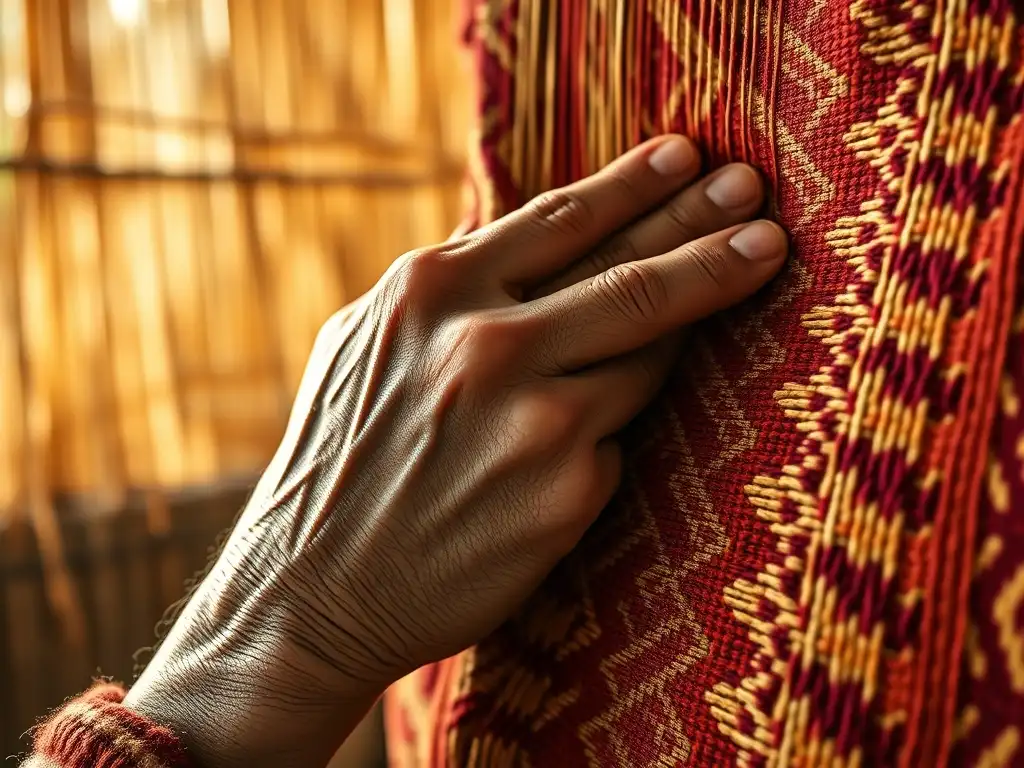
This section delves into the sophisticated techniques and materials employed by Andean weavers, showcasing the ingenuity and artistry that underpinned their textile production. Understanding these aspects is crucial to appreciating the deeper meanings embedded within the textiles themselves, contributing significantly to our understanding of "Andean textile meanings." The mastery of these techniques, passed down through generations, resulted in textiles of exceptional quality and symbolic richness. The choice of materials, colors, and weaving styles all played a vital role in conveying specific messages and reflecting social status, religious beliefs, and cultural identity.
Natural Fibers in Andean Weaving: Alpaca, Llama, and Cotton
Andean weavers skillfully utilized the readily available natural fibers of their environment. Alpaca and llama provided luxurious, soft, and durable fibers, prized for their warmth and versatility. Alpaca wool, particularly, is known for its fine texture and vibrant natural colors, ranging from creamy white to deep browns and blacks. Llama wool, while coarser, offered strength and was often used in combination with alpaca for specific textile applications.
Cotton, cultivated in the warmer coastal regions, provided a lighter, smoother fiber, ideal for garments worn in hotter climates. The careful selection of fibers was dictated not only by practical considerations but also by symbolic meanings associated with each animal and its fleece. For instance, white alpaca wool might have been reserved for ceremonial textiles, while darker shades were used for everyday clothing.
The proportion of alpaca and llama fibers within a textile, along with the inclusion of cotton, significantly influenced the final product's texture, drape, and perceived value. A detailed analysis of fiber composition can often reveal clues about the textile's intended use, its age, and the social standing of its creator or owner. This intricate relationship between fiber selection and meaning underscores the complexity of "Andean textile meanings."
Traditional Dyeing Methods: Colors from Nature
The vibrant colors found in Andean textiles were not the result of synthetic dyes but were painstakingly extracted from natural sources. Plants, insects, and minerals provided a rich palette of hues, each carrying its own symbolic weight. Cochineal insects, for example, yielded a brilliant crimson, a color associated with royalty and divinity. Various plants, such as the tarwi (lupines), provided yellows and oranges, while others yielded shades of brown, green, and blue. The precise recipes for these dyes were often closely guarded secrets, passed down within families and communities.
| Dye Source | Color Produced | Symbolic Association |
|---|---|---|
| Cochineal Insect | Crimson, Scarlet | Royalty, Divinity, Power |
| Tarwi (Lupines) | Yellow, Orange | Sun, Harvest, Fertility |
| Various Plants | Browns, Greens, Blues | Earth, Nature, Tranquility |
| Minerals (e.g., clay) | Various Earthy Tones | Connection to the Land, Stability, Endurance |
The process of dyeing itself was a complex and time-consuming procedure, requiring precise control of temperature and mordants (substances that fix the dye to the fiber). The resulting colors were not only visually striking but also served as powerful visual metaphors, adding another layer of depth to the "Andean textile meanings."
The Backstrap Loom: A Fundamental Andean Tool
The backstrap loom is a portable and versatile weaving tool that has been used by Andean cultures for centuries. This ingenious device, consisting of a warp held taut by a backstrap around the weaver's waist and a heddle bar, allowed for the creation of intricate and complex textiles. The weaver's body provides the tension needed to keep the warp threads straight, while their hands manipulate the weft threads to create the desired pattern.
The backstrap loom's portability allowed weavers to work virtually anywhere, contributing to the widespread practice of textile production throughout the Andes. The mastery of this technique was a significant factor in the development of the rich and diverse textile traditions of the region. The loom itself, a symbol of creativity and resilience, is intrinsically linked to the "Andean textile meanings" embedded in the textiles it produces.
The intricate patterns and designs woven on the backstrap loom often incorporated symbolic motifs, further enhancing the meaning and significance of the textiles. Understanding the techniques used in creating these textiles, from the preparation of the fibers to the final weaving process, allows for a deeper appreciation of the artistry and cultural significance inherent in each piece. The backstrap loom remains a powerful symbol of Andean heritage and cultural continuity.
Decoding Andean Textile Meanings: Symbols and Motifs
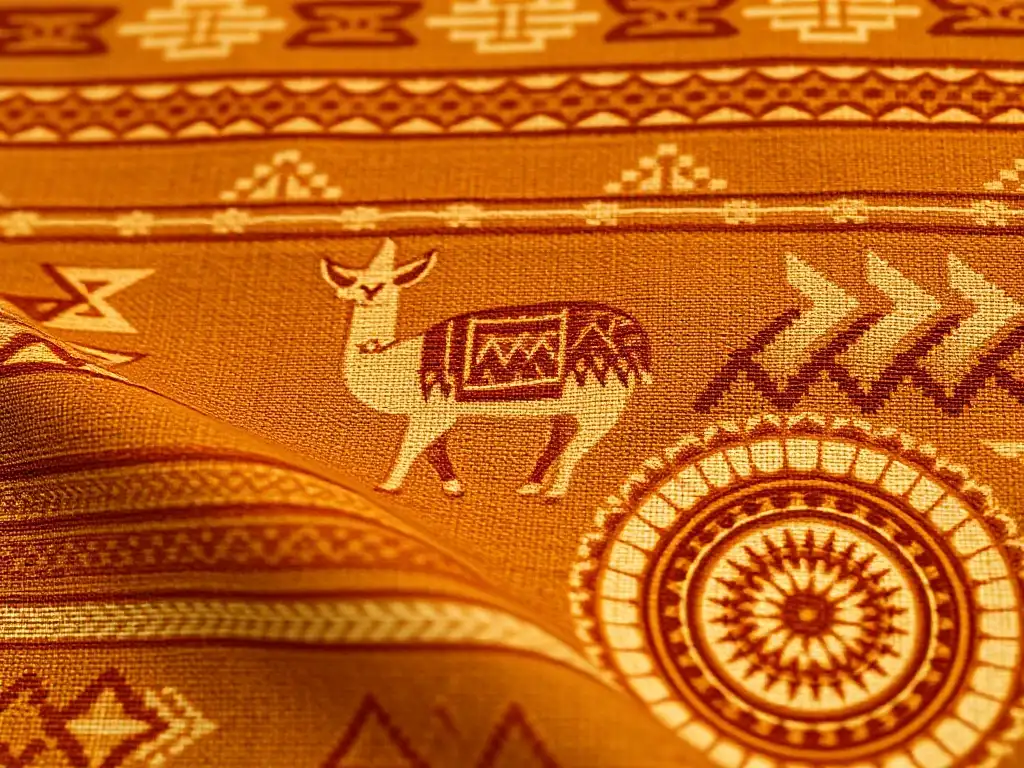
The vibrant colors and intricate designs of Andean textiles are not merely decorative; they are powerful carriers of meaning, reflecting the complex worldview and social structures of the ancient Andean civilizations. Understanding these textile meanings requires careful consideration of the symbols and motifs woven into the fabric, each carrying a unique cultural significance. Analyzing these elements provides invaluable insights into the beliefs, rituals, and daily lives of these fascinating societies.
The study of Andean textile meanings is a dynamic field, constantly evolving as new discoveries are made and existing interpretations are refined. This section delves into the key elements that contribute to the rich tapestry of meaning embedded within these remarkable artifacts.
The careful observation of color, pattern, and motif allows us to unravel the stories woven into the very threads of Andean history. This deep dive into the symbolism will illuminate the sophisticated cultural systems that produced such intricate and expressive textiles.
Common Andean Symbols and Their Interpretations
Many common symbols appear repeatedly across various Andean cultures, albeit with subtle variations in representation and interpretation. For example, the chakana, or Andean cross, is a ubiquitous symbol found in textiles, ceramics, and stone carvings. While often interpreted as representing the four cardinal directions, or the four elements, its meaning is likely multifaceted and context-dependent. In some textiles, the chakana might symbolize a cosmic axis connecting the earthly realm with the heavens, reflecting the Andean worldview that linked the human and spiritual planes.
Other common symbols include stylized representations of animals, such as condors, pumas, and snakes, each holding specific cultural significance. Condors, for instance, often represent power, strength, and a connection to the upper world, while snakes frequently symbolize fertility and the underworld. The interpretation of these symbols often depends on their placement within the overall design and the accompanying motifs.
| Symbol | Common Interpretation(s) | Cultural Significance | Example Location(s) |
|---|---|---|---|
| Chakana | Four cardinal directions, four elements, cosmic axis | Connection between earthly and spiritual realms | Throughout the Andes |
| Condor | Power, strength, connection to the upper world | Represents spiritual power and dominion | Coastal and Highland areas |
| Puma | Power, strength, connection to the earth | Represents earthly power and strength | Highland areas |
| Snake | Fertility, underworld, transformation, healing | Represents cycles of life, death, and rebirth | Throughout the Andes |
| Sun/Moon | Celestial bodies, duality, cycles of life and death | Represents cosmic order and the passage of time | Throughout the Andes |
The careful study of these symbols, combined with an understanding of the specific cultural context, is crucial for accurate interpretation. Further research is needed to fully understand the nuances of symbol usage across different Andean cultures and time periods. For instance, [specific information pending] on the regional variations in the depiction and meaning of the puma symbol across the Inca empire.
Geometric Patterns: Understanding their Cultural Significance
Geometric patterns in Andean textiles are far from random; they are carefully constructed designs that communicate complex ideas. These patterns often use a combination of lines, shapes, and colors to represent abstract concepts, social structures, or cosmological beliefs. The use of stripes, chevrons, zigzags, and other geometric forms frequently relates to specific social groups, indicating social status or clan affiliation. For example, the intricate geometric patterns found on some Paracas textiles are believed to represent the intricate social hierarchy of that civilization.
The prevalence of specific colors within these geometric patterns also carries symbolic weight. Red, for instance, might symbolize blood, fertility, or even war, while yellow could represent the sun or gold. These color associations are not always consistent, however, and can vary depending on the cultural context and the specific textile. This highlights the need for nuanced analysis when interpreting these patterns. The precise meaning of many geometric patterns remains a subject of ongoing research, requiring further investigation into specific regional styles and cultural practices. [Specific information pending] regarding the symbolism of specific geometric motifs found in Nazca textiles.
Representation of Animals, Plants, and Deities in Andean Weavings
Beyond abstract symbols and geometric patterns, Andean textiles frequently depict realistic or stylized representations of animals, plants, and deities. These depictions are often highly detailed and expressive, reflecting a deep understanding of the natural world and the spiritual forces believed to inhabit it. The inclusion of specific animals, such as llamas or vicuñas, might reflect their importance in Andean economies and daily life. The portrayal of certain plants, such as coca leaves or maize, might symbolize agricultural practices and their connection to the land.
The depiction of deities is often more stylized and symbolic, reflecting the complex religious beliefs of the Andean cultures. These images often combine human and animal characteristics, indicating the close relationship between the human and supernatural worlds. For example, the representation of the Andean deity Viracocha often incorporates elements from both the human and animal kingdoms. The presence of specific deities in a textile might indicate religious practices, rituals, or beliefs associated with that particular culture or social group.
Further research is needed to fully understand the iconography of Andean deities and their representation in textiles. The variability in representation across different regions and time periods demands a detailed and comparative study. [Specific information pending] on the iconographic representation of deities in the textiles of the Moche culture. Understanding these representations is vital for understanding the spiritual world of the Andean people and their connection to the natural world.
Regional Variations in Andean Textile Design
Andean textile design wasn't a monolithic entity; rather, it displayed remarkable regional diversity, reflecting the unique cultural practices and environmental conditions of different areas. The intricate patterns and motifs woven into fabrics weren't merely decorative; they served as powerful visual languages, conveying complex social, political, and religious messages specific to their place of origin. For instance, the textiles produced in the highlands, like those from the Cusco region, often featured different symbolic representations than those crafted in the coastal areas, such as those from the Paracas culture.
This variance stems from the contrasting lifestyles and beliefs of the highland and coastal populations. Highland communities, often relying on agriculture at higher altitudes, incorporated motifs representing llamas, agricultural cycles, and celestial bodies, reflecting their connection to the land and the cosmos. Coastal communities, on the other hand, with their focus on fishing and maritime trade, incorporated marine imagery, such as stylized fish, birds, and waves, into their textile designs.
The use of specific colors also varied regionally, with certain dyes and pigments being more readily available in some areas than others. This localized availability influenced the color palettes used in textiles, further contributing to the regional distinctiveness of Andean textile art.
The influence of specific geographical features also played a significant role. For example, the arid coastal regions, known for their challenging environments, might have featured motifs representing resilience and adaptation, while the fertile valleys of the Andes might showcase designs highlighting abundance and prosperity. The intricate relationship between the environment and the symbolic language of textiles is a fascinating area of study, offering valuable insights into the worldview and adaptive strategies of Andean communities.
Researchers continue to uncover new details about these regional variations, adding layers of complexity and nuance to our understanding of Andean textile art. The meticulous documentation of these differences is crucial for preserving the cultural heritage and promoting responsible tourism in the Andean region.
Further research into specific dye techniques and their regional distribution promises to further illuminate this rich tapestry of cultural expression. Careful analysis of surviving textiles, combined with archaeological evidence, can provide a more complete picture of the diverse artistic traditions across the Andean landscape.
Andean Textiles Through History: From Ancient Times to the Present
This section delves into the rich tapestry of Andean textile history, exploring its evolution from pre-Inca societies to the present day. We will examine how textile production reflected social structures, religious beliefs, and technological advancements across different eras, showcasing the enduring legacy of Andean textile artistry and its profound cultural significance. Understanding the historical context is crucial to fully appreciating the complex meanings embedded within Andean textiles.
The intricate designs, vibrant colors, and sophisticated techniques employed reflect not only artistic skill but also a deep connection to the Andean landscape and cosmology. The enduring power of these textiles lies in their ability to transmit cultural knowledge and identity across generations.
The Role of Textiles in Pre-Inca Andean Societies
Pre-Inca Andean societies, including the Nazca, Moche, and Paracas cultures, developed remarkably advanced textile techniques. These weren't merely functional items; textiles held deep symbolic and ritualistic importance. For example, the Nazca people, renowned for their geoglyphs, also created incredibly intricate textiles featuring vibrant colors and complex designs. These designs frequently depicted deities, animals, and mythological scenes, suggesting a strong connection between their textile art and religious beliefs.
Analysis of these textiles reveals sophisticated knowledge of dyeing techniques, using natural pigments derived from plants and minerals found in the Andean region. The Paracas culture, known for its elaborate burial practices, produced textiles of exceptional quality, often incorporating feathers, shells, and other materials into their woven pieces. These textiles were not only used for clothing but also served as grave goods, reflecting the high value placed on textiles in their society.
The intricate weaving techniques and symbolic imagery demonstrate a high level of skill and artistry, showcasing the advanced technological and artistic capabilities of pre-Inca Andean societies. Further research is needed to fully understand the specific meanings associated with individual motifs and color palettes. [Specific information pending: detailed analysis of specific motifs and color symbolism in Nazca and Paracas textiles].
Inca Textile Production: A Symbol of Power and Prestige
The Inca Empire further elevated textile production to a level of unparalleled sophistication and prestige. Inca textiles were not just clothing; they were powerful symbols of social status, political authority, and religious significance. The Inca state controlled textile production, establishing specialized workshops employing skilled artisans. The quality of the textiles, the complexity of the designs, and the choice of materials directly reflected the wearer's social standing.
Royal textiles, for instance, often featured intricate designs using rare and luxurious materials like vicuña and alpaca wool. These textiles were adorned with intricate patterns, often incorporating symbolic motifs related to Inca mythology and cosmology. The use of specific colors and patterns could also indicate the wearer's clan or lineage. The Inca's mastery of weaving techniques, including the use of complex tapestry and brocade techniques, showcases their advanced technological capabilities.
The production of these textiles was a highly regulated process, reflecting the Inca's centralized and hierarchical social structure. The surviving Inca textiles offer invaluable insights into their complex social organization and worldview. The vibrant colors and intricate designs continue to fascinate and inspire, showcasing the enduring legacy of Inca textile artistry.
Colonial Influences on Andean Weaving Traditions
The Spanish conquest profoundly impacted Andean weaving traditions, introducing new materials, techniques, and designs. While some traditional techniques were preserved, the colonial period witnessed a significant shift in textile production. The introduction of European dyes and fibers, such as cotton and sheep's wool, led to new color palettes and textural variations. However, Andean weavers skillfully adapted these new elements, incorporating them into their existing traditions.
This resulted in a fusion of styles, blending indigenous motifs and techniques with European influences. Religious imagery, introduced by the Spanish, became a prominent feature in many textiles, reflecting the syncretic nature of Andean religious practices during the colonial period. Despite the challenges and disruptions, Andean weavers maintained their unique artistic identity, adapting and innovating to preserve their cultural heritage.
The resilience of Andean weaving traditions throughout the colonial period is a testament to the enduring power of cultural identity and artistic expression. Further research is needed to fully understand the complex interplay between indigenous and colonial influences on Andean textile production. [Specific information pending: detailed analysis of the evolution of specific motifs and techniques during the colonial period].
Contemporary Andean Weaving: Preserving Ancient Skills
Contemporary Andean weaving is a vibrant testament to the enduring legacy of ancient techniques and artistic expression. While facing the challenges of globalization and changing market demands, Andean communities continue to produce textiles of exceptional quality and cultural significance. The intricate designs, vibrant colors, and the use of traditional materials like alpaca and vicuña wool remain central to their identity and livelihood. Many communities actively participate in preserving these ancient skills through workshops, apprenticeships, and the establishment of cooperatives. This collaborative effort not only safeguards traditional techniques but also provides economic opportunities for artisans, fostering sustainable development within their communities.
The transmission of knowledge from one generation to the next is crucial, ensuring that the art of Andean weaving continues to thrive. These efforts are not merely about preserving a craft; they are about preserving a cultural heritage that is deeply intertwined with the Andean identity. The intricate designs often tell stories, transmit knowledge, and reflect the beliefs and values of the community. By supporting contemporary Andean weaving, we contribute to the preservation of a rich cultural tapestry, one thread at a time. The resilience and adaptability shown by Andean weavers in navigating modern challenges are a powerful example of cultural preservation in action.
Their commitment to their traditions ensures that the unique aesthetic and cultural significance of Andean textiles will continue to inspire and captivate for generations to come. The beauty and complexity of their work are a powerful reminder of the enduring power of human creativity and cultural heritage. Moreover, the increasing interest in ethical and sustainable fashion has created new markets for authentic Andean textiles, further supporting the communities that produce them. This growing appreciation for handcrafted goods and the stories they tell represents a significant opportunity for the preservation and promotion of Andean textile traditions.
The Cultural Importance of Andean Textiles
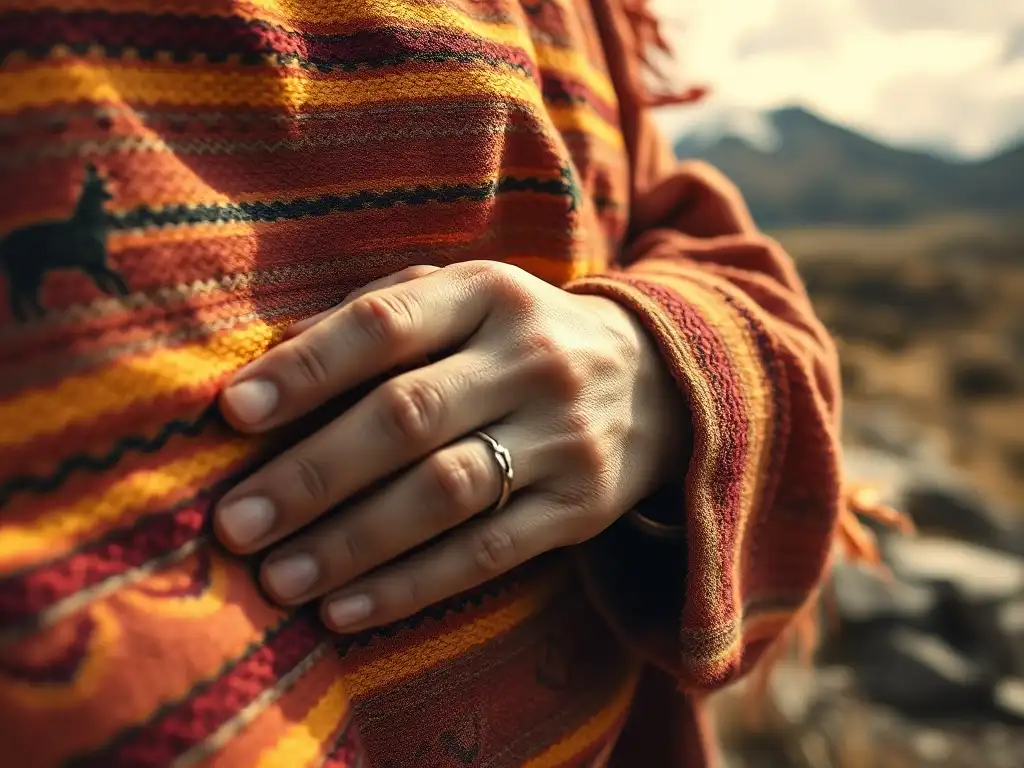
Andean textiles weren't merely clothing; they were powerful symbols interwoven with the fabric of Andean life, reflecting a deep connection between people, spirituality, and the natural world. Their creation and use transcended simple utility, becoming a vital component of social structure, religious practices, and artistic expression. Understanding the intricate details of Andean textile production and design provides invaluable insight into the complex societies that created them.
The enduring legacy of these textiles speaks volumes about the ingenuity and cultural richness of Andean civilizations. The significance of Andean textile meanings is deeply rooted in their multifaceted roles within these ancient societies. This section will delve into the various ways these textiles functioned as communication tools, markers of social standing, and vital elements in ritual ceremonies.
Andean Textiles as a Form of Communication
Andean textiles served as a sophisticated form of visual communication, conveying complex messages through intricate designs and symbolic motifs. Unlike written language, which was not widely used across all Andean cultures, textiles offered a powerful, readily understood medium for storytelling and information sharing. For example, the vibrant colors, intricate patterns, and specific imagery found on textiles often represented narratives related to mythology, cosmology, history, or social events.
Consider the intricate designs found on Paracas textiles (ca. 500 BCE – 200 CE). These often depict stylized figures, animals, and mythical creatures, arranged in complex compositions that are believed to represent narratives, perhaps telling stories of creation myths or recounting historical events. The use of specific colors also held symbolic meaning, with certain hues associated with specific deities or natural elements. The skillful arrangement of these symbols allowed weavers to communicate complex ideas and beliefs across generations without relying on a written script.
The detailed craftsmanship further emphasized the importance of the message being conveyed. Each thread, each knot, each meticulously placed element contributed to the overall meaning and impact of the textile. This visual language, passed down through generations of skilled artisans, ensured the preservation and transmission of cultural knowledge. Studying these intricate designs helps us decipher the rich tapestry of Andean beliefs and social structures.
The type of textile, its design, and the quality of its craftsmanship were crucial indicators of an individual's identity and social standing within Andean societies. Specific patterns and colors were associated with different social groups, ethnic affiliations, and even individual families. The use of rare or expensive dyes, such as the vibrant purples derived from shellfish or the deep reds from cochineal insects, signified high social status and wealth. The complexity and fineness of the weave also served as a visual marker of skill and prestige.
For instance, the elite members of Inca society were often adorned with textiles of exceptional quality, featuring intricate designs and rare materials. These garments served as visual representations of their power and authority, distinguishing them from the common populace. In contrast, the textiles worn by lower social classes were generally simpler in design and made from more readily available materials. This clear visual distinction reinforced the social hierarchy and helped maintain social order.
Even within a single social class, variations in textile design and quality could indicate differences in wealth and status within that group. Archaeological evidence consistently supports this observation, with variations in textile quality found across different burial contexts. This meticulous attention to detail in textile production and use reveals a sophisticated understanding of social structure and power dynamics within Andean societies.
The Ritual and Ceremonial Use of Andean Weavings
Andean textiles played a pivotal role in religious rituals and ceremonies, often serving as offerings to deities or used in sacred contexts. Certain textiles were specifically woven for ceremonial purposes, featuring sacred symbols and designs that held deep spiritual significance. These textiles were not intended for everyday use but were reserved for special occasions, further highlighting their importance in Andean religious practices.
Many examples of textiles used in ritual contexts have been found in archaeological sites across the Andes. These textiles often include representations of deities, mythological creatures, or celestial bodies, reflecting the close relationship between Andean societies and the spiritual world. The use of specific colors and materials also held ritual significance, with certain dyes or fibers believed to possess magical or protective properties. The act of weaving itself was often considered a sacred process, with weavers holding a special status within their communities.
The creation of these ritual textiles was a painstaking and time-consuming process, requiring immense skill and dedication. The meticulous attention to detail reflects the profound religious beliefs and practices of Andean cultures, emphasizing the sacred nature of these textiles. The discovery of these textiles in ceremonial contexts underscores their vital role in Andean religious life, providing tangible evidence of their spiritual importance.
Andean Textiles and the Modern World
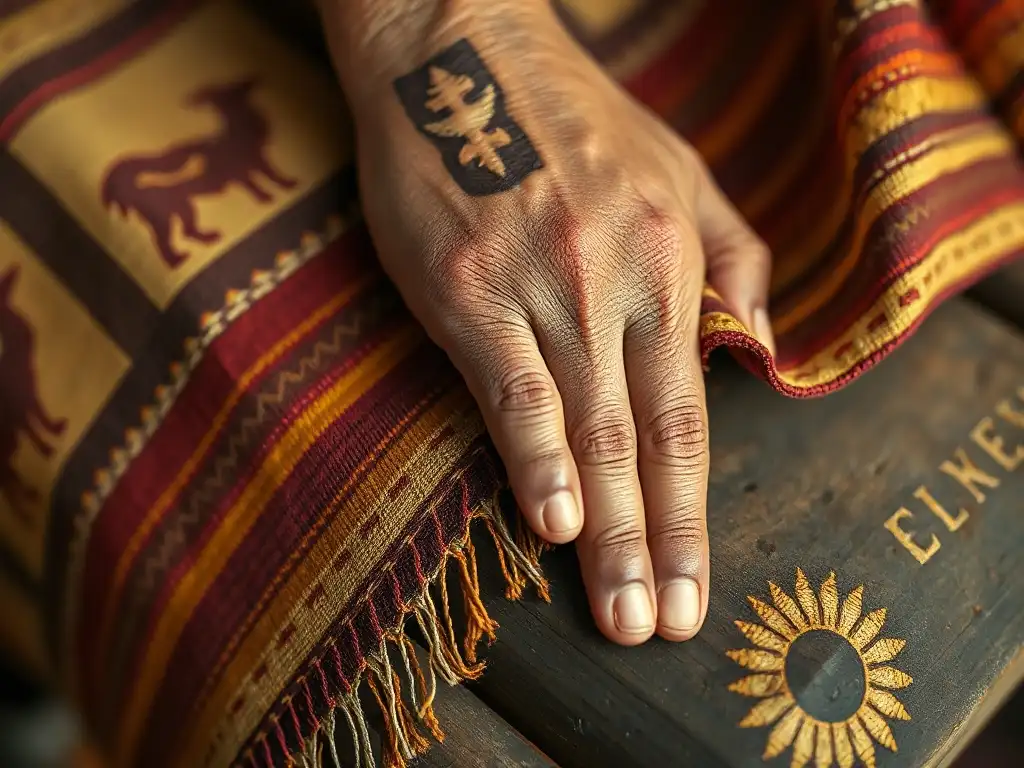
This section explores the contemporary relevance of Andean textiles, examining the challenges faced in preserving traditional weaving techniques and the opportunities presented by fair trade initiatives and contemporary design inspiration. Understanding the enduring power of Andean textile meanings is crucial to appreciating their continued significance in the 21st century.
The Challenges of Preserving Andean Textile Traditions
The vibrant tapestry of Andean textile traditions faces significant threats in the modern world. Globalization, urbanization, and the allure of mass-produced goods have led to a decline in the number of artisans practicing traditional weaving techniques. This decline poses a serious risk to the preservation of cultural heritage and the unique knowledge embedded within these practices.
Several factors contribute to this challenge. The younger generation, often drawn to urban centers and more lucrative employment opportunities, are less inclined to adopt the time-consuming and often physically demanding craft of weaving. Furthermore, the availability of synthetic materials and imported textiles offers cheaper alternatives, making it difficult for artisans to compete in the market. The loss of traditional knowledge, passed down through generations, further exacerbates the situation.
Without active efforts to document and transmit these techniques, valuable skills and cultural expressions risk being lost forever. Quantifying this loss is difficult; however, anecdotal evidence from various Andean communities suggests a significant decrease in active weavers over the past few decades. [Specific data on the decline of Andean weavers pending]. This necessitates urgent intervention to safeguard these invaluable cultural assets.
Supporting Andean Artisan Communities: Fair Trade Practices
Fair trade initiatives play a vital role in sustaining Andean textile traditions and empowering artisan communities. By ensuring fair prices, ethical labor practices, and direct access to markets, these initiatives help artisans to thrive economically and maintain their cultural heritage. This positive impact extends beyond economic benefits; it also fosters community development, strengthens cultural identity, and promotes sustainable livelihoods.
Examples of successful fair trade models include cooperatives that provide artisans with collective bargaining power, access to resources, and training opportunities. These cooperatives often work with international organizations and businesses committed to ethical sourcing and sustainable practices. The benefits are multifaceted: artisans receive a fair wage for their work, enabling them to reinvest in their communities and support their families; consumers gain access to unique, high-quality products while contributing to positive social and environmental change; and the preservation of traditional weaving skills and cultural knowledge is secured.
The success of these initiatives, however, relies on continued support from consumers, businesses, and governments. Increased demand for ethically sourced Andean textiles is crucial for the long-term sustainability of these projects. Moreover, promoting transparency and traceability within the supply chain is essential to ensure that fair trade principles are genuinely upheld.
Andean Textiles as Inspiration for Contemporary Design
The intricate designs, vibrant colors, and rich symbolism of Andean textiles have captivated designers and artists worldwide, inspiring contemporary creations across various disciplines. From fashion and interior design to jewelry and graphic art, Andean textile motifs are increasingly integrated into modern aesthetics. This adoption doesn't simply represent a trend; it serves as a powerful testament to the enduring aesthetic appeal and cultural significance of these ancient traditions.
This resurgence of interest offers significant opportunities for Andean artisan communities. Collaborations between contemporary designers and traditional weavers can create new markets for their products, ensuring economic sustainability and promoting cultural exchange. By blending traditional techniques with modern design sensibilities, these collaborations can also introduce Andean textiles to a wider audience, fostering greater appreciation for their cultural heritage.
Examples include fashion designers incorporating Andean patterns into their collections or textile artists creating contemporary artwork inspired by traditional motifs. The key lies in ensuring that these collaborations are respectful of cultural heritage and provide fair compensation to the artisans involved.
This requires a genuine commitment to ethical practices and a deep understanding of the cultural meanings embedded within the textiles themselves. The future of Andean textiles hinges on the ability to successfully bridge the gap between tradition and modernity, ensuring that these invaluable cultural expressions continue to flourish in the years to come.
Andean Textile Tourism: Experiencing the Art Firsthand
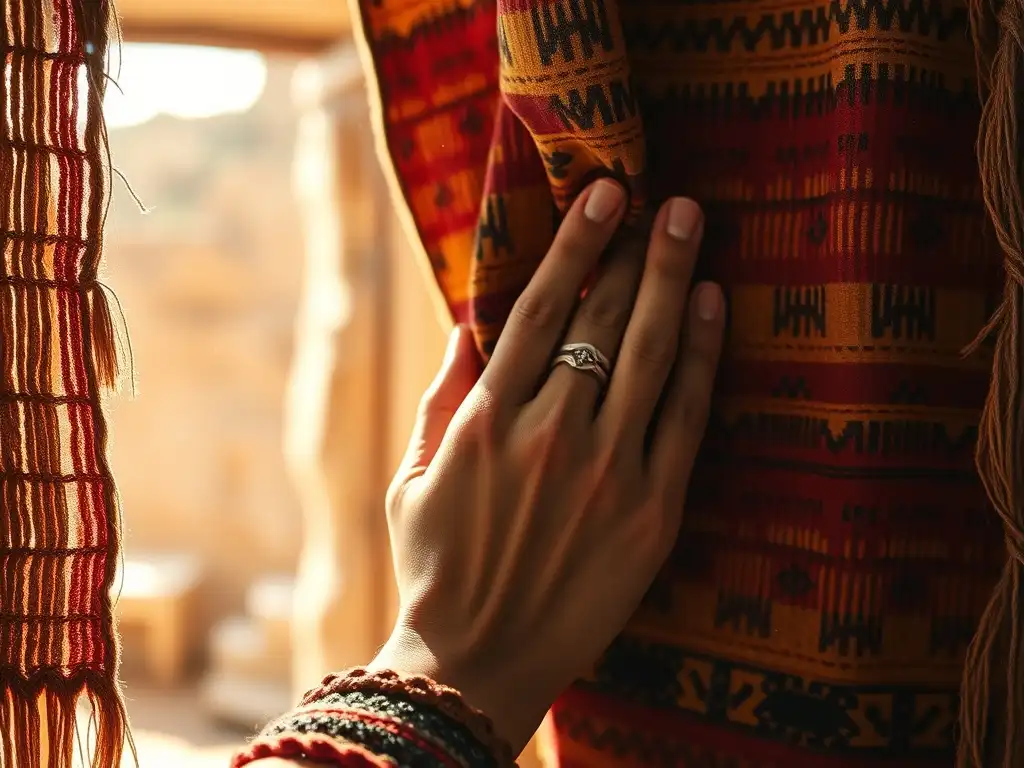
This section explores the opportunities for engaging with Andean textile traditions through tourism, focusing on responsible practices and authentic experiences. Understanding the cultural significance of Andean textiles is greatly enhanced by direct interaction with the communities and artisans who continue these ancient practices. Experiencing the vibrant colors, intricate designs, and the skill involved in creating these masterpieces firsthand provides a far deeper appreciation than simply viewing them in a museum. The growth of Andean textile tourism offers a powerful means of preserving this vital cultural heritage while providing economic opportunities for Andean communities.
Visiting Andean Weaving Communities and Workshops
Visiting weaving communities offers a unique opportunity to witness the creation of Andean textiles up close. Many communities welcome tourists, offering workshops and demonstrations where visitors can learn about the techniques and symbolism embedded within the textiles. This direct engagement fosters a deeper understanding of the cultural significance of each piece, moving beyond mere aesthetics to encompass the rich history and beliefs woven into the fabric itself.
For example, a visit to a community in the Cusco region might involve learning about the intricate process of creating a lliclla, a traditional Andean shawl, and understanding the significance of its colors and patterns in relation to Andean cosmology. These experiences are far more impactful than reading about them; they provide a tangible connection to the past and a deeper appreciation for the enduring legacy of Andean textile traditions. Participation in these workshops often includes opportunities to try your hand at some of the techniques, creating a memorable and personalized souvenir.
The interaction with artisans provides a chance to learn about their lives, their challenges, and their passion for preserving their ancestral heritage. This personal connection is crucial for responsible tourism and the sustainability of these cultural practices.
Responsible Tourism and Cultural Preservation
Responsible tourism is paramount when engaging with Andean textile traditions. It's vital to support initiatives that prioritize the well-being of local communities and the preservation of their cultural heritage. This means choosing tour operators committed to ethical practices, ensuring that profits directly benefit the artisans and their communities. Respectful observation and interaction are also crucial.
Avoid intrusive behaviors that might disrupt the artisans' work or compromise the integrity of the cultural practices. Responsible purchasing is equally important—avoiding counterfeit goods and ensuring that the money spent directly supports the artisans and their communities. Supporting fair-trade initiatives guarantees that artisans receive fair compensation for their work, contributing to the sustainability of their craft and their livelihoods. The preservation of Andean textile traditions is not solely a matter of safeguarding historical artifacts; it's about upholding the cultural identity and economic well-being of the communities who continue to practice these ancient arts.
By engaging in responsible tourism, we can contribute to the longevity of this rich cultural heritage for generations to come. Remember, respectful engagement with the local community and their traditions is key to ensuring their preservation. This includes learning basic Quechua phrases to show respect and acknowledging the deep spiritual significance many Andean people attach to their textiles.
Purchasing Authentic Andean Textiles: What to Look For
Purchasing authentic Andean textiles is a rewarding way to support artisans and preserve their traditions. However, the market is rife with imitations, so discerning buyers need to know what to look for. Authenticity is often reflected in the quality of the materials, the intricacy of the weaving techniques, and the presence of traditional designs and symbols. Look for textiles made from natural fibers like alpaca or llama wool, known for their softness and durability. The quality of the weave is another crucial indicator; authentic pieces exhibit a tight, even weave, indicative of skilled craftsmanship.
Traditional designs, often imbued with deep cultural meanings, are another hallmark of authenticity. These designs frequently incorporate geometric patterns, stylized animals, and symbolic motifs that are unique to specific Andean cultures and regions. Pay attention to details like the finishing of the edges and the overall craftsmanship. A poorly finished piece is often a sign of a mass-produced imitation.
When purchasing, seek out artisans' cooperatives or reputable shops that prioritize fair trade practices. These vendors often provide information about the origin and cultural significance of the textiles, enhancing the value and meaning of your purchase. Remember, supporting authentic Andean textiles is not just about acquiring a beautiful piece of art; it’s about contributing to the economic empowerment of Andean communities and preserving a vibrant cultural heritage. Buying from reputable sources helps guarantee the authenticity and ethical sourcing of the textile, ensuring that the cultural meaning is preserved along with the craft itself.
Conclusion: The Enduring Legacy of Andean Textile Art
The vibrant tapestry of Andean textile art, a testament to centuries of ingenuity and cultural expression, continues to resonate deeply within contemporary society. Its enduring legacy is not merely aesthetic; it's a powerful reflection of Andean identity, resilience, and a profound connection to the land. From the intricate designs narrating myths and rituals to the sophisticated techniques passed down through generations, these textiles offer invaluable insights into the complexities of ancient Andean civilizations.
The survival and adaptation of these traditions highlight the remarkable ability of cultural heritage to transcend time and inspire new generations. Analyzing the Andean textile meanings reveals a rich understanding of their social structures, belief systems, and artistic prowess. Understanding these meanings allows us to appreciate the profound artistry and cultural significance woven into each thread.
The Ongoing Evolution of Andean Textile Traditions
Even today, Andean textile traditions continue to evolve, adapting to modern influences while retaining their core essence. Contemporary Andean weavers, many of whom are descendants of ancient artisans, seamlessly blend traditional techniques with contemporary designs and materials. This dynamic interplay results in textiles that are both deeply rooted in history and strikingly modern. For example, some contemporary weavers incorporate recycled materials, reflecting a growing awareness of environmental sustainability.
Others integrate contemporary themes and motifs, reflecting changing social realities and artistic expressions. The enduring popularity of Andean textiles in both local and international markets underscores their continued relevance and the global appreciation for their unique beauty and cultural significance. The vibrant colors, intricate patterns, and symbolic meanings embedded within these textiles continue to captivate audiences worldwide, ensuring that the legacy of Andean textile art will continue to thrive for generations to come.
The preservation and promotion of these traditions are crucial not only for maintaining cultural heritage but also for supporting the livelihoods of Andean communities who continue to practice this ancient art form. This ongoing evolution guarantees that the rich tapestry of Andean textile meanings will continue to be woven, interpreted, and appreciated for years to come. The future of Andean textiles is bright, a testament to the enduring power of tradition and creativity.
Andean Textile Meanings: A Deeper Dive into Symbolism
The symbolism embedded within Andean textiles is incredibly rich and multifaceted. Individual motifs, often repeated in complex arrangements, carry specific meanings related to cosmology, mythology, social status, and daily life. For instance, the frequent depiction of camelids (llamas, alpacas) signifies wealth, social standing, and connection to the Andean landscape. Geometric patterns, often intricate and complex, can represent celestial bodies, agricultural cycles, or even specific clans or lineages.
Colors too, hold significant meaning, often associated with specific deities, events, or emotions. Red, for example, might represent blood, fertility, or the sun, while black might symbolize the underworld or night. The precise interpretation of these symbols requires careful consideration of the context within which the textile was created, including its intended use, the social status of the wearer or owner, and the specific time period.
Unfortunately, a complete and definitive catalog of all Andean textile meanings remains elusive due to the fragmentary nature of surviving artifacts and the limitations of our current understanding of ancient Andean languages and belief systems. However, ongoing research and interdisciplinary collaboration continue to shed new light on these fascinating and intricate symbolic systems. The meticulous analysis of surviving textiles, coupled with anthropological and archaeological studies, allows for a gradual and continuously evolving understanding of the rich tapestry of Andean textile meanings.
Preservation Challenges and Future Research
The preservation of Andean textiles presents significant challenges due to the delicate nature of the materials and the effects of time and environmental factors. Many textiles are fragile and prone to deterioration, requiring careful conservation efforts to ensure their long-term survival. Factors such as light exposure, humidity, and insect infestations can all contribute to damage. Furthermore, the lack of detailed documentation regarding the creation, use, and meaning of many textiles makes their study even more challenging.
Future research needs to focus on several key areas. Firstly, further interdisciplinary collaboration between textile conservators, archaeologists, anthropologists, and art historians is crucial to develop more comprehensive understanding of these artifacts. Secondly, advanced scientific techniques, such as advanced imaging and material analysis, can provide invaluable insights into the composition, techniques, and age of textiles.
Finally, the development of accessible digital archives and databases containing high-resolution images and detailed descriptions of Andean textiles will facilitate wider access and promote further research. These collaborative efforts are essential to ensuring that the rich legacy of Andean textile art continues to be celebrated and understood for generations to come. The preservation of these priceless artifacts is a crucial step in safeguarding a vital part of Andean cultural heritage.
Frequently Asked Questions
What makes Andean textiles so unique?
Andean textiles are renowned for their exceptional craftsmanship, vibrant colors derived from natural dyes, and intricate designs that often tell stories or hold symbolic meaning. Their techniques, passed down through generations, are truly remarkable.
What are some common symbols found in Andean textiles?
Common symbols include geometric patterns, animals (like llamas and condors), and anthropomorphic figures. These symbols often represent spiritual beliefs, social status, or historical events, varying across different cultures and time periods.
How did Andean people create such vibrant colors in their textiles?
Andean civilizations utilized a wide range of natural dyes from plants, insects, and minerals. Cochineal insects provided brilliant reds, while various plants yielded yellows, blues, and greens. The precise methods for extracting and applying these dyes remain a subject of ongoing research.
What is the significance of the textiles in Andean cultures?
Textiles held immense social and spiritual significance. They were not merely clothing but also served as markers of identity, status, and power. Textiles were often used in religious ceremonies and played a crucial role in Andean life.
Where can I learn more about the meanings of Andean textile designs?
You can find further information in academic journals, museum exhibits, and books focusing on Andean archaeology and anthropology. Many online resources and databases also offer valuable insights into Andean textile symbolism and iconography.
Final Reflection: Unraveling the Threads of Andean Heritage
The vibrant artistry of Andean textiles isn't merely a relic of the past; it's a living testament to cultural resilience and a powerful symbol of enduring identity in a rapidly changing world. These intricate weavings, imbued with profound symbolic meaning, continue to speak volumes about the ingenuity and spiritual depth of Andean communities, offering invaluable insights into their history, beliefs, and social structures. Their continued relevance in contemporary society underscores the importance of preserving and understanding these rich traditions.
The enduring power of Andean textiles lies not only in their aesthetic beauty but also in their ability to transmit knowledge and stories across generations. These textiles are more than just clothing; they are living archives, carrying narratives of ancestral wisdom and cultural continuity. As the renowned anthropologist, Ruth Shady, once stated, Textiles are not just objects; they are documents that tell us about the past, the present, and the future.
This sentiment resonates deeply, highlighting the ongoing importance of studying and appreciating these intricate works of art as a means of understanding the complexities of Andean culture and its enduring legacy.
Consider the intricate patterns, the vibrant colors, the very fibers themselves – each element holds a story waiting to be discovered. You, the reader, are now invited to delve deeper into the world of Andean textiles. Seek out opportunities to learn more, to support artisans who continue this ancient craft, and to appreciate the profound cultural significance woven into every thread. Let the legacy of Andean textiles inspire you to explore your own cultural heritage and to recognize the power of art to connect us across time and space.
Unveil Your Creative Spirit Through Andean Textiles!
Thank you for exploring the rich world of Andean textiles with us! We hope you've gained valuable insights into their artistry and cultural significance. Now, let's put that knowledge to work.
Here are some inspiring ideas to get you started:
- Embrace your creativity! Try a small textile project using Andean-inspired techniques—perhaps a simple wall hanging, a decorative coaster, or even a small tapestry.
- Share your passion! Discuss the fascinating history and artistry of Andean textiles with friends and family, or share your newfound appreciation on social media to inspire others.
- Connect with the community! Search for local textile workshops or artisan groups focusing on traditional weaving methods. This is a wonderful way to learn more and support local craftspeople.
How will you incorporate the beauty and artistry of Andean textiles into your life this week? Share your ideas below!