
The Beauty of Simplicity: How Andean Design Principles Influence Modern Aesthetics

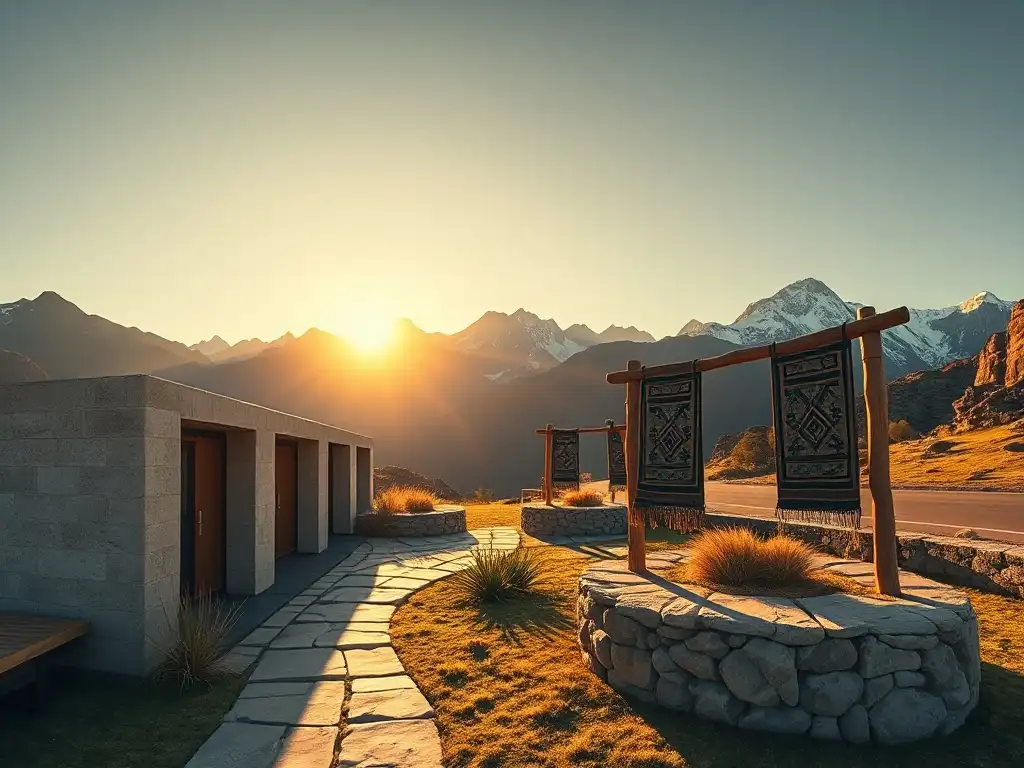
Step into a world lost to time, yet echoing in our present. Journey through the breathtaking artistry and ingenuity of the Andean civilizations, from the Incas to the Nazca. Discover how the seemingly simple yet profound Andean design principles continue to shape modern aesthetics—a legacy far richer and more influential than you might imagine. Unravel the secrets behind this enduring influence and prepare to be amazed by the beauty of their enduring impact. Explore the fascinating story now!
The breathtaking artistry of the Andean civilizations, encompassing cultures like the Inca, Moche, Nazca, and Tiahuanaco, continues to resonate deeply within contemporary aesthetics. This article explores the enduring influence of Andean design principles on modern sensibilities, demonstrating how their emphasis on simplicity, natural materials, and geometric precision continues to inspire artists, designers, and architects today.
We will delve into the core tenets of Andean art and design, examining how these ancient traditions have shaped and continue to shape our modern visual landscape. Understanding these principles offers a fascinating glimpse into the ingenuity and artistic vision of these remarkable cultures and highlights their surprisingly relevant contributions to our contemporary world.
From the intricate geometric patterns woven into textiles to the harmonious use of natural colors in pottery, the legacy of Andean design is undeniable and profoundly influential. This exploration will uncover how the seemingly simple aesthetic choices of Andean artisans have had a lasting and impactful effect on modern design trends, proving that true beauty often lies in simplicity.
Understanding Andean Design: A Legacy of Simplicity
Andean design, far from being simplistic, reveals a sophisticated understanding of balance, harmony, and the symbolic power of form. The apparent simplicity is a result of a deep connection to the natural world and a profound respect for the materials used. Unlike many other ancient civilizations that favored elaborate ornamentation, Andean cultures often prioritized functionality and a subtle elegance achieved through carefully considered choices in color, texture, and form.
This philosophy of “less is more” is strikingly relevant in today's design world, where minimalism and sustainable practices are increasingly valued. The enduring appeal of Andean aesthetics stems from this inherent balance between functionality and artistic expression, a testament to the ingenuity and cultural depth of these ancient societies. The enduring legacy of Andean design is not merely aesthetic; it reflects a worldview that valued sustainability, craftsmanship, and a profound connection to the land.
The Core Principles of Andean Art and Design
The core principles of Andean art and design can be summarized as a harmonious blend of geometric precision, natural materials, and symbolic representation. These principles are interwoven throughout their artistic expressions, from intricate textiles and pottery to monumental architecture. The emphasis on symmetry, repetition, and the use of earth tones creates a sense of calm and balance, reflecting a deep connection to the Andean landscape.
This intentional simplicity is not a lack of creativity but rather a sophisticated artistic choice, revealing a profound understanding of visual harmony and the power of understated elegance. The careful selection of materials, predominantly sourced locally, demonstrates a sustainable approach to art-making that resonates strongly with contemporary eco-conscious design movements.
Geometric Patterns in Andean Textiles and Pottery
Andean textiles are renowned for their intricate geometric patterns, often incorporating symbolic representations of animals, plants, and celestial bodies. These patterns, woven with remarkable precision, are not merely decorative; they often carry deep cultural and religious significance. The use of repetitive motifs and symmetrical arrangements creates a visually compelling effect, while the vibrant colors derived from natural pigments enhance the overall aesthetic impact.
These patterns, characterized by their bold simplicity and geometric precision, continue to inspire contemporary textile designers and artists, demonstrating the enduring appeal of Andean artistic traditions. Examples include the intricate designs found in Paracas textiles and the geometric patterns adorning Moche pottery.
The Importance of Symmetry and Repetition
Symmetry and repetition are fundamental elements in Andean design, reflecting a deep-seated belief in balance and harmony. These principles are evident in everything from the layout of Andean cities to the intricate patterns on their textiles and pottery. The repetitive use of motifs creates a sense of rhythm and visual unity, while the symmetrical arrangements enhance the overall sense of balance and stability.
This deliberate use of symmetry and repetition is not merely decorative; it reflects a worldview that valued order, structure, and the harmonious integration of different elements. The influence of this principle can be seen in modern architecture and graphic design, where symmetry and repetition are frequently employed to create visually pleasing and harmonious compositions.
Natural Materials and Earth Tones in Andean Design
Andean artisans predominantly used natural materials readily available in their environment, such as wool, cotton, alpaca fiber, and clay. The colors used were primarily earth tones—browns, reds, yellows, and oranges—derived from natural pigments like ochre and minerals. This palette reflects a deep connection to the Andean landscape and emphasizes the inherent beauty of natural materials.
This sustainable and environmentally conscious approach to design is highly relevant in today's world, where there is a growing emphasis on eco-friendly practices and the use of sustainable materials. The simple, earthy palette of Andean design offers a refreshing counterpoint to the often overwhelming vibrancy of modern design trends. The choice of natural materials also speaks to a respect for craftsmanship and a deep understanding of the properties of the materials used.
Andean Design Principles Modern Influence: A Contemporary Perspective
The enduring legacy of Andean civilizations extends far beyond their impressive architectural feats and intricate textiles. Their design principles, characterized by a profound respect for nature, a masterful use of local materials, and a preference for geometric patterns and bold colors, continue to resonate deeply within contemporary aesthetics. This influence is not merely superficial; it represents a fundamental shift towards sustainability, cultural appreciation, and a renewed interest in handcrafted artistry.
Modern designers are increasingly drawing inspiration from the ingenuity and simplicity of Andean aesthetics, resulting in a unique fusion of ancient wisdom and cutting-edge creativity. This isn't simply about imitation; it's about understanding the underlying principles of Andean design—balance, harmony, and a deep connection to the environment—and applying them to contemporary contexts.
This reinterpretation breathes new life into traditional forms, creating designs that are both timeless and relevant to the 21st century. The growing awareness of the environmental impact of mass production also contributes to this trend, as Andean design's emphasis on sustainable materials and techniques aligns perfectly with modern eco-conscious design philosophies.
Echoes of Andean Aesthetics in Contemporary Architecture
Modern architecture increasingly incorporates the principles of Andean design, particularly in regions with a strong Andean heritage. The use of natural materials like stone, adobe, and wood, common in traditional Andean construction, is experiencing a revival. Architects are embracing techniques that minimize environmental impact and celebrate the inherent beauty of local materials.
We see this reflected in the use of rammed earth construction, a sustainable method used for centuries by Andean communities, in contemporary buildings worldwide. Furthermore, the emphasis on geometric patterns and symmetry found in Andean architecture, such as the precise stonework of Machu Picchu, inspires modern designs with clean lines and a sense of balance.
The integration of open spaces and the incorporation of natural light, mirroring the design of Andean homes adapted to the mountainous terrain, are also becoming increasingly prevalent in contemporary sustainable architecture. The resulting structures are not mere copies of traditional Andean buildings but rather reinterpretations that capture the essence of Andean architectural principles while employing modern techniques and materials.
Andean Influence on Modern Interior Design
The vibrant colors, intricate textiles, and geometric patterns of Andean cultures are finding their way into modern interior design. The use of rich, earthy tones inspired by the Andean landscape—browns, terracotta, and ochre—creates a warm and inviting atmosphere. Handwoven textiles, often featuring traditional Andean designs, are used as wall hangings, rugs, and throws, adding a touch of authenticity and cultural richness to contemporary spaces.
Geometric patterns, reminiscent of Andean pottery and textiles, are incorporated into furniture, wallpaper, and other decorative elements. This incorporation is not limited to literal reproductions; designers are taking inspiration from the underlying principles of Andean design—symmetry, balance, and the use of natural motifs—to create unique and contemporary interpretations.
The result is a sophisticated blend of modern aesthetics and traditional Andean craftsmanship, creating spaces that are both stylish and culturally evocative. The popularity of ethically sourced and handcrafted items further emphasizes the growing appreciation for the craftsmanship and cultural significance of Andean design principles.
The Use of Andean Motifs in Fashion and Textiles
Andean motifs, with their vibrant colors and intricate designs, have significantly impacted modern fashion and textiles. The use of traditional Andean patterns, such as the iconic stepped designs found in textiles from various Andean regions, has become increasingly popular among designers. These patterns, often woven into fabrics using traditional techniques, are incorporated into clothing, accessories, and home textiles, adding a unique and culturally significant element to contemporary designs.
The use of natural dyes, echoing the traditional Andean practices, also contributes to the sustainability and authenticity of these creations. Beyond simply replicating traditional designs, many contemporary designers are reinterpreting Andean motifs, incorporating them into modern silhouettes and creating fresh, innovative pieces that blend ancient traditions with contemporary style.
This combination resonates with consumers who appreciate both cultural heritage and modern fashion aesthetics. The growing interest in sustainable and ethically produced clothing further fuels this trend, as Andean textile traditions often involve sustainable practices and fair trade principles.
Specific Examples of Andean Design in Modern Creations
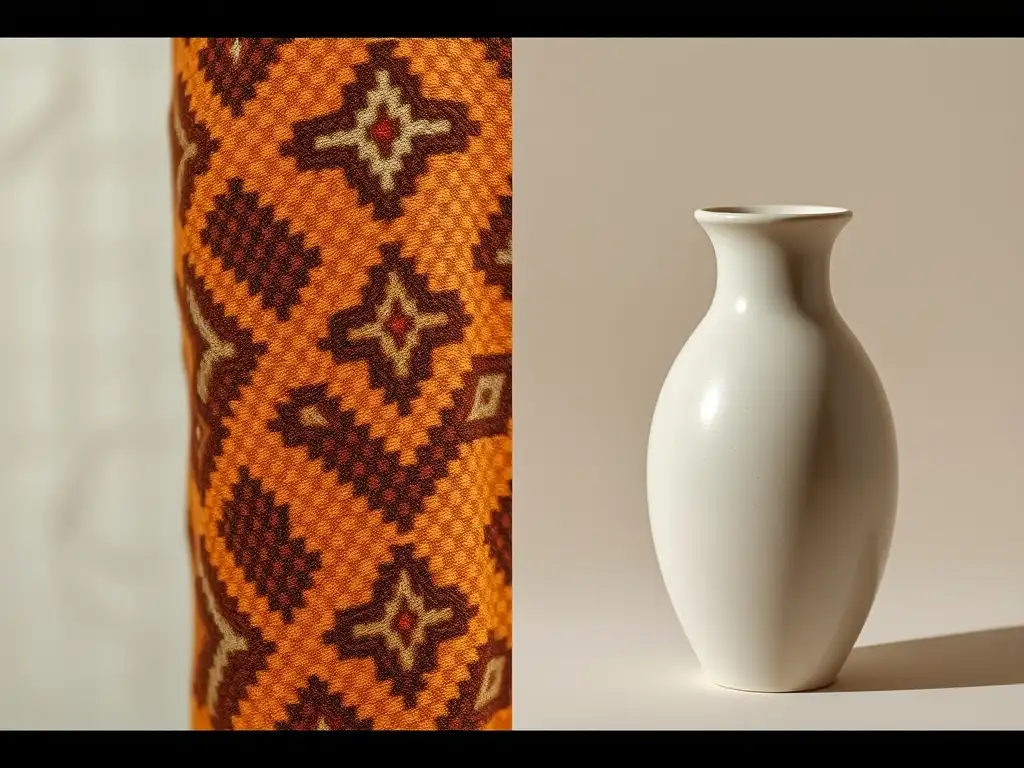
This section showcases specific instances where Andean design principles have directly influenced modern creations. The examples highlight the versatility and enduring appeal of Andean aesthetics in contemporary contexts. The emphasis is on demonstrating the practical application of Andean design principles in various fields, illustrating the tangible impact of this ancient culture on modern creativity. By showcasing diverse examples, the section aims to provide a comprehensive understanding of how Andean design continues to shape modern aesthetics across various creative industries.
The Hyatt Centric Cusco: Modern Building with Andean Architectural Influence
The Hyatt Centric Cusco exemplifies the successful integration of Andean architectural principles into a modern hotel design. The building incorporates elements of traditional Andean architecture, such as the use of local stone and the incorporation of geometric patterns, while maintaining a contemporary aesthetic. The design reflects a deep understanding and respect for the local heritage, creating a harmonious blend of modern luxury and traditional Andean style.
Specific details, such as the use of intricate stonework inspired by Inca masonry or the incorporation of traditional Andean motifs in the interior design, further demonstrate the conscious effort to incorporate Andean design principles. This successful fusion of modern functionality and traditional Andean aesthetics sets a precedent for future projects seeking to respectfully integrate cultural heritage into contemporary design.
Anthropologie's Textile Collection: Contemporary Textile Design Inspired by Andean Patterns
Anthropologie's textile collections frequently feature designs inspired by Andean patterns. Their use of vibrant colors, geometric shapes, and intricate weaving techniques reflects a direct appropriation of Andean aesthetic principles. These textiles, while designed for a modern market, retain the essence of traditional Andean craftsmanship and cultural significance.
Specific collections might incorporate variations on traditional Andean motifs or utilize color palettes directly inspired by the Andean landscape. This showcases how a large retailer can successfully integrate cultural influences into its product line, appealing to a broad consumer base while simultaneously celebrating Andean heritage. The success of these collections demonstrates the consumer demand for products that reflect cultural diversity and sustainability.
Modern Furniture by Artefacto: Modern Furniture Incorporating Andean Design Elements
Artefacto, a renowned furniture design company, frequently incorporates Andean design elements into its modern furniture collections. This integration is not merely superficial; it reflects a deeper understanding and appreciation for the principles of Andean design. Specific pieces might incorporate traditional Andean motifs, such as geometric patterns or stylized animal forms, into their designs.
Furthermore, the use of natural materials and the emphasis on handcrafted techniques might also reflect an intentional engagement with Andean design principles. The resulting furniture pieces represent a successful fusion of modern aesthetics and traditional Andean craftsmanship, demonstrating the versatility and enduring appeal of Andean design in contemporary contexts. The integration of these elements into high-end furniture design reinforces the growing recognition of Andean design's value and artistic merit.
The Enduring Appeal of Andean Simplicity: Why it Resonates Today
The enduring appeal of Andean simplicity in design stems from its inherent connection to nature and a deep respect for functionality. Unlike many modern aesthetics that prioritize excess and ornamentation, Andean design emphasizes clean lines, geometric patterns, and the use of natural materials. This approach resonates deeply with contemporary sensibilities, particularly in a world increasingly concerned with sustainability and mindful consumption.
The inherent beauty found in the simplicity of Andean textiles, pottery, and architecture speaks to a timeless elegance that transcends cultural boundaries. The focus on functionality ensures that the objects created are not only aesthetically pleasing but also serve a practical purpose, reflecting a holistic approach to design that is both beautiful and useful. This emphasis on practicality, combined with the stunning visual impact of minimalist forms and natural colors, makes Andean design incredibly appealing to a modern audience seeking both beauty and purpose in their surroundings.
The Timelessness of Andean Design
The timelessness of Andean design is a testament to its fundamental principles. The geometric patterns, often inspired by nature—like the intricate designs found in Nazca lines or the repetitive motifs in Inca textiles—possess a universal appeal that transcends fleeting trends. These designs, passed down through generations, demonstrate a remarkable consistency in aesthetic values. The use of natural materials, such as alpaca wool, cotton, and clay, further contributes to the enduring quality of these designs.
These materials age gracefully, developing a unique patina over time that adds to their character and charm. This contrasts sharply with many modern designs that utilize synthetic materials prone to degradation and obsolescence. The inherent longevity of both the materials and the design principles themselves ensures that Andean aesthetics maintain their relevance and appeal across centuries.
Connecting with Cultural Heritage Through Design
Connecting with cultural heritage through design is a powerful way to foster appreciation for the richness and diversity of human creativity. Andean design provides a unique opportunity for this connection. By incorporating elements of Andean aesthetics into contemporary design, we not only celebrate the artistic achievements of these ancient civilizations but also promote cultural understanding and preservation.
This can take many forms, from incorporating traditional Andean patterns into clothing and home décor to using sustainable materials and production methods inspired by Andean practices. The act of engaging with these designs fosters a deeper appreciation for the craftsmanship, ingenuity, and cultural significance embedded within each piece.
It helps to bridge the gap between the past and the present, reminding us of the enduring legacy of Andean cultures and their contributions to global artistic heritage. This connection can lead to a more nuanced understanding of cultural identity and a greater sense of global interconnectedness.
Andean Design as a Source of Inspiration for Sustainable Practices
Andean design serves as a powerful example of sustainable practices in design and production. Their use of readily available natural materials, minimized waste through resourceful techniques, and emphasis on durability and longevity directly address contemporary concerns surrounding environmental responsibility. The intricate weaving techniques, for instance, often utilize every part of the fiber, minimizing waste. The focus on durable materials ensures that the objects last for generations, reducing the need for frequent replacements.
This contrasts sharply with modern mass production, which often leads to significant waste and environmental damage. By studying and emulating these sustainable practices, modern designers can create more environmentally conscious products, reducing their carbon footprint and contributing to a more sustainable future. This approach aligns perfectly with growing global awareness of the need for responsible consumption and production.
Preserving and Promoting Andean Design Legacy
Preserving and promoting the Andean design legacy requires a multifaceted approach encompassing several key initiatives. The continued relevance of Andean design in modern aesthetics necessitates active efforts to safeguard its traditions and ensure its continued evolution.
Supporting Andean Artisans and Craftsmanship
Supporting Andean artisans and their unique craftsmanship is crucial for preserving the authenticity and quality of Andean design. This involves fair trade practices, ensuring that artisans receive just compensation for their work and have the resources to continue their traditions. Providing access to markets and facilitating collaborations with designers can also help to sustain their livelihoods and promote their skills.
Furthermore, initiatives focused on training and skill development can help to ensure the continuity of these traditional crafts for future generations. This support not only benefits the artisans themselves but also safeguards the rich cultural heritage embodied in their work. Directly purchasing goods from Andean artisans is a powerful way to support this preservation effort.
Educating About the Importance of Andean Cultural Heritage
Educating the public about the importance of Andean cultural heritage is vital for fostering appreciation and promoting its preservation. This can be achieved through various educational programs, museum exhibits, and public awareness campaigns that highlight the artistic achievements and cultural significance of Andean design. Incorporating Andean design principles into school curricula can help to instill an appreciation for these traditions in younger generations.
By promoting understanding and awareness, we can cultivate a sense of responsibility towards protecting this valuable heritage for future generations. This educational effort should also focus on dispelling misconceptions and highlighting the continued relevance of Andean design in the modern world.
The Future of Andean Design in the Global Landscape
The future of Andean design in the global landscape is bright, promising a vibrant fusion of ancient traditions and contemporary innovation. As global interest in sustainable practices and cultural heritage grows, Andean design principles are increasingly recognized for their timeless elegance and inherent sustainability. Collaborations between Andean artisans and international designers can lead to exciting new interpretations of traditional motifs and techniques, while maintaining the integrity of the original designs.
This fusion of traditional and modern approaches can create products that are both aesthetically appealing and environmentally responsible, catering to a growing market seeking authentic and sustainable goods. The continued appreciation and support for Andean design will ensure its enduring contribution to the global design landscape.
- Understanding Andean Design: A Legacy of Simplicity
- The Core Principles of Andean Art and Design
- Andean Design Principles Modern Influence: A Contemporary Perspective
- Specific Examples of Andean Design in Modern Creations
- The Enduring Appeal of Andean Simplicity: Why it Resonates Today
- Preserving and Promoting Andean Design Legacy
- What are some key Andean design principles?
- How did Andean civilizations use color in their designs?
- What is the connection between Andean textiles and modern fashion?
- How do Andean design principles manifest in modern architecture?
- Where can I learn more about the influence of Andean design on modern aesthetics?
Frequently Asked Questions
What are some key Andean design principles?
Andean design often emphasizes simplicity and functionality, using natural materials like textiles and stone. Geometric patterns, inspired by nature, are also prominent, reflecting a deep connection to the environment.
How did Andean civilizations use color in their designs?
Color played a significant role, with vibrant hues derived from natural dyes. These colors often held symbolic meanings, related to religious beliefs or social status. The use of color was sophisticated and intentional.
What is the connection between Andean textiles and modern fashion?
Andean textile techniques, like complex weaving and intricate patterns, continue to inspire modern designers. The use of natural dyes and sustainable practices also resonates with contemporary ethical fashion trends.
How do Andean design principles manifest in modern architecture?
Modern architects draw inspiration from Andean structures' integration with the landscape and use of locally sourced materials. The emphasis on durability and functionality in Andean architecture is also reflected in contemporary sustainable building practices.
Where can I learn more about the influence of Andean design on modern aesthetics?
You can explore museums showcasing Andean artifacts, visit relevant websites (like this one!), and seek out books and documentaries focusing on Andean art and design history. Many contemporary designers also openly cite Andean influences in their work.
Final Reflection: Weaving the Past into the Future of Design
The enduring legacy of Andean design principles continues to resonate in contemporary aesthetics, proving that timeless beauty transcends geographical boundaries and historical periods. These principles, rooted in a deep connection to nature and a profound understanding of functionality, offer a powerful counterpoint to the often fleeting trends of modern design. Their influence is not merely stylistic; it represents a fundamental shift towards mindful creation and sustainable practices.
The impact of Andean design on our current cultural landscape is undeniable, subtly shaping our appreciation for natural materials, handcrafted techniques, and the inherent beauty of simplicity. It's a quiet revolution, a gentle push back against mass production and consumerism. The most beautiful things are the simplest,
a sentiment echoed across cultures and centuries, finds a powerful visual expression in the intricate yet unpretentious designs of the Andes. This resonates deeply with my own creative process, reminding me to prioritize intentionality and authenticity over fleeting trends.
Consider the enduring power of these principles in your own life. How can you incorporate the values of simplicity, sustainability, and mindful creation into your daily choices, whether it's in your home decor, your clothing choices, or even your approach to problem-solving? Embrace the beauty of less, the strength of natural materials, and the enduring wisdom of ancient traditions. Let the spirit of Andean design inspire you to create a more meaningful and aesthetically pleasing world, one conscious choice at a time.
Embrace the Elegance of Simplicity Today!
Thank you for exploring the captivating blend of Andean design principles and modern aesthetics. You've discovered the profound beauty of simplicity and its power to enrich our visual experiences. Now, let's put this knowledge into practice.
- Transform Your Space: Begin by incorporating a single Andean design element into your home décor. For example, use natural materials like wood and wool, or opt for minimalist furniture to create a calming atmosphere.
- Spread the Joy: Share this article with friends and family who appreciate thoughtful design. Spark conversations about the beauty of simplicity and its impact on our lives.
- Get Creative: Create a piece of art or a design inspired by Andean aesthetics. Share your creation online – a photograph will do beautifully!
How will you bring a touch of Andean simplicity into your life today? We'd love to hear your ideas!