
The Interplay of Family and Politics in Andean Civilizations

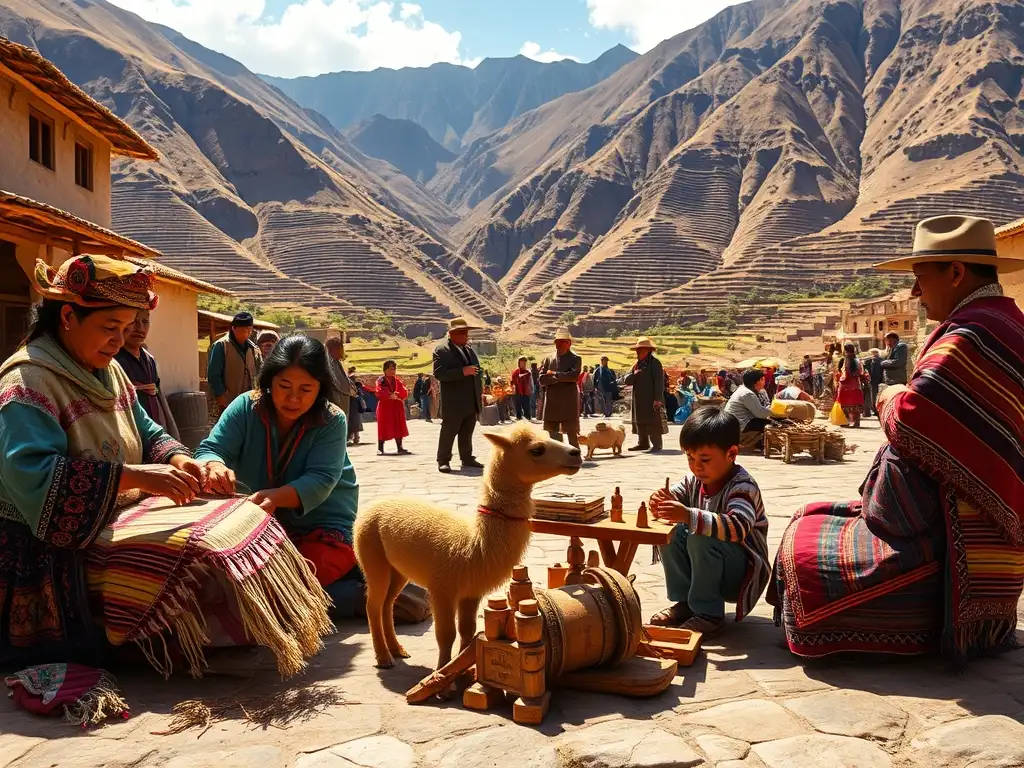
Unravel the mysteries of power in the Andes! Did intricate family ties truly dictate the rise and fall of empires like the Inca? Journey with us into the fascinating world of Andean civilizations family politics, where bloodlines intertwined with political ambition in unexpected and captivating ways. Discover how familial relationships shaped the social structures and destinies of these remarkable ancient societies. Explore the surprising connections and delve into the complex interplay of power, lineage, and legacy. Continue reading to uncover the secrets hidden within the Andean tapestry of influence.
The intricate tapestry of Andean civilizations reveals a profound interconnectedness between family structures and political power. Unlike many societies where political structures are seen as separate entities, the ancient Andean world demonstrates a deeply embedded relationship where family lineage, kinship networks, and social hierarchies were inextricably woven into the fabric of governance.
This article delves into the fascinating interplay between family and politics in various Andean societies, exploring how kinship systems shaped political organization, succession, and even warfare. We will examine the foundational roles of family structures in the rise and fall of empires like the Inca, and the less-studied but equally significant influences within cultures such as the Moche, Nazca, and Tiahuanaco.
Understanding this dynamic relationship provides crucial insight into the complex social and political landscape of the Andes, revealing a sophisticated system far beyond simple tribal structures. This exploration will illuminate how Andean civilizations utilized family ties not just for social cohesion, but as a fundamental pillar of their political systems, highlighting the enduring legacy of kinship in shaping their unique history.
Introduction to Family Structures and Political Power in Ancient Andes
The Andean region, encompassing present-day Peru, Bolivia, Ecuador, Colombia, Argentina, and Chile, was home to a diverse range of pre-Columbian civilizations. Each developed unique social and political systems, yet a common thread runs through many: the profound influence of family and kinship on political structures. Unlike Western models that often separate family life from governance, Andean societies integrated these spheres seamlessly.
Political authority frequently stemmed from established family lineages, and maintaining strong kinship ties was essential for both social stability and political power. This close relationship wasn’t simply a matter of tradition; it was a strategic mechanism that facilitated resource management, conflict resolution, and the consolidation of power. The importance of family in Andean politics is reflected in various aspects of their societies, from inheritance laws and succession to the organization of labor and warfare.
Understanding this connection is pivotal to grasping the complexities and nuances of Andean civilization. The following sections will explore the specific mechanisms by which family and kinship shaped the political landscape of this vibrant region.
Andean Kinship Systems: Foundations of Society
Andean kinship systems were complex and varied across different cultures, but several common features shaped their political structures. The concept of ayllu, a crucial element in Inca society, and similar forms of communal organization in other Andean societies, profoundly impacted political organization. The emphasis on lineage and ancestral ties provided a framework for social hierarchy and political legitimacy.
Leaders often derived their authority from their connection to powerful ancestral lineages, strengthening their claims to power and securing the loyalty of their subjects. This system, though seemingly rooted in tradition, provided a remarkably stable and effective mechanism for governing large populations and managing resources across diverse terrains. The strength of these kinship ties also proved crucial in times of conflict, mobilizing armies and fostering alliances based on shared ancestry and communal bonds.
Ayllu: The Basic Unit of Social and Political Organization
The ayllu was a fundamental socio-political unit in Inca society, representing a lineage-based community with shared land and resources. Members of an ayllu traced their ancestry back to a common ancestor, strengthening the sense of collective identity and mutual obligation. The ayllu wasn't merely a kinship group; it served as the primary unit for agricultural production, labor organization, and even military service.
Political authority within the ayllu often rested with the senior male members of the lineage, reflecting the patriarchal nature of Inca society. This hierarchical structure within the ayllu scaled upwards to the broader Inca empire, with the emperor himself claiming descent from a powerful ancestral lineage, thereby legitimizing his rule.
The efficiency of the ayllu system in managing resources and organizing labor played a significant role in the Inca Empire's expansion and longevity. The system also facilitated effective governance by creating a hierarchical structure that extended from the local level to the imperial court.
Lineage and Descent: Tracing Ancestry in Andean Communities
Tracing ancestry was paramount in Andean societies. Lineages were meticulously documented, often through oral traditions, genealogical records, and symbolic representations. This emphasis on lineage provided a framework for social status, access to resources, and political power. Individuals’ positions within society were largely determined by their place within their respective lineages, with those tracing their ancestry back to powerful or revered ancestors holding more prestigious positions.
This system reinforced social hierarchies and provided a basis for political legitimacy. The meticulous preservation of lineage information, passed down through generations, highlights the centrality of kinship in Andean societies and its profound impact on their political systems. This emphasis on ancestry served not only to organize society but also to legitimize leadership and maintain social order across diverse Andean communities. The careful tracking of lineage underscored the importance of kinship as a fundamental pillar of Andean social and political life.
The Role of Family in Andean Political Hierarchy
The family structure played a pivotal role in the political hierarchies of Andean civilizations. Unlike many other societies where political power might be gained through merit or military prowess alone, in the Andes, family lineage and kinship networks were often the bedrock of political power. This wasn't simply a matter of inheritance; it was a complex system where family ties determined access to resources, alliances, and ultimately, political influence.
The strength of a ruler's family often directly correlated with the strength and stability of their reign. This emphasis on family extended beyond the immediate family unit, encompassing extended kinship networks and clans that provided crucial support and manpower. The intricate web of familial relationships formed a crucial element of the political landscape, shaping power dynamics and influencing decision-making processes at all levels of society.
Understanding this familial foundation is key to understanding the complexities of Andean political structures. The tight-knit nature of these family groups provided a sense of loyalty and stability, crucial for maintaining control in a diverse and challenging environment.
Royal Lineages and the Inca Empire: Power Through Bloodlines
The Inca Empire serves as a prime example of the importance of royal lineages in Andean politics. The Inca emperors, considered descendants of the sun god Inti, meticulously maintained their lineage, emphasizing their divine right to rule. This divine connection, passed down through generations, legitimized their authority and solidified their power.
The Inca royal family controlled vast resources and held significant influence over religious practices, further cementing their position at the apex of the political hierarchy. Succession was a crucial aspect of maintaining this power structure, often involving complex rituals and ceremonies to ensure the smooth transition of power within the royal family. Challenges to the royal lineage could result in serious political instability, highlighting the critical role of bloodlines in the Inca Empire's political stability.
The careful preservation of genealogical records and the emphasis on royal ancestry were integral to the empire’s success and long-term stability. Deviations from this strict lineage were often met with strong resistance and attempts to restore the rightful heir.
Kinship and Access to Resources: Land Control and Political Influence
Control over land and resources was inextricably linked to kinship networks in Andean societies. Land ownership, often vested in family groups or clans, provided the economic foundation for political influence. Access to fertile land, water sources, and other crucial resources determined a family's wealth and standing within the community.
This economic power translated directly into political influence, allowing wealthy families to exert control over local affairs and even influence wider political decisions. The distribution of resources within these kinship networks was a carefully managed process, often dictated by tradition and custom, but also subject to political manipulation. Those families who controlled the most valuable resources held a disproportionate amount of political sway.
This system created a complex interplay between economic power and political authority, reinforcing the importance of family ties in the Andean political landscape. Disputes over land and resources frequently led to political conflicts, demonstrating the vital role of kinship in shaping power dynamics.
Political Alliances and Marriages in Andean Societies
Political alliances and marriages played a crucial role in shaping the political landscape of Andean civilizations. These unions were not simply personal matters; they were strategic maneuvers designed to consolidate power, expand territory, and maintain stability. Marriages between members of different ruling families created powerful alliances, forging bonds of loyalty and shared interests.
These alliances often involved the exchange of resources, territories, and even political power, solidifying the positions of the participating families. The intricacies of these alliances often involved complex negotiations and intricate systems of reciprocity, highlighting the importance of diplomacy and strategic thinking in Andean politics. In essence, marriage was a powerful tool used to navigate the complex web of political relationships that characterized Andean societies.
Strategic Marriages and the Consolidation of Power
The strategic use of marriage for consolidating power is evident in numerous Andean societies. The Inca Empire, for example, utilized royal marriages to extend its influence and control over conquered territories. Marrying into conquered royal families brought not only political legitimacy but also the allegiance of local elites. This practice helped to integrate conquered populations into the empire and minimize resistance.
Similar strategies were employed by other Andean civilizations, demonstrating the widespread importance of marriage as a political tool. These unions were not always based on romantic love; they were calculated decisions aimed at achieving specific political goals. The success or failure of these strategic alliances could have profound implications for the stability and power of the involved states. The careful selection of marriage partners often involved extensive research into family lineages and political affiliations.
The Role of Women in Political Negotiations and Alliances
While male figures often dominated the public sphere of Andean politics, women played a significant, albeit often understated, role in political negotiations and alliances. As members of influential families, women held considerable power within their kinship networks and could exert significant influence on political decisions. They participated in negotiations, acted as intermediaries, and even directly influenced political outcomes. The role of women varied across different Andean societies, but their contribution to maintaining political stability and fostering alliances should not be overlooked.
Further research is needed to fully understand the extent of their involvement and the specific ways they wielded their influence. The study of Andean women's roles in politics reveals a complex and nuanced picture of power dynamics in these societies, challenging traditional interpretations that focus solely on male actors. Their influence, often exerted through diplomacy and family connections, was essential to the political fabric of these civilizations.
Impact of Family Dynamics on Andean Governance
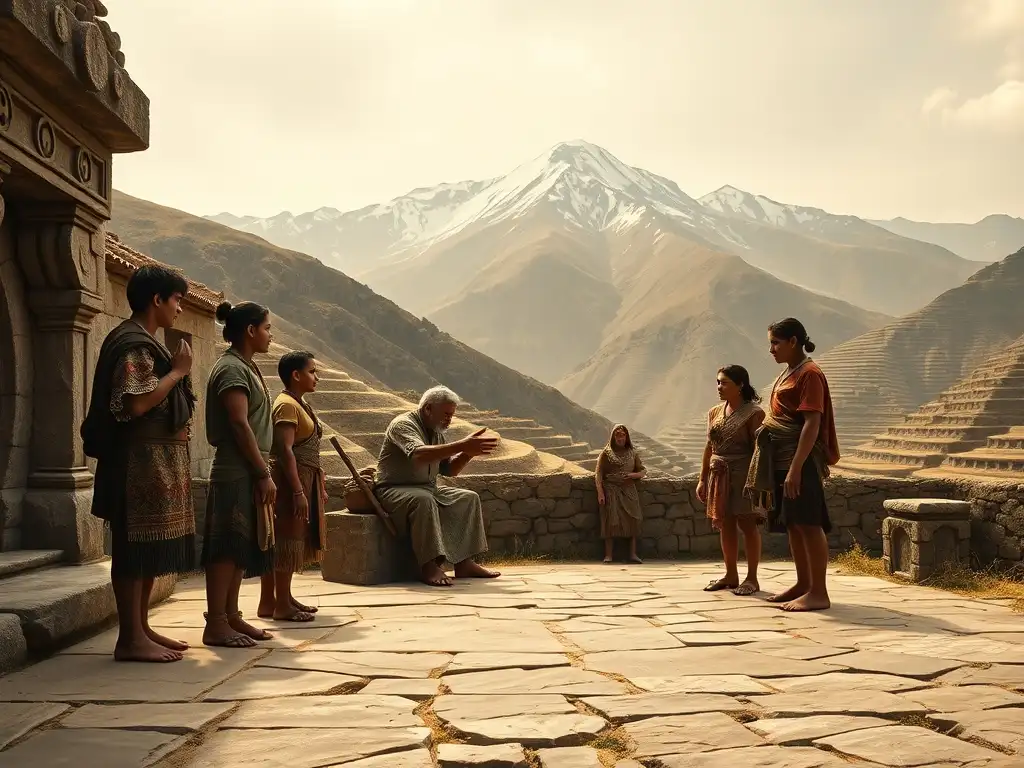
Family dynamics played a crucial role in shaping Andean governance structures. The intricate web of kinship ties, alliances, and rivalries significantly influenced political decision-making, succession processes, and the overall stability of Andean societies. Unlike many other ancient civilizations where political power was often centralized in a single ruler, Andean power structures were frequently distributed and negotiated within complex family networks.
The strength of these family bonds, or their fracturing, often determined the success or failure of political endeavors. For example, strong familial alliances could provide crucial support for a leader, solidifying their power and enabling them to implement ambitious projects. Conversely, internal family conflicts could destabilize entire political systems, leading to civil wars and the collapse of states.
Understanding the interplay between family and politics is therefore essential to grasping the complexities of Andean civilizations. The very fabric of these societies was interwoven with family structures, making the separation of family matters from political ones virtually impossible.
Family Disputes and Their Political Consequences
Disputes within ruling families had far-reaching political consequences in Andean societies. Competition for power and resources between different branches of a ruling lineage often escalated into open conflict, impacting the stability of the entire state. These disputes frequently involved challenges to the legitimacy of the reigning ruler, leading to internal power struggles and even civil wars.
The consequences could be devastating, resulting in economic disruption, territorial losses, and the weakening of the state's ability to maintain order and defend itself against external threats. Archaeological evidence, such as the presence of fortifications and defensive structures in certain sites, suggests the existence of prolonged periods of internal conflict within some Andean societies. The impact of these conflicts extended beyond the immediate participants, affecting the lives of ordinary people and leaving a lasting mark on the cultural and political landscape.
Succession and Inheritance: Maintaining Political Order
Succession and inheritance practices were critical mechanisms for maintaining political order in Andean civilizations. The rules governing the transfer of power from one generation to the next often reflected the prevailing family structures and political ideologies. While some societies may have favored primogeniture (the eldest son inheriting power), others might have employed more complex systems involving multiple heirs or the selection of a leader based on merit or religious authority.
The choice of successor could have significant implications for political stability, with contested successions potentially leading to violent conflicts. The elaborate rituals and ceremonies surrounding succession in some Andean cultures highlight the importance placed on maintaining a smooth and legitimate transfer of power. The stability of the political system was closely tied to the established procedures for transferring power, ensuring continuity and minimizing the risk of internal strife.
Specific Cases: Family and Politics in Different Andean Cultures
Examining the interplay of family and politics in various Andean cultures reveals fascinating nuances and variations in social organization. Different societies developed unique systems for balancing kinship ties with political authority, resulting in distinctive patterns of governance. The following sections delve into specific examples, exploring how family structures influenced political power in the Moche, Tiahuanaco, and Nazca cultures.
These examples illustrate the diversity of approaches to governance within the broader Andean world. Understanding these specific cases allows for a more nuanced comprehension of the overall theme of family and politics in Andean civilizations. The unique characteristics of each culture shaped their respective political systems in significant ways.
Family Structures in the Moche Civilization: The Role of Elite Families in Ritual and Governance
The Moche civilization (c. 100-800 CE) is known for its elaborate artistic representations, particularly its pottery depicting scenes of ritual and daily life. These depictions provide valuable insights into the role of elite families in Moche society. Evidence suggests a strong correlation between family lineage and political power.
Elite families likely controlled access to resources and held significant religious authority, influencing political decision-making through their control over crucial ritual practices. Their power wasn't solely based on political office but also on their control over religious ceremonies and their access to the supernatural realm, perceived as vital for the well-being of the entire society. The intricate iconography of Moche pottery depicts scenes of ritual sacrifices, feasts, and processions, all suggesting the central role of elite families in maintaining social and political order.
The Tiahuanaco State: Kinship and Political Centralization
The Tiahuanaco state (c. 500-1000 CE) presents a different case study in the interaction of kinship and political power. While family ties were undeniably important, the Tiahuanaco state exhibited a higher degree of political centralization compared to some other Andean societies. The ruling elite likely maintained control through a combination of kinship networks and centralized bureaucratic structures.
The elaborate monumental architecture and extensive road networks of Tiahuanaco suggest a sophisticated system of administration and resource management, indicative of a powerful and centralized state. While family connections undoubtedly played a role in the consolidation and maintenance of power, the scale of Tiahuanaco's infrastructure points towards a more centralized approach to governance than that seen in some other Andean cultures.
Family and Political Authority in the Nazca Culture
The Nazca culture (c. 100 BCE – 800 CE), famous for its enigmatic geoglyphs, also demonstrated a complex interplay between family and political authority. While the exact nature of their political organization remains debated, evidence suggests a relatively decentralized system, potentially with local leaders holding considerable power within their respective communities. Family lineages likely played a significant role in establishing and maintaining this local authority.
The intricate system of irrigation canals and the impressive scale of their agricultural production suggest a well-organized society, implying a degree of social and political cohesion. Further research, particularly through ongoing archaeological investigation and analysis of Nazca artifacts, is needed to fully understand the dynamics of family and political authority in this fascinating civilization. The Nazca case highlights the diversity of socio-political structures within the Andean region.
The Legacy of Family and Politics in Contemporary Andean Communities
The intricate relationship between family and politics in ancient Andean civilizations continues to resonate in contemporary Andean communities. While the structures of power have evolved, the fundamental principles of kinship and social hierarchy remain deeply ingrained in the political landscape. Many contemporary Andean communities still operate under a system where family lineage and networks significantly influence access to resources, leadership positions, and political influence.
This is particularly evident in rural communities where traditional forms of governance persist, often blending customary law with national legal frameworks. The influence of ayllus (traditional Andean kinship groups) remains strong in many regions, with these extended family structures playing a vital role in community decision-making and resource allocation. The legacy of reciprocal obligations and collective responsibility, characteristic of ancient Andean societies, continues to shape social interactions and political dynamics in modern times.
This often manifests in community-based projects and initiatives where family networks mobilize resources and manpower for collective benefit. However, the interplay is not without its complexities. The pressures of modernization and globalization have introduced new challenges, leading to tensions between traditional kinship structures and the demands of a more individualistic and competitive society.
Continuity and Change in Andean Kinship Systems
Andean kinship systems, while exhibiting remarkable continuity across centuries, have also undergone significant transformations in response to both internal and external pressures. The core concept of ayllu, the extended family unit, persists in many communities, forming the bedrock of social organization and political participation. However, the internal dynamics within ayllus have adapted to accommodate changing social and economic realities.
For example, while traditionally the eldest male held significant authority, contemporary ayllus often incorporate more inclusive decision-making processes, reflecting the growing influence of women and younger generations. Migration to urban centers and exposure to globalized culture have also introduced new forms of kinship and family structure, leading to a diversification of family forms and a blurring of traditional hierarchical lines. Nonetheless, the fundamental principles of reciprocity, mutual support, and collective responsibility, central to traditional Andean kinship, continue to inform social interactions and political engagement even in the context of urban settings.
The enduring significance of kinship in navigating challenges and building solidarity remains a defining feature of Andean societies. The extent of this influence varies across different regions and communities, reflecting the diverse historical experiences and socio-economic conditions.
The Influence of Traditional Structures on Modern Andean Politics
The influence of traditional Andean kinship structures on modern politics is multifaceted and often subtle, yet deeply impactful. While formal political systems are largely structured along national and international lines, traditional power dynamics rooted in family lineage and social hierarchy continue to shape political processes at local and regional levels. Patron-client relationships, a legacy of ancient Andean power structures, remain relevant, often influencing political alliances and access to resources.
The ability to mobilize family networks for political campaigns and garner support remains a significant advantage for candidates in many Andean regions. Furthermore, traditional forms of conflict resolution and community governance continue to influence the way political issues are addressed and disputes resolved. The emphasis on consensus-building and community participation, rooted in ancient Andean traditions, often shapes the style and approach of modern political engagement.
However, the persistence of these traditional structures also presents challenges. The potential for nepotism and the exclusion of marginalized groups are ongoing concerns. Striking a balance between honoring traditional structures and promoting inclusive and equitable political participation remains a vital task for contemporary Andean societies.
Conclusion: The Enduring Connection between Family and Political Life in Andean Civilizations
The enduring connection between family and political life in Andean civilizations, from ancient times to the present day, is undeniable. While the forms and structures of power have evolved significantly, the fundamental principles of kinship, reciprocity, and collective responsibility continue to shape political processes and social interactions in Andean communities. The legacy of ancient Andean social organization, particularly the ayllu system, remains a powerful force, influencing access to resources, leadership positions, and political participation.
The interplay between tradition and modernity is complex and dynamic, with tensions arising between the demands of globalization and the enduring significance of kinship networks. Understanding this interplay is crucial to comprehending the political landscape of contemporary Andean societies and appreciating the rich tapestry of their history and culture.
Further research is needed to fully explore the diverse expressions of this enduring connection across different Andean communities and regions, considering the influence of factors such as geography, ethnicity, and socio-economic conditions. The continuing relevance of family and kinship in Andean political life is a testament to the enduring power of tradition and its adaptability in the face of change.
- Introduction to Family Structures and Political Power in Ancient Andes
- Andean Kinship Systems: Foundations of Society
- The Role of Family in Andean Political Hierarchy
- Political Alliances and Marriages in Andean Societies
- Impact of Family Dynamics on Andean Governance
- Specific Cases: Family and Politics in Different Andean Cultures
- The Legacy of Family and Politics in Contemporary Andean Communities
- Conclusion: The Enduring Connection between Family and Political Life in Andean Civilizations
- How important was family in Andean political structures?
- Did family influence the succession of power?
- What role did women play in Andean family and politics?
- How did family conflicts impact Andean political stability?
- Were there examples of family-based political alliances between different Andean civilizations?
Frequently Asked Questions
How important was family in Andean political structures?
Family ties were absolutely crucial in Andean societies. Lineage and kinship determined access to power, resources, and high social standing. Political alliances were often cemented through marriage and familial connections.
Did family influence the succession of power?
Yes, inheritance and family lineage heavily influenced succession. While not always hereditary, the ruling family typically held significant power in choosing successors, often favoring close relatives. This created dynastic power structures.
What role did women play in Andean family and politics?
Women held varied roles depending on the specific civilization and social class. While often excluded from formal political leadership, they played significant roles in economic activities, religious practices, and family governance. Their influence was indirect but substantial.
How did family conflicts impact Andean political stability?
Family disputes and rivalries could lead to political instability and even warfare. Competition for power within ruling families created factions, potentially weakening the state and making it vulnerable to internal conflict and external threats.
Were there examples of family-based political alliances between different Andean civilizations?
Yes, intermarriage and alliances between ruling families of different Andean cultures were common. These strategic unions aimed to strengthen political bonds, secure resources, and create stability through wider networks of kinship and influence.
Final Reflection: Echoes of Kinship in Andean Power
The intricate dance between family and politics in Andean civilizations continues to resonate today, shaping our understanding of power structures and social dynamics across cultures. The legacy of these ancient societies reminds us that the personal is inherently political, and that the lines between familial obligations and political maneuvering are often blurred, even across millennia. Understanding this dynamic offers crucial insights into the complexities of governance and social organization, both historically and in contemporary contexts.
The enduring influence of kinship networks on Andean political systems is undeniable, shaping everything from succession to resource allocation. These familial ties weren't merely personal connections; they were the very bedrock upon which empires were built and maintained. The power dynamics within these families directly impacted the broader political landscape, often leading to both periods of stability and dramatic upheaval. Power is not merely a matter of force, but of the intricate web of relationships that sustain it,
a perspective that rings true when examining the Andean case. This understanding challenges simplistic narratives of political power and underscores the importance of considering the human element in historical analysis.
Consider the ways family and political ties still intersect in your own life, in your community, and on a global scale. How do familial obligations shape your decisions? How do personal relationships influence political allegiances? Let the echoes of Andean kinship inspire you to critically examine the complex interplay between the personal and the political in your own world. By understanding the past, we can better navigate the present and shape a more just and equitable future, one where the influence of family and politics is understood and responsibly managed.
**Engage with the Legacy of Andean Civilizations! **
Thank you for exploring the intricate relationship between family and politics in Andean civilizations. Your interest in this unique cultural tapestry deepens our understanding of the past. Now, let's delve further and take action!
Here are some ways you can strengthen your connection with this fascinating subject:
- **Join our community:** Connect with fellow enthusiasts and share your insights and questions in the comments below. Your perspective is valuable.
- **Explore related content:** Read our articles on the influence of indigenous traditions and the impact of colonization on Andean family structures.
- **Discover hidden gems:** Plan a visit to a museum showcasing Andean artifacts or a local heritage site to immerse yourself in the history firsthand.
How has the interplay of family and politics shaped your understanding of contemporary Andean societies? Share your thoughts!