
Huari Infrastructure: Beyond Roads, Exploring Their Engineering Marvels

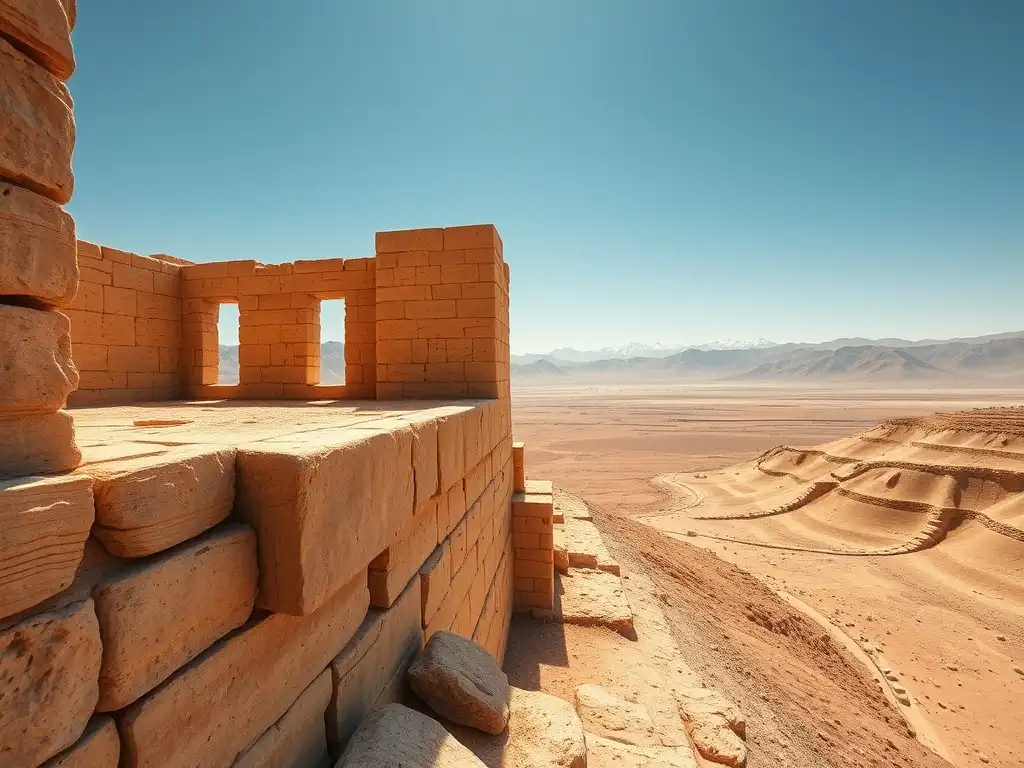
Step into a world lost to time, yet echoing with the ingenuity of giants. Forget everything you think you know about ancient civilizations. This isn't just another history lesson; it's a journey into the heart of the Andes, where the Huari left behind engineering marvels that continue to baffle experts today. Prepare to be amazed as we delve into their breathtaking infrastructure, uncovering the secrets of a civilization that shaped the very landscape of the highlands. Discover the Huari engineering marvels and unlock the mysteries of their sophisticated world – read on to explore!
The Huari Empire, flourishing in the Andes from approximately 600 to 1000 CE, left behind a legacy far surpassing its impressive road network. While the extensive highway system connecting disparate parts of their vast territory is rightly celebrated, a deeper exploration reveals a sophisticated understanding of engineering principles reflected in diverse architectural marvels and ingenious water management systems.
This article delves into the lesser-known aspects of Huari infrastructure, showcasing their remarkable engineering prowess beyond the well-trodden paths, and highlighting the ingenuity that allowed them to consolidate and control such a geographically challenging and expansive empire. We will explore how their innovative solutions to logistical challenges contributed significantly to their political and economic power, shaping the landscape and influencing subsequent Andean cultures.
The sheer scale and complexity of their achievements underscore their position as masters of Andean engineering, a title often overshadowed by the later Inca Empire. Understanding these "Huari engineering marvels" provides crucial context to appreciate the full extent of their cultural and technological advancements.
Architectural Innovations: Beyond the Standard
The Huari were master builders, constructing monumental structures across their expansive empire. Their cities were meticulously planned, featuring intricate networks of streets, plazas, and residential areas. Beyond the impressive scale, however, lies a sophisticated understanding of structural engineering.
Huari architects employed advanced techniques in stonework, utilizing precisely cut stones fitted together without mortar, demonstrating a remarkable mastery of dry-stone construction. This technique, while common in Andean architecture, reached a level of refinement and complexity under the Huari, evident in the precision and stability of their structures. Many sites exhibit evidence of advanced planning and resource management, with buildings strategically positioned to maximize sunlight and minimize environmental impact.
The use of different stone types and the integration of natural features into the design further highlight their sophisticated approach to construction. The resilience of these structures to seismic activity also speaks to their deep understanding of the Andean environment and the forces at play. Further research is needed to fully understand the sophisticated techniques employed in the construction of monumental structures like the ceremonial centers at Piquillacta and Viracochapampa.
Water Management Systems: A Testament to Resourcefulness
Water scarcity is a defining characteristic of the Andean highlands. The Huari, however, developed remarkably effective water management systems to overcome this challenge. Their ingenuity is evident in the construction of sophisticated irrigation canals, reservoirs, and aqueducts.
These systems were not merely functional; they were integrated into the urban fabric, demonstrating a holistic approach to resource management. Evidence suggests that they understood the importance of water conservation and redistribution, developing intricate networks that channeled water to both urban and agricultural areas. The ability to reliably provide water for both consumption and irrigation was crucial to supporting a dense population and a flourishing agricultural economy.
The precise engineering required to create these systems, often involving the redirection of water sources over significant distances and across varied terrains, is a testament to their advanced understanding of hydraulics and engineering principles. Detailed studies of these systems are still underway, promising further revelations about the sophistication of Huari water management techniques. Analysis of surviving canals and reservoirs reveals the meticulous planning and sophisticated engineering skills necessary to construct and maintain such extensive networks.
The Impact of Huari Engineering on Subsequent Cultures
The legacy of Huari engineering extended far beyond the lifespan of their empire. Their innovations in urban planning, architecture, and water management influenced subsequent Andean cultures, including the Inca. The precision of Huari stonework, for instance, is evident in later Inca constructions, suggesting a direct lineage of architectural techniques. Similarly, the principles of water management developed by the Huari were adapted and refined by later Andean societies, highlighting the enduring impact of their engineering achievements.
This cultural transmission underscores the significance of Huari innovations and their lasting contribution to the development of Andean civilization. The Huari Empire's lasting influence on the architectural and engineering practices of subsequent Andean cultures serves as a powerful testament to their pioneering contributions. Further research is needed to fully map the extent of this cultural transmission and its impact on the development of later Andean civilizations.
- Architectural Innovations: Beyond the Standard
- Water Management Systems: A Testament to Resourcefulness
- The Impact of Huari Engineering on Subsequent Cultures
- What makes Huari engineering so remarkable?
- How did the Huari manage to build such extensive road networks?
- What are some examples of Huari water management systems?
- How did Huari urban planning compare to other Andean civilizations?
- What materials did the Huari primarily use in their construction projects?
The Scope of Huari Civil Engineering Achievements
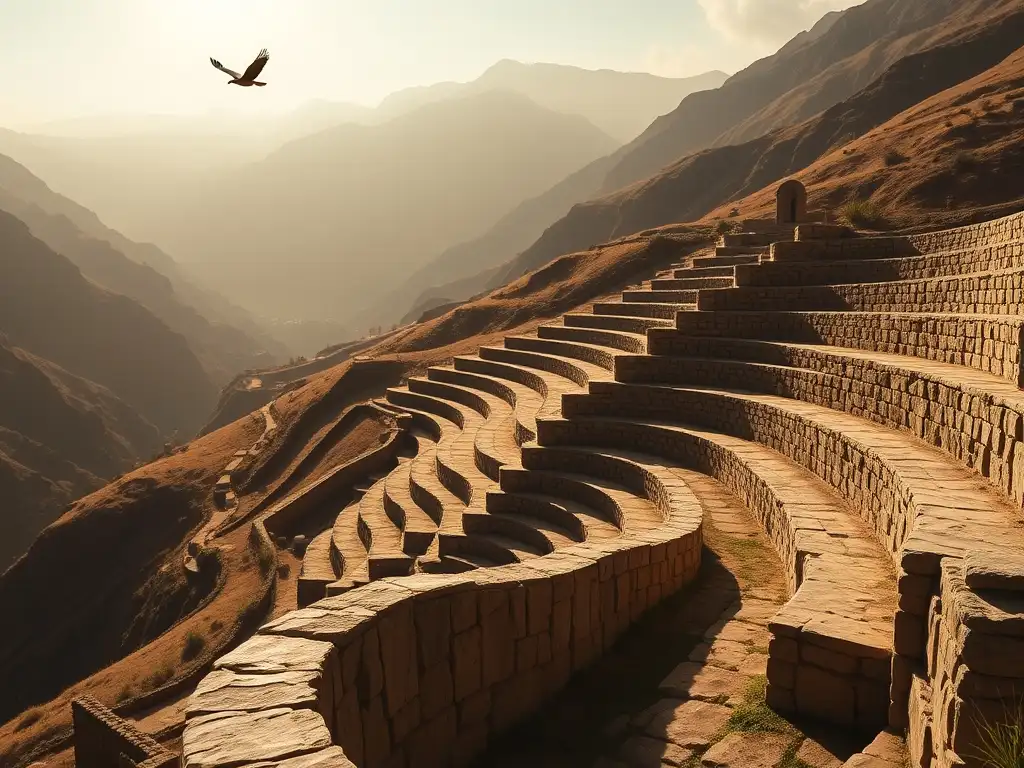
The Huari civilization, flourishing in the central Andes from roughly 600 to 1000 CE, left behind a legacy far exceeding its impressive road network. While their extensive road system facilitated communication and trade across vast distances, a closer examination reveals a sophisticated understanding of engineering principles applied across various aspects of their society. This section explores the breadth of Huari engineering marvels, demonstrating their mastery of hydraulics, construction techniques, and urban planning – achievements that significantly impacted the development of subsequent Andean cultures.
Their impact is not merely limited to infrastructure; it represents a sophisticated approach to resource management and societal organization, reflecting a highly advanced civilization for its time. The Huari's innovations in "Huari engineering marvels" showcase a remarkable blend of practicality and ingenuity.
Defining Huari Infrastructure: More Than Just Pathways
The term "infrastructure" often conjures images of roads and bridges. While the Huari did indeed construct an impressive network of cañanes (roads), their infrastructural achievements extended far beyond simple pathways. Their expertise encompassed complex irrigation systems crucial for sustaining agriculture in a challenging high-altitude environment. These weren't simple canals; they involved intricate networks of channels, reservoirs, and aqueducts, often carved into hillsides with remarkable precision.
Evidence suggests a sophisticated understanding of water flow and management, enabling efficient irrigation of vast agricultural lands. Furthermore, their urban planning demonstrates a mastery of logistics and resource allocation. Huari administrative centers, such as Piquillacta near Cusco, showcase meticulous urban design, with planned streets, residential areas, and public spaces, all indicative of advanced urban engineering.
The precision and scale of these projects highlight the organizational capacity and engineering skills of the Huari. Consider the meticulous stonework evident in many Huari structures: perfectly fitted stones, some weighing several tons, demonstrate an advanced understanding of quarrying, transportation, and construction techniques. This level of precision is rarely seen in contemporary constructions, let alone in the pre-Columbian Andes.
Huari Ingenuity: A Pre-Incan Architectural Legacy
Beyond the impressive scale of their infrastructure projects, the Huari demonstrated remarkable ingenuity in their architectural solutions. Their buildings, often constructed from meticulously cut and fitted stone, display a sophisticated understanding of load-bearing principles and structural integrity. The use of adobe bricks alongside stone in many structures suggests a practical approach to construction, adapting materials to the specific needs of the project and the available resources. The surviving structures exhibit remarkable durability, testament to their understanding of materials science and construction techniques.
For example, the architectural design of many Huari administrative centers incorporated defensive features, reflecting an awareness of potential threats and a need for secure and well-protected settlements. These features, such as strategically placed defensive walls and elevated positions, were not simply added on; they were integrated into the overall design, showcasing a holistic approach to urban planning and defense. The ingenuity of the Huari is further evident in their ability to adapt their architectural styles to diverse environments across their vast empire.
While maintaining a recognizable architectural style, they adjusted their building techniques and materials to suit the specific conditions of the region, demonstrating a flexible and adaptable approach to engineering. The remarkable preservation of some Huari structures, despite centuries of exposure to the elements, speaks volumes about the quality of their construction and their deep understanding of building techniques. This longevity contributes significantly to our understanding of their sophisticated "Huari engineering marvels."
Huari Road Networks: Connecting a Vast Empire

The Huari civilization, flourishing in the Peruvian Andes from approximately 600 to 1000 CE, is renowned not only for its sophisticated pottery and impressive urban planning but also for its extensive and remarkably engineered road network. This intricate system of pathways, far surpassing the simple trails of previous cultures, played a crucial role in the political, economic, and social cohesion of this vast empire. Understanding the Huari road network is key to comprehending the scale and sophistication of their engineering marvels.
The strategic placement and construction of these roads facilitated the efficient movement of goods, people, and information across challenging Andean terrain, solidifying Huari control over a geographically diverse and extensive territory. This section delves into the functionality, construction, and geographic extent of this vital aspect of Huari infrastructure.
The Functionality of Huari Roads: Trade, Communication, and Control
Huari roads served multiple, interconnected purposes. First and foremost, they were vital arteries for trade. The movement of essential resources, such as agricultural products (potatoes, maize, quinoa), textiles, and metalwork, relied heavily on these pathways. Evidence suggests the transport of obsidian from distant sources, indicating a sophisticated trade network extending far beyond the immediate Huari heartland.
Secondly, the roads facilitated rapid communication across the empire. Messages, decrees, and potentially even military reinforcements could be conveyed swiftly, allowing for efficient governance and rapid responses to potential threats or emergencies. This efficient communication system was crucial for maintaining control over such a large and dispersed population.
Finally, the very existence of the road network served as a powerful symbol of Huari dominance and control. The ability to construct and maintain such an extensive infrastructure demonstrated their power and technological superiority, reinforcing their authority over subordinate populations. The strategic placement of roads, linking key administrative centers and resource-rich areas, further solidified their control.
Construction Techniques of Huari Roads: Materials and Methods
The Huari engineers displayed remarkable skill in adapting their road-building techniques to the challenging Andean environment. While precise details are often lacking due to the nature of archaeological evidence, analysis suggests a sophisticated understanding of materials science and construction techniques. They utilized readily available materials, including stone, earth, and possibly timber in some areas. The roads were often constructed in terraces, following the contours of the landscape to minimize the need for extensive cutting and filling.
Larger stones were used for foundations, providing stability on uneven terrain. Smaller stones and earth formed the road surface, which was likely compacted to improve durability and reduce wear. The construction likely involved a substantial workforce, organized and managed by the Huari state.
Archaeological findings suggest the use of specialized tools and techniques, reflecting a high degree of planning and coordination. Further research is needed to fully understand the intricacies of their construction techniques, but existing evidence points to a level of sophistication comparable to later Inca road construction. The longevity of many sections of these roads stands as testament to the quality of their workmanship and understanding of engineering principles.
Extent of the Huari Road System: From Cajamarca to Moquegua
The Huari road system was extensive, stretching across hundreds of kilometers, connecting the diverse regions under their control. While the precise extent remains a subject of ongoing research, evidence suggests that the network extended from Cajamarca in the north to Moquegua in the south, covering a significant portion of the central Andes. These roads weren't simply isolated pathways; they formed a complex network of interconnected routes, facilitating movement in multiple directions.
The network likely included both major highways and smaller, secondary roads connecting outlying settlements to the main arteries. The strategic placement of these roads suggests a careful consideration of geographical factors, linking important administrative centers, agricultural zones, and resource-rich areas. The remarkable reach of the Huari road system is a testament to their organizational capacity and engineering prowess, highlighting their ability to integrate diverse regions into a cohesive empire.
This far-reaching infrastructure played a critical role in the Huari's political and economic dominance, showcasing their impressive achievements in "Huari engineering marvels". Further investigation and analysis are crucial for a more complete understanding of the full extent and complexity of this remarkable network.
Huari Urban Planning: Cities as Engineering Feats
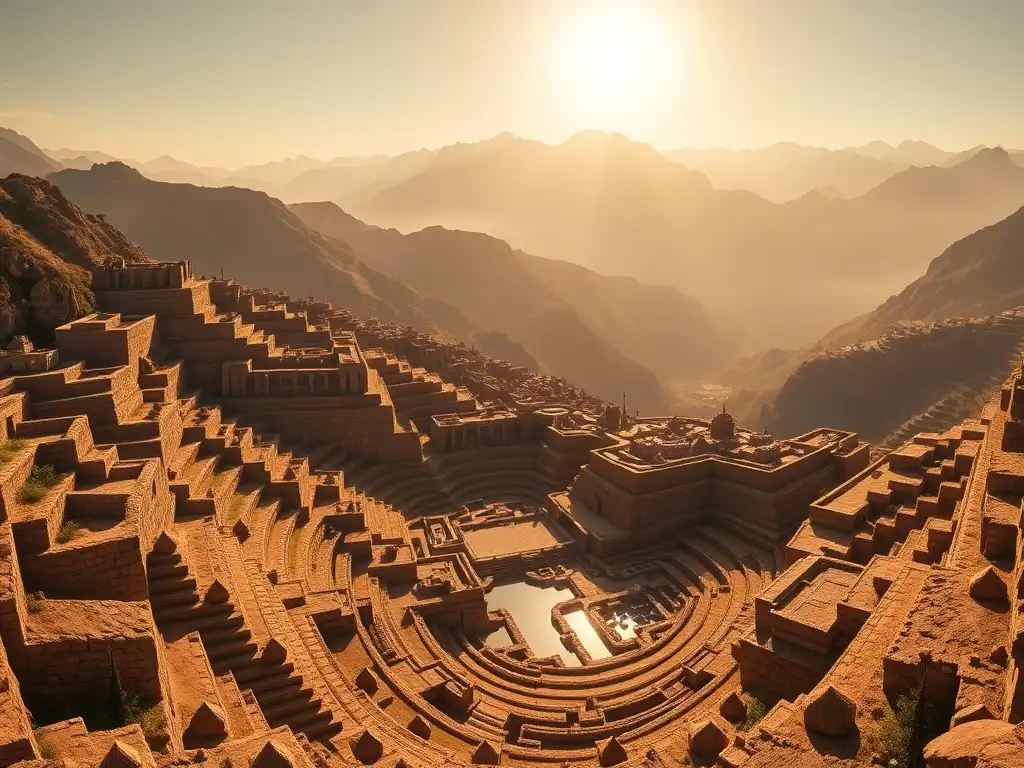
The Huari civilization, flourishing in the Andes from roughly 600 to 1000 CE, left behind a remarkable legacy of urban planning that showcases their sophisticated engineering capabilities. Their cities weren't merely haphazard collections of buildings; they were meticulously planned settlements reflecting a deep understanding of topography, resource management, and social organization.
This advanced urban planning, a key aspect of their "Huari engineering marvels," is evident in their standardized city layouts, efficient water systems, and the strategic placement of settlements across diverse landscapes. Understanding their urban planning provides crucial insights into the administrative prowess and technological sophistication of this powerful Andean empire.
Huari City Layout: Organization and Design Principles
Huari cities display a striking uniformity in their design, suggesting a centralized planning authority. Many followed a grid pattern, with streets running parallel and perpendicular to each other, facilitating easy navigation and efficient resource distribution. This standardized approach, a hallmark of their advanced engineering, contrasts sharply with the less organized layouts of preceding cultures.
The grid system wasn't simply aesthetic; it likely served practical purposes, optimizing space utilization and simplifying administrative tasks. Furthermore, the placement of buildings suggests a hierarchical social structure, with larger, more elaborate structures likely reserved for elite members of society. Evidence from excavations reveals that these structures were often built with sophisticated stonework, reflecting both engineering skill and artistic flair.
The Significance of Pikillacta: A Case Study in Huari Urbanism
Pikillacta, located near Cusco, Peru, serves as a compelling example of Huari urban planning. This well-preserved site showcases the characteristic grid pattern, featuring meticulously aligned streets and rectangular buildings. The city's layout, combined with evidence of sophisticated water management systems, reveals a planned community designed for a sizable population. The presence of both residential and administrative structures indicates a complex social organization.
The precision of the stonework and the overall design of Pikillacta highlight the Huari's ability to undertake large-scale construction projects requiring advanced engineering skills and significant labor coordination. The sheer scale of Pikillacta, along with other similarly planned cities, underscores the impressive organizational capacity of the Huari empire. Further research into the construction techniques employed at Pikillacta and other Huari sites could reveal even more about their engineering marvels.
Huari Water Management Systems: Canals and Reservoirs
Water management was crucial to the Huari civilization's success, and their ingenious solutions to water scarcity showcase their engineering prowess. The arid and semi-arid Andean highlands demanded efficient systems for collecting, storing, and distributing water. The Huari addressed this challenge with an impressive network of canals, reservoirs, and aqueducts.
These systems weren't merely rudimentary ditches; they were sophisticated engineering feats, often involving intricate terracing, tunnels, and sophisticated water control structures. Evidence suggests that they understood concepts of hydraulic engineering, using gravity to move water over long distances and employing sophisticated techniques to minimize water loss. Their ability to construct and maintain these systems across varied terrains highlights their advanced knowledge of hydrology and engineering.
The Huari's water management systems were instrumental in supporting their agriculture and urban centers, contributing significantly to their empire's longevity and success. The precise methods used in the construction and maintenance of these systems remain a subject of ongoing research, promising to unveil further details about these remarkable "Huari engineering marvels."
Huari Agricultural Infrastructure: Sustaining a Growing Population
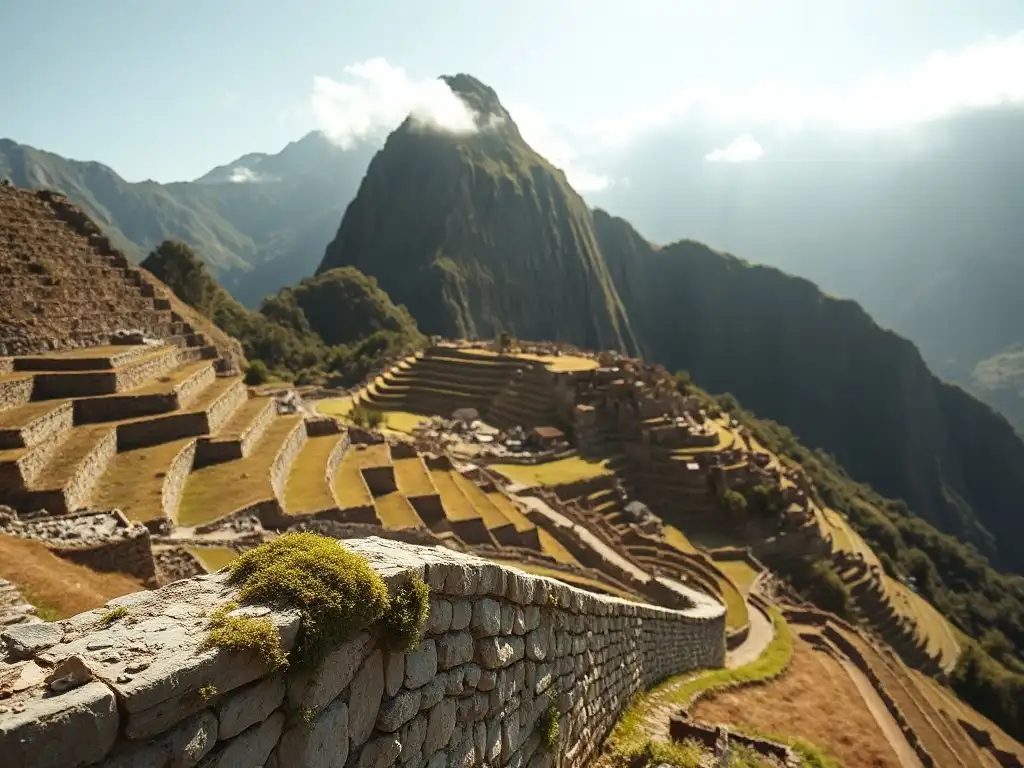
The Huari Empire's remarkable expansion across the diverse Andean landscape necessitated sophisticated agricultural infrastructure to sustain its burgeoning population. Their engineering marvels weren't limited to impressive road networks; instead, a complex and interwoven system of agricultural innovations ensured food security and facilitated the empire's growth. This intricate system, a testament to Huari ingenuity, allowed them to effectively manage resources across varied terrains and climates, demonstrating a deep understanding of their environment and its limitations.
The success of their agricultural practices played a crucial role in the empire's longevity and influence. Examining these systems reveals not only the scale of Huari achievements, but also the underlying principles of their societal organization and resource management. The integration of these agricultural advancements with other aspects of their infrastructure, like transportation networks, showcases a holistic approach to empire-building rarely seen in other pre-Columbian societies.
Terraced Farming in the Huari Empire: Maximizing Land Use
Huari's mastery of terraced farming is perhaps one of their most visible and enduring engineering marvels. They skillfully carved and adapted steep slopes into a series of level platforms, significantly increasing arable land in mountainous regions. This wasn't simply a matter of carving steps into hillsides; the design incorporated sophisticated drainage systems to prevent erosion and optimize water retention.
The terraces were often built with retaining walls made of stone, carefully fitted together to create durable and stable structures. The size and complexity of these terraces varied depending on the local topography and the type of crops being cultivated. Archaeological evidence suggests that different crops were planted on different levels of the terraces, based on their specific needs for sunlight and moisture.
This highly efficient system maximized land use, allowing the Huari to cultivate a greater variety of crops in challenging terrains than would otherwise have been possible. The precise techniques used, the careful selection of building materials, and the enduring nature of many of these terraces are a testament to the Huari's considerable engineering prowess and their profound understanding of agricultural principles. The meticulous construction demonstrates a level of planning and organization that extended beyond mere practicality, reflecting a deep connection to the land and a commitment to sustainable agricultural practices.
Huari Irrigation Techniques: Innovations in Water Distribution
Beyond terraced farming, the Huari developed innovative irrigation techniques to manage water resources effectively across their vast empire. Their systems involved the construction of canals, aqueducts, and reservoirs to channel water from rivers and springs to agricultural fields. These weren't simple ditches; some canals were impressively large and complex, requiring significant engineering skill and labor.
Archaeological findings show evidence of sophisticated water management strategies, including the use of diversion channels, check dams, and storage reservoirs. These features allowed the Huari to control the flow of water, ensuring an adequate supply to crops even during dry periods. The construction of these systems required careful planning and coordination, reflecting a strong centralized authority capable of mobilizing large workforces for extended periods.
The successful implementation of these irrigation networks is a powerful demonstration of their societal organization and technological capabilities, directly impacting their ability to support a large population and maintain food security across a geographically diverse region. The efficiency of their water distribution systems is a key factor explaining the success of their agricultural production, contributing significantly to the Huari's economic and political strength.
Storage Systems for Surplus Production: Ensuring Food Security
The Huari's agricultural engineering marvels didn't end with cultivation and irrigation. They also developed sophisticated storage systems to ensure food security during times of scarcity. These systems involved the construction of large-scale storage facilities, often built from stone or adobe brick, to preserve surplus crops. These structures were strategically located to minimize transportation costs and maximize accessibility.
The design of these storage facilities incorporated ventilation and drainage systems to prevent spoilage and maintain the quality of stored goods. The existence of these extensive storage facilities demonstrates a sophisticated understanding of food preservation techniques and a commitment to long-term planning. The scale of these storage structures, often found in significant numbers across Huari settlements, suggests a centralized system of food distribution and resource management.
This efficient system likely played a vital role in maintaining social stability and minimizing the impact of droughts or other environmental challenges, further contributing to the empire's remarkable resilience and longevity. The presence of these storage systems underscores the Huari's ability to anticipate and mitigate potential food shortages, highlighting their advanced understanding of logistics and resource management within the context of their expansive empire. The careful planning and execution of these storage systems are a testament to their "Huari engineering marvels" and their forward-thinking approach to agriculture.
Huari Monumental Architecture: Expressions of Power and Skill
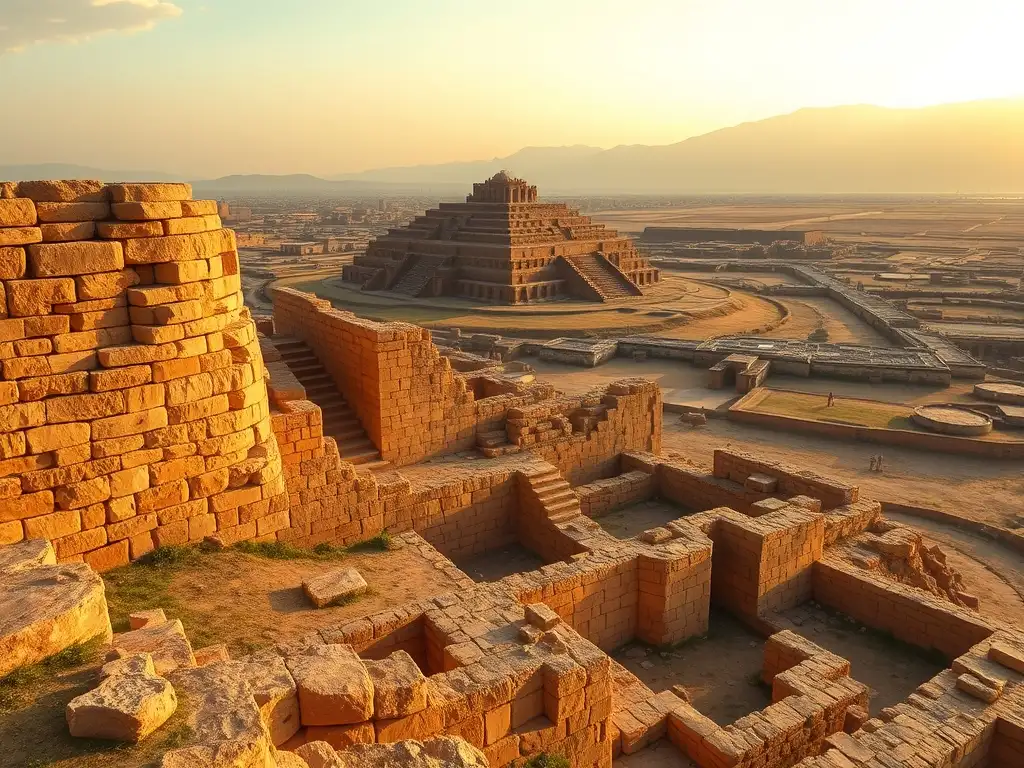
The Huari, a pre-Inca civilization that flourished in the Andes from approximately 600 to 1000 CE, left behind a remarkable legacy of monumental architecture. These impressive structures, scattered across a vast territory, serve as testament to their sophisticated engineering skills and centralized power. The scale and complexity of Huari architecture far surpassed that of preceding Andean cultures, reflecting a highly organized society capable of mobilizing vast resources and manpower.
Understanding Huari architecture provides crucial insights into their societal organization, religious beliefs, and technological prowess. The meticulous planning and execution evident in their constructions highlight their advanced understanding of engineering principles, including load-bearing structures, water management, and urban planning. This section will delve into specific aspects of Huari monumental architecture, examining their construction techniques and the symbolic significance of these impressive structures.
The sheer scale of some of these projects—requiring the coordinated efforts of thousands of workers—emphasizes the centralized control and sophisticated administrative capabilities of the Huari state. The legacy of Huari engineering marvels continues to inspire awe and wonder, prompting ongoing research and analysis of their impressive achievements.
Huari Temples and Religious Structures: Engineering for Ritual
Huari religious structures represent a fascinating blend of engineering skill and symbolic representation. Temples, often integrated into larger urban complexes, were not merely places of worship but also served as centers of political and administrative power. The construction of these temples involved sophisticated techniques, including the precise placement of massive stones and the creation of complex internal layouts. Many Huari temples featured intricate internal chambers, possibly used for ritualistic purposes or the storage of sacred objects.
The use of adobe bricks, carefully shaped and sun-dried, allowed for the construction of large-scale structures with intricate designs. Evidence suggests the use of raised platforms and elevated structures, possibly to connect the earthly realm with the celestial, reflecting their complex cosmology. Analyzing the layout and design of these temples provides valuable information about Huari religious beliefs and practices.
For example, the orientation of certain structures towards specific celestial events suggests a sophisticated understanding of astronomy and its connection to their religious calendar. The precision and scale of these structures demonstrate a high level of planning and execution, indicative of a centralized and powerful state capable of directing large-scale construction projects. Further research into the construction techniques and iconography of Huari temples promises to unveil further insights into this fascinating civilization.
The Use of Adobe and Stone in Huari Buildings: Construction Materials
The Huari skillfully utilized a variety of materials in their construction, demonstrating a keen understanding of the properties of each. Adobe bricks, made from sun-dried clay, were a primary building material, allowing for flexibility in design and relatively rapid construction. However, Huari architects also incorporated stone, particularly in foundational elements and prominent architectural features.
The selection of materials often depended on the availability of resources in a given location. In areas with abundant stone, it was integrated seamlessly into adobe structures, enhancing their durability and aesthetic appeal. The careful selection and placement of stones, often precisely cut and fitted together, showcase their advanced masonry skills.
The combination of adobe and stone created structures that were both functional and visually impressive, reflecting the Huari's mastery of construction techniques and their ability to adapt to varying environmental conditions. The durability of many Huari structures, despite the passage of centuries, speaks to the quality of their construction and the effectiveness of their building materials. Further analysis of the composition of the adobe bricks and the types of stone used can provide valuable insights into their resource management and construction processes.
Techniques for Construction of Large-Scale Structures: Use of Ramps and Molds
The construction of large-scale Huari structures required innovative engineering techniques. Evidence suggests the extensive use of ramps for transporting building materials to upper levels. These ramps, often temporary, would have facilitated the movement of heavy stones and adobe bricks to the desired heights. The use of molds for creating standardized adobe bricks is another key aspect of Huari construction.
These molds ensured consistent size and shape, leading to more efficient and stable structures. The standardization of bricks simplified the construction process, allowing for faster and more efficient building. This efficient production of standardized building materials played a crucial role in the rapid expansion of Huari urban centers.
Furthermore, the precision in fitting stones together in certain structures suggests the use of sophisticated tools and techniques, potentially including advanced measuring instruments. The absence of wheeled vehicles in the Andes makes the logistics of moving such massive quantities of materials even more remarkable, highlighting the ingenuity of Huari engineering solutions. The combination of ramps, molds, and precise stonework highlights the sophisticated engineering knowledge of the Huari, allowing them to create monumental structures that endure to this day.
Huari Engineering Marvels: A Synthesis of Skills
The Huari, a pre-Inca civilization flourishing in the central Andes from approximately 600 to 1200 CE, left behind a remarkable legacy of engineering prowess. Their achievements extend far beyond the impressive road networks often highlighted, showcasing a sophisticated understanding of hydraulics, architecture, and urban planning. This section delves into the multifaceted nature of Huari engineering, revealing a culture adept at adapting to challenging terrains and resource limitations.
The Huari's mastery of stonework, irrigation, and urban design represents a significant step in Andean technological advancement, a testament to their ingenuity and organizational capabilities. Their innovations laid the groundwork for subsequent Andean civilizations, profoundly shaping the cultural and technological landscape of the region. Understanding the Huari's engineering marvels provides crucial insight into their societal structure, resource management, and overall cultural sophistication.
The Huari Approach to Problem-Solving: Innovation in Infrastructure
The Huari faced significant environmental challenges, including arid climates, steep mountain slopes, and unpredictable weather patterns. Their response was not mere adaptation, but rather the development of innovative solutions. For instance, their mastery of canals and aqueducts allowed them to effectively manage water resources, crucial for agriculture in a high-altitude desert environment. These weren't simple ditches; they involved complex systems of channels, reservoirs, and tunnels, often carved into rock faces with remarkable precision.
Archaeological evidence suggests a deep understanding of hydraulic principles, enabling them to control water flow and distribute it efficiently across vast distances. Furthermore, the construction of their monumental stone structures demonstrates advanced knowledge of stone cutting, fitting, and transportation techniques. The precision and scale of these projects—consider the massive platforms and buildings at sites like Piquillacta—suggest a highly organized workforce and sophisticated planning. This wasn't merely brute force; it was a carefully orchestrated deployment of resources and expertise.
The Huari's ability to overcome these logistical hurdles is indicative of a strong central authority capable of mobilizing labor and resources on an unprecedented scale. Evidence points to the use of specialized tools and techniques, although the exact methods remain a subject of ongoing research. The sheer scale of these projects also highlights the importance of community involvement and cooperation.
Huari Engineering's Influence on Later Andean Cultures: A Legacy of Knowledge
The impact of Huari engineering extended far beyond their own lifespan. Their innovations served as a blueprint for subsequent Andean civilizations, particularly the Inca. The Inca, renowned for their advanced road network, likely built upon existing Huari infrastructure and techniques. The sophisticated water management systems developed by the Huari provided a model for later irrigation projects.
The precise stonework techniques, evident in Huari architecture, can be seen in later Inca structures, suggesting a direct lineage of knowledge and skill transfer. The Huari's understanding of urban planning, evidenced in their carefully planned urban centers, also influenced the development of Inca cities. In short, the Huari's engineering achievements weren't isolated events; they represent a crucial link in the chain of Andean technological development. Many aspects of Inca engineering, often considered unique, can be traced back to the earlier innovations of the Huari.
This continuity highlights the importance of understanding the Huari's contributions to fully appreciate the trajectory of Andean technological progress. Further research comparing Huari and Inca techniques will undoubtedly reveal even more nuanced connections. The legacy of Huari engineering is not merely a historical curiosity; it is a fundamental component of understanding the broader context of Andean technological advancement.
The Enduring Significance of Huari Infrastructure: Lessons from the Past
The study of Huari infrastructure offers invaluable insights into the ingenuity and adaptability of ancient Andean societies. Their achievements demonstrate the potential for human societies to overcome environmental challenges through careful planning, innovative techniques, and community collaboration. Moreover, their accomplishments highlight the importance of sustainable resource management, a lesson particularly relevant in today's world. The Huari's ability to construct sophisticated water management systems in a harsh environment provides a valuable model for modern-day water resource management strategies.
Their advanced understanding of stonework and construction techniques continues to inspire architects and engineers. The meticulous planning evident in their urban centers offers a case study in urban design principles. The enduring significance of Huari infrastructure lies not only in its historical value but also in its potential to inform contemporary approaches to engineering and resource management.
By studying the Huari, we gain a deeper appreciation for the ingenuity of past civilizations and the importance of sustainable practices. Their legacy serves as a powerful reminder of the enduring human capacity for innovation and adaptation. Understanding the Huari's "Huari engineering marvels" provides valuable lessons for tackling modern challenges.
Frequently Asked Questions
What makes Huari engineering so remarkable?
Huari engineers demonstrated remarkable skill in water management, road construction, and urban planning, creating sophisticated systems that supported large populations and complex societies across challenging terrain. Their achievements were particularly impressive given the available tools and technologies.
How did the Huari manage to build such extensive road networks?
The Huari built their extensive road network using innovative techniques and organizational strategies. They likely employed a large workforce and utilized local materials effectively, demonstrating impressive logistical skills. Precise surveying may have also played a key role.
What are some examples of Huari water management systems?
The Huari excelled at irrigation, building canals and aqueducts to provide water to agricultural fields, even in arid regions. They also developed sophisticated reservoirs and storage systems to manage water resources effectively. These systems were crucial to their agricultural success.
How did Huari urban planning compare to other Andean civilizations?
Huari urban planning, characterized by grid-like city layouts and standardized architecture, was more centralized and planned than that of many preceding Andean cultures. This reflects their sophisticated administrative and organizational capacities.
What materials did the Huari primarily use in their construction projects?
The Huari utilized readily available local materials, including stone, adobe bricks, and wood, demonstrating adaptability and resourcefulness. Their construction techniques reflect a deep understanding of the properties of these materials and the local environment.
Final Reflection: Huari's Legacy: An Enduring Testament to Ingenuity
The ingenuity of Huari infrastructure remains astonishingly relevant today. We marvel at modern engineering feats, yet the sophisticated water management systems, intricate road networks, and monumental architecture of the Huari civilization continue to challenge our understanding of pre-Columbian capabilities. Their achievements weren't merely functional; they represented a profound understanding of their environment and a remarkable capacity for collaborative effort on an unprecedented scale.
The Huari's impact resonates far beyond their physical structures; their innovative approach to resource management and societal organization offers valuable lessons for contemporary challenges. Their ability to create a vast, interconnected empire through careful planning and efficient infrastructure is a testament to the power of collective action. The past is never dead. It's not even past.
- William Faulkner. This quote perfectly encapsulates the enduring relevance of Huari engineering, reminding us that their achievements continue to shape our understanding of human potential and the importance of sustainable development.
Consider the implications of their achievements. How can we apply their principles of sustainable resource management to address modern challenges like climate change and urban planning? How can we foster the same level of collaborative effort and ingenuity to tackle the complex problems facing our world today? You, the reader, hold the power to draw inspiration from the Huari's legacy. Let their story ignite your own creativity and inspire you to build a future characterized by innovation, sustainability, and a deep respect for the interconnectedness of all things.
Unveil the Wonders of Huari Engineering Today!
Thank you for exploring the incredible infrastructure of the Huari civilization! You've discovered fascinating engineering marvels extending far beyond simple roads. Now, let's deepen your understanding and appreciation of these ancient achievements!
Here are some ways to continue your exploration:
- **Dive Deeper:** Visit local museums and historical sites showcasing Huari artifacts and infrastructure to experience these marvels firsthand. Witness the scale and ingenuity of their construction.
- **Join the Conversation:** Share your newfound knowledge about Huari infrastructure on social media, sparking discussions with friends and within online communities. Use the hashtag #HuariWonders to connect with fellow enthusiasts.
- **Expand Your Knowledge:** Delve deeper into Andean engineering techniques and their cultural significance by reading academic papers or books on the subject. Discover the innovative solutions employed by this remarkable civilization.
Which aspect of Huari infrastructure has captivated you the most, and how has this knowledge reshaped your understanding of ancient engineering?