
Huari Governance: How Did They Maintain Control Over Diverse Populations?

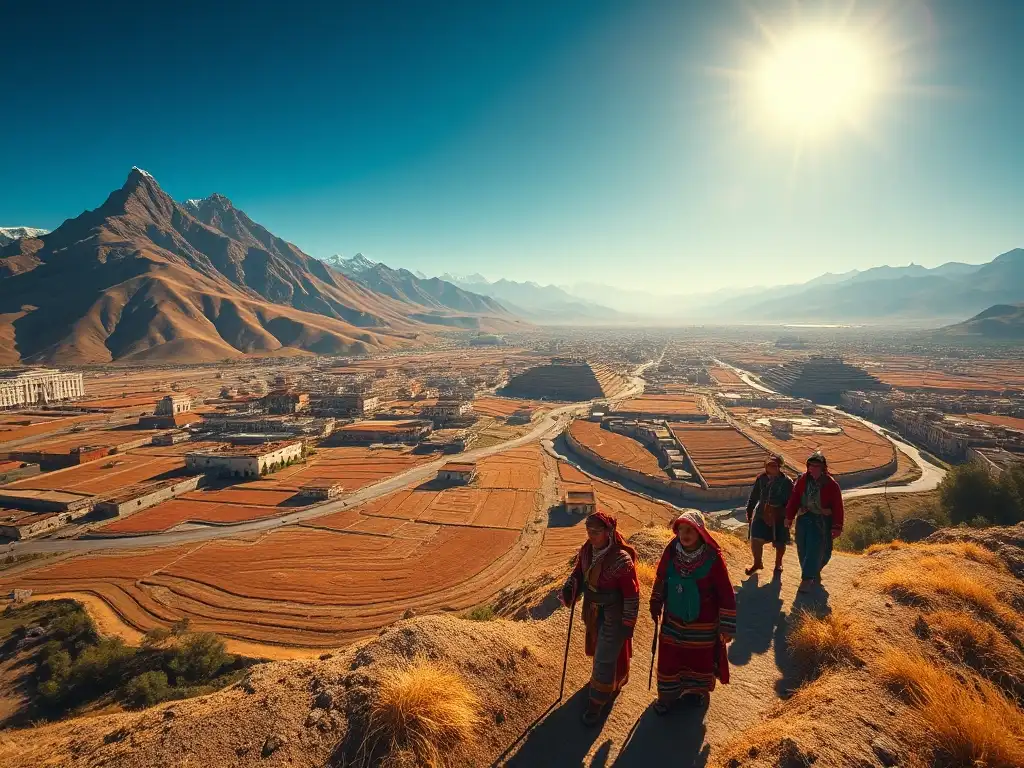
Step into a world lost to time, yet echoing with power and mystery. For centuries, the Andes Mountains have held the secrets of remarkable civilizations, their legacies etched in stone and woven into the very fabric of the landscape. But how did empires like the Huari, masters of the highlands, maintain control over such vast and diverse populations? Uncover the ingenious Huari empire governance methods and delve into the captivating story of a pre-Incan power that shaped the destiny of the Andes. Prepare to be amazed.
The Huari Empire, flourishing in the Andes from approximately 600 to 1200 CE, presented a fascinating challenge to historians: how did this powerful civilization maintain control over such a vast and diverse population spread across challenging terrain? Unlike the later Inca Empire, the Huari didn't rely on a sophisticated system of roads and standardized administrative practices. Their methods of governance remain a subject of ongoing research and debate, but evidence suggests a complex interplay of military might, economic control, religious influence, and perhaps surprisingly, a degree of cultural accommodation.
This article will delve into the various strategies employed by the Huari to effectively manage their extensive empire, exploring the evidence and the ongoing scholarly discussions surrounding their remarkable achievements in governance. Understanding Huari empire governance methods offers crucial insights into the evolution of Andean political organization and the factors that contributed to both their rise and eventual decline.
Military Strength and Territorial Control
The Huari's military prowess undoubtedly played a significant role in establishing and maintaining their dominance. Archaeological evidence points to a well-organized army, equipped with advanced weaponry for the time. Excavations have uncovered numerous sites containing evidence of military activity, including fortifications, weaponry, and even mass burials that may suggest the consequences of rebellion or conquest.
The extent to which military force was used to suppress dissent versus promoting a sense of fear and obedience is still debated. However, the very presence of a powerful military was undoubtedly a cornerstone of Huari governance, ensuring compliance and deterring potential uprisings. The strategic placement of military garrisons across the empire further solidified their control, allowing for swift responses to any threats to their authority.
Economic Strategies and Resource Management
Controlling the flow of resources was another key aspect of Huari governance. The empire's vast agricultural production, particularly in the fertile valleys, was likely carefully managed to ensure the supply of food for the population centers and the elite. Evidence suggests a system of storage facilities and possibly redistribution networks, ensuring the equitable (or at least, controlled) distribution of goods.
The Huari also controlled vital resources like obsidian and metals, strategically exploiting these materials to strengthen their economic and political power. The control over these resources could be used both as a reward for loyalty and a punishment for rebellion, further solidifying their hold on the diverse populations.
Religious Ideology and Cultural Influence
Beyond military strength and economic control, the Huari likely utilized religious ideology to consolidate their power. The construction of monumental architecture, such as the impressive urban centers at Huari itself, served both practical and symbolic purposes. These structures likely reinforced the authority of the ruling elite and promoted a sense of shared identity among the diverse populations under their control.
The standardization of certain religious practices and iconography across the empire may have also helped to create a sense of unity and loyalty. Further research into Huari religious beliefs and practices is needed to fully understand the extent of their influence on governance.
Administrative Structures and Provincial Control
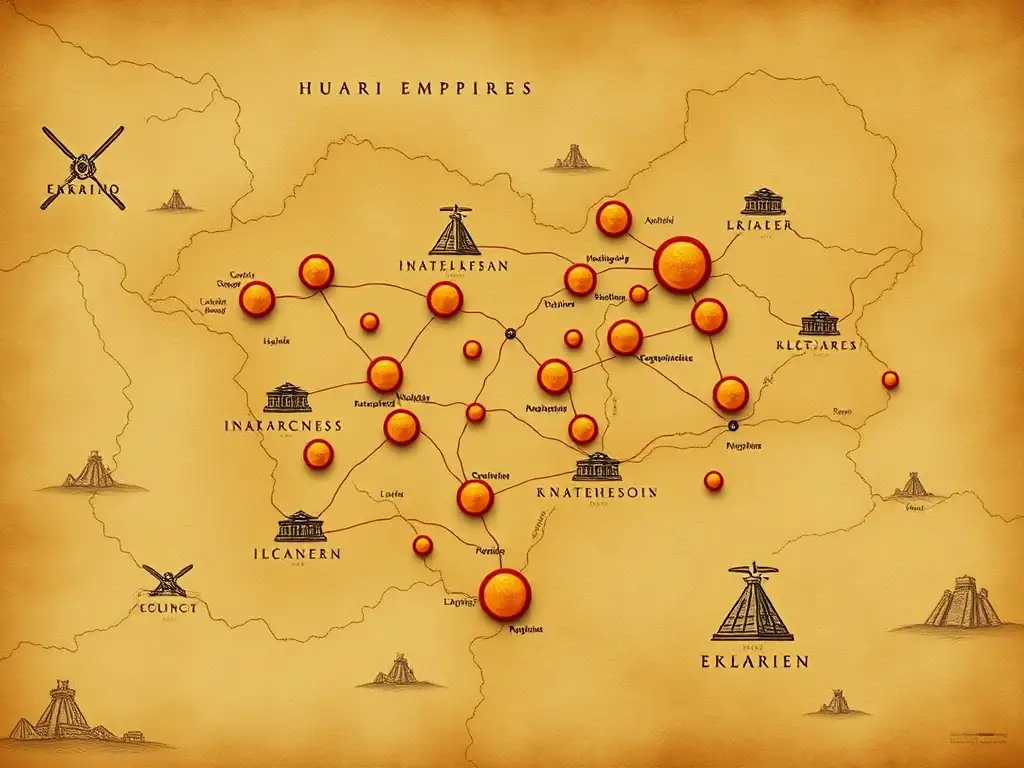
While the Huari lacked the highly centralized bureaucracy of the Inca, evidence suggests a degree of administrative organization. The presence of provincial centers and the standardization of certain architectural styles across the empire point to a degree of planned organization. The nature of this administration, however, is still unclear.
Did the Huari rely on appointed officials, local elites, or a combination of both? Further research is needed to clarify the structure and function of the Huari administrative system and how it facilitated the governance of such a vast and diverse territory. The absence of a written language makes deciphering these administrative structures significantly more challenging.
The Role of Local Elites and Cultural Adaptation
A crucial, and often overlooked, aspect of Huari governance might have been their ability to incorporate and co-opt local elites. Instead of completely dismantling existing power structures, the Huari may have strategically integrated local leaders into their administration. This approach, if employed, would have minimized resistance and facilitated the smooth running of the empire.
This strategy of incorporating local customs and beliefs, a form of cultural adaptation, could have been crucial in maintaining stability across such a diverse landscape. This "divide and rule" approach, while potentially less forceful, could have been equally or even more effective in the long run.
Further Research Areas
While significant progress has been made in understanding Huari governance, several key questions remain unanswered. Further research is needed to fully understand the:
- Precise nature of Huari administrative structures
- Extent of religious influence on political control
- Role of local elites in the Huari system
- Long-term impact of Huari governance on subsequent Andean societies
- Military Strength and Territorial Control
- Economic Strategies and Resource Management
- Religious Ideology and Cultural Influence
- Administrative Structures and Provincial Control
- The Role of Local Elites and Cultural Adaptation
- What was the Huari Empire's most significant challenge in governance?
- How did the Huari Empire maintain control over such a large area?
- What role did infrastructure play in Huari governance?
- What evidence exists to support our understanding of Huari governance?
- How did the Huari Empire's governance compare to that of the Inca?
Understanding the Huari Empire's Reach and Influence
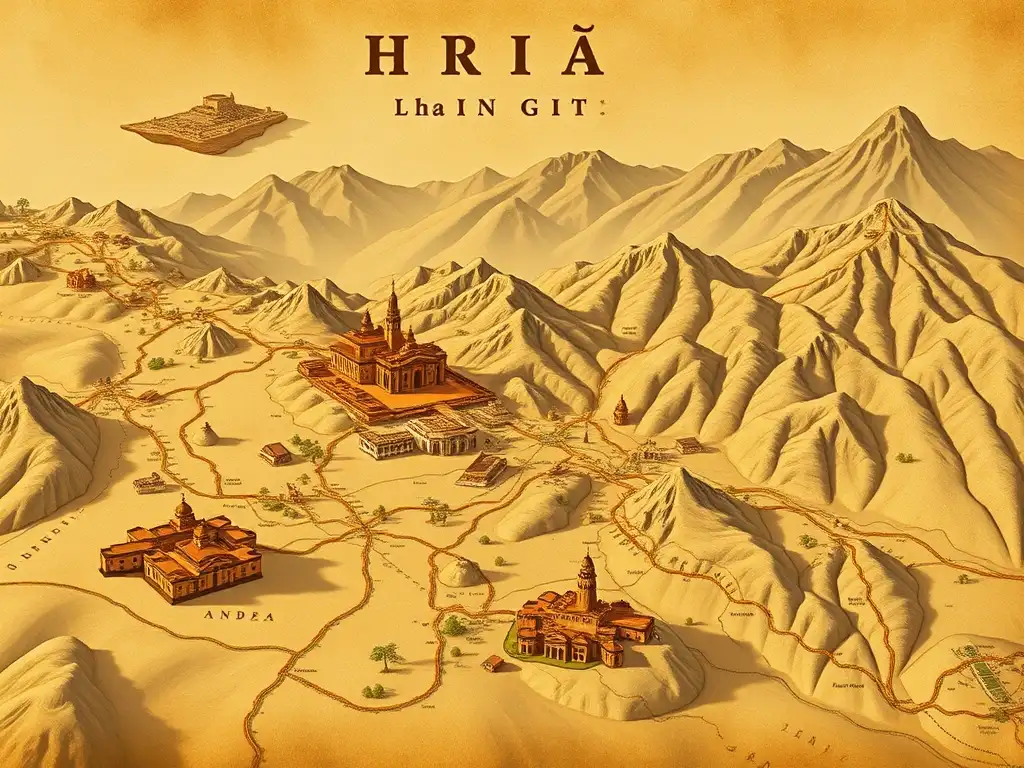
The Huari empire, flourishing between approximately 600 and 1000 CE in the Andes, presented a significant governance challenge. Unlike later Inca rule, which relied heavily on a centralized bureaucracy, the Huari maintained control over a vast and diverse territory through a more nuanced approach. Understanding their methods requires examining their geographical reach and the complexities of managing a multi-ethnic population.
The effectiveness of their governance strategies is still a subject of ongoing archaeological debate, with new discoveries constantly refining our understanding of this remarkable civilization. Their success in unifying disparate groups, albeit for a limited period, highlights their sophisticated political and administrative abilities. Key to this understanding is analyzing the strategies they employed to maintain order and extract resources across such a wide-ranging and varied landscape.
This involved a sophisticated blend of military might, economic incentives, and potentially, ideological influence. The extent of Huari control, often debated by scholars, needs careful consideration of both direct administrative control and indirect influence on peripheral communities.
The Expansion of the Huari State: A Geographical Overview
The Huari state's expansion wasn't a simple, linear process. It involved a complex interplay of conquest, alliances, and assimilation. Evidence suggests that the Huari initially consolidated their power in the Ayacucho region, gradually extending their influence outwards in a series of phases. This expansion wasn't uniform; some areas experienced direct administrative control, marked by the presence of Huari administrative centers and standardized architecture.
Other regions, however, might have experienced a more indirect form of influence, perhaps through trade agreements or the adoption of Huari cultural elements. The geographical reach of the Huari empire is considerable, spanning a vast area of the central Andes, encompassing diverse ecological zones – from the high-altitude puna grasslands to the arid coastal deserts. This geographical diversity presented significant logistical and administrative challenges.
Efficient communication and transportation networks were crucial for maintaining control and facilitating the flow of resources across this expansive territory. Archaeological evidence points to the construction of roads and possibly relay systems to aid communication, though the precise nature and extent of these systems are still being researched. The [specific details on road networks and communication systems pending] will provide a clearer picture of the logistical capabilities of the Huari state.
The Challenge of Governing a Multi-Ethnic Population
The Huari empire encompassed numerous distinct ethnic groups, each with its own traditions, languages, and social structures. This multi-ethnic composition presented a significant challenge to governance. Unlike the later Inca empire, which implemented a highly centralized system of control, the Huari likely employed a more flexible and decentralized approach. Evidence suggests that the Huari might have incorporated elements of local traditions into their administrative system, fostering a degree of cooperation and preventing widespread rebellion.
The presence of Huari administrative centers in various regions suggests a degree of centralized control, but the extent to which these centers imposed uniform policies across different ethnic groups remains unclear. Furthermore, the question of how the Huari managed to integrate such diverse populations into a unified political entity remains a key research area. It is possible they utilized a combination of strategies, including:
- Military might: The Huari military was undoubtedly a powerful force, capable of suppressing revolts and enforcing compliance.
- Economic incentives: The Huari may have offered economic benefits to cooperating groups, such as access to trade routes or resources.
- Ideological influence: The Huari might have promoted a shared ideology or cultural identity to unify disparate groups under a common banner. The widespread distribution of Huari-style architecture and pottery could be interpreted as an attempt to promote a sense of shared cultural identity.
The Huari empire's success in managing this diverse population for several centuries highlights the sophistication of their governance strategies. However, the exact mechanisms employed remain a subject of ongoing research and debate among scholars specializing in "Huari empire governance methods." Further research, particularly detailed analysis of archaeological findings from various regions within the former empire, is crucial to refine our understanding of this complex and fascinating aspect of Andean history.
The lack of a unified written language presents a significant hurdle, making the interpretation of archaeological data particularly challenging. The emoji 🧐 perfectly captures the ongoing scholarly investigation into these fascinating questions.
Key Strategies of Huari Imperial Administration
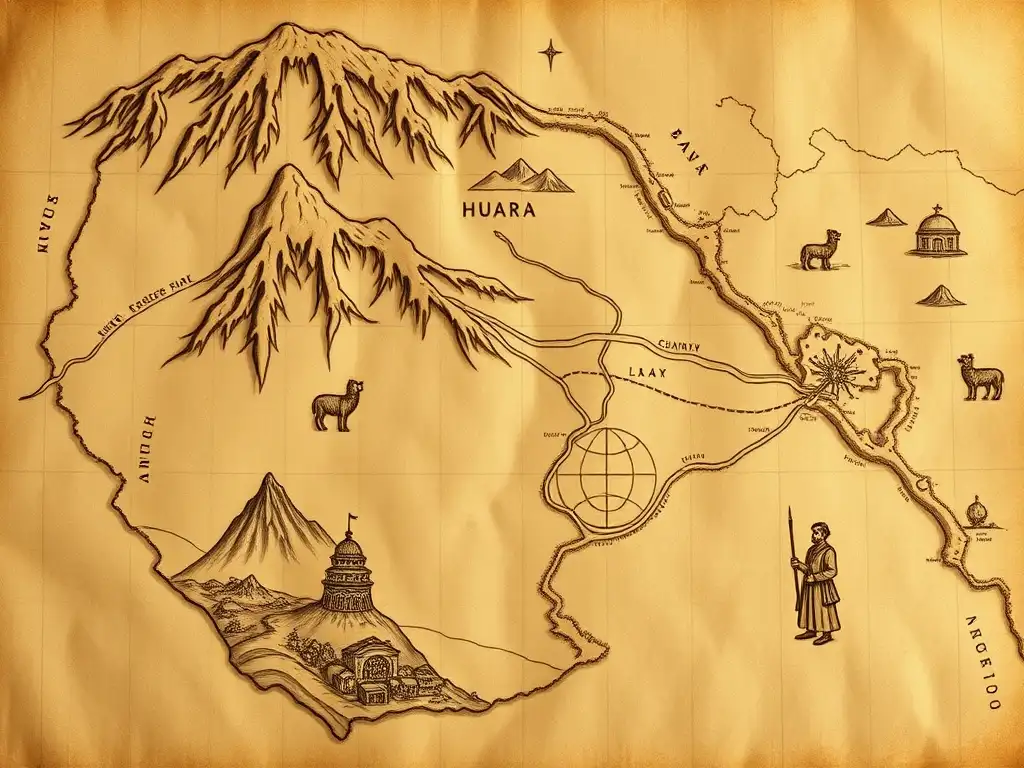
The Huari empire, flourishing in the central Andes from approximately 600 to 1000 CE, controlled a vast and diverse territory. Maintaining order and extracting resources from such a geographically and culturally varied population required sophisticated governance methods. Understanding the Huari empire governance methods reveals a complex system that blended military might with subtle strategies of integration and control, ultimately shaping the political landscape of the Andean region for centuries to come.
The effectiveness of their strategies is evidenced by the empire's longevity and the significant influence it exerted on subsequent Andean societies, including the Inca. This section delves into the key strategies employed by the Huari to manage their expansive empire.
Centralized Power: The Role of Huari Urban Centers
The Huari empire's administrative structure was deeply intertwined with its urban planning. The capital city, located near modern-day Ayacucho, Peru, served as the nerve center of the empire. This wasn't simply a ceremonial center; it was a massive administrative hub, housing a large population dedicated to governance, crafts, and religious activities.
The city’s layout, characterized by meticulously planned residential areas, large public squares, and monumental architecture, reflects a highly organized society and a strong central authority. Evidence suggests the capital controlled the flow of resources and information across the empire. The strategic placement of smaller, but similarly planned, urban centers throughout the conquered territories further reinforced this centralized control.
These smaller centers acted as regional administrative hubs, extending the reach of the central government and facilitating the collection of tribute and the dissemination of imperial decrees. This network of urban centers served as a crucial element in the Huari empire governance methods, providing a framework for control and communication across vast distances. Analysis of the distribution of these centers shows a clear pattern of strategic placement along major trade routes and in areas of significant agricultural production, indicative of a deliberate plan to maximize control over resources and communication.
Wari Administrative Centers and Regional Control
Beyond the capital, the Huari established numerous administrative centers throughout their empire. These weren't simply military outposts; they were strategically located to facilitate control over diverse regional populations. These centers were characterized by standardized architecture, indicating a deliberate policy of imposing Huari styles and authority.
The presence of these centers wasn't just symbolic; they housed administrative personnel, likely including tax collectors, officials, and perhaps even resident Huari elites. Archaeological evidence, such as the discovery of administrative records and specialized craft workshops within these centers, supports this interpretation. The distribution of these centers reveals a sophisticated understanding of regional geography and demographics.
For example, centers located near major agricultural valleys likely focused on the collection of agricultural tribute, while those situated along trade routes might have overseen the movement of goods and the collection of trade taxes. This decentralized, yet centrally controlled, administrative network was a vital component of the Huari empire's ability to govern its vast and diverse territory.
The Use of Standardized Architecture in Huari Governance
One of the most striking aspects of Huari governance was the widespread use of standardized architecture. Buildings in Huari administrative centers, regardless of their geographic location, shared common features: uniform building materials, similar layouts, and characteristic decorative elements. This architectural uniformity wasn't merely aesthetic; it served as a powerful tool of imperial control.
The imposition of a standardized architectural style visually asserted Huari authority and served as a constant reminder of the empire's power. This visual uniformity created a sense of unity and cohesion across the diverse regions of the empire, subtly reinforcing the central government's dominance. Furthermore, the standardized construction techniques likely facilitated efficient resource management and the rapid deployment of construction crews across the empire.
The consistent use of specific building materials and techniques also suggests a degree of centralized control over resource allocation and skilled labor. This standardization, therefore, wasn't just a matter of aesthetics; it was a practical and symbolic expression of Huari imperial power and an integral aspect of their effective governance methods. The impact of this standardization is still visible today in the remarkably consistent architectural style found across the vast expanse of the former Huari empire, a testament to the effectiveness of their governance strategies.
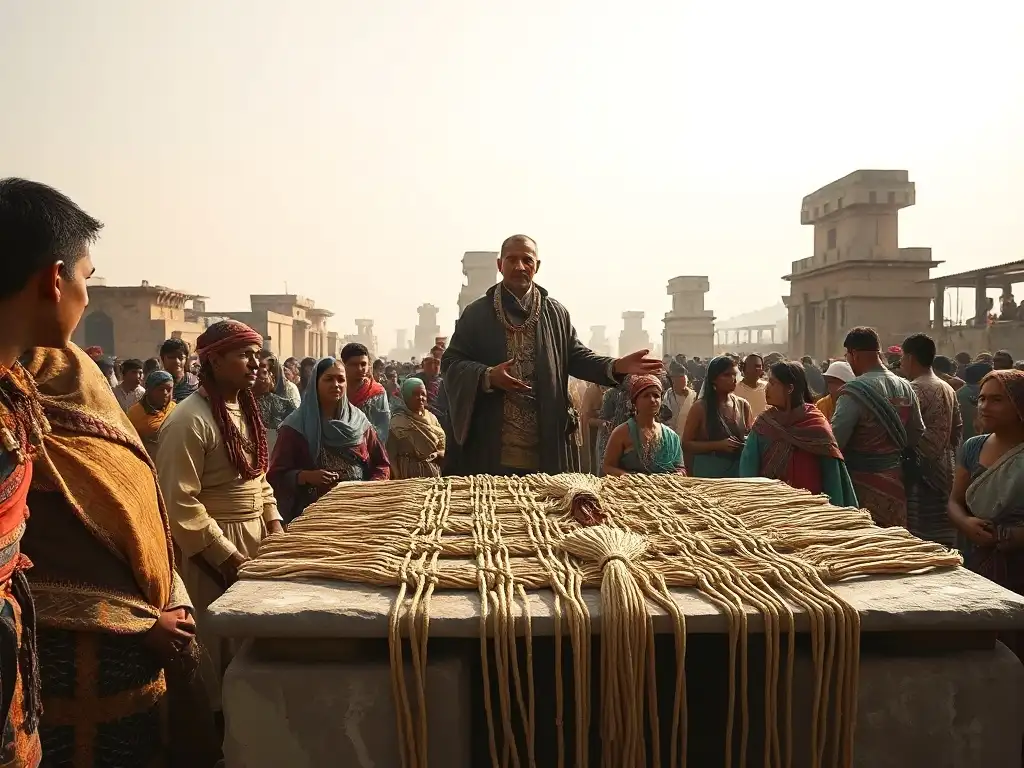
The Huari empire, flourishing between 600 and 1000 CE in the Andes, controlled a vast and diverse territory. Maintaining this control wasn't solely a military endeavor; effective governance relied heavily on sophisticated economic and social mechanisms. Understanding these methods is crucial to grasping the scale and longevity of Huari influence. The Huari empire governance methods were multifaceted, encompassing strategies for agricultural production, trade regulation, and the strategic use of religious ideology. This section delves into the key strategies employed by the Huari to maintain their substantial power across diverse populations.
Agricultural Production and Resource Management in the Huari Empire
Efficient agricultural production was paramount for the Huari empire's survival and stability. Their success stemmed from a combination of sophisticated irrigation systems, intensive farming techniques, and centralized resource management. Archaeological evidence suggests the Huari implemented large-scale irrigation projects, channeling water from rivers and streams to irrigate vast expanses of farmland. This allowed for increased crop yields and supported a larger population.
Furthermore, the standardization of agricultural practices, potentially through the deployment of specialized officials or the dissemination of knowledge, ensured consistent food production across different regions. This centralized approach guaranteed a steady flow of resources to the capital and other important centers, strengthening the empire's economic backbone and reducing the potential for localized unrest. The meticulous organization of agricultural production was a cornerstone of Huari empire governance methods, enabling them to feed their large population and maintain their control.
The Huari also likely implemented strategies for storing and distributing surplus agricultural goods. Granaries, discovered at various sites, suggest a system for managing food reserves to mitigate the effects of droughts or other natural disasters. This proactive approach helped to prevent widespread famine and social disruption, thereby contributing to the empire's stability. Further research is needed to fully understand the intricacies of their storage and distribution networks, but the existing evidence points towards a highly organized and efficient system. The effectiveness of this system was directly linked to the Huari's ability to maintain control over their vast empire.
Huari Road Networks and the Control of Trade
The extensive network of roads constructed by the Huari played a crucial role in both military control and economic management. These roads, built across challenging Andean terrain, facilitated the rapid movement of troops, ensuring the empire's ability to quickly respond to any rebellion or threat. Beyond military applications, these roads were vital arteries for trade, allowing for the efficient exchange of goods and resources between different regions of the empire.
The Huari likely controlled key trade routes, collecting taxes or tributes in the form of goods and services. This control over trade not only generated revenue for the empire but also provided a means to redistribute resources and maintain economic stability across the diverse regions under their rule. This economic control was a significant aspect of their overall governance strategy.
The strategic placement of administrative centers along these roads further suggests a deliberate effort to monitor and regulate trade. These centers may have served as checkpoints, facilitating the collection of taxes or tolls, and ensuring the smooth flow of goods. The construction and maintenance of these roads, coupled with the strategically placed administrative centers, represent a significant investment in infrastructure, highlighting the Huari's long-term commitment to maintaining their economic and political dominance. The sophistication of the road system underscores the importance of trade control within the Huari empire governance methods.
The Role of Religion and Ideology in Huari Imperial Cohesion
Religious ideology played a vital role in consolidating Huari power and maintaining control over their diverse population. The Huari state likely promoted a unifying religious system, possibly involving the worship of specific deities or the adoption of standardized religious practices. This fostered a sense of shared identity and loyalty to the empire, transcending regional differences.
The construction of large-scale religious sites, such as monumental structures and temples, served as powerful symbols of imperial authority and reinforced the importance of the ruling elite. The impressive scale of these structures would have impressed upon the populace the power and legitimacy of the Huari rulers.
Evidence suggests that the Huari elite actively used religious symbols and iconography to legitimize their rule and project an image of divine authority. The use of standardized iconography across the empire further contributed to the creation of a shared cultural identity, strengthening imperial cohesion. The control and manipulation of religious practices and beliefs were key components of Huari empire governance methods, skillfully used to create social cohesion and ensure the loyalty of their subjects.
The effective use of religious ideology was as essential as economic and military strategies in maintaining the Huari empire's power and longevity. Further research into Huari religious practices is needed to fully understand the subtle but powerful ways in which religion contributed to their impressive imperial control.
Huari's Military Strength and its Impact on Governance
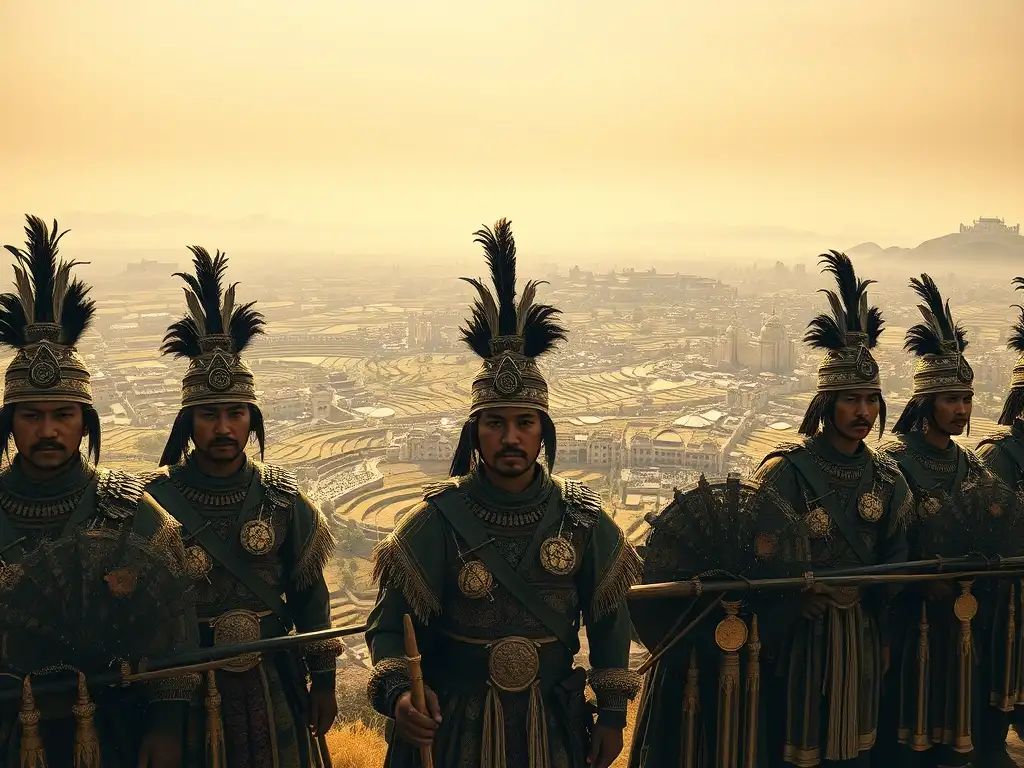
The Huari empire's success wasn't solely based on sophisticated administrative techniques; military might played a crucial role in establishing and maintaining control over its vast and diverse territories. The Huari's effective military organization and aggressive conquest strategies were instrumental in imposing their rule and suppressing potential rebellions across the Andes. Analyzing the Huari's military strength reveals significant insights into their governance methods and the mechanisms they employed to manage their sprawling empire.
The sheer scale of the empire, encompassing various ethnic groups and geographical regions, necessitates understanding the military's role in ensuring political stability and the flow of resources. This wasn't simply a matter of brute force; it was a strategic application of power to consolidate authority and enforce compliance.
Huari Military Organization and Conquest Strategies
The Huari army was likely a well-organized and disciplined force. While specific details remain scarce due to limited written records, archaeological evidence suggests a hierarchical structure, with specialized units possibly equipped with different weaponry and assigned specific roles in battle. We can infer the existence of infantry, perhaps equipped with spears, clubs, and slings, alongside more elite units potentially wielding superior weaponry like bronze weapons or specialized projectile weapons. The strategic deployment of these units likely varied depending on the terrain and the nature of the enemy.
Conquest strategies probably involved a combination of swift, decisive attacks to overwhelm opponents, followed by the strategic placement of garrisons to secure conquered territories and prevent rebellions. The construction of numerous administrative centers across the empire suggests a deliberate strategy to maintain a strong military presence and control vital resources and trade routes. This network of strategically placed garrisons acted as a constant deterrent to any potential uprisings.
Furthermore, the standardization of architectural styles and pottery across the empire points to a centralized control that likely reinforced the Huari's military and political dominance. The effective integration of conquered populations into the existing military structure might have also contributed to the empire's longevity. This suggests a more nuanced approach than simply subjugation, incorporating elements of assimilation and co-option.
The Imposition of Huari Power and Regional Rebellions
Despite the Huari's military prowess, maintaining control over such a vast and diverse empire was undoubtedly a challenging undertaking. The imposition of Huari power was not without resistance. Archaeological evidence reveals instances of regional rebellions and localized conflicts throughout the empire's lifespan. While the Huari successfully suppressed many uprisings, the continuous need to deploy military forces across the empire suggests that complete subjugation and unwavering compliance were elusive goals.
The frequency and scale of these rebellions remain largely unknown, [specific data on the frequency and scale of rebellions pending], but they undoubtedly exerted pressure on the Huari's administrative capabilities. The empire's eventual decline may have been partly attributed to the cumulative effect of these internal conflicts, draining resources and weakening central authority. The nature of these rebellions, whether they were isolated incidents or coordinated uprisings, and the Huari's responses to them, are key areas requiring further research to fully understand the dynamics of Huari empire governance.
The study of fortifications, defensive structures, and the distribution of military installations across the empire offers valuable insights into the strategies the Huari employed to prevent and suppress revolts. The careful analysis of these sites can shed more light on the constant tension between central authority and regional resistance, a defining characteristic of Huari empire governance methods. The presence of both centralized and localized power structures within the Huari empire highlights the complex interplay between military strength and political control in maintaining a vast and diverse realm.
Huari's Legacy: Influence on Later Andean Societies
Huari Political Influence on the Development of Later Andean States
The Huari empire, despite its eventual collapse, left an indelible mark on the political landscape of the Andes. Their sophisticated system of governance, characterized by centralized administration and a hierarchical structure, profoundly influenced the development of later Andean states, most notably the Inca Empire. While the Inca refined and expanded upon Huari methods, several key similarities are evident.
For example, the Huari's use of strategically placed administrative centers mirrored the Inca's system of tambos and provincial capitals. This suggests a direct lineage in administrative strategies, with the Inca perhaps adapting and improving upon pre-existing Huari infrastructure and organizational principles. Further research into the administrative records, if any survive, could reveal more direct links between Huari and Inca political structures.
The Huari's ability to effectively manage diverse populations across a vast territory—a feat replicated (and arguably surpassed) by the Inca—demonstrates a sophisticated understanding of political control and integration, providing a blueprint for future Andean empires. Analyzing the distribution of Huari-style pottery and artifacts across the empire also offers insights into the extent of their administrative reach and control, helping to map out the network of power that underpinned their rule. The sheer scale of Huari's influence is a testament to the effectiveness of their governance strategies.
Huari's Contributions to Andean Art and Architecture
Huari's impact extended beyond political structures; their artistic and architectural innovations profoundly shaped Andean aesthetics for centuries. The distinctive Huari style, characterized by its geometric patterns, stylized figures, and the use of specific colors and materials, became a template for later Andean artists. The standardization of pottery styles across the empire, for example, suggests a centralized production system and a deliberate attempt to create a visual unity representing imperial power.
This is evident in the widespread dissemination of specific pottery types, often found in both elite and commoner contexts, indicating a degree of cultural homogenization under Huari rule. Architectural innovations, such as the use of specific building techniques and the construction of large-scale public works, also influenced later Andean societies. The sophisticated masonry techniques employed in Huari sites, with their precise cuts and intricate designs, foreshadow the impressive Inca stonework.
The scale of Huari's urban planning, with its carefully organized residential areas and monumental structures, also set a precedent for later Andean cities. Analysis of surviving Huari architecture reveals a mastery of engineering and a keen understanding of urban design, further solidifying their lasting impact on Andean artistic and architectural traditions. The legacy of Huari art and architecture is visible in the styles and techniques adopted by subsequent Andean cultures, underscoring its continued relevance and influence.
The End of the Huari Empire and its Lasting Impact
The collapse of the Huari empire, while a significant event, did not erase its influence. The reasons for its decline remain a subject of debate, with theories ranging from internal strife and overextension to environmental factors and external pressures. Regardless of the specific causes, the empire's disintegration didn't negate its lasting contributions to Andean civilization.
The fragmentation of the Huari state led to the rise of new regional powers, many of whom inherited and adapted Huari traditions. This process of adaptation and transformation is crucial to understanding the continuity of Andean culture across different periods. The collapse of the Huari empire didn't signify the end of its cultural legacy but rather a transition period, where elements of Huari culture were reinterpreted and integrated into the evolving societies of the Andes.
Even the emergence of the Inca Empire, often seen as a completely distinct entity, owes a debt to the preceding Huari state's achievements in governance, administration, and cultural production. Studying the post-Huari period allows us to trace the dissemination and transformation of Huari cultural elements, highlighting the resilience and adaptability of Andean societies and the enduring legacy of the Huari empire's governance methods. The long-term consequences of the Huari empire's rise and fall remain a rich area of ongoing research, offering valuable insights into the complexities of Andean history and the enduring legacy of its remarkable civilization.
Frequently Asked Questions
What was the Huari Empire's most significant challenge in governance?
The Huari Empire's biggest challenge was managing its diverse populations across a vast and geographically varied territory. This involved integrating different ethnic groups with unique customs and beliefs under a single rule.
How did the Huari Empire maintain control over such a large area?
The Huari maintained control through a combination of military strength, administrative efficiency, and possibly ideological influence. They established provincial centers and strategically placed garrisons to enforce their authority.
What role did infrastructure play in Huari governance?
Extensive road networks and administrative centers were crucial. These facilitated communication, trade, and the movement of troops and resources throughout the empire, strengthening central control.
What evidence exists to support our understanding of Huari governance?
Archaeological evidence, including administrative centers, storage facilities, and standardized pottery, suggests a highly organized and centralized system. Written records are scarce, relying on interpretations of material culture.
How did the Huari Empire's governance compare to that of the Inca?
While both empires were Andean and controlled vast territories, the Huari's methods were arguably less centralized than the Inca's. The Inca implemented a more rigorous system of administration and control, particularly regarding tribute and labor.
Final Reflection: The Enduring Legacy of Huari Governance
The sophisticated governance strategies employed by the Huari Empire remain remarkably relevant today, offering crucial insights into managing diverse populations and maintaining stability in complex societies. Their success in integrating disparate groups across vast territories stands as a testament to the power of well-structured administration and effective communication, a lesson that resonates deeply in our increasingly interconnected world.
The Huari's ability to foster a sense of shared identity, despite the cultural and geographical differences within their empire, is particularly striking. Their achievements in infrastructure development, standardization of practices, and the establishment of a robust administrative system continue to inspire modern scholars and policymakers. The Huari state was not simply a conqueror, but a builder of a complex and integrated system that fostered a degree of cultural unity across a diverse landscape.
This quote highlights the nuanced approach the Huari took, demonstrating that effective governance isn't solely about power, but also about integration and cooperation.
Consider the challenges faced by modern nation-states in managing diverse populations and integrating different cultures. The Huari's experience offers a valuable historical lens through which to examine these issues. You, the reader, are now equipped with a deeper understanding of the intricacies of ancient governance.
Reflect on the strategies employed by the Huari and consider how these principles might be applied to address contemporary challenges in your own community, nation, or even within your personal sphere of influence. The legacy of the Huari is not just a historical curiosity; it's a powerful reminder of the enduring importance of effective leadership and inclusive governance.
**Unveil the Secrets of Effective Governance! **
Thank you for exploring the fascinating world of Huari governance with us! We hope you gained valuable insights into their methods of managing such a diverse empire. Now, let's apply that knowledge to consider modern governance challenges.
Here are some actionable steps you can take:
- **Reflect on Modern Governance:** Consider how the Huari's sophisticated strategies for managing a vast and diverse population might inform contemporary governance models. How could their approaches be adapted to address the challenges faced by communities today?
- **Start a Discussion:** Share your newfound understanding! Discuss with friends, family, or online communities how principles of unity and effective governance can foster thriving, diverse societies.
- **Explore Further:** Continue your exploration of Andean civilizations. Follow us for future articles that will delve deeper into the intricacies of ancient governance systems.
What innovative approaches to governance do you believe could significantly improve our society?