
More Than Just Farming: The Inca's Complex Resource Management System

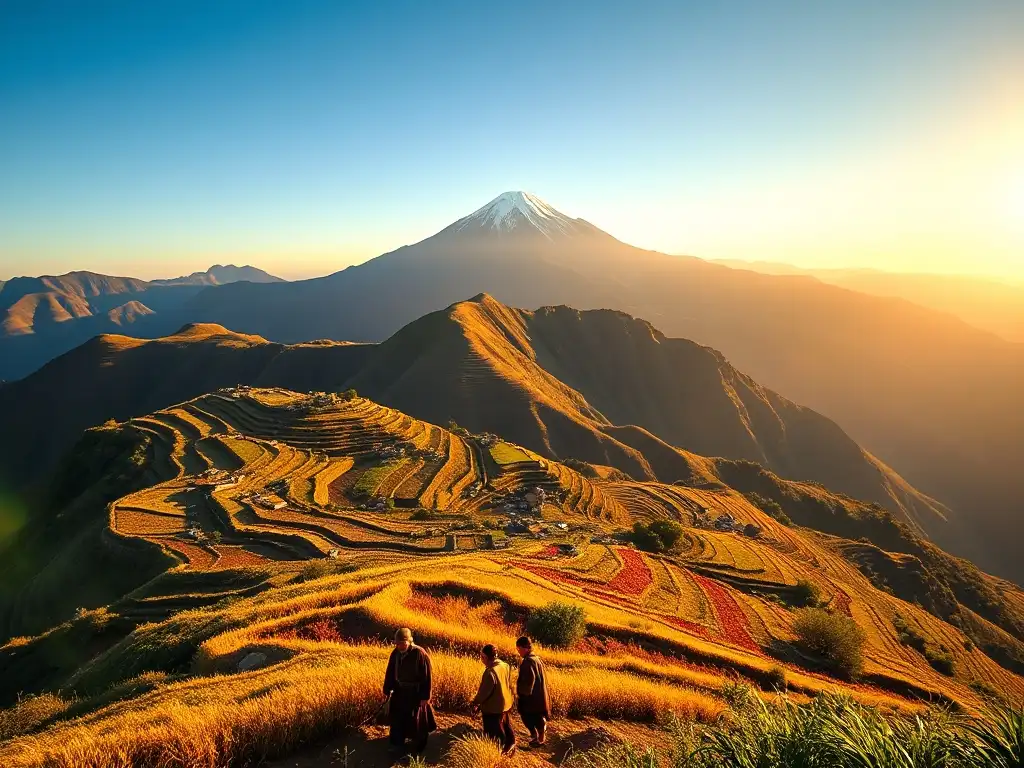
Step into a world lost to time, yet echoing with the ingenuity of a vanished empire. Forget everything you think you know about ancient civilizations – the Andean Civilizations website unveils the secrets of a sophisticated society far beyond its agricultural prowess. Prepare to be amazed by the intricacies of the Inca resource management system, a marvel of engineering and social organization that ensured the prosperity of a vast empire. Dive in and discover how this seemingly simple system held the key to their incredible success... a story far more complex and captivating than you can imagine.
- The Inca Resource Management System: A Model of Sustainability
- Inca Agricultural Innovations and Their Impact
- The Inca System of Labor and Resource Allocation
- Inca Resource Management Beyond Agriculture
- The Inca’s Strategic Approach to Resource Control
- The Legacy of Inca Resource Management
-
Frequently Asked Questions
- What was the most important aspect of the Inca resource management system?
- How did the Inca manage their agricultural resources?
- What role did labor play in the Inca resource management system?
- How did the Inca store and distribute resources?
- How did the Inca's resource management system contribute to their success?
- Final Reflection: The Enduring Legacy of Inca Resource Management
- Unlock the Secrets of Inca Sustainability!
The Inca Resource Management System: A Model of Sustainability
The Inca Empire, renowned for its impressive architectural feats and sophisticated social structures, also possessed a remarkably efficient and sustainable resource management system. Far from simply relying on agriculture, the Inca's approach encompassed a complex network of strategies designed to optimize the utilization of all available resources – land, water, labor, and materials – across their vast and diverse empire. This system, underpinned by a highly centralized government and a deep understanding of their environment, ensured the empire's stability and prosperity for centuries.
This article delves into the intricacies of the Inca resource management system, highlighting its key components and demonstrating how it went beyond simple farming practices to create a model of sustainable living that continues to fascinate and inspire today. Understanding this system provides crucial insight into the Inca's remarkable success and enduring legacy.
We will explore how their innovative techniques contributed to their economic strength and societal stability, showcasing the intricate interplay between their social organization and environmental stewardship. The keyword "Inca resource management system" will be explored in detail throughout this article, revealing the multifaceted nature of this remarkable achievement.
Understanding the Sophisticated Inca Approach to Resources
The Inca approach to resource management was far from haphazard. It was a meticulously planned and executed system, deeply integrated into their social and political structure. The ayllu, the fundamental socio-economic unit, played a crucial role. Each ayllu was responsible for the management of its allocated land and resources, contributing to a larger, empire-wide system. This wasn't simply about farming; it involved a comprehensive strategy encompassing:
- Water Management: The Inca developed intricate irrigation systems, canals, and terraces to optimize water distribution, especially crucial in the challenging Andean terrain. These systems, often carved into mountainsides, allowed for efficient irrigation of crops even in arid regions, maximizing agricultural output. The construction and maintenance of these systems was a collective effort, demonstrating a high level of community cooperation and planning. Evidence suggests that significant engineering knowledge was employed, including understanding water flow and pressure.
- Land Allocation: Land was carefully allocated based on its suitability for different crops and its proximity to water sources. The mit'a system, a form of labor tax, was used to construct and maintain infrastructure, including irrigation systems and roads, further demonstrating the centralized control over resource allocation. This ensured equitable distribution and prevented resource depletion in any one area.
- Crop Diversity: The Inca cultivated a remarkable variety of crops, adapting to the diverse ecological zones within their empire. This diversification minimized the risk of crop failure and ensured food security. They utilized different agricultural techniques depending on the altitude and climate, showcasing a deep understanding of agroecology. This included the cultivation of potatoes, maize, quinoa, and other crops, each adapted to specific environmental conditions.
- Storage and Distribution: The Inca built extensive storehouses ( qollqas) throughout the empire to store surplus food and other resources. This allowed them to manage food supplies effectively, ensuring stability during times of drought or other crises. The centralized control over these stores allowed for efficient redistribution of resources to areas in need, preventing widespread famine. The precise capacity and distribution of these storehouses across the empire are still being studied by archaeologists.
This detailed understanding of the Inca’s resource management system reveals a level of sophistication rarely seen in pre-Columbian civilizations. Their approach was not merely reactive but proactive, integrating environmental awareness, social organization, and technological innovation to ensure long-term sustainability. The system's success is a testament to the Inca's remarkable ability to adapt to and manage their environment, shaping their civilization's trajectory for centuries.
Further research is needed to fully unravel the intricacies of this system, but the available evidence already paints a compelling picture of a truly impressive achievement. The impact of their resource management strategies on their societal structure and economic prosperity is a topic worthy of continued investigation. The Inca's legacy extends beyond their impressive architecture; it also lies in their remarkably sustainable and efficient resource management system.
Inca Agricultural Innovations and Their Impact
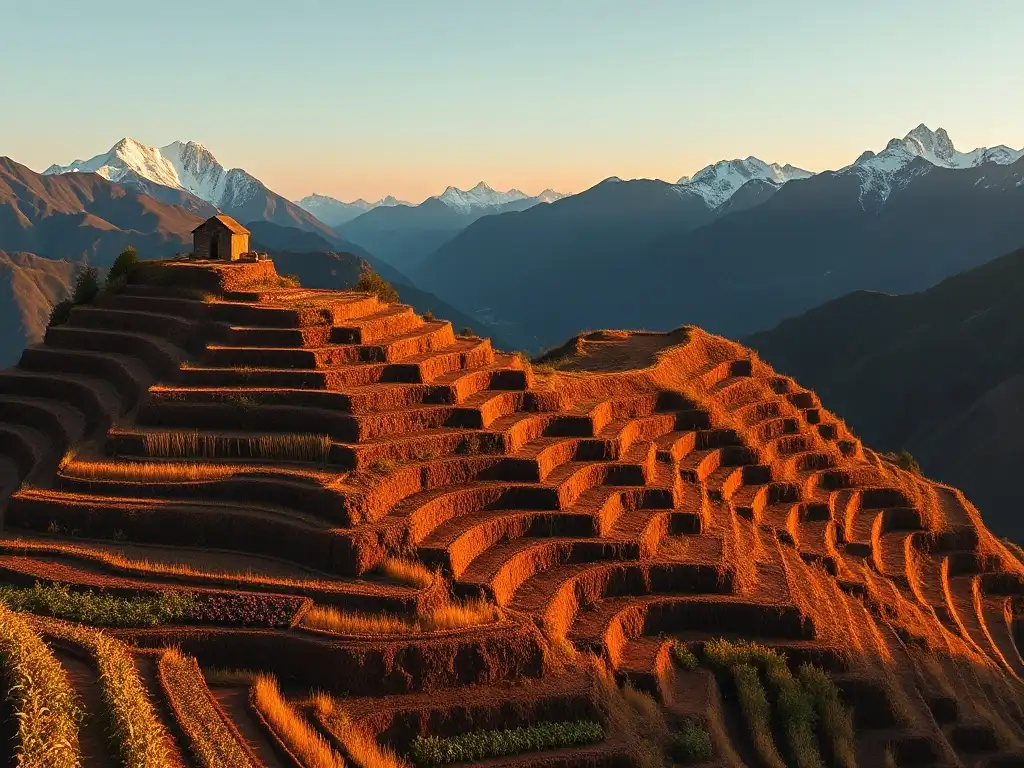
The Inca Empire's success wasn't solely based on military might; it was profoundly rooted in a sophisticated and sustainable resource management system. Their ingenuity in agriculture, particularly, allowed them to thrive in the challenging Andean environment, supporting a large and complex society. This section delves into specific agricultural innovations that underpinned the Inca's remarkable achievements, highlighting the intricate interplay between their understanding of the environment and their technological prowess. Understanding the Inca resource management system reveals a civilization far more advanced than often perceived.
Terraced Farming: Maximizing Arable Land in the Andes
The rugged, mountainous terrain of the Andes presented a significant challenge to agriculture. However, the Inca overcame this obstacle through the masterful implementation of terraced farming. These meticulously engineered terraces, carved into hillsides, dramatically increased the amount of arable land available for cultivation. They weren't merely flat surfaces; their design incorporated a complex understanding of hydrology and soil science.
The terraces were typically constructed using stone retaining walls, carefully fitted together without mortar, a testament to the Inca's exceptional stonemasonry skills. The gradient of each terrace was precisely calculated to optimize water retention and prevent erosion. This approach ensured that rainwater was effectively channeled and absorbed, preventing runoff and maximizing soil moisture.
Furthermore, the different levels of the terraces created microclimates, allowing for the cultivation of a wider variety of crops adapted to varying sunlight and temperature conditions. The effectiveness of this system is evident in the enduring legacy of Inca terraces visible across the Andes even today. Their impact on the Inca resource management system was monumental, allowing for increased food production and population density in otherwise unsuitable terrain.
Advanced Irrigation Techniques for Sustained Production
Beyond terracing, the Inca developed sophisticated irrigation systems to ensure a consistent water supply for their crops. Their techniques extended beyond simple canals; they involved the construction of intricate networks of channels, aqueducts, and reservoirs. These systems were designed to transport water from distant sources to fields located on steep slopes and across vast distances.
One notable example is the intricate network of canals that channeled water from the high Andes to lower-lying agricultural lands. These canals were often built along contours, minimizing the need for significant earthworks while maximizing water flow. To manage water distribution effectively, the Inca utilized various control structures such as weirs, spillways, and diversion channels.
These structures allowed for the precise regulation of water flow to different fields, ensuring that crops received the optimal amount of water at different stages of their growth. This precision in water management was crucial to the Inca resource management system, enabling them to achieve high agricultural yields even during periods of drought or scarcity. The ingenuity of their irrigation systems is a testament to their deep understanding of hydraulic engineering and their commitment to sustainable agriculture.
Crop Diversification and Adaptation to Varied Ecosystems
The Inca's agricultural success wasn't limited to ingenious engineering; it was also rooted in a remarkable understanding of biodiversity and adaptation. Rather than relying on a single crop, the Inca practiced extensive crop diversification, cultivating a wide range of plants adapted to the varied ecological zones within their empire. This strategy minimized the risk of crop failure due to disease, pests, or unfavorable weather conditions.
The Inca cultivated a diverse range of crops, including potatoes (with thousands of varieties! ), maize, quinoa, beans, squash, and various fruits. They understood the specific needs of each crop and carefully selected appropriate locations and planting techniques. They also developed innovative techniques for preserving food, such as freeze-drying potatoes (chuño) and storing grains in underground silos.
This careful management of crops and food storage was essential for the sustainability of the Inca resource management system, ensuring food security for their large population throughout the year and across different ecological zones. The diversity of their crops was not only a source of sustenance but also a reflection of their deep knowledge of the Andean ecosystem and their ability to adapt to its challenges. This approach to agricultural diversification remains a valuable lesson in sustainable resource management even today.
The Importance of Potatoes, Quinoa, and Maize
The Inca Empire's sophisticated resource management system hinged on the successful cultivation and distribution of staple crops. Potatoes, quinoa, and maize formed the trifecta of Andean agriculture, providing the caloric backbone of the Inca diet and fueling their expansive empire. These crops weren't simply grown for sustenance; their strategic cultivation reflected a deep understanding of Andean ecosystems and a commitment to maximizing yield and resource efficiency.
The Inca's mastery of terracing, irrigation, and crop rotation techniques allowed them to cultivate these crops at varying altitudes, effectively utilizing the diverse ecological niches available within their vast territory. This wasn't merely a matter of survival; it was a strategic advantage that underpinned the Empire's economic and social stability.
The potato, Solanum tuberosum, offered unparalleled versatility. Its numerous varieties, adapted to different altitudes and climates, provided food security throughout the year. The Incas developed sophisticated methods of storing potatoes, using underground storage facilities called qollqas to preserve them for months, even years, ensuring food availability during lean seasons and mitigating the risks associated with crop failure. This foresight was crucial for maintaining social order and preventing widespread famine, a common threat to many pre-industrial societies. The Inca's understanding of potato preservation techniques was a key element in their ability to support a large and densely populated empire.
Quinoa, Chenopodium quinoa, another vital crop, provided a complete protein source, unlike many other grains. Its nutritional value was essential for maintaining the health and productivity of the Inca population, especially in high-altitude regions where other crops struggled to thrive. The Inca's cultivation of quinoa, alongside potatoes and maize, ensured a balanced diet rich in essential nutrients. Furthermore, quinoa's resilience to harsh conditions—its tolerance of drought and frost—made it a reliable crop in unpredictable Andean climates, further enhancing food security. The strategic planting of quinoa in diverse environments showcased the Inca's nuanced understanding of agricultural ecology.
Maize, Zea mays, while perhaps less crucial than potatoes in terms of caloric intake, played a pivotal role in the Inca economy. It was used not only as food but also as a raw material for the production of chicha, a fermented beverage of significant cultural and religious importance. The cultivation of maize also involved sophisticated techniques, such as the construction of intricate irrigation systems and the use of fertilizers derived from animal manure and other organic matter.
The strategic distribution of maize across the empire, alongside its use in religious ceremonies, reinforced the Inca's centralized control and solidified their authority. The management of maize production was directly linked to Inca power and social structures.
The Inca System of Labor and Resource Allocation
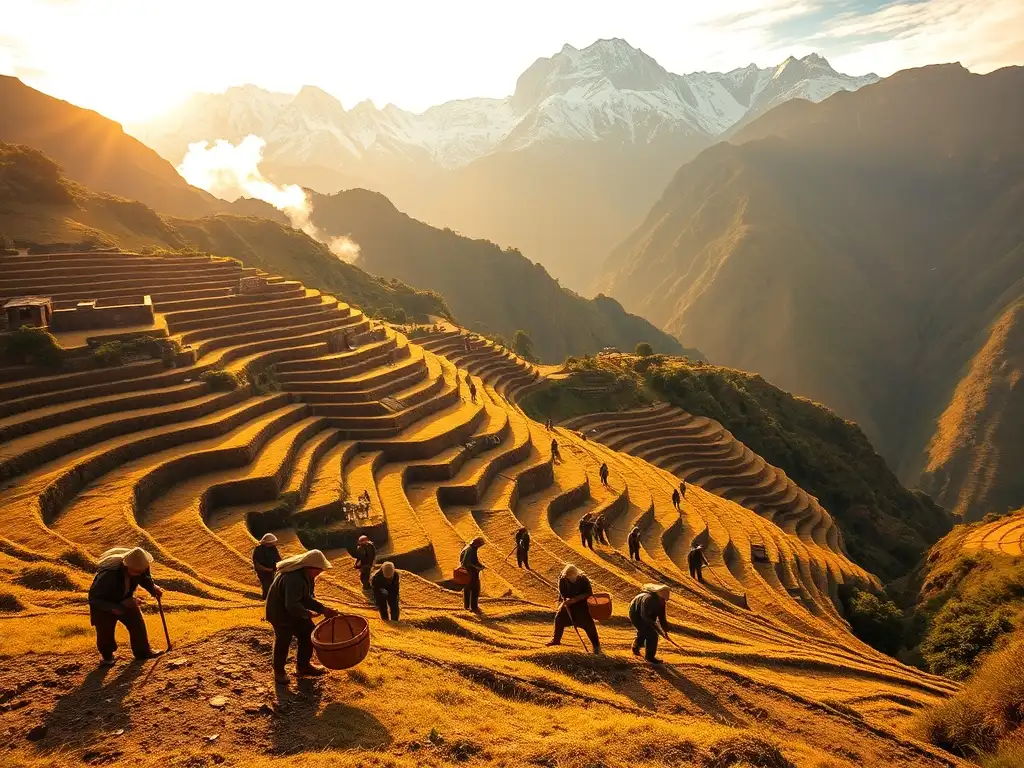
The Inca Empire's remarkable achievements weren't solely due to advanced agricultural techniques. Their success hinged on a sophisticated and highly organized system of labor and resource allocation, a crucial component of their impressive "Inca resource management system." This intricate network ensured the efficient distribution of goods and services across the vast empire, fostering stability and supporting a large population. Understanding this system is key to appreciating the Inca's ingenuity and the complexity of their civilization. We'll explore the key elements that contributed to their effective resource management.
The Mita System: Mandatory Labor and Resource Contribution
The mita system was the cornerstone of Inca resource management. This wasn't simply forced labor; it was a structured system of mandatory public service, requiring citizens to contribute a portion of their time and resources to the state. The contributions varied depending on factors such as age, gender, and location. Able-bodied individuals were obligated to participate in projects crucial to the empire's infrastructure and well-being.
This involved a wide range of activities:
- Construction of infrastructure: Building roads, bridges, irrigation canals, and temples. The impressive Inca road system, stretching thousands of miles across challenging terrain, is a testament to the mita's effectiveness.
- Agricultural production: Working on state-owned lands ( ayllu lands) to produce food for the emperor, the army, and religious institutions. This ensured food security for the entire empire.
- Mining operations: Extracting valuable minerals like gold and silver, crucial for both economic and ceremonial purposes.
- Textile production: Producing textiles for clothing and ceremonial use. The Inca were renowned for their high-quality textiles.
The mita system wasn't without its drawbacks. While it ensured the completion of large-scale projects, it also placed a significant burden on individuals and communities. The potential for exploitation and abuse existed, although the Inca state attempted to mitigate these issues through oversight and regulations. The system's success relied on a delicate balance between community needs and imperial demands. Evidence suggests that while demanding, the system was largely accepted as a necessary contribution to the collective good, reinforcing the social fabric of the empire.
Community-Based Labor and Collective Efforts
Beyond the mita, community-based labor played a significant role in the Inca resource management system. The ayllu, a kinship-based community, formed the fundamental social and economic unit. Within the ayllu, labor was organized collectively, with individuals contributing to the well-being of their community. This involved collaborative efforts in:
- Agricultural cultivation: Shared responsibility for planting, harvesting, and maintaining communal lands. This fostered a strong sense of community and ensured efficient utilization of resources.
- Construction of local infrastructure: Building houses, irrigation channels, and other structures necessary for the community's survival.
- Resource management: Collective decision-making regarding the use and allocation of resources within the community.
This decentralized approach complemented the centralized mita system, creating a robust and resilient system of resource management. The combination of state-directed projects and community-based efforts ensured the efficient allocation of labor and resources across all levels of Inca society. The ayllu's internal organization and cooperation were essential to the success of the larger imperial system. This system of mutual support and shared responsibility was crucial for the stability and prosperity of the Inca Empire.
Centralized Storage and Distribution of Resources
The Inca's resource management system also included a sophisticated network for storing and distributing goods. Centralized storehouses, known as qollqas, were strategically located throughout the empire. These storehouses served as vital components of the Inca resource management system, ensuring the equitable distribution of food, textiles, and other essential goods.
| Resource Type | Storage Location | Distribution Method | Purpose |
|---|---|---|---|
| Surplus agricultural produce | Qollqas near agricultural zones | State-organized distribution networks | Food security, support for public works, and ceremonial events |
| Textiles | Qollqas in urban centers | Allocation based on need and social standing | Clothing, ceremonial use, trade |
| Metals | Secure Qollqas in capital cities | Controlled by the state | Craftsmanship, royal adornment, tribute |
The qollqas weren't simply storage facilities; they were part of a complex logistical system that involved meticulous record-keeping and efficient distribution networks. The system ensured that resources were available during times of scarcity, providing stability and mitigating the effects of natural disasters or crop failures. This centralized system, coupled with the mita and community-based labor, showcased the Inca's sophisticated understanding of logistics and resource management, contributing significantly to their long-lasting empire. The effectiveness of this distribution network underscores the overall success of their "Inca resource management system."
The Role of the Inca State in Resource Management
The Inca state played a central, controlling role in the empire's resource management system. Unlike many other ancient civilizations, the Inca didn't rely solely on market forces or private ownership. Instead, the emperor, acting as the supreme authority, oversaw a highly centralized system that dictated the production, distribution, and consumption of resources throughout the vast empire.
This centralized approach ensured a relatively equitable distribution of goods, at least within the framework of the Inca social hierarchy, and allowed for effective mobilization of resources during times of need, such as warfare or natural disasters. The state's power extended to every aspect of resource management, from land allocation and agricultural practices to the control of vital resources like metals and textiles. This comprehensive control facilitated the Inca's impressive achievements in infrastructure development, such as their extensive road network and sophisticated irrigation systems.
The effectiveness of the Inca state's resource management was significantly enhanced by its sophisticated bureaucratic system. A complex network of officials, meticulously organized into hierarchical levels, ensured the efficient collection of taxes, the equitable distribution of resources, and the enforcement of state regulations. These officials, often appointed based on merit and loyalty, monitored agricultural production, oversaw public works projects, and maintained detailed records of resource allocation.
This intricate bureaucracy provided the Inca state with the necessary information and control to manage the empire's resources effectively. The precision of their record-keeping, often using knotted strings called quipus, is a testament to their organizational prowess and understanding of resource management principles.
Furthermore, the Inca state's control over resources wasn't merely about extraction and distribution; it was deeply intertwined with their social and religious beliefs. The emperor was considered a divine figure, and the control over resources was seen as a reflection of his power and legitimacy. Religious rituals and ceremonies were often integrated into the management of resources, underscoring the importance of maintaining balance and harmony between the human and spiritual realms.
This close connection between religious belief and resource management reinforced the state's authority and ensured the cooperation of the population. The Inca worldview emphasized the interconnectedness of all things, and this perspective shaped their approach to resource management, leading to practices that aimed to sustain the environment and ensure the long-term prosperity of the empire.
This holistic approach is a significant aspect of understanding the Inca's success in managing their resources. The system wasn't simply about economic efficiency; it was about maintaining a harmonious relationship with the land and ensuring the well-being of the entire community.
Inca Resource Management Beyond Agriculture
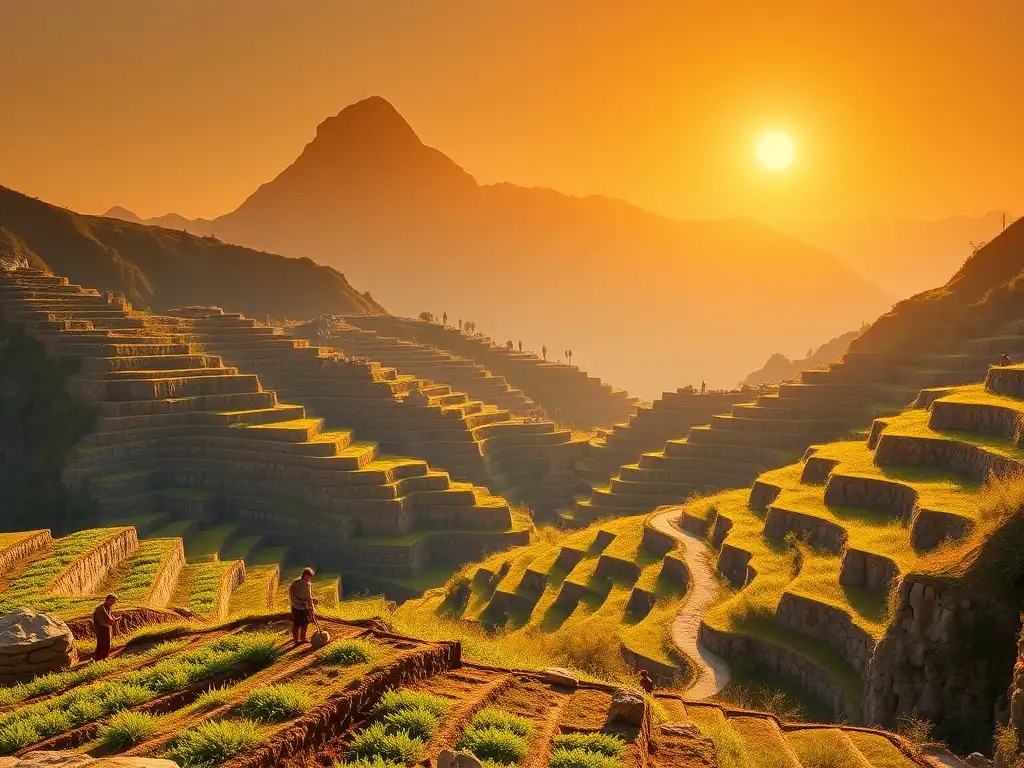
The Inca Empire's success wasn't solely reliant on its impressive agricultural techniques. While the terracing and irrigation systems are rightly celebrated, a comprehensive understanding of their "Inca resource management system" requires examining their sophisticated management of other vital resources. Their ability to effectively manage livestock, minerals, and forests demonstrates a deep understanding of sustainability and resource optimization, far exceeding simple farming practices.
This intricate network of resource control contributed significantly to the empire's stability and longevity, showcasing a remarkable level of societal organization and planning. The efficient allocation and utilization of these resources were crucial factors in their ability to sustain a large and complex population across diverse and challenging terrains.
Management of Livestock: Llamas and Alpacas
Llamas and alpacas were not merely sources of meat and wool for the Inca; they were integral components of their resource management system. These camelids played crucial roles in transportation, carrying goods across the Andes' treacherous mountain passes. Their dung served as valuable fertilizer, enriching the agricultural lands and boosting crop yields.
The Inca developed sophisticated herding techniques, employing skilled herders who understood the animals' needs and the best grazing patterns for optimal health and productivity. This wasn't simply a matter of letting animals roam freely; it involved meticulous planning and seasonal migrations to ensure access to suitable pastures. The distribution of livestock was also carefully managed, with quotas and regulations ensuring fair access and preventing overgrazing in specific areas.
Evidence suggests a system of communal grazing lands, managed by local authorities, demonstrating a sophisticated understanding of common-pool resource management. The Inca's mastery of livestock management ensured a steady supply of meat, wool, dung (fertilizer), and transportation, all vital elements contributing to the empire's overall resource security. Furthermore, the strategic placement of llama and alpaca herds supported the broader logistical network of the empire, facilitating trade and communication across vast distances.
Mining and Mineral Extraction Techniques
The Inca resource management system extended to the extraction and utilization of minerals. While not as technologically advanced as some other ancient civilizations, their mining practices were nonetheless highly organized and efficient. They were skilled in extracting metals like gold, silver, and copper, which were used for tools, ornaments, and religious objects. Evidence from various sites across the empire indicates the use of sophisticated techniques such as open-pit mining and underground tunnels, adapted to the specific geological conditions.
The Inca understood the importance of careful extraction, minimizing environmental damage. They didn't simply excavate and leave behind a ravaged landscape; instead, they employed methods designed to maximize yield while minimizing long-term environmental impact. The distribution and allocation of mined resources were carefully regulated by the state, ensuring that essential materials reached their intended destinations, whether for construction projects, religious ceremonies, or the production of tools.
This centralized control over mineral resources was a key element in maintaining social order and economic stability within the empire. The precise methods employed varied geographically, reflecting the adaptability of the Inca's resource management strategies to the local environment and available technologies. Further research is needed to fully understand the nuances of their regional mining practices and their environmental impact.
Forest Management and Sustainable Practices
The Inca's resource management extended to the forests, which provided timber for construction, fuel for heating, and various other products. They implemented sustainable forestry practices, recognizing the importance of preserving these vital resources. Instead of indiscriminate deforestation, they likely employed selective logging, focusing on mature trees while allowing younger ones to grow.
This approach ensured the long-term health of the forests and maintained a steady supply of timber. The careful management of forest resources was crucial for maintaining the stability of the Inca's infrastructure and economy. Wood was essential for building houses, temples, and other structures, as well as for crafting tools and weapons.
The Inca also understood the importance of forests in regulating water flow and preventing soil erosion, contributing to the overall success of their agricultural systems. While detailed documentation of their specific forestry practices is limited, the evidence suggests a sophisticated understanding of sustainable resource management, further highlighting the complexity of their overall approach to resource control within the Inca resource management system. Further research into archaeobotanical evidence and ethnohistorical accounts could provide a more complete picture of their forest management techniques.
The Inca Road System and Resource Transportation
The Inca road system, a marvel of engineering, was far more than a network for facilitating travel. It served as the crucial artery for the efficient transportation of resources throughout the vast empire. Spanning thousands of miles across diverse and challenging terrain, this intricate network allowed for the seamless movement of goods, from agricultural produce and livestock to building materials and even precious metals.
The roads themselves were meticulously constructed, often incorporating sophisticated techniques like retaining walls, bridges, and even suspension bridges in mountainous regions. Their strategic placement, taking advantage of natural features and minimizing arduous climbs, demonstrates a deep understanding of geography and engineering. This wasn't simply a matter of building roads; it was a carefully planned logistical operation crucial to the Inca resource management system.
The effectiveness of the Inca road system was further enhanced by a highly organized relay system. Runners, known as chasquis, were strategically positioned along the routes, facilitating rapid communication and the swift transmission of vital information regarding resource availability, needs, and potential disruptions. This system allowed for proactive adjustments to resource allocation, minimizing waste and ensuring timely responses to unforeseen events like crop failures or natural disasters.
The chasquis also played a critical role in the transportation of goods, relaying packages and ensuring their safe and efficient delivery across long distances. Their swiftness and reliability were essential components of the Inca’s sophisticated resource management strategy. The combination of well-engineered infrastructure and a highly organized communication system ensured the smooth flow of resources, supporting the empire's growth and stability.
This intricate system highlights the Inca's remarkable ability to manage resources on a scale unprecedented in the pre-Columbian Americas. The integration of the road system with other aspects of their resource management, like storage facilities and agricultural practices, demonstrates a holistic approach to resource utilization.
The Inca’s Strategic Approach to Resource Control
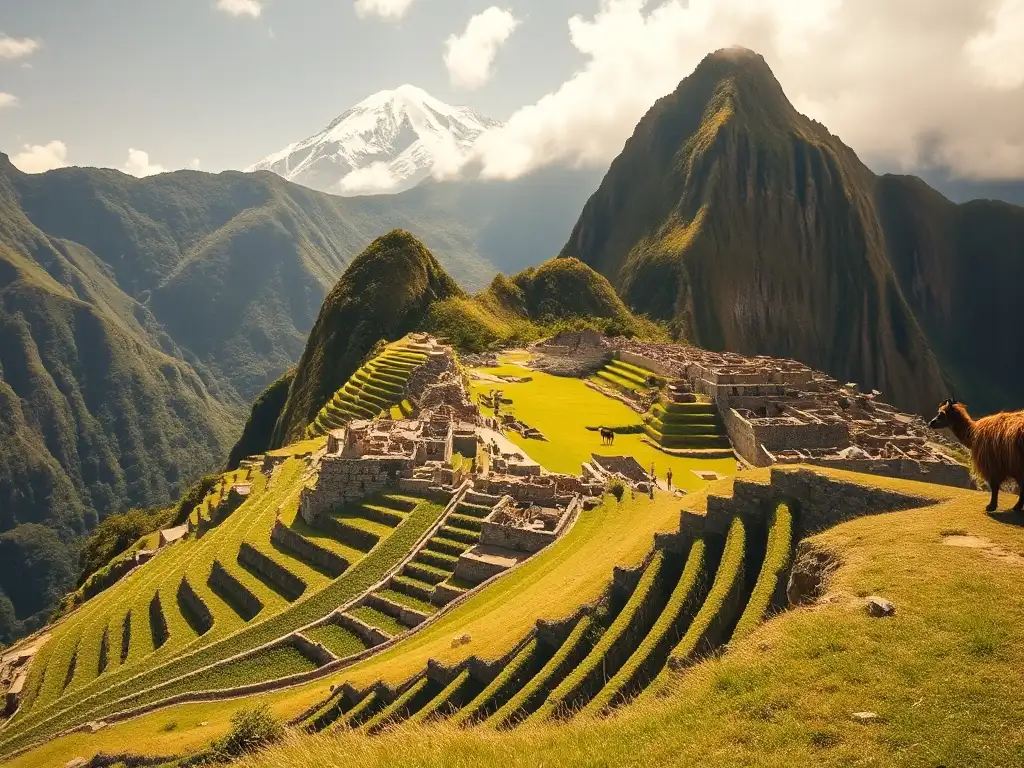
The Inca Empire, renowned for its sophisticated agricultural techniques, also possessed a remarkably intricate resource management system. This wasn't simply about farming; it was a complex web of strategies encompassing control, distribution, and efficient utilization of diverse resources across a vast and varied landscape. The system's success stemmed from a combination of centralized planning, meticulous record-keeping, and a deeply ingrained social structure that prioritized collective well-being over individual gain.
This sophisticated approach to resource management was crucial to the empire's remarkable expansion and longevity, ensuring stability and prosperity even in challenging environments. Understanding this system reveals a level of organizational prowess far exceeding what many might initially associate with a pre-Columbian civilization. The Inca resource management system was a key factor in their success.
Control Over Diverse Ecological Zones
The Inca Empire spanned a diverse range of ecological zones, from arid coastal deserts to high-altitude Andean plains and lush jungle valleys. This environmental diversity presented both challenges and opportunities. Instead of viewing these varied zones as isolated units, the Inca cleverly integrated them into a single, interconnected system. They recognized the complementary nature of different ecosystems and developed strategies to leverage the resources of each.
For instance, coastal fisheries provided protein-rich food sources that complemented the agricultural output of the highlands. Similarly, the diverse climates allowed for the cultivation of a wide range of crops, reducing the risk of widespread famine. This vertical archipelago, as it's sometimes called, allowed for a complex system of resource exchange and ensured food security for the entire empire.
The Inca meticulously managed these different zones, ensuring efficient resource extraction and equitable distribution. Evidence suggests the implementation of specialized agricultural techniques tailored to each zone's unique characteristics, further highlighting their advanced understanding of environmental management. This intricate system of ecological control was a cornerstone of the Inca resource management system.
Resource Mapping and Inventory Systems
The Inca's administrative prowess extended to the development of sophisticated resource mapping and inventory systems. While a written language in the traditional sense was absent, they employed a remarkable system of quipus, knotted strings of varying colors and lengths, to record and track vast amounts of information. These quipus served as detailed inventories of agricultural yields, livestock numbers, and even population data.
Archaeological discoveries continue to reveal the complexity of these records, demonstrating the Inca's ability to accurately quantify and manage their resources on a large scale. The quipu system allowed for efficient resource allocation, ensuring that supplies were distributed effectively across the empire, even to remote communities.
Beyond simple accounting, these records likely also contained information on land ownership, labor assignments, and tax obligations, showcasing a highly organized and centralized administrative structure integral to the Inca resource management system. The precision and scale of this record-keeping system are a testament to their advanced organizational capabilities.
The Inca resource management system wasn't solely an economic endeavor; it was deeply intertwined with political and social control. Control over resources was a crucial element of the Inca's power and authority. The state controlled the allocation of land, labor, and other vital resources, ensuring loyalty and obedience amongst its subjects.
The mit'a system, a form of mandatory public service, further solidified this control. Individuals were obligated to contribute labor to state projects, such as infrastructure development and agricultural production, reinforcing the emperor’s authority and ensuring the continuous maintenance of the Inca resource management system. This system, while demanding, also provided a safety net, guaranteeing food and shelter for the population.
The redistribution of resources, often through state-controlled storehouses, ensured that even during times of scarcity, the population had access to essential goods, thus maintaining social stability and preventing widespread unrest. This intricate link between resource management and social control was a crucial aspect of the Inca Empire's success and a defining characteristic of their resource management system.
The Inca’s Adaptation to Environmental Challenges
The Inca Empire, renowned for its sophisticated resource management system, faced significant environmental challenges. Their vast territory spanned diverse altitudes, climates, and terrains, from the arid coastal deserts to the high-altitude Andes mountains. This geographical diversity presented both opportunities and obstacles. The Incas weren't simply passive inhabitants of their environment; they actively adapted and innovated to overcome these obstacles, creating a remarkable system of resource management that allowed their civilization to flourish.
One of their most impressive adaptations was their mastery of terracing. This technique involved carving level platforms into steep hillsides, creating arable land where it would otherwise be impossible to farm. Terraces not only increased the amount of cultivable land but also helped to control erosion and conserve water, crucial in the often-arid Andean environment.
The scale of these terracing projects was breathtaking, a testament to the Inca's engineering prowess and organizational capabilities. We can still see evidence of these impressive feats of engineering today, with some terraces remaining remarkably intact despite the passage of centuries. The precise methods used in construction, including the types of stone and binding agents, varied depending on the local geology and the steepness of the slope, demonstrating the Inca's adaptive approach.
Beyond terracing, the Incas developed sophisticated irrigation systems to manage water resources effectively. They constructed canals, aqueducts, and reservoirs to divert water from rivers and streams to their fields, ensuring a reliable water supply even in dry seasons. These systems were not simply rudimentary ditches; they were complex networks of channels, carefully designed to optimize water distribution and minimize water loss.
The ingenuity of these systems is evident in their ability to transport water across significant distances and across varied terrain, showcasing the Incas’ deep understanding of hydraulic engineering. The construction and maintenance of these systems required a highly organized workforce and a centralized authority capable of coordinating large-scale projects across vast distances. This highlights the crucial role of social organization in their successful resource management.
Furthermore, the Incas’ understanding of verticality was fundamental to their success. They recognized the different ecological zones, or altiplano, along the Andean slopes, each offering unique resources. They utilized this verticality by establishing a system of interconnected settlements at various altitudes, allowing them to optimize the production of different crops and livestock.
This system, known as vertical archipelago, facilitated the exchange of goods and resources between different ecological zones, ensuring a reliable food supply even in times of localized crop failure. This sophisticated understanding of ecological zones and the strategic distribution of resources across altitudes remains a remarkable example of adaptive resource management. The Inca's ability to balance the needs of different ecological zones and integrate them into a unified system shows a level of environmental understanding far beyond many contemporary societies.
The Legacy of Inca Resource Management
The Inca Empire's sophisticated resource management system, a testament to their ingenuity and understanding of their environment, continues to fascinate and inspire researchers today. Their success wasn't solely based on agricultural prowess, although that was a significant component. It was a multifaceted approach encompassing meticulous planning, efficient distribution networks, and a deep respect for the delicate balance of their ecosystem.
This system, built upon centuries of adaptation and refinement, allowed them to thrive in the challenging Andean terrain, supporting a vast population and a complex social structure. Understanding the intricacies of the Inca resource management system provides valuable insights into sustainable practices and offers lessons applicable to modern-day challenges. The keyword "Inca resource management system" accurately reflects this complex interplay of factors.
Lessons for Sustainable Resource Use Today
The Inca's approach to resource management offers several valuable lessons for contemporary societies grappling with issues of sustainability. Their emphasis on terracing, irrigation, and crop diversification minimized environmental impact and maximized yields, even in challenging environments. Their understanding of water management, particularly in arid regions, was remarkably advanced. They constructed intricate systems of canals, aqueducts, and reservoirs to efficiently distribute water to agricultural lands.
This sophisticated infrastructure ensured consistent crop production, minimizing the risk of crop failure due to drought. Analyzing their techniques can inform modern water conservation strategies and help improve agricultural efficiency in water-scarce regions. Furthermore, the Inca's understanding of ecological balance and their integrated approach to resource management, which prioritized long-term sustainability over short-term gains, offers a powerful example for modern environmental policy. We can learn from their holistic perspective, which considered the interconnectedness of all elements within their environment.
Consider this comparison: Modern industrial agriculture often prioritizes maximizing yield in the short term, sometimes at the expense of long-term soil health and biodiversity. The Inca system, in contrast, prioritized the long-term health of the ecosystem, ensuring sustainable yields for generations. This difference highlights the crucial distinction between short-term gains and long-term sustainability, a lesson urgently needed in our current context. The Inca's legacy emphasizes the importance of a holistic approach to resource management, integrating social, economic, and environmental considerations.
The Enduring Influence of Inca Agricultural Practices
The Inca's agricultural practices were not merely about food production; they were integral to their social and political structure. Their sophisticated techniques, including terracing, irrigation, and crop rotation, allowed them to cultivate diverse crops in varied terrains, contributing significantly to their societal stability. This mastery of agriculture wasn't just a matter of survival; it allowed for surplus production, supporting specialized labor and the development of a complex urban civilization.
The waru waru system, a unique form of raised-bed agriculture, exemplifies their innovative approach. This system enhanced water retention and soil fertility, enabling cultivation in high-altitude, often harsh conditions. The enduring influence of these techniques is evident in the continued use of some of their methods in modern Andean agriculture.
Many communities still utilize variations of Inca terracing and irrigation systems, demonstrating the practicality and effectiveness of their methods. The resilience of these agricultural practices speaks volumes about their ingenuity and adaptability. The efficient resource allocation directly linked to these practices enabled the Inca to support a large and complex civilization.
The Importance of Studying Ancient Resource Management Systems
Studying ancient resource management systems, particularly that of the Inca, offers invaluable insights into sustainable practices and solutions to modern environmental challenges. Their success in managing resources in a challenging environment provides a compelling case study for contemporary societies. By examining their techniques and understanding their principles, we can gain valuable knowledge applicable to issues such as water scarcity, land degradation, and food security.
Moreover, understanding the Inca's approach to resource management helps us appreciate the importance of considering the long-term consequences of our actions. Their emphasis on sustainable practices, in contrast to modern practices that often prioritize short-term gains, offers a powerful counterpoint to unsustainable development models. The Inca resource management system serves as a reminder that sustainable practices are not merely an environmental concern but are crucial for long-term social and economic stability.
Further research into these systems could unlock innovative solutions to contemporary challenges and promote a more sustainable future. The systematic study of Inca resource management is therefore crucial for understanding past successes and informing future strategies. This research offers a wealth of information for developing more sustainable practices for the future.
Further Research on Inca Water Management Techniques
The Inca's mastery of water management extended far beyond simple irrigation. Their sophisticated understanding of hydrology and engineering allowed them to create incredibly efficient systems that supported their vast empire. Further research is needed to fully unravel the complexities of their techniques, particularly in areas with limited archaeological evidence. For example, the precise methods used to construct and maintain their intricate canal systems, especially in challenging terrains like mountainous regions, remain partially understood.
Archaeological digs continue to unearth new evidence, revealing innovative solutions like subsurface channels and sophisticated water diversion systems. Analysis of these findings, coupled with advanced modeling techniques, could significantly enhance our understanding of their hydraulic engineering prowess. Detailed studies of sediment buildup within the canals and the materials used in their construction could also provide valuable insights into the longevity and maintenance strategies employed by the Inca. Furthermore, examining the social organization and labor practices involved in the construction and management of these water systems is crucial to understanding the broader context of Inca resource management and its impact on their society.
Ethnohistorical accounts, though often fragmented, can offer valuable perspectives on the Inca worldview and their relationship with water resources, enriching our understanding beyond the purely technical aspects of their engineering achievements. The integration of different research methodologies, from traditional archaeology to advanced GIS mapping and hydrological modeling, holds the key to unlocking the full extent of Inca knowledge and ingenuity in water management. This interdisciplinary approach promises to reveal not only the "how" but also the "why" behind the Inca's remarkable achievements, providing a more complete picture of their sophisticated resource management strategies. The ongoing research in this area will undoubtedly yield further insights into the Inca's remarkable capacity for sustainable resource management, offering valuable lessons for contemporary water resource management challenges.
Frequently Asked Questions
What was the most important aspect of the Inca resource management system?
The most crucial aspect was its integration of various elements – agriculture, labor, and storage – to ensure food security and social stability across the vast empire. This involved sophisticated techniques like terracing and irrigation.
How did the Inca manage their agricultural resources?
The Inca implemented sophisticated agricultural techniques, such as terracing, irrigation, and the use of fertilizers, to maximize crop yields in diverse environments. They also developed a system of crop rotation and selective breeding.
What role did labor play in the Inca resource management system?
Mit'a, a system of mandatory labor, was crucial. It provided the workforce needed for construction projects, agriculture, and the maintenance of infrastructure, ensuring the efficient allocation of human resources across the empire.
How did the Inca store and distribute resources?
The Inca built a vast network of storehouses (qollqas) to store surplus food and other resources. This centralized system allowed for efficient distribution of goods during times of need or to support public works projects.
How did the Inca's resource management system contribute to their success?
Their efficient and organized system ensured food security, economic stability, and social cohesion, enabling the Inca Empire to flourish and expand for centuries. It was a key factor in their political and military power.
Final Reflection: The Enduring Legacy of Inca Resource Management
The Inca's sophisticated approach to resource management remains a potent example of sustainable practices, offering crucial lessons for our increasingly resource-strained world. Their system, far from being simply "farming," represented a holistic understanding of environmental stewardship and social organization, a model that continues to resonate with contemporary challenges of climate change and equitable distribution. The ingenuity and foresight demonstrated by the Inca are a stark reminder of the potential for human societies to live in harmony with their environment.
The Inca's impact extends far beyond their geographical boundaries and historical period. Their understanding of terracing, irrigation, and crop diversification continues to inspire modern agricultural techniques. Their system wasn't just about maximizing yield; it was about ensuring the long-term well-being of their communities and the environment. The Inca were masters of adaptation, demonstrating that sustainable development is not a modern invention, but a timeless necessity.
This quote highlights the enduring relevance of their approach, urging us to reconsider our own relationship with the resources at our disposal.
Consider the intricate balance the Inca achieved. Think about how their methods could inform our own strategies for sustainable agriculture, equitable resource allocation, and community resilience. You, the reader, hold the power to apply these lessons. Examine your own consumption habits, advocate for responsible resource management in your community, and explore the innovative solutions that can help us build a more sustainable future, inspired by the enduring wisdom of the Inca.
Unlock the Secrets of Inca Sustainability!
Thank you for exploring the sophisticated resource management systems of the Inca civilization. You've gained valuable insights into how this ancient culture thrived in a challenging environment. Let's apply their wisdom to create positive change in our own lives.
Here's how you can take action:
- **Start a community garden** in your neighborhood to foster sustainable practices and resource sharing.
- **Research and implement eco-friendly farming techniques** inspired by the Inca's efficient methods. Consider techniques like terracing or crop rotation.
- **Share your knowledge** with friends and family to encourage sustainable practices.
What other innovative methods from ancient civilizations can inspire more sustainable living?