
The Moche Warrior Priests: Ritual, Power, and Sacrifice

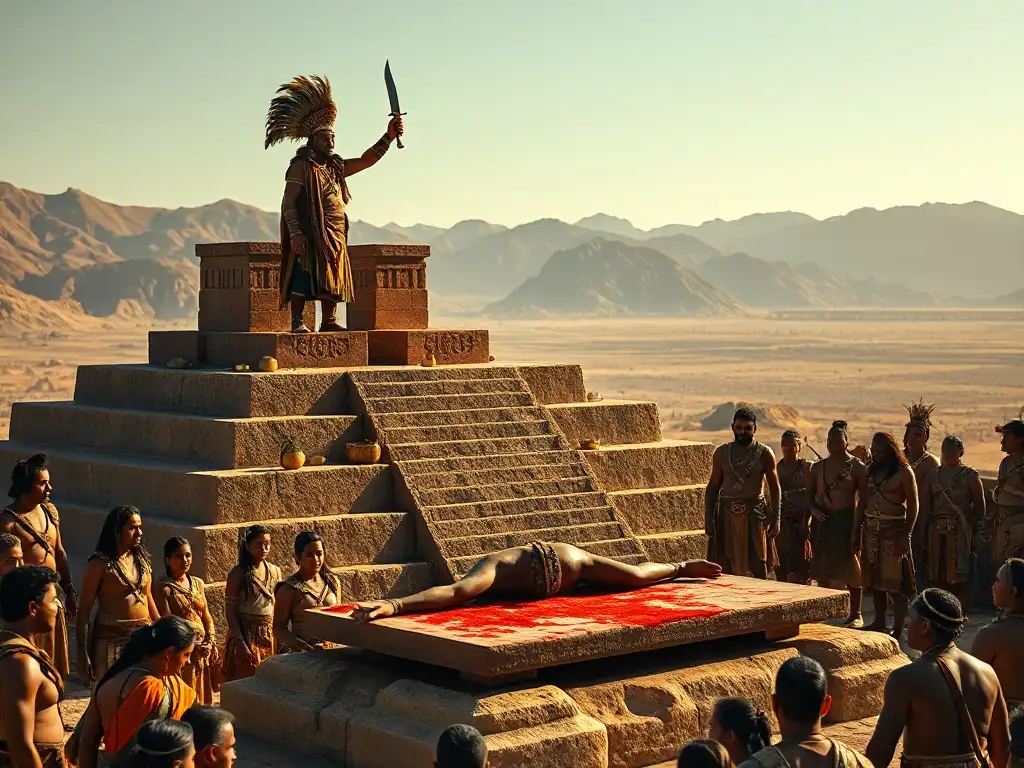
Step into a world lost to time, yet echoing with power and mystery. Imagine the vibrant tapestry of Andean civilization, where the sun-drenched peaks held secrets as profound as the valleys below. This journey into the heart of ancient Andean cultures begins with a chilling exploration of Moche warrior priest rituals, revealing a complex society where power, sacrifice, and the divine were intricately intertwined. Dare to uncover the truth behind their enigmatic rituals— your exploration starts now.
The Moche civilization, flourishing along the northern coast of Peru from approximately 100 CE to 800 CE, left behind a remarkable legacy of intricate artistry, sophisticated engineering, and a deeply complex religious system. Central to their worldview were the Moche warrior priests, individuals who wielded immense power, combining military authority with religious leadership.
This article delves into the fascinating world of Moche warrior priest rituals, exploring their role in maintaining social order, securing agricultural prosperity, and ultimately, ensuring the continued well-being of the Moche state. We will examine the evidence from archaeological discoveries, analyzing the iconography present in their stunning ceramics and monumental architecture to understand the significance of these rituals in the context of Moche society and the beliefs that shaped their lives.
Understanding these rituals provides crucial insight into the power dynamics, societal structures, and spiritual beliefs that defined the Moche civilization and its enduring impact on Andean history. The intricate interplay of warfare, religion, and political power, as depicted in Moche art and evidenced by archaeological findings, offers a unique glimpse into a fascinating and complex ancient society.
The Iconography of Power: Depicting Warrior Priests in Moche Art
Moche pottery provides an unparalleled window into the daily life and religious practices of the civilization. Elaborate ceramic vessels frequently depict scenes of ritual ceremonies, battles, and human sacrifice, offering invaluable insights into the role of the warrior priests. These depictions consistently showcase the warrior priests adorned with elaborate headdresses, ornate jewelry, and weaponry, clearly indicating their high status and military prowess.
The imagery often portrays them leading armies, performing sacrifices, or presiding over important ceremonies, reinforcing their dual role as both religious and military leaders. The detail and artistry of these ceramic pieces are striking, highlighting the significance placed upon these individuals and the rituals they conducted. For example, the frequent depiction of warrior priests wielding ceremonial weapons alongside depictions of captive individuals provides clear evidence of the interconnectedness of warfare and religious practice within Moche society.
The sheer number of these depictions underscores their importance within the Moche worldview. Furthermore, the consistent stylistic choices in portraying warrior priests – specific headdresses, weaponry, and postures – suggest a standardized and codified representation of their power and authority.
Ritual Sacrifice: A Cornerstone of Moche Religion and Power
Evidence strongly suggests that human sacrifice played a significant role in Moche warrior priest rituals. Archaeological excavations have unearthed numerous burial sites containing the remains of individuals sacrificed in various ways. These sacrifices were not random acts of violence; rather, they were carefully orchestrated events, often involving elaborate preparations and specific rituals.
The victims, sometimes adorned with jewelry and other grave goods, were likely chosen based on their social status or their perceived ability to appease the gods. The sheer scale of some of these sacrifices, as evidenced by the discovery of mass graves, underscores their importance within the Moche religious system. The Moche believed that these sacrifices were vital for ensuring agricultural fertility, military success, and the overall well-being of the society.
The warrior priests, as intermediaries between the earthly and spiritual realms, played a crucial role in conducting these rituals, further solidifying their power and influence within the Moche state. Analyzing the context of these sacrifices, including the placement of the bodies and accompanying artifacts, provides further insight into the complex religious beliefs and practices of the Moche. The specific ritualistic aspects of these sacrifices, while still under investigation, point to a highly structured and ritualized system of belief.
The Relationship Between Warfare and Religious Rituals
The Moche warrior priests were not simply religious leaders; they were also skilled military commanders. The close relationship between warfare and religious rituals is evident in the iconography of Moche art, where scenes of battle are frequently intertwined with religious ceremonies. This suggests that warfare was not merely a political or economic endeavor, but also a deeply religious act, intended to appease the gods and ensure the prosperity of the Moche state.
Victories in battle were likely seen as divine blessings, strengthening the authority of the warrior priests and reinforcing their role as intermediaries between the human and spiritual worlds. The captured warriors and spoils of war may have been offered as sacrifices, further highlighting the connection between military success and religious practice. The frequency with which these themes appear in Moche art, particularly in their elaborate ceramic vessels, reinforces the central role of warfare in their religious system.
Analyzing the specific battle scenes depicted alongside ritualistic elements provides further evidence for this interwoven relationship between warfare and religious practice. The Moche warrior-priest's dual role highlights the strong centralized power structure of the Moche state.
The Legacy of Moche Warrior Priest Rituals
The rituals and beliefs of the Moche warrior priests left a lasting impact on subsequent Andean cultures. The complex interplay of warfare, religion, and power that characterized the Moche state influenced the development of later Andean civilizations, including the Inca.
While the specific details of Moche rituals may have evolved, the fundamental concepts of a powerful priestly class, the importance of human sacrifice, and the close connection between warfare and religion continued to resonate throughout Andean history. The study of Moche warrior priest rituals, therefore, offers invaluable insights not only into Moche society but also into the broader context of Andean religious and political development.
Further research and analysis of Moche archaeological sites and artifacts continue to shed new light on these complex rituals and their enduring influence. The ongoing discoveries constantly refine our understanding of the Moche civilization and the significance of their warrior priests within their society and beyond.
- The Iconography of Power: Depicting Warrior Priests in Moche Art
- Ritual Sacrifice: A Cornerstone of Moche Religion and Power
- The Relationship Between Warfare and Religious Rituals
- The Legacy of Moche Warrior Priest Rituals
Understanding Moche Society and the Role of Warrior Priests
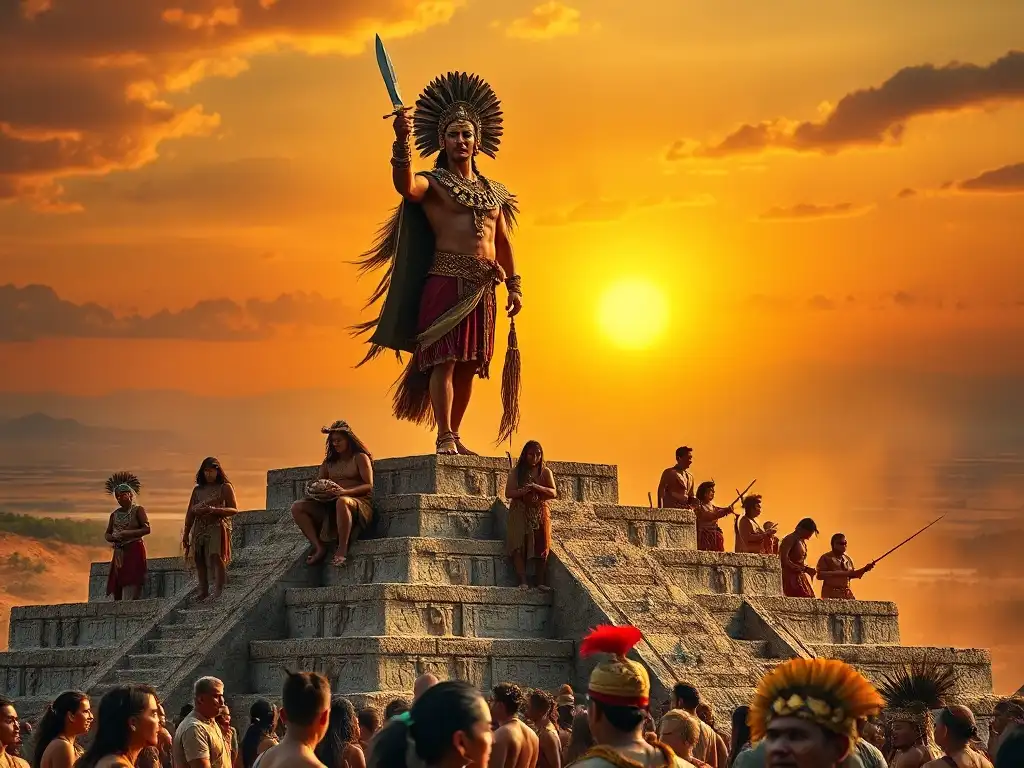
This section delves into the fascinating world of the Moche warrior priests, exploring their unique position within Moche society and their significant influence on the civilization's religious and political landscape. We'll examine their dual roles, the intricacies of Moche social hierarchy, and the evidence supporting their powerful influence. Understanding the context of Moche culture is crucial to appreciating the complexity of these figures and their impact on Moche warrior priest rituals.
The Moche Civilization: An Overview of Culture and Society
The Moche civilization (c. 100-800 CE) flourished along the northern coast of Peru, known for its sophisticated irrigation systems, remarkable artistry, and complex social structure. Their mastery of agriculture allowed for population growth and the development of large urban centers. Moche society was highly stratified, with a clear hierarchy evident in their monumental architecture, elaborate burial practices, and the iconography depicted in their pottery.
This stratification likely played a crucial role in the power wielded by the warrior priests. Their impressive achievements in metallurgy, ceramics, and textile production also highlight the advanced level of their technological and artistic capabilities. The Moche's deeply rooted religious beliefs permeated every aspect of daily life, from agriculture to warfare, profoundly shaping their social and political organization.
Evidence suggests a strong emphasis on ancestor veneration and a complex pantheon of deities, reflected in the intricate imagery found on their artifacts. The Moche's sophisticated understanding of astronomy and their precise calendar systems further underscore their advanced societal development. This intricate societal structure provided the fertile ground for the rise of powerful figures like the warrior priests.
Moche warrior priests occupied a unique position, simultaneously wielding both military and religious authority. Archaeological evidence, particularly the elaborate tombs and grave goods associated with these individuals, strongly suggests their high status and significant power. Many depictions in Moche art show figures adorned with both military regalia and religious symbols, directly illustrating this dual role. These individuals didn't simply lead armies; they were considered intermediaries between the human and divine realms.
Their military prowess was essential for maintaining control over resources and expanding Moche territory, while their religious authority was vital for legitimizing their power and ensuring societal cohesion. This powerful combination allowed them to control both the material and spiritual aspects of Moche society, solidifying their influence and shaping the religious practices and beliefs of the civilization. The intricate Moche warrior priest rituals likely served to reinforce this dual authority and strengthen their connection to the divine.
The Moche social hierarchy was steep, with the elite occupying the apex. At the top stood the warrior priests, followed by other nobles, artisans, and farmers. This hierarchy is clearly reflected in the size and complexity of their burials. The elaborate tombs of warrior priests, often filled with lavish grave goods, such as gold ornaments, elaborate textiles, and finely crafted pottery, stand in stark contrast to the simpler burials of commoners.
These differences underline the vast disparities in wealth and power within Moche society. The warrior priests' control over resources, particularly agricultural surplus, likely contributed to their high standing. Their ability to manage irrigation systems, essential for the Moche economy, further solidified their power.
The combination of military might and religious authority allowed them to command resources and labor, ensuring their continued dominance within the Moche social structure. The detailed analysis of Moche burial sites provides crucial insights into the social stratification and the elevated position of the warrior priests within this complex society. Understanding this hierarchy is fundamental to grasping the significance of Moche warrior priest rituals and their role in maintaining social order.
Moche Warrior Priest Rituals: Key Practices and Beliefs
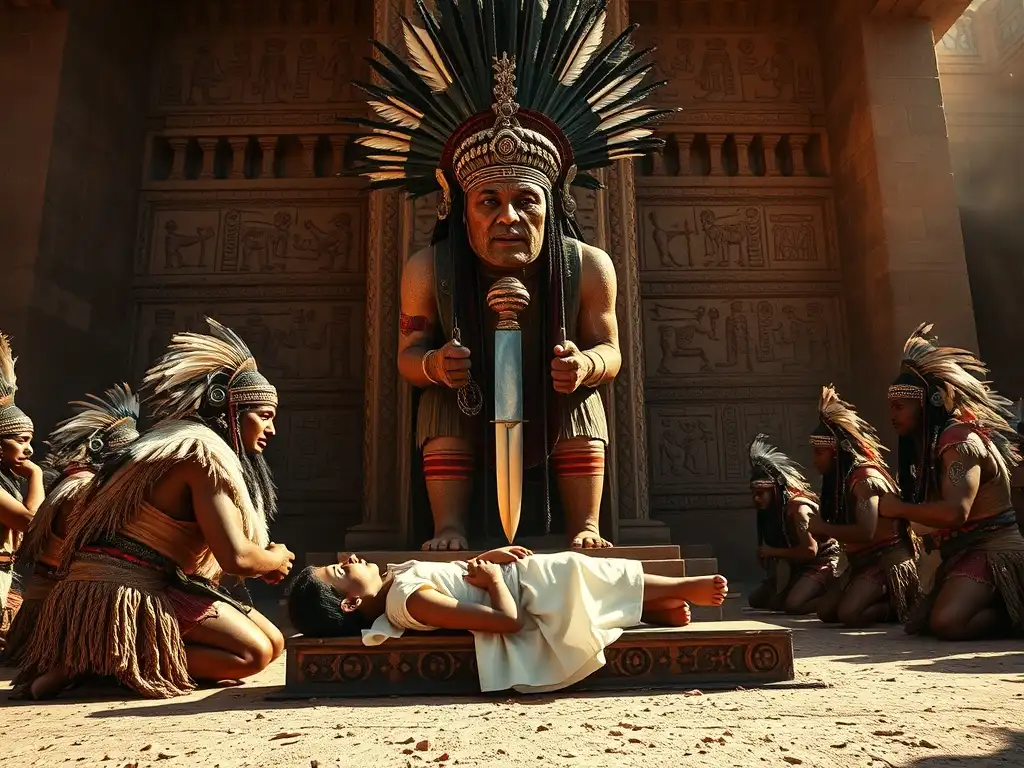
The Moche civilization (c. 100 – 800 CE) of northern Peru is renowned for its sophisticated artistry, intricate irrigation systems, and complex social structures. Central to their society were the warrior priests, powerful figures who wielded both religious and political authority. Understanding their rituals is crucial to comprehending the Moche worldview and the dynamics of their power.
The term "Moche warrior priest rituals" encompasses a range of practices, all interwoven with beliefs about fertility, warfare, and the supernatural. These rituals weren't merely symbolic; they were deeply ingrained in the fabric of Moche life, shaping their social order and influencing their artistic expressions. The evidence suggests a highly structured religious system, with elaborate ceremonies performed by specialized individuals within a hierarchical society.
Blood Sacrifice: A Central Element in Moche Rituals
Blood sacrifice formed a cornerstone of Moche warrior priest rituals. Evidence from numerous archaeological sites, particularly those associated with elite burials and ceremonial centers, strongly indicates the prevalence of human sacrifice. While the precise details of each ritual remain somewhat obscured by the passage of time, the Moche's artistic depictions provide invaluable insights. Pottery and metalwork frequently portray scenes of sacrifice, often involving the spilling of blood, sometimes from the heart or throat of the victim.
These depictions often feature warrior priests overseeing the ceremony, emphasizing their central role in these often brutal events. The sacrificed individuals, often adorned with elaborate jewelry and finery, sometimes appear to be willingly participating, suggesting a level of social control or religious indoctrination. Anthropological studies suggest that these sacrifices were not random acts of violence but rather carefully orchestrated events with specific religious significance, possibly aimed at appeasing deities, ensuring successful harvests, or bolstering the power of the ruling elite.
The sheer scale of some of the discovered sacrificial sites underscores the importance of human sacrifice within the Moche belief system. Analysis of skeletal remains further supports the conclusions drawn from artistic representations, providing a more complete picture of these rituals. The frequency and scale of these sacrifices point to a deeply entrenched belief in the power of blood and the necessity of these acts to maintain cosmic balance and societal order.
Depictions of Ritual Combat in Moche Art
Moche art frequently showcases scenes of ritual combat, often intertwined with themes of sacrifice and religious ceremony. Elaborate ceramic vessels and gold artifacts depict warriors engaged in stylized battles, sometimes with supernatural elements incorporated into the narrative. These depictions are not merely representations of warfare; they likely represent ritualized combat, a ceremonial reenactment of conflict with symbolic meaning.
The warriors depicted often wear elaborate headdresses and ceremonial attire, clearly distinguishing them from ordinary soldiers. These scenes frequently feature warrior priests acting as judges or referees, underscoring their authority and control over both secular and sacred spheres. Some scholars suggest that these ritual combats were a way to test the strength and devotion of individuals, potentially selecting those worthy of sacrifice or elevation to higher social standing.
The precision and detail of the artistic representations suggest a careful choreography of events, with a profound understanding of the symbolic significance of each action. The use of different colors and iconography further enhances the narrative complexity of these scenes, highlighting the intricate relationship between ritual combat, sacrifice, and the Moche warrior priests' religious authority. The prevalence of these depictions across various media – pottery, metalwork, textiles (where surviving examples exist) – highlights the centrality of ritual combat within the broader context of Moche culture and religion.
The Significance of Huaca de la Luna and Huaca del Sol
The monumental adobe pyramids of Huaca de la Luna and Huaca del Sol stand as powerful testaments to the Moche civilization and the importance of warrior priest rituals. These structures, situated close to each other, are believed to have served as both ceremonial centers and administrative hubs. Huaca de la Luna, in particular, has yielded significant evidence of ritual activity, including numerous human remains, suggesting that it served as a site for major sacrificial events. The intricate murals found within Huaca de la Luna depict scenes of ritual sacrifice, warfare, and other ceremonial activities, providing a visual record of the beliefs and practices of the Moche warrior priests.
Analysis of the architectural features of both Huacas suggests a highly planned and organized construction process, implying a centralized authority capable of mobilizing significant resources for these massive projects. The scale of these structures underscores the power and influence of the warrior priests, who controlled both the labor force and the resources needed to undertake such monumental undertakings. The strategic placement of Huaca de la Luna and Huaca del Sol also suggests their importance within the broader Moche landscape.
Their proximity to agricultural lands and other important settlements underlines their role in managing both religious and secular aspects of Moche society. The ongoing archaeological investigations at these sites continue to provide new insights into the complexity and significance of Moche warrior priest rituals. The sheer magnitude of these structures serves as a powerful visual reminder of the central role of religion and the power wielded by the Moche warrior priests.
Decoding the Iconography of Moche Warrior Priests
The iconography associated with Moche warrior priests is rich and complex, offering valuable insights into their roles, beliefs, and societal influence. Depictions on ceramics, textiles, and metalwork consistently show these figures adorned with elaborate headdresses, often featuring feline features, signifying their connection to the supernatural and their power derived from it.
These headdresses are not merely decorative; they represent specific deities or ancestral spirits, embodying the priest's authority and mediating between the human and divine realms. The intricate detail in these representations, from the carefully rendered feathers to the symbolic markings, speaks to the profound reverence afforded to these individuals.
Furthermore, the warrior priests are frequently shown wielding weapons, such as spears and macanas (clubs), emphasizing their military prowess and their role in protecting the community. This combination of religious authority and military strength highlights the unique power structure of Moche society, where spiritual leadership was intricately interwoven with the capacity for warfare and defense.
The depiction of warriors alongside sacrificial scenes further reinforces this connection, suggesting that the priests' religious authority extended to overseeing and perhaps even participating in these rituals. The presence of specific symbols, such as stylized serpents or jaguars, alongside the warrior priests, adds another layer of meaning, potentially alluding to specific cults or deities associated with these powerful figures.
Analysis of Moche iconography requires careful consideration of the context in which these images appear. The placement of a warrior priest figure on a particular ceramic vessel, for example, may indicate the intended use of that object within a ritual context.
Similarly, the combination of symbols and figures within a single scene can provide crucial clues about the narrative being conveyed. Scholars continue to debate the precise meaning of certain symbols and their relationship to specific rituals, highlighting the ongoing need for interdisciplinary research involving archaeology, art history, and anthropology to fully understand the nuances of Moche iconography and its significance within the broader cultural context.
The ongoing study of these visual representations remains crucial for a deeper understanding of Moche warrior priest rituals and the beliefs that underpinned them. New discoveries and advanced analytical techniques continue to refine our interpretations, adding to the complexity and fascination of this ancient civilization's artistic and religious expressions.
Power Dynamics: How Warrior Priests Exercised Control
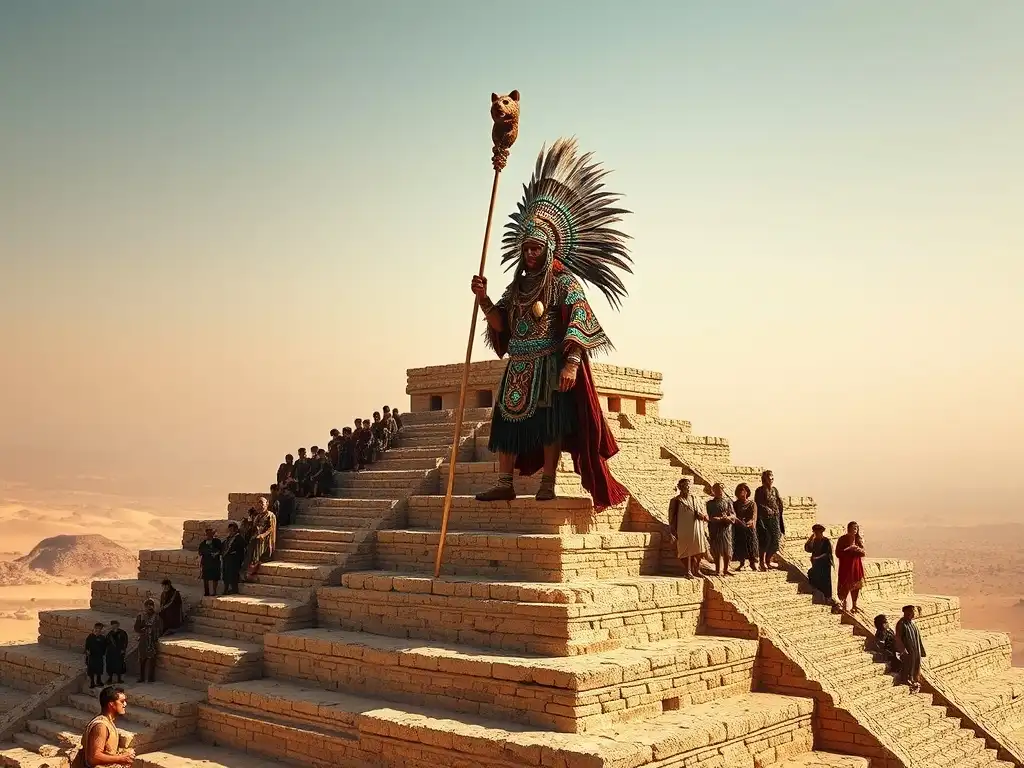
The Moche warrior priests weren't merely religious figures; they were the apex of a complex power structure, wielding influence over both the spiritual and temporal realms. Their authority wasn't solely based on religious dogma; rather, it stemmed from a sophisticated interplay of political maneuvering, military prowess, and the carefully cultivated perception of divine legitimacy. Understanding the Moche warrior priest rituals is crucial to understanding their extensive control.
Their power was multifaceted, permeating every aspect of Moche society, from agricultural practices to warfare and social hierarchy. The effectiveness of their control was largely due to the seamless integration of religious and secular authority.
The Political Influence of Moche Religious Leaders
Moche religious leaders, often depicted in elaborate ceramics and monumental architecture as powerful figures adorned with regalia and weaponry, held significant political sway. Their pronouncements carried immense weight, influencing decisions on everything from resource allocation to the construction of monumental projects like the Huaca del Sol and Huaca de la Luna. Evidence suggests that these priests directly participated in political decision-making, advising rulers and potentially even holding ultimate authority in certain instances.
The close relationship between religious and political structures is evident in the iconography found at Moche sites, where priestly figures are often shown alongside rulers, engaged in activities suggesting shared power and influence. Further research into the intricate social organization of the Moche is needed to fully grasp the extent of their political control. For example, [specific information pending] on the internal governance structures of Moche settlements could clarify the exact nature of priest-ruler interactions.
Military Leadership and the Expansion of Moche Territory
The Moche warrior priests weren't merely symbolic figures; many actively led Moche armies in campaigns of conquest and expansion. Their military leadership wasn't solely based on religious authority; they likely possessed considerable tactical and strategic skills, demonstrated by the effective military organization evident in Moche iconography. The depiction of battle scenes on Moche pottery and metalwork shows highly disciplined troops, suggesting a well-trained and organized military force under the command of skilled leaders, likely including warrior priests.
The expansion of Moche territory, evidenced by the reach of their artistic style and material culture, strongly suggests the effectiveness of their military campaigns, which likely involved the mobilization and control of significant human resources. The success of these military endeavors further solidified the power and prestige of the warrior priests, reinforcing their already significant influence within Moche society.
Analyzing the logistics and strategies employed during these military campaigns is crucial to understanding the full extent of the warrior priests’ military power. [Data on the size and composition of Moche armies is needed] for a more complete picture.
Beyond political influence and military leadership, Moche warrior priests played a crucial role in maintaining social order. Their religious authority provided a framework for social control, reinforcing existing hierarchies and norms. Rituals and ceremonies, often depicted in vivid detail on Moche artifacts, served not only religious purposes but also as powerful tools for social control, reinforcing the power of the ruling elite and maintaining social cohesion.
The elaborate rituals, including those involving human sacrifice, likely served to instill fear and reverence in the populace, bolstering the priest's authority and ensuring compliance. Furthermore, the priests likely acted as mediators in disputes, utilizing their religious authority to resolve conflicts and maintain social harmony. The intricate system of beliefs and practices surrounding Moche warrior priest rituals contributed significantly to the stability and longevity of Moche society.
Further research into the specifics of Moche social structures and legal systems is needed to completely understand the extent of the priests' role in dispute resolution and social governance. [Specific examples of Moche legal codes or dispute resolution mechanisms are currently lacking]. The detailed study of Moche iconography, coupled with further archaeological investigations, is crucial to unlocking more secrets about the power and influence of these fascinating figures.
Sacrifice: Exploring the Motives and Methods
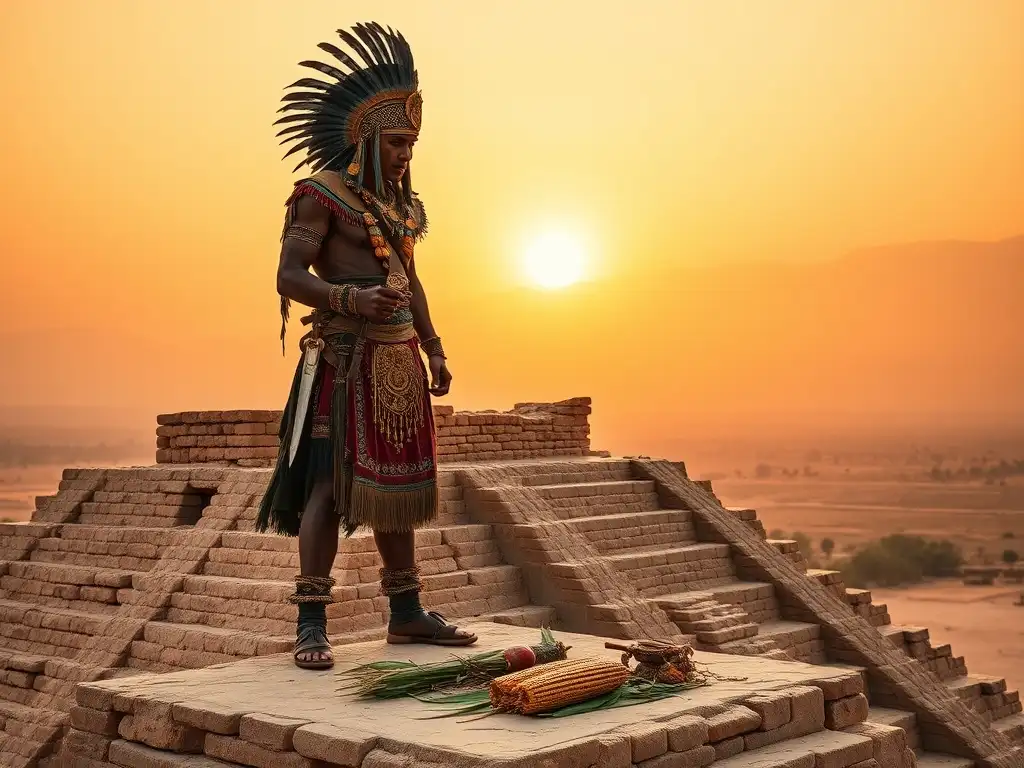
The Moche civilization, renowned for its sophisticated artistry and complex social structures, practiced ritual sacrifice on a significant scale. Understanding Moche warrior priest rituals necessitates a deep dive into their sacrificial practices, which were deeply intertwined with their religious beliefs, political power, and agricultural cycles. While the exact motivations remain a subject of ongoing scholarly debate, several key themes emerge from archaeological evidence.
The Moche didn't view sacrifice as a simple act of violence; rather, it was a complex ritual act imbued with profound symbolic meaning, crucial for maintaining cosmic balance and ensuring the prosperity of their society. The frequency and scale of these sacrifices suggest their importance within the Moche worldview. Analyzing the methods employed, the types of offerings, and the contexts in which sacrifices occurred provides crucial insights into the Moche's social and religious organization.
It allows us to glimpse the power dynamics between the warrior priests and the wider population and to understand how these rituals reinforced their authority. The sheer number of sacrificed individuals, often depicted in graphic detail in Moche pottery, underscores the integral role sacrifice played in their culture.
Human Sacrifice: Ritual Context and Purpose
Human sacrifice within Moche society was not a random act but a carefully orchestrated ritual, often tied to specific events or times of year. Archaeological excavations reveal evidence of mass burials containing multiple individuals, sometimes arranged in specific patterns. These individuals, often identified as captives or high-ranking members of society, were frequently adorned with elaborate jewelry and other grave goods, suggesting a deliberate and ritualistic preparation for death. The purpose of these sacrifices is complex and multifaceted.
Some scholars believe that human sacrifice was performed to appease the gods, ensuring good harvests and rainfall, essential for the survival of the Moche agricultural economy. Others suggest that it served to maintain the power of the elite warrior priests by showcasing their control over life and death. The depiction of human sacrifice in Moche iconography, particularly on pottery, supports the notion that these events were not clandestine acts but were publicly acknowledged and possibly even celebrated aspects of Moche society. The sheer detail and artistry evident in these depictions suggest a profound religious significance.
The meticulous arrangement of the bodies and grave goods within the burial sites further underscores the ritualistic nature of these sacrifices. Furthermore, the selection of specific individuals – captives of war, high-ranking officials, or perhaps even volunteers – speaks volumes about the complex social dynamics and power structures of the Moche civilization. Analyzing the skeletal remains of the sacrificed individuals can offer further insights into their age, health, and social status before their deaths. This detailed analysis can help us better contextualize the sacrificial practices within the broader Moche society.
The Significance of Captives in Moche Sacrificial Rites
Captives of war played a significant role in Moche sacrificial rites. These individuals, often depicted in Moche art as bound and subjected to ritual violence, were not simply victims but integral components of the sacrificial rituals themselves. Their presence suggests a connection between warfare, religious practice, and the consolidation of power. The capture and subsequent sacrifice of enemy combatants could have served multiple purposes.
It could have been a demonstration of military prowess and the assertion of dominance over conquered territories. It might have also been a ritualistic offering to the gods, a symbolic act of subjugation and control. The treatment of captives before, during, and after sacrifice, as seen through archaeological evidence and artistic representations, highlights the complex social and religious implications of this practice. The inclusion of captives in sacrificial rituals may have been intended to reinforce the power of the warrior priests and strengthen social cohesion within the Moche society.
The ritual killing of captives could have been seen as a way to solidify the boundaries between the Moche and their enemies, both physically and spiritually. Further research into the treatment and social standing of these captives in Moche society is necessary to fully understand their role in these rituals. The specific rituals surrounding their sacrifice, and the subsequent treatment of their remains, would provide valuable insights into the Moche worldview and social structure.
Understanding the Moche Worldview through Sacrifice
The prevalence and nature of Moche sacrifice offer invaluable insights into their worldview. It’s clear that the Moche didn't view life and death in the same way as many other cultures. Their rituals, as illustrated through their art and archaeological findings, reveal a belief system where the boundaries between the living and the dead were fluid, and where sacrifice played a vital role in maintaining cosmic balance and ensuring societal prosperity.
The elaborate preparations for sacrifice, the careful selection of victims, and the meticulous burial practices all point to a deeply ingrained religious belief system that permeated every aspect of Moche life. The Moche worldview, as reflected in their sacrificial practices, was likely a complex interplay of religious beliefs, political power, and social structures. Further research is needed to fully understand the nuances of this worldview and the role of sacrifice in shaping Moche society.
Analyzing the iconography associated with sacrifice, along with the archaeological evidence from sacrificial sites, is crucial for unravelling the complex tapestry of Moche religious beliefs and social structures. The Moche warrior priest rituals, centered around sacrifice, were not merely acts of violence but profound religious and political statements reflecting a unique and complex understanding of the world. By studying these rituals, we gain a deeper appreciation for the sophistication and complexity of this remarkable Andean civilization.
The Legacy of the Moche Warrior Priests
Influence on Later Andean Civilizations
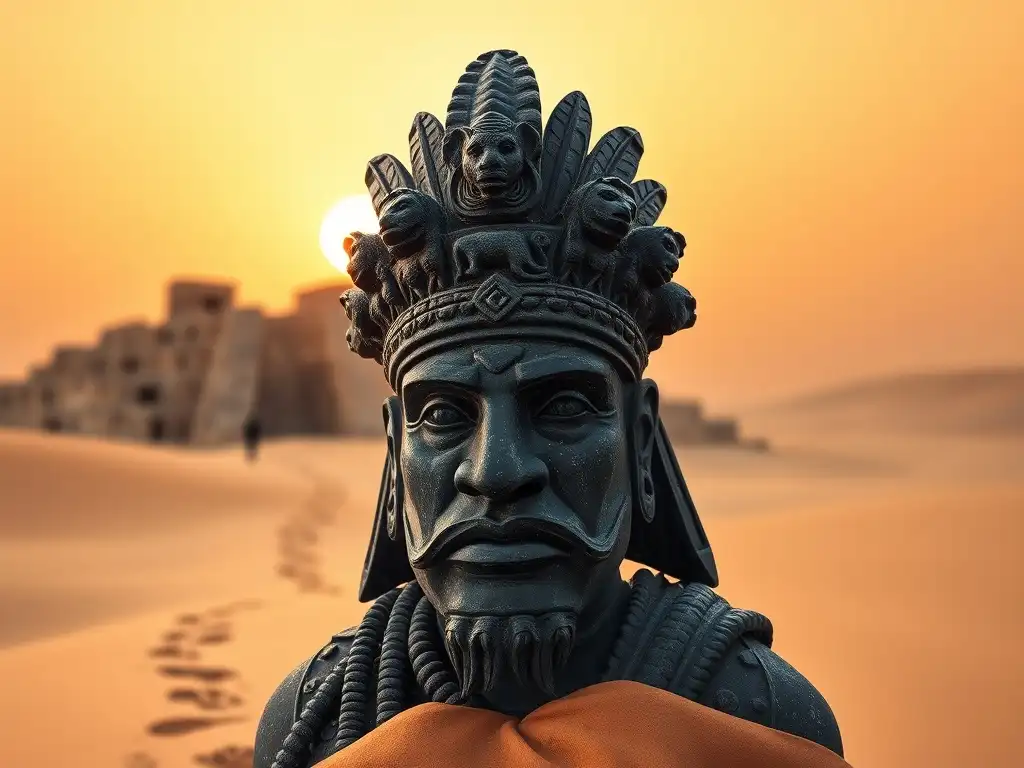
The Moche warrior-priest class, with its unique blend of religious authority and military prowess, left an undeniable mark on subsequent Andean civilizations. Their sophisticated religious practices, particularly those involving human sacrifice and elaborate funerary rituals, seem to have influenced the development of similar practices in later cultures. While the exact nature of the transmission is debated, certain parallels are striking.
For example, the elaborate tomb complexes of the Moche, often containing rich grave goods and evidence of human sacrifice, find echoes in the later Chimú and Inca burial practices, albeit with variations in style and scale. The emphasis on ancestor veneration and the use of ritual objects to maintain a connection with the divine world are common threads weaving through these Andean cultures. The Moche warrior-priest's role as a powerful intermediary between the earthly and spiritual realms likely served as a model for similar figures in later Andean societies.
This influence can be seen not just in ritual practices but also in the hierarchical social structures and the symbolic importance given to military leaders and religious elites. The Moche's sophisticated metalworking techniques, often associated with their religious iconography, also directly influenced the development of metallurgy in later Andean societies.
Modern Interpretations of Moche Ritual Practices
Modern interpretations of Moche warrior-priest rituals move beyond simplistic notions of brutality and savagery. Scholars now recognize the complexity and ritual significance embedded within these practices. The human sacrifices, for instance, are increasingly understood not merely as acts of violence but as integral components of a sophisticated religious system aimed at ensuring agricultural fertility, appeasing deities, and maintaining cosmic balance.
Analysis of skeletal remains and the context of the burials reveal that sacrifices were often accompanied by elaborate ceremonies, suggesting a highly structured and symbolic process. Furthermore, recent research suggests that some sacrifices might have involved voluntary participation, indicating a complex relationship between the sacrificed individuals and the ruling elite. The iconography found on Moche pottery, textiles, and metalwork provides crucial insights into these rituals, depicting scenes of sacrifice, warfare, and religious ceremonies with remarkable detail.
These depictions, when analyzed alongside archaeological evidence, allow for a richer understanding of the beliefs and practices of the Moche warrior-priests. The use of hallucinogenic plants in rituals, as evidenced by archaeological findings, adds another layer to the interpretation of their religious worldview and the experiences of participants.
Research into Moche warrior-priests continues to yield exciting new discoveries. Advances in techniques like DNA analysis, isotopic studies, and 3D imaging are providing unprecedented insights into the lives, diets, and social status of these individuals. The ongoing excavation of Moche sites, particularly those containing elite burials, is constantly revealing new artifacts and contextual information that sheds light on their rituals and beliefs.
For example, recent discoveries have uncovered previously unknown types of ritual objects, providing new perspectives on the symbolism and meaning behind Moche religious practices. Furthermore, the application of advanced imaging technologies is enabling researchers to reconstruct damaged artifacts and better understand the craftsmanship and artistic techniques employed by the Moche. The collaboration between archaeologists, anthropologists, and other specialists is crucial for interpreting these findings within a broader cultural and historical context, leading to a more nuanced understanding of the role and significance of the Moche warrior-priests in Andean history.
The ongoing study of Moche iconography and its potential links to other Andean cultures is also a promising area of research, providing further insights into the legacy of these powerful figures. The field of Moche studies remains dynamic, promising even more revelations in the years to come. This ongoing research is vital to expand our understanding of "Moche warrior priest rituals".
The Lord of Sipán: A Royal Moche Warrior Priest
The Lord of Sipán stands as a pivotal figure in understanding Moche warrior priest rituals. His discovery revolutionized our understanding of Moche society, revealing a complex interplay of religious authority, military power, and elaborate funerary practices. The sheer opulence of his tomb, unearthed in 1987, provided unparalleled insights into the life and beliefs of this elite individual and the broader Moche civilization.
The meticulous preservation of his remains and accompanying grave goods offers a rare glimpse into the heart of Moche culture and its intricate social hierarchy. The artifacts recovered paint a vivid picture of a society deeply invested in ritual, where the line between the earthly and spiritual realms was blurred. Analysis of these artifacts, combined with anthropological studies, continues to refine our understanding of Moche warrior priest rituals and their significance in the Moche worldview.
The Discovery and Significance of the Tomb
The accidental discovery of the Lord of Sipán's tomb in Huaca Rajada, Peru, marked a watershed moment in Andean archaeology. The tomb, remarkably intact after centuries, contained the remarkably well-preserved remains of the Moche ruler, adorned with an array of gold and silver ornaments. This discovery shattered previous assumptions about Moche society, revealing a level of sophistication and complexity previously unknown.
The tomb’s rich contents – including elaborate headdresses, ornate jewelry crafted from gold, silver, and precious stones, and finely woven textiles – demonstrated the immense wealth and power concentrated in the hands of the elite. The careful arrangement of the grave goods, reflecting specific Moche beliefs and rituals, suggested a highly structured society with a complex religious system. This find provided irrefutable evidence of the importance placed on ritual sacrifice and the reverence afforded to the warrior priests within the Moche social structure.
The sheer scale of the tomb itself underscores the significance of the Lord of Sipán and his position within the Moche hierarchy. Further research continues to illuminate the intricate details of the burial rituals, adding depth to our understanding of Moche warrior priest rituals.
Artifacts and Insights into Moche Royal Life
The artifacts found within the Lord of Sipán's tomb offer a wealth of information about Moche royal life and the rituals associated with it. The elaborate headdress, for example, was crafted from copper and adorned with feathers, shells, and precious stones, symbolically representing the ruler's power and divine connection. The presence of numerous gold and silver objects, including masks, necklaces, and ear ornaments, highlighted the ruler's access to resources and his elevated social standing.
Furthermore, the discovery of weapons, such as spears and knives, alongside ceremonial items, underscored the warrior-priest's dual role in Moche society. The intricate craftsmanship of the artifacts, requiring advanced metallurgical techniques, points to a highly specialized artisan class serving the elite. The presence of food and drink offerings inside the tomb also suggests ritualistic practices surrounding death and the afterlife, providing further insights into Moche beliefs and rituals.
Detailed analysis of the artifacts, their materials, and their placement within the tomb continues to reveal more about the life and rituals of the Moche warrior priests. The study of these objects provides invaluable data for understanding the complex social and religious structures of the Moche civilization.
Comparison with other Moche elite burials
While the Lord of Sipán's tomb stands out for its exceptional richness, comparing it with other Moche elite burials reveals patterns and variations in Moche funerary practices and the importance of Moche warrior priest rituals. Although other elite burials have yielded impressive grave goods, none match the sheer scale and opulence of the Lord of Sipán's tomb. However, similarities exist in the types of artifacts found, such as gold and silver ornaments, ceremonial objects, and weaponry, suggesting a consistent set of practices across the elite class.
Variations might reflect differences in status, regional customs, or changes in Moche society over time. Further comparative analysis, considering the context of each burial and the specific artifacts found, allows for a nuanced understanding of the social hierarchy and the evolving nature of Moche warrior priest rituals throughout the civilization's history. The ongoing discovery and study of new Moche sites and burials will further enrich our understanding of this fascinating aspect of Andean culture.
This comparative approach is crucial for developing a comprehensive picture of Moche society and the role of the warrior-priests within it. The ongoing research and analysis are vital to understanding the complexities of Moche culture and the evolution of their beliefs and practices.
Frequently Asked Questions
What were Moche warrior-priests?
Moche warrior-priests held significant religious and political power. They were believed to be intermediaries between the gods and the people, leading ceremonies and commanding armies. Their status is evident in their elaborate burials and iconography.
What role did ritual play in Moche society?
Rituals were central to Moche life, reflecting their beliefs and worldview. Elaborate ceremonies, often involving sacrifice and offerings, were performed to ensure agricultural success, appease the gods, and maintain social order. These rituals are depicted in their art.
What evidence exists for Moche warrior-priest rituals?
Archaeological discoveries provide compelling evidence, including elaborate tombs containing sacrificial offerings, such as gold artifacts, textiles, and human remains. Moche pottery and murals vividly depict ritual scenes, providing insights into their practices.
What was the significance of human sacrifice in Moche culture?
Human sacrifice was a key aspect of Moche ritual, perhaps linked to maintaining cosmic balance or appeasing powerful deities. Victims were often carefully selected and ritually prepared, reflecting the importance of the practice within their society.
How did Moche warrior-priest rituals impact their society?
These rituals reinforced the power and authority of the elite, while also shaping social structures and beliefs. They likely played a crucial role in maintaining social order and legitimizing the ruling class through their connection to the supernatural.
Final Reflection: Echoes of Sacrifice, Whispers of Power
The intricate rituals of the Moche warrior-priests, far from being relics of a distant past, offer a chillingly relevant reflection on the enduring human struggle for power and meaning. Their elaborate sacrifices, meticulously documented in their art, serve as a stark reminder of the lengths to which societies will go to appease their gods and solidify their authority. The echoes of these practices resonate even today, in our own complex relationship with power, belief, and the human cost of ambition.
The Moche's legacy extends far beyond their impressive artistry and sophisticated societal structures; it speaks to the fundamental human need to understand the unknown and to control the forces that shape our lives. Their belief system, inextricably linked to the cycles of nature and the power of the warrior-priest class, continues to fascinate and unsettle us. The past is never dead. It's not even past.
– William Faulkner. This quote perfectly encapsulates the enduring relevance of the Moche, whose actions and beliefs continue to shape our understanding of ancient civilizations and the enduring human condition.
Consider the sacrifices you make, both big and small, in pursuit of your own goals and aspirations. Are they driven by genuine need, or by a desire for power and control? The Moche warrior-priests, with their dramatic rituals and potent symbolism, offer a powerful lens through which to examine these questions.
Take a moment to reflect on the choices you make and the impact those choices have on yourself and the world around you. Let the legacy of the Moche inspire you to live a life of purpose, mindful of the consequences of your actions and the enduring power of belief.
Uncover the Secrets of the Moche Warrior Priests!
Thank you for exploring the fascinating world of the Moche warrior priests with us! You've gained insights into their ritualistic power and the profound sacrifices they made for their civilization. Now, let's delve even deeper!
Here are some ways to further your understanding and connection with this extraordinary culture:
- Expand your knowledge: Explore our detailed articles on other Andean civilizations to understand how their rituals and societal structures compare and contrast with those of the Moche.
- Join the discussion: Share your thoughts and discoveries in the comments below or connect with us on social media. Let's learn from each other!
- Get creative: Create artwork inspired by Moche iconography, or design a small ritual to honor these ancient warriors and reflect on their legacy.
What aspect of Moche culture most captivates you, and how do you see its influence resonating in contemporary society?