
The Art of Inca Body Adornment: Tattoos and Piercings

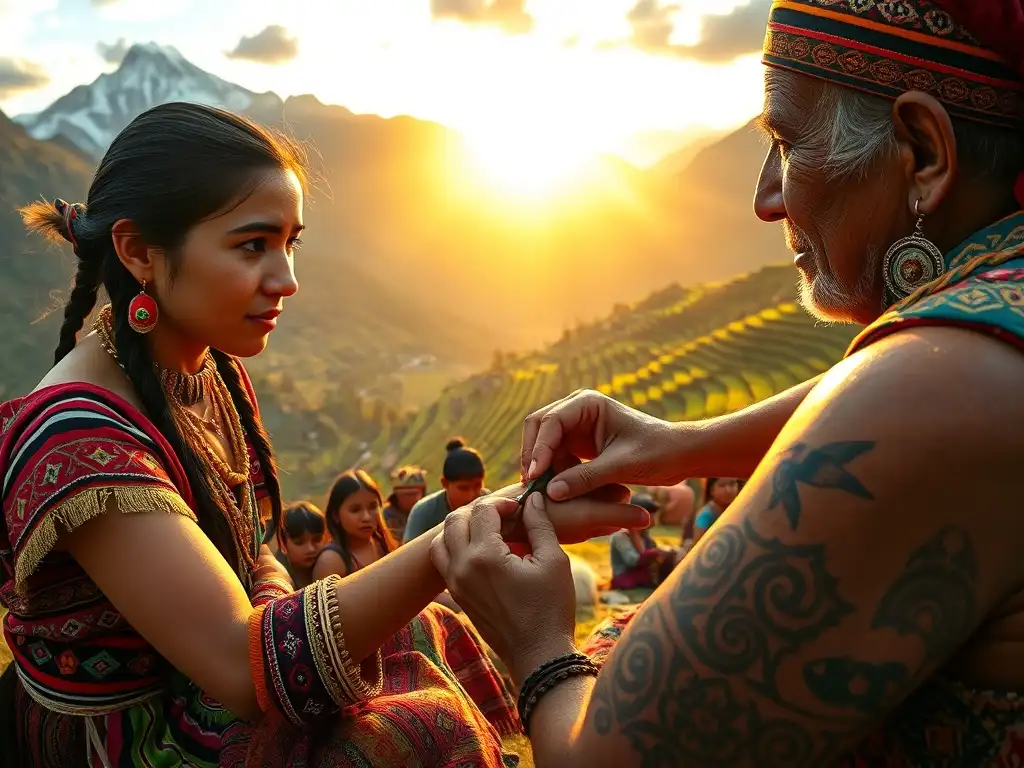
Uncover the secrets whispered on the wind across the Andes! Journey with us into a world of breathtaking artistry and ancient power, where the vibrant legacy of the Inca Empire awaits. Prepare to be captivated by the intricate world of Inca body art tattoos, a powerful expression of identity and spirituality lost to time – until now. Dare to delve deeper into the mysteries of this fascinating civilization and discover the stories etched onto their skin.
- Inca Body Adornment: Exploring Tattoos and Piercings in the Inca Empire
- Tattoos in Inca Culture: Rituals and Social Meaning
- Piercings in Inca Society: Materials, Locations, and Meanings
-
The Art of Inca Body Modification: Beyond Decoration
- Body Art as a Reflection of Inca Beliefs and Cosmology
- The Role of Inca Body Art in Ritual and Ceremony
- Inca Body Adornment and its Connection to Social Hierarchy
- Body Modification as a Form of Personal Expression
- Social Status and Body Art: A Hierarchy of Decoration
- Ritualistic and Spiritual Significance of Body Modification
- Inca Body Art vs. Modern Perspectives on Body Modification
- Conclusion: The Enduring Art of Inca Body Adornment
- Frequently Asked Questions
- Final Reflection: Echoes of the Andes: A Legacy in Ink and Metal
- Unveil Your Creative Spirit Through Inca-Inspired Body Art!
Inca Body Adornment: Exploring Tattoos and Piercings in the Inca Empire
The Inca Empire, a civilization that flourished in the Andes Mountains from the 15th to the 16th century, left behind a rich legacy of art, architecture, and social practices. While their mastery of stonework and intricate textiles is widely celebrated, a fascinating yet often overlooked aspect of Inca culture is their distinctive body adornment.
This article delves into the world of Inca body art, focusing specifically on the practices of tattooing and piercing, exploring their social significance, artistic styles, and the insights they provide into the beliefs and values of this remarkable civilization. We will uncover the symbolism embedded in these practices, examining how they reflected social status, religious beliefs, and individual identity within the complex tapestry of Inca society.
Understanding Inca body art offers a unique window into the vibrant and sophisticated culture that thrived in the heart of the Andes, enriching our comprehension of their worldview and artistic expression. The use of "Inca body art tattoos" as a key element of their cultural identity will be a central theme throughout this exploration.
Introduction to Inca Body Art and Its Significance
Inca body art, encompassing tattoos and piercings, served a multifaceted purpose extending far beyond mere aesthetics. It was an integral component of their social fabric, deeply intertwined with religious beliefs, social status, and individual identity. Unlike many modern interpretations of body modification, Inca body art was not a fleeting trend but a deeply meaningful practice rooted in their cosmology and worldview.
Archaeological evidence, albeit limited due to the perishable nature of many adornments, suggests a complex system of symbolic representation through tattoos and piercings. For example, certain designs might have indicated a person's clan affiliation, occupation, or even their spiritual standing within the community. The meticulous application of tattoos, often using natural pigments derived from plants and minerals, demonstrates a high level of skill and artistic sophistication.
Furthermore, the placement of specific piercings, whether in the ears, nose, or lips, likely held symbolic importance, potentially marking rites of passage or signifying social roles. The study of Inca body art, therefore, offers a compelling avenue for understanding the intricate social dynamics and spiritual beliefs of this ancient civilization. The prevalence of specific "Inca body art tattoos" designs allows researchers to further decode the complexity of their social structures and beliefs.
Tattooing Techniques and Designs in the Inca Empire
While detailed descriptions of Inca tattooing techniques are scarce, evidence from historical accounts and anthropological studies points to the use of rudimentary tools and natural pigments. The process likely involved puncturing the skin with needles or thorns, then carefully inserting pigments into the resulting wounds. These pigments were typically derived from natural sources, such as plants and minerals, offering a range of colors and shades.
The designs themselves varied widely, but often incorporated geometric patterns, stylized animals, and representations of celestial bodies. Unfortunately, the precise meaning of many designs remains a subject of ongoing research and interpretation. However, some recurring motifs, like the representation of snakes or jaguars, suggest associations with deities or powerful natural forces.
The durability and permanence of tattoos likely contributed to their significance as lasting markers of identity and status. The artistry displayed in preserved examples of "Inca body art tattoos" reveals a sophisticated understanding of both technique and symbolic representation.
Piercing practices among the Inca people were equally significant, with the type and placement of piercings often reflecting social standing and religious affiliations. Ear piercing, for instance, was widespread, with individuals often adorning their ears with elaborate ornaments made from precious metals, shells, or feathers. The size and number of ear piercings might have indicated a person's age, status, or achievements.
Nose piercings were also common, sometimes featuring decorative elements similar to those used in ear piercings. Lip piercings, while less common, might have been associated with specific rituals or ceremonies. The selection of materials for these ornaments further underscores the social and symbolic significance of these adornments.
The use of gold, silver, or other precious materials likely indicated high social standing, while simpler materials might have been associated with lower social classes. The detailed analysis of "Inca body art tattoos" alongside piercing practices provides a more comprehensive picture of the social stratification within Inca society.
The Legacy of Inca Body Art in Contemporary Andean Cultures
The legacy of Inca body art continues to resonate in contemporary Andean cultures, albeit in modified forms. While the precise techniques and symbolic meanings may have evolved over time, the tradition of body modification persists. Many contemporary Andean communities still practice forms of tattooing and piercing, often incorporating elements derived from Inca traditions. This continuity reflects the enduring cultural significance of body art within Andean societies.
The study of modern practices provides valuable insights into the evolution and adaptation of Inca artistic traditions. By examining both historical and contemporary examples of "Inca body art tattoos," we can gain a deeper appreciation for the rich tapestry of Andean artistic expression and its enduring relevance. The study of these practices also highlights the importance of cultural preservation and the ongoing relevance of ancient traditions in shaping modern identities.
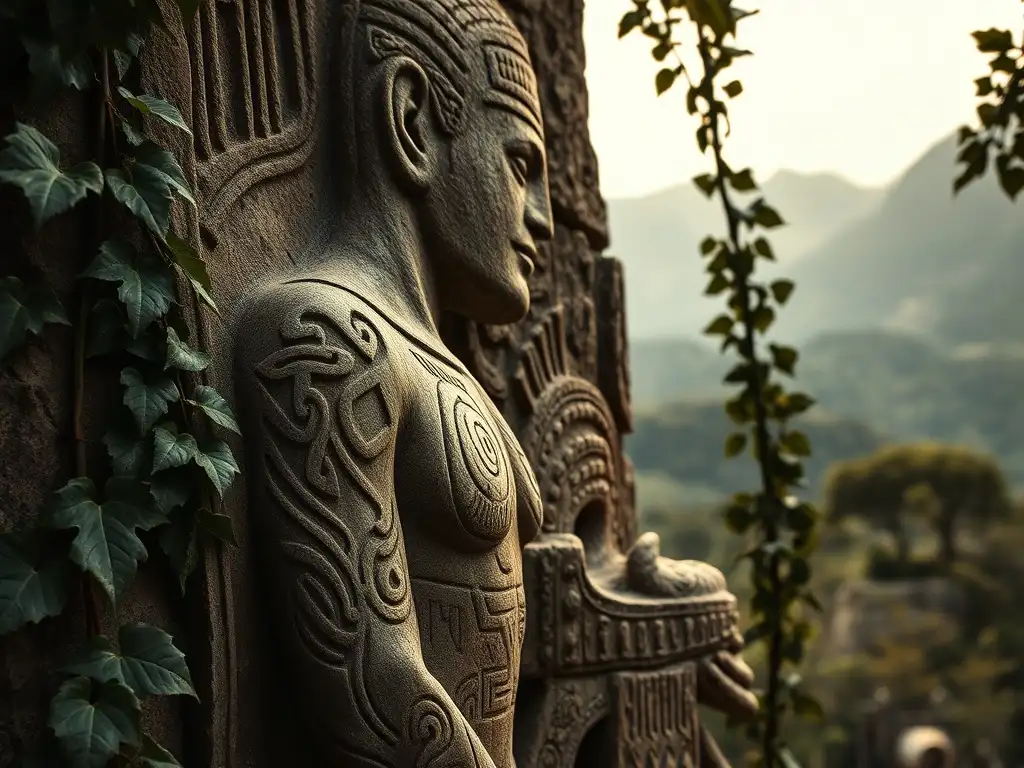
Inca body art, particularly tattoos ( Inca body art tattoos), played a significant role in Andean society, far beyond mere decoration. Tattoos weren't simply aesthetic choices; they were deeply embedded in the Inca worldview, signifying social status, religious affiliation, and even individual identity. Evidence suggests that the practice was not widespread amongst the entire population but rather concentrated among the elite classes and those involved in religious ceremonies. The intricate designs, often requiring years of work to complete, served as powerful visual narratives, revealing much about the wearer's place within the complex social fabric of the Inca Empire. Understanding these markings provides invaluable insight into the beliefs and social structures of this remarkable civilization. The permanence of the tattoos further emphasized their importance, acting as enduring symbols of identity and commitment. Unlike temporary adornments, they were a lifelong statement, reflecting the Inca belief in the continuity of life and the enduring power of their traditions.
The Purpose of Inca Tattoos: Marking Identity and Status
The purpose of Inca tattoos extended beyond simple decoration; they served as powerful markers of identity and status within Inca society. Elite members, such as priests and nobles, often bore elaborate tattoos that showcased their high standing. These intricate designs, often depicting mythical creatures, celestial bodies, and geometric patterns, visually communicated their social standing and connection to the spiritual realm.
Furthermore, the complexity and size of the tattoos could also indicate an individual's level of prestige and influence within their community. For example, larger, more detailed tattoos, requiring extensive time and skill to create, were likely reserved for the most important figures. The location of the tattoo also played a role; tattoos on the face and chest held particular significance, further emphasizing their social status.
Unfortunately, the exact hierarchy of tattoo designs and their specific meanings remain largely undocumented; further research is needed to fully elucidate the nuanced system of social signaling through Inca tattooing. However, existing archaeological evidence strongly suggests a direct correlation between the intricacy and placement of tattoos and an individual’s social standing.
Tattooing Techniques and Materials in the Inca Civilization
The creation of Inca tattoos was a complex process, requiring specialized skills and materials. While precise methods are still debated among scholars, evidence points to the use of needles made from bone or thorns, dipped in natural pigments derived from plants and minerals. These pigments were carefully ground and mixed to achieve the desired colors, often black, dark blue, or reddish-brown.
The process of tattooing was likely arduous, requiring both skill and endurance from the tattooist and the individual being tattooed. The needles would have been repeatedly inserted into the skin, depositing the pigment into the dermis, creating a permanent mark. Pain management techniques, if any, remain largely unknown, although the use of coca leaves for numbing or other ritualistic purposes cannot be ruled out.
The absence of extensive written records makes reconstructing the exact procedures challenging. However, the surviving examples of Inca tattoos showcase a remarkable level of artistic skill and precision, highlighting the expertise of the tattooists and the significance of the practice within Inca culture. Further analysis of archaeological finds, including pigments and tools, is crucial to fully understand the techniques employed.
Symbolic Motifs and Designs in Inca Tattoos
Inca tattoo designs weren't random; they were rich in symbolism, reflecting the Inca cosmology, mythology, and religious beliefs. Common motifs included representations of animals, such as jaguars, condors, and snakes, each possessing specific symbolic meanings within Inca culture. Celestial bodies, such as the sun and moon, also frequently appeared, representing the Inca's deep connection to the cosmos and their reverence for nature.
Geometric patterns, including spirals, zigzags, and stepped designs, likely held intricate meanings related to Inca beliefs and social structures. These designs were not merely decorative; they were imbued with spiritual power and served as visual representations of the wearer's connection to the divine and their place within the community. Unfortunately, the precise interpretation of many motifs remains a subject of ongoing scholarly debate, hindered by the limited documentation and the potential for regional variations in symbolism.
However, ongoing research using anthropological and archaeological methods continues to shed light on the complex and fascinating world of Inca tattoo artistry and its significance. The study of surviving examples, combined with careful analysis of associated artifacts and texts, continues to reveal more about the rich symbolism embedded in these ancient markings.
Inca Tattooing as a Form of Spiritual Expression
Inca tattooing transcended mere body decoration; it served as a profound form of spiritual expression deeply intertwined with their worldview. The act of permanently marking one's skin was not taken lightly. It was a ritualistic process, believed to connect the individual to the ayllu, their community, and the broader spiritual realm.
The designs themselves held significant symbolic meaning, often representing deities, animals with sacred significance (like the condor or puma), or celestial bodies reflecting their intricate understanding of the cosmos. These weren't random designs; each line, each shape, held a specific meaning, passed down through generations within families and clans. The process itself likely involved a shaman or a respected elder, imbuing the act with further spiritual weight.
The pain endured during the tattooing process was seen as a testament to one's commitment to the spiritual world and their place within it. This wasn't simply about aesthetics; it was about forging a deeper connection with the divine and the ancestral spirits.
The choice of tattoo design wasn't arbitrary. Specific designs might denote social status, membership in a particular group, or even a person's role within their community. For example, a warrior might bear tattoos depicting fierce animals or weapons, while a shaman might have designs reflecting their connection to the spirit world.
The placement of the tattoo also carried significance; certain body parts were considered more sacred than others, and the placement of a design could further amplify its meaning. Archaeological evidence, while limited, supports this interpretation, with some mummies exhibiting faint traces of tattoos that suggest complex patterns and purposeful placement. Unfortunately, the fragility of organic materials has resulted in the loss of many potential clues to the specifics of Inca tattooing practices.
Further research is needed to fully unravel the complexities of this significant aspect of Inca culture. However, the existing evidence strongly suggests that Inca tattoos were far more than mere decoration; they were powerful symbols of spiritual identity and social standing.
The longevity of the tattoos further emphasized their enduring spiritual significance. Unlike temporary forms of body art, these permanent markings served as a lifelong reminder of one's spiritual commitments and social identity. They were a testament to the individual's connection to their heritage and their place within the broader Inca cosmology.
The act of creating and wearing these tattoos was a powerful statement of belonging and identity, extending beyond the individual to encompass their family, their community, and their spiritual lineage. This deep connection between body art, spirituality, and social structure highlights the rich tapestry of Inca culture and the intricate ways in which different aspects of their lives were interwoven. The enduring mystery surrounding Inca tattoos only serves to enhance their allure and their significance in understanding the rich spiritual world of this ancient civilization.
Piercings in Inca Society: Materials, Locations, and Meanings
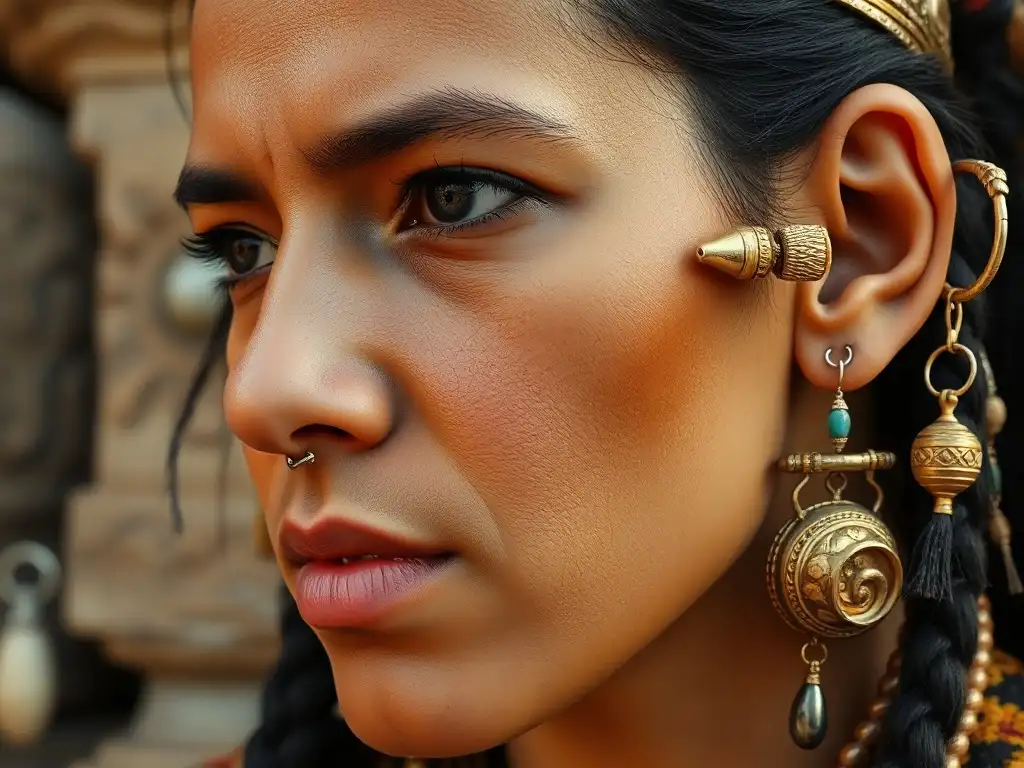
The practice of body piercing held significant cultural and social importance within Inca society. Unlike the more widely discussed Inca tattoos, piercing was not merely decorative; it conveyed social status, spiritual beliefs, and even marital status. Archaeological evidence, primarily from mummified remains and artifacts found in tombs, provides valuable insights into the diverse techniques and symbolic meanings associated with Inca body piercings.
While tattoos and piercings often co-occurred, their individual meanings require separate analysis to fully appreciate the complexity of Inca body modification. This section will delve into the specifics of Inca piercings, focusing on the types, materials, and social implications of this ancient practice. Understanding the subtleties of Inca piercing allows for a deeper understanding of Inca "Inca body art tattoos" and the broader cultural context of body modification within the empire.
Types of Inca Piercings: Ear, Nose, and Lip Ornaments
Inca piercings were predominantly located on the ears, nose, and lips. Ear piercing was the most common, with multiple piercings per earlobe being relatively frequent. The number and placement of piercings often indicated social standing or age. For example, evidence suggests that multiple ear piercings, especially those adorned with large, elaborate ornaments, were more common amongst the elite.
Nose piercings, while less common than ear piercings, were also observed. These were often located in the septum or nostrils, and the ornaments used varied in size and material. Lip piercings, particularly lower lip piercings, appear to have been less prevalent and perhaps associated with specific rituals or ceremonies.
Further research is needed to definitively establish the prevalence and meaning of lip piercings within Inca society. The precise placement of piercings, even within the earlobe, might have held additional symbolic meaning, though this remains an area of ongoing scholarly debate. [Specific examples of piercing placement variations pending].
Materials Used for Inca Piercings: From Bone to Precious Metals
The materials used for Inca piercing ornaments ranged widely, reflecting the social status of the individual and the availability of resources. Common materials included bone, shell, wood, and stone. These simpler materials were likely more prevalent among commoners. However, the elite frequently wore ornaments crafted from precious metals such as gold, silver, and copper.
These were often intricately designed, showcasing sophisticated craftsmanship and the use of advanced metallurgical techniques. The use of precious metals in piercings further emphasized the social hierarchy within Inca society, with the most elaborate and valuable ornaments reserved for the upper classes. Some ornaments incorporated turquoise, lapis lazuli, and other semi-precious stones, highlighting the importance of these materials in Inca culture and their incorporation into various forms of body adornment. The careful selection of materials for piercing ornaments underscores the careful consideration given to even the smallest details of personal appearance within Inca society.
The social significance of piercings within Inca society cannot be overstated. They were not merely decorative; they served as powerful symbols of identity, status, and spiritual beliefs. Piercings, along with other forms of body modification like tattoos, were integral to the social fabric of Inca communities.
The type, number, and location of piercings, as well as the materials used in the ornaments, all contributed to an individual's social standing and identity within the community. Furthermore, piercings may have played a role in ritualistic practices and ceremonies. The use of particular materials or designs might have held specific spiritual significance, connecting the individual to the supernatural realm.
[Further research on the spiritual significance of specific piercing types pending]. The study of Inca piercings provides a fascinating window into the complex social dynamics and belief systems of this remarkable civilization, offering a deeper understanding of the multifaceted nature of Inca "Inca body art tattoos" and related practices. The careful analysis of archaeological evidence allows us to reconstruct, albeit partially, the rich tapestry of meaning embedded within this seemingly simple practice.
Ritual and Ceremonial Piercings in the Inca Empire
Ritual and ceremonial piercings held a significant place within Inca society, far exceeding mere adornment. These piercings weren't simply fashionable choices; they were deeply embedded in Inca religious beliefs and practices, often signifying status, lineage, or connection to the divine. Archaeological evidence suggests that specific piercing locations carried particular symbolic weight. For example, ear piercings, particularly those using elaborate ear spools, were common among the elite, indicating social standing and access to resources. The size and intricacy of the ear ornaments further reinforced this status symbol. Larger, more elaborate spools signified greater wealth and power within the Inca hierarchy.
The materials used in these ritual piercings also carried symbolic meaning. Gold, silver, and precious stones were favored for their association with the sun god, Inti, and the Inca worldview. The use of these materials in piercings underscored the wearer's connection to the divine and their role within the Inca cosmological order. It’s important to note that the use of these precious metals was not ubiquitous; simpler piercings with bone, wood, or shell ornaments were common among the commoners, reflecting their social standing. Even these simpler materials, however, likely held symbolic importance within their respective communities.
Furthermore, the act of piercing itself might have been considered a ritualistic event. Ethnographic parallels from other Andean cultures suggest that piercing ceremonies could involve elaborate rituals, prayers, and offerings to ensure a successful and auspicious outcome. These ceremonies might have been performed by shamans or other religious leaders, further emphasizing the sacred nature of body modification. While we lack detailed written accounts of these ceremonies from the Inca themselves, the careful and deliberate placement of piercings, coupled with the materials used, points towards a highly ritualized process.
Future archaeological discoveries may unearth more detailed insights into these practices, enriching our understanding of Inca beliefs and rituals. The careful consideration of location and materials underscores the symbolic importance of Inca body modification, highlighting its significance beyond mere aesthetics. It represents a complex interplay of social status, religious belief, and cosmological understanding.
The Art of Inca Body Modification: Beyond Decoration
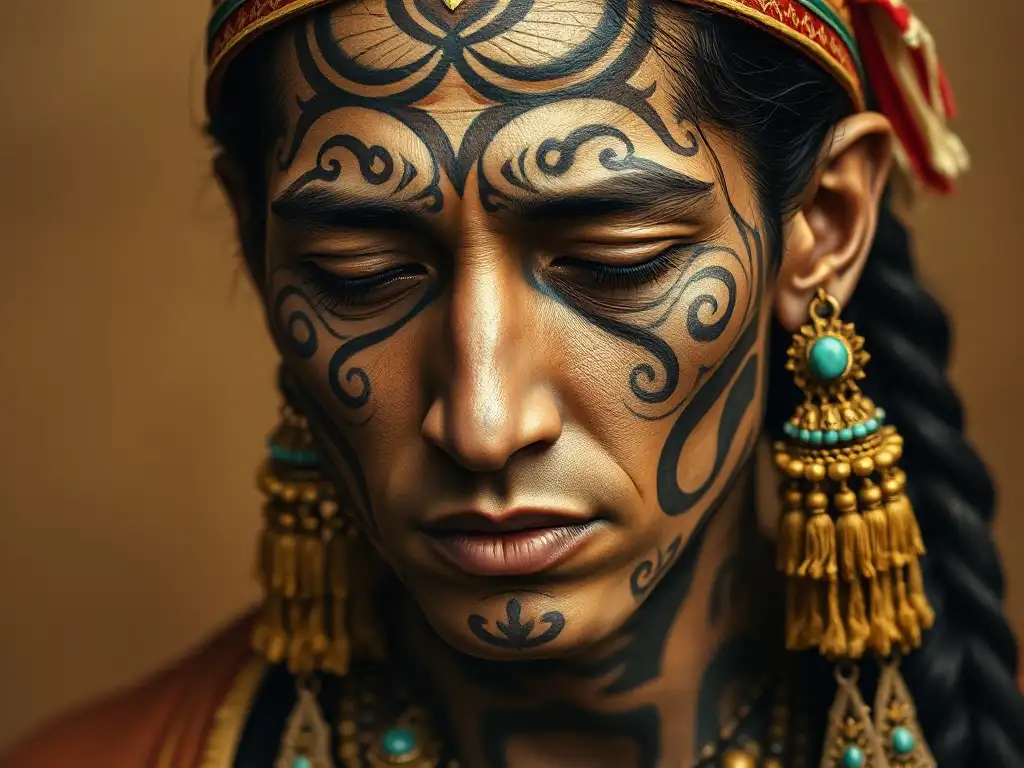
The vibrant tapestry of Inca culture extends far beyond its impressive architectural feats and sophisticated agricultural techniques. A fascinating aspect, often overlooked, is the intricate world of Inca body modification, encompassing tattoos and piercings. While often perceived as mere ornamentation, these practices were deeply intertwined with Inca beliefs, social structures, and ritualistic life. Examining Inca body art provides invaluable insight into the worldview and societal complexities of this remarkable civilization.
Understanding the significance of "Inca body art tattoos" reveals a much richer and more nuanced picture of their culture than previously imagined. The careful application and symbolic meaning embedded within these practices highlight the sophisticated aesthetic sense and spiritual depth of the Inca people. This section delves into the multifaceted role of body modification, moving beyond a superficial understanding of its aesthetic function.
Body Art as a Reflection of Inca Beliefs and Cosmology
Inca cosmology, a complex system of beliefs centered around the sun god Inti and other deities, heavily influenced their artistic expressions. Body art served as a powerful medium to visually represent this cosmology. Tattoos, often applied with natural pigments derived from plants and minerals, depicted celestial bodies, animals considered sacred (such as the condor and puma), and intricate geometric patterns representing the Andean landscape and its relationship with the heavens.
These weren't simply decorative choices; they were tangible representations of an individual’s connection to the spiritual realm. For example, depictions of the sun or stars might signify a connection to the divine, while animal motifs could represent strength, agility, or other desirable qualities. The precise placement of tattoos on the body also held significance, with certain areas associated with specific deities or spiritual energies.
Further research is needed to fully decipher the nuanced meanings behind specific tattoo designs, as many details remain lost to time; however, the surviving evidence strongly suggests that Inca body art was deeply rooted in their religious beliefs and cosmological understanding. Archaeological findings continue to unearth new examples, slowly revealing more about the rich symbolism embedded within this art form. The meticulous detail and precision evident in these tattoos further emphasizes their importance beyond mere ornamentation.
The Role of Inca Body Art in Ritual and Ceremony
Inca body art played a significant role in ritual and ceremonial practices. The application of tattoos and the piercing of body parts were often conducted by specialized individuals, shamans or priests, who held a high status within society. These rituals were likely accompanied by specific chants, offerings, and prayers, further underscoring their spiritual significance.
Certain body modifications might have been associated with specific rites of passage, marking transitions into adulthood or celebrating significant life events. Piercings, particularly of the ears and nose, were common, with the size and number of piercings potentially indicating an individual's social status or participation in specific rituals. The use of elaborate jewelry in these piercings further enhanced their ceremonial function, signifying wealth, power, or spiritual connection.
We can speculate on the specific rituals surrounding these practices, based on ethnographic parallels with other Andean cultures, but definitive evidence remains scarce. Further investigation into surviving Inca artifacts and chronicles could provide valuable insights into the precise nature of these ceremonies and their connection to body modification. The limited evidence suggests that these weren't simple adornments but integral parts of complex spiritual and social practices.
The type and extent of Inca body modification were also closely linked to social hierarchy. While tattoos and piercings were widespread, the complexity and style of the modifications likely varied according to an individual's social standing. Elite members of society may have had access to more elaborate designs and more extensive body modifications, signaling their high status and power.
The use of precious metals and stones in piercings, for instance, would have been a clear indicator of wealth and privilege. This social stratification reflected in body art mirrors other aspects of Inca society, where clothing, jewelry, and other material possessions served as markers of social rank. While exact correlations between specific body modifications and social strata are difficult to establish definitively due to limited surviving evidence, the existing archaeological findings and historical accounts consistently suggest a relationship between body art and social standing within Inca society.
Further analysis of Inca burial sites and the artifacts found within them could potentially reveal more specific indicators of social status reflected in body modification practices. The careful study of surviving textiles and jewelry found in association with mummies may shed additional light on this complex aspect of Inca culture. The interplay of social standing, ritual practice, and aesthetic expression makes the study of Inca body art a rich and compelling area of investigation.
Body Modification as a Form of Personal Expression
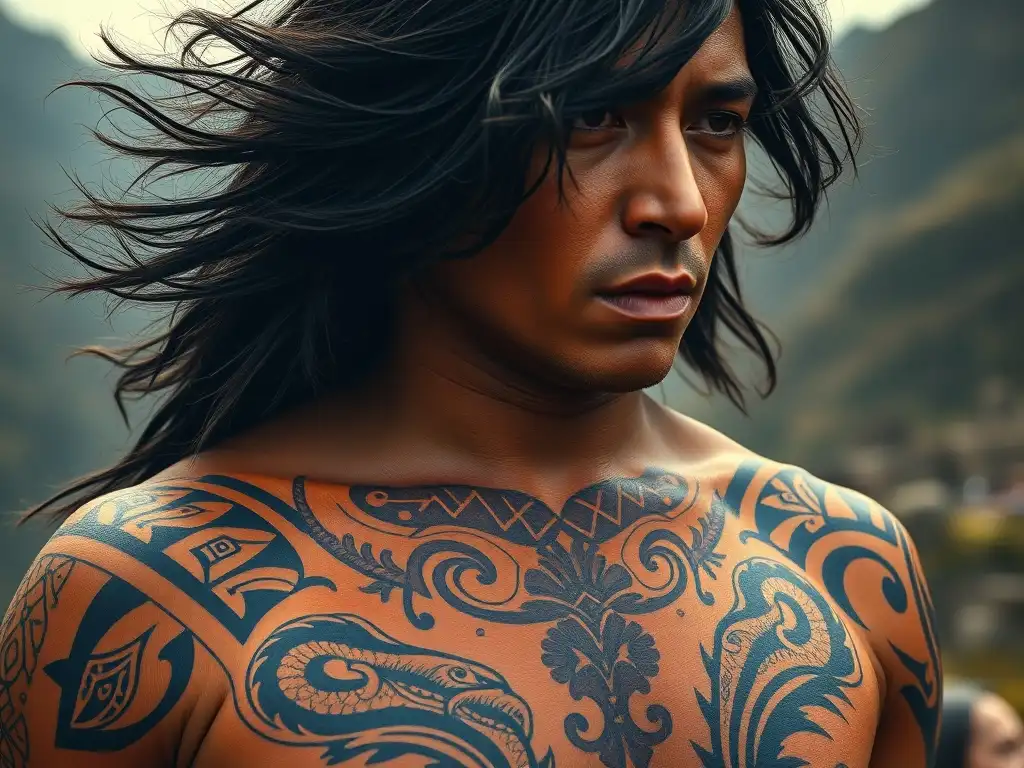
Inca body modification, encompassing both tattoos and piercings, transcended mere aesthetics; it served as a powerful means of individual expression. Unlike standardized practices found in some cultures, Inca body art often reflected personal choices, social status, and even spiritual beliefs. While certain patterns might hold shared symbolic meaning within a community, the specific placement, size, and design elements allowed for a high degree of personalization.
This is supported by archaeological evidence showing significant variation in tattoos and piercings across different individuals, even within the same social strata. The intricate designs, often incorporating geometric shapes, stylized animals, and even representations of deities, suggest a level of artistic freedom and self-expression rarely seen in other ancient cultures. The process itself, likely a communal or ritualistic event, further solidified the personal significance of the modifications.
It wasn't simply about the end result; it was about the journey and the social bonds forged during the process. This aspect of self-expression through body modification is crucial to understanding the full extent of Inca artistry and its deep connection to individual identity. The unique nature of each individual's body art speaks volumes about the nuanced and individualistic society that created it.
The relationship between social status and Inca body modification was complex and multifaceted. While a universally accepted "hierarchy of decoration" is difficult to definitively establish due to the limitations of surviving evidence, certain patterns emerge. For example, the intricacy and scale of tattoos and piercings might have correlated with social standing. Elaborate, large-scale designs, perhaps incorporating rare pigments or precious metals in the case of piercings, could have signified high social standing, perhaps associated with nobility or religious leaders.
Simpler designs or fewer modifications might have characterized individuals from lower social classes. However, it's crucial to avoid simplistic interpretations. The type of modification itself might also have held significance, with certain designs or piercings exclusively associated with specific social groups or roles within Inca society.
Further research is needed to fully understand this aspect of Inca body art, but existing evidence strongly suggests that body modification played a crucial role in communicating and reinforcing social hierarchies within the Inca Empire. The investigation into the interplay of social status and body art provides critical insights into the social structure and power dynamics of Inca civilization. The variability found in archeological findings underscores the need for further investigation into this complex relationship.
Ritualistic and Spiritual Significance of Body Modification
Beyond personal expression and social status, Inca body modification held profound ritualistic and spiritual significance. Many designs likely carried symbolic meanings related to religious beliefs and practices. For example, certain animal motifs might have represented ancestral spirits or deities, while geometric patterns could have symbolized celestial bodies or cosmological concepts.
The process of body modification itself may have been considered a sacred ritual, performed by shamans or priests, further enhancing its spiritual significance. The use of specific pigments or materials in tattoos could have added to their ritualistic power, connecting the individual to the spiritual realm. This spiritual aspect is crucial to understanding the broader context of Inca body modification, moving beyond a purely aesthetic interpretation.
The intertwining of religion, ritual, and body art provides a richer understanding of Inca worldview and beliefs. Further research into the iconography and ritual practices surrounding Inca body modification is essential to fully uncover the spiritual dimensions of this practice. The deeper meaning embedded within these modifications illuminates the spiritual core of the Inca civilization.
Inca Body Art vs. Modern Perspectives on Body Modification
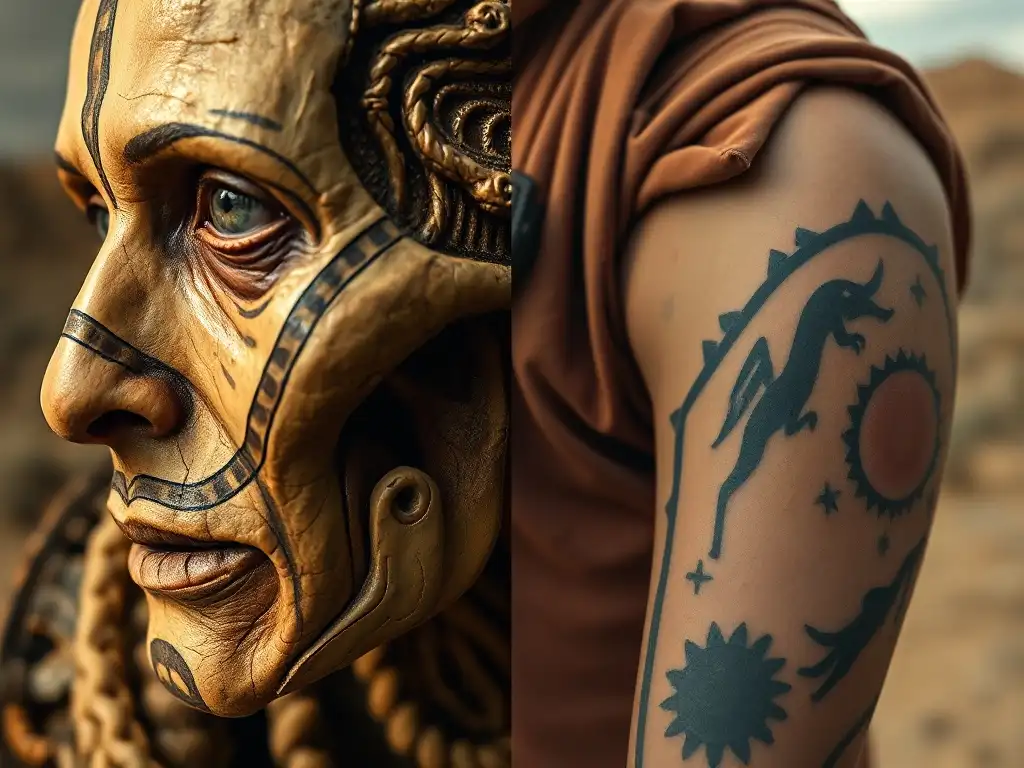
Comparing Inca Practices with Contemporary Tattooing and Piercing
Inca body art, specifically tattoos and piercings, held profound social and spiritual significance, drastically differing from many modern practices. While contemporary tattooing and piercing are often driven by aesthetics or self-expression, Inca body modification served a multifaceted purpose. For the Inca, these practices were deeply intertwined with their cosmology, social status, and even ritualistic practices.
Evidence suggests that tattoos were not merely decorative; they might have indicated clan affiliation, marital status, or even bravery in battle. The placement and design of the tattoos likely held specific meanings, though deciphering these remains a challenge for modern researchers. Detailed iconography found on surviving textiles and pottery offers some clues, showing stylized animals, geometric patterns, and possibly even representations of deities.
Unlike the wide array of styles and techniques available today, Inca tattooing likely involved simpler methods, possibly using thorns or sharpened instruments to apply pigments derived from natural sources. The pigments themselves, likely plant-based, would have differed in color and longevity depending on the specific ingredients used. Modern analysis of mummified remains offers glimpses into the pigments used and their lasting effects on the skin. Further research is needed to fully understand the specific techniques and materials employed by Inca artists.
Piercing, another crucial aspect of Inca body modification, was also rich in symbolism. Ear piercing, for instance, was common across various social classes, though the types of adornments used likely varied according to status. Nose and lip piercing was also practiced, with evidence suggesting the use of precious metals and stones for ornamentation.
These adornments served not only as aesthetic embellishments but also as markers of identity and social standing within Inca society. The use of gold, silver, and turquoise in these adornments reflects the importance placed on these materials within Inca culture. We can compare this to modern piercing practices where the choice of jewelry often reflects personal style and identity, albeit within a vastly different cultural context.
The Enduring Legacy of Inca Body Art
The legacy of Inca body art continues to resonate in contemporary Andean cultures. While the specific practices may have evolved over time, the underlying symbolism and cultural significance persist. Many modern Andean communities still incorporate elements of traditional body art into their cultural celebrations and rituals.
Though the exact methods and designs may differ from those of the Inca, the spirit of body modification as a form of self-expression and cultural affirmation endures. This enduring legacy is a testament to the profound impact of Inca artistic traditions. The influence of Inca iconography can be seen in contemporary Andean textiles, ceramics, and even in the designs used in some modern tattooing practices.
Researchers are actively working to document and understand the evolution of these artistic traditions, tracing the connections between ancient practices and their contemporary expressions. This ongoing research helps to preserve and appreciate the rich cultural heritage of the Andean region. The study of Inca body art provides valuable insight into the beliefs, values, and social structures of this remarkable civilization.
Inca Body Art and its Influence on Andean Artistic Traditions
The influence of Inca body art extends far beyond its direct continuation in contemporary Andean communities. Its impact is woven into the fabric of Andean artistic traditions as a whole. The stylistic elements, the use of certain colors and patterns, and the spiritual significance attached to particular designs have all left their mark on subsequent artistic expressions.
For example, the sophisticated geometric patterns found in Inca textiles and pottery frequently echo the designs observed in surviving examples of Inca body art. This suggests a strong connection between the artistic styles used to decorate the body and those employed in other art forms. The use of natural pigments, a hallmark of Inca body art, also continued in later Andean artistic traditions, influencing the palette and techniques used in painting, textile dyeing, and other crafts.
Furthermore, the emphasis on symbolic representation in Inca body art set a precedent for later Andean artists. The deliberate use of designs to convey social status, spiritual beliefs, and clan affiliations influenced the way subsequent generations approached artistic creation. The legacy of Inca body art is not merely aesthetic; it represents a powerful continuity in the artistic expression and cultural values of the Andean region.
Its impact is evident in the ongoing evolution of Andean artistic traditions, highlighting the enduring influence of Inca cultural heritage. Understanding this influence requires examining the evolution of Andean art forms, paying close attention to the recurring motifs and stylistic elements that connect these traditions to their Inca origins. This cross-disciplinary study of Inca body art and its impact on Andean artistic traditions is crucial for a comprehensive understanding of Andean culture and its historical development.
Archaeological Evidence and the Study of Inca Body Art
The study of Inca body art, particularly tattoos and piercings, relies heavily on archaeological evidence. Unfortunately, the organic nature of tattoos means they rarely survive the ravages of time. Unlike mummified remains from other cultures where tattoos are sometimes visible, the Andean climate and burial practices often hinder the preservation of such delicate markings. Therefore, our understanding is pieced together from a variety of sources, often requiring meticulous interpretation and inference.
One crucial source of information is the analysis of mummies themselves. While complete tattoos are rare, careful examination under specific lighting conditions and sometimes with the aid of advanced imaging techniques can reveal faint traces of pigment or scarring consistent with past tattooing. Researchers meticulously document these findings, creating detailed maps of any visible markings and analyzing the pigments used to determine their composition and potential sources. These analyses can offer insights into the techniques employed and the symbolic meaning associated with specific designs.
Beyond mummies, the study of Inca art provides valuable indirect evidence. Textiles, ceramics, and metalwork often depict individuals with elaborate body modifications, including tattoos and piercings. These depictions, while stylized, offer clues to the prevalence and style of body art within Inca society. The careful analysis of these artistic representations, considering the context of the artifacts and their associated iconography, allows researchers to build a richer picture of the social significance and aesthetic preferences related to body modification. For example, the recurring motifs found in textile designs might correspond to actual tattoo patterns found (albeit faintly) on mummified remains.
Furthermore, the study of Inca iconography expands our understanding of the symbolism associated with body art. Certain designs may represent clan affiliations, social status, religious beliefs, or even individual experiences. By comparing the artistic representations of body modifications with other archaeological findings, such as ceremonial objects or written records (where available in the form of quipu interpretations), researchers attempt to decipher the complex meanings embedded within these practices.
This interdisciplinary approach is vital for a nuanced understanding of the significance of Inca body art within their broader cultural context. The limited availability of direct evidence necessitates this detailed and careful approach to interpretation, highlighting the complexities inherent in reconstructing the past.
Conclusion: The Enduring Art of Inca Body Adornment
This exploration of Inca body art, specifically tattoos and piercings, reveals a sophisticated system of adornment deeply intertwined with social status, religious beliefs, and individual identity. Far from mere decoration, these practices offered a powerful visual language, communicating intricate messages about an individual's place within Inca society and their relationship with the spiritual world. The meticulous craftsmanship evident in surviving artifacts, combined with the limited but compelling archaeological evidence, paints a vivid picture of a culture where the body itself served as a canvas for artistic expression and a testament to spiritual conviction.
Understanding Inca body art offers a crucial window into the complexities of Inca culture, enriching our comprehension of their worldview and social structures. The enduring legacy of these practices continues to fascinate and inspire, reminding us of the richness and diversity of ancient Andean civilizations.
Recapitulating the Importance of Inca Body Art
Inca body art, encompassing both tattoos and piercings, held profound significance beyond simple aesthetics. Tattoos, likely applied using rudimentary tools and natural pigments, served as potent symbols of social standing. For example, elite members of society may have displayed more elaborate and extensive tattoos, reflecting their high status and connection to the Inca royalty.
The specific designs themselves likely held symbolic meaning related to deities, ancestors, or significant events. Unfortunately, the precise interpretations of many Inca tattoo designs remain elusive due to the perishable nature of the medium and the limited surviving examples. Further research, perhaps involving advanced imaging techniques applied to well-preserved mummies, could shed light on the full range of designs and their associated meanings.
The scarcity of surviving Inca tattoos highlights the challenges faced by researchers trying to fully piece together the artistic and cultural significance of this ancient practice. However, the available evidence strongly suggests a complex system of visual communication and social signaling. The meticulous application and the likely symbolic weight of each design point to a sophisticated artistic tradition.
Final Thoughts on the Cultural Significance of Inca Tattoos and Piercings
Piercings, another crucial aspect of Inca body adornment, similarly conveyed social and spiritual messages. Ear piercings, for instance, were common across various social strata, but the size and style of the ornaments worn could have indicated social status. Nasal piercings, while less common than ear piercings, were also documented, further demonstrating the variety of body modification practices within Inca society.
The use of precious metals and stones in piercings reinforces the connection between body adornment and social hierarchy. While the precise spiritual significance of piercings remains partially obscured by the passage of time, their widespread practice suggests a deep integration into Inca religious beliefs and rituals. Further investigation into the materials used and the associated rituals could illuminate the spiritual dimensions of Inca body piercing.
The combination of tattoos and piercings, together with other forms of body decoration, created a holistic expression of identity within Inca society, showcasing the intricate relationship between the individual, the community, and the spiritual realm. The enduring allure of Inca body art lies not only in its artistic merit but also in its capacity to illuminate the rich cultural tapestry of this remarkable civilization. The study of Inca "Inca body art tattoos" continues to provide valuable insights into the beliefs, practices, and social structures of one of the most fascinating ancient societies in the Americas.
Frequently Asked Questions
Did the Inca people use tattoos?
Yes, evidence suggests that Inca body art, including tattoos, was practiced, although less extensively than in some other Andean cultures. Mummy remains have shown traces of tattoos, primarily on elite individuals.
What kind of designs were used in Inca tattoos?
While examples are limited, discovered Inca tattoos seem to feature geometric patterns and potentially symbolic representations. More research is needed to fully understand their meaning and variety.
How were Inca tattoos applied?
The precise methods remain uncertain, but it's likely that natural pigments were used, possibly applied through pricking or puncturing the skin. The process probably involved some form of ritualistic significance.
No, available evidence suggests that Inca tattoos were more prevalent amongst the elite and possibly religious leaders. Their use might have signified social status or spiritual power.
What is the significance of Inca body art, including tattoos and piercings?
Inca body art, including tattoos and piercings, likely served religious, social, and possibly even medicinal purposes. It was a form of self-expression and a way to connect with the spiritual world.
Final Reflection: Echoes of the Andes: A Legacy in Ink and Metal
The intricate artistry of Inca body adornment, far from being a relic of the past, continues to resonate in contemporary discussions of self-expression and cultural identity. The enduring power of these ancient practices speaks volumes about our innate human desire to mark our bodies, to tell our stories through the visual language of skin and metal. The techniques, the symbolism, and the sheer artistry remain captivating, prompting us to reconsider our own relationship with body modification in the modern world.
The enduring legacy of Inca body art is not merely aesthetic; it's a powerful testament to the rich tapestry of Andean culture and its resilience. The vibrant designs, often imbued with deep spiritual meaning, serve as a potent reminder of a civilization that thrived through innovation and a profound connection to the natural world. The body is a canvas, a living testament to the stories we carry within us.
This sentiment, though contemporary, perfectly encapsulates the spirit behind Inca body adornment, highlighting the timeless human impulse to express oneself through physical modification.
Consider the choices you make regarding your own body. Do you see your body as a blank canvas, a vessel for self-expression, or something else entirely? The legacy of Inca body art invites you to reflect on this question, to explore the rich history of body modification, and to appreciate the diverse ways in which humans across time and cultures have used their bodies to tell their stories. Let the echoes of the Andes inspire you to embrace your own unique form of self-expression, honoring the enduring power of art and the human spirit.
Unveil Your Creative Spirit Through Inca-Inspired Body Art!
Thank you for exploring the captivating world of Inca body adornment with us! We hope you've gained a deeper appreciation for the significance of tattoos and piercings in Inca culture. Now, let's translate that inspiration into your own creative expression.
Here are some exciting ways to begin your own body art journey:
- Design a unique tattoo inspired by Inca symbols that hold personal meaning for you. Research the rich symbolism behind these designs to create a truly personalized piece.
- Share your thoughts on the historical and evolving significance of body art with friends. Discuss the ideas and inspiration behind various forms of adornment.
- Find a skilled tattoo artist or piercer specializing in cultural designs. Commission a piece that respectfully honors the beauty and tradition of Inca body art.
What does body adornment mean to you, and how can you use art to express your personal identity?