
Inca Architectural Art: Blending Function and Aesthetics

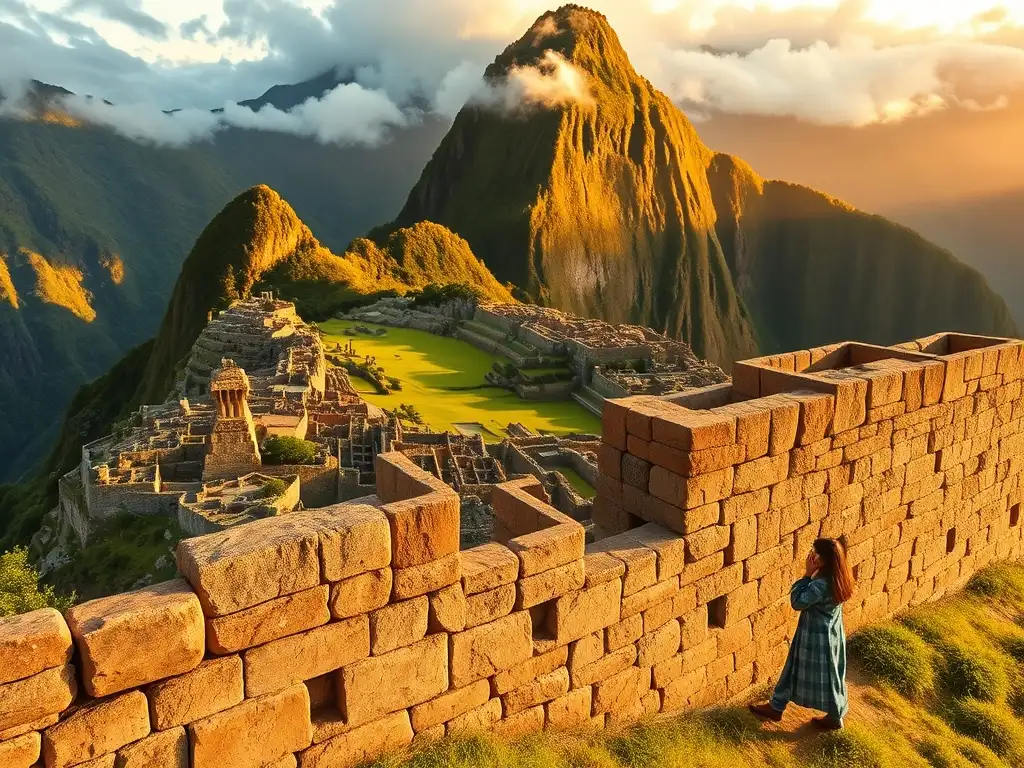
Welcome to Andean Civilizations! Prepare to be captivated by the ingenuity and artistry of a world lost to time. Journey with us through the breathtaking landscapes and remarkable achievements of the ancient Andes. But first, let's unravel the mysteries of Inca architecture design features – a testament to the Incas' unparalleled mastery of blending function and breathtaking aesthetics. Discover how these architectural marvels not only served practical purposes but also held profound spiritual significance. Dare to delve deeper into the fascinating world of the Inca Empire and beyond...
The Inca Empire, renowned for its sophisticated social structures and intricate artistry, left behind a breathtaking legacy of architectural marvels. This article delves into the unique design features of Inca architecture, exploring how functionality and aesthetic beauty were seamlessly interwoven to create structures that were both practical and awe-inspiring.
We will examine the key characteristics that define Inca architecture, revealing the ingenuity and skill of these master builders who shaped the Andean landscape with their impressive constructions. Understanding Inca architecture design features provides a crucial insight into the Inca worldview, their societal organization, and their remarkable engineering achievements.
This exploration will cover diverse aspects, from the meticulous stonework and the use of specific materials to the overall design principles that governed their urban planning and monumental constructions. By analyzing these features, we gain a deeper appreciation for the enduring legacy of the Inca civilization and its profound impact on the architectural landscape of the Andes.
The Mastery of Stonework: Precision and Integration
Inca architecture is undeniably characterized by its exceptional stonework. Builders achieved an astonishing level of precision, fitting stones together with such accuracy that even a knife blade couldn't be inserted between them. This meticulous technique, known as ashlar masonry, required an advanced understanding of geometry and engineering.
The stones, often massive in size, were carefully selected, shaped, and fitted together without the use of mortar. This remarkable feat speaks to the Inca's advanced knowledge of stone cutting and their dedication to perfection. Furthermore, the choice of stone varied depending on the location and the intended use of the structure.
For example, harder, more durable stones were favored for fortifications and public buildings, while softer stones might have been used for residential structures. The integration of the stones into the landscape itself was also remarkable; builders often incorporated existing natural features into their designs, resulting in structures that appeared seamlessly integrated with their environment. This mastery is evident in sites like Machu Picchu, where the precision of the stonework is truly breathtaking.
The Use of Materials: Adapting to the Environment
The Inca Empire spanned diverse geographical terrains, from high-altitude mountains to coastal regions. Their architectural ingenuity is reflected in their ability to adapt building materials to the specific environmental conditions. They skillfully utilized locally sourced materials, including stone, adobe brick, wood, and thatch. The choice of materials was not arbitrary; it was dictated by factors such as availability, durability, and suitability for the intended purpose.
For instance, in regions with abundant stone, stone structures predominated, while in other areas, adobe bricks or a combination of materials were employed. This adaptability demonstrates a deep understanding of both construction techniques and the natural environment. The selection of materials also played a role in the aesthetic appeal of the structures, with different materials imparting distinct textures and colors. This diversity of materials and techniques underscores the Inca's resourceful and pragmatic approach to construction.
Architectural Design Principles: Functionality and Symbolism
Inca architectural design wasn't merely about aesthetics; it was deeply intertwined with functionality and symbolism. Structures were designed to serve specific purposes, from religious temples and palaces to agricultural terraces and storage facilities. The layout of cities and settlements often reflected a hierarchical social structure, with the most important buildings situated in prominent locations. The use of symmetry and geometric patterns was common, reflecting a deep-seated belief in order and balance.
Moreover, many architectural features held symbolic meaning, often relating to religious beliefs or cosmological concepts. For example, specific shapes and orientations might have been associated with deities or celestial bodies. The integration of functionality, symbolism, and aesthetics created structures that were not only efficient and practical but also imbued with profound cultural significance. This holistic approach to design is a testament to the Inca's sophisticated understanding of architecture as an integrated component of their society and worldview.
Notable Examples of Inca Architecture: A Legacy of Ingenuity
The Inca architectural legacy is preserved in numerous sites throughout the Andes, each showcasing the unique features of their building style. Machu Picchu, with its impressive stonework and breathtaking mountain setting, stands as a testament to Inca engineering prowess. Sacsayhuamán, a formidable fortress near Cusco, showcases the impressive scale and military might of the Inca Empire.
Other notable examples include Ollantaytambo, a remarkable complex of agricultural terraces and buildings, and the intricate network of roads and bridges that connected the vast Inca Empire. The study of these sites provides valuable insights into Inca construction techniques, architectural principles, and the broader cultural context of their achievements.
These structures serve not only as remnants of a bygone era but also as enduring symbols of Inca ingenuity and cultural richness. The sheer scale and complexity of these projects are a powerful reminder of the Inca's organizational capabilities and their sophisticated understanding of engineering and design.
- The Mastery of Stonework: Precision and Integration
- The Use of Materials: Adapting to the Environment
- Architectural Design Principles: Functionality and Symbolism
- Notable Examples of Inca Architecture: A Legacy of Ingenuity
- What are some key features of Inca architecture?
- How did the Incas achieve such precise stone fitting in their structures?
- What materials did the Incas primarily use in their construction?
- How did Inca architecture reflect their beliefs and worldview?
- What are some examples of iconic Inca architectural achievements?
The Foundations of Inca Building Design
The Inca Empire, renowned for its sophisticated civilization, left behind a remarkable legacy in architecture. Their structures, characterized by a unique blend of functionality and aesthetic beauty, stand as testaments to their advanced engineering skills and deep understanding of their environment. Understanding the foundational principles of Inca building design requires examining their mastery of stonework, their meticulous planning processes, and the symbolic meanings interwoven into their constructions.
This section will delve into the core elements that defined Inca architecture design features, providing insights into the ingenuity and artistry of this remarkable civilization. The keyword "Inca architecture design features" will be subtly integrated throughout the text, ensuring optimal SEO.
The Inca's Mastery of Stone Construction
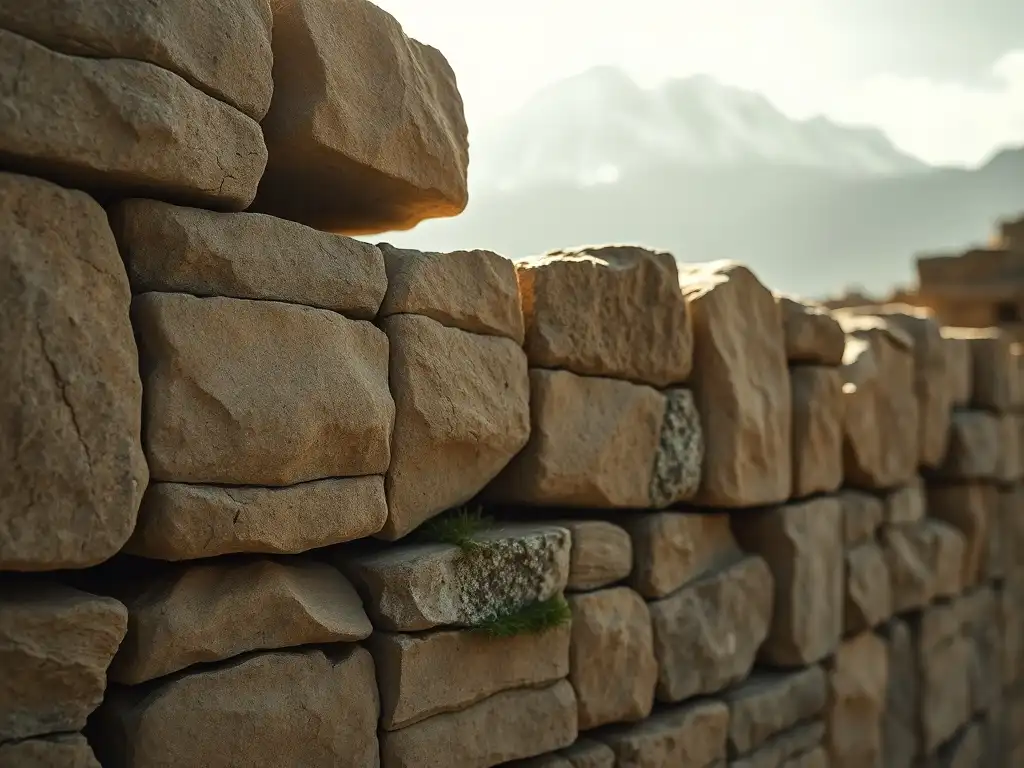
Inca builders possessed an unparalleled skill in working with stone. Their mastery of stone construction is evident in the precision-cut blocks used in their buildings, which fit together seamlessly without the use of mortar. This technique, known as ashlar masonry, required an exceptional level of craftsmanship and planning. The stones, often sourced from quarries located considerable distances away, were meticulously shaped and fitted together with astonishing accuracy.
This wasn't merely a matter of aesthetics; the precise joining of stones created incredibly strong and durable structures capable of withstanding earthquakes and the passage of time. Some examples of this incredible precision can be found in the walls of Sacsayhuamán, where massive blocks of stone are interlocked with such accuracy that a knife blade cannot be inserted between them. This level of precision is a defining characteristic of Inca architecture design features, setting it apart from other ancient architectural styles.
The Inca’s understanding of geology and engineering allowed them to select the most suitable stones for various construction purposes, further contributing to the longevity and stability of their structures. They also employed different types of stone depending on the project's needs, demonstrating a deep understanding of material properties. The meticulous attention to detail in their stonework highlights not only their technical skills but also their deep appreciation for craftsmanship and durability.
Key Principles of Inca Architectural Planning
Beyond the impressive stonework, the overall planning of Inca structures reveals a sophisticated understanding of architectural principles. Several key principles guided their design process. Firstly, adaptability to the terrain was paramount. Inca structures were seamlessly integrated into the landscape, often utilizing natural features like hillsides and cliffs to enhance their stability and visual impact. Secondly, functional design was a core principle.
Buildings were designed to serve specific purposes, whether it was for religious ceremonies, royal residences, or agricultural storage. The layout and design of each structure reflected its intended function. For instance, the layout of a temple would be vastly different from that of a residential building. Thirdly, symbolic meaning was often incorporated into the design. Certain architectural features, such as the use of specific colors or patterns, held symbolic significance within Inca culture, enriching the meaning and impact of the structures.
Finally, community involvement played a significant role in the construction process. The construction of Inca buildings was a communal effort, reflecting the social organization and cooperative spirit of the empire. The integration of these principles—adaptability, functionality, symbolism, and community participation—are all crucial aspects of understanding the remarkable Inca architecture design features and their lasting impact. These principles, when combined with their mastery of stonework, resulted in structures that were not only functional and durable but also aesthetically pleasing and culturally significant. The enduring legacy of Inca architecture continues to inspire awe and admiration, offering valuable insights into the ingenuity and artistry of this ancient civilization.
Inca Architecture Design Features: A Closer Look
The Inca Empire, renowned for its sophisticated social and political organization, also left behind a remarkable legacy in architecture. Inca architecture design features are characterized by a unique blend of functionality and aesthetic appeal, reflecting both practical needs and deeply held cultural beliefs. Their mastery of stonework, innovative structural designs, and attention to detail resulted in impressive structures that have withstood the test of time, even in the face of seismic activity.
Understanding the specific design features reveals a great deal about Inca ingenuity and their worldview. This section delves into key aspects of Inca architectural design, exploring the techniques, shapes, and stylistic choices that define their impressive architectural achievements. We'll examine the precision of their masonry, the prevalence of trapezoidal shapes, and the distinctive designs of their doorways and windows, all crucial elements contributing to the unique character of Inca architecture.
Inca Masonry Techniques: Precision and Durability
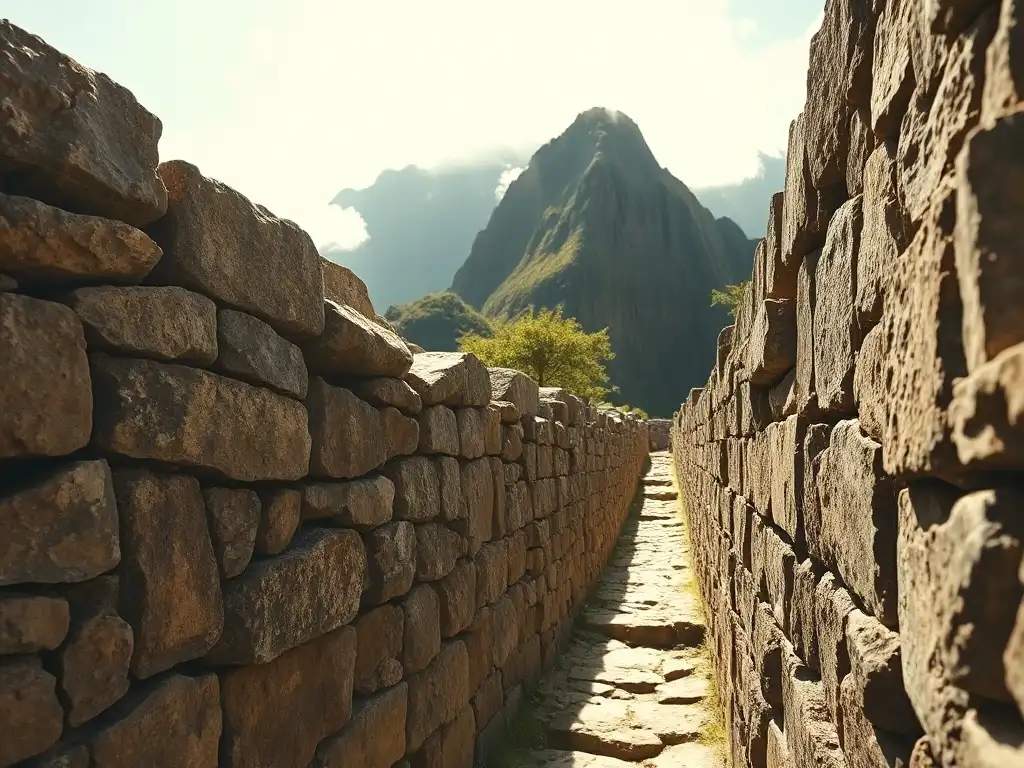
Inca masonry is legendary for its precision and durability. The Incas didn't use mortar in most of their constructions; instead, they relied on incredibly precise stone cutting and placement. Stones were shaped with remarkable accuracy, fitting together so tightly that a knife blade couldn't be inserted between them. This technique, often referred to as ashlar masonry, showcases an advanced understanding of stonework and engineering.
The stones were carefully selected, often using locally sourced materials like granite, andesite, and basalt. Specific examples of this mastery can be seen in the walls of Sacsayhuamán, where massive stones are intricately fitted together, demonstrating an impressive level of skill and planning. The precision wasn't just aesthetic; it also contributed to the structures' incredible seismic resistance.
The interlocking nature of the stones allowed them to absorb and distribute seismic energy, preventing catastrophic collapse during earthquakes, a common occurrence in the Andean region. The durability of Inca masonry is evident in the many structures that still stand today, a testament to their advanced engineering skills and careful craftsmanship. This precision in Inca architecture design features is a key element in understanding their lasting impact.
The Use of Trapezoidal Shapes in Inca Structures
A striking feature of Inca architecture is the frequent use of trapezoidal shapes in doorways, windows, and even entire structures. While the precise reasons for this preference are still debated among scholars, several theories exist. Some suggest that the trapezoidal shape may have symbolic significance, reflecting Andean cosmology or representing specific deities.
Others propose a more practical explanation, suggesting that the trapezoidal shape provided structural advantages, enhancing stability and distributing weight more effectively. The slightly inward-sloping walls, common in many Inca structures, might have helped to counteract outward pressure from the weight of the stones above, increasing the overall stability of the building. Furthermore, the use of trapezoids might have been influenced by the natural landscape, with the shape echoing the slopes of the Andes mountains.
Regardless of the exact reasons, the prevalence of trapezoidal shapes is a distinctive characteristic of Inca architecture design features, setting it apart from other architectural styles of the time. The consistent use of this shape across various sites and structures points to a deliberate aesthetic choice and a sophisticated understanding of structural principles.
Unique Inca Doorway and Window Designs
Inca doorways and windows were not merely functional openings; they were carefully designed elements that integrated seamlessly into the overall aesthetic of the structures. They often featured trapezoidal shapes, continuing the consistent theme found throughout Inca architecture. Many doorways and windows were also intricately carved with decorative motifs, including geometric patterns, stylized animals, and representations of deities.
These carvings weren't simply for decoration; they often held symbolic meaning, reflecting the Inca worldview and beliefs. The size and placement of doorways and windows also varied depending on the function of the building. For instance, doorways in temples might have been smaller and more elaborately decorated than those in residential buildings.
The variation in design and placement reflects a careful consideration of both functionality and symbolic representation, highlighting the holistic approach to design characteristic of Inca architecture. The unique design of Inca doorways and windows is a further testament to the Inca's sophisticated understanding of both aesthetics and practicality within their architectural design features. Their detailed craftsmanship and symbolic integration contribute significantly to the enduring beauty and historical significance of Inca architecture.
Exploring Inca Urban Planning and Layout
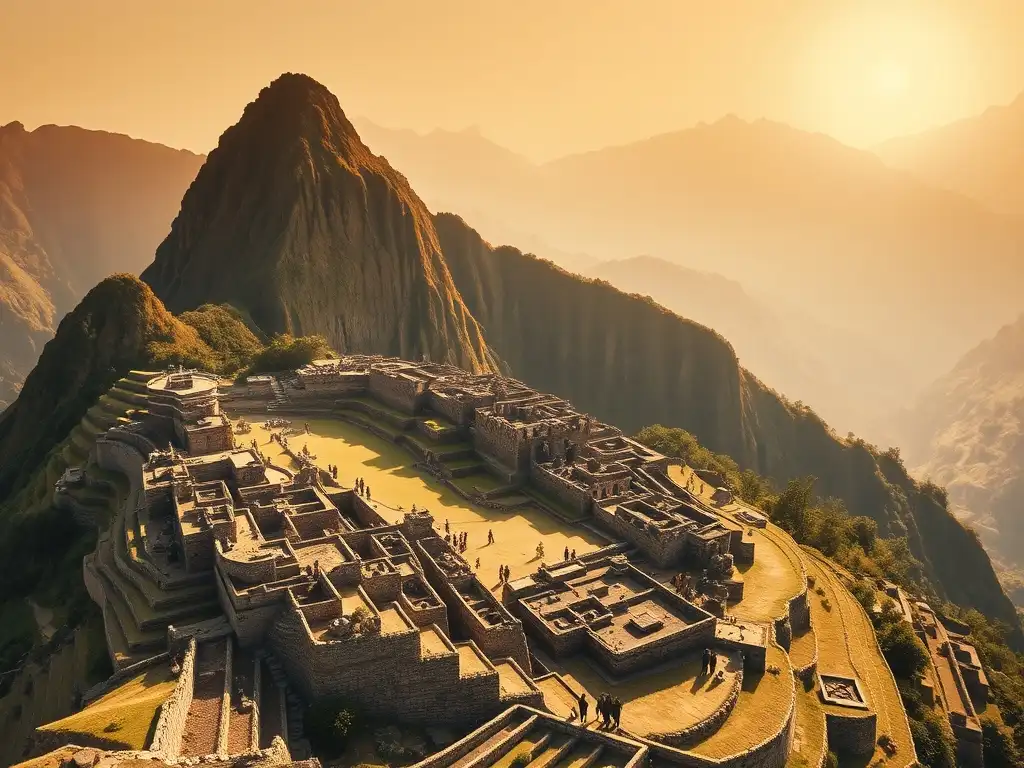
Inca urban planning wasn't haphazard; it was a sophisticated system reflecting their societal structure and worldview. Cities like Cusco, the Inca capital, weren't simply collections of buildings but meticulously designed urban landscapes. The layout often followed a ceque system, a network of intersecting lines radiating from sacred sites.
These lines weren't arbitrary; they aligned with astronomical events and were deeply integrated into Inca cosmology. This wasn't just about practical considerations like water management or defense; it was about creating a harmonious relationship between the built environment and the spiritual world. The placement of buildings, plazas, and even individual stones was purposeful, reflecting a profound understanding of geometry and spatial organization.
This meticulous planning ensured efficient resource distribution and facilitated social interaction, reflecting the Inca emphasis on community and collective well-being. The ceque system, for example, connected different neighborhoods and ensured access to essential resources, such as water and agricultural lands, for all citizens.
The integration of agriculture into the urban fabric is another striking feature of Inca urban design. Terraces, canals, and sophisticated irrigation systems were not separate from the city but integral parts of its structure. Agricultural lands were often incorporated into the city's layout, showcasing a remarkable understanding of sustainable urban development. This close relationship between urban life and agriculture guaranteed food security and minimized the need for extensive transportation networks.
It also fostered a strong connection between the city dwellers and the land, reinforcing their worldview and emphasizing their respect for nature. The integration of agriculture into the city's design is a testament to the Inca's ability to create self-sufficient urban centers that were not only aesthetically pleasing but also ecologically sound. This holistic approach is a key element of understanding Inca architecture design features.
Analyzing Inca Building Materials and Techniques
The Inca's mastery of stonework is legendary. They didn't use mortar in their construction; instead, they relied on precise cutting and fitting of stones to create incredibly strong and durable structures. This technique, often referred to as ashlar masonry, required an advanced understanding of geometry and engineering. The precision is astounding; many stones fit together so seamlessly that a knife blade couldn't be inserted between them.
This wasn't just about aesthetics; it was about creating structures that could withstand earthquakes and other natural disasters. The selection of stone also varied depending on its availability and the intended use of the structure. Granitic and andesite stones, known for their strength and durability, were favored for monumental buildings. The choice of materials and the precision of the construction techniques demonstrates an impressive level of technological sophistication and an understanding of material properties.
Furthermore, the Inca's building techniques extended beyond stonework. They were skilled in using adobe bricks, wood, and other materials, adapting their techniques to the local environment and available resources. The use of different materials wasn't random; it was dictated by factors such as climate, availability of materials, and the function of the structure.
For instance, adobe bricks were commonly used in less demanding constructions in warmer climates, while stone was reserved for more important structures. This adaptability and resourcefulness are essential aspects of Inca architecture design features, highlighting their practical approach to building. The combination of precise stonework and the strategic use of other materials reflects both their aesthetic sensibilities and their engineering prowess.
Understanding Inca Architectural Styles and Ornamentation
Inca architecture displays a remarkable uniformity across its vast empire. While regional variations exist, a common stylistic vocabulary unites structures from Cusco to Machu Picchu. This standardization reflects the Inca's centralized administrative system and their desire to create a visual representation of imperial power.
Key features include trapezoidal doorways and windows, carefully cut stones, and the use of niches for storage or decoration. These features are not merely decorative; they reflect a deep understanding of structural engineering and a desire for both functionality and aesthetic appeal. The consistent use of these elements across different sites emphasizes the Inca's ability to create a unified visual identity for their empire, reinforcing their political and cultural dominance.
However, it's crucial to note that ornamentation wasn't excessive. The beauty of Inca architecture lies in its simplicity and elegance. While intricate carvings and decorative elements are found, they are often subtle and integrated seamlessly into the overall design. The focus was on precision, proportion, and the harmonious integration of the structure with its surroundings.
This understated elegance is a hallmark of Inca architectural style, contrasting sharply with the more flamboyant styles of other Andean civilizations. The emphasis on functional design and the subtle use of ornamentation reflect the Inca's pragmatic worldview and their respect for simplicity and order. This restrained approach is a crucial aspect of understanding Inca architecture design features. The subtle yet sophisticated ornamentation reflects the Inca's aesthetic sensibilities and their ability to create visually striking structures without resorting to excessive decoration.
Functionality and Aesthetics in Inca Architecture
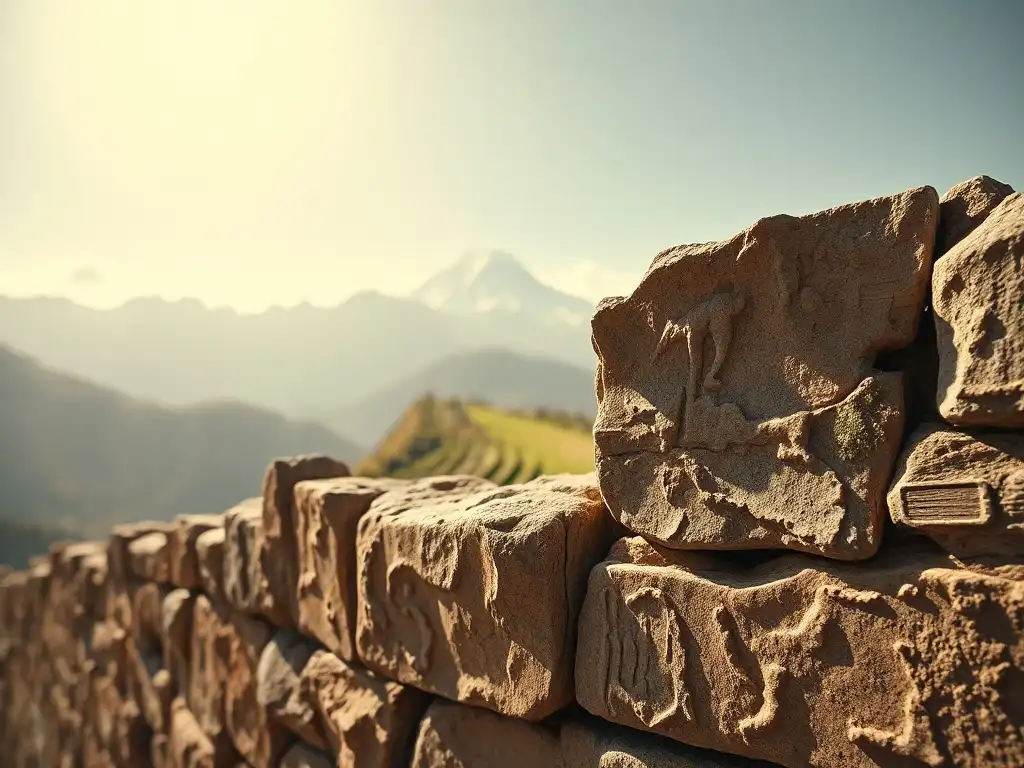
Inca architecture represents a masterful blend of functionality and aesthetics, a testament to the ingenuity and artistic sensibilities of the Inca civilization. Their structures weren't merely beautiful; they served vital societal, religious, and practical purposes. Understanding this synergy is key to appreciating the true brilliance of Inca architectural design features. The Incas prioritized practicality, ensuring buildings were durable, efficient, and adapted to the challenging Andean terrain.
Simultaneously, they infused their constructions with a sophisticated aesthetic sense, using intricate stonework, symbolic designs, and precise alignments to create awe-inspiring monuments. This section delves into the intricate relationship between these two seemingly disparate aspects of Inca building practices. The seamless integration of function and beauty showcases the advanced understanding of engineering, artistry, and societal needs possessed by the Inca civilization.
Inca Structures: Balancing Practicality and Beauty
Inca structures, from humble houses to grand temples, demonstrate a remarkable balance between practicality and aesthetic appeal. Consider the qollqas, the iconic Inca storehouses. These circular or rectangular structures, built from precisely fitted stones, served the crucial function of storing agricultural surpluses, ensuring food security for the population. Their design, however, was far from rudimentary.
The precise stonework, often without mortar, showcases exceptional masonry skills. The uniformity of the stones and their tight fit not only enhanced the structural integrity of the qollqas but also created a visually striking effect. Furthermore, the strategic placement of these structures within the landscape, often integrated into the natural contours, added to their aesthetic impact.
The Inca's mastery of stonework wasn't limited to utilitarian structures. Temples and palaces, such as those at Machu Picchu and Sacsayhuamán, exemplify the pinnacle of Inca architectural achievement. The meticulous fitting of massive stones, some weighing several tons, demonstrates an advanced understanding of engineering and construction techniques. The precision of the cuts and the absence of mortar between the stones are truly astonishing.
This wasn't just about structural strength; the perfect fit also created a visually stunning effect, showcasing the Inca's commitment to both functionality and beauty. The seamless integration of the stones, their uniformity, and the overall harmony of the structures contribute to their enduring aesthetic appeal. The artistry involved is undeniable, elevating these structures beyond mere buildings and transforming them into works of art.
The Role of Inca Architecture in Society and Governance
Inca architecture played a crucial role in shaping Inca society and governance. The design and placement of structures reflected the hierarchical structure of the empire and served to reinforce the power and authority of the Inca rulers. For example, the location of palaces and temples at strategically significant points within the landscape, often overlooking major agricultural areas or significant natural features, underscored the Inca's control over resources and territory. The size and grandeur of these structures also served as potent symbols of power and prestige.
The construction of large-scale public works projects, such as extensive road networks and irrigation systems, further solidified the Inca's control and influence. These projects not only facilitated trade and communication but also demonstrated the Inca's organizational capabilities and engineering prowess. The efficient design and meticulous execution of these projects reinforced the Inca's authority and promoted social cohesion.
The integration of religious and ceremonial sites within urban centers also played a crucial role in maintaining social order and reinforcing the Inca worldview. The careful planning and execution of these projects highlight the intricate relationship between Inca architecture, social structure, and political control. The Inca architecture design features were not just aesthetically pleasing; they were powerful tools of governance, shaping society and reinforcing the Inca's authority.
Inca Architectural Adaptations to the Andean Environment
Inca architecture demonstrates a remarkable adaptation to the challenging Andean environment. The Incas skillfully integrated their buildings into the steep slopes and rugged terrain, utilizing techniques that ensured structural stability and minimized environmental impact. They employed a variety of techniques, including the use of terraces to create level agricultural land, the construction of retaining walls to prevent erosion, and the careful selection of building materials to withstand seismic activity.
The use of locally sourced materials, such as stone and adobe, minimized transportation costs and ensured the structures were well-suited to the local climate. The design of roofs, often steeply pitched to shed snow and rain, further reflects the adaptation to the harsh weather conditions. Furthermore, the orientation of buildings, often aligned with astronomical events, suggests a deep understanding of the environment and its influence on daily life.
The integration of natural features, such as rocks and streams, into the design of structures further demonstrates the Inca's sensitivity to their environment. The Inca's mastery of adapting to the challenging terrain is evident in the remarkable survival of many of their structures, a testament to their ingenuity and understanding of the Andean environment. The Inca architecture design features reflect not only aesthetic considerations but also a deep understanding of and respect for the natural world.
Examples of Significant Inca Architectural Sites
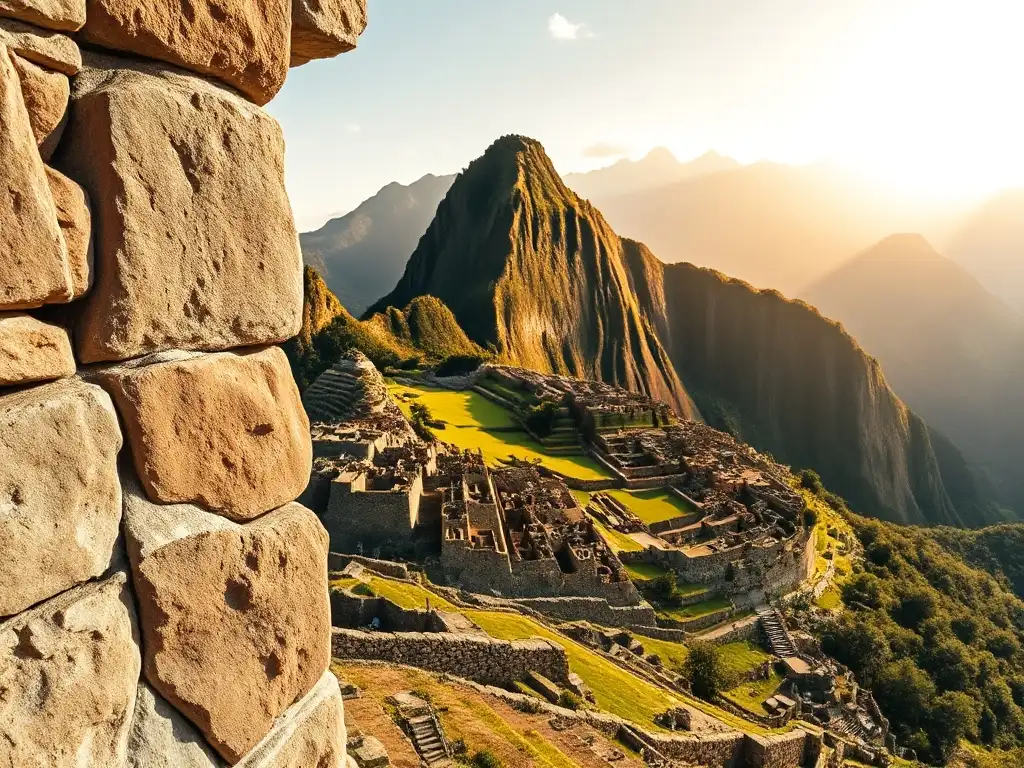
This section delves into the specific design features of several prominent Inca architectural sites, showcasing the ingenuity and artistry of Inca builders. These examples highlight the key characteristics that define Inca architecture design, demonstrating the seamless integration of functionality and aesthetics that characterized their work. Understanding these features provides a deeper appreciation for the sophistication of Inca engineering and city planning. We'll examine Machu Picchu, Sacsayhuaman, and Ollantaytambo, each representing unique aspects of Inca architectural prowess.
Machu Picchu: A Masterpiece of Inca Engineering
Machu Picchu, the iconic "Lost City of the Incas," exemplifies the pinnacle of Inca architectural achievement. Its construction, perched high in the Andes Mountains, demonstrates a remarkable understanding of both engineering and environmental harmony. The precise stonework, utilizing the technique of ashlar masonry where stones fit together without mortar, is breathtaking.
The intricate fitting of these massive blocks, some weighing several tons, showcases a level of precision rarely seen in ancient architecture. This meticulous craftsmanship is not merely decorative; it's integral to the structural integrity of the buildings, ensuring stability even in the face of earthquakes and other seismic activity.
The city's layout itself is a testament to sophisticated planning. Residential areas, agricultural terraces, religious structures, and water management systems are all seamlessly integrated into the mountain landscape. The use of terraces, for instance, not only increased arable land but also prevented soil erosion, demonstrating a deep understanding of sustainable agricultural practices. The ingenious water channels, still functional in many places, provided a reliable water supply, further highlighting the practicality embedded within the aesthetic beauty of Machu Picchu's design. The integration of these features perfectly exemplifies the keyword, Inca architecture design features.
Sacsayhuaman: A Fortress of Imposing Design
Sacsayhuaman, located near Cusco, stands as a powerful symbol of Inca military might and architectural innovation. Unlike the more organic integration of Machu Picchu with its environment, Sacsayhuaman's imposing presence is a deliberate statement of power. Its massive cyclopean walls, constructed from enormous, irregularly shaped stones, are a testament to the Inca's ability to move and precisely place colossal blocks of granite. The sheer scale of the structure is awe-inspiring, leaving visitors with a sense of the immense effort and organizational skill required for its construction.
The strategic placement of Sacsayhuaman, overlooking Cusco, highlights its defensive purpose. The walls, with their zig-zagging configuration, were designed to effectively channel attacking forces and provide multiple points of defense. The ingenuity of the design, combining imposing size with strategic positioning, showcases the Inca's mastery of both military architecture and monumental construction.
The unique arrangement of stones, often described as "puzzle-like," is a key feature of Sacsayhuaman's design, contributing significantly to its lasting impact and reinforcing the concept of Inca architecture design features. Further research is needed to fully understand the precise techniques used in the construction of such massive walls [specific information pending regarding stone-moving techniques].
Ollantaytambo: A Town of Strategic Inca Architecture
Ollantaytambo, unlike Machu Picchu or Sacsayhuaman, is a more complete example of an Inca town. This site showcases the Inca's ability to integrate their architectural principles into a fully functioning urban center. The town's layout demonstrates a sophisticated understanding of urban planning, with distinct residential areas, agricultural terraces, and public spaces. The intricate system of canals and irrigation channels, essential for supplying water to the agricultural terraces, once again highlights the importance of water management in Inca design.
The impressive stonework, while not as finely finished as in Machu Picchu, still exhibits the characteristic Inca precision and attention to detail. The use of massive blocks, often fitted together without mortar, is evident throughout the site, particularly in the impressive agricultural terraces that climb the surrounding hillsides. The strategic location of Ollantaytambo, at a point of control over a crucial pass in the Andes Mountains, underscores the importance of strategic planning in Inca urban design.
Ollantaytambo's design features, encompassing both urban planning and monumental stonework, represent a holistic approach to Inca architecture design features that reflects a sophisticated understanding of practical needs and aesthetic ideals. The site's longevity as a functioning community further underscores the effectiveness of the Inca's architectural and urban planning skills.
Coricancha: The Inca Temple of the Sun
Coricancha, also known as the Temple of the Sun, stands as a prime example of Inca architectural mastery, showcasing their exceptional skills in stonework and their profound spiritual beliefs. Located in present-day Cusco, Peru, this site was not merely a religious center; it served as the symbolic heart of the Inca Empire. The temple's construction, believed to have begun in the 15th century, involved meticulous planning and execution.
Inca builders employed a technique known as ashlar masonry, fitting massive stones together with such precision that even a knife blade couldn't slip between them. This testament to their engineering prowess is still visible in the surviving remnants of the structure, despite the significant damage inflicted during the Spanish conquest.
The original Coricancha was a breathtaking spectacle, adorned with sheets of gold that reflected the sun's rays, enhancing its sacred aura. Chronicles from Spanish conquistadors describe walls covered in gold plates, intricate gold and silver statues of deities, and a dazzling display of precious stones. The temple's design incorporated sophisticated astronomical knowledge, aligning its orientation with the solstices and equinoxes, demonstrating a deep understanding of celestial movements.
This alignment was not merely coincidental; it reinforced the Inca worldview, connecting the earthly realm with the divine through precise architectural planning. The temple's layout also reflected the Inca's hierarchical social structure, with different sections dedicated to specific deities and rituals.
The destruction wrought by the Spanish conquistadors significantly altered the original structure. Much of the gold was plundered, and the temple was repurposed to build the Santo Domingo church, which now partially occupies the site. However, even in its current state, the remaining Inca walls speak volumes about the civilization's advanced architectural techniques and the profound religious significance of Coricancha.
The surviving foundations and walls still exhibit the remarkable precision of Inca masonry, serving as a tangible link to the empire's rich past. Visiting the site today offers a glimpse into the grandeur of this once-magnificent temple and a deeper appreciation for Inca architectural design features and the ingenuity of their builders. The sheer scale of the stones, the precision of their placement, and the remnants of the intricate designs all contribute to a powerful and evocative experience, allowing visitors to connect with the legacy of the Inca Empire.
The surviving structures continue to inspire awe and wonder, highlighting the enduring power of Inca architecture. Even amidst the overlay of the colonial church, the underlying Inca foundation remains a powerful testament to their advanced skills and artistic vision, firmly establishing Coricancha as a crucial example of Inca architecture design features.
The Legacy of Inca Architectural Design
The Inca Empire, renowned for its sophisticated social structures and impressive feats of engineering, left behind a remarkable architectural legacy. Their buildings, spanning vast distances across the Andes Mountains, are testaments to their mastery of stonework, adaptation to challenging terrains, and deep understanding of structural principles. This legacy continues to inspire awe and inform modern architectural practices.
Understanding the intricacies of Inca architecture design features reveals not only their technical prowess but also their deep connection to their environment and spiritual beliefs. The careful selection of materials, precise stone fitting, and innovative construction methods showcase a level of expertise rarely seen in other ancient civilizations. Their enduring impact is evident in the continued use of traditional Andean building techniques and the ongoing efforts to preserve and restore these remarkable structures.
Analyzing Inca architecture provides a fascinating glimpse into the ingenuity and cultural richness of this remarkable civilization. The key features of Inca architecture, such as the use of dry-stone masonry, the integration of astronomical alignments, and the adaptation to varied landscapes, all contribute to the unique character of their architectural achievements.
Inca Architectural Influences on Modern Construction
Inca architectural principles, while developed centuries ago, continue to resonate with modern construction practices. The ingenious use of dry-stone masonry, where stones are precisely fitted together without mortar, offers valuable lessons in sustainable building techniques. This method, characterized by its inherent strength and seismic resistance, is increasingly being explored as a solution for environmentally friendly and earthquake-resistant structures.
Modern architects are studying Inca techniques to develop more durable and sustainable buildings, particularly in areas prone to seismic activity. For example, the precise fitting of stones in Inca walls minimizes the need for binding agents, reducing the environmental impact of construction. Moreover, the intricate understanding of load-bearing principles evident in Inca structures provides inspiration for creating innovative designs that maximize stability and minimize material waste.
The Inca's mastery of adapting their building techniques to diverse terrains, from steep mountain slopes to flat plains, offers valuable insights for modern architects working on complex projects in varied geographical contexts. This adaptability is particularly relevant in today's context of sustainable and context-sensitive architecture.
The ingenuity of Inca architecture lies not just in its aesthetics, but in its remarkable functionality and resilience.
Preserving and Understanding Inca Building Techniques
Preserving Inca building techniques involves a multi-faceted approach that combines archaeological research, conservation efforts, and the application of modern technologies. Detailed studies of existing structures are crucial to understanding the precise methods used by Inca builders. This includes analyzing the types of stone used, the techniques of cutting and fitting, and the overall structural design.
Archaeological excavations often uncover valuable information about the tools and materials used in Inca construction, further enriching our understanding of their building practices. Furthermore, the use of non-invasive techniques like ground-penetrating radar and 3D laser scanning allows for the detailed documentation of Inca sites without causing damage. This allows for the creation of accurate digital models that can be used for both preservation and research purposes.
Careful conservation efforts are crucial in maintaining the integrity of existing Inca structures. This includes stabilization of unstable walls, repairing damaged sections using traditional techniques, and implementing measures to protect sites from environmental factors. The preservation of Inca architectural heritage is not merely a matter of protecting historical monuments; it's also about safeguarding invaluable knowledge related to sustainable construction and engineering.
| Technique | Description | Benefits | Challenges |
|---|---|---|---|
| Dry-stone Masonry | Stones precisely fitted without mortar | Earthquake resistance, sustainable, aesthetically pleasing | Requires skilled labor, time-consuming |
| Ashlar Masonry | Use of precisely cut and shaped stones | Strength, durability, aesthetic uniformity | Labor-intensive, requires specialized tools |
| Integration of Terraces | Construction of agricultural terraces on steep slopes | Prevents soil erosion, maximizes arable land | Requires extensive planning and skilled labor |
| Seismic Design | Techniques to withstand earthquakes | Enhanced structural integrity in earthquake-prone regions | Requires detailed understanding of seismic forces and building materials |
The Enduring Impact of Inca Architecture on Andean Culture
Inca architecture continues to profoundly influence Andean culture, shaping perceptions of identity, inspiring artistic expression, and informing contemporary building practices. The majestic ruins of Machu Picchu and other Inca sites serve as powerful symbols of national pride and cultural heritage across Andean countries. These sites are not only tourist attractions but also important centers for cultural preservation and education.
Many modern buildings in Andean communities incorporate elements of traditional Inca architectural styles, reflecting a conscious effort to connect with the past and maintain a sense of cultural continuity. This includes the use of traditional materials, such as stone and adobe, and the incorporation of design elements inspired by Inca structures. The enduring appeal of Inca architectural aesthetics is also evident in contemporary art, where Inca motifs and design principles are frequently incorporated into various forms of artistic expression.
Furthermore, the study and preservation of Inca architecture provide valuable employment opportunities for local communities, fostering economic development and contributing to the sustainability of cultural heritage sites. The legacy of Inca architecture is not just a historical record; it's a living heritage that continues to shape Andean identity and inform contemporary practices.
Further Research Areas
The impact of Inca architectural designs on modern engineering techniques requires further investigation. Specifically, research into the seismic resistance of Inca structures and the potential application of these principles in modern earthquake-resistant construction is crucial. Additionally, more research is needed on the environmental sustainability of Inca building materials and methods, and how these can inform modern sustainable construction practices.
Frequently Asked Questions
What are some key features of Inca architecture?
Inca architecture is characterized by its precise stonework, use of locally sourced materials, and integration with the landscape. Buildings were often designed to be seismically resistant, demonstrating advanced engineering skills.
How did the Incas achieve such precise stone fitting in their structures?
The Incas employed incredibly precise techniques, fitting stones together without mortar. They used a variety of tools and methods to achieve this level of precision, resulting in remarkably strong and durable structures. The exact methods remain a topic of study.
What materials did the Incas primarily use in their construction?
The Incas primarily used stone, readily available in the Andean region. They also utilized adobe bricks and wood in some structures, adapting to the available resources in specific locations. Thatch and other organic materials were used for roofing.
How did Inca architecture reflect their beliefs and worldview?
Inca architecture reflects their deep connection to nature and their belief in the power of the Andes mountains. Sacred sites and temples were carefully positioned and designed to align with celestial events and significant geographical features. Religious and social structures were tightly integrated.
What are some examples of iconic Inca architectural achievements?
Iconic examples include Machu Picchu, a renowned mountaintop citadel; Sacsayhuamán, a massive fortress near Cusco; and Ollantaytambo, a complex of agricultural terraces and structures. These sites demonstrate the scale and sophistication of Inca engineering and design.
Final Reflection: Echoes of the Andes: A Legacy in Stone
The ingenuity of Inca architectural design features continues to resonate today, a testament to a civilization that masterfully blended functionality with breathtaking aesthetics. Their innovative techniques, from precise stonework to sophisticated water management systems, offer invaluable lessons in sustainable design and harmonious integration with the environment—lessons desperately needed in our modern world grappling with climate change and urban sprawl.
The enduring power of Inca architecture lies not only in its physical presence but also in its symbolic weight. It speaks to a profound connection with the land, a deep understanding of engineering principles, and a sophisticated social structure capable of mobilizing vast resources for communal projects. The stones themselves seem to whisper of a time when human hands and nature worked in perfect harmony,
a sentiment echoed by countless visitors to Machu Picchu and other Inca sites. This harmony, this respect for the environment, is a crucial element often missing in contemporary architecture, reminding us of the importance of mindful design and sustainable practices.
Consider the intricate details, the precise fit of stones, the masterful use of available resources. These are not merely aesthetic choices; they represent a philosophy, a way of life. You, the reader, are now invited to reflect on your own relationship with the built environment. How can we, in our own designs and choices, incorporate the principles of sustainability, community, and respect for the natural world that were so central to Inca architecture? Let the echoes of the Andes inspire you to build a more beautiful, functional, and sustainable future.
Unveil the Majesty of Inca Architecture!
Thank you for exploring the fascinating world of Inca architecture with us! We hope you gained valuable insights into the remarkable way these structures blend beauty and practicality. Now, let's take your exploration further!
Here are a few simple yet impactful ways to delve deeper into the marvels of Inca architecture:
- Visit a Local Museum: Discover a museum or cultural center showcasing Andean art or architecture and experience the exquisite craftsmanship firsthand.
- Join the Conversation: Connect with fellow enthusiasts online or in person to discuss your favorite aspects of Inca architecture. Sharing perspectives enriches everyone's understanding!
- Support Living Traditions: Seek out and purchase handcrafted items inspired by Inca designs, supporting contemporary artisans who keep this rich heritage alive.
What aspect of Inca architecture captivates you most, and how will you continue to explore it? We're eager to hear your thoughts!