
Daily Rituals of Purification: Cleansing Practices in Ancient Andean Life

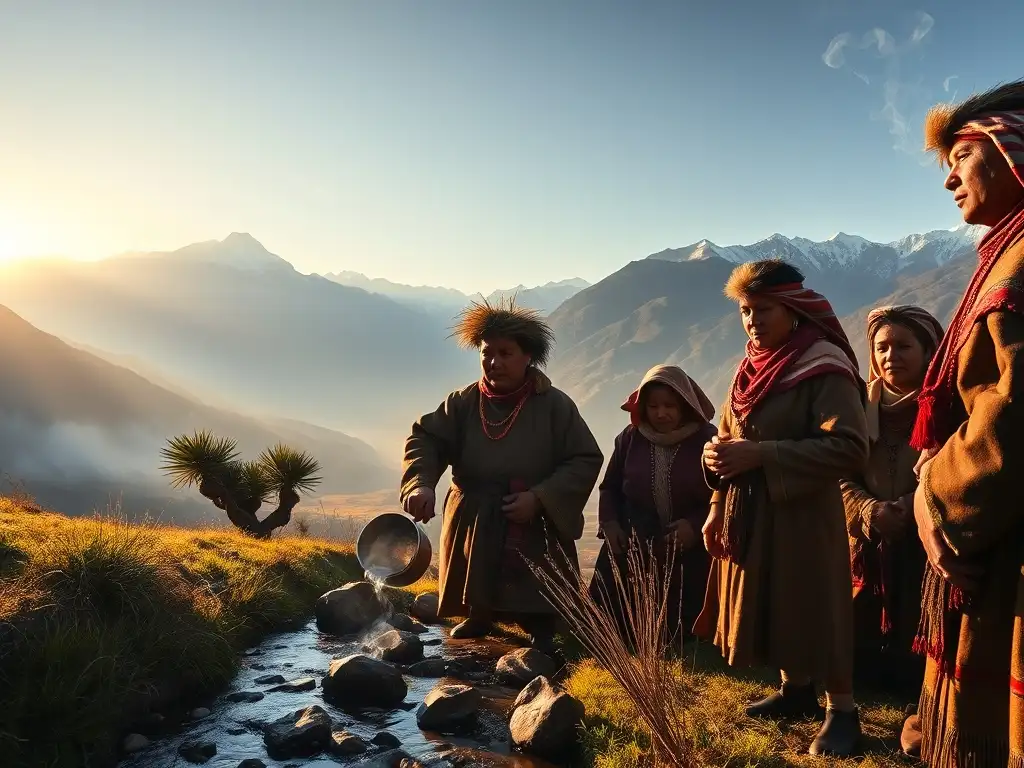
Uncover the secrets of a lost world steeped in mystique and power. Journey with us into the heart of the Andes, where the echoes of ancient Andean purification rituals still resonate. From the breathtaking artistry of the Nazca lines to the sophisticated engineering of Machu Picchu, the Andean civilizations left behind a legacy of intricate social structures and compelling spiritual practices.
Prepare to be captivated as we delve into the daily lives of these remarkable people, revealing the hidden significance of their cleansing ceremonies – a glimpse into a world both familiar and profoundly alien. Explore the fascinating details of their rituals and uncover the mysteries they hold.
The ancient Andean civilizations, renowned for their sophisticated social structures, intricate artistry, and impressive engineering feats, also possessed a deeply ingrained spiritual life centered around the concept of purification. This article delves into the daily rituals and practices employed by Andean peoples—including the Incas, Moche, Nazca, and Tiahuanaco—to maintain physical and spiritual cleanliness, reflecting their profound connection with the natural world and their complex cosmovision.
Understanding these ancient Andean purification rituals provides invaluable insight into their beliefs, social structures, and daily lives, revealing a society deeply intertwined with the rhythms of nature and the sacredness of its elements. We will explore the significance of cleansing within their worldview, the prominent role of water in their rituals, and the diverse methods they employed to achieve a state of purity, both individually and communally.
This exploration will illuminate a crucial aspect of daily life in these fascinating ancient societies, enriching our understanding of their rich cultural heritage.
The Significance of Cleansing in Andean Cosmovision
Ancient Andean societies viewed the world through a lens of duality, with a constant interplay between opposing forces like light and darkness, purity and impurity. Maintaining a state of purity was paramount, not just for individual well-being but also for the overall balance and harmony of the community. Impurity, often associated with illness, misfortune, or spiritual imbalance, was believed to disrupt this delicate equilibrium.
Therefore, purification rituals served as a vital mechanism to restore this balance, ward off negative forces, and ensure prosperity and good health. These rituals weren't merely hygienic practices; they were deeply spiritual acts connecting individuals to the sacred power of the Andes and their deities.
The act of cleansing itself was seen as a form of offering, a way to appease the gods and maintain a harmonious relationship with the supernatural world. The frequency and intensity of these rituals varied depending on factors such as social status, specific events (like births, deaths, or harvests), and individual needs.
Water Rituals: Purification Through Flowing Waters
Water, a life-giving force in the harsh Andean environment, played a central role in purification rituals. The flowing nature of water, its ability to cleanse and renew, made it a powerful symbol of spiritual cleansing and rebirth. Various water sources held special significance, and specific rituals were associated with each.
Sacred Springs and Water Sources in Andean Culture
Many springs and rivers were considered sacred, imbued with spiritual power. These places were often sites for communal rituals, where individuals would bathe or drink the water to purify themselves. The specific location and associated rituals varied across different Andean cultures, reflecting the diverse local beliefs and traditions.
Archaeological evidence suggests the construction of elaborate water management systems, indicating the importance of controlled water access for ritual purposes. These systems demonstrate a sophisticated understanding of hydrology and a deep reverence for the life-giving properties of water. The careful management and preservation of these sacred water sources highlights their central role in the daily lives and spiritual beliefs of the Andean people.
Ritual Baths and Cleansing Ceremonies in Ancient Andes
Ritual bathing was a common practice across various Andean cultures. These baths were not simply for hygiene; they were integral parts of purification ceremonies. Individuals would immerse themselves in water, often accompanied by specific prayers, offerings, and the use of medicinal plants.
The use of specific herbs and plants further underscored the ritual's significance, adding a layer of medicinal and spiritual cleansing. These ceremonies, often performed in designated places near sacred water sources, served to cleanse the body and spirit, preparing individuals for important events or simply maintaining a state of spiritual balance. The detailed nature of these rituals—from the selection of water sources to the specific herbs used—demonstrates the meticulous attention paid to the process of purification.
Water as a Symbol of Renewal and Purity
Beyond its practical use for cleansing, water held profound symbolic meaning in Andean cosmovision. Its constant flow represented renewal, rebirth, and the cyclical nature of life. The act of immersing oneself in flowing water was seen as a symbolic shedding of impurities, a metaphorical washing away of negativity, and a preparation for spiritual renewal.
This symbolic power of water permeated various aspects of Andean life, from agricultural practices to funerary rituals, underscoring its significance as a potent symbol of purity and renewal within their spiritual framework. The symbolic significance of water, coupled with its practical use in purification rituals, reveals the multifaceted role this vital resource played in shaping Andean culture and beliefs.
Cleansing with Fire: The Power of Sacred Flames
Fire Purification in Andean Religious Practices
Fire, a powerful and transformative element, held immense significance in ancient Andean purification rituals. It was seen not just as a source of warmth and light, but as a potent force capable of cleansing both physical and spiritual impurities. The act of burning offerings—be it coca leaves, llama wool, or other sacred items—was believed to purify the space and symbolically carry prayers and intentions to the gods.
These offerings weren't merely discarded; the smoke itself was considered a vehicle for communication with the spiritual realm, carrying away negativity and attracting positive energy. The intensity of the flames, the color of the smoke, and even the crackling sounds were all interpreted as signs and messages from the divine.
Archaeological evidence, such as the remains of hearths and burnt offerings found in various Andean sites, strongly supports the widespread practice of fire purification. The careful placement of these hearths, often within sacred structures, further underscores the ritualistic importance of fire in Andean life.
Ritual Use of Incense and Aromatic Herbs
Beyond the flames themselves, the use of incense and aromatic herbs played a crucial role in fire-based purification rituals. The burning of these fragrant substances, such as copal, palo santo, and various native herbs, not only created a pleasant atmosphere but also served a symbolic purpose. The fragrant smoke was believed to dispel negative energies, purify the air, and create a sacred space conducive to prayer and meditation.
Specific herbs were associated with particular deities or spiritual intentions, adding layers of meaning and complexity to these ceremonies. For example, certain herbs might be burned to invoke healing, while others were used to attract good fortune or ward off evil spirits.
The precise combinations and their intended effects would have varied across different Andean cultures and regions, reflecting the rich diversity of their belief systems. The careful selection and preparation of these herbs demonstrated a deep understanding of their medicinal and spiritual properties, highlighting the intricate connection between the Andean people and the natural world.
Cleansing Ceremonies with Fire for Spiritual Renewal
Fire purification ceremonies weren't merely mundane practices; they were integral components of larger spiritual renewal processes. These ceremonies often involved communal participation, strengthening social bonds and reinforcing shared beliefs. Individuals might participate in these rituals to mark significant life events, such as births, marriages, or deaths, or to seek spiritual cleansing after illness or misfortune.
The act of actively participating in the burning of offerings, the chanting of prayers, and the shared experience of the purifying flames fostered a sense of community and collective spiritual renewal. These ceremonies served as powerful reminders of the interconnectedness of individuals within their communities and their relationship with the divine. The intensity of these communal events, often accompanied by music and dance, underscores their importance in shaping Andean social structures and spiritual beliefs.
Ritual Use of Plants for Purification
Sacred Plants in Andean Healing and Cleansing
The ancient Andean civilizations possessed an extensive knowledge of the medicinal and spiritual properties of plants. Many plants were not just used for sustenance or practical purposes; they held profound spiritual significance and played a critical role in purification rituals. This deeply ingrained understanding of the plant world is reflected in their intricate religious ceremonies and healing practices. The selection and preparation of these plants were often steeped in ritual, further emphasizing their sacred nature.
Specific plants were associated with particular deities or spiritual powers, and their use was governed by strict rules and protocols. Knowledge of these plants and their applications was often passed down through generations, carefully preserved within families and communities. The legacy of this extensive botanical knowledge continues to influence Andean cultures to this day.
The Role of Coca in Andean Rituals
Coca leaves, a staple of Andean life, played a multifaceted role in purification rituals. Beyond their stimulating properties, coca leaves were considered sacred and were offered to deities as part of prayer and ritual offerings. Chewing coca leaves was believed to enhance spiritual awareness and facilitate communication with the spiritual world.
The ritualistic use of coca was not merely recreational; it was a deeply spiritual practice integrated into the fabric of Andean daily life. The significance of coca in Andean culture extends far beyond its stimulant properties, encompassing religious, social, and medicinal aspects. The careful preparation and presentation of coca leaves in rituals showcases the reverence with which they were treated.
Plant-Based Cleansing Baths and Smudges
Beyond the burning of plants, ancient Andean cultures employed plant-based baths and smudges for purification. These cleansing practices involved the use of infused waters and herbal preparations applied to the body. The specific plants used varied depending on the desired effect, whether it was to cleanse the body of illness, ward off evil spirits, or simply promote physical and spiritual well-being.
These baths and smudges were often performed in conjunction with other purification rituals, emphasizing the holistic nature of Andean approaches to cleansing. The use of these natural remedies highlights the deep understanding and respect that the Andean people had for the healing powers of the plant world. These practices demonstrate a sophisticated approach to holistic well-being, integrating physical and spiritual elements.
Personal Cleansing Practices in Daily Andean Life
Daily Hygiene and Body Care
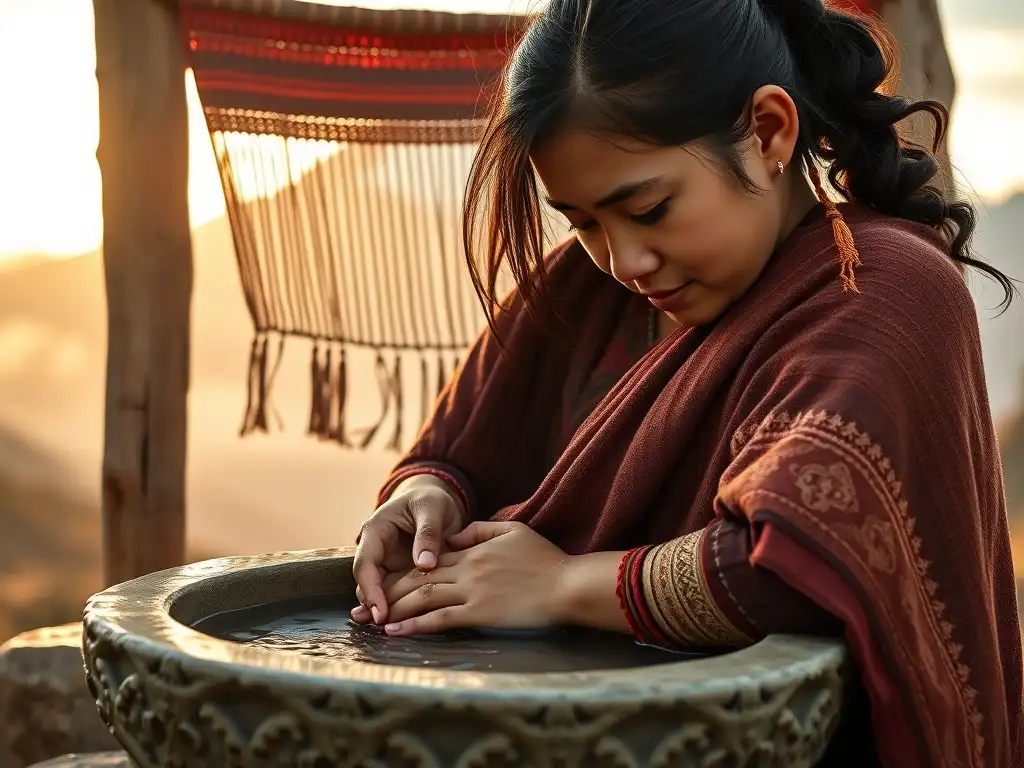
Daily hygiene was a crucial aspect of personal purification in Andean societies. While the specifics varied across different cultures and time periods, evidence suggests a strong emphasis on cleanliness. Archaeological findings reveal the use of various tools for personal grooming, including combs made from bone or wood, and evidence of the use of natural soaps and shampoos derived from plants.
These practices weren't merely about physical cleanliness; they were deeply intertwined with spiritual beliefs, representing a daily act of purification and preparation for interacting with the sacred world. The daily bath, or a simple washing of the face and hands, symbolized the removal of impurities accumulated throughout the day, both physical and spiritual. This daily ritual helped maintain a state of balance and harmony, essential for a healthy and meaningful life in the Andean worldview.
The frequency and intensity of these practices likely varied based on social standing and access to resources, but the underlying principle of maintaining bodily purity remained constant. Further research into specific communities could reveal a more nuanced understanding of daily hygiene practices.
Ritual Fasting and Dietary Purifications
Beyond physical cleansing, Andean cultures practiced ritual fasting and dietary restrictions as vital components of purification. These practices were not simply about abstaining from food; they were deeply symbolic acts aimed at achieving a state of spiritual purity and preparing individuals for important ceremonies or events. Specific foods were considered "clean" or "pure," while others were deemed impure and avoided during periods of fasting.
The choice of foods often held symbolic meaning, reflecting beliefs about the connection between the human body and the natural world. For instance, certain plants or animals might have been associated with specific deities or spiritual forces, making their consumption during fasting periods either appropriate or taboo. The duration and intensity of fasting varied depending on the specific ritual or event, ranging from short periods of abstinence to extended fasts lasting several days.
[Specific examples of fasting practices and their associated beliefs in different Andean cultures pending]. The act of fasting itself was believed to cleanse the body and spirit, preparing the individual for a closer communion with the divine.
The Importance of Spiritual Cleansing in Andean Societies
Spiritual cleansing was paramount in Andean societies, interwoven into the fabric of daily life and major events. The concept of purity was not solely physical; it encompassed a holistic approach, acknowledging the interconnectedness of the physical and spiritual realms. Maintaining spiritual purity was seen as crucial for maintaining balance and harmony within oneself, with one's community, and with the natural world.
Impurity, on the other hand, was believed to attract misfortune, illness, or even spiritual malevolence. This belief system fostered a strong emphasis on ritual practices designed to cleanse individuals and communities from negative energies or spiritual contamination. The use of sacred plants, like coca leaves, or the performance of specific rituals and ceremonies, were common methods for achieving spiritual purification.
The Andean worldview emphasized the importance of living in harmony with the cosmos, and spiritual cleansing was a vital mechanism to maintain this delicate equilibrium. [Further research is needed to fully understand the specific methods and beliefs surrounding spiritual cleansing across different Andean cultures].
Purification Rituals for Specific Events
Cleansing Practices Before Important Ceremonies
Before important ceremonies or rituals, Andean peoples underwent rigorous purification practices to ensure their spiritual readiness. These cleansing practices were considered essential for ensuring the success and efficacy of the ceremony and to prevent any negative influences from disrupting the sacred event. This might have involved fasting, specific bathing rituals using sacred plants, or the use of special herbs and incense to purify the body and spirit. The specific practices varied across different cultures and ceremonies, but the underlying intention – to achieve a state of spiritual purity and receptivity – remained consistent.
The participants would often abstain from certain foods or activities leading up to the ceremony, further preparing themselves for the sacred event. [Specific examples of pre-ceremony purification practices in different Andean cultures pending]. These pre-ceremony rituals were not simply individual acts; they were often communal affairs, reinforcing social bonds and shared beliefs.
Ritual Purification After Death
Death was a significant event in Andean societies, requiring elaborate purification rituals to prevent the deceased's spirit from causing harm or disrupting the balance of the community. The process often involved cleansing the body of the deceased, sometimes with specific herbs or plants believed to have purifying properties. The burial site itself was often meticulously prepared, and rituals were performed to ensure the safe passage of the spirit to the afterlife.
The surviving family members also underwent purification rituals to cleanse themselves of any spiritual contamination associated with death. [Specific details on post-death purification rituals in different Andean cultures pending]. These practices highlight the Andean understanding of death as a transition, requiring careful management to maintain the harmony of the living and the dead.
Cleansing of Places and Objects
The Andean concept of purification extended beyond individuals to encompass the environment and objects. Places and objects were believed to accumulate negative energies or impurities over time, requiring periodic cleansing. This might involve the use of sacred plants, water, or incense to purify homes, temples, or other important sites. Objects used in ceremonies or those associated with the deceased also underwent purification rituals to remove any lingering negative energies.
These practices demonstrate a deep respect for the environment and a belief in the interconnectedness of all things. [Examples of specific cleansing practices for places and objects in different Andean cultures pending]. This holistic approach to purification underscores the Andean worldview, where the spiritual and physical realms were inextricably linked, necessitating a continuous process of cleansing and renewal.
The Legacy of Ancient Andean Purification Rituals
The legacy of ancient Andean purification rituals is profound and far-reaching, influencing not only the spiritual practices of modern Andean communities but also shaping contemporary understandings of ritual cleansing across the globe. These rituals, deeply intertwined with the Andean worldview, weren't merely hygienic practices; they were integral to maintaining harmony with the apus (mountain spirits), the pachamama (Earth Mother), and the cosmos as a whole. The meticulous attention paid to cleansing the body, mind, and spirit reflects a sophisticated understanding of the interconnectedness of these elements and their impact on individual and community well-being.
Evidence of these rituals, found in archaeological sites and preserved in oral traditions, offers a window into the spiritual depth and complexity of Andean life. The enduring power of these traditions highlights their adaptability and resilience across centuries, demonstrating their ongoing relevance in modern society.
Surviving Cleansing Practices in Modern Andean Communities
Many ancient Andean purification practices continue to thrive in modern Andean communities. The use of coca leaves, for instance, remains a common practice for spiritual cleansing and energizing. Chewing coca leaves, often accompanied by prayers and offerings, is believed to help connect individuals with the spiritual world and promote physical and mental well-being. Similarly, the practice of despacho, a ritual offering made to appease the spirits and ensure good fortune, persists in many communities.
These offerings, meticulously crafted with various natural elements, symbolize a commitment to maintaining harmony with the spiritual realm. Furthermore, the use of agua florida (flower water) for cleansing and blessing remains widespread, showcasing the enduring importance of water in Andean purification rituals. The continued practice of these rituals underscores their enduring significance and their adaptability to contemporary life.
The Continuing Relevance of Andean Spiritual Cleansing
The continuing relevance of Andean spiritual cleansing stems from its profound connection to the Andean worldview, which emphasizes the interconnectedness of the physical and spiritual worlds. In a world increasingly characterized by stress and uncertainty, the focus on internal and external cleansing offered by these rituals resonates deeply. The practices offer a pathway to reconnect with nature, foster inner peace, and find strength in the face of adversity.
The emphasis on harmony and balance, central to these rituals, provides a valuable framework for navigating the complexities of modern life. Furthermore, the communal aspect of many of these rituals strengthens social bonds and fosters a sense of belonging, highlighting their importance in maintaining social cohesion and well-being. The enduring appeal of these practices suggests their capacity to address universal human needs for meaning, connection, and spiritual fulfillment.
The Influence of Ancient Rituals on Contemporary Practices
Ancient Andean purification rituals have significantly influenced contemporary practices, both within Andean communities and globally. The growing interest in holistic wellness and alternative therapies has led to a renewed appreciation for traditional healing methods, including those rooted in Andean spiritual practices. Elements of Andean cleansing rituals, such as the use of herbs, water, and symbolic offerings, are now incorporated into various contemporary practices, from energy healing to meditation.
The emphasis on the interconnectedness of mind, body, and spirit, a core tenet of Andean spiritual beliefs, has found resonance in contemporary wellness approaches. The integration of Andean practices into broader wellness paradigms demonstrates the enduring influence and adaptability of ancient Andean knowledge.
Comparing Andean Purification Rituals with Other Ancient Cultures
Similarities and Differences in Cleansing Rituals
Ancient Andean purification rituals share some similarities with cleansing rituals practiced in other ancient cultures. Many cultures, for example, utilized water as a central element in purification ceremonies, recognizing its symbolic power to cleanse and purify. The use of plants and herbs for medicinal and spiritual cleansing is also a common theme across various ancient traditions. However, Andean rituals also possess unique characteristics.
The emphasis on the pachamama and the apus, for instance, sets Andean practices apart from those found in other regions. The specific offerings used in despacho ceremonies, the intricate designs woven into textiles used in rituals, and the specific use of coca leaves, all reflect the unique cosmological beliefs and practices of the Andes. While shared themes exist, the specific expressions and symbolism of Andean cleansing rituals reflect a distinct cultural identity.
Unique Aspects of Andean Cleansing Practices
Several unique aspects distinguish Andean purification rituals from those of other ancient cultures. The profound respect for nature and the sacredness of the mountains, represented by the apus, is a central feature of Andean cosmology and strongly influences their purification practices. The intricate symbolism embedded in despacho offerings, often reflecting the balance and harmony sought in the ritual, is also distinctive.
Furthermore, the integration of coca leaves, not just for their stimulant properties but also their spiritual significance, is a uniquely Andean practice. The strong connection between ritual cleansing and maintaining balance within the community, reflected in communal ceremonies, further sets Andean rituals apart. These unique elements highlight the rich cultural context and depth of Andean spiritual beliefs.
The Cross-Cultural Significance of Ritual Purification
The cross-cultural significance of ritual purification lies in its universal human need to connect with something larger than oneself and to strive for balance and harmony. Ritual purification transcends geographical boundaries and cultural differences, reflecting a fundamental human desire for cleansing, renewal, and spiritual connection. The diverse forms these rituals take across different cultures illuminate the various ways humans have sought to connect with the spiritual world and maintain a sense of well-being.
The study of these rituals offers insights into shared human experiences and the enduring power of symbolic actions to address fundamental human needs. The common thread running through these diverse practices underscores the universality of the human need for spiritual cleansing and the power of ritual to promote well-being.
- The Significance of Cleansing in Andean Cosmovision
- Water Rituals: Purification Through Flowing Waters
- Cleansing with Fire: The Power of Sacred Flames
- Ritual Use of Plants for Purification
- Personal Cleansing Practices in Daily Andean Life
- Purification Rituals for Specific Events
- The Legacy of Ancient Andean Purification Rituals
- Comparing Andean Purification Rituals with Other Ancient Cultures
- What were the most common forms of purification practiced by ancient Andean cultures?
- How important was water in Andean purification rituals?
- Did different Andean cultures have unique purification practices?
- What role did plants play in Andean purification rituals?
- What was the purpose of these purification rituals in Andean society?
Frequently Asked Questions
What were the most common forms of purification practiced by ancient Andean cultures?
Ancient Andean cultures employed a variety of purification methods. These included ritual bathing in rivers or springs, the use of medicinal plants, and ceremonial offerings to appease deities and cleanse the community.
How important was water in Andean purification rituals?
Water held immense spiritual significance. It was seen as a powerful cleansing agent capable of washing away impurities, both physical and spiritual. Many rituals centered around water sources.
Did different Andean cultures have unique purification practices?
Yes, while many shared common themes, specific rituals varied between cultures like the Inca, Moche, Nazca, and Tiahuanaco. Each civilization had its own unique beliefs and practices reflected in their purification ceremonies.
What role did plants play in Andean purification rituals?
Medicinal plants played a crucial role, used for both physical and spiritual cleansing. Certain plants were believed to have purifying properties, used in baths, drinks, or offerings.
What was the purpose of these purification rituals in Andean society?
Purification rituals served multiple purposes: maintaining physical and spiritual well-being, ensuring community harmony, and appeasing deities. They were integral to daily life and social order.
Final Reflection: Echoes of the Andes: A Legacy of Purification
The ancient Andean reverence for purification, far from being a relic of the past, resonates deeply with our contemporary anxieties about wellness and spiritual balance. The meticulous rituals detailed in this article—from the intricate use of coca leaves to the symbolic power of water—offer a potent reminder of humanity's enduring need to cleanse, both physically and spiritually. This need transcends time and culture, highlighting the universal human desire for purity and harmony.
The enduring legacy of Andean purification practices is evident in the continued use of many of these techniques, albeit often adapted to modern contexts. Their influence can be seen in contemporary wellness trends emphasizing mindfulness, natural remedies, and the connection between physical and spiritual well-being. The earth provides all that we need; we must only learn to receive.
This ancient wisdom, applicable then as it is now, underscores the importance of respecting and harmonizing with the natural world in our pursuit of inner peace.
Consider, for a moment, the ways in which you seek to cleanse and purify your own life. What rituals, both big and small, do you employ to find balance and clarity? Perhaps this exploration of ancient Andean practices will inspire you to incorporate elements of mindful cleansing into your daily routine, whether it's through a conscious moment of gratitude, a mindful walk in nature, or a simple act of self-care. Embrace the enduring wisdom of the Andes and discover the transformative power of purification in your own life.
Embrace the Power of Cleansing Rituals!
Thank you for exploring the fascinating daily purification rituals of ancient Andean life! You've gained valuable insights into the spiritual and cultural significance of ritual in fostering connection and well-being. Now, let's put that knowledge into practice.
Here are some ways to continue your journey of purification and connection:
- **Begin a daily purification ritual:** Integrate elements inspired by Andean practices into your life—perhaps through meditation, herbal cleansing, or creating a sacred space. Choose a practice that resonates with you and commit to it daily.
- **Share your experience:** Connect with friends and family by sharing the significance of these ancient rituals. Invite them to explore similar practices with you.
- **Join a local cultural group or workshop:** Seek out community events focused on Andean traditions or purification techniques. Connecting with others deepens your understanding and fosters a sense of belonging.
What will be your first step in embracing these transformative cleansing practices?