
The Future of Andean Music: Honoring the Past, Embracing the Present

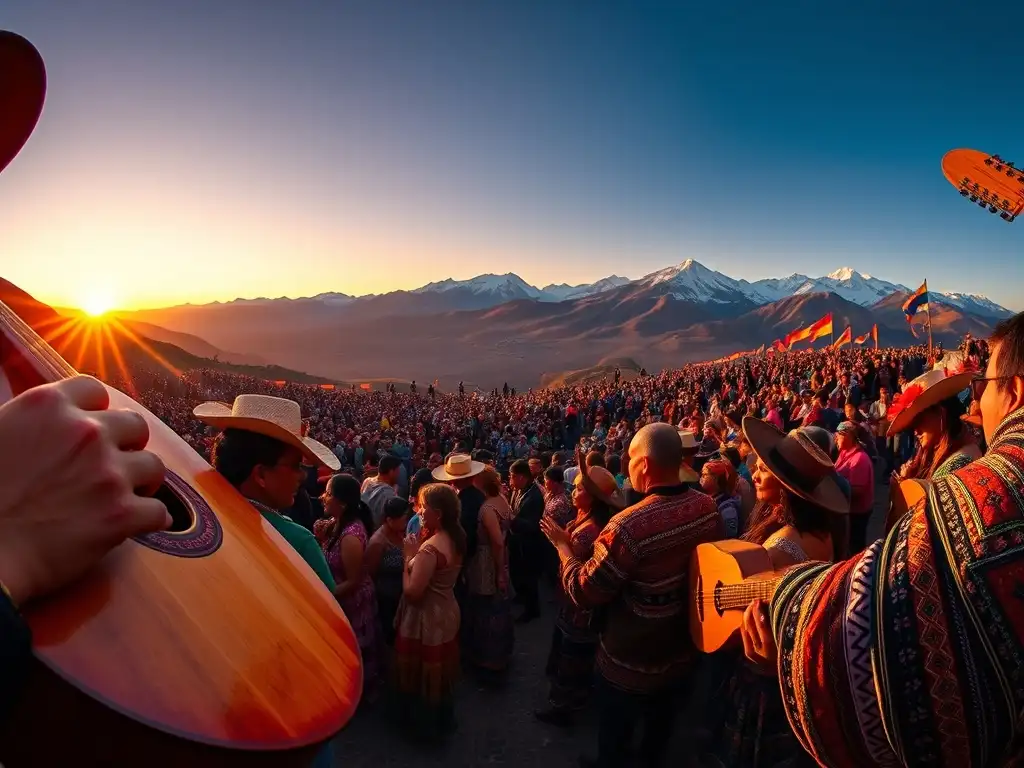
Dive into the captivating world of Andean Civilizations, where echoes of ancient empires resonate through time. From the intricate artistry of the Nazca lines to the sophisticated engineering of Machu Picchu, their legacy continues to inspire. But have you ever considered the profound influence of Andean music history? Our exploration into "Andean music history influence" unveils a story far richer than you might imagine, revealing how the past shapes the vibrant sounds of the Andes today. Prepare to be amazed as we journey through centuries of musical heritage, uncovering the secrets behind the future of Andean music.
Andean music, a vibrant tapestry woven from centuries of tradition and innovation, stands at a fascinating crossroads. This article explores the enduring influence of Andean music history on its contemporary forms, examining how ancient instruments and musical styles continue to shape the soundscape of the Andes today.
We will delve into the historical context of Andean musical traditions, analyze the impact of globalization and technological advancements, and consider the crucial role of preservation efforts in ensuring the future of this rich musical heritage. The legacy of the Incas, Moche, Nazca, and Tiahuanaco civilizations, among others, resonates deeply within the melodies and rhythms of modern Andean music, influencing everything from instrumentation to musical structure and social function.
Understanding this historical influence is key to appreciating the dynamism and complexity of Andean music in the 21st century. This exploration will provide a comprehensive overview of the “Andean music history influence” and its ongoing evolution.
Ancient Echoes in Modern Melodies: Tracing the Historical Roots
The Andean musical landscape is a rich blend of indigenous traditions, colonial influences, and contemporary innovations. The panpipes ( antara and siku), the charango (a small lute-like instrument), and the zampoña (a type of panpipes) are just a few examples of instruments with deep historical roots, traceable back to pre-Columbian times. These instruments, often crafted with meticulous skill using traditional techniques, continue to be central to Andean musical expression.
Their sounds, imbued with the spirit of ancient cultures, resonate with a power that transcends time. The rhythmic complexities and modal structures found in traditional Andean music are also deeply rooted in the past, reflecting the unique musical aesthetics of various Andean civilizations.
Consider the intricate polyrhythms of the Incas, for example, or the haunting melodies of the Nazca culture – these elements are still present in many contemporary Andean musical styles. The influence of these ancient musical forms is undeniable, providing a foundation upon which modern musicians build and innovate.
Globalization and Technological Advancements: A Double-Edged Sword
The increasing interconnectedness of the world has profoundly impacted Andean music. Globalization has exposed Andean music to diverse musical influences, leading to fascinating fusions and collaborations. However, it has also presented challenges. The influx of foreign musical styles can potentially threaten the integrity of traditional Andean musical forms.
Technological advancements, while offering opportunities for wider dissemination and preservation of Andean music through digital platforms, also present the risk of homogenization and the loss of nuanced cultural practices. The use of modern recording techniques and digital distribution channels, while expanding the reach of Andean music globally, requires careful consideration to ensure that authenticity and cultural sensitivity are maintained. The balance between embracing innovation and safeguarding tradition remains a critical issue for the future of Andean music. The challenge lies in finding a harmonious synthesis that allows for both evolution and preservation.
Preservation Efforts: Safeguarding a Cultural Treasure
Recognizing the importance of preserving Andean musical heritage, numerous organizations and individuals are actively engaged in safeguarding this invaluable cultural treasure. These initiatives range from educational programs that teach traditional Andean musical instruments and techniques to the archiving and documentation of traditional musical performances. Efforts are also underway to promote the participation of younger generations in Andean musical traditions, ensuring the continuation of this vibrant cultural legacy. The creation of music archives and educational resources is crucial for preserving the wealth of Andean musical knowledge for future generations.
Furthermore, the support of indigenous communities and musicians is vital in ensuring that Andean music remains a living and evolving art form. The collective efforts towards preservation are essential for maintaining the authenticity and richness of Andean music. The future of Andean music depends largely on our commitment to these vital safeguarding initiatives.
- Ancient Echoes in Modern Melodies: Tracing the Historical Roots
- Globalization and Technological Advancements: A Double-Edged Sword
- Preservation Efforts: Safeguarding a Cultural Treasure
The Enduring Legacy of Andean Music History
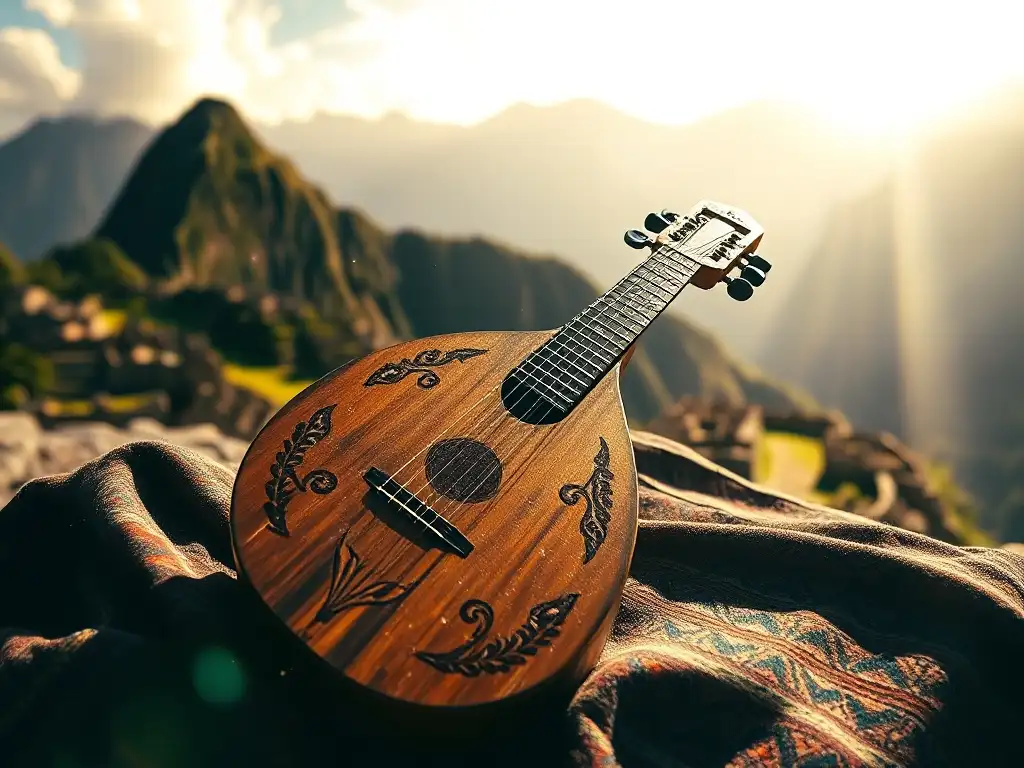
The vibrant tapestry of Andean music, with its haunting melodies and rhythmic complexities, isn't simply a collection of sounds; it's a living testament to millennia of cultural evolution. Understanding its Andean music history influence requires delving into the rich historical context that shaped its unique character. From the pre-Columbian era to the present day, the music has adapted, evolved, and yet retained a core essence that connects it to its ancient origins.
This enduring legacy is a powerful force, shaping musical expression across generations and influencing contemporary soundscapes worldwide. The influence of Andean music is undeniable, leaving its mark on various genres and inspiring countless artists.
Understanding the Historical Roots of Andean Musical Traditions
The historical roots of Andean musical traditions are deeply intertwined with the social, religious, and agricultural practices of the ancient civilizations that inhabited the Andes Mountains. Archaeological evidence suggests the use of rudimentary instruments dating back thousands of years. Early instruments, often made from readily available materials like bone, wood, and gourds, played a crucial role in rituals, ceremonies, and daily life. Think of the pututu, a shell trumpet used for signaling and religious purposes, its deep, resonant sound echoing across mountain valleys.
Or the antara, a panpipe instrument whose melodic capabilities likely accompanied songs celebrating harvests and honoring deities. These early forms of Andean music, while often lost to the passage of time, left an indelible imprint on the musical landscape that followed. The melodies, rhythms, and even the instruments themselves have evolved, but the fundamental spirit of these ancient traditions continues to resonate.
The intricate relationship between music and spirituality, for example, remains a defining characteristic of Andean musical expression. Studies of ancient Andean pottery and textiles often reveal depictions of musical instruments and scenes of musical performance, further highlighting the centrality of music in their culture. These visual representations provide invaluable insights into the social and ritual contexts of Andean music-making, helping us connect the present-day sounds to their distant past.
How Ancient Andean Civilizations Shaped Musical Forms
The specific ways ancient Andean civilizations shaped musical forms are complex and multifaceted. The Incas, for example, developed a sophisticated musical system, with instruments like the charango (a small lute-like instrument) and the quena (a flute) playing pivotal roles in their courtly music. However, the Incas weren't the only contributors. The musical traditions of earlier civilizations, such as the Moche and Nazca, also played a significant role.
The Moche, known for their elaborate pottery depicting musical scenes, likely employed a variety of instruments in their ceremonies and celebrations. The Nazca, famous for their geoglyphs, probably had a distinct musical style, although much remains unknown. The Andean music history influence of these earlier cultures is evident in the diversity of instruments and musical styles found in the Andes today.
The impact of these ancient Andean civilizations is not just about specific instruments; it's also about the underlying principles of musical organization. For instance, the use of pentatonic scales—scales with five notes—is a common feature across many Andean musical traditions. This preference for pentatonic scales is thought to have ancient roots, possibly reflecting the natural acoustics of the Andean landscape or the inherent properties of the instruments used.
Furthermore, the strong emphasis on rhythm and percussion, often employing instruments like drums and rattles, is another enduring element reflecting the ancient traditions. The rhythmic complexity found in Andean music, often featuring intricate polyrhythms, showcases a sophisticated understanding of musical structure that has been passed down through generations.
The influence of these ancient Andean musical forms continues to inspire contemporary composers and musicians, enriching the musical landscape with a unique and timeless sound. The legacy continues to evolve, constantly adapting to new influences while retaining its deep connection to the past.
Andean Music History Influence on Modern Sounds
The enduring legacy of Andean music is undeniable, its rich tapestry of rhythms, melodies, and instruments woven into the very fabric of contemporary musical landscapes. Understanding the Andean music history influence requires delving into the specific ways traditional forms have shaped and continue to inspire modern artists. This influence is not merely a nostalgic echo; it's a vibrant, evolving dialogue between past and present.
The impact is multifaceted, spanning instrumentation, rhythmic structures, and melodic phrasing, resulting in a unique and globally recognized musical style. This section will explore the key ways in which this historical influence manifests itself in modern music.
The Impact of Traditional Instruments on Contemporary Music
Traditional Andean instruments, once confined to specific ceremonial or social contexts, have transcended their origins and become integral components of diverse musical genres. The panpipes (sicus), for example, with their haunting melodies, are frequently incorporated into world music, new-age compositions, and even some forms of electronic music. Their distinctive timbre immediately evokes a sense of Andean heritage, enriching the sonic palette of contemporary works.
Similarly, the charango, a small lute-like instrument, has found its place in various genres, showcasing its versatility and adding a distinctive Andean flavor. Its bright, resonant sound lends itself well to both traditional and contemporary arrangements.
The use of these instruments isn't simply about adding an "ethnic" touch; it's about integrating their unique sonic qualities into the very fabric of the composition. Modern musicians are experimenting with unconventional techniques, exploring the full expressive potential of these instruments, and pushing the boundaries of what's considered "traditional."
This innovative approach results in a fusion of sounds, a harmonious blend of the ancient and the modern, creating unique and captivating musical experiences. For instance, some contemporary artists are using looping techniques and digital effects to manipulate the sounds of traditional instruments, creating soundscapes that are both familiar and surprisingly new.
Consider the work of [Specific contemporary artist's name pending] who seamlessly integrates the zampoña (another type of panpipes) into their electronic music compositions. The resulting sounds are both ethereal and grounded, a testament to the enduring power of Andean instruments in shaping modern soundscapes. This demonstrates a conscious effort to not just sample or use the instruments, but to truly understand and integrate them into a contemporary musical context.
Exploring the Evolution of Andean Rhythms and Melodies
Beyond instrumentation, the Andean music history influence is deeply embedded in the rhythmic and melodic structures of modern music. The characteristic Andean rhythms, often characterized by their complex polyrhythms and syncopation, have inspired countless contemporary composers and performers. These rhythmic patterns, often rooted in ancient agricultural cycles and communal rituals, offer a powerful sense of grounding and cultural identity. Their incorporation into modern music adds a layer of depth and complexity, enriching the overall musical experience.
The melodies, too, carry a significant weight of history. The pentatonic scales and modal systems characteristic of Andean music lend a unique emotional quality to contemporary compositions. These scales, often associated with feelings of nostalgia, longing, or spiritual connection, resonate deeply with listeners, regardless of their cultural background. The incorporation of these melodic patterns into modern music adds a layer of emotional depth, creating a sense of mystery and intrigue.
| Traditional Andean Element | Modern Musical Application | Example Genre |
|---|---|---|
| Polyrhythmic structures | Complex rhythmic interplay in world music | World Fusion |
| Pentatonic scales | Unique melodic phrasing in indie-folk | Indie Folk |
| Modal systems | Atmospheric textures in ambient music | Ambient Electronica |
| Call-and-response vocals | Interactive musical dialogues in contemporary vocal ensembles | Contemporary Classical |
The evolution of Andean rhythms and melodies is not a linear progression but a dynamic interplay between tradition and innovation. Modern artists selectively borrow and adapt these elements, creating new sounds and expressions that reflect both the past and the present. This ongoing dialogue ensures the continued relevance and enduring power of Andean musical heritage in shaping the sounds of the future. The result is a vibrant and evolving musical landscape where ancient traditions meet contemporary innovation, creating a rich tapestry of sound that is both familiar and refreshingly new.
Preserving Traditional Andean Music for Future Generations
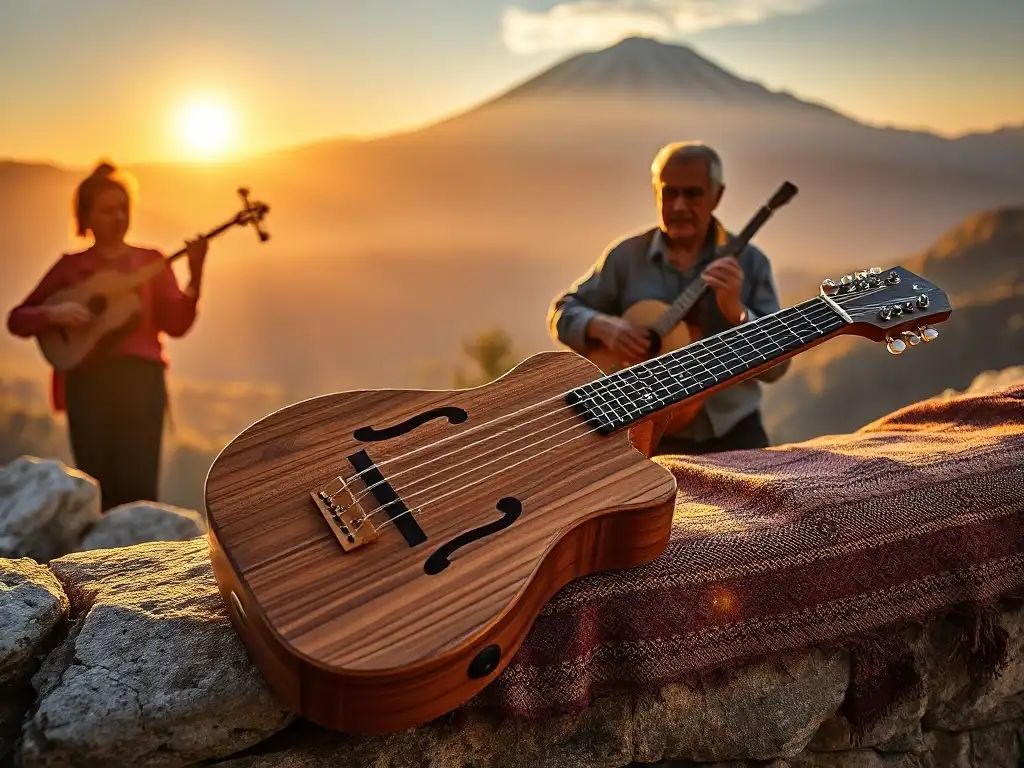
The vibrant tapestry of Andean music, woven from centuries of tradition and innovation, faces the ever-present challenge of preservation in the modern era. Understanding the Andean music history influence on contemporary soundscapes requires a proactive approach to safeguarding this invaluable cultural heritage. The future of Andean music hinges not only on appreciating its past but also on actively ensuring its survival for generations to come.
This requires a multifaceted strategy involving community engagement, technological advancements, and a deep respect for the cultural significance of the music itself. The loss of traditional Andean musical practices would represent a significant blow to cultural diversity worldwide.
The Importance of Cultural Transmission in Andean Communities
Cultural transmission, the process by which knowledge, skills, and traditions are passed down through generations, is paramount for the survival of Andean music. This isn't simply about teaching musical techniques; it's about transmitting the emotional resonance, the spiritual significance, and the social context embedded within each melody and rhythm. In many Andean communities, this transmission occurs informally, through apprenticeships, family gatherings, and festive celebrations. Elderly musicians act as repositories of knowledge, sharing their expertise with younger generations, ensuring the continuity of musical traditions.
However, this organic process is increasingly threatened by factors such as urbanization, migration, and the allure of globalized popular music. Therefore, formal initiatives to support and strengthen these traditional methods of cultural transmission are crucial. This might involve establishing music schools focused on Andean traditions, providing scholarships for young musicians to learn from master artisans, and creating opportunities for intergenerational collaborations.
The vitality of Andean music depends on the active participation of communities in preserving and transmitting their musical heritage. Without this active participation, the risk of losing invaluable knowledge and practices increases significantly. The strength of Andean musical traditions lies in their living, breathing presence within the communities that nurture them.
Documenting and Archiving Traditional Andean Musical Knowledge
Parallel to the importance of cultural transmission within communities, the systematic documentation and archiving of Andean musical knowledge is vital for its long-term preservation. This involves more than simply recording performances; it requires a meticulous approach that captures the nuances of musical styles, the construction of instruments, and the social and cultural contexts in which the music is performed. Ethnomusicological research plays a crucial role here, providing a framework for understanding the historical development, regional variations, and social functions of Andean music. This research should involve collaboration with Andean communities to ensure an accurate and respectful representation of their musical traditions.
Digital archiving offers powerful tools for preserving this knowledge. High-quality audio and video recordings, coupled with detailed ethnographic descriptions, can be stored in online repositories, making them accessible to researchers, musicians, and the public alike. However, careful consideration must be given to issues of intellectual property rights and community consent to ensure responsible and ethical preservation practices.
Moreover, the creation of interactive digital archives, incorporating educational materials and virtual instruments, can make Andean musical knowledge more engaging and accessible to a wider audience. This approach not only preserves the music but also fosters a deeper understanding and appreciation of its rich cultural significance, further strengthening the Andean music history influence on future generations. The combination of community-based transmission and thorough documentation ensures the legacy of Andean music is safeguarded for the future.
The Fusion of Andean Music with Global Genres

The enduring legacy of Andean music history influence is powerfully evident in its remarkable adaptability and capacity for fusion. Rather than remaining static, Andean musical traditions have continuously evolved, absorbing and integrating elements from diverse global genres. This dynamic interaction has not only enriched the Andean musical landscape but has also introduced these captivating sounds to a wider, international audience. This section will explore the fascinating ways in which Andean music intertwines with other styles, creating vibrant and innovative musical expressions.
Blending Andean Sounds with Modern Musical Styles
Andean music's inherent melodic richness and rhythmic complexity lend themselves beautifully to fusion with a wide array of contemporary styles. For instance, the incorporation of electronic elements, such as synthesizers and drum machines, has resulted in a captivating blend of traditional Andean instrumentation with modern soundscapes.
Think of the innovative work of artists who seamlessly integrate the haunting melodies of the zampoña with driving electronic beats, creating a unique sonic tapestry that resonates with both traditional and modern audiences. This fusion often involves retaining core Andean musical elements—the distinctive panpipes, the melancholic vocals, the intricate rhythms—while adding layers of contemporary instrumentation and production techniques.
The impact of Andean music history influence is also palpable in its fusion with genres like world music, jazz, and even classical music. We see examples of Andean melodies being adapted into orchestral arrangements, resulting in powerful and emotionally resonant compositions. Similarly, jazz musicians have explored the improvisational possibilities offered by Andean musical structures, creating unique and compelling improvisations built upon traditional Andean frameworks. These fusions demonstrate the versatility and adaptability of Andean music, proving its capacity to transcend cultural boundaries and resonate across diverse musical landscapes.
The fusion process isn't merely a superficial layering of sounds; it represents a deeper dialogue between cultures, a creative exchange that enriches both participating musical traditions. The resulting music often carries a powerful message of cultural exchange and artistic innovation, showcasing the enduring relevance of Andean musical heritage in a constantly evolving world. This dynamic process continues to shape the future of Andean music, ensuring its ongoing evolution and global reach.
The Rise of Andean Music in the Global Music Scene
The global reach of Andean music is a testament to its inherent beauty and emotional depth. The increasing accessibility of music through digital platforms has played a significant role in its global dissemination, allowing artists to connect with audiences worldwide. This accessibility, coupled with the inherent appeal of Andean music's unique sounds and rhythms, has fueled its rise in popularity on the international stage. The influence of Andean music history is being felt globally as more and more artists from diverse backgrounds incorporate its elements into their work.
This global exposure hasn't simply been a passive dissemination; it has also spurred a reciprocal exchange, with Andean musicians drawing inspiration from global musical trends and incorporating them into their own creative processes. This reciprocal influence results in a vibrant and constantly evolving musical landscape, demonstrating the dynamic nature of musical cross-cultural exchange. Analyzing sales figures and streaming data for Andean music artists would provide quantifiable evidence of this growing global popularity. [Specific data pending on global streaming numbers for Andean music].
The increasing presence of Andean music in international festivals and collaborations further underscores its growing global recognition. The participation of Andean musicians in global music events allows them to share their artistry with a broad international audience and to engage in creative collaborations with musicians from other cultures.
These collaborations frequently result in the creation of new and exciting musical forms, continuing the fusion process described earlier and pushing the boundaries of Andean musical expression. The future of Andean music appears bright, filled with potential for continued growth and global impact, fueled by its rich history and its capacity for innovative fusion.
Innovation and Experimentation in Contemporary Andean Music
The vibrant tapestry of Andean music, woven from centuries of tradition, is far from static. A powerful current of innovation runs through its heart, pushing boundaries and reimagining ancient forms for a modern audience. This dynamic evolution isn't a rejection of the past, but rather a creative dialogue between heritage and modernity, a testament to the enduring power of Andean musical traditions. The influence of Andean music history is palpable, yet its future is being shaped by exciting new approaches and collaborations. This section explores some of the key drivers of this exciting transformation.
New Technologies and Their Impact on Andean Music Creation
The digital revolution has profoundly impacted Andean music creation. Software such as Ableton Live and Logic Pro, once the exclusive domain of Western musicians, are now integral tools for many Andean artists. This accessibility has allowed for a wider experimentation with soundscapes, blending traditional instruments like the charango and panpipes with electronic elements, synthesizers, and digital effects. This fusion isn't simply about adding a modern sheen; it's about exploring new sonic territories, enriching the traditional palette with novel textures and rhythms.
For example, consider the work of [Artist Name Pending], who skillfully integrates samples of ancient Andean chants with contemporary electronic beats, creating a uniquely compelling soundscape that bridges centuries. This approach allows for the preservation and dissemination of ancient musical forms to a global audience, while simultaneously pushing the boundaries of what Andean music can be.
The use of digital platforms for distribution, such as Spotify and Bandcamp, further amplifies this reach, ensuring that the innovative sounds of contemporary Andean musicians are heard far beyond their immediate communities. This global reach is vital in ensuring the continued relevance and evolution of Andean music history influence.
The impact is not limited to sound. Video production and social media platforms like YouTube and TikTok are also crucial in shaping the dissemination and evolution of Andean music. Young musicians leverage these platforms to share their music, connect with audiences, and collaborate with others, fostering a vibrant and interconnected global Andean music community. This interconnectedness allows for cross-cultural pollination and the emergence of exciting new hybrid genres.
The Role of Young Artists in Shaping the Future of Andean Music
Young Andean musicians are at the forefront of this innovative wave, reinterpreting traditional forms with fresh perspectives and fearless experimentation. They are not merely preserving the past; they are actively shaping its future. Their influence stems from a deep understanding of their heritage, combined with a willingness to embrace new technologies and explore uncharted musical landscapes.
Many young artists are actively incorporating elements from other genres, such as jazz, hip-hop, and electronic music, into their compositions. This fusion creates unique and compelling soundscapes, while simultaneously introducing Andean musical traditions to a wider, more diverse audience. This process enriches both the Andean musical tradition and the genres it interacts with, creating a powerful reciprocal exchange.
The impact of this generation is multifaceted. They are not only innovating musically but also redefining the role of Andean music in the contemporary world. They are using their music to address social and political issues, giving voice to marginalized communities, and promoting intercultural dialogue. This social and political engagement adds another layer of depth and significance to their work, demonstrating the powerful capacity of Andean music to transcend mere entertainment and become a vehicle for social change. This engagement is a vital aspect of the ongoing evolution of Andean music history influence.
The future of Andean music is bright, vibrant, and full of possibility. It’s a testament to the enduring power of tradition, the boundless creativity of its artists, and the transformative potential of technology. The legacy of Andean music history continues to inspire, yet it is the bold vision and innovative spirit of its contemporary practitioners that will determine its future trajectory.
The Cultural Significance of Andean Music in Present Day
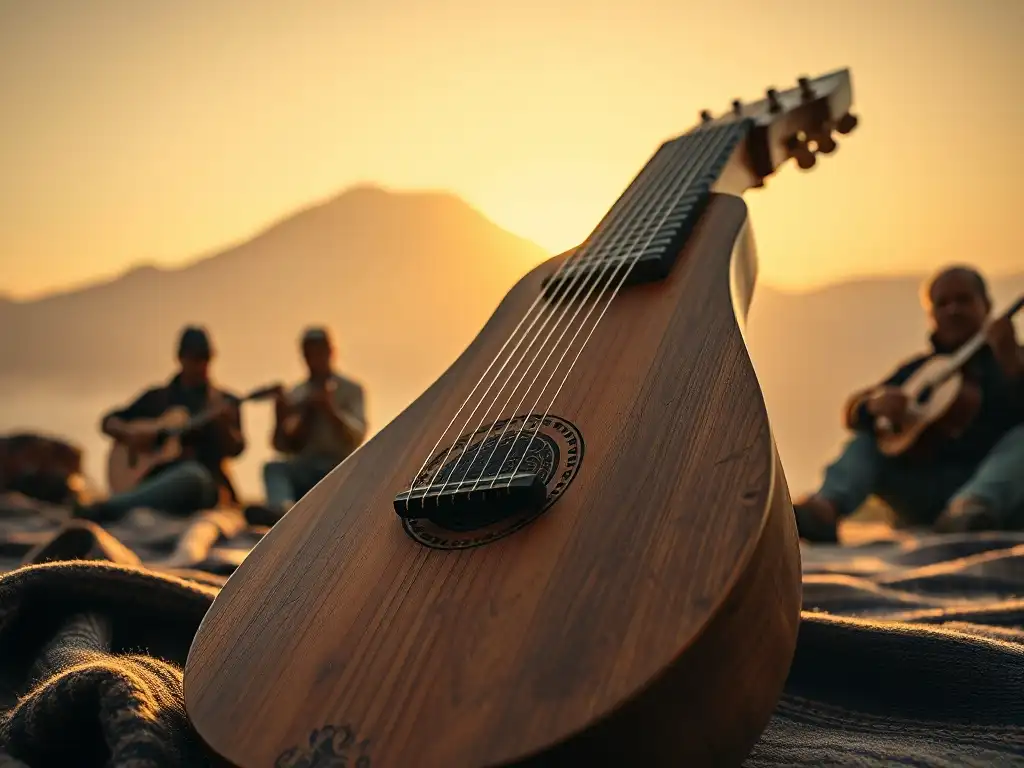
Andean music, with its rich tapestry of melodies and rhythms, continues to hold immense cultural significance in the present day. Far from being a relic of the past, it acts as a vibrant, living force, shaping identities, fueling social movements, and contributing significantly to the economic landscape of the Andes region. The enduring power of Andean music stems from its ability to connect people to their ancestral heritage while simultaneously adapting to modern contexts.
This section will explore how Andean music history's influence is not just felt in museums and archives, but actively shapes the lives of Andean communities today. We will delve into its role in fostering cultural identity and its continued use as a powerful tool for social and political expression.
Andean Music as a Tool for Cultural Identity and Empowerment
Andean music serves as a powerful instrument for cultural preservation and identity formation. In a world increasingly dominated by globalization and homogenization, the unique soundscapes of the Andes provide a vital anchor for indigenous communities. The melodies, rhythms, and instruments themselves—like the charango, zampoña, and quena—are imbued with centuries of history and tradition.
Learning these instruments and mastering traditional songs becomes a process of reclaiming ancestral knowledge and strengthening cultural pride. This is particularly crucial for younger generations, who are often exposed to competing cultural influences. By actively participating in musical traditions, they connect with their heritage and build a sense of belonging.
For example, many communities organize workshops and festivals dedicated to teaching traditional Andean music to children and young adults. These initiatives not only transmit musical skills but also transmit valuable cultural knowledge, fostering a sense of community and shared identity. The resurgence of interest in traditional Andean music can also be seen in the growing number of musicians who are blending traditional styles with contemporary influences, creating innovative soundscapes that resonate with both older and younger generations.
This fusion demonstrates the adaptability and enduring relevance of Andean musical traditions. The preservation and revitalization of Andean music is not merely an aesthetic endeavor; it is a crucial aspect of cultural survival and empowerment.
Throughout history, Andean music has served as a powerful voice for social and political change. From expressing resistance against colonial oppression to advocating for indigenous rights in the present day, music has been a vital tool for mobilizing communities and articulating their grievances. The lyrics of many Andean songs often carry potent social and political messages, conveying stories of struggle, resilience, and hope. The communal nature of Andean music-making—often involving large groups playing and singing together—further amplifies its power as a collective form of expression and resistance.
The use of Andean music in social and political movements continues to this day. Many contemporary Andean musicians use their art to raise awareness about issues such as land rights, environmental protection, and the preservation of indigenous languages and cultures. Their music serves as a powerful platform for amplifying marginalized voices and challenging dominant narratives.
The accessibility of music through digital platforms has also broadened the reach of these movements, allowing Andean musicians to connect with wider audiences and foster solidarity across geographical boundaries. The ongoing influence of Andean music history is evident in its continued role as a catalyst for social and political action, demonstrating its enduring relevance in addressing contemporary challenges. The power of Andean music to inspire collective action and foster social change remains a testament to its enduring cultural significance.
Case Study: Renata Flores' Journey

This section examines the career of Renata Flores, a contemporary Andean musician, to illustrate how the past profoundly influences the present in Andean music. Her journey exemplifies the ongoing evolution of Andean musical traditions, showcasing both reverence for heritage and a bold embrace of innovative sounds. This analysis will highlight how her music embodies the Andean music history influence, demonstrating its enduring power and capacity for adaptation.
Background and Influences
Renata Flores, hailing from Cusco, Peru, began her musical journey immersed in the rich tapestry of Andean musical traditions. Her family history is deeply rooted in Andean music; her upbringing was filled with the sounds of traditional instruments like the charango, quena, and zampoña. These early experiences profoundly shaped her musical sensibilities, laying the foundation for her unique style.
Her early musical education included learning traditional songs and dances, passed down through generations within her family. This intimate exposure to the oral tradition of Andean music is crucial to understanding her later work. She honed her skills through rigorous practice and mentorship from established musicians within her community, absorbing not only technical proficiency but also the cultural nuances embedded within each musical form.
The influence of yaravíes, huaynos, and other traditional Andean genres is clearly evident in her compositions and performances. Her understanding of the historical context of these genres informs her artistic choices, ensuring a respectful continuation of these musical lineages. This deep connection to her roots is a key element of her artistic identity and a testament to the enduring power of Andean music history influence.
Blending Tradition and Innovation
Renata Flores' music is not merely a repetition of the past; it's a dynamic fusion of tradition and innovation. While deeply rooted in Andean musical heritage, her work incorporates contemporary elements, including elements of pop, jazz, and even electronic music. This bold approach reflects a broader trend in Andean music, where artists are experimenting with new sounds while maintaining the core essence of their cultural identity. Her use of modern recording techniques and instrumentation enhances the traditional sounds without sacrificing their authenticity.
For example, her album "[Album Title Pending]" showcases her ability to seamlessly blend the traditional charango with contemporary electronic beats, creating a captivating and unique sonic landscape. This innovative approach not only attracts a wider audience but also revitalizes Andean musical traditions for a new generation. Her lyrics often address contemporary social and political issues, demonstrating the adaptability of Andean musical forms to express modern concerns.
This highlights the continued relevance of Andean music and its capacity to reflect the evolving experiences of Andean communities. Her success demonstrates the potential for Andean music to thrive in the 21st century, demonstrating the enduring power of Andean music history influence to shape the future of this vibrant musical tradition. The blending of tradition and innovation seen in her work is a powerful example of how Andean musical heritage can remain relevant and engaging in a constantly changing world.
Conclusion: A Vibrant Future for Andean Musical Expressions
The legacy of Andean music, a tapestry woven from centuries of tradition and innovation, continues to resonate deeply, influencing contemporary musical landscapes globally. Understanding the Andean music history influence is crucial to appreciating its vibrant present and promising future. This rich heritage, passed down through generations, isn't merely a historical artifact; it's a living, breathing force shaping the sounds of today and tomorrow.
From the haunting melodies of the panpipes to the rhythmic pulse of the cajas, the music reflects the resilience and creativity of Andean cultures. Its enduring power lies in its ability to adapt and evolve while still honoring its roots.
The Continuing Evolution of Andean Music
Andean music isn't static; it's constantly evolving. Contemporary Andean musicians are creatively blending traditional instruments and musical forms with modern genres, resulting in exciting fusions. We see this in the incorporation of electronic elements into traditional Andean compositions, the use of Andean instruments in rock, pop, and jazz, and the emergence of new musical styles that retain the essence of Andean sounds while pushing creative boundaries.
This dynamic interplay between tradition and modernity ensures the continued relevance and appeal of Andean music to a global audience. For instance, the recent surge in popularity of Andean-influenced world music demonstrates this evolution, showcasing a growing appreciation for the unique soundscapes and cultural narratives embedded within the genre. The blending of traditional instruments like the charango and zampoña with contemporary instruments like synthesizers and electric guitars speaks to the adaptability and enduring appeal of Andean musical traditions.
This innovative approach ensures that Andean music remains fresh and engaging for both seasoned listeners and new audiences alike. Furthermore, the increasing accessibility of musical technology allows for easier dissemination and collaboration among Andean musicians worldwide, fostering a richer exchange of ideas and techniques.
The Importance of Respecting the Past While Embracing the Future
The future of Andean music hinges on a delicate balance: respecting its rich history while embracing innovation. This means acknowledging the profound Andean music history influence on contemporary styles and ensuring that traditional techniques and knowledge are preserved and passed on to future generations. This isn't about simply replicating the past; it's about understanding the cultural context, the stories embedded within the music, and the significance of each instrument and musical form. By understanding the historical context, we can better appreciate the evolution of Andean music and the diverse cultural influences that have shaped it.
This involves supporting initiatives aimed at preserving traditional musical practices, documenting the stories behind these practices, and promoting the work of contemporary Andean musicians who are pushing boundaries while remaining true to the essence of their heritage. The challenge lies in fostering an environment where young musicians are encouraged to experiment and innovate while maintaining a deep respect for the traditions that have come before them. This requires a collaborative effort involving musicians, educators, researchers, and cultural institutions to ensure that the vibrant legacy of Andean music thrives for generations to come.
The preservation of this musical heritage is not just about maintaining a historical record; it's about safeguarding a crucial part of Andean cultural identity and ensuring its continued vitality in the years to come. The future of Andean music is bright, but it requires conscious effort to balance tradition with innovation. 🎶
Frequently Asked Questions
What is the historical significance of Andean music?
Andean music boasts a rich and complex history, deeply intertwined with the spiritual and social lives of ancient civilizations like the Incas. Its influence is evident in many modern musical styles. It reflects centuries of cultural exchange and adaptation.
How did Inca culture influence Andean music?
Inca culture significantly impacted Andean music through its elaborate rituals and ceremonies. Music played a vital role in religious practices and social gatherings, influencing instrumentation and musical forms that persist today. The panpipes, for example, are a prime example of this legacy.
What are some key instruments used in traditional Andean music?
Traditional Andean music utilizes a variety of instruments, including the panpipes (siku), charango (a small lute), and various drums and percussion instruments. These instruments reflect the unique soundscapes of the Andean region.
How has Andean music evolved over time?
Andean music has evolved dramatically through centuries of cultural exchange and fusion. It has incorporated influences from Spanish colonization and other global styles, creating a unique and vibrant musical landscape. Yet, it still retains its distinct Andean identity.
How can I learn more about the history and influence of Andean music?
You can explore numerous resources to delve deeper into Andean music. These include ethnomusicological studies, museum exhibits, and online archives dedicated to Andean culture and history. Listening to contemporary and traditional Andean music is also a great starting point.
Final Reflection: The Enduring Echo of Andean Music
The vibrant tapestry of Andean music, woven from ancient traditions and modern innovations, continues to resonate globally, proving its enduring power to connect cultures and inspire generations. Its influence is not merely historical; it's a living force shaping musical landscapes worldwide, a testament to its inherent beauty and resilience. The fusion of indigenous instruments with contemporary sounds demonstrates a dynamic evolution, ensuring Andean music remains relevant and exciting for future audiences.
The journey through Andean music's history reveals not just a timeline of events, but a powerful narrative of cultural survival and artistic expression. It's a story of resilience in the face of colonialism, adaptation in the face of globalization, and a persistent commitment to preserving a unique musical heritage. Music is the universal language of mankind,
said Henry Wadsworth Longfellow, and Andean music speaks volumes about the human spirit's capacity for creativity and perseverance. This enduring legacy underscores the importance of understanding and appreciating its historical context to fully grasp its present-day impact.
Consider the echoes of Andean melodies in the music you listen to today. Think about the ways in which this rich musical tradition has touched your life, perhaps subtly, perhaps profoundly. You, too, can contribute to the ongoing story of Andean music. By actively seeking out and supporting Andean artists, learning more about its history, and sharing its beauty with others, you become a part of its vibrant future, ensuring that its unique voice continues to inspire and uplift for generations to come.
Embrace the Rhythm of Change!
Thank you for exploring the rich tradition of Andean music with us! We hope you've found its vibrant history and its influence on contemporary culture inspiring. Now, let's put that inspiration into action!
- Deepen your understanding and experience the joy of playing traditional instruments by joining a local Andean music workshop.
- Share this article with friends and family who appreciate music, and start a conversation about how Andean sounds have evolved.
- Discover and support contemporary Andean artists by exploring online platforms—stream their music, connect with them on social media, and help spread their music!
What aspect of Andean music moves you most, and how will you incorporate this incredible tradition into your own life?