
The Dance of Light and Shadow: Reinterpreting Andean Art in Digital Form

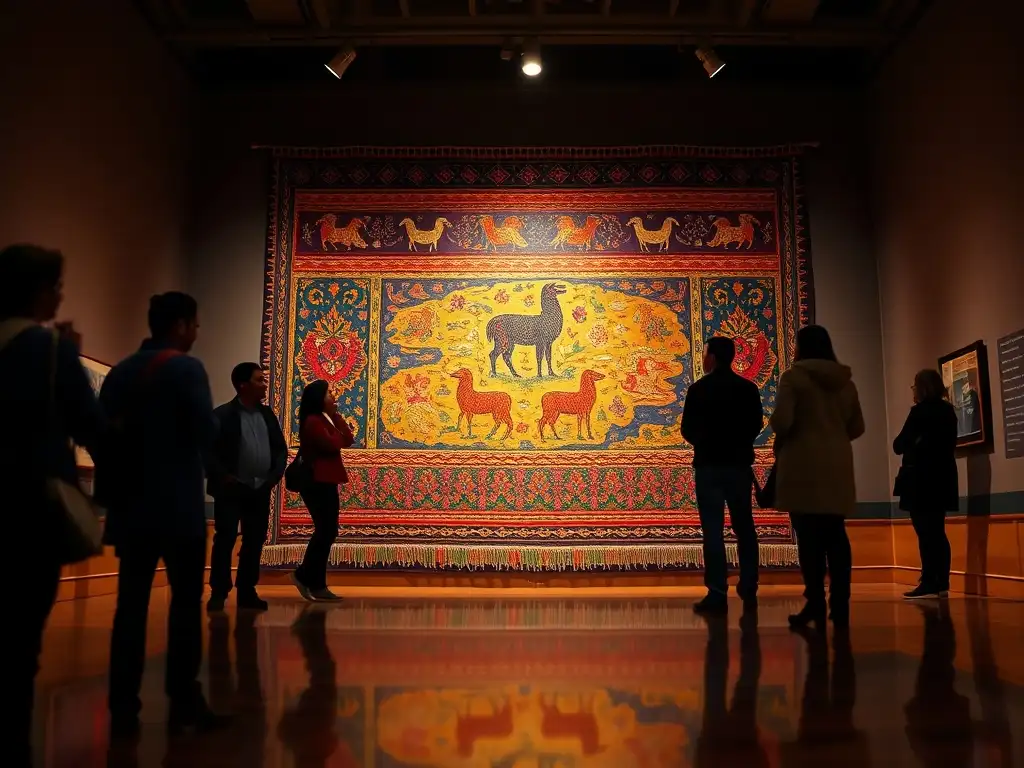
Step into a world lost to time, yet vibrantly reborn. Imagine the intricate artistry of the Andes, not just as weathered artifacts, but as living, breathing expressions of ancient power. Here at Andean Civilizations, we delve into the captivating legacies of the Incas, Moche, Nazca, and Tiahuanaco. Our exploration begins with a revolutionary look at Andean art digital interpretation, promising a journey unlike any other. Prepare to be amazed as we unravel the mysteries of a civilization that continues to inspire awe. Discover more – the dance of light and shadow awaits.
The vibrant tapestry of Andean art, spanning millennia and encompassing diverse cultures like the Inca, Moche, Nazca, and Tiahuanaco, continues to captivate and inspire. From the intricate textiles of the Paracas culture to the monumental stone carvings of Tiahuanaco, these artistic expressions offer a window into the beliefs, practices, and societal structures of these fascinating civilizations. This article explores the exciting possibilities of reinterpreting this rich legacy through the lens of digital technology, examining how modern tools can enhance our understanding and appreciation of Andean art while simultaneously opening up new avenues for creative expression.
We’ll delve into the significance of digital interpretation in preserving and disseminating Andean artistic heritage, and provide a roadmap for your own journey into the world of Andean-inspired digital art creation. This exploration will be particularly relevant to those interested in Andean art digital interpretation, offering a blend of historical context and practical guidance.
Introduction: Bridging Ancient Art and Modern Technology
The marriage of ancient Andean art and modern digital technology presents a unique opportunity to revitalize and reinterpret these cultural treasures. Digital tools offer unparalleled possibilities for preservation, analysis, and creative exploration. High-resolution scanning and 3D modeling allow for the detailed examination of artifacts that might otherwise be inaccessible or too fragile to handle.
Furthermore, digital platforms provide a means to share these artistic marvels with a global audience, fostering greater understanding and appreciation of Andean cultural heritage. This process of digital interpretation isn't merely about creating digital copies; it's about unlocking new layers of meaning and insight, allowing us to engage with these works in ways never before possible.
Think of the potential: to zoom in on the intricate details of a Nazca ceramic vessel, to rotate and examine a Tiahuanaco stone sculpture from every angle, or to virtually reconstruct a lost textile based on fragmented evidence. The possibilities are truly limitless.
Exploring the Rich Legacy of Andean Art
Andean art is incredibly diverse, reflecting the unique characteristics of different cultures and time periods. The intricate textiles of the Paracas culture, for example, are renowned for their vibrant colors and complex iconography, often depicting mythical beings and scenes from daily life. The Moche, known for their masterful ceramics, created lifelike depictions of humans, animals, and mythological creatures, showcasing remarkable skill in modeling and painting.
The Nazca Lines, colossal geoglyphs etched into the desert floor, remain a source of fascination and debate, with their purpose still largely a mystery. And the monumental stone structures of Tiahuanaco, with their precise carvings and enigmatic symbols, stand as testaments to the engineering prowess and sophisticated cosmological beliefs of this ancient civilization.
Understanding the historical and cultural context of these diverse artistic expressions is crucial before embarking on any digital interpretation. This requires careful study of archaeological findings, ethnographic research, and existing scholarship on Andean art.
Why Digital Interpretation of Andean Art Matters
The digital interpretation of Andean art is not simply a stylistic choice; it's a crucial step in safeguarding and promoting this invaluable cultural heritage. Many Andean artifacts are fragile and susceptible to damage, limiting their accessibility to researchers and the public. Digital reproductions offer a safe and readily available alternative, allowing for wider dissemination and study.
Furthermore, digital technology enables the creation of interactive exhibits and educational resources, making Andean art more engaging and accessible to diverse audiences, including students and the general public. This is particularly important in combating the effects of looting and illicit trafficking of artifacts, which threaten the preservation of Andean cultural heritage.
By providing readily available digital copies, we can reduce the demand for original artifacts, thus protecting them from further damage or loss. The creation of digital archives also allows for the comparative analysis of various artistic styles and techniques across different Andean cultures and time periods, enriching our understanding of the region's artistic development.
Your Journey into Andean Art Digital Creation
Embarking on your own journey of Andean art digital creation requires a blend of artistic vision and technical skill. While advanced 3D modeling and animation software can produce stunning results, even simpler tools like digital painting programs can be used to create compelling reinterpretations of Andean motifs and designs. Consider starting with simpler projects, such as recreating patterns from Andean textiles or reinterpreting iconography from Moche pottery in a digital format.
Experiment with different color palettes, textures, and styles to find your unique artistic voice. Remember to always approach this work with respect for the cultural heritage it represents, acknowledging the historical and artistic significance of the original works.
The digital realm offers a powerful platform for both honoring the past and creating new artistic expressions inspired by the rich legacy of Andean civilizations. Let your creativity flourish, and contribute to the ongoing dialogue surrounding Andean art in the digital age!
- Introduction: Bridging Ancient Art and Modern Technology
- Exploring the Rich Legacy of Andean Art
- Why Digital Interpretation of Andean Art Matters
- Your Journey into Andean Art Digital Creation
- What is "Andean art digital interpretation"?
- How does digital technology enhance our understanding of Andean art?
- What specific Andean cultures are included in this digital interpretation?
- What are some examples of digital interpretations used in the article?
- Where can I learn more about this project and see examples of the digital interpretations?
Step 1: Gathering Inspiration from Andean Artistic Traditions

This initial step is crucial for creating authentic and meaningful Andean-inspired digital art. A deep understanding of the core elements of Andean artistic traditions will inform your creative process and ensure your work resonates with the rich history and cultural significance of the subject matter. We’ll explore key motifs, symbolism, and color palettes to provide a solid foundation for your digital creations. Mastering these foundational aspects will allow you to effectively translate the spirit of Andean art into the digital realm, achieving a truly compelling Andean art digital interpretation.
Understanding Key Motifs in Andean Art
Andean art is characterized by a remarkable consistency in its symbolic language, even across diverse cultures and time periods. Understanding these recurring motifs is key to appreciating and replicating their aesthetic power. Let's delve into some of the most prevalent themes.
The Significance of Geometric Patterns
Geometric patterns are ubiquitous in Andean art, appearing in textiles, pottery, and architecture. These aren't merely decorative elements; they often carry complex meanings related to cosmology, social structure, and spiritual beliefs. For example, stepped patterns frequently represent mountains, reflecting the Andean worldview deeply connected to the landscape. Spiral motifs, often found in Nazca pottery, may symbolize the cyclical nature of life and death.
Understanding the specific connotations of different geometric shapes will greatly enhance the depth of your digital interpretations. Consider the symbolic weight of triangles, squares, and zigzags, researching their presence in different Andean cultures to inform your artistic choices. Detailed analysis of existing artifacts will reveal the nuances of these patterns and their cultural significance.
Exploring Animal Symbolism (e.g., Condor, Jaguar, Serpent)
Animals play a vital role in Andean mythology and iconography. The condor, representing power and altitude, frequently appears in Inca art. The jaguar, a symbol of strength and the underworld, is prominent in Moche imagery. Serpents, often associated with water and fertility, are found across various Andean cultures.
Understanding the specific symbolism associated with each animal is essential for creating compelling digital artwork. For instance, a digital rendering of a condor soaring over a mountain range conveys a different message than a jaguar depicted in a dark, subterranean setting. The careful selection and depiction of these animals will significantly impact the narrative and emotional resonance of your digital creations.
The Role of Color Palettes in Andean Aesthetics
Andean artists employed a limited but highly expressive palette, often drawing inspiration from the natural world. Earthy tones like terracotta, ochre, and browns are common, reflecting the colors of the landscape. However, vibrant hues like turquoise, red, and yellow also appear, often carrying symbolic weight.
For example, red might represent blood, sacrifice, or the sun, while yellow might symbolize gold and divinity. Understanding the cultural significance of these colors is crucial for creating a visually authentic and meaningful digital Andean art digital interpretation. Experimenting with different color combinations and their symbolic associations will allow you to create a unique and evocative digital aesthetic.
Resources for Researching Andean Art Online
The internet offers a wealth of resources for anyone interested in Andean art. While links are outside the scope of this section, I highly recommend exploring the online catalogs and databases of major museums and academic institutions. Below are some suggestions for your research.
Link to the British Museum's Andean Collection (link omitted)
This collection offers a vast array of Andean artifacts, including textiles, ceramics, and metalwork, providing a rich visual resource for your inspiration.
Link to the Dumbarton Oaks Pre-Columbian Collection (link omitted)
Dumbarton Oaks boasts a significant collection of pre-Columbian art, including works from various Andean cultures, offering detailed images and scholarly information.
Recommended Books on Andean Art History (links omitted)
Several excellent books provide in-depth analyses of Andean art and culture. Consulting these resources will provide a deeper understanding of the historical and cultural context of your chosen motifs and styles. Look for books that focus on specific Andean cultures or explore broader themes in Andean art history. These texts will be invaluable in ensuring the accuracy and authenticity of your digital interpretations.
Step 2: Selecting Your Digital Art Tools
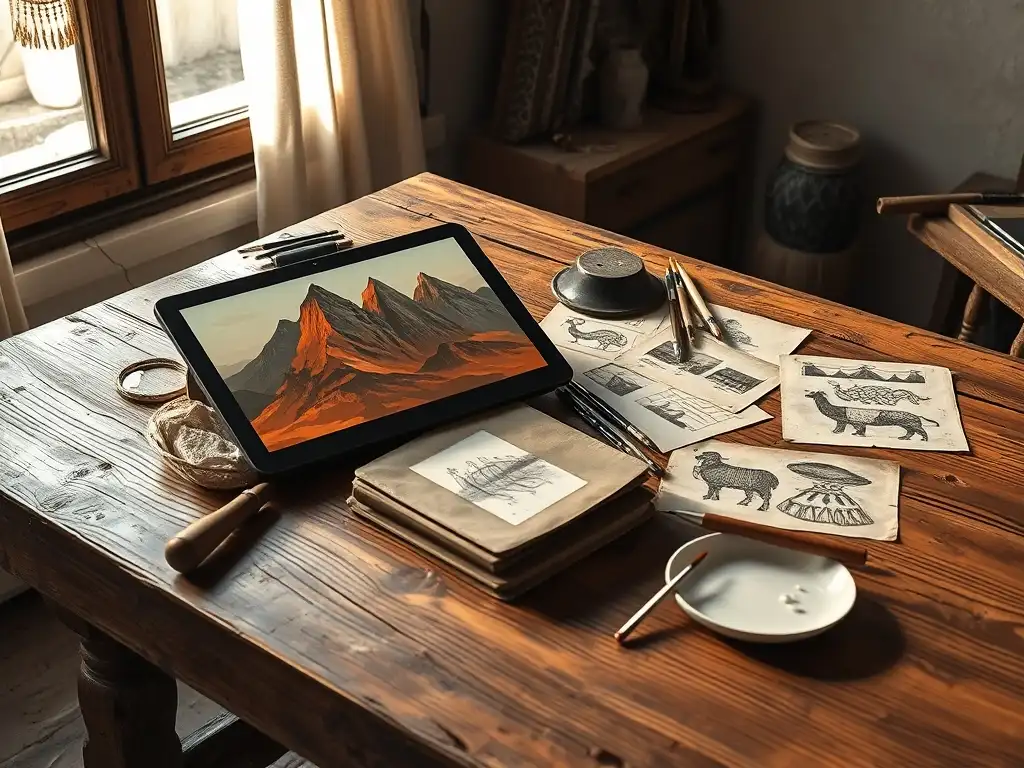
This section will guide you through choosing the right digital tools for your Andean art interpretation project. The process involves selecting both the software you'll use as your digital canvas and the hardware that will translate your creative vision into pixels. Mastering these tools is crucial for achieving a compelling and accurate digital representation of Andean art's intricate details and vibrant colors. Remember, the best tools are those that best suit your skill level and budget, allowing you to focus on the artistic expression at the heart of your Andean art digital interpretation.
Choosing the Right Digital Canvas: Software Options
The software you choose will significantly impact your workflow and the final result of your digital Andean art. Different programs offer various features and strengths, catering to different artistic styles and skill levels. Consider the following options, each with its own set of advantages and disadvantages.
Adobe Photoshop: A Powerful Tool for Digital Painting
Adobe Photoshop is a ubiquitous industry standard, renowned for its powerful features and extensive toolset. Its versatility allows for intricate detail work, photo manipulation (useful for referencing Andean textiles and pottery), and advanced color correction, all vital for a nuanced Andean art digital interpretation. However, it comes with a subscription cost and a steeper learning curve than some alternatives.
Its strength lies in its extensive capabilities, making it ideal for complex projects and artists who want maximum control over every aspect of their digital art. For example, Photoshop's layers allow for non-destructive editing, perfect for experimenting with different color palettes inspired by Andean textiles.
Procreate: Ideal for iPad-Based Digital Art Creation
Procreate is a popular choice for iPad users, offering a streamlined and intuitive interface. It's known for its responsive brush engine, making it ideal for capturing the fluidity and expressiveness of traditional Andean painting techniques. The app's built-in tools are sufficient for most projects, and its lower price point compared to Photoshop makes it an attractive option.
Procreate's ease of use and portability make it a great choice for beginners working on their Andean art digital interpretation, allowing for quick sketches and experimentation. The ability to work directly on an iPad also provides a more natural drawing experience for some artists.
Affinity Designer: A Versatile Alternative
Affinity Designer offers a compelling alternative to Adobe Photoshop and other subscription-based software. It's a one-time purchase program with a robust feature set, including vector and raster capabilities, making it suitable for various artistic styles. Its interface is user-friendly, and its performance is generally excellent, even on less powerful machines. Affinity Designer is a strong contender for those seeking a high-quality, affordable solution for their Andean art digital interpretation. Its vector capabilities are particularly useful for creating sharp, clean lines, mirroring the precision found in many Andean artifacts.
Free Options: GIMP and Krita for Beginners
For those on a budget, GIMP (GNU Image Manipulation Program) and Krita offer free and open-source alternatives. While they may lack some of the advanced features of paid software, they provide a solid foundation for learning and experimenting with digital painting. Both GIMP and Krita have active communities and extensive online resources, making it easy to find tutorials and support. These are excellent options for beginners venturing into Andean art digital interpretation, allowing them to develop their skills before investing in more expensive software. They are surprisingly powerful tools, capable of producing high-quality work with sufficient practice.
Digital Drawing Tablets: Precision and Control
The choice of a digital drawing tablet significantly impacts the precision and control you have over your digital art. The right tablet can significantly enhance your Andean art digital interpretation, allowing you to create nuanced details and smooth lines.
Wacom Intuos: Entry-Level Options for Digital Art
Wacom Intuos tablets are a popular entry-level choice, offering a good balance between price and performance. They provide a comfortable drawing experience and are compatible with most digital art software. Their sensitivity and pressure sensitivity allow for a natural feel, mimicking the nuances of traditional brush strokes. Wacom Intuos is a great starting point for anyone beginning their journey into digital Andean art, offering a good introduction to the technology without breaking the bank.
Wacom Cintiq: Professional-Grade Digital Drawing Displays
For professional artists or those seeking the highest level of precision and immersion, Wacom Cintiq displays offer a direct-to-screen drawing experience. Drawing directly onto the screen eliminates the parallax between the stylus and the cursor, providing a more natural and intuitive workflow. The higher price reflects the superior quality and features, making them ideal for highly detailed Andean art digital interpretation projects. The larger screen size also provides more space to work with complex compositions.
Alternatives: XP-Pen and Huion Tablets
XP-Pen and Huion offer competitive alternatives to Wacom tablets, often at more affordable price points. These brands provide a range of tablets, from entry-level to professional-grade options, offering a good selection for various budgets and skill levels. While they may not always match Wacom's reputation for quality, they are a viable option for those seeking a more budget-friendly approach to their Andean art digital interpretation. Many artists find these tablets provide sufficient functionality for their needs.
Step 3: Translating Andean Motifs into Digital Art
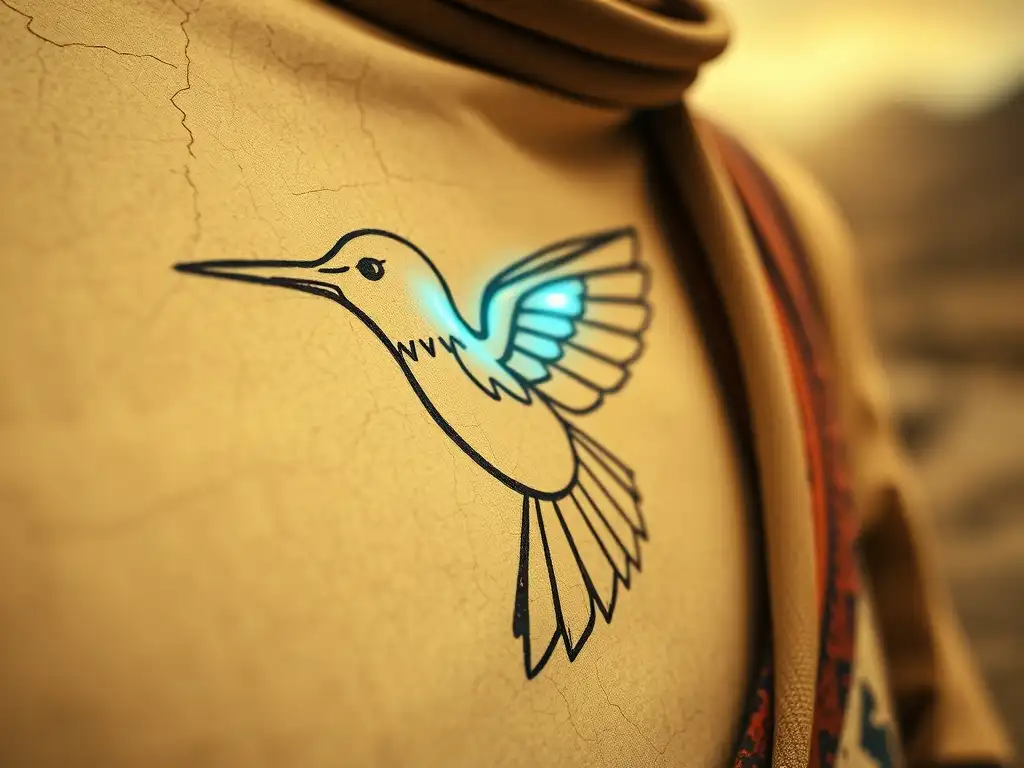
This section delves into the practical application of understanding Andean art principles, translating the rich tapestry of symbols and styles into digital artwork. We'll explore how to recreate geometric patterns, illustrate Andean animal symbolism, and combine these elements for a truly authentic digital interpretation. This process allows for the creation of unique pieces that honor the legacy of Andean art while embracing the possibilities of digital media. This section focuses on the practical application of Andean art digital interpretation.
Creating Geometric Patterns: A Step-by-Step Guide
Andean art is renowned for its intricate geometric patterns. These aren't merely decorative; they often hold symbolic meaning, reflecting cosmology, social structures, and agricultural cycles. Replicating these patterns digitally requires precision and understanding.
Using Grids and Guides in Your Software
Most digital art software offers grids and guides. These are invaluable tools for creating precise geometric patterns. For example, in Adobe Photoshop or Illustrator, you can set up custom grids based on the ratios frequently found in Andean textiles, such as the golden ratio or other harmonic proportions. Using guides helps maintain consistency and accuracy when replicating complex repeating elements. This ensures the final digital artwork maintains the integrity of the original Andean motifs. Careful planning and utilization of these tools are crucial for a successful Andean art digital interpretation.
Replicating Traditional Andean Patterns
Start by studying examples of traditional Andean patterns. Note the repetition, symmetry, and the specific shapes used. Many patterns are based on simple shapes—triangles, squares, zigzags—repeated and combined in complex ways. Begin by creating a single repeating unit, then use your software's tools to duplicate and arrange it to build the full pattern. Consider experimenting with color palettes inspired by Andean textiles—earthy tones, vibrant reds, and deep blues. Remember, accuracy and attention to detail are paramount for a respectful Andean art digital interpretation.
Adding Depth and Dimension to Digital Motifs
Flat patterns can appear static. To add dynamism and visual interest, experiment with techniques like gradients, subtle shading, and variations in line weight. This adds depth and dimension to the digital reproduction, mirroring the textural richness of the original Andean artifacts. Consider using layer styles in your software to achieve these effects efficiently. Adding subtle shadows and highlights can significantly enhance the visual appeal and authenticity of your Andean art digital interpretation.
Illustrating Andean Animal Symbolism
Animals hold significant symbolic weight in Andean cultures. Condors, jaguars, llamas, and snakes, among others, represent power, fertility, and connection to the spiritual world. Incorporating these animals into your digital art adds another layer of meaning and cultural richness.
Techniques for Drawing Realistic Animals
If aiming for realism, meticulous observation and understanding of animal anatomy are crucial. Use reference images and study the proportions, musculature, and textures of the animals you choose to depict. Digital painting software allows for layer-by-layer development, enabling you to build up detail and refine your work iteratively. The key to successful Andean art digital interpretation in this aspect lies in close observation and skilled execution.
Stylizing Andean Animals in Your Art
Alternatively, consider stylizing the animals to fit the aesthetic of traditional Andean art. Simplify shapes, use bold colors, and incorporate geometric patterns into the animal's design. This approach blends realism with the artistic conventions of the Andean tradition. This approach offers a unique blend of styles, resulting in a fresh perspective on Andean art digital interpretation.
Combining Animal Motifs with Geometric Patterns
The most impactful digital artwork often combines different elements. Try incorporating stylized Andean animals into geometric patterns. For example, you could integrate a stylized condor into a repeating pattern of triangles or use a jaguar's spots as a basis for a geometric design. This creates complex and visually engaging compositions that authentically reflect the Andean art digital interpretation. Experiment freely; the possibilities are endless. The successful integration of these elements is a testament to a deep understanding and appreciation for the subject. This method demonstrates a sophisticated level of Andean art digital interpretation.
Experimenting with Andean Color Palettes
Andean art is renowned for its vibrant and often unexpected color palettes. Understanding these palettes is crucial to successfully translating Andean motifs into digital art. The colors weren't just aesthetically pleasing; they held deep symbolic meaning, often reflecting the Andean worldview and connection to nature.
For example, the rich reds and oranges might represent the sun and earth's fertility, while blues and greens could symbolize water and the abundance of the Andean highlands. Conversely, muted browns and greys might represent the harsh realities of the mountain landscape or the passage of time. By studying the specific color choices in different Andean cultures – the Incas, Moche, Nazca, and Tiwanaku, for instance – you'll gain a deeper understanding of the cultural context and enhance the authenticity of your digital recreations.
Don't hesitate to delve into scholarly resources and museum collections for inspiration; the subtle variations in hue and saturation within a single culture can be remarkably revealing. Remember, the goal isn't simply to mimic, but to thoughtfully interpret and integrate these palettes into your own creative process.
Using Color Swatches and Palettes in Your Software
Most digital art software offers tools to create and manage color palettes. These tools are invaluable when working with the complex color schemes found in Andean art. For instance, in Adobe Photoshop, you can create custom swatches by sampling colors directly from images of Andean artifacts or textiles.
This allows for a precise replication of the original hues, ensuring accuracy in your digital interpretations. Alternatively, you can create palettes from scratch, referencing detailed studies of Andean color usage. Many online resources provide pre-made palettes inspired by Andean art, offering a convenient starting point for your projects.
Experiment with different software features, such as color blending modes and adjustment layers, to manipulate and refine your chosen palette, achieving the desired mood and visual impact. Remember to save and organize your custom palettes efficiently, making them readily accessible for future projects. This systematic approach will streamline your workflow and ensure consistency in your Andean-inspired artwork.
Creating Harmonious Color Combinations
Mastering color harmony is key to creating visually appealing digital art inspired by Andean aesthetics. While Andean art often features bold contrasts, achieving balance is paramount. Several color harmony principles can guide you.
Complementary colors (those opposite each other on the color wheel) create vibrant contrasts, mirroring the energy found in certain Andean textiles. Analogous colors (those adjacent on the color wheel) produce a more serene and harmonious effect, reflecting the tranquil aspects of the Andean landscape. Triadic colors (three colors evenly spaced on the color wheel) offer a balanced and visually stimulating combination.
Consider experimenting with split-complementary color schemes (a base color and the two colors adjacent to its complement), which often yield unexpected but visually pleasing results. By understanding and applying these principles, you can create harmonious color combinations that authentically represent the spirit of Andean art while adding your own creative interpretation. The interplay of color, texture, and form is what truly brings Andean art to life.
Adding Texture and Depth with Color
Color isn't merely about surface; it plays a critical role in creating texture and depth in your digital Andean-inspired artwork. By subtly varying the saturation, brightness, and hue within a single color family, you can simulate the texture of woven textiles or the weathered surfaces of ancient structures. For instance, using darker shades in the recesses of a digital design can create a sense of shadow and depth, while lighter shades can highlight raised areas, mimicking the three-dimensionality of the original artifacts.
Consider using techniques like color gradients to simulate the subtle shifts in light and shadow on a mountainous landscape or the variations in dye intensity on a traditional Andean textile. Experiment with different blending modes to further enhance the textural effects.
A careful manipulation of color can significantly elevate the realism and visual impact of your digital interpretations of Andean art, creating pieces that are both aesthetically pleasing and historically informed. Remember to study the original Andean artwork closely to observe how the artists used color to create texture and depth, drawing inspiration from their masterly techniques.
Step 4: Adding Light and Shadow to Your Andean-Inspired Art
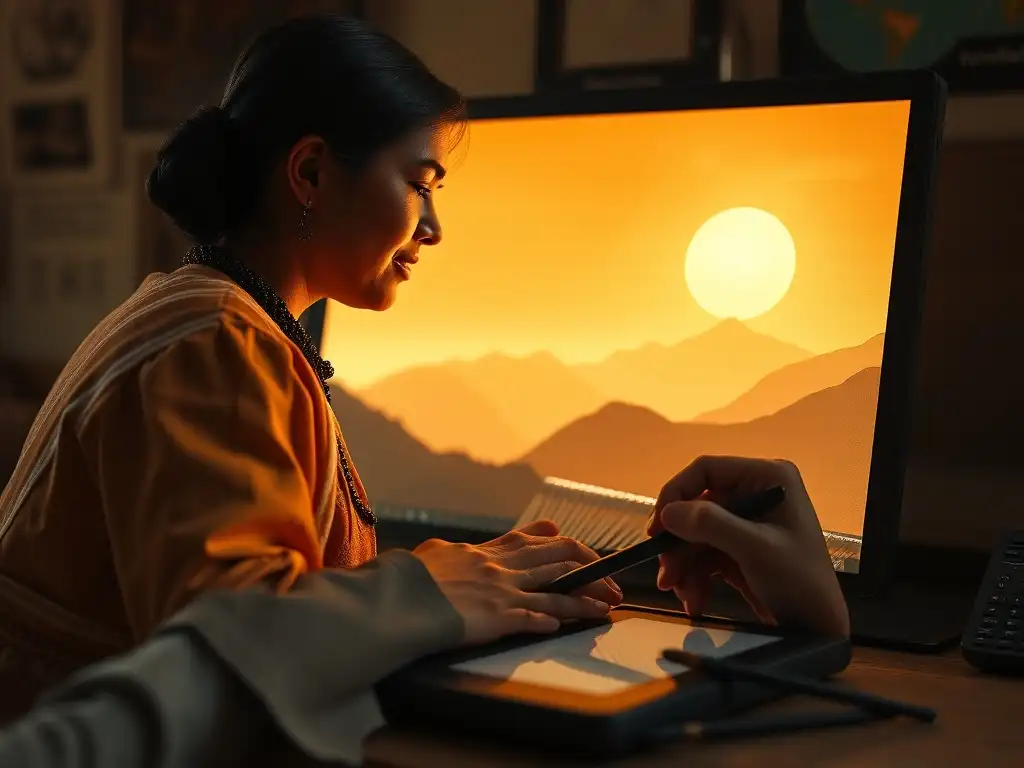
This step is crucial for bringing your digital Andean art to life. Mastering light and shadow allows you to create depth, volume, and a sense of realism—essential elements for capturing the vibrant energy and intricate detail found in authentic Andean artwork. Think of the dramatic contrasts in the mountainous landscapes, the way sunlight illuminates textiles, or the subtle shadows cast by intricate carvings.
By skillfully incorporating light and shadow, you can elevate your digital creations to a new level of artistic expression, truly reflecting the spirit of Andean art. This section will guide you through the process, focusing on techniques specifically relevant to replicating the unique aesthetic of Andean artistic traditions.
Understanding Light and Shadow in Digital Art
Basic Principles of Light and Shadow
The fundamental principles of light and shadow remain consistent across all mediums. Light sources cast highlights (the brightest areas), mid-tones (areas of transition), and shadows (the darkest areas). The intensity and direction of the light source directly affect the appearance of these elements. In Andean art, observe how light often plays a role in highlighting key features of a design.
For example, the intricate details of a textile or the powerful features of a deity might be emphasized through strategic use of light and shadow. Understanding this interplay is key to replicating it digitally. Consider the position of your light source – is it overhead, from the side, or from below? This choice drastically alters the overall mood and feeling of your piece.
Using Light to Create Depth and Form
Light is your primary tool for creating the illusion of three-dimensionality in your digital artwork. By strategically placing highlights, you can make flat shapes appear rounded and give your figures a sense of volume. Consider the way light reflects off of curved surfaces – this creates subtle shifts in tone that add depth.
In Andean art, this is particularly evident in the sculpted figures and pottery, where the interplay of light and shadow defines the form. Think of the way light might catch the curve of a nose or the folds of a garment; replicating this in your digital artwork will greatly enhance the realism and artistry. Experiment with varying the intensity of your highlights to achieve different effects.
Applying Shadows to Emphasize Shapes
Shadows are just as important as highlights. They define the boundaries of shapes, create depth, and add visual interest. The placement and intensity of your shadows will dramatically impact the overall look and feel of your artwork. In Andean art, the use of shadow often plays a symbolic role, adding to the narrative or spiritual meaning of the piece.
For instance, shadows might represent mystery, the unknown, or the passage of time. Experiment with different shadow techniques to achieve the desired effect. Consider the use of cast shadows (shadows projected onto a surface) and form shadows (shadows that define the shape of an object itself).
Techniques for Adding Light and Shadow
Using Brushes and Layers for Light Effects
Digital painting software offers a vast array of brushes designed for creating light effects. Experiment with different brush types, opacities, and blending modes to achieve the desired level of luminosity. Using layers is crucial for maintaining control over your light and shadow elements. Create separate layers for highlights, mid-tones, and shadows, allowing you to adjust each element independently without affecting the others. This layered approach is particularly helpful when working with complex designs, allowing for precise adjustments and iterative refinement. Remember to always save your work frequently to avoid data loss.
Applying Shadows with Blending Modes
Blending modes in digital painting software provide powerful tools for manipulating the way light and shadow interact. Experiment with different blending modes (like Multiply, Overlay, or Soft Light) to achieve a variety of effects. Multiply darkens the underlying layer, creating a natural shadow effect.
Overlay adds light and shadow based on the underlying colors, creating a more vibrant and dynamic result. Soft Light blends light and shadow more subtly, creating a softer, more diffused effect. The specific blending mode you choose will depend on the desired look and feel of your artwork and the specific characteristics of the Andean art you are aiming to emulate.
Creating Dramatic Lighting Effects
To achieve a truly striking effect, consider experimenting with dramatic lighting techniques, inspired by the dramatic Andean landscapes. This might involve using a single, strong light source to create high contrast and intense shadows, or using multiple light sources to create a more complex and nuanced lighting scheme. Consider the use of rim lighting (light that outlines the edges of an object) or backlighting (light that shines from behind an object) to add a sense of depth and drama.
The possibilities are endless, and experimentation is key to finding the perfect lighting scheme for your Andean-inspired digital masterpiece. Remember to carefully observe how light and shadow interact in real-world Andean scenes and artifacts to inform your creative choices.
Final Touches: Enhancing Your Digital Artwork
Once you've laid down the basic colors and shapes, inspired by the vibrant palettes and geometric patterns of Andean art, it's time to add those crucial final touches that elevate your digital artwork from good to exceptional. This stage involves refining details, adding subtle nuances, and ensuring your piece truly captures the spirit of its ancient inspiration. Think about the intricate weaving techniques, the subtle variations in pottery glazes, and the way light plays across the mountainous landscapes depicted in so much Andean art.
These are the elements we can now translate into our digital medium. We’ll explore how to add texture and depth, incorporate digital effects to enhance the mood and style, and finally, how to export your creation for sharing with the world.
Adding Textures and Overlays
One powerful way to enhance the realism and authenticity of your Andean-inspired digital artwork is by adding textures and overlays. Imagine the rough texture of a woven textile, the subtle irregularities in a ceramic surface, or the cracked earth of the Andean highlands. You can find many resources online offering high-resolution scans of actual Andean artifacts and landscapes.
These textures can be subtly overlaid onto your digital painting or drawing, adding depth and a sense of tactile realism. Consider using overlay modes like "Multiply" or "Soft Light" in your image editing software to blend the textures seamlessly with your existing artwork. Experiment with different opacity levels to achieve the desired effect.
For instance, a subtle overlay of a woven textile texture can add a beautiful, authentic Andean feel to a digital painting of a ceremonial headdress. Remember that less is often more; subtle additions can have a far greater impact than overwhelming your artwork with excessive textures.
Incorporating Digital Effects
Digital art offers a unique opportunity to experiment with effects that would be impossible to achieve with traditional Andean art techniques. Consider using digital filters to subtly enhance the mood and atmosphere of your piece. For example, a slight vignette can draw the viewer's eye to the central subject, mimicking the way light focuses on a particular object in a scene.
You might also experiment with adding a slight grain effect to simulate the texture of an ancient photograph or a hand-painted piece. Remember to use these effects sparingly; the goal is to enhance the artwork, not to distract from it. Experiment with different filter strengths and blending modes to find what works best for your specific piece.
A well-placed digital effect can dramatically alter the mood and feel of your artwork, adding a layer of depth and sophistication. Think about how different effects might evoke the feeling of a sacred site at sunrise or the dramatic shadows of a mountain range at dusk.
Exporting and Sharing Your Andean-Inspired Art
Once you're satisfied with your digital artwork, it's time to export it in a suitable format. For online sharing, JPEG is a widely compatible format. However, if you plan to print your artwork, consider exporting as a high-resolution PNG or TIFF to preserve detail and clarity.
When exporting, pay attention to the resolution settings; a higher resolution will result in a sharper, more detailed image, especially important if you intend to print your work. After exporting, you can share your Andean-inspired digital art on various online platforms, social media, or even print it to display proudly. Consider adding a title that reflects the inspiration behind your artwork, perhaps referencing a specific Andean culture or artifact that inspired you.
This not only adds context but also enhances the overall presentation of your digital creation. Sharing your work allows you to connect with others who appreciate Andean art and culture, fostering a sense of community and shared appreciation for this rich heritage. Remember to properly credit any resources or textures you used in your creation.
Step 5: Showcasing and Monetizing Your Andean Digital Art
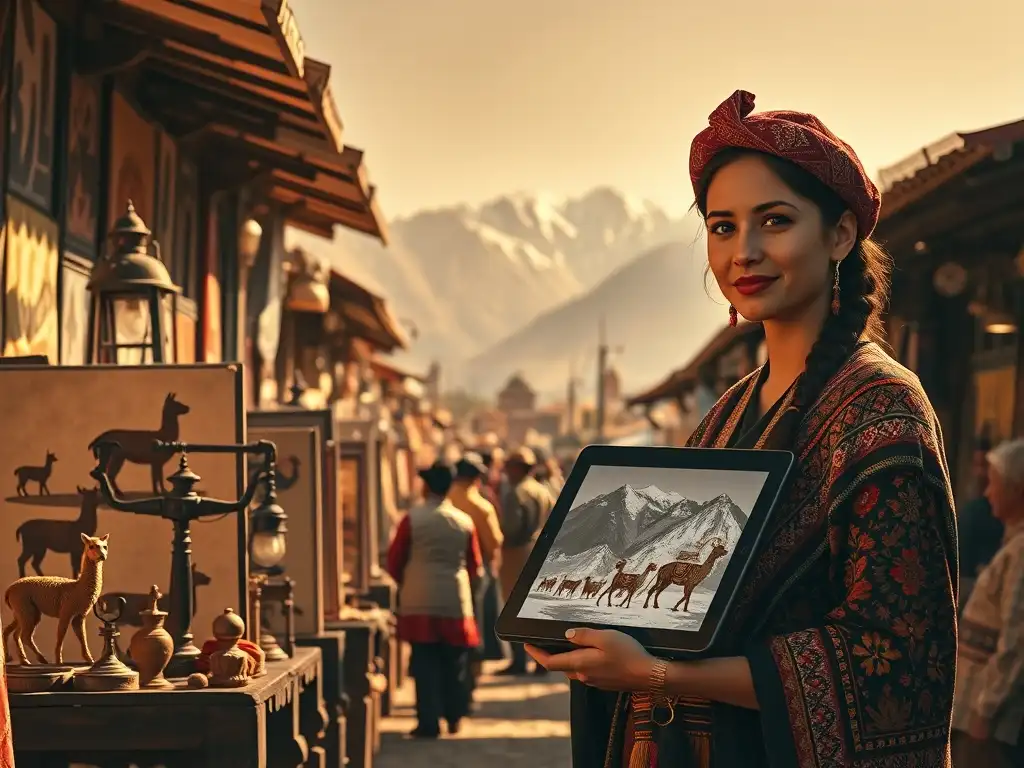
This section focuses on the crucial final steps in your Andean art journey: effectively showcasing your digital creations and exploring avenues for monetization. Remember, your hard work deserves recognition and, potentially, financial reward. Let's explore how to achieve both. Successful digital Andean art interpretation requires not only creative skill but also a savvy approach to marketing and sales.
Creating an Online Portfolio
Building a strong online presence is paramount for any digital artist. Your portfolio acts as your virtual gallery, showcasing your best work and attracting potential clients or buyers. A well-structured portfolio should not only display your Andean art digital interpretation but also tell your story as an artist.
Building a Website to Showcase Your Work
A dedicated website offers the most control and customization. You can curate your gallery precisely, integrate a blog to share your creative process and insights into Andean art, and incorporate features like contact forms and e-commerce functionality. Consider platforms like Squarespace or Wix, which offer user-friendly website builders, even for beginners. Think carefully about your website's design; it should reflect the unique aesthetic of your Andean-inspired digital art. High-quality images are crucial; ensure your artwork is presented in the best possible light. Consider including a brief artist statement explaining your inspiration and techniques.
Using Platforms like ArtStation and DeviantArt
These established online communities provide pre-built platforms for showcasing your work. ArtStation, known for its professional focus, is ideal if you aim to attract clients for commissions or collaborations. DeviantArt, with its larger and more diverse community, is a good option for building a broader audience and receiving feedback.
Both platforms offer features like portfolio management, social interaction, and even some monetization options. Remember to optimize your profiles with relevant keywords, such as "Andean art," "digital painting," "Peruvian art," and "Inca art," to increase visibility. Engage actively with the community, comment on other artists’ work, and participate in discussions to build your network.
Selling Your Andean Digital Art
Once your portfolio is established, it’s time to consider how to monetize your creative talent. Several effective strategies exist, each with its own advantages and disadvantages. Choosing the right approach depends on your goals, artistic style, and target audience.
Setting up an Online Shop on Etsy
Etsy is a popular platform for selling handcrafted and digital goods. Setting up a shop is relatively straightforward, and it provides a built-in audience of buyers interested in unique and artistic items. You can sell digital downloads of your artwork, such as high-resolution files for printing or use in personal projects. Remember to clearly outline the terms of use and licensing for your digital products. High-quality product descriptions and eye-catching thumbnails are essential for attracting buyers on Etsy. Consider offering different sizes and formats of your digital artwork to cater to a wider range of needs and budgets.
Selling Art Prints through Print-on-Demand Services like Redbubble
Print-on-demand services streamline the process of selling physical prints of your digital artwork. You upload your designs, and the service handles printing and shipping. This eliminates the need for upfront investment in inventory and allows you to focus on creating art. Redbubble, along with similar services, offers a vast marketplace reaching a global audience. However, profit margins are generally lower due to the service fees. Ensure your designs are optimized for different print sizes and products offered by the platform. Regularly check your sales and analytics to understand what designs are performing best.
Offering Custom Digital Art Commissions
Commissioned work allows for direct interaction with clients, providing a personalized experience and potentially higher profit margins. Clearly define your commission process, including pricing, turnaround times, and revision policies. Promote your commission services on your website and social media platforms. Building a strong reputation for delivering high-quality work is vital for attracting repeat clients and positive word-of-mouth referrals.
Consider creating different commission packages to cater to various budgets and requests. Always maintain open communication with your clients throughout the commission process to ensure their satisfaction. This approach allows for a unique Andean art digital interpretation tailored to each client's needs.
Conclusion: Continuing Your Journey in Andean Art Digital Interpretation
This exploration of Andean art digital interpretation has only scratched the surface of the vast possibilities available to the modern artist. We've examined how digital tools can breathe new life into ancient styles, allowing for creative reinterpretations and innovative approaches to artistic expression. But the journey doesn't end here; the potential for growth and discovery is immense.
The digital realm provides a dynamic and ever-evolving landscape for your artistic endeavors, and mastering its tools will significantly enhance your ability to express your unique vision inspired by the rich heritage of Andean civilizations. Remember, the core of this process lies in respecting and understanding the original art forms while embracing the exciting possibilities offered by digital technology. This balance allows for authentic and meaningful artistic creations.
The Power of Creative Exploration
The beauty of digital art lies in its inherent flexibility. Unlike traditional mediums, digital art allows for experimentation without the constraints of material limitations. You can effortlessly explore different color palettes, textures, and styles, iterating on your designs until you achieve the desired effect.
For example, imagine starting with a digital recreation of a Nazca geoglyph. You could then experiment with different color gradients to simulate the changing Andean light, or overlay textures to mimic the worn stone. This iterative process, facilitated by digital tools, empowers you to push creative boundaries and discover unexpected artistic outcomes.
The possibilities are truly endless – you might find yourself blending Moche ceramic patterns with Inca textile designs, creating a unique hybrid that reflects your own artistic interpretation of Andean heritage. Don't be afraid to experiment; embrace the unexpected, and let your creativity flow. The process of artistic exploration is as important as the final result in understanding and appreciating Andean art digital interpretation.
Expanding Your Skills and Techniques
Mastering Andean art digital interpretation requires ongoing learning and skill development. There are countless online resources, tutorials, and communities dedicated to digital art techniques. Explore different software programs, experiment with various brushes and tools, and learn about digital painting, sculpting, and animation techniques. Consider focusing on specific aspects of Andean art, such as textile weaving patterns or ceramic designs, and practice recreating them digitally.
This focused approach will not only improve your technical skills but also deepen your understanding of the intricacies of Andean art. The more you practice, the more confident and proficient you'll become in your ability to translate the essence of Andean art into a digital format. Remember, consistent practice is key to unlocking your full creative potential within the realm of Andean art digital interpretation. Think of it as a journey, not a destination.
Continuing the Legacy of Andean Art through Digital Creation
Your work in Andean art digital interpretation isn't just about creating beautiful images; it's about contributing to the ongoing conversation surrounding Andean culture and heritage. By sharing your creations online, you're helping to preserve and promote these significant artistic traditions for a wider audience. Consider participating in online art communities, showcasing your work on social media platforms, or even collaborating with museums and educational institutions to help educate others about Andean art.
You are not just an artist; you are a cultural ambassador, using your skills to bring the vibrant legacy of Andean civilizations to a new generation. Digital platforms offer unparalleled opportunities to reach global audiences and spark interest in Andean art.
Remember, your creations have the power to inspire, educate, and connect people across cultures, ensuring the enduring legacy of Andean art for years to come. Embrace this responsibility and continue to explore the fascinating world of Andean art digital interpretation.
Frequently Asked Questions
What is "Andean art digital interpretation"?
This refers to the use of digital technologies to recreate, analyze, and present Andean art. This includes 3D modeling, virtual reality experiences, and digital enhancement of existing artwork. It offers new ways to understand and appreciate these ancient artistic expressions.
How does digital technology enhance our understanding of Andean art?
Digital tools allow for high-resolution imaging and detailed analysis of artifacts, revealing subtle details invisible to the naked eye. Furthermore, 3D modeling allows for the reconstruction of damaged pieces and a better understanding of their original forms.
What specific Andean cultures are included in this digital interpretation?
This digital interpretation encompasses a wide range of Andean cultures, including the Incas, Moche, Nazca, and Tiahuanaco, showcasing their diverse artistic styles and techniques. The project aims to represent the rich tapestry of Andean artistic heritage.
What are some examples of digital interpretations used in the article?
The article showcases examples such as 3D reconstructions of pottery, high-resolution images of textiles, and virtual reality tours of archaeological sites. These digital tools bring the art to life and make it accessible to a wider audience.
Where can I learn more about this project and see examples of the digital interpretations?
You can explore more by visiting the "Andean Civilizations" website and searching for "Andean art digital interpretation". The website offers detailed information, images, and potentially interactive elements showcasing the project's achievements.
Final Reflection: Weaving the Past into the Future Through Digital Threads
The digital reinterpretation of Andean art isn't merely a technological advancement; it's a vital act of preservation and revitalization. By translating ancient techniques and symbolic languages into the digital realm, we not only safeguard these invaluable cultural treasures but also make them accessible to a global audience, fostering a deeper understanding and appreciation for a rich and complex heritage.
The impact of this digital renaissance on our understanding of Andean art is profound. It allows us to examine intricate details previously obscured by time and decay, to analyze patterns and motifs with unprecedented precision, and to experience the vibrant artistry in ways unimaginable to previous generations. The past is never dead. It's not even past.
– William Faulkner. This quote resonates deeply, as the digital sphere allows us to engage with the past in a dynamic, living way, ensuring that the stories woven into Andean textiles and ceramics continue to resonate for centuries to come.
Consider the potential: Imagine classrooms worldwide utilizing interactive 3D models of ancient artifacts, allowing students to explore the intricacies of Andean craftsmanship firsthand. Picture museums offering virtual tours that transcend geographical limitations, bringing the beauty and power of Andean art to those who might never otherwise have access. This is not just about preserving the past; it's about empowering the future. You, the reader, are now part of this ongoing conversation.
How will you contribute to the preservation and celebration of Andean art in the digital age? What new perspectives can you bring to this vibrant dialogue? Let us continue this dance of light and shadow, weaving together the threads of tradition and technology to illuminate the enduring legacy of Andean artistry.
Unleash Your Creativity: A New Perspective on Andean Art!
Thank you for exploring the fascinating world of Andean art through a digital lens! We hope you've gained a deeper appreciation for how light and shadow enhance our understanding of this rich cultural heritage. Now, it's your turn to express your creativity.
Here are some ways to engage further:
- Create Digital Artwork: Reimagine a traditional Andean artwork using digital tools. Experiment with color, texture, and theme to create a unique interpretation.
- Share Your Thoughts: Discuss your favorite aspects of Andean art on social media or in online art forums. We'd love to see your contributions!
- Explore Local Galleries and Museums: Immerse yourself in the authentic experience of Andean masterpieces by visiting local exhibitions.
What unique story will your interpretation of Andean art tell? Share your thoughts below!