
The Power of the Weave: How Andean Women Expressed Themselves

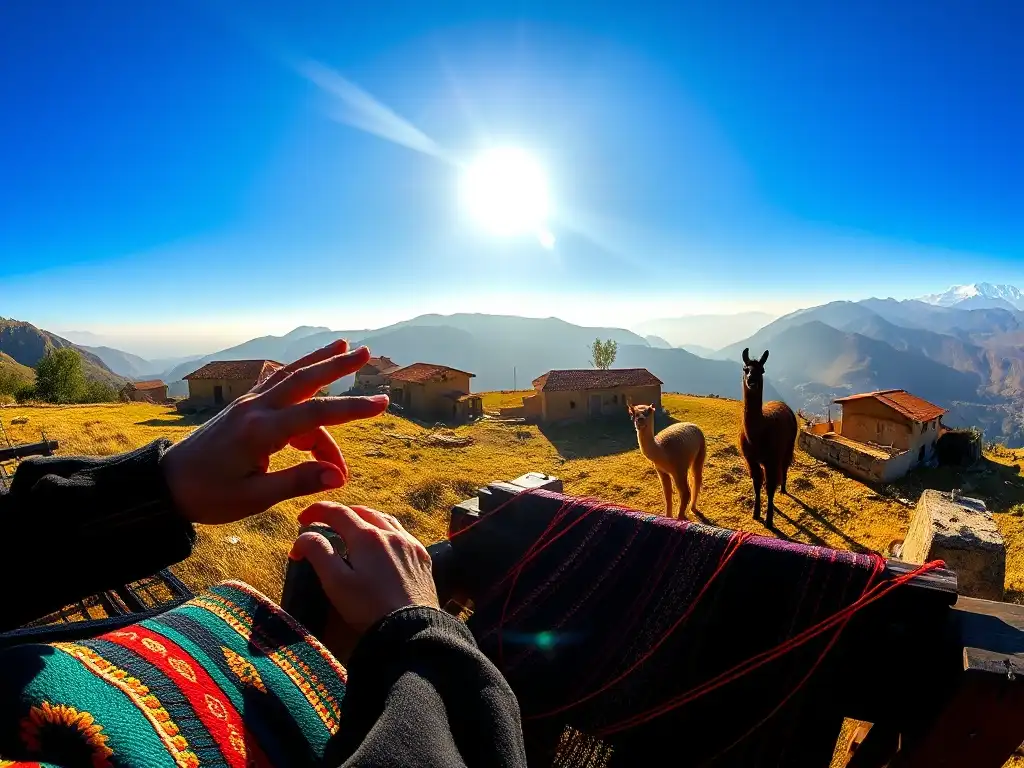
Step into a world woven with mystery and mastery. For centuries, the Andes Mountains have echoed with the stories of remarkable civilizations. But what if the most powerful narratives were subtly embroidered into the very fabric of their existence? Discover the untold story of Andean women's textile artistry, a vibrant tapestry of ingenuity and self-expression that reveals the true strength and complexity of these ancient societies. Prepare to be captivated by their legacy in our exploration of " The Power of the Weave: How Andean Women Expressed Themselves"—a journey into a world where threads held the power of history.
The vibrant tapestry of Andean civilization is incomplete without acknowledging the profound contributions of its women. Far from being relegated to domestic roles, Andean women wielded significant power and influence, often expressing themselves through a medium as enduring and intricate as the mountains themselves: textiles. This article delves into the remarkable artistry of Andean women, exploring how their textile creations served not only as practical items but also as powerful vehicles for self-expression, social commentary, and the transmission of cultural knowledge across generations.
We will examine the techniques, symbolism, and societal significance of their work, showcasing the ingenuity and artistry that defined Andean women’s textile traditions and cemented their place as key figures in Andean history. Understanding their contributions is crucial to gaining a complete appreciation for the richness and complexity of Andean cultures.
Introduction to Andean Textile Traditions
Andean textile traditions are renowned for their unparalleled complexity and artistry. For millennia, women across diverse Andean cultures—including the Inca, Moche, Nazca, and Tiahuanaco—mastered incredibly intricate weaving techniques, utilizing a variety of materials such as alpaca, llama, vicuña, and cotton. These weren't simply clothes; they were meticulously crafted expressions of identity, status, and narrative.
The process itself, from shearing the animals and preparing the fibers to the actual weaving, was a deeply significant ritual, often involving communal participation and the transmission of knowledge from mother to daughter. The resulting textiles displayed not only technical skill but also a deep understanding of symbolism and color, reflecting the beliefs, stories, and social structures of their creators. Think of the intricate designs, the vibrant hues derived from natural dyes, and the sheer mastery of techniques like tapestry weaving, brocade, and resist dyeing – all testament to the extraordinary abilities of Andean women.
Symbolism and Storytelling in Andean Textiles
The designs woven into Andean textiles weren't random; they were carefully chosen symbols carrying profound meaning. Geometric patterns, zoomorphic motifs (animals), and anthropomorphic figures (humans) all conveyed specific messages. For example, certain colors might represent specific deities or natural elements, while particular designs could signify social status, clan affiliation, or even historical events. These textiles served as visual narratives, preserving stories and cultural knowledge across generations long before the advent of written language.
The ability to read and interpret these symbols was a crucial part of Andean society, demonstrating the profound influence and knowledge held by the women who created them. Analyzing these textiles reveals a rich and complex world of belief, social organization, and artistic expression. The intricate detail and layering of meaning demonstrate the depth of artistic and cultural understanding that Andean women possessed.
The production of textiles was not merely a creative outlet; it was central to the Andean economy and social structure. Women played a crucial role in the production and trade of textiles, contributing significantly to the wealth and prosperity of their communities. Their skills were highly valued, and their products were traded extensively, both locally and across vast distances.
The quality and intricacy of the textiles often reflected the social standing of the woman who created them, with elite women producing the most elaborate and valuable pieces. This economic contribution gave Andean women considerable influence and power within their societies, challenging the often-perceived passive role of women in pre-Columbian societies.
The evidence suggests a far more complex and dynamic reality, where women's skills and contributions were essential to the functioning of Andean societies. Furthermore, the control women exerted over the production and distribution of textiles provided them with a degree of economic independence and agency.
Preserving the Legacy: Andean Textile Art Today
While much of the ancient knowledge surrounding Andean textile techniques was lost during the colonial period, the legacy of Andean women's textile artistry continues to thrive today. Contemporary Andean women are actively preserving and revitalizing these traditional techniques, adapting them to modern contexts while honoring the rich cultural heritage of their ancestors. Their work not only provides economic opportunities but also serves as a powerful affirmation of their cultural identity and a testament to the enduring strength and creativity of Andean women. The vibrant colors, intricate designs, and profound symbolism of their work continue to captivate audiences worldwide, reminding us of the enduring power of Andean textile traditions and the women who created them. Their ongoing efforts ensure that this vital part of Andean heritage will continue to flourish for generations to come. The preservation of these traditions is a testament to the resilience and cultural pride of Andean women.
- Introduction to Andean Textile Traditions
- Symbolism and Storytelling in Andean Textiles
- The Social and Economic Significance of Andean Women's Textile Production
- Preserving the Legacy: Andean Textile Art Today
Weaving as a Form of Communication
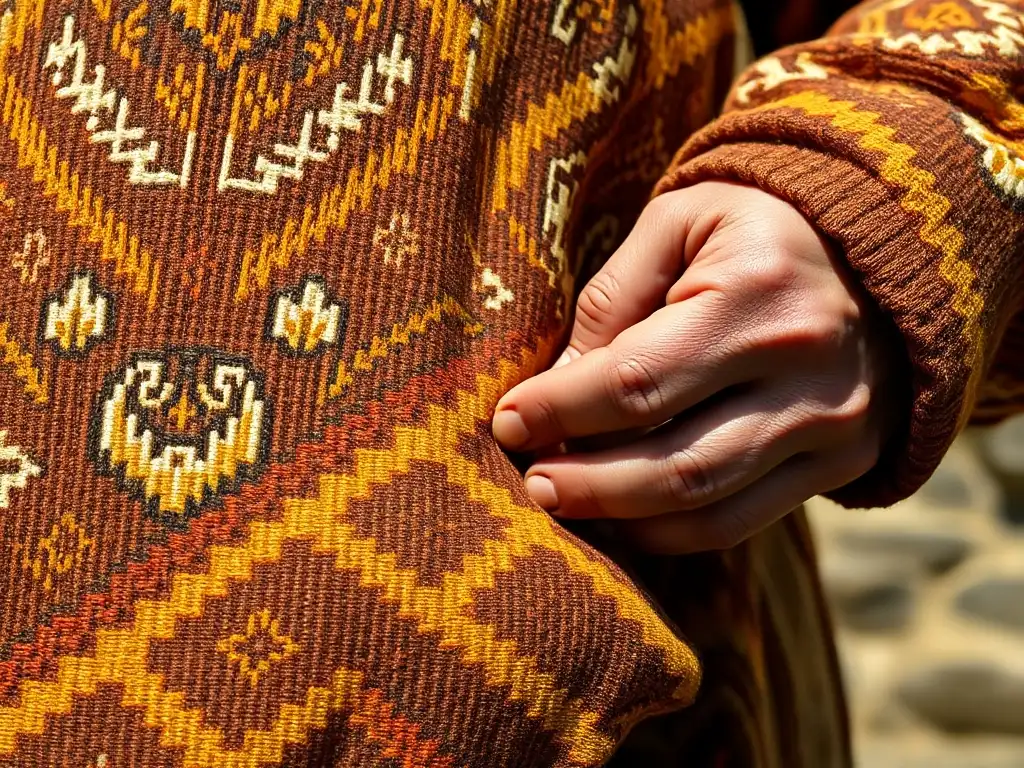
Andean women's textile artistry wasn't merely a craft; it was a powerful form of communication, a visual language rich in symbolism and narrative. Through intricate weaving techniques and the careful selection of colors and patterns, Andean women conveyed complex social, religious, and political messages across generations. This sophisticated system of visual communication allowed them to express their identities, beliefs, and experiences in a society where their voices might otherwise have been marginalized.
The skill required to create these textiles was highly valued, reflecting not only technical expertise but also a deep understanding of Andean cosmology and social structures. This intricate interplay of skill and symbolism makes Andean women's textile artistry a compelling window into the lives and perspectives of these remarkable women.
Analyzing these textiles allows us to access a wealth of information otherwise lost to time. The enduring legacy of these textiles demonstrates the profound influence Andean women had on their societies.
Andean Women's Role in Textile Production
The production of textiles in Andean societies was overwhelmingly a female domain. From the shearing of the alpaca and llama to the spinning of the yarn and the intricate weaving process itself, women controlled each stage of the textile's creation. This control extended beyond the practical aspects of production.
Women also determined the designs, colors, and symbolic elements woven into the textiles, reflecting their unique perspectives and experiences. This wasn't simply a division of labor; it represented a significant source of economic and social power for Andean women. The textiles they produced were not only essential for clothing and household items but also served as valuable commodities in trade and exchange networks, contributing significantly to the economic well-being of their communities.
Evidence suggests that specialized roles existed within textile production, with some women specializing in specific techniques or types of textiles, further highlighting the complexity and sophistication of this craft. The economic independence afforded by their skills gave Andean women a level of agency and autonomy within their social structures.
Beyond Decoration: The Symbolic Language of Andean Textiles
Andean textiles are far more than decorative objects; they are repositories of cultural knowledge and social history. The patterns, colors, and even the techniques used in weaving often encoded complex messages. For instance, specific motifs might represent deities, ancestors, or significant events in the community's history.
The arrangement of these motifs could further elaborate on the narrative, creating a rich tapestry of meaning. Consider the use of geometric patterns, often associated with Andean cosmology and the representation of the cosmos. These intricate designs weren't arbitrary; they reflected a deep understanding of the Andean worldview and the interconnectedness of the natural and spiritual realms.
The use of specific knots and techniques also held symbolic weight, contributing to the overall meaning of the textile. This complex visual language allowed Andean women to convey profound social and religious messages through their art. Further research is needed to fully decipher the intricacies of this symbolic language, but existing scholarship already reveals its depth and complexity.
The Significance of Colors and Patterns in Andean Weaving
The vibrant colors and intricate patterns found in Andean textiles are not merely aesthetically pleasing; they carry significant symbolic meaning. Each color held specific cultural connotations, often related to the natural world or spiritual beliefs. For example, red might symbolize blood, fertility, or power, while white could represent purity or the Andean highlands. The combination of colors and the arrangement of patterns could further refine these meanings, creating a nuanced visual language.
The use of specific dyes, often derived from natural sources, also held symbolic importance. The meticulous attention to detail in both color selection and pattern arrangement points to the profound cultural significance attached to these textiles. Moreover, the patterns themselves often mirrored the natural world, incorporating motifs of animals, plants, and celestial bodies.
This connection to nature emphasized the Andean worldview, which emphasized the harmony between humans and their environment. Detailed analysis of specific textiles reveals the rich tapestry of meaning embedded within their seemingly simple designs. The more we learn about these textiles, the more we appreciate the artistry and cultural depth of Andean women's contributions.
The Techniques of Andean Textile Artistry
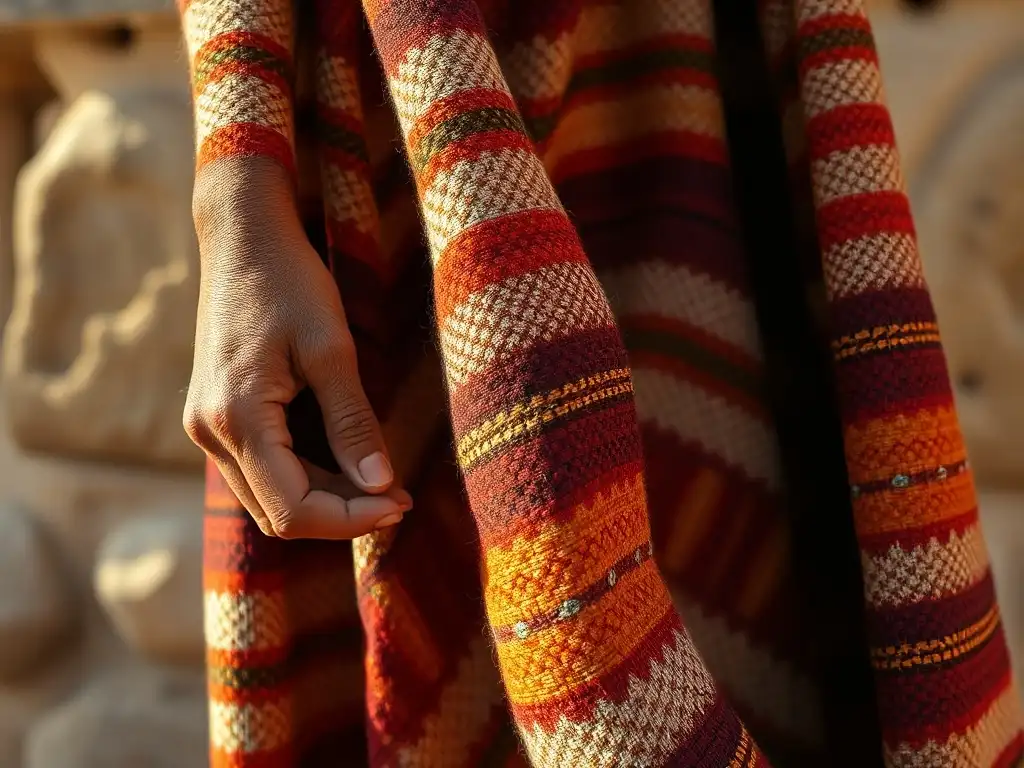
This section delves into the sophisticated techniques employed by Andean women in their textile artistry, showcasing their ingenuity and mastery over natural resources. Their work wasn't merely functional; it was a powerful form of self-expression, deeply intertwined with their social standing, spiritual beliefs, and cultural identity. Understanding these techniques is key to appreciating the artistry and the profound meaning embedded within each piece. The skill and precision involved in Andean women's textile artistry are truly remarkable, a testament to generations of passed-down knowledge and innovation.
Natural Fibers and Dyes Used in Andean Textiles
Andean women expertly harnessed the natural resources of their environment to create vibrant and durable textiles. Their palette of colors and textures stemmed directly from their surroundings. The most common fibers included:
- Alpaca: Known for its softness and warmth, alpaca wool provided luxurious fabrics, often used for clothing worn by the elite.
- Llama: Llama wool, coarser than alpaca, was more commonly used for everyday garments and utilitarian textiles.
- Vicuña: Considered the most prized fiber, vicuña wool was incredibly soft and fine, reserved for royalty and important ceremonies. Its rarity added to its prestige.
- Cotton: Grown in warmer, lower altitudes, cotton provided a lighter and more breathable fabric, ideal for warmer climates.
The vibrant colors achieved in Andean textiles were derived entirely from natural sources. These included:
| Dye Source | Color Produced | Plant/Insect Source |
|---|---|---|
| Tarwi (Lupinus mutabilis) | Various shades of yellow | Lupine plant |
| Cinchona | Reds and purples | Cinchona tree bark (source of quinine) |
| Cochineal Insect | Brilliant reds | Cochineal insect |
| Indigo | Blues | Indigo plant |
The preparation of these natural dyes was a complex process, often involving multiple steps and requiring specialized knowledge passed down through generations of women. The precise methods varied depending on the desired shade and the specific plant or insect used. The durability of these dyes is a testament to the skill and expertise of Andean women in manipulating natural materials. This deep understanding of both fiber and dye allowed for the creation of textiles that were not only beautiful but also incredibly resilient.
Traditional Weaving Tools and Methods
The creation of Andean textiles involved a range of specialized tools and techniques. These tools, often crafted from readily available materials like wood and bone, were meticulously designed for precision and efficiency. Key tools included:
- Spindles and drop spindles: Used for spinning fibers into yarn.
- Backstrap looms: These portable looms, often strapped to the weaver's back, allowed for the creation of intricate textiles anywhere. The backstrap loom's unique mechanism allowed for complex weaving techniques.
- Weaving needles: Used for specific techniques like tapestry weaving.
- Shears and knives: For preparing fibers and trimming excess threads.
The weaving process itself was incredibly labor-intensive, requiring significant skill and patience. The backstrap loom, in particular, required significant dexterity and knowledge of the tensioning and manipulation of the warp threads. Different weaving techniques were employed to create various textures and patterns, such as plain weave, tapestry weave, and brocade. The precision and complexity of these techniques highlight the advanced level of textile artistry achieved by Andean women. Each completed piece represented a significant investment of time and skill.
The Intricacies of Andean Weaving Patterns
The patterns woven into Andean textiles were far more than mere decoration; they were powerful symbols conveying social status, spiritual beliefs, and narrative elements. These patterns, often geometric or representational, were deeply ingrained in Andean cosmology and worldview. Some common motifs included:
- Geometric designs: Squares, triangles, zigzags, and other geometric patterns often represented celestial bodies, agricultural cycles, or mythological beings.
- Animal representations: Animals such as birds, llamas, and snakes held symbolic meaning, often linked to specific deities or clans.
- Human figures: Stylized representations of people, often engaged in activities like dancing or weaving, conveyed social roles and narratives.
The complexity and intricacy of these patterns varied widely depending on the textile's purpose and the social status of the wearer. Elaborate patterns, often featuring multiple colors and weaving techniques, were indicative of high social standing. The precise placement and combination of these patterns were carefully considered, reflecting a profound understanding of symbolic language. The subtle variations in patterns across different regions and time periods provide invaluable insights into the diverse cultures and beliefs of Andean societies.
Analyzing these patterns offers a window into the rich tapestry of Andean thought and worldview, underscoring the significance of Andean women's textile artistry as a form of cultural expression and historical record. The level of detail and precision in these patterns is truly remarkable, a testament to the skill and artistry of Andean women. Their work continues to inspire awe and admiration for its beauty and its deep cultural significance.
Andean Women's Textile Artistry: A Legacy of Skill and Creativity
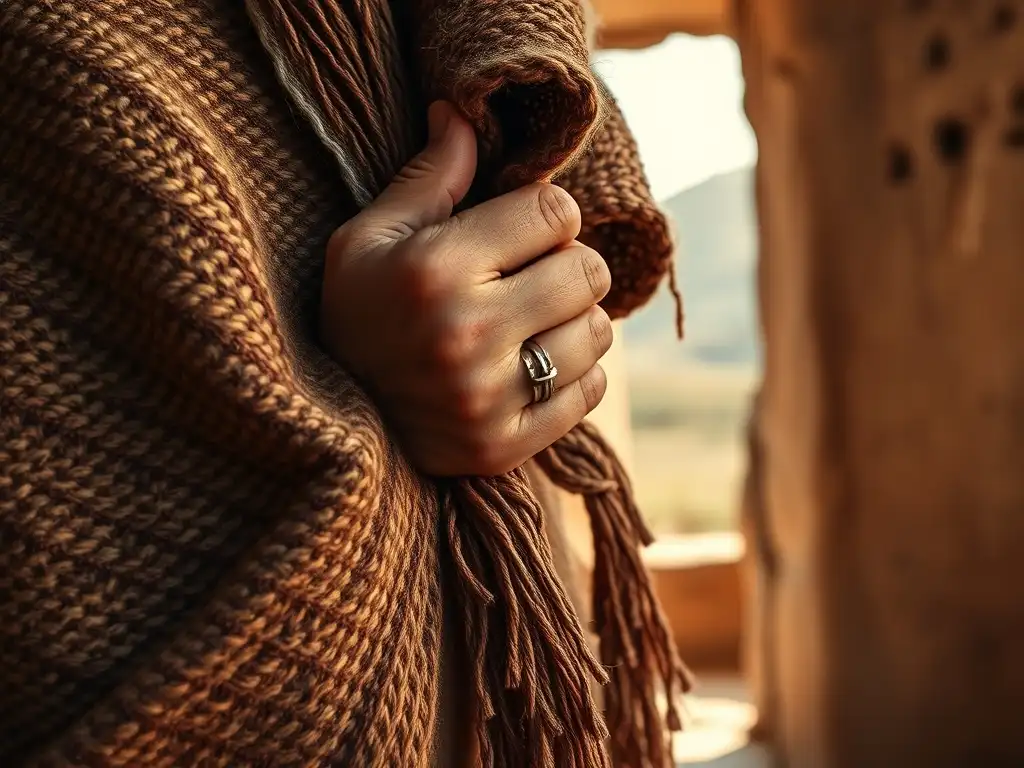
This section delves into the remarkable artistry of Andean women, exploring their significant contributions to textile production and its profound cultural implications. Their mastery of weaving wasn't merely a craft; it was a powerful form of self-expression, a reflection of social standing, and a vital means of preserving cultural heritage across generations. Understanding Andean women's textile artistry provides crucial insight into the complexities of Andean societies and their enduring legacy.
The intricate designs, vibrant colors, and diverse techniques employed reveal a deep connection to the Andean landscape and cosmology. This artistry, passed down through generations, represents a remarkable achievement in human creativity and technological innovation. Analyzing these textiles offers a window into the beliefs, social structures, and daily lives of Andean women, highlighting their crucial role in shaping their communities.
The Importance of Weaving in Andean Communities
Weaving in Andean communities wasn't simply a productive activity; it was intrinsically linked to the social, economic, and spiritual fabric of life. For Andean women, textile production represented economic independence and social standing. The production of textiles provided income through trade and bartering, allowing women to contribute directly to the household economy. Furthermore, the skill and artistry demonstrated in their weaving often dictated their social status within the community.
Highly skilled weavers held positions of respect and influence. The types of fibers used—alpaca, llama, vicuña, cotton—and the complexity of the designs directly correlated with the weaver's status and the significance of the textile's intended use. For example, the finest vicuña textiles were often reserved for elite members of society or used in religious ceremonies.
Beyond the economic and social aspects, textiles played a vital role in religious practices and ritual ceremonies, demonstrating the deep spiritual connection between the women, their craft, and their beliefs. The intricate designs often depicted mythological figures, celestial events, and agricultural cycles, underscoring the sacred nature of their work. In essence, Andean women's weaving was a multifaceted activity that permeated every aspect of their lives.
The intricate details within Andean textiles offer compelling evidence of the social hierarchy prevalent in these societies. The quality of the materials, the complexity of the designs, and the techniques employed all served as visual markers of social status. For instance, the use of rare and luxurious fibers like vicuña wool, reserved for the elite, signified high social standing. The intricate tapestry weaving techniques, demanding years of training and expertise, further distinguished the work of skilled artisans from that of ordinary weavers.
Specific motifs and symbolic representations within the designs also indicated social rank. Certain patterns might have been restricted to the royalty or the priestly class, while others were associated with specific clans or communities. Analyzing these visual cues reveals a sophisticated system of social stratification, where textile artistry served as a powerful visual language communicating social hierarchy and identity.
Moreover, the textiles themselves functioned as status symbols, used as adornment, gifts for important occasions, or as burial goods for high-ranking individuals. The sheer variety and complexity of these textiles demonstrate the crucial role of women in maintaining and displaying social order within Andean societies. Further research into specific iconography and regional variations could reveal even more nuanced insights into social structures.
Passing Down the Knowledge: Weaving as a Generational Tradition
The enduring legacy of Andean women's textile artistry is a testament to the effective generational transmission of knowledge and skills. Weaving techniques, intricate designs, and symbolic meanings were meticulously passed down from mothers to daughters, grandmothers to granddaughters, and within family lineages. This intergenerational transfer of knowledge wasn't merely a matter of instruction; it was an integral part of the cultural upbringing of Andean girls. From a young age, girls were initiated into the art of weaving, learning the fundamentals of spinning, dyeing, and weaving techniques.
This apprenticeship-style training often involved years of practice and mentorship, ensuring the preservation of traditional methods and designs. The significance of these inherited skills is evident in the remarkable consistency of design motifs and weaving techniques across generations. The continuity of these traditions underscores the crucial role of women in preserving cultural heritage and transmitting invaluable knowledge. Moreover, the incorporation of innovative elements and adaptations within the existing framework demonstrates the dynamic nature of this generational transmission.
While adhering to established traditions, Andean women also displayed creativity and adaptability, reflecting the evolving cultural landscape. The study of these textiles provides valuable insights into the social dynamics of knowledge transmission and the enduring power of cultural memory. Further investigation into specific family lineages and their weaving traditions could provide even richer detail on this aspect of Andean women’s lives.
Examples of Andean Textile Masterpieces
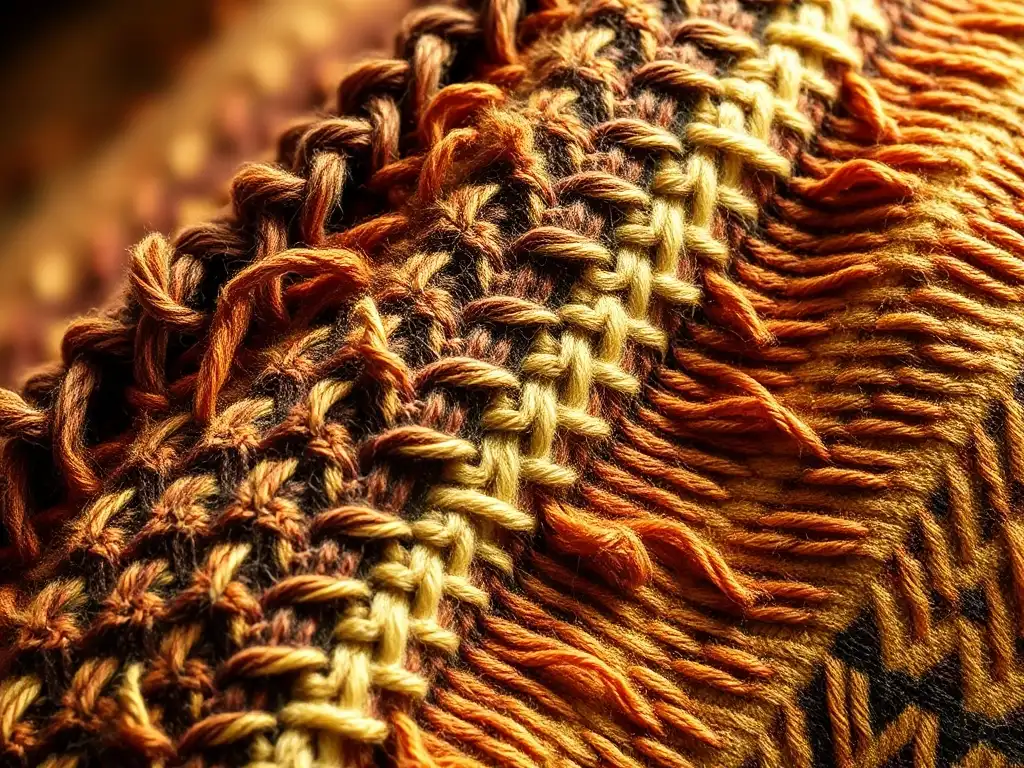
This section delves into the remarkable artistry of Andean women, showcasing specific examples of their textile masterpieces that transcend mere clothing and become powerful expressions of cultural identity, social status, and spiritual beliefs. The skill and creativity involved in these textiles are breathtaking, reflecting not only technical prowess but also deep-seated cultural knowledge passed down through generations. Understanding these pieces provides invaluable insight into the complexities of Andean women's lives and their significant contributions to their societies. The term "Andean women's textile artistry" truly undersells the depth and sophistication of their work.
The Mantas of the Aymara People
The Aymara people, inhabiting the high Andes of Bolivia and Peru, are renowned for their vibrant and intricately woven mantas. These large, rectangular textiles are far more than simple blankets; they are often heirloom pieces, imbued with symbolic meaning and reflecting the wearer's social standing and family history. The designs are incredibly diverse, incorporating geometric patterns, stylized animals (like llamas and condors), and representations of natural elements like mountains and rivers.
The creation of a manta is a labor-intensive process, requiring months, sometimes years, of dedicated work. Women meticulously select the wool from their own alpacas and llamas, carefully washing and preparing the fibers before spinning them into yarn. The dyes, often derived from natural sources like plants and minerals, are painstakingly prepared and applied, resulting in a stunning array of colors. The weaving itself is done on a backstrap loom, a traditional technique that requires significant skill and dexterity.
The intricate patterns are not simply decorative; they often tell stories, encode family histories, or represent specific rituals and beliefs. The creation of a manta is a holistic process, connecting the women to their ancestors, their land, and their community. Each manta is unique, a testament to the individual creativity and skill of its weaver.
The Llicllas of the Quechua People
The Quechua people, spread across a vast region of the Andes, are also known for their exceptional textile traditions, particularly the lliclla. Unlike the larger mantas, llicllas are typically smaller, shawl-like garments worn by women over their shoulders. While seemingly simpler than mantas, the llicllas demonstrate remarkable technical skill and artistic expression. Their designs often incorporate geometric patterns, representing the Andean cosmology and beliefs about the interconnectedness of the natural world.
The use of color in llicllas is particularly significant, with different colors holding specific meanings within Quechua culture. For example, certain colors might symbolize fertility, prosperity, or protection from evil spirits. The intricate weaving techniques used to create these shawls are passed down through generations, ensuring the continuity of this important cultural tradition.
The lliclla is not just a piece of clothing; it is a symbol of identity, representing the wearer's connection to her community and her heritage. The vibrant colors and intricate designs of the lliclla showcase the impressive textile artistry of Quechua women and their deep understanding of their cultural heritage. The diversity in designs across different Quechua communities highlights the rich tapestry of Andean culture.
The Unkus of the Inca Empire
The Inca Empire, known for its sophisticated organization and advanced technologies, also produced exquisite textiles, notably the unku. These richly decorated garments, often worn by elite women, were characterized by their luxurious materials, intricate designs, and vibrant colors. Unkus were not simply clothing; they served as powerful symbols of status and authority, reflecting the wearer's position within the complex social hierarchy of the Inca Empire.
The unkus often featured elaborate designs incorporating geometric patterns, stylized animals, and representations of Inca deities. The use of fine materials, such as vicuña and alpaca wool, further emphasized their value and prestige. The creation of an unku was a highly skilled process, requiring specialized knowledge and training. Only the most skilled women weavers were entrusted with the task of producing these prestigious garments.
The intricate designs and high-quality materials of the unku serve as a testament to the exceptional textile artistry of Inca women and their crucial role in the empire's social and political structures. The artistry reflected in these garments was a key component of the Inca's sophisticated system of social control and prestige. The sheer variety of unku designs, even within the relatively short lifespan of the Inca empire, is a testament to the creativity and innovation of Andean women.
The Enduring Influence of Andean Weaving
Andean women's textile artistry is not merely a historical curiosity; it's a vibrant tradition that continues to exert a profound influence on global design and aesthetics. The intricate patterns, vibrant colors, and innovative techniques employed by Andean women for centuries have captivated designers and artisans worldwide, inspiring countless reinterpretations and fusions. This enduring legacy speaks volumes about the ingenuity and artistic skill of Andean women, who transformed simple fibers into complex narratives woven into the very fabric of their culture.
Their work wasn't simply utilitarian; it was a powerful form of self-expression and social commentary, reflecting their worldview, beliefs, and experiences. The legacy of Andean weaving transcends mere aesthetics; it's a testament to the resilience and creativity of a people who, despite facing immense challenges, have preserved their unique cultural heritage.
The Impact of Andean Textile Art on Modern Design
The impact of Andean textile art on modern design is undeniable. From high-fashion runways to contemporary home décor, motifs and techniques inspired by Andean weaving are ubiquitous. Designers frequently incorporate traditional Andean patterns, such as the iconic khipu knotting system or the geometric designs of the Nazca culture, into their collections.
The rich color palettes, often derived from natural dyes, are highly sought after for their vibrancy and earthiness. The use of alpaca and llama wool, celebrated for their softness and warmth, further contributes to the appeal of Andean-inspired designs. This appropriation, however, requires careful consideration.
Authenticity and respect for the cultural origins are paramount; mindful engagement with Andean textile traditions avoids the pitfalls of cultural appropriation and instead fosters cross-cultural appreciation and collaboration. The ongoing dialogue between contemporary designers and Andean textile traditions ensures that this ancient art form continues to inspire and evolve. Many designers now actively collaborate with Andean artisans, ensuring fair compensation and promoting the preservation of traditional practices.
Preserving Andean Textile Traditions for Future Generations
Preserving Andean textile traditions for future generations is crucial for safeguarding a vital part of Andean cultural heritage. Several organizations and initiatives are dedicated to supporting Andean women weavers and promoting the continuity of their craft. These efforts often involve providing access to resources, such as sustainable dyes and fair trade markets, as well as offering educational programs to train younger generations in traditional weaving techniques.
Documentation of traditional patterns and techniques is also essential, creating archives that serve as valuable resources for both scholars and artisans. This preservation work goes beyond simply maintaining a craft; it ensures that the stories and knowledge embedded within the textiles are passed down, maintaining a connection to the past while adapting to the challenges of the present.
The ongoing documentation and preservation efforts are vital to ensuring that the rich tapestry of Andean textile artistry remains vibrant and relevant for generations to come. This active preservation is not just a historical obligation, but a celebration of the artistry and resilience of Andean women.
Contemporary Andean Textile Artists: Eliana Paco and Nilda Callanaupa
Two exemplary contemporary Andean textile artists who embody the spirit of innovation within tradition are Eliana Paco and Nilda Callanaupa. Eliana Paco, known for her intricate tapestries that blend traditional Andean techniques with contemporary themes, has garnered international recognition for her powerful and evocative artwork. Her work often addresses social and political issues, using the ancient medium of weaving to convey contemporary narratives.
Nilda Callanaupa, on the other hand, focuses on preserving and revitalizing traditional techniques, particularly those related to the intricate khipu system of knotted strings. Her work showcases the depth of knowledge and skill embedded within Andean textile traditions, while also demonstrating the adaptability of these techniques to contemporary expression. Both artists represent the dynamic evolution of Andean textile artistry, demonstrating how ancient traditions can be both preserved and reimagined for a modern audience.
Their work serves as an inspiration to aspiring artists and a testament to the enduring power of Andean women's textile artistry. Their continued success underscores the importance of supporting and celebrating contemporary Andean artists who keep this rich tradition alive.
Frequently Asked Questions
What role did women play in Andean textile production?
Andean women were the primary producers of textiles. Their skills were highly valued, and they held significant social and economic power through their textile artistry. Their work was essential to Andean society.
What techniques did Andean women use in their weaving?
Andean women employed a variety of sophisticated techniques, including backstrap loom weaving, spinning fine yarns from alpaca and llama wool, and intricate dyeing processes using natural pigments. Their mastery was remarkable.
How did textile designs reflect Andean women's lives and beliefs?
Textile designs often depicted mythological figures, religious symbols, and scenes from daily life, reflecting the women's spiritual beliefs and social roles within their communities. They were powerful forms of visual communication.
What materials did Andean women use to create their textiles?
The most common materials were alpaca and llama wool, renowned for their softness and warmth. They also used cotton and other natural fibers, expertly dyeing them with plant-based dyes to create vibrant colors.
How is Andean women's textile artistry significant today?
Andean women's textile traditions continue to thrive, representing a vital link to the past. Their artistic skills and cultural heritage are preserved and celebrated, showcasing the enduring legacy of their ancestors.
Final Reflection: The Enduring Threads of Andean Women's Voices
The vibrant artistry of Andean women's textiles isn't merely a historical artifact; it's a living testament to resilience, creativity, and the enduring power of storytelling. These intricate weaves, passed down through generations, continue to resonate today, offering a powerful counterpoint to narratives that often silence marginalized voices. Their legacy challenges us to recognize the profound impact of cultural preservation and the importance of amplifying narratives from the past.
The enduring influence of Andean textile artistry extends far beyond the threads themselves. It represents a profound connection to ancestral knowledge, a vibrant expression of identity, and a testament to the strength of community. These textiles are not just beautiful objects; they are repositories of history, imbued with meaning that transcends time. The threads themselves are a language, a way of communicating stories, beliefs, and experiences across generations.
This quote encapsulates the depth and complexity woven into each piece, reminding us of the rich tapestry of human experience these women created.
Consider the stories woven into these textiles. Consider the hands that created them, the lives they lived, and the messages they sought to convey. You, too, possess a unique story to tell. Let the legacy of Andean women's textile artistry inspire you to find your own voice, to create your own vibrant tapestry, and to share your unique perspective with the world. Embrace the power of your own narrative, and let it weave its way into the rich fabric of human experience.
Embrace the Threads of Tradition!
Thank you for joining us on this journey through the vibrant world of Andean textiles! We hope you've discovered how these intricate weaves reflect the rich cultural heritage of Andean women. Now, it's your turn to explore and engage with this beautiful art form.
Here are some ways you can further connect with the wonders of Andean weaving:
- Explore Local Artisan Markets: Visit local artisan markets or festivals to experience the beauty of Andean textiles firsthand and support the talented artisans.
- Share Your Appreciation: Post a picture of your favorite textile artwork on social media and use the hashtag #AndeanThread to connect with a community of enthusiasts!
- Learn the Craft: Attend a weaving workshop or online tutorial to try your hand at this ancient craft; you might discover a new passion!
What aspects of Andean textile art resonate most with you?