
Inca Musical Instruments: Sounds of the Andean Empire

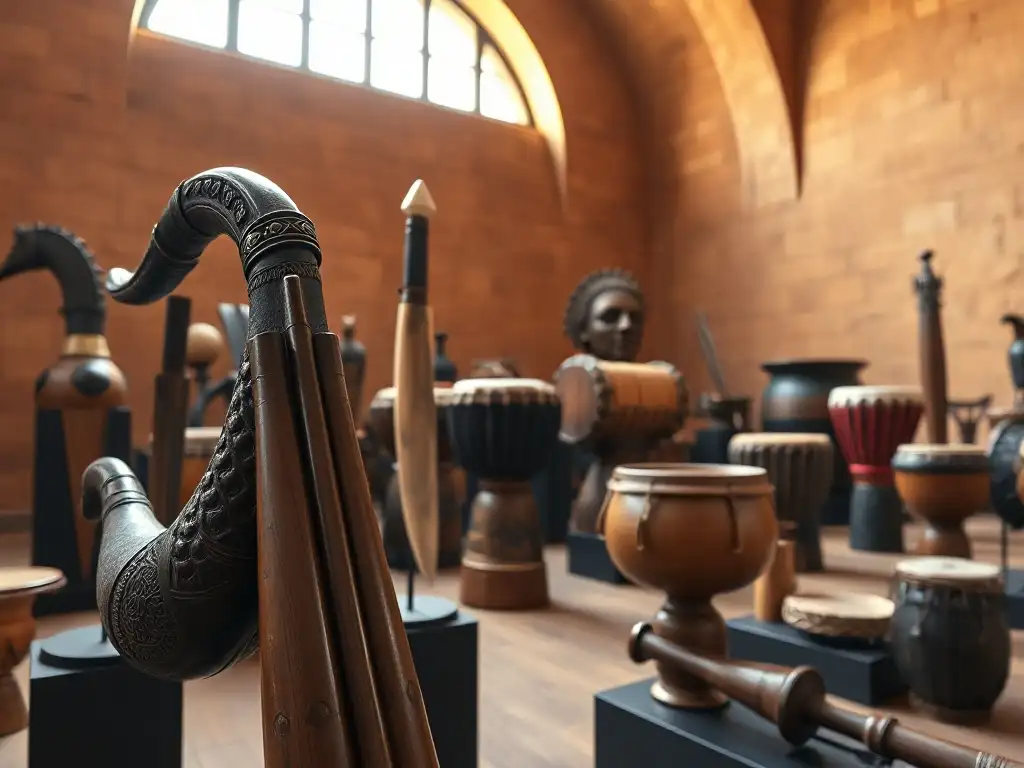
Uncover the echoes of a lost empire! Journey with us into the heart of the Andes, where the vibrant cultures of the Incas, Moche, Nazca, and Tiahuanaco flourished. Prepare to be captivated by their artistry, ingenuity, and the enduring legacy of their sophisticated societies. But first, let's delve into the fascinating world of Inca musical instruments history – a captivating story of sound and symbolism that will transport you back in time. Discover the secrets held within these ancient melodies...
The Inca Empire, a civilization that flourished in the Andes Mountains from the 15th to the 16th century, left behind a remarkable legacy encompassing sophisticated architecture, intricate textiles, and advanced agricultural techniques. However, beyond the tangible remnants of their empire lies a rich musical tradition, often overlooked but equally vital to understanding Inca culture and society.
This article delves into the fascinating world of Inca musical instruments, exploring their history, significance, and the lasting impact they have on Andean music today. Understanding the sounds of the Inca Empire offers a deeper appreciation for their complex social structures, religious beliefs, and daily life, enriching our comprehension of this remarkable civilization.
We will uncover the role music played in Inca rituals, ceremonies, and everyday life, examining the instruments themselves and uncovering the stories they tell about the ingenuity and artistry of the Inca people. This exploration of "Inca musical instruments history" will reveal a vibrant and captivating aspect of the Andean past.
The Significance of Music in Inca Culture
Music held a central position in Inca society, interwoven into the fabric of daily life and religious practices. It wasn't merely entertainment; music served as a powerful tool for communication, social cohesion, and spiritual expression. Inca songs, often accompanied by instruments, conveyed historical narratives, celebrated agricultural cycles, and honored deities.
The rhythmic sounds of panpipes and drums punctuated important ceremonies, from agricultural festivals to imperial rituals. The intricate melodies, passed down through generations, served as a vital means of preserving cultural knowledge and traditions. Archaeological evidence, including depictions on pottery and textiles, strongly suggests the pervasiveness of music in Inca life.
Furthermore, chroniclers' accounts from the Spanish conquest period offer glimpses into the importance of music in Inca society, albeit often filtered through a colonial lens. We can infer the deep social and spiritual significance of music through these varied sources, piecing together a picture of a society where sound played a vital role. The study of Inca musical instruments, therefore, is not just the study of artifacts but the study of a society's heart and soul.
Exploring the Musical Legacy of the Inca Empire
The Inca Empire utilized a diverse array of musical instruments, each with its unique purpose and cultural significance. These instruments were primarily crafted from natural materials readily available in the Andean region, showcasing the Inca's ingenuity and resourcefulness. Some of the most prominent instruments included:
- Antaras (Panpipes): These were perhaps the most widely recognized Inca instruments, consisting of several panpipes bound together. Their melodic capabilities allowed for complex musical arrangements, suitable for both ceremonial and everyday contexts. Different sizes and arrangements of antaras produced varying sounds, adding to their versatility.
- Tinku: A percussion instrument made from hollowed-out gourds or similar materials. The Tinku was typically used in ceremonies and celebrations, creating a powerful rhythmic backdrop. Its simple construction belied its considerable impact on the overall sonic landscape.
- Pututu (Shell Trumpet): Made from a large sea snail shell, the Pututu produced a deep, resonant sound, often used for signaling over long distances or announcing important events. Its powerful sound projected authority and was used in ceremonies to call people together.
- Ocarina: These ceramic instruments, often shaped like animals or other figures, produced a sweet, flute-like sound. Their varied shapes and sizes suggest a diversity in both their sounds and their cultural significance. Further research is needed to fully understand the range of ocarina types and their roles in Inca society.
The precise sounds these instruments produced are, of course, lost to time. However, through careful study of surviving instruments, ethnomusicological research, and analysis of historical accounts, we can begin to reconstruct the musical landscape of the Inca Empire, gaining a deeper understanding of this vibrant and sophisticated culture. The legacy of Inca musical instruments continues to resonate in contemporary Andean music, demonstrating the enduring power of their cultural heritage. The sounds of the past echo in the present, reminding us of the rich tapestry of Inca civilization.
- What types of musical instruments did the Inca civilization use?
- What was the significance of music in Inca culture?
- How did Inca musical instruments reflect their technology?
- What materials were commonly used to create Inca musical instruments?
- Where can I learn more about the history of Inca musical instruments?
Types of Inca Musical Instruments
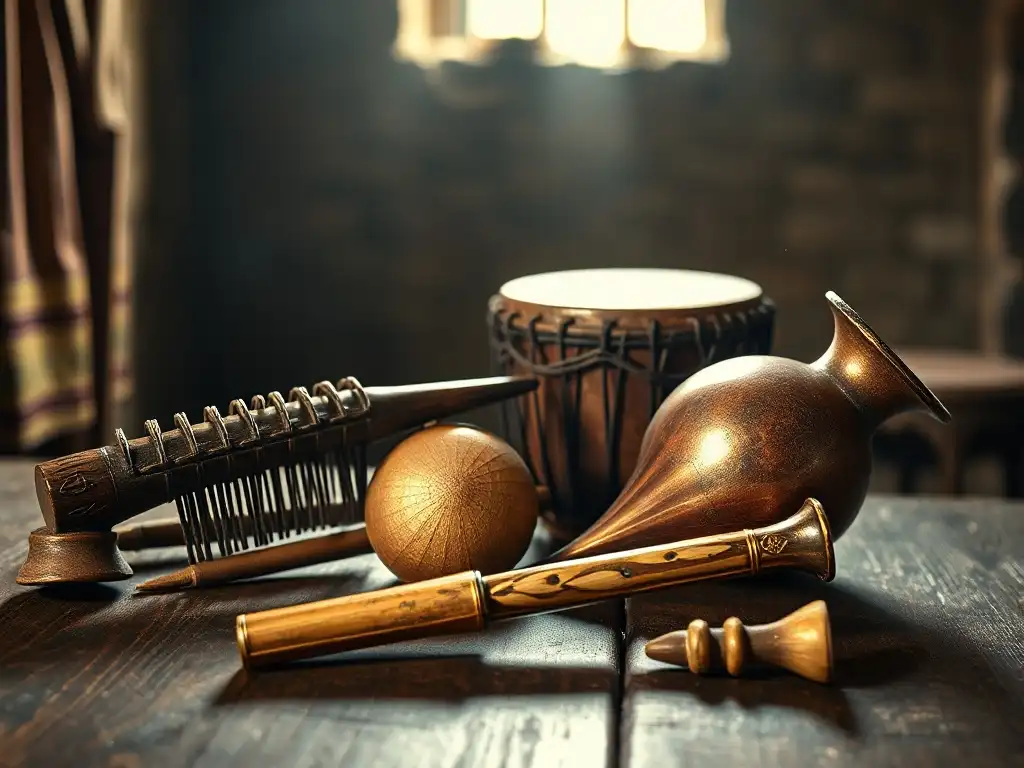
The Inca Empire, renowned for its sophisticated architecture, intricate textiles, and advanced agricultural techniques, also possessed a vibrant musical tradition. Understanding Inca musical instruments provides a crucial window into their social structures, religious beliefs, and daily life.
The soundscapes of the Andean region during the Inca period were rich and varied, filled with the melodies of wind instruments, the rhythmic beats of percussion, and the occasional strumming of stringed instruments (though less common than wind and percussion). This section delves into the diverse range of Inca musical instruments, exploring their construction, use, and cultural significance, offering a deeper understanding of "Inca musical instruments history."
Wind Instruments of the Incas
Wind instruments held a prominent place in Inca music, their sounds echoing across the vast Andean landscape. Their use spanned a variety of contexts, from religious ceremonies and royal celebrations to everyday life and agricultural rituals. The craftsmanship involved in their creation reflects the Inca's advanced technological capabilities, showcasing their skill in working with materials like wood, bone, and precious metals. Variations in design and materials often signified different social status or ritual importance.
The Quena: An Andean Flute
The quena, a simple yet evocative end-blown flute, is perhaps the most iconic of Inca wind instruments. Typically made from cane or wood, its haunting melodies are still heard throughout the Andes today. Archaeological evidence suggests quenas were crafted with considerable precision, with carefully measured finger holes ensuring accurate intonation.
The quena's sound, often described as plaintive and melancholic, was used to accompany songs, dances, and religious rituals. Different sizes of quenas allowed for a range of musical expression, from high-pitched, delicate sounds to deeper, resonant tones. The quena's enduring popularity testifies to its timeless appeal and its enduring place in Andean musical heritage, a crucial element of understanding the history of Inca musical instruments.
Antara or Siku: The Panpipes
The antara or siku are panpipes, a set of vertically arranged, graduated pipes bound together. These instruments produced a distinctive, layered sound, with each pipe playing a different note. The siku is often played in pairs, one higher pitched and one lower, creating a rich harmonic texture. The construction of the antara/siku required considerable skill and precision, as each pipe had to be carefully tuned to produce the desired notes.
These instruments were used extensively in both religious and secular contexts, their haunting melodies weaving their way into the fabric of Inca life. Different sizes and arrangements of pipes allowed for variations in the music produced, making them versatile instruments capable of expressing a wide range of emotions. The intricate craftsmanship and musical versatility of the siku and antara highlight the sophisticated musical traditions of the Inca civilization.
Inca Trumpets: Shell and Ceramic Varieties
Inca trumpets, made from various materials like shell (particularly strombus shells) and ceramic, were used to signal important events and announcements. The deep, resonant sound of these trumpets could carry for considerable distances across the mountainous terrain, making them effective tools for communication across the vast Inca Empire. Their use was often associated with ceremonies and military affairs. The shell trumpets, especially, held significant symbolic value, possibly representing the power and authority of the Inca rulers.
The construction of these trumpets involved considerable skill, requiring careful shaping and crafting to achieve the desired resonance. The use of different materials – shell for a powerful, echoing tone, and ceramic for a more mellow sound – suggests a nuanced understanding of acoustics and their application in different ceremonial contexts. The trumpets represent a powerful aspect of Inca musical instruments history, communicating not just sound, but also power and authority.
Percussion Instruments of the Incas
Percussion instruments played a vital role in Inca music, providing rhythmic accompaniment to dances, ceremonies, and other social events. Their sounds, often earthy and powerful, complemented the melodies of wind instruments, creating a rich and varied soundscape. Many of these instruments were simple in design yet effective in their function, reflecting the Inca's practical approach to music-making.
The Tinya: A Membranophone Drum
The tinya was a membranophone drum, typically made from a hollowed-out gourd or wood covered with animal skin. Its simple design belied its importance in Inca music, providing a steady beat for dances and ceremonies. The size and tension of the skin could be adjusted to alter the pitch and tone of the drum, allowing for a degree of musical expression.
The tinya, often played with sticks, provided the rhythmic backbone for many Inca musical performances. Its earthy sound and relatively simple construction made it a versatile and practical instrument, widely used throughout the empire. The tinya's enduring presence in Andean music further underscores its significance in Inca musical instruments history.
Inca Rattles and Shakers
In addition to drums, Inca musicians also used a variety of rattles and shakers, often made from gourds filled with seeds or small stones. These instruments provided a percussive texture to the music, adding rhythmic complexity and contributing to the overall energy of a performance. Their simple construction belies their effectiveness in creating a vibrant and lively musical experience.
The use of different materials for filling the rattles—seeds, stones, or even small metal objects—likely produced varying sounds, offering a range of timbral possibilities for the Inca musicians. These simple yet effective instruments, along with the tinya, contributed significantly to the rhythmic pulse of Inca music, showcasing a sophisticated understanding of rhythm and its role in musical expression within the context of Inca musical instruments history.
Stringed Instruments in Inca Music
The Inca Empire, renowned for its sophisticated artistry and engineering, also possessed a vibrant musical tradition. While our understanding of Inca music is limited by the scarcity of surviving instruments and written accounts, archaeological evidence and ethnomusicological studies suggest a significant role for stringed instruments in their musical landscape. Unlike the more readily identifiable percussion and wind instruments, the presence and prevalence of stringed instruments in Inca society remain a topic of ongoing scholarly discussion.
The delicate nature of stringed instruments, made primarily from organic materials, contributes significantly to their poor preservation over centuries. However, depictions in pottery and textiles, along with indirect evidence from related Andean cultures, offer valuable clues. These clues paint a picture of a diverse range of stringed instruments, potentially used in a variety of contexts, from ceremonial rituals to everyday life.
The soundscape of the Inca Empire, therefore, was likely far more nuanced and complex than previously imagined, incorporating the mellow tones and intricate melodies achievable with stringed instruments. Further research and analysis of newly discovered artifacts are essential to enriching our understanding of this important aspect of Inca musical culture. The study of Inca music is a field constantly evolving as new archaeological findings and interpretations emerge.
Stringed Instruments: Limited Evidence and Debate
The limited physical evidence of Inca stringed instruments fuels ongoing debate among researchers. While depictions in art certainly suggest their existence, the absence of numerous intact instruments presents challenges in confirming their precise construction, materials, and playing techniques. Some researchers argue that the representations in pottery and textiles are stylized and may not accurately reflect the actual instruments' appearance. This debate highlights the limitations of relying solely on visual representations for understanding ancient technologies.
Furthermore, the possibility of cultural exchange and influence from neighboring cultures complicates the identification of instruments as uniquely Inca. Some instruments depicted may be adaptations or variations of designs from pre-Inca cultures, reflecting the empire's incorporation of existing traditions. The challenge lies in distinguishing between instruments genuinely developed within the Inca Empire and those adopted or adapted from other Andean societies.
This nuanced understanding of Inca musical instruments requires a multidisciplinary approach, combining archaeological findings with ethnomusicological analyses of related Andean musical traditions. The ongoing research actively seeks to resolve this debate by combining different methodological perspectives and exploring new avenues of investigation. Ultimately, the lack of substantial physical evidence necessitates a cautious and nuanced approach to interpreting the available data concerning Inca stringed instruments.
The Role of Music in Inca Society and Rituals
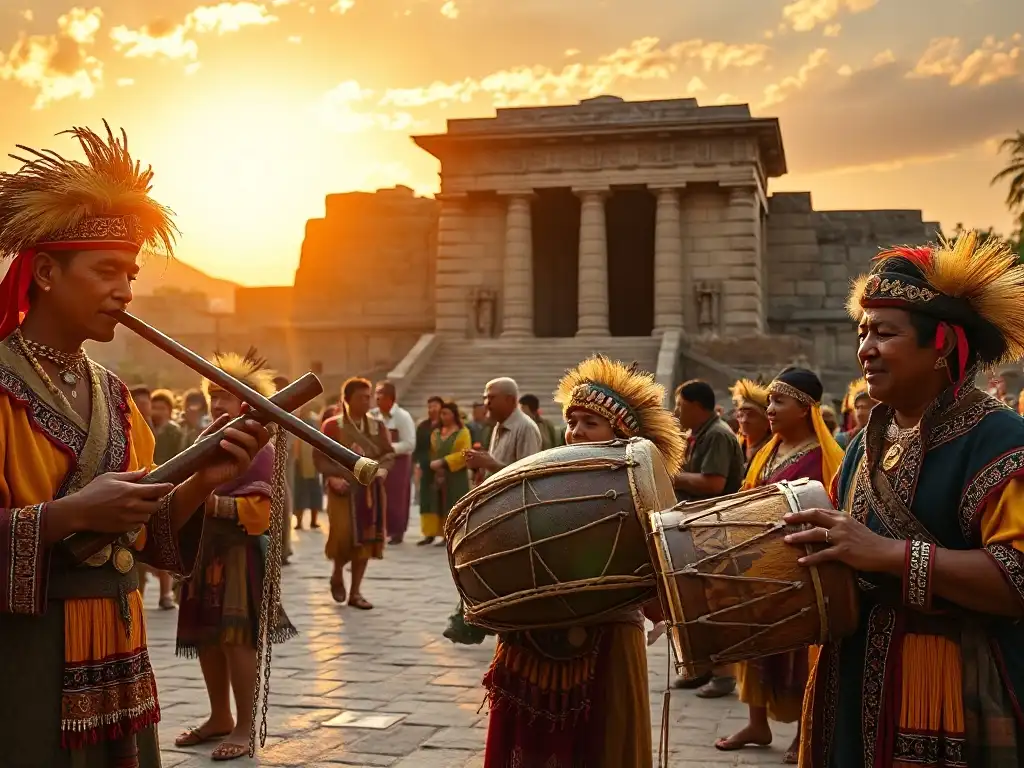
The Inca Empire, renowned for its sophisticated engineering and intricate social structures, also possessed a vibrant musical tradition deeply interwoven with its religious beliefs, social life, and political power. Music wasn't merely entertainment; it served as a powerful tool for communication, expressing emotions, reinforcing social order, and connecting the Inca people to the spiritual realm. Understanding the role of music in Inca society provides crucial insight into their worldview and cultural values.
The Inca musical instruments history is a rich tapestry reflecting this multifaceted significance. Archaeological evidence, albeit limited due to the organic nature of many instruments, coupled with Spanish chronicles and ethnomusicological studies of surviving Andean traditions, allows us to reconstruct a glimpse of this captivating sonic world. The soundscapes of the Inca Empire, though largely lost to time, continue to resonate in the musical traditions of modern-day Andean communities.
Music in Inca Religious Ceremonies
Inca religious ceremonies were profoundly shaped by music. The Inca musical instruments history reveals that these rituals, often conducted in grand temples or open-air spaces, incorporated a range of instruments to create evocative soundscapes. These ceremonies aimed to appease the gods, honor ancestors, and ensure the prosperity of the empire.
Priests, often highly trained musicians themselves, played a central role in these rituals, leading chants and orchestrating the musical performances. The specific instruments used varied depending on the ceremony, but commonly included panpipes ( antara), flutes ( pututu), drums ( tinya), and possibly stringed instruments, though evidence for the latter is less conclusive. The rhythmic patterns and melodies were believed to possess magical properties, capable of influencing the natural world and connecting the human realm with the divine.
For example, certain melodies might have been associated with specific deities or agricultural cycles, reflecting the close relationship between music and the Inca's agricultural-based economy. The Inca musical instruments history is thus inextricably linked to the history of Inca religion and its complex cosmology.
Musical Performances in Inca Festivals
Beyond religious contexts, music played a vital part in Inca festivals, celebrations, and social gatherings. These events, often elaborate affairs involving dancing, feasting, and public displays of power, were accompanied by lively musical performances. The festive atmosphere was enhanced by the use of various instruments, creating a vibrant and dynamic soundscape.
These performances served not only as entertainment but also as a means of reinforcing social bonds and celebrating collective identity. The specific instruments and musical styles used in these festivals might have varied regionally, reflecting the cultural diversity within the vast Inca Empire. Further research into regional variations in Inca musical instruments history is needed to fully appreciate this diversity.
While we lack detailed accounts of the specific musical pieces performed, we can infer their importance from the emphasis placed on music in other aspects of Inca life. The sheer scale and organization of Inca festivals suggest that musical performances were carefully planned and rehearsed, reflecting the high value placed on music within Inca society.
The social significance of music in Inca society extended beyond religious ceremonies and festivals. Music was integral to various aspects of daily life, from agricultural work to military campaigns. It accompanied processions, served as a means of communication across long distances, and played a role in education and socialization.
The Inca musical instruments history reveals that different instruments might have been associated with different social groups or activities. For instance, certain instruments might have been reserved for the elite, reflecting the hierarchical structure of Inca society. The creation and performance of music were likely subject to strict regulations, ensuring its proper use and preventing its misuse.
The Inca state likely controlled the production and distribution of musical instruments, further emphasizing their importance to social order. Understanding the social role of music sheds light on the complex dynamics of power, social stratification, and cultural identity within the Inca Empire. Further research into the social context of Inca musical instruments history is vital to gain a more complete understanding of Inca culture and society.
Construction and Materials of Inca Instruments
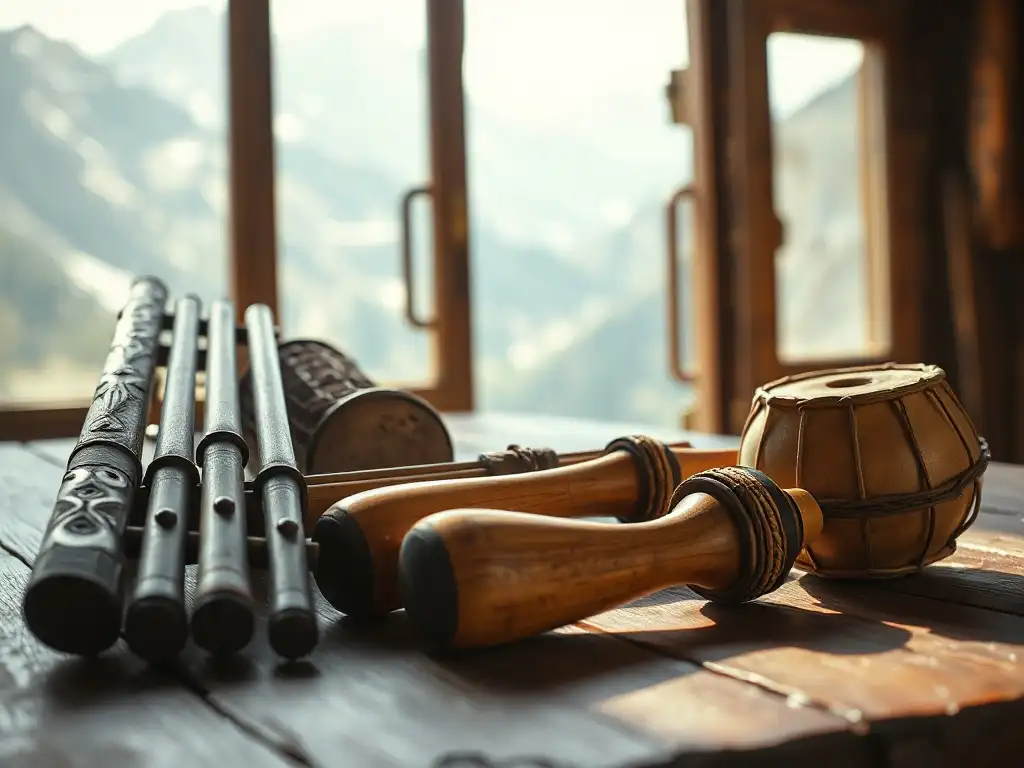
The Inca Empire, renowned for its sophisticated engineering and artistry in other domains, also displayed remarkable skill in crafting musical instruments. Understanding the construction and materials used reveals much about Inca ingenuity and their connection to the Andean environment. The creation of these instruments wasn't simply a matter of functionality; it was deeply intertwined with their spiritual beliefs and social structures, reflecting a rich cultural tapestry. The "Inca musical instruments history" is therefore not just a history of sounds, but a history of resourcefulness, artistry, and spiritual expression.
Natural Resources Used in Inca Instrument Making
Inca instrument makers skillfully utilized readily available natural resources from their environment. The Andes Mountains provided a diverse palette of materials:
- Wood: Various types of wood, depending on availability and desired sonic qualities, formed the basis of many instruments. Hardwoods offered durability and resonance, while softer woods might have been preferred for certain instruments requiring flexibility. Specific wood types used [specific wood types pending further research].
- Animal hides: Animal skins, particularly llama and alpaca hides, were crucial for creating drumheads. These hides were meticulously prepared, stretched, and treated to achieve the optimal tension and resonance for producing distinct sounds. The preparation process itself likely involved traditional techniques passed down through generations, contributing to the unique character of each drum.
- Gourds: Dried gourds, readily available throughout the Andes, served as resonating chambers for various instruments. Their natural shape and acoustic properties made them ideal for creating unique tonal qualities. The size and shape of the gourd directly impacted the instrument's pitch and timbre.
- Metal: While less common than organic materials, metals like copper and bronze were incorporated into some instruments, primarily for decorative purposes or for striking elements. The use of metal reflects the Inca's advanced metallurgical skills, showcased in other aspects of their culture. [Specific examples of metal use in instruments pending].
- Plant fibers: Plant fibers, such as those from cotton or other Andean plants, were used for stringing instruments, binding parts together, and creating decorative elements. The selection of fibers likely reflected both availability and the desired strength and flexibility.
Techniques for Creating Inca Musical Instruments
The creation of Inca musical instruments involved a complex interplay of skill, knowledge, and tradition. These weren't mass-produced items; each instrument was likely crafted individually, reflecting the artisan's expertise and understanding of the materials.
The process involved several key techniques:
- Woodworking: Inca artisans possessed advanced woodworking skills, capable of carving intricate shapes and designs. Tools and techniques used [specific tools and techniques pending]. The precision and attention to detail evident in their other crafts strongly suggest a similar level of skill in instrument making.
- Hide preparation: Preparing animal hides for drumheads required a specialized process. This likely involved cleaning, stretching, drying, and possibly treating the hides with natural substances to ensure durability and optimal sound quality. The specific techniques [specific techniques pending further research] were likely passed down through generations of artisans.
- Gourd selection and preparation: Choosing appropriate gourds involved considering size, shape, and the thickness of the shell. Preparing them for use involved cleaning, drying, and possibly modifying the shape or size to achieve the desired acoustic properties. The selection process and any modifications would have significantly impacted the instrument's final sound.
- Stringing and binding: For stringed instruments, the selection and preparation of the strings were crucial. The tension and material of the strings directly impacted the instrument's pitch and tone. The techniques used to secure the strings and bind parts of the instrument together also played a vital role in its overall functionality and longevity. [Specific details on stringing techniques pending].
The meticulous craftsmanship evident in surviving examples of Inca instruments underscores the importance of music within their society. The "Inca musical instruments history" is a testament to their artistic skill and their deep connection to the natural world. Further research is needed to fully illuminate the specific techniques and materials used in the creation of these fascinating artifacts.
The Preservation and Study of Inca Musical Heritage
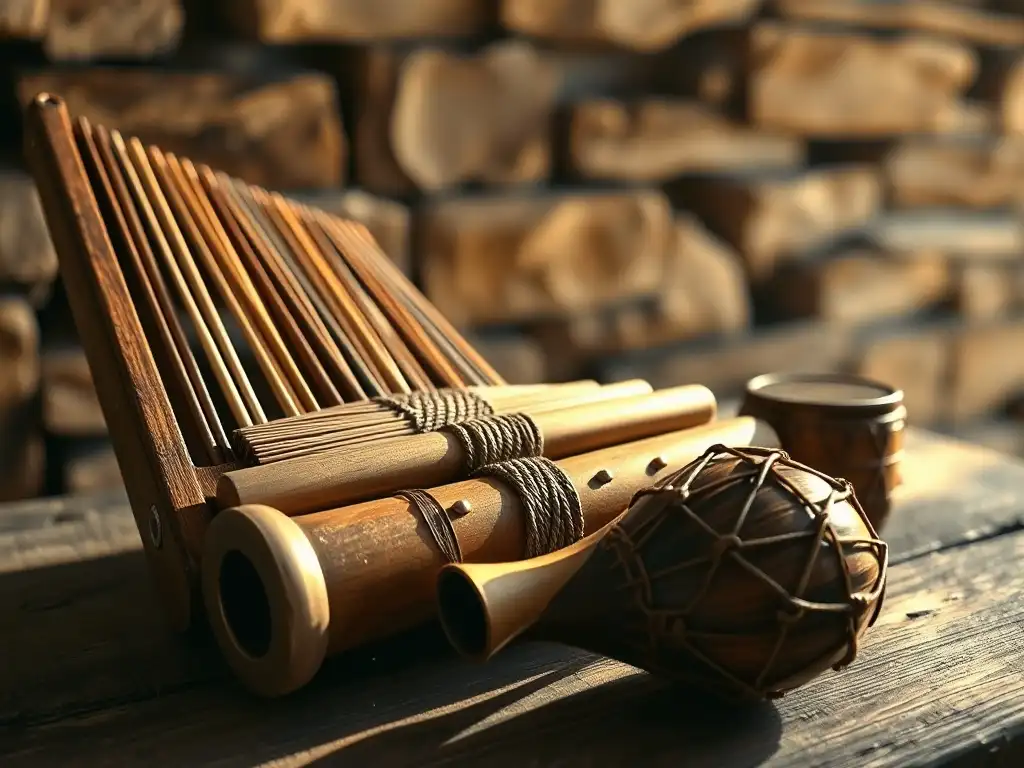
The study of Inca musical instruments presents unique challenges. Unlike written musical scores, our understanding relies heavily on archaeological findings, iconographic evidence (depictions in art), and the surviving traditions of Andean music. The fragility of organic materials, such as wood and animal hides used in instrument construction, means that complete instruments are rare.
However, fragments and depictions provide crucial clues to reconstructing the soundscapes of the Inca Empire. The interpretation of these findings requires interdisciplinary collaboration between archaeologists, musicologists, and ethnomusicologists, a collaboration crucial for a comprehensive understanding of Inca musical instruments history.
This collaborative effort seeks to bridge the gap between the archaeological record and the living musical traditions of the Andes, providing a more holistic view of Inca musical culture and its enduring legacy. This holistic approach is vital for understanding not only the technical aspects of instrument making but also the social, religious, and ceremonial contexts within which music played a significant role.
Archaeological Discoveries of Inca Instruments
Archaeological excavations across the Inca Empire have yielded a range of instruments, albeit often in fragmented states. These discoveries provide invaluable insights into the materials, construction techniques, and potential sounds of Inca musical instruments. For example, fragments of panpipes ( antara) have been unearthed, revealing intricate designs and variations in the number of pipes.
These variations likely indicate different musical scales and ranges, suggesting a complex musical system. The discovery of bone flutes and trumpets hints at a diverse instrumental palette, reflecting the rich musical traditions of different regions within the empire. The analysis of these fragments, combined with iconographic evidence from pottery and textiles, allows researchers to reconstruct the appearance and potentially the sound of these instruments.
Often, however, the preservation of organic materials is poor, leading to incomplete instruments and requiring careful reconstruction and interpretation. The meticulous documentation of these findings, including detailed descriptions, measurements, and photographic records, is crucial for future research and the ongoing study of Inca musical instruments history. Furthermore, the context of discovery – for example, whether an instrument was found in a tomb, a temple, or a domestic setting – offers clues regarding its social and ritual significance.
Contemporary Andean Music and the Inca Influence
The musical traditions of the Andes today bear a remarkable resemblance to aspects of Inca music, even though centuries separate them. Many instruments still used in contemporary Andean music, such as the zampoña (panpipes), tarka (vertical flute), and pututo (shell trumpet), share clear lineage with instruments used during the Inca period. However, it's important to note that contemporary Andean music is not a direct continuation of Inca music.
It has evolved and incorporated elements from other cultures and historical periods. Nevertheless, the continuity in instrument types and musical structures suggests a strong cultural memory and a lasting impact of Inca musical traditions. Ethnomusicological studies comparing contemporary Andean music with archaeological evidence help researchers understand how Inca musical practices have adapted and transformed over time.
This comparative approach sheds light on the continuity and change in Andean musical culture, offering a vibrant and evolving perspective on Inca musical instruments history. The study of contemporary music, therefore, provides a living context for interpreting the archaeological remains and offers a richer understanding of the complete musical landscape of the Andes. The continued use and adaptation of these ancient instruments highlight the enduring power of Inca musical heritage and its central place in Andean identity.
Conclusion: The Enduring Legacy of Inca Music
The study of Inca musical instruments offers a captivating glimpse into the sophisticated culture and complex social structures of the Andean Empire. More than mere entertainment, music played a vital role in Inca society, interwoven with religious ceremonies, agricultural cycles, and daily life. Understanding the instruments themselves—their construction, materials, and intended use—provides invaluable insights into the ingenuity and artistry of Inca artisans.
The echoes of their music, though faint across the centuries, continue to resonate, reminding us of the rich tapestry of Andean civilization. The enduring legacy of Inca music isn't just about the instruments themselves; it's about the cultural context in which they flourished, a context that informs our understanding of Inca beliefs, social hierarchies, and artistic expression.
Further research and archaeological discoveries promise to unveil even more secrets about the sounds of the Inca Empire, enriching our appreciation of this remarkable civilization. Analyzing the surviving instruments and their fragments allows us to reconstruct, albeit partially, the vibrant soundscapes of the past, shedding light on the role of music in shaping Inca identity and social cohesion.
Understanding Inca Culture Through its Sounds
The sounds produced by Inca musical instruments were far more than just melodies; they were integral components of a complex social and religious system. The pututu, for instance, a long shell trumpet, was not merely a musical instrument but a powerful symbol of authority, used to summon crowds, announce important events, and even communicate over long distances. Its distinctive, resonant sound held significant cultural weight. Similarly, the antara, a panpipe, was often played in ensembles, suggesting a highly developed sense of musical collaboration and organization.
The precise arrangements and tunings of these panpipes likely reflected intricate social structures and hierarchies, with different melodies and harmonies potentially signifying different social groups or religious rituals. Archaeological evidence, such as depictions of musicians on pottery and textiles, further supports the significant role music played in Inca society. These depictions often show musicians in ceremonial contexts, reinforcing the connection between music and religious practices. The absence of written musical notation, however, presents a challenge for modern researchers attempting to reconstruct Inca musical traditions.
However, by carefully examining the instruments themselves and comparing them with similar instruments from related cultures, we can begin to piece together a clearer picture of the musical landscape of the Inca Empire. This process requires a multidisciplinary approach, integrating musicology, archaeology, anthropology, and ethnomusicology to fully appreciate the cultural significance of Inca musical instruments and the sounds they produced. The study of Inca music, therefore, offers a unique lens through which to explore the rich tapestry of Inca culture and its enduring legacy. The more we learn, the clearer it becomes that the Inca musical instruments history is one of innovation, cultural significance, and powerful social expression.
The following table summarizes some key Inca musical instruments and their potential functions:
| Instrument | Material | Function | Social Significance |
|---|---|---|---|
| Pututu | Conch shell | Signaling, ceremonial announcements | Authority, power, communication |
| Antara | Panpipes (bamboo) | Ceremonial music, entertainment | Social organization, ritual practices |
| Tinku | Possibly bone | [Specific information pending] | [Specific information pending] |
| Ocarina | Clay | [Specific information pending] | [Specific information pending] |
| Musical Bow | Wood, string | [Specific information pending] | [Specific information pending] |
The study of Inca musical instruments offers a unique perspective on the rich history and complex culture of the Inca Empire. Their sounds, though mostly lost to time, continue to speak volumes about the ingenuity, artistry, and social complexity of this remarkable civilization. The surviving instruments and related archaeological evidence serve as powerful reminders of the vibrant musical landscape that once characterized the Andean world. Further research, combining archaeological findings with ethnomusicological analysis, promises to further illuminate the fascinating world of Inca music and its enduring legacy. 🎵
Frequently Asked Questions
What types of musical instruments did the Inca civilization use?
The Inca utilized a variety of instruments, including the pututu (a shell trumpet), antara (panpipes), tarka (vertical flute), and pingullo (a type of flute). These instruments played a vital role in religious ceremonies, daily life, and celebrations.
What was the significance of music in Inca culture?
Music held great religious and social importance in Inca society. It was used in rituals, festivals, and to accompany important events like royal ceremonies and agricultural cycles. Music was deeply intertwined with their spiritual beliefs.
How did Inca musical instruments reflect their technology?
Inca instruments demonstrate advanced craftsmanship and understanding of acoustics. The precision in creating instruments like the antara showcases their skill in metallurgy and woodworking. Materials were carefully selected for optimal sound.
What materials were commonly used to create Inca musical instruments?
Natural materials were predominantly used, such as wood, bone, shells, and reeds for wind instruments. Metals, including bronze and gold, were sometimes incorporated, particularly for decorative purposes on certain instruments.
Where can I learn more about the history of Inca musical instruments?
You can explore further by researching archaeological findings related to Inca instruments, consulting ethnomusicology resources, and visiting museums with collections of Andean artifacts. Many academic papers and books delve into this topic.
Final Reflection: Echoes of the Andes: A Legacy in Sound
The vibrant sounds of the Inca Empire, once echoing through mountain valleys and ceremonial plazas, continue to resonate today, a testament to the enduring power of music and cultural heritage. The intricate craftsmanship and symbolic significance of Inca musical instruments offer a captivating glimpse into a sophisticated civilization, and their legacy continues to inspire musicians and scholars alike. Understanding their history is not merely an academic exercise; it's a key to unlocking a deeper appreciation for the richness and complexity of Andean culture.
The influence of Inca musical traditions is undeniable, woven into the fabric of modern Andean music and cultural identity. These instruments, from the haunting panpipes to the rhythmic pututu horn, are more than just artifacts; they are living embodiments of a rich history. Their sounds carry the weight of centuries, whispering tales of rituals, celebrations, and the enduring spirit of a people. Music is the universal language of mankind.
- Henry Wadsworth Longfellow. This quote rings especially true when considering the enduring power of Inca music, which transcends time and speaks to our shared human experience.
Consider the echoes of these ancient instruments. Think about the stories they tell, the emotions they evoke. You, too, can become a part of this enduring legacy. Seek out recordings of Andean music, explore the craftsmanship of these instruments through images and museums, and perhaps even learn to play one yourself. Let the sounds of the Andes inspire you, reminding you of the power of culture to connect us across time and space.
**Unleash the Sounds of the Andes Today! **
Thank you for exploring the vibrant world of Inca musical instruments! We hope you've enjoyed discovering how these captivating sounds shaped Andean culture and continue to resonate today. Now, it's your chance to delve deeper into these fascinating musical traditions!
- **Begin your journey by listening to traditional Andean music. ** Explore online music platforms like YouTube or Spotify for playlists featuring Inca instruments—you'll be amazed by the rich melodies and diverse soundscapes!
- **Share your favorite discoveries! ** Post about what you've learned or share a song you love on social media using the hashtag #AndeanMelodies to inspire others.
- **Consider taking a local music class or workshop. ** Many communities offer classes teaching Andean musical instruments or dance—a fantastic way to experience the rhythm firsthand!
What Andean sound inspires you most, and how do you believe it shapes our understanding of Inca culture? We'd love to hear your thoughts!