
The Huari and Their Predecessors: Cultural Origins and Influences

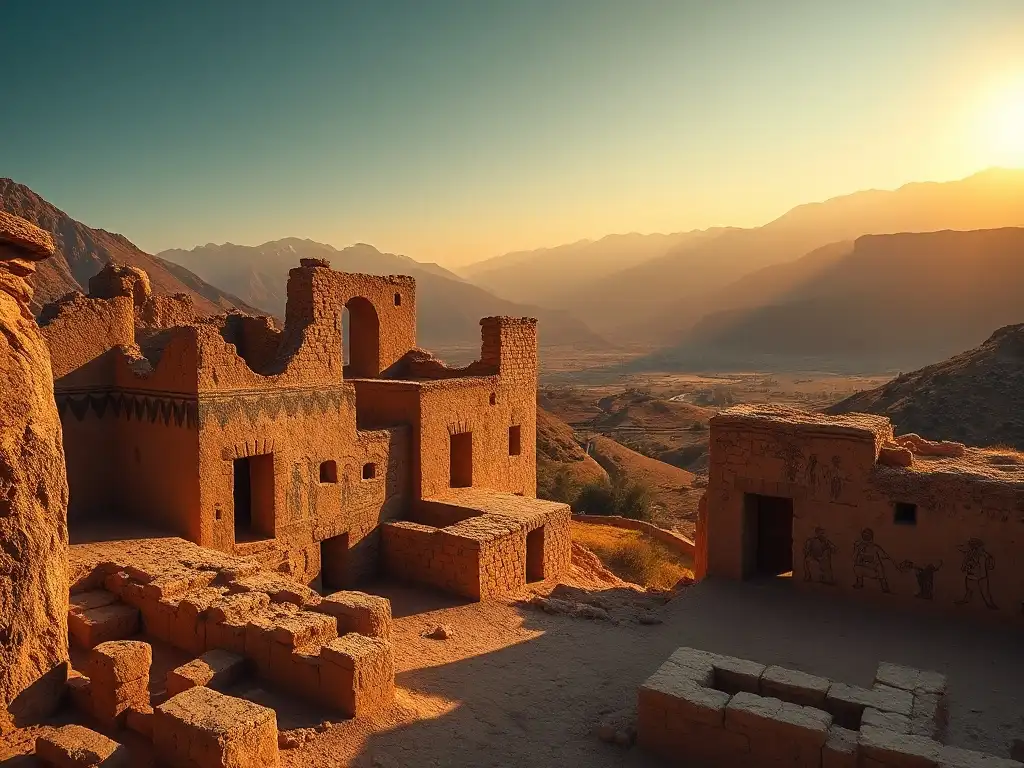
Unravel the mysteries of the Andes! Journey back in time to a world of breathtaking artistry, sophisticated engineering, and enigmatic cultures. For centuries, the towering peaks have guarded the secrets of civilizations like the Incas, yet their story begins long before. Discover the fascinating world of the Huari civilization and its predecessors, exploring the rich tapestry of cultural origins and influences that shaped this remarkable Andean legacy. Prepare to be captivated by the untold stories waiting to be unearthed... Delve into the "Huari civilization predecessors" and uncover the truth.
- The Huari Civilization: Tracing Its Roots and Influences
- The Cultural Landscape Before the Huari Empire
- The Rise of the Huari: Unveiling Their Precursors
- Key Huari Civilization Predecessors and Their Legacy
- Huari Expansion and the Consolidation of Power
- The Decline of the Huari and its Lasting Impact
-
Frequently Asked Questions
- Who were the main predecessors of the Huari civilization?
- What cultural traits did the Huari inherit from their predecessors?
- How did the geography of the region impact the Huari and their predecessors?
- What evidence supports the connection between the Huari and their predecessors?
- How did the Huari's relationship with their predecessors contribute to their success?
- Final Reflection: Echoes of the Andes: Legacy of the Huari and Their Predecessors
- Discover and Embrace the Rich Heritage of the Huari!
The Huari Civilization: Tracing Its Roots and Influences
The Huari civilization, a powerful and enigmatic pre-Inca empire that flourished in the central Andes from approximately 600 to 1200 CE, left an indelible mark on the region's history and culture. Understanding the Huari requires exploring its complex origins and the diverse cultural influences that shaped its unique identity.
This article delves into the fascinating world of the Huari's predecessors, examining the archaeological evidence and historical interpretations that illuminate the development of this remarkable Andean society. We will uncover the intricate web of interactions and adaptations that contributed to the rise of the Huari, a civilization whose legacy continues to resonate in the modern Andes.
The exploration of the Huari civilization predecessors is crucial to understanding the broader context of Andean cultural development and the intricate processes of societal transformation in the pre-Columbian era. This journey will unravel the mysteries surrounding the Huari's origins, revealing the rich tapestry of cultural influences that ultimately gave rise to this impressive empire.
Early Andean Societies and the Seeds of Huari
Before the emergence of the Huari, the central Andes were home to a mosaic of diverse and sophisticated cultures. These societies, while distinct, shared certain technological and cultural traits that would later be integrated and expanded upon by the Huari. For example, the development of advanced irrigation systems, sophisticated pottery techniques, and complex social structures were common threads woven throughout these precursor societies.
The specific cultural groups that directly contributed to the Huari's development are still being debated by archaeologists, but several strong candidates stand out. Among them are the Recuay culture, known for its distinctive style of monumental architecture and elaborate painted pottery, and the Tiahuanaco culture, a powerful civilization that exerted considerable influence across a wide area of the Andes.
The interaction between these groups, along with others, likely played a significant role in the formation of Huari culture. Further research and analysis of archaeological finds are crucial to definitively establishing the extent of these interactions and their impact on Huari society.
The Recuay Culture: A Significant Precursor
The Recuay culture, flourishing in the northern Peruvian highlands from approximately 200 to 600 CE, is recognized for its unique artistic style and impressive monumental architecture. Their intricate painted pottery, often depicting scenes of warfare and ritual activities, provides valuable insights into their social organization and belief systems. The Recuay's mastery of stonework is evident in their monumental structures, including large platforms and temples.
While the exact relationship between the Recuay and the Huari remains a subject of ongoing research, stylistic similarities in pottery and architectural techniques suggest a strong connection, possibly indicating cultural continuity or direct influence. The extent of this influence, however, requires further investigation and careful analysis of the archaeological record. The potential incorporation of Recuay artistic traditions and architectural techniques into Huari culture is a compelling area of study that warrants further research.
Tiahuanaco Influence and the Expansion of Andean Power
The Tiahuanaco culture, located on the shores of Lake Titicaca, exerted a profound influence on the development of numerous Andean societies. Their sophisticated urban planning, monumental architecture (such as the iconic Akapana pyramid), and distinctive ceramic styles spread across a vast territory. The impact of Tiahuanaco on the Huari is evident in the adoption of certain architectural elements and iconographic motifs.
However, the nature of the relationship – whether it was one of conquest, cultural exchange, or a more complex interplay – is still debated. Some scholars suggest a direct lineage, with the Huari emerging as a successor state to Tiahuanaco, while others propose a more nuanced interaction involving cultural adoption and adaptation.
The exact nature of the Tiahuanaco-Huari relationship remains a key area of ongoing archaeological research, with new discoveries continually refining our understanding of this crucial interaction. The ongoing debate highlights the complexities of understanding the dynamics of power and influence in the ancient Andes.
Synthesizing Influences: The Emergence of Huari Identity
The Huari civilization didn't simply inherit the traits of its predecessors; it synthesized and adapted them, forging a unique cultural identity. The Huari integrated elements of Recuay artistry, Tiahuanaco architecture, and other regional traditions, creating a distinct style that reflected their own unique social and political organization. This process of cultural synthesis was not passive; it involved active selection, adaptation, and innovation.
The Huari’s imperial expansion facilitated the spread of their culture, further shaping and solidifying their unique identity. The remarkable ability of the Huari to blend and adapt various cultural elements is a testament to their sophisticated understanding of social and political dynamics.
The Huari civilization's success in creating a cohesive and powerful empire from a diverse range of cultural influences serves as a powerful example of cultural adaptation and innovation in the ancient Andes. This synthesis, a hallmark of the Huari, is a crucial element in understanding their rise and lasting legacy.
The Cultural Landscape Before the Huari Empire
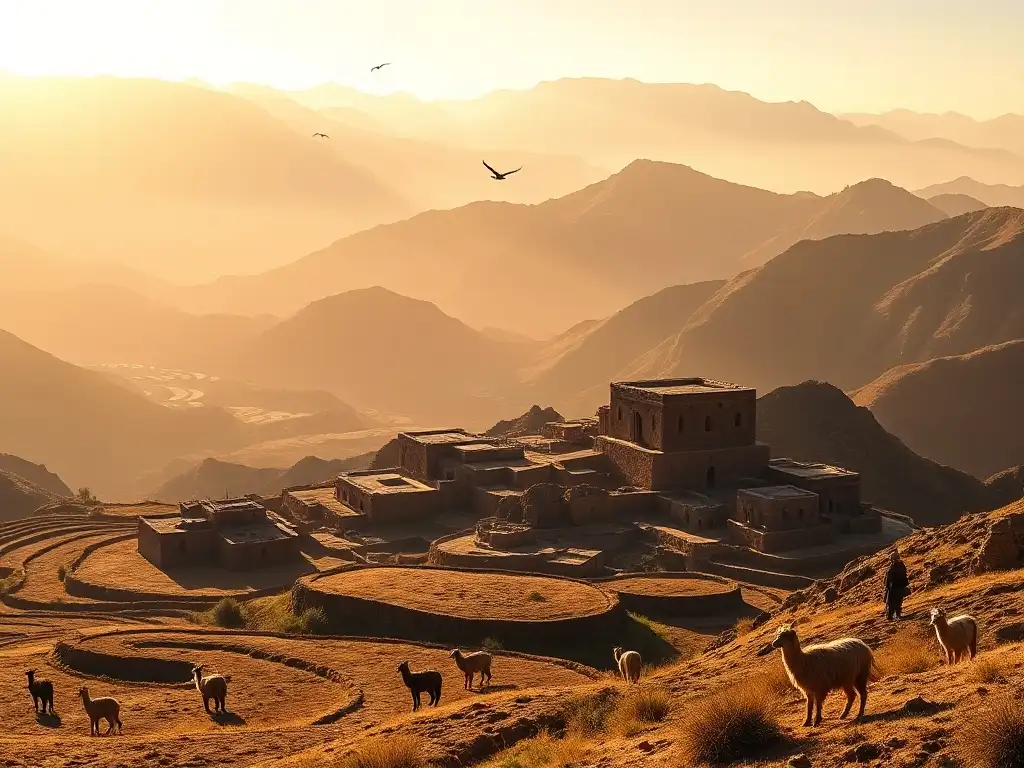
The Huari civilization, a powerful Andean empire flourishing from approximately 600 to 1000 CE, didn't emerge in a vacuum. Understanding its origins requires exploring the rich tapestry of preceding cultures that shaped its development. The Huari's impressive achievements in urban planning, pottery, and textile production built upon centuries of innovation and cultural exchange across the Andes.
Analyzing these predecessor societies is crucial to fully grasping the Huari's rise to power and their lasting impact on subsequent Andean civilizations, including the Inca. This section delves into the cultural foundations upon which the Huari empire was constructed, highlighting key influences and advancements.
Early Andean Cultures and Their Contributions
Long before the Huari, the Andean region witnessed the rise and fall of numerous complex societies. These cultures, while geographically diverse, shared certain technological and artistic innovations that laid the groundwork for later empires. For instance, the mastery of irrigation techniques, evident in the sophisticated canal systems of the Nazca and the Moche, provided the agricultural base necessary to support large, centralized populations – a key factor in the Huari's ability to establish and sustain a vast empire.
The Moche, known for their elaborate metalwork and monumental architecture, also contributed significantly to Andean artistic traditions. Their intricate ceramics, often depicting scenes of warfare, ritual, and daily life, showcase a level of sophistication that would later influence Huari artistry.
Similarly, the Nazca's renowned expertise in textiles and their unique geoglyphs, visible only from the air, demonstrate a remarkable level of engineering and artistic expression. These achievements, along with those of other early Andean cultures like the Paracas and the Wari (note the spelling difference, often a source of confusion), represent a legacy of innovation that the Huari inherited and expanded upon.
The technological advancements of these predecessors were not solely limited to agriculture and art. The development of advanced pottery techniques, for example, allowed for the creation of durable and aesthetically pleasing vessels, essential for storage and ritual practices. This expertise was clearly adopted and refined by the Huari, whose pottery is characterized by its distinctive styles and high quality.
The Significance of the Middle Horizon Period
The Huari rise to prominence coincided with the Middle Horizon period (c. 600-1000 CE), a time of significant political and cultural integration across the central Andes. This period is characterized by the emergence of large, regional empires that exerted considerable influence over neighboring societies. The Huari empire stands out as the most dominant force during this era, but its success was inextricably linked to the political and economic structures already in place.
The Middle Horizon witnessed the development of a more integrated Andean world, with increased trade and communication between different regions. This facilitated the exchange of ideas, technologies, and artistic styles, leading to a degree of cultural homogenization across vast distances. The Huari capital, located in the Ayacucho region of Peru, served as a central hub for this network, strategically situated to control access to vital resources and trade routes.
While the Huari certainly imposed their own cultural stamp, their empire wasn't built on a complete rejection of pre-existing traditions. Instead, they skillfully integrated and adapted elements from various predecessor cultures, creating a unique synthesis that reflected the diverse heritage of the Andean region. Understanding the Middle Horizon context is therefore crucial for appreciating the complexity and dynamism of the Huari civilization and its legacy.
Further research into the specific interactions between the Huari and their immediate predecessors is needed to fully illuminate the nuanced nature of this complex historical period. More detailed analysis of archaeological finds and textual evidence could shed further light on the specific cultural exchanges and power dynamics at play during this formative era.
The Rise of the Huari: Unveiling Their Precursors
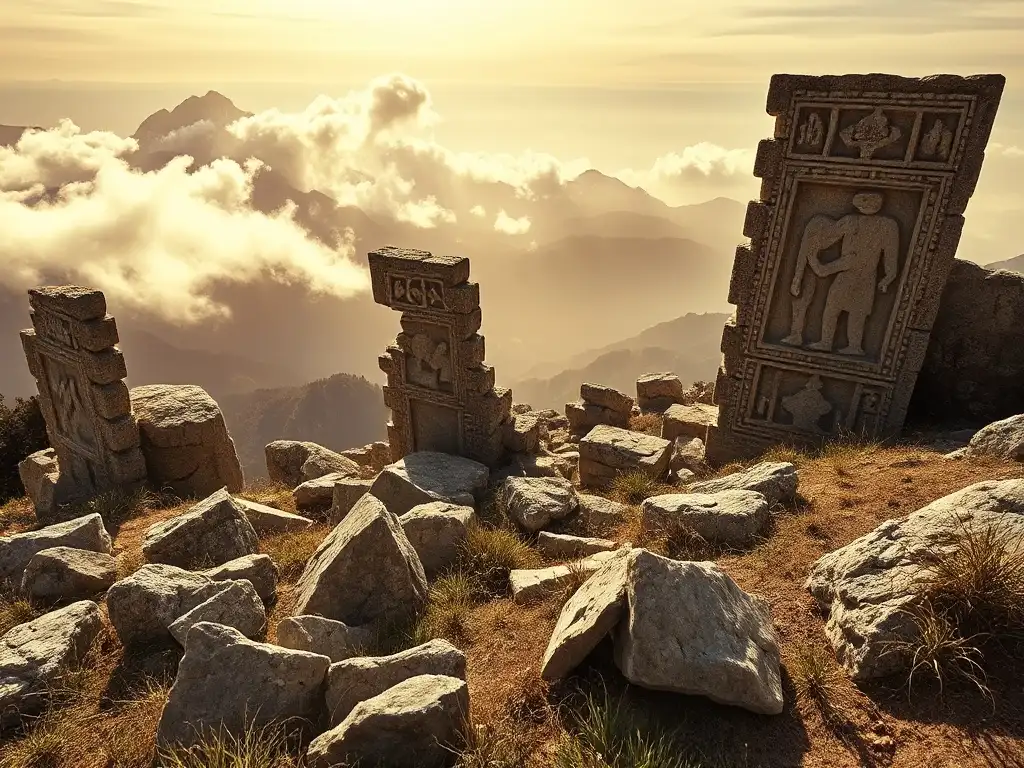
The Huari civilization, flourishing in the central Andes from approximately 600 to 1000 CE, remains a captivating enigma in Andean archaeology. Understanding its rise requires examining its cultural antecedents—the societies that laid the groundwork for its impressive achievements. While the Huari themselves left behind a remarkable legacy of urban planning, intricate pottery, and sophisticated administrative systems, their origins are complex and multifaceted, woven from the threads of several preceding cultures.
This section delves into the key predecessors, highlighting their contributions to the unique character of the Huari civilization. Identifying the Huari civilization predecessors is crucial to understanding the full scope of their cultural impact. The intricate interplay of influences ultimately shaped the unique characteristics of the Huari state.
The Tiahuanaco Influence on Huari Culture
The Tiahuanaco culture, based around Lake Titicaca, exerted a significant influence on the developing Huari state. Evidence suggests a strong cultural exchange, possibly involving political interaction or even direct conquest. The monumental architecture of Tiahuanaco, characterized by its precise stonework and imposing structures like the Kalasasaya temple, finds echoes in certain aspects of Huari architecture, although the Huari style evolved into something distinctly different.
The stylistic similarities in pottery are perhaps more striking. The characteristic Tiahuanaco style, with its geometric designs and intricate details, appears in early Huari pottery, suggesting either direct adoption or a strong stylistic influence. However, Huari artisans quickly adapted and innovated upon these earlier forms, developing their own distinctive artistic vocabulary.
This process of assimilation and transformation is a hallmark of cultural exchange and demonstrates the Huari's ability to synthesize external influences into their own unique cultural expression. Further research is needed to fully understand the nature of the Tiahuanaco-Huari relationship, but the evidence strongly suggests a significant cultural flow.
The influence extended beyond mere aesthetics. The sophisticated administrative systems hinted at in Tiahuanaco's urban planning may have provided a model for the impressive organizational capabilities of the Huari state. The Huari's extensive network of provincial centers and efficient control over a vast territory suggests the adoption and refinement of earlier administrative practices. Analyzing the parallels between Tiahuanaco's societal structure and the Huari state is crucial to understanding the evolution of Andean political organization.
The Role of the Huarpa Culture in Huari Development
The Huarpa culture, preceding the Huari in the Ayacucho region, represents another significant predecessor. While less well-known than Tiahuanaco, the Huarpa left behind a rich archaeological record indicating a sophisticated society with distinct artistic and architectural styles. Their influence on Huari culture is less direct than Tiahuanaco's but still demonstrably significant.
The Huarpa are recognized for their distinctive pottery, characterized by a range of styles and decorative techniques. These stylistic elements show up in early Huari ceramics, though again, the Huari adapted and transformed these styles, creating a more standardized and regionally distinct artistic tradition. This suggests a process of cultural integration rather than simple imitation.
The Huarpa's mastery of agriculture and irrigation techniques, essential for supporting a large population, likely also contributed to the Huari's success in managing their extensive empire. Understanding the Huarpa’s contribution is vital to a complete understanding of the Huari’s agricultural practices and their role in facilitating the expansion of the Huari state. Further research into Huarpa social organization could reveal additional insights into their influence on the Huari.
The Evolution of Huari Art and Architecture
The Huari’s artistic and architectural achievements were not simply inherited but rather represented a dynamic synthesis of existing traditions and innovations. Their distinctive style emerged from a complex interplay of influences, demonstrating the capacity for creative adaptation and the development of new forms.
Huari architecture is characterized by its monumental structures, intricate urban planning, and the use of standardized building techniques. While influenced by Tiahuanaco's monumental style, Huari architecture developed its own unique characteristics, including the use of adobe brick and a more functional, less overtly ceremonial style in many structures. The standardization of building techniques suggests a centralized administration capable of overseeing large-scale construction projects across a vast territory. This reflects a degree of social and political organization unmatched by their predecessors.
Huari pottery, similarly, evolved from earlier styles but developed its own distinctive features. While early Huari pottery shows the influence of Tiahuanaco and Huarpa styles, later pieces are characterized by a greater standardization of forms and a more limited range of decorative motifs. This standardization reflects a possible attempt to create a unifying visual culture across the empire, reinforcing the Huari identity and promoting social cohesion. The evolution of Huari art and architecture, then, showcases not only the blending of influences but also the Huari's capacity for innovation and their conscious effort to forge a distinct cultural identity.
Key Huari Civilization Predecessors and Their Legacy
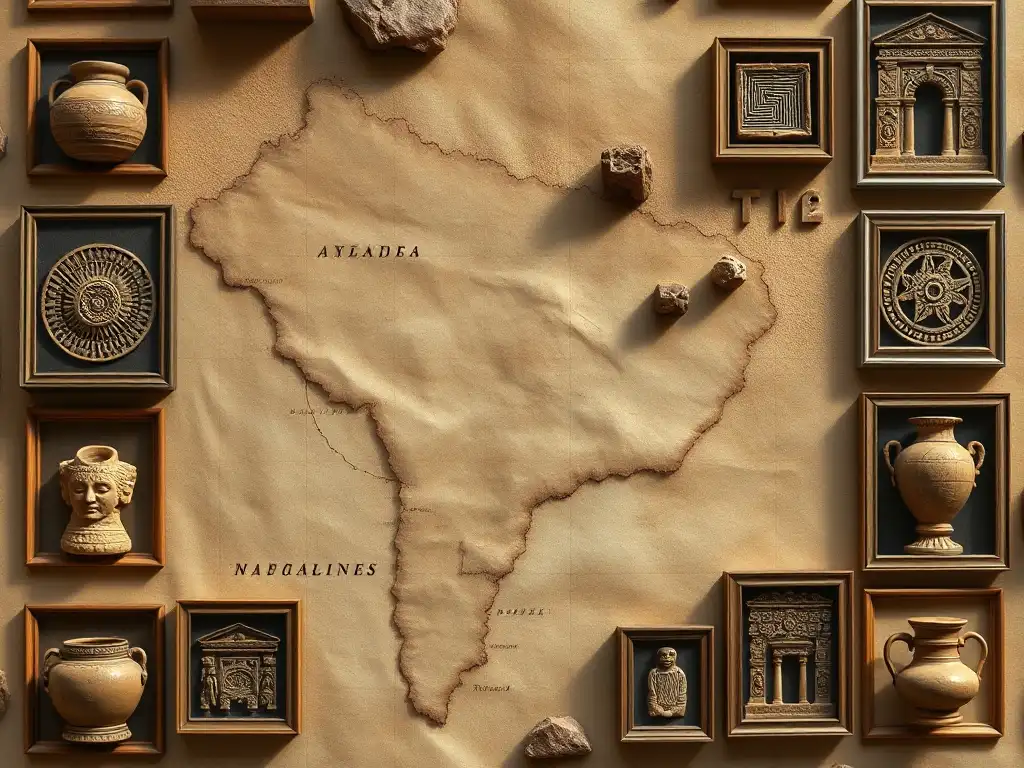
The Huari civilization, a powerful Andean empire flourishing between the 600 and 1200 CE, didn't emerge in a vacuum. Its impressive achievements were built upon the foundations laid by several preceding cultures, primarily the Nazca and Moche. Understanding these predecessors is crucial to fully appreciating the complexity and sophistication of the Huari state. The Huari civilization predecessors significantly impacted their artistic styles, socio-political organization, technological advancements, and religious beliefs.
Analyzing these influences illuminates the evolutionary trajectory of Andean civilizations and showcases the dynamic interplay of cultural exchange and adaptation. The Huari state's success can be attributed, in no small part, to its ability to synthesize and build upon the strengths of its predecessors. This section will examine the key influences of the Nazca and Moche cultures on the rise of the Huari.
The Impact of the Nazca Culture
The Nazca, known for their iconic geoglyphs and sophisticated irrigation systems, left an indelible mark on the Huari. Their influence is particularly evident in artistic expression and socio-political organization.
Artistic Parallels with Nazca Culture
Huari pottery often displays stylistic similarities to Nazca ceramics. While Huari pottery developed its own distinct characteristics, the use of vibrant colors, intricate designs, and representational imagery suggests a clear lineage from Nazca artistic traditions. For example, the depiction of stylized birds and mythical creatures found in both Nazca and Huari pottery points towards a continuous artistic dialogue. Further research into the specific pigments and techniques employed could reveal even closer connections. [Specific information pending: detailed comparative analysis of Nazca and Huari pottery techniques and pigments].
Socio-Political Structures Inherited from Nazca Culture
While the scale and complexity of the Huari state far surpassed that of the Nazca, evidence suggests that certain aspects of Nazca socio-political organization may have influenced Huari governance. The Nazca's sophisticated irrigation systems, requiring complex management and labor organization, may have provided a model for the Huari's centralized administrative structure. The intricate network of canals and reservoirs needed collaborative efforts, mirroring the collaborative and hierarchical structure needed for the Huari empire's vast infrastructure projects. [Specific information pending: further archaeological evidence on Nazca societal structures and their comparison with Huari administration].
The Influence of the Moche Culture on Huari
The Moche, a pre-Columbian civilization known for its impressive metalwork and monumental architecture, also contributed significantly to the Huari cultural heritage. Their influence is particularly visible in the Huari's technological advancements and religious practices.
Technological Transfers from Moche Culture
The Moche were masters of metallurgy, producing intricate gold and silver objects. The Huari inherited and further developed these metalworking techniques, creating their own impressive metal artifacts. The sophistication of Huari metalwork, particularly in the creation of finely detailed jewelry and weaponry, demonstrates a clear continuity with Moche metallurgical traditions. [Specific information pending: detailed comparison of Moche and Huari metalworking techniques and styles]. The adoption and refinement of Moche technology reflects the Huari’s strategic integration of existing knowledge and resources.
Religious Beliefs and Practices Adopted by the Huari
While the Huari developed their own distinct religious pantheon, certain aspects of Moche religious beliefs and practices appear to have been assimilated into Huari culture. For example, the veneration of certain deities or the practice of specific rituals may reflect a continuity with Moche religious traditions. Further research into Huari iconography and religious practices could reveal more specific parallels with Moche religious beliefs. [Specific information pending: comparative study of Moche and Huari religious iconography and rituals].
The Huari's religious syncretism, absorbing and adapting elements from preceding cultures, contributed to the empire's cultural cohesion and stability. The blending of different cultural elements demonstrates the dynamic nature of Andean religious development. The Huari civilization’s success was, in part, thanks to its ability to integrate diverse religious practices, creating a unified cultural identity.
Huari Expansion and the Consolidation of Power
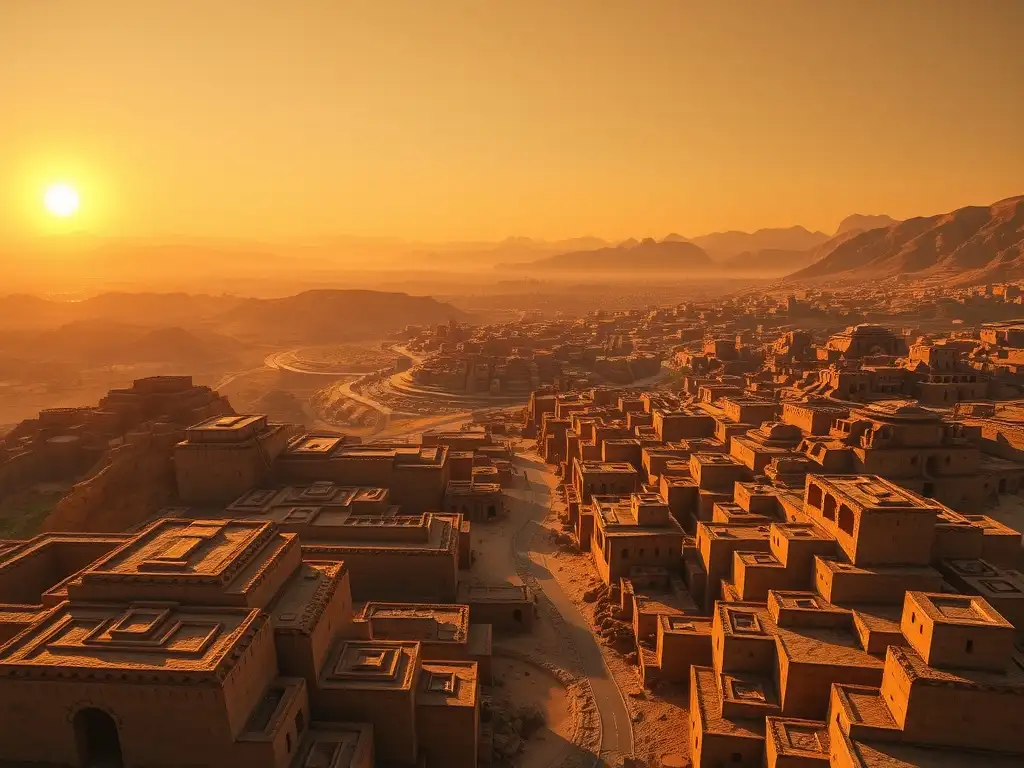
The Huari civilization, flourishing in the Peruvian Andes from approximately 600 to 1000 CE, wasn't a sudden eruption onto the historical scene. Its rise to dominance was a gradual process, built upon the foundations laid by its predecessors and fueled by a sophisticated strategy of expansion and integration. Understanding the Huari's rise requires examining their military prowess, their administrative capabilities, and their masterful ability to absorb and adapt pre-existing cultural traditions.
The Huari's success wasn't simply about conquest; it was about creating a complex and enduring socio-political system that encompassed vast swathes of the Andes. This intricate system, a testament to their organizational skills, allowed them to control a geographically diverse empire and exert considerable influence over a significant population for several centuries. The scale of their influence is still being uncovered by archaeologists today, revealing a level of sophistication previously underestimated.
How Huari Integrated Pre-Existing Traditions
The Huari didn't simply erase the cultures they encountered; they actively integrated aspects of pre-existing traditions into their own. This process of cultural synthesis was crucial to their success. Evidence suggests a complex interplay between Huari innovations and the existing social structures and artistic styles of conquered peoples.
For example, Huari pottery often shows stylistic influences from the Moche and Nazca cultures, demonstrating the adoption and adaptation of established artistic conventions. This wasn't mere imitation; Huari artisans often blended elements from different traditions, creating a unique and hybrid style that reflected the empire's multicultural nature. This integration fostered a sense of unity and minimized resistance, a shrewd political strategy that contributed significantly to the longevity of the Huari empire.
The incorporation of local deities and religious practices into the Huari pantheon further solidified their control and facilitated smoother assimilation. This strategy of cultural blending is a key factor in understanding the Huari civilization's success and its lasting legacy. The Huari's ability to integrate diverse cultural elements into a cohesive whole is a testament to their sophisticated understanding of social engineering.
The Huari Military and Their Methods of Conquest
The Huari military machine was a vital component of their expansion and consolidation of power. While precise details of their military organization remain debated among scholars, archaeological evidence points to a highly organized and effective fighting force. The construction of extensive road networks facilitated rapid troop movement across the vast empire. These roads, often built along strategic mountain passes, enabled the Huari to respond quickly to rebellions or threats, maintaining control over distant provinces.
Furthermore, the Huari likely employed a combination of strategies, including diplomacy, alliances, and outright military conquest, to expand their influence. The use of specialized weaponry, such as improved sling technology, may have given them a tactical advantage over their opponents. Evidence from excavated sites suggests the presence of fortified settlements and strategically located military outposts, designed to defend key areas and control trade routes.
The Huari's military strength, combined with their administrative prowess, allowed them to create and maintain a large and stable empire. Further research is needed to fully understand the nuances of their military tactics and organization, but the available evidence clearly points to a sophisticated and effective military system. The extent of their military campaigns and the nature of their control over conquered territories continue to be areas of active research and debate amongst experts in Huari civilization predecessors.
The Huari Administrative System and Its Precedents
The Huari administrative system was remarkably advanced for its time. Archaeological evidence reveals a complex network of administrative centers, strategically located across the empire, suggesting a highly centralized system of governance. These centers were not merely military outposts but also served as economic hubs and centers of cultural production. The Huari likely employed a sophisticated system of record-keeping, possibly utilizing quipu (knotted strings) to manage resources and track information.
The standardization of pottery styles and building techniques across the empire points to a centralized control over production and distribution. This centralized system allowed for the efficient allocation of resources and the effective management of a large and diverse population. The Huari administrative system built upon, and adapted, pre-existing administrative structures from earlier Andean cultures.
By understanding these precedents, we can better appreciate the innovations and adaptations that characterized the Huari's system and its significant contribution to the development of Andean empires. The Huari’s efficient administrative system, combined with their military strength and cultural integration strategies, played a decisive role in their ability to consolidate power and create a vast and lasting empire. Further research is ongoing to fully understand the intricacies of this system and its long-term impact.
The Decline of the Huari and its Lasting Impact
The Huari civilization, a powerful Andean empire flourishing between 600 and 1000 CE, didn't vanish overnight. Its decline was a gradual process, spanning several decades, likely resulting from a complex interplay of factors. While pinpointing the exact cause remains a subject of ongoing scholarly debate, several key elements contributed to the empire's eventual fragmentation and collapse. Understanding this decline is crucial to comprehending the subsequent shifts in Andean power dynamics and the emergence of later civilizations like the Inca. The study of the Huari civilization's predecessors and their cultural contributions helps us understand the context of this decline.
Factors Contributing to the Huari Collapse
Several theories attempt to explain the Huari collapse. One prominent hypothesis centers around environmental pressures. Prolonged droughts or changes in climate patterns could have severely impacted agricultural production, the backbone of the Huari economy. Reduced food availability would have led to widespread famine, social unrest, and ultimately, weakened the empire's ability to maintain control over its vast territory. Evidence of such environmental shifts is being actively investigated through paleoclimatological studies.
Another significant factor was likely internal strife. As the empire expanded, managing its diverse population and far-flung territories became increasingly challenging. This could have led to internal rebellions and power struggles amongst regional elites, weakening the central authority and fracturing the empire from within. Archaeological evidence suggests a possible increase in fortifications and defensive structures towards the later stages of the Huari period, possibly indicative of internal conflict.
Finally, external pressures from neighboring groups cannot be discounted. While the Huari were a powerful force, they were not invulnerable. The rise of other powerful Andean societies during the late Huari period could have exerted significant pressure on the empire's borders, leading to territorial losses and further weakening its overall strength. The exact nature and extent of these external pressures are still under investigation, requiring further archaeological and historical research. The study of Huari civilization predecessors reveals similar patterns of rise and fall, suggesting cyclical patterns in Andean history.
The Legacy of the Huari and Their Influence on Later Andean Cultures
Despite its decline, the Huari civilization left an indelible mark on subsequent Andean cultures. Their sophisticated administrative systems, urban planning, and artistic styles significantly influenced the development of later empires. The Huari's mastery of irrigation techniques, for example, provided a foundation for future agricultural advancements. Their distinctive pottery styles, characterized by intricate designs and high-quality craftsmanship, became a model for later Andean ceramic traditions. Their influence is readily apparent in the architecture and urban design of later cultures. The Huari predecessors also contributed significantly to the cultural heritage which the Huari civilization built upon.
The Huari's impact extended beyond material culture. Their administrative practices, including the establishment of standardized weights and measures, and the development of a complex road network, demonstrated sophisticated organizational skills that were adopted and adapted by later Andean societies. This administrative legacy is a key element in understanding the evolution of Andean governance. Their sophisticated urban planning, characterized by carefully planned cities and efficient infrastructure, served as a model for later Andean urban centers, including those of the Inca Empire. The study of the Huari civilization predecessors reveals a continuous evolution of these administrative and architectural practices.
Huari Urban Planning Influence on the Inca Empire
The Inca Empire, arguably the most renowned of the Andean civilizations, inherited and built upon the urban planning innovations of the Huari. The Huari's emphasis on planned urban centers, with carefully laid-out streets, public plazas, and monumental architecture, profoundly influenced Inca urbanism. The Inca capital, Cusco, for example, displays clear similarities to Huari urban design principles, particularly in its grid-like layout and the strategic placement of public buildings.
The Huari's expertise in hydraulic engineering, evidenced by their advanced irrigation systems, also played a crucial role in shaping Inca agricultural practices. The Inca's mastery of water management, essential for supporting their large population, owes a significant debt to the earlier achievements of the Huari. The meticulous planning and construction of Huari cities, designed to optimize resource management and social control, provided a blueprint for the Inca's own ambitious urban projects.
Understanding the Huari civilization predecessors helps us contextualize the continuity and evolution of Andean urban planning. The careful study of Huari urban design principles reveals striking parallels with later Inca cities, underscoring the enduring legacy of this significant Andean civilization. This remarkable continuity highlights the importance of studying the Huari civilization and its predecessors to fully appreciate the rich tapestry of Andean history.
Frequently Asked Questions
Who were the main predecessors of the Huari civilization?
The Huari civilization's rise was influenced by several earlier Andean cultures. Important predecessors include the Tiahuanaco culture to the south and various regional groups in the central Andes, such as the Wari-related groups in Ayacucho. Their influence is seen in Huari art, architecture, and administrative systems.
What cultural traits did the Huari inherit from their predecessors?
The Huari inherited and adapted various artistic styles, agricultural techniques, and social structures from their predecessors. For example, ceremonial architecture and stonework techniques show clear links to Tiahuanaco influences. They also adopted and expanded upon existing agricultural systems.
How did the geography of the region impact the Huari and their predecessors?
The challenging Andean terrain significantly shaped both the Huari and their predecessors. Adapting to high altitudes, varied climates, and limited arable land required sophisticated agricultural practices and infrastructure, influencing their development and interactions.
What evidence supports the connection between the Huari and their predecessors?
Archaeological evidence, including similar pottery styles, architectural features, and iconographic motifs, strongly suggests a link between the Huari and their predecessors. Analysis of artifacts and settlement patterns further strengthens this connection, revealing cultural continuity and adaptation.
How did the Huari's relationship with their predecessors contribute to their success?
The Huari's ability to integrate and adapt elements from their predecessors' cultures contributed to their success. By building upon existing knowledge and infrastructure, they were able to create a powerful and expansive empire. This cultural synthesis was a key factor in their rise to prominence.
Final Reflection: Echoes of the Andes: Legacy of the Huari and Their Predecessors
The intricate tapestry woven by the Huari civilization continues to resonate in the modern Andes, a testament to the enduring power of cultural inheritance. Understanding their predecessors is not merely an academic exercise; it's a key to unlocking the complexities of Andean history and appreciating the vibrant cultural landscape that exists today. The echoes of their innovations and societal structures are still heard in the traditions and communities that thrive in the region.
The Huari's sophisticated administrative systems, agricultural techniques, and artistic expressions weren't born in a vacuum; they were built upon the foundations laid by earlier Andean cultures. Their influence extended far beyond their immediate geographical reach, shaping the trajectory of subsequent civilizations and leaving an indelible mark on the region's identity. The past is never dead. It's not even past.
– William Faulkner. This quote perfectly encapsulates the enduring legacy of the Huari and their predecessors, whose impact continues to shape the present. Their story serves as a powerful reminder of the interconnectedness of history and the importance of understanding our roots.
Consider the implications of this rich history. How does understanding the Huari and their predecessors inform our understanding of societal development and cultural exchange? What lessons can we learn from their successes and failures? I urge you to delve deeper, to explore the archaeological sites, to engage with the vibrant cultures of the Andes, and to carry the spirit of this exploration forward. Let the legacy of the Huari inspire you to appreciate the intricate connections that bind past, present, and future.
Discover and Embrace the Rich Heritage of the Huari!
Thank you for exploring the fascinating world of the Huari civilization! We hope you gained valuable insights into their cultural origins and the influences that shaped their society. Let's continue this journey by exploring this captivating topic further!
- Engage with the Past: Visit a museum or cultural center showcasing Huari and other Andean artifacts and exhibits. Consider the National Museum of Archaeology, Anthropology, and History of Peru or similar institutions in your area.
- Join the Conversation: Share your thoughts and discoveries on social media using the hashtag #AndeanCivilizations. Connect with fellow enthusiasts of ancient cultures and learn from their perspectives.
- Dive Deeper: Expand your knowledge by reading books and watching documentaries about Huari art, architecture, and daily life. A deeper understanding will truly reveal the richness of their legacy.
What aspect of Huari culture intrigues you the most?