
The Inca Food and Diet: How It Was Altered by the Introduction of New Crops

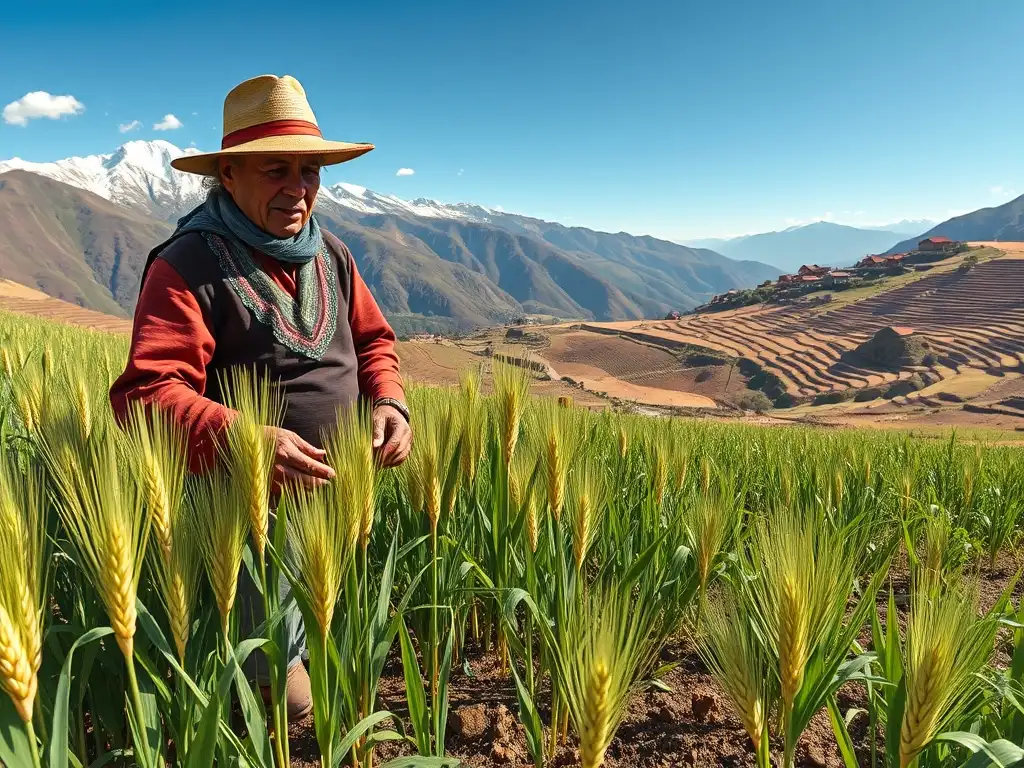
Step into a world lost to time, yet echoing with vibrant life. Imagine the towering heights of Machu Picchu, the intricate artistry of Nazca lines, and the sophisticated engineering of Tiahuanaco. But what fueled these remarkable Andean civilizations? Discover how the introduction of new crops dramatically reshaped the Inca diet, a pivotal moment in their history during the Spanish Conquest. Uncover the secrets of their sustenance and the profound impact it had on their empire – the story awaits.
- The Inca Diet and Its Transformation: Analyzing the Impact of Introduced Crops
-
Understanding the Pre-Columbian Inca Food System
- Staple Crops of the Inca Empire: A Foundation of the Andean Diet
- The Importance of Potatoes in the Inca Agricultural System
- Quinoa and Other Andean Grains: Essential Inca Food Sources
- Inca Meat Consumption: Sources of Protein in the Andes
- The Role of Fruits and Vegetables in the Traditional Inca Diet
- The Arrival of the Spanish and the Introduction of New Crops
-
Analyzing the Impact of New Crops on the Inca Diet
- Shifts in Agricultural Practices: From Terracing to Plow Agriculture
- Alterations in Inca Food Preparation and Culinary Traditions
- The Nutritional Consequences of the Diet Changes: Increased Caloric Intake, Vitamin Deficiencies
- Socio-Economic Impacts of New Crops: Shift in Land Ownership and Trade Dynamics
- The Long-Term Legacy of Dietary Changes in the Andes
-
Frequently Asked Questions
- What was the traditional Inca diet before the introduction of new crops?
- What new crops were introduced to the Inca Empire?
- How did the introduction of new crops affect Inca agriculture?
- What were the long-term effects of these dietary changes on the Inca population?
- Did these dietary changes contribute to the decline of the Inca Empire?
- Final Reflection: A Legacy of Flavor and Adaptation
- **Embrace the Flavors of the Andes! **
The Inca Diet and Its Transformation: Analyzing the Impact of Introduced Crops
The Spanish conquest of the Inca Empire in the 16th century dramatically altered the course of Andean history, leaving an indelible mark on its culture, society, and, significantly, its foodways. While the Inca Empire boasted a sophisticated agricultural system capable of sustaining a vast population, the introduction of new crops by the Spanish initiated a profound transformation of the Inca diet.
This article delves into the specifics of the Inca diet before the conquest, examines the significant changes brought about by the introduction of new crops from Europe, and analyzes the long-term consequences of this dietary shift on the health and well-being of the Andean population. We will explore how these changes, coupled with other factors like disease and forced labor, contributed to the overall decline of the Inca Empire and the subsequent reshaping of Andean life.
Understanding these dietary shifts is crucial to grasping the full impact of the Spanish Conquest on the Inca civilization and its enduring legacy. The keyword "Inca diet changes new crops" will be explored throughout this analysis to highlight the central theme.
The Pre-Columbian Inca Diet: A Foundation of Andean Staples
Before the arrival of the Europeans, the Inca diet was remarkably diverse and well-suited to the varied Andean ecosystems. The Inca's agricultural prowess allowed them to cultivate a wide range of crops adapted to different altitudes and climates. Their diet was primarily based on staple crops like potatoes (of which they cultivated numerous varieties), maize (corn), quinoa, and beans. These provided essential carbohydrates, proteins, and nutrients.
They also consumed a variety of fruits, vegetables, and animal products depending on the region. For example, llama and alpaca provided meat and wool, while fish played a crucial role in coastal regions. The Inca also developed sophisticated irrigation systems and agricultural techniques, such as terracing, to maximize food production in challenging terrains.
This agricultural expertise ensured food security and supported a large, complex population. The nutritional value of this pre-Columbian diet was exceptionally high, contributing to the overall health and resilience of the Inca people. This robust and balanced diet formed the bedrock of Inca society and its strength.
The Arrival of New World Crops: Wheat, Barley, and the Transformation of Agriculture
The arrival of the Spanish introduced a wave of new crops to the Andes, many of which quickly became integrated into the Inca diet. Wheat and barley, staples of the European diet, were particularly significant additions. These crops, well-suited to the higher altitudes of the Andes, offered a new source of carbohydrates and were relatively easy to cultivate, although their success often came at the expense of traditional Andean crops.
The introduction of livestock, such as cattle, pigs, and sheep, also altered the dietary landscape, providing new sources of protein and dairy products. However, this introduction also led to significant environmental changes, as grazing livestock impacted the fragile Andean ecosystems.
This shift in agricultural practices and dietary habits marked a turning point in the history of Andean foodways, laying the groundwork for a future dramatically different from the pre-Columbian era. The impact of these new crops on the Inca diet was profound and far-reaching.
The Long-Term Consequences: Disease, Malnutrition, and the Decline of the Empire
The introduction of new crops, while expanding the dietary options available to the Inca people, also had significant negative consequences. The shift away from the diverse, nutrient-rich pre-Columbian diet, coupled with the devastating impact of European diseases and the introduction of forced labor systems, led to widespread malnutrition and a decline in the overall health of the population. The monoculture cultivation of certain introduced crops, in place of the traditional polyculture systems, likely resulted in soil depletion and reduced biodiversity.
This, combined with the disruptions caused by the conquest, contributed to food insecurity and widespread suffering. The long-term effects of these dietary changes are still felt today in the Andes, highlighting the lasting impact of the Spanish conquest on the region's foodways and overall well-being.
The interconnectedness of diet, disease, and societal collapse in the Inca Empire remains a crucial aspect of the historical narrative. The consequences of these changes were severe and far-reaching, dramatically altering the course of Andean history.
Understanding the Pre-Columbian Inca Food System
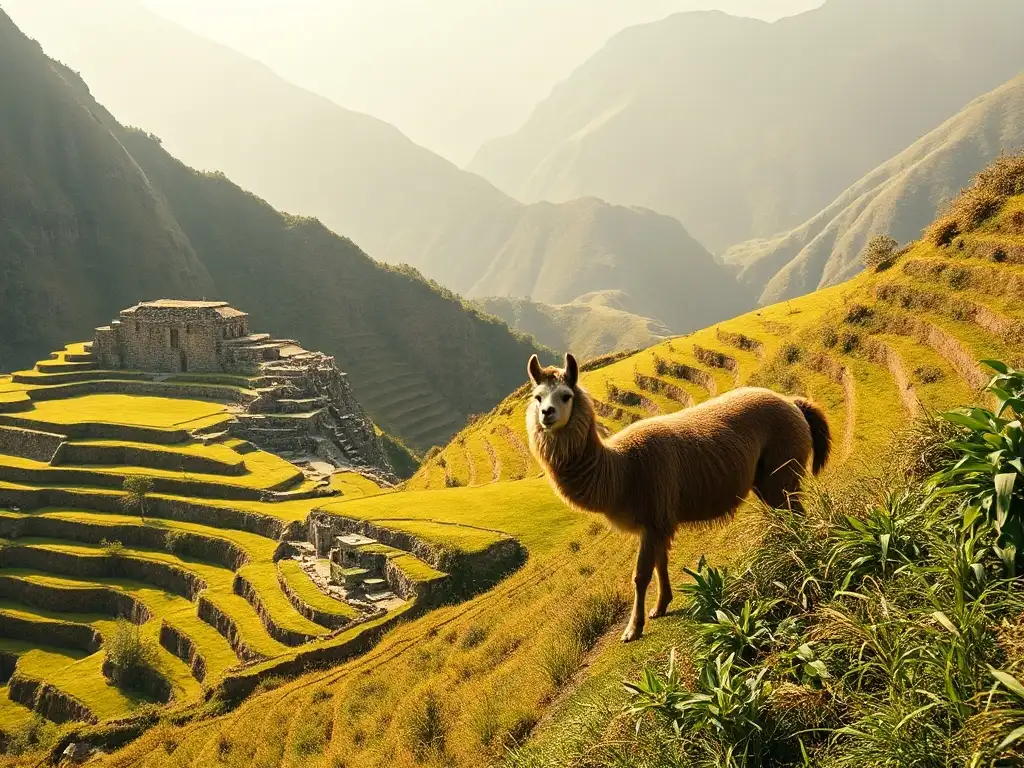
The Inca diet, prior to European contact, was a remarkable example of adaptation to the diverse Andean environment. The empire's agricultural prowess, built upon centuries of sophisticated techniques, ensured a relatively stable food supply across its vast and varied terrain. This system, characterized by terracing, irrigation, and the cultivation of a wide range of crops, provided the nutritional foundation for a population numbering in the millions.
Understanding this pre-Columbian food system is crucial to grasping the profound changes wrought by the introduction of new crops following the Spanish conquest. The Inca diet changes brought about by new crops were significant, impacting not only food availability but also the social and economic fabric of the empire. The Inca's agricultural mastery, however, laid the groundwork for a resilient, albeit ultimately vulnerable, food system.
This pre-existing system, based on indigenous Andean crops, is a vital context for analyzing subsequent dietary shifts. The impact of the Inca diet changes was felt across all segments of society, from the ruling elite to the commoners.
Staple Crops of the Inca Empire: A Foundation of the Andean Diet
The Inca empire's agricultural success rested on a foundation of diverse and resilient crops uniquely adapted to the high-altitude Andean environment. Potatoes, of course, reigned supreme. But a wide array of other crops contributed to a varied and nutritionally balanced diet.
These included various types of beans (including Phaseolus vulgaris, the common bean), squash (like Cucurbita moschata), and a variety of tubers like oca and ulluco. These crops, cultivated through ingenious techniques like waru waru (raised field agriculture) and sophisticated irrigation systems, formed the bedrock of the Inca food supply. The Inca diet's diversity minimized the risk of widespread famine, a critical element in sustaining a large and complex empire.
The Inca also cultivated a range of fruits, including lucuma, chirimoya, and various berries. These provided essential vitamins and minerals, supplementing the carbohydrates and proteins from the staple crops. This diversity, crucial for a balanced Inca diet, ensured nutritional security across different regions and seasons. The meticulous organization of agriculture through the mit'a labor system further ensured efficient production and distribution of these vital food sources throughout the empire. The impact of the Inca diet changes would later disrupt this carefully constructed system.
The Importance of Potatoes in the Inca Agricultural System
The potato ( Solanum tuberosum) held a position of paramount importance in the Inca agricultural system. Cultivated in a staggering variety of forms, each adapted to specific altitudes and microclimates, potatoes provided a significant portion of the Inca diet's caloric intake. The Incas developed sophisticated techniques for potato cultivation, including storage methods that allowed them to preserve the crop for extended periods, mitigating the risk of seasonal shortages.
Their understanding of potato varieties and their respective growing conditions was remarkably advanced. Archaeological evidence suggests the existence of hundreds of potato cultivars within the Inca empire, showcasing their mastery of plant domestication and agricultural diversity. The introduction of new crops would eventually challenge the potato's central role in the Inca diet, though it would remain an important food source.
Quinoa and Other Andean Grains: Essential Inca Food Sources
Quinoa ( Chenopodium quinoa), another staple of the Inca diet, provided a crucial source of protein and essential amino acids. Unlike many grains, quinoa is a complete protein, meaning it contains all nine essential amino acids. This made it a particularly valuable food source for a population engaged in demanding physical labor. Alongside quinoa, other Andean grains like amaranth ( Amaranthus caudatus) and kaniwa ( Chenopodium pallidicaule) contributed to the dietary diversity and nutritional richness of the Inca food system.
These grains were incorporated into various dishes, providing both sustenance and cultural significance. The Inca diet changes following the introduction of wheat and other European grains would fundamentally alter the landscape of Andean agriculture and the relative importance of these indigenous grains. The shift away from traditional Andean grains would have long-term consequences on food security and cultural practices.
Inca Meat Consumption: Sources of Protein in the Andes
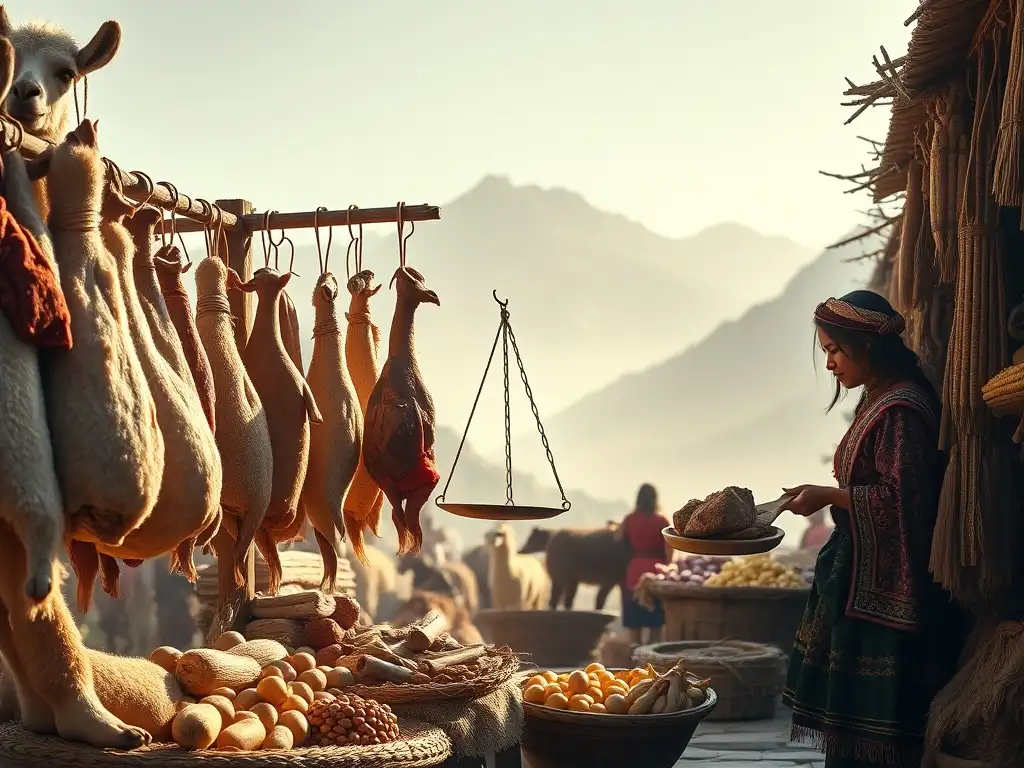
The Inca diet, before the arrival of Europeans, was surprisingly diverse, with meat playing a significant role as a primary source of protein. While the image of the Inca empire might conjure up scenes of solely agricultural societies, their protein intake was far from limited to plant-based sources. Llama and alpaca were undoubtedly staples, providing both meat and wool. These camelids were herded and raised throughout the Andean highlands, their meat forming a crucial part of the Inca diet, especially in higher altitudes where agriculture was more challenging.
The availability of llama and alpaca meat varied depending on altitude and proximity to grazing lands. In coastal regions, seafood, including fish and shellfish, likely supplemented the protein intake of the population. Guanaco, a wild camelid, also contributed to the Inca's protein sources, although hunting them would have been more sporadic than raising domesticated animals. Evidence suggests that guinea pigs, known as cuy, were also a significant source of protein, particularly in certain regions.
Finally, evidence also points to the consumption of other animals such as birds and certain insects, depending on regional availability. The Inca carefully managed their livestock and wildlife populations to ensure sustainable access to these essential sources of protein, reflecting a deep understanding of their environment and the resources it offered. The system of mit'a, a form of labor taxation, likely contributed to the management and herding of these animals.
The Role of Fruits and Vegetables in the Traditional Inca Diet
Fruits and vegetables formed the backbone of the Inca diet, providing essential carbohydrates, vitamins, and minerals. The varied geography of the Inca empire, ranging from coastal deserts to high-altitude plains, allowed for a wide array of crops. Potatoes, of course, were a staple, grown in diverse varieties adapted to different altitudes and climates. The Inca developed sophisticated agricultural techniques, such as terracing and irrigation, to maximize crop yields, even in challenging terrains.
Beyond potatoes, maize (corn) played a critical role, used in various forms, from ground into flour for breads to being consumed as a grain. Other important vegetables included various types of beans, squash, and quinoa—a highly nutritious grain still popular today. The Inca also cultivated a wide range of fruits, including diverse varieties of peppers (ajíes), tomatoes, and various fruits adapted to the Andean climate. These fruits and vegetables not only provided sustenance but also contributed to a colorful and varied diet, reflecting the ingenuity of Inca agricultural practices.
Their mastery of agriculture allowed them to create a food system that was remarkably resilient and capable of supporting a large and complex empire. The abundance and diversity of these plant-based foods provided the caloric base upon which the Inca diet was built, ensuring adequate energy for their daily activities. The integration of these foods into their daily meals, along with the meat sources, created a balanced and nutritious diet tailored to the specific conditions of the Andes.
The Arrival of the Spanish and the Introduction of New Crops
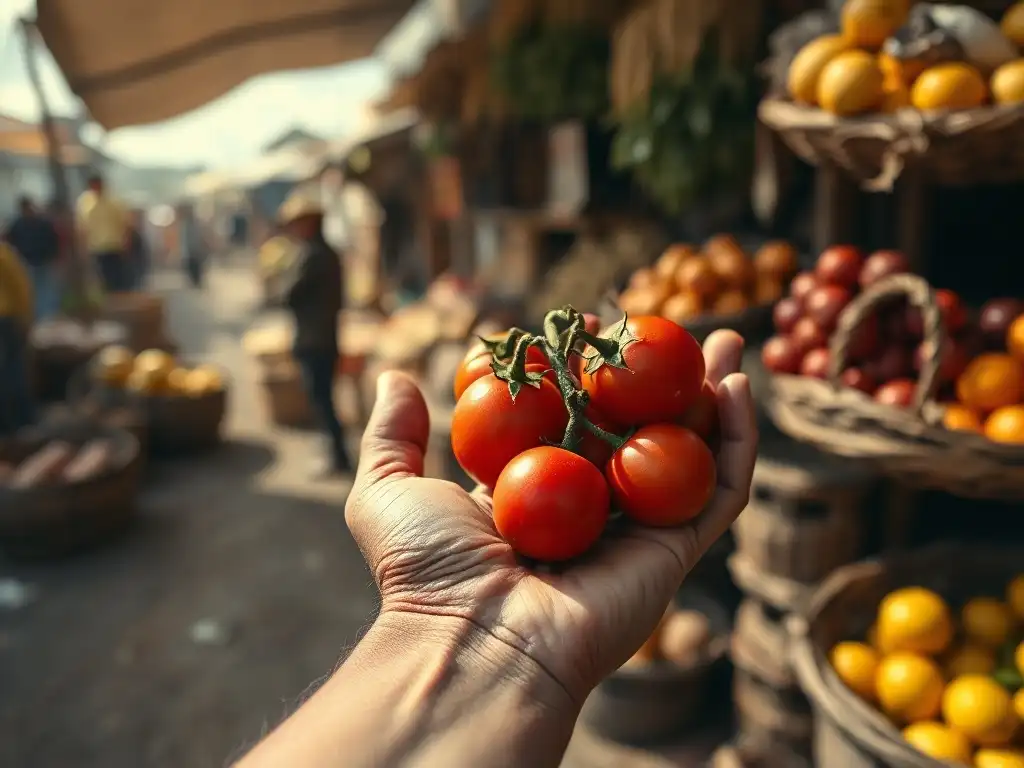
The arrival of the Spanish in the Andes in the 16th century marked a profound turning point, not only politically and socially, but also drastically altering the Inca diet and agricultural practices. Prior to the conquest, the Inca Empire boasted a sophisticated agricultural system, expertly adapted to the diverse Andean terrains. Their diet, rich in native crops like potatoes, maize, quinoa, and beans, sustained a large and complex society.
However, the Columbian Exchange, the widespread transfer of plants, animals, and diseases between the Old and New Worlds, irrevocably transformed the Inca food landscape. This section will explore the specific ways in which the introduction of new crops impacted the Inca diet, leading to both positive and negative consequences for the population.
The changes weren't simply about adding new foods; they fundamentally reshaped the agricultural practices, economic structures, and even the cultural identity of the Andean people, forever linking their culinary heritage to a globalized world. Understanding these changes is crucial to comprehending the long-term effects of the Spanish Conquest on Inca society and its enduring legacy.
The Columbian Exchange: A Turning Point for Inca Agriculture
The Columbian Exchange fundamentally reshaped Inca agriculture. Prior to 1492, the Andean region possessed a remarkable biodiversity, with sophisticated agricultural techniques tailored to the varied altitudes and climates. The introduction of new crops from Europe, however, presented both opportunities and challenges.
While the Inca already possessed a diverse range of crops, the arrival of new species led to significant shifts in agricultural practices and dietary habits. The impact wasn't merely the addition of new foods; it involved the integration of new farming methods, the alteration of existing cropping systems, and the introduction of new pests and diseases that affected existing crops. This period witnessed a complex interplay between the existing Inca agricultural knowledge and the newly introduced European farming techniques.
The exchange wasn't a simple one-way street; some Andean crops, like potatoes and tomatoes, also made their way to Europe, transforming European cuisine as well. However, the impact on the Andean region was profound, altering the very fabric of Inca food production and consumption forever. The scale of this transformation is difficult to overstate, marking a decisive break with the pre-Columbian agricultural landscape.
Introduction of European Grains: Wheat and Barley in the Andes
The introduction of wheat and barley significantly impacted Inca agriculture and diet. These grains, staples in the European diet, were well-suited to certain Andean environments, particularly in the higher altitudes. Their cultivation, however, required different techniques than those used for native Andean crops. This led to a gradual shift in agricultural practices, with some land being diverted from the cultivation of traditional crops like maize and quinoa to accommodate these new grains.
The impact on the Inca diet was multifaceted. Wheat became a significant source of carbohydrates, eventually playing a role in the production of bread, a food previously unknown in the Andes. Barley, on the other hand, found use in brewing beer, a beverage that quickly gained popularity amongst both the Spanish and the indigenous population. However, the introduction of these grains wasn't without its consequences.
The shift towards wheat and barley cultivation potentially led to a reduction in the diversity of the Inca diet, impacting nutritional balance and food security in some regions. The long-term consequences of this dietary shift, particularly on the health and well-being of the Inca population, require further research. The integration of these grains into the Andean agricultural system represents a complex interplay between cultural exchange and ecological adaptation.
New Fruits and Vegetables Brought by the Spanish: Impact on Inca Foodways
The arrival of new fruits and vegetables from Europe significantly diversified, yet also altered, Inca foodways. Fruits like apples, pears, and grapes, previously unknown in the Andes, added new flavors and nutritional elements to the Inca diet. Similarly, vegetables such as onions, garlic, and cabbage became integrated into Andean cooking, enriching the range of available ingredients. This introduction, however, wasn’t without its complexities.
The cultivation of these new crops often required changes in existing agricultural practices, sometimes competing with traditional Andean crops for land and resources. Furthermore, the introduction of new foods didn’t always lead to a seamless integration into existing culinary traditions. While some new crops were readily adopted, others faced resistance or were adapted in unique ways to fit existing culinary practices.
The overall impact on Inca foodways was a complex process of exchange, adaptation, and transformation, creating a blend of old and new culinary traditions that continues to shape Andean cuisine today. The long-term consequences of this culinary fusion are still being explored, highlighting the enduring legacy of the Columbian Exchange on Inca food culture. The introduction of these new foods presents a fascinating case study of cultural exchange and its impact on food systems.
The Introduction of Livestock: Changes in Inca Protein Sources
The arrival of the Spanish in the Andes drastically altered the Inca diet, particularly its protein sources. Before the conquest, the Inca relied heavily on native animals like the llama and alpaca for meat, supplemented by fish in coastal regions and guinea pigs throughout the empire. These animals provided a crucial source of protein, fat, and essential nutrients within the Inca agricultural system.
Llama and alpaca meat, in particular, was likely a significant source of protein, particularly in the highlands, where their herding was central to their economy. The relatively low population density of these animals compared to other livestock meant that meat consumption was likely occasional, rather than a daily occurrence. Further, the Inca likely practiced sustainable herding practices, ensuring the longevity of these animals and the continuation of this protein source.
The introduction of Old World livestock—cattle, sheep, pigs, and goats—represented a profound shift. These animals were larger, more prolific breeders, and offered a greater quantity of meat than the native camelids. This resulted in a significant increase in the overall availability of protein within the Inca diet, although initially, access to this new protein source was likely unevenly distributed, favoring the Spanish and their allies.
The Inca, accustomed to leaner meats from llamas and alpacas, may have had to adapt their culinary practices to accommodate the richer, fattier meats of European livestock. Additionally, the introduction of dairy products—milk, cheese, and yogurt—provided an entirely new source of protein and calcium, which were previously absent or limited in the traditional Inca diet. These changes, however, also brought with them new challenges, such as the potential for overgrazing and the competition for resources between native and introduced livestock.
The impact of these changes extended beyond mere nutritional value. The introduction of livestock also altered the social and economic fabric of Inca society. The Spanish often utilized the encomienda system, granting them control over labor and resources, including livestock.
This resulted in a shift in power dynamics, with the Inca losing control over their traditional food sources and being forced to adapt to new agricultural practices and livestock management techniques. The long-term effects of this introduction are complex and far-reaching, affecting not only the Inca diet but also their social structures, economy, and environment.
Further research is needed to fully quantify the impact of these changes on the overall health and well-being of the Inca population. The transition from a primarily llama and alpaca-based protein source to a more diversified one, including Old World livestock, undeniably marks a significant turning point in Inca food history, profoundly impacting the Inca diet and their way of life.
Analyzing the Impact of New Crops on the Inca Diet
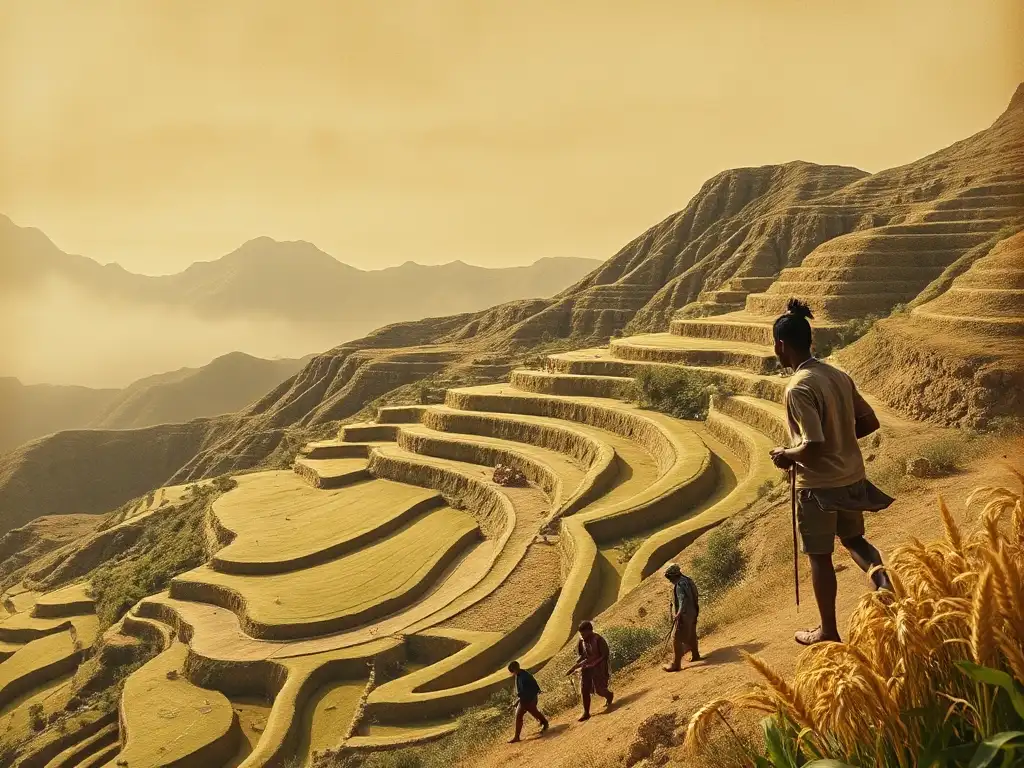
The arrival of the Spanish conquistadors in the 16th century dramatically altered the Inca diet, introducing a wave of new crops that profoundly impacted agricultural practices, food preparation, and ultimately, the nutritional landscape of the Andean region. Understanding these changes is crucial to grasping the complexities of the Inca Empire's decline and the long-term consequences of colonization. The introduction of new crops wasn't simply a matter of adding variety; it fundamentally reshaped the Inca's relationship with their environment and their own bodies.
This section will explore the key shifts in Inca foodways resulting from this agricultural revolution. The keyword "Inca diet changes new crops" will be analyzed through the lens of these transformations.
Shifts in Agricultural Practices: From Terracing to Plow Agriculture
Prior to the Spanish conquest, Inca agriculture was characterized by sophisticated techniques, notably the extensive use of terracing. This ingenious system allowed for the cultivation of crops on steep slopes, maximizing arable land in the mountainous terrain. Terracing, combined with intricate irrigation systems, enabled the Incas to achieve high agricultural yields, supporting a large population. The Inca diet, therefore, was largely based on crops adapted to this high-altitude environment, such as potatoes, maize, quinoa, and beans.
However, the introduction of European livestock, like oxen and horses, and the subsequent adoption of the plow, significantly altered Inca agricultural practices. The plow, while more efficient in some respects, was not ideally suited to the steep slopes where terracing had been so successful. This led to a decline in the meticulous terracing systems, resulting in soil erosion and reduced agricultural output in certain regions.
The shift from the labor-intensive terracing to plow-based agriculture also had social implications, potentially disrupting established labor structures and impacting the Inca's ability to manage their food supply effectively. The change in agricultural techniques directly influenced the availability and diversity of crops in the Inca diet, paving the way for the integration of new staples. This transition highlights a key aspect of "Inca diet changes new crops," demonstrating how external forces reshaped the very foundations of their food production.
Alterations in Inca Food Preparation and Culinary Traditions
The introduction of new crops like wheat, barley, and sugarcane brought about significant changes in Inca food preparation and culinary traditions. Wheat, for instance, became a staple, leading to the adoption of bread-making techniques unfamiliar to the Incas. This contrasts sharply with the traditional methods of preparing maize and potatoes, which involved boiling, roasting, or drying.
The cultivation of sugarcane resulted in the production of sugar, a novel ingredient that transformed the flavor profiles of many dishes. Furthermore, the introduction of livestock brought with it new sources of protein, such as beef, pork, and dairy products, all foreign to the pre-Columbian Andean diet.
The integration of these new ingredients led to the hybridization of culinary traditions. While some traditional Inca dishes persisted, many were adapted to incorporate the newly available ingredients. This fusion created a unique culinary landscape, reflecting the interplay between indigenous and European foodways. However, the shift wasn't merely additive; it also involved a degree of displacement of indigenous practices.
The increased reliance on wheat and other imported grains, for example, gradually diminished the importance of some traditional Andean crops in the everyday Inca diet. This demonstrates a complex dynamic in the "Inca diet changes new crops" narrative, showing both adaptation and replacement. The specific ways in which these changes manifested in various Inca communities warrants further research.
The Nutritional Consequences of the Diet Changes: Increased Caloric Intake, Vitamin Deficiencies
The alterations in the Inca diet brought about by the introduction of new crops had profound nutritional consequences. The inclusion of wheat and other high-calorie grains likely resulted in an increase in overall caloric intake for some segments of the population. However, this increase wasn't necessarily accompanied by an improvement in nutritional balance.
The reliance on fewer diverse crops, a consequence of the agricultural shifts detailed above, potentially led to vitamin deficiencies. The pre-Columbian Inca diet, rich in a variety of Andean crops, provided a relatively balanced nutritional profile. The decreased consumption of certain indigenous crops, rich in specific vitamins and minerals, might have negatively affected the overall health and well-being of the Inca population.
Furthermore, the introduction of livestock, while providing new protein sources, also introduced potential health risks, including the transmission of diseases. The long-term consequences of these dietary changes on the Inca population’s health are not fully understood and require further investigation. Existing studies suggest a correlation between the dietary shifts and increased vulnerability to disease, adding another layer of complexity to the "Inca diet changes new crops" discussion.
More research is needed to quantify the specific nutritional deficiencies and their impact on the Inca population’s health and the overall trajectory of the empire. This aspect of the "Inca diet changes new crops" narrative underlines the far-reaching implications of seemingly simple agricultural shifts.
Socio-Economic Impacts of New Crops: Shift in Land Ownership and Trade Dynamics
The introduction of new crops during the Spanish conquest drastically altered the socio-economic fabric of the Inca Empire. The pre-Columbian Inca system, based on a complex network of ayllus (communal landholdings) and reciprocal labor obligations, was profoundly disrupted. The Spanish encomienda system, which granted conquistadors control over indigenous labor and land, directly challenged the traditional Inca land tenure system.
This resulted in a significant shift in land ownership, with indigenous communities losing access to their ancestral lands and being forced to work on estates owned by the Spanish. The mita system, while existing before the conquest, was brutally intensified under Spanish rule, forcing Inca laborers to work in mines and on plantations producing new crops like sugarcane and wheat. This exploitation led to widespread impoverishment and the breakdown of traditional social structures.
The impact on trade dynamics was equally significant. Prior to the conquest, the Inca Empire boasted a sophisticated system of regional trade, exchanging goods and resources across vast distances using a network of roads and relay runners. The introduction of new crops, however, disrupted this system in several ways. Firstly, the focus shifted from indigenous crops to the production of cash crops for export to Europe.
This led to a decline in the cultivation of traditional Inca staples, impacting food security and potentially contributing to malnutrition. Secondly, the Spanish established new trade routes, bypassing traditional Inca markets and benefiting Spanish merchants at the expense of indigenous traders. The introduction of livestock, such as cattle and sheep, further altered the economic landscape, introducing new forms of wealth and altering the traditional pastoral practices of the Andes. The overall effect was a decline in indigenous economic self-sufficiency and a growing dependence on the Spanish colonial system.
This economic restructuring favored the Spanish colonizers and further weakened the Inca social and political structures, facilitating the complete subjugation of the Inca population. The changes were not merely economic; they represented a fundamental shift in power dynamics, a critical factor in the fall of the Inca Empire. The very foundations of the Inca economy, built on community-based agriculture and reciprocal exchange, crumbled under the weight of the imposed colonial system and the introduction of new crops.
The Long-Term Legacy of Dietary Changes in the Andes
The introduction of new crops during the Columbian Exchange drastically altered the Inca diet and left a lasting impact on Andean foodways. While the Inca Empire's fall is often attributed to military conquest, the long-term consequences of these dietary shifts played a significant, albeit less discussed, role in shaping the region's agricultural landscape and population health. The changes weren't simply a matter of adding new ingredients; they fundamentally reshaped agricultural practices, land use, and ultimately, the very fabric of Andean society.
Understanding these transformations is crucial to comprehending the complex legacy of the Spanish conquest and its enduring influence on the Andes. The Inca diet changes new crops brought about a complex interplay of adaptation and disruption, a legacy still felt today.
The Modern Andean Diet: A Blend of Indigenous and Introduced Foods
The modern Andean diet is a fascinating tapestry woven from the threads of indigenous crops and those introduced during the Columbian Exchange. While quinoa and potatoes, staples of the pre-Columbian Inca diet, remain cornerstones of Andean cuisine, they are now accompanied by a diverse array of foods like wheat, barley, rice, sugarcane, and various fruits and vegetables previously unknown in the region. This fusion reflects centuries of adaptation and innovation.
For example, traditional Andean cooking techniques have been creatively applied to new ingredients, leading to unique culinary traditions. Consider the preparation of chicha morada, a popular beverage made from purple corn—a New World crop—but prepared with techniques and flavor profiles rooted in Inca traditions.
The result is a vibrant culinary landscape that blends the old with the new, showcasing the resilience and adaptability of Andean culture. This blend is a testament to the enduring power of indigenous foodways, even in the face of significant external influence.
The Resilience of Traditional Inca Foods: The Continued Cultivation of Quinoa and Potatoes
Despite the introduction of numerous new crops, the resilience of quinoa and potatoes is remarkable. These crops, central to the Inca diet, continue to thrive in the Andes, demonstrating their adaptability to the challenging Andean terrain and climate. Their enduring popularity is a testament to their nutritional value and cultural significance. Quinoa, a complete protein source, remains a crucial part of the Andean diet, providing essential nutrients to communities across the region.
Similarly, potatoes, cultivated in an astonishing variety of forms, continue to be a staple food, offering versatility in preparation and a rich source of carbohydrates. The continued cultivation of these traditional crops represents a powerful affirmation of indigenous foodways and a resistance to complete assimilation in the face of cultural and agricultural change. Indeed, the global recognition of quinoa as a "superfood" highlights the continued international appreciation of this ancient Andean staple.
The Ongoing Debate on the Impact of the Columbian Exchange on Andean Health
The impact of the Columbian Exchange on Andean health remains a subject of ongoing debate among scholars. While the introduction of new crops broadened dietary diversity, it also brought new diseases and altered traditional agricultural practices. Some researchers argue that the introduction of new, less nutritious crops, coupled with the disruption of traditional farming systems, led to nutritional deficiencies and increased vulnerability to disease.
Conversely, others emphasize the benefits of crop diversification, arguing that it enhanced food security and improved overall dietary quality. The long-term effects of these changes are complex and difficult to isolate, requiring further research and analysis of historical and contemporary data. Access to detailed records on pre- and post-Columbian health indicators remains limited, hindering a definitive conclusion.
Further studies focusing on detailed nutritional analysis of both pre- and post-Columbian diets are crucial to fully understanding the long-term health impact of these dramatic dietary shifts. The complexities of this topic highlight the need for a nuanced approach, considering both the positive and negative consequences of the Columbian Exchange on Andean health.
Inca Diet Changes New Crops: A Summary of the Transformation
The arrival of the Spanish in the 16th century drastically altered the Inca diet, initiating a profound and lasting transformation. Before the conquest, the Inca empire boasted a remarkably diverse and sophisticated agricultural system, expertly adapted to the varied Andean terrains. Their diet primarily consisted of crops like potatoes (in numerous varieties), maize, quinoa, beans, and squash – all staples cultivated with meticulous techniques honed over millennia.
These provided a balanced intake of carbohydrates, proteins, and essential nutrients, supporting a large and relatively healthy population. Livestock was limited, primarily consisting of llamas and alpacas, providing wool and meat in smaller quantities.
The introduction of Old World crops like wheat, barley, rice, and sugarcane, along with livestock such as cattle, pigs, and sheep, fundamentally reshaped the Andean food landscape. These new crops, often more resource-intensive and better suited to different climates, gradually replaced or supplemented traditional Andean staples. Wheat, for instance, became a significant component of bread production, while sugarcane fueled the growth of a new sugar industry. The introduction of livestock also led to changes in protein sources, although the integration of these animals was not immediate or uniform across all Andean communities.
This dietary shift was not merely a matter of adding new foods. It involved a complex interplay of factors including changes in agricultural practices, land use, and food distribution systems. The Spanish colonial system favored large-scale agricultural production for export, often at the expense of traditional subsistence farming.
This led to a decline in the diversity of traditional crops and a greater reliance on a smaller number of introduced species. The long-term consequences included a reduction in nutritional diversity and an increased vulnerability to crop failures. Furthermore, the introduction of new diseases also impacted the population’s health and ability to maintain traditional agricultural practices.
The changes were not uniform across the Andes. While some communities readily adopted new crops and livestock, others clung to traditional practices, leading to a mosaic of dietary habits that persist to this day. The extent of the impact varied based on factors such as altitude, proximity to Spanish settlements, and the resilience of local communities.
Studying these variations provides valuable insights into the complexities of cultural exchange and adaptation in the face of profound societal upheaval. The legacy of these dietary shifts continues to shape Andean agriculture and cuisine, demonstrating the enduring impact of the Spanish conquest on the region's foodways.
Understanding this transformation is crucial to appreciating the rich and complex history of Andean food systems and the challenges faced by Andean populations in the centuries following the Spanish conquest. The dietary changes brought about by the introduction of new crops were a significant aspect of the broader process of colonization and its long-term consequences.
Frequently Asked Questions
What was the traditional Inca diet before the introduction of new crops?
The traditional Inca diet primarily consisted of potatoes, quinoa, corn, and other native Andean crops. They also consumed llamas, alpacas, and various fruits and vegetables available in their environment.
What new crops were introduced to the Inca Empire?
The arrival of Europeans brought about significant changes, introducing crops such as wheat, barley, sugarcane, and livestock like cattle, pigs, and horses, which dramatically impacted their food system.
How did the introduction of new crops affect Inca agriculture?
New crops led to changes in farming techniques and land use. The Inca had to adapt their existing agricultural systems to accommodate these new species, sometimes leading to both benefits and challenges.
What were the long-term effects of these dietary changes on the Inca population?
The introduction of new crops brought both positive and negative consequences. While providing nutritional diversity, it also contributed to the spread of diseases and potentially altered traditional food production and social structures.
Did these dietary changes contribute to the decline of the Inca Empire?
While not the sole cause, the introduction of new crops and the subsequent changes in the Inca diet and agriculture were a contributing factor to the complex events that ultimately led to the fall of the Inca Empire. It impacted their health, economy, and overall stability.
Final Reflection: A Legacy of Flavor and Adaptation
The Inca diet, once a testament to ingenious agricultural practices tailored to the Andes' harsh environment, was irrevocably altered by the introduction of new crops following the Spanish conquest. This transformation, far from being a simple replacement, represents a complex interplay of cultural exchange, ecological adaptation, and lasting impact on the culinary landscape of South America. The consequences of this shift continue to resonate in modern Peruvian cuisine and beyond.
The introduction of wheat, barley, and livestock fundamentally reshaped the Andean food system, leading to both benefits and unforeseen challenges. While providing new sources of nutrition and economic opportunities, it also contributed to the decline of traditional crops and agricultural practices. The history of food is not merely a history of what we eat, but also a history of who we are and how we relate to the world.
This quote perfectly encapsulates the profound cultural implications of the dietary changes experienced by the Inca people and their descendants. The fusion of old and new, the struggle for survival and adaptation, all shaped a unique culinary identity that persists to this day.
Consider, for a moment, the enduring legacy of this transformation. What can we learn from the Inca experience about the delicate balance between embracing innovation and preserving cultural heritage? How can we, in our own lives, navigate the complexities of cultural exchange and ensure that the valuable traditions of the past are not lost in the rush of modernization?
Embrace the lessons of the past to shape a more sustainable and culturally rich future. Let the story of the Inca diet serve as a reminder of the enduring power of food to connect us to our history, our environment, and each other.
**Embrace the Flavors of the Andes! **
Thank you for exploring the rich history of Inca food and diet with us! We hope you've discovered how these ancient traditions evolved with the introduction of new crops. Now, let's bring that inspiration into your kitchen.
Here's how to connect with the vibrant culinary heritage of the Incas:
- **Experiment with Andean Ingredients:** Explore your local farmers market for quinoa, potatoes, and unique herbs. Create a dish inspired by Inca culinary traditions!
- **Share Your Culinary Creations:** Share a photo of your Inca-inspired meal on social media using #AndeanEats to inspire others.
- **Take a Cooking Class:** Consider a cooking class focused on traditional Andean cooking techniques to further appreciate this unique cuisine.
What exciting ingredients and recipes will you discover as you celebrate the rich legacy of Inca cuisine?