
Building for Eternity: The Enduring Legacy of Andean Construction Materials

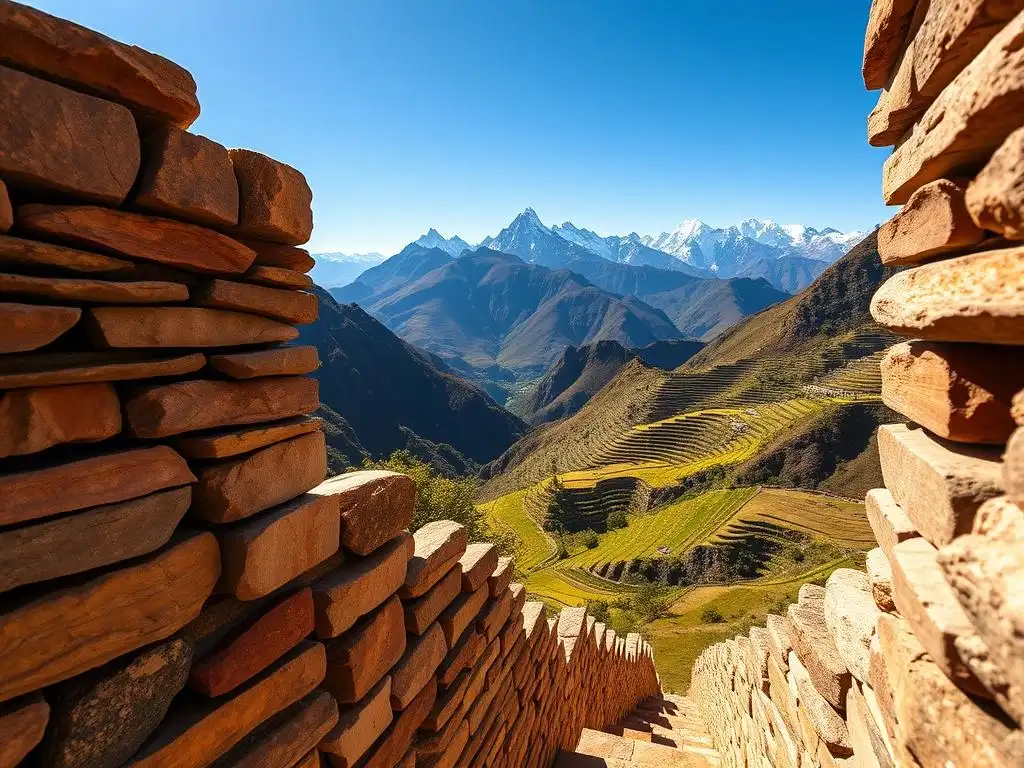
Welcome to Andean Civilizations, where the echoes of a lost world whisper secrets of ingenuity and resilience. Prepare to be amazed by the architectural marvels of the Andes, from the towering citadels of the Incas to the enigmatic lines of Nazca. But what truly enabled these civilizations to leave such a lasting legacy? Discover the astonishing story behind Andean construction materials and uncover the innovative techniques that allowed them to build for eternity – a legacy that continues to inspire awe today. Read on to unravel the mysteries of their enduring achievements!
The Andes Mountains, a spine of colossal peaks running down the western coast of South America, nurtured some of the most remarkable civilizations the world has ever known. From the intricate artistry of the Nazca Lines to the sophisticated urban planning of the Inca Empire, the ingenuity of Andean cultures is undeniable.
A key element underpinning their achievements lies in their mastery of construction materials, a legacy that continues to fascinate and inspire architects and engineers today. This article delves into the enduring impact of Andean construction materials, exploring the ingenious ways these civilizations harnessed the resources around them to build structures that defied time and often, gravity.
We will examine the strategic selection of materials, the innovative techniques employed, and the lasting influence these practices have on our understanding of sustainable and resilient architecture. Understanding Andean construction materials is key to understanding the very fabric of these remarkable ancient societies and their profound impact on the landscape.
Introduction to Andean Building Traditions
Andean building traditions were deeply intertwined with their environment and spiritual beliefs. The selection of materials wasn't arbitrary; it was a carefully considered process based on the availability of resources, the intended function of the structure, and often, symbolic significance. Different regions, with their unique geological features and climates, fostered distinct architectural styles and material choices. For example, the arid coastal regions saw extensive use of adobe bricks, while the higher altitudes utilized stone, often meticulously fitted without mortar.
The use of specific materials was often linked to cosmological beliefs, reflecting a deep understanding and respect for the natural world. The integration of these materials wasn’t simply about functionality; it was about creating structures that harmonized with the surrounding environment and reflected the worldview of the builders. This holistic approach, which prioritized sustainable practices and resource management, offers valuable lessons for contemporary construction.
The Significance of Local Materials in Andean Architecture
The Andean civilizations were masters of adapting to their environment. Their building prowess wasn't about importing exotic materials; it was about creatively using what was readily available. This approach resulted in structures remarkably well-suited to their specific contexts.
The ubiquitous use of stone, for instance, wasn't just about strength; different types of stone were chosen based on their properties. Hard, volcanic stone was favored for foundations and load-bearing walls, while softer stones were used for intricate carvings and decorative elements. The meticulous fitting of stones, often without mortar, showcases an advanced understanding of engineering principles and an impressive level of craftsmanship.
This emphasis on local materials minimized environmental impact and ensured the durability of structures, showcasing a sustainable building philosophy centuries ahead of its time. Furthermore, the use of readily available materials also meant that construction could be carried out by local communities, fostering a sense of collective ownership and pride in the structures they built. This communal aspect is a vital part of understanding the enduring legacy of Andean construction.
- Introduction to Andean Building Traditions
- The Significance of Local Materials in Andean Architecture
- What types of materials did Andean civilizations primarily use for construction?
- How did the Incas adapt their construction techniques to diverse environments?
- What makes Andean construction so durable and long-lasting?
- Were there any unique methods employed in Andean construction that are still studied today?
- How did the availability of materials influence the architectural styles of different Andean cultures?
Key Andean Construction Materials: A Deep Dive
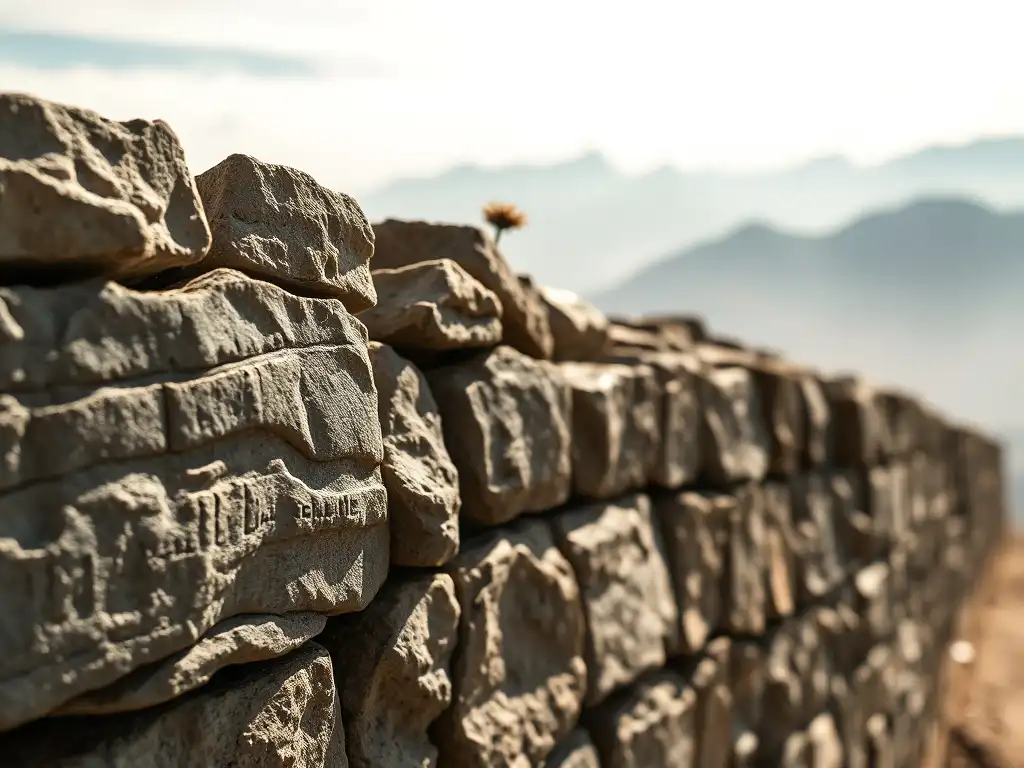
This section delves into the remarkable ingenuity of Andean civilizations in sourcing and utilizing construction materials. Their mastery of available resources resulted in structures that have, in many cases, remarkably endured the test of time. Understanding the materials themselves is key to appreciating the architectural achievements of these cultures. The careful selection and skillful application of these materials represent a significant aspect of Andean ingenuity and are crucial for understanding their lasting impact on Andean construction materials.
Stone: The Foundation of Andean Structures
Stone formed the bedrock of many impressive Andean structures. The diverse geology of the Andes provided a wide array of stone types, each presenting unique challenges and opportunities for builders. The choice of stone often depended on its availability, durability, and aesthetic qualities. Masterful craftsmanship transformed these raw materials into breathtaking architectural marvels. The enduring legacy of these structures underscores the effectiveness of the materials and construction techniques employed.
Types of Stone Used in Andean Construction
Andean builders utilized a variety of stones, their selection dictated by regional availability and the intended purpose of the structure. Commonly employed stones included:
- Granite: Known for its hardness and durability, granite was often used in monumental constructions, demanding significant effort in quarrying and shaping.
- Basalt: This volcanic rock, readily available in many Andean regions, offered a balance of strength and workability. It was frequently used in walls, foundations, and paving.
- Andesite: Similar to basalt in its volcanic origin, andesite was another prevalent choice, prized for its resistance to weathering.
- Limestone: While less prevalent than igneous rocks, limestone was used in certain regions, particularly for less demanding structural elements.
The specific properties of each stone type – its density, hardness, and resistance to erosion – influenced the techniques used in its processing and integration into the overall structure. This careful consideration of material properties is a testament to the sophisticated understanding of engineering principles possessed by Andean builders.
Quarrying and Shaping Techniques
Extracting and shaping the massive stone blocks required considerable skill and organization. Evidence suggests the use of sophisticated techniques, including:
- Stone hammers and chisels: These tools, likely made from harder stone, were used to carefully break apart rock formations and shape the blocks to the desired dimensions.
- Lever systems and ramps: To move large stones, Andean builders employed ingenious systems of levers and ramps, demonstrating a clear understanding of mechanical principles.
- Precise fitting: The incredibly precise fitting of stones in many Andean structures, such as those found at Machu Picchu, is a testament to their advanced knowledge of stone masonry. The minimal use of mortar underscores the importance of precise cutting and placement.
The precision and efficiency of these techniques are remarkable, especially considering the lack of advanced tools available to them. The ability to quarry, transport, and precisely fit massive blocks of stone speaks volumes about their organizational capabilities and technological prowess.
Examples of Stone Structures: Machu Picchu Walls
Machu Picchu provides a stunning example of Andean mastery of stone construction. The iconic walls are characterized by their incredibly precise fit, often referred to as "dry-stone masonry," where stones are fitted together without the use of mortar. The intricate interlocking of stones not only enhances the structural integrity but also showcases an aesthetic sensibility.
The durability of these walls, which have withstood centuries of weathering, speaks to the quality of the stone selection and the skill of the builders. The variation in stone types within a single wall further highlights the builders' understanding of material properties and their ability to create visually stunning and structurally sound constructions.
Adobe: Earth as a Versatile Building Block
While stone formed the foundation of many monumental structures, adobe played a crucial role in Andean architecture, particularly in less mountainous regions. This sun-dried brick, made from a mixture of earth, water, and often organic materials, provided a readily available and easily workable building material. Its widespread use highlights the practicality and adaptability of Andean construction techniques.
Composition of Andean Adobe
The composition of Andean adobe varied depending on the local soil conditions and available resources. Generally, it consisted of:
- Clay: The primary component, providing the necessary binding properties.
- Sand: Added to improve the workability of the mixture and reduce shrinkage during drying.
- Organic materials: Such as straw, dung, or fibers, were often incorporated to improve the strength and reduce cracking. These additions acted as reinforcement, preventing the adobe bricks from becoming brittle.
The precise ratios of these components were likely determined through experience and experimentation, reflecting a deep understanding of the material properties and their impact on the final product. The quality of the adobe was crucial to the longevity of the structures built from it.
Adobe Brick Production Methods
The creation of adobe bricks involved a series of carefully controlled steps:
- Mixing: The clay, sand, and organic materials were thoroughly mixed with water to create a workable paste.
- Molding: The mixture was then pressed into wooden molds to create uniformly sized bricks.
- Drying: The bricks were carefully dried in the sun for several days, a process crucial for their strength and durability.
The size and shape of the bricks varied across different Andean cultures and regions, reflecting regional preferences and available resources. The standardization of brick size, however, facilitated efficient construction and the creation of structurally sound buildings.
Applications of Adobe in Andean Architecture: Chan Chan
Chan Chan, the capital of the Chimú kingdom, serves as a prime example of large-scale adobe construction. This vast city, built entirely of adobe bricks, showcases the adaptability and versatility of this material. The intricate designs and extensive use of adobe highlight both the scale of the undertaking and the sophistication of the building techniques.
The city's layout, including its palaces, residential areas, and storage facilities, all testify to the effective use of adobe in creating a complex and functional urban center. The survival of significant portions of Chan Chan despite the challenges of time and the elements further underscores the effectiveness of Andean adobe construction techniques. The enduring legacy of Chan Chan, a testament to Andean engineering and artistry, ensures adobe's place in the story of Andean construction materials.
Other Natural Materials Used in Andean Buildings
The ingenuity of Andean builders extended beyond stone. A diverse range of readily available natural materials played crucial roles in their construction projects, contributing to the durability and adaptability of their structures across varied climates and terrains. These materials, often used in conjunction with stone, demonstrate a sophisticated understanding of material properties and their optimal applications. The selection of materials was dictated by both availability in the local environment and the specific needs of the project, showcasing a remarkable level of resourcefulness and sustainable practices. This section will explore some key examples of these supplementary materials.
Wood: Applications and Types
Wood, while not as prevalent as stone in major constructions, held significant importance in Andean architecture. The types of wood employed varied considerably depending on altitude and geographic location. In lower altitudes, warmer climates fostered the growth of hardwoods suitable for structural elements, while higher altitudes often necessitated the use of more resilient, slower-growing species. The use of wood was primarily concentrated in the construction of roofing systems, supporting beams for roofs and even interior partitions in larger structures.
Specific applications included creating intricate frameworks to support thatch or other roofing materials, and crafting doors and window frames. Evidence suggests that the selection of wood types was carefully considered, with certain species favored for their strength, resistance to decay, and aesthetic qualities. Detailed studies of preserved wooden artifacts from Andean sites are ongoing and constantly revealing new insights into the sophistication of their woodworking techniques and the wide variety of species used.
For instance, in the coastal regions, [specific wood species used in coastal regions pending] were commonly used due to their resistance to humidity. In contrast, [specific wood species used in highlands pending] were more prevalent in the higher altitudes, adapted to harsher climates. This careful selection reflects a deep understanding of the properties of different wood species and their suitability for specific applications within Andean constructions.
Straw and Thatch: Roofing and Insulation
Straw and thatch constituted essential roofing materials across various Andean cultures. Their widespread use stemmed from ready availability and effectiveness as insulation. These materials, typically derived from local grasses and reeds, were expertly woven and layered to create durable and water-resistant roofing systems.
The techniques employed varied depending on the specific plant materials available and the climate. In drier regions, [specific type of straw or thatch used in dry regions pending] might have been preferred for their durability, while in wetter areas, [specific type of straw or thatch used in wet regions pending] might have been chosen for their resistance to rot and water damage. Beyond their primary role as roofing, straw and thatch also served as effective insulation, helping to regulate temperatures inside structures and creating a more comfortable living environment.
The layering techniques used in constructing these roofs often involved multiple layers of thatch, creating a robust and effective barrier against the elements. Archaeological evidence reveals the skillful craftsmanship involved in creating these roofs, with some examples demonstrating impressive levels of intricacy and durability. The longevity of some of these structures is a testament to the effectiveness of these seemingly simple materials when expertly applied.
Clay and Mud: Mortar and Plaster
Clay and mud, ubiquitous materials across the Andean landscape, served as fundamental components in Andean construction. These readily available resources were used extensively as mortar to bind stone blocks together and as plaster to create smooth, durable surfaces on walls and floors. The precise composition of the clay-mud mixtures varied depending on the local soil conditions and the desired properties of the finished product.
Additives such as straw, fiber, and even animal dung were frequently incorporated to improve the strength, flexibility, and workability of the mixture. The use of these additives demonstrates a sophisticated understanding of material science and the ability to modify material properties to suit specific needs. The application of these mixtures involved careful preparation and layering techniques, contributing to the durability and longevity of the structures.
The resulting walls and floors were not only structurally sound but also provided a degree of thermal insulation, crucial in the diverse Andean climates. Furthermore, the plaster surfaces often served as canvases for intricate decorative elements, showcasing the artistic talents of Andean builders and their ability to integrate functionality with aesthetics in their construction practices. The enduring strength of many ancient Andean structures, even after centuries of exposure to the elements, underscores the efficacy and long-term durability of these simple yet effective materials.
Andean Construction Techniques and Material Adaptations
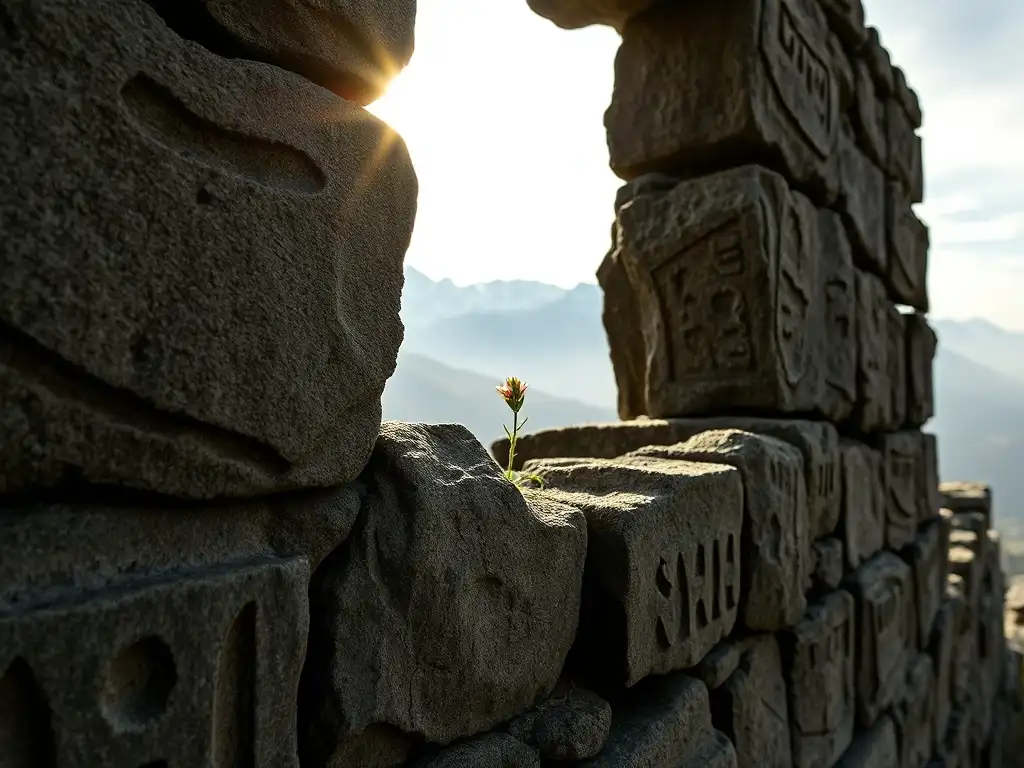
The ingenuity of Andean civilizations is profoundly reflected in their mastery of construction. Facing diverse and challenging terrains, from arid coastal deserts to towering Andean peaks, these cultures developed sophisticated techniques and adapted readily available materials to create monumental structures that endure to this day. Understanding their approach to sourcing and utilizing materials is crucial to appreciating the remarkable achievements of Andean engineering.
The strategic selection and skillful application of materials, combined with innovative construction methods, represent a testament to their advanced understanding of engineering principles and their deep connection with the environment. This section will explore specific examples, focusing on the Inca and Moche civilizations.
Inca Masonry: Precision and Durability
Inca construction is synonymous with breathtaking precision and astonishing durability. Their mastery of stonework is unparalleled, showcasing a deep understanding of engineering principles and an artistic sensibility that elevated functionality to an art form. The key to their success lay in their meticulous selection and preparation of materials, combined with innovative techniques that ensured structural integrity and longevity. The strategic use of Andean construction materials, such as granite, andesite, and limestone, played a crucial role in their architectural achievements.
The Importance of Ashlar Masonry
Ashlar masonry, the precise cutting and fitting of large, rectangular blocks of stone, is a hallmark of Inca architecture. The Inca masons achieved an incredible level of accuracy, with stones fitting together so tightly that a knife blade could barely be inserted between them. This precision wasn't merely aesthetic; it significantly contributed to the structural strength and seismic resistance of their buildings.
The careful selection of stone types, considering their strength and resistance to weathering, further enhanced the longevity of these structures. Evidence suggests that they employed advanced tools and techniques, including copper chisels and possibly rudimentary forms of abrasives, to achieve such remarkable results. The meticulous planning and execution involved in ashlar masonry highlight the sophisticated organizational capabilities of the Inca empire.
Interlocking Stone Techniques
Beyond the precision of ashlar masonry, Inca builders employed ingenious interlocking techniques to further enhance the stability of their structures. Stones were often shaped with intricate, complementary cuts, allowing them to interlock without the need for mortar. This method not only increased the strength of the walls but also contributed to their seismic resilience.
This system effectively distributed weight and absorbed seismic energy, contributing to the survival of many Inca structures through centuries of earthquakes. The absence of mortar in many Inca structures is a testament to their understanding of structural mechanics and their ability to create incredibly strong and stable buildings using only stone. The skill and precision required for this technique are truly remarkable.
Seismic Resilience of Inca Structures
The seismic resilience of Inca structures is a remarkable testament to their engineering prowess. Located in a highly seismically active zone, the Incas developed building techniques specifically designed to withstand earthquakes. The precise fitting of stones, the interlocking techniques, and the use of irregularly shaped stones at the base of walls all contributed to the structures' ability to absorb seismic energy.
Many Inca sites, despite centuries of exposure to earthquakes, remain remarkably intact, a testament to the effectiveness of their building methods and their profound understanding of seismic forces. Further research continues to reveal the sophistication of their approach to earthquake-resistant design. This inherent resilience stands as a significant contribution to the field of earthquake-resistant architecture, even by modern standards.
Moche Architecture: The Use of Adobe in Pyramids
The Moche civilization, known for its elaborate pyramids and intricate artwork, demonstrated a different approach to construction, utilizing adobe bricks extensively. Adobe, a mixture of sun-dried clay and organic materials, was readily available throughout the Moche territory and proved to be a remarkably versatile building material. The Moche mastered the techniques of adobe construction, creating large-scale structures that reflect both their engineering skills and artistic sensibilities.
Adobe Brick Stampings and Decorations
Moche adobe bricks were not merely functional building blocks; they were also canvases for artistic expression. Many bricks bear stamped designs, ranging from simple geometric patterns to intricate depictions of animals and deities. These decorations not only added aesthetic value but may also have held symbolic or ritualistic significance.
The precision and artistry involved in these stamped designs demonstrate the high level of skill and dedication of Moche artisans. The use of different stamps and designs also suggests a degree of standardization and organization in the production of adobe bricks. Studying these stamps provides valuable insights into Moche art, religion, and social organization.
Building Large Structures with Adobe
The Moche successfully used adobe to construct monumental structures, including their impressive pyramids. The construction process involved the careful preparation of the adobe bricks, their precise placement, and the creation of stable foundations. The use of ramps and scaffolding allowed them to build these massive structures to considerable heights.
The choice of adobe, while seemingly simple, demonstrates a deep understanding of the material's properties and its suitability for the arid coastal environment. The longevity of many Moche adobe structures, despite their age and exposure to the elements, is a testament to their building techniques. Further investigation into the specific techniques employed in adobe construction would be beneficial.
Huaca del Sol
Huaca del Sol, a massive adobe pyramid, stands as a testament to the Moche's mastery of adobe construction. Its sheer scale and the precision of its construction are truly remarkable. While much of its original decoration has been lost to time and looting, the surviving structure still conveys the impressive engineering capabilities of the Moche.
The construction of Huaca del Sol represents a significant achievement in adobe architecture, showcasing the Moche's ability to organize large-scale construction projects and their understanding of the structural properties of adobe. Further research into the construction techniques used in Huaca del Sol could reveal additional insights into Moche engineering practices. The sheer size and longevity of the structure continue to inspire awe and wonder.
Coastal Andean Construction: Adapting to the Environment
The coastal regions of the Andes presented unique challenges for ancient builders. The proximity to the ocean meant contending with salinity, humidity, and the constant threat of erosion. Ingenious solutions were developed, reflecting a deep understanding of the local environment and available resources. These adaptations weren't merely practical; they also contributed to the distinct aesthetic character of coastal Andean architecture.
The use of specific materials and construction techniques demonstrates a sophisticated level of engineering knowledge, showcasing the ingenuity of these ancient civilizations in overcoming environmental obstacles. The resilience of many of these structures, even after centuries of exposure to harsh coastal conditions, is a testament to their skill and understanding of building science. This section will explore the specific materials and techniques employed along the Andean coast, highlighting their effectiveness and the innovative spirit behind them.
Materials Used in Coastal Regions
Coastal Andean builders skillfully utilized readily available materials, prioritizing durability and resistance to the harsh marine environment. Stone, readily accessible in many areas, formed the basis of many structures. However, the type of stone varied depending on location and availability.
Some regions favored volcanic rock for its strength and resistance to weathering, while others employed sedimentary rocks, adapting their construction methods to the specific properties of the materials. Adobe bricks, a common building material throughout the Andes, were also used in coastal areas, though often with modifications to enhance their resistance to moisture. These modifications might have involved the use of specific types of clay or the incorporation of additives to improve water resistance.
The selection of materials was not arbitrary; it reflected a deep understanding of the properties of different materials and their suitability for the specific coastal environment. This careful material selection is a key factor in the longevity of many coastal Andean structures.
Protection Against Salinity and Humidity
The high salinity and humidity of the coastal environment posed significant challenges to the longevity of buildings. To mitigate these risks, Andean builders employed a range of strategies. One common method was the use of protective coatings on walls and foundations. These coatings, whose precise composition remains a subject of ongoing research, likely served to repel moisture and prevent salt damage.
Another strategy involved careful site selection, choosing locations with good drainage to minimize water accumulation around structures. Elevated foundations were also frequently used, raising buildings above the ground to reduce exposure to moisture and salt spray. The integration of these protective measures into the overall design showcases the advanced understanding of construction principles possessed by coastal Andean builders. Their ability to anticipate and counteract the detrimental effects of the marine environment highlights their engineering expertise.
The Use of Shells in Construction
Surprisingly, shells played a significant role in Andean coastal construction. These weren't merely decorative elements; they served structural and functional purposes. In some regions, shells were incorporated into mortar or plaster, enhancing its binding properties and potentially improving its resistance to moisture. In other cases, large shells were used as building blocks themselves, particularly in less demanding areas of construction.
The use of shells, combined with other materials, demonstrates a resourceful and sustainable approach to construction, utilizing readily available resources effectively. Further research is needed to fully understand the extent and precise techniques of shell incorporation in Andean coastal construction, but available evidence suggests a level of sophistication often overlooked. The integration of shells into the building process showcases the ingenuity and resourcefulness of the builders in utilizing available materials effectively.
Highland Andean Construction: Adapting to Altitude and Climate
The high Andes presented a drastically different set of challenges compared to the coast. The extreme altitude, cold temperatures, and strong winds demanded innovative construction techniques and the use of materials specifically suited to these harsh conditions. The buildings had to withstand freezing temperatures, heavy snowfalls, and strong winds. The ingenious solutions employed by the builders reflect their intimate knowledge of the environment and a deep understanding of the properties of local materials. This section examines the specific techniques and materials used in highland Andean construction, highlighting their efficacy and adaptability.
Materials Used in High Altitude Areas
The choice of building materials in the highlands was dictated by availability and suitability for the harsh climate. Stone, again, was a primary material, often chosen for its durability and resistance to weathering. However, the types of stone used differed from those employed in coastal regions, reflecting the geological variations across the Andes.
Adobe bricks were also used, though their composition and construction methods were adapted to the colder and drier climate. The use of specific clays and additives likely played a crucial role in improving the bricks' resistance to freezing and thawing cycles. The selection of materials demonstrates a deep understanding of the environmental conditions and the need for materials capable of withstanding extreme temperature fluctuations and potential freeze-thaw damage.
Protection Against Cold and Wind
Protecting structures from the cold and strong winds of the high Andes required specific construction techniques. Thick walls were common, providing insulation against the cold and acting as a barrier against wind. The orientation of buildings also played a crucial role, minimizing exposure to prevailing winds and maximizing solar gain.
Often, buildings were integrated into the landscape, using natural features like hillsides for protection from the elements. These strategies, combined with the careful selection of materials, demonstrate a sophisticated understanding of passive building design techniques. This approach minimized the need for active heating systems, making the structures both energy-efficient and sustainable.
Use of Puna Grass for Thatching
Puna grass, a resilient and readily available plant in the high Andes, played a significant role in roofing construction. Its use in thatching roofs provided excellent insulation against the cold and offered protection from rain and snow. The technique of thatching with puna grass required skill and experience, with layers of grass carefully interwoven to create a durable and waterproof covering.
This natural roofing material, combined with other construction techniques, contributed significantly to the thermal performance of highland Andean buildings. The widespread use of puna grass in roofing highlights the resourcefulness and adaptability of Andean builders in harnessing local resources for sustainable construction. The durability and insulating properties of puna grass roofs contribute significantly to the overall resilience of highland Andean architecture.
The Enduring Legacy of Andean Building Materials
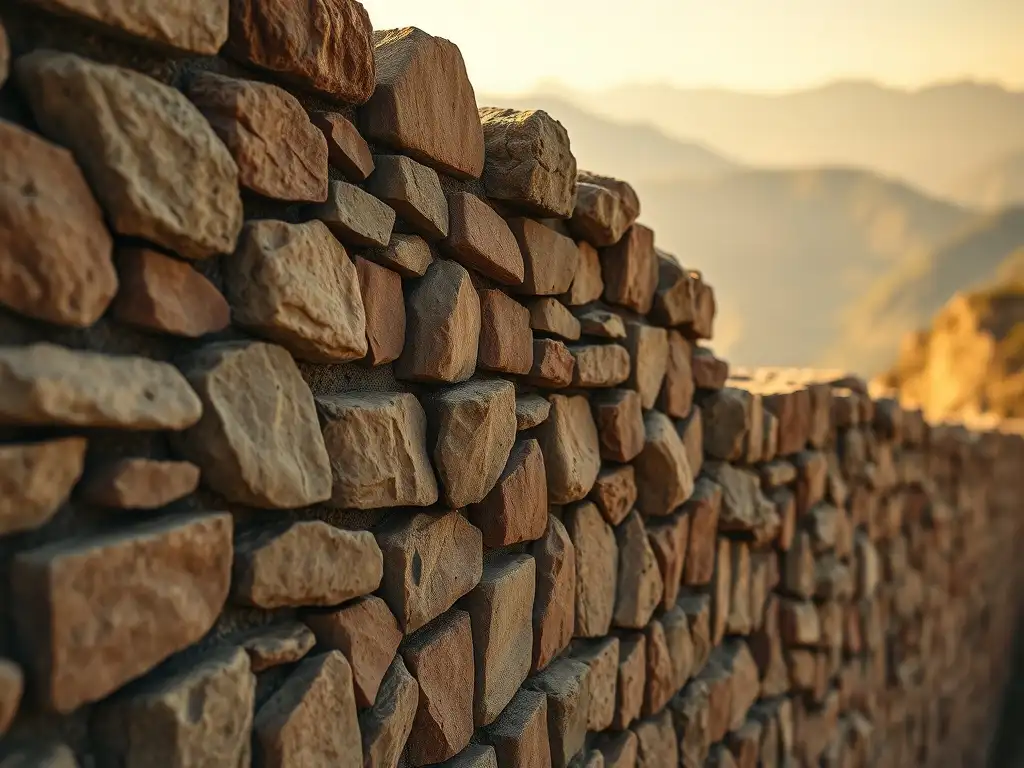
This section delves into the remarkable properties of the materials employed by Andean civilizations, exploring their contribution to the longevity and sustainability of their architectural achievements. We will examine how these ingenious choices impacted not only the durability of structures but also their environmental footprint, offering valuable insights for contemporary construction practices.
The ingenuity of Andean builders in selecting and utilizing readily available resources resulted in structures that have withstood the test of time, demonstrating a profound understanding of material science and environmental stewardship. Understanding their choices helps us appreciate the full scope of "Andean construction materials" and their lasting impact.
Durability and Longevity of Andean Structures
The exceptional durability of Andean structures is a testament to the careful selection and skillful application of their building materials. Stone, a ubiquitous material across the Andes, was chosen not only for its readily available abundance but also for its inherent strength and resistance to weathering. Different types of stone were selected based on their specific properties; for example, harder stones were used for load-bearing walls, while softer stones might be used for decorative elements.
The Incas, for instance, were masters of precisely cut stonework, creating incredibly tight-fitting joints that minimized the need for mortar. This meticulous craftsmanship, combined with the inherent strength of the stone, resulted in structures capable of withstanding earthquakes and other natural disasters.
Beyond stone, the Andes offered a diverse palette of materials. Adobe, a sun-dried brick made from clay and other organic materials, was widely used, particularly in less mountainous regions. Though less durable than stone in the long term, adobe structures possessed remarkable thermal properties, providing insulation and regulating internal temperatures.
The use of organic binders, such as straw or dung, enhanced the adobe's strength and flexibility, making it surprisingly resilient to seismic activity. This demonstrates the Andean understanding of material properties and the clever adaptation of available resources to suit specific needs and environmental conditions. The longevity of many Andean structures, even those constructed from adobe, highlights the effectiveness of these techniques.
Sustainability and Environmental Impact
The Andean approach to construction was remarkably sustainable. Their utilization of locally sourced materials minimized transportation costs and environmental disruption. The use of adobe, for example, involved readily available materials with minimal processing, reducing energy consumption. Furthermore, the organic components within adobe, such as straw and dung, enriched the soil after the structure's eventual decomposition, contributing to a circular economy. This contrasts sharply with many modern construction practices that rely on energy-intensive materials and often result in significant waste.
The integration of building materials with the surrounding environment was also a key aspect of Andean sustainability. Structures were often designed to blend seamlessly with the landscape, minimizing visual impact. The use of natural pigments derived from local plants and minerals further enhanced this integration. This holistic approach, considering both the material properties and the environmental context, represents a powerful example of sustainable building practices that are highly relevant today. Analyzing the environmental impact of "Andean construction materials" reveals a sophisticated understanding of resource management and ecological balance.
Lessons for Modern Construction from Andean Techniques
The enduring legacy of Andean construction offers valuable lessons for modern builders. The emphasis on locally sourced, sustainable materials, combined with meticulous craftsmanship and an understanding of material properties, provides a blueprint for more environmentally friendly and resilient structures. The Andean approach to earthquake-resistant design, utilizing materials with inherent flexibility and interlocking construction techniques, is particularly relevant in seismically active regions. Furthermore, the thoughtful integration of buildings into the landscape provides inspiration for contemporary architecture that respects and complements its environment.
Studying the precision of Inca stonework, for instance, reveals the potential for minimizing waste and maximizing material efficiency. The thermal properties of adobe structures highlight the benefits of natural insulation and climate-responsive design. By incorporating these principles into modern construction, we can create buildings that are not only durable and aesthetically pleasing but also environmentally responsible and better adapted to the challenges of a changing climate. The study of Andean building techniques and "Andean construction materials" offers a pathway towards a more sustainable future in construction.
Conclusion: Celebrating the Ingenuity of Andean Builders
The study of Andean construction materials reveals not only a remarkable mastery of available resources but also an impressive understanding of engineering principles. The ingenuity of Andean builders is evident in their ability to adapt to diverse geographical challenges, utilizing readily accessible materials—stone, adobe, wood, and thatch—to create structures that withstood the test of time and often remain standing today, a testament to their skills. Their innovative techniques, such as the intricate fitting of stones without mortar in some cases, demonstrate a profound understanding of structural integrity and a keen eye for detail. The durability of these structures, many of which have survived centuries of seismic activity and harsh weather conditions, speaks volumes about the quality of their workmanship and the effectiveness of their chosen materials.
Understanding these techniques provides valuable insights into the resourcefulness and resilience of Andean civilizations, and their legacy continues to inspire modern architects and engineers. The enduring presence of these structures serves as a powerful reminder of the sophisticated engineering and architectural prowess of these ancient cultures. Their innovative use of Andean construction materials remains a significant area of study and appreciation, offering valuable lessons in sustainable building practices and the enduring power of human ingenuity.
Further research into the specific compositions and techniques used, especially considering the variations across different Andean cultures and geographical locations, is crucial to fully understanding and appreciating this rich architectural heritage. The careful preservation and study of these structures are essential for ensuring that the knowledge and skills of these master builders are not lost to future generations. The legacy of Andean construction materials is not merely a collection of stones and adobe; it is a powerful symbol of human adaptability, innovation, and the enduring strength of community collaboration.
Frequently Asked Questions
What types of materials did Andean civilizations primarily use for construction?
Andean builders utilized readily available resources. Stone, particularly andesite and granite, was prevalent, along with adobe bricks (sun-dried mud bricks) and wood. The specific materials varied depending on the region and the civilization.
How did the Incas adapt their construction techniques to diverse environments?
Inca construction demonstrated remarkable adaptability. They used stone masonry extensively, but also employed different materials like wood and thatch in different regions, depending on the availability of resources and the climate. Their techniques ensured stability in varied terrains.
What makes Andean construction so durable and long-lasting?
The precision of Andean stonework, combined with their understanding of earthquake-resistant techniques, contributed to the longevity of their structures. The use of high-quality materials and ingenious fitting methods also played a crucial role.
Were there any unique methods employed in Andean construction that are still studied today?
Yes, the precise fitting of stones without mortar, known as ashlar masonry, is a notable example. The sophisticated knowledge of Andean builders regarding building in challenging terrains and using locally sourced materials continue to inspire modern engineers.
How did the availability of materials influence the architectural styles of different Andean cultures?
The availability of specific materials directly impacted architectural styles. For instance, the abundance of stone in some regions led to monumental stone structures, while other cultures relied more on adobe bricks due to their local resources. This resulted in diverse architectural expressions across the Andes.
Final Reflection: Echoes of the Andes: A Legacy in Stone
The ingenious use of Andean construction materials continues to resonate today, a testament to the enduring wisdom of past civilizations and a potent reminder of our responsibility to build sustainably for future generations. These ancient techniques, born from necessity and ingenuity, offer invaluable lessons for contemporary architecture and engineering, challenging us to rethink our relationship with the environment and the materials we use. The very stones that formed the foundations of Inca cities whisper tales of resilience and adaptation, urging us to listen.
The impact of Andean construction methods extends far beyond the physical structures they created; they represent a deep connection to the land and a profound understanding of its resources. These techniques, passed down through generations, fostered a sense of community and shared purpose, a stark contrast to our often-fragmented modern approaches. The mountains are our teachers,
a Quechua proverb reminds us, highlighting the symbiotic relationship between people and environment that informed these building practices. Understanding this relationship is crucial to appreciating the true legacy of Andean construction.
Consider the implications of this legacy. What can we learn from the meticulous selection of materials, the careful consideration of climate and topography, and the enduring strength of structures built without modern technology? You, the reader, are now empowered to explore these questions, to seek out sustainable practices in your own life, and to advocate for building methods that honor both human ingenuity and the delicate balance of our planet. Let the echoes of the Andes inspire you to build not just for today, but for eternity.
Unearth Your Legacy: Take Action for Sustainable Building!
Thank you for exploring the fascinating world of Andean construction materials! You've gained valuable insights into sustainable building practices and the enduring power of using readily available resources. Now, let's put that knowledge to work!
- Start a sustainable building project: Incorporate locally sourced and sustainable materials into your next construction endeavor. Consider using traditional methods where appropriate.
- Share your knowledge: Inspire others by discussing Andean construction techniques on social media or in conversations with friends and colleagues. Highlight the resilience and sustainability of these ancient practices.
- Join a community: Connect with like-minded individuals in a sustainable building group or organization. Work together to preserve these valuable traditional techniques for future generations.
Consider how the ingenuity and sustainability demonstrated in Andean construction can inform your own building projects. What lessons can you apply to create more environmentally responsible structures?