
Moche Pottery Restoration: Separating Authentic Repairs from Modern Inventions

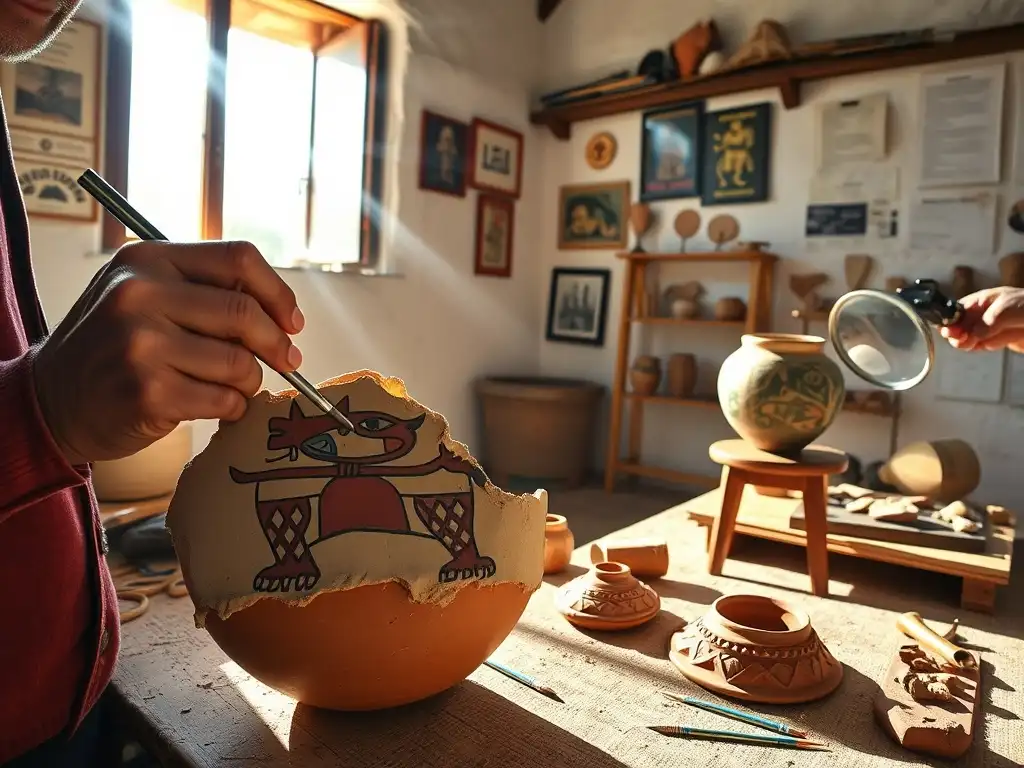
Step into a world lost to time, yet vividly preserved in breathtaking artistry. Andean Civilizations unveils the secrets of ancient empires, from the towering heights of Inca ingenuity to the intricate artistry of the Moche. But what happens when these magnificent relics face the ravages of time? Prepare to be captivated by the intricacies of Moche pottery restoration techniques, a fascinating journey that separates authentic repairs from modern inventions, and reveals the painstaking effort to preserve a legacy for future generations. Discover the truth behind these ancient treasures – continue your exploration now.
- Understanding Authentic Moche Pottery Repair Techniques
- Myths vs. Realities in Moche Pottery Restoration
- Identifying Modern Moche Pottery Restoration Techniques
- Case Studies: Authentic vs. Modern Restoration of Moche Pottery
-
Tools and Services for Responsible Moche Pottery Conservation
- Recommended Products for Safe Handling and Display of Moche Artifacts: Archival Storage Boxes, Custom Acrylic Stands
- Professional Conservation Services for Moche Pottery: The Getty Conservation Institute, Private Conservators Specializing in Andean Ceramics
- Resources for Further Learning about Moche Pottery Restoration and Conservation: Published Research Papers, Workshops by Archaeological Institutions
- Maximizing Your Investment in Authentic Moche Pottery
-
Frequently Asked Questions
- What are some common challenges in Moche pottery restoration?
- How do restorers identify original Moche repairs versus modern interventions?
- What materials are typically used in authentic Moche pottery restoration?
- What are some ethical considerations in Moche pottery restoration?
- Where can I learn more about Moche pottery restoration techniques?
- Final Reflection: The Enduring Legacy of Moche Pottery and the Ethics of Restoration
- **Join the Quest to Preserve Cultural Heritage**
Understanding Authentic Moche Pottery Repair Techniques
The vibrant and intricate artistry of Moche pottery continues to captivate audiences worldwide. These ceramic masterpieces, dating back to the pre-Columbian era on the northern coast of Peru (roughly 100-800 CE), are highly prized for their unique aesthetic qualities and the invaluable insights they offer into the Moche civilization's beliefs, rituals, and daily life. However, the age and fragility of these artifacts mean that many pieces require restoration.
This article explores the crucial skill of Moche pottery restoration, focusing on how to distinguish between authentic ancient repairs and more recent, modern interventions. Understanding these differences is paramount for accurate historical interpretation and the preservation of these irreplaceable cultural treasures. We will delve into the historical context of Moche ceramic repair, examining ancient methods and materials to equip you with the knowledge to identify genuine restorations and appreciate the artistry involved in both the original creation and subsequent preservation of these remarkable pieces.
This understanding is key for collectors, researchers, and anyone interested in the fascinating world of Moche pottery. Mastering the ability to distinguish between authentic and modern repairs is vital for responsible ownership and accurate historical assessment of these priceless artifacts. This article provides a critical analysis of various Moche pottery restoration techniques, ultimately guiding the reader towards a deeper understanding and appreciation of these ancient works of art.
The Historical Context of Moche Ceramics Repair
The Moche people, renowned for their sophisticated metalworking and intricate pottery, undoubtedly possessed techniques for repairing damaged ceramics. While direct evidence of specific repair methods is limited, we can infer practices based on archaeological findings and analyses of surviving pottery. Evidence suggests that broken pieces were carefully rejoined, often using readily available materials from the surrounding environment.
The careful attention to detail seen in the original creation of Moche pottery suggests a similar level of care and skill would have been applied to their repair. The survival of many fragments, some with visible signs of past repair, indicates that mending broken pottery was a common practice. Further research into the Moche’s material culture and technological capabilities is crucial in refining our understanding of their repair processes.
Archaeological excavations continue to provide valuable insights, revealing new clues about the tools and materials used in the restoration of these fragile pieces. The study of pottery fragments with visible repairs helps to build a more complete picture of the Moche's approach to preserving their ceramic heritage.
Ancient Moche Restoration Methods: A Look at Original Practices
While detailed documentation of Moche pottery repair techniques is lacking, analysis of existing artifacts suggests several approaches. Repairs likely involved cleaning broken edges, carefully aligning fragments, and then using adhesives to secure the pieces. These adhesives may have included natural resins derived from plants, possibly mixed with finely ground clay.
The use of plant fibers, such as cotton or agave, as reinforcement or binding agents is also plausible, given their availability and properties. The application of a clay slip, a liquid clay mixture, to conceal repairs and match the original surface would have been a crucial final step, blending the mended areas seamlessly with the surrounding pottery. The degree of precision and skill required for such repairs is remarkable, highlighting the expertise of the Moche artisans, even in the realm of restoration.
Careful observation of repaired pieces reveals subtle clues, such as variations in clay color or texture, that might indicate the use of specific techniques. Further research into similar practices in other contemporaneous cultures can help us to better understand the Moche’s methodology. The challenges involved in replicating these ancient techniques underscore the sophistication of the Moche’s craftsmanship and their understanding of materials science.
Recognizing Original Moche Restoration Materials: Clay Slips, Plant Fibers, and Resin Adhesives
Identifying the materials used in ancient Moche repairs is crucial for distinguishing authentic restorations from modern interventions. Authentic repairs would utilize materials readily available to the Moche: local clays for slips, plant fibers for reinforcement, and natural resins for adhesives. Modern restorations, on the other hand, often employ synthetic materials like epoxy resins or modern glues, which can be readily distinguished through scientific analysis.
Microscopic examination can reveal the presence of plant fibers or the unique characteristics of natural resins. Chemical analysis can identify the composition of the adhesives and slips, distinguishing between natural and synthetic materials. The color and texture of the clay slip used in ancient repairs often subtly differ from the original pottery, but the transition is generally seamless and less visually jarring than modern repairs.
Careful examination under magnification can reveal inconsistencies in the texture or color of the slip, providing clues to the age of the repair. By understanding the characteristics of original Moche restoration materials, we can better appreciate the craftsmanship of the ancient artisans and safeguard the integrity of these priceless artifacts. The use of advanced scientific techniques is essential to differentiate between authentic and modern interventions, enabling a more accurate assessment of the historical significance of each piece.
Myths vs. Realities in Moche Pottery Restoration
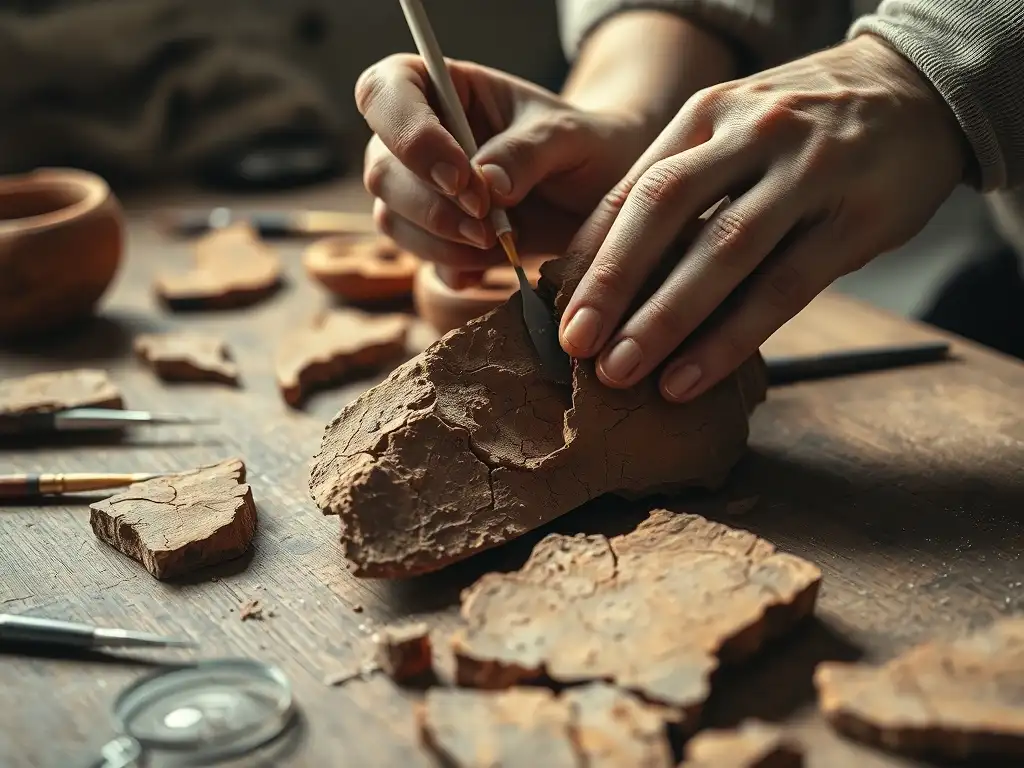
This section delves into common misconceptions surrounding the restoration of Moche pottery, clarifying the differences between authentic ancient repairs and modern interventions. Understanding these distinctions is crucial for accurately assessing the authenticity and value of Moche artifacts. We will explore prevalent myths and present the realities based on archaeological evidence and expert analysis. Accurate identification of Moche pottery restoration techniques is essential for preserving the integrity of these invaluable cultural treasures.
Myth 1: All Visible Repairs are Modern Interventions
A widespread misconception is that any visible repair on a Moche pot automatically signifies a recent, potentially damaging, restoration. This is inaccurate. Archaeological evidence consistently demonstrates that Moche artisans themselves frequently repaired broken pottery. Their techniques, while differing from modern methods, were sophisticated and aimed at preserving the functionality and aesthetic appeal of the vessel. The presence of a repair, therefore, does not inherently indicate a modern intervention. Instead, careful examination of the repair materials, techniques, and integration with the original piece is necessary to determine its age.
The belief that all visible repairs are modern stems partly from a lack of awareness regarding ancient Andean repair practices. Modern restoration often employs readily available materials like epoxy resins, which are easily distinguishable. However, ancient Moche artisans utilized materials readily available in their environment, such as clay slips of similar composition to the original pottery, and sometimes even bitumen, a naturally occurring substance.
These materials, when expertly applied, can blend seamlessly with the original piece, making it challenging for the untrained eye to distinguish them. Careful microscopic analysis, along with contextual evidence from the excavation site, is often required for definitive determination.
Reality 1: Ancient Moche Artisans Performed Skilled Repairs
Contrary to the myth, Moche potters were remarkably skilled in repairing their broken ceramics. This was not merely a practical necessity; it also held symbolic significance. Repairs often involved meticulous patching, sometimes incorporating additional decorative elements into the mended area, demonstrating a high level of craftsmanship and a respect for the object's history. These repairs are not simply functional; they are integral to the artifact's narrative, representing a continuity of use and value across generations.
Examples of ancient Moche repairs include the use of clay paste applied to cracks or broken edges, often followed by smoothing and re-painting to match the original surface. In some cases, fragments were reassembled and secured using carefully matched clay, leaving minimal visible scarring. The use of bitumen, a dark, sticky substance, was also common, particularly for filling larger gaps or securing broken sections.
This is a key differentiator, as modern restoration rarely uses bitumen. These ancient Moche pottery restoration techniques showcase a deep understanding of material properties and a commitment to the preservation of cultural heritage. The level of skill involved often makes distinguishing ancient repairs from modern ones a challenging task, necessitating expert analysis.
Myth 2: Modern Restoration Always Devalues Moche Artifacts
Another misconception is that any form of modern restoration automatically diminishes the value of a Moche artifact. While poorly executed modern repairs can certainly detract from a piece's value, ethical and skillful restoration can actually enhance its preservation and allow for a more complete understanding of the artifact. The key lies in transparency and documentation. A reputable restoration process involves meticulous documentation of all interventions, allowing future researchers to understand the artifact's history accurately.
The value of a Moche artifact is not solely determined by its pristine condition. Its historical context, artistic merit, and the information it reveals about Moche culture are all significant factors. A well-documented restoration can contribute to a more comprehensive understanding of the artifact, increasing its scholarly value.
Furthermore, ethical restoration aims to stabilize the piece, preventing further deterioration and ensuring its long-term preservation for future generations. This contrasts sharply with poorly executed repairs that can mask original features or introduce new damage, thereby significantly impacting the artifact's value and historical significance. Therefore, the impact of modern Moche pottery restoration techniques on an artifact's value depends heavily on the quality and ethical considerations of the restoration process.
Reality 2: Ethical Conservation Enhances Appreciation and Study
Ethical Moche pottery restoration is not merely about fixing broken pieces; it's about preserving cultural heritage for future generations and enhancing our understanding of Moche artistry and society. By employing meticulous and reversible techniques, conservators ensure that the artifacts remain as close to their original state as possible, allowing for ongoing study and appreciation. This approach prevents irreversible damage that might occur with poorly executed repairs, safeguarding the integrity of these invaluable objects for scientific research and public display. The ethical approach prioritizes the long-term preservation of the object's historical and artistic value over immediate aesthetic appeal.
For instance, a conservator might choose to leave a small, stable crack visible rather than risk further damage by attempting a potentially destructive fill. This transparency allows researchers to study the artifact's history of use and degradation, providing valuable insights into the Moche civilization's material culture and craftsmanship. The careful documentation of all conservation procedures further contributes to this understanding, creating a record that can inform future restoration efforts and research. The ethical focus on preservation thus directly contributes to a deeper and more nuanced appreciation of Moche pottery, both within the academic community and the wider public.
This careful approach ensures that these ancient objects continue to tell their stories for centuries to come, enriching our understanding of Andean civilizations and their artistic achievements. Moreover, ethical restoration practices foster trust and credibility within the field, helping to combat the problem of forgeries and misrepresented artifacts. By prioritizing transparency and rigorous documentation, ethical conservators contribute to the responsible stewardship of Moche pottery and other precious cultural artifacts.
Identifying Modern Moche Pottery Restoration Techniques
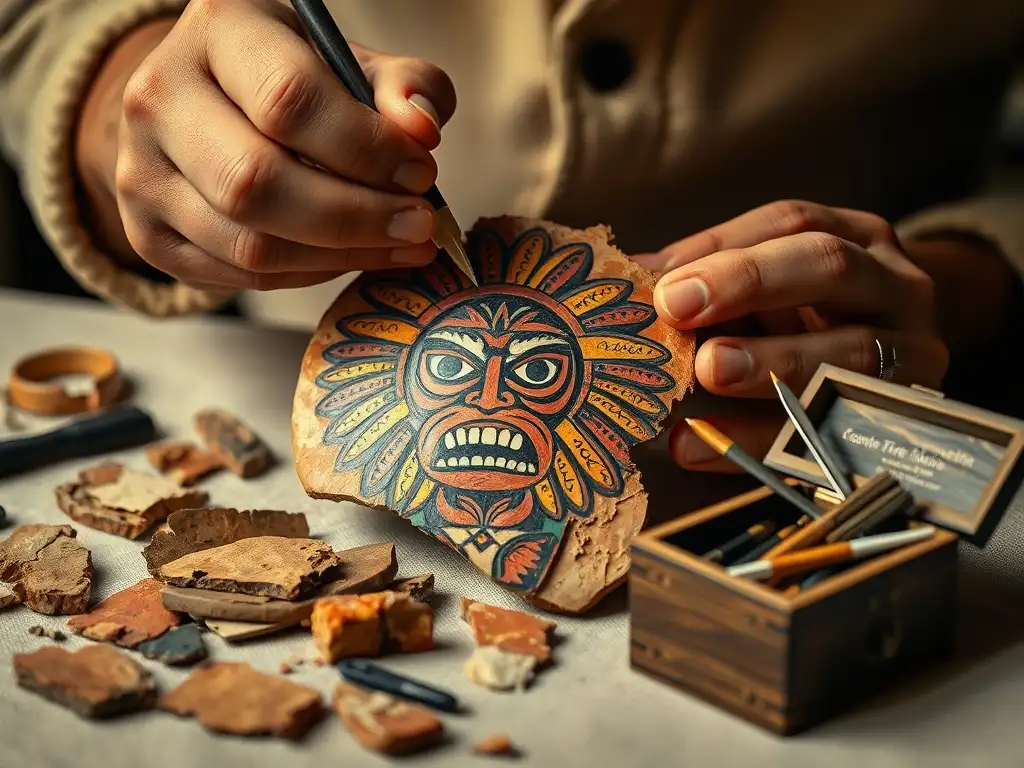
The meticulous restoration of Moche pottery is a complex process requiring specialized knowledge and skills. While careful restoration can preserve these invaluable artifacts for future generations, modern techniques can sometimes obscure the original piece, impacting its authenticity and historical value. Understanding the hallmarks of modern restoration is crucial for accurate appraisal and preservation efforts. This section focuses on identifying common modern techniques used in Moche pottery restoration and how to distinguish them from traditional methods.
The ability to discern between authentic repairs and modern interventions is paramount for preserving the integrity of these significant archaeological finds. Careful analysis, employing a multi-faceted approach, is necessary to properly assess the authenticity of a given piece. This is particularly relevant in the context of the thriving market for Moche artifacts, where discerning genuine pieces from skillfully fabricated imitations is a vital skill.
Common Modern Restoration Materials Used: Acrylic Adhesives, Epoxy Resins, and Synthetic Fillers
Modern Moche pottery restoration frequently employs materials not readily available to ancient artisans. The use of such materials is a significant indicator of a modern intervention. Common culprits include:
- Acrylic Adhesives: These are widely used for their strong bonding capabilities and ease of application. However, their distinct chemical composition and appearance under magnification can reveal their modern origin. The glossy finish of some acrylic adhesives contrasts sharply with the matte finish often found on original Moche pottery surfaces. Furthermore, acrylic adhesives can yellow or discolor over time, a characteristic not present in ancient repairs.
- Epoxy Resins: Similar to acrylic adhesives, epoxy resins offer strong bonding and are easily accessible today. However, they possess a different refractive index than the original pottery material, making them readily identifiable under UV light or with a strong magnifying glass. The presence of epoxy resin, especially in areas where cracks or breaks are filled, is a clear indication of modern intervention.
- Synthetic Fillers: A range of synthetic fillers are used to replace missing fragments or fill gaps in broken pottery. These fillers often differ in color, texture, and composition from the original clay. Careful examination under magnification, sometimes with the aid of a microscope, can reveal the presence of these foreign materials. The inconsistencies in color, texture, and even microscopic analysis can often betray the presence of modern synthetic fillers.
How Modern Techniques Can Alter the Authenticity of Moche Pottery
The application of modern Moche pottery restoration techniques, while intending to preserve the artifact, can unintentionally compromise its authenticity. For example, the use of modern adhesives or fillers can mask original repairs or alterations made by ancient cultures. This obscures the historical record, potentially leading to misinterpretations of the artifact's creation and usage. Furthermore, the overzealous application of modern techniques can lead to the loss of original surface details and patina, diminishing the artistic value and historical significance of the piece.
The use of inappropriate cleaning methods can also damage the original surface, causing irreparable harm. This is especially true with the use of harsh chemical cleaning agents, which can alter the original color and texture of the clay. The goal of restoration should be to stabilize the artifact, not to create a perfect replica.
Modern interventions should be minimal and clearly documented to avoid misleading future researchers and collectors. The subtle nuances of ancient repair techniques, often using locally sourced materials and methods, are lost when replaced with modern substitutes. This loss of subtle clues can significantly impact our understanding of ancient Andean technologies and artistic practices.
Detecting Inconsistencies: Key Indicators of Modern Restoration
Identifying modern interventions in Moche pottery restoration requires a keen eye for detail and a thorough understanding of the materials and techniques used in both ancient and modern restoration. Several key indicators can help distinguish authentic repairs from modern interventions:
| Indicator | Description | Significance |
|---|---|---|
| Material Composition | Analysis of the materials used in repairs (adhesives, fillers) can reveal modern materials like acrylics, epoxies, or synthetic fillers. | Modern materials are inconsistent with ancient techniques and indicate modern intervention. |
| Color and Texture Discrepancies | Differences in color, texture, or sheen between the repaired areas and the original pottery surface often indicate modern interventions. | Inconsistent surface appearance points to the application of modern materials. |
| Tool Marks | Examination of tool marks can help identify the type of tools used. Modern tool marks may differ significantly from those used in ancient times. | Different tool marks indicate different techniques and timelines. |
| Surface Patina | Modern repairs usually lack the natural patina and wear that develop over centuries. | The absence of natural patina is a strong indicator of a modern intervention. |
| Microscopic Analysis | Microscopic examination can reveal the presence of modern materials or inconsistencies in the clay structure. | This detailed analysis provides definitive evidence of modern repairs. |
Careful observation, combined with scientific analysis, is crucial for determining the authenticity of Moche pottery and evaluating the extent of any restoration work. Understanding the subtle differences between ancient and modern repair techniques is essential for preserving the historical integrity of these remarkable artifacts. The application of these techniques, combined with detailed documentation, ensures the responsible and ethical handling of these irreplaceable pieces of Andean history.
Case Studies: Authentic vs. Modern Restoration of Moche Pottery
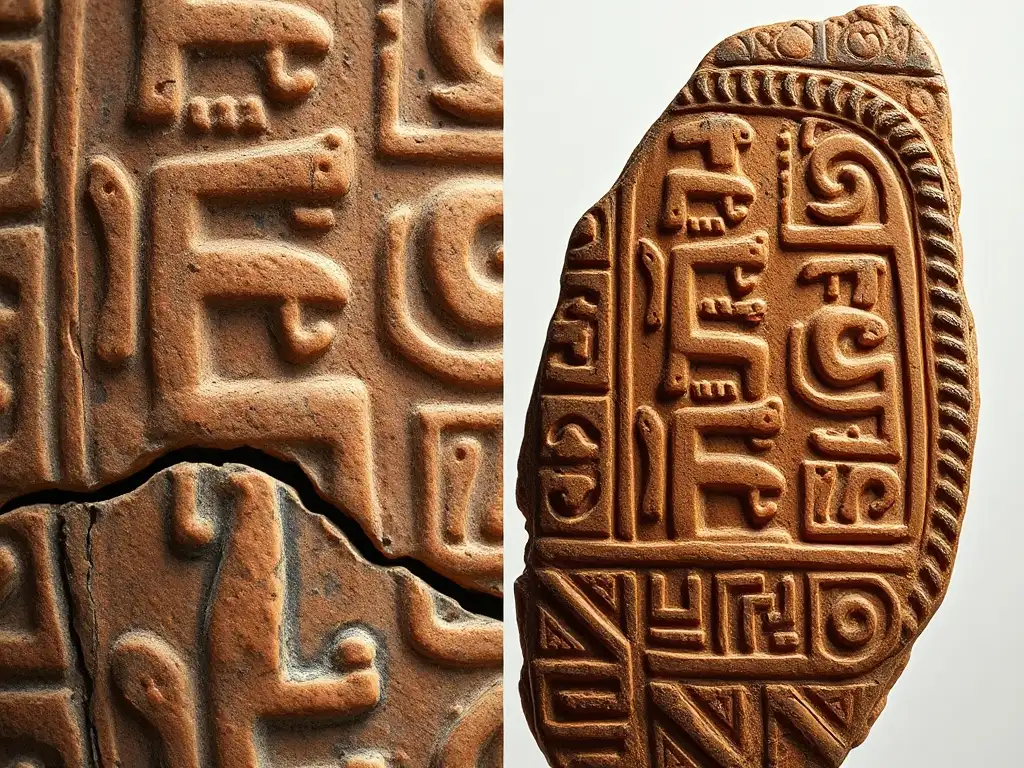
This section presents detailed case studies showcasing the differences between ancient and modern Moche pottery restoration techniques. Understanding these distinctions is crucial for accurate attribution and the preservation of cultural heritage. Careful examination of repair materials, methods, and aesthetic consistency is paramount in determining authenticity. The goal is to equip enthusiasts and professionals with the knowledge to differentiate genuine ancient repairs from more recent interventions, furthering the study of Moche pottery restoration techniques.
Case Study 1: A Moche Stirrup Spout Vessel with Ancient Clay Repair
This case study focuses on a Moche stirrup spout vessel exhibiting a repaired fracture along its neck. Microscopic analysis revealed that the repair utilized a clay material remarkably similar in composition to the original vessel. The color and texture of the repair material blended seamlessly with the surrounding pottery, indicating a repair undertaken sometime after firing but likely during the Moche period itself.
The repair technique employed a meticulous approach. Instead of simply filling the fracture, the ancient artisans carefully fitted the broken pieces together, utilizing a finely ground clay paste as an adhesive. This paste was then smoothed and carefully shaped to match the original contours of the vessel. The repaired area shows minimal evidence of tool marks, suggesting skilled hands and a high degree of patience.
This subtle blending, along with the consistent patina across the repaired section, strongly suggests an in situ repair, performed centuries ago. The absence of any noticeable discoloration or cracking around the repair area further supports this conclusion. This exemplifies the sophisticated Moche pottery restoration techniques employed in antiquity. The vessel's overall aesthetic integrity remains remarkably intact, a testament to the skill and knowledge of the ancient restorers.
Case Study 2: A Moche Portrait Head with Modern Resin Infill
In contrast to the previous example, this Moche portrait head displays a significant section of damage, repaired with a modern resin. The resin is easily discernible under magnification, exhibiting a noticeably different color, texture, and sheen compared to the original terracotta. The resin's glossy finish stands in stark contrast to the matte surface of the surrounding pottery.
Furthermore, the repair technique is markedly different from ancient methods. The resin fill lacks the finesse and precision observed in the ancient clay repair. It appears lumpy and uneven, with visible tool marks indicating a less skilled and more hasty approach. The resin fill also shows signs of slight shrinkage, leading to a hairline crack at the edge of the repair.
The difference in material properties—the resin's greater hardness and brittleness compared to the original terracotta—is another indication of a modern intervention. This lack of integration with the original material is a key indicator distinguishing modern Moche pottery restoration techniques from ancient practices. The overall aesthetic impact is jarring, detracting from the integrity of the artifact.
Comparative Analysis: Highlighting Differences between Repair Methods
| Feature | Ancient Clay Repair (Case Study 1) | Modern Resin Repair (Case Study 2) |
|---|---|---|
| Material | Similar clay composition | Resin |
| Texture | Seamless blend, consistent patina | Uneven, glossy finish |
| Color | Harmonious with surrounding pottery | Noticeably different |
| Technique | Precise, minimal tool marks | Hasty, visible tool marks |
| Aesthetic Impact | Minimal disruption | Jarring, detracts from integrity |
| Evidence of Age | Consistent patina, lack of cracking | Shrinkage, discoloration |
The comparison clearly reveals substantial differences between ancient and modern Moche pottery restoration techniques. Ancient repairs, such as that seen in the stirrup spout vessel, demonstrate a remarkable understanding of materials and techniques, resulting in a nearly invisible and aesthetically pleasing restoration. In contrast, modern repairs often utilize materials and methods that are incompatible with the original artifact, resulting in a visually jarring and potentially damaging intervention. This understanding is crucial for anyone involved in the study, preservation, or authentication of Moche pottery. Careful examination, using a multi-faceted approach combining visual inspection with scientific analysis, is essential for accurate assessment and informed decisions regarding the authenticity of any given piece. The goal is not just to identify repairs, but to understand how and when those repairs were made, providing valuable insights into the cultural practices and technological capabilities of the Moche people and the evolution of Moche pottery restoration techniques.
Tools and Services for Responsible Moche Pottery Conservation
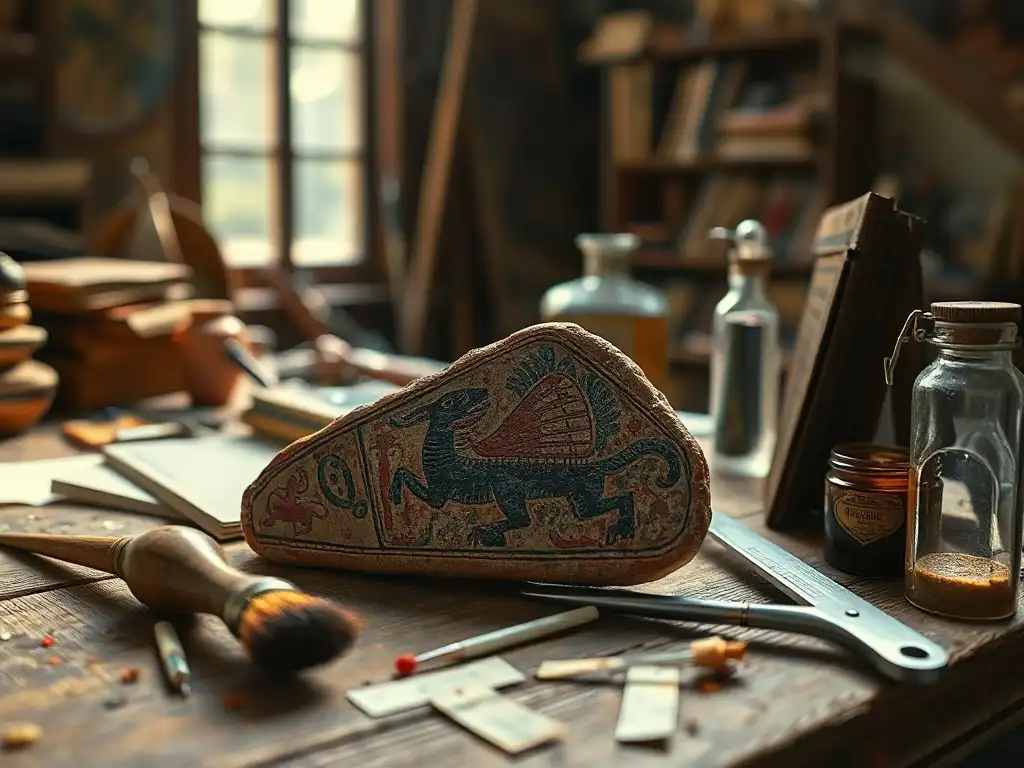
This section delves into the practical aspects of Moche pottery restoration, focusing on the tools, services, and resources available to ensure the ethical and effective preservation of these invaluable artifacts. Understanding the nuances of responsible conservation is crucial for anyone handling or studying Moche pottery, whether a seasoned archaeologist or a passionate collector. Proper techniques minimize further damage and help maintain the historical integrity of these fragile pieces.
Recommended Products for Safe Handling and Display of Moche Artifacts: Archival Storage Boxes, Custom Acrylic Stands
Safeguarding Moche pottery requires meticulous attention to detail. Improper handling can lead to irreversible damage, impacting both the aesthetic and historical value. Therefore, investing in high-quality archival materials is paramount. Specifically, archival-quality storage boxes made from acid-free materials are essential for long-term preservation.
These boxes protect the pottery from dust, light, and fluctuating humidity and temperature—significant factors in ceramic degradation. Look for boxes with dividers to prevent pieces from rubbing against each other, causing scratches or abrasion. For display purposes, custom-made acrylic stands offer a secure and visually appealing solution. These stands should be designed to support the weight and shape of the specific artifact, minimizing stress points and preventing accidental drops.
The acrylic material provides clarity without obstructing the view, allowing for safe exhibition while showcasing the pottery's intricate details. Furthermore, using soft, acid-free gloves when handling the pottery is crucial to prevent the transfer of oils and dirt from your hands. Remember, even seemingly minor handling can cause damage over time.
Professional Conservation Services for Moche Pottery: The Getty Conservation Institute, Private Conservators Specializing in Andean Ceramics
While some minor cleaning and stabilization might be undertaken with proper training, significant restoration work should always be entrusted to qualified professionals. Institutions like the Getty Conservation Institute, although not exclusively focused on Andean artifacts, offer invaluable resources and training programs for conservators worldwide. Their expertise in material science and conservation techniques is indispensable for complex restoration projects.
For Moche pottery specifically, seeking out private conservators with proven experience in Andean ceramics is crucial. These specialists possess the in-depth knowledge of the materials and techniques used in Moche pottery production, allowing them to perform authentic repairs that respect the artifact's original structure and artistic integrity. Finding a reputable conservator may require research and referrals from museums or archaeological institutions.
Always request detailed documentation of their qualifications, experience with similar artifacts, and their proposed methodology before entrusting them with your Moche pottery. This proactive approach ensures that the restoration process adheres to the highest ethical and professional standards.
Resources for Further Learning about Moche Pottery Restoration and Conservation: Published Research Papers, Workshops by Archaeological Institutions
Continuing education is key to responsible Moche pottery conservation. Staying abreast of the latest research and techniques is crucial for anyone involved in handling or preserving these artifacts. Numerous published research papers, often found in academic journals specializing in archaeology and conservation science, detail various aspects of Moche pottery restoration.
These papers provide valuable insights into the challenges faced by conservators and the evolution of best practices. Furthermore, archaeological institutions and museums frequently host workshops and training sessions on artifact conservation. These workshops offer practical hands-on experience and provide opportunities to learn from leading experts in the field.
Participation in such workshops provides invaluable knowledge and skills, enabling individuals to better understand and contribute to the long-term preservation of Moche pottery and other ancient Andean artifacts. Actively seeking out these resources demonstrates a commitment to responsible stewardship and ensures the preservation of this rich cultural heritage for future generations. The careful application of appropriate Moche pottery restoration techniques is essential for safeguarding these irreplaceable treasures.
Maximizing Your Investment in Authentic Moche Pottery
Acquiring authentic Moche pottery is a significant investment, both financially and culturally. Understanding the nuances of restoration significantly impacts the value and desirability of these ancient artifacts. A poorly executed restoration can drastically devalue a piece, while a skilled and documented repair can actually enhance its worth, reflecting its history and the careful preservation efforts it has undergone. This section focuses on how restoration, or the lack thereof, directly influences the market value of Moche ceramics.
Understanding the Impact of Restoration on the Value of Moche Ceramics
The value of Moche pottery is intrinsically linked to its authenticity and condition. Untouched pieces, exhibiting minimal wear and tear, command the highest prices. However, many Moche ceramics unearthed through archaeological digs or found in private collections require some level of restoration. The key lies in the quality and transparency of the restoration process.
A poorly executed restoration, using inappropriate materials or techniques, can significantly diminish a piece's value. For instance, the use of modern glues that yellow over time or the application of paint that doesn't match the original pigments can be easily spotted by experts and significantly reduce the piece's worth. Conversely, a meticulously executed restoration, using traditional techniques and materials that closely match the original, can actually increase value, demonstrating careful preservation and a commitment to maintaining the artifact's integrity. The documentation of this restoration process is crucial (discussed further below).
Consider this: two nearly identical Moche stirrup-spout vessels; one completely unrestored, the other expertly repaired with detailed documentation. While both may share similar artistic merit, the unrestored piece will likely fetch a higher price due to its pristine condition. However, the expertly restored piece, accompanied by a comprehensive record of the repair process, can still command a substantial price, especially among collectors who value the preservation efforts. The difference lies in the transparency and skill involved in the restoration. The market values honesty and skilled craftsmanship above all else when it comes to Moche pottery restoration techniques.
Tips for Buyers: How to Identify Authentically Repaired Moche Pottery
Identifying authentically repaired Moche pottery requires a discerning eye and a healthy dose of skepticism. Here are some key factors to consider:
- Material Consistency: Carefully examine the materials used in any repairs. Authentic repairs often employ materials that are similar in color and texture to the original ceramic. Modern glues or fillers may have a different sheen or color, often appearing too glossy or noticeably different from the surrounding pottery.
- Repair Style: Traditional Moche repair techniques often involved the use of natural adhesives and materials readily available to the ancient artisans. Modern repairs, on the other hand, might employ techniques and materials that are not consistent with ancient practices. Look for subtle inconsistencies in the style of the repair compared to the original artistry.
- Evidence of Age: Look for signs of age and weathering on the repairs themselves. A truly ancient repair will exhibit the same signs of wear and tear as the original piece. Newly applied materials might look too fresh or lack the patina of age.
- Documentation: The most crucial aspect of verifying an authentic repair is the presence of comprehensive documentation. This should detail the materials used, the techniques employed, and ideally, include photographs or drawings of the repair process. The absence of such documentation should raise serious concerns.
Remember, a truly authentic repair should be almost invisible to the untrained eye. It should seamlessly blend with the original piece, preserving its artistic integrity and historical significance. The goal is not to conceal the repair, but rather to execute it with such skill that it becomes an integral part of the artifact's history.
The Importance of Documentation and Provenance in Moche Artifacts
Provenance, or the documented history of ownership and handling of an artifact, is paramount in establishing its authenticity. This is especially crucial for Moche pottery, given the prevalence of forgeries and poorly documented restorations. Comprehensive documentation not only supports the authenticity of the artifact itself but also validates any restoration work performed.
This documentation should ideally include:
- Detailed records of excavation (if applicable): This would include the location of the find, the date of discovery, and the names of archaeologists involved.
- Photographs and drawings of the artifact before and after any restoration: This visual record is essential in demonstrating the extent and nature of the repair work.
- A list of materials used in the restoration: This list should detail the type and source of any adhesives, fillers, or pigments employed.
- The name and qualifications of the conservator or restorer: This adds credibility to the work performed, assuring buyers that the restoration was carried out by a qualified professional using appropriate techniques.
The absence of thorough documentation can seriously undermine the value and authenticity of a Moche ceramic. Collectors and buyers should always insist on seeing comprehensive provenance records before making a purchase. This diligence ensures a responsible acquisition, protecting both the buyer’s investment and the historical significance of these invaluable artifacts. Investing in Moche pottery is an investment in history; thorough documentation safeguards that investment.
Frequently Asked Questions
What are some common challenges in Moche pottery restoration?
Moche pottery restoration faces challenges like fragmented pieces, corroded surfaces, and the need to distinguish between original and later repairs. Careful analysis is crucial to ensure ethical and accurate restoration.
How do restorers identify original Moche repairs versus modern interventions?
Restorers analyze the materials used, the techniques employed, and the style of repair. Differences in clay type, pigments, and adhesive methods help pinpoint the time period of the repair.
What materials are typically used in authentic Moche pottery restoration?
Authentic repairs often used readily available materials like local clays and natural pigments. Modern restoration may utilize more advanced adhesives and fillers, but ethical practices prioritize minimal intervention.
What are some ethical considerations in Moche pottery restoration?
Ethical restoration prioritizes preserving the original artifact, minimizing intervention, and fully documenting all processes. Transparency is key, clearly distinguishing original features from modern repairs.
Where can I learn more about Moche pottery restoration techniques?
You can find more information through academic publications, museum resources, and specialized workshops. Searching for "Moche pottery restoration techniques" will yield relevant results.
Final Reflection: The Enduring Legacy of Moche Pottery and the Ethics of Restoration
The meticulous restoration of Moche pottery is not merely a technical exercise; it's a crucial act of cultural preservation, directly impacting our understanding of a vibrant ancient civilization. The techniques used, whether traditional or modern, profoundly shape how future generations will perceive and interact with this irreplaceable artistic heritage. The choices we make today will echo through time.
The ongoing debate surrounding authentic versus modern restoration methods highlights the complex interplay between preservation and interpretation. The very act of repairing a fragile artifact carries the weight of responsibility, demanding a deep respect for the original artistry and the cultural context it embodies. The past is never dead. It's not even past.
– William Faulkner. This quote resonates deeply, reminding us that our actions in the present directly influence how the past is understood and appreciated in the future. The ethical considerations surrounding Moche pottery restoration are not limited to the physical act of repair; they extend to the narratives we construct around these objects and the knowledge we choose to emphasize.
Consider the implications of your own actions. Are you actively seeking out information about the provenance and history of artifacts you encounter? Do you support institutions and initiatives dedicated to ethical preservation practices? By engaging with these questions, you become a participant in the ongoing conversation surrounding the preservation of cultural heritage, ensuring that the vibrant legacy of the Moche civilization continues to inspire and educate for generations to come. Let us strive to be responsible stewards of this invaluable artistic and historical legacy.
**Join the Quest to Preserve Cultural Heritage**
Thank you for exploring the fascinating world of Moche pottery restoration with us! We hope this article has highlighted the importance of distinguishing between authentic and modern repairs, and inspired you to become involved in cultural preservation. Now is the perfect time to take meaningful action to safeguard our rich heritage.
Here are some impactful steps you can take:
- **Learn more about Moche artistry**—research local museums and exhibitions featuring Moche pottery and plan a visit to see these treasures in person.
- **Share your knowledge**—discuss the significance of authentic restoration with friends and family to raise awareness and inspire others to care about cultural preservation.
- **Support restoration efforts**—look for volunteer opportunities or community workshops focused on archaeological preservation and contribute to local initiatives that celebrate Moche culture.
As you consider this vital subject, ask yourself: **How can you contribute to preserving cultural heritage in your own community? **