
The Shaman's Journey: Symbolism of Spiritual Transformation in Andean Art

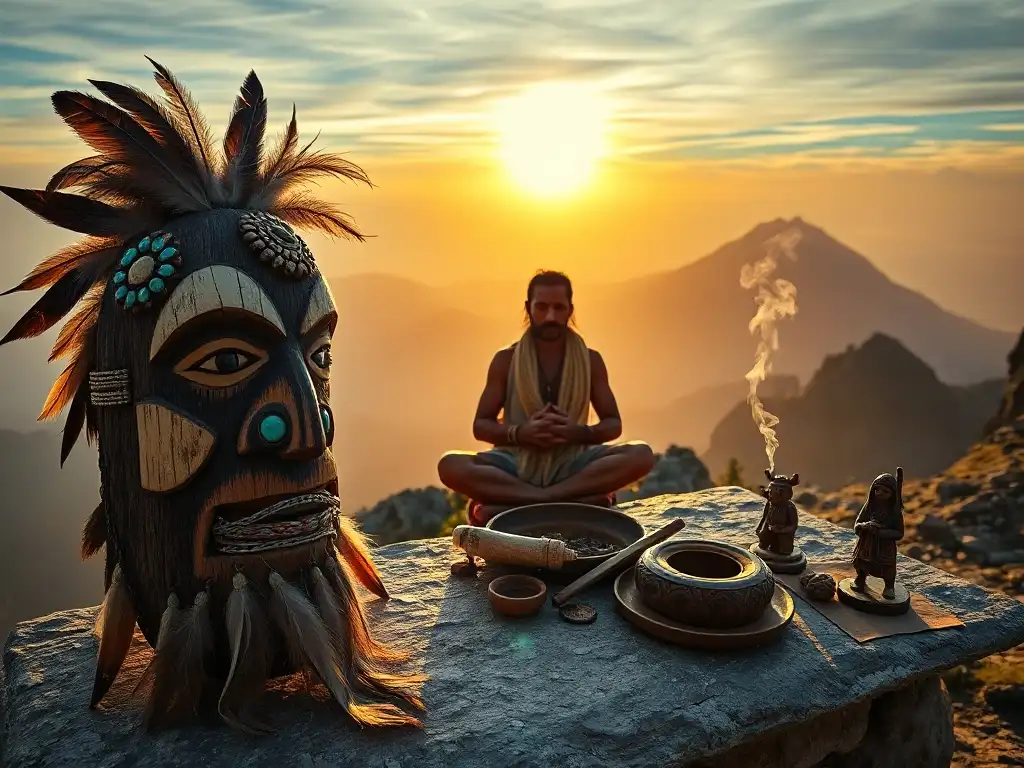
Step into a world lost to time, yet echoing with vibrant life. Journey through the breathtaking artistry of the Andes, where ancient shamans left behind a legacy woven in intricate symbols. Unlock the secrets of Andean shamanistic art symbolism and witness the profound spiritual transformations reflected in their captivating creations. Prepare to be amazed as we delve into the rich tapestry of meaning embedded within these mesmerizing works of art—a journey that will leave you forever changed.
The Andean region, home to a rich tapestry of ancient civilizations, boasts a fascinating artistic tradition deeply intertwined with shamanistic practices. This article delves into the compelling symbolism of spiritual transformation as depicted in Andean art, focusing on the role of the shaman as a conduit between the earthly and spiritual realms. We will explore the visual language employed by Andean artists to represent shamanic journeys, rituals, and the transformative power of these experiences.
Understanding this symbolism provides invaluable insight into the spiritual beliefs and worldview of these remarkable cultures, enriching our appreciation of their artistic legacy and its enduring impact. This exploration of Andean shamanistic art symbolism will uncover the multifaceted meanings embedded within the imagery, revealing a complex and captivating narrative of spiritual transformation.
Understanding Andean Shamanism and its Visual Language
Andean shamanism was not a monolithic entity; rather, it varied across different cultures and time periods. However, common threads unite these diverse practices. Shamans, often considered intermediaries between the human and supernatural worlds, played a crucial role in Andean societies.
They were believed to possess the ability to journey to other realms, communicate with spirits, and harness supernatural powers for healing, divination, and influencing events. This spiritual power was often visually represented in art through specific symbols, colors, and iconography. For example, the use of specific colors like red (associated with blood, energy, and the sun) and certain animals (condors representing the upper world and snakes representing the underworld) frequently appeared in depictions of shamanic rituals and journeys.
The visual language of Andean shamanism, therefore, is not merely decorative but a complex system of encoded meanings conveying profound spiritual beliefs. Understanding these visual cues is essential to unlocking the deeper significance of Andean art.
The Shaman Figure: A Key Element in Andean Art
The shaman figure itself is a recurring and central motif in Andean art. Representations vary across different cultures and time periods, reflecting regional stylistic differences and evolving beliefs. However, certain characteristics often identify the shamanic figure.
Depictions of Shamans in Ancient Andean Cultures
Depictions of shamans in Andean art often show them in dynamic poses, reflecting their active role in mediating between worlds. For instance, Moche pottery frequently illustrates shamans engaging in rituals, often depicted in trance-like states or interacting with supernatural beings. Nazca textiles, with their intricate designs, sometimes feature stylized shamanic figures adorned with symbolic attire. The Incas, while having a more centralized religious system, still included shamanistic elements in their art, though perhaps less explicitly than earlier cultures.
These depictions, while varying in style, consistently convey the shaman's power and connection to the spiritual realm. Analysis of these representations reveals a wealth of information about the shaman's role in Andean society and their connection to the supernatural. [Specific examples from different cultures pending further research].
Shamanic Attire and Ritual Objects: Iconographic Significance
The attire and objects carried or worn by shamans in Andean art are highly symbolic. Specific headdresses, masks, staffs, and other ritual paraphernalia carry significant meaning, often representing specific deities, spirits, or aspects of the shaman's power. For example, feathered headdresses might symbolize connection to the celestial realm, while specific types of masks could represent particular deities or spirits with which the shaman interacted.
The use of hallucinogenic plants, frequently depicted in art, further emphasizes the shaman's journey into altered states of consciousness. These carefully selected visual elements function as a visual code, revealing intricate details about the shaman’s role, the nature of their spiritual journeys, and the complex cosmology of Andean civilizations. [Detailed descriptions of specific attire and objects with their symbolic meanings pending].
The Journey of Transformation: Visual Metaphors
Andean shamanistic art frequently depicts the shaman's journey as a transformative process, visually represented through a variety of metaphors. These metaphors often involve ascents, descents, and crossings—reflecting the shaman's traversal of different realms of existence. The artistic representations aren't simply literal depictions of physical journeys, but rather symbolic narratives of spiritual growth and the shaman's ability to navigate between the earthly and spiritual worlds.
The use of vibrant colors, dynamic compositions, and symbolic imagery all contribute to conveying the intensity and transformative nature of this spiritual odyssey. For example, a recurring motif is the depiction of the shaman ascending a mountain, a powerful visual metaphor for the arduous yet rewarding climb towards enlightenment. The mountain itself symbolizes the challenges and obstacles the shaman must overcome, while the summit represents the attainment of spiritual mastery.
The Ascent to the Spirit World: Symbolic Representations
The ascent to the spirit world is a central theme in Andean shamanistic art. This ascent is often symbolized through the depiction of ladders, staircases, or winding paths leading upwards towards celestial realms. These pathways aren't merely physical constructs; they represent the shaman's spiritual progress and their ability to traverse the boundaries between the mundane and the sacred. The steepness and complexity of the path often reflect the difficulty and challenges inherent in the shaman's spiritual journey.
Furthermore, the presence of specific elements along the path—such as celestial bodies, spirit animals, or mythical creatures—adds layers of meaning and reinforces the symbolic nature of the ascent. Detailed depictions of these elements provide valuable insights into the beliefs and cosmology of the Andean cultures. The use of perspective and scale also plays a crucial role in emphasizing the shaman's transcendence of the earthly realm.
Animal Guides and Power Animals in Shamanistic Art
Animal guides and power animals feature prominently in Andean shamanistic art, symbolizing the shaman's connection to the natural world and the spiritual forces it embodies. Condors, jaguars, snakes, and llamas are frequently depicted, each possessing unique symbolic attributes. The condor, for instance, often represents the ability to soar to great heights, connecting the shaman to the celestial realm. The jaguar, with its nocturnal habits and predatory prowess, embodies strength, power, and the ability to navigate the underworld. The snake, a symbol of transformation and healing, represents the shaman's capacity for renewal and regeneration. The llama, a domesticated animal of great importance in Andean culture, may symbolize the shaman's connection to the earthly realm and their ability to mediate between the human and spiritual worlds. The specific animals depicted, along with their postures and accompanying symbols, offer valuable clues to understanding the shaman's role and the nature of their spiritual power.
The Use of Entheogens and their Artistic Depiction
The use of entheogens, or psychoactive substances, played a significant role in Andean shamanistic practices. While direct depictions of entheogen use are rare, their effects are often subtly conveyed through artistic representations of altered states of consciousness. The use of hallucinogenic plants such as San Pedro cactus or ayahuasca is suggested through depictions of swirling patterns, distorted figures, and vibrant, otherworldly colors.
These visual elements reflect the altered perceptions and visionary experiences associated with entheogen use. The artistic representations, therefore, are not simply aesthetic choices; they are powerful visual metaphors for the shaman's altered state of consciousness and their ability to access the spiritual realm through the use of these substances. Further research is needed to fully understand the nuanced ways in which Andean artists symbolically represented the effects of entheogens.
Key Symbols in Andean Shamanistic Art
Andean shamanistic art utilizes a rich vocabulary of symbols to convey complex spiritual meanings. These symbols, frequently integrated into textiles, ceramics, and metalwork, provide valuable insights into the beliefs and practices of Andean shamans. The interpretation of these symbols requires careful consideration of their context, as their meaning can vary depending on the specific cultural group and the artwork's overall composition.
The study of these symbols reveals a sophisticated understanding of cosmology, ritual practices, and the shaman's role as a mediator between the human and spiritual worlds. The enduring power of these symbols is evident in their continued presence in contemporary Andean art and culture.
The Chakana: The Andean Cross as a Cosmic Symbol
The Chakana, or Andean Cross, is one of the most recognizable symbols in Andean shamanistic art. This cross, with its stepped or tiered design, represents a complex cosmology encompassing multiple levels of reality. Each level of the Chakana is associated with specific spiritual forces and realms of existence. The lower levels often represent the earthly realm, while the upper levels connect to celestial spheres.
The central point of intersection symbolizes the shaman's ability to unite these different realms. The Chakana's significance extends beyond its cosmological interpretation; it also represents balance, harmony, and the interconnectedness of all things. Its presence in shamanistic art underscores the shaman's role in maintaining cosmic order and facilitating communication between the different levels of reality.
The Sun and Moon: Dualities in Andean Cosmology
The sun and moon are prominent symbols in Andean cosmology, representing fundamental dualities—male and female, day and night, light and darkness. In shamanistic art, the sun and moon are often depicted together, emphasizing their interconnectedness and interdependent nature. The sun, typically associated with male energy and power, represents creation and life-giving force.
The moon, representing female energy, symbolizes fertility, intuition, and the cyclical nature of existence. The interplay between these two celestial bodies reflects the dynamic balance of opposing forces in the Andean worldview and the shaman's ability to navigate and harmonize these dualities. The artistic representations of the sun and moon often include intricate details and symbolic embellishments, adding layers of meaning to their already profound significance.
Geometric Patterns and their Shamanic Interpretations
Geometric patterns are frequently found in Andean shamanistic art, often woven into textiles or carved into ceramics. These patterns are not merely decorative elements but carry profound symbolic meaning related to shamanistic practices and cosmology. Spirals, zigzags, and other geometric designs often represent the pathways of energy, the flow of time, or the movement of celestial bodies.
The repetition and symmetry of these patterns may also reflect the shaman's ability to create order and harmony within the cosmos. The specific geometric patterns used, along with their colors and placement within the artwork, offer valuable clues to understanding the shaman's spiritual beliefs and practices. Analyzing these patterns provides a window into the complex symbolic language of Andean shamanistic art, revealing deeper layers of meaning beyond their visual appeal.
Cultural Variations in Shamanic Art Symbolism
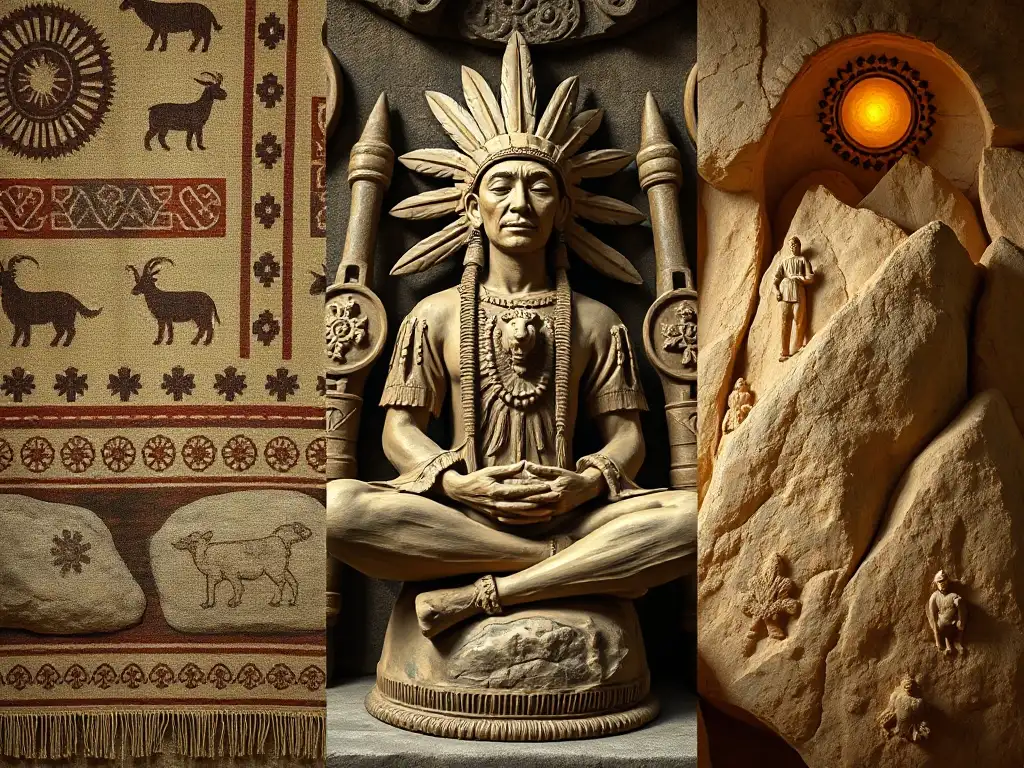
Andean shamanistic art symbolism wasn't monolithic; it varied significantly across different cultures and time periods. The specific symbols, their arrangement, and the overall artistic style reflected the unique beliefs and practices of each civilization. While common threads—like the emphasis on nature, transformation, and the spiritual world—connected these artistic expressions, the specific manifestations differed considerably.
For instance, the vibrant, often grotesque, depictions of Moche shamans contrast sharply with the more abstract and geometric designs found in Nazca pottery or the monumental stone carvings of Tiahuanaco. This diversity highlights the rich tapestry of spiritual beliefs that existed across the Andes. Understanding these variations is crucial for a complete appreciation of Andean shamanistic art and its role in shaping cultural identity.
The complexity of the symbolism underscores the sophisticated understanding of the spiritual world held by these ancient Andean societies. Further research into lesser-known Andean cultures could reveal even greater diversity in shamanistic art symbolism. Careful study of archaeological finds, coupled with anthropological interpretations, continues to illuminate the nuanced expressions of Andean spirituality.
Moche Shamanistic Art: Detailed Depictions of Rituals
Moche art, renowned for its exquisite craftsmanship and realistic depictions, provides unparalleled insights into their shamanistic practices. Ceramics, often found in elite tombs, vividly portray shamans in ritualistic contexts. These depictions frequently showcase shamans interacting with supernatural beings, engaging in ecstatic trances, or participating in elaborate ceremonies involving offerings and sacrifices. The intricate details, including clothing, adornments, and the expressions on the shamans' faces, offer a window into the Moche worldview. The use of vivid colors and dynamic compositions further underscores the importance and power attributed to these rituals. Specific iconographic elements, like hallucinogenic plants or specific animal imagery, appear repeatedly, suggesting a standardized symbolic language within Moche shamanistic circles. These detailed representations allow researchers to reconstruct, with remarkable accuracy, aspects of Moche religious life and the shaman's central role within their society. The sheer number of surviving artifacts offers a vast database for studying Moche shamanistic beliefs and practices.
Nazca Lines and their Possible Shamanic Connections
The enigmatic Nazca Lines, vast geoglyphs etched into the desert landscape, remain a source of ongoing debate and fascination. While their precise purpose is still uncertain, some scholars propose a connection to shamanistic practices. The colossal scale of the figures, often depicting animals and mythical creatures, suggests a ritualistic significance beyond mere artistic expression.
The act of creating these lines, a monumental undertaking requiring considerable organization and labor, might itself have been a ritualistic process. The lines' alignment with celestial events, such as solstices and equinoxes, further strengthens the argument for their shamanistic relevance. It's hypothesized that the lines served as a sacred landscape, a place where shamans could connect with the cosmos and perform ritualistic practices.
The immense effort involved in their creation speaks to the deep-seated religious beliefs that underpinned Nazca society and the crucial role of shamans in mediating between the human and spiritual realms. Further research focusing on the astronomical alignments and the potential use of the lines in ritual ceremonies is essential to fully understand their function.
Tiahuanaco Iconography and the Shamanic Journey
Tiahuanaco, a pre-Inca civilization in the Bolivian Andes, left behind a rich legacy of monumental architecture and intricate iconography. The intricate carvings on their stone structures often feature figures with distinctive attributes associated with shamanistic practices. These figures, frequently depicted with headdresses, staffs, and other symbolic objects, are believed to represent shamans or deities associated with the shamanic journey.
The repetitive motifs, such as stylized birds, felines, and anthropomorphic figures, suggest a complex cosmology and a highly structured religious system. The monumental scale of the structures themselves might have served as a backdrop for ritual performances and shamanistic ceremonies. The intricate details, often only visible upon close inspection, highlight the importance placed on these symbolic representations.
The precise meaning of the Tiahuanaco iconography is still being deciphered, but the evidence strongly suggests a profound connection to shamanic beliefs and practices. Ongoing archaeological excavations and analyses of Tiahuanaco art are continuously revealing new insights into their complex spiritual world.
The Enduring Legacy of Andean Shamanistic Art
The impact of Andean shamanistic art extends far beyond its historical context. The symbolism and imagery found in these ancient artifacts continue to resonate with contemporary Andean cultures and inspire artists worldwide. The enduring power of these symbols speaks to their fundamental connection to human experience, transcending cultural and temporal boundaries. The themes of transformation, spiritual journeys, and the interaction between the human and spiritual worlds remain universally relevant.
The artistic techniques and stylistic elements employed by Andean artisans have also influenced subsequent artistic movements. The legacy of Andean shamanistic art is a testament to the creativity and spiritual depth of these ancient civilizations. The ongoing study and appreciation of this art form contribute to a greater understanding of human spirituality and artistic expression. Its influence can be seen in various aspects of modern Andean society, from textiles and crafts to religious practices and cultural celebrations.
Modern Interpretations of Andean Shamanic Symbolism
Contemporary Andean artists and scholars continue to interpret and reinterpret the symbolism found in ancient shamanistic art. These reinterpretations often reflect contemporary social and political concerns, weaving together ancient traditions with modern perspectives. The symbols are recontextualized, adapted, and reimagined to address current issues and concerns. This process of reinterpretation demonstrates the ongoing vitality and relevance of these ancient symbols.
The appropriation of these symbols by contemporary artists reflects a deep-seated connection to their cultural heritage. The enduring power of Andean shamanistic art is evident in its continued influence on contemporary artistic expressions. This ongoing process of engagement ensures that the rich spiritual legacy of the Andean civilizations remains relevant and inspiring to future generations. Further research on contemporary Andean art practices would offer a deeper understanding of this ongoing dialogue between past and present.
The Influence of Shamanic Art on Contemporary Andean Culture
The influence of shamanistic art on contemporary Andean culture is profound and multifaceted. Many traditional crafts and textiles still incorporate motifs and symbols drawn from ancient shamanistic art. These symbols are not merely decorative elements; they carry deep cultural and spiritual significance, connecting contemporary Andean communities to their ancestral heritage. Religious practices and ceremonies often incorporate elements inspired by shamanistic art, reinforcing the enduring relevance of these ancient beliefs.
The enduring presence of these symbols in contemporary Andean life highlights the cultural continuity and the strength of these ancient traditions. This influence extends beyond material culture, shaping worldviews, beliefs, and social practices. Understanding this ongoing influence provides crucial insights into the dynamics of cultural transmission and the resilience of Andean cultural identity. Further studies exploring the role of shamanistic art in contemporary Andean communities are needed to fully grasp its significance.
Conclusion: The Power of Symbolism in Andean Shamanistic Art
The intricate symbolism woven into Andean shamanistic art offers a profound glimpse into the spiritual beliefs and practices of these ancient cultures. The journey depicted—from earthly concerns to celestial realms and back again—reflects not only the shaman's transformative experience but also the cyclical nature of life, death, and rebirth so central to Andean cosmology. The careful selection of motifs, the vibrant color palettes, and the meticulous craftsmanship all contribute to the power and enduring impact of these artistic expressions.
Understanding the symbolism embedded within these pieces allows us to appreciate the depth and complexity of Andean spirituality, moving beyond mere aesthetics to engage with the core beliefs that shaped these societies. The enduring legacy of Andean shamanistic art lies not only in its artistic merit but also in its ability to connect us with the rich spiritual heritage of a civilization that continues to inspire awe and wonder. Further research into specific regional styles and individual artistic expressions would undoubtedly unveil even more nuanced interpretations and deepen our understanding of Andean shamanistic art symbolism.
The study of these artifacts offers a unique window into a sophisticated system of belief, one that continues to resonate with contemporary audiences fascinated by the power of spiritual transformation and the enduring human quest for meaning. The ongoing discovery and analysis of these pieces promises to further enrich our understanding of Andean culture and its enduring relevance. The vibrant colors, intricate designs, and powerful imagery continue to speak to us across millennia, reminding us of the enduring human need for spiritual connection and the transformative power of belief.
- Understanding Andean Shamanism and its Visual Language
- The Shaman Figure: A Key Element in Andean Art
- The Journey of Transformation: Visual Metaphors
- Key Symbols in Andean Shamanistic Art
- Cultural Variations in Shamanic Art Symbolism
- The Enduring Legacy of Andean Shamanistic Art
- Conclusion: The Power of Symbolism in Andean Shamanistic Art
Frequently Asked Questions
What is Andean shamanistic art?
Andean shamanistic art encompasses the visual representations of spiritual beliefs and practices of Andean cultures. It often depicts rituals, deities, and the shaman's journey between the earthly and spiritual realms, using symbolic imagery. This art reflects the complex cosmology of these civilizations.
What are some common symbols in Andean shamanistic art?
Common symbols include condor and puma imagery, representing power and the connection between the earthly and spiritual worlds; geometric patterns symbolizing cosmic order; and depictions of shamans interacting with supernatural beings. These symbols are deeply embedded in Andean spiritual beliefs.
How did shamans use art in their practices?
Shamans likely used art in rituals and ceremonies, to visualize and communicate with the spirit world. Art objects might have served as tools, facilitating altered states of consciousness or communicating with deities. They were integral parts of their spiritual practices.
What is the significance of color in Andean shamanistic art?
Color held significant symbolic meaning. For example, red often represented blood, life force, and the sun, while yellow symbolized gold, power, and the sun's energy. Specific colors could evoke different spiritual energies and emotions.
How does Andean shamanistic art reflect spiritual transformation?
The art often depicts the shaman's journey through different realms, reflecting the process of spiritual growth and transformation. Images of death and rebirth, ascension and descent, highlight the cyclical nature of life and the shaman's role in mediating between worlds. This journey is central to Andean spiritual beliefs.
Final Reflection: Echoes of the Andes: A Legacy of Transformation
The vibrant symbolism woven into Andean shamanistic art isn't merely a relic of the past; it's a potent mirror reflecting our ongoing human quest for spiritual understanding and connection. The intricate depictions of jaguars, condors, and celestial bodies speak to timeless archetypes that resonate deeply within the human psyche, reminding us of the enduring power of myth and ritual in navigating life's complexities. These aren't just aesthetic choices; they are keys to unlocking a profound understanding of the Andean worldview and its enduring relevance.
The enduring influence of Andean shamanic practices and their artistic representations continues to shape our understanding of spirituality and the interconnectedness of all things. The art itself acts as a bridge across time, allowing us to engage with a rich spiritual tradition that emphasizes harmony with nature and the pursuit of inner wisdom. As the renowned anthropologist, Claude Lévi-Strauss, once observed: Myth is the highest form of expression of the human mind.
Andean shamanistic art, in its multifaceted symbolism, embodies this sentiment perfectly, offering a profound and visually stunning exploration of the human condition.
Consider the intricate details, the vibrant colors, the powerful imagery – let them inspire you to explore your own inner landscape. What personal journey of transformation are you undertaking? What symbols resonate with you, and what stories do they tell? Embrace the power of symbolism, not just as a means of understanding the past, but as a tool for navigating your own present and shaping your future. Let the echoes of the Andes guide you on your own unique path towards spiritual growth and self-discovery.
Embrace Your Own Shamanic Journey Today!
Thank you for exploring the profound spiritual transformation offered by Andean art. You've uncovered the rich symbolism and powerful narratives that shape these cultures' spiritual practices. Now, let's apply this knowledge to your personal journey.
Here are some ways to integrate shamanic principles into your life:
- Explore Your Inner World: Dedicate time to meditation, reflecting on the Andean art that resonates most deeply. This practice can illuminate your path of personal growth and transformation.
- Connect with Nature: Visit a natural space—a park, forest, or even your backyard—and observe your surroundings. Consider the sacred role nature plays in Andean spirituality. Record your feelings and insights in a journal.
- Share Your Discoveries: Connect with friends, family, or online communities interested in shamanism or cultural studies. Share articles, discuss your experiences, and foster a collective exploration of spiritual growth.
What image or story from Andean art resonates most strongly with you, and how will you incorporate its wisdom into your daily life?