
Faces of the Gods: Iconographic Representations of Andean Deities

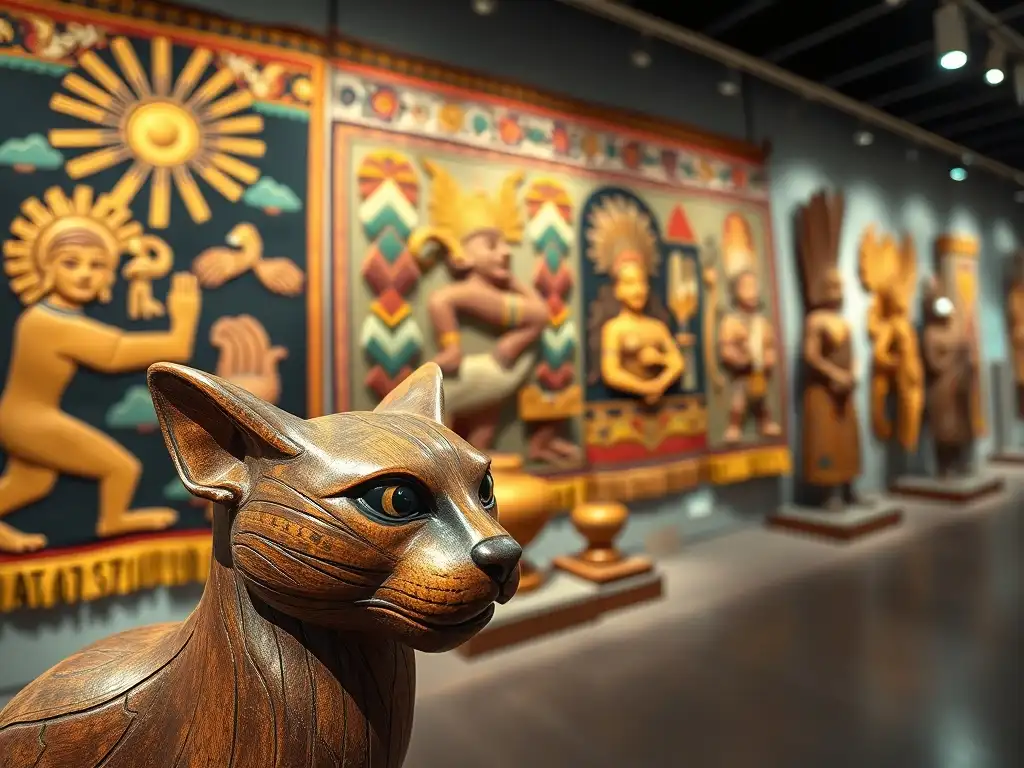
Step into a world lost to time, yet echoing with vibrant life. Journey through the breathtaking artistry and complex mythology of the Andes, where ancient civilizations left behind a legacy woven into stone, metal, and textile. Prepare to be captivated by the enigmatic power of Andean deity iconography, a visual language that speaks volumes about their beliefs and cosmology. Discover the hidden meanings behind the faces of the gods – their stories await.
- Faces of the Gods: Exploring Andean Deity Iconography
- Key Andean Deities and Their Iconographic Traits
- Analyzing Regional Variations in Andean Deity Iconography
- The Symbolism Behind Andean Deity Iconography
- Decoding the Messages: Insights from Andean Deity Iconography
- Conclusion: The Rich Tapestry of Andean Deity Iconography
- Frequently Asked Questions
- Final Reflection: Echoes of the Andes: A Legacy in Stone and Spirit
- Unveil the Mysteries of Andean Deities!
Faces of the Gods: Exploring Andean Deity Iconography
The Andes Mountains, a spine of towering peaks running down the western coast of South America, are not just a geographical feature; they are the cradle of a rich tapestry of ancient civilizations. For millennia, Andean cultures developed sophisticated belief systems centered around powerful deities, whose representations permeate the art, architecture, and daily life of these societies. This article delves into the fascinating world of Andean deity iconography, exploring the visual language used to depict these divine figures and understanding the complex symbolism embedded within their representations.
We will journey through the artistic expressions of various Andean cultures – including the Inca, Moche, Nazca, and Tiwanaku – to uncover the stories, beliefs, and power dynamics reflected in their depictions of gods and goddesses. This exploration will illuminate how these iconographic representations served not only as religious symbols but also as potent tools for social control, political legitimacy, and the transmission of cultural knowledge across generations.
Understanding Andean deity iconography provides a crucial key to unlocking a deeper appreciation for the complexities and richness of these remarkable ancient civilizations. We will analyze specific examples, highlighting the recurring motifs and stylistic variations that reveal the evolution and diversity of Andean religious thought.
Understanding the Significance of Andean Divine Representations
Andean religious beliefs were deeply intertwined with the natural world. Mountains, rivers, and celestial bodies were not simply elements of the landscape but were considered sacred entities, often inhabited by powerful deities. The iconography of these deities reflects this intimate connection, frequently incorporating natural elements such as animals, plants, and celestial bodies into their depictions. For example, the condor, a majestic bird that soared high above the Andes, was often associated with the sun god and represented power, strength, and royal authority.
Similarly, snakes, associated with fertility and the underworld, frequently appear in Andean iconography, representing both life-giving and destructive forces. The representation of deities wasn't static; it evolved over time and varied across different cultures and regions. However, certain recurring motifs and stylistic conventions provide valuable insights into the underlying beliefs and values of these societies.
Understanding the symbolism embedded within these representations requires considering the broader cultural context, including the social structures, political systems, and cosmological beliefs of the respective Andean cultures. Careful analysis of the materials used, the techniques employed, and the context of discovery allows us to piece together a more complete picture of the role these divine figures played in Andean life. The power dynamics inherent in the portrayal of certain deities also reveal hierarchical structures within Andean societies and the importance of ancestor veneration.
The Visual Language of Andean Gods: An Overview
The visual language used to represent Andean deities is remarkably diverse, reflecting the unique artistic styles and religious beliefs of different cultures. While specific depictions varied, certain common themes and stylistic elements emerge. The use of anthropomorphic and zoomorphic forms was prevalent, combining human and animal characteristics to create powerful and evocative images. For instance, the Moche culture, known for its intricate pottery, often depicted deities with exaggerated features, elaborate headdresses, and symbolic regalia.
These representations often depicted scenes of ritual sacrifice, warfare, or mythical events, providing valuable clues about their religious practices and beliefs. In contrast, the Nazca culture, famous for its geoglyphs, employed a more abstract style in their representations of deities, often using geometric patterns and stylized figures. The Inca, with their vast empire, developed a more standardized iconography, employing imperial symbols and standardized artistic conventions to reinforce their political power and religious authority.
The Tiwanaku culture, with its monumental architecture, created powerful images of deities associated with water and fertility, reflecting their unique cosmological beliefs. Analyzing these diverse styles allows us to appreciate the rich complexity of Andean religious expression and the ways in which these cultures articulated their relationship with the divine. Further research into specific examples within each culture will reveal more nuanced aspects of their respective iconographies, demonstrating the dynamism and evolution of their religious beliefs across time and space.
Key Andean Deities and Their Iconographic Traits
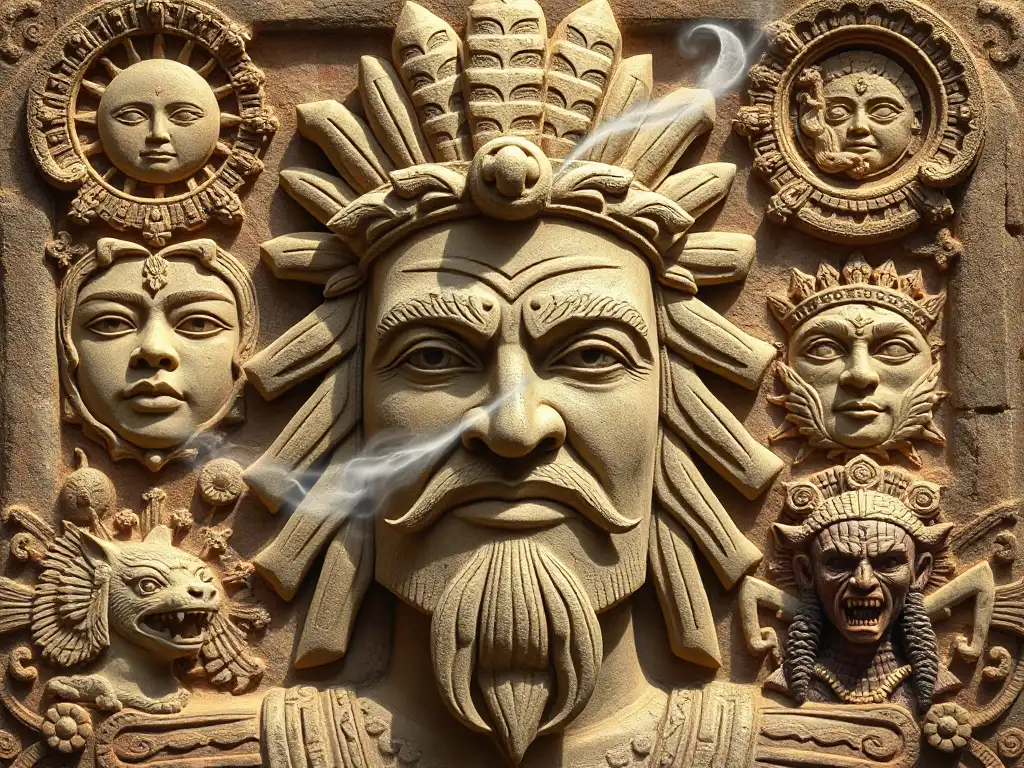
This section delves into the visual representations of key Andean deities, exploring the consistent and variable iconographic traits used to depict them across different cultures and time periods. Understanding these visual cues provides crucial insight into the beliefs and worldview of Andean civilizations. The consistent use of certain symbols and attributes across vast geographical areas and centuries speaks to the power and enduring nature of these deities within the Andean imagination. We will examine the iconography of three particularly prominent deities: Wiracocha, Inti, and Pachamama.
Wiracocha: The Creator God and His Depictions
Wiracocha, the creator god, is a fascinating case study in Andean deity iconography. His depictions vary significantly depending on the specific culture and time period. However, some common threads emerge. He is often represented as a bearded, humanoid figure, a striking feature considering the indigenous populations of the Andes. This unusual characteristic might reflect contact with other cultures or a symbolic representation of his divine and otherworldly nature.
Sometimes, Wiracocha is depicted wearing a long robe or tunic, signifying his authority and power. He is frequently shown holding a scepter or staff, further emphasizing his role as a ruler and creator. In some representations, he is shown with a calm and benevolent expression, while others portray him with a more severe or imposing countenance.
The variability in Wiracocha's depiction highlights the fluid and evolving nature of religious beliefs within the Andes. Different Andean groups might have adapted the iconography to suit their own cultural contexts, leading to a range of visual interpretations of the same deity. Further research is needed to fully understand the nuances of these variations and their regional significance. For example, [specific information pending] regarding the stylistic differences between Wiracocha representations in the coastal and highland regions. This would greatly enhance our understanding of the deity's evolving symbolic meaning.
Inti: Sun God Iconography in Andean Art
Inti, the sun god, is arguably one of the most consistently represented Andean deities. His iconography is readily identifiable across various cultures and time periods. He is most commonly depicted as a radiant sun disc, often with stylized human features, such as a face or eyes, incorporated into the design. This fusion of solar and human characteristics reflects the Andean understanding of Inti as a powerful, life-giving force with a direct influence on human affairs.
The sun disc itself is frequently adorned with intricate details, including rays extending outwards, often depicted in a dynamic and energetic manner. These rays symbolize the sun's power and its life-sustaining energy. The use of gold, a highly valued metal in Andean cultures, to create Inti's images further underscores his importance and divine status. Gold's association with the sun’s brilliance reinforces the visual connection. In addition to the sun disc, Inti is sometimes depicted in a more anthropomorphic form, as a powerful male figure, often wearing royal attire and regalia.
The prevalence of Inti's iconography in Andean art speaks volumes about the centrality of solar worship in their religious practices. The sun's crucial role in agriculture, the lifeblood of Andean societies, undoubtedly contributed to its elevated status as a deity. The meticulous craftsmanship and rich symbolism evident in Inti's depictions demonstrate the profound reverence in which he was held.
The detailed artistry reflects the importance of the sun god in the cultural and spiritual lives of the Andean people. Further study could analyze the specific variations in Inti's iconography across different regions and time periods, offering a more nuanced understanding of the Andean sun cult.
Pachamama: The Earth Mother's Symbolism
Pachamama, the earth mother, is another central figure in Andean cosmology. Her iconography is closely tied to the land itself, often represented through natural imagery. She is frequently depicted as a fertile, nurturing figure, often associated with mountains, plants, and animals. These visual elements reflect her role as the provider of sustenance and life.
Representations of Pachamama often feature her with abundant breasts, symbolizing her ability to nourish and sustain life. She might also be shown holding agricultural products, like corn or potatoes, further emphasizing her connection to the land's bounty. Her connection to the earth is often visually reinforced by her association with mountains, which are frequently depicted as female figures in Andean art.
Unlike the more consistently standardized iconography of Inti, Pachamama's representations are more varied and often less readily identifiable. This might be because her essence is less readily translated into a single, easily recognizable image; she is instead represented through a range of symbols associated with fertility, abundance, and the earth itself. This lack of a singular iconic representation does not diminish her importance, but rather highlights the multifaceted nature of her role in Andean beliefs. The diversity of her depiction reflects the many ways in which the earth nurtures and sustains life.
Additional research into regional variations in Pachamama's iconography would help to further clarify the nuances of her representation. For example, [specific information pending] on how different Andean communities visually represented their connection to Pachamama. This would provide a deeper understanding of the cultural significance of this vital deity.
Mama Quilla: Representations of the Moon Goddess
Mama Quilla, the Andean moon goddess, holds a significant place in the rich tapestry of Andean deity iconography. Her representations often emphasize her connection to fertility, femininity, and the cyclical nature of time. She is frequently depicted as a beautiful woman, sometimes adorned with crescent moon-shaped ornaments or headdresses. These ornaments directly symbolize her celestial identity, clearly linking her visual portrayal to her divine role.
The use of silver and gold in her depictions further underscores her association with preciousness and power. Interestingly, some representations show her with a feline companion, perhaps highlighting a connection to nocturnal animals and the hidden mysteries of the night. The stylistic variations in her depiction across different Andean cultures reveal a fascinating evolution of her iconography, reflecting diverse local interpretations of her divine attributes.
For instance, the Moche culture might portray her in a more naturalistic style, while the Inca might emphasize her regal status through elaborate clothing and jewelry. This variation in artistic style, while showcasing cultural differences, underscores the enduring importance of Mama Quilla across the Andean region. The consistency of the crescent moon motif, however, remains a powerful unifying element in her diverse iconographic representations.
Illapa: The God of Thunder and its Iconographic Manifestations
Illapa, the powerful god of thunder and lightning, is a prominent figure in Andean deity iconography. His visual representations often reflect his formidable nature and control over atmospheric phenomena. He is frequently depicted as a strong, often wrathful male figure, wielding a thunderbolt or club. These symbols, instantly recognizable as instruments of power and destruction, clearly communicate his authority over the elements.
The use of intense colors, particularly vibrant yellows and reds, in his portrayals further emphasize his fiery energy and the destructive potential of his storms. In some representations, Illapa is shown accompanied by clouds or rain, visually connecting him to the life-giving and destructive aspects of weather. Interestingly, some depictions reveal a dual nature, showing Illapa both as a bringer of life-giving rain and as a force of destruction. This duality reflects the Andean understanding of nature's complex and often unpredictable forces.
The iconography of Illapa is not static; it evolves across different Andean cultures, with varying stylistic choices reflecting specific cultural beliefs and artistic conventions. Despite these variations, the core symbolism of power, weather control, and sometimes duality remains consistent across his diverse visual depictions. Understanding these nuances is key to deciphering the complex religious beliefs of the Andean civilizations.
Supay: The Underworld God and His Visual Depictions
Supay, the fearsome god of the underworld, stands in stark contrast to the benevolent deities of the Andean pantheon. His iconographic representations often reflect his terrifying and sometimes ambiguous nature. He is typically depicted as a skeletal or demonic figure, often associated with death, disease, and the hidden world beneath the earth. In many representations, Supay is shown with fangs, claws, and other menacing features, underscoring his fearsome power.
The color palette used in his depictions frequently incorporates dark hues, such as blacks, browns, and deep reds, further reinforcing his association with the shadowy realm. Unlike the more benevolent deities, Supay's visual representations often lack the elaborate adornments and regal attire seen in the depictions of other gods. This lack of ornamentation emphasizes his connection to the raw, untamed forces of the underworld. However, the artistic portrayal of Supay varies significantly across different Andean cultures.
Sometimes, he's presented as a purely malevolent figure; other times, his role is more nuanced, perhaps representing a necessary aspect of the cyclical nature of life and death. Analyzing these variations in representation provides valuable insight into the complex and sometimes contradictory beliefs surrounding death and the afterlife in Andean cultures. The consistent use of dark colors and menacing features, however, remains a powerful visual shorthand for identifying this crucial, yet often unsettling, figure in Andean iconography.
Analyzing Regional Variations in Andean Deity Iconography
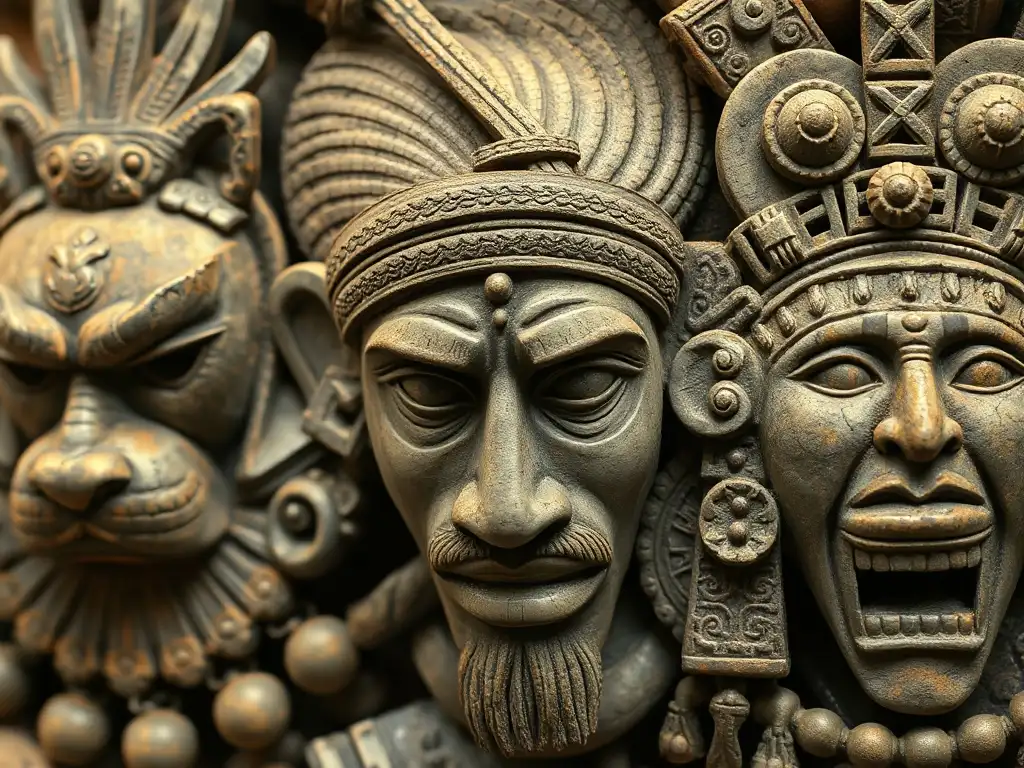
Andean deity iconography presents a fascinating tapestry of diverse styles and representations, reflecting the rich cultural and geographical landscapes of the ancient Andean world. While common threads of symbolism weave through different cultures, distinct regional variations offer unique insights into the beliefs and practices of individual civilizations. This section will explore some key examples, demonstrating the remarkable diversity within the overarching theme of Andean religious expression.
Understanding these variations is crucial for a complete appreciation of Andean deity iconography and its significance in shaping our understanding of these sophisticated societies. The analysis will focus on identifiable stylistic choices, materials used, and the contextual clues provided by archaeological findings. The meticulous study of these differences allows for a deeper understanding of the nuanced belief systems prevalent across the Andes.
Moche Iconography of Ai Apaec
The Moche civilization (c. 100-800 CE), renowned for its intricate pottery and metalwork, offers compelling examples of deity iconography. Ai Apaec, a powerful Moche deity often depicted as a fanged, monstrous figure, stands out. His iconography is consistently characterized by:
- Ferocious Appearance: Ai Apaec is almost always represented with a gaping maw filled with sharp teeth, often accompanied by bulging eyes and a fierce expression. This imagery emphasizes his power and potentially his association with warfare or shamanistic practices.
- Elaborate Headdress: His headdress is typically complex and ornate, frequently featuring feline features, suggesting a connection to the power and mystery of the animal world. Variations in the headdress details might indicate different aspects of the deity or even different ranks within the pantheon.
- Ritualistic Context: Ai Apaec is frequently depicted within scenes of sacrifice or ritual activity, further highlighting his importance in Moche religious life. The careful placement of Ai Apaec within these scenes, combined with the expressions of the surrounding figures, provides valuable contextual information about the rituals and beliefs associated with him. [Specific examples of pottery depicting Ai Apaec in ritual contexts pending].
The Moche's masterful craftsmanship allowed for incredibly detailed representations of Ai Apaec, revealing subtle variations across different artifacts. These subtle differences, though seemingly minor, offer crucial insights into the evolving understanding and interpretation of this powerful deity within Moche society. The consistent use of certain symbolic elements, alongside occasional variations, demonstrates a sophisticated and evolving religious system.
Nazca Lines and the Depiction of Mythological Creatures
While the Nazca civilization (c. 100 BCE – 800 CE) is best known for its enigmatic geoglyphs, their iconography also holds significant clues about their religious beliefs. While not directly depicting anthropomorphic deities in the same way as the Moche, Nazca iconography features a rich array of mythical creatures and zoomorphic representations that likely held religious significance.
The Nazca Lines themselves, with their vast scale and intricate designs, can be considered a form of monumental iconography. Many of the figures depicted are likely representations of deities or powerful spiritual beings, although their exact meaning remains a subject of ongoing research and debate. Examples include:
- Ornithomorphic Beings: Many geoglyphs depict birds, often with exaggerated features, suggesting a connection to the sky, the sun, and perhaps powerful avian deities.
- Reptilian Forms: Reptilian figures, including snakes and lizards, are also common, possibly symbolizing fertility, the earth, or the underworld.
- Hybrid Creatures: Many designs combine elements of different animals, creating hybrid creatures that represent complex mythological concepts. [Further analysis of specific Nazca Line figures and their potential symbolic meanings pending].
The sheer scale of the Nazca Lines, combined with the precision of their execution, suggests a significant investment of resources and labor, reflecting the importance of these representations within Nazca society. The enigmatic nature of the lines themselves adds another layer of mystery to the interpretation of their iconography.
Tiahuanaco's Iconographic Style of the Staff God
The Tiahuanaco culture (c. 500-1000 CE) developed a distinct iconographic style, characterized by its stylized representations of deities and its use of specific symbolic elements. The Staff God, a prominent deity in Tiahuanaco iconography, provides a prime example.
The Staff God is typically depicted with:
- A Staff: As the name suggests, the deity is always shown holding a staff, a powerful symbol of authority and spiritual power. The staff's ornamentation often provides further clues to the deity's attributes and associations.
- Geometric Patterns: The Staff God's clothing and body are frequently adorned with intricate geometric patterns, reflecting the Tiahuanaco's mastery of textile arts and their symbolic use of geometric forms. These patterns likely held specific religious meanings, though their precise interpretation remains a subject of ongoing research.
- Stylized Features: The Staff God's facial features are often stylized and somewhat abstract, emphasizing symbolic representation over realistic portrayal. This stylistic choice reflects a broader aesthetic preference in Tiahuanaco art, which often prioritized symbolic and geometric elements over naturalistic representation.
The Staff God's iconography appears across a wide range of media, including textiles, ceramics, and stone carvings. The consistent use of specific symbolic elements across these diverse media underscores the importance of the Staff God within Tiahuanaco religious belief. The consistent stylistic choices, despite the variety of mediums employed, highlight the cultural significance and influence of the Staff God within Tiahuanaco society. The careful analysis of these variations allows for a greater understanding of the subtleties within Tiahuanaco religious practices and beliefs. [Detailed analysis of variations in Staff God depictions across different mediums pending].
Inca Interpretations of Inti and Viracocha in Art
Inca iconography, deeply intertwined with their religious beliefs, offers a fascinating glimpse into their understanding of the cosmos and their deities. Inti, the sun god, and Viracocha, the creator god, held paramount importance, and their representations in art reflect this elevated status. Inca depictions of Inti often showcase him as a radiant sun disk, sometimes anthropomorphized with a human face, adorned with elaborate headdresses and jewelry.
These representations frequently appear on textiles, ceramics, and metalwork, emphasizing Inti's life-giving power and his role as the supreme ruler of the Inca world. The precision and detail in these depictions highlight the Inca's skilled craftsmanship and their deep reverence for their sun god. The use of gold, a material associated with the sun's brilliance, further underscores Inti's divine nature.
Viracocha's iconography is more varied and complex. While sometimes depicted as a powerful, bearded man, other representations show him in a more abstract form, emphasizing his role as a creator deity whose essence transcends physical limitations. He is often associated with water and is sometimes depicted emerging from a body of water or holding a staff that symbolizes his creative power.
These diverse representations reflect the multifaceted nature of Viracocha and his influence on all aspects of Inca life. The stylistic choices in representing Viracocha, ranging from realistic to abstract, suggest a deeper understanding of his omnipotence, a power that surpasses simple human comprehension.
The use of different materials and techniques in portraying Viracocha also hints at the vastness of his influence across the Inca empire. For example, stone sculptures of Viracocha might be found in monumental contexts, emphasizing his role as a foundational deity, while smaller ceramic representations might be found in more domestic settings, reflecting his presence in daily life.
Regional Differences and Similarities in Divine Representations
The vast Andean region saw the rise and fall of numerous powerful civilizations, each with its unique artistic styles and religious beliefs. While distinct regional variations exist in the iconography of Andean deities, certain similarities also emerge, suggesting shared cultural roots or interactions between different groups.
For instance, the representation of feline deities, often associated with power and fertility, appears across various Andean cultures, though the specific features and attributes of these feline gods vary significantly from region to region. The Moche culture, known for its elaborate ceramics, depicted feline deities with distinct features, reflecting their specific cultural context, while the Nazca culture, famous for its geoglyphs, presented their feline deities with different symbolic attributes, emphasizing different aspects of their power.
Despite these regional differences, the use of certain symbolic elements, such as staffs, scepters, and specific headdresses, appears across multiple cultures, hinting at a shared understanding of divine power and authority. These shared symbolic elements suggest either a common origin for these religious beliefs or extensive cultural exchange between different Andean groups.
Further research into the iconographic details and the archaeological contexts of these artifacts could shed light on the extent of cultural interaction and the evolution of religious beliefs across the Andes. The careful analysis of stylistic variations in the representations of similar deities across different regions can provide valuable insights into the dynamics of power, cultural exchange, and the development of religious ideologies in the ancient Andes.
The subtle differences in the artistic rendering of shared deities offer a rich tapestry of cultural nuances reflecting the diverse yet interconnected nature of Andean civilizations. This interconnectedness, though marked by regional distinctions, ultimately underscores the shared heritage and common threads that bind these fascinating cultures together.
The Symbolism Behind Andean Deity Iconography
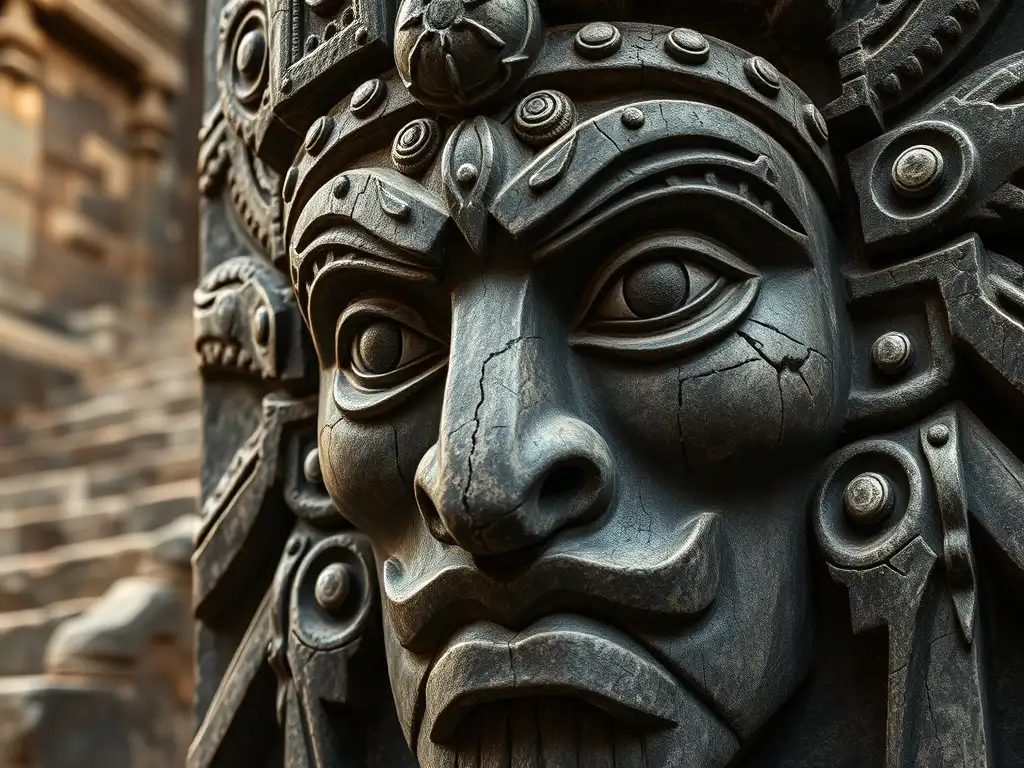
This section delves into the intricate symbolism embedded within the iconographic representations of Andean deities. Understanding this symbolism provides crucial insight into the religious beliefs and worldview of these sophisticated civilizations. The Andean worldview was deeply interconnected with the natural world, and this connection is powerfully reflected in the imagery used to depict their gods.
We will explore the key elements – animal motifs, geometric patterns, and the use of color – to unlock the secrets hidden within these captivating representations. The study of Andean deity iconography reveals a complex and fascinating system of beliefs, offering a window into the spiritual lives of the ancient Andean people.
Animal Motifs in Divine Representations
Animal motifs feature prominently in Andean deity iconography, often symbolizing specific attributes or powers associated with the divine. For example, the puma, a powerful predator, frequently appears in representations of deities associated with strength, warfare, and the underworld. Its nocturnal habits and association with darkness further cemented its connection to the unseen realms. Conversely, the condor, a majestic bird of prey soaring high above the Andes, is often linked to deities representing the sun, the sky, and supreme power. Its ability to reach great heights made it a fitting symbol of celestial divinity.
The serpent, another recurring motif, holds diverse meanings depending on the specific context. In some representations, it signifies fertility and the life-giving waters, while in others, it embodies the cyclical nature of life and death. The llama, crucial to Andean life, frequently appears as a symbol of abundance, prosperity, and the connection to the earth. Detailed analysis of these animal representations often reveals subtle variations in posture, color, and accompanying elements, which further refine their symbolic meaning. For instance, a puma depicted with open jaws might symbolize aggression, while a resting puma could represent power held in reserve.
The use of composite creatures, combining features from different animals, is also noteworthy. These chimeras often represent the blending of different divine attributes or the merging of different deities into a single powerful entity. The study of these composite figures offers valuable insights into the complex relationships between different divinities within the Andean pantheon. Further research into specific examples, including detailed photographic analysis and comparative studies with related artifacts, is needed to fully elucidate the significance of these fascinating iconographic choices.
Geometric Patterns and Their Spiritual Meanings
Geometric patterns are another fundamental element in Andean deity iconography, often carrying profound spiritual significance. These patterns, often intricately woven into textiles or carved into stone, are not merely decorative; they are symbolic representations of cosmological concepts, celestial bodies, and the structure of the universe. The khipu, a complex system of knotted strings used for record-keeping, also utilized intricate geometric patterns that likely held symbolic meaning beyond their practical function.
For example, spirals often represent the cyclical nature of time and the continuous regeneration of life, mirroring the Andean understanding of the cosmos. Zigzags, on the other hand, might symbolize mountains, lightning, or the pathways of the gods. The precise interpretation of these geometric patterns is often dependent on their context and the specific deity they accompany.
Further research into the mathematical relationships embedded within these patterns could reveal additional layers of meaning. The meticulous precision and repetition found in many examples suggest a deep understanding of geometry and its cosmological significance. Detailed studies of specific patterns found on different artifacts would shed further light on their specific meanings and variations across different cultures and time periods.
Colors and their Symbolic Associations with Gods
Color played a crucial role in Andean deity iconography, with specific hues carrying significant symbolic weight. Red, for example, was often associated with blood, sacrifice, and the life-giving power of the sun. It was frequently used in representations of powerful deities associated with war and fertility. Yellow, on the other hand, was often associated with gold, the sun, and royalty, symbolizing wealth, power, and divine authority.
Blue, often represented by lapis lazuli, was associated with the sky, water, and the celestial realm, signifying spirituality and connection to the divine. White was associated with purity, sacredness, and the Andean concept of pachamama, the Earth Mother. Black, while sometimes associated with the underworld, could also represent fertility and the mysteries of the cosmos. The use of these colors, often in combination, created complex visual narratives that conveyed profound spiritual meanings.
The specific symbolic associations of colors might vary slightly depending on the region and the specific deity depicted. However, a general understanding of the prevalent color symbolism provides valuable insights into the Andean worldview. Further research into regional variations in color usage would greatly enhance our understanding of this aspect of Andean deity iconography. A systematic cataloging of color usage in different artifacts, accompanied by detailed contextual analysis, would be a valuable contribution to the field.
The Use of Precious Metals and Their Significance in Iconography
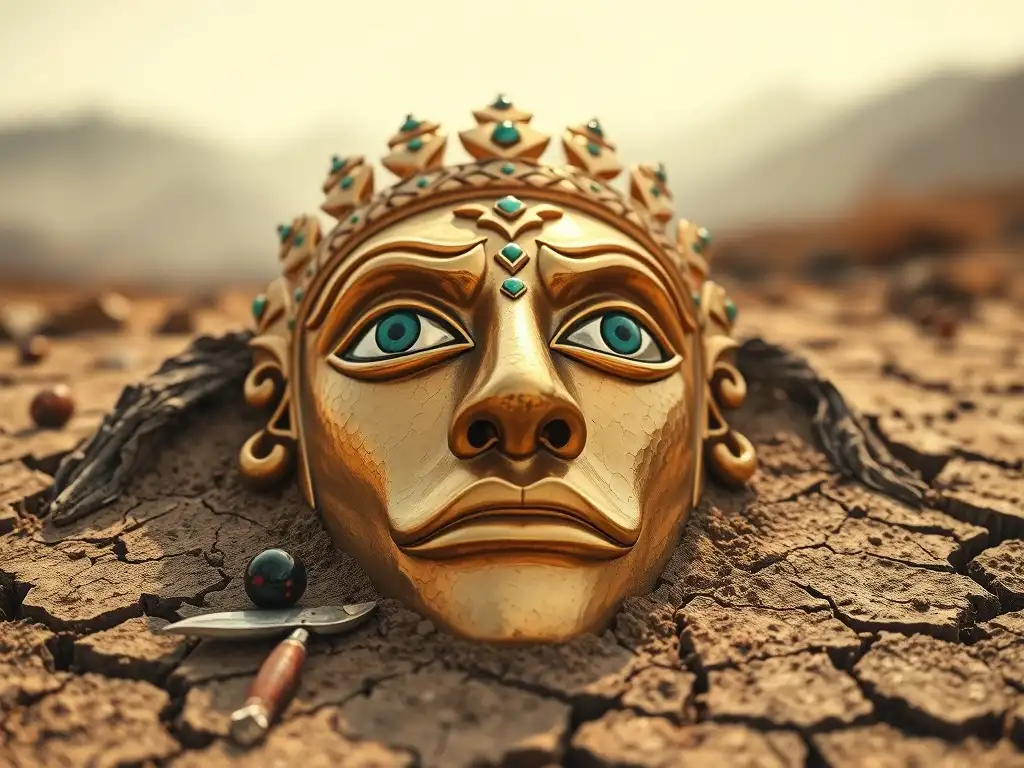
The use of precious metals like gold, silver, and copper in Andean deity iconography wasn't merely decorative; it held profound symbolic meaning, deeply intertwined with the Andean worldview. These metals, often painstakingly crafted into intricate figurines, masks, and jewelry depicting deities, represented the sun's radiant power, the moon's cool influence, and the earth's fertile bounty. Gold, in particular, was strongly associated with the sun god Inti, its shimmering brilliance mirroring the celestial body's life-giving energy. The Inca, for example, believed that Inti's power flowed through gold, making it a sacred material worthy of adorning representations of the deity.
Silver, with its cooler, lunar connotations, often featured in iconography associated with goddesses of fertility and water, reflecting the moon's cyclical influence on agricultural cycles and the life-giving properties of water. Copper, a metal readily available in the Andes, was also used, though perhaps less extensively than gold and silver, frequently employed in depicting deities associated with the earth and its resources. The meticulous craftsmanship involved in these pieces further emphasizes their sacred nature, reflecting the reverence and respect held for the deities they portrayed.
The sheer time and effort invested in their creation underscores the importance of these iconographic representations in Andean religious practices. Moreover, the use of these precious metals served to reinforce the power and status of the deities, visually representing their divine authority within the Andean cosmological system. The rarity and value of these metals also served to restrict access to such artifacts, further enhancing their sacred status.
Ritual Context and the Interpretation of Andean Divine Imagery
Understanding Andean divine imagery necessitates considering its ritual context. These iconographic representations weren't simply static objects; they actively participated in religious ceremonies and rituals, playing a vital role in mediating the relationship between the human and divine realms. For instance, during Inca ceremonies, golden figurines of Inti might be carried in processions, receiving offerings and prayers from participants. The act of offering precious objects to the deities, such as the use of gold and silver in the form of figurines or adornments, served as a way to appease the divine beings and secure their favor.
The interpretation of the imagery itself was often multifaceted, dependent on the specific ritual, the location, and the individuals involved. Scholars often analyze the specific iconographic elements—the postures, attire, and accompanying symbols—to discern the deity represented and the specific aspects of their power being invoked. For example, a deity depicted with agricultural symbols might be associated with a harvest festival, while a deity shown with weapons and battle regalia might be linked to warfare or protection. Furthermore, the placement of these images within specific sacred spaces, such as temples or burial sites, further informs their meaning and function.
The location of an iconographic representation played a significant role in how it was interpreted and its overall symbolic significance within the Andean cosmology. Therefore, a holistic approach is crucial for accurate interpretation, considering not only the visual elements but also their ritual function and spatial context within the broader Andean religious landscape. Studying these aspects together provides a more complete and nuanced understanding of the complex symbolism embedded within Andean deity iconography.
Decoding the Messages: Insights from Andean Deity Iconography
This section delves into the fascinating world of Andean deity iconography, exploring how ancient Andean cultures visually represented their gods and the complex messages embedded within these artistic expressions. Understanding these representations provides crucial insights into their cosmology, social structures, and relationship with the supernatural. The analysis of Andean deity iconography requires careful consideration of various factors, including the specific deity depicted, the medium used (e.g., textiles, ceramics, stone carvings), and the context of discovery.
Variations in style and symbolism across different Andean cultures – such as the Inca, Moche, Nazca, and Tiwanaku – further enrich the complexity of this field of study. The sheer diversity of artistic representations reflects the multifaceted nature of Andean beliefs and the dynamic interaction between the human and divine realms.
This intricate tapestry of visual symbols offers a powerful lens through which to understand the rich spiritual lives of these ancient civilizations. The study of Andean deity iconography is an ongoing process, with new discoveries and interpretations constantly enriching our understanding of these captivating cultures.
The Role of Deities in Andean Cosmology
Andean cosmology was deeply complex and multifaceted, with a pantheon of gods and goddesses representing various natural forces and aspects of life. The representation of these deities in art was not merely decorative; it served a vital function in reinforcing and communicating the intricate web of relationships within their cosmological system. For example, the Inca deity Inti, the sun god, was frequently depicted with radiating sunbeams, emphasizing his life-giving power and connection to the agricultural cycle.
His iconography consistently reinforced his supreme position within the Inca pantheon. Similarly, the depiction of Viracocha, the creator god, often featured him in a majestic pose, signifying his power and authority over all creation. The specific attributes and accompanying symbols associated with each deity varied across different cultures and time periods, but their consistent representation in art underscores their central role in Andean spiritual life and the overall structure of their worldview.
Analyzing these variations allows us to trace changes in religious beliefs and practices over time, providing invaluable insights into the evolution of Andean cosmology. Detailed studies of iconographic patterns reveal a sophisticated understanding of the cosmos and its intricate connection to human society.
The visual representation of Andean deities was instrumental in conveying their power and authority within the social hierarchy. The size, position, and accompanying symbols within a composition often indicated a deity's relative importance. Larger representations, prominent placement, and the inclusion of regalia such as crowns, staffs, and other symbolic objects, all served to visually assert the deity's dominance and influence.
For instance, depictions of the Moche deity Ai Apaec, often shown with a fearsome visage and elaborate headdress, clearly communicate his power and might. This emphasizes the importance of the deity in Moche society and reinforces the ruler's divine authority. Similarly, the iconography of the Nazca culture often depicted deities in dynamic poses, emphasizing their agency and control over natural forces.
The use of vibrant colors and intricate details further enhanced the impact of these visual statements, making them powerful tools for asserting religious authority and maintaining social order. The careful study of these artistic choices offers a profound understanding of the interplay between religious belief and political power in Andean societies.
The Relationship Between Humans and the Gods in Andean Culture
Andean iconography frequently portrays the complex relationship between humans and their gods. Representations often depict humans interacting with deities through rituals, offerings, or acts of devotion. These depictions illustrate the vital role religion played in daily life and highlight the belief in a reciprocal relationship between the human and divine realms.
For example, scenes depicting human sacrifices or offerings to deities emphasize the importance of appeasing the supernatural powers and ensuring the well-being of the community. The depiction of humans interacting with deities in a respectful or subservient manner emphasizes the hierarchy within this relationship. Conversely, some representations show deities interacting with humans in a more benevolent or protective way, underscoring the belief in divine support and intervention.
The diversity of these representations highlights the nuanced nature of the Andean relationship with the supernatural, one that was both reverential and pragmatic, shaped by a deep understanding of the interdependence between the human and divine worlds. Further research into the specific contexts of these artistic representations is crucial to fully understand the multifaceted nature of this relationship, offering further insights into the complex social and religious dynamics of Andean societies.
The Use of Tumis and Their Connection to Ritual Sacrifice
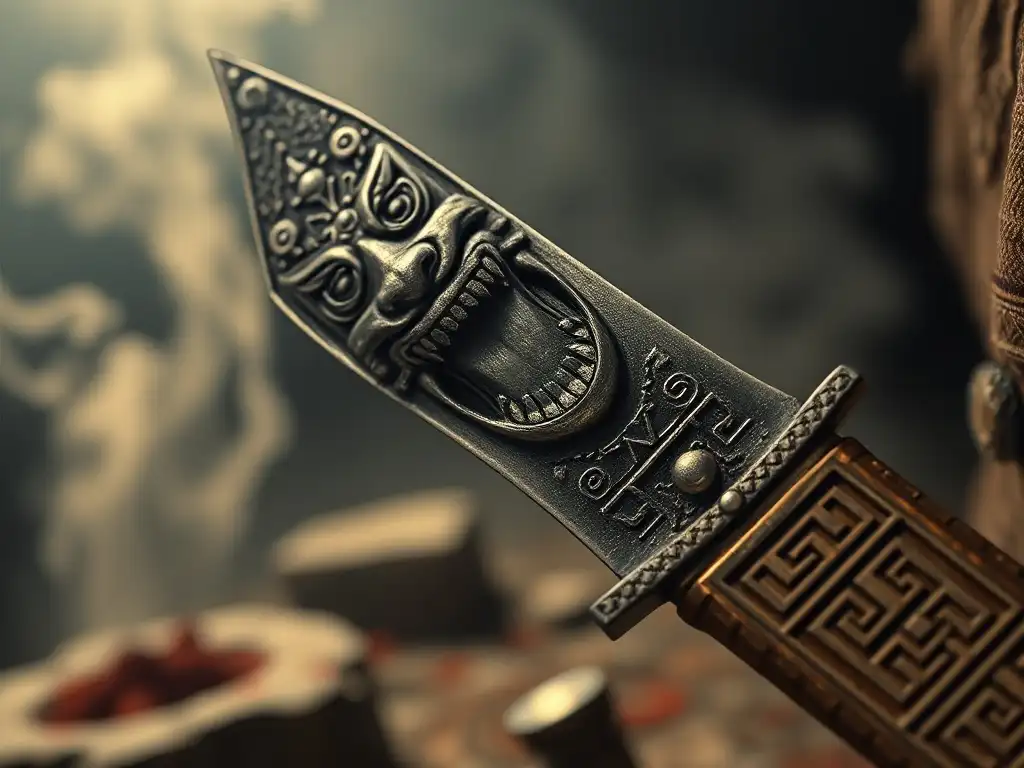
The iconic tumi, a crescent-shaped ceremonial knife, features prominently in Andean deity iconography, particularly within the context of ritual sacrifice. These weren't simply everyday tools; their elaborate designs, often depicting deities or mythical creatures, elevated them to sacred objects. The presence of a tumi in an iconographic representation often signifies a connection to a specific deity's power and dominion, frequently associated with themes of fertility, death, and rebirth. The act of sacrifice itself, often depicted alongside the tumi, was believed to appease the gods and maintain cosmic balance.
Different styles of tumi, varying in size, ornamentation, and material, are linked to distinct cultural groups and periods within the Andes, further enriching the complexity of their iconographic significance. The meticulous detail in the craftsmanship of many tumis showcases the high value placed upon them within Andean societies and highlights their central role in ritual practices. Archaeological evidence, such as the discovery of tumis in elite tombs alongside human remains, reinforces the association between these ceremonial knives and sacrificial rituals.
The iconography found on the tumis themselves often provides clues about the specific deities involved in these ceremonies and the nature of the offered sacrifice. For example, depictions of jaguars or condors might indicate a connection to powerful deities associated with the underworld or the heights of the Andes. The study of tumi iconography, therefore, offers invaluable insights into the religious beliefs and practices of Andean civilizations.
The Enduring Legacy of Andean Religious Imagery
The influence of Andean religious imagery extends far beyond the ancient civilizations themselves. The striking iconography of deities like Viracocha, Inti, and Pachamama continues to resonate in contemporary Andean cultures. Many traditional Andean communities still maintain practices and beliefs deeply rooted in ancient religious traditions, with iconographic representations playing a significant role in these practices. For example, the use of textiles and ceramics often incorporates motifs derived from ancient Andean deity iconography, demonstrating a continuity of artistic and religious expression across millennia.
Moreover, the reinterpretation and adaptation of ancient imagery in modern art and cultural productions further underscores the enduring legacy of these powerful symbols. From contemporary paintings and sculptures to tourism-related imagery, Andean religious iconography serves as a potent symbol of cultural identity and pride. This enduring legacy speaks to the profound impact these ancient beliefs and artistic expressions had on shaping Andean societies and their continued influence on their descendants. The study of Andean deity iconography thus provides a valuable lens through which to understand not only the past but also the present-day cultural landscape of the Andes.
The preservation and understanding of this rich iconographic heritage are crucial for appreciating the complexity and continuity of Andean cultures. The vibrant colors, intricate designs, and powerful symbolism of Andean religious imagery continue to captivate and inspire, serving as a testament to the enduring power of ancient beliefs and artistic traditions. The enduring legacy of these symbols is a reminder of the deep connection between the past, present, and future of Andean cultures and their enduring spiritual connection to the land and its deities.
Conclusion: The Rich Tapestry of Andean Deity Iconography
The study of Andean deity iconography unveils a complex and fascinating world of beliefs, rituals, and social structures. From the intricate textiles depicting celestial beings to the monumental stone carvings of powerful gods, the visual representations of Andean deities offer invaluable insights into the spiritual lives of these ancient societies. This intricate tapestry of symbols and imagery, woven over millennia, provides a powerful testament to the enduring influence of Andean religious thought.
Understanding the nuances of Andean deity iconography allows us to appreciate the sophistication and depth of their cosmological understanding, revealing a rich cultural heritage that continues to inspire awe and wonder. Further research into specific deities and their symbolic attributes will undoubtedly shed more light on the complexities of their beliefs and practices.
The sheer variety of artistic styles and materials used, from ceramics to metalwork, highlights the widespread importance of religious expression across different Andean cultures and time periods. The consistent presence of certain motifs and symbols, however, suggests a shared understanding of the divine across diverse regions and social groups.
The Importance of Studying Andean Divine Representations
Studying Andean divine representations is crucial for several reasons. Firstly, it allows us to reconstruct a more complete picture of the beliefs and worldview of these ancient societies. Iconography serves as a primary source of information, often more accessible than written texts, which are scarce for many Andean cultures.
By analyzing the stylistic choices, the materials used, and the contexts in which these representations were found, we can begin to understand the significance of specific deities, their roles in society, and the nature of their interactions with the human world. For example, the recurring depiction of the feline deity in Moche art illustrates its central role in their cosmology and its association with power, fertility, and the underworld. Detailed analysis of these depictions reveals subtle variations in style and attributes that reflect changing social and religious conditions over time.
Further research comparing iconographic styles across different Andean cultures could help identify potential connections and influences between them, enriching our understanding of the broader Andean cultural landscape. The careful examination of these representations is essential for a nuanced interpretation of Andean religious practices and beliefs.
The Role of Iconography in Preserving Cultural Memory
Andean deity iconography played a vital role in preserving and transmitting cultural memory across generations. Visual representations served as powerful mnemonic devices, reinforcing key religious beliefs and narratives. The repetition of certain symbols and motifs in different artistic mediums ensured the continuity of these traditions, even in the face of social and political upheaval. Consider the enduring presence of the condor, a powerful symbol of the Andes, in various forms of Andean art.
This iconic bird represents power, strength, and the connection between the earthly and celestial realms. Its depiction in textiles, ceramics, and stone carvings helped to perpetuate its significance across different Andean societies and over vast stretches of time. Moreover, the creation and interpretation of these images were often embedded within specific rituals and ceremonies, further reinforcing their importance in transmitting cultural knowledge.
The careful study of these artistic traditions provides invaluable insights into the ways in which Andean societies preserved and transmitted their cultural heritage, ensuring its longevity across centuries. The longevity of certain motifs and the evolution of others over time demonstrate the adaptable yet resilient nature of Andean cultural memory. The careful preservation and study of Andean deity iconography are therefore essential for understanding the rich tapestry of Andean culture and its enduring legacy.
Frequently Asked Questions
What is Andean deity iconography?
Andean deity iconography refers to the visual representations of gods and other supernatural beings in Andean cultures. This includes statues, pottery, textiles, and rock carvings, all showcasing unique stylistic features. These images offer valuable insight into their beliefs and rituals.
How did Andean cultures represent their deities?
Andean cultures employed diverse methods, including anthropomorphic (human-like) and zoomorphic (animal-like) forms. They also used abstract symbols and complex iconographic systems to convey meaning and power. The style varied significantly between different cultures and time periods.
What are some common symbols used in Andean deity iconography?
Common symbols include the sun, moon, and stars, representing cosmic forces. Animals like the condor and puma, symbolizing power and authority, were also frequently depicted. Specific objects and clothing also held symbolic weight, indicating the deity's role and attributes.
How did the Inca's deity iconography differ from other Andean cultures?
While sharing some common threads, Inca iconography often featured a more formal and standardized style. They emphasized representations of the Inca royal lineage and their connection to the gods. Other cultures like the Moche and Nazca demonstrated more regional variation and stylistic diversity.
Where can I learn more about Andean deity iconography?
You can explore museums showcasing Andean artifacts, academic journals and books on Andean art history, and online resources specializing in Andean archaeology and iconography. Many websites and digital archives offer extensive image collections.
Final Reflection: Echoes of the Andes: A Legacy in Stone and Spirit
The intricate iconography of Andean deities, far from being relics of a distant past, continues to resonate powerfully in contemporary society. These ancient images, carved in stone and woven into textiles, offer a profound window into a worldview that valued interconnectedness, respect for nature, and a complex understanding of the divine. Their enduring presence challenges us to reconsider our own relationship with the spiritual and the natural world.
The enduring power of Andean deity iconography lies not just in its aesthetic beauty, but in its ability to evoke a sense of awe and mystery. These images, often imbued with symbolic meaning layered across centuries, speak to a deep human need to connect with something larger than ourselves. They remind us of the rich tapestry of human belief systems and the enduring power of artistic expression to transmit cultural values across generations. The gods are not dead, but have gone into hiding,
a wise Andean elder once said, and I believe the echoes of their presence are found in the very stones that bear their likeness.
Consider the faces you have encountered in this exploration of Andean deity iconography. Let their enigmatic gazes inspire you to delve deeper into your own understanding of spirituality, community, and the environment. What stories do these ancient images whisper to you? What connections can you draw between their symbolic language and your own life? Embrace the opportunity to engage with this rich cultural heritage, not as a passive observer, but as an active participant in the ongoing conversation about the human spirit and its enduring quest for meaning.
Unveil the Mysteries of Andean Deities!
Thank you for joining us on this journey through the intricate and fascinating world of Andean deities. We hope you've gained new insights into their rich iconography and cultural significance. Now, let's continue your exploration!
Here are a few ways to deepen your understanding and engagement with Andean civilizations:
- Dive Deeper: Explore the wealth of ancient Andean texts and stories in our dedicated section to further unravel the complexities of these fascinating deities.
- Share Your Insights: Discuss your favorite Andean deity with friends, family, or online communities. What aspects of their imagery or mythology resonate most with you?
- Join a Community: Connect with other enthusiasts by subscribing to our newsletter or participating in online forums dedicated to Andean culture. Share your knowledge and learn from others.
What aspect of Andean deities surprised you the most, and how has it influenced your interest in ancient cultures?