
Forgotten Techniques: Ancient Andean Strategies for Keeping Food Fresh

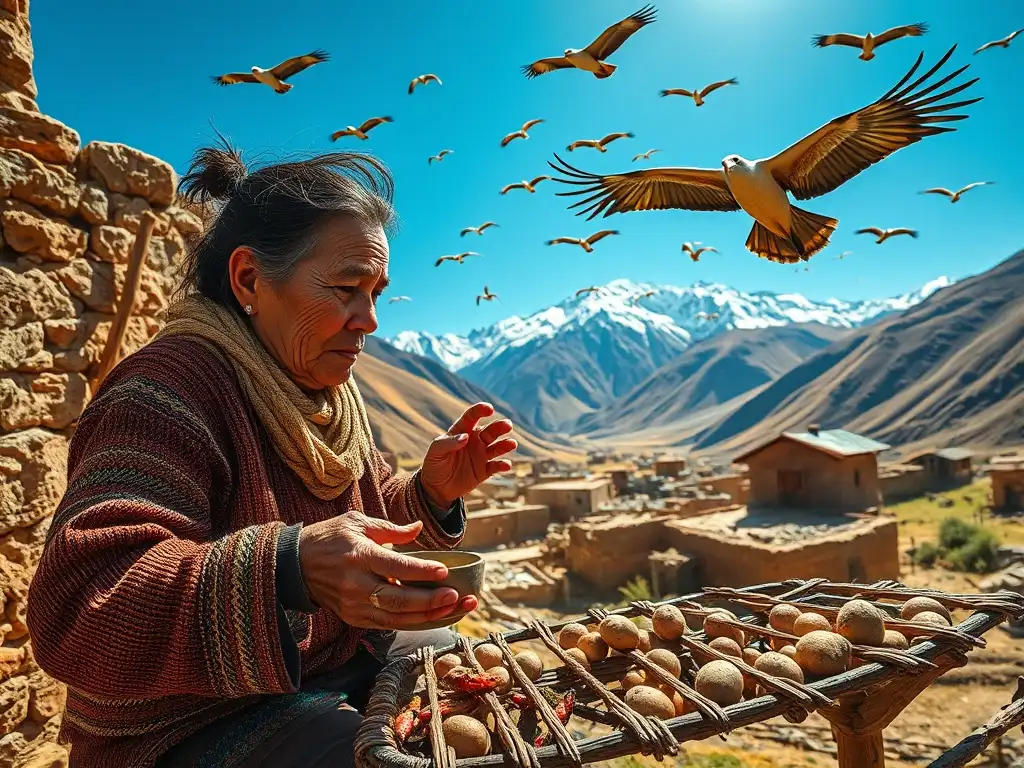
Dive into the captivating world of Andean Civilizations! Imagine a time before refrigeration, where ingenious techniques ensured the survival of entire empires. This is the story of ancient Andean food preservation techniques, strategies so advanced they challenge our modern understanding of food security. Uncover the secrets behind their remarkable ingenuity and discover how these lost arts shaped the vibrant tapestry of Andean culture. Prepare to be amazed...
The Andes Mountains, a formidable yet breathtaking landscape, presented ancient civilizations with unique challenges, not least of which was preserving food. This article delves into the ingenious and often forgotten techniques employed by cultures like the Inca, Moche, Nazca, and Tiahuanaco to ensure food security in a region characterized by varied altitudes, climates, and terrains.
Understanding these ancient Andean food preservation techniques offers a fascinating glimpse into their resourcefulness, ingenuity, and deep connection to their environment. We will explore the methods they used to store and preserve a variety of foods, from the humble potato to more exotic Andean crops, highlighting the remarkable adaptations that allowed these societies to thrive in such a demanding environment.
This exploration will reveal not only the practical aspects of food preservation but also the cultural significance embedded within these practices. The keyword "ancient Andean food preservation techniques" will be explored throughout this article, detailing the innovative solutions developed to counter the problems of spoilage and scarcity.
Introduction to Ancient Andean Food Preservation
Ancient Andean societies developed a sophisticated understanding of food preservation, necessitated by the harsh realities of their environment. The fluctuating temperatures, high altitudes, and diverse microclimates of the Andes demanded creative solutions to prevent spoilage and ensure a consistent food supply throughout the year. Their strategies weren't simply about extending shelf life; they were integral to their social structures, religious beliefs, and economic systems.
Unlike modern methods relying heavily on technology, these techniques relied on a deep knowledge of natural processes and readily available materials. This included a diverse range of methods, showcasing remarkable ingenuity and adaptation to the challenges posed by their environment. For instance, the Incas employed sophisticated storage techniques in their qollqas (storehouses), utilizing ventilation and specific building materials to regulate temperature and humidity.
The preservation methods varied depending on the foodstuff and the specific environmental conditions. Some common techniques involved drying, freezing, fermentation, and the use of natural preservatives such as salt and herbs. These methods were not isolated practices but formed a complex system interwoven with their agricultural practices, trade networks, and social organization.
Understanding the nuances of these techniques requires examining them within their broader socio-cultural context. The effectiveness of these ancient Andean food preservation techniques was critical to the success and longevity of these remarkable civilizations. The application and innovation shown in these processes highlight a deep understanding of their environment and the needs of their society.
The Challenge of Food Storage in the Andes
The Andes posed significant hurdles for food preservation. The extreme variations in altitude resulted in vastly different climates, from the frigid peaks to the warmer valleys. This meant that preservation methods had to be adaptable to a wide range of temperatures and humidity levels. Furthermore, the terrain itself presented logistical challenges. Transporting food across mountainous regions was arduous and time-consuming, making efficient preservation all the more crucial.
The Andean landscape also influenced the types of crops cultivated. The potato, for example, became a staple due to its adaptability to diverse conditions and its suitability for various preservation methods. However, preserving even this versatile crop required careful planning and a deep understanding of its properties. Other crops, such as maize, quinoa, and various beans, presented their own unique challenges in terms of storage and preservation, demanding specific techniques to maintain their quality and nutritional value.
The sheer diversity of crops and the diverse environments they were grown in contributed to the complexity of ancient Andean food preservation techniques. The effective preservation of these varied food sources was fundamental to the survival and prosperity of the Andean civilizations. This required a highly developed understanding of the environment and the properties of different foods.
- What were some common ancient Andean food preservation techniques?
- How did the Incas preserve potatoes, a staple crop?
- What role did fermentation play in ancient Andean food preservation?
- Did the varied climates of the Andes influence preservation methods?
- How effective were these ancient methods compared to modern techniques?
Traditional Andean Methods of Food Preservation
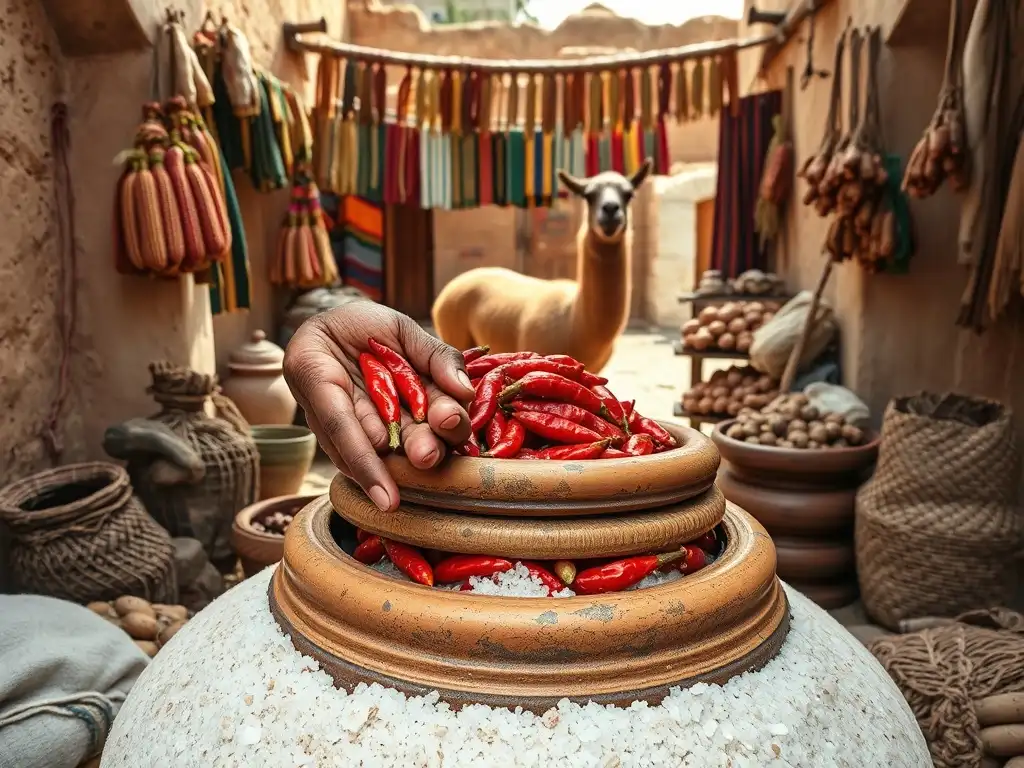
Ancient Andean food preservation techniques were remarkably sophisticated, reflecting a deep understanding of their environment and the needs of their communities. These methods, passed down through generations, ensured food security in a challenging landscape characterized by diverse altitudes and climates. This section will explore some of the most effective strategies employed, focusing on drying and fermentation—two cornerstones of Andean food preservation.
The ingenuity and effectiveness of these ancient techniques highlight the advanced knowledge of Andean civilizations in managing their food resources and adapting to their surroundings. Understanding these methods offers valuable insights into the resilience and resourcefulness of Andean cultures, paving the way for a deeper appreciation of their agricultural achievements.
Drying Techniques: Harnessing the Sun and Wind
The Andean highlands, with their intense sunlight and dry winds, provided an ideal environment for drying food. This method was, and remains, a crucial technique for extending the shelf life of a variety of crops. The process significantly reduces moisture content, inhibiting the growth of microorganisms that cause spoilage.
The resulting dried foods are lightweight, easy to transport, and can be stored for extended periods. This allowed for efficient food storage during lean seasons and facilitated trade between different Andean communities. The ingenuity and effectiveness of this method, considering the limited technology available to the Andean people, is truly remarkable.
The Art of Sun-Drying Andean Crops
Sun-drying, a prevalent method, involved spreading harvested crops like potatoes, corn, and quinoa thinly on flat surfaces or woven mats. The intensity of the Andean sun, particularly at higher altitudes, facilitated rapid dehydration. The placement and orientation of the drying surface were crucial, often adjusted throughout the day to maximize sun exposure and airflow.
Careful monitoring was essential to prevent spoilage due to excessive moisture or pest infestation. Specific techniques varied depending on the crop and local conditions, demonstrating a nuanced understanding of the interplay between climate and preservation. For instance, potatoes were often cut into thin slices before drying to ensure efficient dehydration and prevent rotting.
Wind-Drying Methods: Utilizing Natural Airflow
While sun-drying relied primarily on solar energy, wind-drying techniques leveraged the natural airflow prevalent in many Andean regions. This method was often employed in conjunction with sun-drying, especially for crops that required more controlled drying or were sensitive to direct sunlight. Elevated platforms or structures, often made from readily available materials like wood and reeds, were used to enhance airflow around the food, promoting faster and more uniform drying.
This technique was particularly important for delicate crops like herbs and certain fruits, minimizing the risk of damage from direct sun exposure. The careful consideration of wind patterns and the strategic design of drying structures reflect a deep understanding of environmental factors.
Fermentation: A Natural Process for Preservation
Fermentation, a biological process involving the breakdown of sugars by microorganisms, was another vital ancient Andean food preservation technique. This process not only extends the shelf life of food but also enhances its nutritional value and creates unique flavors. A range of foods and beverages were fermented, utilizing naturally occurring microorganisms or specific starter cultures passed down through generations. The process was often carried out in carefully constructed containers, reflecting a sophisticated understanding of microbiology and food safety. This technique demonstrates a remarkable level of understanding of the biological processes involved in food preservation.
Fermented Beverages: Extending Shelf Life
Fermented beverages, such as chicha, played a significant role in Andean culture, serving both as a source of sustenance and a social lubricant. Different types of chicha were made from various grains, fruits, and tubers, each with its unique fermentation process and flavor profile. Fermentation not only extended the shelf life of the base ingredients but also produced alcoholic beverages with increased nutritional and medicinal value.
The specific techniques involved in chicha production varied across different regions and communities, reflecting a rich diversity of practices. The production of chicha exemplifies the ancient Andean ability to transform readily available resources into nourishing and culturally significant products.
Fermented Foods: Preserving Nutrients
Beyond beverages, fermentation was also used to preserve a variety of foods. For example, certain types of potatoes and other tubers were fermented to create unique flavors and extend their shelf life. These fermented products provided a valuable source of nutrients during periods of scarcity.
The specific processes involved in these fermentations often involved carefully controlled environments and techniques to ensure the desired outcome. The preservation of nutrients through fermentation highlights the understanding of the importance of dietary diversity and nutritional balance within the Andean diet. These techniques showcased an ability to maximize the nutritional value of available resources, demonstrating a deep understanding of the relationship between food and health.
Salting: An Ancient Method for Meat and Fish
Salting, a remarkably simple yet effective method, was a cornerstone of ancient Andean food preservation. The readily available supply of salt from the Andean salt flats, like the Salinas Grandes in Argentina, provided the civilizations with a crucial tool for extending the shelf life of perishable foods, particularly meat and fish. This technique wasn't merely a matter of sprinkling salt; it involved a nuanced understanding of salt concentration, drying techniques, and storage conditions to achieve optimal preservation.
The effectiveness of salting stemmed from its ability to draw out moisture from the food, thus inhibiting the growth of microorganisms responsible for spoilage and decay. This process, combined with the inherent antimicrobial properties of salt itself, significantly extended the usability of otherwise quickly deteriorating proteins.
The abundance of camelids, like llamas and alpacas, in the Andes meant that preserving their meat was vital for survival during lean times or for long journeys. Salting allowed for the storage of substantial quantities of meat, ensuring food security for communities throughout the year.
The Use of Salt in Preserving Animal Products
The Andean peoples developed sophisticated methods for salting various animal products. For instance, llama and alpaca meat was often cut into strips or chunks before being generously coated with salt. The amount of salt used varied depending on the climate and the desired preservation time. In drier regions, less salt might have been used, relying more on the natural desiccation process.
Conversely, in more humid areas, a heavier salting was likely employed. After salting, the meat would often be left to dry in the sun or in well-ventilated areas, further reducing moisture content and hindering microbial growth. This careful balance of salting and drying ensured that the meat remained palatable and nutritious for extended periods.
Evidence suggests that certain communities also utilized specific types of salt, potentially those with higher mineral content, believing them to enhance preservation or impart particular flavors. Further research is needed to fully understand the nuances of these practices and the specific types of salt employed. Archaeological excavations continue to unearth further clues about the intricate details of this ancient technique.
Preservation of Fish Through Salting
Coastal communities in the Andes relied heavily on salting for preserving fish. The proximity to the Pacific Ocean provided ample sources of protein, but the perishability of fish required efficient preservation methods. Salting fish involved similar principles to preserving meat, but the techniques were often adapted to the specific characteristics of different fish species.
Smaller fish might have been salted whole, while larger ones were often gutted and filleted before salting. The salting process could be further enhanced by smoking or sun-drying, creating a longer-lasting and more flavorful product. The specific methods varied depending on the type of fish and the climatic conditions.
The ingenuity of these techniques allowed coastal communities to enjoy a consistent supply of protein throughout the year, even during periods when fishing was less productive. These practices highlight the adaptability and resourcefulness of the Andean people in harnessing the natural environment for food security. The integration of salting with other preservation techniques showcases a deep understanding of food science and a commitment to minimizing food waste.
Unique Andean Storage Techniques
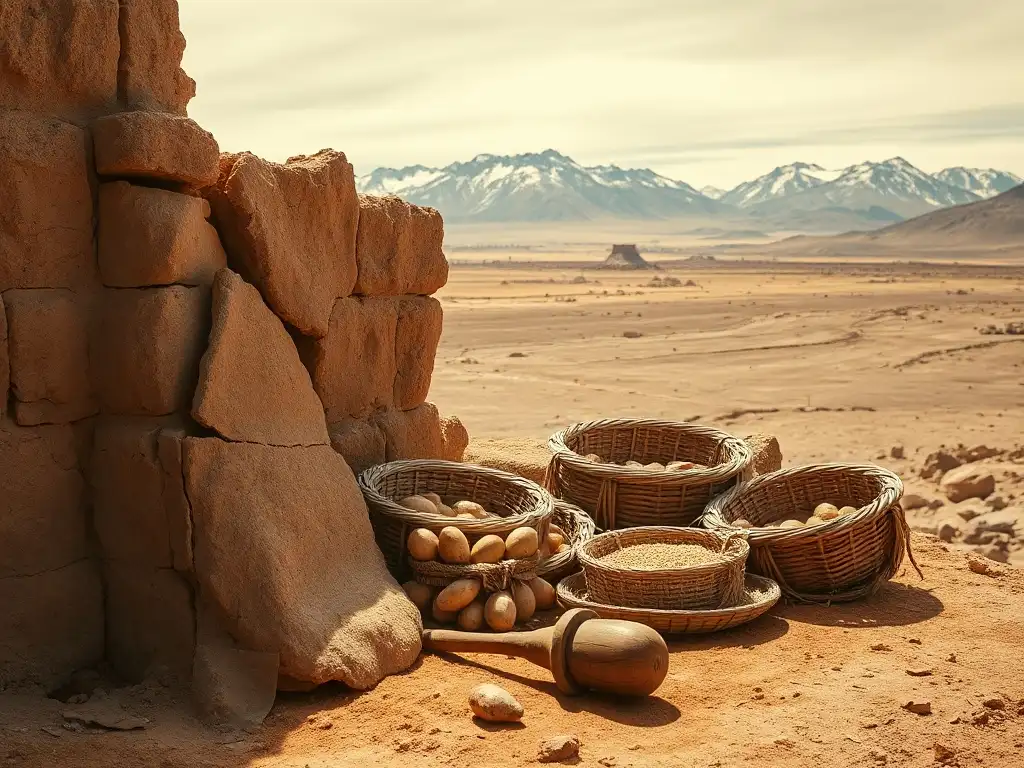
The Andes Mountains presented unique challenges and opportunities for ancient Andean civilizations regarding food preservation. The diverse geography, ranging from arid coastal deserts to high-altitude plains, necessitated the development of ingenious techniques to keep food fresh and prevent spoilage. These techniques, often passed down through generations, demonstrate a deep understanding of their environment and a remarkable ingenuity in resource management.
Understanding these ancient Andean food preservation techniques reveals a fascinating aspect of their sophisticated agricultural systems. The ingenuity displayed in food preservation mirrored their advancements in agriculture, irrigation, and terracing, all crucial for survival in such a demanding environment. This section will explore some of the most remarkable storage methods employed.
High-Altitude Storage: Taking Advantage of Cold Temperatures
The frigid temperatures found at high altitudes in the Andes provided a natural form of refrigeration. Ancient Andean communities strategically utilized this environmental advantage to extend the shelf life of perishable foods. This wasn't simply a matter of leaving food outside; rather, it involved careful selection of storage locations and containers.
Natural Refrigeration in the Andes
The effectiveness of high-altitude storage relied on several factors. Firstly, the lower temperatures slowed down the metabolic processes in food, inhibiting bacterial growth and enzymatic activity. Secondly, the lower humidity at these altitudes reduced the risk of mold and fungal growth, common culprits in food spoilage. Thirdly, the selection of storage containers played a vital role.
Simple woven baskets lined with dried grasses or animal hides helped insulate the food and protect it from the elements. Evidence suggests that some communities utilized natural caves and rock shelters to further enhance the cooling effect. The placement of food within these shelters, perhaps elevated off the ground on platforms, also contributed to its preservation. Archaeological findings continue to shed light on the precise methods employed, revealing the sophistication of these seemingly simple strategies.
For instance, the arrangement of stones within some storage areas suggests intentional airflow management to optimize cooling. This demonstrates a deep understanding of thermodynamics, far exceeding what might be initially assumed from the simplicity of the technique. More research is needed to fully understand the nuanced strategies employed in different Andean regions. [Specific information pending] on the exact types of food preserved using this method in various regions.
Underground Storage Pits: Keeping Food Safe
Beyond high-altitude storage, the ingenious people of the Andes developed sophisticated underground storage systems. These weren't simply holes in the ground; they were carefully constructed chambers designed to maintain a stable temperature and humidity, thereby protecting food from spoilage and pests. This method showcases an advanced understanding of environmental control and engineering.
The Construction of Underground Storage Chambers
The construction of these underground storage chambers varied across different Andean cultures and regions. However, common features included:
| Feature | Description | Benefits |
|---|---|---|
| Location | Often situated in dry, well-drained areas, away from surface water. | Minimizes moisture and reduces the risk of water damage and microbial growth. |
| Materials | Stone, clay, and wood were commonly used, sometimes incorporating local materials. | Durability, insulation, and water resistance. |
| Shape and Size | Varied depending on needs, from small pits for individual families to larger structures for communities. | Flexibility to accommodate different storage needs and quantities of food. |
| Ventilation | Some chambers incorporated ventilation systems, possibly through cleverly placed openings. | Helps maintain optimal temperature and humidity levels, reducing spoilage. |
| Sealing | Chambers were often sealed with earth, clay, or other materials. | Protects food from pests, moisture, and temperature fluctuations. |
The creation of these underground stores required considerable labor and planning, demonstrating the importance placed on food security within Andean societies. These structures represent a remarkable feat of engineering and a testament to their commitment to sustainable food practices. The meticulous construction and consideration of environmental factors underscore the sophisticated understanding of preservation techniques.
Further research could illuminate the precise techniques used for sealing and ventilation, providing a more complete picture of this impressive feat of Andean ingenuity. The discovery of new sites and ongoing analysis of existing ones will undoubtedly unveil more details about these remarkable underground storage systems and their role in the survival and prosperity of ancient Andean civilizations.
The longevity of some of these structures is a testament to the quality of their construction and the understanding of environmental factors at play. The careful selection of location and building materials further highlights the sophisticated nature of their engineering capabilities.
The Role of Specialized Storage Facilities in Andean Societies
Specialized storage facilities played a crucial role in the survival and prosperity of Andean societies. These weren't simply places to keep food; they were integral to the complex social, economic, and political structures that characterized these civilizations. The scale and sophistication of these facilities varied across different cultures and time periods, reflecting the unique environmental challenges and societal needs of each group.
For instance, the arid coastal regions required different storage solutions compared to the higher-altitude Andean valleys. The construction of these facilities, often involving significant labor and engineering expertise, demonstrates the high value placed on food security and resource management. The very existence of these structures highlights the advanced planning and organizational capabilities of ancient Andean communities, showcasing their ability to anticipate and mitigate the risks associated with food scarcity and environmental variability.
Furthermore, the location and design of storage facilities often reflected strategic considerations, such as proximity to agricultural lands, trade routes, or population centers. This strategic placement further underscores the importance of efficient food distribution and control within the broader societal framework. The effectiveness of these storage methods is evident in the longevity and success of these civilizations, which thrived for centuries despite facing significant environmental challenges.
Examples of Storage Centers: Inca Granaries
Inca granaries, known as qollqas, stand as prime examples of sophisticated Andean storage technology. These weren't just simple structures; they were carefully designed to optimize food preservation. Many qollqas were built into the landscape, often utilizing natural rock formations or caves to regulate temperature and humidity. Their construction involved advanced stonework techniques, showcasing the Inca's mastery of engineering and architecture.
The size and number of qollqas varied depending on the region and the population size. Some were small, serving individual households or communities, while others were large-scale structures capable of storing vast quantities of food for the entire empire. The precise methods used to preserve food within these granaries are still being researched, but evidence suggests that techniques like drying, salting, and freezing were employed, combined with the natural environmental conditions provided by the qollqas' design. The strategic placement of qollqas along Inca roads facilitated efficient food distribution throughout the empire, ensuring that resources were available even in remote areas.
The meticulous planning and execution involved in the construction and management of these granaries are a testament to the Inca's sophisticated understanding of logistics and resource management. The sheer scale of the Inca granary system is a powerful demonstration of the importance placed on food security within the Inca Empire. Archaeological studies continue to uncover new insights into the design and functionality of these remarkable structures, shedding further light on the ingenuity of Inca engineering and the crucial role of food storage in their societal organization.
The Social and Economic Importance of Food Storage
The social and economic importance of food storage in Andean societies cannot be overstated. Efficient storage systems were essential for mitigating the risks associated with unpredictable weather patterns and ensuring the survival of the population. The ability to store surplus food allowed for the development of complex social hierarchies and political structures. The control over food resources often translated into political power, as evidenced by the Inca's centralized system of food storage and distribution. Furthermore, food storage played a key role in the Andean economy.
Surplus food could be used for trade, both within the community and with other groups, fostering economic exchange and interdependence. This facilitated the development of specialized crafts and the diversification of the economy. In times of scarcity, stored food acted as a safety net, preventing widespread famine and social unrest. The equitable distribution of stored food was crucial for maintaining social stability and preventing conflict.
The social implications of food storage extended to religious practices and rituals, with certain foods and storage practices holding symbolic significance. Therefore, understanding ancient Andean food preservation techniques offers a deeper understanding of their societal organization, economic systems, and spiritual beliefs. The sophisticated systems developed to manage food resources were essential for the longevity and prosperity of these remarkable civilizations, highlighting their adaptability and ingenuity in the face of environmental challenges. The social fabric of Andean societies was intricately woven with their ability to produce, store, and distribute food effectively.
The Legacy of Ancient Andean Food Preservation
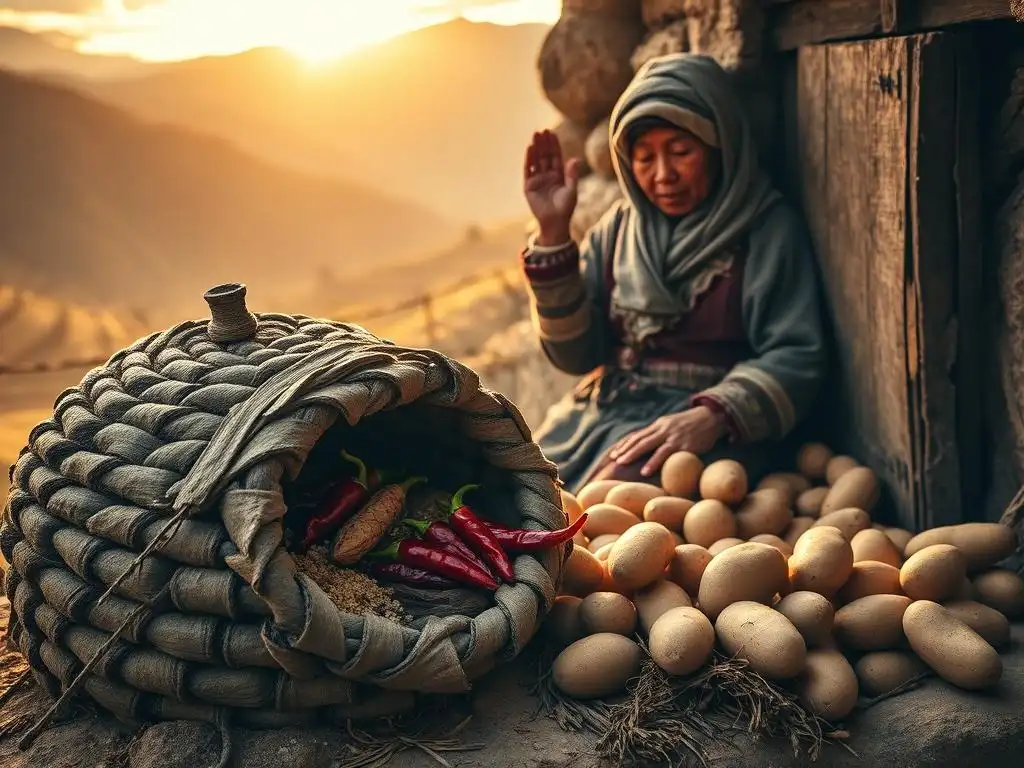
The Andes Mountains, a geographically challenging environment, fostered remarkable ingenuity in ancient Andean civilizations regarding food preservation. Their techniques, developed over millennia, ensured food security in a region characterized by diverse altitudes, climates, and agricultural cycles. These weren't simply rudimentary methods; they were sophisticated strategies reflecting deep understanding of botany, microbiology, and environmental conditions.
The legacy of these ancient Andean food preservation techniques continues to resonate today, offering valuable lessons for sustainable food practices in the 21st century. The effectiveness of these methods stemmed from a holistic approach, combining careful selection and processing of foodstuffs with innovative storage and preservation techniques. This integrated system allowed for the year-round availability of a variety of foods, crucial for sustaining large populations and supporting complex social structures.
Understanding these ancient practices offers invaluable insights into the resourcefulness and adaptability of Andean cultures. The impact on their societal development is undeniable, shaping their economic systems, social hierarchies, and even religious beliefs.
Modern-Day Applications of Traditional Techniques
Many ancient Andean food preservation techniques are experiencing a resurgence in popularity, driven by both a growing interest in traditional foods and a renewed focus on sustainable practices. For example, freeze-drying, a method employed by the Incas to preserve potatoes and other crops, is now a widely used commercial technique. While the Incas utilized natural freeze-drying through high-altitude exposure, modern methods use controlled environments. However, the underlying principle remains the same: removing moisture to inhibit microbial growth.
Similarly, sun-drying, a cornerstone of Andean food preservation, is increasingly recognized for its efficiency and environmental friendliness. This technique, used for centuries to preserve fruits, vegetables, and meats, requires minimal energy input and reduces food waste. The re-emergence of these methods highlights their relevance in addressing contemporary challenges, such as food security and environmental sustainability.
Furthermore, research into ancient Andean fermentation techniques could provide valuable insights into developing new probiotics and improving gut health. The potential applications are vast, spanning from food processing to pharmaceuticals. The integration of ancient knowledge with modern technology presents exciting opportunities for innovation and progress.
The Importance of Preserving Ancient Knowledge
The preservation of ancient Andean food preservation techniques is not merely an academic pursuit; it's a crucial endeavor with significant practical implications. These techniques represent a wealth of knowledge accumulated over centuries, embodying sustainable practices that are increasingly relevant in a world grappling with climate change and food insecurity. Documenting and studying these techniques allows us to understand the ingenuity of past civilizations and to adapt their methods to modern challenges.
This includes not only replicating the techniques themselves but also understanding the underlying principles and the cultural contexts in which they were developed. The loss of this knowledge would be a significant blow to our collective understanding of sustainable food systems. Moreover, preserving these techniques supports the cultural heritage of Andean communities, empowering them to maintain their traditions and contribute their unique knowledge to global food security efforts.
Active preservation efforts, such as ethnobotanical studies and community-based initiatives, are critical to safeguard this invaluable legacy. The preservation of this knowledge is essential for both the present and future generations. This includes not only the practical applications but also the cultural and historical significance of these methods.
Conclusion: Lessons from the Past for Sustainable Food Practices
The study of ancient Andean food preservation techniques offers profound insights into sustainable food practices. These methods, developed in response to challenging environmental conditions, demonstrate the remarkable ingenuity and resourcefulness of Andean civilizations. The effectiveness of these techniques, combined with their environmental friendliness, makes them highly relevant to contemporary challenges, such as food security and climate change.
From freeze-drying to sun-drying and fermentation, these ancient practices provide valuable lessons for modern food systems. Furthermore, preserving this ancient knowledge is crucial for both cultural heritage and future innovation. By continuing research, documenting traditional practices, and fostering collaboration between scientists and Andean communities, we can unlock the full potential of this invaluable legacy.
The ingenuity of these ancient techniques serves as a powerful reminder of the importance of adapting to environmental challenges and valuing the wisdom of past generations. The ancient Andean approach underscores the interconnectedness of cultural preservation, food security, and environmental sustainability. The future of food security may well depend on learning from the past.
Frequently Asked Questions
What were some common ancient Andean food preservation techniques?
Ancient Andean civilizations employed various techniques including sun-drying, freeze-drying, fermentation, and storage in underground cellars. These methods ensured food availability throughout the year.
How did the Incas preserve potatoes, a staple crop?
The Incas utilized several methods, notably freeze-drying (chuño), which involved freezing and then drying potatoes to extend their shelf life for months. They also stored potatoes in underground silos for longer-term preservation.
What role did fermentation play in ancient Andean food preservation?
Fermentation played a crucial role, transforming foods like corn and beans into more durable and nutritious products. This process reduced spoilage and enhanced flavors, creating foods like chicha, a fermented corn beverage.
Did the varied climates of the Andes influence preservation methods?
Absolutely! The diverse Andean geography, ranging from high altitudes to coastal deserts, dictated the preservation techniques used. High-altitude freeze-drying was common, while coastal areas relied more on sun-drying and salting.
How effective were these ancient methods compared to modern techniques?
While not as technologically advanced as modern methods, ancient Andean techniques were remarkably effective, enabling civilizations to survive in challenging environments and ensure food security for extended periods. They demonstrate an impressive understanding of food science and preservation.
Final Reflection: Reclaiming Ancient Wisdom in a Modern World
The ingenious food preservation techniques of the ancient Andes, once relegated to history books, hold a crucial key to addressing our contemporary food security challenges. Their sustainable practices, developed over millennia in harsh environments, offer a powerful counterpoint to the environmentally damaging methods prevalent today. The sheer ingenuity and resourcefulness displayed by these ancient cultures should inspire awe and a renewed focus on sustainable practices.
The enduring legacy of Andean food preservation methods extends far beyond mere historical interest; they represent a profound connection to the land and a deep understanding of ecological balance. These techniques, passed down through generations, speak to a holistic approach to food production and consumption, one that prioritized minimizing waste and maximizing resource utilization. The earth provides enough to satisfy every man's needs but not every man's greed.
– Mahatma Gandhi. This quote, though not directly related to the Andes, perfectly encapsulates the spirit of their sustainable food practices, a spirit we desperately need to reclaim in our modern, often wasteful, world.
Consider the implications of these ancient methods for your own life. Can you incorporate elements of sustainable preservation into your own kitchen? Perhaps experimenting with sun-drying, fermentation, or other traditional techniques could reduce your environmental impact and reconnect you with the origins of food production. Let the wisdom of the Andes inspire you to make conscious choices about your food, fostering a more sustainable and respectful relationship with the earth and its resources. The future of food security depends on it.
Rediscover Freshness: Embrace Ancient Andean Food Preservation Techniques!
Thank you for exploring the fascinating world of Andean food preservation! These ancient methods offer a unique opportunity to enhance your cooking and connect with a rich culinary history. Let's put this knowledge into practice.
- Begin your journey by experimenting with one of the Andean preservation techniques described in this article. Whether you choose sun-drying tomatoes, fermenting vegetables, or utilizing natural refrigeration methods like storing food in cool cellars, select a method that sparks your interest.
- Share your experiences and results with friends and family on social media; let's spread the word about these amazing techniques! Tag us to connect with other food enthusiasts.
- Create your own recipe inspired by Andean methods, using the preservation technique you've chosen. Don't be afraid to experiment with locally sourced ingredients!
Consider how these ancient practices might inspire new and creative applications for your own ingredients. We're eager to hear your ideas!